

A comparison of direct versus self-report measures for assessing physical activity in adults: a systematic review.
Open accessThe DOI matches its Crossref record; 190 of the 191 references it cites were found in a registry or an index.
Abstract
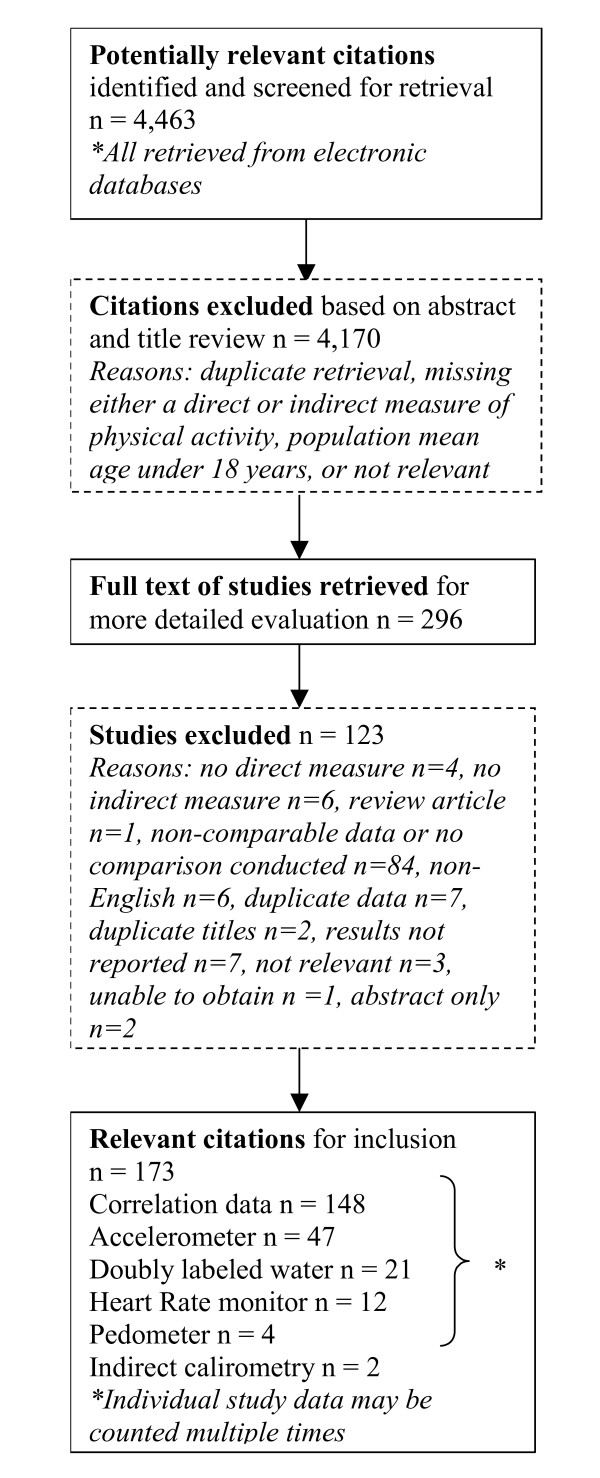
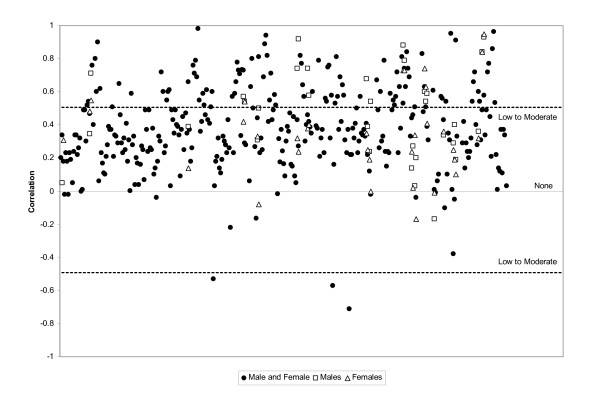
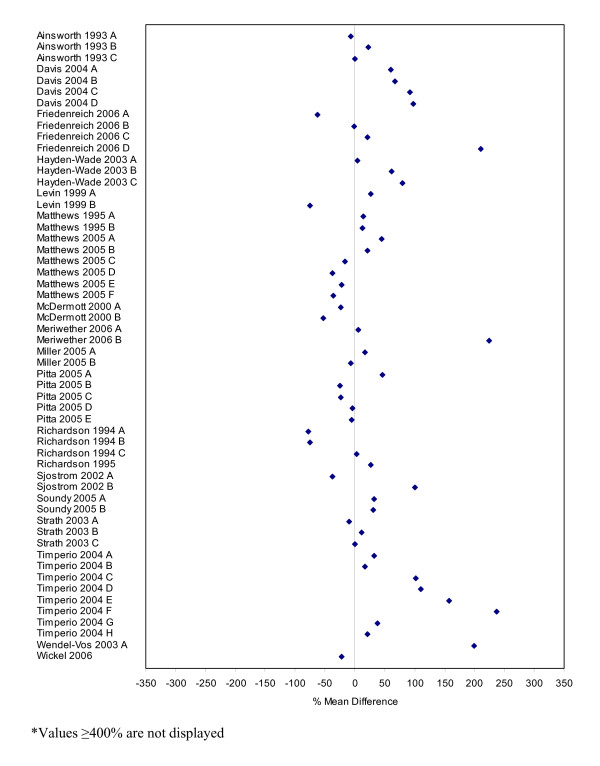
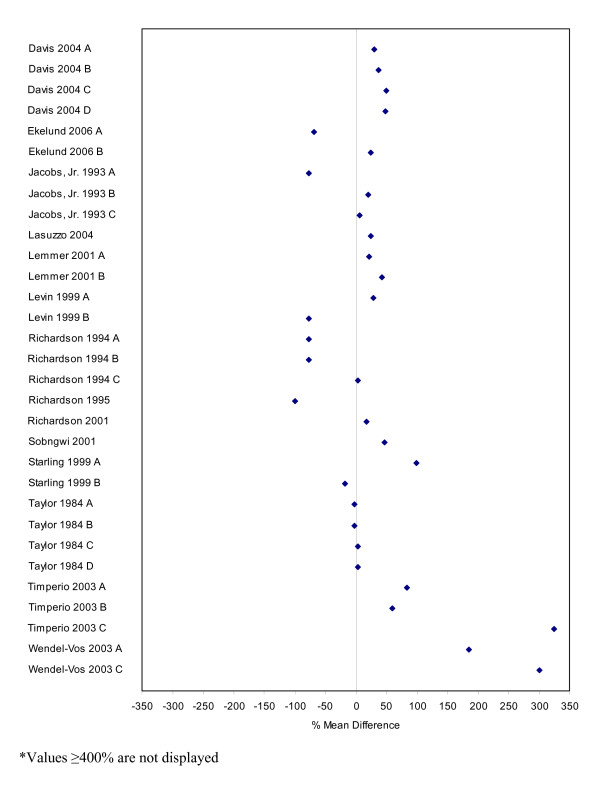
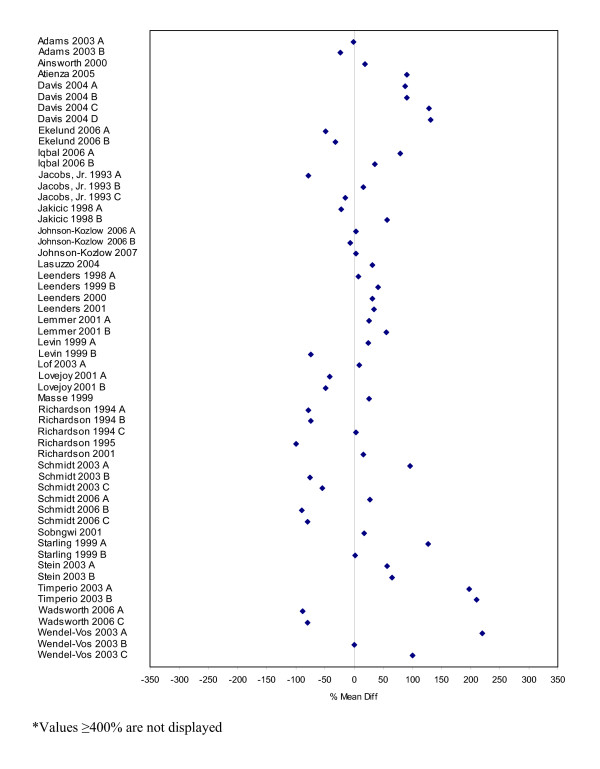
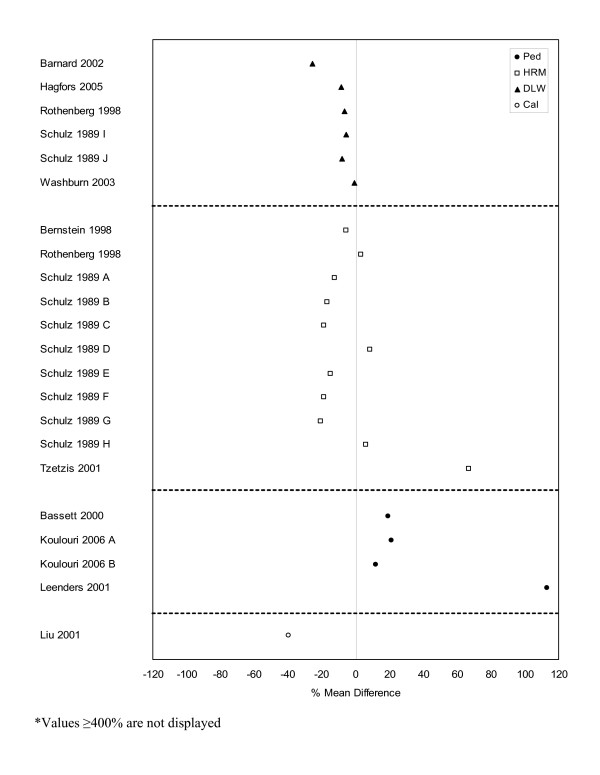
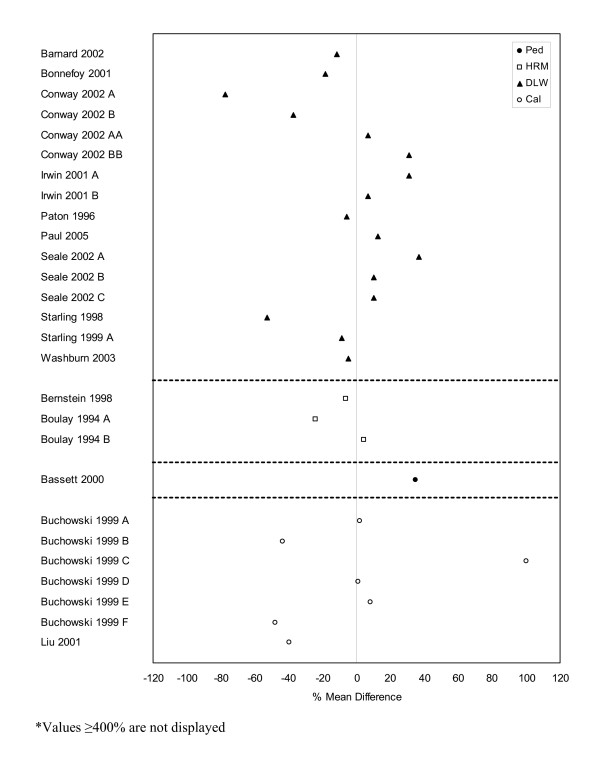
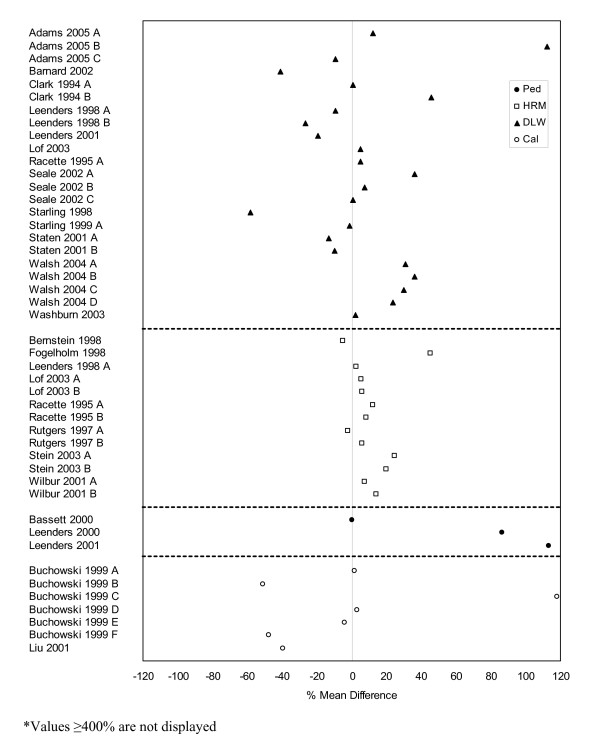
BACKGROUND: Accurate assessment is required to assess current and changing physical activity levels, and to evaluate the effectiveness of interventions designed to increase activity levels. This study systematically reviewed the literature to determine the extent of agreement between subjectively (self-report e.g. questionnaire, diary) and objectively (directly measured; e.g. accelerometry, doubly labeled water) assessed physical activity in adults. METHODS: Eight electronic databases were searched to identify observational and experimental studies of adult populations. Searching identified 4,463 potential articles. Initial screening found that 293 examined the relationship between self-reported and directly measured physical activity and met the eligibility criteria. Data abstraction was completed for 187 articles, which described comparable data and/or comparisons, while 76 articles lacked comparable data or comparisons, and a further 30 did not meet the review's eligibility requirements. A risk of bias assessment was conducted for all articles from which data was abstracted. RESULTS: Correlations between self-report and direct measures were generally low-to-moderate and ranged from -0.71 to 0.96. No clear pattern emerged for the mean differences between self-report and direct measures of physical activity. Trends differed by measure of physical activity employed, level of physical activity measured, and the gender of participants. Results of the risk of bias assessment indicated that 38% of the studies had lower quality scores. CONCLUSION: The findings suggest that the measurement method may have a significant impact on the observed levels of physical activity. Self-report measures of physical activity were both higher and lower than directly measured levels of physical activity, which poses a problem for both reliance on self-report measures and for attempts to correct for self-report - direct measure differences. This review reveals the need for valid, accurate and reliable measures of physical activity in evaluating current and changing physical activity levels, physical activity interventions, and the relationships between physical activity and health outcomes.
Overview
The claims and statistics of this paper haven’t been checked yet.
Free: it reads the open-access text and checks the first 5 claims that cite a source we can check. Create a free account to check every claim.
Integrity signals
Registry
Cites
Statistics
Figures
Verification
Claims the paper makes
The claims and statistics of this paper haven’t been checked yet.
Free: it reads the open-access text and checks the first 5 claims that cite a source we can check. Create a free account to check every claim.
Claims other papers make about this one
Each is checked against this paper’s own text: does it say what the citing paper says it does?
The cited source says what the claim attributes to it.
In the citing paper
“However, studies27 linking physical activity levels with outcomes have relied on self-reported data and/or questionnaires; therefore, the inferences drawn from these studies are compromised by the limitations of recollection bias.”
From Association of Cardiorespiratory Fitness with Long-term Mortality Among Adults Undergoing Exercise Treadmill Testing (2018) · cites this paper as [27]
The cited source says what the claim attributes to it.
In the citing paper
“Many of the studies rely on retrospective self-report measures of exercise, which may be prone to bias, inaccuracies, and misunderstanding of questions [e.g., (50–52)].”
From Exercise Intervention in PTSD: A Narrative Review and Rationale for Implementation (2019) · cites this paper as [50]
The cited source says what the claim attributes to it.
In the citing paper
“Overestimation of the PA level is possible.20,21”
The check wasn’t confident either way, so it gives no verdict — never disputed.
In the citing paper
“bariatric surgery was associated with fewer CVD deaths (HR, 0.47; 95% CI, 0.29–0.76) and fewer strokes (HR, 0.67; 95% CI, 0.54–0.83) than in the control group.58”
From Heart Disease and Stroke Statistics—2013 Update: A Report From the American Heart Association (2013) · cites this paper as [58]
Experimental — accuracy not yet measuredThe check wasn’t confident either way, so it gives no verdict — never disputed.
In the citing paper
“The lack of specificity of hypoglycemia with vascular outcomes suggests that it might be a marker for susceptibility.”
From Heart Disease and Stroke Statistics—2013 Update: A Report From the American Heart Association (2013) · cites this paper as [58]
Experimental — accuracy not yet measured
2 more claims about this paper
Create a free account to see every claim other papers make about this one.
Self-check
Percentages, sums and reported differences re-computed from the paper’s own numbers.
The self-check needs the paper’s full text.
Citations
Cites
STATISTICAL METHODS FOR ASSESSING AGREEMENT BETWEEN TWO METHODS OF CLINICAL MEASUREMENT
Martin Bland, J., & Altman, D. (1986) · The Lancet · doi:10.1016/s0140-6736(86)90837-8 · Cited by 47,965
International physical activity questionnaire: 12-country reliability and validity
CRAIG, C. L., MARSHALL, A. L., SJ??STR??M, M., BAUMAN, A. E., BOOTH, M. L., AINSWORTH, B. E., PRATT, M., EKELUND, U., YNGVE, A., SALLIS, J. F., et al. (2003) · Medicine & Science in Sports & Exercise · doi:10.1249/01.mss.0000078924.61453.fb · Cited by 21,619 · cited 11×
“PAD ≥ Clark 1994 A 37.3 (3.6) 14 0 14 Large eaters DLW P Clark 1994 B 39.7 (2.0) Small eaters DLW Conway 2002 A 42 (2.3) 24 24 0 Feeding study DLW Min Conway 2002 B DLW Tec Conway 2002 AA 41.2 (2.0) 24 24 0 Feeding study DLW P Conway 2002 BB DLW Sta Davis 2004 A 19–69 62 24 38 Obese Accel Y Davis 2004 B Accel Davis 20…”
Influential‘Small Changes' to Diet and Physical Activity Behaviors for Weight Management
Hills, A. P., Byrne, N. M., Lindstrom, R., & Hill, J. O. (2013) · Obesity Facts · doi:10.1159/000345030 · Cited by 9,493
(1985) · Europe PMC (PubMed Central) · Cited by 9,143
Compendium of physical activities: an update of activity codes and MET intensities
AINSWORTH, B. E., HASKELL, W. L., WHITT, M. C., IRWIN, M. L., SWARTZ, A. M., STRATH, S. J., O???BRIEN, W. L., BASSETT, D. R., SCHMITZ, K. H., EMPLAINCOURT, P. O., et al. (2000) · Medicine & Science in Sports & Exercise · doi:10.1097/00005768-200009001-00009 · Cited by 8,497 · cited 2×
“Future studies may wish to refer to the updated Compendium of Physical Activities [192] which provides a coding scheme to classify physical activity by rate of energy expenditure.”
Downs, S. H., & Black, N. (1998) · Journal of Epidemiology and Community Health · doi:10.1136/jech.52.6.377 · Cited by 8,252
Physical Activity in the United States Measured by Accelerometer
TROIANO, R. P., BERRIGAN, D., DODD, K. W., MÂSSE, L. C., TILERT, T., & MCDOWELL, M. (2008) · Medicine & Science in Sports & Exercise · doi:10.1249/mss.0b013e31815a51b3 · Cited by 7,638 · cited 1×
“sample [195].”
Statistical methods for assessing agreement between two methods of clinical measurement
Bland, J. M., & Altman, D. G. (2010) · International Journal of Nursing Studies · doi:10.1016/j.ijnurstu.2009.10.001 · Cited by 5,220 · cited 1×
“Many of the studies tested the relationship between selfreport and direct measures by using a correlation coefficient, but this is limited as correlation is only able to measure the strength of the relationship between two variables and cannot assess the level of agreement between them, as well as ignoring any bias in…”
The physical activity scale for the elderly (PASE): Development and evaluation
Washburn, R. A., Smith, K. W., Jette, A. M., & Janney, C. A. (1993) · Journal of Clinical Epidemiology · doi:10.1016/0895-4356(93)90053-4 · Cited by 3,177
Evaluating non-randomised intervention studies
Deeks, J., Dinnes, J., D'Amico, R., Sowden, A., Sakarovitch, C., Song, F., Petticrew, M., & Altman, D. (2003) · Health Technology Assessment · doi:10.3310/hta7270 · Cited by 2,907 · cited 1×
“The Downs and Black instrument was recommended for assessing risk of bias in observational studies in a recent systematic review [8] and other assessments [9] and was employed in this review to assess study quality including reporting, external validity, and internal validity (bias).”
Research works printed but not linked: 18
- [11]Adams SA Methodological and substantive issues: The relationship between physical activity and breast cancer PhD Thesis 2003 University of South Carolina
- [16]Armstrong CA The stages of change in exercise adoption and adherence: Evaluation of measures with self-report and objective data PhD Thesis 1998 University of California, San Diego and San Diego State University
- [24]Brach JS The relation of physical activity to functional status over a seventeen-year time period in community-dwelling older women PhD Thesis 2000 University of Pittsburgh
- [30]Chen AH-W The effectiveness of a home-based intervention to promote walking in ethnic minority women PhD Thesis 1995 University of California, San Diego and San Diego State University
- [38]del Aguila MA Assessment of physical activity in patients with diabetes PhD Thesis 1998 University of Washington
- [49]Fu LL Health status, functional state and physical activity level in community dwelling elderly women PhD Thesis 1995 University of Pittsburgh
- [61]Jansen L The effect of exercise on explanatory style in HIV-infected men PhD Thesis 2002 United States International University
- Krishnamoorthy JS The transmission of physical activity and related cognitions among African-American adolescent females and their primary female caregiver Dissertation Abstracts International: Section B: The Sciences and Engineering 2002 63
- [69]Kriska AM Assessment of current and historical physical activity in the Pima Indians PhD Thesis 1988 University of Pittsburgh
- [71]Lambert P Physical activity and the oldest-old: A comparison of self-report and accelerometer readings PhD Thesis 2006 University of Manitoba (Canada)
- [73]Lasuzzo J Ability of the California State University, Fullerton Physical Activity Questionnaire to assess physical activity in older individuals PhD Thesis 2004 The University of Alabama
- Mckeen NA The meaning of motor activity: Emotion, temperament, mood, and laterality Dissertation Abstracts International: Section B: The Sciences and Engineering 2001 61
- [158]Adams SA Matthews CE Ebbeling CB Moore CG Cunningham JE Fulton J Hebert JR The effect of social desirability and social approval on self-reports of physical activity Am J Epidemiol 2005 161 389 398 15692083 10.1093/aje/kwi054 PMC2958515 · DOI · Paper page
- [171]Miller CL A symptom management intervention in diabetic coronary artery bypass graft patients PhD Thesis 2005 University of Nebraska Medical Center
- [181]Wadsworth D Evaluation of a social cognitive theory based e-mail intervention to increase physical activity of college females Dissertation Abstracts International: Section B: The Sciences and Engineering 2006 66 4766
- Richardson MT Evaluation of the Minnesota Leisure Time Physical Activity Questionnaire PhD Thesis 1991 University of Minnesota 8138837
- [188]Warms CA Acceptability and feasibility of a lifestyle physical activity program for people with spinal cord injury (SCI): A pilot study PhD Thesis 2002 University of Washington
- [190]Adams SA Matthews CE Ebbeling CB Moore CG Cunningham JE Fulton J Hebert JR The effect of social desirability and social approval on self-reports of physical activity. [erratum appears in Am J Epidemiol. 2005 May 1;161(9):899] AM J EPIDEMIOL 2005 161 389 398 15692083 10.1093/aje/kwi054 PMC2958515 · DOI · Paper page
Cited by
Items 901–1,000 of 1,010
Consequences of Late-Stage Non–Small-Cell Lung Cancer Cachexia on Muscle Metabolic Processes
Murton, A. J., Maddocks, M. M., Stephens, F. B., Marimuthu, K., England, R., & Wilcock, A. (2016) · Clinical Lung Cancer · doi:10.1016/j.cllc.2016.06.003 · Cited by 34
Kolu, P., Tokola, K., Kankaanpaa, M. J., & Suni, J. H. (2016) · Spine · doi:10.1097/brs.0000000000001922 · Cited by 33
Physical activity and sedentary behaviour in children with spina bifida
Claridge, E. A., Bloemen, M. A. T., Rook, R. A., Obeid, J., Timmons, B. W., Takken, T., van den Berg-Emons, R. J. G., de Groot, J. F., & Gorter, J. W. (2019) · Developmental Medicine & Child Neurology · doi:10.1111/dmcn.14333 · Cited by 33
Hoffmann, J., Günther, J., Geyer, K., Stecher, L., Kunath, J., Meyer, D. M., Spies, M., Rosenfeld, E., Kick, L., Rauh, K., et al. (2019) · Journal of Clinical Medicine · doi:10.3390/jcm8101735 · Cited by 33
Darawad, M. W., Khalil, A. A., Hamdan‐Mansour, A. M., & Nofal, B. (2014) · Rehabilitation Nursing · doi:10.1002/rnj.199 · Cited by 33
Zisko, N., Carlsen, T., Salvesen, Ø., Aspvik, N. P., Ingebrigtsen, J. E., Wisløff, U., & Stensvold, D. (2015) · BMC Geriatrics · doi:10.1186/s12877-015-0093-1 · Cited by 32
Feasibility of pedometers for adults with schizophrenia: pilot study
Kane, I., LEE, H., Sereika, S. M., & Brar, J. S. (2011) · Journal of Psychiatric and Mental Health Nursing · doi:10.1111/j.1365-2850.2011.01747.x · Cited by 33
Evaluation of four sensor locations for physical activity assessment
Schall, M. C., Fethke, N. B., & Chen, H. (2015) · Applied Ergonomics · doi:10.1016/j.apergo.2015.09.007 · Cited by 35
Williams, P. T. (2012) · PLoS ONE · doi:10.1371/journal.pone.0036360 · Cited by 32
Associations between 24 h Movement Behavior and Mental Health in Office Workers
Larisch, L.-M., Kallings, L., Hagströmer, M., Desai, M., Rosen, P., & Blom, V. (2020) · International Journal of Environmental Research and Public Health · doi:10.3390/ijerph17176214 · Cited by 32
“However, studies have predominantly used self-reported measures of PA and SED [4,6,8,10,13,16], which are considered to be less valid and reliable compared to accelerometer measurements [17].”
Gillman, A. S., Stevens, C. J., & Bryan, A. D. (2021) · Psychology of sport and exercise · doi:10.1016/j.psychsport.2021.101888 · Cited by 33
Larisch, L.-M., Bojsen‐Møller, E., Nooijen, C. F. J., Blom, V., Ekblom, M., Ekblom, Ö. B., Arvidsson, D., Fridolfsson, J., Hallman, D., Mathiassen, S. E., et al. (2021) · International Journal of Environmental Research and Public Health · doi:10.3390/ijerph18084191 · Cited by 32
Maher, C. A., Szeto, K., & Arnold, J. B. (2021) · BMC Health Services Research · doi:10.1186/s12913-021-07096-7 · Cited by 32
Social support and physical activity: does general health matter?
Lieber, S. B., Moxley, J. H., Mandl, L. A., Reid, M. C., & Czaja, S. J. (2024) · European Review of Aging and Physical Activity · doi:10.1186/s11556-024-00347-6 · Cited by 32
Self-reported and objective physical activity measurement by active youth
Hoye, A. V., Niçaise, V., & Sarrazin, P. G. (2013) · Science & Sports · doi:10.1016/j.scispo.2013.01.010 · Cited by 33
Increasing physical activity in patients with mental illness—A randomized controlled trial
Göhner, W., Dietsche, C., & Fuchs, R. (2015) · Patient Education and Counseling · doi:10.1016/j.pec.2015.06.006 · Cited by 33
Patterns of Leisure-Time Physical Activity Participation in a British Birth Cohort at Early Old Age
Martin, K. R., Cooper, R., Harris, T. B., Brage, S., Hardy, R., Kuh, D. J., & on behalf of the NSHD scientific and data collection team (2014) · PLoS ONE · doi:10.1371/journal.pone.0098901 · Cited by 32
Jaeschke, L., Luzak, A., Steinbrecher, A., Jeran, S., Ferland, M., Linkohr, B., Schulz, H., & Pischon, T. (2017) · Scientific Reports · doi:10.1038/s41598-017-01092-w · Cited by 32
Nastasi, A. J., Ahuja, A., Zipunnikov, V., Simonsick, E. M., Ferrucci, L., & Schrack, J. A. (2017) · American Journal of Physical Medicine & Rehabilitation · doi:10.1097/phm.0000000000000830 · Cited by 32
“These measures are generally considered inexpensive and valid, but introduce issues like recall bias and social desirability effects.(10) Moreover, their validity in older populations is likely lower, given that most older adults spend only 6–10 mins per day in moderate or higher PA, with the rest of daily PA coming f…”
Abdullah, N., Murad, N. A. A., Attia, J. R., Oldmeadow, C. J., Kamaruddin, M. A., Jalal, N. A., Ismail, N., Jamal, R. A., Scott, R. J., & Holliday, E. G. (2018) · International Journal of Environmental Research and Public Health · doi:10.3390/ijerph15122813 · Cited by 32
“Self-report questionnaires can result in biased measurement of physical activity as they are highly dependent on participants’ memory and suffer from recall and reporting bias [58,59].”
Lannin, N. A., Ada, L., English, C., Ratcliffe, J., Faux, S. G., Palit, M., Gonzalez, S., Olver, J., Cameron, I. D., Crotty, M., et al. (2019) · Stroke · doi:10.1161/strokeaha.119.027602 · Cited by 32
“Wrist extension ROM, deg 38 (35) 46 (32) 8 (3 to 12)”
Mendinueta, A., Esnal, H., Arrieta, H., Arrue, M., Urbieta, N., Ubillos, I., Whitworth, K. W., Delclòs‐Alió, X., Vich, G., & Ibarluzea, J. M. (2020) · International Journal of Environmental Research and Public Health · doi:10.3390/ijerph17072517 · Cited by 32
Coronado, R. A., Master, H., White, D. K., Pennings, J. S., Bird, M. L., Devin, C. J., Buchowski, M. S., Mathis, S. L., McGirt, M. J., Cheng, J. S., et al. (2020) · BMC Musculoskeletal Disorders · doi:10.1186/s12891-020-03816-y · Cited by 32
Reduced Risk of Brain Cancer Mortality from Walking and Running
Williams, P. T. (2013) · Medicine & Science in Sports & Exercise · doi:10.1249/mss.0000000000000176 · Cited by 32
Severe COVID-19 outcomes — the role of physical activity
Després, J. (2021) · Nature Reviews Endocrinology · doi:10.1038/s41574-021-00521-1 · Cited by 34
Huang, Y., & Lu, Z. (2024) · Scientific Reports · doi:10.1038/s41598-024-78360-z · Cited by 32
Social Media Detox and Youth Mental Health
Calvert, E., Cipriani, M., Dwyer, B., Lisowski, V., Mikkelson, J., Chen, K., Flathers, M., Hau, C., Xia, W., Castillo, J., et al. (2025) · JAMA Network Open · doi:10.1001/jamanetworkopen.2025.45245 · Cited by 31
Hassani, M., Kivimäki, M., Elbaz, A., Shipley, M. J., Singh‐Manoux, A., & Sabia, S. (2014) · PLoS ONE · doi:10.1371/journal.pone.0110816 · Cited by 32
Objective Measurement in Physical Activity Surveillance: Present Role and Future Potential
Bauman, A. E., Pedišić, Ž., & Bragg, K. (2016) · Springer series on epidemiology and public health · doi:10.1007/978-3-319-29577-0_13 · Cited by 31
Hua, S., Loehr, L. R., Tanaka, H., HEISS, G. M., Coresh, J., Selvin, E., & Matsushita, K. (2016) · Cardiovascular Diabetology · doi:10.1186/s12933-016-0476-4 · Cited by 31
“Yet, we need to bear in mind that physical activity was based on self-report [25].”
Prevalence of Chronic Health Conditions in Australian Adults with Depression and/or Anxiety
Stanton, R., Rosenbaum, S., Rebar, A. L., & Happell, B. (2019) · Issues in Mental Health Nursing · doi:10.1080/01612840.2019.1613701 · Cited by 31
Irvine, K. N., Marselle, M. R., Melrose, A., & Warber, S. L. (2020) · International Journal of Environmental Research and Public Health · doi:10.3390/ijerph17072515 · Cited by 31
“This quantitative measure is a valuable improvement, for research purposes, when compared to self-report of physical activity [72,73], previously used in GOHWs [33,37].”
Rezende, L. F. M., Lee, D. H., Ferrari, G., & Giovannucci, E. L. (2020) · Annals of Epidemiology · doi:10.1016/j.annepidem.2020.09.009 · Cited by 31
Lemes, Í. R., Pinto, R. Z., Lynch, B. C. T., Codogno, J. S., Oliveira, C. B., Ross, L. M., Fernandes, R. A., & Monteiro, H. L. (2021) · Spine · doi:10.1097/brs.0000000000003996 · Cited by 31
Bone mineral density in high-level endurance runners: part A—site-specific characteristics
Herbert, A. J., Williams, A. G., Lockey, S. J., Erskine, R. M., Sale, C., Hennis, P. J., Day, S. H., & Stebbings, G. K. (2021) · European Journal of Applied Physiology · doi:10.1007/s00421-021-04793-3 · Cited by 31
Lee, S., Patel, P., Myers, N. D., Pfeiffer, K. A., Smith, A. L., & Kelly, K. S. (2022) · Behavioral Medicine · doi:10.1080/08964289.2022.2065239 · Cited by 32
Maruthur, N. M., Pilla, S. J., White, K., Wu, B., Maw, M. T. T., Duan, D., Turkson‐Ocran, R., Zhao, D., Charleston, J. B., Peterson, C. M., et al. (2024) · Annals of Internal Medicine · doi:10.7326/m23-3132 · Cited by 31
Caudroit, J., Boiché, J. C. S., & Stéphan, Y. (2014) · Psychology and Health · doi:10.1080/08870446.2014.884223 · Cited by 31
“Finally, the self-reported assessment of PA can be biased by memory or overestimation phenomena, even if there is evidence for a rather satisfactory validity of self-reports measures (Prince et al., 2008).”
Coleman, K., Farrell, M., Rocha, D., Hayashi, T., Hernandez, M., Wolf, J., & Lindsay, S. P. (2012) · Preventing Chronic Disease · doi:10.5888/pcd9.110190 · Cited by 31
Sjögren, K., Hansson, E. E., & Stjernberg, L. (2011) · BMC Public Health · doi:10.1186/1471-2458-11-93 · Cited by 31
“Indeed, the measurement method may have a significant impact on the observed levels of PA; self-reported measures of PA were both higher and lower than those measured directly [ 24 ].”
Moss, S. J., & Czyż, S. H. (2016) · Disability and Rehabilitation · doi:10.1080/09638288.2016.1258092 · Cited by 31
Casey, B., Coote, S. B., & Donnelly, A. (2017) · Disability and Rehabilitation Assistive Technology · doi:10.1080/17483107.2017.1297859 · Cited by 31
Oyeyemi, A. L., Muhammed, S., Oyeyemi, A. Y., & Adegoke, B. O. A. (2017) · PLoS ONE · doi:10.1371/journal.pone.0190124 · Cited by 31
Muschalik, C., Elfeddali, I., Candel, M. J. J. M., & de Vries, H. (2018) · BMC Psychology · doi:10.1186/s40359-018-0229-0 · Cited by 31
“such as accelerometers or pedometers, could provide a more adequate report about activity levels as suggested by other studies [58, 59].”
Martinello, N., Saunders, S., & Reid, R. D. (2019) · Journal of Cardiopulmonary Rehabilitation and Prevention · doi:10.1097/hcr.0000000000000404 · Cited by 31
Alcaraz‐Ibáñez, M., Sicilia, Á., Dumitru, D. C., Paterna, A., & Griffiths, M. D. (2019) · Journal of Behavioral Addictions · doi:10.1556/2006.8.2019.43 · Cited by 31
Clinical determinants of physical activity and sedentary behaviour in individuals with schizophrenia
Rashid, N. A. A., Nurjono, M., & Lee, J. (2019) · Asian Journal of Psychiatry · doi:10.1016/j.ajp.2019.10.004 · Cited by 31
The role of psychopathic traits and moral disengagement in cyberbullying among adolescents
Hoareau, N., Bagès, C., Allaire, M., & Guerrién, A. (2019) · Criminal Behaviour and Mental Health · doi:10.1002/cbm.2135 · Cited by 31
Howland, C., & Wakefield, B. J. (2020) · Research in Nursing & Health · doi:10.1002/nur.22077 · Cited by 33
Classifying sitting, standing, and walking using plantar force data
Merry, K. J., Macdonald, E., MacPherson, M., Aziz, O., Park, E., Ryan, M., & Sparrey, C. J. (2021) · Medical & Biological Engineering & Computing · doi:10.1007/s11517-020-02297-4 · Cited by 31
Former male elite athletes have better metabolic health in late life than their controls
Laine, M. K., Eriksson, J. G., Kujala, U. M., Kaprio, J. A., Loo, B.-M., Sundvall, J., Bäckmand, H. M., Peltonen, M., Jula, A. M., & Sarna, S. J. (2015) · Scandinavian Journal of Medicine and Science in Sports · doi:10.1111/sms.12442 · Cited by 32
A Comparison of Accelerometer Cut-Points among Individuals with Coronary Artery Disease
Prince, S. A., Reed, J. L., Mark, A. E., Blanchard, C. M., Grace, S. L., & Reid, R. D. (2015) · PLoS ONE · doi:10.1371/journal.pone.0137759 · Cited by 31
Self-citationComparing national device-based physical activity surveillance systems: a systematic review
de Wolf, I., Elevelt, A., van Nassau, F., Toepoel, V., de Hollander, E., Kompier, M. E., Luiten, A., Schouten, B., Wendel‐Vos, W., & van der Ploeg, H. P. (2024) · International Journal of Behavioral Nutrition and Physical Activity · doi:10.1186/s12966-024-01612-8 · Cited by 30
Marsaux, C. F. M., Celis-Morales, C. A., Hoonhout, J., Claassen, A., Goris, A. H. C., Forster, H., Fallaize, R., Macready, A. L., Navas‐Carretero, S., Kolossa, S., et al. (2016) · PLoS ONE · doi:10.1371/journal.pone.0150902 · Cited by 31
Studien zu körperlichem Training bei onkologischen Patienten: Empfehlungen zu den Erhebungsmethoden
Scharhag‐Rosenberger, F., Becker, T., Streckmann, F., Schmidt, K., & al, E. (2014) · German Journal of Sports Medicine · doi:10.5960/dzsm.2014.148 · Cited by 31
Lee, A. S., McInnes, R. J., Hughes, A. R., Guthrie, W., & Jepson, R. G. (2016) · Journal of Pregnancy · doi:10.1155/2016/4183648 · Cited by 30
Simpson, S. A., Matthews, L., Pugmire, J., McConnachie, A., McIntosh, E., Coulman, E., Hughes, K., Kelson, M. J., Morgan‐Trimmer, S., Murphy, S., et al. (2020) · Pilot and Feasibility Studies · doi:10.1186/s40814-020-00656-4 · Cited by 30
Malhotra, R., Kumar, U., Virgen, P., Magallon, B., Garimella, P. S., Chopra, T., Kotanko, P., Ikizler, T. A., Trzebinska, D., Cadmus‐Bertram, L., et al. (2021) · Hemodialysis International · doi:10.1111/hdi.12913 · Cited by 30
State and Trait Fatigue and Energy Predictors of Postural Control and Gait
Kowalski, K. L., Boolani, A., & Christie, A. D. (2021) · Motor Control · doi:10.1123/mc.2020-0106 · Cited by 30
Bond, D. S., Manuel, K. M., Wu, Y., Livingston, J., Papasavas, P. K., Baillot, A., & Pescatello, L. S. (2023) · Surgery for Obesity and Related Diseases · doi:10.1016/j.soard.2022.12.029 · Cited by 20
Carraro, N., & Gaudreau, P. (2015) · Personality and Social Psychology Bulletin · doi:10.1177/0146167215594121 · Cited by 31
The Dopaminergic Reward System and Leisure Time Exercise Behavior: A Candidate Allele Study
Huppertz, C., Bartels, M., Groen‐Blokhuis, M. M., Dolan, C. V., de Moor, M. H. M., Abdellaoui, A., van Beijsterveldt, C. E. M., Ehli, E. A., Hottenga, J., Willemsen, G. A. H. M., et al. (2014) · BioMed Research International · doi:10.1155/2014/591717 · Cited by 30
Behavioral and Environmental Modification of the Genetic Influence on Body Mass Index: A Twin Study
Horn, E. E., Turkheimer, E. N., Strachan, E. D., & Duncan, G. E. (2015) · Behavior Genetics · doi:10.1007/s10519-015-9718-6 · Cited by 31
“This correlation is consistent with the literature in which accelerometers are used to objectively measure physical activity (Craig et al. 2003; Prince et al. 2008; Garriguet and Colley 2014).”
The Built Environment Predicts Observed Physical Activity
Kelly, C. M., Wilson, J. S., Schootman, M., Clennin, M. N., Baker, E. A., & Miller, D. K. (2014) · Frontiers in Public Health · doi:10.3389/fpubh.2014.00052 · Cited by 30
Reichert, M., Lutz, A., Deuschle, M., Gilles, M., Hill, H., Limberger, M. F., & Ebner‐Priemer, U. (2015) · PLoS ONE · doi:10.1371/journal.pone.0124231 · Cited by 30
Palta, P., McMurray, R. G., Gouskova, N., Sotres‐Alvarez, D., Davis, S. M., Carnethon, M. R., Castañeda, S. F., Gellman, M. D., Hankinson, A. L., Isasi, C. R., et al. (2015) · Preventive Medicine Reports · doi:10.1016/j.pmedr.2015.09.006 · Cited by 30
Objectively Measured Adherence to Physical Activity Guidelines After Acute Coronary Syndrome
Kronish, I. M., Diaz, K. M., Goldsmith, J., Moise, N., & Schwartz, J. E. (2017) · Journal of the American College of Cardiology · doi:10.1016/j.jacc.2016.10.087 · Cited by 30
de Silva, C. G. D. S., Kokkinos, P. F., Doom, R., Loganathan, D., Fonda, H., Chan, K., de Araújo, C. G. S., & MYERS, J. N. (2018) · International Journal of Obesity · doi:10.1038/s41366-018-0257-0 · Cited by 30
Physical performance and daily walking duration: associations in 1271 women and men aged 65–90 years
Rapp, K., Klenk, J., Benzinger, P., Franke, S., Denkinger, M. D., Peter, R., & ActiFE Ulm Study Group (2012) · Aging Clinical and Experimental Research · doi:10.1007/bf03654813 · Cited by 30
Predictive variables for half-Ironman triathlon performance
Gilinsky, N., Hawkins, K. R., Tokar, T. N., & Cooper, J. A. (2013) · Journal of science and medicine in sport · doi:10.1016/j.jsams.2013.04.014 · Cited by 30
McEwen, S. C., Hardy, A., Ellingson, B. M., Jarrahi, B., Sandhu, N., Subotnik, K. L., Ventura, J., & Nuechterlein, K. H. (2015) · Journal of the International Neuropsychological Society · doi:10.1017/s1355617715000983 · Cited by 29
Greater Weight Loss from Running than Walking during a 6.2-Yr Prospective Follow-Up
WILLIAMS, P. T. (2013) · Medicine & Science in Sports & Exercise · doi:10.1249/mss.0b013e31827b0d0a · Cited by 29
Depression and NAFLD risk: A meta-analysis and Mendelian randomization study
Li, S., Li, S., Duan, F., & Lu, B. (2024) · Journal of Affective Disorders · doi:10.1016/j.jad.2024.02.074 · Cited by 29
Cardiovascular contributions to dementia: Examining sex differences and female‐specific factors
Alexander, M. W., Paterson, J., Arvanitakis, Z., Black, S. E., Casaletto, K. B., Christakis, M. K., Einstein, G., Galea, L. A. M., Harwood, L., Kirkham, A. A., et al. (2025) · Alzheimer s & Dementia · doi:10.1002/alz.70610 · Cited by 29
Sions, J. M., Arch, E. S., & Horne, J. R. (2018) · Journal of Physical Activity and Health · doi:10.1123/jpah.2017-0196 · Cited by 29
Audrey, S., Fisher, H., Cooper, A. R., Gaunt, D., Garfield, K., Metcalfe, C., Hollingworth, W., Gillison, F., Gabe‐Walters, M., Rodgers, S., et al. (2019) · BMC Public Health · doi:10.1186/s12889-019-6791-4 · Cited by 29
Ryan, J. M., Fortune, J., Stennett, A., Kilbride, C., Lavelle, G., Hendrie, W., DeSouza, L., Abdul, M., Brewin, D., Lee, D., et al. (2019) · Multiple Sclerosis Journal · doi:10.1177/1352458519886231 · Cited by 29
Walsh, J. C., Richmond, J. P., McSharry, J., Groarke, A., Glynn, L. G., Kelly, M. G., Harney, O., & Groarke, J. M. (2021) · JMIR mhealth and uhealth · doi:10.2196/24915 · Cited by 32
Márquez, D. X., Wilbur, J., Hughes, S. L., Wilson, R. S., Büchner, D. M., Berbaum, M. L., McAuley, E., Aguiñaga, S., Balbim, G. M., Vásquez, P. M., et al. (2022) · Annals of Behavioral Medicine · doi:10.1093/abm/kaac009 · Cited by 30
Yu, T., Xu, H., Sui, X., Zhang, X., Pang, Y., Yu, T., Lian, X., Zeng, T., Wu, Y., Leng, X., et al. (2023) · Journal of Medical Internet Research · doi:10.2196/42845 · Cited by 29
“Nevertheless, a systematic review by Prince et al [36] found that self-reported measures of physical activity were all higher or lower than directly measured physical activity levels.”
Joint association of sedentary behavior and vitamin D status with mortality among cancer survivors
Yu, Y., Cheng, S., Huang, H., Deng, Y., Cai, C., Gu, M., Chen, X., Niu, H., & Hua, W. (2023) · BMC Medicine · doi:10.1186/s12916-023-03118-9 · Cited by 29
Weber, A., van Hees, V. T., Stein, M. J., Gastell, S., Steindorf, K., Herbolsheimer, F., Ostrzinski, S., Pischon, T., Brandes, M., Krist, L., et al. (2024) · Scientific Reports · doi:10.1038/s41598-024-58461-5 · Cited by 30
Evensen, N. M., Kvåle, A., & Brækken, I. H. (2014) · Physiotherapy Research International · doi:10.1002/pri.1609 · Cited by 31
Laursen, A. S. D., Bjerregaard, A., Wiinberg, N., Brage, S., Sandbæk, A., Lauritzen, T., Witte, D. R., Jørgensen, M. E., & Johansen, N. B. (2015) · Medicine · doi:10.1097/md.0000000000000485 · Cited by 29
Braun, S. I., Kim, Y., Jetton, A. E., Kang, M., & Morgan, D. W. (2015) · Preventive Medicine Reports · doi:10.1016/j.pmedr.2015.04.012 · Cited by 29
Benzinger, P., Iwarsson, S., Kroog, A., Beische, D., Lindemann, U., Klenk, J., & Becker, C. (2014) · Aging Clinical and Experimental Research · doi:10.1007/s40520-014-0196-0 · Cited by 30
Elaboration of the Environmental Stress Hypothesis–Results from a Population-Based 6-Year Follow-Up
Wagner, M. O., Jekauc, D., Worth, A., & Wöll, A. (2016) · Frontiers in Psychology · doi:10.3389/fpsyg.2016.01904 · Cited by 29
“Frontiers in Psychology | www.frontiersin.org 8 December 2016 | Volume 7 | Article 1904 GMCP, Gross motor coordination problems; aReference, no GMCP in childhood; bReference, no diminished prosocial behavior in childhood; cReference, boys; dOnetailed.”
Yuma, P., Cubbin, C., & von Sternberg, K. L. (2017) · Health Education & Behavior · doi:10.1177/1090198116687537 · Cited by 29
Sions, J. M., Manal, T. J., Horne, J. R., Sarlo, F. B., & Pohlig, R. T. (2018) · Physiotherapy Theory and Practice · doi:10.1080/09593985.2018.1490939 · Cited by 30
“Future studies may use advancing technology, such as GPS and accelerometers to objectively evaluate community participation, given that individuals tend to under- and overestimate their involvement in activities (Prince et al., 2008).”
Hallgren, M. Å., Nguyen, T.-T.-D., Lundin, A., Vancampfort, D., Stubbs, B., Schuch, F. B., Bellocco, R., & Lagerros, Y. T. (2018) · Preventive Medicine · doi:10.1016/j.ypmed.2018.10.009 · Cited by 29
White, M. A., Whittaker, S. D., Gores, A. M., & Allswede, D. M. (2019) · American Journal of Health Education · doi:10.1080/19325037.2019.1616012 · Cited by 30
The BDNF Val66Met Polymorphism, Regular Exercise, and Cognition: A Systematic Review
Liu, T., Li, H., Colton, J. P., Song, G., & Li, C. (2020) · Western Journal of Nursing Research · doi:10.1177/0193945920907308 · Cited by 29
Ortolá, R., García‐Esquinas, E., Cabanas‐Sánchez, V., Migueles, J. H., Martínez‐Gómez, D., & Rodríguez‐Artalejo, F. (2020) · The Journals of Gerontology Series A · doi:10.1093/gerona/glaa177 · Cited by 29
Validation of physical activity habit strength with subjective and objective criterion measures
Thurn, J., Finne, E., Brandes, M., & Bucksch, J. (2013) · Psychology of sport and exercise · doi:10.1016/j.psychsport.2013.09.009 · Cited by 30
Contamination by an Active Control Condition in a Randomized Exercise Trial
Ehlers, D. K., Fanning, J. T., Salerno, E. A., Kramer, A. F., & McAuley, E. (2016) · PLoS ONE · doi:10.1371/journal.pone.0164246 · Cited by 29
Advantage of Distance- versus Time-Based Estimates of Walking in Predicting Adiposity
Williams, P. T. (2012) · Medicine & Science in Sports & Exercise · doi:10.1249/mss.0b013e318258af3f · Cited by 28
Griffiths, A., White, C. M., Thain, P. K., & Bearne, L. (2018) · Rheumatology International · doi:10.1007/s00296-018-4010-8 · Cited by 29
“However, self-report measures may overestimate PA, particularly vigorous-intensity PA, when compared with objective measures of PA [55].”
Stress and self-esteem in adolescence predict physical activity and sedentary behavior in adulthood
Carter, J. S. (2018) · Mental health and physical activity · doi:10.1016/j.mhpa.2018.02.005 · Cited by 26
Bridging Gaps in Wearable Technology for Exercise and Health Professionals: A Brief Review
Schumann, M., & Doherty, C. (2024) · International Journal of Sports Medicine · doi:10.1055/a-2376-6332 · Cited by 26
Liang, Y. Y., He, Y., Huang, P., Feng, H., Li, H., Ai, S., Du, J., Xue, H., Liu, Y., Zhang, J., et al. (2025) · Journal of Sport and Health Science · doi:10.1016/j.jshs.2024.100973 · Cited by 25
“20,21 Therefore, the actual dose of PA required is hypothesized to be lower than the current recommended level based on self-reports.”
Metadata
- Authors
- Prince, S. A., Adamo, K. B., Hamel, M., Hardt, J., Connor Gorber, S., & Tremblay, M.
- Affiliations
- University of Ottawa (CA)
- Queen's University (CA)
- Statistics Canada (CA)
- Venue
- International Journal of Behavioral Nutrition and Physical Activity
- Published
- 2008
- Volume
- 5
- Issue
- 1
- Pages
- 56
- ISSN
- 1479-5868 (ISSN-L)
- PMC
- PMC2588639
- OpenAlex
- W2118409616
- Cited by
- 3,162
- References
- 191
- Citations by year
- 2026: 239 · 2025: 249 · 2024: 237 · 2023: 207 · 2022: 168 · 2021: 279 · 2020: 249 · 2019: 241 · 2018: 242 · 2017: 217 · 2016: 184 · 2015: 162 · 2014: 165 · 2013: 115 · 2012: 95
- FWCI
- 3.93
- Type
- journal article
- Language
- en
- Open access
- gold
- doi.org
- Licence
- cc-by
- Locations
- International Journal of Behavioral Nutrition and Physical Activity (publishedVersion, cc-by)
- PubMed Central (publishedVersion, cc-by)
- PubMed (publishedVersion)
- DOAJ (DOAJ: Directory of Open Access Journals) (submittedVersion, cc-by-sa)
- Topics
- Health Sciences › Medicine › Public Health, Environmental and Occupational Health › Physical Activity and Health
- Physical Sciences › Computer Science › Computer Vision and Pattern Recognition › Context-Aware Activity Recognition Systems
- Health Sciences › Medicine › Physiology (medical) › Cardiovascular and exercise physiology
- Keywords
- physical activity measurement, self-report measures, accelerometry, doubly labeled water, measurement validity, physical activity interventions, adults, risk of bias
About these checks
Registry, retraction, Cites and statistics results are computed, not judged, with one exception: a printed reference that no index lists is read once by a model before it counts as a citation error. Claims are extracted by a model and kept only when their quote appears verbatim in the text; each cited source is then checked, with a model’s help, for whether it says what the claim relies on. Those verdicts can be wrong — read the claim’s quote and the cited source before relying on one.
Statistics and arithmetic are recomputed, not judged.
Confidence bands are shown only for fields calibrated on our annotated test set. None is calibrated yet, so no band is shown.
What counts as a claim ›How we measure confidence ›How we check this ›
Are you an author, or do you see a problem with this page? Request a review
Data sources
Bibliographic data: Semantic Scholar, OpenAlex, Crossref.
Contains information from the Semantic Scholar Academic Graph Datasets, made available under the ODC Attribution License (ODC-BY 1.0).
Semantic Scholar’s data is described in: Kinney, R., et al. (2023). The Semantic Scholar Open Data Platform. arXiv:2301.10140.
