

A comparison of direct versus self-report measures for assessing physical activity in adults: a systematic review.
Open accessThe DOI matches its Crossref record; 190 of the 191 references it cites were found in a registry or an index.
Abstract
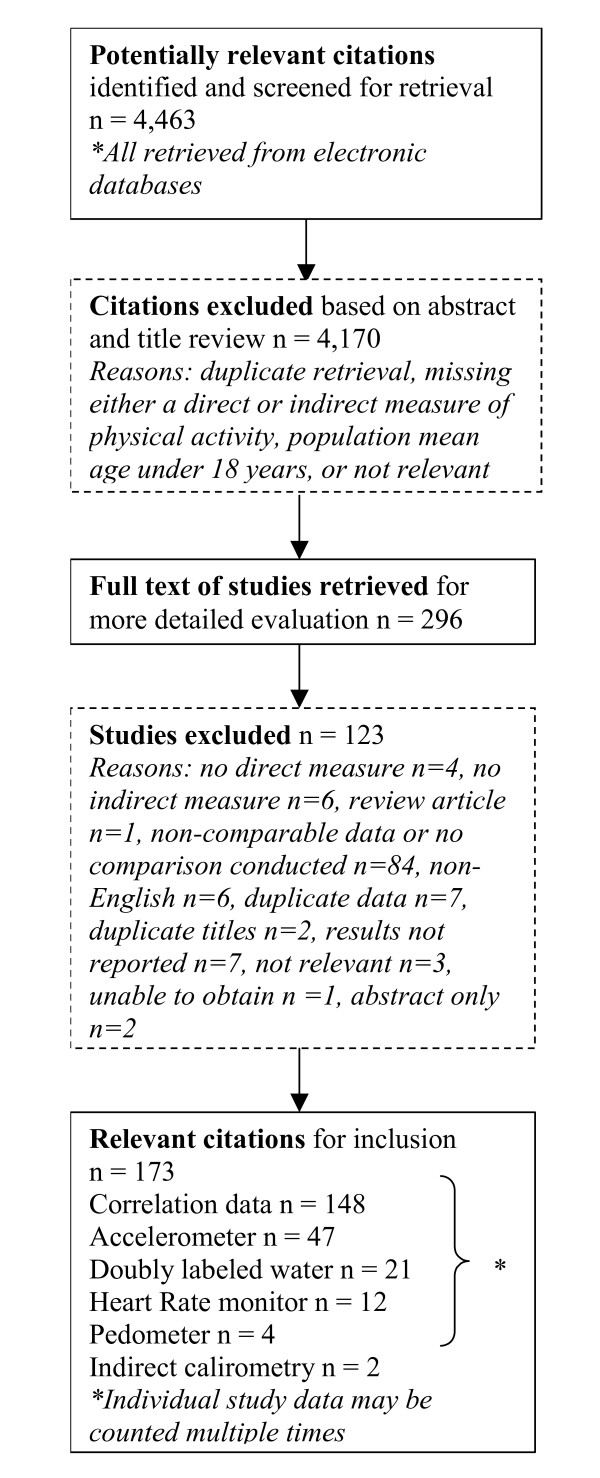
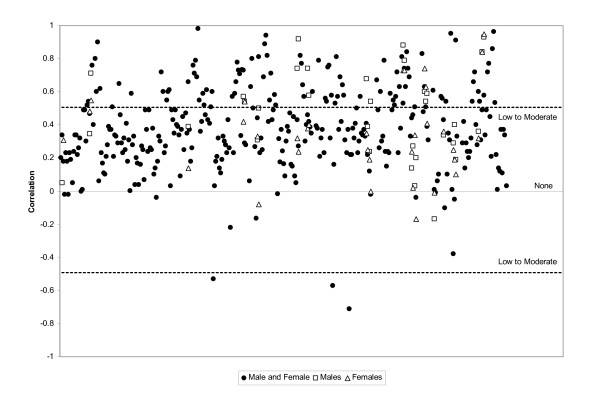
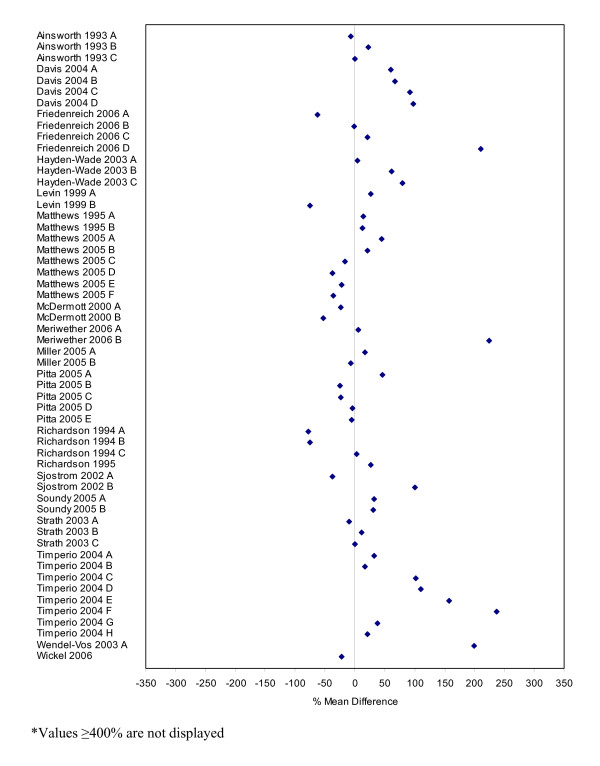
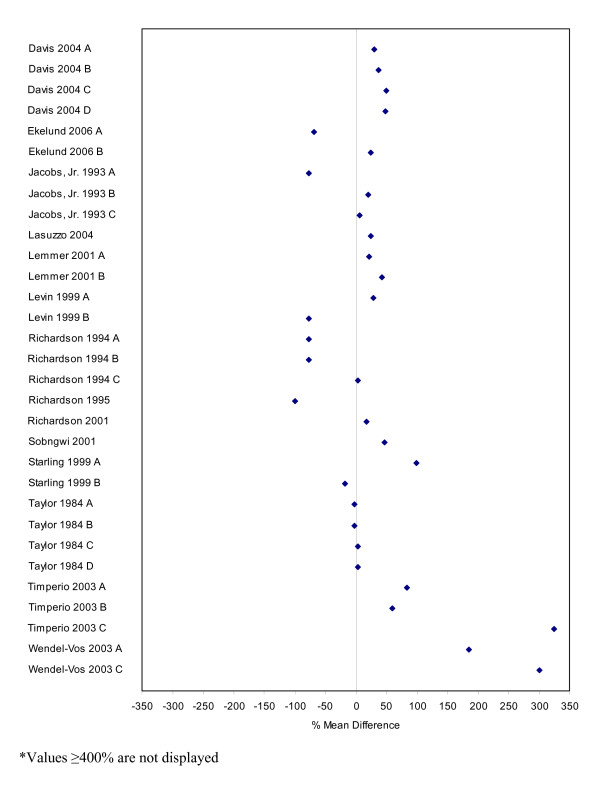
BACKGROUND: Accurate assessment is required to assess current and changing physical activity levels, and to evaluate the effectiveness of interventions designed to increase activity levels. This study systematically reviewed the literature to determine the extent of agreement between subjectively (self-report e.g. questionnaire, diary) and objectively (directly measured; e.g. accelerometry, doubly labeled water) assessed physical activity in adults. METHODS: Eight electronic databases were searched to identify observational and experimental studies of adult populations. Searching identified 4,463 potential articles. Initial screening found that 293 examined the relationship between self-reported and directly measured physical activity and met the eligibility criteria. Data abstraction was completed for 187 articles, which described comparable data and/or comparisons, while 76 articles lacked comparable data or comparisons, and a further 30 did not meet the review's eligibility requirements. A risk of bias assessment was conducted for all articles from which data was abstracted. RESULTS: Correlations between self-report and direct measures were generally low-to-moderate and ranged from -0.71 to 0.96. No clear pattern emerged for the mean differences between self-report and direct measures of physical activity. Trends differed by measure of physical activity employed, level of physical activity measured, and the gender of participants. Results of the risk of bias assessment indicated that 38% of the studies had lower quality scores. CONCLUSION: The findings suggest that the measurement method may have a significant impact on the observed levels of physical activity. Self-report measures of physical activity were both higher and lower than directly measured levels of physical activity, which poses a problem for both reliance on self-report measures and for attempts to correct for self-report - direct measure differences. This review reveals the need for valid, accurate and reliable measures of physical activity in evaluating current and changing physical activity levels, physical activity interventions, and the relationships between physical activity and health outcomes.
Overview
The claims and statistics of this paper haven’t been checked yet.
Free: it reads the open-access text and checks the first 5 claims that cite a source we can check. Create a free account to check every claim.
Integrity signals
Registry
Cites
Statistics
Figures
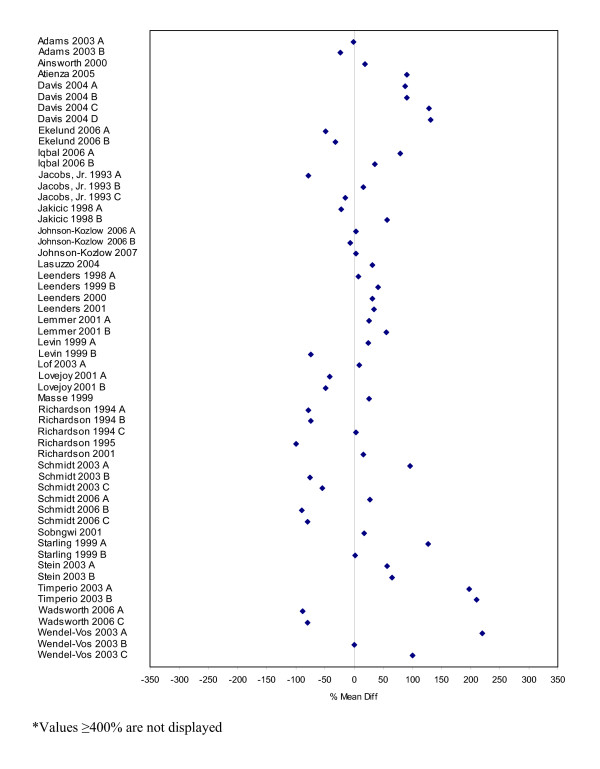
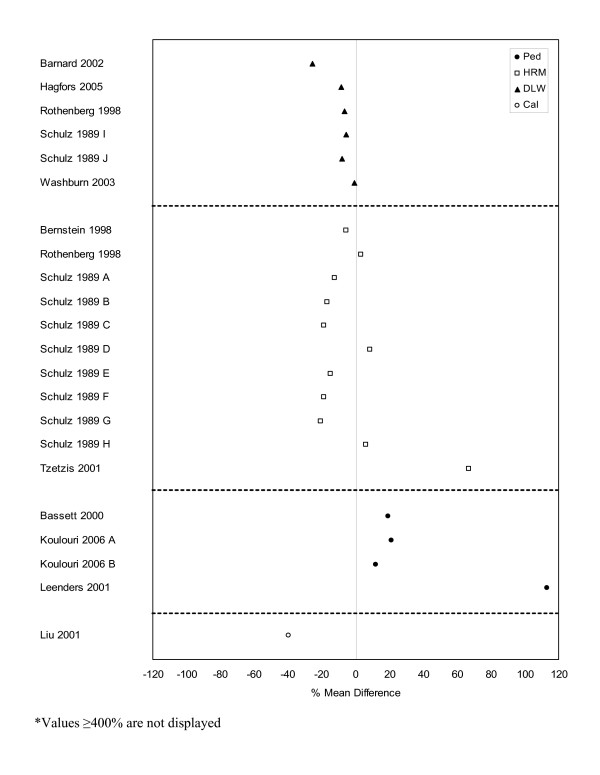
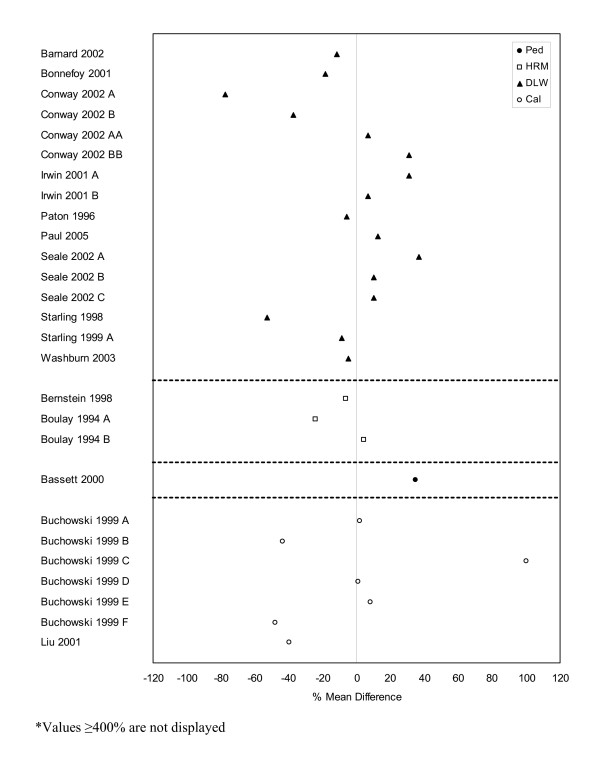
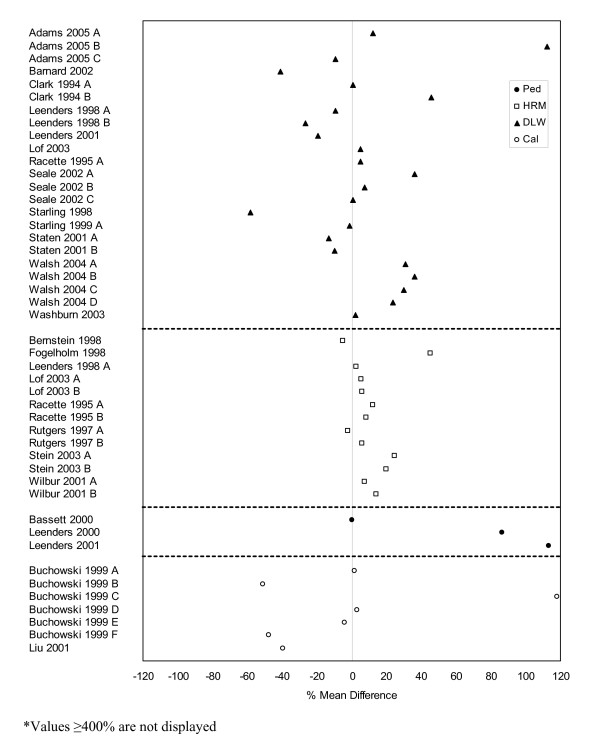
Verification
Claims the paper makes
The claims and statistics of this paper haven’t been checked yet.
Free: it reads the open-access text and checks the first 5 claims that cite a source we can check. Create a free account to check every claim.
Claims other papers make about this one
Each is checked against this paper’s own text: does it say what the citing paper says it does?
The cited source says what the claim attributes to it.
In the citing paper
“However, studies27 linking physical activity levels with outcomes have relied on self-reported data and/or questionnaires; therefore, the inferences drawn from these studies are compromised by the limitations of recollection bias.”
From Association of Cardiorespiratory Fitness with Long-term Mortality Among Adults Undergoing Exercise Treadmill Testing (2018) · cites this paper as [27]
The cited source says what the claim attributes to it.
In the citing paper
“Many of the studies rely on retrospective self-report measures of exercise, which may be prone to bias, inaccuracies, and misunderstanding of questions [e.g., (50–52)].”
From Exercise Intervention in PTSD: A Narrative Review and Rationale for Implementation (2019) · cites this paper as [50]
The cited source says what the claim attributes to it.
In the citing paper
“Overestimation of the PA level is possible.20,21”
The check wasn’t confident either way, so it gives no verdict — never disputed.
In the citing paper
“bariatric surgery was associated with fewer CVD deaths (HR, 0.47; 95% CI, 0.29–0.76) and fewer strokes (HR, 0.67; 95% CI, 0.54–0.83) than in the control group.58”
From Heart Disease and Stroke Statistics—2013 Update: A Report From the American Heart Association (2013) · cites this paper as [58]
Experimental — accuracy not yet measuredThe check wasn’t confident either way, so it gives no verdict — never disputed.
In the citing paper
“The lack of specificity of hypoglycemia with vascular outcomes suggests that it might be a marker for susceptibility.”
From Heart Disease and Stroke Statistics—2013 Update: A Report From the American Heart Association (2013) · cites this paper as [58]
Experimental — accuracy not yet measured
2 more claims about this paper
Create a free account to see every claim other papers make about this one.
Self-check
Percentages, sums and reported differences re-computed from the paper’s own numbers.
The self-check needs the paper’s full text.
Citations
Cites
STATISTICAL METHODS FOR ASSESSING AGREEMENT BETWEEN TWO METHODS OF CLINICAL MEASUREMENT
Martin Bland, J., & Altman, D. (1986) · The Lancet · doi:10.1016/s0140-6736(86)90837-8 · Cited by 47,965
International physical activity questionnaire: 12-country reliability and validity
CRAIG, C. L., MARSHALL, A. L., SJ??STR??M, M., BAUMAN, A. E., BOOTH, M. L., AINSWORTH, B. E., PRATT, M., EKELUND, U., YNGVE, A., SALLIS, J. F., et al. (2003) · Medicine & Science in Sports & Exercise · doi:10.1249/01.mss.0000078924.61453.fb · Cited by 21,619 · cited 11×
“PAD ≥ Clark 1994 A 37.3 (3.6) 14 0 14 Large eaters DLW P Clark 1994 B 39.7 (2.0) Small eaters DLW Conway 2002 A 42 (2.3) 24 24 0 Feeding study DLW Min Conway 2002 B DLW Tec Conway 2002 AA 41.2 (2.0) 24 24 0 Feeding study DLW P Conway 2002 BB DLW Sta Davis 2004 A 19–69 62 24 38 Obese Accel Y Davis 2004 B Accel Davis 20…”
Influential‘Small Changes' to Diet and Physical Activity Behaviors for Weight Management
Hills, A. P., Byrne, N. M., Lindstrom, R., & Hill, J. O. (2013) · Obesity Facts · doi:10.1159/000345030 · Cited by 9,493
(1985) · Europe PMC (PubMed Central) · Cited by 9,143
Compendium of physical activities: an update of activity codes and MET intensities
AINSWORTH, B. E., HASKELL, W. L., WHITT, M. C., IRWIN, M. L., SWARTZ, A. M., STRATH, S. J., O???BRIEN, W. L., BASSETT, D. R., SCHMITZ, K. H., EMPLAINCOURT, P. O., et al. (2000) · Medicine & Science in Sports & Exercise · doi:10.1097/00005768-200009001-00009 · Cited by 8,497 · cited 2×
“Future studies may wish to refer to the updated Compendium of Physical Activities [192] which provides a coding scheme to classify physical activity by rate of energy expenditure.”
Downs, S. H., & Black, N. (1998) · Journal of Epidemiology and Community Health · doi:10.1136/jech.52.6.377 · Cited by 8,252
Physical Activity in the United States Measured by Accelerometer
TROIANO, R. P., BERRIGAN, D., DODD, K. W., MÂSSE, L. C., TILERT, T., & MCDOWELL, M. (2008) · Medicine & Science in Sports & Exercise · doi:10.1249/mss.0b013e31815a51b3 · Cited by 7,638 · cited 1×
“sample [195].”
Statistical methods for assessing agreement between two methods of clinical measurement
Bland, J. M., & Altman, D. G. (2010) · International Journal of Nursing Studies · doi:10.1016/j.ijnurstu.2009.10.001 · Cited by 5,220 · cited 1×
“Many of the studies tested the relationship between selfreport and direct measures by using a correlation coefficient, but this is limited as correlation is only able to measure the strength of the relationship between two variables and cannot assess the level of agreement between them, as well as ignoring any bias in…”
The physical activity scale for the elderly (PASE): Development and evaluation
Washburn, R. A., Smith, K. W., Jette, A. M., & Janney, C. A. (1993) · Journal of Clinical Epidemiology · doi:10.1016/0895-4356(93)90053-4 · Cited by 3,177
Evaluating non-randomised intervention studies
Deeks, J., Dinnes, J., D'Amico, R., Sowden, A., Sakarovitch, C., Song, F., Petticrew, M., & Altman, D. (2003) · Health Technology Assessment · doi:10.3310/hta7270 · Cited by 2,907 · cited 1×
“The Downs and Black instrument was recommended for assessing risk of bias in observational studies in a recent systematic review [8] and other assessments [9] and was employed in this review to assess study quality including reporting, external validity, and internal validity (bias).”
Research works printed but not linked: 18
- [11]Adams SA Methodological and substantive issues: The relationship between physical activity and breast cancer PhD Thesis 2003 University of South Carolina
- [16]Armstrong CA The stages of change in exercise adoption and adherence: Evaluation of measures with self-report and objective data PhD Thesis 1998 University of California, San Diego and San Diego State University
- [24]Brach JS The relation of physical activity to functional status over a seventeen-year time period in community-dwelling older women PhD Thesis 2000 University of Pittsburgh
- [30]Chen AH-W The effectiveness of a home-based intervention to promote walking in ethnic minority women PhD Thesis 1995 University of California, San Diego and San Diego State University
- [38]del Aguila MA Assessment of physical activity in patients with diabetes PhD Thesis 1998 University of Washington
- [49]Fu LL Health status, functional state and physical activity level in community dwelling elderly women PhD Thesis 1995 University of Pittsburgh
- [61]Jansen L The effect of exercise on explanatory style in HIV-infected men PhD Thesis 2002 United States International University
- Krishnamoorthy JS The transmission of physical activity and related cognitions among African-American adolescent females and their primary female caregiver Dissertation Abstracts International: Section B: The Sciences and Engineering 2002 63
- [69]Kriska AM Assessment of current and historical physical activity in the Pima Indians PhD Thesis 1988 University of Pittsburgh
- [71]Lambert P Physical activity and the oldest-old: A comparison of self-report and accelerometer readings PhD Thesis 2006 University of Manitoba (Canada)
- [73]Lasuzzo J Ability of the California State University, Fullerton Physical Activity Questionnaire to assess physical activity in older individuals PhD Thesis 2004 The University of Alabama
- Mckeen NA The meaning of motor activity: Emotion, temperament, mood, and laterality Dissertation Abstracts International: Section B: The Sciences and Engineering 2001 61
- [158]Adams SA Matthews CE Ebbeling CB Moore CG Cunningham JE Fulton J Hebert JR The effect of social desirability and social approval on self-reports of physical activity Am J Epidemiol 2005 161 389 398 15692083 10.1093/aje/kwi054 PMC2958515 · DOI · Paper page
- [171]Miller CL A symptom management intervention in diabetic coronary artery bypass graft patients PhD Thesis 2005 University of Nebraska Medical Center
- [181]Wadsworth D Evaluation of a social cognitive theory based e-mail intervention to increase physical activity of college females Dissertation Abstracts International: Section B: The Sciences and Engineering 2006 66 4766
- Richardson MT Evaluation of the Minnesota Leisure Time Physical Activity Questionnaire PhD Thesis 1991 University of Minnesota 8138837
- [188]Warms CA Acceptability and feasibility of a lifestyle physical activity program for people with spinal cord injury (SCI): A pilot study PhD Thesis 2002 University of Washington
- [190]Adams SA Matthews CE Ebbeling CB Moore CG Cunningham JE Fulton J Hebert JR The effect of social desirability and social approval on self-reports of physical activity. [erratum appears in Am J Epidemiol. 2005 May 1;161(9):899] AM J EPIDEMIOL 2005 161 389 398 15692083 10.1093/aje/kwi054 PMC2958515 · DOI · Paper page
Cited by
Items 501–600 of 1,010
Association Between Cardiorespiratory Fitness and Risk of Type 2 Diabetes: A Meta‐Analysis
Qiu, S., Cai, X., Yang, B., Du, Z., Cai, M., Sun, Z., Zügel, M., Michael Steinacker, J., & Schumann, U. (2019) · Obesity · doi:10.1002/oby.22368 · Cited by 53
“However, the level of physical activity, which is frequently assessed by questionnaires in epidemiological studies, is susceptible to recall and social biases (8).”
MacDonald, C. S., Ried‐Larsen, M., Soleimani, J., Alsawas, M., Lieberman, D. E., Ismail, A. S., Serafim, L. P., Yang, T., Prokop, L., Joyner, M., et al. (2021) · Diabetes/Metabolism Research and Reviews · doi:10.1002/dmrr.3444 · Cited by 57
“The majority of studies included were based on self‐reported physical activity levels which are known to be unreliable and usually overestimate physical activity levels compared to objective measures such as accelerometers.(54) With the increase of remote monitoring of patient fitness and physiological data, more obje…”
Predictors of discordance in self-report versus device-measured physical activity measurement
Gorzelitz, J., Peppard, P. E., Malecki, K., Gennuso, K., Nieto, F. J., & Cadmus-Bertram, L. (2018) · Annals of Epidemiology · doi:10.1016/j.annepidem.2018.03.016 · Cited by 57
Self-Report and Direct Measures of Health: Bias and Implications
Gorber, S. C., & Tremblay, M. S. (2016) · Springer series on epidemiology and public health · doi:10.1007/978-3-319-29577-0_14 · Cited by 57
Self-citationSwindell, N. J., Mackintosh, K. A., McNarry, M. A., Stephens, J. W., Sluik, D., Fogelholm, M., Drummen, M., Macdonald, I. A., Martínez, J. A., Handjieva‐Darlenska, T., et al. (2017) · Diabetes Care · doi:10.2337/dc17-1057 · Cited by 57
“Second, although accelerometers offer more robust assessments of PA than self-report (39), they are not without limitation.”
Yao, L., Fang, H.-L., Leng, W., Li, J., & Chang, J. (2021) · Frontiers in Psychiatry · doi:10.3389/fpsyt.2021.748257 · Cited by 57
Liang, J., Huang, S., Pu, Y.-Q., Zhao, Y., Chen, Y.-C., Jiang, N., Liu, M.-L., Bao, W.-W., Zhang, Y., Hu, L., et al. (2023) · Journal of Affective Disorders · doi:10.1016/j.jad.2023.07.113 · Cited by 57
Katapally, T. R., & Muhajarine, N. (2014) · Europe PMC (PubMed Central) · Cited by 57
Objectively measured physical activity and cognitive functioning in breast cancer survivors
Marinac, C. R., Godbole, S., Kerr, J., Natarajan, L., Patterson, R. E., & Hartman, S. J. (2015) · Journal of Cancer Survivorship · doi:10.1007/s11764-014-0404-0 · Cited by 51
“Strengths of this study include the use of an objective accelerometer-based measure of physical activity, which is thought to be less vulnerable to recall and response biases inherent in self-report measures of physical activity especially in an older and overweight population [63].”
Gunnes, M., Langhammer, B., Aamot, I., Lydersen, S., Ihle‐Hansen, H., Indredavik, B., Reneflot, K. H., Schroeter, W., & Askim, T. (2018) · Physical Therapy · doi:10.1093/ptj/pzy126 · Cited by 57
On behalf of the PREDIMED-Plus investigators, Schröder, H., Cárdenas-Fuentes, G., Martínez‐González, M. Á., Corella, D., Vioqué, J., Romaguera, D., Martínez, J. A., Tinahones, F. J., López‐Miranda, J., et al. (2018) · International Journal of Behavioral Nutrition and Physical Activity · doi:10.1186/s12966-018-0741-x · Cited by 57
Cheval, B., Rebar, A. L., Miller, M. W., Sieber, S., Orsholits, D., Baranyi, G., Courvoisier, D. S., Cullati, S., Sander, D., Chalabaëv, A., et al. (2019) · Preventive Medicine · doi:10.1016/j.ypmed.2019.05.029 · Cited by 58
Chipperfield, K., Fletcher, J., Millar, J., Brooker, J., Smith, R., Frydenberg, M., & Burney, S. (2013) · Psycho-Oncology · doi:10.1002/pon.3269 · Cited by 56
Sedentary behaviour and bone health in children, adolescents and young adults: a systematic review
Koedijk, J. B., van Rijswijk, J., Oranje, W. A., van den Bergh, J. P., Bours, S. P., Savelberg, H. H., & Schaper, N. C. (2017) · Osteoporosis International · doi:10.1007/s00198-017-4076-2 · Cited by 56
Wearable Sensors Quantify Mobility in People With Lower Limb Amputation During Daily Life
Kim, J., Colabianchi, N., Wensman, J. P., & Gates, D. H. (2020) · IEEE Transactions on Neural Systems and Rehabilitation Engineering · doi:10.1109/tnsre.2020.2990824 · Cited by 56
Kekäläinen, T., Laakkonen, E. K., Terracciano, A., Savikangas, T., Hyvärinen, M., Tammelin, T., Rantalainen, T., Törmäkangas, T., Kujala, U. M., Alén, M., et al. (2020) · BMC Geriatrics · doi:10.1186/s12877-020-01669-7 · Cited by 56
Beck, F., Engel, F. A., & Reimers, A. K. (2022) · Children · doi:10.3390/children9030351 · Cited by 56
Kuper, N., Kroencke, L., Harari, G. M., & Denissen, J. J. A. (2023) · Journal of Personality and Social Psychology · doi:10.1037/pspp0000438 · Cited by 56
El‐Ashry, A. M., Elsayed, S. M., Ghoneam, M. A., & Atta, M. H. R. (2023) · BMC Nursing · doi:10.1186/s12912-023-01640-y · Cited by 56
Miller, K., Morley, C., Fraser, B. J., Gall, S., & Cleland, V. J. (2024) · BMC Public Health · doi:10.1186/s12889-024-19050-3 · Cited by 56
Tunaiji, H. A., Davis, J. C., Mackey, D. C., & Khan, K. (2014) · BMC Public Health · doi:10.1186/1471-2458-14-469 · Cited by 58
“Prince SA, Adamo KB, Hamel ME, Hardt J, Connor Gorber S, Tremblay M: A comparison of direct versus self-report measures for assessing physical activity in adults: a systematic review.”
InfluentialMurillo, R., Albrecht, S. S., Daviglus, M. L., & Kershaw, K. N. (2014) · American Journal of Health Promotion · doi:10.4278/ajhp.140128-quan-49 · Cited by 56
Berglind, D., Willmer, M., Tynelius, P., Ghaderi, A., Näslund, E. B., & Rasmussen, F. E. (2015) · Obesity Surgery · doi:10.1007/s11695-015-1971-5 · Cited by 58
Ruiz‐Casado, A., Alejo, L. B., Santos‐Lozano, A., Soria, A., Ortega, M., Aldazabal, I. P., Fiuza‐Luces, C., Palomo, I., Garatachea, N., Cebolla, H., et al. (2016) · International Journal of Sports Medicine · doi:10.1055/s-0042-103967 · Cited by 59
Pyky, R., Koivumaa-Honkanen, H. T., Leinonen, A., Ahola, R., Hirvonen, N., Enwald, H., Luoto, T., Ferreira, E., Ikäheimo, T. M., Keinänen-Kiukaanniemi, S., et al. (2017) · Computers in Human Behavior · doi:10.1016/j.chb.2017.02.032 · Cited by 56
Harms, T. A., Gershuny, J., Doherty, A., Thomas, E. E., Milton, K. E., & Foster, C. E. (2019) · BMC Public Health · doi:10.1186/s12889-019-6761-x · Cited by 56
NeCamp, T., Sen, S., Frank, E., Walton, M. A., Ionides, E. L., Fang, Y., Tewari, A., & Wu, Z. (2020) · Journal of Medical Internet Research · doi:10.2196/15033 · Cited by 55
Woodruff, S. J., Coyne, P., & St‐Pierre, E. (2021) · Applied Psychology: Health and Well-Being · doi:10.1111/aphw.12261 · Cited by 44
Peripheral edema: A common and persistent health problem for older Americans
Besharat, S., Grol-Prokopczyk, H., Gao, S., Feng, C., Akwaa, F., & Gewandter, J. S. (2021) · PLoS ONE · doi:10.1371/journal.pone.0260742 · Cited by 55
“Finally, self-report of certain variables that we used are known to differ from objective measures, including physical activity levels [26] and BMI [27], so some measurement error is expected for these predictors.”
Moor, H. M., Eisenhauer, R. C., Killian, K. D., Proudfoot, N., Henriques, A. A., Congeni, J. A., & Reneker, J. C. (2015) · PubMed · Cited by 55
Cardiorespiratory fitness in groups with different physical activity levels
Dyrstad, S. M., Anderssen, S. A., Edvardsen, E., & Hansen, B. H. (2015) · Scandinavian Journal of Medicine and Science in Sports · doi:10.1111/sms.12425 · Cited by 56
“Selfreported vigorous PA was 9 min (women) and 17 min (men) higher than accelerometer-measured vigorous PA (data not shown), indicating that participants may overestimate the intensity of PA, a finding also reported elsewhere (Prince et al., 2008; Hagstromer et al., 2010a; Dyrstad et al., 2014).”
Maddocks, M. M., Halliday, V., Chauhan, A., Taylor, V., Nelson, A., Sampson, C., Byrne, A., Griffiths, G. O., & Wilcock, A. (2013) · PLoS ONE · doi:10.1371/journal.pone.0086059 · Cited by 56
Social engagement and chronic disease risk behaviors: The Multi-Ethnic Study of Atherosclerosis
Samuel, L. J., Dennison Himmelfarb, C. R., Szklo, M., Seeman, T. E., Echeverria, S. E., & Diez Roux, A. V. (2015) · Preventive Medicine · doi:10.1016/j.ypmed.2014.12.008 · Cited by 45
Morén, C., Welmer, A., Hagströmer, M., Karlsson, E., & Sommerfeld, D. K. (2016) · Neurology Report · doi:10.1097/npt.0000000000000134 · Cited by 55
Social norms and physical activity in American and Canadian contexts: a scoping review
Kim, J., Dunn, E., Rellinger, K., Robertson‐Wilson, J., & Eys, M. (2017) · International Review of Sport and Exercise Psychology · doi:10.1080/1750984x.2017.1354229 · Cited by 55
Risk Communication and Ebola-Specific Knowledge and Behavior during 2014–2015 Outbreak, Sierra Leone
Winters, M., Jalloh, M. F., Sengeh, P., Jalloh, M. B., Conteh, L., Bunnell, R. E., Li, W., Zeebari, Z., & Nordenstedt, H. (2018) · Emerging infectious diseases · doi:10.3201/eid2402.171028 · Cited by 55
“Furthermore, as previous studies have shown, there is a risk that self-reported behavior might not reflect actual behavior, but in the given outbreak situation, the survey was deemed to be the most feasible method (39).”
O’Donnell, J., Smith-Byrne, K., Velardo, C., Conrad, N., Salimi‐Khorshidi, G., Doherty, A., Dwyer, T., Tarassenko, L., & Rahimi, K. (2020) · Open Heart · doi:10.1136/openhrt-2019-001099 · Cited by 58
The Personality Panorama: Conceptualizing Personality through Big Behavioural Data
Boyd, R. L., Pasca, P., & Lanning, K. (2020) · European Journal of Personality · doi:10.1002/per.2254 · Cited by 57
“, 2015), physical activity (Prince et al., 2008), sexuality (Stanton et al.”
The Association Between Light Physical Activity and Cognition Among Adults: A Scoping Review
Erlenbach, E. D., McAuley, E., & Gothe, N. P. (2021) · The Journals of Gerontology Series A · doi:10.1093/gerona/glab013 · Cited by 55
Hailey, V., Rojas‐García, A., & Kassianos, A. P. (2022) · Breast Cancer · doi:10.1007/s12282-021-01323-z · Cited by 55
Access to Environmental Cognitive Alternatives Predicts Pro-Environmental Activist Behavior
Wright, J. D., Schmitt, M. T., & Mackay, C. M. L. (2021) · Environment and Behavior · doi:10.1177/00139165211065008 · Cited by 55
Panter, J., Costa, S., Dalton, A. M., Jones, A., & Ogilvie, D. (2014) · International Journal of Behavioral Nutrition and Physical Activity · doi:10.1186/s12966-014-0116-x · Cited by 54
“Importantly, such self-report instruments tend to perform particularly poorly for activities in the transport domain [3-5].”
Murabito, J. M., Pedley, A., Massaro, J. M., Vasan, R. S., Esliger, D., Blease, S. J., Hoffman, U., & Fox, C. S. (2015) · Journal of the American Heart Association · doi:10.1161/jaha.114.001379 · Cited by 48
Liu, Y., & Lachman, M. E. (2019) · The Journals of Gerontology Series B · doi:10.1093/geronb/gbz020 · Cited by 54
“Although self-report measurements are useful to help gain insight into one’s level of physical and cognitive activity, they possess several limitations in terms of reliability and validity, such as a capacity to over- or underestimate true physical and cognitive activity and potential issues of recall and response bia…”
Taylor, N. F., Harding, K. E., Dennett, A. M., Febrey, S., Warmoth, K., Hall, A., Prendergast, L. A., & Goodwin, V. A. (2021) · Age and Ageing · doi:10.1093/ageing/afab154 · Cited by 54
Association of Psychological Resilience With Healthy Lifestyle and Body Weight in Young Adulthood
Nishimi, K. M., Koenen, K. C., Coull, B. A., & Kubzansky, L. D. (2021) · Journal of Adolescent Health · doi:10.1016/j.jadohealth.2021.08.006 · Cited by 54
Evaluation of Social Cognitive Scaling Response Options in the Physical Activity Domain
Rhodes, R. E., Matheson, D. H., & Mark, R. S. (2010) · Measurement in Physical Education and Exercise Science · doi:10.1080/1091367x.2010.495539 · Cited by 54
Roberts-Lewis, S. F., White, C. M., Ashworth, M. J., & Rose, M. R. (2021) · Disability and Rehabilitation · doi:10.1080/09638288.2021.1983042 · Cited by 53
Hoebel, J., Finger, J. D., Kuntz, B., Kroll, L. E., Manz, K., Lange, C., & Lampert, T. (2017) · BMC Public Health · doi:10.1186/s12889-017-4478-2 · Cited by 53
Anderson, J. L., Green, A. J., Yoward, L. S., & Hall, H. (2017) · Clinical Rehabilitation · doi:10.1177/0269215517724850 · Cited by 54
“(3, 4) Conventional methods of monitoring activity undertaken by hospitalised adults such as direct observation or self-report are subject to operational weaknesses.(5-7) Wearable motion-sensing technologies (accelerometers) could offer an objective and unobtrusive alternative.”
Dawe, R. J., Leurgans, S. E., Yang, J., Bennett, J. M., Hausdorff, J. M., Lim, A. S. P., Gaiteri, C., Bennett, D. A., & Buchman, A. S. (2017) · The Journals of Gerontology Series A · doi:10.1093/gerona/glx167 · Cited by 54
Bauman, A. E., Grunseit, A. C., Rangul, V., & Heitmann, B. L. (2017) · BMC Public Health · doi:10.1186/s12889-017-4806-6 · Cited by 55
“There is known under-estimation of risk using PA self-report measurements [33], and a sustained behavioural pattern may better reflect true exposure.”
Re-architecting oral healthcare for the 21st century
Shetty, V., YAMAMOTO, J. M., & Yale, K. (2018) · Journal of Dentistry · doi:10.1016/j.jdent.2018.04.017 · Cited by 53
“However, self-reports are notoriously prone to recall and social desirability biases that distort data and inferences [24] [25] [26].”
Snibsøer, A. K., Ciliska, D. K., Yost, J., Graverholt, B., Nortvedt, M. W., Riise, T., & Espehaug, B. (2018) · PLoS ONE · doi:10.1371/journal.pone.0200313 · Cited by 54
Self-reported versus GPS-derived indicators of daily mobility in a sample of healthy older adults
Fillekes, M. P., Röcke, C., Katana, M., & Weibel, R. (2018) · Social Science & Medicine · doi:10.1016/j.socscimed.2018.11.010 · Cited by 53
Paudel, S., Owen, A. J., Owusu‐Addo, E., & Smith, B. J. (2019) · Scientific Reports · doi:10.1038/s41598-019-46154-3 · Cited by 55
Boisgontier, M. P., Orsholits, D., von Arx, M., Sieber, S., Miller, M. W., Courvoisier, D. S., Iversen, M. D., Cullati, S., & Cheval, B. (2020) · Journal of Physical Activity and Health · doi:10.1123/jpah.2019-0133 · Cited by 55
Manning, V., Hurley, M., Scott, D. L., & Bearne, L. (2012) · JCR Journal of Clinical Rheumatology · doi:10.1097/rhu.0b013e3182779cb6 · Cited by 54
Fjeld, M. K., Årnes, A. P., Engdahl, B., Morseth, B., Hopstock, L. A., Horsch, A., Stubhaug, A., Strand, B. H., Nielsen, C. S., & Steingrímsdóttir, Ó. A. (2022) · Pain · doi:10.1097/j.pain.0000000000002773 · Cited by 52
Factors influencing trust in algorithmic decision-making: An indirect scenario-based experiment
Marmolejo-Ramos, F., Marrone, R., Korolkiewicz, M., Gabriel, F., Siemens, G., Joksimovic, S., Yamada, Y., Mori, Y., Rahwan, T., Sahakyan, M., et al. (2025) · Frontiers in Artificial Intelligence · doi:10.3389/frai.2024.1465605 · Cited by 33
Hossian, M., Mielke, G. I., Nisar, M., Tremblay, M. S., & Khan, A. (2025) · International Journal of Behavioral Nutrition and Physical Activity · doi:10.1186/s12966-025-01809-5 · Cited by 53
Self-citationFroehlich-Grobe, K., Nary, D. E., Sciver, A. R. V., Lee, J., & Little, T. D. (2011) · American Journal of Physical Medicine & Rehabilitation · doi:10.1097/phm.0b013e31821f6eb2 · Cited by 52
Quantification of Physical Activity and Sedentary Time in Adults with Cerebral Palsy
Claridge, E. A., McPhee, P. G., Timmons, B. W., Ginis, K. A. M., MacDonald, M. J., & Gorter, J. W. (2014) · Medicine & Science in Sports & Exercise · doi:10.1249/mss.0000000000000589 · Cited by 53
Daily patterns of physical activity among Canadians.
Garriguet, D., & Colley, R. C. (2012) · PubMed · Cited by 52
Vogel, J., Auinger, A., Riedl, R., Kindermann, H., Helfert, M., & Ocenasek, H. (2017) · PLoS ONE · doi:10.1371/journal.pone.0186261 · Cited by 56
Scott, D. S., Johansson, J., McMillan, L. B., Ebeling, P. R., Nordström, A., & Nordström, P. (2018) · Bone · doi:10.1016/j.bone.2018.12.004 · Cited by 52
Pindus, D. M., Drollette, E. S., Raine, L. B., Kao, S., Khan, N. A., Westfall, D. R., Hamill, M., Shorin, R. J., Calobrisi, E., John, D., et al. (2019) · Journal of sport and health science/Journal of Sport and Health Science · doi:10.1016/j.jshs.2019.02.003 · Cited by 52
Gal, R., Monninkhof, E. M., Peeters, P. H. M., van Gils, C. H., van den Bongard, H. J. G. D., Wendel‐Vos, W., Zuithoff, N. P. A., Verkooijen, H. M., & May, A. M. (2019) · Acta Oncologica · doi:10.1080/0284186x.2018.1563712 · Cited by 52
Factors influencing prognosis for occupational hand eczema: new trends
Olesen, C. M., Agner, T., Ebbehøj, N. E., & Carøe, T. K. (2019) · British Journal of Dermatology · doi:10.1111/bjd.17870 · Cited by 52
Makacha, L., Makanga, P. T., Dube, Y. P., Bone, J. N., Munguambe, K., Katageri, G., Sharma, S., Vidler, M., Sevene, E., Ramadurg, U. Y., et al. (2020) · International Journal of Health Geographics · doi:10.1186/s12942-020-0197-5 · Cited by 52
Boulos, M. N. K., & Yang, S. P. (2021) · mHealth · doi:10.21037/mhealth.2020.01.01 · Cited by 52
af Geijerstam, A., Mehlig, K., Börjesson, M., Robertson, J., Nyberg, J., Adiels, M., Rosengren, A., Åberg, M., & Lissner, L. (2021) · BMJ Open · doi:10.1136/bmjopen-2021-051316 · Cited by 52
Reuter, T., Ziegelmann, J. P., Lippke, S., & Schwarzer, R. (2009) · Rehabilitation Psychology · doi:10.1037/a0017830 · Cited by 52
van Bree, R. J. H., van Stralen, M. M., Bolman, C. A. W., Mudde, A. N., de Vries, H., & Lechner, L. (2012) · Psychology and Health · doi:10.1080/08870446.2012.749476 · Cited by 54
Sleep health mediates the relationship between physical activity and depression symptoms
Barham, W. T., Buysse, D. J., Kline, C. E., Kubala, A. G., & Brindle, R. C. (2021) · Sleep And Breathing · doi:10.1007/s11325-021-02496-9 · Cited by 51
Hyperactivity and Motoric Activity in ADHD: Characterization, Assessment, and Intervention
Gawrilow, C., Kühnhausen, J., Schmid, J., & Stadler, G. (2014) · Frontiers in Psychiatry · doi:10.3389/fpsyt.2014.00171 · Cited by 51
Broderick, J. M., Hussey, J. M., Kennedy, M., & O’Donnell, D. M. (2013) · Supportive Care in Cancer · doi:10.1007/s00520-013-2064-4 · Cited by 52
van Bree, R. J. H., van Stralen, M. M., Mudde, A. N., Bolman, C. A. W., de Vries, H., & Lechner, L. (2015) · Psychology of sport and exercise · doi:10.1016/j.psychsport.2015.03.006 · Cited by 52
Best, K. L., Miller, W. C., Eng, J. J., & Routhier, F. (2016) · International Journal of Behavioral Medicine · doi:10.1007/s12529-016-9540-4 · Cited by 51
Devan, H., Tumilty, S., & Smith, C. (2012) · The Journal of Rehabilitation Research and Development · doi:10.1682/jrrd.2011.09.0155 · Cited by 51
Gupta, N., Heiden, M., Mathiassen, S. E., & Holtermann, A. (2017) · Scandinavian Journal of Work Environment & Health · doi:10.5271/sjweh.3693 · Cited by 51
Exercise intolerance in Type 2 diabetes: is there a cardiovascular contribution?
Poitras, V. J., HUDSON, R. W., & Tschakovsky, M. E. (2018) · Journal of Applied Physiology · doi:10.1152/japplphysiol.00070.2017 · Cited by 51
McDonald, M. T., Siebert, S., Coulter, E. H., McDonald, D. A., & Paul, L. (2019) · Rheumatology International · doi:10.1007/s00296-018-4225-8 · Cited by 51
Association of sleep, screen time and physical activity with overweight and obesity in Mexico
Kolovos, S., Jimenez‐Moreno, C., Pinedo‐Villanueva, R., Cassidy, S., & Zavala, G. A. (2019) · Eating and Weight Disorders - Studies on Anorexia Bulimia and Obesity · doi:10.1007/s40519-019-00841-2 · Cited by 51
Aslan, G. K., Akıncı, B., Yeldan, İ., & Okumuş, G. (2020) · Heart & Lung · doi:10.1016/j.hrtlng.2020.01.014 · Cited by 51
Kanning, M. K. (2013) · Frontiers in Psychology · doi:10.3389/fpsyg.2012.00602 · Cited by 51
Does social desirability compromise self-reports of physical activity in web-based research?
Crutzen, R., & Göritz, A. S. (2011) · International Journal of Behavioral Nutrition and Physical Activity · doi:10.1186/1479-5868-8-31 · Cited by 46
“A recent review found correlations between self-report and direct measures of PA to be low to moderate [22].”
Improving patients’ experience and outcome of total joint replacement: the RESTORE programme
Blom, A. W., Artz, N. J., Beswick, A. D., Burston, A., Dieppe, P. A., Elvers, K. T., Gooberman‐Hill, R., Horwood, J. P., Jepson, P., Johnson, E. C., et al. (2016) · Programme Grants for Applied Research · doi:10.3310/pgfar04120 · Cited by 53
Brett, K. E., Ferraro, Z. M., Holcik, M., & Adamo, K. B. (2015) · Placenta · doi:10.1016/j.placenta.2014.11.015 · Cited by 50
Self-citationSedentary bout durations are associated with abdominal obesity in older adults
Júdice, P. B., Silva, A. M., & Sardinha, L. B. (2015) · The journal of nutrition health & aging · doi:10.1007/s12603-015-0501-4 · Cited by 50
Christensen, A., Bond, S. J., & McKenna, J. (2022) · PLoS ONE · doi:10.1371/journal.pone.0263053 · Cited by 51
Lafleur, M., Gonzalez, E., Schwarte, L., Banthia, R., Kuo, T., Verderber, J., & Simon, P. A. (2013) · Preventing Chronic Disease · doi:10.5888/pcd10.120270 · Cited by 50
Webel, A. R., Barkley, J. E., Longenecker, C. T., Mittelsteadt, A., Gripshover, B., & Salata, R. A. (2014) · Journal of the Association of Nurses in AIDS Care · doi:10.1016/j.jana.2014.06.004 · Cited by 50
“longitudinal studies using data not based on selfreport are needed to understand these complex patterns (Prince et al., 2008).”
Piirtola, M., Kaprio, J. A., Waller, K. L., Heikkila, K. V., Koskenvuo, M. J., Svedberg, P., Silventoinen, K., Kujala, U. M., & Ropponen, A. (2016) · International Journal of Epidemiology · doi:10.1093/ije/dyw007 · Cited by 50
Reichert, M., Tost, H., Reinhard, I., Zipf, A., Salize, H. J., Meyer‐Lindenberg, A., & Ebner‐Priemer, U. (2016) · Frontiers in Psychology · doi:10.3389/fpsyg.2016.00918 · Cited by 51
Relationship Between Physical Activity and Clinical Outcomes After ACL Reconstruction
Kuenze, C. M., Cadmus‐Bertram, L., Pfieffer, K. A., Trigsted, S. M., Cook, D. B., Lisee, C. M., & Bell, D. (2017) · Journal of Sport Rehabilitation · doi:10.1123/jsr.2017-0186 · Cited by 50
Objectively measured physical activity of hospital shift workers
Loef, B., van der Beek, A. J., Holtermann, A., Hulsegge, G., van Baarle, D., & Proper, K. I. (2018) · Scandinavian Journal of Work Environment & Health · doi:10.5271/sjweh.3709 · Cited by 52
“The resulting objective PA measures are more valid and reliable than selfreported PA measures (23, 24).”
Swindell, N., Rees, P., Fogelholm, M., Drummen, M., MacDonald, I., Martinez, J. A., Navas-Carretero, S., Handjieva-Darlenska, T., Boyadjieva, N., Bogdanov, G., et al. (2020) · International Journal of Behavioral Nutrition and Physical Activity · doi:10.1186/s12966-020-00936-5 · Cited by 45
“ity than self-report [44], hip worn accelerometers may”
Tierney, M., Fraser, A. D., & Kennedy, N. (2014) · Physiotherapy · doi:10.1016/j.physio.2014.07.005 · Cited by 51
Decreased physical activity is a predictor for a complicated recovery post cardiac surgery
van Laar, C., Timman, S. T., & Noyez, L. (2017) · Health and Quality of Life Outcomes · doi:10.1186/s12955-016-0576-6 · Cited by 49
“[9] has been suggested that self-reported PA assessments overestimate true exercise activity and are possibly not specific enough [8, 22].”
Metadata
- Authors
- Prince, S. A., Adamo, K. B., Hamel, M., Hardt, J., Connor Gorber, S., & Tremblay, M.
- Affiliations
- University of Ottawa (CA)
- Queen's University (CA)
- Statistics Canada (CA)
- Venue
- International Journal of Behavioral Nutrition and Physical Activity
- Published
- 2008
- Volume
- 5
- Issue
- 1
- Pages
- 56
- ISSN
- 1479-5868 (ISSN-L)
- PMC
- PMC2588639
- OpenAlex
- W2118409616
- Cited by
- 3,162
- References
- 191
- Citations by year
- 2026: 239 · 2025: 249 · 2024: 237 · 2023: 207 · 2022: 168 · 2021: 279 · 2020: 249 · 2019: 241 · 2018: 242 · 2017: 217 · 2016: 184 · 2015: 162 · 2014: 165 · 2013: 115 · 2012: 95
- FWCI
- 3.93
- Type
- journal article
- Language
- en
- Open access
- gold
- doi.org
- Licence
- cc-by
- Locations
- International Journal of Behavioral Nutrition and Physical Activity (publishedVersion, cc-by)
- PubMed Central (publishedVersion, cc-by)
- PubMed (publishedVersion)
- DOAJ (DOAJ: Directory of Open Access Journals) (submittedVersion, cc-by-sa)
- Topics
- Health Sciences › Medicine › Public Health, Environmental and Occupational Health › Physical Activity and Health
- Physical Sciences › Computer Science › Computer Vision and Pattern Recognition › Context-Aware Activity Recognition Systems
- Health Sciences › Medicine › Physiology (medical) › Cardiovascular and exercise physiology
- Keywords
- physical activity measurement, self-report measures, accelerometry, doubly labeled water, measurement validity, physical activity interventions, adults, risk of bias
About these checks
Registry, retraction, Cites and statistics results are computed, not judged, with one exception: a printed reference that no index lists is read once by a model before it counts as a citation error. Claims are extracted by a model and kept only when their quote appears verbatim in the text; each cited source is then checked, with a model’s help, for whether it says what the claim relies on. Those verdicts can be wrong — read the claim’s quote and the cited source before relying on one.
Statistics and arithmetic are recomputed, not judged.
Confidence bands are shown only for fields calibrated on our annotated test set. None is calibrated yet, so no band is shown.
What counts as a claim ›How we measure confidence ›How we check this ›
Are you an author, or do you see a problem with this page? Request a review
Data sources
Bibliographic data: Semantic Scholar, OpenAlex, Crossref.
Contains information from the Semantic Scholar Academic Graph Datasets, made available under the ODC Attribution License (ODC-BY 1.0).
Semantic Scholar’s data is described in: Kinney, R., et al. (2023). The Semantic Scholar Open Data Platform. arXiv:2301.10140.
