

TGF-β – an excellent servant but a bad master
Open accessThe DOI matches its Crossref record; 288 of the 288 references it cites were found in a registry or an index.
Abstract
The transforming growth factor (TGF-β) family of growth factors controls an immense number of cellular responses and figures prominently in development and homeostasis of most human tissues. Work over the past decades has revealed significant insight into the TGF-β signal transduction network, such as activation of serine/threonine receptors through ligand binding, activation of SMAD proteins through phosphorylation, regulation of target genes expression in association with DNA-binding partners and regulation of SMAD activity and degradation. Disruption of the TGF-β pathway has been implicated in many human diseases, including solid and hematopoietic tumors. As a potent inhibitor of cell proliferation, TGF-β acts as a tumor suppressor; however in tumor cells, TGF-β looses anti-proliferative response and become an oncogenic factor. This article reviews current understanding of TGF-β signaling and different mechanisms that lead to its impairment in various solid tumors and hematological malignancies.
Overview
The claims and statistics of this paper haven’t been checked yet.
Free: it reads the open-access text and checks the first 5 claims that cite a source we can check. Create a free account to check every claim.
Integrity signals
Registry
Cites
Statistics
Figures
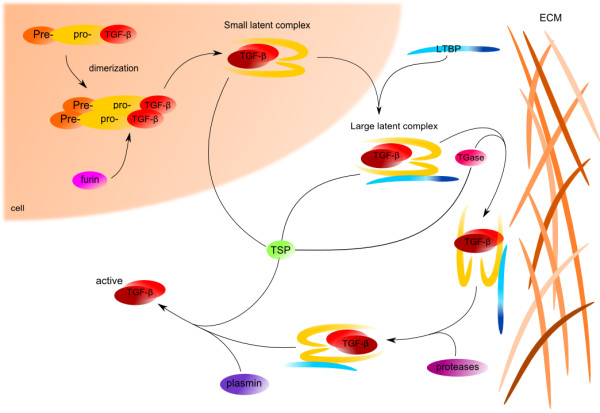
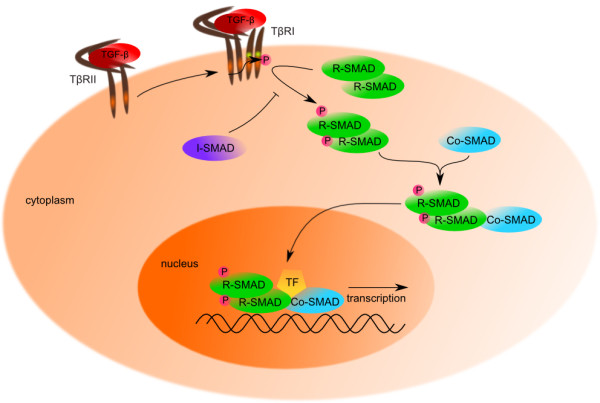
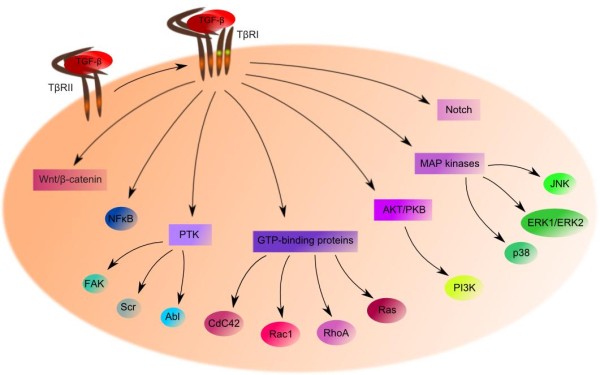
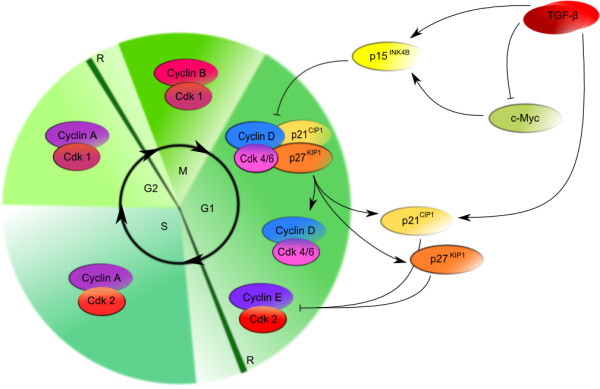
Verification
Claims the paper makes
The claims and statistics of this paper haven’t been checked yet.
Free: it reads the open-access text and checks the first 5 claims that cite a source we can check. Create a free account to check every claim.
Claims other papers make about this one
Each is checked against this paper’s own text: does it say what the citing paper says it does?
In the citing paper
“Some mutations may also drive differential response to a stimulation, as is seen with some tumors in response to transforming growth factor beta (TGF-β)13.”
From Causal identification of single-cell experimental perturbation effects with CINEMA-OT (2023) · cites this paper as [13]
Self-check
Percentages, sums and reported differences re-computed from the paper’s own numbers.
The self-check needs the paper’s full text.
Citations
Cites
1 retracted
Liu, X.-Q., Rajput, A., Geng, L., Ongchin, M. C., Chaudhuri, A., & Wang, J. (2011) · Journal of Biological Chemistry · doi:10.1074/jbc.m111.221697 · Cited by 19 · cited 1×
“Therefore, it is plausible that such mutations contribute to favorable outcome in MSI patients [220].”
BackgroundRetractedHallmarks of Cancer: The Next Generation
Hanahan, D., & Weinberg, R. A. (2011) · Cell · doi:10.1016/j.cell.2011.02.013 · Cited by 66,590 · cited 1×
“There is a strong requirement for new diagnostic and treatment options as well as elucidation of how cells acquire the six essential phenotypes, or hallmarks, necessary to become fully malignant [1].”
BackgroundThe 2007 WHO Classification of Tumours of the Central Nervous System
Louis, D. N., Ohgaki, H., Wiestler, O. D., Cavenee, W. K., Burger, P. C., Jouvet, A., Scheithauer, B. W., & Kleihues, P. (2007) · Acta Neuropathologica · doi:10.1007/s00401-007-0243-4 · Cited by 15,397
Ostrom, Q. T., Gittleman, H., Farah, P., Ondracek, A., Chen, Y., Wolinsky, Y., Stroup, N. E., Kruchko, C., & Barnholtz-Sloan, J. S. (2013) · Neuro-Oncology · doi:10.1093/neuonc/not151 · Cited by 11,994
Epithelial–mesenchymal transitions in tumour progression
Thiery, J. P. (2002) · Nature Reviews Cancer · doi:10.1038/nrc822 · Cited by 6,628
CDK inhibitors: positive and negative regulators of G1-phase progression
Sherr, C. J., & Roberts, J. M. (1999) · Genes & Development · doi:10.1101/gad.13.12.1501 · Cited by 6,115 · cited 1×
“p15 is a member of the INK4 family of CDK inhibitors, which binds to CDK4 and CDK6 subunits, inactivates their catalytic activity and prevents cyclin D-CDK4/6 complex formation [101,106].”
BackgroundMechanisms of TGF-β Signaling from Cell Membrane to the Nucleus
Shi, Y., & Massagué, J. (2003) · Cell · doi:10.1016/s0092-8674(03)00432-x · Cited by 5,857 · cited 1×
“pairs of TβRI and TβRII [52].”
Roberts, A. B., Sporn, M. B., Assoian, R. K., Smith, J. M., Roche, N. S., Wakefield, L. M., Heine, U. I., Liotta, L. A., Falanga, V, & Kehrl, J. H. (1986) · Proceedings of the National Academy of Sciences · doi:10.1073/pnas.83.12.4167 · Cited by 2,866 · cited 1×
“TGF-β was further described by Roberts and Sporn as a secreted polypeptide capable of inducing fibroblast growth and collagen production [7].”
BackgroundMassagué, J., Seoane, J., & Wotton, D. (2005) · Genes & Development · doi:10.1101/gad.1350705 · Cited by 2,452 · cited 2×
“SMAD3 and SMAD4 bind with their MH1 domain to SMAD-binding elements (SBE) on DNA, whereas the common splice form of SMAD2 does not bind to DNA (reviewed in [63]).”
BackgroundTGFβ Signaling in Growth Control, Cancer, and Heritable Disorders
Massagué, J., Blain, S. W., & Lo, R. S. (2000) · Cell · doi:10.1016/s0092-8674(00)00121-5 · Cited by 2,385
Cited by
Age and Age-Related Diseases: Role of Inflammation Triggers and Cytokines
Rea, I. M., Gibson, D. S., McGilligan, V., McNerlan, S. E., Alexander, H. D., & Ross, O. A. (2018) · Frontiers in Immunology · doi:10.3389/fimmu.2018.00586 · Cited by 1,267
Transforming growth factor‐β in stem cells and tissue homeostasis
Xu, X., Zheng, L., Yuan, Q., Zhen, G., Crane, J. L., Zhou, X., & Cao, X. (2018) · Bone Research · doi:10.1038/s41413-017-0005-4 · Cited by 414
Thrombospondin-1 regulation of latent TGF-β activation: A therapeutic target for fibrotic disease
Murphy-Ullrich, J. E., & Suto, M. J. (2018) · Matrix Biology · doi:10.1016/j.matbio.2017.12.009 · Cited by 332
Clinical development of therapies targeting TGFβ: current knowledge and future perspectives
Ciardiello, D., Elez, E., Tabernero, J., & Seoane, J. (2020) · Annals of Oncology · doi:10.1016/j.annonc.2020.07.009 · Cited by 265
The Emergence of Natural Killer Cells as a Major Target in Cancer Immunotherapy
Souza-Fonseca-Guimaraes, F., Cursons, J., & Huntington, N. D. (2019) · Trends in Immunology · doi:10.1016/j.it.2018.12.003 · Cited by 279
Fung, A. T., Galvin, J., & Tran, T. (2021) · Clinical & Experimental Ophthalmology · doi:10.1111/ceo.13914 · Cited by 252
Transforming Growth Factor-Beta (TGF-β) Signaling in Cancer-A Betrayal Within
Baba, A. B., Rah, B., Bhat, G. R., Mushtaq, I., Parveen, S., Hassan, R., Hameed Zargar, M., & Afroze, D. (2022) · Frontiers in Pharmacology · doi:10.3389/fphar.2022.791272 · Cited by 224
“Structurally, TGF-β receptors consist of a ligands binding extracellular N-terminal domain, an inner transmembrane region and a C-terminal cytoplasmic serine/threonine kinase domain (Santibañez et al., 2011; Kubiczkova et al., 2012; Hata and Chen, 2016).”
BackgroundStretch-induced Activation of Transforming Growth Factor-β1 in Pulmonary Fibrosis
Froese, A. R., Shimbori, C., Bellaye, P.-S., Inman, M., Obex, S., Fatima, S., Jenkins, G., Gauldie, J., Ask, K., & Kolb, M. (2016) · American Journal of Respiratory and Critical Care Medicine · doi:10.1164/rccm.201508-1638oc · Cited by 214
Cytokines in Male Fertility and Reproductive Pathologies: Immunoregulation and Beyond
Loveland, K. L., Klein, B., Pueschl, D., Indumathy, S., Bergmann, M., Loveland, B. E., Hedger, M. P., & Schuppe, H.-C. (2017) · Frontiers in Endocrinology · doi:10.3389/fendo.2017.00307 · Cited by 212
“It is classically regarded as anti-inflammatory, anti-tumorigenic and anti-proliferative, but may under certain conditions exhibit contradictory effects, both oncogenic and tumor-suppressing, depending on the cellular context (99) As these culture studies indicated, activin A or TGFβ1 signaling in testis cancer may re…”
BackgroundFrom Inflammation to Current and Alternative Therapies Involved in Wound Healing
Serra, M. B., Barroso, W. A., Silva, N. N. D., Silva, S. D. N., Borges, A. C. R., Abreu, I. C., & Borges, M. O. D. R. (2017) · International Journal of Inflammation · doi:10.1155/2017/3406215 · Cited by 198
“Low concentrations or suppression of TGF-β exert a potentially negative influence, indicating some disturbance in the repair process [37].”
Miguchi, M., Hinoi, T., Shimomura, M., Adachi, T., Saito, Y., Niitsu, H., Kochi, M., Sada, H., Sotomaru, Y., Ikenoue, T., et al. (2016) · PLOS ONE · doi:10.1371/journal.pone.0166422 · Cited by 194
LRG1: an emerging player in disease pathogenesis
Camilli, C., Hoeh, A. E., De Rossi, G., Moss, S. E., & Greenwood, J. (2022) · Journal of Biomedical Science · doi:10.1186/s12929-022-00790-6 · Cited by 187
Inflammation‐related cytokines in oral lichen planus: an overview
Lu, R., Zhang, J., Sun, W., Du, G., & Zhou, G. (2015) · Journal of Oral Pathology & Medicine · doi:10.1111/jop.12142 · Cited by 184
The role of TGF‐β1 during skeletal muscle regeneration
Delaney, K., Kasprzycka, P., Ciemerych, M. A., & Zimowska, M. (2017) · Cell Biology International · doi:10.1002/cbin.10725 · Cited by 168
“Two limb muscles—Soleus and Extensor digitorum longus (Kubiczkova et al., 2012)—are often used as models of slow and fast twitch muscles.”
BackgroundHierarchical patterning modes orchestrate hair follicle morphogenesis
Glover, J. D., Wells, K. L., Matthäus, F., Painter, K. J., Ho, W., Riddell, J., Johansson, J. A., Ford, M. J., Jahoda, C. A. B., Klika, V., et al. (2017) · PLOS Biology · doi:10.1371/journal.pbio.2002117 · Cited by 155
Salminen, A., Kaarniranta, K., Hiltunen, M. O., & Kauppinen, A. (2014) · Journal of Molecular Medicine · doi:10.1007/s00109-014-1182-x · Cited by 155
Ko, J. H., Kim, H. J., Jeong, H. J., Lee, H. J., & Oh, J. Y. (2020) · Cell Reports · doi:10.1016/j.celrep.2020.02.062 · Cited by 136
Connors, J., Joyner, D., Mege, N. J., Cusimano, G. M., Bell, M. R., Marcy, J., Taramangalam, B., Kim, K. M., Lin, P. J. C., Tam, Y. K., et al. (2023) · Communications Biology · doi:10.1038/s42003-023-04555-1 · Cited by 115
“In monocytes and DCs, TGF-β 1 is mostly suppressive through inhibition of cell proliferation and reduction of reactive oxygen and nitrogen species 44 .”
Liu, J. M. H., Zhang, J., Zhang, X., Hlavaty, K. A., Ricci, C. F., Leonard, J. N., Shea, L. D., & Gower, R. M. (2016) · Biomaterials · doi:10.1016/j.biomaterials.2015.11.065 · Cited by 122
TGFβ pathway inhibition in the treatment of non-small cell lung cancer
Eser, P. Ö., & Janne, P. A. (2017) · Pharmacology & Therapeutics · doi:10.1016/j.pharmthera.2017.11.004 · Cited by 124
Eshel, O., Shirak, A., Dor, L., Band, M., Zak, T., Markovich-Gordon, M., Caspi, V. C., Feldmesser, E., Weller, J. I., Seroussi, E., et al. (2014) · BMC Genomics · doi:10.1186/1471-2164-15-774 · Cited by 126
“The amh gene, also called Müllerian inhibiting substance, is a member of the TGF-β family that is a key player in cell proliferation, differentiation and apoptosis [58].”
BackgroundEmergent collective organization of bone cells in complex curvature fields
Callens, S. J. P., Fan, D., van Hengel, I. A. J., Minneboo, M., Díaz‐Payno, P. J., Stevens, M. M., Fratila-Apachitei, L. E., & ZADPOOR, A. A. (2023) · Nature Communications · doi:10.1038/s41467-023-36436-w · Cited by 113
The dynamics of TGF-β in dental pulp, odontoblasts and dentin
Niwa, T., Yamakoshi, Y., Yamazaki, H., Karakida, T., Chiba, R., Hu, J. C. ‐., Nagano, T., Yamamoto, R., Simmer, J. P., Margolis, H. C., et al. (2018) · Scientific Reports · doi:10.1038/s41598-018-22823-7 · Cited by 121
SMAD4 and the TGFβ Pathway in Patients with Pancreatic Ductal Adenocarcinoma
Dardare, J., Witz, A., Merlin, J.-L., Gilson, P., & Harlé, A. (2020) · International Journal of Molecular Sciences · doi:10.3390/ijms21103534 · Cited by 101
“Alterations of the SMAD4 gene occur in late stages when the carcinoma is histologically recognizable [55].”
BackgroundTirado-Rodríguez, B., Ortega, E., Segura-Medina, P., & Huerta‐Yépez, S. (2014) · Journal of Immunology Research · doi:10.1155/2014/318481 · Cited by 116
“In mice, TGF-β1 mRNA and/or protein have been observed in cartilage, bone, and skin, suggesting an important role in the growth and differentiation of these tissues [15].”
BackgroundTFEB-driven autophagy potentiates TGF-β induced migration in pancreatic cancer cells
He, R., Wang, M., Zhao, C., Shen, M., Yu, Y., He, L., Zhao, Y., Chen, H., Shi, X., Zhou, M., et al. (2019) · Journal of Experimental & Clinical Cancer Research · doi:10.1186/s13046-019-1343-4 · Cited by 94
Yeo, E. C. F., Brown, M. P., Gargett, T., & Ebert, L. M. (2021) · Cells · doi:10.3390/cells10030607 · Cited by 106
Causal identification of single-cell experimental perturbation effects with CINEMA-OT
Dong, M., Wang, B., Wei, J., de O. Fonseca, A. H., Perry, C. J., Frey, A., Ouerghi, F., Foxman, E. F., Ishizuka, J. J., Dhodapkar, R. M., et al. (2023) · Nature Methods · doi:10.1038/s41592-023-02040-5 · Cited by 94
Flexible agar-sericin hydrogel film dressing for chronic wounds
Tyeb, S., Kumar, N., Kumar, A., & Verma, V. (2018) · Carbohydrate Polymers · doi:10.1016/j.carbpol.2018.08.030 · Cited by 100
Mechanisms of Acquired Resistance to Anti-VEGF Therapy for Neovascular Eye Diseases
Sharma, D., Zachary, I. C., & Jia, H. (2023) · Investigative Ophthalmology & Visual Science · doi:10.1167/iovs.64.5.28 · Cited by 105
The Role of TGF-β in Bone Metastases
Trivedi, T., Pagnotti, G. M., Guise, T. A., & Mohammad, K. S. (2021) · Biomolecules · doi:10.3390/biom11111643 · Cited by 108
TGF-β1 functional polymorphisms: a review
Cebinelli, G. C. M., Trugilo, K. P., Badaro‐Garcia, S., & de Oliveira, K. B. (2016) · European Cytokine Network · doi:10.1684/ecn.2016.0382 · Cited by 95
Santibanez, J. F., Obradović, H., Кукољ, Т., & Krstić, J. (2017) · Developmental Dynamics · doi:10.1002/dvdy.24554 · Cited by 108
“During the advance of malignancy, one of the main characteristics of a cancer cell is its enhanced capacity for migration, which allows invasion of surrounding tissues and metastasis to different organs (de Groot et al., 2017; Lambert et al., 2017).”
BackgroundSilica nanoparticles induce liver fibrosis via TGF-β1/Smad3 pathway in ICR mice
Yu, Y., Duan, J., Yang, L., Li, Y., Li, J., Yang, M. G., Wang, J., & Sun, Z. (2017) · International Journal of Nanomedicine · doi:10.2147/ijn.s132304 · Cited by 94
PROLIDASE: A Review from Discovery to its Role in Health and Disease
Eni-Aganga, I., Lanaghan, Z. M., Balasubramaniam, M., Dash, C., & Pandhare, J. (2021) · Frontiers in Molecular Biosciences · doi:10.3389/fmolb.2021.723003 · Cited by 99
Cilia and coordination of signaling networks during heart development
Koefoed, K., Veland, I. R., Pedersen, L. B., Larsen, L. A., & Christensen, S. T. (2014) · Organogenesis · doi:10.4161/org.27483 · Cited by 84
“This network comprises a multitude of different ligand types that act through the activation of a family of transmembrane receptor serine/threonine kinases, which in part activate Smad transcription factors to elicit different cellular responses during development and in tissue homeostasis.(92,93) Nodal, Lefty1, and L…”
BackgroundRole of VEGF-A and LRG1 in Abnormal Angiogenesis Associated With Diabetic Nephropathy
Zhang, A., Fang, H., Chen, J., He, L., & Chen, Y. (2020) · Frontiers in Physiology · doi:10.3389/fphys.2020.01064 · Cited by 96
Ma, Z., Hou, P.-P., Li, Y., Wang, D.-T., Yuan, T., Wei, J., Zhao, B., Lou, J., Zhao, X.-T., Jin, Y., et al. (2014) · Tumor Biology · doi:10.1007/s13277-014-2861-5 · Cited by 89
Therapeutic blockade of activin-A improves NK cell function and antitumor immunity
Rautela, J., Dagley, L. F., de Oliveira, C. C., Schuster, I. S., Hediyeh-zadeh, S., Delconte, R. B., Cursons, J., Hennessy, R. J., Hutchinson, D. S., Harrison, C. A., et al. (2019) · Science Signaling · doi:10.1126/scisignal.aat7527 · Cited by 86
Shen, N., Lin, H., Wu, T., Wang, D., Wang, W., Xie, H., Zhang, J., & Feng, Z. (2013) · Kidney International · doi:10.1038/ki.2013.82 · Cited by 80
Seystahl, K., Tritschler, I., Szabó, E., Tabatabai, G., & Weller, M. (2014) · Neuro-Oncology · doi:10.1093/neuonc/nou218 · Cited by 87
“In addition, silencing of SMAD proteins did not only affect their own N-O-D-14-00230R1 8 phosphorylation; instead, we observed reduced pSMAD3 upon silencing of SMAD2 in contrast to increased pSMAD2 upon silencing of SMAD3. pSMAD3 was increased upon silencing of SMAD5 while pSMAD2 was unaffected (Fig.”
BackgroundInfluentialFunctional conservation in genes and pathways linking ageing and immunity
Fabian, D. K., Fuentealba, M., Dönertaş, H. M., Partridge, L., & Thornton, J. M. (2021) · Immunity & Ageing · doi:10.1186/s12979-021-00232-1 · Cited by 81
“In mammals, TGF-β signalling is also known to activate MAPK pathways and is similarly crucial for regulating a vast amount of cellular processes, including survival and immunity [38, 39].”
BackgroundBu, M. T., Chandrasekhar, P., Ding, L., & Hugo, W. (2022) · Pharmacology & Therapeutics · doi:10.1016/j.pharmthera.2022.108211 · Cited by 84
“TGF-β -Smad pathway activation generally regulates cell proliferation and, in some contexts, induces cell differentiation to maintain tissue homeostasis (Kubiczkova, Sedlarikova, Hajek, & Sevcikova, 2012).”
BackgroundMerčnik, M. H., Schliefsteiner, C., Sánchez‐Duffhues, G., & Wadsack, C. (2024) · Human Reproduction Update · doi:10.1093/humupd/dmae007 · Cited by 85
“The TGF b isoforms contain highly conserved regions but differ in several amino acid sequences (Kubiczkova et al. , 2012; Poniatowski et al. , 2015).”
BackgroundKol, A., Foutouhi, S., Walker, N. J., Kong, N. T., Weimer, B. C., & Borjesson, D. L. (2014) · Stem Cells and Development · doi:10.1089/scd.2014.0128 · Cited by 74
Nankam, P. A. N., Cornely, M. E., Klöting, N., & Blüher, M. (2022) · Frontiers in Endocrinology · doi:10.3389/fendo.2022.1000094 · Cited by 81
Fishing Into the MicroRNA Transcriptome
Herkenhoff, M. E., de Oliveira, A. C., Nachtigall, P. G., Costa, J. M., Campos, V. F., Hilsdorf, A. W. S., & Pinhal, D. (2018) · Frontiers in Genetics · doi:10.3389/fgene.2018.00088 · Cited by 74
“…the matrix metalloproteinase 9 (MMP-9), which is an activator of TGFβ and is involved in cell proliferation, differentiation, and apoptosis (Kubiczkova et al., 2012). miR-33a controls fatty acid regulation in mammals by repressing insulin receptor substrate 2 (Dávalos et al., 2011), and…”
BackgroundEpigenetics in osteoarthritis: Novel spotlight
Fathollahi, A., Aslani, S., Jamshidi, A., & Mahmoudi, M. (2019) · Journal of Cellular Physiology · doi:10.1002/jcp.28020 · Cited by 70
PTEN Dual Lipid- and Protein-Phosphatase Function in Tumor Progression
Liu, A., Zhu, Y., Chen, W., Merlino, G. T., & Yu, Y. (2022) · Cancers · doi:10.3390/cancers14153666 · Cited by 77
“Transforming growth factor β (TGF-β) is a pleiotropic cytokine that plays a role in growth suppression in normal epithelial cells, but it supports metastasis formation in many tumors [125].”
BackgroundThe Genetics and Typical Traits of Thoracic Aortic Aneurysm and Dissection
Bento, J. R., Meester, J., Luyckx, I., Peeters, S., Verstraeten, A., & Loeys, B. (2022) · Annual Review of Genomics and Human Genetics · doi:10.1146/annurev-genom-111521-104455 · Cited by 66
Jiang, L., Dalgarno, C., Papalexi, E., Mascio, I., Wessels, H., Yun, H., Iremadze, N., Lithwick‐Yanai, G., Lipson, D., & Satija, R. (2025) · Nature Cell Biology · doi:10.1038/s41556-025-01622-z · Cited by 89
Tumor in the Crossfire: Inhibiting TGF-β to Enhance Cancer Immunotherapy
Tschernia, N. P., & Gulley, J. L. (2022) · BioDrugs · doi:10.1007/s40259-022-00521-1 · Cited by 64
“Other groups around this time also identified TGF-β as having a dual role in its ability to inhibit cell proliferation as well [9].”
BackgroundBayesian genome‐wide association analysis for body weight in farmed Atlantic salmon (Salmo salar L.)
Yoshida, G., Lhorente, J. P., Carvalheiro, R., & Yañez, J. M. (2017) · Animal Genetics · doi:10.1111/age.12621 · Cited by 63
Growth factors in synaptic function
Poon, V. Y., Choi, S., & Park, M. (2013) · Frontiers in Synaptic Neuroscience · doi:10.3389/fnsyn.2013.00006 · Cited by 72
“TGF-β signaling is critical for multiple biological processes, including proliferation, development, patterning, and regeneration (Kubiczkova et al., 2012).”
BackgroundTGF-β signaling pathway: Therapeutic targeting and potential for anti-cancer immunity
Ali, S., Rehman, M. U., Yatoo, A. M., Arafah, A. M., Khan, A., Rashid, S., Majid, S., Ali, A., & Ali, M. N. (2023) · European Journal of Pharmacology · doi:10.1016/j.ejphar.2023.175678 · Cited by 64
Ocular graft-versus-host disease (oGVHD): From A to Z
Soleimani, M., Sharif, P. M., Cheraqpour, K., Koganti, R., Masoumi, A., Baharnoori, S. M., Salabati, M., & Djalilian, A. R. (2023) · Survey of Ophthalmology · doi:10.1016/j.survophthal.2023.02.006 · Cited by 61
Shear-Sensitive Genes in Aortic Valve Endothelium
Fernández Esmerats, J., Heath, J., & Jo, H. (2016) · Antioxidants & Redox Signaling · doi:10.1089/ars.2015.6554 · Cited by 56
Varricchio, L., Iancu‐Rubin, C., Upadhyaya, B., Zingariello, M., Martelli, F., Verachi, P., Clementelli, C., Denis, J.-F., Rahman, A. H., Tremblay, G., et al. (2021) · JCI Insight · doi:10.1172/jci.insight.145651 · Cited by 63
“Treatment of normal MSCs with rTGFβ1 increased COL1A1 expression (p 0.01) and the addition of AVID200 eliminated the TGFβ-mediated increase in COL1A1 expression in a dose dependent manner (p 0.001) (Figure 2C).”
BackgroundInfluentialAskoura, M., Abbas, H. A., Sadoun, H. A., Abdulaal, W. H., Lila, A. S. A., Almansour, K., Alshammari, F., Khafagy, E., Ibrahim, T. S., & Hegazy, W. A. H. (2022) · Pathogens · doi:10.3390/pathogens11010057 · Cited by 62
Stroma as an Active Player in the Development of the Tumor Microenvironment
Vannucci, L. E. (2014) · Cancer Microenvironment · doi:10.1007/s12307-014-0150-x · Cited by 58
Buczek, M. E., Miles, A. K., Green, W., Johnson, C., Boocock, D. J., Pockley, A. G., Rees, R. C., Hulman, G., Schalkwyk, G. V., Parkinson, R. J., et al. (2015) · Oncogene · doi:10.1038/onc.2015.409 · Cited by 64
Transcriptional factor EB regulates macrophage polarization in the tumor microenvironment
Fang, L., Hodge, J., Saaoud, F., Wang, J., Iwanowycz, S., Wang, Y., Hui, Y., Evans, T. D., Razani, B., & Fan, D. (2017) · OncoImmunology · doi:10.1080/2162402x.2017.1312042 · Cited by 55
Selnø, A. T. H., Schlichtner, S., Yasinska, I. M., Sakhnevych, S. S., Fiedler, W., Wellbrock, J., Klenova, E. M., Pavlova, L., Gibbs, B. F., Degen, M., et al. (2020) · Aging · doi:10.18632/aging.202343 · Cited by 55
Cochran, A. M., & Kornbluth, J. (2021) · Frontiers in Cell and Developmental Biology · doi:10.3389/fcell.2021.698639 · Cited by 54
Dysregulation of TGFβ1 Activity in Cancer and Its Influence on the Quality of Anti-Tumor Immunity
Hargadon, K. M. (2016) · Journal of Clinical Medicine · doi:10.3390/jcm5090076 · Cited by 62
“Figure 1 provides a summary of these TGFβ1 signaling pathways, which have been described more thoroughly in several recent reviews [17,18,22,23].”
BackgroundHypothyroidism and Its Rapid Correction Alter Cardiac Remodeling
Hajje, G., Saliba, Y., Itani, T. M., Moubarak, M., Aftimos, G., & Farès, N. (2014) · PLoS ONE · doi:10.1371/journal.pone.0109753 · Cited by 54
“TGF-b1 is a multi-potent cytokine that plays an important role in the onset of inflammation [158,159].”
BackgroundmiR-202 Diminishes TGFβ Receptors and Attenuates TGFβ1-Induced EMT in Pancreatic Cancer
Mody, H. R., Hung, S. W., Pathak, R., Griffin, J., Cruz‐Monserrate, Z., & Govindarajan, R. (2017) · Molecular Cancer Research · doi:10.1158/1541-7786.mcr-16-0327 · Cited by 55
TGF-β Inhibitors in Metastatic Pancreatic Ductal Adenocarcinoma
Alvarez, M. A., Freitas, J. P., Hussain, S. M., & Glazer, E. S. (2019) · Journal of Gastrointestinal Cancer · doi:10.1007/s12029-018-00195-5 · Cited by 56
Human infrapatellar fat pad mesenchymal stem cells show immunomodulatory exosomal signatures
Kouroupis, D., Kaplan, L. D., & Best, T. M. (2022) · Scientific Reports · doi:10.1038/s41598-022-07569-7 · Cited by 50
Noreen, F., Küng, T., Tornillo, L., Parker, H. R., Silva, M. G., Weis, S., Marra, G., Rad, R., Truninger, K., & Schär, P. (2019) · Clinical Epigenetics · doi:10.1186/s13148-019-0791-1 · Cited by 51
Eye on the horizon: The metabolic landscape of the RPE in aging and disease
Hansman, D., Du, J., Casson, R. J., & Peet, D. J. (2024) · Progress in Retinal and Eye Research · doi:10.1016/j.preteyeres.2024.101306 · Cited by 55
Li, H., Yu, L., Liu, J., Bian, X., Shi, C., Sun, C., Zhou, X., Wen, Y., Hua, D., Zhao, S., et al. (2017) · Oncotarget · doi:10.18632/oncotarget.14975 · Cited by 48
Role of TGF-β in pancreatic ductal adenocarcinoma progression and PD-L1 expression
Hussain, S. M., Kansal, R. G., Alvarez, M. A., Hollingsworth, T., Elahi, A. H., Miranda‐Carboni, G. A., Hendrick, L. E., Pingili, A. K., Albritton, L. M., Dickson, P. V., et al. (2021) · Cellular Oncology · doi:10.1007/s13402-021-00594-0 · Cited by 49
Host Genetic Determinants of the Microbiome Across Animals: From Caenorhabditis elegans to Cattle
Ryu, E. P., & Davenport, E. (2022) · Annual Review of Animal Biosciences · doi:10.1146/annurev-animal-020420-032054 · Cited by 60
Thrombospondin-1 in ocular surface health and disease
Foulsham, W., Dohlman, T. H., Mittal, S. K., Taketani, Y., Singh, R. B., Masli, S., & Dana, R. (2019) · The Ocular Surface · doi:10.1016/j.jtos.2019.06.001 · Cited by 49
Complex roles of TGF-β signaling pathways in lung development and bronchopulmonary dysplasia
Calthorpe, R. J., Poulter, C., Smyth, A. R., Sharkey, D., Bhatt, J., Jenkins, G. R., & Tatler, A. L. (2023) · American Journal of Physiology-Lung Cellular and Molecular Physiology · doi:10.1152/ajplung.00106.2021 · Cited by 54
miR-7/TGF-β2 axis sustains acidic tumor microenvironment-induced lung cancer metastasis
Su, T., Huang, S., Zhang, Y., Guo, Y., Zhang, S., Guan, J., Meng, M., Liu, L., Wang, C., Yu, D., et al. (2021) · Acta Pharmaceutica Sinica B · doi:10.1016/j.apsb.2021.06.009 · Cited by 50
Ambra, R., Manca, S., Palumbo, M. C., Leoni, G., Natarelli, L., Marco, A. D., Consoli, A., Pandolfi, A., & Virgili, F. (2014) · Genomics · doi:10.1016/j.ygeno.2014.03.003 · Cited by 45
“In non-tumor cells, upon ligand binding, TGFB receptors dimerize and activate a signaling cascade involving SMAD proteins and finally the transcription of TGFB dependent genes [29].”
BackgroundPei, H., Guo, W., Peng, Y., Xiong, H., & Chen, Y. (2022) · Medicinal Research Reviews · doi:10.1002/med.21886 · Cited by 46
“However, TGFβ plays a twofold role as both a tumor repressor and a tumor facilitator in different stages of carcinogenesis.(295,296) TGFβ can induce growth‐inhibitory and apoptosis of precancerous cells at the early stage of tumorigenesis, while at later stages, TGFβ‐induced EMT process prevails and subsequently promp…”
BackgroundTherapeutic effects of icariin and icariside II on diabetes mellitus and its complications
Jiang, W., Ding, K., Yue, R., & Lei, M. (2023) · Critical Reviews in Food Science and Nutrition · doi:10.1080/10408398.2022.2159317 · Cited by 47
“The anti-proliferative effect of the TGF-β/Smad/CTGF pathway is widely recognized (Kubiczkova et al. 2012).”
BackgroundPang, H., Han, B., Yu, T., & Peng, Z. (2014) · PLoS ONE · doi:10.1371/journal.pone.0092216 · Cited by 45
“Smad-partner combination targeted a particular subset of genes and recruited transcriptional corepressor c-Myc, by association with Foxh1 participated as a Smads cofactor which made Smads reach target gene specificity and target specificity [55].”
BackgroundRetractedTGFBI protein high expression predicts poor prognosis in colorectal cancer patients.
Zhu, J., Chen, X., Liao, Z., He, C., & Hu, X. (2015) · Europe PMC (PubMed Central) · Cited by 46
Transforming growth factor-β in tumour development
Trelford, C. B., Dagnino, L., & Guglielmo, G. M. D. (2022) · Frontiers in Molecular Biosciences · doi:10.3389/fmolb.2022.991612 · Cited by 49
Doğanyiğit, Z., Erbakan, K., Akyuz, E., Polat, A. K., Arulsamy, A., & Shaikh, M. F. (2022) · ACS Chemical Neuroscience · doi:10.1021/acschemneuro.2c00196 · Cited by 38
Zhou, F., Wang, A., Li, D., Wang, Y., & Lin, L. (2018) · Toxicology and Applied Pharmacology · doi:10.1016/j.taap.2018.01.009 · Cited by 45
“Even though numerous evidences indicated that TGF-β1 could be the target for therapeutic strategies to inhibit tissue fibrosis, the adverse effects of adjusting this marker remained to be clarified (Kubiczkova et al., 2012; Meng et al., 2016).”
BackgroundBedinger, D., Lao, L., Khan, S., Lee, S., Takeuchi, T., & Mirza, A. M. (2016) · mAbs · doi:10.1080/19420862.2015.1115166 · Cited by 42
“TGF-b ligand isoforms are expressed in and are important drivers of many diseases.(3,41) Although all 3 TGFb Figure 7.”
BackgroundSubstrate stiffness promotes latent TGF-β1 activation in hepatocellular carcinoma
Pang, M., Teng, Y., Huang, J., Yuan, Y., Lin, F., & Xiong, C. (2016) · Biochemical and Biophysical Research Communications · doi:10.1016/j.bbrc.2016.12.107 · Cited by 45
Neuronal Rac1 Is Required for Learning-Evoked Neurogenesis
Haditsch, U., Anderson, M. P., Freewoman, J., Cord, B., Babu, H., Brakebusch, C., & Palmer, T. D. (2013) · Journal of Neuroscience · doi:10.1523/jneurosci.2939-12.2013 · Cited by 43
“TGF- 1 is known to promote cell cycle arrest by suppressing expression and function CDKs and enhancing expression of CDK inhibitors, such as p15INK4B, p21CIP1 and p27 Kip1 (Ammanamanchi et al., 2004; Kubiczkova et al., 2012).”
BackgroundArtificial intelligence-assisted repurposing of lubiprostone alleviates tubulointerstitial fibrosis
Samantasinghar, A., Ahmed, F., Rahim, C. S. A., Kim, K. H., Kim, S., & Choi, K. H. (2023) · Translational research · doi:10.1016/j.trsl.2023.07.010 · Cited by 43
Dabbah, M., Attar‐Schneider, O., Matalon, S. T., Shefler, I., Dolberg, O. J., Lishner, M., & Drucker, L. (2017) · Carcinogenesis · doi:10.1093/carcin/bgx045 · Cited by 41
“Here again, we show that the cancer microenvironment, specifically BM-MSCs MVs from MM patients stimulate eIF4E and eIF4GI functions and elevate the expressions of HIF1α, SMAD5, NFkB, cMyc and cyclin D1.”
BackgroundInfluentialUnveiling Mesenchymal Stromal Cells’ Organizing Function in Regeneration
Nimiritsky, P., Eremichev, R. Y., Alexandrushkina, N. A., Efimenko, A. Y., Va, T., & Макаревич, П. И. (2019) · International Journal of Molecular Sciences · doi:10.3390/ijms20040823 · Cited by 41
Guo, D. D., Li, Q. N., Li, C. M., & Bi, H. S. (2015) · Cell Proliferation · doi:10.1111/cpr.12163 · Cited by 41
ExPRSweb: An online repository with polygenic risk scores for common health-related exposures
Ma, Y., Patil, S. B., Zhou, X., Mukherjee, B., & Fritsche, L. G. (2022) · The American Journal of Human Genetics · doi:10.1016/j.ajhg.2022.09.001 · Cited by 43
Diagnostic and prognostic biomarkers for tubulointerstitial fibrosis
Rende, U., Guller, A., Goldys, E. M., Pollock, C. A., & Saad, S. (2023) · The Journal of Physiology · doi:10.1113/jp284289 · Cited by 46
Nour‐Eldine, W., Ltaief, S. M., Manaph, N. P. A., & Al‐Shammari, A. R. (2022) · Frontiers in Immunology · doi:10.3389/fimmu.2022.950275 · Cited by 46
“Unlike other cytokines that are produced in their active forms, TGF-b is secreted in an inactive form and stored in the extracellular matrix as a latent complex with its prodomain, which can then be converted into the active form through multiple mechanisms (86).”
BackgroundConnor, E. E., Baldwin, R. L., Walker, M. P., Ellis, S. E., Li, C., Kahl, S., Chung, H., & Li, R. W. (2014) · Journal of Dairy Science · doi:10.3168/jds.2013-7471 · Cited by 45
Liu, Y., Li, F., Kong, X., Tan, B., Li, Y., Duan, Y., Blachier, F., Hu, C. A., & Yin, Y. (2015) · PLoS ONE · doi:10.1371/journal.pone.0138277 · Cited by 41
Park, S. K., Jin, Y., Park, Y.-K., Yeon, S.-H., Xu, J., Han, R., Rha, K., & Kim, Y. M. (2017) · PLoS ONE · doi:10.1371/journal.pone.0181806 · Cited by 40
Inflammatory cytokines in bladder cancer
Shadpour, P., Zamani, M., Aghaalikhani, N., & Rashtchizadeh, N. (2019) · Journal of Cellular Physiology · doi:10.1002/jcp.28252 · Cited by 41
MDM2- an indispensable player in tumorigenesis
Zafar, A., Khan, M. J., & Naeem, A. (2023) · Molecular Biology Reports · doi:10.1007/s11033-023-08512-3 · Cited by 43
Metadata
- Authors
- Kubiczkova, L., Sedlarikova, L., Hajek, R., & Sevcikova, S.
- Venue
- Journal of Translational Medicine
- Published
- 2012-09-03
- Volume
- 10
- Issue
- 1
- Pages
- 183-183
- ISSN
- 1479-5876 (ISSN-L)
- PMC
- PMC3494542
- OpenAlex
- W2142957616
- Cited by
- 511
- References
- 288
- Citations by year
- 2026: 12 · 2025: 38 · 2024: 58 · 2023: 64 · 2022: 67 · 2021: 62 · 2020: 39 · 2019: 23 · 2018: 24 · 2017: 36 · 2016: 20 · 2015: 29 · 2014: 26 · 2013: 13
- FWCI
- 1.98
- Type
- journal article
- Language
- en
- Open access
- gold
- doi.org
- Licence
- cc-by
- Locations
- Journal of Translational Medicine (publishedVersion, cc-by)
- PubMed Central (publishedVersion, cc-by)
- PubMed (publishedVersion)
- DOAJ (DOAJ: Directory of Open Access Journals) (submittedVersion, cc-by-sa)
- Topics
- Life Sciences › Biochemistry, Genetics and Molecular Biology › Molecular Biology › TGF-β signaling in diseases
- Life Sciences › Biochemistry, Genetics and Molecular Biology › Molecular Biology › Kruppel-like factors research
- Life Sciences › Biochemistry, Genetics and Molecular Biology › Molecular Biology › Signaling Pathways in Disease
- Keywords
- TGF-beta signaling, Smad proteins, TGF-beta receptor, tumor suppressor, solid tumors, hematologic malignancies, cell proliferation
- MeSH terms
- Humans, Neoplasms, Signal Transduction, Transforming Growth Factor beta
About these checks
Registry, retraction, Cites and statistics results are computed, not judged, with one exception: a printed reference that no index lists is read once by a model before it counts as a citation error. Claims are extracted by a model and kept only when their quote appears verbatim in the text; each cited source is then checked, with a model’s help, for whether it says what the claim relies on. Those verdicts can be wrong — read the claim’s quote and the cited source before relying on one.
Statistics and arithmetic are recomputed, not judged.
Confidence bands are shown only for fields calibrated on our annotated test set. None is calibrated yet, so no band is shown.
What counts as a claim ›How we measure confidence ›How we check this ›
Are you an author, or do you see a problem with this page? Request a review
Data sources
Bibliographic data: Semantic Scholar, OpenAlex, Crossref.
Contains information from the Semantic Scholar Academic Graph Datasets, made available under the ODC Attribution License (ODC-BY 1.0).
Semantic Scholar’s data is described in: Kinney, R., et al. (2023). The Semantic Scholar Open Data Platform. arXiv:2301.10140.
