

Identification, characterization, and comparative genomic distribution of the HERV-K (HML-2) group of human endogenous retroviruses
Open accessThe DOI matches its Crossref record; 96 of the 96 references it cites were found in a registry or an index.
Abstract
Background: Integration of retroviral DNA into a germ cell may lead to a provirus that is transmitted vertically to that host's offspring as an endogenous retrovirus (ERV). In humans, ERVs (HERVs) comprise about 8% of the genome, the vast majority of which are truncated and/or highly mutated and no longer encode functional genes. The most recently active retroviruses that integrated into the human germ line are members of the Betaretrovirus-like HERV-K (HML-2) group, many of which contain intact open reading frames (ORFs) in some or all genes, sometimes encoding functional proteins that are expressed in various tissues. Interestingly, this expression is upregulated in many tumors ranging from breast and ovarian tissues to lymphomas and melanomas, as well as schizophrenia, rheumatoid arthritis, and other disorders. Results: No study to date has characterized all HML-2 elements in the genome, an essential step towards determining a possible functional role of HML-2 expression in disease. We present here the most comprehensive and accurate catalog of all full-length and partial HML-2 proviruses, as well as solo LTR elements, within the published human genome to date. Furthermore, we provide evidence for preferential maintenance of proviruses and solo LTR elements on gene-rich chromosomes of the human genome and in proximity to gene regions. Conclusions: Our analysis has found and corrected several errors in the annotation of HML-2 elements in the human genome, including mislabeling of a newly identified group called HML-11. HML-elements have been implicated in a wide array of diseases, and characterization of these elements will play a fundamental role to understand the relationship between endogenous retrovirus expression and disease.
Overview
The claims and statistics of this paper haven’t been checked yet.
Free: it reads the open-access text and checks the first 5 claims that cite a source we can check. Create a free account to check every claim.
Integrity signals
Registry
Cites
Statistics
Figures
Verification
Claims the paper makes
The claims and statistics of this paper haven’t been checked yet.
Free: it reads the open-access text and checks the first 5 claims that cite a source we can check. Create a free account to check every claim.
Claims other papers make about this one
Each is checked against this paper’s own text: does it say what the citing paper says it does?
The source backs part of the claim, not all of it — or backs it for a different population, condition or comparison.
In the citing paper
“and provides a paradigm of potentially tumor-promoting effects of other HERV proteins 12,65.”
From Are human endogenous retroviruses pathogenic? An approach to testing the hypothesis (2013) · cites this paper as [12]
Experimental — accuracy not yet measuredThe source backs part of the claim, not all of it — or backs it for a different population, condition or comparison.
In the citing paper
“From its approximately 60 full-length members, 11 HERV-K (HML2) proviruses are known to be insertionally polymorphic within the population, i.e., specific integrations are found only in a proportion of individuals 12,81.”
From Are human endogenous retroviruses pathogenic? An approach to testing the hypothesis (2013) · cites this paper as [12]
Experimental — accuracy not yet measuredThe cited source says what the claim attributes to it.
In the citing paper
“HERV-K (HML2) proviruses can also naturally recombine 12,86”
From Are human endogenous retroviruses pathogenic? An approach to testing the hypothesis (2013) · cites this paper as [12]
The cited source says what the claim attributes to it.
In the citing paper
“For example, the HML2 group of HERV-K proviruses comprises the most recently active HERVs 12,81.”
From Are human endogenous retroviruses pathogenic? An approach to testing the hypothesis (2013) · cites this paper as [12]
Self-check
Percentages, sums and reported differences re-computed from the paper’s own numbers.
The self-check needs the paper’s full text.
Citations
Cites
Thompson, J. D., Higgins, D. G., & Gibson, T. J. (1994) · Nucleic Acids Research · doi:10.1093/nar/22.22.4673 · Cited by 64,617 · cited 4×
“All full-length sequences were initially aligned to K113 using ClustalW [88], and manually edited in BioEdit v.”
MethodInfluentialHall, T. A. (1999) · Nucleic Acids Symposium Series · doi:10.14601/phytopathol_mediterr-14998u1.29 · Cited by 38,297 · cited 1×
“0 [89], and the consensus sequence manually introduced into our HML-2 alignment (Additional File 1).”
MethodMrBayes 3: Bayesian phylogenetic inference under mixed models
Ronquist, F., & Huelsenbeck, J. P. (2003) · Bioinformatics · doi:10.1093/bioinformatics/btg180 · Cited by 29,077 · cited 1×
“2) [93,94] with four independent chains run for at least 1,000,000 generations until sufficient trees were sampled to generate > 99% credibility.”
BackgroundMRBAYES: Bayesian inference of phylogenetic trees.
Huelsenbeck, J. P., & Ronquist, F. (2001) · Bioinformatics · doi:10.1093/bioinformatics/17.8.754 · Cited by 21,937
Primer3 on the WWW for General Users and for Biologist Programmers
Rozen, S., & Skaletsky, H. (2003) · Bioinformatics Methods and Protocols · doi:10.1385/1-59259-192-2:365 · Cited by 15,013 · cited 1×
“0 [90] for this sequence including 1 kb flanking DNA in both directions (12q13.”
Background<tt>BLAT</tt> —The <tt>BLAST</tt> -Like Alignment Tool
Kent, W. J. (2002) · Genome Research · doi:10.1101/gr.229202 · Cited by 8,480 · cited 5×
“2 are represented in the current (and all previous) genome builds as solo LTRs. Full-length sequences for the K103 and K113 proviruses are available through GenBank (AF164611 and AY037928 respectively).”
MethodInfluentialMEGA2: molecular evolutionary genetics analysis software
Kumar, S., Tamura, K., Jakobsen, I. B., & Nei, M. (2001) · Bioinformatics · doi:10.1093/bioinformatics/17.12.1244 · Cited by 6,097 · cited 1×
“Neighbor-joining trees were generated with MEGA4 using the pair-wise deletion option and 5000 bootstraps [92].”
MethodHindorff, L. A., Sethupathy, P., Junkins, H. A., Ramos, E. M., Mehta, J. P., Collins, F. S., & Manolio, T. A. (2009) · Proceedings of the National Academy of Sciences · doi:10.1073/pnas.0903103106 · Cited by 4,013
Mobile Elements: Drivers of Genome Evolution
Kazazian, H. H. (2004) · Science · doi:10.1126/science.1089670 · Cited by 1,922 · cited 1×
“Although solo LTRs have lost the ability to express viral gene products, their inherent promoter activity can affect expression of neighboring genes [9,56-59].”
BackgroundHIV-1 Integration in the Human Genome Favors Active Genes and Local Hotspots
Schröder, A. R. W., Shinn, P., Chen, H., Berry, C., Ecker, J. R., & Bushman, F. (2002) · Cell · doi:10.1016/s0092-8674(02)00864-4 · Cited by 1,832 · cited 5×
“Finally, the strong correlation of HML-2 elements and gene regions, may reflect a propensity to integrate in such regions [71], or, conceivably some sort of protection against mechanisms designed to remove transposable elements [82].”
BackgroundInfluentialThe UCSC Genome Browser database: update 2011
Fujita, P. A., Rhead, B., Zweig, A. S., Hinrichs, A. S., Karolchik, D., Cline, M. S., Goldman, M., Barber, G. P., Clawson, H., Coelho, A., et al. (2011) · Nucleic Acids Research · doi:10.1093/nar/gkq963 · Cited by 1,811
Retroviral DNA Integration: ASLV, HIV, and MLV Show Distinct Target Site Preferences
Mitchell, R. S., Beitzel, B. F., Schroder, A. R. W., Shinn, P., Chen, H., Berry, C. C., Ecker, J. R., & Bushman, F. D. (2004) · PLoS Biology · doi:10.1371/journal.pbio.0020234 · Cited by 976 · cited 9×
“Contreras-Galindo R, Kaplan MH, Markovitz DM, Lorenzo E, Yamamura Y: Detection of HERV-K(HML-2) viral RNA in plasma of HIV type 1-infected individuals.”
InfluentialA physical map of the human genome
The International Human Genome Mapping Consortium, Washington University School of Medicine, G. S. C., McPherson, J. D., Marra, M., Hillier, L., Waterston, R. H., Chinwalla, A., Wallis, J., Sekhon, M., Wylie, K., et al. (2001) · Nature · doi:10.1038/35057157 · Cited by 925
Ikeda, H., Lethé, B., Lehmann, F., Van Baren, N., Baurain, J.-F., De Smet, C., Chambost, H., Vitale, M., Moretta, A., Boon, T., et al. (1997) · Immunity · doi:10.1016/s1074-7613(00)80426-4 · Cited by 762 · cited 1×
“21 are found within the PRAMEF gene cluster, comprising genes that are closely related to PRAME, another gene that is exclusively expressed in malignant tissues or normal testis [80].”
BackgroundSOME POSSIBLE EFFECTS OF NURSING ON THE MAMMARY GLAND TUMOR INCIDENCE IN MICE
Bittner, J. J. (1936) · Science · doi:10.1126/science.84.2172.162 · Cited by 588 · cited 1×
“The HERV-K clade of betaretrovirus-like endogenous retroviruses contains ten groups (HML-1-10) that are most closely related to mouse mammary tumor virus (MMTV), a causative agent for breast cancer in mice [10].”
BackgroundThe UCSC Genome Browser database: update 2010
Rhead, B., Karolchik, D., Kuhn, R. M., Hinrichs, A. S., Zweig, A. S., Fujita, P. A., Diekhans, M., Smith, K. E., Rosenbloom, K. R., Raney, B. J., et al. (2010) · Nucleic Acids Research · doi:10.1093/nar/gkp939 · Cited by 568
The Stanley Foundation brain collection and Neuropathology Consortium
Torrey, E. F., Webster, M., Knable, M., Johnston, N., & Yolken, R. H. (2000) · Schizophrenia Research · doi:10.1016/s0920-9964(99)00192-9 · Cited by 533 · cited 2×
“Here, we report a comprehensive analysis of HML-2 elements present within human DNAs.”
BackgroundEffects of Retroviruses on Host Genome Function
Jern, P., & Coffin, J. M. (2008) · Annual Review of Genetics · doi:10.1146/annurev.genet.42.110807.091501 · Cited by 499 · cited 2×
“Despite the accumulation of deleterious mutations, a number of HERVs, most corresponding to relatively recent germline infections, have intact open reading frames (ORFs) that encode functional proteins and, in some cases, can form retrovirus-like particles [4-9].”
BackgroundSelf-citationRetrotransposons, Endogenous Retroviruses, and the Evolution of Retroelements
Boeke, J. D., & Stoye, J. (1997) · Europe PMC (PubMed Central) · Cited by 451
Long-term reinfection of the human genome by endogenous retroviruses
Belshaw, R., Pereira, V., Katzourakis, A., Talbot, G., Pačes, J., Burt, A., & Tristem, M. (2004) · Proceedings of the National Academy of Sciences · doi:10.1073/pnas.0307800101 · Cited by 426
Retroviral RNA identified in the cerebrospinal fluids and brains of individuals with schizophrenia
Karlsson, H., Bachmann, S., Schröder, J., McArthur, J., Torrey, E. F., & Yolken, R. H. (2001) · Proceedings of the National Academy of Sciences · doi:10.1073/pnas.061021998 · Cited by 378 · cited 1×
“Expression of HML-2 proviruses is known to be upregulated in tissues associated with several diseases, including breast cancers [21-25], germ cell tumors [26-29], melanomas [30-33], ovarian cancer [34,35], leukemias/lymphomas [36,37], schizophrenia [38-41], and rheumatoid arthritis [42-45], as well as during HIV infec…”
BackgroundInsertional polymorphisms of full-length endogenous retroviruses in humans
Turner, G., Barbulescu, M., Su, M., Jensen-Seaman, M. I., Kidd, K. K., & Lenz, J. (2001) · Current Biology · doi:10.1016/s0960-9822(01)00455-9 · Cited by 358 · cited 6×
“Despite the accumulation of deleterious mutations, a number of HERVs, most corresponding to relatively recent germline infections, have intact open reading frames (ORFs) that encode functional proteins and, in some cases, can form retrovirus-like particles [4-9].”
BackgroundMethodInfluentialReconstitution of an Infectious Human Endogenous Retrovirus
Lee, Y. N., & Bieniasz, P. D. (2007) · PLoS Pathogens · doi:10.1371/journal.ppat.0030010 · Cited by 311 · cited 1×
“However, two engineered HML-2 proviruses, corresponding to the inferred common ancestor of the human specific elements, are weakly infectious [19,20].”
BackgroundDewannieux, M., Harper, F., Richaud, A., Letzelter, C., Ribet, D., Pierron, G., & Heidmann, T. (2006) · Genome Research · doi:10.1101/gr.5565706 · Cited by 309
Identification of human endogenous retroviruses with complex mRNA expression and particle formation.
Löwer, R., Boller, K., Hasenmaier, B., Korbmacher, C., Müller-Lantzsch, N., Löwer, J., & Kurth, R. (1993) · Proceedings of the National Academy of Sciences · doi:10.1073/pnas.90.10.4480 · Cited by 268 · cited 3×
“HML-2 proviruses are further classified by the presence (type 1) or absence (type 2) of a 292 bp deletion at the pol-env junction [13], or based upon their LTR sequence [14].”
BackgroundMany human endogenous retrovirus K (HERV-K) proviruses are unique to humans
Barbulescu, M., Turner, G., Seaman, M. I., Deinard, A. S., Kidd, K. K., & Lenz, J. (1999) · Current Biology · doi:10.1016/s0960-9822(99)80390-x · Cited by 244 · cited 7×
“PCR products were purified (Qiagen) and sequenced to at least 6x coverage using a previously described HML-2 primer set [15].”
BackgroundMethodInfluentialHughes, J. F., & Coffin, J. M. (2004) · Proceedings of the National Academy of Sciences · doi:10.1073/pnas.0307885100 · Cited by 224 · cited 1×
“Unique among HERVs, the HML-2 group includes human-specific proviruses, of which 11 are known to be insertionally polymorphic within the population [8,15-17].”
BackgroundSelf-citationExpression of multiple human endogenous retrovirus surface envelope proteins in ovarian cancer
Wang‐Johanning, F., Liu, J., Rycaj, K., Huang, M., Tsai, K., Rosen, D. G., Chen, D., Lu, D. W., Barnhart, K. F., & Johanning, G. L. (2007) · International Journal of Cancer · doi:10.1002/ijc.22256 · Cited by 224 · cited 1×
“Expression of HML-2 proviruses is known to be upregulated in tissues associated with several diseases, including breast cancers [21-25], germ cell tumors [26-29], melanomas [30-33], ovarian cancer [34,35], leukemias/lymphomas [36,37], schizophrenia [38-41], and rheumatoid arthritis [42-45], as well as during HIV infec…”
BackgroundHughes, J. F., & Coffin, J. M. (2001) · Nature Genetics · doi:10.1038/ng775 · Cited by 223 · cited 9×
“The second lineage included evolutionarily older proviruses, many of which are shared among most primates [14,51].”
BackgroundMethodResultInfluentialSelf-citationBelshaw, R., Dawson, A. L. A., Woolven-Allen, J., Redding, J., Burt, A., & Tristem, M. (2005) · Journal of Virology · doi:10.1128/jvi.79.19.12507-12514.2005 · Cited by 219 · cited 9×
“2 are represented in the current (and all previous) genome builds as solo LTRs. Full-length sequences for the K103 and K113 proviruses are available through GenBank (AF164611 and AY037928 respectively).”
BackgroundMethodInfluentialOno, M., Kawakami, M., & Ushikubo, H. (1987) · Journal of Virology · doi:10.1128/jvi.61.6.2059-2062.1987 · Cited by 214 · cited 1×
“Expression of HML-2 proviruses is known to be upregulated in tissues associated with several diseases, including breast cancers [21-25], germ cell tumors [26-29], melanomas [30-33], ovarian cancer [34,35], leukemias/lymphomas [36,37], schizophrenia [38-41], and rheumatoid arthritis [42-45], as well as during HIV infec…”
BackgroundContreras-Galindo, R., Kaplan, M. H., Leissner, P., Verjat, T., Ferlenghi, I., Bagnoli, F., Giusti, F., Dosik, M. H., Hayes, D. F., Gitlin, S. D., et al. (2008) · Journal of Virology · doi:10.1128/jvi.00646-08 · Cited by 213
Constructing primate phylogenies from ancient retrovirus sequences
Johnson, W. E., & Coffin, J. M. (1999) · Proceedings of the National Academy of Sciences · doi:10.1073/pnas.96.18.10254 · Cited by 199 · cited 3×
“First, if gene conversion post-integration was so frequent, it would also be seen in other parts of the genome, particularly in the LTR, where it is readily detected [53,65,66].”
BackgroundMethodSelf-citationNature encyclopedia of the human genome
(2004) · Choice Reviews Online · doi:10.5860/choice.41-2548 · Cited by 196 · cited 3×
“We have also identified 944 solo LTR elements, over 1500 fewer than previously expected in the human genome [12], and 300 fewer than the closest suggested estimate [60].”
(2003) · PubMed · Cited by 183
Frank, O., Giehl, M., Zheng, C., Hehlmann, R., Leib-Mösch, C., & Seifarth, W. (2005) · Journal of Virology · doi:10.1128/jvi.79.17.10890-10901.2005 · Cited by 181 · cited 2×
“Expression of HML-2 proviruses is known to be upregulated in tissues associated with several diseases, including breast cancers [21-25], germ cell tumors [26-29], melanomas [30-33], ovarian cancer [34,35], leukemias/lymphomas [36,37], schizophrenia [38-41], and rheumatoid arthritis [42-45], as well as during HIV infec…”
BackgroundQuantitation of HERV-K env gene expression and splicing in human breast cancer
Wang-Johanning, F., Frost, A. R., Jian, B., Epp, L., Lu, D. W., & Johanning, G. L. (2003) · Oncogene · doi:10.1038/sj.onc.1206241 · Cited by 180 · cited 1×
“Expression of HML-2 proviruses is known to be upregulated in tissues associated with several diseases, including breast cancers [21-25], germ cell tumors [26-29], melanomas [30-33], ovarian cancer [34,35], leukemias/lymphomas [36,37], schizophrenia [38-41], and rheumatoid arthritis [42-45], as well as during HIV infec…”
BackgroundExpression of human endogenous retrovirus k envelope transcripts in human breast cancer.
Wang‐Johanning, F., Frost, A. R., Johanning, G. L., Khazaeli, M. B., LoBuglio, A. F., Shaw, D. R., & Strong, T. V. (2001) · PubMed · Cited by 174
Endogenous retroviruses: Still active after all these years?
Stoye, J. P. (2001) · Current Biology · doi:10.1016/s0960-9822(01)00553-x · Cited by 170 · cited 1×
“Also missing from the published sequence is HERV-K113, located at 19p12 and arguably the most studied HML-2 provirus [8,48].”
BackgroundSerafino, A., Balestrieri, E., Pierimarchi, P., Matteucci, C., Moroni, G., Oricchio, E., Rasi, G., Mastino, A., Spadafora, C., Garaci, E., et al. (2009) · Experimental Cell Research · doi:10.1016/j.yexcr.2008.12.023 · Cited by 170 · cited 1×
“Based on expression patterns, many groups have also suggested a role for endogenous HML2 proviruses in various diseases from breast, ovarian, and skin cancers, to schizophrenia and arthritis [21,24,28,34,39,44,76]; however, a functional link to these diseases also remains to be established.”
BackgroundMicroRNAs as Novel Biomarkers for Breast Cancer
Heneghan, H. M., Miller, N., Lowery, A. J., Sweeney, K. J., & Kerin, M. J. (2010) · Journal of Oncology · doi:10.1155/2010/950201 · Cited by 153 · cited 1×
“Correlation of HML-2 expression to disease onset is well-supported, and suggests that provirus expression may be a useful biomarker for certain diseases, particularly breast cancer, where no useful diagnostic marker currently exists [83].”
BackgroundMagin, C., Löwer, R., & Löwer, J. (1999) · Journal of Virology · doi:10.1128/jvi.73.11.9496-9507.1999 · Cited by 151 · cited 1×
“Type 2 proviruses encode the accessory protein Rec, involved in the transport of unspliced mRNAs from the nucleus to the cytoplasm and analogous to the HIV Rev and HTLV Rex proteins [61-63].”
MethodA novel gene from the human endogenous retrovirus K expressed in transformed cells.
Armbruester, V., Sauter, M., Krautkrämer, E., Meese, E. U., Kleĭman, A. M., Best, B. A., Roemer, K., & Mueller‐Lantzsch, N. (2002) · PubMed · Cited by 148
Classification and nomenclature of endogenous retroviral sequences (ERVs)
Blomberg, J., Benachenhou, F., Blikstad, V., Sperber, G., & Mayer, J. M. (2009) · Gene · doi:10.1016/j.gene.2009.06.007 · Cited by 145 · cited 1×
“Although attempts have been made to standardize nomenclature for HERVs using tRNA primer as defining characteristic [77,78], we believe that for the HERV-K elements this does not make sense.”
BackgroundEndogenous retroviruses and the human germline
Bock, M., & Stoye, J. P. (2000) · Current Opinion in Genetics & Development · doi:10.1016/s0959-437x(00)00138-6 · Cited by 142 · cited 1×
“ERVs contribute to approximately 8% of the human genome [2,3], and the vast majority of human ERVs (HERVs) lack infectious capacity due to accumulated nonsense mutations, insertions, and deletions of internal coding regions and/or long terminal repeats (LTRs).”
BackgroundEndogenous retroviruses: Endogenous retroviruses and cancer
Ruprecht, K., Mayer, J., Sauter, M., Roemer, K., & Mueller-Lantzsch, N. (2008) · Cellular and Molecular Life Sciences · doi:10.1007/s00018-008-8496-1 · Cited by 140
Human endogenous retrovirus HERV-K113 is capable of producing intact viral particles
Boller, K., Schönfeld, K., Lischer, S., Fischer, N., Hoffmann, A., Kurth, R., & Tönjes, R. R. (2008) · Journal of General Virology · doi:10.1099/vir.0.83534-0 · Cited by 138 · cited 1×
“Despite the accumulation of deleterious mutations, a number of HERVs, most corresponding to relatively recent germline infections, have intact open reading frames (ORFs) that encode functional proteins and, in some cases, can form retrovirus-like particles [4-9].”
BackgroundDewannieux, M., Blaise, S., & Heidmann, T. (2005) · Journal of Virology · doi:10.1128/jvi.79.24.15573-15577.2005 · Cited by 137 · cited 1×
“Despite the accumulation of deleterious mutations, a number of HERVs, most corresponding to relatively recent germline infections, have intact open reading frames (ORFs) that encode functional proteins and, in some cases, can form retrovirus-like particles [4-9].”
Backgroundvan de Lagemaat, L. N., Gagnier, L., Medstrand, P., & Mager, D. L. (2005) · Genome Research · doi:10.1101/gr.3910705 · Cited by 127
Büscher, K., Hahn, S., Hofmann, M., Trefzer, U., Özel, M., Sterry, W., Löwer, J., Löwer, R., Kurth, R., & Denner, J. (2006) · Melanoma Research · doi:10.1097/01.cmr.0000215031.07941.ca · Cited by 125 · cited 2×
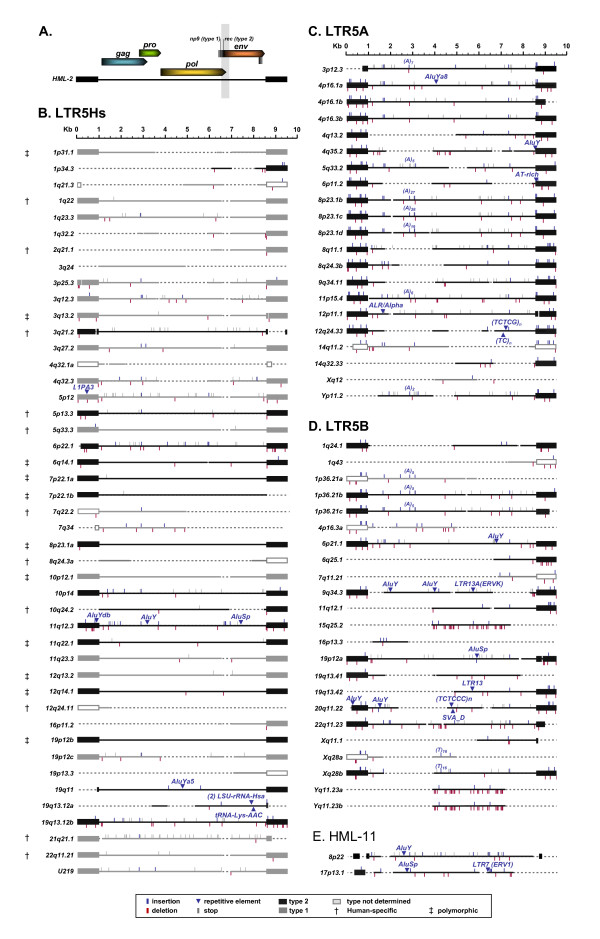
“The rec alternative splice site is deleted within type 1 proviruses (as is a portion of the env reading frame), resulting in mRNAs for a ~9 kDa fusion protein referred to as Np9 (Figure 1A) [30,64].”
BackgroundBuzdin, A. A., Ustyugova, S. V., Khodosevich, K., Mamedov, I. Z., Lebedev, Y. B., Hunsmann, G., & Sverdlov, E. D. (2003) · Genomics · doi:10.1016/s0888-7543(02)00027-7 · Cited by 122 · cited 10×
“We would like to note that previously described sequence polymorphisms [14] were not observed among all sequences in any subgroup, likely due to our large sample size.”
BackgroundResultInfluentialHIV-1 Infection Increases the Expression of Human Endogenous Retroviruses Type K (HERV-K) in Vitro
Contreras-Galindo, R., López, P., Vélez, R., & Yamamura, Y. (2007) · AIDS Research and Human Retroviruses · doi:10.1089/aid.2006.0117 · Cited by 117 · cited 1×
“Expression of HML-2 proviruses is known to be upregulated in tissues associated with several diseases, including breast cancers [21-25], germ cell tumors [26-29], melanomas [30-33], ovarian cancer [34,35], leukemias/lymphomas [36,37], schizophrenia [38-41], and rheumatoid arthritis [42-45], as well as during HIV infec…”
BackgroundFreimanis, G., Hooley, P., Ejtehadi, H. D., Ali, H. A., Veitch, A., Rylance, P. B., Alawi, A., Axford, J., Nevill, A., Murray, P. G., et al. (2010) · Clinical and Experimental Immunology · doi:10.1111/j.1365-2249.2010.04110.x · Cited by 116
Flockerzi, A., Ruggieri, A., Frank, O., Sauter, M., Maldener, E., Kopper, B., Wullich, B., Seifarth, W., Müller-Lantzsch, N., Leib-Mösch, C., et al. (2008) · BMC Genomics · doi:10.1186/1471-2164-9-354 · Cited by 115 · cited 3×
“Just one study has investigated expression of individual proviruses, providing evidence for the differential transcription of > 20 HML-2 proviruses in normal and tumor-derived human tissues [28].”
BackgroundHahn, S., Ugurel, S., Hanschmann, K.-M., Strobel, H., Tondera, C., Schadendorf, D., Löwer, J., & Löwer, R. (2008) · AIDS Research and Human Retroviruses · doi:10.1089/aid.2007.0286 · Cited by 108
A revised nomenclature for transcribed human endogenous retroviral loci
Mayer, J., Blomberg, J., & Seal, R. L. (2011) · Mobile DNA · doi:10.1186/1759-8753-2-7 · Cited by 104 · cited 1×
“Although attempts have been made to standardize nomenclature for HERVs using tRNA primer as defining characteristic [77,78], we believe that for the HERV-K elements this does not make sense.”
BackgroundHughes, J. F., & Coffin, J. M. (2005) · Genetics · doi:10.1534/genetics.105.043976 · Cited by 104 · cited 6×
“Age estimation of HML-2 proviruses and subgroups Individual provirus ages were inferred using a neutral substitution rate of 0.24%-0.45% per million years, as previously described by Hughes and Coffin [65].”
BackgroundInfluentialSelf-citationBuzdin, A., Kovalskaya-Alexandrova, E., Gogvadze, E., & Sverdlov, E. (2006) · Journal of Virology · doi:10.1128/jvi.00871-06 · Cited by 103 · cited 1×
“Although solo LTRs have lost the ability to express viral gene products, their inherent promoter activity can affect expression of neighboring genes [9,56-59].”
BackgroundAllelic Variation of HERV-K(HML-2) Endogenous Retroviral Elements in Human Populations
Macfarlane, C. M., & Simmonds, P. (2004) · Journal of Molecular Evolution · doi:10.1007/s00239-004-2656-1 · Cited by 101 · cited 8×
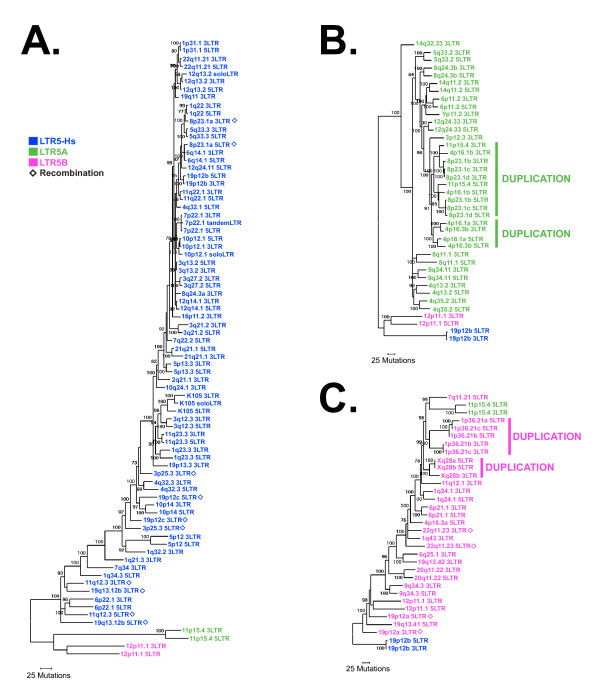
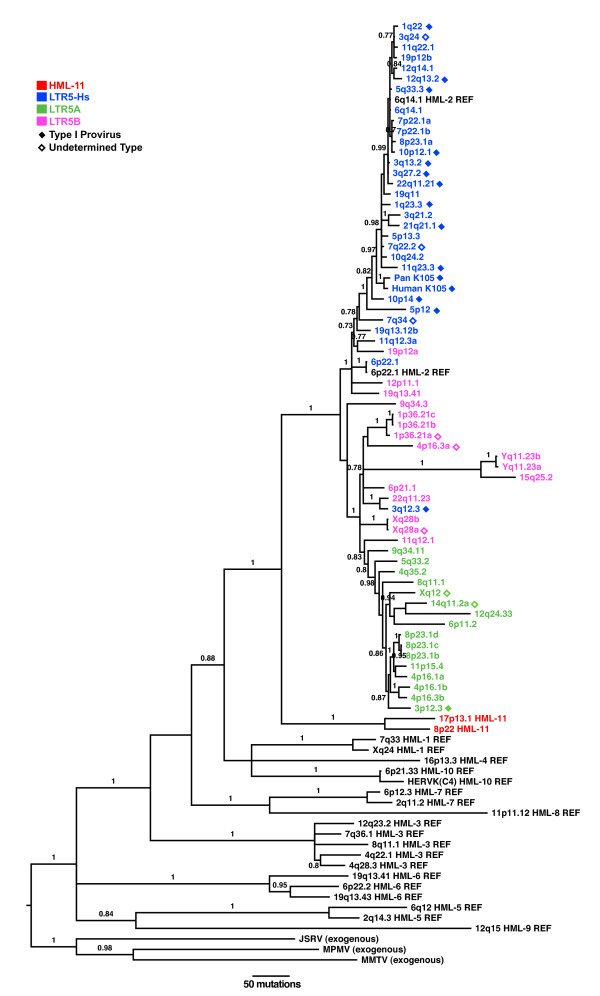
“HML-2 LTRs cluster into one of three subgroups based on phylogeny and shared nucleotide features: LTR5Hs, LTR5A, and LTR5B [11,14].”
BackgroundMethodResultInfluentialDetection of HERV-K(HML-2) Viral RNA in Plasma of HIV Type 1-Infected Individuals
Contreras-Galindo, R., Kaplan, M. H., Markovitz, D. M., Lorenzo, E., & Yamamura, Y. (2006) · AIDS Research and Human Retroviruses · doi:10.1089/aid.2006.22.979 · Cited by 101 · cited 1×
“Expression of HML-2 proviruses is known to be upregulated in tissues associated with several diseases, including breast cancers [21-25], germ cell tumors [26-29], melanomas [30-33], ovarian cancer [34,35], leukemias/lymphomas [36,37], schizophrenia [38-41], and rheumatoid arthritis [42-45], as well as during HIV infec…”
BackgroundTönjes, R. R., Czauderna, F., & Kurth, R. (1999) · Journal of Virology · doi:10.1128/jvi.73.11.9187-9195.1999 · Cited by 98 · cited 1×
“In all, we have generated an exhaustive dataset for the HML-2 group, adding 37 proviruses to the most recent report [52], around 30 of which are described here for the first time [5,8,11,15,51,53-55].”
MethodOn the Estimation of the Insertion Time of LTR Retrotransposable Elements
Kijima, T. E., & Innan, H. (2009) · Molecular Biology and Evolution · doi:10.1093/molbev/msp295 · Cited by 96 · cited 1×
“However, such events, although they can be detected over evolutionary time, are quite infrequent for HML-2 proviruses [86].”
BackgroundDifferences in HERV-K LTR insertions in orthologous loci of humans and great apes
Lebedev, Y. B., Belonovitch, O. S., Zybrova, N. V., Khil, P. P., Kurdyukov, S., Vinogradova, T. V., Hunsmann, G., & Sverdlov, E. D. (2000) · Gene · doi:10.1016/s0378-1119(00)00062-7 · Cited by 92 · cited 2×
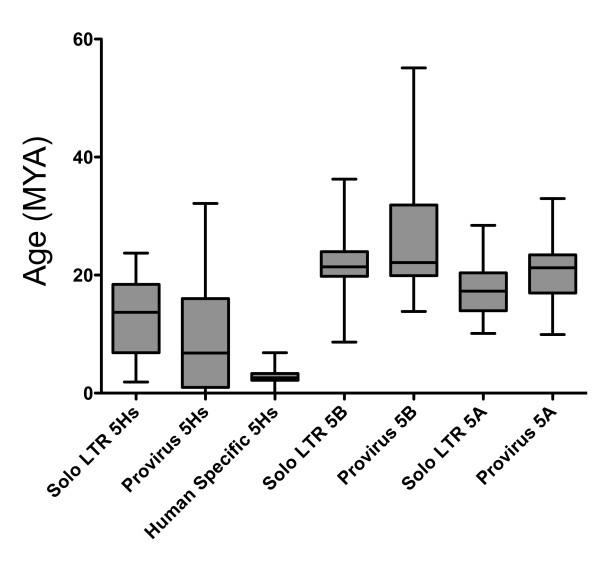
“Ages were estimated per group by comparing the number of substitutions between individual elements with the respective consensus sequence per LTR subgroup using the average age calculated using by the Jukes-Cantor model [68] and the Kimura 2-parameter model with = 2 [68].”
MethodNp9 Protein of Human Endogenous Retrovirus K Interacts with Ligand of Numb Protein X
Armbruester, V., Sauter, M., Roemer, K., Best, B., Hahn, S., Nty, A., Schmid, A., Philipp, S., Mueller, A., & Mueller-Lantzsch, N. (2004) · Journal of Virology · doi:10.1128/jvi.78.19.10310-10319.2004 · Cited by 91 · cited 1×
“Although rec transcripts are found in normal and cancer tissues, np9 mRNA has only been detected in tumor tissue, as is observed in tissues from mammary carcinoma biopsies, suggesting a possible role in tumorigenesis [64,84,85].”
BackgroundMultiple effects govern endogenous retrovirus survival patterns in human gene introns
van de Lagemaat, L. N., Medstrand, P., & Mager, D. L. (2006) · Genome Biology · doi:10.1186/gb-2006-7-9-r86 · Cited by 91
Sicat, J., Sutkowski, N., & Huber, B. T. (2005) · PubMed · Cited by 90
Yoshida, N., Abé, H., Ohkuri, T., Wakita, D., Satō, M., Noguchi, D., Miyamoto, M., Morikawa, T., Kondo, S., Ikeda, H., et al. (2006) · International Journal of Oncology · doi:10.3892/ijo.28.5.1089 · Cited by 86 · cited 1×
“The expansion of elements in the Xq28 locus corresponds to gene duplication of the cancer testis antigen 1 (CTAG1) into CTAG1A and CTAG1B; both CTAG1A and CTAG1B are exclusively expressed in malignant tissues or normal testis [79], which is the same expression pattern of HML-2 proviruses.”
BackgroundRuprecht, K., Ferreira, H., Flockerzi, A., Wahl, S., Sauter, M., Mayer, J., & Mueller-Lantzsch, N. (2008) · Journal of Virology · doi:10.1128/jvi.01016-08 · Cited by 86
Variable Transcriptional Activity of Endogenous Retroviruses in Human Breast Cancer
Frank, O., Verbeke, C., Schwarz, N., Mayer, J., Fabarius, A., Hehlmann, R., Leib-Mösch, C., & Seifarth, W. (2008) · Journal of Virology · doi:10.1128/jvi.02115-07 · Cited by 84 · cited 2×
“Expression of HML-2 proviruses is known to be upregulated in tissues associated with several diseases, including breast cancers [21-25], germ cell tumors [26-29], melanomas [30-33], ovarian cancer [34,35], leukemias/lymphomas [36,37], schizophrenia [38-41], and rheumatoid arthritis [42-45], as well as during HIV infec…”
BackgroundTranscriptionally Active HERV-K Genes: Identification, Isolation, and Chromosomal Mapping
Sugimoto, J., Matsuura, N., Kinjo, Y., Takasu, N., Oda, T., & Jinno, Y. (2001) · Genomics · doi:10.1006/geno.2001.6473 · Cited by 81 · cited 1×
“In all, we have generated an exhaustive dataset for the HML-2 group, adding 37 proviruses to the most recent report [52], around 30 of which are described here for the first time [5,8,11,15,51,53-55].”
MethodTissue specificity of enhancer and promoter activities of a HERV-K(HML-2) LTR
Ruda, V. M., Акопов, С. Б., Trubetskoy, D. O., Manuylov, N. L., Vetchinova, A. S., Zavalova, L. L., Николаев, Л. Г., & Sverdlov, E. D. (2004) · Virus Research · doi:10.1016/j.virusres.2004.02.036 · Cited by 80 · cited 1×
“Although solo LTRs have lost the ability to express viral gene products, their inherent promoter activity can affect expression of neighboring genes [9,56-59].”
BackgroundHuman-Specific Modulation of Transcriptional Activity Provided by Endogenous Retroviral Insertions
Gogvadze, E., Stukacheva, E., Buzdin, A., & Sverdlov, E. (2009) · Journal of Virology · doi:10.1128/jvi.00123-09 · Cited by 80 · cited 1×
“Although solo LTRs have lost the ability to express viral gene products, their inherent promoter activity can affect expression of neighboring genes [9,56-59].”
BackgroundHuang, W., Liu, Z., Wei, W., Wang, G., Wu, J., & Zhu, F. (2006) · Schizophrenia Research · doi:10.1016/j.schres.2006.01.007 · Cited by 78 · cited 1×
“Expression of HML-2 proviruses is known to be upregulated in tissues associated with several diseases, including breast cancers [21-25], germ cell tumors [26-29], melanomas [30-33], ovarian cancer [34,35], leukemias/lymphomas [36,37], schizophrenia [38-41], and rheumatoid arthritis [42-45], as well as during HIV infec…”
BackgroundSauter, M., Roemer, K., Best, B. A., Afting, M., Schommer, S., Seitz, G., Hartmann, M., & Mueller‐Lantzsch, N. (1996) · PubMed · Cited by 73
Mager, D. L., & Medstrand, P. (2005) · Encyclopedia of Life Sciences · doi:10.1038/npg.els.0005062 · Cited by 68
Endogenous Retrovirus Expression Is Required for Murine Melanoma Tumor Growth In vivo
Mangeney, M., Pothlichet, J., Renard, M., Ducos, B., & Heidmann, T. (2005) · Cancer Research · doi:10.1158/0008-5472.can-04-4231 · Cited by 68 · cited 1×
“Expression of HML-2 proviruses is known to be upregulated in tissues associated with several diseases, including breast cancers [21-25], germ cell tumors [26-29], melanomas [30-33], ovarian cancer [34,35], leukemias/lymphomas [36,37], schizophrenia [38-41], and rheumatoid arthritis [42-45], as well as during HIV infec…”
BackgroundHERV-K(OLD): Ancestor Sequences of the Human Endogenous Retrovirus Family HERV-K(HML-2)
Reus, K., Mayer, J. M., Sauter, M., Zischler, H., Müller‐Lantzsch, N., & Meese, E. U. (2001) · Journal of Virology · doi:10.1128/jvi.75.19.8917-8926.2001 · Cited by 66 · cited 2×
“In all, we have generated an exhaustive dataset for the HML-2 group, adding 37 proviruses to the most recent report [52], around 30 of which are described here for the first time [5,8,11,15,51,53-55].”
BackgroundMethodMagin-Lachmann, C., Hahn, S., Strobel, H., Held, U., Löwer, J., & Löwer, R. (2001) · Journal of Virology · doi:10.1128/jvi.75.21.10359-10371.2001 · Cited by 63 · cited 1×
“Type 2 proviruses encode the accessory protein Rec, involved in the transport of unspliced mRNAs from the nucleus to the cytoplasm and analogous to the HIV Rev and HTLV Rex proteins [61-63].”
MethodBlaise, S., Ruggieri, A., Dewannieux, M., Cosset, F.-L., & Heidmann, T. (2004) · Journal of Virology · doi:10.1128/jvi.78.2.1050-1054.2004 · Cited by 62 · cited 1×
“Despite the accumulation of deleterious mutations, a number of HERVs, most corresponding to relatively recent germline infections, have intact open reading frames (ORFs) that encode functional proteins and, in some cases, can form retrovirus-like particles [4-9].”
BackgroundMayer, J. M., Ehlhardt, S., Seifert, M., Sauter, M., Müller‐Lantzsch, N., Mehraein, Y., Zang, K. D., & Meese, E. U. (2004) · Virology · doi:10.1016/j.virol.2004.01.023 · Cited by 62 · cited 1×
“Type 2 proviruses encode the accessory protein Rec, involved in the transport of unspliced mRNAs from the nucleus to the cytoplasm and analogous to the HIV Rev and HTLV Rex proteins [61-63].”
MethodIncrease in Human Endogenous Retrovirus HERV‐K (HML‐2) Viral Load in Active Rheumatoid Arthritis
Reynier, F., Verjat, T., Turrel-Davin, F., Imbert, P.-E., Marotte, H., Mougin, B., & Miossec, P. (2009) · Scandinavian Journal of Immunology · doi:10.1111/j.1365-3083.2009.02271.x · Cited by 58 · cited 2×
“Expression of HML-2 proviruses is known to be upregulated in tissues associated with several diseases, including breast cancers [21-25], germ cell tumors [26-29], melanomas [30-33], ovarian cancer [34,35], leukemias/lymphomas [36,37], schizophrenia [38-41], and rheumatoid arthritis [42-45], as well as during HIV infec…”
BackgroundEhlhardt, S., Seifert, M., Schneider, J., Ojak, A., Zang, K. D., & Mehraein, Y. (2006) · PubMed · Cited by 58
Search for DNA of exogenous mouse mammary tumor virus-related virus in human breast cancer samples
Bindra, A., Muradrasoli, S., Kisekka, R., Nordgren, H., Wärnberg, F., & Blomberg, J. (2007) · Journal of General Virology · doi:10.1099/vir.0.82767-0 · Cited by 54 · cited 1×
“These putative exogenous viruses have a proposed role in breast cancer as well as biliary cirrhosis, although no such virus has been convincingly detected [73-75].”
BackgroundCostas, J. (2001) · Journal of Molecular Evolution · doi:10.1007/s002390010213 · Cited by 53 · cited 2×
“First, if gene conversion post-integration was so frequent, it would also be seen in other parts of the genome, particularly in the LTR, where it is readily detected [53,65,66].”
BackgroundMethodDetection of human mammary tumor virus proteins in human breast cancer cells
Melana, S. M., Nepomnaschy, I., Hasa, J., Djougarian, A., Djougarian, A., Holland, J. F., & Pogo, B. G. T. (2009) · Journal of Virological Methods · doi:10.1016/j.jviromet.2009.09.015 · Cited by 53 · cited 1×
“These putative exogenous viruses have a proposed role in breast cancer as well as biliary cirrhosis, although no such virus has been convincingly detected [73-75].”
BackgroundHuman endogenous retrovirus (HERV)‐K transcripts in germ cell and trophoblastic tumours
HERBST, H., SAUTER, M., KÜHLER‐OBBARIUS, C., LÖNING, T., & MUELLER‐LANTZSCH, N. (1998) · APMIS · doi:10.1111/j.1699-0463.1998.tb01338.x · Cited by 50 · cited 1×
“Expression of HML-2 proviruses is known to be upregulated in tissues associated with several diseases, including breast cancers [21-25], germ cell tumors [26-29], melanomas [30-33], ovarian cancer [34,35], leukemias/lymphomas [36,37], schizophrenia [38-41], and rheumatoid arthritis [42-45], as well as during HIV infec…”
BackgroundEvolutionary History of the Human Endogenous Retrovirus Family ERV9
Costas, J., & Naveira, H. (2000) · Molecular Biology and Evolution · doi:10.1093/oxfordjournals.molbev.a026312 · Cited by 49 · cited 1×
“This pattern contrasts with the ERV9 family of endogenous retroviruses, which have continued retrotranspositional activity within the genome since the hominid divergence within the primate lineage [81].”
ResultJha, A. R., Nixon, D. F., Rosenberg, M. G., Martin, J. N., Deeks, S. G., Hudson, R. R., Garrison, K. E., & Pillai, S. K. (2011) · PLoS ONE · doi:10.1371/journal.pone.0020234 · Cited by 49 · cited 1×
“[50,69].”
Jha, A. R., Pillai, S. K., York, V. A., Sharp, E. R., Storm, E. C., Wachter, D. J., Martin, J. N., Deeks, S. G., Rosenberg, M. G., Nixon, D. F., et al. (2009) · Molecular Biology and Evolution · doi:10.1093/molbev/msp180 · Cited by 47 · cited 1×
“K113 is the most recent germ-line integration known, with an allele frequency of ~16% and estimated to have formed ~1 million years ago [8,50].”
BackgroundEffects of Recombination Rate on Human Endogenous Retrovirus Fixation and Persistence
Katzourakis, A., Pereira, V., & Tristem, M. (2007) · Journal of Virology · doi:10.1128/jvi.00410-07 · Cited by 41 · cited 1×
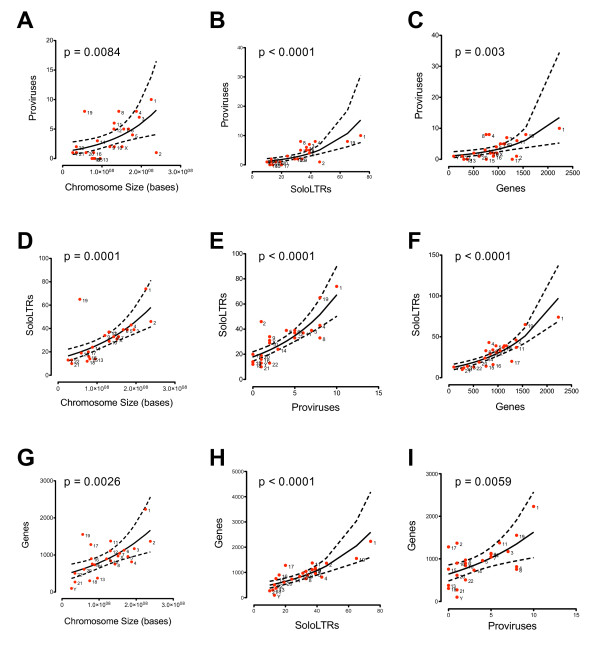
“This correlation is consistent with a previously described trend of HERV over-representation on this chromosome, as well as preferential integration by HIV and MLV [70,71], a phenomenon suggested to result from multiple segmental duplications [72].”
Expression of Human Endogenous Gammaretroviral Sequences in Endometriosis and Ovarian Cancer
Hu, L., Hornung, D., Kurek, R., Östman, H., Blomberg, J., & Bergqvist, A. (2006) · AIDS Research and Human Retroviruses · doi:10.1089/aid.2006.22.551 · Cited by 40 · cited 2×
“Expression of HML-2 proviruses is known to be upregulated in tissues associated with several diseases, including breast cancers [21-25], germ cell tumors [26-29], melanomas [30-33], ovarian cancer [34,35], leukemias/lymphomas [36,37], schizophrenia [38-41], and rheumatoid arthritis [42-45], as well as during HIV infec…”
BackgroundDickerson, F., Rubalcaba, E., Viscidi, R. P., Yang, S., Stallings, C. R., Sullens, A., Origoni, A. E., Leister, F. J., & Yolken, R. H. (2008) · Schizophrenia Research · doi:10.1016/j.schres.2008.05.005 · Cited by 37 · cited 1×
“Expression of HML-2 proviruses is known to be upregulated in tissues associated with several diseases, including breast cancers [21-25], germ cell tumors [26-29], melanomas [30-33], ovarian cancer [34,35], leukemias/lymphomas [36,37], schizophrenia [38-41], and rheumatoid arthritis [42-45], as well as during HIV infec…”
BackgroundTempo and mode of ERV-K evolution in human and chimpanzee genomes
Romano, C. M., Ramalho, R. F., & Zanotto, P. M. D. A. (2006) · Archives of Virology · doi:10.1007/s00705-006-0792-1 · Cited by 32 · cited 2×
“In all, we have generated an exhaustive dataset for the HML-2 group, adding 37 proviruses to the most recent report [52], around 30 of which are described here for the first time [5,8,11,15,51,53-55].”
BackgroundMethodLinking human beta retrovirus infection with primary biliary cirrhosis
Mason, A. L., & Zhang, G. (2010) · Gastroentérologie Clinique et Biologique · doi:10.1016/j.gcb.2010.04.014 · Cited by 24 · cited 1×
“These putative exogenous viruses have a proposed role in breast cancer as well as biliary cirrhosis, although no such virus has been convincingly detected [73-75].”
BackgroundTwo Groups of Endogenous MMTV Related Retroviral env Transcripts Expressed in Human Tissues
Willer, A., Saußele, S., Gimbel, W., Zeifarth, W., Kister, P., Leib‐Mösch, C., & Hehlmann, R. (1997) · Virus Genes · doi:10.1023/a:1007910924177 · Cited by 17 · cited 1×
“Expression of HML-2 proviruses is known to be upregulated in tissues associated with several diseases, including breast cancers [21-25], germ cell tumors [26-29], melanomas [30-33], ovarian cancer [34,35], leukemias/lymphomas [36,37], schizophrenia [38-41], and rheumatoid arthritis [42-45], as well as during HIV infec…”
BackgroundIwabuchi, H., Kakihara, T., Kobayashi, T., Imai, C., Tanaka, A., Uchiyama, M., & Fukuda, T. (2004) · Leukemia & lymphoma/Leukemia and lymphoma · doi:10.1080/10428190412331272758 · Cited by 17 · cited 1×
“Expression of HML-2 proviruses is known to be upregulated in tissues associated with several diseases, including breast cancers [21-25], germ cell tumors [26-29], melanomas [30-33], ovarian cancer [34,35], leukemias/lymphomas [36,37], schizophrenia [38-41], and rheumatoid arthritis [42-45], as well as during HIV infec…”
Background
Cited by
Pegtel, D. M., & Gould, S. J. (2019) · Annual Review of Biochemistry · doi:10.1146/annurev-biochem-013118-111902 · Cited by 2,682
Intrinsic retroviral reactivation in human preimplantation embryos and pluripotent cells
Grow, E. J., Flynn, R. A., Chavez, S. L., Bayless, N. L., Wossidlo, M., Wesche, D. J., Martin, L., Ware, C. B., Blish, C. A., Chang, H. Y., et al. (2015) · Nature · doi:10.1038/nature14308 · Cited by 647
Human endogenous retrovirus-K contributes to motor neuron disease
Li, W., Lee, M.-H., Henderson, L., Tyagi, R., Bachani, M., Steiner, J., Campanac, E., Hoffman, D. A., von Geldern, G., Johnson, K., et al. (2015) · Science Translational Medicine · doi:10.1126/scitranslmed.aac8201 · Cited by 482
“Multiple complete sequences of the most recently acquired HERV-K are present in the human genome (2).”
BackgroundOrigins and evolutionary consequences of ancient endogenous retroviruses
Johnson, W. E. (2019) · Nature Reviews Microbiology · doi:10.1038/s41579-019-0189-2 · Cited by 404
Resurrection of endogenous retroviruses during aging reinforces senescence
Liu, X., Liu, Z., Wu, Z., Ren, J., Fan, Y., Sun, L., Cao, G., Niu, Y., Zhang, B., Ji, Q., et al. (2023) · Cell · doi:10.1016/j.cell.2022.12.017 · Cited by 390
Metadata
- Authors
- Subramanian, R. P., Wildschutte, J. H., Russo, C., & Coffin, J. M.
- Affiliations
- Tufts University (US)
- Corresponding author
- Coffin, John M
- ORCID
- Coffin, John M
- Venue
- Retrovirology
- Published
- 2011-11-08
- Volume
- 8
- Issue
- 1
- Pages
- 90-90
- ISSN
- 1742-4690 (ISSN-L)
- PMC
- PMC3228705
- OpenAlex
- W2141488802
- Cited by
- 439
- References
- 96
- Citations by year
- 2026: 20 · 2025: 27 · 2024: 42 · 2023: 36 · 2022: 40 · 2021: 38 · 2020: 40 · 2019: 32 · 2018: 30 · 2017: 23 · 2016: 25 · 2015: 30 · 2014: 21 · 2013: 23 · 2012: 12
- FWCI
- 21.60
- Type
- journal article
- Language
- en
- Open access
- gold
- doi.org
- Licence
- cc-by
- Locations
- Retrovirology (publishedVersion, cc-by)
- Europe PMC (PubMed Central) (publishedVersion, cc-by)
- PubMed Central (publishedVersion, cc-by)
- PubMed (publishedVersion)
- DOAJ (DOAJ: Directory of Open Access Journals) (submittedVersion, cc-by-sa)
- Funders
- U.S. Public Health Service (F31 M4084487-03)
- National Institute of Mental Health (F31MH084487)
- National Cancer Institute (R37CA089441)
- Topics
- Life Sciences › Biochemistry, Genetics and Molecular Biology › Genetics › Chromosomal and Genetic Variations
- Life Sciences › Biochemistry, Genetics and Molecular Biology › Genetics › Genomic variations and chromosomal abnormalities
- Life Sciences › Biochemistry, Genetics and Molecular Biology › Genetics › Genome Rearrangement Algorithms
- Keywords
- HERV-K(HML-2), human endogenous retroviruses, open reading frames
- MeSH terms
- Humans, Molecular Sequence Data, Phylogeny, Proviruses, Retroviridae Infections, Genome, Human, Genome, Viral, Endogenous Retroviruses, Terminal Repeat Sequences, Databases, Nucleic Acid
About these checks
Registry, retraction, Cites and statistics results are computed, not judged, with one exception: a printed reference that no index lists is read once by a model before it counts as a citation error. Claims are extracted by a model and kept only when their quote appears verbatim in the text; each cited source is then checked, with a model’s help, for whether it says what the claim relies on. Those verdicts can be wrong — read the claim’s quote and the cited source before relying on one.
Statistics and arithmetic are recomputed, not judged.
Confidence bands are shown only for fields calibrated on our annotated test set. None is calibrated yet, so no band is shown.
What counts as a claim ›How we measure confidence ›How we check this ›
Are you an author, or do you see a problem with this page? Request a review
Data sources
Bibliographic data: Semantic Scholar, OpenAlex, Crossref.
Contains information from the Semantic Scholar Academic Graph Datasets, made available under the ODC Attribution License (ODC-BY 1.0).
Semantic Scholar’s data is described in: Kinney, R., et al. (2023). The Semantic Scholar Open Data Platform. arXiv:2301.10140.
