

Systematic review of Kinect applications in elderly care and stroke rehabilitation
Open accessThe DOI matches its Crossref record; 117 of the 117 references it cites were found in a registry or an index.
Abstract
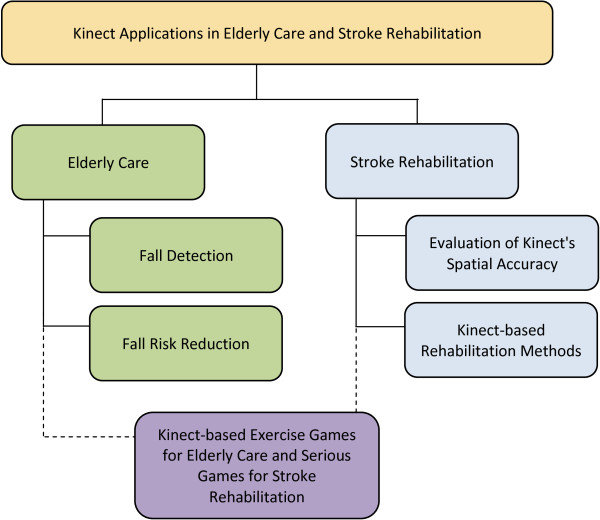
In this paper we present a review of the most current avenues of research into Kinect-based elderly care and stroke rehabilitation systems to provide an overview of the state of the art, limitations, and issues of concern as well as suggestions for future work in this direction. The central purpose of this review was to collect all relevant study information into one place in order to support and guide current research as well as inform researchers planning to embark on similar studies or applications. The paper is structured into three main sections, each one presenting a review of the literature for a specific topic. Elderly Care section is comprised of two subsections: Fall detection and Fall risk reduction. Stroke Rehabilitation section contains studies grouped under Evaluation of Kinect's spatial accuracy, and Kinect-based rehabilitation methods. The third section, Serious and exercise games, contains studies that are indirectly related to the first two sections and present a complete system for elderly care or stroke rehabilitation in a Kinect-based game format. Each of the three main sections conclude with a discussion of limitations of Kinect in its respective applications. The paper concludes with overall remarks regarding use of Kinect in elderly care and stroke rehabilitation applications and suggestions for future work. A concise summary with significant findings and subject demographics (when applicable) of each study included in the review is also provided in table format.
Overview
The claims and statistics of this paper haven’t been checked yet.
Free: it reads the open-access text and checks the first 5 claims that cite a source we can check. Create a free account to check every claim.
Integrity signals
Registry
Cites
Statistics
Figures
Verification
Claims the paper makes
The claims and statistics of this paper haven’t been checked yet.
Free: it reads the open-access text and checks the first 5 claims that cite a source we can check. Create a free account to check every claim.
Claims other papers make about this one
Each is checked against this paper’s own text: does it say what the citing paper says it does?
In the citing paper
“Another application area of CV is assisted living or rehabilitation, such as continuous sign language recognition to assist people with communication difficulties 139 , and monitoring of physiotherapy exercises for stroke rehabilitation 140 .”
From Deep learning-enabled medical computer vision (2021) · cites this paper as [140]
Self-check
Percentages, sums and reported differences re-computed from the paper’s own numbers.
The self-check needs the paper’s full text.
Citations
Cites
Greedy function approximation: A gradient boosting machine
Friedman, J. H. (2001) · The Annals of Statistics · doi:10.1214/aos/1013203451 · Cited by 30,731 · cited 1×
“[25] developed a method of full body gait analysis through the use of Kinect-based data and a multiple additive regression tree algorithm [51,52].”
MethodA Tutorial on Support Vector Machines for Pattern Recognition
Burges, C. J. C. (1998) · Data Mining and Knowledge Discovery · doi:10.1023/a:1009715923555 · Cited by 16,429 · cited 1×
“[26] demonstrated that variables of Kinect-based posture and gait recognition can also be accurately acquired (up to 99%) through the use of the specific biomechanic and algorithmic parameters of: height/shoulder width, arms’ coordinates, and c-support vector machine scaling (for an optimal hyper-plane [53]).”
MethodDowns, S. H., & Black, N. (1998) · Journal of Epidemiology and Community Health · doi:10.1136/jech.52.6.377 · Cited by 8,252 · cited 1×
“Contingency bias Initially, we planned to assess study quality with the Downs and Black check-list [47]; however, based on the observation that current systems developed utilizing the Kinect are often at an immature ‘proof of concept’ state, this approach was deemed unfruitful.”
MethodFriedman, J. H. (2002) · Computational Statistics & Data Analysis · doi:10.1016/s0167-9473(01)00065-2 · Cited by 7,067 · cited 1×
“[25] developed a method of full body gait analysis through the use of Kinect-based data and a multiple additive regression tree algorithm [51,52].”
MethodRisk Factors for Falls among Elderly Persons Living in the Community
Tinetti, M. E., Speechley, M., & Ginter, S. F. (1988) · New England Journal of Medicine · doi:10.1056/nejm198812293192604 · Cited by 6,509 · cited 2×
“These alert systems focus on reducing the probability a fall incident will occur; a leading cause of injury, emotional distress, and financial burden to the elderly [7-17].”
BackgroundInternational Classification of Functioning Disability and Health (ICF)
Battistella, L. R., & Brito, C. M. M. D. (2002) · Acta Fisiátrica · doi:10.5935/0104-7795.20020003 · Cited by 4,446
Performance‐Oriented Assessment of Mobility Problems in Elderly Patients
Tinetti, M. E. (1986) · Journal of the American Geriatrics Society · doi:10.1111/j.1532-5415.1986.tb05480.x · Cited by 3,352 · cited 1×
“Assessment was with the Berg balance scale (BBS) [4]; The balance subscale of the Tinetti performance oriented mobility assessment (POBMAb) [5], and the Brunnel balance assessment (BBA) [6].”
MethodFalls in older people: epidemiology, risk factors and strategies for prevention
Rubenstein, L. Z. (2006) · Age and Ageing · doi:10.1093/ageing/afl084 · Cited by 3,287 · cited 2×
“These alert systems focus on reducing the probability a fall incident will occur; a leading cause of injury, emotional distress, and financial burden to the elderly [7-17].”
BackgroundAgeing populations: the challenges ahead
Christensen, K., Doblhammer, G., Rau, R., & Vaupel, J. W. (2009) · The Lancet · doi:10.1016/s0140-6736(09)61460-4 · Cited by 3,011 · cited 1×
“Introduction The median age of the general population is projected to significantly rise in the upcoming years [1].”
BackgroundMeasuring balance in the elderly: validation of an instrument.
Berg, K., Wood-Dauphinée, S., Williams, J. I., & Maki, B. E. (1992) · PubMed · Cited by 2,961
Research works printed but not linked: 2
- Heyn P, Abreu BC, Ottenbacher KJ: The effects of exercise training on elderly persons with cognitive impairment and dementia: a meta-analysis. Arch Phys Med Rehabil 2004, 85(10):1694-1704.
- Gerling K, Masuch M: When gaming is not suitable for everyone: playtesting wii games with frail elderly. In 1st Workshop on Game Accessibility: Xtreme Interaction Design (GAXID'11): ACM; 2011.
Cited by
Items 101–200 of 440
Elderly user experience to improve a Kinect-based game playability
Sáenz-de-Urturi, Z., García-Zapirain, B., & Zorrilla, A. M. (2015) · Behaviour and Information Technology · doi:10.1080/0144929x.2015.1077889 · Cited by 30
“A review of existing Kinect-based studies provides evidence for Kinect’s usefulness in physical rehabilitation and AR systems for patients, aimed at physical tasks and exercise to stroke victims and the elderly (Webster and Celik, 2014).”
BackgroundMotion tracking in developmental research: Methods, considerations, and applications
van Schaik, J. E., & Dominici, N. (2020) · Progress in brain research · doi:10.1016/bs.pbr.2020.06.007 · Cited by 32
An interactive distance solution for stroke rehabilitation in the home setting – A feasibility study
Palmcrantz, S. M., Borg, J., Sommerfeld, D. K., Plantin, J., Wall, A., Ehn, M., Sjölinder, M., & Boman, I.-L. (2016) · Informatics for Health and Social Care · doi:10.1080/17538157.2016.1253015 · Cited by 32
“A challenge is to develop reliable technology that will work in the individual users’ environment (28).”
BackgroundLiao, W.-W., Waller, S. M., & Whitall, J. (2018) · Cogent Medicine · doi:10.1080/2331205x.2018.1428038 · Cited by 29
“…used, the majority of Kinect rehabilitation studies were conducted in hospitals or laboratories where trainers supervised and assisted the training (Chang et al., 2011; Lee, 2013; Mousavi Hondori & Khademi, 2014; Pastor et al., 2012; Sin & Lee, 2013; Taylor et al., 2011; Webster & Celik, 2014).”
BackgroundMethodColombini, G., Duradoni, M., Carpi, F., Vagnoli, L., & Guazzini, A. (2021) · International Journal of Environmental Research and Public Health · doi:10.3390/ijerph18084006 · Cited by 30
“For ese reasons, motion capture systems, such as Microsoft’s Kinect, have already demonstrated their usefulness in supporting physical rehabilitation [8,9] and intervention in clinical populations with specific needs [10,11].”
BackgroundAutomated extraction and validation of children’s gait parameters with the Kinect
Motiian, S., Pergami, P., Guffey, K., Mancinelli, C. A., & Doretto, G. (2015) · BioMedical Engineering OnLine · doi:10.1186/s12938-015-0102-9 · Cited by 27
“Further references can be found in [45, 46], which review the technical and clinical impact of the Kinect in physical therapy and rehabilitation, with an emphasis on patients with neurological disorders as wel as elderly patients.”
BackgroundAnguera, J. A., Brandes-Aitken, A. N., Rolle, C. E., Skinner, S. N., Desai, S. S., Bower, J. D., Martucci, W. E., Chung, W. K., Sherr, E. H., & Marco, E. J. (2016) · Translational Psychiatry · doi:10.1038/tp.2016.178 · Cited by 33
Stability of Kinect for range of motion analysis in static stretching exercises
Mortazavi, F., & Nadian-Ghomsheh, A. (2018) · PLoS ONE · doi:10.1371/journal.pone.0200992 · Cited by 26
Hsu, W., Rowles, W. M., Anguera, J. A., Zhao, C., Anderson, A., Alexander, A. M., Sacco, S., Henry, R. G., Gazzaley, A. H., & Bove, R. M. (2021) · Journal of Medical Internet Research · doi:10.2196/24356 · Cited by 32
“Digital tools have been used for functional assessment, rehabilitation, and health care monitoring in clinical populations such as stroke [19,20], schizophrenia [21], depression [10,12], attention-deficit/hyperactivity disorder [15,22-24], and neurodevelopmental disorders [8,9].”
Rhythmic serious games as an inclusive tool for music‐based interventions
Bella, S. D. (2022) · Annals of the New York Academy of Sciences · doi:10.1111/nyas.14878 · Cited by 34
A fall prediction methodology for elderly based on a depth camera
Alazrai, R., Mowafi, Y., & Hamad, E. M. (2015) · Annual International Conference of the IEEE Engineering in Medicine and Biology Society (EMBC) · doi:10.1109/embc.2015.7319512 · Cited by 26
Interactive and Connected Rehabilitation Systems for E-Health
Dao, T. T., Tannous, H., Pouletaut, P., Gamet, D., Istrate, D., & Tho, M. H. B. (2016) · IRBM · doi:10.1016/j.irbm.2016.02.003 · Cited by 30
Developing a System for Post-Stroke Rehabilitation: An Exergames Approach
dos Reis, A. M., Laíns, J., Paredes, H., Filipe, V. M. D. J., Abrantes, C. G., Ferreira, F., Mendes, R., Amorim, P., & Barroso, J. (2016) · Lecture notes in computer science · doi:10.1007/978-3-319-40238-3_39 · Cited by 29
Mesquita, I., Fonseca, P., Pinheiro, A. R., Correia, M. V., & Silva, C. (2019) · Topics in Stroke Rehabilitation · doi:10.1080/10749357.2019.1611221 · Cited by 34
Knippenberg, E., Timmermans, A. A. A., Palmaers, S., & Spooren, A. I. F. (2021) · BMC Geriatrics · doi:10.1186/s12877-021-02021-3 · Cited by 30
Mazurek, P., Wagner, J., & Morawski, R. Z. (2017) · Biomedical Signal Processing and Control · doi:10.1016/j.bspc.2017.09.006 · Cited by 26
AGaR: A VR Serious Game to Support the Recovery of Post-Stroke Patients
Funabashi, A. M. M., Aranha, R. V., da Silva, T. D., Monteiro, C. B. D. M., Silva, W. S., & Nunes, F. L. S. (2017) · Symposium on Virtual and Augmented Reality (SVR) · doi:10.1109/svr.2017.15 · Cited by 25
“According to [9], VR systems apply relevant concepts for driving neuroplasticity, providing repetition, intensity and task-oriented training for paretic extremity, promoting motor recovery after stroke.”
BackgroundPhysical rehabilitation based on kinect serious games
Ferreira, D., Oliveira, R., & Postolache, O. A. (2017) · International Conference on Sensing Technology · doi:10.1109/icsenst.2017.8304512 · Cited by 25
“The Kinect games provide training localization flexibility, the patients may train at home or at the physiotherapy and contribute to reduce the physiotherapist work, extending the capability to follow their patients everywhere recurring to mobile applications connected to Kinect serious game frameworks [6].”
Wu, Y., Lin, J., Wu, P., & Kuo, Y. (2018) · Geriatrics and gerontology international/Geriatrics & gerontology international · doi:10.1111/ggi.13575 · Cited by 26
Casile, A., Fregna, G., Boarini, V., Paoluzzi, C., Manfredini, F., Lamberti, N., Baroni, A., & Straudi, S. (2023) · Sensors · doi:10.3390/s23187906 · Cited by 30
“While several studies showed promising results in upper-limb kinematic assessment in post-stroke people through markerless devices [44], there is scarce information on validation data and psychometric properties of kinematic metrics recorded with these tools [45].”
Using Data From the Microsoft Kinect 2 to Quantify Upper Limb Behavior: A Feasibility Study
Dehbandi, B., Barachant, A., Harary, D., Long, J. D., Tsagaris, K. Z., Bumanlag, S. J., He, V., & Putrino, D. F. (2016) · IEEE Journal of Biomedical and Health Informatics · doi:10.1109/jbhi.2016.2606240 · Cited by 30
“There is a growing body of literature to support the notion that the MK2 may have a crucial role in assessment and treatment of stroke survivors [17].”
BackgroundAn Exploratory Study on Techniques for Quantitative Assessment of Stroke Rehabilitation Exercises
Lee, M. H., Siewiorek, D. P., Smailagic, A., Bernardino, A. J. M., & Badia, S. B. I. (2020) · ACM Conference on User Modeling, Adaptation and Personalization (UMAP) · doi:10.1145/3340631.3394872 · Cited by 25
“…(ML) techniques, researchers have demonstrated the feasibility to develop a technology-assisted rehabilitation monitoring system that can provide objective kinematic analysis on patient’s functional status to support therapist’s decision making and improve rehabilitation practices [17, 25].”
BackgroundTang, T. Y., Falzarano, M., & Morreale, P. A. (2017) · Universal Access in the Information Society · doi:10.1007/s10209-017-0562-8 · Cited by 25
A computer-vision-based system for at-home rheumatoid arthritis rehabilitation
Dorado, J., del Toro, X., Santofimia, M. J., Torres, A. P., Cantarero, R., Rubio, A., & López, J. C. (2019) · International Journal of Distributed Sensor Networks · doi:10.1177/1550147719875649 · Cited by 26
Schez-Sobrino, S., Vallejo, D., Monekosso, D., Glez-Morcillo, C., & Remagnino, P. (2020) · IEEE Access · doi:10.1109/access.2020.2995119 · Cited by 29
“The Kinect, has been the subject of numerous research works in the field of rehabilitation [9].”
BackgroundMethodPasinetti, S., Nuzzi, C., Covre, N., Luchetti, A., Maule, L., Serpelloni, M., & Lancini, M. (2020) · Sensors · doi:10.3390/s20143899 · Cited by 24
Generative model‐enhanced human motion prediction
Bourached, A., Griffiths, R., Gray, R., Jha, A., & Nachev, P. (2022) · Applied AI Letters · doi:10.1002/ail2.63 · Cited by 29
“Its prediction allows the anticipation of actions with applications across healthcare [1, 2], physical rehabilitation and training [3, 4], robotics [5, 6, 7], navigation [8, 9, 10, 11], manufacture [12], entertainment [13, 14, 15], and security [16, 17].”
BackgroundFrom exergames to immersive virtual reality systems: serious games for supporting older adults
Muñoz, J. E., Montoya, M. F., & Boger, J. N. (2021) · Elsevier eBooks · doi:10.1016/b978-0-323-85173-2.00011-4 · Cited by 29
Maskeliūnas, R., Damaševičius, R., Paulauskas, A., Ceravolo, M. G., Charalambous, M., Kambanaros, M., Pampoulou, E., Barbabella, F., Poli, A., & de Carvalho, C. V. (2022) · Information · doi:10.3390/info13120564 · Cited by 23
“Such an approach is however less used in contrast to depth-based computer vision-based techniques [69].”
Initial Experiments with the Leap Motion as a User Interface in Robotic Endonasal Surgery
Travaglini, T. A., Swaney, P. J., Weaver, K. D., & Webster, R. J., III (2015) · Mechanisms and machine science · doi:10.1007/978-3-319-22368-1_17 · Cited by 22
“in rehabilitation [27].”
The use of rhythm in rehabilitation for patients with movement disorders
Bella, S. D. (2020) · Elsevier eBooks · doi:10.1016/b978-0-12-817422-7.00015-8 · Cited by 31
ErgoTakt: A novel approach of human-centered balancing of manual assembly lines
Wilhelm, M., Manghisi, V. M., Uva, A., Fiorentino, M., Bräutigam, V., Engelmann, B., & Schmitt, J. (2021) · Procedia CIRP · doi:10.1016/j.procir.2020.05.250 · Cited by 22
Multi-Modal Motion-Capture-Based Biometric Systems for Emergency Response and Patient Rehabilitation
Gavrilova, M. L., Ahmed, F., Bari, A. S. M. H., Liu, R., Liu, T., Maret, Y., Sieu, B. K., & Sudhakar, T. (2020) · IGI Global eBooks · doi:10.4018/978-1-7998-3432-8.ch032 · Cited by 32
Modulation of Physiological Responses and Activity Levels during Exergame Experiences
Muñoz, J. E., Cameirão, M. S., Paulino, T., Badia, S. B. I., & Rubio, E. V. (2016) · International Conference on Games and Virtual Worlds for Serious Applications · doi:10.1109/vs-games.2016.7590353 · Cited by 27
“The particular case of usability in Exergames for elderly care and rehabilitation is generally limited to qualitative studies focusing on users’ perception towards systems and controllers [14].”
BackgroundMoldovan, I. M., Tric, L., Ursu, R., Podar, A., Calin, A., Cantea, A., Dascalu, L. A., & Mihaiu, C. (2017) · E-Health and Bioengineering Conference (EHB) · doi:10.1109/ehb.2017.7995427 · Cited by 21
Gmez-Portes, C., Carneros-Prado, D., Albusac, J. A., Castro-Schez, J. J., Glez-Morcillo, C., & Vallejo, D. (2021) · IEEE Access · doi:10.1109/access.2021.3118842 · Cited by 21
“Virtual rehabilitation has been a promising research field during the last few years, commonly associated to elderly care and rehabilitation of patients affected by neurological diseases [15].”
BackgroundTannous, H., Istrate, D., Perrochon, A., Daviet, J., Benlarbi‐Delaï, A., Sarrazin, J., Tho, M. H. B., & Dao, T. T. (2019) · IEEE Transactions on Games · doi:10.1109/tg.2019.2963108 · Cited by 23
Kauraka, P. (2016) · Open Access Victoria University of Wellington | Te Herenga Waka (Figshare) · doi:10.26686/wgtn.17059952 · Cited by 21
Multi-sensor Exercise-based Interactive Games for Fall Prevention and Rehabilitation
Santos, A. L., Guimar�ães, V., Matos, N., Cevada, J., Ferreira, C., & Sousa, I. (2015) · International Conference on Pervasive Computing Technologies for Healthcare · doi:10.4108/icst.pervasivehealth.2015.259115 · Cited by 20
“Within the scope of rehabilitation, several systems based on the Microsoft Kinect R © have been proposed [21].”
BackgroundAnalysis and Quantification of Repetitive Motion in Long-Term Rehabilitation
Pogrzeba, L., Neumann, T., Wacker, M., & Jung, B. (2018) · IEEE Journal of Biomedical and Health Informatics · doi:10.1109/jbhi.2018.2848103 · Cited by 24
“[19]–[21] in various applications settings [2], [3], [22], [23].”
BackgroundCherry-Allen, K. M., French, M., Stenum, J., Xu, J., & Roemmich, R. (2023) · American Journal of Physical Medicine & Rehabilitation · doi:10.1097/phm.0000000000002131 · Cited by 16
Lee, M. H., Siewiorek, D. P., Smailagic, A., Bernardino, A., & Bermúdez i Badia, S. (2022) · 27th International Conference on Intelligent User Interfaces · doi:10.1145/3490099.3511112 · Cited by 19
“Researchers have explored an approach of automatically monitoring and assessing patient’s exercises with machine learning and sensors to improve current practices of rehabilitation [59].”
BackgroundUtilizing Depth Sensors for Analyzing Multimodal Presentations
Leong, C. W., Chen, L., Feng, G., Lee, C., & Mulholland, M. (2015) · INTERNATIONAL CONFERENCE ON MULTIMODAL INTERACTION · doi:10.1145/2818346.2830605 · Cited by 19
“The role of 3D sensors has been significantly amplified over the years, graduating from its origination in research labs and increasingly finding its way into our everyday lives [39, 20, 8, 37].”
BackgroundA natural user interface to integrate citizen science and physical exercise
Palermo, E., Laut, J., Nov, O., Cappa, P., & Porfiri, M. (2017) · PLoS ONE · doi:10.1371/journal.pone.0172587 · Cited by 23
User-Centered Design of a Controller-Free Game for Hand Rehabilitation
Proffitt, R. M., Sevick, M., Chang, C., & Lange, B. S. (2015) · Games for Health Journal · doi:10.1089/g4h.2014.0122 · Cited by 23
“The Microsoft (Redmond, WA) Kinect sensor has been incorporated into a variety of customized VR rehabilitation systems.(9,10) Benefits of using the Kinect include elimination of the need to don wearable sensors or hold controllers to record performance (e.”
MethodComparison of two techniques for monitoring of human movements
Wagner, J., Mazurek, P., Miękina, A., Morawski, R. Z., Jacobsen, F. F., Sudmann, T. T., Børsheim, I. T., Øvsthus, K., & Ciamulski, T. (2017) · Measurement · doi:10.1016/j.measurement.2017.04.024 · Cited by 19
Cooperative Cooking: A Novel Virtual Environment for Upper Limb Rehabilitation
Goršič, M., Tran, M. H., & Novak, D. (2018) · Annual International Conference of the IEEE Engineering in Medicine and Biology Society (EMBC) · doi:10.1109/embc.2018.8513005 · Cited by 19
“By combining motion tracking devices such as the Microsoft Kinect [1] with virtual environments (VEs) [2], [3], these technologies allow people with motor disabilities to train motions at home, without therapist supervision, and receive feedback about their motion through the VE.”
A VR-based user interface for the upper limb rehabilitation
Shi, Y., & Peng, Q. (2018) · Procedia CIRP · doi:10.1016/j.procir.2018.08.311 · Cited by 28
Kinect-Based Physiotherapy and Assessment: A Comprehensive Review
Rashid, F. ‘. N., Suriani, N. S., & Nazari, A. (2018) · Indonesian Journal of Electrical Engineering and Computer Science · doi:10.11591/ijeecs.v11.i3.pp1176-1187 · Cited by 23
“Below are the summarization of the limitations for exergames and serious games [8]: 1.”
BackgroundCloud-based rehabilitation and recovery prediction system for stroke patients
Hoda, M., Hoda, Y., Hage, A., Alelaiwi, A. A., & Saddik, A. E. (2015) · Cluster Computing · doi:10.1007/s10586-015-0448-6 · Cited by 19
“customized to fit the patients’ needs at different stages of the treatment [14].”
BackgroundPersonalized rehabilitation for children with cerebral palsy
Tresser, S., Kuflik, T., Levin, I., & Weiss, P. L. (2021) · User Modeling and User-Adapted Interaction · doi:10.1007/s11257-021-09296-6 · Cited by 19
A Serious Game System for Upper Limb Motor Function Assessment of Hemiparetic Stroke Patients
Jiang, Y., Liu, Z., Liu, T., Ma, M., Tang, M., & Chai, Y. (2023) · IEEE Transactions on Neural Systems and Rehabilitation Engineering · doi:10.1109/tnsre.2023.3281408 · Cited by 19
“In addition, serious games are a low-cost medical aid that can save medical resources [12].”
BackgroundPetersen, J. D., Larsen, E. L., la Cour, K., von Bülow, C., Skouboe, M., Christensen, J. R., & Waldorff, F. B. (2020) · JMIR Mental Health · doi:10.2196/19495 · Cited by 20
“This kind of assistive technology has been approved as beneficial for stroke recovery and atraumatic brain injury rehabilitation [11,12].”
BackgroundVallejo, D., Gmez-Portes, C., Albusac, J. A., Glez-Morcillo, C., & Castro-Schez, J. J. (2020) · Applied Sciences · doi:10.3390/app10207378 · Cited by 21
“The latter have been traditionally based on using Kinect [14,15], a low-cost hardware solution whose effectiveness has been proved in the field of physical rehabilitation [16–18].”
BackgroundPortable, open-source solutions for estimating wrist position during reaching in people with stroke
Nie, J. Z., Nie, J. W., Hung, N., Cotton, R. J., & Slutzky, M. W. (2021) · Scientific Reports · doi:10.1038/s41598-021-01805-2 · Cited by 19
Development of a Kinect-based exergaming system for motor rehabilitation in neurological disorders
Estepa, A., Piriz, S. S., Albornoz, E. M., & Martínez, C. (2016) · Journal of Physics Conference Series · doi:10.1088/1742-6596/705/1/012060 · Cited by 18
Chung, C., Su, M., Lee, S.-H., Wu, E. H., Tang, L.-H., & Yeh, S. (2022) · IEEE Journal of Translational Engineering in Health and Medicine · doi:10.1109/jtehm.2022.3213348 · Cited by 21
Rojo, A., Calvillo, A. C., López, C., Perea, L., Alnajjar, F., Moreno, J. C., & Raya, R. (2023) · PLoS ONE · doi:10.1371/journal.pone.0280743 · Cited by 23
“Latest studies have focused on demonstrating that stimuli environments-based physical training facilitates the recovery of motor function in neurological patients [16, 17].”
A Proposed Serious Game Architecture to Self-Management HealthCare for Older Adults
Codreanu, I.-A., & Florea, A. M. (2015) · International Symposium on Symbolic and Numeric Algorithms for Scientific Computing (SYNASC) · doi:10.1109/synasc.2015.71 · Cited by 18
Díaz-Monterrosas, P. R., Posada, R., Martínez‐Sibaja, A., Lasserre, A. A. A., Juárez-Martínez, U., & Trujillo-Caballero, J. C. (2018) · Advances in Electrical and Computer Engineering · doi:10.4316/aece.2018.01016 · Cited by 17
A Virtual Environment Gesture Interaction System for People with Dementia
Bejan, A., Wieland, M., Murko, P., & Kunze, C. (2018) · ACM Conference Companion Publication on Designing Interactive Systems (DIS Companion) · doi:10.1145/3197391.3205440 · Cited by 17
“…NUIs, three different gesture recognition systems – with slightly different interaction modes – were chosen: The Microsoft Kinect 3D sensor [18] (frequently used in assistive technology research for elderly people [23]), the Leap Motion [17] tracking device and the myoelectric bracelet Myo [21].”
MethodFerreira, V., Carvas, N., Artilheiro, M. C., Pompeu, J. E., Hassan, S. A., & Kasawara, K. T. (2018) · Evaluation & the Health Professions · doi:10.1177/0163278718784998 · Cited by 17
“This enables interaction without the need of a game controller (Soares et al., 2015; Webster & Celik, 2014).”
BackgroundShahmoradi, L., Almasi, S., Ghotbi, N., & Gholamzadeh, M. (2020) · Journal of Education and Health Promotion · doi:10.4103/jehp.jehp_736_19 · Cited by 21
“Furthermore, Kinect’s most important feature was that it did not need any wearable device.[42,43] In this study, the Lenovo laptop (G50 model, Windows 7, 4GB RAM) was employed [Figure 1].”
MethodApplication of Fuzzy and Rough Logic to Posture Recognition in Fall Detection System
Pȩkala, B., Mroczek, T., Gil, D., & Kępski, M. (2022) · Sensors · doi:10.3390/s22041602 · Cited by 19
“A more detailed overview of recent fall detection methodology using depth sensors is provided in [19].”
MethodKinect-Assisted Performance-Sensitive Upper Limb Exercise Platform for Post-stroke Survivors
Dash, A., Yadav, A., Chauhan, A., & Lahiri, U. (2019) · Frontiers in Neuroscience · doi:10.3389/fnins.2019.00228 · Cited by 19
“In one of the recent review articles (Webster and Ozkan, 2014), the use of Kinect coupled with computer-based graphical interface powered by Virtual Reality (VR) has been reported for upper limb rehabilitation exercises.”
BackgroundMethodInfluentialTamayo-Serrano, P., Garbaya, S., Bouakaz, S., & Blazevic, P. (2020) · IEEE Systems, Man, and Cybernetics Magazine · doi:10.1109/msmc.2020.3002519 · Cited by 16
“Webster and Celik [13] conducted a systematic review of Microsoft Kinect-based applications for elderly care and stroke rehabilitation.”
BackgroundSensor-Based Rehabilitation in Neurological Diseases: A Bibliometric Analysis of Research Trends
Facciorusso, S., Spina, S., Reebye, R. N., Turolla, A., Calabrò, R. S., Fiore, P., & Santamato, A. (2023) · Brain Sciences · doi:10.3390/brainsci13050724 · Cited by 19
Computer vision for active and assisted living
Planinc, R., Chaaraoui, A. A., Kampel, M., & Flórez‐Revuelta, F. (2016) · Institution of Engineering and Technology eBooks · doi:10.1049/pbhe006e_ch4 · Cited by 24
“For instance, exergames have been developed for stroke rehabilitation [24] or to rehabilitate dynamic postural control for people with Parkinson’s disease [25].”
BackgroundMunoz, D. A., Kilinc, M. S., Nembhard, H. B., Tucker, C. S., & Huang, X. (2017) · The Engineering Economist · doi:10.1080/0013791x.2017.1294718 · Cited by 19
“Non-wearable sensors, such as the Microsoft Kinect, are capable of capturing comparable patient gait data, without the need for contact with the patients’ body, hereby expanding the environments and convenience of data capture (Mousavi Hondori & Khademi, 2014; Webster & Celik, 2014).”
Serious Games Based on Kinect and Leap Motion Controller for Upper Limbs Physical Rehabilitation
Postolache, G. B., Cary, F., Lourenço, F., Ferreira, D., Oliveira, R., Girão, P. S., & Postolache, O. A. (2018) · Smart sensors, measurement and instrumentation · doi:10.1007/978-3-319-99540-3_8 · Cited by 22
Geman, O., Postolache, O. A., Chiuchisan, I., Prelipceanu, M., Ritambhara, & Hemanth, D. J. (2019) · IEEE Access · doi:10.1109/access.2019.2898554 · Cited by 16
Mazurek, P., Wagner, J., & Morawski, R. Z. (2015) · IEEE International Conference on Intelligent Data Acquisition and Advanced Computing Systems: Technology and Applications (IDAACS) · doi:10.1109/idaacs.2015.7341395 · Cited by 17
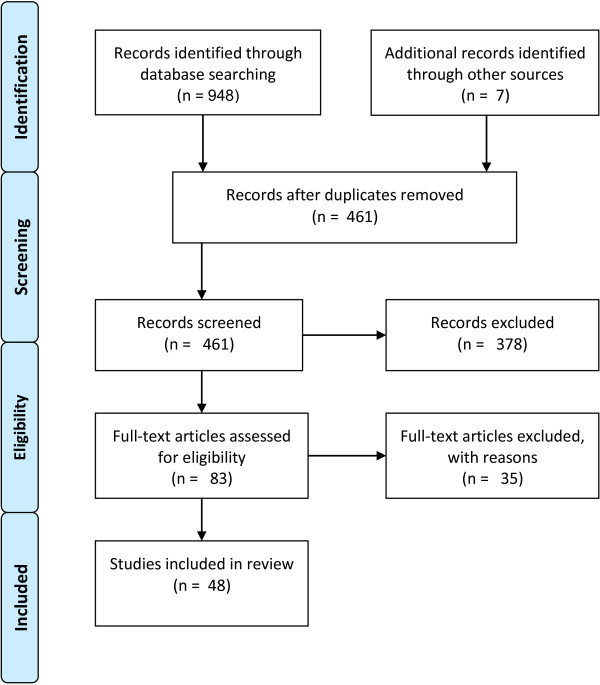
“A 2014 review paper authored by David Webster and Ozkan Celik [5] is providing an excellent analysis of 48 best papers, selected out of 461 papers on Kinect applications in healthcare, published in 2011–2013.”
MethodLower body motion analysis to detect falls and near falls on stairs
Parra-Dominguez, G. S., Snoek, J., Taati, B., & Mihailidis, A. (2015) · Biomedical Engineering Letters · doi:10.1007/s13534-015-0179-x · Cited by 17
“A systematic review of Kinect applications to rehabilitation and home monitoring, including fall detection applications is provided in [25].”
BackgroundBlasco, J., Díaz-Díaz, B., Camacho, C. I., Pérez-Maletzki, J., Hernández-Guilén, D., & Roig‐Casasús, S. (2023) · BMC Musculoskeletal Disorders · doi:10.1186/s12891-023-06607-3 · Cited by 24
Serious games and active healthy ageing: a pilot usability testing of existing games
Pyae, A., Raitoharju, R., Luimula, M., Pitkäkangas, P., & Smed, J. (2016) · International Journal of Networking and Virtual Organisations · doi:10.1504/ijnvo.2016.075129 · Cited by 20
“According to Webster and Celik (2014), they highlight on the limitations of current Kinect-based exercise games such as game designs for specific players, game customisation, lack of effective feedback, and lack of long-term study.”
BackgroundBilateral Tactile Feedback-Enabled Training for Stroke Survivors Using Microsoft KinectTM
Orand, A., Aksoy, E. E., Miyasaka, H., Levy, C. W., Zhang, X., & Menon, C. (2019) · Sensors · doi:10.3390/s19163474 · Cited by 17
“The Kinect was also applied for building financially accessible and medically beneficial systems for patient use [32].”
BackgroundMethodKlishkovskaia, T. A., Aksenov, A. Y., Sinitca, A., Zamansky, A., Markelov, O. A., & Kaplun, D. (2020) · Applied Sciences · doi:10.3390/app10114028 · Cited by 16
“The aim of this study was to determine accurate posture and exercise classification algorithms with low-cost sensors such as Microsoft Kinect, which has also led to the development of different virtual rehabilitation programs [13,26].”
MethodClark, J., & Kelliher, A. (2021) · CHI Conference Extended Abstracts on Human Factors in Computing Systems (CHI EA) · doi:10.1145/3411763.3451704 · Cited by 16
“of rehabilitation specifically, consumer cameras, wearable sensors, and augmented reality systems are proposed as off-the-shelf solutions for lightly supervised or unsupervised rehabilitation in the home [10, 19].”
BackgroundFast, Accurate, Small-Scale 3D Scene Capture Using a Low-Cost Depth Sensor
Carey, N. E., Werfel, J., & Nagpal, R. (2017) · IEEE Winter Conference on Applications of Computer Vision · doi:10.1109/wacv.2017.146 · Cited by 16
“Amongst commercial systems, the Microsoft Kinect has established itself as a research standard [6, 23].”
BackgroundApplication of an Inexpensive Sensor in Calculating the International Roughness Index
Khalifeh, V., Golroo, A., & Ovaici, K. (2018) · Journal of Computing in Civil Engineering · doi:10.1061/(asce)cp.1943-5487.0000761 · Cited by 15
Neurocognitive Assessment in Virtual Reality Through Behavioral Response Analysis
Oagaz, H., Schoun, B., Pooji, M., & Choi, M. (2018) · IEEE Journal of Biomedical and Health Informatics · doi:10.1109/jbhi.2018.2881455 · Cited by 17
“3D skeletal tracking has found similar uses in healthcare applications, and has been used for physical rehabilitation [53], and to assess a participant’s range of motion [54] and balance [38], [39].”
Recovering Trajectories of Unmarked Joints in 3D Human Actions Using Latent Space Optimization
Lohit, S., Anirudh, R., & Turaga, P. K. (2021) · IEEE Winter Conference on Applications of Computer Vision · doi:10.1109/wacv48630.2021.00239 · Cited by 19
“These errors tend to have a large impact on assessment of human movement quality in health applications [39].”
BackgroundPerson-Generated Health Data in Simulated Rehabilitation Using Kinect for Stroke: Literature Review
Dimaguila, G. L., Gray, K. M., & Merolli, M. (2018) · JMIR Rehabilitation and Assistive Technologies · doi:10.2196/rehab.9123 · Cited by 17
“Webster et al [26], however, noted the need for future research to look into the data-gathering potential of Kinect and provide proper feedback to patients, especially when they fail to accomplish a task.”
BackgroundInfluentialBenchmark RGB-D Gait Datasets: A Systematic Review
Nunes, J. F., Moreira, P. M., & Tavares, J. M. R. S. (2019) · Lecture notes in computational vision and biomechanics · doi:10.1007/978-3-030-32040-9_38 · Cited by 14
Kalman Filter-Based Noise Reduction Framework for Posture Estimation Using Depth Sensor
Ahmed, F., Bari, A. S. M. H., Sieu, B. K., Sadeghi, J., Scholten, J., & Gavrilova, M. L. (2019) · IEEE International Conference on Cognitive Informatics & Cognitive Computing (ICCI*CC) · doi:10.1109/iccicc46617.2019.9146069 · Cited by 15
“Kinect is used in many applications including fall detection systems for the aging population, cognitive tools for children and innovative exercise games for people requiring physio-therapy rehabilitation [12].”
MethodKnippenberg, E., Lamers, I., Timmermans, A. A. A., & Spooren, A. I. F. (2021) · International Journal of Environmental Research and Public Health · doi:10.3390/ijerph18147641 · Cited by 14
Motion detection supported exercise therapy in musculoskeletal disorders: a systematic review
Verbrugghe, J., Knippenberg, E., Palmaers, S., Matheve, T., Smeets, W., Feys, P., Spooren, A. I. F., & Timmermans, A. A. A. (2018) · European Journal of Physical and Rehabilitation Medicine · doi:10.23736/s1973-9087.18.04614-2 · Cited by 17
Virtual Reality for Upper Extremity Rehabilitation—A Prospective Pilot Study
Tokgöz, P., Wähnert, D., Elsner, A., Schack, T., Tellez, M. A. C., Conrad, J., Vordemvenne, T., & Dockweiler, C. (2023) · Healthcare · doi:10.3390/healthcare11101498 · Cited by 18
“Additionally, VR makes it possible for rehabilitants to perform therapy in the comfort of their own home, especially when they are not able to attend outpatient rehabilitation centers regularly [10,11].”
BackgroundBlasco, J., Bosch, M. N., Aroca-Navarro, J. E., Hernández‐Guillén, D., Puigcerver-Aranda, P., & Roig‐Casasús, S. (2024) · Bioengineering · doi:10.3390/bioengineering11020152 · Cited by 14
A Review of Kinect Computing Research in Education and Rehabilitation
Dehkordi, S. R., Ismail, M., & Diah, N. M. (2018) · International Journal of Engineering & Technology · doi:10.14419/ijet.v7i3.15.17399 · Cited by 14
“Three of researches focus on stroke and old people for daily living tasks as technologically advanced alert support systems are a potential avenue of assistance for the independently living elderly person [20].”
BackgroundActivity Recognition for Ambient Assisted Living Using Off-the-shelf Motion Sensing Input Devices
Cebanov, E., Dobre, C., Grădinaru, A., Ciobanu, R., & Stanciu, V.-D. (2019) · Global Internet of Things Summit (GIoTS) · doi:10.1109/giots.2019.8766379 · Cited by 14
“Webster and Celik [4] reviewed Kinect applications in elderly care.”
BackgroundMethodLee, M. H., Siewiorek, D. P., Smailagic, A., Bernardino, A. J. M., & Badia, S. B. I. (2020) · arXiv (Cornell University) · doi:10.48550/arxiv.2002.12261 · Cited by 13
“To address the limitation of current practices in physical rehabilitation, researchers have explored the feasibility of clinical decision support systems that assist a clinician to obtain insights on patients by monitoring and assessing chronic diseases with computational models [38].”
BackgroundJiao, Y., Dajime, P. F., Zhang, Q., Reading, S. A., Smith, M., & Zhang, Y. (2025) · Virtual Reality · doi:10.1007/s10055-025-01200-6 · Cited by 12
Multi-Modal Motion-Capture-Based Biometric Systems for Emergency Response and Patient Rehabilitation
Gavrilova, M. L., Ahmed, F., Bari, A. S. M. H., Liu, R., Liu, T., Maret, Y., Sieu, B. K., & Sudhakar, T. (2018) · Advances in medical technologies and clinical practice book series · doi:10.4018/978-1-5225-7525-2.ch007 · Cited by 13
Towards gestured-based technologies for human-centred Smart Factories
Manghisi, V. M., Wilhelm, M., Uva, A., Engelmann, B., Fiorentino, M., & Schmitt, J. (2022) · International Journal of Computer Integrated Manufacturing · doi:10.1080/0951192x.2022.2121424 · Cited by 16
“…designed for gaming, but due to its low cost and high performances it became an outstanding tool for researchers in many fields from medical (Webster and Celik 2014; Boenzi et al. 2016) to virtual and augmented reality (Cruz, Lucio, and Velho 2012; Facchini et al. 2016; Manghisi et al.…”
BackgroundControlling a Robotic Fish Via a Natural User Interface for Informal Science Education
Phamduy, P., DeBellis, M., & Porfiri, M. (2015) · IEEE Transactions on Multimedia · doi:10.1109/tmm.2015.2480226 · Cited by 12
“These interfaces have been implemented in a diverse range of applications, such as to assess rehabilitation [3], [4], stimulate exercise [3], and enable computer aided design [5].”
BackgroundDesigning and evaluating safety services using depth cameras
Mettel, M. R., Alekseew, M., Stocklöw, C., & Braun, A. (2018) · Journal of Ambient Intelligence and Humanized Computing · doi:10.1007/s12652-018-0898-9 · Cited by 12
“In the past years this device has been used in a variety of assistive applications for older adults (Prediger et al. 2014; Lange et al. 2011; Joly et al. 2013; Webster and Celik 2014).”
BackgroundHunt, C. L., Sharma, A., Osborn, L. E., Kaliki, R. R., & Thakor, N. V. (2018) · IEEE Biomedical Circuits and Systems Conference (BioCAS) · doi:10.1109/biocas.2018.8584805 · Cited by 13
“virtual motion include optical kinematic trackers [4], depth motion cameras [5], and electrogoniometers [6].”
BackgroundSaraee, E., Gu, Y., Pandit, S., Tran, S., Shandelman, E., Singh, S., Nordahl, T. J., Ellis, T. D., & Betke, M. (2019) · International Conference on PErvasive Technologies Related to Assistive Environments (PETRA) · doi:10.1145/3316782.3316790 · Cited by 12
“Motion monitoring devices allow for non-invasive approaches to analyzing gait and to evaluating abnormalities in relatively natural environments [25, 27].”
BackgroundA Kinect-Based Virtual Rehabilitation System through Gesture Recognition
Zhao, L., Lu, X., Tao, X., & Chen, X. (2016) · International Conference on Virtual Reality and Visualization · doi:10.1109/icvrv.2016.70 · Cited by 11
“There have been many researches on the usage of Kinect for virtual rehabilitation in recent years [6, 7].”
Background
Metadata
- Authors
- Webster, D., & Celik, O.
- Affiliations
- San Francisco State University (US)
- Venue
- Journal of NeuroEngineering and Rehabilitation
- Published
- 2014
- Volume
- 11
- Issue
- 1
- Pages
- 108
- ISSN
- 1743-0003 (ISSN-L)
- PMC
- PMC4094409
- OpenAlex
- W2114222512
- Semantic Scholar
- 6ca45b55ace3a46b35811b358d8400712140436a
- Cited by
- 436
- References
- 117
- Citations by year
- 2026: 7 · 2025: 19 · 2024: 15 · 2023: 27 · 2022: 42 · 2021: 36 · 2020: 57 · 2019: 51 · 2018: 43 · 2017: 50 · 2016: 51 · 2015: 36 · 2014: 1
- FWCI
- 5.74
- Type
- journal article
- Language
- en
- Open access
- gold
- doi.org
- Licence
- cc-by
- Locations
- Journal of NeuroEngineering and Rehabilitation (publishedVersion, cc-by)
- Europe PMC (PubMed Central) (publishedVersion, cc-by)
- PubMed Central (publishedVersion, cc-by)
- PubMed (publishedVersion)
- Funders
- San Francisco State University
- Topics
- Health Sciences › Medicine › Rehabilitation › Stroke Rehabilitation and Recovery
- Physical Sciences › Computer Science › Computer Vision and Pattern Recognition › Context-Aware Activity Recognition Systems
- Health Sciences › Medicine › Geriatrics and Gerontology › Technology Use by Older Adults
- Keywords
- Kinect sensor, elderly care, stroke rehabilitation, fall detection, fall risk reduction, spatial accuracy, serious games, exercise games
- MeSH terms
- Stroke Rehabilitation, Aged, Exercise Therapy, Humans
About these checks
Registry, retraction, Cites and statistics results are computed, not judged, with one exception: a printed reference that no index lists is read once by a model before it counts as a citation error. Claims are extracted by a model and kept only when their quote appears verbatim in the text; each cited source is then checked, with a model’s help, for whether it says what the claim relies on. Those verdicts can be wrong — read the claim’s quote and the cited source before relying on one.
Statistics and arithmetic are recomputed, not judged.
Confidence bands are shown only for fields calibrated on our annotated test set. None is calibrated yet, so no band is shown.
What counts as a claim ›How we measure confidence ›How we check this ›
Are you an author, or do you see a problem with this page? Request a review
Data sources
Bibliographic data: Semantic Scholar, OpenAlex, Crossref.
Contains information from the Semantic Scholar Academic Graph Datasets, made available under the ODC Attribution License (ODC-BY 1.0).
Semantic Scholar’s data is described in: Kinney, R., et al. (2023). The Semantic Scholar Open Data Platform. arXiv:2301.10140.
