

Combustion-derived flame generated ultrafine soot generates reactive oxygen species and activates Nrf2 antioxidants differently in neonatal and adult rat lungs
Open accessThe DOI matches its Crossref record; 75 of the 75 references it cites were found in a registry or an index.
Abstract
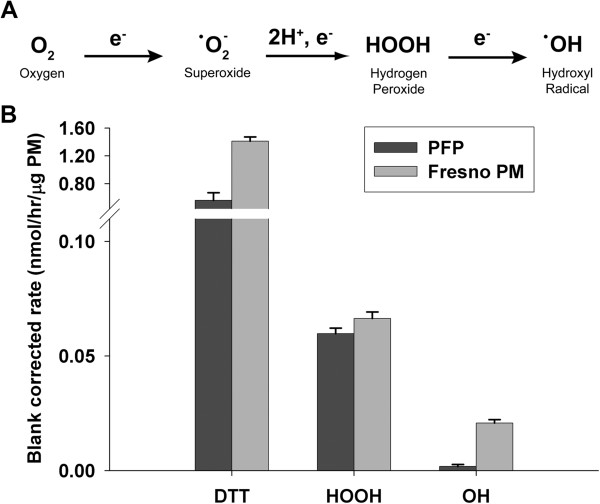
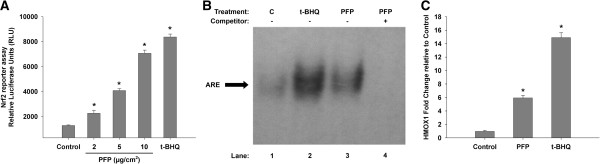
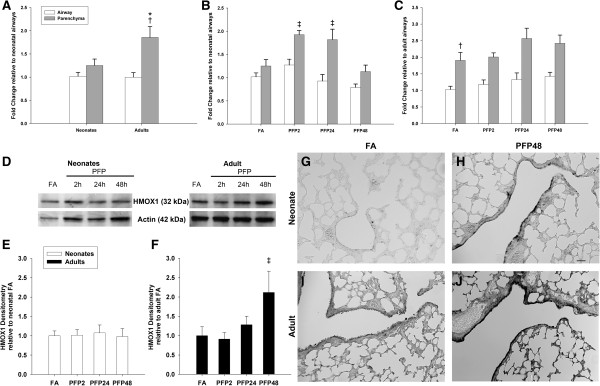
Background: Urban particulate matter (PM) has been epidemiologically correlated with multiple cardiopulmonary morbidities and mortalities, in sensitive populations. Children exposed to PM are more likely to develop respiratory infections and asthma. Although PM originates from natural and anthropogenic sources, vehicle exhaust rich in polycyclic aromatic hydrocarbons (PAH) can be a dominant contributor to the PM 2.5 and PM 0.1 fractions and has been implicated in the generation of reactive oxygen species (ROS). Objectives: Current studies of ambient PM are confounded by the variable nature of PM, so we utilized a previously characterized ethylene-combusted premixed flame particles (PFP) with consistent and reproducible physiochemical properties and 1) measured the oxidative potential of PFP compared to ambient PM, 2) determined the ability of PFPs to generate oxidative stress and activate the transcription factor using in vitro and ex vivo models, and 3) we correlated these responses with antioxidant enzyme expression in vivo . Methods: We compared oxidative stress response (HMOX1) and antioxidant enzyme (SOD1, SOD2, CAT, and PRDX6) expression in vivo by performing a time-course study in 7-day old neonatal and young adult rats exposed to a single 6-hour exposure to 22.4 μg/m 3 PFPs. Results: We showed that PFP is a potent ROS generator that induces oxidative stress and activates Nrf2. Induction of the oxidative stress responsive enzyme HMOX1 in vitro was mediated through Nrf2 activation and was variably upregulated in both ages. Furthermore, antioxidant enzyme expression had age and lung compartment variations post exposure. Of particular interest was SOD1, which had mRNA and protein upregulation in adult parenchyma, but lacked a similar response in neonates. Conclusions: We conclude that PFPs are effective ROS generators, comparable to urban ambient PM 2.5, that induce oxidative stress in neonatal and adult rat lungs. PFPs upregulate a select set of antioxidant enzymes in young adult animals, that are unaffected in neonates. We conclude that the inability of neonatal animals to upregulate the antioxidant response may, in part, explain enhanced their susceptibility to ultrafine particles, such as PFP.
Overview
The claims and statistics of this paper haven’t been checked yet.
Free: it reads the open-access text and checks the first 5 claims that cite a source we can check. Create a free account to check every claim.
Integrity signals
Registry
Cites
Statistics
Figures
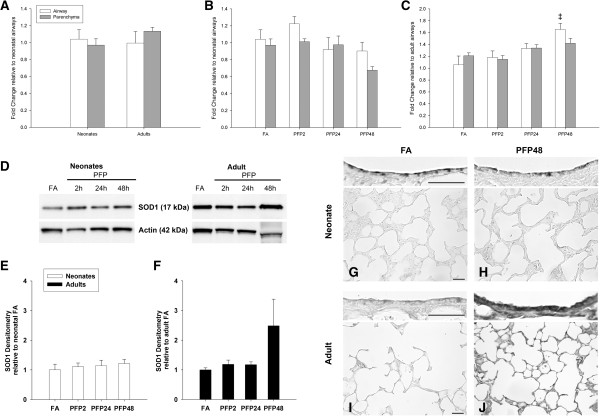
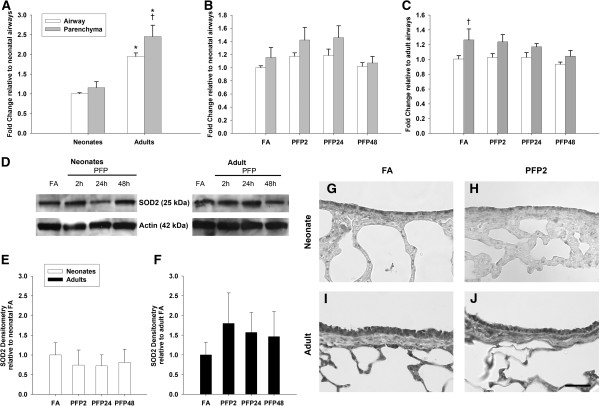
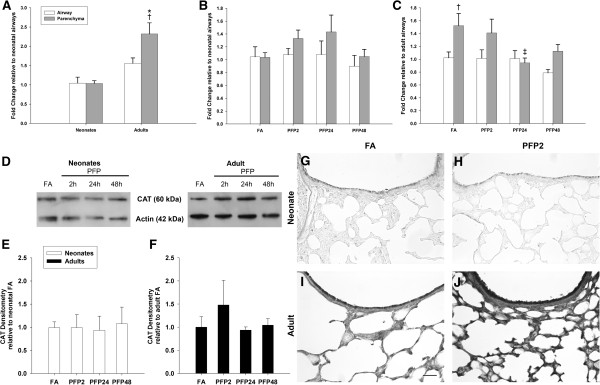
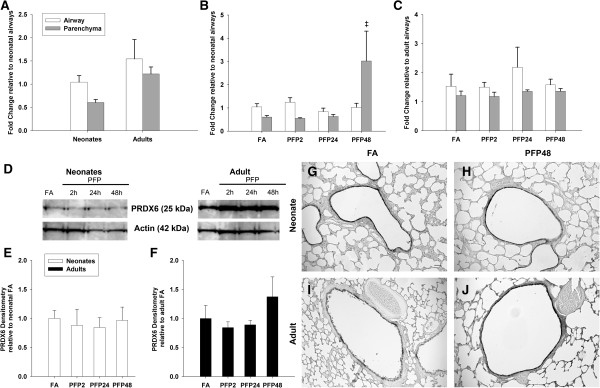
Verification
Claims the paper makes
The claims and statistics of this paper haven’t been checked yet.
Free: it reads the open-access text and checks the first 5 claims that cite a source we can check. Create a free account to check every claim.
Claims other papers make about this one
Each is checked against this paper’s own text: does it say what the citing paper says it does?
The source backs part of the claim, not all of it — or backs it for a different population, condition or comparison.
In the citing paper
“Transcription factors involved in the expression of inflammatory mediators are also activated by particle/fiber exposure [55,56,57,58].”
From Asbestos and Iron (2023) · cites this paper as [58]
Experimental — accuracy not yet measured
Self-check
Percentages, sums and reported differences re-computed from the paper’s own numbers.
The self-check needs the paper’s full text.
Citations
Cites
Analysis of Relative Gene Expression Data Using Real-Time Quantitative PCR and the 2−ΔΔCT Method
Livak, K. J., & Schmittgen, T. D. (2001) · Methods · doi:10.1006/meth.2001.1262 · Cited by 180,860
Analyzing real-time PCR data by the comparative CT method
Schmittgen, T. D., & Livak, K. J. (2008) · Nature Protocols · doi:10.1038/nprot.2008.73 · Cited by 26,190 · cited 1×
“Results were calculated using the comparative Ct method [67,68] using Hypoxanthine-guanine phosphoribosyltransferase (HPRT) as the reference gene.”
MethodPrimer3 on the WWW for General Users and for Biologist Programmers
Rozen, S., & Skaletsky, H. (2003) · Bioinformatics Methods and Protocols · doi:10.1385/1-59259-192-2:365 · Cited by 15,013 · cited 1×
“The primers for each gene were designed on the basis of the respective cDNA or mRNA sequences using OLIGO primer analysis software provided by Steve Rozen and the Whitehead Institute/MIT Center for Genome Research [62] so that the targets were 100–200 bp in length.”
MethodAn association between air pollution and mortality in six U.S. cities
Dockery, D. W., Pope, C. A., Xu, X., Spengler, J. D., Ware, J. H., Fay, M. E., Ferris, B. G., & Speizer, F. E. (1993) · New England Journal of Medicine · doi:10.1056/nejm199312093292401 · Cited by 8,018 · cited 1×
“Introduction Urban particulate matter (PM) exposure has been epidemiologically correlated with multiple cardiopulmonary morbidities and mortalities, especially in susceptible populations [1-4].”
BackgroundMutation of the mouse klotho gene leads to a syndrome resembling ageing
Kuro-o, M., Matsumura, Y., Aizawa, H., Kawaguchi, H., Suga, T., Utsugi, T., Ohyama, Y., Kurabayashi, M., Kaname, T., Kume, E., et al. (1997) · Nature · doi:10.1038/36285 · Cited by 3,837
Cell Survival Responses to Environmental Stresses Via the Keap1-Nrf2-ARE Pathway
Kensler, T. W., Wakabayashi, N., & Biswal, S. (2007) · Annual Review of Pharmacology and Toxicology · doi:10.1146/annurev.pharmtox.46.120604.141046 · Cited by 3,630 · cited 1×
“ROS disrupts Keap1-Nrf2 binding, where Nrf2 is subsequently translocated to the nucleus, is phosphorylated and complexes with small Maf proteins to induce transcription of ARE-responsive phase II detoxification genes [43,44].”
BackgroundThe Nrf2-antioxidant response element signaling pathway and its activation by oxidative stress
Nguyen, T., Nioi, P., & Pickett, C. B. (2009) · Journal of Biological Chemistry · doi:10.1074/jbc.r900010200 · Cited by 2,655
Ultrafine particulate pollutants induce oxidative stress and mitochondrial damage
Li, N., Sioutas, C., Cho, A., Schmitz, D., Misra, C., Sempf, J., Wang, M., Oberley, T., Froines, J., & Nel, A. (2003) · Environmental Health Perspectives · doi:10.1289/ehp.6000 · Cited by 2,097 · cited 4×
“The promoter region of HMOX1 contains ARE and has been shown to be Nrf2 inducible, and well correlated with both DTTconsumption and PAH content in ultrafine PM [14,16].”
BackgroundInfluentialSchauer, J. J., Kleeman, M. J., Cass, G. R., & Simoneit, B. R. T. (2002) · Environmental Science & Technology · doi:10.1021/es0108077 · Cited by 1,025
Concentration and Size Distribution of Ultrafine Particles Near a Major Highway
Zhu, Y., Hinds, W. C., Kim, S., & Sioutas, C. (2002) · Journal of the Air & Waste Management Association · doi:10.1080/10473289.2002.10470842 · Cited by 1,001 · cited 1×
“0 × 10(4) particles/cm(3); 65nm particles) [30].”
Cited by
Outdoor air pollution and asthma.
Guarnieri, M., & Balmes, J. R. (2014) · The Lancet · doi:10.1016/s0140-6736(14)60617-6 · Cited by 1,889
Aerosol Health Effects from Molecular to Global Scales
Shiraiwa, M., Ueda, K., Pozzer, A., Lammel, G., Kampf, C. J., Fushimi, A., Enami, S., Arangio, A. M., Fröhlich-Nowoisky, J., Fujitani, Y., et al. (2017) · Environmental Science & Technology · doi:10.1021/acs.est.7b04417 · Cited by 673
Pöschl, U., & Shiraiwa, M. (2015) · Chemical Reviews · doi:10.1021/cr500487s · Cited by 657
Holgate, S. T., Wenzel, S., Postma, D. S., Weiss, S. T., Renz, H., & Sly, P. D. (2015) · Nature Reviews Disease Primers · doi:10.1038/nrdp.2015.25 · Cited by 652
Vogel, C. F. A., Van Winkle, L. S., Esser, C., & Haarmann-Stemmann, T. (2020) · Redox Biology · doi:10.1016/j.redox.2020.101530 · Cited by 497
Self-citationNiranjan, R., & Thakur, A. K. (2017) · Frontiers in Immunology · doi:10.3389/fimmu.2017.00763 · Cited by 394
“The localized response of soot is mainly caused by the oxidative stress and dysfunctions in the cellular machinery (Figure 4) (142, 197).”
BackgroundØvrevik, J., Refsnes, M., Låg, M., Holme, J., & Schwarze, P. (2015) · Biomolecules · doi:10.3390/biom5031399 · Cited by 241
“According to the oxidative stress paradigm, the cells responds to low levels of oxidative stress by increasing antioxidant levels and restoring cellular redox homeostasis amongst others through activation of the ROS-sensitive Nrf2/ARE pathway [51,52].”
BackgroundThurston, G. D., Balmes, J. R., Garcia, E., Gilliland, F. D., Rice, M. B., Schikowski, T., Van Winkle, L. S., Annesi-Maesano, I., Burchard, E. G., Carlsten, C., et al. (2020) · Annals of the American Thoracic Society · doi:10.1513/annalsats.202001-046st · Cited by 196
Pardo, M., Qiu, X., Zimmermann, R., & Rudich, Y. (2020) · Chemical Research in Toxicology · doi:10.1021/acs.chemrestox.0c00007 · Cited by 173
Dusautoir, R., Zarcone, G., Verrièle, M., Garçon, G., Fronval, I., Beauval, N., Allorge, D., Riffault, V., Locoge, N., Lo‐Guidice, J., et al. (2020) · Journal of Hazardous Materials · doi:10.1016/j.jhazmat.2020.123417 · Cited by 157
Pollution and Sun Exposure: A Deleterious Synergy. Mechanisms and Opportunities for Skin Protection
Marrot, L. (2019) · Current Medicinal Chemistry · doi:10.2174/0929867324666170918123907 · Cited by 125
Biomass burning in the Amazon region causes DNA damage and cell death in human lung cells
Alves, N. D. O., Vessoni, A. T., Quinet, A., Fortunato, R. S., Kajitani, G. S., Peixoto, M. S., Hacon, S. D. S., Artaxo, P. E., Saldiva, P. H. N., Menck, C. F. M., et al. (2017) · Scientific Reports · doi:10.1038/s41598-017-11024-3 · Cited by 140
Lee, G. I., Saravia, J., You, D., Shrestha, B., Jaligama, S., Hebert, V. Y., Dugas, T. R., & Cormier, S. A. (2014) · Particle and Fibre Toxicology · doi:10.1186/s12989-014-0057-1 · Cited by 119
“Our studies, along with others, show that response (immunological or cellular) to agents (infectious and noninfectious) is markedly different between adults and neonates [14,15,23-28].”
ResultZhou, Z., Liu, Y., Duan, F., Qin, M., Wu, F., Sheng, W., Yang, L., Liu, J., & He, K. (2015) · PLoS ONE · doi:10.1371/journal.pone.0138267 · Cited by 112
“HMOX1, the inducible isoform of heme oxygenase (HO-1), is a typical oxidative stress marker [24, 25].”
BackgroundParaskevopoulou, D., Bougiatioti, A., Stavroulas, I., Fang, T., Lianou, M., Liakakou, E., Gerasopoulos, E., Weber, R. J., Nenes, A., & Mihalopoulos, N. (2019) · Atmospheric Environment · doi:10.1016/j.atmosenv.2019.02.027 · Cited by 96
Particulate matter air pollution: effects on the respiratory system
Hamanaka, R. B., & Mutlu, G. M. (2025) · Journal of Clinical Investigation · doi:10.1172/jci194312 · Cited by 110
“This stress environment activates transcriptional programs, including those regulated by the oxidative stress–responsive transcription factor NRF2 and the proinflammatory transcription factor NF-κ B (178, 183, 184).”
Sun, L., Wu, Q.-L., Liao, K., Yu, P., Cui, Q., Rui, Q., & Wang, D. (2015) · Chemosphere · doi:10.1016/j.chemosphere.2015.11.028 · Cited by 91
Cesari, D., Merico, E., Grasso, F. M., Decesari, S., Belosi, F., Manarini, F., Nuntiis, P. D., Rinaldi, M., Volpi, F., Gambaro, A., et al. (2019) · Atmosphere · doi:10.3390/atmos10120758 · Cited by 92
“6) San Joaquin Valley, CA [23] Rural 23 Fresno, CA [68] Urban 39”
BackgroundNrf2 protects against diverse PM2.5 components-induced mitochondrial oxidative damage in lung cells
Pardo, M., Xu, F., Shemesh, M., Qiu, X., Barak, Y., Zhu, T., & Rudich, Y. (2019) · Science of The Total Environment · doi:10.1016/j.scitotenv.2019.01.436 · Cited by 79
Sun, L., Lin, Z., Liao, K., Xi, Z., & Wang, D. (2015) · The Science of The Total Environment · doi:10.1016/j.scitotenv.2015.01.058 · Cited by 74
Pardo, M., Porat, Z., Rudich, A., Schauer, J. J., & Rudich, Y. (2015) · Environmental Pollution · doi:10.1016/j.envpol.2015.12.009 · Cited by 70
Dugas, T. R., Lomnicki, S. M., Cormier, S. A., Dellinger, B., & Reams, M. A. (2016) · International Journal of Environmental Research and Public Health · doi:10.3390/ijerph13060573 · Cited by 65
“While a number of laboratories have reported that combustion-derived PM exposures elicit oxidative stress responses in both cultured cells and rodents [10,66,75–77], our studies utilizing model particle systems demonstrate that EPFRs produce greater levels of oxidative stress and overall toxicity compared to particles…”
Huang, K.-L., Shi, C., Min, J., Li, L., Zhu, T., Yu, H.-P., & Deng, H. (2019) · Mediators of Inflammation · doi:10.1155/2019/8613523 · Cited by 59
Makri, S., Kafantaris, I., Stagos, D., Theodora, C., Petrotos, K., Gerasopoulos, K., Mpesios, A., Goutzourelas, N., Kokkas, S., Goulas, P., et al. (2017) · Food and Chemical Toxicology · doi:10.1016/j.fct.2017.01.019 · Cited by 62
Wu, Q., Han, X., Wang, D., Zhao, F., & Wang, D. (2017) · Toxicology Research · doi:10.1039/c7tx00107j · Cited by 46
Polydatin protects the respiratory system from PM2.5 exposure
Yan, X., Wang, Q., Tie, C., Jin, H.-T., Han, Y., Zhang, J., Yu, X., Hou, Q., Zhang, P.-P., Wang, A., et al. (2017) · Scientific Reports · doi:10.1038/srep40030 · Cited by 46
An in vitro model to evaluate the impact of environmental fine particles (PM0.3-2.5) on skin damage
Verdin, A., Cazier, F., Fitoussi, R., Blanchet, N., Vié, K., Courcot, D., Momas, I., Seta, N., & Achard, S. (2019) · Toxicology Letters · doi:10.1016/j.toxlet.2019.01.016 · Cited by 44
Mechanism of PM2.5-induced human bronchial epithelial cell toxicity in central China
Duan, S., Zhang, M., Sun, Y., Fang, Z., Wang, H., Li, S., Peng, Y., Li, J., Li, J., Tian, J., et al. (2020) · Journal of Hazardous Materials · doi:10.1016/j.jhazmat.2020.122747 · Cited by 43
Origin, Structural Characteristics, and Health Effects of Atmospheric Soot Particles: A Review
Tang, R., Shang, J., Qiu, X., Gong, J., Xue, T., & Zhu, T. (2024) · Current Pollution Reports · doi:10.1007/s40726-024-00307-9 · Cited by 49
Wood Smoke Particle Sequesters Cell Iron to Impact a Biological Effect
Ghio, A. J., Soukup, J. M., Dailey, L. A., Tong, H., Kesic, M. J., Budinger, G. R. S., & Mutlu, G. M. (2015) · Chemical Research in Toxicology · doi:10.1021/acs.chemrestox.5b00270 · Cited by 41
Jaligama, S., Saravia, J., You, D., Yadav, N., Lee, G. I., Shrestha, B., & Cormier, S. A. (2017) · Respiratory Research · doi:10.1186/s12931-016-0487-4 · Cited by 40
“Like others, we demonstrated a role for PM-induced oxidative stress [27]; and specifically, we found that particles containing radicals and inducing oxidative stress were necessary for increased viral load and enhanced morbidity and mortality following influenza infection [10].”
BackgroundGhio, A. J., Soukup, J. M., Dailey, L. A., & Madden, M. C. (2020) · Free Radical Biology and Medicine · doi:10.1016/j.freeradbiomed.2020.02.007 · Cited by 39
Cattani‐Cavalieri, I., Valença, S. S., Lanzetti, M., Carvalho, G. M. C., Zin, W. A., Monte‐Alto‐Costa, A., Pôrto, L. C., & Romana‐Souza, B. (2018) · Inflammation · doi:10.1007/s10753-018-0910-8 · Cited by 34
Evolution of Silver Nanoparticles in the Rat Lung Investigated by X-ray Absorption Spectroscopy
Davidson, R. A., Anderson, D. S., Winkle, L. S. V., Pinkerton, K. E., & Guo, T. (2014) · The Journal of Physical Chemistry A · doi:10.1021/jp510103m · Cited by 35
Self-citationMakri, S., Kafantaris, I., Savva, S., Ntanou, P., Stagos, D., Argyroulis, I., Kotsampasi, B., CHRISTODOULOU, V., GERASOPOULOS, K., Petrotos, K., et al. (2018) · In Vivo · doi:10.21873/invivo.11237 · Cited by 39
Metabolism and Lung Toxicity of Inhaled Naphthalene: Effects of Postnatal Age and Sex
Carratt, S. A., Kovalchuk, N., Ding, X., & Winkle, L. S. V. (2019) · Toxicological Sciences · doi:10.1093/toxsci/kfz100 · Cited by 34
“, 2000) and that cells are unable to upregulate GSH synthesis sufficiently in response at very young ages (Chan et al., 2013).”
BackgroundResultOxidative Potential of Particles in Different Occupational Environments: A Pilot Study
Sauvain, J., Deslarzes, S., Storti, F., & Riediker, M. (2015) · The Annals of Occupational Hygiene · doi:10.1093/annhyg/mev024 · Cited by 30
Noël, A., Xiao, R., Perveen, Z., Zaman, H., Rouse, R. L., Paulsen, D. B., & Penn, A. L. (2015) · Particle and Fibre Toxicology · doi:10.1186/s12989-016-0122-z · Cited by 30
Vogel, C. F. A., Charrier, J. G., Wu, D., McFall, A. S., Li, W., Abid, A., Kennedy, I. M., & Anastasio, C. (2016) · Free Radical Research · doi:10.3109/10715762.2016.1152360 · Cited by 27
“In a recent study, we showed that ethylenecombusted premixed flame particles (PFP) activate Nrf2 and induce HO-1 [20], but we did not examine whether these endpoints were linked to the physical and chemical characteristics of the particles.”
BackgroundSelf-citationConnolly, J. C., Ishihara, Y., Sawaya, E., Whitfield, V., Garrity, N., Sohata, R., Tsymbal, M., Lundberg, A., Merrill, M. A. L., DeWitt, J. C., et al. (2025) · Cardiovascular Toxicology · doi:10.1007/s12012-025-10048-w · Cited by 30
Self-citationWang, Y., Jin, X., Li, M., Gao, J., Zhao, X., Ma, J., Shi, C., He, B., Hu, L., Shi, J., et al. (2023) · Environmental Science & Technology · doi:10.1021/acs.est.2c09024 · Cited by 28
Zhang, X., Gu, W., Ma, Z., Liu, Y., Ru, H., Zhou, J., Zang, Y., Xu, Z. P., & Qian, G. (2020) · Environmental Pollution · doi:10.1016/j.envpol.2020.114039 · Cited by 25
Atmospheric aging increases the cytotoxicity of bare soot particles in BEAS-2B lung cells
Pardo, M., Czech, H., Offer, S., Sklorz, M., Bucchianico, S. D., Hartner, E., Pantzke, J., Kuhn, E., Paul, A., Ziehm, T., et al. (2023) · Aerosol Science and Technology · doi:10.1080/02786826.2023.2178878 · Cited by 19
“…such as NRF2, which are responsible for upregulating phase II antioxidant genes, was observed upon exposure to PM (Cervellati et al. 2020; Han et al. 2020; Pardo et al. 2018, 2019), SOA (Chowdhury et al. 2018; Lin et al. 2017; Pardo et al. 2022), and soot (Cervellati et al. 2020; Chan et al. 2013).”
BackgroundZhou, Y., Liu, J., Jiang, C., Chen, J., Feng, X., Chen, W., Zhang, J., Dong, H., & Zhang, W. (2021) · Phytomedicine · doi:10.1016/j.phymed.2021.153665 · Cited by 16
Ghio, A. J., Stewart, M., Sangani, R. G., Pavlisko, E. N., & Roggli, V. L. (2023) · International Journal of Molecular Sciences · doi:10.3390/ijms241512390 · Cited by 15
Ekhator, O. C., Orish, F. C., Nnadi, E. O., Ogaji, D., Isuman, S., & Orisakwe, O. E. (2023) · Inhalation Toxicology · doi:10.1080/08958378.2023.2297698 · Cited by 33
“…toxicity, the ultrafine soot produced by the flame boosted ROS and elevated Nrf2 antioxidants in the lungs, according to research done on rats (Chan et al. 2013) According to a study, uFCB causes a rise in cytosolic Ca 2 þ , probably by allowing external Ca 2 þ to enter through the plasma…”
Wheezing-Related Relevant Factors and the Role of Viral Bronchiolitis
Teijeiro, A., & Gómez, R. M. (2021) · Frontiers in Allergy · doi:10.3389/falgy.2021.726972 · Cited by 15
Das, G. K., Anderson, D. S., Wallis, C. D., Carratt, S. A., Kennedy, I. M., & Winkle, L. S. V. (2016) · Nanoscale · doi:10.1039/c6nr00897f · Cited by 13
Self-citationGorgun, F. M., Zhuo, M., Singh, S., & Englander, E. W. (2014) · Inhalation Toxicology · doi:10.3109/08958378.2014.902147 · Cited by 11
“Inhalation of combustion smoke produces a complex insult involving toxic gases, volatile organic compounds, particulate matter and hypoxia (Chan et al., 2013; Lee et al., 2010; Loane et al., 2013), which combine to disrupt oxygenation, impair mitochondrial energy metabolism, induce ROS and increase oxidative stress, s…”
BackgroundFiter, R. J., Murphy, L., Gong, M. N., & Cleven, K. L. (2023) · Expert Review of Respiratory Medicine · doi:10.1080/17476348.2024.2307545 · Cited by 13
“…mimic the effects of vehicle exhaust have demonstrated increased production of reactive oxygen species in blood vessels and bronchial epithelium, increased expression of mRNA encoding for anti-oxidant enzymes in mouse lung macrophages, and upregulation of antioxidant enzymes in rat lungs [25,26].”
BackgroundWinkle, L. S. V., Kelty, J. S., & Plopper, C. G. (2017) · Current Protocols in Toxicology · doi:10.1002/cptx.18 · Cited by 10
Nugrahaningsih, D. A. A., Wihadmadyatami, H., Widyarini, S., & Wijayaningsih, R. A. (2023) · International Journal of Genomics · doi:10.1155/2023/4961487 · Cited by 17
“Cytosolic GSTs are more involved in the detoxification process than mitochondrial and microsomal GSTs. Cytosolic GST includes seven classes, which are classified based on their amino acid sequences.”
BackgroundInfluentialJiang, L., Wang, T., Xue, J., Yu, P., Zhang, J., & Wang, J. (2019) · Journal of Applied Toxicology · doi:10.1002/jat.3796 · Cited by 10
“ROS, reactive oxygen species ROS stimulation in the lungs (Chan et al., 2013).”
BackgroundConde‐Vancells, J., Vázquez–Chantada, M., McCollum, C. W., Bondesson, M., Kalasekar, S. M., Wlodarczyk, B. J., Gustafsson, J.-Α., Cabrera, R. M., & Finnell, R. H. (2018) · Reproductive Toxicology · doi:10.1016/j.reprotox.2018.07.080 · Cited by 7
Makri, S., Raftopoulou, S., Kafantaris, I., Kotsampasi, B., CHRISTODOULOU, V., Nepka, C., Veskoukis, A. S., & Kouretas, D. (2020) · In Vivo · doi:10.21873/invivo.11976 · Cited by 4
NRF2 protects lung epithelial cells from wood smoke particle toxicity
Lacher, S. E., Schumann, T., Peters, R., Migliaccio, C. T., Holian, A., & Slattery, M. G. (2024) · Advances in Redox Research · doi:10.1016/j.arres.2024.100115 · Cited by 4
Genotoxic and epigenetic concerns of black carbon/soot in recent times: a systematic review
Nze-Dike, O. U., Ezealisiji, K. M., Ezejiofor, A. N., Awanye, A. M., & Dike, C. S. (2025) · Discover Applied Sciences · doi:10.1007/s42452-025-06942-1 · Cited by 5
“According to [28], the primary causes of the localized soot response are oxidative stress and malfunctions in the cellular machinery brought on by the disruption of mitochondrial metabolism.”
Gunasingam, G., He, R., Fortunatus, R. M., Larios, J., de Almeida, M. S., Balog, S., Øvrevik, J., Petri‐Fink, A., & Rothen‐Rutishauser, B. (2025) · Environmental Pollution · doi:10.1016/j.envpol.2025.127399 · Cited by 3
Cui, J., Chen, W., Zhang, D., Lu, M., Huang, Z., & Yi, B. (2024) · Toxicology Mechanisms and Methods · doi:10.1080/15376516.2024.2378296 · Cited by 7
“…concentration. studies have shown that PM 2.5 also activated Nrf2-associated pathways in endothelial cells, sinonasal epithelium and lung tissues (chan et al., 2013; Klein et al., 2017; Park et al., 2022). in human renal tubular epithelial cells, PM 2.5 also activated the Nrf2-mediated…”
InfluentialMacrophages as targets of developmental immunotoxicity
Dietert, R. R. (2014) · Cited by 3
The Safety of Nanomaterials on Molecular and Cellular Scale
Kraegeloh, A., & Unfried, K. (2017) · CRC Press eBooks · doi:10.1201/9781315371795-22 · Cited by 2
Kao, C.-L., Fang, G., Gao, W.-S., & Zhuang, Y.-J. (2021) · Journal of Environmental Science and Health Part A · doi:10.1080/10934529.2021.1936988 · Cited by 1
Cattani‐Cavalieri, I. (2021) · University of Groningen research database (University of Groningen / Centre for Information Technology) · doi:10.33612/diss.172080794 · Cited by 1
The Safety of Nanomaterials on Molecular and Cellular Scale
Kraegeloh, A., & Unfried, K. (2017) · Advanced materials and technologies series/Advanced materials and technologies · doi:10.1201/9781315371795-23
SHREDDING THE TREES AND COOKING THE LUNGS: A NEO HISTORY OF GREEN CRIME IN PORT HARCOURT
Akujobi, T., Odubo, T. R., & Boroh, S. E. (2020) · WILBERFORCE JOURNAL OF THE SOCIAL SCIENCES · doi:10.36108/wjss/0202.sp.0180
An economical in vitro model of wood smoke exposure
Krznarich, J., Schumann, T., Bjork, J. A., Slattery, M. G., & Lacher, S. E. (2025) · Inhalation Toxicology · doi:10.1080/08958378.2025.2523297
“…wood smoke, by upregulating a battery of antioxidant and phase 2 metabolism genes, including NQO1 , GCLM , and SLC7A11 (Lodovici and Bigagli 2011; Chan et al. 2013; Habib et al. 2015; Li et al. 2017; Zheng et al. 2019; Ding et al. 2021; Jiang et al. 2021; Zhao et al. 2022; Lacher et al. 2024;…”
Sharma, S. S., Mitroo, D., Dhansare, Y., & Kumfer, B. M. (2026) · Aerosol Science and Technology · doi:10.1080/02786826.2026.2737177
Metadata
- Authors
- Chan, J. K., Charrier, J. G., Kodani, S. D., Vogel, C. F., Kado, S. Y., Anderson, D. S., Anastasio, C., & Van Winkle, L. S.
- Affiliations
- University of California, Davis (US)
- Venue
- Particle and Fibre Toxicology
- Published
- 2013-08-01
- Volume
- 10
- Issue
- 1
- Pages
- 34-34
- ISSN
- 1743-8977 (ISSN-L)
- PMC
- PMC3735485
- OpenAlex
- W2157315681
- Cited by
- 69
- References
- 75
- Citations by year
- 2026: 1 · 2025: 5 · 2024: 3 · 2023: 7 · 2021: 4 · 2020: 9 · 2019: 8 · 2018: 4 · 2017: 10 · 2016: 3 · 2015: 10 · 2014: 5
- FWCI
- 4.40
- Type
- journal article
- Language
- en
- Open access
- gold
- doi.org
- Licence
- cc-by
- Locations
- Particle and Fibre Toxicology (publishedVersion, cc-by)
- Europe PMC (PubMed Central) (publishedVersion, cc-by)
- PubMed Central (publishedVersion, cc-by)
- PubMed (publishedVersion)
- eScholarship (California Digital Library) (submittedVersion)
- Funders
- U.S. Environmental Protection Agency (RD832414010)
- National Institutes of Health (RR00169)
- University of California, Davis (P42ES004699)
- National Institute of Environmental Health Sciences (P42ES004699, R01ES019898, T32ES007059)
- California National Primate Research Center (RR00169)
- Topics
- Physical Sciences › Environmental Science › Health, Toxicology and Mutagenesis › Air Quality and Health Impacts
- Life Sciences › Biochemistry, Genetics and Molecular Biology › Molecular Biology › Genomics, phytochemicals, and oxidative stress
- Physical Sciences › Environmental Science › Health, Toxicology and Mutagenesis › Toxic Organic Pollutants Impact
- Keywords
- ultrafine particles, polycyclic aromatic hydrocarbons, reactive oxygen species, oxidative stress, Nrf2 activation, heme oxygenase-1, antioxidant enzymes, superoxide dismutase, catalase, peroxiredoxin 6, neonatal susceptibility, urban particulate matter, PM2.5, vehicle emissions
- MeSH terms
- Superoxide Dismutase-1, Superoxide Dismutase 2, Age Factors, Animals, Animals, Newborn, Antioxidants, Catalase, Dose-Response Relationship, Drug, Heme Oxygenase (Decyclizing), Humans, Lung, Male, Particle Size, RNA, Messenger, Superoxide Dismutase, Time Factors, Transfection, Gene Expression Regulation, Enzymologic, Rats, Sprague-Dawley, Reactive Oxygen Species, Genes, Reporter, Oxidative Stress, Inhalation Exposure, U937 Cells, NF-E2-Related Factor 2, Rats, Soot, Peroxiredoxin VI
About these checks
Registry, retraction, Cites and statistics results are computed, not judged, with one exception: a printed reference that no index lists is read once by a model before it counts as a citation error. Claims are extracted by a model and kept only when their quote appears verbatim in the text; each cited source is then checked, with a model’s help, for whether it says what the claim relies on. Those verdicts can be wrong — read the claim’s quote and the cited source before relying on one.
Statistics and arithmetic are recomputed, not judged.
Confidence bands are shown only for fields calibrated on our annotated test set. None is calibrated yet, so no band is shown.
What counts as a claim ›How we measure confidence ›How we check this ›
Are you an author, or do you see a problem with this page? Request a review
Data sources
Bibliographic data: Semantic Scholar, OpenAlex, Crossref.
Contains information from the Semantic Scholar Academic Graph Datasets, made available under the ODC Attribution License (ODC-BY 1.0).
Semantic Scholar’s data is described in: Kinney, R., et al. (2023). The Semantic Scholar Open Data Platform. arXiv:2301.10140.
