

Combustion-derived flame generated ultrafine soot generates reactive oxygen species and activates Nrf2 antioxidants differently in neonatal and adult rat lungs
Open accessThe DOI matches its Crossref record; 75 of the 75 references it cites were found in a registry or an index.
Abstract
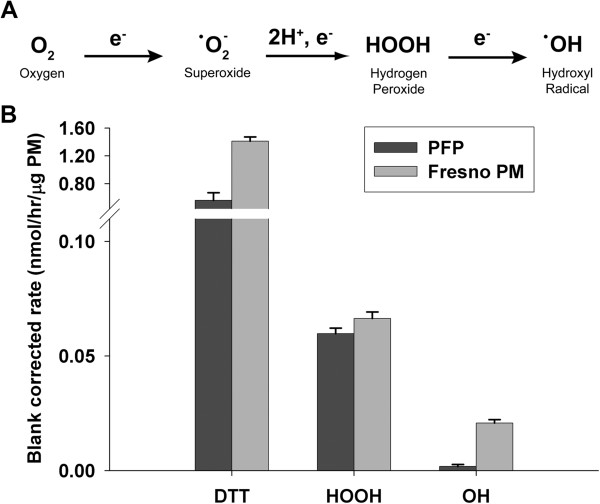
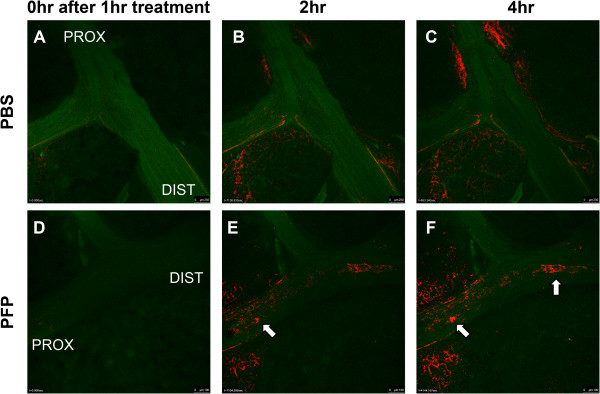
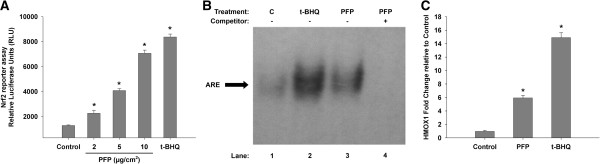
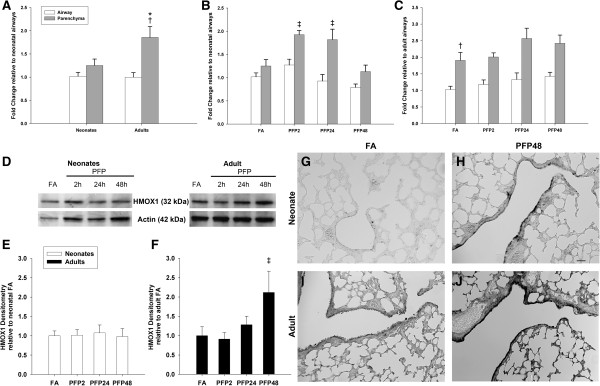
Background: Urban particulate matter (PM) has been epidemiologically correlated with multiple cardiopulmonary morbidities and mortalities, in sensitive populations. Children exposed to PM are more likely to develop respiratory infections and asthma. Although PM originates from natural and anthropogenic sources, vehicle exhaust rich in polycyclic aromatic hydrocarbons (PAH) can be a dominant contributor to the PM 2.5 and PM 0.1 fractions and has been implicated in the generation of reactive oxygen species (ROS). Objectives: Current studies of ambient PM are confounded by the variable nature of PM, so we utilized a previously characterized ethylene-combusted premixed flame particles (PFP) with consistent and reproducible physiochemical properties and 1) measured the oxidative potential of PFP compared to ambient PM, 2) determined the ability of PFPs to generate oxidative stress and activate the transcription factor using in vitro and ex vivo models, and 3) we correlated these responses with antioxidant enzyme expression in vivo . Methods: We compared oxidative stress response (HMOX1) and antioxidant enzyme (SOD1, SOD2, CAT, and PRDX6) expression in vivo by performing a time-course study in 7-day old neonatal and young adult rats exposed to a single 6-hour exposure to 22.4 μg/m 3 PFPs. Results: We showed that PFP is a potent ROS generator that induces oxidative stress and activates Nrf2. Induction of the oxidative stress responsive enzyme HMOX1 in vitro was mediated through Nrf2 activation and was variably upregulated in both ages. Furthermore, antioxidant enzyme expression had age and lung compartment variations post exposure. Of particular interest was SOD1, which had mRNA and protein upregulation in adult parenchyma, but lacked a similar response in neonates. Conclusions: We conclude that PFPs are effective ROS generators, comparable to urban ambient PM 2.5, that induce oxidative stress in neonatal and adult rat lungs. PFPs upregulate a select set of antioxidant enzymes in young adult animals, that are unaffected in neonates. We conclude that the inability of neonatal animals to upregulate the antioxidant response may, in part, explain enhanced their susceptibility to ultrafine particles, such as PFP.
Overview
The claims and statistics of this paper haven’t been checked yet.
Free: it reads the open-access text and checks the first 5 claims that cite a source we can check. Create a free account to check every claim.
Integrity signals
Registry
Cites
Statistics
Figures
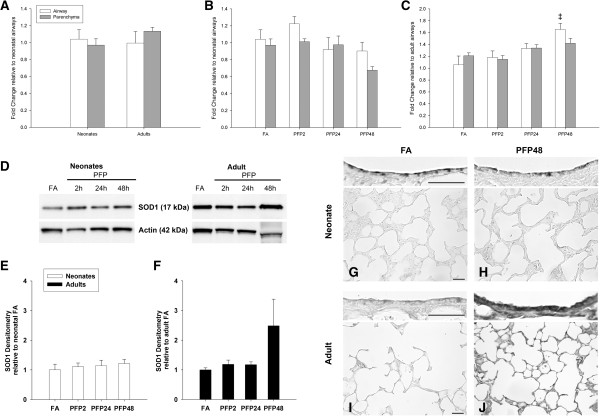
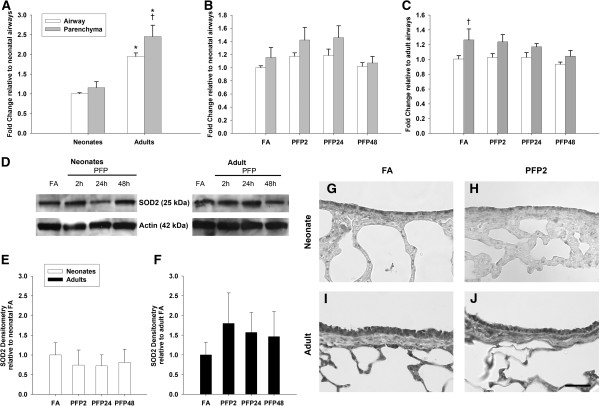
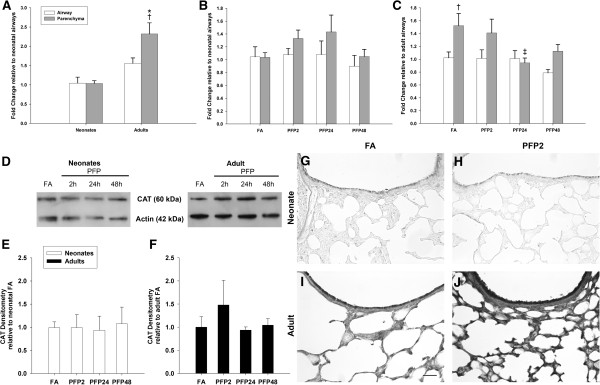
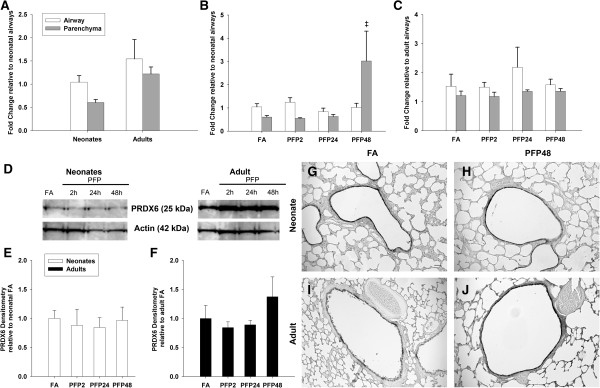
Verification
Claims the paper makes
The claims and statistics of this paper haven’t been checked yet.
Free: it reads the open-access text and checks the first 5 claims that cite a source we can check. Create a free account to check every claim.
Claims other papers make about this one
Each is checked against this paper’s own text: does it say what the citing paper says it does?
The source backs part of the claim, not all of it — or backs it for a different population, condition or comparison.
In the citing paper
“Transcription factors involved in the expression of inflammatory mediators are also activated by particle/fiber exposure [55,56,57,58].”
From Asbestos and Iron (2023) · cites this paper as [58]
Experimental — accuracy not yet measured
Self-check
Percentages, sums and reported differences re-computed from the paper’s own numbers.
The self-check needs the paper’s full text.
Citations
Cites
Analysis of Relative Gene Expression Data Using Real-Time Quantitative PCR and the 2−ΔΔCT Method
Livak, K. J., & Schmittgen, T. D. (2001) · Methods · doi:10.1006/meth.2001.1262 · Cited by 180,860
Analyzing real-time PCR data by the comparative CT method
Schmittgen, T. D., & Livak, K. J. (2008) · Nature Protocols · doi:10.1038/nprot.2008.73 · Cited by 26,190 · cited 1×
“Results were calculated using the comparative Ct method [67,68] using Hypoxanthine-guanine phosphoribosyltransferase (HPRT) as the reference gene.”
MethodPrimer3 on the WWW for General Users and for Biologist Programmers
Rozen, S., & Skaletsky, H. (2003) · Bioinformatics Methods and Protocols · doi:10.1385/1-59259-192-2:365 · Cited by 15,013 · cited 1×
“The primers for each gene were designed on the basis of the respective cDNA or mRNA sequences using OLIGO primer analysis software provided by Steve Rozen and the Whitehead Institute/MIT Center for Genome Research [62] so that the targets were 100–200 bp in length.”
MethodAn association between air pollution and mortality in six U.S. cities
Dockery, D. W., Pope, C. A., Xu, X., Spengler, J. D., Ware, J. H., Fay, M. E., Ferris, B. G., & Speizer, F. E. (1993) · New England Journal of Medicine · doi:10.1056/nejm199312093292401 · Cited by 8,018 · cited 1×
“Introduction Urban particulate matter (PM) exposure has been epidemiologically correlated with multiple cardiopulmonary morbidities and mortalities, especially in susceptible populations [1-4].”
BackgroundMutation of the mouse klotho gene leads to a syndrome resembling ageing
Kuro-o, M., Matsumura, Y., Aizawa, H., Kawaguchi, H., Suga, T., Utsugi, T., Ohyama, Y., Kurabayashi, M., Kaname, T., Kume, E., et al. (1997) · Nature · doi:10.1038/36285 · Cited by 3,837
Cell Survival Responses to Environmental Stresses Via the Keap1-Nrf2-ARE Pathway
Kensler, T. W., Wakabayashi, N., & Biswal, S. (2007) · Annual Review of Pharmacology and Toxicology · doi:10.1146/annurev.pharmtox.46.120604.141046 · Cited by 3,630 · cited 1×
“ROS disrupts Keap1-Nrf2 binding, where Nrf2 is subsequently translocated to the nucleus, is phosphorylated and complexes with small Maf proteins to induce transcription of ARE-responsive phase II detoxification genes [43,44].”
BackgroundThe Nrf2-antioxidant response element signaling pathway and its activation by oxidative stress
Nguyen, T., Nioi, P., & Pickett, C. B. (2009) · Journal of Biological Chemistry · doi:10.1074/jbc.r900010200 · Cited by 2,655
Ultrafine particulate pollutants induce oxidative stress and mitochondrial damage
Li, N., Sioutas, C., Cho, A., Schmitz, D., Misra, C., Sempf, J., Wang, M., Oberley, T., Froines, J., & Nel, A. (2003) · Environmental Health Perspectives · doi:10.1289/ehp.6000 · Cited by 2,097 · cited 4×
“The promoter region of HMOX1 contains ARE and has been shown to be Nrf2 inducible, and well correlated with both DTTconsumption and PAH content in ultrafine PM [14,16].”
BackgroundInfluentialSchauer, J. J., Kleeman, M. J., Cass, G. R., & Simoneit, B. R. T. (2002) · Environmental Science & Technology · doi:10.1021/es0108077 · Cited by 1,025
Concentration and Size Distribution of Ultrafine Particles Near a Major Highway
Zhu, Y., Hinds, W. C., Kim, S., & Sioutas, C. (2002) · Journal of the Air & Waste Management Association · doi:10.1080/10473289.2002.10470842 · Cited by 1,001 · cited 1×
“0 × 10(4) particles/cm(3); 65nm particles) [30].”
Li, N., Xia, T., & Nel, A. E. (2008) · Free Radical Biology and Medicine · doi:10.1016/j.freeradbiomed.2008.01.028 · Cited by 931 · cited 1×
“ROS from PM exposures have been implicated in causing oxidative stress [13,40].”
BackgroundAdverse cardiovascular effects of air pollution
Mills, N. L., Donaldson, K., Hadoke, P. W., Boon, N. A., MacNee, W., Cassee, F. R., Sandström, T., Blomberg, A., & Newby, D. E. (2009) · Nature Clinical Practice Cardiovascular Medicine · doi:10.1038/ncpcardio1399 · Cited by 781 · cited 1×
“Introduction Urban particulate matter (PM) exposure has been epidemiologically correlated with multiple cardiopulmonary morbidities and mortalities, especially in susceptible populations [1-4].”
BackgroundRedox activity of airborne particulate matter at different sites in the Los Angeles Basin
Cho, A. K., Sioutas, C., Miguel, A. H., Kumagai, Y., Schmitz, D. A., Singh, M., Eiguren-Fernandez, A., & Froines, J. R. (2005) · Environmental Research · doi:10.1016/j.envres.2005.01.003 · Cited by 770 · cited 3×
“superoxide, hydrogen and hydroxyl radicals), both through cellular respiration and production by PM [24,25].”
BackgroundComparing rat’s to human’s age: How old is my rat in people years?
Quinn, R. (2005) · Nutrition · doi:10.1016/j.nut.2005.04.002 · Cited by 682 · cited 1×
“Compared with humans, the neonatal rats used in this study are equivalent to newborn infants, while 8 week old rats are similar to teenagers [45].”
ResultSuperoxide Dismutases in the Lung and Human Lung Diseases
Kinnula, V. L., & Crapo, J. D. (2003) · American Journal of Respiratory and Critical Care Medicine · doi:10.1164/rccm.200212-1479so · Cited by 620 · cited 21×
“There are two main enzymes that perform cellular superoxide metabolism: cytosolic copperzinc superoxide dismutase (SOD1) and mitochondrial manganese superoxide dismutase (SOD2).”
InfluentialCharacterization of Polycyclic Aromatic Hydrocarbons in Motor Vehicle Fuels and Exhaust Emissions
Marr, L. C., Kirchstetter, T. W., Harley, R. A., Miguel, A. H., Hering, S. V., & Hammond, S. K. (1999) · Environmental Science & Technology · doi:10.1021/es981227l · Cited by 556 · cited 1×
“Gasoline and diesel fuels have high concentrations of naphthalene, at 2600 mg/L and 1600 mg/L, respectively [31].”
BackgroundRole of Free Radicals in the Toxicity of Airborne Fine Particulate Matter
Dellinger, B., Pryor, W. A., Cueto, R., Squadrito, G. L., Hegde, V., & Deutsch, W. A. (2001) · Chemical Research in Toxicology · doi:10.1021/tx010050x · Cited by 532 · cited 1×
“5 supplemented with exogenous CAT or SOD ameliorated oxidative DNA damage [53].”
BackgroundLi, N., Alam, J., Venkatesan, M. I., Eiguren-Fernandez, A., Schmitz, D., Di Stefano, E., Slaughter, N., Killeen, E., Wang, X., Huang, A., et al. (2004) · The Journal of Immunology · doi:10.4049/jimmunol.173.5.3467 · Cited by 456 · cited 2×
“The promoter region of HMOX1 contains ARE and has been shown to be Nrf2 inducible, and well correlated with both DTTconsumption and PAH content in ultrafine PM [14,16].”
BackgroundXia, T., Korge, P., Weiss, J. N., Li, N., Venkatesen, M. I., Sioutas, C., & Nel, A. (2004) · Environmental Health Perspectives · doi:10.1289/ehp.7167 · Cited by 448 · cited 1×
“Many PAHs present in PM have been shown to be capable of redox cycling and are carcinogenic [33-35].”
BackgroundEpidemiological Evidence on Health Effects of Ultrafine Particles
Ibald-Mulli, A., Wichmann, H.-E., Kreyling, W., & Peters, A. (2002) · Journal of Aerosol Medicine · doi:10.1089/089426802320282310 · Cited by 407 · cited 1×
“1 exposure has also been linked to diminished lung development and reduced lung function in children [12].”
BackgroundMice Lacking Catalase Develop Normally but Show Differential Sensitivity to Oxidant Tissue Injury
Ho, Y.-S., Xiong, Y., Ma, W., Spector, A., & Ho, D. S. (2004) · Journal of Biological Chemistry · doi:10.1074/jbc.m404800200 · Cited by 403 · cited 1×
“to oxidative stress [54].”
Health Effects of Particulate Air Pollution
Dockery, D. W. (2009) · Annals of Epidemiology · doi:10.1016/j.annepidem.2009.01.018 · Cited by 357 · cited 1×
“Introduction Urban particulate matter (PM) exposure has been epidemiologically correlated with multiple cardiopulmonary morbidities and mortalities, especially in susceptible populations [1-4].”
BackgroundManevich, Y., Feinstein, S. I., & Fisher, A. B. (2004) · Proceedings of the National Academy of Sciences · doi:10.1073/pnas.0400181101 · Cited by 349 · cited 2×
“PRDX6 has a turnover rate of over 5 μmol/min/mg protein [57], vastly exceeding the 0.”
BackgroundCharrier, J. G., & Anastasio, C. (2012) · doi:10.5194/acpd-12-11317-2012 · Cited by 319 · cited 3×
“The DTT assay is a cell-free, in-vitro, chemical measure of the oxidative potential of PM which responds to trace redox-active chemicals in PM such as quinones and transition metals, and is described in detail in the literature [24,36].”
BackgroundSelf-citationRelB, a New Partner of Aryl Hydrocarbon Receptor-Mediated Transcription
Vogel, C. F. A., Sciullo, E., Li, W., Wong, P., Lazennec, G., & Matsumura, F. (2007) · Molecular Endocrinology · doi:10.1210/me.2007-0211 · Cited by 319 · cited 1×
“For transient transfection of U937 macrophages, the Nrf2 luciferase reporter construct (Promega, Madison, MI) was transfected via Nucleofector technology as described previously [60].”
MethodSelf-citationHow are children different from adults?
Bearer, C. F. (1995) · Environmental Health Perspectives · doi:10.1289/ehp.95103s67 · Cited by 304
Short-term effects of particulate air pollution on respiratory morbidity in asthmatic children
Peters, A., Dockery, D., Heinrich, J., & Wichmann, H. (1997) · European Respiratory Journal · doi:10.1183/09031936.97.10040872 · Cited by 253 · cited 1×
“Introduction Urban particulate matter (PM) exposure has been epidemiologically correlated with multiple cardiopulmonary morbidities and mortalities, especially in susceptible populations [1-4].”
BackgroundRoad traffic and adverse respiratory effects in children. SIDRIA Collaborative Group.
Ciccone, G., Forastiere, F., Agabiti, N., Biggeri, A., Bisanti, L., Chellini, E., Corbo, G., Dell'Orco, V, Dalmasso, P., Volante, T. F., et al. (1998) · Occupational and Environmental Medicine · doi:10.1136/oem.55.11.771 · Cited by 250
Laing, S., Wang, G., Briazova, T., Zhang, C., Wang, A., Zheng, Z., Gow, A., Chen, A. F., Rajagopalan, S., Chen, L. C., et al. (2010) · American Journal of Physiology-Cell Physiology · doi:10.1152/ajpcell.00529.2009 · Cited by 233 · cited 1×
“, [48], showing significant SOD1 but not SOD2 upregulation in mice exposed to concentrated ambient particles in Ohio.”
BackgroundPey, J., Querol, X., Alastuey, A., Rodríguez, S., Putaud, J. P., & Van Dingenen, R. (2009) · Atmospheric Environment · doi:10.1016/j.atmosenv.2009.05.024 · Cited by 209 · cited 1×
“1 fractions [6].”
Dye, J. A., Lehmann, J. R., McGee, J. K., Winsett, D. W., Ledbetter, A. D., Everitt, J. I., Ghio, A. J., & Costa, D. L. (2001) · Environmental Health Perspectives · doi:10.1289/ehp.01109s3395 · Cited by 188 · cited 1×
“This can directly result in cytotoxicity [15] and the activation of specific transcriptional pathways, such as Nrf2, that are responsible for upregulating phase II antioxidant gene expression [16].”
BackgroundCharrier, J. G., & Anastasio, C. (2010) · Atmospheric Environment · doi:10.1016/j.atmosenv.2010.12.021 · Cited by 172 · cited 2×
“0 mL SLF with four antioxidants (see above) [39].”
BackgroundSelf-citationA comprehensive evaluation of the enzymatic and nonenzymatic antioxidant systems in childhood asthma
Sackesen, C., Ercan, H., Dizdar, E., Soyer, O., Gumus, P., Tosun, B. N., Büyüktuncer, Z., Karabulut, E., Besler, T., & Kalayci, O. (2008) · Journal of Allergy and Clinical Immunology · doi:10.1016/j.jaci.2008.03.035 · Cited by 167 · cited 1×
“The lung is rich in non-enzymatic antioxidants, such as reduced glutathione, ascorbic acid (Vitamin C), α-tocopherol (Vitamin E), lycopene, and β-carotene [17].”
BackgroundVogel, C. F. A., Sciullo, E., Wong, P., Kuzmicky, P., Kado, N., & Matsumura, F. (2005) · Environmental Health Perspectives · doi:10.1289/ehp.8094 · Cited by 166 · cited 1×
“Further, alveolar macrophages are responsive to organic and inorganic pollutants, such as diesel particulate and urban dust stimuli [41], promoting the release of proinflammatory cytokines and chemokines and increased activity of antioxidant enzymes.”
BackgroundSelf-citationZhang, H., Liu, H., Davies, K. J. A., Sioutas, C., Finch, C. E., Morgan, T. E., & Forman, H. J. (2012) · Free Radical Biology and Medicine · doi:10.1016/j.freeradbiomed.2012.02.042 · Cited by 155
Dosimetric Comparisons of Particle Deposition and Retention in Rats and Humans
Brown, J. S., Wilson, W. E., & Grant, L. D. (2005) · Inhalation Toxicology · doi:10.1080/08958370590929475 · Cited by 131 · cited 1×
“2 [28].”
Active defense under oxidative stress. The antioxidant responsive element
Lyakhovich, V. V., Vavilin, V. A., Zenkov, N. K., & Menshchikova, E. B. (2006) · Biochemistry (Moscow) · doi:10.1134/s0006297906090033 · Cited by 123 · cited 1×
“ROS disrupts Keap1-Nrf2 binding, where Nrf2 is subsequently translocated to the nucleus, is phosphorylated and complexes with small Maf proteins to induce transcription of ARE-responsive phase II detoxification genes [43,44].”
BackgroundGeneration of Hydroxyl Radicals from Ambient Fine Particles in a Surrogate Lung Fluid Solution
Vidrio, E., Phuah, C. H., Dillner, A. M., & Anastasio, C. (2009) · Environmental Science & Technology · doi:10.1021/es801653u · Cited by 117 · cited 1×
“Transition metals are another major source of ROS from PM [37,38], but we expected low concentrations of metals in our PM samples.”
BackgroundSelf-citationBillet, S., Abbas, I., Goff, J. L., Verdin, A., André, V., Lafargue, P.-E., Hachimi, A., Cazier, F., Sichel, F., Shirali, P., et al. (2008) · Cancer Letters · doi:10.1016/j.canlet.2008.04.044 · Cited by 113 · cited 1×
“5 has been implicated to cause DNA damage [33,52].”
BackgroundChronic Obstructive Lung Disease
(2005) · Springer eBooks · doi:10.1007/3-540-29623-9_5742 · Cited by 98
Fundamentals of Analytical Toxicology
Flanagan, R. J., Taylor, A., Watson, I. D., & Whelpton, R. (2008) · Wiley eBooks · doi:10.1002/9780470516294 · Cited by 94
Dioxin Increases C/EBPβ Transcription by Activating cAMP/Protein Kinase A
Vogel, C. F. A., Sciullo, E. M., Park, S., Liedtke, C., Trautwein, C., & Matsumura, F. (2004) · Journal of Biological Chemistry · doi:10.1074/jbc.m310190200 · Cited by 86 · cited 2×
“Nuclear extracts were isolated from U937 cells, as described previously [61].”
MethodSelf-citationMatsumoto, Y., Ide, F., Kishi, R., Akutagawa, T., Sakai, S., Nakamura, M., Ishikawa, T., Fujii-Kuriyama, Y., & Nakatsuru, Y. (2007) · Environmental Science & Technology · doi:10.1021/es062793g · Cited by 86 · cited 1×
“Many PAHs present in PM have been shown to be capable of redox cycling and are carcinogenic [33-35].”
BackgroundShen, H., & Anastasio, C. (2011) · Atmospheric Environment · doi:10.1016/j.atmosenv.2011.10.006 · Cited by 79 · cited 3×
“superoxide, hydrogen and hydroxyl radicals), both through cellular respiration and production by PM [24,25].”
BackgroundSelf-citationUrban Dust Particulate Matter Alters PAH-Induced Carcinogenesis by Inhibition of CYP1A1 and CYP1B1
Courter, L. A., Musafia-Jeknic, T., Fischer, K. A., Bildfell, R. J., Giovanini, J. N., Pereira, C. B., & Baird, W. M. (2006) · Toxicological Sciences · doi:10.1093/toxsci/kfl137 · Cited by 73 · cited 2×
“5 has been implicated to cause DNA damage [33,52].”
BackgroundHPLC Determination of Atmospheric Organic Hydroperoxides
Kok, G. L., McLaren, S. E., & Stafflbach, T. A. (1995) · Journal of Atmospheric and Oceanic Technology · doi:10.1175/1520-0426(1995)012<0282:hdoaoh>2.0.co;2 · Cited by 72 · cited 1×
“HOOH was quantified using HPLC with post-column derivatization and fluorescence detection (excitation 320 nm, emission 400 nm) [58].”
MethodMak, J., Leung, H. C. M., Ho, S. P., Ko, F. W. S., Cheung, A. H. K., Ip, M., & Chan-Yeung, M. M. W. (2006) · Clinical & Experimental Allergy · doi:10.1111/j.1365-2222.2006.02458.x · Cited by 71
Nanoparticle delivery in infant lungs
Semmler-Behnke, M., Kreyling, W. G., Schulz, H., Takenaka, S., Butler, J. P., Henry, F. S., & Tsuda, A. (2012) · Proceedings of the National Academy of Sciences · doi:10.1073/pnas.1119339109 · Cited by 70 · cited 1×
“Since the MPPD model does not calculate neonatal lung deposition, data for dose estimation were derived from 80nm particles as previously described [64].”
Method1‐Cys peroxiredoxin knock‐out mice express mRNA but not protein for a highly related intronless gene
Mo, Y., Feinstein, S. I., Manevich, Y., Zhang, Q., Lu, L., Ho, Y.-S., & Fisher, A. B. (2003) · FEBS Letters · doi:10.1016/s0014-5793(03)01199-2 · Cited by 69 · cited 1×
“PRDX6 is a highly conserved peroxidase present most abundantly in the lung [29].”
BackgroundMitsakou, C., Housiadas, C., Eleftheriadis, K., Vratolis, S., Helmis, C. G., & Asimakopoulos, D. N. (2007) · Indoor Air · doi:10.1111/j.1600-0668.2006.00464.x · Cited by 66 · cited 1×
“These fractions can penetrate deep into the bronchiolar and alveolar regions of the lung [5].”
BackgroundSoot Nanoparticles Promote Biotransformation, Oxidative Stress, and Inflammation in Murine Lungs
Rouse, R. L., Murphy, G., Boudreaux, M. J., Paulsen, D. B., & Penn, A. L. (2008) · American Journal of Respiratory Cell and Molecular Biology · doi:10.1165/rcmb.2008-0057oc · Cited by 63 · cited 2×
“ROS from PM exposures have been implicated in causing oxidative stress [13,40].”
BackgroundGeneration of hydrogen peroxide from San Joaquin Valley particles in a cell-free solution
Shen, H., Barakat, A. I., & Anastasio, C. (2011) · Atmospheric chemistry and physics · doi:10.5194/acp-11-753-2011 · Cited by 62 · cited 3×
“Additional PM collection details can be found in [38].”
BackgroundMethodSelf-citationAl-Humadi, N. H., Siegel, P. D., Lewis, D. M., Barger, M. W., Ma, J. Y. C., Weissman, D. N., & Ma, J. K. H. (2002) · Environmental Health Perspectives · doi:10.1289/ehp.02110349 · Cited by 60 · cited 1×
“Further, systems of persistent and inducible antioxidant enzymes are uniquely equipped to reduce intracellular ROS [18,19], restoring cellular homeostasis.”
BackgroundFundamentals of Analytical Toxicology
Budny, J. A. (2008) · International Journal of Toxicology · doi:10.1080/10915810802503867 · Cited by 58
Shen, H., & Anastasio, C. (2011) · Atmospheric Chemistry and Physics · doi:10.5194/acp-11-9671-2011 · Cited by 56
Self-citationEnhanced Sensitivity of the Postnatal Lung to Environmental Insults and Oxidant Stress
Finkelstein, J. N., & Johnston, C. J. (2004) · Pediatrics · doi:10.1542/peds.113.s3.1092 · Cited by 54 · cited 1×
“The developing lung undergoes continuous alveolarization, cellular maturation and differentiation that occurs up to the first 8 years of a child’s life [9,10].”
BackgroundWang, W. C., Chen, K., Chen, S. J., Lin, C., Tsai, J. H., Lai, C.-H., & Wang, S. K. (2008) · Aerosol and Air Quality Research · doi:10.4209/aaqr.2007.09.0039 · Cited by 45 · cited 1×
“5 mass [7].”
Wenten, M., Gauderman, W. J., Berhane, K. T., Lin, P.-C., Peters, J. M., & Gilliland, F. D. (2009) · American Journal of Epidemiology · doi:10.1093/aje/kwp310 · Cited by 40 · cited 1×
“Epidemiological studies have found that a functional single nucleotide polymorphism in the promoter region of CAT, G-330A that results in higher blood CAT levels, is associated with lower risk of respiratory-related school absences in children [55] and a decreased risk of developing asthma [56].”
BackgroundSmall particles disrupt postnatal airway development
Lee, D., Wallis, C., Wexler, A. S., Schelegle, E. S., Van Winkle, L. S., Plopper, C. G., Fanucchi, M. V., Kumfer, B., Kennedy, I. M., & Chan, J. K. W. (2010) · Journal of Applied Physiology · doi:10.1152/japplphysiol.00295.2010 · Cited by 37 · cited 3×
“PFP or FA atmosphere for 6 hours in two separate chambers as previously described [20,21].”
MethodSelf-citationDifferences in CuZn superoxide dismutase induction in lungs of neonatal and adult rats
Hass, M. A., & Massaro, D. (1987) · American Journal of Physiology-Cell Physiology · doi:10.1152/ajpcell.1987.253.1.c66 · Cited by 36 · cited 1×
“Our results differ from previous animal models where oxidative stress was induced using hyperoxia and SOD1 upregulation was observed in both neonates and adults [50].”
ResultSusceptibility to Inhaled Flame-Generated Ultrafine Soot in Neonatal and Adult Rat Lungs
Chan, J. K. W., Fanucchi, M. V., Anderson, D. S., Abid, A. D., Wallis, C., Dickinson, D. A., Kumfer, B. M., Kennedy, I. M., Wexler, A. S., & Winkle, L. S. V. (2011) · Toxicological Sciences · doi:10.1093/toxsci/kfr233 · Cited by 35 · cited 17×
“The inability of neonates to upregulate antioxidants in the parenchyma provides a mechanism for the enhanced parenchymal toxicity to PFP we’ve previously reported [21-23].”
BackgroundMethodInfluentialSelf-citationRepair of Naphthalene-Injured Microdissected Airways In Vitro
Winkle, L. S. V., Isaac, J. M., & Plopper, C. G. (1996) · American Journal of Respiratory Cell and Molecular Biology · doi:10.1165/ajrcmb.15.1.8679213 · Cited by 34
ESTROUS CYCLE ALTERS NAPHTHALENE METABOLISM IN FEMALE MOUSE AIRWAYS
Stelck, R. L., Baker, G. L., Sutherland, K., & Winkle, L. S. V. (2005) · Drug Metabolism and Disposition · doi:10.1124/dmd.105.005124 · Cited by 30 · cited 1×
“Gene quantification in the airway and parenchymal compartments were performed using inventoried Taqman probes and primers (Applied Biosystems, Foster City, CA) listed in Table 5 as previously described [65,66].”
MethodAssessing Gene Expression in Lung Subcompartments Utilizing In Situ RNA Preservation
Baker, G. L. (2003) · Toxicological Sciences · doi:10.1093/toxsci/kfh002 · Cited by 29 · cited 2×
“Gene quantification in the airway and parenchymal compartments were performed using inventoried Taqman probes and primers (Applied Biosystems, Foster City, CA) listed in Table 5 as previously described [65,66].”
MethodFredenburgh, L. E., Baron, R. M., Carvajal, I. M., Mouded, M., Macias, A. A., Ith, B., & Perrella, M. A. (2005) · PubMed · Cited by 29
Age-Specific Effects on Rat Lung Glutathione and Antioxidant Enzymes after Inhaling Ultrafine Soot
Chan, J. K. W., Kodani, S. D., Charrier, J. G., Morin, D., Edwards, P. C., Anderson, D. S., Anastasio, C., & Winkle, L. S. V. (2013) · American Journal of Respiratory Cell and Molecular Biology · doi:10.1165/rcmb.2012-0108oc · Cited by 25 · cited 3×
“As we have previously shown, PFP exposure significantly diminishes the amount of reduced GSH within both the airways and parenchyma in neonates, but not in adults [22].”
BackgroundInfluentialSelf-citationDevelopment of Antioxidant and Xenobiotic Metabolizing Enzyme Systems
Fanucchi, M. V. (2004) · Elsevier eBooks · doi:10.1016/b978-012324751-3/50046-2 · Cited by 24 · cited 1×
“Although SOD has been shown to be present in 7-day old neonates [51], neither SOD isoform was upregulated in the neonate animals exposed to PFP.”
BackgroundSeng, S., Avraham, H. K., Birrane, G., Jiang, S., & Avraham, S. (2010) · Journal of Biological Chemistry · doi:10.1074/jbc.m109.095786 · Cited by 23
Chan, J. K. W., Vogel, C. F. A., Baek, J., Kodani, S. D., Uppal, R., Bein, K. J., Anderson, D. S., & Winkle, L. S. V. (2013) · American Journal of Physiology-Lung Cellular and Molecular Physiology · doi:10.1152/ajplung.00370.2012 · Cited by 23 · cited 2×
“The inability of neonates to upregulate antioxidants in the parenchyma provides a mechanism for the enhanced parenchymal toxicity to PFP we’ve previously reported [21-23].”
BackgroundSelf-citationLung oedema – microscopic detection
Hammond, T. G., & Mobbs, M. (1984) · Journal of Applied Toxicology · doi:10.1002/jat.2550040411 · Cited by 17 · cited 1×
“Lungs were inflated with 37% formaldehyde vapor bubbled under 30 cm hydrostatic pressure for 1 hour as previously described [70,71].”
MethodTablin, F., den Hartigh, L. J., Aung, H. H., Lamé, M. W., Kleeman, M. J., Ham, W. A., Norris, J. W., Pombo, M., & Wilson, D. W. (2012) · Inhalation Toxicology · doi:10.3109/08958378.2012.695815 · Cited by 15 · cited 1×
“PAH concentrations were also compared using historical data [21,26].”
MethodWinkle, L. S. V., Chan, J. K. W., Anderson, D. S., Kumfer, B. M., Kennedy, I. M., Wexler, A. S., Wallis, C., Abid, A. D., Sutherland, K., & Fanucchi, M. V. (2010) · Inhalation Toxicology · doi:10.3109/08958378.2010.513403 · Cited by 15
Self-citationNormal and abnormal structural development of the human lung.
Langston, C. (1983) · PubMed · Cited by 10
Ethanol vapour-fixation of rat lung for immunocytochemistry investigations
Wilson, H. H. B., Chauhan, J., Kerry, P. J., & Evans, J. G. (2001) · Journal of Immunological Methods · doi:10.1016/s0022-1759(00)00314-8 · Cited by 9 · cited 1×
“Lungs were inflated with 37% formaldehyde vapor bubbled under 30 cm hydrostatic pressure for 1 hour as previously described [70,71].”
MethodKrieglsteiner, P. (1976) · PubMed · Cited by 6
Cited by
Outdoor air pollution and asthma.
Guarnieri, M., & Balmes, J. R. (2014) · The Lancet · doi:10.1016/s0140-6736(14)60617-6 · Cited by 1,889
Aerosol Health Effects from Molecular to Global Scales
Shiraiwa, M., Ueda, K., Pozzer, A., Lammel, G., Kampf, C. J., Fushimi, A., Enami, S., Arangio, A. M., Fröhlich-Nowoisky, J., Fujitani, Y., et al. (2017) · Environmental Science & Technology · doi:10.1021/acs.est.7b04417 · Cited by 673
Pöschl, U., & Shiraiwa, M. (2015) · Chemical Reviews · doi:10.1021/cr500487s · Cited by 657
Holgate, S. T., Wenzel, S., Postma, D. S., Weiss, S. T., Renz, H., & Sly, P. D. (2015) · Nature Reviews Disease Primers · doi:10.1038/nrdp.2015.25 · Cited by 652
Vogel, C. F. A., Van Winkle, L. S., Esser, C., & Haarmann-Stemmann, T. (2020) · Redox Biology · doi:10.1016/j.redox.2020.101530 · Cited by 497
Self-citation
Metadata
- Authors
- Chan, J. K., Charrier, J. G., Kodani, S. D., Vogel, C. F., Kado, S. Y., Anderson, D. S., Anastasio, C., & Van Winkle, L. S.
- Affiliations
- University of California, Davis (US)
- Venue
- Particle and Fibre Toxicology
- Published
- 2013-08-01
- Volume
- 10
- Issue
- 1
- Pages
- 34-34
- ISSN
- 1743-8977 (ISSN-L)
- PMC
- PMC3735485
- OpenAlex
- W2157315681
- Cited by
- 69
- References
- 75
- Citations by year
- 2026: 1 · 2025: 5 · 2024: 3 · 2023: 7 · 2021: 4 · 2020: 9 · 2019: 8 · 2018: 4 · 2017: 10 · 2016: 3 · 2015: 10 · 2014: 5
- FWCI
- 4.40
- Type
- journal article
- Language
- en
- Open access
- gold
- doi.org
- Licence
- cc-by
- Locations
- Particle and Fibre Toxicology (publishedVersion, cc-by)
- Europe PMC (PubMed Central) (publishedVersion, cc-by)
- PubMed Central (publishedVersion, cc-by)
- PubMed (publishedVersion)
- eScholarship (California Digital Library) (submittedVersion)
- Funders
- U.S. Environmental Protection Agency (RD832414010)
- National Institutes of Health (RR00169)
- University of California, Davis (P42ES004699)
- National Institute of Environmental Health Sciences (P42ES004699, R01ES019898, T32ES007059)
- California National Primate Research Center (RR00169)
- Topics
- Physical Sciences › Environmental Science › Health, Toxicology and Mutagenesis › Air Quality and Health Impacts
- Life Sciences › Biochemistry, Genetics and Molecular Biology › Molecular Biology › Genomics, phytochemicals, and oxidative stress
- Physical Sciences › Environmental Science › Health, Toxicology and Mutagenesis › Toxic Organic Pollutants Impact
- Keywords
- ultrafine particles, polycyclic aromatic hydrocarbons, reactive oxygen species, oxidative stress, Nrf2 activation, heme oxygenase-1, antioxidant enzymes, superoxide dismutase, catalase, peroxiredoxin 6, neonatal susceptibility, urban particulate matter, PM2.5, vehicle emissions
- MeSH terms
- Superoxide Dismutase-1, Superoxide Dismutase 2, Age Factors, Animals, Animals, Newborn, Antioxidants, Catalase, Dose-Response Relationship, Drug, Heme Oxygenase (Decyclizing), Humans, Lung, Male, Particle Size, RNA, Messenger, Superoxide Dismutase, Time Factors, Transfection, Gene Expression Regulation, Enzymologic, Rats, Sprague-Dawley, Reactive Oxygen Species, Genes, Reporter, Oxidative Stress, Inhalation Exposure, U937 Cells, NF-E2-Related Factor 2, Rats, Soot, Peroxiredoxin VI
About these checks
Registry, retraction, Cites and statistics results are computed, not judged, with one exception: a printed reference that no index lists is read once by a model before it counts as a citation error. Claims are extracted by a model and kept only when their quote appears verbatim in the text; each cited source is then checked, with a model’s help, for whether it says what the claim relies on. Those verdicts can be wrong — read the claim’s quote and the cited source before relying on one.
Statistics and arithmetic are recomputed, not judged.
Confidence bands are shown only for fields calibrated on our annotated test set. None is calibrated yet, so no band is shown.
What counts as a claim ›How we measure confidence ›How we check this ›
Are you an author, or do you see a problem with this page? Request a review
Data sources
Bibliographic data: Semantic Scholar, OpenAlex, Crossref.
Contains information from the Semantic Scholar Academic Graph Datasets, made available under the ODC Attribution License (ODC-BY 1.0).
Semantic Scholar’s data is described in: Kinney, R., et al. (2023). The Semantic Scholar Open Data Platform. arXiv:2301.10140.
