

A short history of the toxicology of inhaled particles
Open accessThe DOI matches its Crossref record; 71 of the 72 references it cites were found in a registry or an index.
Abstract
Particle toxicology arose in order to understand the mechanisms of adverse effects of 3 major particle types that had historically exerted the greatest toll of ill-health--quartz, coal and asbestos. By the middle of the last century rat inhalation studies had been carried out and the pathology documented, but true mechanistic particle toxicology did not really take off until the 1970s when cell culture techniques became available. By the 1980s glass fibres were a major focus of interest and attempts to develop a structure-toxicity paradigm centred on biopersistence. In the 1990s environmental particles dominated the particle toxicology agenda and the cardiovascular system emerged as a target for inhaled particles, raising new challenges for particle toxicologists. We are currently in the era of nanotoxicology where a large and diverse range of new nanoparticles types are under scrutiny.
Overview
The claims and statistics of this paper haven’t been checked yet.
Free: it reads the open-access text and checks the first 5 claims that cite a source we can check. Create a free account to check every claim.
Integrity signals
Registry
Cites
Statistics
Figures



Verification
Claims the paper makes
The claims and statistics of this paper haven’t been checked yet.
Free: it reads the open-access text and checks the first 5 claims that cite a source we can check. Create a free account to check every claim.
Claims other papers make about this one
Each is checked against this paper’s own text: does it say what the citing paper says it does?
The source backs part of the claim, not all of it — or backs it for a different population, condition or comparison.
In the citing paper
“Inhalation is a primary mode of transfer for nanoparticles into the body, raising concerns of pulmonary carcinogenic reactions similar to that caused by asbestos where inhaled minute crystalline fibres induce asbestosis, lung cancer, pleural fibrosis, and mesothelioma [78].”
From Nanoparticles in Construction Materials and Other Applications, and Implications of Nanoparticle Use (2019) · cites this paper as [78]
Experimental — accuracy not yet measuredThe cited source says what the claim attributes to it.
In the citing paper
“Inhalation is a primary mode of transfer for nanoparticles into the body, raising concerns of pulmonary carcinogenic reactions similar to that caused by asbestos where inhaled minute crystalline fibres induce asbestosis, lung cancer, pleural fibrosis, and mesothelioma [78].”
From Nanoparticles in Construction Materials and Other Applications, and Implications of Nanoparticle Use (2019) · cites this paper as [78]
Self-check
Percentages, sums and reported differences re-computed from the paper’s own numbers.
The self-check needs the paper’s full text.
Citations
Cites
An association between air pollution and mortality in six U.S. cities
Dockery, D. W., Pope, C. A., Xu, X., Spengler, J. D., Ware, J. H., Fay, M. E., Ferris, B. G., & Speizer, F. E. (1993) · New England Journal of Medicine · doi:10.1056/nejm199312093292401 · Cited by 8,018
Poland, C. A., Duffin, R., Kinloch, I., Maynard, A., Wallace, W. A. H., Seaton, A., Stone, V., Brown, S., MacNee, W., & Donaldson, K. (2008) · Nature Nanotechnology · doi:10.1038/nnano.2008.111 · Cited by 2,645 · cited 1×
“Carbon nanotubes for example have been found to be highly fibrogenic in the lungs [70] and if they are in a fibrous morphology, to have the potential to produce asbestos-like effects in the peritoneal and pleural spaces [71,72].”
BackgroundSelf-citationParticulate air pollution and acute health effects
Seaton, A., Godden, D., MacNee, W., & Donaldson, K. (1995) · The Lancet · doi:10.1016/s0140-6736(95)90173-6 · Cited by 2,138 · cited 1×
“It was notable that although as one might expect respiratory illness occurred, the greater number of deaths and hospitalisations occurred from heart disease, usually heart attack [55].”
BackgroundSelf-citationToxicology of nanoparticles: A historical perspective
Oberdörster, G., Stone, V., & Donaldson, K. (2007) · Nanotoxicology · doi:10.1080/17435390701314761 · Cited by 964 · cited 2×
“© 2012 Donaldson and Seaton; licensee BioM Creative Commons Attribution License (http:/ distribution, and reproduction in any medium inhalation particle toxicology is therefore our aim, and complements shorter accounts by other authors [2-5].”
BackgroundResultSelf-citationDonaldson, K., Murphy, F. A., Duffin, R., & Poland, C. A. (2010) · Particle and Fibre Toxicology · doi:10.1186/1743-8977-7-5 · Cited by 916 · cited 1×
“Asbestos causes a number of lung diseases including asbestosis, a fatal type of interstitial lung fibrosis, and lung cancer but also affects the pleura for reasons that are becoming better understood [10].”
BackgroundSelf-citationPulmonary Retention of Ultrafine and Fine Particles in Rats
Ferin, J., Oberdörster, G., & Penney, D. P. (1992) · American Journal of Respiratory Cell and Molecular Biology · doi:10.1165/ajrcmb/6.5.535 · Cited by 722 · cited 1×
“The highly original work of Ferin and Oberdorster and colleagues had shown unexpected increases in toxicity of ultrafine particles, or what are now generally characterised as nanoparticles [59].”
BackgroundDonaldson, K., Stone, V, Tran, C. L., Kreyling, W., & Borm, P. J. A. (2004) · Occupational and Environmental Medicine · doi:10.1136/oem.2004.013243 · Cited by 699
Self-citationShvedova, A. A., Kisin, E., Murray, A. R., Johnson, V. J., Gorelik, O., Arepalli, S., Hubbs, A. F., Mercer, R. R., Keohavong, P., Sussman, N., et al. (2008) · American Journal of Physiology-Lung Cellular and Molecular Physiology · doi:10.1152/ajplung.90287.2008 · Cited by 641
The Effects of the Inhalation of Asbestos in Rats
Wagner, J. C., Berry, G., Skidmore, J. W., & Timbrell, V (1974) · British Journal of Cancer · doi:10.1038/bjc.1974.65 · Cited by 509 · cited 1×
“type of study [27-30] exploring the role of asbestos types and their mechanisms.”
BackgroundCarcinogenicity of Fibrous Glass: Pleural Response in the Rat in Relation to Fiber Dimension
Stanton, M. F., Layard, M., Tegeris, A., Miller, E., May, M., & Kent, E. (1977) · JNCI: Journal of the National Cancer Institute · doi:10.1093/jnci/58.3.587 · Cited by 467 · cited 1×
“The Wagner, Davis and Stanton groups all identified critical roles for fibre type and length, igniting a substantial amount of research on the role played by length, fibre type and biopersistence in toxic potency that continues to the present day and which has defined the first real structure:toxicity model for a path…”
BackgroundPekkanen, J., Peters, A., Hoek, G., Tiittanen, P., Brunekreef, B., de Hartog, J., Heinrich, J., Ibald-Mulli, A., Kreyling, W. G., Lanki, T., et al. (2002) · Circulation · doi:10.1161/01.cir.0000027561.41736.3c · Cited by 413 · cited 1×
“This brief but highly–cited paper preceded a huge research effort and clear evidence of a link from the lungs to the blood vessel wall and the atherosclerotic plaque subsequently emerged in many studies, for example using ApoE mice [60] and human chamber studies [61].”
BackgroundPersistent Endothelial Dysfunction in Humans after Diesel Exhaust Inhalation
Törnqvist, H., Mills, N. L., Gonzalez, M., Miller, M. R., Robinson, S. D., Megson, I. L., MacNee, W., Donaldson, K., Söderberg, S., Newby, D. E., et al. (2007) · American Journal of Respiratory and Critical Care Medicine · doi:10.1164/rccm.200606-872oc · Cited by 393 · cited 1×
“These indirectly affect cardiac blood flow, [62] the associated endothelium [63,64] and the clotting system [65] in ways that favour atherothrombosis.”
BackgroundSelf-citationInflammatory Lung Injury after Bronchial Instillation of Air Pollution Particles
GHIO, A. J., & DEVLIN, R. B. (2001) · American Journal of Respiratory and Critical Care Medicine · doi:10.1164/ajrccm.164.4.2011089 · Cited by 376 · cited 1×
“As research advanced, particles were seen to act by a variety of pathways to induce inflammation and oxidative stress in the lungs [56-58], making the link to exacerbations of airways disease and even possibly lung cancer, though the epidemi-”
BackgroundSteenhof, M., Gosens, I., Strak, M., Godri, K. J., Hoek, G., Cassee, F. R., Mudway, I. S., Kelly, F. J., Harrison, R. M., Lebret, E., et al. (2011) · Particle and Fibre Toxicology · doi:10.1186/1743-8977-8-26 · Cited by 354 · cited 1×
“[66].”
LOOMIS, D. P. (2006) · Occupational and Environmental Medicine · Cited by 331
Murphy, F. A., Poland, C. A., Duffin, R., Al-Jamal, K. T., Ali-Boucetta, H., Nunes, A., Byrne, F., Prina-Mello, A., Volkov, Y., Li, S., et al. (2011) · The American Journal of Pathology · doi:10.1016/j.ajpath.2011.02.040 · Cited by 323 · cited 1×
“Carbon nanotubes for example have been found to be highly fibrogenic in the lungs [70] and if they are in a fibrous morphology, to have the potential to produce asbestos-like effects in the peritoneal and pleural spaces [71,72].”
BackgroundSelf-citationDiesel exhaust inhalation increases thrombus formation in man
Lucking, A. J., Lundback, M., Mills, N. L., Faratian, D., Barath, S. L., Pourazar, J., Cassee, F. R., Donaldson, K., Boon, N. A., Badimon, J. J., et al. (2008) · European Heart Journal · doi:10.1093/eurheartj/ehn464 · Cited by 321 · cited 1×
“These indirectly affect cardiac blood flow, [62] the associated endothelium [63,64] and the clotting system [65] in ways that favour atherothrombosis.”
BackgroundSelf-citationService, R. F. (2004) · Science · doi:10.1126/science.304.5678.1732 · Cited by 285
The expected burden of mesothelioma mortality in Great Britain from 2002 to 2050
Hodgson, J. T., McElvenny, D. M., Darnton, A. J., Price, M. J., & Peto, J. (2005) · British Journal of Cancer · doi:10.1038/sj.bjc.6602307 · Cited by 283
Hunter, D. (2006) · Occupational Medicine · doi:10.1093/occmed/kql128 · Cited by 271
(1975) · Annals of Internal Medicine · doi:10.7326/0003-4819-83-5-751_3 · Cited by 241
Leonardi, G. S., Houthuijs, D., Steerenberg, P. A., Fletcher, T., Armstrong, B., Antova, T., Lochman, I., Lochmanová, A., Rudnai, P., Erdei, E., et al. (2000) · Inhalation Toxicology · doi:10.1080/08958370050164833 · Cited by 224
Diffuse Pleural Mesothelioma and Asbestos Exposure in the North Western Cape Province
Wagner, J. C., Sleggs, C. A., & Marchand, P. (1960) · Occupational and Environmental Medicine · doi:10.1136/oem.17.4.260 · Cited by 182
Exposure to diesel exhaust induces changes in EEG in human volunteers
Crüts, B., van Etten, L., Törnqvist, H., Blomberg, A., Sandström, T., Mills, N. L., & Borm, P. J. (2008) · Particle and Fibre Toxicology · doi:10.1186/1743-8977-5-4 · Cited by 167 · cited 1×
“These indirectly affect cardiac blood flow, [62] the associated endothelium [63,64] and the clotting system [65] in ways that favour atherothrombosis.”
BackgroundMesotheliomas in rats following inoculation with asbestos.
Wagner, J. C., & Berry, G. (1969) · British Journal of Cancer · doi:10.1038/bjc.1969.70 · Cited by 131 · cited 1×
“mesothelioma production in rats after exposure to crocidolite [26] and then carry out a number of long term”
BackgroundPM10-exposed macrophages stimulate a proinflammatory response in lung epithelial cells via TNF-α
Jiménez, L. A., Drost, E. M., Gilmour, P. S., Rahman, I., Antonicelli, F., Ritchie, H., MacNee, W., & Donaldson, K. (2002) · American Journal of Physiology-Lung Cellular and Molecular Physiology · doi:10.1152/ajplung.00024.2001 · Cited by 128 · cited 1×
“As research advanced, particles were seen to act by a variety of pathways to induce inflammation and oxidative stress in the lungs [56-58], making the link to exacerbations of airways disease and even possibly lung cancer, though the epidemi-”
BackgroundSelf-citationPulmonary macrophage accumulation and asbestos-induced lesions at sites of fiber deposition.
Warheit, D. B., Chang, L., Hill, L. H., Hook, G. E. R., Crapo, J. D., & Brody, A. R. (1984) · PubMed · Cited by 119
Chronic Inhalation Toxicity of Size-Separated Glass Fibers in Fischer 344 Rats
Hesterberg, T. (1993) · Fundamental and Applied Toxicology · doi:10.1006/faat.1993.1057 · Cited by 108 · cited 7×
“A side-effect of the discovery of biopersistence as a key factor in SVF pathogenicity was the uncovering of biopersistence as the explanation for differences between the more harmful amphibole asbestos and the less harmful chrysotile asbestos, the latter having been shown to be less persistent both in vitro and in viv…”
BackgroundInfluentialMiller, B. G., Searl, A., Davis, J. M., Donaldson, K., Cullen, R. T., Bolton, R. E., Buchanan, D., & Soutar, C. A. (1999) · The Annals of Occupational Hygiene · doi:10.1016/s0003-4878(99)00018-6 · Cited by 95
Self-citationEFFECT OF METAL REMOVAL ON THE TOXICITY OF AIRBORNE PARTICULATE MATTER FROM THE UTAH VALLEY
Molinelli, A. R., Madden, M. C., McGee, J. K., Stonehuerner, J. G., & Ghio, A. J. (2002) · Inhalation Toxicology · doi:10.1080/08958370290084737 · Cited by 92 · cited 1×
“As research advanced, particles were seen to act by a variety of pathways to induce inflammation and oxidative stress in the lungs [56-58], making the link to exacerbations of airways disease and even possibly lung cancer, though the epidemi-”
BackgroundBiopersistence and durability of nine mineral fibre types in rat lungs over 12 months
Searl, A., Buchanan, D., Cullen, R. T., Jones, A. D., Miller, B. G., & Soutar, C. A. (1999) · The Annals of Occupational Hygiene · doi:10.1016/s0003-4878(99)00017-4 · Cited by 90 · cited 1×
“same conclusion regarding the central role of biopersistence in fibre toxicity [51-53].”
BackgroundA Brief Review of Silicosis in the United States
Thomas, C. R., & Kelley, T. R. (2010) · Environmental Health Insights · doi:10.4137/ehi.s4628 · Cited by 83 · cited 1×
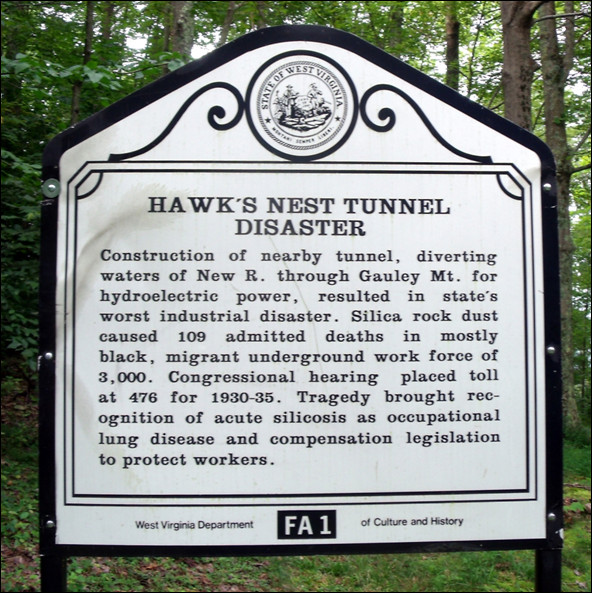
“Of the estimated 2,500 workers who worked in the tunnel, 764 died from acute silicosis and an additional 1,500 ultimately developed the disease [8].”
BackgroundInhaled asbestos activates a complement-dependent chemoattractant for macrophages.
Db, W., George, G., Hill, L. H., D, R. S. M., & Brody, A. R. (1985) · PubMed · Cited by 82
(2002) · PubMed · Cited by 82
The biological effects of magnesium-leached chrysotile asbestos.
Morgan, A. E., Davies, P., Wagner, J. C., Berry, G., & Holmes, A. (1977) · PubMed · Cited by 79
Recent Studies of Man-Made Vitreous Fibers: Chronic Animal Inhalation Studies
Bunn, W. B., Bender, J. R., Hesterberg, T. W., Chase, G. R., & Konzen, J. L. (1993) · Journal of Occupational and Environmental Medicine · doi:10.1097/00043764-199302000-00009 · Cited by 76 · cited 7×
“A side-effect of the discovery of biopersistence as a key factor in SVF pathogenicity was the uncovering of biopersistence as the explanation for differences between the more harmful amphibole asbestos and the less harmful chrysotile asbestos, the latter having been shown to be less persistent both in vitro and in viv…”
BackgroundInfluentialHesterberg, T. W., Hart, G. A., Chevalier, J., Miiller, W. C., Hamilton, R. D., Bauer, J., & Thevenaz, P. (1998) · Toxicology and Applied Pharmacology · doi:10.1006/taap.1998.8522 · Cited by 65 · cited 1×
“Many studies carried out comparisons between asbestos and the vitreous fibres, culminating in the emergence of ‘biopersistence’ as a key explanatory attribute for discriminating between carcinogenic and non-carcinogenic long fibres [46,47].”
BackgroundInhalation studies on the effects of tremolite and brucite dust in rats
Davis, J. M. G., Addison, J., Bolton, R. E., Donaldson, K., Jones, A. D., & Miller, B. G. (1985) · Carcinogenesis · doi:10.1093/carcin/6.5.667 · Cited by 65 · cited 1×
“portant papers on the relationship between asbestos characteristics and pathogenicity [31-34], many of which were inspired and executed by Rob Bolton, whose PhD”
BackgroundSelf-citationDiesel Exhaust Particulate–Exposed Macrophages Cause Marked Endothelial Cell Activation
Shaw, C. A., Robertson, S., Miller, M. R., Duffin, R., Tabor, C. M., Donaldson, K., Newby, D. E., & Hadoke, P. W. F. (2011) · American Journal of Respiratory Cell and Molecular Biology · doi:10.1165/rcmb.2010-0011oc · Cited by 64
Self-citationPM Source Apportionment for Short-Term Cardiac Function Changes in ApoE−/− Mice
Lippmann, M., Hwang, J.-S., Maciejczyk, P., & Chen, L. (2005) · Environmental Health Perspectives · doi:10.1289/ehp.8091 · Cited by 62
New Dust Standards for British Coal Mines
JACOBSEN, M., Rae, S., Walton, W. H., & Rogan, J. M. (1970) · Nature · doi:10.1038/227445a0 · Cited by 59 · cited 1×
“The exposure-response relationship calculated by Michael Jacobsen and colleagues led to agreement between trades unions, employers and government on a coalmine dust standard of 7 mg/m(3) of respirable dust [13].”
MethodInfluence of characteristics of inhaled fibres on development of tumours in the rat lung
Miller, B. G. (1999) · The Annals of Occupational Hygiene · doi:10.1016/s0003-4878(99)00019-8 · Cited by 56
The In Vitro Effects of Mineral Dusts
Brown, R. C., & Poole, A. (1983) · Alternatives to Laboratory Animals · doi:10.1177/026119298301100208 · Cited by 54
ASBESTOS DUST DEPOSITION AND RETENTION IN RATS
Wagner, J. C., & Skidmore, J. (1965) · Annals of the New York Academy of Sciences · doi:10.1111/j.1749-6632.1965.tb41091.x · Cited by 54 · cited 1×
“By 1965 Wagner began publishing an influential series of papers beginning with asbestos deposition and retention, the first emphasis on the modern concept of particle dosimetry [25].”
BackgroundMossman, B. T., & Craighead, J. E. (2015) · Progress in tumor research · doi:10.1159/000402082 · Cited by 46 · cited 1×
“Mossman [40] in the University of Vermont used hamster trachea to demonstrate the effects of asbestos and went on to investigate the molecular mechanism involved in asbestos effects over the next 30 years, pioneering the oxidative stress theory and demonstrating the molecular pathways by which particles influence cell…”
BackgroundVARIATIONS IN THE CARCINOGENICITY OF MINERAL FIBRES
Bolton, R., Davis, J. M., Donaldson, K., & Wright, A. (1982) · Elsevier eBooks · doi:10.1016/b978-0-08-026838-5.50046-5 · Cited by 46
Self-citationEffect of Asbestos, and of Asbestos and Aluminium, on the Lungs of Rabbits
King, E. J., Clegg, J. W., & Rae, V. M. (1946) · Thorax · doi:10.1136/thx.1.3.188 · Cited by 44
Induction of early alveolar injury by inhaled asbestos and silica.
Brody, A. R., Hill, L. H., & Db, W. (1985) · PubMed · Cited by 39
Brody, A. R., Liu, J. Y., Brass, D., & Corti, M. (1997) · Environmental Health Perspectives · doi:10.1289/ehp.97105s51165 · Cited by 38 · cited 1×
“Brody demonstrated that there was high efficiency deposition of inhaled respirable fibres in the centri-acinar and alveolar duct regions of rats [41,42] leading to high localised dose and a rapid pathobiological response [43,44].”
BackgroundEffect of age at inoculation of asbestos on occurrence of mesotheliomas in rats
Berry, G., & Wagner, J. C. (1976) · International Journal of Cancer · doi:10.1002/ijc.2910170410 · Cited by 27 · cited 1×
“type of study [27-30] exploring the role of asbestos types and their mechanisms.”
BackgroundA MICROSCOPE EYEPIECE GRATICULE FOR THE EVALUATION OF FIBROUS DUSTS
Walton, W. H., & Beckett, S. T. (1977) · The Annals of Occupational Hygiene · doi:10.1093/annhyg/20.1.19 · Cited by 26 · cited 1×
“In addition this work was important from a practical point of view in terms of defining exposure, since it allowed formulation of the fibre-counting rules and led to the Walton Beckett graticule [38] which assists in the identification of respirable fibres.”
BackgroundMineral Fibre Persistence and Carcinogenicity.
McDONALD, J. C. (1998) · INDUSTRIAL HEALTH · doi:10.2486/indhealth.36.372 · Cited by 26 · cited 1×
“Many studies carried out comparisons between asbestos and the vitreous fibres, culminating in the emergence of ‘biopersistence’ as a key explanatory attribute for discriminating between carcinogenic and non-carcinogenic long fibres [46,47].”
BackgroundThe Pathology of Pneumoconiosis
Gough, J. (1949) · Postgraduate Medical Journal · doi:10.1136/pgmj.25.290.611 · Cited by 23 · cited 1×
“dust was toxic in its own right [6,7].”
BackgroundThe effect of aluminium and of aluminium containing 5 per cent. of quartz in the lungs of rats
King, E. J., Harrison, C. V., Mohanty, G. P., & Yoganathan, M. (1958) · The Journal of Pathology and Bacteriology · doi:10.1002/path.1700750222 · Cited by 20 · cited 1×
“Between the middle 1940s and the early 1960s he systematically demonstrated silicosis in rats exposed to quartz and mixed dusts [16-18], its modification with aluminium compounds [19], the effects of asbestos on rat lungs [20] and the effects of particles on cells in culture [21].”
BackgroundBrody, A. R., Warheit, D. B., Chang, L., Roe, M. W., George, G., & Hill, L. H. (1984) · Annals of the New York Academy of Sciences · doi:10.1111/j.1749-6632.1984.tb12288.x · Cited by 18 · cited 1×
“Brody demonstrated that there was high efficiency deposition of inhaled respirable fibres in the centri-acinar and alveolar duct regions of rats [41,42] leading to high localised dose and a rapid pathobiological response [43,44].”
BackgroundDavis, J. M., BECKETT, S. T., Re, B., & Donaldson, K. (1980) · PubMed · Cited by 17
Self-citationRay, S. C., King, E. J., & Harrison, C. L. (1951) · Occupational and Environmental Medicine · doi:10.1136/oem.8.2.62 · Cited by 16 · cited 1×
“Between the middle 1940s and the early 1960s he systematically demonstrated silicosis in rats exposed to quartz and mixed dusts [16-18], its modification with aluminium compounds [19], the effects of asbestos on rat lungs [20] and the effects of particles on cells in culture [21].”
BackgroundThe effect of olivine on the lungs of rats
King, E. J., Rogers, N., Gilchrist, M., Goldschmidt, V. M., & Nagelschmidt, G. (1945) · The Journal of Pathology and Bacteriology · doi:10.1002/path.1700570414 · Cited by 14 · cited 1×
“Between the middle 1940s and the early 1960s he systematically demonstrated silicosis in rats exposed to quartz and mixed dusts [16-18], its modification with aluminium compounds [19], the effects of asbestos on rat lungs [20] and the effects of particles on cells in culture [21].”
BackgroundThe effect of asbestos on tissue cultures: A comparative study with quartz and coal dust
Belt, T. H., Friedmann, I., & King, E. J. (1947) · The Journal of Pathology and Bacteriology · doi:10.1002/path.1700590117 · Cited by 13 · cited 1×
“Between the middle 1940s and the early 1960s he systematically demonstrated silicosis in rats exposed to quartz and mixed dusts [16-18], its modification with aluminium compounds [19], the effects of asbestos on rat lungs [20] and the effects of particles on cells in culture [21].”
BackgroundNanoparticles – one word: A multiplicity of different hazards
Aitken, R., Borm, P. J. A., Donaldson, K., Ichihara, G., Loft, S., Marano, F., Maynard, A., Oberdorster, G., Stamm, H., Stone, V., et al. (2009) · Nanotoxicology · doi:10.3109/17435390903337701 · Cited by 13
Self-citationCooke, W. E. (1935) · Journal of Hygiene · doi:10.1017/s0022172400032228 · Cited by 11 · cited 1×
“The solubility theory was based on the idea that soluble silicic acid released from the quartz surface was the harmful component, whilst the mechanical theory implicated the sharp and angular quartz particles as mechanically irritating the lungs [23]; neither of these paradigms has survived to present day particle tox…”
BackgroundCommentary: Pneumoconiosis, coalmine dust and the PFR
Attfield, M. D., & Kuempel, E. D. (2003) · The Annals of Occupational Hygiene · doi:10.1093/annhyg/meg084 · Cited by 11
(1981) · JNCI: Journal of the National Cancer Institute · doi:10.1093/jnci/67.5.965 · Cited by 9 · cited 1×
“The Wagner, Davis and Stanton groups all identified critical roles for fibre type and length, igniting a substantial amount of research on the role played by length, fibre type and biopersistence in toxic potency that continues to the present day and which has defined the first real structure:toxicity model for a path…”
BackgroundThe Effects of Granite on the Lungs of Rats
King, E. J., Ray, S. C., Harrison, C. L., & Nagelschmidt, G. (1950) · Occupational and Environmental Medicine · doi:10.1136/oem.7.1.37 · Cited by 7 · cited 1×
“Between the middle 1940s and the early 1960s he systematically demonstrated silicosis in rats exposed to quartz and mixed dusts [16-18], its modification with aluminium compounds [19], the effects of asbestos on rat lungs [20] and the effects of particles on cells in culture [21].”
BackgroundPNEUMONOCONIOSIS: WITH SPECIAL REFERENCE TO THE SILICO-ANTHRACOSIS OF COAL MINERS
Cummins, S. L. (1935) · BMJ · doi:10.1136/bmj.2.3893.287 · Cited by 6 · cited 1×
“dust was toxic in its own right [6,7].”
BackgroundTumours in experimental animals following exposure to asbestos dust.
Jc, W. (1976) · PubMed · Cited by 5
Mechanisms of Mesothelioma Induction With Asbestos and Fibrous Glass
(1972) · JNCI: Journal of the National Cancer Institute · doi:10.1093/jnci/48.3.797 · Cited by 4 · cited 1×
“The Wagner, Davis and Stanton groups all identified critical roles for fibre type and length, igniting a substantial amount of research on the role played by length, fibre type and biopersistence in toxic potency that continues to the present day and which has defined the first real structure:toxicity model for a path…”
BackgroundREPORT ON AN INTERNATIONAL WORKSHOP 4–7 SEPTEMBER 1979 THE IN VITRO EFFECTS OF MINERAL DUSTS
Gormley, I. P., Brown, R. C., Chamberlain, M. P., & Davies, R. (1980) · The Annals of Occupational Hygiene · doi:10.1093/annhyg/23.2.225 · Cited by 3
Barber, M., & Signy, A. G. (1963) · Journal of Clinical Pathology · doi:10.1136/jcp.16.1.92 · Cited by 1
(1986) · PubMed
Self-citation(1939) · PubMed
VARIATIONS IN THE CARCINOGENICITY OF MINERAL FIBRES
BOLTON, R. E., Davis, J. M. G., Donaldson, K., & Wright, A. (1982) · The Annals of Occupational Hygiene · doi:10.1093/annhyg/26.5.569
Self-citation
Research works printed but not linked: 4
- 9. Cherniack M: The Hawk' s Nest Incident. New Haven: Yale University Press; 1986:1-187.
- 12. Morgan WKC, Seaton A (Eds): Occupational Lung Diseases. 3rd Edition, WB Saunders, Philadelphia. Philadelphia: WB Saunders; 1995.
- 15. Signy AG: Earl Judson KING. J Clin Pathol 1963, 16:92-93.
- 37. Stanton MF, Layard M, Tegeris A, Miller E, May M, Morgan E, et al: Relation of particle dimension to carcinogenicity in amphibole asbestoses and other fibrous minerals. J Natl Cancer Inst 1981, 67:965-975.
Cited by
Risk assessment of microplastic particles
Koelmans, A. A., Redondo-Hasselerharm, P. E., Nor, N. H. M., de Ruijter, V. N., Mintenig, S. M., & Kooi, M. (2022) · Nature Reviews Materials · doi:10.1038/s41578-021-00411-y · Cited by 1,140
Two-dimensional materials in biomedical, biosensing and sensing applications
Rohaizad, N., Mayorga-Martinez, C. C., Fojtů, M., Latiff, N. M., & Pumera, M. (2021) · Chemical Society Reviews · doi:10.1039/d0cs00150c · Cited by 506
Beyond PM2.5: The role of ultrafine particles on adverse health effects of air pollution
Chen, R., Hu, B., Liu, Y., Xu, J., Yang, G., Xu, D., & Chen, C. (2016) · Biochimica et Biophysica Acta (BBA) - General Subjects · doi:10.1016/j.bbagen.2016.03.019 · Cited by 388
Nanoparticles in Construction Materials and Other Applications, and Implications of Nanoparticle Use
Mohajerani, A., Burnett, L., Smith, J. V., Kurmus, H., Milas, J., Arulrajah, A., Horpibulsuk, S., & Abdul Kadir, A. (2019) · Materials · doi:10.3390/ma12193052 · Cited by 348
Triboelectric Nanogenerator Enhanced Nanofiber Air Filters for Efficient Particulate Matter Removal
Gu, G. Q., Han, C. B., Lu, C. X., He, C., Jiang, T., Gao, Z. L., Li, C. J., & Wang, Z. L. (2017) · ACS Nano · doi:10.1021/acsnano.7b02321 · Cited by 299
Metadata
- Authors
- Donaldson, K., & Seaton, A.
- Affiliations
- Centre for Inflammation Research (GB)
- University of Aberdeen (GB)
- Corresponding author
- Donaldson, Ken
- Venue
- Particle and Fibre Toxicology
- Published
- 2012
- Volume
- 9
- Issue
- 1
- Pages
- 13
- ISSN
- 1743-8977 (ISSN-L)
- PMC
- PMC3436721
- OpenAlex
- W2121061589
- Cited by
- 128
- References
- 71
- Citations by year
- 2026: 1 · 2025: 8 · 2024: 4 · 2023: 8 · 2022: 12 · 2021: 9 · 2020: 13 · 2019: 12 · 2018: 7 · 2017: 9 · 2016: 10 · 2015: 6 · 2014: 19 · 2013: 8 · 2012: 2
- FWCI
- 9.02
- Type
- journal article
- Language
- en
- Open access
- gold
- doi.org
- Licence
- cc-by
- Locations
- Particle and Fibre Toxicology (publishedVersion, cc-by)
- Europe PMC (PubMed Central) (publishedVersion, cc-by)
- PubMed Central (publishedVersion, cc-by)
- PubMed (publishedVersion)
- Edinburgh Research Explorer (University of Edinburgh) (submittedVersion, cc-by)
- DOAJ (DOAJ: Directory of Open Access Journals) (submittedVersion, cc-by-sa)
- Topics
- Health Sciences › Medicine › Pulmonary and Respiratory Medicine › Occupational and environmental lung diseases
- Physical Sciences › Environmental Science › Health, Toxicology and Mutagenesis › Air Quality and Health Impacts
- Physical Sciences › Materials Science › Materials Chemistry › Nanoparticles: synthesis and applications
- Keywords
- inhaled particles, quartz, coal, asbestos, glass fibre, biopersistence, environmental particles, nanotoxicology, nanoparticles, history of toxicology
- MeSH terms
- Animals, Humans, Toxicology, Inhalation Exposure, History, 15th Century, History, 16th Century, History, 17th Century, History, 18th Century, History, 19th Century, History, 20th Century, History, 21st Century, Particulate Matter
About these checks
Registry, retraction, Cites and statistics results are computed, not judged, with one exception: a printed reference that no index lists is read once by a model before it counts as a citation error. Claims are extracted by a model and kept only when their quote appears verbatim in the text; each cited source is then checked, with a model’s help, for whether it says what the claim relies on. Those verdicts can be wrong — read the claim’s quote and the cited source before relying on one.
Statistics and arithmetic are recomputed, not judged.
Confidence bands are shown only for fields calibrated on our annotated test set. None is calibrated yet, so no band is shown.
What counts as a claim ›How we measure confidence ›How we check this ›
Are you an author, or do you see a problem with this page? Request a review
Data sources
Bibliographic data: Semantic Scholar, OpenAlex, Crossref.
Contains information from the Semantic Scholar Academic Graph Datasets, made available under the ODC Attribution License (ODC-BY 1.0).
Semantic Scholar’s data is described in: Kinney, R., et al. (2023). The Semantic Scholar Open Data Platform. arXiv:2301.10140.
