

A short history of the toxicology of inhaled particles
Open accessThe DOI matches its Crossref record; 71 of the 72 references it cites were found in a registry or an index.
Abstract
Particle toxicology arose in order to understand the mechanisms of adverse effects of 3 major particle types that had historically exerted the greatest toll of ill-health--quartz, coal and asbestos. By the middle of the last century rat inhalation studies had been carried out and the pathology documented, but true mechanistic particle toxicology did not really take off until the 1970s when cell culture techniques became available. By the 1980s glass fibres were a major focus of interest and attempts to develop a structure-toxicity paradigm centred on biopersistence. In the 1990s environmental particles dominated the particle toxicology agenda and the cardiovascular system emerged as a target for inhaled particles, raising new challenges for particle toxicologists. We are currently in the era of nanotoxicology where a large and diverse range of new nanoparticles types are under scrutiny.
Overview
The claims and statistics of this paper haven’t been checked yet.
Free: it reads the open-access text and checks the first 5 claims that cite a source we can check. Create a free account to check every claim.
Integrity signals
Registry
Cites
Statistics
Figures



Verification
Claims the paper makes
The claims and statistics of this paper haven’t been checked yet.
Free: it reads the open-access text and checks the first 5 claims that cite a source we can check. Create a free account to check every claim.
Claims other papers make about this one
Each is checked against this paper’s own text: does it say what the citing paper says it does?
The source backs part of the claim, not all of it — or backs it for a different population, condition or comparison.
In the citing paper
“Inhalation is a primary mode of transfer for nanoparticles into the body, raising concerns of pulmonary carcinogenic reactions similar to that caused by asbestos where inhaled minute crystalline fibres induce asbestosis, lung cancer, pleural fibrosis, and mesothelioma [78].”
From Nanoparticles in Construction Materials and Other Applications, and Implications of Nanoparticle Use (2019) · cites this paper as [78]
Experimental — accuracy not yet measuredThe cited source says what the claim attributes to it.
In the citing paper
“Inhalation is a primary mode of transfer for nanoparticles into the body, raising concerns of pulmonary carcinogenic reactions similar to that caused by asbestos where inhaled minute crystalline fibres induce asbestosis, lung cancer, pleural fibrosis, and mesothelioma [78].”
From Nanoparticles in Construction Materials and Other Applications, and Implications of Nanoparticle Use (2019) · cites this paper as [78]
Self-check
Percentages, sums and reported differences re-computed from the paper’s own numbers.
The self-check needs the paper’s full text.
Citations
Cites
An association between air pollution and mortality in six U.S. cities
Dockery, D. W., Pope, C. A., Xu, X., Spengler, J. D., Ware, J. H., Fay, M. E., Ferris, B. G., & Speizer, F. E. (1993) · New England Journal of Medicine · doi:10.1056/nejm199312093292401 · Cited by 8,018
Poland, C. A., Duffin, R., Kinloch, I., Maynard, A., Wallace, W. A. H., Seaton, A., Stone, V., Brown, S., MacNee, W., & Donaldson, K. (2008) · Nature Nanotechnology · doi:10.1038/nnano.2008.111 · Cited by 2,645 · cited 1×
“Carbon nanotubes for example have been found to be highly fibrogenic in the lungs [70] and if they are in a fibrous morphology, to have the potential to produce asbestos-like effects in the peritoneal and pleural spaces [71,72].”
BackgroundSelf-citationParticulate air pollution and acute health effects
Seaton, A., Godden, D., MacNee, W., & Donaldson, K. (1995) · The Lancet · doi:10.1016/s0140-6736(95)90173-6 · Cited by 2,138 · cited 1×
“It was notable that although as one might expect respiratory illness occurred, the greater number of deaths and hospitalisations occurred from heart disease, usually heart attack [55].”
BackgroundSelf-citationToxicology of nanoparticles: A historical perspective
Oberdörster, G., Stone, V., & Donaldson, K. (2007) · Nanotoxicology · doi:10.1080/17435390701314761 · Cited by 964 · cited 2×
“© 2012 Donaldson and Seaton; licensee BioM Creative Commons Attribution License (http:/ distribution, and reproduction in any medium inhalation particle toxicology is therefore our aim, and complements shorter accounts by other authors [2-5].”
BackgroundResultSelf-citationDonaldson, K., Murphy, F. A., Duffin, R., & Poland, C. A. (2010) · Particle and Fibre Toxicology · doi:10.1186/1743-8977-7-5 · Cited by 916 · cited 1×
“Asbestos causes a number of lung diseases including asbestosis, a fatal type of interstitial lung fibrosis, and lung cancer but also affects the pleura for reasons that are becoming better understood [10].”
BackgroundSelf-citationPulmonary Retention of Ultrafine and Fine Particles in Rats
Ferin, J., Oberdörster, G., & Penney, D. P. (1992) · American Journal of Respiratory Cell and Molecular Biology · doi:10.1165/ajrcmb/6.5.535 · Cited by 722 · cited 1×
“The highly original work of Ferin and Oberdorster and colleagues had shown unexpected increases in toxicity of ultrafine particles, or what are now generally characterised as nanoparticles [59].”
BackgroundDonaldson, K., Stone, V, Tran, C. L., Kreyling, W., & Borm, P. J. A. (2004) · Occupational and Environmental Medicine · doi:10.1136/oem.2004.013243 · Cited by 699
Self-citationShvedova, A. A., Kisin, E., Murray, A. R., Johnson, V. J., Gorelik, O., Arepalli, S., Hubbs, A. F., Mercer, R. R., Keohavong, P., Sussman, N., et al. (2008) · American Journal of Physiology-Lung Cellular and Molecular Physiology · doi:10.1152/ajplung.90287.2008 · Cited by 641
The Effects of the Inhalation of Asbestos in Rats
Wagner, J. C., Berry, G., Skidmore, J. W., & Timbrell, V (1974) · British Journal of Cancer · doi:10.1038/bjc.1974.65 · Cited by 509 · cited 1×
“type of study [27-30] exploring the role of asbestos types and their mechanisms.”
BackgroundCarcinogenicity of Fibrous Glass: Pleural Response in the Rat in Relation to Fiber Dimension
Stanton, M. F., Layard, M., Tegeris, A., Miller, E., May, M., & Kent, E. (1977) · JNCI: Journal of the National Cancer Institute · doi:10.1093/jnci/58.3.587 · Cited by 467 · cited 1×
“The Wagner, Davis and Stanton groups all identified critical roles for fibre type and length, igniting a substantial amount of research on the role played by length, fibre type and biopersistence in toxic potency that continues to the present day and which has defined the first real structure:toxicity model for a path…”
Background
Research works printed but not linked: 4
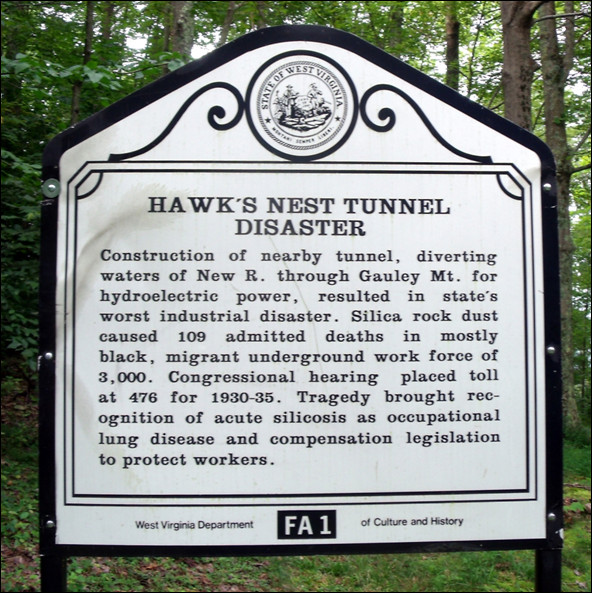
- 9. Cherniack M: The Hawk' s Nest Incident. New Haven: Yale University Press; 1986:1-187.
- 12. Morgan WKC, Seaton A (Eds): Occupational Lung Diseases. 3rd Edition, WB Saunders, Philadelphia. Philadelphia: WB Saunders; 1995.
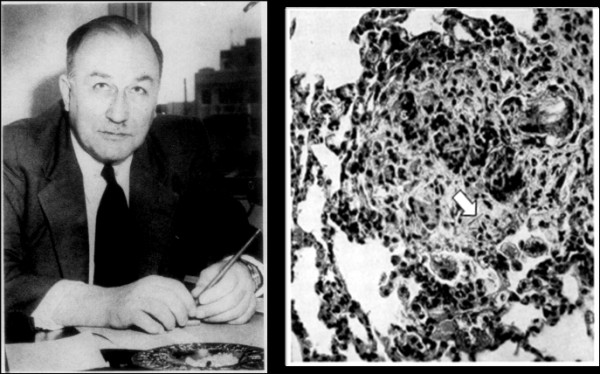
- 15. Signy AG: Earl Judson KING. J Clin Pathol 1963, 16:92-93.
- 37. Stanton MF, Layard M, Tegeris A, Miller E, May M, Morgan E, et al: Relation of particle dimension to carcinogenicity in amphibole asbestoses and other fibrous minerals. J Natl Cancer Inst 1981, 67:965-975.
Cited by
Risk assessment of microplastic particles
Koelmans, A. A., Redondo-Hasselerharm, P. E., Nor, N. H. M., de Ruijter, V. N., Mintenig, S. M., & Kooi, M. (2022) · Nature Reviews Materials · doi:10.1038/s41578-021-00411-y · Cited by 1,140
Two-dimensional materials in biomedical, biosensing and sensing applications
Rohaizad, N., Mayorga-Martinez, C. C., Fojtů, M., Latiff, N. M., & Pumera, M. (2021) · Chemical Society Reviews · doi:10.1039/d0cs00150c · Cited by 506
Beyond PM2.5: The role of ultrafine particles on adverse health effects of air pollution
Chen, R., Hu, B., Liu, Y., Xu, J., Yang, G., Xu, D., & Chen, C. (2016) · Biochimica et Biophysica Acta (BBA) - General Subjects · doi:10.1016/j.bbagen.2016.03.019 · Cited by 388
Nanoparticles in Construction Materials and Other Applications, and Implications of Nanoparticle Use
Mohajerani, A., Burnett, L., Smith, J. V., Kurmus, H., Milas, J., Arulrajah, A., Horpibulsuk, S., & Abdul Kadir, A. (2019) · Materials · doi:10.3390/ma12193052 · Cited by 348
Triboelectric Nanogenerator Enhanced Nanofiber Air Filters for Efficient Particulate Matter Removal
Gu, G. Q., Han, C. B., Lu, C. X., He, C., Jiang, T., Gao, Z. L., Li, C. J., & Wang, Z. L. (2017) · ACS Nano · doi:10.1021/acsnano.7b02321 · Cited by 299
Halappanavar, S., van den Brule, S., Nymark, P., Gaté, L., Seidel, C., Valentino, S., Zhernovkov, V., Høgh Danielsen, P., De Vizcaya, A., Wolff, H., et al. (2020) · Particle and Fibre Toxicology · doi:10.1186/s12989-020-00344-4 · Cited by 246
Øvrevik, J., Refsnes, M., Låg, M., Holme, J., & Schwarze, P. (2015) · Biomolecules · doi:10.3390/biom5031399 · Cited by 241
“matter (PM) in polluted cities, and engineered nanomaterials [1,2].”
BackgroundParticle toxicology and health - where are we?
Riediker, M., Zink, D., Kreyling, W., Oberdörster, G., Elder, A., Graham, U., Lynch, I., Duschl, A., Ichihara, G., Ichihara, S., et al. (2019) · Particle and Fibre Toxicology · doi:10.1186/s12989-019-0302-8 · Cited by 237
“There is a long history of particle toxicology that was recently summarized by Donaldson and Seaton [2].”
A Review of the Use of Organic Amendments and the Risk to Human Health
Goss, M. J., Tubeileh, A., & Goorahoo, D. (2013) · Advances in Agronomy · doi:10.1016/b978-0-12-407686-0.00005-1 · Cited by 230
“However, the evidence strongly suggests that differences in the chemical composition, including acidity, of particles rather than their size is critical to the development of health effects (Donaldson and Seaton, 2012; Seaton et al., 1995; Steenhof et al., 2011) , with a decrease in metabolic activity in affected tiss…”
Self-Powered Electrostatic Adsorption Face Mask Based on a Triboelectric Nanogenerator
Liu, G., Nie, J., Han, C., Jiang, T., Yang, Z., Pang, Y., Xu, L., Guo, T., Bu, T., Zhang, C., et al. (2018) · ACS Applied Materials & Interfaces · doi:10.1021/acsami.7b18732 · Cited by 206
Rissler, J., Messing, M. E., Malik, A., Nilsson, P. T., Nordin, E., Bohgard, M., Sanati, M., & Pagels, J. (2013) · Aerosol Science and Technology · doi:10.1080/02786826.2013.791381 · Cited by 177
“Ambient particles and soot have been associated with adverse effects in both long-term and acute exposure studies (Donaldson et al. 2005; Donaldson and Seaton 2012; WHO 2012).”
BackgroundNanomaterials: certain aspects of application, risk assessment and risk communication
Laux, P., Tentschert, J., Riebeling, C., Braeuning, A., Creutzenberg, O., Epp, A., Fessard, V., Haas, K., Haase, A., Hund‐Rinke, K., et al. (2017) · Archives of Toxicology · doi:10.1007/s00204-017-2144-1 · Cited by 174
“2015) and inhalation (Donaldson and Seaton 2012) represent scenarios that humans may encounter.”
BackgroundAirborne fine particulate matter induces multiple cell death pathways in human lung epithelial cells
Deng, X., Zhang, F., Wang, L., Rui, W., Long, F., Zhao, Y. L., Chen, D., & Ding, W. (2014) · APOPTOSIS · doi:10.1007/s10495-014-0980-5 · Cited by 149
Kermanizadeh, A., Gosens, I., MacCalman, L., Johnston, H. J., Danielsen, P. H., Jacobsen, N. R., Lenz, A., Fernandes, T. F., Schins, R. P. F., Cassee, F. R., et al. (2016) · Journal of Toxicology and Environmental Health Part B · doi:10.1080/10937404.2015.1126210 · Cited by 131
Nanoparticles and The Cardiovascular System: A Critical Review
Donaldson, K., Duffin, R., Langrish, J. P., Miller, M. R., Mills, N. L., Poland, C. A., Raftis, J. B., Shah, A. S. V., Shaw, C. A., & Newby, D. E. (2013) · Nanomedicine · doi:10.2217/nnm.13.16 · Cited by 126
Self-citationHarmful Effects of Nanoparticles on Animals
Exbrayat, J., Moudilou, E., & Lapied, E. (2015) · Journal of Nanotechnology · doi:10.1155/2015/861092 · Cited by 124
“Effects were different from that obtained after inhalation [12, 13].”
Turci, F., Pavan, C., Leinardi, R., Tomatis, M., Pastero, L., Garry, D., Anguissola, S., Lison, D., & Fubini, B. (2015) · Particle and Fibre Toxicology · doi:10.1186/s12989-016-0136-6 · Cited by 114
Ding, S., Wang, H., Wang, M., Bai, L., Yu, P., & Wu, W. (2019) · Ecotoxicology and Environmental Safety · doi:10.1016/j.ecoenv.2019.109425 · Cited by 102
In Search of the Chemical Basis of the Hemolytic Potential of Silicas
Pavan, C., Tomatis, M., Ghiazza, M., Rabolli, V., Bolis, V., Lison, D., & Fubini, B. (2013) · Chemical Research in Toxicology · doi:10.1021/tx400105f · Cited by 87
Why does the hemolytic activity of silica predict its pro-inflammatory activity?
Pavan, C., Rabolli, V., Tomatis, M., Fubini, B., & Lison, D. (2014) · Particle and Fibre Toxicology · doi:10.1186/s12989-014-0076-y · Cited by 92
“Background Even if the pathogenicity of silica particles is known from ancient times, it remains one of the most puzzling issues of particle toxicology [1].”
BackgroundToxicity of Metal and Metal Oxide Nanoparticles
Karlsson, H. L., Toprak, M. S., & Fadeel, B. (2014) · Elsevier eBooks · doi:10.1016/b978-0-444-59453-2.00004-4 · Cited by 94
Alinovi, R., Goldoni, M., Pinelli, S., Campanini, M., Aliatis, I., Bersani, D., Lottici, P. P., Iavicoli, S., Petyx, M., Mozzoni, P., et al. (2014) · Toxicology in Vitro · doi:10.1016/j.tiv.2014.12.007 · Cited by 92
“However, their use (which is still largely unregulated) has become a recognised social health problem because the inhalation, dermal absorption or ingestion of particles of various sizes and compositions leads to increased rates of chronic respiratory and cardiovascular diseases (Borm et al., 2004; Byrne and Baugh, 20…”
BackgroundDimakakou, E., Johnston, H. J., Streftaris, G., & Cherrie, J. W. (2018) · International Journal of Environmental Research and Public Health · doi:10.3390/ijerph15081704 · Cited by 77
Unveiling the Variability of “Quartz Hazard” in Light of Recent Toxicological Findings
Pavan, C., & Fubini, B. (2016) · Chemical Research in Toxicology · doi:10.1021/acs.chemrestox.6b00409 · Cited by 85
Biokinetics of nanomaterials: The role of biopersistence
Laux, P., Riebeling, C., Booth, A. M., Brain, J. D., Brunner, J., Cerrillo, C., Creutzenberg, O., Estrela‐Lopis, I., Gebel, T., Johanson, G., et al. (2017) · NanoImpact · doi:10.1016/j.impact.2017.03.003 · Cited by 83
“and by inhalation of airborne NMs (Donaldson and Seaton, 2012).”
Natural Product-Based Fabrication of Zinc-Oxide Nanoparticles and Their Applications
Husen, A. (2019) · Springer eBooks · doi:10.1007/978-3-030-05569-1_7 · Cited by 83
Traffic-related particulate matter exposure induces nephrotoxicity in vitro and in vivo
Hsu, Y., Chuang, H., Lee, Y., Lin, Y., Chen, Y.-J., Hsiao, T.-C., Wu, M., & Chiu, H. (2019) · Free Radical Biology and Medicine · doi:10.1016/j.freeradbiomed.2019.03.008 · Cited by 78
Polarization of Immune Cells in the Pathologic Response to Inhaled Particulates
Ma, Q. (2020) · Frontiers in Immunology · doi:10.3389/fimmu.2020.01060 · Cited by 77
“Nonetheless, it was not until the 19th and early 20th centuries that inhaled particles and dusts were established as the direct cause of several deadly lung diseases, including silicosis and accompanying tuberculosis, black lung disease and associated massive progressive fibrosis (MPF), and particle-associated lung ca…”
BackgroundNoël, A., Charbonneau, M., Cloutier, Y., Tardif, R., & Truchon, G. (2013) · Particle and Fibre Toxicology · doi:10.1186/1743-8977-10-48 · Cited by 75
“Risk assessment is based on exposure expressed in terms of dosimetry and toxicological data [3].”
Oxidatively damaged DNA in animals exposed to particles
Møller, P., Danielsen, P. H., Jantzen, K., Roursgaard, M., & Loft, S. (2013) · Critical Reviews in Toxicology · doi:10.3109/10408444.2012.756456 · Cited by 73
“The types of particles that have been investigated in studies of oxidatively damaged DNA seem to follow the same path as the historical particle exposures in inhalation toxicology (Donaldson & Seaton, 2012).”
BackgroundThe impact of nanomaterial characteristics on inhalation toxicity
Bierkandt, F. S., Leibrock, L., Wagener, S., Laux, P., & Luch, A. (2018) · Toxicology Research · doi:10.1039/c7tx00242d · Cited by 74
Self-DNA Sensing in Lung Inflammatory Diseases
Benmerzoug, S., Ryffel, B., Togbe, D., & Quesniaux, V. F. J. (2019) · Trends in Immunology · doi:10.1016/j.it.2019.06.001 · Cited by 70
“Inhaled environmental particulate toxicants such as crystalline silica, asbestos or coal can also lead to chronic pulmonary inflammation [72].”
BackgroundSgrigna, G., Baldacchini, C., Esposito, R., Calandrelli, R., Tiwary, A., & Calfapietra, C. (2016) · The Science of The Total Environment · doi:10.1016/j.scitotenv.2016.01.057 · Cited by 67
Revisiting Airflow and Aerosol Transport Phenomena in the Deep Lungs with Microfluidics
Sznitman, J. (2021) · Chemical Reviews · doi:10.1021/acs.chemrev.1c00621 · Cited by 67
Diesel exhaust particle exposure in vitro impacts T lymphocyte phenotype and function
Pierdominici, M., Maselli, A., Cecchetti, S., Tinari, A., Mastrofrancesco, A., Alfè, M., Gargiulo, V., Beatrice, C., Blasio, G. D., Carpinelli, G., et al. (2014) · Particle and Fibre Toxicology · doi:10.1186/s12989-014-0074-0 · Cited by 60
“The small size of DEP makes them highly respirable, thus having the potential to reach the deep lung and to translocate to the bloodstream although this latter still remains a debated issue [2,5-10].”
BackgroundJohnston, H. J., Verdon, R., Gillies, S., Brown, D. M., Fernandes, T. F., Henry, T. B., Rossi, A. G., Tran, L., Tucker, C. S., Tyler, C. R., et al. (2017) · Critical Reviews in Toxicology · doi:10.1080/10408444.2017.1404965 · Cited by 62
“…pollution (PM10), silica and asbestos cause a range of adverse health effects in humans (e.g. initiation/exacerbation of respiratory and cardiovascular disease, cancer) via mechanisms involving the stimulation of inflammation (reviewed in e.g. Oberd€orster et al. 2007; Donaldson and Seaton 2012).”
BackgroundComposition, Respirable Fraction and Dissolution Rate of 24 Stone Wool MMVF with their Binder
Wohlleben, W., Waindok, H., Daumann, B., Werle, K., Drum, M., & Egenolf, H. (2017) · Particle and Fibre Toxicology · doi:10.1186/s12989-017-0210-8 · Cited by 53
“Fibre pathogenicity probably originates from a common mode of action from all respirable fibres, [4, 5] and is determined predominantly by aspect ratio, length and biopersistence [6, 7].”
BackgroundHindman, B., & Ma, Q. (2019) · Archives of Toxicology · doi:10.1007/s00204-019-02411-y · Cited by 55
Nguyen, T. N. T., Kwon, H.-O., Lammel, G., Jung, K.-S., Lee, S.-J., & Choi, S. (2020) · Journal of Hazardous Materials · doi:10.1016/j.jhazmat.2020.122409 · Cited by 49
Air Pollution: Possible Interaction between the Immune and Nervous System?
Serafini, M. M., Maddalon, A., Iulini, M., & Galbiati, V. (2022) · International Journal of Environmental Research and Public Health · doi:10.3390/ijerph192316037 · Cited by 46
Ma, Q., & Lim, C. S. (2023) · The Annual Review of Pharmacology and Toxicology · doi:10.1146/annurev-pharmtox-031023-125300 · Cited by 41
Snyder‐Talkington, B. N., Dong, C., Porter, D. W., Ducatman, B. S., Wolfarth, M. G., Andrew, M. E., Battelli, L. A., Raese, R. A., Castranova, V., Guo, N. L., et al. (2016) · Journal of Toxicology and Environmental Health · doi:10.1080/15287394.2016.1159635 · Cited by 41
“The MWCNT used in this study, as well as amphibole asbestos, are known for their biopersistence and potential to induce lung injury long after an initial exposure (Donaldson et al., 2013; Donaldson and Seaton, 2012; Mercer et al., 2013a; Wylie and Candela, 2015).”
MethodLi, Y., Duan, J., Yang, M. G., Li, Y., Li, J., Yu, Y., Wang, J., & Sun, Z. (2017) · Toxicology in Vitro · doi:10.1016/j.tiv.2017.04.014 · Cited by 41
“5 is associated with increased risk of pulmonary diseases, but the underlying mechanisms remain unclear (Donaldson and Seaton, 2012).”
BackgroundCampopiano, A., Cannizzaro, A., Angelosanto, F., Astolfi, M. L., Ramires, D., Olori, A., Canepari, S., & Iavicoli, S. (2014) · Regulatory Toxicology and Pharmacology · doi:10.1016/j.yrtph.2014.05.023 · Cited by 40
Vesterdal, L. K., Jantzen, K., Sheykhzade, M., Roursgaard, M., Folkmann, J. K., Loft, S. H., & Möller, P. (2012) · Nanotoxicology · doi:10.3109/17435390.2012.750385 · Cited by 38
“…particles are more likely to generate vascular effects, although this is to some extent in conflict with the results from quartz and asbestos fibres that are considered to be highly inflammogenic and are typically not regarded as being hazardous to the vascular system (Donaldson & Seaton 2012).”
BackgroundJensen, A. C. Ø., Harboe, H., Brostrøm, A., Jensen, K. A., & Fonseca, A. S. (2020) · Frontiers in Public Health · doi:10.3389/fpubh.2020.608718 · Cited by 33
“The predominant route of exposure for workers who are in contact with respirable particles is the inhalation pathway, however dermal and oral exposure pathways should not be disregarded (22).”
BackgroundAlkaline earth silicate wools – A new generation of high temperature insulation
Brown, R. C., & Harrison, P. T. C. (2012) · Regulatory Toxicology and Pharmacology · doi:10.1016/j.yrtph.2012.08.020 · Cited by 33
“Additional work to determinewhether breakage of long vitreous fibres in the lung could be responsible for the removal of significant numbers of these fibres was conducted by Eastes et al. (2007), using preparations of mostly long fibres of two different types.”
BackgroundGuzmán, E., Santini, E., Ferrari, M., Liggieri, L., & Ravera, F. (2020) · Coatings · doi:10.3390/coatings10050469 · Cited by 31
A Scourge Returns: Black Lung in Appalachia
Arnold, C. (2015) · Environmental Health Perspectives · doi:10.1289/ehp.124-a13 · Cited by 31
“Any small particle this deep in the lungs, whether from cigarette smoke, car exhaust, or coal mine dust, can create irritation in the site where it lands.(13) The body’s immune system attacks the particles, creating inf lammation in the surrounding region.”
BackgroundEngineered nanomaterial-induced lysosomal membrane permeabilization and anti-cathepsin agents
Bunderson‐Schelvan, M., Holian, A., & Hamilton, R. F. (2017) · Journal of Toxicology and Environmental Health Part B · doi:10.1080/10937404.2017.1305924 · Cited by 29
Inhaled Ambient Particulate Matter and Lung Health Burden
Upadhyay, S., Ganguly, K., & Stoeger, T. (2014) · EMJ Respiratory · doi:10.33590/emjrespir/10314956 · Cited by 28
Toxicity of metal and metal oxide nanoparticles
Karlsson, H. L., Toprak, M. S., & Fadeel, B. (2022) · Elsevier eBooks · doi:10.1016/b978-0-12-823292-7.00002-4 · Cited by 27
On the notch sensitivity of flax fibre metal laminates under static and fatigue loading
Kandare, E., Yoo, S., Chevali, V. S., & Khatibi, A. A. (2018) · Fatigue & Fracture of Engineering Materials & Structures · doi:10.1111/ffe.12807 · Cited by 27
Moura, J. A., Meldrum, K., Doak, S. H., & Clift, M. J. D. (2023) · Seminars in Cell and Developmental Biology · doi:10.1016/j.semcdb.2022.12.006 · Cited by 26
Kisielinski, K., Hockertz, S., Hirsch, O., Korupp, S., Klosterhalfen, B., Schnepf, A., & Dyker, G. (2024) · Ecotoxicology and Environmental Safety · doi:10.1016/j.ecoenv.2023.115858 · Cited by 26
“The toxicology of fibers and particles is becoming more and more important as the modern world contains ever more artificial objects (Donaldson and Seaton, 2012; Riediker et al., 2019).”
Al‐Abed, S. R., Virkutytė, J., Ortenzio, J., McCarrick, R. M., Degn, L. L., Zucker, R. M., Coates, N. H., Childs, K., Ma, H., Diamond, S., et al. (2016) · Environmental Science Nano · doi:10.1039/c5en00250h · Cited by 25
Li, Y., Qian, W., Wang, D., Meng, Y., Wang, X., Chen, Y., Li, X., Xie, C., Zhong, C., & Fu, S. (2018) · Journal of Applied Toxicology · doi:10.1002/jat.3636 · Cited by 25
“5 is respirable and able to penetrate into the alveolar region of the lung to exert their toxicity (Donaldson & Seaton, 2012).”
BackgroundRong, R., Zhang, Y., Zhang, Y., Hu, Y. B., Yang, W., Hu, X., Wen, L., & Zhang, Q. (2019) · Nanotoxicology · doi:10.1080/17435390.2018.1549688 · Cited by 25
“Nanotechnology has opened up numerous possibilities in industrial and commercial applications, while also necessitating the understanding of nanotoxicology (Donaldson and Seaton 2012).”
BackgroundNoël, A., Truchon, G., Cloutier, Y., Charbonneau, M., Maghni, K., & Tardif, R. (2016) · Toxicology and Industrial Health · doi:10.1177/0748233716651560 · Cited by 22
“; Donaldson and Seaton, 2012; Simko et al., 2014).”
BackgroundThymoquinone ameliorates the PM2.5-induced lung injury in rats
Mao, M., Li, J., Bi, A., Jia, H. M., Li, Q., Liu, Y., Jiang, X., Huang, D., & Xia, S. (2020) · Experimental Lung Research · doi:10.1080/01902148.2020.1801895 · Cited by 22
Faust, J. J., Masserano, B., Mielke, A. H., Abraham, A., & Capco, D. G. (2014) · Advances in experimental medicine and biology · doi:10.1007/978-94-017-8739-0_4 · Cited by 21
Muñoz-López, R., Guzmán, E., Velázquez, M. M., Fernández‐Peña, L., Moreno, M. D. M., Maestro, A., Ortega, F., & Rubio, R. G. (2020) · Processes · doi:10.3390/pr8010094 · Cited by 20
“The wide spread of the above-mentioned particles has recently raised many questions about the potential risks associated with their inhalation, which presents a special importance because particles’ inhalation has been frequently associated with the emergence of respiratory and cardiac diseases [7,8].”
BackgroundWang, T., Liang, M., Ye, X., Huang, X., Chen, H., He, X., Xie, M., Xie, X., Jiang, X., Chen, Z., et al. (2025) · European Respiratory Review · doi:10.1183/16000617.0055-2025 · Cited by 19
“However, the underlying biological mechanisms have not yet been fully elucidated [25] and mediation analysis of factors associated with both COPD and air pollution could help explore potential mechanisms.”
Keller, J. G., Wiemann, M., Gröters, S., Werle, K., Vennemann, A., Landsiedel, R., & Wohlleben, W. (2021) · Nanoscale Advances · doi:10.1039/d1na00044f · Cited by 19
Wilkinson, K. E., Lundkvist, J., Netrval, J., Eriksson, M., Seisenbaeva, G. A., & Kessler, V. G. (2013) · Environmental Pollution · doi:10.1016/j.envpol.2013.07.043 · Cited by 17
“With increasing amounts of vehicular traffic, industrial production and natural emissions the world is witnessing rising levels of air pollution with no foreseeable end insight (Donaldson and Seaton, 2012).”
BackgroundCroce, A., Arrais, A., & Rinaudo, C. (2018) · Minerals · doi:10.3390/min8060249 · Cited by 17
Correction to: Particle toxicology and health - where are we?
Riediker, M., Zink, D., Kreyling, W. G., Oberdörster, G., Elder, A. C. P., Graham, U. M., Lynch, I., Duschl, A., Ichihara, G., Ichihara, S., et al. (2019) · Particle and Fibre Toxicology · doi:10.1186/s12989-019-0308-2 · Cited by 17
Gonzalez, L., Cundari, E., Leyns, L., & Kirsch‐Volders, M. (2016) · Basic & Clinical Pharmacology & Toxicology · doi:10.1111/bcpt.12698 · Cited by 15
Approaching a Unified Theory for Particle-Induced Inflammation
Bunderson‐Schelvan, M., Hamilton, R. F., Trout, K. L., Jessop, F., Gulumian, M., & Holian, A. (2015) · Current topics in environmental health and preventive medicine · doi:10.1007/978-4-431-55732-6_3 · Cited by 15
“ro p h ag es [1 5 3 ] E ff ec t n o t o b se rv ed at”
BackgroundInfluential3D printing: Balancing innovation for sustainability with emerging environmental and health risks
Alijagić, A., Suljević, D., Engwall, M., & Särndahl, E. (2025) · iScience · doi:10.1016/j.isci.2025.113185 · Cited by 14
“…as they fear potential occupational health risks that could result in a future tragedy, as was the case in the past with silica/quartz, coal, and asbestos, 17 but data on health effects caused by 3D printing-related particle emissions are currently limited, thus preventing conclusions to be made.”
Petriglieri, J. R., Barale, L., Viti, C., Ballirano, P., Belluso, E., Bruno, M. R., Campopiano, A., Cannizzaro, A., Fantauzzi, M., Gianchiglia, F., et al. (2023) · Journal of Hazardous Materials · doi:10.1016/j.jhazmat.2023.131754 · Cited by 13
“The pathogenic potential of an inhalable poorly soluble mineral particle depends on three main morpho-chemical aspects, i.e., the particle morphology, its crystal-chemistry, and the consequent mineral alteration, which modulates the surface reactivity upon particle inhalation [23].”
Neagu, M. T., Grisi, F., Pulvirenti, A., Simón‐Vázquez, R., García‐González, C. A., & Boccia, A. C. (2023) · Safety · doi:10.3390/safety9040080 · Cited by 13
“For example, if macrophages are tested with large aerogel particles, this can lead to frus-trated phagocytosis [95,96].”
BackgroundNanomaterials for construction building products designed to withstand natural disasters
Patel, G. M., Shah, V., Bhaliya, J. D., & Mehta, K. (2022) · Elsevier eBooks · doi:10.1016/b978-0-323-91166-5.00008-2 · Cited by 13
Centrality of Myeloid-Lineage Phagocytes in Particle-Triggered Inflammation and Autoimmunity
Favor, O. K., Pestka, J. J., Bates, M. A., & Lee, K. S. S. (2021) · Frontiers in Toxicology · doi:10.3389/ftox.2021.777768 · Cited by 14
Utilizing Martian samples for future planetary exploration—Characterizing hazards and resources
Whetsel, C. W., Levine, J. S., Hoffman, S. J., Luckey, C. M., Watts, K. D., & Antonsen, E. (2025) · Proceedings of the National Academy of Sciences · doi:10.1073/pnas.2404251121 · Cited by 12
“Terrestrial industrial and occupational exposures to coal dust, asbestos fibers, and quartz/silica particles were the initial models of study due to an early association with both acute and long - term pulmonary health conditions ( 10 ).”
Okazaki, Y. (2021) · Pathology International · doi:10.1111/pin.13196 · Cited by 12
“Among them, asbestos exposure is only related to MM onset.(7) Asbestos fiber is defined as longer than 5 μm, thinner than 3 μm and an aspect ratio (length/width) larger than 3, and it is constituted from naturally occurring mineral silicate fibers, known as serpentine (chrysotile) and amphiboles (amosite, crocidolite,…”
BackgroundPolymer Composites Containing Functionalized Nanoparticles and the Environment
Zanjani, J. S. M., Oğuz, O., Okan, B. S., Yıldız, M., & Menceloǵlu, Y. Z. (2018) · Elsevier eBooks · doi:10.1016/b978-0-12-814064-2.00014-7 · Cited by 12
“Nanoparticle toxicology is a science of studying the ability of nanoparticles to damage or change the function of cells, genes, and living organs and determine the mechanism of that damage [19].”
BackgroundWohlleben, W., Adam, V., Lledó, P. C., Dekkers, S., Durand, C., Haase, A., Soeteman‐Hernández, L. G., Livieri, A., Martel-Martín, S., Pizzol, L., et al. (2025) · RSC Sustainability · doi:10.1039/d5su00392j · Cited by 11
Moreno, M. D. M., Pawar, N., Santamaría, A., Sánchez-Fernández, R., Konovalov, O., Maestro, A., & Velázquez, M. M. (2023) · Journal of Colloid and Interface Science · doi:10.1016/j.jcis.2023.11.022 · Cited by 11
An alternative in vitro model considering cell-cell interactions in fiber-induced pulmonary fibrosis
Pantzke, J., Offer, S., Zimmermann, E. J., Kuhn, E., Streibel, T., Oeder, S., Bucchianico, S. D., & Zimmermann, R. (2022) · Toxicology Mechanisms and Methods · doi:10.1080/15376516.2022.2156008 · Cited by 8
“Respirable fibrous materials as such can cause acute and chronic inflammation possibly resulting in severe fibrotic changes of the lung tissue and even cancer formation (Robledo and Mossman 1999; Donaldson and Seaton 2012; EPA US 2015).”
BackgroundBergamaschi, E., Canu, I. G., Prina‐Mello, A., & Magrini, A. (2017) · Elsevier eBooks · doi:10.1016/b978-0-12-809199-9.00006-9 · Cited by 12
Chen, H., Jog, M. A., & Turkevich, L. A. (2022) · Particuology · doi:10.1016/j.partic.2022.02.010 · Cited by 8
The Cornerstone of Job Quality: Occupational safety and health
Albin, M. C., Mathieu, C., Takala, E., & Theorell, T. (2022) · Oxford University Press eBooks · doi:10.1093/oxfordhb/9780198749790.013.11 · Cited by 8
Positive Charge, Negative Effect: The Impact of Cationic Nanoparticles in The Brain
M�ller, P., & Lykkesfeldt, J. (2014) · Nanomedicine · doi:10.2217/nnm.14.91 · Cited by 8
The role of the protein Corona in fiber structure-activity relationships
Kucki, M., Kaiser, J.-P., Clift, M., Rothen-Rutishauser, B., Petri-Fink, A., & Wick, P. (2014) · Fibers · doi:10.3390/fib2030187 · Cited by 7
Toxicology assessment of engineered nanomaterials: innovation and tradition
Marmiroli, M., Maestri, E., Pagano, L., Robinson, B. H., Ruotolo, R., & Marmiroli, N. (2019) · Elsevier eBooks · doi:10.1016/b978-0-12-814835-8.00008-x · Cited by 7
Testing Nanotoxicity: An Update of New and Traditional Methods
Cattaneo, A. G., Gornati, R., Bernardini, G., Sabbioni, E., Manzo, L., & Gioacchino, M. D. (2014) · Wiley eBooks · doi:10.1002/9781118856017.ch1 · Cited by 7
Sushma, S., Kumar, H., Ahmad, I., & Dutta, P. K. (2016) · Toxicology Research · doi:10.1039/c6tx00414h · Cited by 7
McLoughlin, R. F., Berthon, B. S., Williams, E. J., & Wood, L. G. (2019) · Springer eBooks · doi:10.1007/978-3-030-05315-4_27 · Cited by 7
Pacella, A., Andreozzi, G. B., Corazzari, I., Tomatis, M., & Turci, F. (2018) · IRIS Research product catalog (Sapienza University of Rome) · doi:10.2451/2018pm791 · Cited by 7
“Epidemiological studies have clearly shown that exposure (both occupational and non-occupational) to all kind of asbestos may induce severe respiratory diseases, including malignancies as mesothelioma and lung cancer (Gunter et al., 2007; Donaldson and Seaton, 2012).”
Reduction in Atmospheric Particulate Matter by Green Hedges in a Wind Tunnel
Biocca, M., Pochi, D., Imperi, G., & Gallo, P. (2024) · AgriEngineering · doi:10.3390/agriengineering6010014 · Cited by 6
Engineered Nanomaterials: Biomarkers of Exposure and Effect
Bergamaschi, E., Gulumian, M., Kanno, J., & Savolainen, K. (2019) · Elsevier eBooks · doi:10.1016/b978-0-12-814655-2.00041-4 · Cited by 6
Editorial: Immune Mechanisms in the Pathologic Response to Particles, Fibers, and Nanomaterials
Ma, Q., Pollard, K. M., Brown, J. M., Italiani, P., & Moghimi, S. M. (2021) · Frontiers in Immunology · doi:10.3389/fimmu.2021.665810 · Cited by 6
“But because of their small size and airborne propensity, inhaled particulates can penetrate deep into the lung and pleura to cause inflammation, fibrosis, and cancer, exemplified by silicosis, asbestosis, and mesothelioma that are progressive and have high mortality rates (1, 2).”
BackgroundRevisiting the atmospheric particles: Connecting lines and changing paradigms
Rohra, H., Pipal, A. S., Satsangi, P. G., & Taneja, A. (2022) · The Science of The Total Environment · doi:10.1016/j.scitotenv.2022.156676 · Cited by 5
Numerical investigation of powder aerosolization in a mining rock dust dispersion chamber
Chen, H., Turkevich, L. A., Jog, M. A., & Ghia, U. (2023) · Journal of Loss Prevention in the Process Industries · doi:10.1016/j.jlp.2023.105050 · Cited by 5
Proceedings of the ХХ International Scientific and Practical Conference
Ivan, B., Oleh, S., Dmitro, S., Гаврилов, С. О., & Andrii, F. (2022) · doi:10.46299/isg.2022.1.20 · Cited by 5
Janssens, B. (2014) · theses.fr (ABES) · doi:10.70675/4ff318d4z47caz4f74za2ffz8fef5490fe53 · Cited by 5
“Particles in the size range below 100 nm are thought to be more hazardous [2], though the chemical composition of the particles strongly affects their toxicity [3].”
BackgroundPoland, C. A., Hiéronimus, L., Okhrimenko, D. V., & Hoffman, J. W. (2025) · Particle and Fibre Toxicology · doi:10.1186/s12989-025-00636-7 · Cited by 4
“The fundamental principles of fibre toxicology have been elucidated through the comparative examination of the toxicity of naturally occurring mineral fibres (e.g., asbestos and erionite), synthetic fibres, and, more recently, engineered nanofibres such as carbon nanotubes [2–4].”
Segregation of respirable dust for chemical and toxicological analyses
Barone, T. L., Lee, T., Cauda, E. G., Mazzella, A. L., Stach, R., & Mizaikoff, B. (2020) · Archives of Environmental & Occupational Health · doi:10.1080/19338244.2020.1779018 · Cited by 4
Geng, X., Guo, Y., Guan, L., Ji, Y., Lee, H., Wei, W., Peng, C., & Ding, Y. (2020) · Environmental Disease · doi:10.4103/ed.ed_37_20 · Cited by 4
Metadata
- Authors
- Donaldson, K., & Seaton, A.
- Affiliations
- Centre for Inflammation Research (GB)
- University of Aberdeen (GB)
- Corresponding author
- Donaldson, Ken
- Venue
- Particle and Fibre Toxicology
- Published
- 2012
- Volume
- 9
- Issue
- 1
- Pages
- 13
- ISSN
- 1743-8977 (ISSN-L)
- PMC
- PMC3436721
- OpenAlex
- W2121061589
- Cited by
- 128
- References
- 71
- Citations by year
- 2026: 1 · 2025: 8 · 2024: 4 · 2023: 8 · 2022: 12 · 2021: 9 · 2020: 13 · 2019: 12 · 2018: 7 · 2017: 9 · 2016: 10 · 2015: 6 · 2014: 19 · 2013: 8 · 2012: 2
- FWCI
- 9.02
- Type
- journal article
- Language
- en
- Open access
- gold
- doi.org
- Licence
- cc-by
- Locations
- Particle and Fibre Toxicology (publishedVersion, cc-by)
- Europe PMC (PubMed Central) (publishedVersion, cc-by)
- PubMed Central (publishedVersion, cc-by)
- PubMed (publishedVersion)
- Edinburgh Research Explorer (University of Edinburgh) (submittedVersion, cc-by)
- DOAJ (DOAJ: Directory of Open Access Journals) (submittedVersion, cc-by-sa)
- Topics
- Health Sciences › Medicine › Pulmonary and Respiratory Medicine › Occupational and environmental lung diseases
- Physical Sciences › Environmental Science › Health, Toxicology and Mutagenesis › Air Quality and Health Impacts
- Physical Sciences › Materials Science › Materials Chemistry › Nanoparticles: synthesis and applications
- Keywords
- inhaled particles, quartz, coal, asbestos, glass fibre, biopersistence, environmental particles, nanotoxicology, nanoparticles, history of toxicology
- MeSH terms
- Animals, Humans, Toxicology, Inhalation Exposure, History, 15th Century, History, 16th Century, History, 17th Century, History, 18th Century, History, 19th Century, History, 20th Century, History, 21st Century, Particulate Matter
About these checks
Registry, retraction, Cites and statistics results are computed, not judged, with one exception: a printed reference that no index lists is read once by a model before it counts as a citation error. Claims are extracted by a model and kept only when their quote appears verbatim in the text; each cited source is then checked, with a model’s help, for whether it says what the claim relies on. Those verdicts can be wrong — read the claim’s quote and the cited source before relying on one.
Statistics and arithmetic are recomputed, not judged.
Confidence bands are shown only for fields calibrated on our annotated test set. None is calibrated yet, so no band is shown.
What counts as a claim ›How we measure confidence ›How we check this ›
Are you an author, or do you see a problem with this page? Request a review
Data sources
Bibliographic data: Semantic Scholar, OpenAlex, Crossref.
Contains information from the Semantic Scholar Academic Graph Datasets, made available under the ODC Attribution License (ODC-BY 1.0).
Semantic Scholar’s data is described in: Kinney, R., et al. (2023). The Semantic Scholar Open Data Platform. arXiv:2301.10140.
