

The DOI matches its Crossref record; 35 of the 35 references it cites were found in a registry or an index.
Oxytocin-Induced Antinociception in the Spinal Cord is Mediated by a Subpopulation of Glutamatergic Neurons in Lamina I-II Which Amplify GABAergic Inhibition
Open accessAbstract
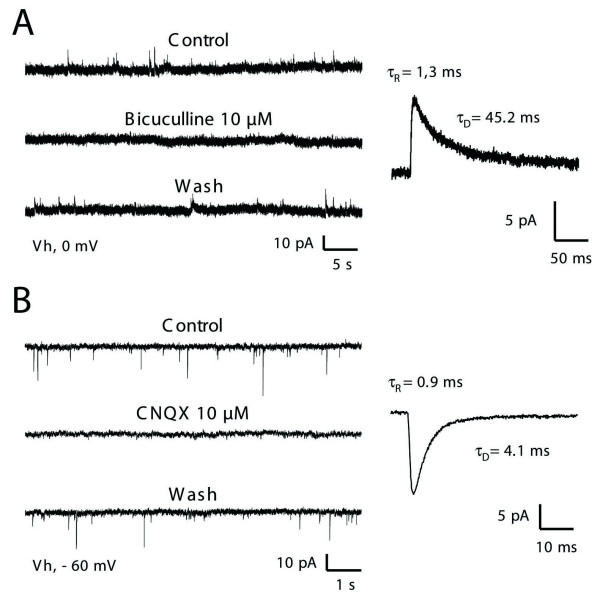
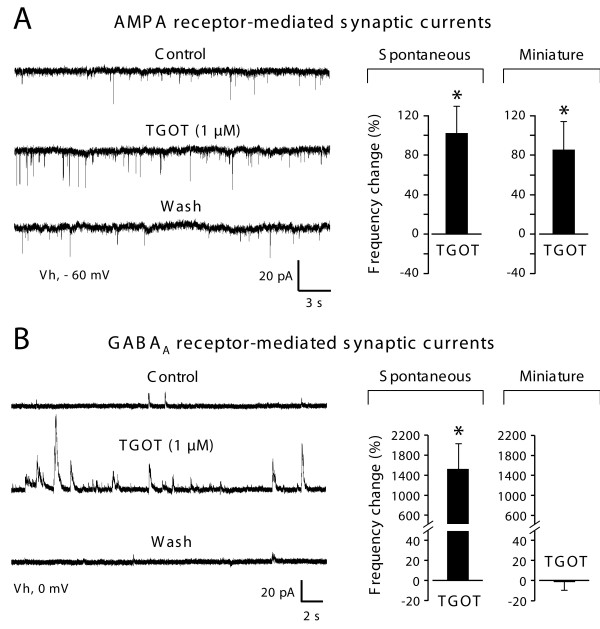
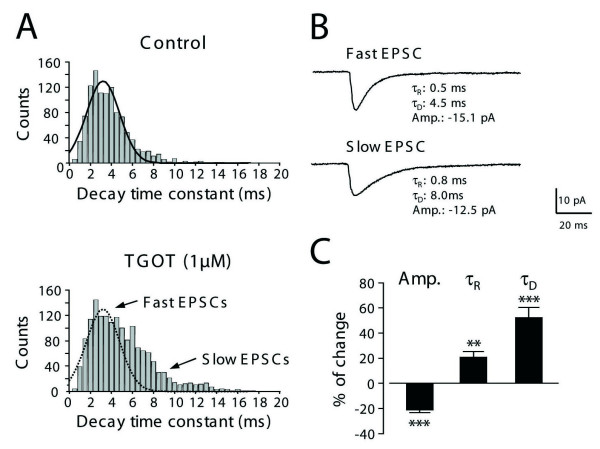
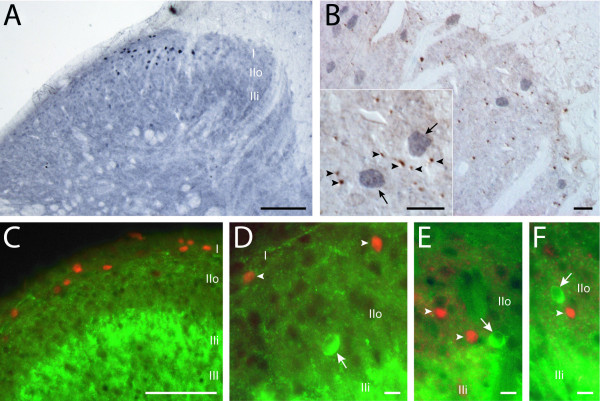
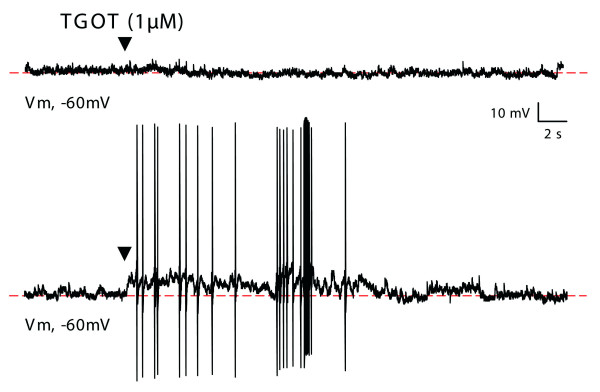
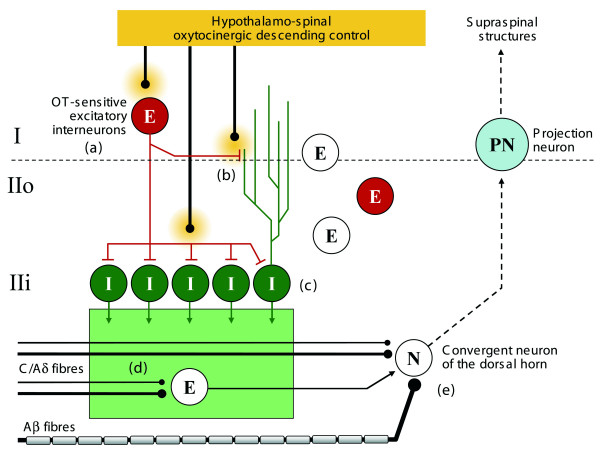
Background: Recent evidence suggests that oxytocin (OT), secreted in the superficial spinal cord dorsal horn by descending axons of paraventricular hypothalamic nucleus (PVN) neurons, produces antinociception and analgesia. The spinal mechanism of OT is, however, still unclear and requires further investigation. We have used patch clamp recording of lamina II neurons in spinal cord slices and immunocytochemistry in order to identify PVN-activated neurons in the superficial layers of the spinal cord and attempted to determine how this neuronal population may lead to OT-mediated antinociception. Results: We show that OT released during PVN stimulation specifically activates a subpopulation of lamina II glutamatergic interneurons which are localized in the most superficial layers of the dorsal horn of the spinal cord (lamina I-II). This OT-specific stimulation of glutamatergic neurons allows the recruitment of all GABAergic interneurons in lamina II which produces a generalized elevation of local inhibition, a phenomenon which might explain the reduction of incoming Aδ and C primary afferent-mediated sensory messages. Conclusion: Our results obtained in lamina II of the spinal cord provide the first clear evidence of a specific local neuronal network that is activated by OT release to induce antinociception. This OT-specific pathway might represent a novel and interesting therapeutic target for the management of neuropathic and inflammatory pain.
Overview
The claims and statistics of this paper haven’t been checked yet.
Run the check — free, no account needed. It reads the open-access text and checks the sources it cites.
Integrity signals
Registry
Cites
Statistics
Figures
Verification
Claims the paper makes
The claims and statistics of this paper haven’t been checked yet.
Run the check — free, no account needed. It reads the open-access text and checks the sources it cites.
Claims other papers make about this one
Each is checked against this paper’s own text: does it say what the citing paper says it does?
In the citing paper
“One mechanism involves the engagement of GABA‐mediated inhibitory circuits at the superficial layers of spinal cord dorsal horn neurones, which express oxytocin receptors 7 and receive direct projections from hypothalamic oxytocin neurones 8, 9, reducing Aδ/C‐fibre afferent signalling and ascending nociceptive input 10, 11, 12, 13, 14.”
From The Analgesic Effect of Oxytocin in Humans: A Double‐Blind, Placebo‐Controlled Cross‐Over Study Using Laser‐Evoked Potentials (2016) · cites this paper as [11]
In the citing paper
“animal studies have shown that oxytocin can specifically reduce Aδ/C‐fibre afferent signalling and ascending nociceptive input at the level of spinal cord dorsal horn neurones by engaging GABA‐mediated inhibitory cellular mechanisms 10, 11, 12, 13, 14, 29.”
From The Analgesic Effect of Oxytocin in Humans: A Double‐Blind, Placebo‐Controlled Cross‐Over Study Using Laser‐Evoked Potentials (2016) · cites this paper as [11]
Self-check
Percentages, sums and reported differences re-computed from the paper’s own numbers.
The self-check needs the paper’s full text.
Citations
Cites
1 retracted
Lund, I., Yu, L., Uvnas‐Moberg, K., Wang, J., Yu, C., Kurosawa, M., Agren, G., Rosén, A., Lekman, M., & Lundeberg, T. (2002) · European Journal of Neuroscience · doi:10.1046/j.1460-9568.2002.02087.x · Cited by 181
RetractedThe oxytocin receptor system: structure, function, and regulation
Gimpl, G., & Fahrenholz, F. (2001) · Physiological Reviews · doi:10.1152/physrev.2001.81.2.629 · Cited by 3,089
Direct hypothalamo-autonomic connections
Saper, C. B., Loewy, A. D., Swanson, L. W., & Cowan, W. M. (1976) · Brain Research · doi:10.1016/0006-8993(76)90738-1 · Cited by 1,199
Jitsukawa, K., Sueki, H., Sato, S., & Anzai, T. (1987) · American Journal of Dermatopathology · doi:10.1097/00000372-198704000-00003 · Cited by 1,130
Neurochemical organization of the hypothalamic projection to the spinal cord in the rat
Cechetto, D. F., & Saper, C. B. (1988) · The Journal of Comparative Neurology · doi:10.1002/cne.902720410 · Cited by 346
Swanson, L. W., & McKellar, S. (1979) · Journal of Comparative Neurology · doi:10.1002/cne.901880108 · Cited by 336
Activation of Silent Synapses by Rapid Activity-Dependent Synaptic Recruitment of AMPA Receptors
Liao, D., Scannevin, R. H., & Huganir, R. L. (2001) · Journal of Neuroscience · doi:10.1523/jneurosci.21-16-06008.2001 · Cited by 288
Silent glutamatergic synapses and nociception in mammalian spinal cord
Li, P., & Zhuo, M. (1998) · Nature · doi:10.1038/31496 · Cited by 264
125I-labelled d(CH2)5[Tyr(Me)2,Thr4,Tyr-NH29]OVT: a selective oxytocin receptor ligand
Elands, J., Barberis, C., Jard, S., Tribollet, E., Dreifuss, J.-J., Bankowski, K., Manning, M., & Sawyer, W. H. (1988) · European Journal of Pharmacology · doi:10.1016/0014-2999(88)90778-9 · Cited by 245
Keller, A. F., Coull, J. A. M., Chéry, N., Poisbeau, P., & Koninck, Y. D. (2001) · Journal of Neuroscience · doi:10.1523/jneurosci.21-20-07871.2001 · Cited by 227
Self-citation
Research works printed but not linked: 3
- Sofroniew MV, 1981, Acta Histochem Suppl, 24, 79
- Shiraishi T, 1995, Neurobiology (Bp), 3, 393
- Elands J, 1988, Am J Physiol, 254, E31
Cited by
Sorted by citations
Oxytocin: The Great Facilitator of Life
Lee, H.-J., Macbeth, A. H., Pagani, J., & Young, W. S. (2009) · Progress in Neurobiology · doi:10.1016/j.pneurobio.2009.04.001 · Cited by 1,037
Neuromodulation by Oxytocin and Vasopressin
Stoop, R. (2012) · Neuron · doi:10.1016/j.neuron.2012.09.025 · Cited by 506
Oxytocin and Vasopressin Agonists and Antagonists as Research Tools and Potential Therapeutics
Manning, M., Misicka, A., Olma, A., Bankowski, K., Stoev, S., Chini, B., Durroux, T., Mouillac, B., Corbani, M., & Guillon, G. (2012) · Journal of Neuroendocrinology · doi:10.1111/j.1365-2826.2012.02303.x · Cited by 423
REVIEW: Oxytocin: Crossing the Bridge between Basic Science and Pharmacotherapy
Viéro, C., Shibuya, I., Kitamura, N., Verkhratsky, A., Fujihara, H., Katoh, A., Ueta, Y., Zingg, H. H., Chvátal, A., Syková, E., et al. (2010) · CNS Neuroscience & Therapeutics · doi:10.1111/j.1755-5949.2010.00185.x · Cited by 259
Wahis, J., Baudon, A., Althammer, F., Kerspern, D., Goyon, S., Hagiwara, D., Lefèvre, A., Barteczko, L., Boury‐Jamot, B., Bellanger, B., et al. (2021) · Nature Neuroscience · doi:10.1038/s41593-021-00800-0 · Cited by 199
Self-citationOxytocin-Induced Analgesia and Scratching Are Mediated by the Vasopressin-1A Receptor in the Mouse
Schorscher-Petcu, A., Sotocinal, S., Ciura, S., Dupre, A., Ritchie, J., Sorge, R. E., Crawley, J. N., Hu, S.-B., Nishimori, K., Young, L. J., et al. (2010) · Journal of Neuroscience · doi:10.1523/jneurosci.1594-10.2010 · Cited by 189
Role of different brain areas in peripheral nerve injury-induced neuropathic pain
Jaggi, A. S., & Singh, N. (2011) · Brain Research · doi:10.1016/j.brainres.2011.01.002 · Cited by 154
Oxytocin and Pain Perception: From Animal Models to Human Research
Boll, S., de Minas, A. C. A., Raftogianni, A., Herpertz, S. C., & Grinevich, V. (2017) · Neuroscience · doi:10.1016/j.neuroscience.2017.09.041 · Cited by 141
Oxytocin enhances cranial visceral afferent synaptic transmission to the solitary tract nucleus
Peters, J. H., McDougall, S. J., Kellett, D. O., Jordan, D., Llewellyn-Smith, I. J., & Andresen, M. C. (2008) · The Journal of Neuroscience · doi:10.1523/jneurosci.3419-08.2008 · Cited by 135
Molecular Mechanisms of Oxytocin Signaling at the Synaptic Connection
Bakos, J., Srancikova, A., Havranek, T., & Bacova, Z. (2018) · Neural Plasticity · doi:10.1155/2018/4864107 · Cited by 104
Juif, P.-E., & Poisbeau, P. (2013) · Pain · doi:10.1016/j.pain.2013.05.003 · Cited by 101
Self-citationThe search for novel analgesics: targets and mechanisms
Yaksh, T. L., Woller, S. A., Ramachandran, R., & Sorkin, L. S. (2015) · F1000Prime Reports · doi:10.12703/p7-56 · Cited by 100
Oxytocin Signaling in Pain: Cellular, Circuit, System, and Behavioral Levels
Poisbeau, P., Grinevich, V., & Charlet, A. (2017) · Current topics in behavioral neurosciences · doi:10.1007/7854_2017_14 · Cited by 92
Self-citationLandau, R., Bollag, L. A., & Ortner, C. M. (2013) · International Journal of Obstetric Anesthesia · doi:10.1016/j.ijoa.2013.01.008 · Cited by 82
Identification of oxytocin receptor in the dorsal horn and nociceptive dorsal root ganglion neurons
Moreno-López, Y., Martı́nez-Lorenzana, G., Condés‐Lara, M., & Rojas‐Piloni, G. (2012) · Neuropeptides · doi:10.1016/j.npep.2012.09.008 · Cited by 80
The analgesic effects of oxytocin in the peripheral and central nervous system
Xin, Q., Bai, B., & Liu, W. (2017) · Neurochemistry International · doi:10.1016/j.neuint.2016.12.021 · Cited by 81
Activation of hypothalamic oxytocin neurons following tactile stimuli in rats
Okabe, S., Yoshida, M., Takayanagi, Y., & Onaka, T. (2015) · Neuroscience Letters · doi:10.1016/j.neulet.2015.05.055 · Cited by 82
Sun, W., Zhou, Q., Ba, X., Feng, X., Hu, X. X., Cheng, X., Liu, T., Guo, J., Xiao, L., Jin, J., et al. (2018) · Frontiers in Molecular Neuroscience · doi:10.3389/fnmol.2018.00248 · Cited by 73
Gong, L., Gao, F., Li, J., Li, J., Yu, X., Ma, X., Zheng, W., Cui, S., Liu, K., Zhang, M., et al. (2015) · Neuroscience · doi:10.1016/j.neuroscience.2014.12.058 · Cited by 74
Oxytocin and vasopressin: Social neuropeptides with complex neuromodulatory functions
Benarroch, E. E. (2013) · Neurology · doi:10.1212/wnl.0b013e31828cfb15 · Cited by 74
DelaTorre, S., Rojas‐Piloni, G., Martı́nez-Lorenzana, G., Rodríguez-Jiménez, J., Villanueva, L., & Condés‐Lara, M. (2009) · Pain · doi:10.1016/j.pain.2009.05.002 · Cited by 74
Piñol, R. A., Jameson, H. S., Popratiloff, A. S., Lee, N. H., & Mendelowitz, D. (2014) · PLoS ONE · doi:10.1371/journal.pone.0112138 · Cited by 67
Neuropeptide oxytocin enhances μ opioid receptor signaling as a positive allosteric modulator
Meguro, Y., Miyano, K., Hirayama, S., Yoshida, Y., Ishibashi, N., Ogino, T., Fujii, Y., Manabe, S., Eto, M., Nonaka, M., et al. (2018) · Journal of Pharmacological Sciences · doi:10.1016/j.jphs.2018.04.002 · Cited by 68
Oxytocin - A Multifunctional Analgesic for Chronic Deep Tissue Pain
Goodin, B. R., Ness, T. J., & Robbins, M. T. (2014) · Current Pharmaceutical Design · doi:10.2174/1381612820666141027111843 · Cited by 66
Breton, J., Poisbeau, P., & Darbon, P. (2009) · Molecular Pain · doi:10.1186/1744-8069-5-63 · Cited by 63
Self-citationPreclinical Toxicity Screening of Intrathecal Oxytocin in Rats and Dogs
Yaksh, T. L., Hobo, S., Peters, C. M., Osborn, K. G., Richter, P. J., Rossi, S. S., Grafe, M. R., & Eisenach, J. C. (2014) · Anesthesiology · doi:10.1097/aln.0000000000000148 · Cited by 63
Bilateral Descending Hypothalamic Projections to the Spinal Trigeminal Nucleus Caudalis in Rats
Abdallah, K., Artola, A., Monconduit, L., Dallel, R., & Luccarini, P. (2013) · PLoS ONE · doi:10.1371/journal.pone.0073022 · Cited by 62
Paloyelis, Y., Krahé, C., Maltezos, S., Williams, S. C., Howard, M. A., & Fotopoulou, A. (2016) · Journal of Neuroendocrinology · doi:10.1111/jne.12347 · Cited by 61
Moghadam, S. E., Tameh, A. A., Vahidinia, Z., Atlasi, M. A., Bafrani, H. H., & Naderian, H. (2017) · Journal of Stroke and Cerebrovascular Diseases · doi:10.1016/j.jstrokecerebrovasdis.2017.10.020 · Cited by 60
Juif, P., Breton, J., Rajalu, M., Charlet, A., Goumon, Y., & Poisbeau, P. (2013) · Journal of Neuroscience · doi:10.1523/jneurosci.3084-12.2013 · Cited by 61
Self-citationThe psychophysiology of music-based interventions and the experience of pain
Arnold, C. A., Bagg, M. K., & Harvey, A. R. (2024) · Frontiers in Psychology · doi:10.3389/fpsyg.2024.1361857 · Cited by 68
Oxytocin and analgesia: future trends
González‐Hernández, A., Rojas‐Piloni, G., & Condés‐Lara, M. (2014) · Trends in Pharmacological Sciences · doi:10.1016/j.tips.2014.09.004 · Cited by 57
Hobo, S., Hayashida, K.-I., & Eisenach, J. C. (2012) · Anesthesia & Analgesia · doi:10.1213/ane.0b013e31823b1bc8 · Cited by 52
Walker, C., Xu, Z., Rochford, J. M., & Johnston, C. C. (2008) · Pain · doi:10.1016/j.pain.2008.08.004 · Cited by 52
Pain, Parental Involvement, and Oxytocin in the Neonatal Intensive Care Unit
Filippa, M., Poisbeau, P., Mairesse, J., Monaci, M. G., Baud, O., Hüppi, P. S., Grandjean, D., & Kuhn, P. (2019) · Frontiers in Psychology · doi:10.3389/fpsyg.2019.00715 · Cited by 56
Self-citationThe sweetest pill to swallow: How patient neurobiology can be harnessed to maximise placebo effects
Jubb, J., & Bensing, J. M. (2013) · Neuroscience & Biobehavioral Reviews · doi:10.1016/j.neubiorev.2013.09.006 · Cited by 52
Distribution and identity of neurons expressing the oxytocin receptor in the mouse spinal cord
Wrobel, L. J., Schorscher-Petcu, A., Dupré, A., Yoshida, M., Nishimori, K., & Tribollet, E. (2011) · Neuroscience Letters · doi:10.1016/j.neulet.2011.03.033 · Cited by 49
Jiang, C., Fujita, T., & Kumamoto, E. (2013) · Journal of Neurophysiology · doi:10.1152/jn.00609.2013 · Cited by 46
Oxytocin in Women’s Health and Disease
Liu, N., Yang, H.-P., Han, L., & Ma, M. (2022) · Frontiers in Endocrinology · doi:10.3389/fendo.2022.786271 · Cited by 50
Oxytocin, but not vassopressin, modulates nociceptive responses in dorsal horn neurons
Rojas‐Piloni, G., Mejía-Rodríguez, R., Martı́nez-Lorenzana, G., & Condés‐Lara, M. (2010) · Neuroscience Letters · doi:10.1016/j.neulet.2010.03.076 · Cited by 43
Goodin, B. R., Anderson, A. J. B., Freeman, E. L., Bulls, H. W., Robbins, M. T., & Ness, T. J. (2014) · Clinical Journal of Pain · doi:10.1097/ajp.0000000000000166 · Cited by 44
Gravius, N., Chaudhry, S. R., Muhammad, S., Boström, A., Gravius, S., Randau, T. M., Scheele, D., Westhofen, P., Kruppenbacher, J. P., Stoffel‐Wagner, B., et al. (2018) · Neuromodulation Technology at the Neural Interface · doi:10.1111/ner.12866 · Cited by 41
Gentle stroking stimuli induce affiliative responsiveness to humans in male rats
Okabe, S., Takayanagi, Y., Yoshida, M., & Onaka, T. (2020) · Scientific Reports · doi:10.1038/s41598-020-66078-7 · Cited by 38
An oxytocinergic neural pathway that stimulates thermogenic and cardiac sympathetic outflow
Fukushima, A., Kataoka, N., & Nakamura, K. (2022) · Cell Reports · doi:10.1016/j.celrep.2022.111380 · Cited by 41
Analgesic strategies aimed at stimulating the endogenous production of allopregnanolone
Poisbeau, P., Keller, A. F., Aouad, M., Kamoun, N., Groyer, G., & Schumacher, M. (2014) · Frontiers in Cellular Neuroscience · doi:10.3389/fncel.2014.00174 · Cited by 37
Self-citationEndogenous oxytocin exerts anti-nociceptive and anti-inflammatory effects in rats
Nishimura, H., Yoshimura, M., Shimizu, M., Sanada, K., Sonoda, S., Nishimura, K., Baba, K., Ikeda, N., Motojima, Y., Maruyama, T., et al. (2022) · Communications Biology · doi:10.1038/s42003-022-03879-8 · Cited by 35
Matsuura, T., Kawasaki, M., Hashimoto, H., Ishikura, T., Yoshimura, M., Ohkubo, J., Maruyama, T., Motojima, Y., Sabanai, K., Mori, T., et al. (2015) · Journal of Neuroendocrinology · doi:10.1111/jne.12290 · Cited by 33
Matsuura, T., Kawasaki, M., Hashimoto, H., Yoshimura, M., Motojima, Y., Saito, R., Ueno, H., Maruyama, T., Ishikura, T., Sabanai, K., et al. (2016) · Journal of Neuroendocrinology · doi:10.1111/jne.12396 · Cited by 32
Oxytocin, GABA, and TRPV1, the Analgesic Triad?
González‐Hernández, A., & Charlet, A. (2018) · Frontiers in Molecular Neuroscience · doi:10.3389/fnmol.2018.00398 · Cited by 34
Nishimura, H., Kawasaki, M., Suzuki, H., Matsuura, T., Motojima, Y., Ohnishi, H., Yamanaka, Y., Yoshimura, M., Maruyama, T., Saito, R., et al. (2019) · Neuroscience · doi:10.1016/j.neuroscience.2019.02.027 · Cited by 31
How Sex Hormones Affect Migraine: An Interdisciplinary Preclinical Research Panel Review
Godley, F. A., Meitzen, J., Nahman‐Averbuch, H., O’Neal, M. A., Yeomans, D. C., Santoro, N. F., Riggins, N., & Edvinsson, L. I. (2024) · Journal of Personalized Medicine · doi:10.3390/jpm14020184 · Cited by 37
Strand, N. H., D'Souza, R. S., Gomez, D. A., Whitney, M. A., Attanti, S., Anderson, M. A., Moeschler, S. M., Chadwick, A. L., & Maloney, J. A. (2024) · Maturitas · doi:10.1016/j.maturitas.2024.108135 · Cited by 30
García-Boll, E., Martı́nez-Lorenzana, G., Condés‐Lara, M., & González‐Hernández, A. (2017) · Neuropharmacology · doi:10.1016/j.neuropharm.2017.11.031 · Cited by 30
Meidahl, A. C., Eisenried, A., Klukinov, M., Cao, L., Tzabazis, A., & Yeomans, D. C. (2017) · Headache The Journal of Head and Face Pain · doi:10.1111/head.13248 · Cited by 30
Melchior, M., Juif, P., Gazzo, G., Petit-Demoulière, N., Chavant, V., Lacaud, A., Goumon, Y., Charlet, A., Lelièvre, V., & Poisbeau, P. (2018) · Pain · doi:10.1097/j.pain.0000000000001375 · Cited by 29
Self-citationFacing the experience of pain: A neuropsychological perspective
Fabbro, F., & Crescentini, C. (2013) · Physics of Life Reviews · doi:10.1016/j.plrev.2013.12.010 · Cited by 31
Ayar, A., Özcan, M., Alçin, E., Serhatlioğlu, İ., Özcan, S., Kutlu, S., & Keleştimur, H. (2013) · Journal of Physiology and Biochemistry · doi:10.1007/s13105-013-0278-z · Cited by 28
Chow, L., Chen, Y.-H., Lai, C., Lin, T.-Y., Chen, Y., Kao, J., & Huang, E. Y. (2018) · Anesthesia & Analgesia · doi:10.1213/ane.0000000000002795 · Cited by 28
Phase 1 Safety Assessment of Intrathecal Oxytocin
Eisenach, J. C., Tong, C., & Curry, R. (2015) · Anesthesiology · doi:10.1097/aln.0000000000000539 · Cited by 25
Kamrani-Sharif, R., Hayes, A. W., Gholami, M., Salehirad, M., Khani, M. A., Motaghinejad, M., & Emanuele, E. (2023) · Neuropeptides · doi:10.1016/j.npep.2023.102352 · Cited by 27
The Comprehensive Neural Mechanism of Oxytocin in Analgesia
Yang, L., Chen, K., Yin, X., Liu, D., & Zhu, L. (2021) · Current Neuropharmacology · doi:10.2174/1570159x19666210826142107 · Cited by 26
The story of O – is oxytocin the mediator of the placebo response?
Enck, P., & Klosterhalfen, S. (2009) · Neurogastroenterology & Motility · doi:10.1111/j.1365-2982.2009.01285.x · Cited by 25
Li, J., Xue, B., Han, T., Huang, K., Gong, L., Ma, X., Liu, K., Cui, S., Zhang, M., Kunze, W., et al. (2014) · Neurogastroenterology & Motility · doi:10.1111/nmo.12469 · Cited by 25
Nociception, pain, neuroplasticity and the practice of Osteopathic Manipulative Medicine
Pelletier, R., Bourbonnais, D., & Higgins, J. (2017) · International journal of osteopathic medicine · doi:10.1016/j.ijosm.2017.08.001 · Cited by 28
The role of oxytocin, vasopressin, and their receptors at nociceptors in peripheral pain modulation
Zheng, H., Lim, J. Y., Kim, Y., Jung, S. T., & Hwang, S. W. (2021) · Frontiers in Neuroendocrinology · doi:10.1016/j.yfrne.2021.100942 · Cited by 23
Miller, S. M., Piasecki, C. C., Peabody, M. F., & Lonstein, J. S. (2010) · Pharmacology Biochemistry and Behavior · doi:10.1016/j.pbb.2010.03.007 · Cited by 22
Condés‐Lara, M., Rojas‐Piloni, G., Martı́nez-Lorenzana, G., Diez-Martínez, D. C., & Rodríguez-Jiménez, J. (2012) · Neuroscience · doi:10.1016/j.neuroscience.2012.02.032 · Cited by 23
A new hypothesis linking oxytocin to menstrual migraine
Bharadwaj, V. N., Porreca, F., Cowan, R. P., Kori, S. H., Silberstein, S. D., & Yeomans, D. C. (2021) · Headache The Journal of Head and Face Pain · doi:10.1111/head.14152 · Cited by 23
Engle, M., Ness, T. J., & Robbins, M. T. (2012) · Regional Anesthesia & Pain Medicine · doi:10.1097/aap.0b013e318266352d · Cited by 21
Wu, Z., Xie, C., Kuang, H., Wu, J., Chen, X., Liu, H., & Liu, T. (2021) · Neuropharmacology · doi:10.1016/j.neuropharm.2021.108488 · Cited by 21
Condés‐Lara, M., Martı́nez-Lorenzana, G., Rodríguez-Jiménez, J., & Rojas‐Piloni, G. (2008) · Neuroscience Letters · doi:10.1016/j.neulet.2008.08.027 · Cited by 20
Han, R. T., Kim, H.-B., Kim, Y., Choi, K.-M., Park, G. Y., Lee, P. R., Lee, J., Kim, H. Y., Park, C., Kang, Y., et al. (2018) · Korean Journal of Physiology and Pharmacology · doi:10.4196/kjpp.2018.22.2.173 · Cited by 19
Boada, M. D., Gutierrez, S., & Eisenach, J. C. (2019) · Pain · doi:10.1097/j.pain.0000000000001495 · Cited by 19
Miyano, K., Yoshida, Y., Hirayama, S., Takahashi, H., Ono, H., Meguro, Y., Manabe, S., Komatsu, A., Nonaka, M., Mizuguchi, T., et al. (2021) · Cells · doi:10.3390/cells10102651 · Cited by 17
Severino, A. L., Chen, R., Hayashida, K., Aschenbrenner, C. A., Sun, H., Peters, C. M., Gutierrez, S., Pan, B., & Eisenach, J. C. (2018) · Anesthesiology · doi:10.1097/aln.0000000000002290 · Cited by 17
González‐Hernández, A., Monteros-Zúñiga, A. E. D. L., Martı́nez-Lorenzana, G., & Condés‐Lara, M. (2019) · Experimental Brain Research · doi:10.1007/s00221-019-05651-7 · Cited by 16
Borie, A. M., Young, L. J., & Liu, R. C. (2022) · Philosophical Transactions of the Royal Society B Biological Sciences · doi:10.1098/rstb.2021.0057 · Cited by 17
Kinfe, T. M., Buchfelder, M., Chaudhry, S. R., Chakravarthy, K. V., Deer, T. R., Russo, M. A., Georgius, P., Hurlemann, R., Rasheed, M. A., Muhammad, S., et al. (2019) · International Journal of Molecular Sciences · doi:10.3390/ijms20194737 · Cited by 17
Motojima, Y., Matsuura, T., Yoshimura, M., Hashimoto, H., Saito, R., Ueno, H., Maruyama, T., Sonoda, S., Suzuki, H., Kawasaki, M., et al. (2017) · Neuroscience · doi:10.1016/j.neuroscience.2017.05.015 · Cited by 15
Siecinski, S. K., Giamberardino, S. N., Spanos, M., Hauser, A. C., Gibson, J., Chandrasekhar, T., Trelles, M. D. P., Rockhill, C., Palumbo, M. L., Cundiff, A. W., et al. (2023) · Autism Research · doi:10.1002/aur.2884 · Cited by 15
Nishimura, H., Kawasaki, M., Suzuki, H., Matsuura, T., Baba, K., Motojima, Y., Yamanaka, Y., Fujitani, T., Ohnishi, H., Tsukamoto, M., et al. (2020) · Journal of Neuroendocrinology · doi:10.1111/jne.12892 · Cited by 14
Wang, C., Fujita, T., & Kumamoto, E. (2018) · Neuroscience · doi:10.1016/j.neuroscience.2018.04.048 · Cited by 14
Pituitary Hormones and Orofacial Pain
Dussor, G. O., Boyd, J. T., & Akopian, A. N. (2018) · Frontiers in Integrative Neuroscience · doi:10.3389/fnint.2018.00042 · Cited by 15
The potential role of serotonergic mechanisms in the spinal oxytocin-induced antinociception
Godínez‐Chaparro, B., Martı́nez-Lorenzana, G., Rodríguez-Jiménez, J., Manzano‐García, A., Rojas‐Piloni, G., Condés‐Lara, M., & González‐Hernández, A. (2016) · Neuropeptides · doi:10.1016/j.npep.2016.07.002 · Cited by 13
Effects of exogenous oxytocin and atosiban antagonist on GABA in different region of brain
Thakur, P., Shrivastava, R., & Shrivastava, V. K. (2019) · IBRO Reports · doi:10.1016/j.ibror.2019.04.001 · Cited by 14
Can oxytocin inhibit stress-induced hyperalgesia?
Li, Y.-X., An, H. Y., Wen, Z., Tao, Z.-Y., & Cao, D. (2019) · Neuropeptides · doi:10.1016/j.npep.2019.101996 · Cited by 13
Kadiri, N., Rodeau, J., Schlichter, R., & Hugel, S. (2011) · European Journal of Neuroscience · doi:10.1111/j.1460-9568.2011.07846.x · Cited by 12
Self-citationLi, L., Li, P., Guo, J., Wu, Y., Zeng, Q., Li, N., Huang, X., He, Y., Ai, W., Sun, W., et al. (2023) · British Journal of Pharmacology · doi:10.1111/bph.16042 · Cited by 12
Manresa, J. A. B., Schliessbach, J., Vuilleumier, P. H., Müller, M., Mußhoff, F., Stamer, U. M., Stüber, F., Arendt‐Nielsen, L., & Curatolo, M. (2021) · European Journal of Pain · doi:10.1002/ejp.1781 · Cited by 11
Kumamoto, E. (2019) · Pharmaceuticals · doi:10.3390/ph12030136 · Cited by 11
Oxytocin via oxytocin receptor excites neurons in the endopiriform nucleus of juvenile mice
Biggs, L. M., & Hammock, E. A. D. (2022) · Scientific Reports · doi:10.1038/s41598-022-15390-5 · Cited by 11
Abdallah, K., Artola, A., Monconduit, L., Dallel, R., & Luccarini, P. (2013) · PLoS ONE · doi:10.1371/annotation/7c794f90-1101-4196-8b10-4e3e320a7aac · Cited by 11
Zhong, Y., & Huang, C. (2025) · Life Sciences · doi:10.1016/j.lfs.2025.123796 · Cited by 10
Profile of dorsal root ganglion neurons: study of oxytocin expression
Noguri, T., Hatakeyama, D., Kitahashi, T., Oka, K., & Ito, E. (2022) · Molecular Brain · doi:10.1186/s13041-022-00927-6 · Cited by 10
Martı́nez-Lorenzana, G., Palma‐Tirado, L., Cifuentes-Díaz, C., González‐Hernández, A., & Condés‐Lara, M. (2021) · Neuroscience · doi:10.1016/j.neuroscience.2021.09.004 · Cited by 10
Development of a fluorescent peptide for the highly sensitive and selective detection of oxytocin
Suzuki, Y. (2017) · Sensors and Actuators B Chemical · doi:10.1016/j.snb.2017.07.080 · Cited by 10
Bafor, E. E., Rowan, E. G., & Edrada‐Ebel, R. (2016) · Reproductive Sciences · doi:10.1177/1933719116667224 · Cited by 9
Zhang, M., Feng, Y., Qiu, X.-T., Chen, T., Bai, Y., Feng, J.-M., Wang, J.-D., Chen, Y., Zhang, M., Duan, H.-K., et al. (2021) · Frontiers in Neural Circuits · doi:10.3389/fncir.2021.775215 · Cited by 9
Xu, J.-P., Ding, X., Guo, S., Wang, H.-Y., Liu, W., Jiang, H.-M., Li, Y., Fu, P., Chen, P., Mei, Y.-S., et al. (2023) · Frontiers in Pharmacology · doi:10.3389/fphar.2023.1132066 · Cited by 10
Fujitani, T., Matsuura, T., Kawasaki, M., Suzuki, H., Nishimura, H., Baba, K., Yamanaka, Y., Ohnishi, H., Ueta, Y., & Sakai, A. (2020) · Molecular Pain · doi:10.1177/1744806920943334 · Cited by 8
Metadata
- Authors
- Breton, J.-D., Veinante, P., Uhl-Bronner, S., Vergnano, A. M., Freund-Mercier, M. J., Schlichter, R., & Poisbeau, P.
- Affiliations
- Centre National de la Recherche Scientifique (FR)
- Department Nociception and Pain, Institut des Neurosciences Cellulaires et Intégratives, Unité Mixte de Recherche 7168, Centre National de la Recherche Scientifique/Université Louis Pasteur, Strasbourg, France
- Corresponding author
- Breton, Jean-Didier
- Veinante, Pierre
- Vergnano, Angela Maria
- Schlichter, Rémy
- Poisbeau, Pierrick
- Venue
- Molecular Pain
- Publisher
- SAGE Publications
- Published
- 2008-01-01
- Volume
- 4
- Pages
- 19-19
- ISSN
- 1744-8069 (ISSN-L)
- PMC
- PMC2430948
- OpenAlex
- W2146655845
- Cited by
- 152
- References
- 35
- Citations by year
- 2026: 4 · 2025: 4 · 2024: 11 · 2023: 8 · 2022: 9 · 2021: 12 · 2020: 8 · 2019: 13 · 2018: 13 · 2017: 11 · 2016: 6 · 2015: 9 · 2014: 9 · 2013: 12 · 2012: 6
- FWCI
- 3.85
- Type
- journal article
- Language
- en
- Open access
- gold
- doi.org
- Locations
- Molecular Pain (publishedVersion, cc-by)
- PubMed Central (publishedVersion, cc-by)
- PubMed (publishedVersion)
- HAL (submittedVersion)
- DOAJ (DOAJ: Directory of Open Access Journals) (submittedVersion, cc-by-sa)
- Funders
- Fondation pour la Recherche Médicale
- Centre National de la Recherche Scientifique
- Institut Universitaire de France
- Topics
- Health Sciences › Medicine › Physiology (medical) › Pain Mechanisms and Treatments
- Life Sciences › Neuroscience › Cellular and Molecular Neuroscience › Neuropeptides and Animal Physiology
- Life Sciences › Neuroscience › Cellular and Molecular Neuroscience › Neuroscience and Neuropharmacology Research
- Keywords
- oxytocin, antinociception, dorsal horn, lamina II, glutamatergic interneurons, GABAergic inhibition, paraventricular nucleus, descending pain modulation, neuropathic pain, inflammatory pain
- MeSH terms
- Analgesia, Animals, Electrophysiology, gamma-Aminobutyric Acid, Neurons, Oxytocin, Pain, Paraventricular Hypothalamic Nucleus, Spinal Cord, Rats, Wistar, Glutamic Acid, GABA Antagonists, Rats
About these checks
Registry, retraction, Cites and statistics results are computed, not judged, with one exception: a printed reference that no index lists is read once by a model before it counts as a citation error. Claims are extracted by a model and kept only when their quote appears verbatim in the text; each cited source is then checked, with a model’s help, for whether it says what the claim relies on. Those verdicts can be wrong — read the claim’s quote and the cited source before relying on one.
Statistics and arithmetic are recomputed, not judged.
Confidence bands are shown only for fields calibrated on our annotated test set. None is calibrated yet, so no band is shown.
What counts as a claim ›How we measure confidence ›How we check this ›
Are you an author, or do you see a problem with this page? Request a review
