

The DOI matches its Crossref record; 227 of the 228 references it cites were found in a registry or an index.
The Last Universal Common Ancestor: emergence, constitution and genetic legacy of an elusive forerunner
Open accessAbstract
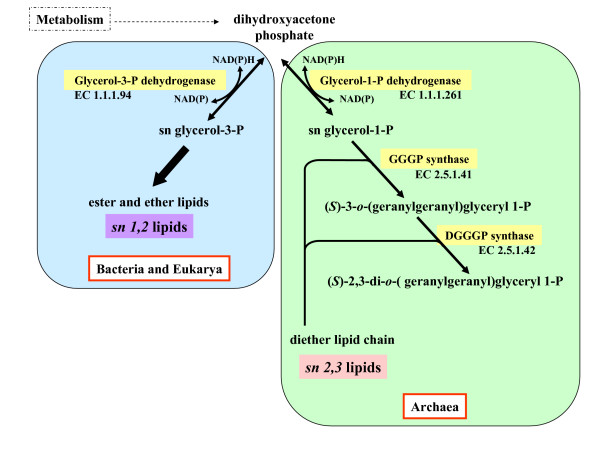
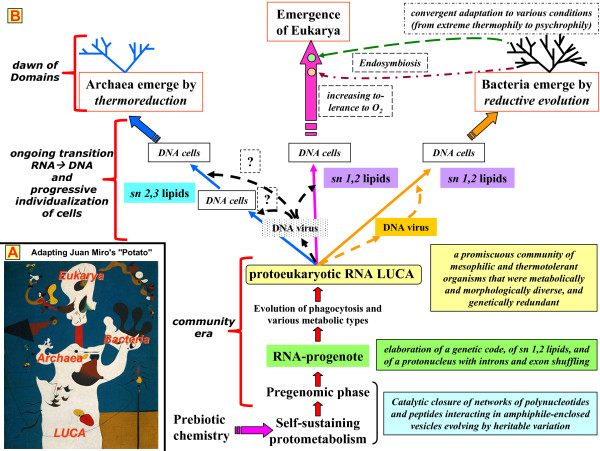
Background: Since the reclassification of all life forms in three Domains (Archaea, Bacteria, Eukarya), the identity of their alleged forerunner (Last Universal Common Ancestor or LUCA) has been the subject of extensive controversies: progenote or already complex organism, prokaryote or protoeukaryote, thermophile or mesophile, product of a protracted progression from simple replicators to complex cells or born in the cradle of "catalytically closed" entities? We present a critical survey of the topic and suggest a scenario. Results: LUCA does not appear to have been a simple, primitive, hyperthermophilic prokaryote but rather a complex community of protoeukaryotes with a RNA genome, adapted to a broad range of moderate temperatures, genetically redundant, morphologically and metabolically diverse. LUCA's genetic redundancy predicts loss of paralogous gene copies in divergent lineages to be a significant source of phylogenetic anomalies, i.e. instances where a protein tree departs from the SSU-rRNA genealogy; consequently, horizontal gene transfer may not have the rampant character assumed by many. Examining membrane lipids suggest LUCA had sn1,2 ester fatty acid lipids from which Archaea emerged from the outset as thermophilic by "thermoreduction," with a new type of membrane, composed of sn2,3 ether isoprenoid lipids; this occurred without major enzymatic reconversion. Bacteria emerged by reductive evolution from LUCA and some lineages further acquired extreme thermophily by convergent evolution. This scenario is compatible with the hypothesis that the RNA to DNA transition resulted from different viral invasions as proposed by Forterre. Beyond the controversy opposing "replication first" to metabolism first", the predictive arguments of theories on "catalytic closure" or "compositional heredity" heavily weigh in favour of LUCA's ancestors having emerged as complex, self-replicating entities from which a genetic code arose under natural selection. Conclusion: Life was born complex and the LUCA displayed that heritage. It had the "body "of a mesophilic eukaryote well before maturing by endosymbiosis into an organism adapted to an atmosphere rich in oxygen. Abundant indications suggest reductive evolution of this complex and heterogeneous entity towards the "prokaryotic" Domains Archaea and Bacteria. The word "prokaryote" should be abandoned because epistemologically unsound. Reviewers: This article was reviewed by Anthony Poole, Patrick Forterre, and Nicolas Galtier.
Overview
The claims and statistics of this paper haven’t been checked yet.
Run the check — free, no account needed. It reads the open-access text and checks the sources it cites.
Integrity signals
Registry
Cites
Statistics
Figures
Verification
Claims the paper makes
The claims and statistics of this paper haven’t been checked yet.
Run the check — free, no account needed. It reads the open-access text and checks the sources it cites.
Claims other papers make about this one
Each is checked against this paper’s own text: does it say what the citing paper says it does?
The check wasn’t confident either way, so it gives no verdict — never disputed.
In the citing paper
“LUCA is estimated to have lived 3.8–3.5 billion years ago (Glansdorff et al., 2008).”
From The Astrobiology Primer v2.0 (2016) · cites this paper as Glansdorff et al., 2008
Experimental — accuracy not yet measured
Self-check
Percentages, sums and reported differences re-computed from the paper’s own numbers.
The self-check needs the paper’s full text.
Citations
Cites
The Origins of Order: Self-Organization and Selection in Evolution
Kauffman, S. A. (1993) · doi:10.1093/oso/9780195079517.001.0001 · Cited by 7,855
Towards a natural system of organisms: proposal for the domains Archaea, Bacteria, and Eucarya.
Woese, C. R., Kandler, O., & Wheelis, M. L. (1990) · Proceedings of the National Academy of Sciences · doi:10.1073/pnas.87.12.4576 · Cited by 6,128
Phylogenetic structure of the prokaryotic domain: The primary kingdoms
Woese, C. R., & Fox, G. E. (1977) · Proceedings of the National Academy of Sciences · doi:10.1073/pnas.74.11.5088 · Cited by 4,131
Darwin's dangerous idea : evolution and the meanings of life
Dennett, D. C. (1995) · DigitalGeorgetown (Georgetown University Library) · Cited by 1,998
Phylogenetic Classification and the Universal Tree
Doolittle, W. F. (1999) · Science · doi:10.1126/science.284.5423.2124 · Cited by 1,888
Toward Automatic Reconstruction of a Highly Resolved Tree of Life
Ciccarelli, F. D., Doerks, T., von Mering, C., Creevey, C. J., Snel, B., & Bork, P. (2006) · Science · doi:10.1126/science.1123061 · Cited by 1,663
Deciphering the evolution and metabolism of an anammox bacterium from a community genome
Strous, M., Pelletier, É., Mangenot, S., Rattei, T., Lehner, A., Taylor, M. W., Horn, M., Daims, H., Mavel, D., Wincker, P., et al. (2006) · Nature · doi:10.1038/nature04647 · Cited by 1,357
A Serpentinite-Hosted Ecosystem: The Lost City Hydrothermal Field
Kelley, D. S., Karson, J. A., Früh-Green, G. L., Yoerger, D. R., Shank, T. M., Butterfield, D. A., Hayes, J. M., Schrenk, M. O., Olson, E. J., Proskurowski, G., et al. (2005) · Science · doi:10.1126/science.1102556 · Cited by 1,288
The Hydrogen Hypothesis for the First Eukaryote
Martin, W., & Müller, M. (1998) · Nature · doi:10.1038/32096 · Cited by 1,282
Archean Molecular Fossils and the Early Rise of Eukaryotes
Brocks, J. J., Logan, G. A., Buick, R., & Summons, R. E. (1999) · Science · doi:10.1126/science.285.5430.1033 · Cited by 1,275
Mesophilic crenarchaeota: proposal for a third archaeal phylum, the Thaumarchaeota
Brochier‐Armanet, C., Boussau, B., Gribaldo, S., & Forterre, P. (2008) · Nature Reviews Microbiology · doi:10.1038/nrmicro1852 · Cited by 1,249
Before enzymes and templates: theory of surface metabolism
Wächtershäuser, G. (1988) · Microbiological Reviews · doi:10.1128/mmbr.52.4.452-484.1988 · Cited by 1,242
Horizontal gene transfer in prokaryotes: Quantification and classification
Koonin, E. V., Makarova, K. S., & Aravind, L. (2001) · Annual Review of Microbiology · doi:10.1146/annurev.micro.55.1.709 · Cited by 1,126
Liposomes : a practical approach
New, R. R. C. (1990) · Medical Entomology and Zoology · Cited by 1,088
Woese, C. (1998) · Proceedings of the National Academy of Sciences · doi:10.1073/pnas.95.12.6854 · Cited by 1,053
A Virus in a Fungus in a Plant: Three-Way Symbiosis Required for Thermal Tolerance
Márquez, L. M., Redman, R. S., Rodriguez, R. J., & Roossinck, M. J. (2007) · Science · doi:10.1126/science.1136237 · Cited by 909
Iwabe, N., Kuma, K., Hasegawa, M., Osawa, S., & Miyata, T. (1989) · Proceedings of the National Academy of Sciences · doi:10.1073/pnas.86.23.9355 · Cited by 902
Martin, W., & Russell, M. J. (2003) · Philosophical Transactions of the Royal Society of London. Series B: Biological Sciences · doi:10.1098/rstb.2002.1183 · Cited by 856
Evolution of the vacuolar H+-ATPase: implications for the origin of eukaryotes.
Gogarten, J. P., Kibak, H., Dittrich, P., Taiz, L., Bowman, E. J., Bowman, B. J., Manolson, M. F., Poole, R. J., Date, T., Oshima, T., et al. (1989) · Proceedings of the National Academy of Sciences · doi:10.1073/pnas.86.17.6661 · Cited by 781
Woese, C. R. (2002) · Proceedings of the National Academy of Sciences · doi:10.1073/pnas.132266999 · Cited by 762
Autocatalytic sets of proteins
Kauffman, S. A. (1986) · Journal of Theoretical Biology · doi:10.1016/s0022-5193(86)80047-9 · Cited by 741
Modification of intracellular membrane structures for virus replication
Miller, S., & Krijnse‐Locker, J. (2008) · Nature Reviews Microbiology · doi:10.1038/nrmicro1890 · Cited by 724
Langton, C. G., Taylor, C., Farmer, D., & Rasmussen, S. (1991) · Cited by 706
Eukaryotic organisms in Proterozoic oceans
Knoll, A. H., Javaux, E. J., Hewitt, D., & Cohen, P. (2006) · Philosophical Transactions of the Royal Society B: Biological Sciences · doi:10.1098/rstb.2006.1843 · Cited by 701
Groundworks for an evolutionary biochemistry: The iron-sulphur world
Wächtershäuser, G. (1992) · Progress in Biophysics and Molecular Biology · doi:10.1016/0079-6107(92)90022-x · Cited by 677
Comparative genomics, minimal gene-sets and the last universal common ancestor
Koonin, E. V. (2003) · Nature Reviews Microbiology · doi:10.1038/nrmicro751 · Cited by 661
The evolution of spliceosomal introns: patterns, puzzles and progress
Roy, S. W., & Gilbert, W. (2006) · Nature Reviews Genetics · doi:10.1038/nrg1807 · Cited by 657
Segré, D., Ben-Eli, D., Deamer, D. W., & Lancet, D. (2001) · Origins of life and evolution of the biosphere · doi:10.1023/a:1006746807104 · Cited by 620
Dyson, F. J. (1985) · Cited by 615
Battistuzzi, F. U., Feijao, A., & Hedges, S. B. (2004) · BMC Evolutionary Biology · doi:10.1186/1471-2148-4-44 · Cited by 609
Evidence from fluid inclusions for microbial methanogenesis in the early Archaean era
Ueno, Y., Yamada, K., Yoshida, N., Maruyama, S., & Isozaki, Y. (2006) · Nature · doi:10.1038/nature04584 · Cited by 572
The ring of life provides evidence for a genome fusion origin of eukaryotes
Rivera, M. C., & Lake, J. A. (2004) · Nature · doi:10.1038/nature02848 · Cited by 546
Pattern pluralism and the Tree of Life hypothesis
Doolittle, W. F., & Bapteste, E. (2007) · Proceedings of the National Academy of Sciences · doi:10.1073/pnas.0610699104 · Cited by 546
High abundance of Archaea in Antarctic marine picoplankton
DeLong, E. F., Wu, K. Y., Prézelin, B. B., & Jovine, R. V. M. (1994) · Nature · doi:10.1038/371695a0 · Cited by 535
Highways of gene sharing in prokaryotes
Beiko, R. G., Harlow, T. J., & Ragan, M. A. (2005) · Proceedings of the National Academy of Sciences · doi:10.1073/pnas.0504068102 · Cited by 535
Membrane lipids of mesophilic anaerobic bacteria thriving in peats have typical archaeal traits
Weijers, J. W. H., Stefan Schouten, A., Hopmans, E. C., Geenevasen, J. A. J., David, O., Coleman, J. M., Pancost, R. D., & Damsté, J. S. S. (2005) · Environmental Microbiology · doi:10.1111/j.1462-2920.2005.00941.x · Cited by 532
A Phylogenomic Inventory of Meiotic Genes
Ramesh, M. A., Malik, S.-B., & Logsdon, J. M., Jr. (2005) · Current Biology · doi:10.1016/j.cub.2005.01.003 · Cited by 523
A three-hybrid system to detect RNA-protein interactions in vivo.
SenGupta, D. J., Zhang, B., Kraemer, B. C., Pochart, P., Fields, S., & Wickens, M. (1996) · Proceedings of the National Academy of Sciences · doi:10.1073/pnas.93.16.8496 · Cited by 510
Introns and the origin of nucleus–cytosol compartmentalization
Martin, W. F., & Koonin, E. V. (2006) · Nature · doi:10.1038/nature04531 · Cited by 506
SELFISH DNA: A SEXUALLY-TRANSMITTED NUCLEAR PARASITE
Hickey, D. A. (1982) · Genetics · doi:10.1093/genetics/101.3-4.519 · Cited by 497
Complete genome sequence of the marine planctomycete Pirellula sp. strain 1
Glöckner, F. O., Kube, M., Bauer, M., Teeling, H., Lombardot, T., Ludwig, W., Gade, D., Beck, A., Borzym, K., Heitmann, K., et al. (2003) · Proceedings of the National Academy of Sciences · doi:10.1073/pnas.1431443100 · Cited by 482
Megascopic Eukaryotic Algae from the 2.1-Billion-Year-Old Negaunee Iron-Formation, Michigan
Han, T.-M., & Runnegar, B. N. (1992) · Science · doi:10.1126/science.1631544 · Cited by 463
A Nonhyperthermophilic Common Ancestor to Extant Life Forms
Galtier, N., Tourasse, N., & Gouy, M. (1999) · Science · doi:10.1126/science.283.5399.220 · Cited by 442
Genes in pieces: were they ever together?
Doolittle, W. F. (1978) · Nature · doi:10.1038/272581a0 · Cited by 431
Smith, J. M. (1958) · Medical Entomology and Zoology · Cited by 424
Lateral Gene Transfer and the Origins of Prokaryotic Groups
Boucher, Y., Douady, C. J., Papke, R. T., Walsh, D. A., Boudreau, M. E. R., Nesbø, C. L., Case, R. J., & Doolittle, W. F. (2003) · Annual Review of Genetics · doi:10.1146/annurev.genet.37.050503.084247 · Cited by 418
Cavalier-Smith, T. (2002) · International Journal of Systematic and Evolutionary Microbiology · doi:10.1099/00207713-52-1-7 · Cited by 413
Horizontal gene transfer: A critical view
Kurland, C. G., Canbäck, B., & Berg, O. G. (2003) · Proceedings of the National Academy of Sciences · doi:10.1073/pnas.1632870100 · Cited by 411
Palaeotemperature trend for Precambrian life inferred from resurrected proteins
Gaucher, E. A., Govindarajan, S., & Ganesh, O. K. (2008) · Nature · doi:10.1038/nature06510 · Cited by 402
STETTER, K. O. (1996) · FEMS Microbiology Reviews · doi:10.1111/j.1574-6976.1996.tb00233.x · Cited by 402
Compositional genomes: Prebiotic information transfer in mutually catalytic noncovalent assemblies
Segré, D., Ben-Eli, D., & Lancet, D. (2000) · Proceedings of the National Academy of Sciences · doi:10.1073/pnas.97.8.4112 · Cited by 398
Membrane lipid patterns typify distinct anaerobic methanotrophic consortia
Blumenberg, M., Seifert, R., Joachim Reitner, A., Pape, T., & Michaelis, W. (2004) · Proceedings of the National Academy of Sciences · doi:10.1073/pnas.0401188101 · Cited by 392
Components of Coated Vesicles and Nuclear Pore Complexes Share a Common Molecular Architecture
Devos, D. P., Dokudovskaya, S., Alber, F., Williams, R., Chait, B. T., Šali, A., & Rout, M. P. (2004) · PLoS Biology · doi:10.1371/journal.pbio.0020380 · Cited by 390
Collective evolution and the genetic code
Vetsigian, K., Woese, C., & Goldenfeld, N. (2006) · Proceedings of the National Academy of Sciences · doi:10.1073/pnas.0603780103 · Cited by 379
Extreme accumulation of nucleotides in simulated hydrothermal pore systems
Baaske, P., Weinert, F. M., Duhr, S., Lemke, K. H., Russell, M. J., & Braun, D. (2007) · Proceedings of the National Academy of Sciences · doi:10.1073/pnas.0609592104 · Cited by 367
Biosynthesis of Ether-Type Polar Lipids in Archaea and Evolutionary Considerations
Koga, Y., & Morii, H. (2007) · Microbiology and Molecular Biology Reviews · doi:10.1128/mmbr.00033-06 · Cited by 366
Archaeal-eubacterial mergers in the origin of Eukarya: phylogenetic classification of life.
Margulis, L. (1996) · Proceedings of the National Academy of Sciences · doi:10.1073/pnas.93.3.1071 · Cited by 358
Mealybug β-proteobacterial endosymbionts contain γ-proteobacterial symbionts
von Dohlen, C. D., Kohler, S., Alsop, S. T., & McManus, W. R. (2001) · Nature · doi:10.1038/35086563 · Cited by 353
Did DNA replication evolve twice independently?
Leipe, D. D., Aravind, L., & Koonin, E. V. (1999) · Nucleic Acids Research · doi:10.1093/nar/27.17.3389 · Cited by 351 · cited 1×
“If LUCA had a RNA genome and DNA synthesis was invented twice [11,60], we could consider the possibility that a membraneous compartment (let us call it a protonucleus) had already formed autogenously around the primeval RNA genome, so that the nucleus itself would not necessarily have emerged twice independently.”
BackgroundThe origin of the eukaryotic cell: A genomic investigation
Hartman, H., & Fedorov, A. N. (2002) · Proceedings of the National Academy of Sciences · doi:10.1073/pnas.032658599 · Cited by 336
Implications of RNA⋅RNA Splicing in Evolution of Eukaryotic Cells
Darnell, J. E., Jr. (1978) · Science · doi:10.1126/science.364651 · Cited by 334
Microbial Genes in the Human Genome: Lateral Transfer or Gene Loss?
Salzberg, S. L., White, O., Peterson, J., & Eisen, J. A. (2001) · Science · doi:10.1126/science.1061036 · Cited by 326
A Phylogenomic Approach to Bacterial Phylogeny: Evidence of a Core of Genes Sharing a Common HistoryPreprint
Daubin, V., Gouy, M., & Perrière, G. (2002) · Genome Research · doi:10.1101/gr.187002 · Cited by 318
Physiology and Biochemistry of Extremophiles
(2007) · ASM Press eBooks · doi:10.1128/9781555815813 · Cited by 317
Forty Years of In Vitro Evolution
Joyce, G. F. (2007) · Angewandte Chemie International Edition · doi:10.1002/anie.200701369 · Cited by 312
Brocks, J. J., Buick, R., Summons, R. E., & Logan, G. A. (2003) · Geochimica et Cosmochimica Acta · doi:10.1016/s0016-7037(03)00209-6 · Cited by 306
Discovery of the Novel Candidate Phylum “ Poribacteria ” in Marine Sponges
Fieseler, L., Horn, M., Wagner, M., & Hentschel, U. (2004) · Applied and Environmental Microbiology · doi:10.1128/aem.70.6.3724-3732.2004 · Cited by 301
Histidine biosynthetic pathway and genes: structure, regulation, and evolution
Alifano, P., Fani, R., Lió, P., Lazcano, A., Bazzicalupo, M., Carlomagno, M. S., & Bruni, C. B. (1996) · Microbiological Reviews · doi:10.1128/mr.60.1.44-69.1996 · Cited by 300
Ancestral lipid biosynthesis and early membrane evolution.
Peretó, J., López-García, P., & Moreira, D. (2004) · TIBS -Trends in Biochemical Sciences. Regular ed · doi:10.1016/j.tibs.2004.07.002 · Cited by 297
INTRACELLULAR COMPARTMENTATION IN PLANCTOMYCETES
Fuerst, J. A. (2005) · Annual Review of Microbiology · doi:10.1146/annurev.micro.59.030804.121258 · Cited by 289
The origin and evolution of Archaea: a state of the art
Gribaldo, S., & Brochier‐Armanet, C. (2006) · Philosophical Transactions of the Royal Society B Biological Sciences · doi:10.1098/rstb.2006.1841 · Cited by 286
Pace, N. R. (2006) · Nature · doi:10.1038/441289a · Cited by 276
Horizontal gene transfer among microbial genomes: new insights from complete genome analysis.
Eisen, J. (2000) · Current Opinion in Genetics and Development · doi:10.1016/s0959-437x(00)00143-x · Cited by 276
From volcanic origins of chemoautotrophic life to Bacteria, Archaea and Eukarya
Wächtershäuser, G. (2006) · Philosophical Transactions of the Royal Society B: Biological Sciences · doi:10.1098/rstb.2006.1904 · Cited by 275
The origin of eukaryotes: a reappraisal
Duve, C. D. (2007) · Nature Reviews Genetics · doi:10.1038/nrg2071 · Cited by 273
Maximum-Likelihood Phylogenetic Analysis Under a Covarion-like Model
Galtier, N. (2001) · Molecular Biology and Evolution · doi:10.1093/oxfordjournals.molbev.a003868 · Cited by 270
The Rooting of the Universal Tree of Life Is Not Reliable
Philippe, H., & Forterre, P. (1999) · Journal of Molecular Evolution · doi:10.1007/pl00006573 · Cited by 267
A self-replicating ligase ribozyme
Paul, N., & Joyce, G. F. (2002) · Proceedings of the National Academy of Sciences · doi:10.1073/pnas.202471099 · Cited by 264 · cited 2×
“Various experimental and conceptual advances [108,195,199,218-220] might all be considered in the frame of catalytically closed systems.”
BackgroundBrinkmann, H., & Philippe, H. (1999) · Molecular Biology and Evolution · doi:10.1093/oxfordjournals.molbev.a026166 · Cited by 258
Summons, R. E., Powell, T. G., & Boreham, C. J. (1988) · Geochimica et Cosmochimica Acta · doi:10.1016/0016-7037(88)90001-4 · Cited by 256
A non-hyperthermophilic ancestor for Bacteria
Brochier‐Armanet, C., & Philippe, H. (2002) · Nature · doi:10.1038/417244a · Cited by 254
TEM evidence for eukaryotic diversity in mid‐Proterozoic oceans
Javaux, E., Knoll, A. H., & Walter, M. R. (2004) · Geobiology · doi:10.1111/j.1472-4677.2004.00027.x · Cited by 254
Phylogenetic and biochemical evidence for sterol synthesis in the bacterium Gemmata obscuriglobus
Pearson, A., Budin, M., & Brocks, J. J. (2003) · Proceedings of the National Academy of Sciences · doi:10.1073/pnas.2536559100 · Cited by 251
Paleoclimates, ocean depth, and the oxygen isotopic composition of seawater
Kasting, J. F., Howard, M. T., Wallmann, K., Veizer, J., Shields, G., & Jaffrés, J. (2006) · Earth and Planetary Science Letters · doi:10.1016/j.epsl.2006.09.029 · Cited by 248
Self-assembling amphiphilic molecules: Synthesis in simulated interstellar/precometary ices
Dworkin, J. P., Deamer, D. W., Sandford, S. A., & Allamandola, L. J. (2001) · Proceedings of the National Academy of Sciences · doi:10.1073/pnas.98.3.815 · Cited by 244
Forterre, P. (2006) · Proceedings of the National Academy of Sciences · doi:10.1073/pnas.0510333103 · Cited by 242
Complex Spliceosomal Organization Ancestral to Extant Eukaryotes
Collins, L., & Penny, D. (2005) · Molecular Biology and Evolution · doi:10.1093/molbev/msi091 · Cited by 240
Brocks, J. J., Buick, R., Logan, G. A., & Summons, R. E. (2003) · Geochimica et Cosmochimica Acta · doi:10.1016/s0016-7037(03)00208-4 · Cited by 238
Translocation of proteins across the cell envelope of Gram-positive bacteria
van Wely, K. H. M., Swaving, J., Freudl, R., & Driessen, A. J. M. (2001) · FEMS Microbiology Reviews · doi:10.1111/j.1574-6976.2001.tb00586.x · Cited by 237
A model for the emergence of cooperation, interdependence, and structure in evolving networks
Jain, S., & Krishna, S. (2001) · Proceedings of the National Academy of Sciences · doi:10.1073/pnas.98.2.543 · Cited by 225
Rooting the tree of life by transition analyses.
Cavalier‐Smith, T. (2006) · Biology Direct · doi:10.1186/1745-6150-1-19 · Cited by 224
On the Origin of Metabolic Pathways
Lazcano, A., & Miller, S. L. (1999) · Journal of Molecular Evolution · doi:10.1007/pl00006565 · Cited by 221
Replicating vesicles as models of primitive cell growth and division
Hanczyc, M. M., & Szostak, J. W. (2004) · Current Opinion in Chemical Biology · doi:10.1016/j.cbpa.2004.10.002 · Cited by 221
Genomics and the Irreducible Nature of Eukaryote Cells
Kurland, C. G., Collins, L. J., & Penny, D. (2006) · Science · doi:10.1126/science.1121674 · Cited by 220
Dyson, F. (1999) · doi:10.1017/cbo9780511546303 · Cited by 219
Gupta, R. S., Aitken, K., Falah, M., & Singh, B. (1994) · Proceedings of the National Academy of Sciences · doi:10.1073/pnas.91.8.2895 · Cited by 202
Animal evolution: the end of the intermediate taxa?
Adoutte, A., Balavoine, G., Lartillot, N., & de Rosa, R. (1999) · Trends in Genetics · doi:10.1016/s0168-9525(98)01671-0 · Cited by 191
The origin of DNA genomes and DNA replication proteins
Forterre, P. (2002) · Current Opinion in Microbiology · doi:10.1016/s1369-5274(02)00360-0 · Cited by 190
Biomolecular stability and life at high temperatures
Daniel, R. M., & Cowan, D. A. (2000) · Cellular and Molecular Life Sciences · doi:10.1007/pl00000688 · Cited by 188
Fitch, W. M., & Upper, K. (1987) · Cold Spring Harbor Symposia on Quantitative Biology · doi:10.1101/sqb.1987.052.01.085 · Cited by 183
A phylogenomic approach to microbial evolution
Sicheritz‐Pontén, T. (2001) · Nucleic Acids Research · doi:10.1093/nar/29.2.545 · Cited by 181
The origin of eukaryotes: the difference between prokaryotic and eukaryotic cells
Vellai, T., & Vida, G. (1999) · Proceedings of the Royal Society B Biological Sciences · doi:10.1098/rspb.1999.0817 · Cited by 180
Multiple Acquisition of Methanogenic Archaeal Symbionts by Anaerobic Ciliates
van Hoek, A. H., van Alen, T. A., Sprakel, V. S. I., Leunissen, J. A. M., Brigge, T., Vogels, G. D., & Hackstein, J. H. P. (2000) · Molecular Biology and Evolution · doi:10.1093/oxfordjournals.molbev.a026304 · Cited by 176
From pre‐cells to Eukarya – a tale of two lipids
Wächtershäuser, G. (2003) · Molecular Microbiology · doi:10.1046/j.1365-2958.2003.03267.x · Cited by 176
Microbial life in glacial ice and implications for a cold origin of life
Price, P. B. (2006) · FEMS Microbiology Ecology · doi:10.1111/j.1574-6941.2006.00234.x · Cited by 175
Schouten, S., van der Meer, M. T. J., Hopmans, E. C., Rijpstra, W. I. C., Reysenbach, A., Ward, D. M., & Damsté, J. S. S. (2007) · Applied and Environmental Microbiology · doi:10.1128/aem.00630-07 · Cited by 175
Distinct Timing Mechanisms Produce Discrete and Continuous Movements
Huys, R., Studenka, B. E., Rheaume, N. L., Zelaznik, H. N., & Jirsa, V. (2008) · PLoS Computational Biology · doi:10.1371/journal.pcbi.1000061 · Cited by 170
Functional information and the emergence of biocomplexity
Hazen, R. M., Griffin, P. L., Carothers, J. M., & Szostak, J. W. (2007) · Proceedings of the National Academy of Sciences · doi:10.1073/pnas.0701744104 · Cited by 167
Origins and evolution of isoprenoid lipid biosynthesis in archaea
Boucher, Y., Kamekura, M., & Doolittle, W. F. (2004) · Molecular Microbiology · doi:10.1111/j.1365-2958.2004.03992.x · Cited by 165
Nichols, D. S., Miller, M. R., Davies, N. W., Goodchild, A., Raftery, M. J., & Cavicchioli, R. (2004) · Journal of Bacteriology · doi:10.1128/jb.186.24.8508-8515.2004 · Cited by 165
Evaluating hypotheses for the origin of eukaryotes.
Poole, A. M., & Penny, D. (2007) · Bioessays · doi:10.1002/bies.20516 · Cited by 156
Horiike, T., Hamada, K., Kanaya, S., & Shinozawa, T. (2001) · Nature Cell Biology · doi:10.1038/35055129 · Cited by 152
Koga, Y., Kyuragi, T., Nishihara, M., & Sone, N. (1998) · Journal of Molecular Evolution · doi:10.1007/pl00006283 · Cited by 151
Ouzounis, C., Kunin, V., Darzentas, N., & Goldovsky, L. (2005) · Research in Microbiology · doi:10.1016/j.resmic.2005.06.015 · Cited by 146
The Evolution of Life on the Earth
Gould, S. J. (1994) · Scientific American · doi:10.1038/scientificamerican1094-84 · Cited by 145
A Hot Topic: The Origin of Hyperthermophiles
Forterre, P. (1996) · Cell · doi:10.1016/s0092-8674(00)81262-3 · Cited by 145
Benachenhou, N., Forterre, P., & Labedan, B. (1993) · Journal of Molecular Evolution · doi:10.1007/bf00182181 · Cited by 144
Self-citationSingularities: Landmarks on the Pathways of Life
de Duve, C. (2005) · doi:10.1017/cbo9780511614736 · Cited by 141
Reductive evolution of architectural repertoires in proteomes and the birth of the tripartite worldPreprint
Wang, M., Yafremava, L. S., Caetano-Anollés, D., Mittenthal, J. E., & Caetano‐Anollés, G. (2007) · Genome Research · doi:10.1101/gr.6454307 · Cited by 139
Selective forces for the origin of the eukaryotic nucleus
López‐García, P., & Moreira, D. (2006) · BioEssays · doi:10.1002/bies.20413 · Cited by 138
(1998) · CRC Press eBooks · doi:10.1201/9781482273045 · Cited by 137
On the Crucial Stages in the Origin of Animate Matter
Lifson, S. (1997) · Journal of Molecular Evolution · doi:10.1007/pl00006115 · Cited by 136
A Replicator Was Not Involved in the Origin of Life
Shapiro, R. (2000) · IUBMB: Life · doi:10.1080/152165400306160 · Cited by 134
Sprott, G. D., Meloche, M., & Richards, J. C. (1991) · Journal of Bacteriology · doi:10.1128/jb.173.12.3907-3910.1991 · Cited by 131
Mineral Surface Directed Membrane Assembly
Hanczyc, M. M., Mansy, S. S., & Szostak, J. W. (2006) · Origins of Life and Evolution of Biospheres · doi:10.1007/s11084-006-9018-5 · Cited by 130
Koga, Y., Kyuragi, T., Nishihara, M., & Sone, N. (1998) · Journal of Molecular Evolution · doi:10.1007/pl00006419 · Cited by 129
Thermoreduction, a hypothesis for the origin of prokaryotes.
Forterre, P. (1995) · PubMed · Cited by 129
Forterre, P., de la Tour, C. B., Philippe, H., & Duguet, M. (2000) · Trends in Genetics · doi:10.1016/s0168-9525(00)01980-6 · Cited by 126
The Enigmatic Planctomycetes May Hold a Key to the Origins of Methanogenesis and Methylotrophy
Chistoserdova, L. (2004) · Molecular Biology and Evolution · doi:10.1093/molbev/msh113 · Cited by 126
Shapiro, R. (2007) · Scientific American · doi:10.1038/scientificamerican0607-46 · Cited by 125
The Stepwise Evolution of Early Life Driven by Energy Conservation
Ferry, J. G. (2006) · Molecular Biology and Evolution · doi:10.1093/molbev/msk014 · Cited by 123
Causation and the Origin of Life. Metabolism or Replication First?
Pross, A. (2004) · Origins of life and evolution of the biosphere · doi:10.1023/b:orig.0000016446.51012.bc · Cited by 122
A Replicator Was Not Involved in the Origin of Life
Shapiro, R. (2000) · IUBMB Life · doi:10.1080/713803621 · Cited by 121
Universal Protein Families and the Functional Content of the Last Universal Common Ancestor
Kyrpides, N. C., Overbeek, R., & Ouzounis, C. (1999) · Journal of Molecular Evolution · doi:10.1007/pl00006564 · Cited by 121
Liang, M., Hartman, H., Kopp, R. E., Kirschvink, J. L., & Yung, Y. L. (2006) · Proceedings of the National Academy of Sciences · doi:10.1073/pnas.0608839103 · Cited by 119
About the last common ancestor, the universal life‐tree and lateral gene transfer: a reappraisal
Glansdorff, N. (2000) · Molecular Microbiology · doi:10.1046/j.1365-2958.2000.02126.x · Cited by 116
Self-citationThe Biological Big Bang model for the major transitions in evolution
Koonin, E. V. (2007) · Biology Direct · doi:10.1186/1745-6150-2-21 · Cited by 116
The place of metabolism in the origin of life
Anet, F. A. L. (2004) · Current Opinion in Chemical Biology · doi:10.1016/j.cbpa.2004.10.005 · Cited by 113
Compositional complementarity and prebiotic ecology in the origin of life
Hunding, A., Képès, F., Lancet, D., Minsky, A., Norris, V., Raine, D. J., Sriram, K., & Root-Bernstein, R. S. (2006) · BioEssays · doi:10.1002/bies.20389 · Cited by 111
The nature of the last universal ancestor and the root of the tree of life, still open questions
Forterre, P., Benachenhou, N., Confalonieri, F., Duguet, M., Elie, C., & Labedan, B. (1992) · Biosystems · doi:10.1016/0303-2647(92)90004-i · Cited by 107
Self-citationIyer, L. M., Koonin, E. V., & Aravind, L. (2004) · Gene · doi:10.1016/j.gene.2004.03.017 · Cited by 105
The Universal Ancestor was a Thermophile or a Hyperthermophile: Tests and Further Evidence
Giulio, M. D. (2003) · Journal of Theoretical Biology · doi:10.1006/jtbi.2003.3197 · Cited by 104
Soaking it up: the complex lives of marine sponges and their microbial associates
Taylor, M. W., Hill, R. T., Piel, J., THACKER, R. W., & Hentschel, U. (2007) · The ISME Journal · doi:10.1038/ismej.2007.32 · Cited by 103
Singularities: landmarks on the pathways of life
(2006) · Choice Reviews Online · doi:10.5860/choice.43-5276 · Cited by 102
Ward, N. L., Staley, J. T., Fuerst, J. A., Giovannoni, S. J., Schlesner, H., & Stackebrandt, E. (2006) · Springer eBooks · doi:10.1007/0-387-30747-8_31 · Cited by 101
Brochier‐Armanet, C., Forterre, P., & Gribaldo, S. (2005) · BMC Evolutionary Biology · doi:10.1186/1471-2148-5-36 · Cited by 95
Poole, A. M., & Penny, D. (2007) · Nature · doi:10.1038/447913a · Cited by 95
Ribonucleotide reductases: the link between an RNA and a DNA world?
Stubbe, J. (2000) · Current Opinion in Structural Biology · doi:10.1016/s0959-440x(00)00153-6 · Cited by 94
Grassineau, N. V., Nisbet, E. G., Bickle, M. J., Fowler, C. M. R., Lowry, D. C., Mattey, D. P., Abell, P. I., & Martin, A. (2001) · Proceedings of the Royal Society B Biological Sciences · doi:10.1098/rspb.2000.1338 · Cited by 90
Biosynthetic pathways, gene replacement and the antiquity of life
Raymond, J., & Blankenship, R. E. (2004) · Geobiology · doi:10.1111/j.1472-4677.2004.00037.x · Cited by 84
Giulio, M. D. (2005) · Journal of Theoretical Biology · doi:10.1016/j.jtbi.2005.09.023 · Cited by 84
Poole, A. M., & Logan, D. T. (2005) · Molecular Biology and Evolution · doi:10.1093/molbev/msi132 · Cited by 83
Evolved RNA Secondary Structure and the Rooting of the Universal Tree of Life
Caetano‐Anollés, G. (2002) · Journal of Molecular Evolution · doi:10.1007/s00239-001-0048-3 · Cited by 82
The Molecular Roots of Compositional Inheritance
SEGRÉ, D., SHENHAV, B., KAFRI, R., & LANCET, D. (2001) · Journal of Theoretical Biology · doi:10.1006/jtbi.2001.2440 · Cited by 82
Tsai, C.-H., Chen, J., & Szostak, J. W. (2007) · Proceedings of the National Academy of Sciences · doi:10.1073/pnas.0704211104 · Cited by 82
Chromosomal elements conferring epigenetic inheritance
Lyko, F., & Paro, R. (1999) · BioEssays · doi:10.1002/(sici)1521-1878(199910)21:10 · Cited by 79
Structural/functional homology between the bacterial and eukaryotic cytoskeletons
Amos, L., van den Ent, F., & Löwe, J. (2003) · Current Opinion in Cell Biology · doi:10.1016/j.ceb.2003.11.005 · Cited by 78
Haack, K. R., & Roth, J. R. (1995) · Genetics · doi:10.1093/genetics/141.4.1245 · Cited by 77
The Universal Ancestor Lived in a Thermophilic or Hyperthermophilic Environment
Giulio, M. D. (2000) · Journal of Theoretical Biology · doi:10.1006/jtbi.2000.1086 · Cited by 75
Kurland, C. G. (2000) · EMBO Reports · doi:10.1093/embo-reports/kvd042 · Cited by 75
Spontaneous Chiral Segregation in Bidimensional Films
Nassoy, P., Goldmann, M., Bouloussa, O., & Rondelez, F. (1995) · Physical Review Letters · doi:10.1103/physrevlett.75.457 · Cited by 75
The origins and evolution of eukaryotic proteins
Doolittle, R. F. (1995) · Philosophical Transactions of the Royal Society B Biological Sciences · doi:10.1098/rstb.1995.0107 · Cited by 75
Effect of Growth Temperature on the Lipid Composition of two Strains of Thermus sp.
Prado, A., da Costa, M. S., & Madeira, V. M. C. (1988) · Microbiology · doi:10.1099/00221287-134-6-1653 · Cited by 74
The Early Eukaryotic Fossil Record
Javaux, E. (2008) · Advances in experimental medicine and biology · doi:10.1007/978-0-387-74021-8_1 · Cited by 72
In search of the simplest cell
Szathmáry, E. (2005) · Nature · doi:10.1038/433469a · Cited by 71
Hemmi, H., Shibuya, K., Takahashi, Y., Nakayama, T., & Nishino, T. (2004) · Journal of Biological Chemistry · doi:10.1074/jbc.m409207200 · Cited by 68
Griffiths, E., & Gupta, R. S. (2004) · PubMed · Cited by 66
Habenicht, A. J. R., Hellman, U., & Cerff, R. (1994) · Journal of Molecular Biology · doi:10.1006/jmbi.1994.1217 · Cited by 63
Intercalation-Mediated Synthesis and Replication: A New Approach to the Origin of Life
Hud, N. V., & Anet, F. A. L. (2000) · Journal of Theoretical Biology · doi:10.1006/jtbi.2000.2084 · Cited by 63
Comparative genomics and bioenergetics
Castresana, J. (2001) · Biochimica et Biophysica Acta (BBA) - Bioenergetics · doi:10.1016/s0005-2728(01)00227-4 · Cited by 61
Labedan, B., Boyen, A., Baetens, M., Charlier, D., Chen, P., Cunin, R., Durbeco, V., Glansdorff, N., Hervé, G., Legrain, C., et al. (1999) · Journal of Molecular Evolution · doi:10.1007/pl00006569 · Cited by 61
Self-citationThe Genetic Code and the Origin of Life
de Pouplana, L. R. (2004) · Springer eBooks · doi:10.1007/b138242 · Cited by 59
The late stage of genetic code structuring took place at a high temperature
Giulio, M. D. (2000) · Gene · doi:10.1016/s0378-1119(00)00522-9 · Cited by 56
Mechanisms of covalent self-assembly of the Azoarcus ribozyme from four fragment oligonucleotides
Draper, W., Hayden, E. J., & Lehman, N. (2007) · Nucleic Acids Research · doi:10.1093/nar/gkm1055 · Cited by 56
Universal Sharing Patterns in Proteomes and Evolution of Protein Fold Architecture and Life
Caetano‐Anollés, G., & Caetano-Anollés, D. (2005) · Journal of Molecular Evolution · doi:10.1007/s00239-004-0221-6 · Cited by 54
Morii, H., Nishihara, M., & Koga, Y. (2000) · Journal of Biological Chemistry · doi:10.1074/jbc.m005925200 · Cited by 53
The universal ancestor was a thermophile or a hyperthermophile
Giulio, M. D. (2001) · Gene · doi:10.1016/s0378-1119(01)00781-8 · Cited by 53
The genetic code and the origin of life
Berger, J. (1976) · Acta Biotheoretica · doi:10.1007/bf00046819 · Cited by 52
Dong, J.-H., Wen, J.-F., & Tian, H.-F. (2007) · Gene · doi:10.1016/j.gene.2007.03.001 · Cited by 52
Sun, F.-J., & Caetano‐Anollés, G. (2008) · PLoS Computational Biology · doi:10.1371/journal.pcbi.1000018 · Cited by 51
The archaeal origins of the eukaryotic translational system
Hartman, H., Favaretto, P., & Smith, T. F. (2005) · Archaea · doi:10.1155/2006/431618 · Cited by 50
Was our ancestor a hyperthermophilic procaryote?
Xu, Y., & Glansdorff, N. (2002) · Comparative Biochemistry and Physiology Part A Molecular & Integrative Physiology · doi:10.1016/s1095-6433(02)00197-6 · Cited by 50
Self-citationBenachenhou, N., & Baldacci, G. (1991) · Molecular and General Genetics MGG · doi:10.1007/bf00280290 · Cited by 49
Yang, Y., Yang, F., Jao, S., Chen, M.-Y., Tsay, S., Zou, W., & Wu, S. (2006) · Journal of Lipid Research · doi:10.1194/jlr.m600034-jlr200 · Cited by 49
Did group II intron proliferation in an endosymbiont-bearing archaeon create eukaryotes?
Poole, A. M. (2006) · Biology Direct · doi:10.1186/1745-6150-1-36 · Cited by 48
A positive definition of prokaryotes
Martin, W. F., & Koonin, E. V. (2006) · Nature · doi:10.1038/442868c · Cited by 48
Origin of Eukaryotic Endomembranes: A Critical Evaluation of Different Model Scenarios
Jékely, G. (2008) · Advances in experimental medicine and biology · doi:10.1007/978-0-387-74021-8_3 · Cited by 47
Kaneko, K., & Yomo, T. (2002) · Journal of Theoretical Biology · doi:10.1006/jtbi.2001.2481 · Cited by 46
Searching for the common ancestor
Doolittle, R. F. (2000) · Research in Microbiology · doi:10.1016/s0923-2508(00)00124-8 · Cited by 45
The origins of modern proteomes
Kurland, C. G., Canbäck, B., & Berg, O. G. (2007) · Biochimie · doi:10.1016/j.biochi.2007.09.004 · Cited by 43
Sherrer, R. L., O’Donoghue, P., & Söll, D. G. (2008) · Nucleic Acids Research · doi:10.1093/nar/gkm1134 · Cited by 41
Chablain, P., Philippe, G., Groboillot, A., Truffaut, N., & Guespin-Michel, J. F. (1997) · Research in Microbiology · doi:10.1016/s0923-2508(97)87646-2 · Cited by 40
de Duve, C. (2007) · Chemistry & Biodiversity · doi:10.1002/cbdv.200790051 · Cited by 40
Biosignatures and abiotic constraints on early life
Lollar, B. S., & McCollom, T. M. (2006) · Nature · doi:10.1038/nature05499 · Cited by 39
Damsté, J. S. S., Rijpstra, W. I. C., Strous, M., Jetten, M. S. M., David, O., Geenevasen, J. A. J., & van Maarseveen, J. H. (2004) · Chemical Communications · doi:10.1039/b409806d · Cited by 37
How Nucleic Acids Cope with High Temperature
Grosjean, H., & Oshima, T. (2014) · ASM Press eBooks · doi:10.1128/9781555815813.ch4 · Cited by 35
Staley, J. T., Bouzek, H. K., & Jenkins, C. (2004) · FEMS Microbiology Letters · doi:10.1016/j.femsle.2004.11.034 · Cited by 35
Wait, R., Carreto, L. C., Nobre, M. F., Ferreira, A. M., & da Costa, M. S. (1997) · Journal of Bacteriology · doi:10.1128/jb.179.19.6154-6162.1997 · Cited by 35
Analysis of membrane stereochemistry with homology modeling of sn-glycerol-1-phosphate dehydrogenase
Daiyasu, H., Hiroike, T., Koga, Y., & Toh, H. (2002) · Protein Engineering Design and Selection · doi:10.1093/protein/15.12.987 · Cited by 33
Phylogenetic systematics of microorganisms inhabiting thermal environments
Lebedinsky, A. V., Chernyh, N. A., & Bonch-Osmolovskaya, E. A. (2007) · Biochemistry (Moscow) · doi:10.1134/s0006297907120048 · Cited by 33
Research works printed but not linked: 9
- Forterre P, Philippe H: Where is the root of the universal tree of life?. Bioessays. 1999, 21: 871-879. 10.1002/(SICI)1521-1878(199910)21:10<871::AID-BIES10>3.0.CO;2-Q. · DOI
- Glansdorff N, Xu Y: Phylogeny of extremophiles. Extremophilies in Encyclopedia of Life Support Systems (EOLSS). Edited by: Gerday C, Glansdorff N. 2004, Developed under the Auspicies of the UNESCO, Eolss Publishers, Oxford, UK, [http://www.eolss.net]
- Kandler O: The early diversification of life. Nobel Symposium No 84, Early Life on Earth. 1994, Columbia University Press, New York NY, 152-160.
- Forterre P: Strategies of extremophily in nucleic acids adaptation to high temperature. Extremophilies in Encyclopedia of Life Support Systems (EOLSS). Edited by: Gerday C, Glansdorff N. 2004, Developed under the auspicies of the UNESCO, Eolss Publishers, Oxford, UK, [http://www.eolss.net]
- Glansdorff N, Xu Y: Microbial life at low temperatures: mechanisms of adaptation and extreme biotopes. Implications for exobiology and the origin of life. Recent Res Devel Microbiol. 2002, 6: 1-21.
- Sakmann E: Physikalische Grundlagen der molekularen Organisation und Dynamik von Membranen. Biophysik. Edited by: Hoppe W, Lohmann W, Markl H, Ziegler H. 1982, Springer, Berlin, Germany, 439-471. 2
- Jensen RA: Evolution of metabolic pathways in enteric bacteria. Escherichia coli and Salmonella: Cellular and Molecular Biology. Edited by: Neidhardt DCFC. Washington: American Society for Microbiology press, 2649-2662.
- de Duve C: Blueprint for a Cell. Neil Patterson, Burlington. 1991
- Wachtershauser G: Before enzymes and templates. Microbiol Rev. 1988, 52: 452-484. · DOI · Paper page
Cited by
Sorted by citations
Global Organization and Proposed Megataxonomy of the Virus World
Koonin, E. V., Dolja, V. V., Krupovìč, M., Varsani, A., Wolf, Y. I., Yutin, N., Júnior, F. M. Z., & Kuhn, J. H. (2020) · Microbiology and Molecular Biology Reviews · doi:10.1128/mmbr.00061-19 · Cited by 609
ViralZone: a knowledge resource to understand virus diversity
Hulo, C., de Castro, E., Masson, P., Bougueleret, L., Bairoch, A., Xenarios, I., & Le Mercier, P. (2011) · Nucleic Acids Research · doi:10.1093/nar/gkq901 · Cited by 452
Engineering genetic circuit interactions within and between synthetic minimal cells
Adamala, K. P., Martin-Alarcon, D. A., Guthrie-Honea, K. R., & Boyden, E. S. (2016) · Nature Chemistry · doi:10.1038/nchem.2644 · Cited by 361
Nonenzymatic Metabolic Reactions and Life’s Origins
Muchowska, K. B., Varma, S. J., & Moran, J. (2020) · Chemical Reviews · doi:10.1021/acs.chemrev.0c00191 · Cited by 317
Darwinian evolution in the light of genomics
Koonin, E. V. (2008) · Nucleic Acids Research · doi:10.1093/nar/gkp089 · Cited by 264
Metadata
- Authors
- Glansdorff, N., Xu, Y., & Labedan, B.
- Affiliations
- Vrije Universiteit Brussel (BE)
- Université Paris-Sud (FR)
- Corresponding author
- Labedan, Bernard
- Venue
- Biology Direct
- Published
- 2008-07-09
- Volume
- 3
- Issue
- 1
- Pages
- 29-29
- ISSN
- 1745-6150 (ISSN-L)
- PMC
- PMC2478661
- OpenAlex
- W2116103056
- Cited by
- 264
- References
- 228
- Citations by year
- 2026: 2 · 2025: 7 · 2024: 10 · 2023: 8 · 2022: 15 · 2021: 17 · 2020: 12 · 2019: 22 · 2018: 12 · 2017: 17 · 2016: 11 · 2015: 16 · 2014: 11 · 2013: 23 · 2012: 10
- FWCI
- 2.73
- Type
- journal article
- Language
- en
- Open access
- gold
- doi.org
- Licence
- cc-by
- Locations
- Biology Direct (publishedVersion, cc-by)
- Europe PMC (PubMed Central) (publishedVersion, cc-by)
- PubMed Central (publishedVersion, cc-by)
- PubMed (publishedVersion)
- HAL (submittedVersion)
- DOAJ (DOAJ: Directory of Open Access Journals) (submittedVersion, cc-by-sa)
- VUBIR (Vrije Universiteit Brussel) (submittedVersion)
- Funders
- Agence Nationale de la Recherche (ANR-05)
- Centre National de la Recherche Scientifique
- Fondation des Treilles
- Topics
- Physical Sciences › Physics and Astronomy › Astronomy and Astrophysics › Origins and Evolution of Life
- Life Sciences › Agricultural and Biological Sciences › Ecology, Evolution, Behavior and Systematics › Protist diversity and phylogeny
- Life Sciences › Biochemistry, Genetics and Molecular Biology › Molecular Biology › Genomics and Phylogenetic Studies
- Keywords
- last universal common ancestor, origin of life, RNA genome, gene redundancy, horizontal gene transfer, membrane lipids, ether lipids, RNA to DNA transition, viral entry, metabolism-first hypothesis, origin of the genetic code
- MeSH terms
- Archaea, Bacteria, Eukaryotic Cells, Biological Evolution, Phylogeny, Prokaryotic Cells
About these checks
Registry, retraction, Cites and statistics results are computed, not judged, with one exception: a printed reference that no index lists is read once by a model before it counts as a citation error. Claims are extracted by a model and kept only when their quote appears verbatim in the text; each cited source is then checked, with a model’s help, for whether it says what the claim relies on. Those verdicts can be wrong — read the claim’s quote and the cited source before relying on one.
Statistics and arithmetic are recomputed, not judged.
Confidence bands are shown only for fields calibrated on our annotated test set. None is calibrated yet, so no band is shown.
What counts as a claim ›How we measure confidence ›How we check this ›
Are you an author, or do you see a problem with this page? Request a review
