

Sample size requirements to estimate key design parameters from external pilot randomised controlled trials: a simulation study
Open accessThe DOI matches its Crossref record; 31 of the 31 references it cites were found in a registry or an index.
Abstract
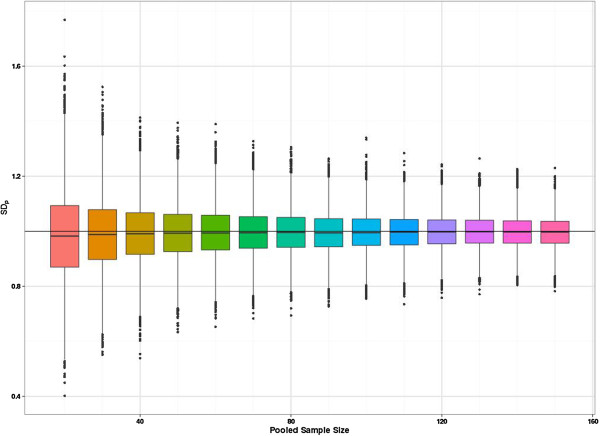
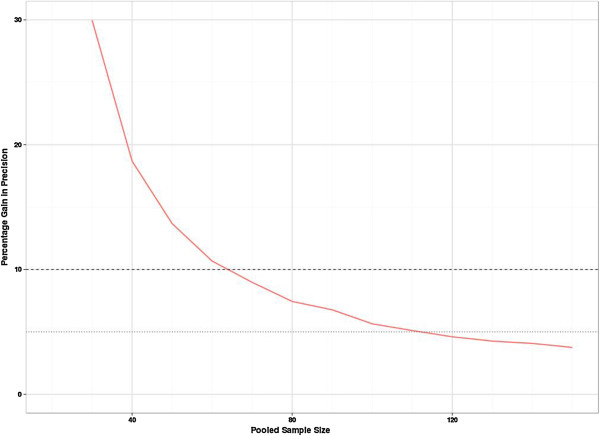
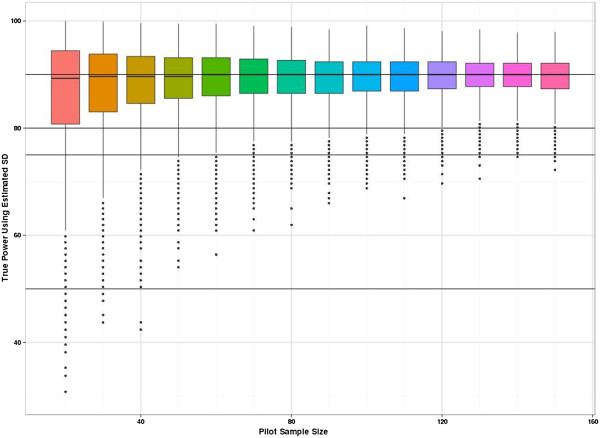
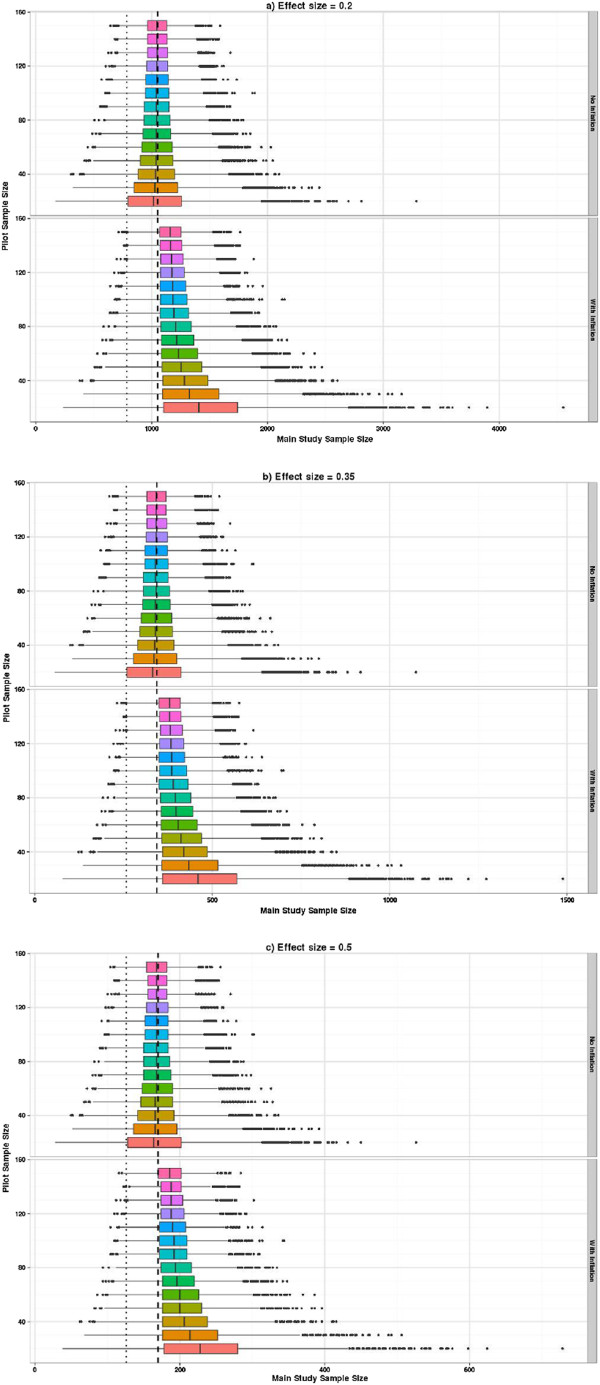
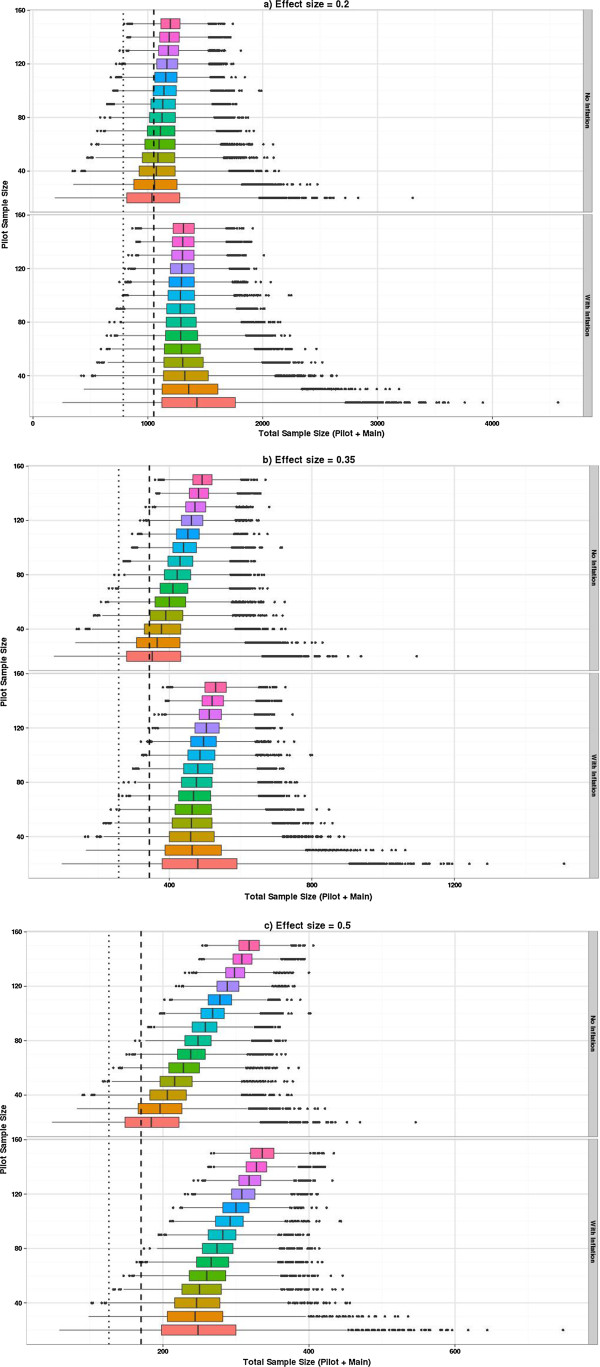
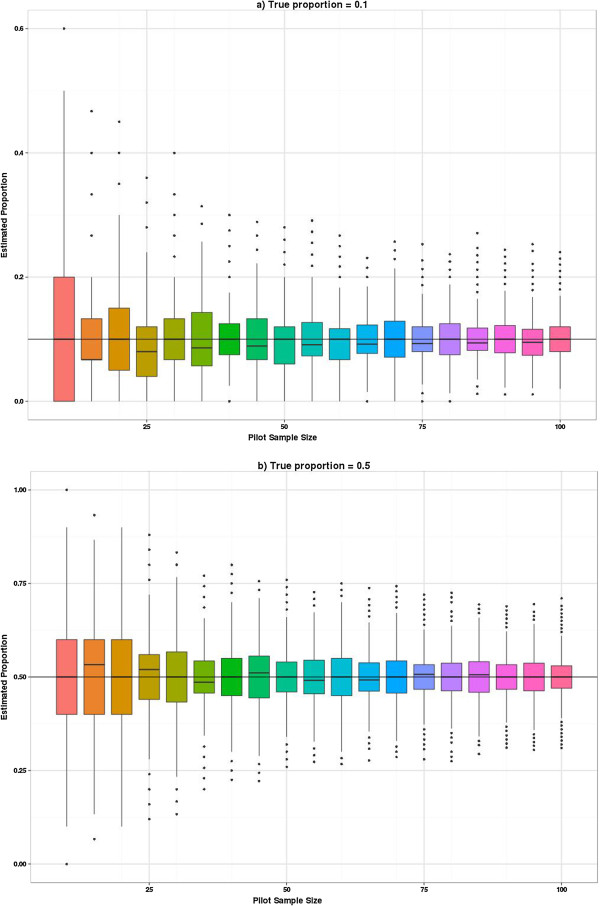
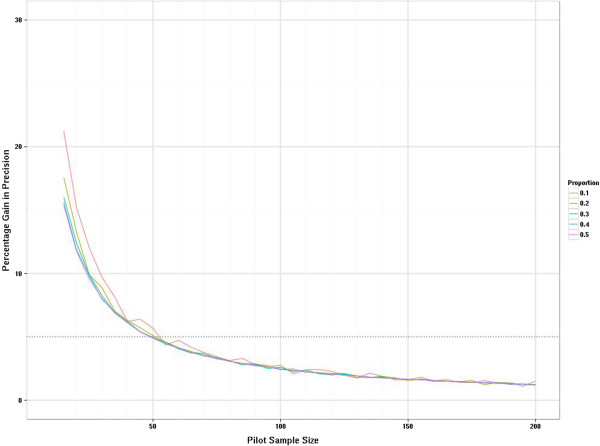
BACKGROUND: External pilot or feasibility studies can be used to estimate key unknown parameters to inform the design of the definitive randomised controlled trial (RCT). However, there is little consensus on how large pilot studies need to be, and some suggest inflating estimates to adjust for the lack of precision when planning the definitive RCT. METHODS: We use a simulation approach to illustrate the sampling distribution of the standard deviation for continuous outcomes and the event rate for binary outcomes. We present the impact of increasing the pilot sample size on the precision and bias of these estimates, and predicted power under three realistic scenarios. We also illustrate the consequences of using a confidence interval argument to inflate estimates so the required power is achieved with a pre-specified level of confidence. We limit our attention to external pilot and feasibility studies prior to a two-parallel-balanced-group superiority RCT. RESULTS: For normally distributed outcomes, the relative gain in precision of the pooled standard deviation (SDp) is less than 10% (for each five subjects added per group) once the total sample size is 70. For true proportions between 0.1 and 0.5, we find the gain in precision for each five subjects added to the pilot sample is less than 5% once the sample size is 60. Adjusting the required sample sizes for the imprecision in the pilot study estimates can result in excessively large definitive RCTs and also requires a pilot sample size of 60 to 90 for the true effect sizes considered here. CONCLUSIONS: We recommend that an external pilot study has at least 70 measured subjects (35 per group) when estimating the SDp for a continuous outcome. If the event rate in an intervention group needs to be estimated by the pilot then a total of 60 to 100 subjects is required. Hence if the primary outcome is binary a total of at least 120 subjects (60 in each group) may be required in the pilot trial. It is very much more efficient to use a larger pilot study, than to guard against the lack of precision by using inflated estimates.
Overview
The claims and statistics of this paper haven’t been checked yet.
Free: it reads the open-access text and checks the first 5 claims that cite a source we can check. Create a free account to check every claim.
Integrity signals
Registry
Cites
Statistics
Figures
Verification
Claims the paper makes
The claims and statistics of this paper haven’t been checked yet.
Free: it reads the open-access text and checks the first 5 claims that cite a source we can check. Create a free account to check every claim.
Claims other papers make about this one
Each is checked against this paper’s own text: does it say what the citing paper says it does?
The cited source doesn’t support the claim as written.
In the citing paper
“Another limitation is that the sample size was relatively small, although this was consistent with previous recommendations of 24-35 participants for pilot and feasibility studies to provide sufficient data and precision of means and variances.117,134,135”
From Acceptance and commitment therapy for older people with treatment-resistant generalised anxiety disorder: The FACTOID feasibility study (2021) · cites this paper as [117]
Checked by a reasoning model — may be wrong.
Experimental — accuracy not yet measuredThe cited source doesn’t support the claim as written.
In the citing paper
“A sample size of 40 was chosen following conventional recommendations for feasibility studies [26] and an estimated 12.5% loss to follow-up based on a preliminary study of ACT in older people with GAD [15].”
From Acceptance and commitment therapy for late-life treatment-resistant generalised anxiety disorder: a feasibility study. (2021) · cites this paper as [26]
Checked by a reasoning model — may be wrong.
Experimental — accuracy not yet measuredThe source backs part of the claim, not all of it — or backs it for a different population, condition or comparison.
In the citing paper
“A sample size of 35 is generally recommended for feasibility studies to provide sufficient data and precision of means and variances.117”
From Acceptance and commitment therapy for older people with treatment-resistant generalised anxiety disorder: The FACTOID feasibility study (2021) · cites this paper as [117]
Experimental — accuracy not yet measuredThe source backs part of the claim, not all of it — or backs it for a different population, condition or comparison.
In the citing paper
“This is sufficient to inform the sample size of the optimisation trial assuming adherence data are pooled across conditions.96”
From Refining and optimising a behavioural intervention to support endocrine therapy adherence (ROSETA) in UK women with breast cancer: Protocol for a pilot fractional factorial trial (2023) · cites this paper as [96]
Experimental — accuracy not yet measuredThe source backs part of the claim, not all of it — or backs it for a different population, condition or comparison.
In the citing paper
“previous guidelines suggesting that 60 to 100 participants per intervention arm are optimal for estimating binary outcomes in pilot RCTs [54]”
From Feasibility and Preliminary Efficacy of Web-Based and Mobile Interventions for Common Mental Health Problems in Working Adults: Multi-Arm Randomized Pilot Trial (2022) · cites this paper as [54]
Experimental — accuracy not yet measured
9 more claims about this paper
Create a free account to see every claim other papers make about this one.
Self-check
Percentages, sums and reported differences re-computed from the paper’s own numbers.
The self-check needs the paper’s full text.
Citations
Cites
R: A Language and Environment for Statistical Computing
R Core Team (2025) · doi:10.32614/r.manuals · Cited by 352,181
An Approximate Distribution of Estimates of Variance Components
Satterthwaite, F. E. (1946) · Biometrics Bulletin · doi:10.2307/3002019 · Cited by 4,373
THE GENERALIZATION OF ‘STUDENT'S’ PROBLEM WHEN SEVERAL DIFFERENT POPULATION VARLANCES ARE INVOLVED
WELCH, B. L. (1947) · Biometrika · doi:10.1093/biomet/34.1-2.28 · Cited by 4,135 · cited 1×
“For sample size calculations, we generally assume the variability of the outcome is the same or equal in both groups, although this assumption can be relaxed and methods are available for calculating sample sizes assuming unequal SDs in each group [26,27].”
MethodA tutorial on pilot studies: the what, why and how
Thabane, L., Ma, J., Chu, R., Cheng, J., Ismaila, A., Rios, L. P., Robson, R., Thabane, M., Giangregorio, L., & Goldsmith, C. H. (2010) · BMC Medical Research Methodology · doi:10.1186/1471-2288-10-1 · Cited by 3,384
Approximate is Better than “Exact” for Interval Estimation of Binomial Proportions
Agresti, A., & Coull, B. A. (1998) · The American Statistician · doi:10.1080/00031305.1998.10480550 · Cited by 3,223 · cited 1×
“Third, due to the relatively small sample size of the pilot trials, we computed the mean width of the 95% confidence interval of the true success probability averaged over Ns simulations using the Wilson’s score method [31] for a fixed sample size, which is given by:”
MethodSample size of 12 per group rule of thumb for a pilot study
Julious, S. A. (2005) · Pharmaceutical Statistics · doi:10.1002/pst.185 · Cited by 3,068 · cited 13×
“A frequently reported problem with publicly funded RCTs is that the recruitment of participants is often slower or more difficult than expected, with many trials failing to reach their planned sample size within the originally envisaged trial timescale and trial-funding envelope.”
BackgroundInfluentialKirkwood, B. R., & Sterne, J. A. C. (2014) · Bristol Research (University of Bristol) · Cited by 2,820
Sim, J., & Lewis, M. (2012) · Journal of Clinical Epidemiology · doi:10.1016/j.jclinepi.2011.07.011 · Cited by 1,036 · cited 17×
“A frequently reported problem with publicly funded RCTs is that the recruitment of participants is often slower or more difficult than expected, with many trials failing to reach their planned sample size within the originally envisaged trial timescale and trial-funding envelope.”
BackgroundMethodInfluentialOn the use of a pilot sample for sample size determination
Browne, R. H. (1995) · Statistics in Medicine · doi:10.1002/sim.4780141709 · Cited by 1,007 · cited 15×
“A frequently reported problem with publicly funded RCTs is that the recruitment of participants is often slower or more difficult than expected, with many trials failing to reach their planned sample size within the originally envisaged trial timescale and trial-funding envelope.”
BackgroundMethodInfluentialMcDonald, A. M., Knight, R. C., Campbell, M. K., Entwistle, V. A., Grant, A. M., Cook, J. A., Elbourne, D. R., Francis, D., Garcia, J., Roberts, I., et al. (2006) · Trials · doi:10.1186/1745-6215-7-9 · Cited by 946
Research works printed but not linked: 2
- StataCorp Statistical Software: Release 12 2011 TX: College Station
- Cohen J Statistical Power Analysis for the Behavioural Sciences 1988 2 Hillsdale, NJ: Lawrence Erlbaum
Cited by
Items 301–400 of 803
Computerized Block Games for Automated Cognitive Assessment: Development and Evaluation Study
Cheng, X., Gilmore, G. C., Lerner, A. J., & Lee, K. (2023) · JMIR Serious Games · doi:10.2196/40931 · Cited by 7
“However, for this preliminary study, we applied the simplest method—sample size rules of thumb, which recommended samples of a minimum of 70 (35 per group) in pilot studies [44,45].”
MethodAvery, L., Smith, H., McPherson, S., & Hallsworth, K. (2023) · Pilot and Feasibility Studies · doi:10.1186/s40814-023-01286-2 · Cited by 6
“Sample size With reference to best practice guidelines on sample size requirements for feasibility studies [19] and practical time frames, we will aim to recruit 35 patients over a 6-month time period.”
MethodDapre, E., Issa, B. G., Harvie, M., Su, T., McMillan, B., Pilkington, A., Hanna, F., Vyas, A., Mackie, S., Yates, J., et al. (2024) · BMJ Open · doi:10.1136/bmjopen-2023-078264 · Cited by 7
“► BMI (27.5–34.99 kg/m 2 and>35 kg/m 2 ; >25–32.49 kg/ m 2 and >32.5 kg/m 2 for high-risk minority ethnic groups (ie, South Asian, Black African and African Caribbean).”
InfluentialNaughton, F., Hope, A., Brown, C., Grant, K., Notley, C. J., Colles, A., West, C., Mascolo, C., Coleman, T. J., Barton, G., et al. (2024) · Public Health Research · doi:10.3310/kqyt5412 · Cited by 8
Dunphy, E., Hamilton, F. L., & Button, K. (2016) · JMIR Research Protocols · doi:10.2196/resprot.6402 · Cited by 6
“This is enough time to deliver on the study objectives of measuring feasibility although not necessarily enough time for patients to complete the program [30].”
Hamilton, F. L., Hornby, J., Sheringham, J., Linke, S., Ashton, C., Moore, K. P., Stevenson, F. A., & Murray, E. (2017) · Pilot and Feasibility Studies · doi:10.1186/s40814-017-0177-0 · Cited by 7
Ngaage, D., Mitchell, N., Dean, A., Hirst, C., Akowuah, E., Doherty, P. J., Fairhurst, C., Flemming, K., Hewitt, C., Hinde, S., et al. (2019) · BMJ Open · doi:10.1136/bmjopen-2019-035787 · Cited by 6
Limoncin, E., Solano, C., Ciocca, G., Mollaioli, D., Colonnello, E., Sansone, A., Nimbi, F. M., Simonelli, C., Tambelli, R., & Jannini, E. A. (2020) · International Journal of Environmental Research and Public Health · doi:10.3390/ijerph17186902 · Cited by 6
Gutiérrez, G., Rosenblat, J. D., Hawken, E. R., Swainson, J., & Vázquez, G. H. (2022) · JMIR Research Protocols · doi:10.2196/34711 · Cited by 7
Lovegrove, J., Fulbrook, P., & Miles, S. (2022) · Journal of Wound Ostomy and Continence Nursing · doi:10.1097/won.0000000000000894 · Cited by 8
Biddle, G. J. H., Sanders, J. P., Gokal, K., Madigan, C. D., Thomas, J. J. C., Pyle, A., Roalfe, A. K., CLiMB Active Advent Study Team, & Daley, A. (2022) · BMJ · doi:10.1136/bmj-2022-072807 · Cited by 6
Ng, F., Rennick‐Egglestone, S., Onwumere, J., Newby, C., Llewellyn‐Beardsley, J., Yeo, C. F., Ali, Y., Pollock, K., Kotera, Y., Pomberth, S., et al. (2024) · Frontiers in Psychiatry · doi:10.3389/fpsyt.2023.1272396 · Cited by 6
Afzalimoghaddam, M., Edalatifard, M., Nejati, A., Momeni, M., Isavi, N., & Karimialavijeh, E. (2017) · Current Drug Abuse Reviews · doi:10.2174/1874473710666170106122455 · Cited by 6
McGovern, R., Stamp, E., Javanbakht, M., McColl, E., Hickman, M., & Kaner, E. (2018) · Pilot and Feasibility Studies · doi:10.1186/s40814-018-0305-5 · Cited by 7
“occasions drinking 5+ standard drink units in a single occasion as derived from the TLFB/30) [62].”
BackgroundMethodPharmacist-led academic detailing intervention in primary care: a mixed methods feasibility study
Riordan, D. O., Hurley, E., Sinnott, C., Galvin, R., Dalton, K., Kearney, P. M., Halpin, J., & Byrne, S. (2019) · International Journal of Clinical Pharmacy · doi:10.1007/s11096-019-00787-6 · Cited by 6
Effects of Education Savings Accounts on Student Engagement: Instrumental Variable Analysis
Ansong, D., Okumu, M., Kim, Y. K., Despard, M., Darfo-Oduro, R. K. A., & Small, E. (2019) · Global Social Welfare · doi:10.1007/s40609-019-00142-7 · Cited by 7
Callaghan, L., Thompson, T., Creanor, S., Quinn, C., Senior, J., Green, C., Hawton, A., Byng, R., Wallace, G., Sinclair, J., et al. (2019) · Public Health Research · doi:10.3310/phr07200 · Cited by 6
Phyland, R. K., McKay, A., Olver, J., Walterfang, M., Hopwood, M., Hicks, A. J., Mortimer, D., & Ponsford, J. L. (2020) · Trials · doi:10.1186/s13063-020-04553-2 · Cited by 7
Yap, N. Y., Loo, W. S., Zheng, H. F., Tan, Q. M., Tan, T. K., Quek, L. Y. P., Tan, C. J., Toh, Y. L., Ng, C. C., Ang, S. K., et al. (2020) · Trials · doi:10.1186/s13063-020-04810-4 · Cited by 6
Sarkodie, S. K., Wason, J. M. S., & Grayling, M. J. (2022) · Clinical Trials · doi:10.1177/17407745221123507 · Cited by 7
“Misspecification of these parameters has considerable implications on the power(3) and, by extension, the validity of the trial.(4) Specifically, in CRTs, an essential component of sample size determination is the intra-class correlation (ICC), which quantifies the degree of similarity between individuals within a clu…”
BackgroundPerforming and interpreting randomized clinical trials
Hohenschurz‐Schmidt, D., Vollert, J., Vogel, S. K., Rice, A. S. C., & Draper‐Rodi, J. (2021) · Journal of Osteopathic Medicine · doi:10.1515/jom-2020-0320 · Cited by 7
Wang, H., Ko, H., Leung, T. W. H., Huang, J., Sai, J., Liang, Y., Li, H., Zhang, J., Cao, Q., Zang, W., et al. (2025) · Nature Communications · doi:10.1038/s41467-025-66167-z · Cited by 7
“Considering a rate of 2.5% suboptimal scan qualities, 5% of loss-to-follow-up and 10% of suboptimal recanalization according to the track records of participating centers, 140 participants were required for 90% power and signi fi cance level of 0.05 for the main trial 49 .”
InfluentialMoegni, F., Rachman, A., Ilyas, E. I. I., Harahap, A. R., Irianta, T., Hidayat, F., Ocviyanti, D., & Santoso, B. I. (2022) · Medical Journal of Indonesia · doi:10.13181/mji.oa.226115 · Cited by 6
Smith, T. O., Khoury, R., Ashford, P., Hanson, S., Welsh, A., Clark, A., Dures, E. K., & Adams, J. (2023) · BMJ Open · doi:10.1136/bmjopen-2022-070865 · Cited by 5
“32 This number will also allow each site to test the JOINT SUPPORT programme in at least two complete cycles.”
Hartling, L., Elliott, S. A., Munan, M., & Scott, S. D. (2023) · JMIR Formative Research · doi:10.2196/45276 · Cited by 7
“However, guided by previous research [27,28], we planned to recruit 100 parents (50 per group) to provide reasonable effect estimates to inform sample size calculations for future large-scale trials.”
MethodKleftouris, G., Tosounidis, T. H., Panteli, M., Gathen, M., & Giannoudis, P. V. (2023) · Journal of Clinical Medicine · doi:10.3390/jcm12134237 · Cited by 5
“This is consistent with a recent simulation study on sample size requirements; according to the simulation analysis, even with as little as 10 patients per group, estimates of standard deviation are sufficiently accurate to yield sample sizes for planned full trials at least 75% of the time [23].”
ResultJones, G., Bailey, L., Beeken, R. J., Brady, S., Cooper, C. L., Copeland, R. J., Crosland, S., Dawson, S., Faires, M., Gilbody, S. M., et al. (2024) · Pilot and Feasibility Studies · doi:10.1186/s40814-024-01460-0 · Cited by 10
“There are several flat rules of thumb for sample sizes for two-armed external pilot/feasibility trials ranging from 24 in total [31], to 30 [30, 32], to 50 or 60 [33], and 100 [34] and recruiting for 24 site*months should enable us to exceed these ranges (of 48 to 140 participants).”
BackgroundSelf-citationTauhit, E. S., & Asmadi, F. (2024) · Brazilian Journal of Development · doi:10.34117/bjdv10n4-027 · Cited by 5
“Teare et al. (2014) stated that 30 respondents are acceptable in conducting pilot test.”
BackgroundChapman, S. J., Kowal, M. R., Helliwell, J. A., Lockwood, S., Naylor, M., Croft, J., Farley, K., Stocken, D. D., & Jayne, D. G. (2024) · Colorectal Disease · doi:10.1111/codi.17194 · Cited by 8
Nagappa, M., Subramani, Y., Yang, H., Wood, N. M., Querney, J., Fochesato, L.-A., Nguyen, D., Fatima, N., Martin, J. E., John‐Baptiste, A., et al. (2025) · JMIR Perioperative Medicine · doi:10.2196/58998 · Cited by 5
“Based on previous data, at least 70 measured participants were required to estimate SD with enough precision for future sample size calculations [31].”
Smith, S. G., Green, S. M. C., McNaught, E., Graham, C. D., Foy, R., Ow, P. L., French, D., Hall, L., Wilkes, H., Ba, C. T., et al. (2025) · Annals of Behavioral Medicine · doi:10.1093/abm/kaaf003 · Cited by 6
“62”
The Relationship Between Employment Guilt and Psychological Resilience Levels of Working Mothers
Orhan, İ., Ünal, E., & Ağralı, C. (2025) · Nursing and Health Sciences · doi:10.1111/nhs.70088 · Cited by 6
Masa, R., & Chowa, G. A. N. (2018) · Global Social Welfare · doi:10.1007/s40609-018-0122-z · Cited by 6
Piano, M. E. F., Nilforooshan, R., & Evans, S. (2020) · JMIR Research Protocols · doi:10.2196/16089 · Cited by 6
“The inclusion criteria or the subset of PWD receiving MRI (n=30; comprising a suitable subsample for the pilot study [39]) included the following:”
BackgroundBibi, M., Khan, R. A., & Manzoor, A. (2021) · Market Forces · doi:10.51153/mf.v16i1.447 · Cited by 15
Hopewell, S., Kenealy, N., Knight, R., Rangan, A., Dutton, S., Srikesavan, C. S., Feldmann, M., Lamb, S. E., & Nanchahal, J. (2022) · NIHR Open Research · doi:10.3310/nihropenres.13275.1 · Cited by 5
“Seventy is the recommended minimum target sample size when including an estimate of the SD in an exter-nal pilot trial 39 .”
GARVEY, W., Schembri, R., Oberklaid, F., & Hiscock, H. (2022) · BMJ Open · doi:10.1136/bmjopen-2021-060440 · Cited by 5
Newby, K. V., Kwah, K., Schumacher, L. T., Crutzen, R., Bailey, J., Jackson, L., Bremner, S. A., & Brown, K. (2023) · JMIR Research Protocols · doi:10.2196/43645 · Cited by 5
“At least 60 participants per arm are recommended to allow proportions to be estimated with good precision [24].”
Long, D. A., GIBBONS, K. S., Stocker, C. F., Ranger, M., Alphonso, N., Marsney, R. E. L., Dow, B. L., Schults, J. A., Graydon, C., Shehabi, Y., et al. (2023) · Critical Care and Resuscitation · doi:10.1016/j.ccrj.2023.04.007 · Cited by 5
Emotional Reactivity and Death Anxiety in Dialysis Patients
Uzdıl, N., Kılıç, Z., & Şimşek, N. (2023) · Genel Tıp Dergisi · doi:10.54005/geneltip.1298917 · Cited by 6
Matsuyanagi, K. (2025) · Applied Psychophysiology and Biofeedback · doi:10.1007/s10484-025-09701-5 · Cited by 7
Morton, L. J., Siu, A. T. Y., Fowler, S., Zhou, C., Nixon, C., & Campbell, D. A. (2020) · Pilot and Feasibility Studies · doi:10.1186/s40814-020-00630-0 · Cited by 5
Strelchuk, D., Wiles, N., Turner, K. M., Derrick, C., & Zammit, S. (2020) · BMJ Open · doi:10.1136/bmjopen-2020-038620 · Cited by 7
Price, A. M. H., Zhu, A., Nguyen, H. N. J., Suárez, D. C., Schreurs, N., Burley, J., Lawson, K. D., Kelaher, M., Lingam, R., Grace, R., et al. (2021) · BMJ Open · doi:10.1136/bmjopen-2020-044488 · Cited by 10
Evaluation of Interventions: Feasibility, Efficacy and Effectiveness Trials
Kwakkenbos, L. (2021) · Elsevier eBooks · doi:10.1016/b978-0-12-818697-8.00219-3 · Cited by 5
Jockusch, J., Nitschke, S., Hopfenmüller, W., Schierz, O., Hahnel, S., & Nitschke, I. (2022) · Journal of Clinical Medicine · doi:10.3390/jcm11051356 · Cited by 7
“The sample size was determined based on similarly designed studies and the sample sizes used therein [32,33].”
MethodJockusch, J., Wiedemeier, D. B., & Nitschke, I. (2022) · International Journal of Environmental Research and Public Health · doi:10.3390/ijerph19063700 · Cited by 6
“Therefore, from a statistical point of view, for the determination of the sample size, similarly designed studies and sample sizes used therein were used instead [38,39].”
MethodJockusch, J., Hahnel, S., & Nitschke, I. (2022) · BMC Geriatrics · doi:10.1186/s12877-022-03452-2 · Cited by 9
Arden-Close, E. J., Thomas, S., Bush‐Evans, R., Wang, R., Bolat, E., Hodge, S., Phalp, K. T., & McAlaney, J. (2023) · BMJ Open · doi:10.1136/bmjopen-2022-065400 · Cited by 6
Keightley, S., Duncan, M. D., & Gardner, B. (2023) · BMC Public Health · doi:10.1186/s12889-023-15347-x · Cited by 6
The Importance of Job Satisfaction in Dubai Police and Influencing Factors
Mohammad, F., & Essa, R. (2024) · Journal of Public Policy and Administration · doi:10.47604/jppa.2271 · Cited by 5
“However, a large sample size is not a guarantee of results' accuracy, the precision of findings increases with the sample size (Teare et al. 2014).”
BackgroundDewan, M. V., Jungilligens, J., Kobus, S., Diezel, M., Dathe, A.-K., Schweiger, B., Hüning, B. M., Felderhoff‐Müser, U., & Bruns, N. (2024) · European Journal of Paediatric Neurology · doi:10.1016/j.ejpn.2024.06.009 · Cited by 7
Reddington, M., Walters, S. J., Cohen, J., & Baxter, S. K. (2017) · BMJ Open · doi:10.1136/bmjopen-2016-014422 · Cited by 5
“It has been recommend that an external pilot study has at least 70 measured subjects (35 per group) when estimating the SD for a continuous outcome.(20) A sample size of 80 patients, with ∼10% allowance for lost to follow-up allows the SD of an outcome to be estimated to within a precision of ∼±16% of its true underly…”
BackgroundSelf-citationAssessing variability and uncertainty in orthopedic randomized controlled trials
Raittio, L., & Reito, A. R. (2020) · Acta Orthopaedica · doi:10.1080/17453674.2020.1755932 · Cited by 5
“…studies show that only a small amount of knowledge of the SD in the population is collected after a total of 70 patients using continuous variables (Teare et al. 2014) and most orthopedic trials include at least this number of patients, and thus yield well-established SD estimates of the…”
BackgroundPerman‐Howe, P. R., Davies, E., & Foxcroft, D. (2021) · Pilot and Feasibility Studies · doi:10.1186/s40814-021-00777-4 · Cited by 5
Lopes, D., Ferrão, A., Matança, A. F., Almeida, C., Rosário, F., Santos, J., & Santos, M. I. (2023) · Acta Médica Portuguesa · doi:10.20344/amp.18876 · Cited by 7
Barnhart, G. (2017) · Journal of Neurology and Neurological Disorders · doi:10.15744/2454-4981.3.106 · Cited by 7
Gould, R. L., Wetherell, J. L., Serfaty, M. A., Kimona, K., Lawrence, V., Jones, R., Livingston, G., Wilkinson, P., Walters, K., Novere, M. L., et al. (2021) · Health Technology Assessment · doi:10.3310/hta25540 · Cited by 4
Kolberg, K. L., Larson, J., de Almeida, A. M. L. G., Ichesco, I. K., Johnson, A., Tubbergen, M. V., Nagappan, B., Saleem, N. U. A., Cranford, J. A., & Hashikawa, A. N. (2021) · PubMed · doi:10.1097/pec.0000000000002133 · Cited by 4
“We targeted a convenience sample of 50 pediatric patients based on previous related research and simulation studies indicating similar sample sizes maximize precision parameter estimates and minimize resources required for assessment of feasibility.(19,27) Patients and parents/caregivers were excluded if they had prev…”
MethodAhmed, L., Biddle, K., Blundell, A., Koushesh, S., Kiely, P. D. W., Mein, G., Sedgwick, P. M., & Sofat, N. (2024) · Pilot and Feasibility Studies · doi:10.1186/s40814-024-01505-4 · Cited by 7
“…which required implementation due to recruitment challenges during the Covid pandemic, was still felt to be sufficient to test the primary feasibility outcomes, which was agreed with the Clinical trials unit and trial steering committee based on previous feasibility study sample sizes [17–22].”
BackgroundMethodLee, E. K. P., Wang, S., Yip, B. H. K., Yu, E. Y. T., Leung, S.-Y., Han, J., Choi, Y.-K., Chow, K.-F., Chung, W.-H., Yan, B. P., et al. (2025) · Journal of Pharmaceutical Policy and Practice · doi:10.1080/20523211.2025.2463435 · Cited by 4
Tavakoli, E., Xiang, A., Husain, M. I., Blumberger, D. M., Kloiber, S. M., Müller, D. J., Ortiz, A., Perivolaris, A., & Mulsant, B. H. (2025) · Pharmacopsychiatry · doi:10.1055/a-2508-5757 · Cited by 4
“For this pilot study, the target sample size was based on a ‘rule of thumb’ suggesting that a sample of 35 patients is adequate for a one-arm study using continuous outcomes [30].”
Motivational interviewing to facilitate goal setting in rehabilitation: a feasibility study
Wintle, E., Taylor, N. F., Harding, K. E., O’Halloran, P., Rimayanti, M. U., Rank, A., & Peiris, C. L. (2025) · Disability and Rehabilitation · doi:10.1080/09638288.2025.2502576 · Cited by 4
“A sample size of 60 participants, considered sufficient to evaluate feasibility domains of demand, acceptability, satisfaction, implementation, and practicality; were recruited for this feasibility trial [32].”
Yao, L.-Q., Wang, T., Liu, X., & Tan, J.-Y. B. (2025) · Nursing Reports · doi:10.3390/nursrep15050167 · Cited by 4
“A total sample of 30 participants per group was considered sufficient for this study, given that the primary objective was to evaluate the feasibility and acceptability of the study’s methodological procedures, including the questionnaires and intervention proto-Nurs col [19,20].”
Dodgson, G., Singh, A., Barclay, N., Birkett, L., Boyle, C. A., Brandon, T., Dudley, R. E. J., Einbeck, J., Gibbs, C., Hamilton, J., et al. (2025) · Psychiatry Research · doi:10.1016/j.psychres.2025.116564 · Cited by 4
“Progression criteria were monitored using a traffic light system: Green (proceed), Amber (amend), Red (stop).”
Roden-Lui, G., Faulkner, G., Lucock, M. P., Gibbon, S., Hewitt, C. E., Hughes, E. A., Khan, W., Lewis, K., Singh, B., Walters, P., et al. (2025) · Frontiers in Psychiatry · doi:10.3389/fpsyt.2025.1558602 · Cited by 4
Huang, C., Czuber‐Dochan, W., & Norton, C. S. (2025) · European Journal of Gastroenterology & Hepatology · doi:10.1097/meg.0000000000003034 · Cited by 6
Modrego‐Alarcón, M., del Hoyo, Y. L., Beltrán-Ruiz, M., García‐Campayo, J., & Montero‐Marín, J. (2025) · Virtual Reality · doi:10.1007/s10055-025-01218-w · Cited by 5
“Additionally, throughout the course of the intervention, participants in the MBP + VR established guidelines for pilot trials suggesting 12–30 participants per arm (Julious 2005; Teare et al. 2014).”
Willingness to switch to injectable cabotegravir among oral PrEP users in Durban, South Africa
Gengiah, T. N., Naidoo, V., Dlamini, N., Khan, M., Khanyile, S. S., Nxumalo, S. P., Sithole, M. L., Sultan, A., & Made, F. (2025) · Health SA Gesondheid · doi:10.4102/hsag.v30i0.3120 · Cited by 4
“…for analytical precision were not the primary focus of this descriptive study, a sample of over 100 participants allowed for basic subgroup comparisons and provided a reasonable confidence in estimating proportions for exploratory public health research (Teare et al. 2014; Van Belle 2008).”
Al-Amri, M., Bird, S., Nistor, D.-T., White, J., Button, K., Warner, M. B., Walsh, D. A., Shorten, D., & Evans, R. (2025) · BMJ Open · doi:10.1136/bmjopen-2025-102994 · Cited by 4
Clair‐Sullivan, N. S., Bristowe, K., Bremner, S. A., Maddocks, M. M., Harding, R., Levett, T. J., Roberts, J., Adler, Z., May, P., Pargeter, G., et al. (2025) · HIV Medicine · doi:10.1111/hiv.70149 · Cited by 4
“To accurately estimate the standard deviation of the primary outcome for the subsequent trial, it is recommended to have a minimum of 35 participants per arm [20, 21].”
Prior, K., Salemink, E., Wiers, R. W. H. J., Teachman, B. A., Piggott, M., Newton, N. C., Teesson, M., Baillie, A., Manning, V., McLellan, L. F., et al. (2021) · JMIR Research Protocols · doi:10.2196/28667 · Cited by 5
“On the basis of several rules of thumb used to determine an appropriate sample size for a pilot study [83-85], a sample size of 90 young people (30 per arm) was selected to provide sufficient data on the feasibility, acceptability, and preliminary efficacy of the program, although we recognize that the scope of this p…”
MethodFeasibility of supported self-management with a pictorial action plan to improve asthma control
Ghazali, S. S., Lee, P. Y., Cheong, A. T., Hussein, N. B., Pinnock, H., Salim, H. S., Liew, S. M., Hanafi, N. S., Bakar, A. I. A., Ng, C., et al. (2022) · npj Primary Care Respiratory Medicine · doi:10.1038/s41533-022-00294-8 · Cited by 6
Ghelani, H., Adrian, T. E., Ho, S. B., Akhras, J., Azar, A. J., & Jan, R. K. (2022) · Contemporary Clinical Trials Communications · doi:10.1016/j.conctc.2022.101046 · Cited by 4
“The decision to recruit a total of 100 participants in the proposed trial was a pragmatic one based on statistical argument for sample size in pilot trials and the need to balance maximizing precision while minimizing the impacts of size on resources, time and cost [20,21].”
BackgroundEl Cálculo del Tamaño Muestral en Ciencias de la Salud: Recomendaciones y Guía Práctica
Fernández-Matías, R. (2023) · Journal of MOVE and Therapeutic Science · doi:10.37382/jomts.v5i1.915 · Cited by 24
Wong, J. Y. S., bin Zainuddin, M. A., Mishra, N., Lee, N. K. L., Mahadev, A., & Lam, K. Y. (2023) · Journal of Pediatric Orthopaedics B · doi:10.1097/bpb.0000000000001120 · Cited by 4
“First, the sample size was relatively small [32].”
BackgroundRabasco, A., Wallace, G. T., & Andover, M. S. (2024) · Cognitive Therapy and Research · doi:10.1007/s10608-024-10516-7 · Cited by 5
“In addition, Teare et al. (2014) suggest that a total sample size of 70 participants in a pilot RCT provides the best precision and minimal bias for a continuous outcome.”
Maheu, C., Parkinson, M., Johnson, K., Tock, W. L., Dolgoy, N. D., Dupuis, S.-P., & Singh, M. D. (2025) · Current Oncology · doi:10.3390/curroncol32050266 · Cited by 4
Gravestock, P., Clark, E., Morton, M., Sharma, S., Fisher, H., Walker, J., Wood, R., Hancock, H. C., Waugh, N., Cooper, A., et al. (2022) · NIHR Open Research · doi:10.3310/nihropenres.13284.1 · Cited by 4
“(2014) 15 where it is recommended that data is collected on a minimum of 60 patients per arm to estimate an ‘event’ rate in a single treatment arm.”
Genedy‐Kalyoncu, M. E., Fastner, A., Völzer, B., Raeder, K., Neumann, K., Lahmann, N., & Kottner, J. (2022) · BMJ Open · doi:10.1136/bmjopen-2022-065909 · Cited by 4
Razai, M. S., Trinder, B., Perry, A., Cauldwell, M., Reid, F., & Oakeshott, P. (2023) · PLoS ONE · doi:10.1371/journal.pone.0282066 · Cited by 4
McLeod, C. J., Haycraft, E., & Daley, A. (2023) · International Journal of Behavioral Nutrition and Physical Activity · doi:10.1186/s12966-023-01443-z · Cited by 4
Nicolson, P. J. A., Holden, M. A., Marian, I. R., Williamson, E. M., Dutton, S., Garrett, A., Hopewell, S., & Lamb, S. E. (2023) · Pilot and Feasibility Studies · doi:10.1186/s40814-023-01275-5 · Cited by 4
Hopewell, S., Srikesavan, C. S., Evans, A., Er, F., Rangan, A., Preece, J., Francis, A., Massa, M. S., Feldmann, M., Lamb, S. E., et al. (2024) · BMJ Open · doi:10.1136/bmjopen-2023-078273 · Cited by 4
Daley, A., Jolly, K. B., Ives, N. J., Jebb, S. A., Tearne, S., Greenfield, S., Yardley, L., Little, P. S., Tyldesley‐Marshall, N., Bensoussane, H., et al. (2021) · Health Technology Assessment · doi:10.3310/hta25490 · Cited by 6
El-Khechen, H. A., Khan, M. I. U., Leenus, S., Olaiya, O. R., Durrani, Z. H., Masood, Z., Leenus, A., Akhter, S., & Mbuagbaw, L. C. E. (2021) · Pilot and Feasibility Studies · doi:10.1186/s40814-021-00934-9 · Cited by 4
“Several approaches can be used, such as targeting a percentage of the larger study’s sample size [48], having a set minimum number of participants per arm [48, 49], and using a stepped approach determined by standardized effect sizes [50].”
MethodBolou, A., Lanz, D., Drymoussi, Z., Carreras, F. J. G., Austin, F., Dodds, J. P., Mehay, A., Pizzo, E., Thomas, A. S., Heighway, J., et al. (2021) · BMJ Open · doi:10.1136/bmjopen-2021-050099 · Cited by 4
Legro, R. S., Stetter, C., Kunselman, A. R., Geisler, W. M., Dodson, W. C., & Estes, S. J. (2022) · F&S Reports · doi:10.1016/j.xfre.2022.11.005 · Cited by 4
Dutheil, F., Parreira, L. M., Pereira, B., Baldet, M., Marson, F., Chabaud, C., Blot, M., Baker, J. S., Žák, M., Vallet, G. T., et al. (2023) · International Journal of Environmental Research and Public Health · doi:10.3390/ijerph20021185 · Cited by 5
“According to previous data [32], it seems reasonable to estimate that effect size, for the primary analysis between M1 and M3, will be around 0.”
MethodEsfandiari, E., Miller, W. C., King, S., Payne, M. W. C., Mortenson, W. B., Underwood, H., MacKay, C., & Ashe, M. C. (2023) · PLoS ONE · doi:10.1371/journal.pone.0278418 · Cited by 6
“However, due to challenges with participant drop out in clinical trials [80], we will account for 15% attrition rate in the sample size calculation.”
BackgroundMcCullagh, I. J., Salas, B., Teodorczuk, A., Callaghan, M., & on behalf of the PODIUM study investigators from INCARN.net (2023) · BMC Geriatrics · doi:10.1186/s12877-023-04122-7 · Cited by 5
“The need to include some subjects who actually had delirium meant that we also took into account the predicted incidence of delirium in this population of 10% (95% CI: 4–16%) [18].”
BackgroundHamilton, F. L., Hornby, J., Sheringham, J., Linke, S., Ashton, C., Moore, K. P., Stevenson, F. A., & Murray, E. (2018) · Pilot and Feasibility Studies · doi:10.1186/s40814-018-0303-7 · Cited by 5
Felton, M., Hundley, V. A., Grigsby, S. M., & MCCONNELL, A. K. (2021) · Hypertension in Pregnancy · doi:10.1080/10641955.2020.1869250 · Cited by 9
Ruangsomboon, O., Lima, J. P., Eltorki, M., & Worster, A. (2024) · BMJ Open · doi:10.1136/bmjopen-2023-082648 · Cited by 4
Schachter, J., Ajayi, A. A., & Delgado, J. E. (2024) · Journal of Contextual Behavioral Science · doi:10.1016/j.jcbs.2024.100852 · Cited by 4
Price, J., Rushton, A., Ives, N. J., Jolly, K. B., Parmar, P., & Greaves, C. J. (2025) · Pilot and Feasibility Studies · doi:10.1186/s40814-025-01608-6 · Cited by 5
“This feasibility study aims to recruit 45 patient participants over 12 months [54].”
Online Peer Support for Long-Term Conditions: Protocol for a Feasibility Randomized Controlled Trial
Lavelle, G., Jones, H. G., Carr, E., Aylwin‐Foster, E., Lawrence, V. C., Simpson, A., & Hotopf, M. H. (2025) · JMIR Research Protocols · doi:10.2196/71513 · Cited by 3
“In route 4, public advertisements will be used throughout the social media accounts of KCL, King’s Health Partners [36], and the research team (eg, X [formerly known as Twitter] and Facebook); through internal and external KCL communications and bulletins (eg, the disability team); and through…”
Choi, D., & Shin, W. (2025) · Journal of Cosmetic Dermatology · doi:10.1111/jocd.70273 · Cited by 3
Tuntiyatorn, P., Lerspongpaibool, C., Kanchanathepsak, T., Watcharananan, I., & Tawonsawatruk, T. (2025) · BMC Complementary Medicine and Therapies · doi:10.1186/s12906-025-05096-2 · Cited by 5
Massey, H. C., Denton, H., Burlingham, A., Violato, M., Bibby-Jones, A.-M., Cunningham, R., Ciccognani, S., Robertson, S., Jhans, A., Pollard, J., et al. (2025) · Mental health and physical activity · doi:10.1016/j.mhpa.2025.100723 · Cited by 3
Metadata
- Authors
- Teare, M. D., Dimairo, M., Shephard, N., Hayman, A., Whitehead, A., & Walters, S. J.
- Affiliations
- University of Sheffield (GB)
- Corresponding author
- Teare, M Dawn
- Venue
- Trials
- Published
- 2014-07-03
- Volume
- 15
- Issue
- 1
- Pages
- 264-264
- ISSN
- 1745-6215 (ISSN-L)
- PMC
- PMC4227298
- OpenAlex
- W2170036462
- Semantic Scholar
- 4b2fbafae462d72b25c4366c5bd529eeaefae10c
- Cited by
- 773
- References
- 31
- Citations by year
- 2026: 84 · 2025: 118 · 2024: 109 · 2023: 120 · 2022: 59 · 2021: 89 · 2020: 78 · 2019: 36 · 2018: 34 · 2017: 24 · 2016: 12 · 2015: 7 · 2014: 1
- FWCI
- 15.49
- Type
- journal article
- Language
- en
- Open access
- gold
- doi.org
- Licence
- cc-by
- Locations
- Trials (publishedVersion, cc-by)
- Europe PMC (PubMed Central) (publishedVersion, cc-by)
- PubMed Central (publishedVersion, cc-by)
- PubMed (publishedVersion)
- VU Research Portal (publishedVersion, other-oa)
- White Rose Research Online (University of Leeds, The University of Sheffield, University of York) (acceptedVersion)
- ePrints Soton (University of Southampton) (acceptedVersion)
- Data Archiving and Networked Services (DANS) (submittedVersion, other-oa)
- Newcastle University ePrints (Newcastle Univesity) (cc-by)
- Funders
- National Institute for Health and Care Research (DRF-2012-05-182)
- University of Sheffield
- Topics
- Physical Sciences › Mathematics › Statistics and Probability › Statistical Methods in Clinical Trials
- Social Sciences › Decision Sciences › Statistics, Probability and Uncertainty › Meta-analysis and systematic reviews
- Physical Sciences › Mathematics › Statistics and Probability › Statistical Methods in Epidemiology
- Keywords
- feasibility study, sample size determination, standard deviation estimation, event rate estimation, statistical power, continuous outcomes, binary outcomes
- MeSH terms
- Computer Simulation, Data Interpretation, Statistical, Feasibility Studies, Humans, Pilot Projects, Models, Statistical, Randomized Controlled Trials as Topic, Sample Size
About these checks
Registry, retraction, Cites and statistics results are computed, not judged, with one exception: a printed reference that no index lists is read once by a model before it counts as a citation error. Claims are extracted by a model and kept only when their quote appears verbatim in the text; each cited source is then checked, with a model’s help, for whether it says what the claim relies on. Those verdicts can be wrong — read the claim’s quote and the cited source before relying on one.
Statistics and arithmetic are recomputed, not judged.
Confidence bands are shown only for fields calibrated on our annotated test set. None is calibrated yet, so no band is shown.
What counts as a claim ›How we measure confidence ›How we check this ›
Are you an author, or do you see a problem with this page? Request a review
Data sources
Bibliographic data: Semantic Scholar, OpenAlex, Crossref.
Contains information from the Semantic Scholar Academic Graph Datasets, made available under the ODC Attribution License (ODC-BY 1.0).
Semantic Scholar’s data is described in: Kinney, R., et al. (2023). The Semantic Scholar Open Data Platform. arXiv:2301.10140.
