

Sample size requirements to estimate key design parameters from external pilot randomised controlled trials: a simulation study
Open accessThe DOI matches its Crossref record; 31 of the 31 references it cites were found in a registry or an index.
Abstract
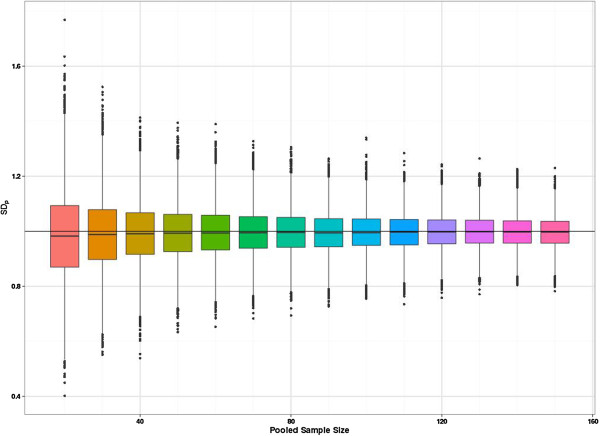
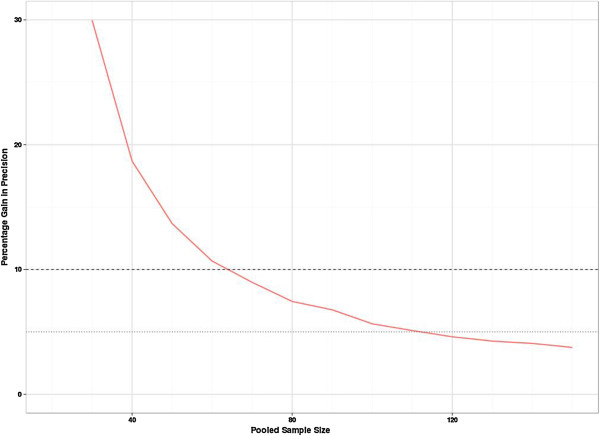
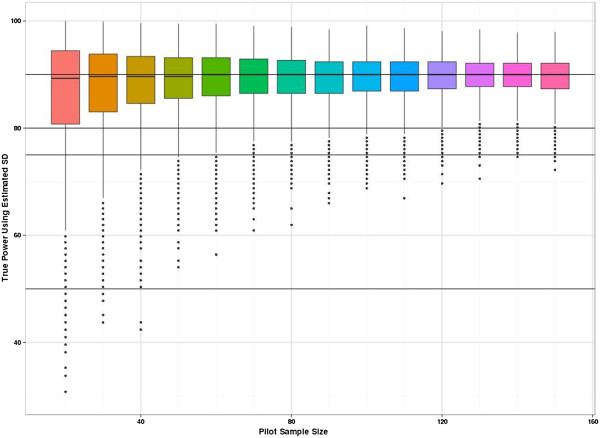
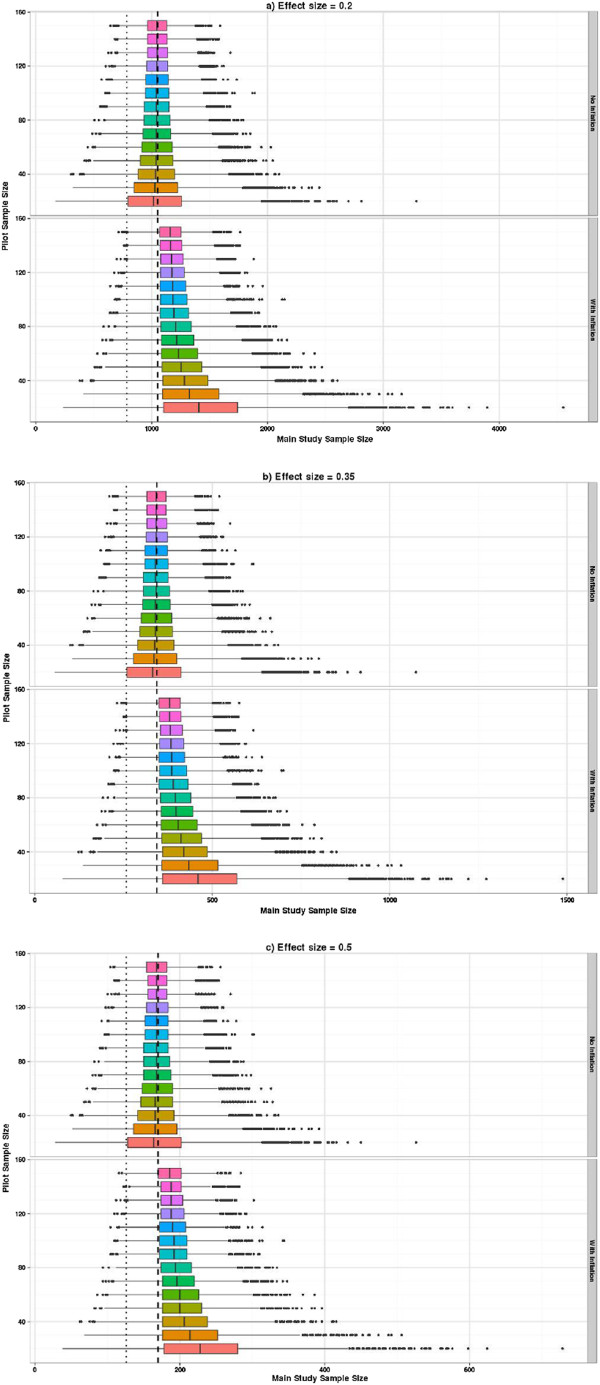
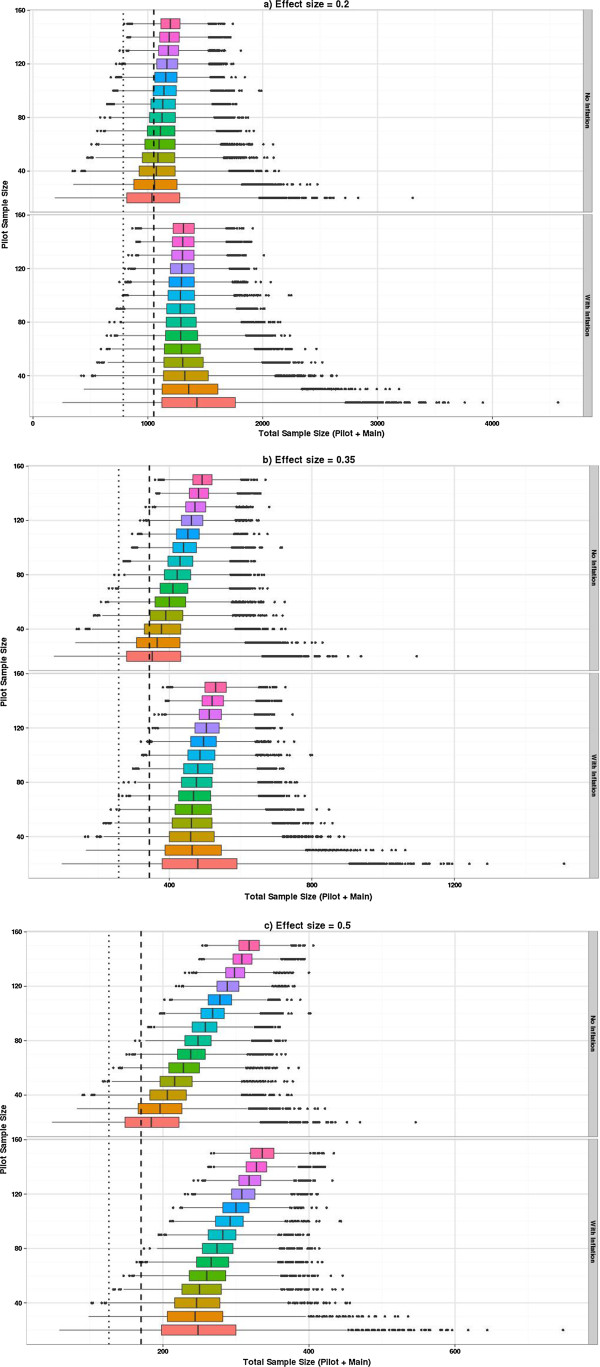
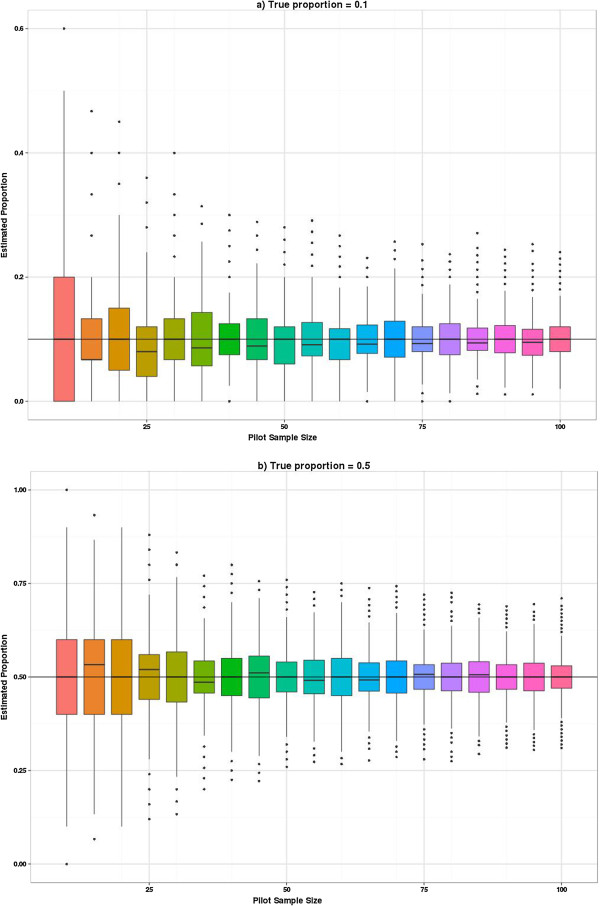
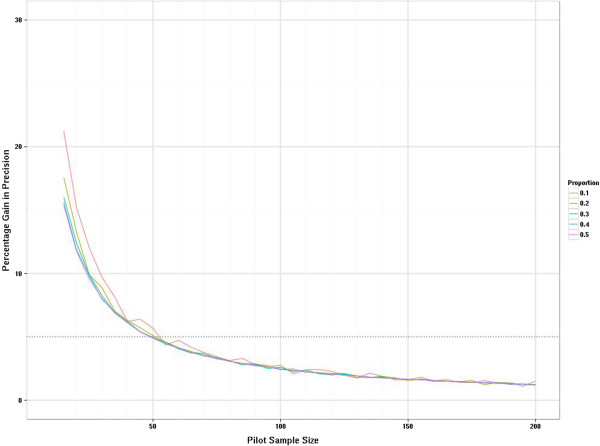
BACKGROUND: External pilot or feasibility studies can be used to estimate key unknown parameters to inform the design of the definitive randomised controlled trial (RCT). However, there is little consensus on how large pilot studies need to be, and some suggest inflating estimates to adjust for the lack of precision when planning the definitive RCT. METHODS: We use a simulation approach to illustrate the sampling distribution of the standard deviation for continuous outcomes and the event rate for binary outcomes. We present the impact of increasing the pilot sample size on the precision and bias of these estimates, and predicted power under three realistic scenarios. We also illustrate the consequences of using a confidence interval argument to inflate estimates so the required power is achieved with a pre-specified level of confidence. We limit our attention to external pilot and feasibility studies prior to a two-parallel-balanced-group superiority RCT. RESULTS: For normally distributed outcomes, the relative gain in precision of the pooled standard deviation (SDp) is less than 10% (for each five subjects added per group) once the total sample size is 70. For true proportions between 0.1 and 0.5, we find the gain in precision for each five subjects added to the pilot sample is less than 5% once the sample size is 60. Adjusting the required sample sizes for the imprecision in the pilot study estimates can result in excessively large definitive RCTs and also requires a pilot sample size of 60 to 90 for the true effect sizes considered here. CONCLUSIONS: We recommend that an external pilot study has at least 70 measured subjects (35 per group) when estimating the SDp for a continuous outcome. If the event rate in an intervention group needs to be estimated by the pilot then a total of 60 to 100 subjects is required. Hence if the primary outcome is binary a total of at least 120 subjects (60 in each group) may be required in the pilot trial. It is very much more efficient to use a larger pilot study, than to guard against the lack of precision by using inflated estimates.
Overview
The claims and statistics of this paper haven’t been checked yet.
Free: it reads the open-access text and checks the first 5 claims that cite a source we can check. Create a free account to check every claim.
Integrity signals
Registry
Cites
Statistics
Figures
Verification
Claims the paper makes
The claims and statistics of this paper haven’t been checked yet.
Free: it reads the open-access text and checks the first 5 claims that cite a source we can check. Create a free account to check every claim.
Claims other papers make about this one
Each is checked against this paper’s own text: does it say what the citing paper says it does?
The cited source doesn’t support the claim as written.
In the citing paper
“Another limitation is that the sample size was relatively small, although this was consistent with previous recommendations of 24-35 participants for pilot and feasibility studies to provide sufficient data and precision of means and variances.117,134,135”
From Acceptance and commitment therapy for older people with treatment-resistant generalised anxiety disorder: The FACTOID feasibility study (2021) · cites this paper as [117]
Checked by a reasoning model — may be wrong.
Experimental — accuracy not yet measuredThe cited source doesn’t support the claim as written.
In the citing paper
“A sample size of 40 was chosen following conventional recommendations for feasibility studies [26] and an estimated 12.5% loss to follow-up based on a preliminary study of ACT in older people with GAD [15].”
From Acceptance and commitment therapy for late-life treatment-resistant generalised anxiety disorder: a feasibility study. (2021) · cites this paper as [26]
Checked by a reasoning model — may be wrong.
Experimental — accuracy not yet measuredThe source backs part of the claim, not all of it — or backs it for a different population, condition or comparison.
In the citing paper
“A sample size of 35 is generally recommended for feasibility studies to provide sufficient data and precision of means and variances.117”
From Acceptance and commitment therapy for older people with treatment-resistant generalised anxiety disorder: The FACTOID feasibility study (2021) · cites this paper as [117]
Experimental — accuracy not yet measuredThe source backs part of the claim, not all of it — or backs it for a different population, condition or comparison.
In the citing paper
“This is sufficient to inform the sample size of the optimisation trial assuming adherence data are pooled across conditions.96”
From Refining and optimising a behavioural intervention to support endocrine therapy adherence (ROSETA) in UK women with breast cancer: Protocol for a pilot fractional factorial trial (2023) · cites this paper as [96]
Experimental — accuracy not yet measuredThe source backs part of the claim, not all of it — or backs it for a different population, condition or comparison.
In the citing paper
“previous guidelines suggesting that 60 to 100 participants per intervention arm are optimal for estimating binary outcomes in pilot RCTs [54]”
From Feasibility and Preliminary Efficacy of Web-Based and Mobile Interventions for Common Mental Health Problems in Working Adults: Multi-Arm Randomized Pilot Trial (2022) · cites this paper as [54]
Experimental — accuracy not yet measured
9 more claims about this paper
Create a free account to see every claim other papers make about this one.
Self-check
Percentages, sums and reported differences re-computed from the paper’s own numbers.
The self-check needs the paper’s full text.
Citations
Cites
R: A Language and Environment for Statistical Computing
R Core Team (2025) · doi:10.32614/r.manuals · Cited by 352,181
An Approximate Distribution of Estimates of Variance Components
Satterthwaite, F. E. (1946) · Biometrics Bulletin · doi:10.2307/3002019 · Cited by 4,373
THE GENERALIZATION OF ‘STUDENT'S’ PROBLEM WHEN SEVERAL DIFFERENT POPULATION VARLANCES ARE INVOLVED
WELCH, B. L. (1947) · Biometrika · doi:10.1093/biomet/34.1-2.28 · Cited by 4,135 · cited 1×
“For sample size calculations, we generally assume the variability of the outcome is the same or equal in both groups, although this assumption can be relaxed and methods are available for calculating sample sizes assuming unequal SDs in each group [26,27].”
MethodA tutorial on pilot studies: the what, why and how
Thabane, L., Ma, J., Chu, R., Cheng, J., Ismaila, A., Rios, L. P., Robson, R., Thabane, M., Giangregorio, L., & Goldsmith, C. H. (2010) · BMC Medical Research Methodology · doi:10.1186/1471-2288-10-1 · Cited by 3,384
Approximate is Better than “Exact” for Interval Estimation of Binomial Proportions
Agresti, A., & Coull, B. A. (1998) · The American Statistician · doi:10.1080/00031305.1998.10480550 · Cited by 3,223 · cited 1×
“Third, due to the relatively small sample size of the pilot trials, we computed the mean width of the 95% confidence interval of the true success probability averaged over Ns simulations using the Wilson’s score method [31] for a fixed sample size, which is given by:”
MethodSample size of 12 per group rule of thumb for a pilot study
Julious, S. A. (2005) · Pharmaceutical Statistics · doi:10.1002/pst.185 · Cited by 3,068 · cited 13×
“A frequently reported problem with publicly funded RCTs is that the recruitment of participants is often slower or more difficult than expected, with many trials failing to reach their planned sample size within the originally envisaged trial timescale and trial-funding envelope.”
BackgroundInfluentialKirkwood, B. R., & Sterne, J. A. C. (2014) · Bristol Research (University of Bristol) · Cited by 2,820
Sim, J., & Lewis, M. (2012) · Journal of Clinical Epidemiology · doi:10.1016/j.jclinepi.2011.07.011 · Cited by 1,036 · cited 17×
“A frequently reported problem with publicly funded RCTs is that the recruitment of participants is often slower or more difficult than expected, with many trials failing to reach their planned sample size within the originally envisaged trial timescale and trial-funding envelope.”
BackgroundMethodInfluentialOn the use of a pilot sample for sample size determination
Browne, R. H. (1995) · Statistics in Medicine · doi:10.1002/sim.4780141709 · Cited by 1,007 · cited 15×
“A frequently reported problem with publicly funded RCTs is that the recruitment of participants is often slower or more difficult than expected, with many trials failing to reach their planned sample size within the originally envisaged trial timescale and trial-funding envelope.”
BackgroundMethodInfluentialMcDonald, A. M., Knight, R. C., Campbell, M. K., Entwistle, V. A., Grant, A. M., Cook, J. A., Elbourne, D. R., Francis, D., Garcia, J., Roberts, I., et al. (2006) · Trials · doi:10.1186/1745-6215-7-9 · Cited by 946
Research works printed but not linked: 2
- StataCorp Statistical Software: Release 12 2011 TX: College Station
- Cohen J Statistical Power Analysis for the Behavioural Sciences 1988 2 Hillsdale, NJ: Lawrence Erlbaum
Cited by
Items 701–800 of 803
Keightley, S., Duncan, M. D., & Gardner, B. (2024) · Figshare · doi:10.6084/m9.figshare.26579462
Rennick‐Egglestone, S., Elliott, R. A., Smuk, M., Robinson, C., Bailey, S., Smith, R., Keppens, J., Hussain, H., Pollock, K., Cuijpers, P. J., et al. (2020) · Figshare · doi:10.6084/m9.figshare.12679920
Gould, R. L., Rawlinson, C. V., Thompson, B., Weeks, K., Gossage-Worrall, R., Cantrill, H., Serfaty, M. A., Graham, C. D., McCracken, L. M., White, D., et al. (2023) · Figshare · doi:10.6084/m9.figshare.23647489
Tian, X., Cioccoloni, G., Sier, J. H., Naseem, K. M., Thorne, J. L., & Moore, J. B. (2021) · Figshare · doi:10.6084/m9.figshare.16907476
Massey, H. C., Denton, H., Burlingham, A., Violato, M., Bibby-Jones, A.-M., Cunningham, R., Ciccognani, S., Robertson, S., & Strauss, C. (2024) · Figshare · doi:10.6084/m9.figshare.26604034
Anxiety in rheumatoid arthritis (RA): Support for a biopsychosocial approach to the management of RA
Blaney, C. (2021) · Mspace (University of Manitoba)
Delimitación del tamaño muestral en estudios piloto
Vargas Salomón, R. (2025) · Revista latinoamericana de metodología de la investigación social · Cited by 23
Headspace for parents: Using a mindfulness app to manage parenting stress
Burgess, A. (2023) · UCL Discovery (University College London)
Swales, B. (2024) · Stirling Online Research Repository (University of Stirling) · Cited by 1
Brief Interventions delivered by nurse: a feasibility study
Lima, A. V. C. (2023) · LA Referencia (Red Federada de Repositorios Institucionales de Publicaciones Científicas)
Williamson, E. M., Biggin, K., Morris, A., Marian, I. R., Mwema, C., Carver, A., & Lamb, S. E. (2026) · BMJ Open · doi:10.1136/bmjopen-2025-102411
Hubungan Antara Hardiness dan Workload dengan Academic Burnout pada Mahasiswa yang Bekerja
Nirwanasari, P. I., Sholihah, K. U., & Ratri, P. M. (2026) · JIIP - Jurnal Ilmiah Ilmu Pendidikan · doi:10.54371/jiip.v9i1.10033
“Teare et al. (2014) menyatakan ukuran sampel minimal 70 responden direkomendasikan agar estimasi parameter memiliki presisi yang baik pada penelitian dengan data kontinu.”
Etruw, E., Huynh, V. C., Sharpe, H. M., Fuhr, D. P., Bok, E., Dubois, R., Damant, R. W., & Stickland, M. K. (2026) · ERJ Open Research · doi:10.1183/23120541.01305-2025
“A target sample size of 70 participants (35 per group) was chosen based on recommendations for pilot trials, allowing for the assessment of recruitment rates, adherence and acceptability, and to estimate variability for future sample size calculations [31, 32].”
Sadeghi, M. H., Cohen, J., Bamidele, O. O., Roberts, H. C., Williams, B., Acaster, B., Miles, H., Huang, C., Pitel, L., Dawkins, B., et al. (2026) · BMJ Open · doi:10.1136/bmjopen-2025-108616
Imtiaz, S., Zafar, R., Tahir, A., Abdeali, M., Ahmed, F., Mansoor, A., Khan, A., Fawwad, A., Basit, A., Walker, S., et al. (2026) · Pilot and Feasibility Studies · doi:10.1186/s40814-025-01762-x
“This enables us to estimate a participation rate of 50% with a margin of error of 9% for a 95% confidence interval [29].”
Avinu, E. S., Mensah, D., & Tetteh, F. (2026) · Ghana Journal of Nursing and Midwifery. · doi:10.69600/gjnmid/2026.v2.i3.42-60
“This range also aligns with guidance for pilot and feasibility studies, which suggest that 70–100 participants offer sufficient precision for estimating parameters needed to plan future research (Teare et al., 2014).”
Godsell, J. D., Vogrin, S., Chan, S., Henri, M., Ng, I., Andrews, E. L., Spriggs, K., Perrett, K. P., & Trubiano, J. A. (2026) · BMJ Open · doi:10.1136/bmjopen-2025-114483
A protocol for a pilot randomised controlled trial of an online cancer bereavement group
King, L., Smith, K. V., Cole, C. L., & Thompson, E. H. (2026) · Pilot and Feasibility Studies · doi:10.1186/s40814-026-01785-y
“…to estimate key feasibility parameters (recruitment, consent, randomisation, adherence, retention, acceptability, and data completeness) with acceptable precision, in line with current guidance on pilot trial sample size determination, rather than to evaluate clinical effectiveness [14, 51, 54].”
Feasibility of preoperative patient self-assessed frailty: a single-centre pilot study
Durrand, J. W., Taylor, C., Kane, A. D., Colling, K., Sayari, M., Einbeck, J., Griffiths, N., Craig, J., Simpson, L., & Danjoux, G. R. (2026) · BJA Open · doi:10.1016/j.bjao.2026.100539
“18 The pre-determined statistical analysis plan included descriptive statistics and Cohen ’ s kappa to assess agreement between clinician assessment and patient self-assessment.”
Gill, J. (2024) · TSpace (University of Toronto)
Oei, K. (2023) · TSpace (University of Toronto)
Falzarano, F. B., Greenfield, A., Mason, H., Bumbalova, K., Rojas, E., & Bumbalov, A. (2026) · JMIR Research Protocols · doi:10.2196/90244 · Cited by 1
“This approach is consistent with methodological guidance for pilot and feasibility studies, which prioritizes the estimation of feasibility parameters over formal hypothesis testing or power-based sample size calculations [47-50].”
Kanaan, R., Macdonell, R., Long, M., Richardson, R. J., Rogers, C., McManus, M. A., Braat, S., Zaloumis, S. G., Mihalopoulos, C., Chatterton, M. L., et al. (2026) · BMJ Open · doi:10.1136/bmjopen-2025-112627
“34 Randomisation A permuted block randomisation technique, stratified by sex at birth (female/male) will be used and accessed only by the project coordinator, who is unblinded during the trial.”
Yu, Y., Brown, S., Shah, A., Czuber‐Dochan, W., Bench, S. D., Martin, C. E., Cook, G., McWilliams, D. J., Hedley, E., Rahman, N. M., et al. (2026) · Pilot and Feasibility Studies · doi:10.1186/s40814-026-01798-7
“Seventy participants would provide adequate feasibility data [35] and allow timely completion of the study.”
Minimizing Type 2 Errors in an Experiment-Rich Regime via Optimal Resource AllocationPreprint
Yang, F., Ham, D. W., & Jasin, S. (2026) · arXiv (Cornell University) · doi:10.48550/arxiv.2603.17031
Kumarendran, B., Cherrington, E., Bandyopadhyay, S., Crowe, F. L., Machaczek, K. K., Brown, L., Campbell, N., Jordan, G., Pope, M. A., Antonović, M., et al. (2026) · BMJ Open · doi:10.1136/bmjopen-2025-103120
Thompson, L., Nielsen, E. E., Quilter, E. E. V., Slay, A., Wac, M., Wragg, M., Downes, S., Tittensor, P., Junges, L., Stuart, L., et al. (2026) · JMIR Research Protocols · doi:10.2196/85993 · Cited by 1
“A sample size of 60 was selected to meet the requirements of objectives 2 and 3 (see below) and aligned with the typical sample size and recommendations for feasibility studies [31,32].”
Vineesh, A. K., Baby Sandhya, K., & Jasleel, K. (2026) · Journal of Management Research and Analysis · doi:10.18231/j.jmra.14956.1769757957
Leonard, R. A., Truesdale, M., Brown, M., Marsh, L., Todd, S., Hughes, N., Forbes, T. L., Crowe, A. L., & Linden, M. (2026) · PLoS ONE · doi:10.1371/journal.pone.0345096
Bozkurt, D., Duaso, M. J., Nadal, I. P., Walker, R., & Sturt, J. A. (2026) · PLoS ONE · doi:10.1371/journal.pone.0345517
Cheng, C., & Ngoeurn, B. (2026) · European journal of management, economics and business. · doi:10.59324/ejmeb.2026.3(2).18
Miyata, J., Yamanashi, H., Hamada, K., Shimoshikiryo, I., Kaibara, S., Kono, Y., Eguchi, M., Nonaka, F., Tamai, M., Maemura, K., et al. (2026) · Annals of Clinical Epidemiology · doi:10.37737/ace.27006
Karamanlı, K. A., Yiend, J., Al-Jaboby, S., Ceachir, I., Fialho, C., Jia, Z., John, J., Markham, S., Moloney, H., Ricci, T., et al. (2026) · Trials · doi:10.1186/s13063-026-09668-6
Processus prédictifs lors du traitements de stimuli socio-émotionnels chez les adultes autistes
Lacroix, A. (2022) · theses.fr (ABES) · doi:10.70675/f1cca367zf868z4321z9c65zf006c18dd124
Cooper, K., VanDaalen, R. A., Burnley, A., Allain, L., Beresford, B., Crane, L., Islaam, L., Morales, M. V., Portway, L., Redmayne, B. J. M., et al. (2026) · EClinicalMedicine · doi:10.1016/j.eclinm.2026.103859
“28 The statistical analysis plan was prespecified, based on the trial protocol.”
Feasibility of conducting immersive virtual reality studies remotely
Clements, M. F., Duan, S., Zahn, R., Georgescu, A. L., Catmur, C., & Valmaggia, L. (2026) · Mental Health and Digital Technologies · doi:10.1108/mhdt-07-2025-0048
Thomson, D., Alcala, G., Watson, M. J., & Sim, M. A. B. (2026) · Pilot and Feasibility Studies · doi:10.1186/s40814-026-01817-7
“This is less than the number of patients recommended to plan a definitive randomised control trial across multiple sites [20].”
InfluentialKane, A. D., Kottam, L., Adamson, J., Davies, S., Mitchell, A. S., Sheridan, R., Dorey, J., Liggett, S., Clark, N., Lakhani, A., et al. (2026) · Anaesthesia Reports · doi:10.1002/anr3.70059
Effectiveness of Equine-assisted Learning on Psychosocial Well-being Among Nurses
Budhrani-Shani, P., Espinosa, L., Banerjee, A., Butt, S. A., & Hernandez, H. (2026) · JONA The Journal of Nursing Administration · doi:10.1097/nna.0000000000001724
MacMillan, J. M. (2026) · ScholarWorks (Walden University)
Özlevent, E. İ., & Devrim-Lanpir, A. (2026) · Journal of Eating Disorders · doi:10.1186/s40337-026-01569-y
“…per group (70 athletes with disabilities and 70 non-disabled athletes) was chosen based on practical considerations and previous research recommendations for pilot studies, which suggest this volume is sufficient to estimate standard deviations and event rates to inform future trials [30].”
Vineesh, A. K., & Anilkumar, A. (2026) · American Journal of Environmental Economics · doi:10.54536/ajee.v5i1.6731
“The data collection instrument was finalised after conducting a pilot study following the guidelines of Teare et al. (2014).”
Sauer, C., Sauer, S., Doll, E. S., Zschäbitz, S., Raue, J. S., Turi, M., Bugaj, T. J., Hiller, K., & Maatouk, I. (2026) · JMIR Cancer · doi:10.2196/91416
“To estimate the key parameters for the main trial, a total of 70 participants (35 per group) were required, based on the simulation-based approach for determining sample size in external pilot trials with continuous outcome variables [17].”
Toddlers’ preference for social scenes and its relation to later social-communicative skills
Hu, Y., Li, Z., & Yi, L. (2026) · Infant Behavior and Development · doi:10.1016/j.infbeh.2026.102266
Fischer, S., Reizner, J., Kalch, A., Bilandzić, H., Berghaus, T. M., Christine, M., & Kirchberger, I. (2026) · Frontiers in Public Health · doi:10.3389/fpubh.2026.1814447
“This number also aligns with recommendations for sample size in feasibility studies (21, 22).”
Boarini, M., Banchelli, F., Scognamiglio, D., Farella, G. M., Platano, D., Rizzo, S., Cavina, U., Rogati, G., Amadasi, R. R., Villa, G., et al. (2026) · BMJ Open · doi:10.1136/bmjopen-2025-114628
Morton, F. J., Ballard, E. L., de Putte, P. V., Peters, N., Woods, C., & Eley, V. A. (2026) · BJA Open · doi:10.1016/j.bjao.2026.100561
Harper, K. L., Kelton, K., Livingston, N. A., Iverson, K. M., Sloan, C. A., Batchelder, A., & Marx, B. P. (2026) · Contemporary Clinical Trials Communications · doi:10.1016/j.conctc.2026.101650
Berry, C., Bird, J. C., Bremner, S. A., Eddy, S., Forbes, L. J. L., Fountain, J., McCrone, P., Rawlinson, C. V., Wilson, J., & Michelson, D. (2026) · Pilot and Feasibility Studies · doi:10.1186/s40814-026-01852-4 · Cited by 1
“To allow precise estimation of the SD of THS for checking the definitive RCT sample size, the feasibility trial sample size is 70, 35 per arm [61].”
Leal, I. D. S., Silva, C. F. E., de Melo, P. R. V., Silva, M. A., Caldas, R. R., Buarque, F., & Trombini-Souza, F. (2026) · Journal of Applied Gerontology · doi:10.1177/07334648261457988
Jordans, M. J. D., Lund, C., Garman, E. C., Seifert, M., Avendaño, M., Bauer, A., Sanguineti, M. C. D., Eleftheriou, G., Evans-Lacko, S. E., Jaramillo, S. G., et al. (2026) · Pilot and Feasibility Studies · doi:10.1186/s40814-026-01858-y · Cited by 1
“We followed recommendations for sample size requirements to estimate key design parameters for pilot trials, which suggest at least 240 measured participants (60 per group) when estimating the Experimental Event Rate [33].”
Exercise Snacks in Adults Living With Obesity: Protocol for a Randomized Feasibility Trial
McCarthy, S. F., Harness, E., Mulkewich, N., Sandilands, R. E., Marcotte‐Chénard, A., Islam, H., Richards, D. L., Madden, K. M., Singer, J., Jung, M. E., et al. (2026) · JMIR Research Protocols · doi:10.2196/100108
“There are no formal guidelines for determining sample size for a pilot trial, but published simulations suggest that 35 participants per group are appropriate for estimating the pooled SD for normally distributed variables to allow for accurate effect size estimates on outcomes [27].”
A systematic review of the methodological quality of randomised trials in IBD surgery
Aimar, K., Gaur, A., Peirson, M., Walshaw, J., Pinkney, T. D., & Lee, M. J. (2026) · Colorectal Disease · doi:10.1111/codi.70531
“It is notable that statistical simulations suggest that trials with fewer than 100 participants are useful as pilot trials to inform sample size estimations in a full RCT, rather than being definitive in their own right [ 41].”
Preez, A. D., Marshall, D., Kelly, L., Swift, K., Evans, Z., Clinton, M., Doshi, R., Fitzhugh, C., Gardner, B., Gibson, R., et al. (2026) · Journal of Nutritional Science · doi:10.1017/jns.2026.10104
García-Viola, A., Márquez‐Hernández, V. V., Garrido-Molina, J. M., Alcayde, A., & Rodríguez-García, M. C. (2026) · JMIR Research Protocols · doi:10.2196/92511
“For pilot feasibility studies specifically targeting digital health interventions, precedent in the published literature supports the use of samples of 40 to 70 participants to ensure adequate precision in the estimation of key design parameters for future confirmatory trials [27,31,32].”
Nacker, D., Kalus, L., Seth, A. K., Stone, J. M., Chis-Ciure, R., Lawson, G., Simpson, J., Sander, J. W., Bremner, S., Jones, C. I., et al. (2026) · Journal of Affective Disorders · doi:10.64898/2026.06.17.26355864
Hannink, E., Fordham, B., GERRY, S., Palmer, A. J. R., Toyé, F., Stokes, E. A., Morris, A., & Barker, K. L. (2026) · BMJ Open · doi:10.1136/bmjopen-2026-120891
“44 The qualitative sub-study will include up to 24 participants from the main trial (up to 16 from the THRIVE intervention group and up to eight from the usual care group).”
Wang, S., Ng, S. N., Sit, R. W. S., Ying, C. C. T., Leung, S. Y., Han, J., Choi, Y. K., Chow, K. F., Chung, W. H., Yip, B. H. K., et al. (2026) · Clinical Hypertension · doi:10.5646/ch.2026.32.e34 · Cited by 1
“This sample size was large enough to provide adequate data to calculate sample size for the main trial, as it is recommended that at least 70 patients will be needed in 2-arm pilot trials (each arm with 35 participants) for that purpose [23].”
Kate, B., Andrew, D.-Y., Anderson, P., Katherine, C., Jacob, N., Jones, F., Robert, L., Lena, M., Andrew, P., Playle, R., et al. (2026) · BMC Musculoskeletal Disorders · doi:10.1186/s12891-026-10170-y
“We conducted a two-arm individually randomised external feasibility trial [33] comparing the TRAK MSK intervention to usual care, with an embedded process evaluation.”
Modi, D., Berg, T., Jamula, E., Heddle, N. M., Kim, D., Liaw, P. C., Liu, Y., Parker, M. J., Travis, G., Webert, K. E., et al. (2026) · Pilot and Feasibility Studies · doi:10.21203/rs.3.rs-9906597/v1
Taylor, P. J., Adeyemi, I., Eden, M., Hartley, S., Hann, M., Latham, C., Parry, S. L., Robinson, C., & Kellett, S. (2026) · Pilot and Feasibility Studies · doi:10.1186/s40814-026-01880-0
“…will enable key outcomes of interest, linked to our progression criteria, such as retention rates, and key parameters to inform a power calculation for a larger trial, such as the standard deviation of clinical outcome measures, to be estimated with adequate precision and minimal bias [56, 57].”
Ajayi, A. A., Zhao, C., Schachter, J., Wade, B., & Bonilla, G. G. S. (2026) · Journal of American College Health · doi:10.1080/07448481.2026.2692541
Cheng, C., & Ngoeurn, B. (2026) · Canadian Journal of Educational and Social Studies · doi:10.53103/cjess.v6i4.537
The value of pilot and feasibility studies in nursing education research: a worked example
KUMAR, D. A. A., Azlan, N. R., Davies, H. T., Kent, C. S., Massey, D. L., & Strickland, K. (2026) · Nurse Education Today · doi:10.1016/j.nedt.2026.107295
Cheng, C., & Ngoeurn, B. (2026) · Asian Business Research Journal · doi:10.55220/2576-6759.1323
Shankar, R., Lo, Y. T., Chin, L. F., Keong, N. C. H., & Chua, K. S. G. (2026) · Journal of Clinical Medicine · doi:10.3390/jcm15145692
“…and their variability rather than to test efficacy; widely cited recommendations propose approximately 12 participants for pilot studies [35,36], and a sample of 10–12 is adequate to estimate a feasibility proportion of about 80% (for example recruitment or adherence) with a 95% confidence…”
Zainuddin, N. S. (2024) · Universiti Putra Malaysia Institutional Repository (Universiti Putra Malaysia)
Wang, Y., Li, R., Pasupathi, Y., Chan, Y., Birthylon, P., Fook-Chong, S. M. C., Zhang, H., Lim, S. H., Tan, K. B. K., & Basilio-Razon, P. I. (2026) · Clinical and Experimental Emergency Medicine · doi:10.15441/ceem.26.035
Rees-Roberts, M., Santer, E., Borthwick, R., Hedayioglu, J. H., Hulbert, S., Kehoe, B., Short, V. L., Theron, J., & Veale, E. L. (2026) · Research Square · doi:10.21203/rs.3.rs-8049378/v1
Gould, R. L., Hoad-Robson, M., Bevan, K. M., & Bedingham, A. (2026) · Pilot and Feasibility Studies · doi:10.1186/s40814-026-01892-w
“A sample size of 35 participants was chosen following conventional recommendations for sample sizes ranging from 24 to 35 for pilot and feasibility studies [29–31].”
(2026) · JOURNAL OF MANAGEMENT AND ENTREPRENEURSHIP · doi:10.70906/20262002049066
Motaganahalli, S., Vogrin, S., Richards, T., Peel, T., & Trubiano, J. A. (2026) · PLoS ONE · doi:10.1371/journal.pone.0354611
“…sufficiently precise estimate of recruitment rates by the investigators for planning purposes of future trial, while also providing a reliable estimate for future trials, as it has been shown that the gain in precision of binary outcome is smaller once each group reaches 60 participants [11].”
Mental and physical multimorbidity in South Asia: a synopsis of the NIHR IMPACT programme
Siddiqi, N., Afaq, S., Churchill, R. C., FAISAL, M., GILBODY, S., Jackson, C., Jennings, H. M., Nava-Ruelas, R., SIDDIQI, K., Uphoff, E., et al. (2026) · Global Health Research · doi:10.3310/nshd9987
Qi, Y., Wong, C. L., Zhao, W., Zhou, S., Liu, Y., & Li, H. (2026) · BMC Psychology · doi:10.1186/s40359-026-05291-x
“Methodological guidance suggests that sample size determination for pilot and feasibility trials should be linked to feasibility objectives and the precision with which key parameters can be estimated, rather than hypothesis testing [21, 22].”
Munir, F., Sinclair, A., Davis, O., Dawson, J., Degerdon, L., Delgadillo, J., Kadam, U., & Yarker, J. (2026) · International Journal of Environmental Research and Public Health · doi:10.3390/ijerph23081030
Noble, F., White, D., Wheeler, G., RODD, H. D., & Marshman, Z. (2026) · Pilot and Feasibility Studies · doi:10.1186/s40814-026-01893-9
Shore, C. B., Coulter, E. H., Scobbie, L., Kidd, L., van Wijck, F., Bugge, C., Mason, H., Irvine, N., Barber, M., Gallacher, K., et al. (2026) · Pilot and Feasibility Studies · doi:10.1186/s40814-026-01897-5
Hedayati, M., Mosavat, S. H., Saeedi, M., Moosazadeh, M., Veisari, A. K., & Jokar, A. (2026) · DARU Journal of Pharmaceutical Sciences · doi:10.1007/s40199-026-00643-9
“…a pilot study design and considering the quantitative nature of the outcome variable, as well as the sample size requirements for estimating design parameters in randomized controlled clinical trials [30], the study was conducted with a total of 72 participants (36 individuals in each group).”
Determination of a pilot sample size to determine the sample size of a substantive trial
Obodo, S. C. (2024) · UWE Research Repository (UWE Bristol) · Cited by 2
Wellbeing in Psychological Therapy Trainees
Owen, J. (2025) · UEA Digital Repository (University of East Anglia)
Keser, A., ŞAHİN, M., & Gökmen, Y. (2026) · Frontiers in Psychology · doi:10.3389/fpsyg.2026.1808999
“Expanding the pilot study’s sample size to 60–100 individuals may provide far more accurate information on crucial topics (Teare et al., 2014).”
Mendoza-Arranz, C., Fernández, F. A. C., Miravet-Mingo, G., Hernández, J. V., Fierro‐Marrero, J., & Reina‐Varona, Á. (2026) · Experimental Physiology · doi:10.1113/ep093960
Parry, S. L., Carr, S., Carter, L., Kirk, S. A., Petrussa, C., Malpass, F., Shields, G., Thompson, A., Morrision, A., & Varese, F. (2026) · BMJ Open · doi:10.1136/bmjopen-2026-119727
Elphinston, R. A., Formosa, J., Armfield, N. R., van der Vegt, A. H., Ashton-James, C. E., Brain, K., Buckley, L., Papic, C., Khan, A., Eather, C.-E., et al. (2026) · BMJ Open · doi:10.1136/bmjopen-2026-123039
Bain, J., Zamora, D., Faurot, K. R., Shaikh, S. R., Sanders, A. E., Glover, S., Werner, K., Trau, S. P., Divaris, K., & Sawicki, C. M. (2026) · medRxiv · doi:10.64898/2026.09.09.26362637
Nichol, B., Bryant, A., Hall, L., von Wagner, C., Barley, E., Grimani, A., Oliver, E., Osborn, D., Vale, L., Vlaev, I., et al. (2026) · BMJ Open · doi:10.1136/bmjopen-2026-122934
Impacts of marital and fertility pressure on depression, anxiety, and stress among young adult women
Ünal, E., Ağralı, C., Can, Z., & Erdağ, A. (2026) · Health Care For Women International · doi:10.1080/07399332.2026.2731355
Impact of placental angiogenic factors on neonatal bronchopulmonary dysplasiaPreprint
Chokshi, R. P., Kunselman, A., McMullen, K., Ural, S., & Amatya, S. (2026) · SSRN Electronic Journal · doi:10.2139/ssrn.7471540
Behrens, L. L., Kitt-Lewis, E. A., Crimi, K. H., Madrigal, C. B., Kunselman, A. R., Murphy, T. E., Kraschnewski, J. L., Haitsma, K. S. V., & Boltz, M. P. (2026) · Dementia · doi:10.1177/14713012261485344
Patterson, J. G., Ennis, A. C., Figueroa, W. S., Jankowski, E. E., Stanwick, M., Mays, D. M., Klein, E. G., Slater, M. D., Wagener, T. L., & Ferketich, A. K. (2026) · JMIR Research Protocols · doi:10.2196/99627
Huemer, S. V., Hu, Z., & Aiona-Agra, M. (2026) · Frontiers in Psychology · doi:10.3389/fpsyg.2026.1905841
“…pilot-study conventions rather than an after-the-fact power (Julious, 2005), though it falls below the more conservative benchmark of approximately 35 per group recommended for precise estimation of outcome variability (Teare et al., 2014; Whitehead et al., 2016), a limitation we acknowledge.”
Vineesh, A. K., Rajesh, K., & Baby Sandhya, K. (2026) · American Journal of Education and Technology · doi:10.54536/ajet.v5i3.7376
“The survey instrument was finalised through a pilot study, following the recommendations of Teare et al. (2014).”
Malde, A., Adeel, H., Javanmard‐Emamghissi, H., Will, S., Kirby, A., Magill, L., Blencowe, N., & Lee, M. (2026) · Annals of The Royal College of Surgeons of England · doi:10.1308/rcsann.2026.0060
Date, K. L., Cohen, J., Coventry, P. A., Dorey, T., Green, N., Griffin, S., Huang, C., Kingsley, E. N., Marlow, M., Sumpter, S., et al. (2026) · PLoS ONE · doi:10.1371/journal.pone.0359206
“This allows for 35 evaluable participants per group, consistent with recommendations for external pilot/feasibility study precision [18], whilst accounting for an anticipated 15% attrition rate.”
Elshenawy, A., Hajaj, A., Mohammed, L., Mohammed, M., Aldanhany, F., & Habib, F. (2026) · The Malaysian Journal of Nursing · doi:10.31674/mjn.2026.v18i02.004
Studerus, D., Zeitz, J., Dürr, V., Bosbach, N., Maggio, E. M., Clack, L., & Scharl, M. M. (2026) · Research Square · doi:10.21203/rs.3.rs-10874600/v1
Narzisi, A., Fabbri‐Destro, M., Foti, E., Cristofani, C., Manetti, G., Accorinti, I., Muccio, R., Berloffa, S., Fantozzi, P., Valente, E., et al. (2026) · Frontiers in Psychiatry · doi:10.3389/fpsyt.2026.1988518
Price, J., Rushton, A., Ives, N. J., Bradbury, M., Parmar, P., & Greaves, C. J. (2026) · BMJ Open · doi:10.1136/bmjopen-2026-120571 · Cited by 1
Metadata
- Authors
- Teare, M. D., Dimairo, M., Shephard, N., Hayman, A., Whitehead, A., & Walters, S. J.
- Affiliations
- University of Sheffield (GB)
- Corresponding author
- Teare, M Dawn
- Venue
- Trials
- Published
- 2014-07-03
- Volume
- 15
- Issue
- 1
- Pages
- 264-264
- ISSN
- 1745-6215 (ISSN-L)
- PMC
- PMC4227298
- OpenAlex
- W2170036462
- Semantic Scholar
- 4b2fbafae462d72b25c4366c5bd529eeaefae10c
- Cited by
- 773
- References
- 31
- Citations by year
- 2026: 84 · 2025: 118 · 2024: 109 · 2023: 120 · 2022: 59 · 2021: 89 · 2020: 78 · 2019: 36 · 2018: 34 · 2017: 24 · 2016: 12 · 2015: 7 · 2014: 1
- FWCI
- 15.49
- Type
- journal article
- Language
- en
- Open access
- gold
- doi.org
- Licence
- cc-by
- Locations
- Trials (publishedVersion, cc-by)
- Europe PMC (PubMed Central) (publishedVersion, cc-by)
- PubMed Central (publishedVersion, cc-by)
- PubMed (publishedVersion)
- VU Research Portal (publishedVersion, other-oa)
- White Rose Research Online (University of Leeds, The University of Sheffield, University of York) (acceptedVersion)
- ePrints Soton (University of Southampton) (acceptedVersion)
- Data Archiving and Networked Services (DANS) (submittedVersion, other-oa)
- Newcastle University ePrints (Newcastle Univesity) (cc-by)
- Funders
- National Institute for Health and Care Research (DRF-2012-05-182)
- University of Sheffield
- Topics
- Physical Sciences › Mathematics › Statistics and Probability › Statistical Methods in Clinical Trials
- Social Sciences › Decision Sciences › Statistics, Probability and Uncertainty › Meta-analysis and systematic reviews
- Physical Sciences › Mathematics › Statistics and Probability › Statistical Methods in Epidemiology
- Keywords
- feasibility study, sample size determination, standard deviation estimation, event rate estimation, statistical power, continuous outcomes, binary outcomes
- MeSH terms
- Computer Simulation, Data Interpretation, Statistical, Feasibility Studies, Humans, Pilot Projects, Models, Statistical, Randomized Controlled Trials as Topic, Sample Size
About these checks
Registry, retraction, Cites and statistics results are computed, not judged, with one exception: a printed reference that no index lists is read once by a model before it counts as a citation error. Claims are extracted by a model and kept only when their quote appears verbatim in the text; each cited source is then checked, with a model’s help, for whether it says what the claim relies on. Those verdicts can be wrong — read the claim’s quote and the cited source before relying on one.
Statistics and arithmetic are recomputed, not judged.
Confidence bands are shown only for fields calibrated on our annotated test set. None is calibrated yet, so no band is shown.
What counts as a claim ›How we measure confidence ›How we check this ›
Are you an author, or do you see a problem with this page? Request a review
Data sources
Bibliographic data: Semantic Scholar, OpenAlex, Crossref.
Contains information from the Semantic Scholar Academic Graph Datasets, made available under the ODC Attribution License (ODC-BY 1.0).
Semantic Scholar’s data is described in: Kinney, R., et al. (2023). The Semantic Scholar Open Data Platform. arXiv:2301.10140.
