

Sample size requirements to estimate key design parameters from external pilot randomised controlled trials: a simulation study
Open accessThe DOI matches its Crossref record; 31 of the 31 references it cites were found in a registry or an index.
Abstract
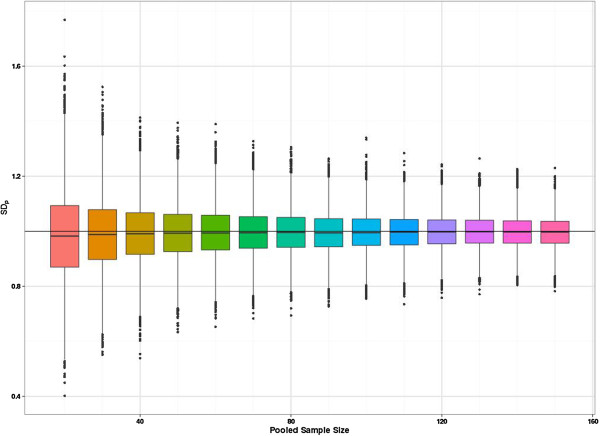
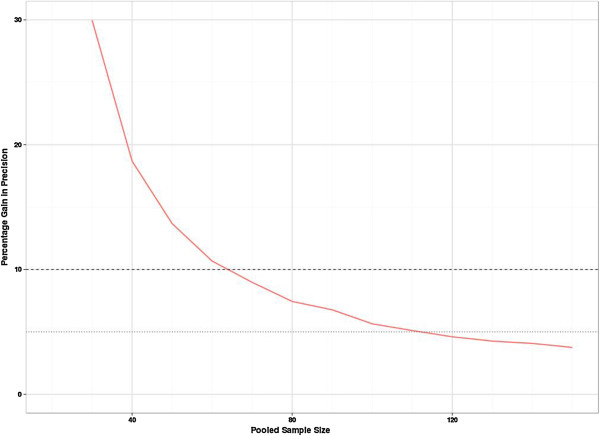
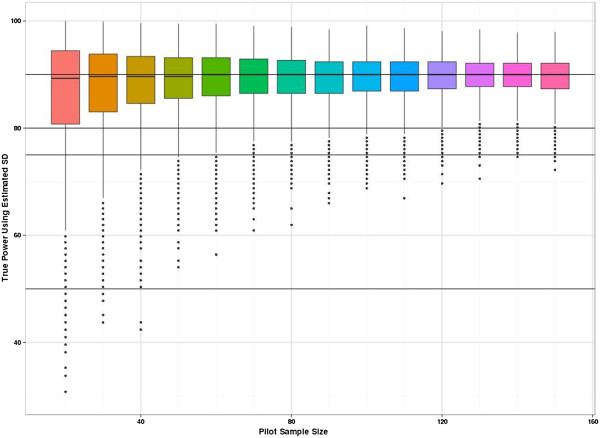
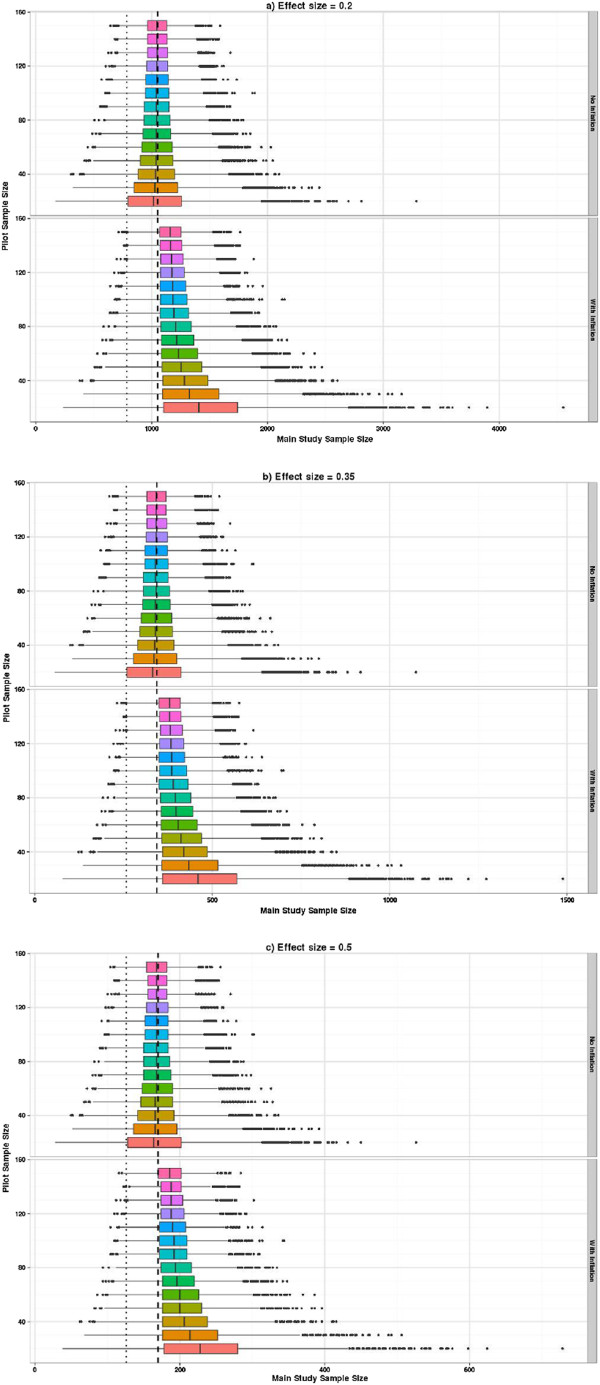
BACKGROUND: External pilot or feasibility studies can be used to estimate key unknown parameters to inform the design of the definitive randomised controlled trial (RCT). However, there is little consensus on how large pilot studies need to be, and some suggest inflating estimates to adjust for the lack of precision when planning the definitive RCT. METHODS: We use a simulation approach to illustrate the sampling distribution of the standard deviation for continuous outcomes and the event rate for binary outcomes. We present the impact of increasing the pilot sample size on the precision and bias of these estimates, and predicted power under three realistic scenarios. We also illustrate the consequences of using a confidence interval argument to inflate estimates so the required power is achieved with a pre-specified level of confidence. We limit our attention to external pilot and feasibility studies prior to a two-parallel-balanced-group superiority RCT. RESULTS: For normally distributed outcomes, the relative gain in precision of the pooled standard deviation (SDp) is less than 10% (for each five subjects added per group) once the total sample size is 70. For true proportions between 0.1 and 0.5, we find the gain in precision for each five subjects added to the pilot sample is less than 5% once the sample size is 60. Adjusting the required sample sizes for the imprecision in the pilot study estimates can result in excessively large definitive RCTs and also requires a pilot sample size of 60 to 90 for the true effect sizes considered here. CONCLUSIONS: We recommend that an external pilot study has at least 70 measured subjects (35 per group) when estimating the SDp for a continuous outcome. If the event rate in an intervention group needs to be estimated by the pilot then a total of 60 to 100 subjects is required. Hence if the primary outcome is binary a total of at least 120 subjects (60 in each group) may be required in the pilot trial. It is very much more efficient to use a larger pilot study, than to guard against the lack of precision by using inflated estimates.
Overview
The claims and statistics of this paper haven’t been checked yet.
Free: it reads the open-access text and checks the first 5 claims that cite a source we can check. Create a free account to check every claim.
Integrity signals
Registry
Cites
Statistics
Figures
Verification
Claims the paper makes
The claims and statistics of this paper haven’t been checked yet.
Free: it reads the open-access text and checks the first 5 claims that cite a source we can check. Create a free account to check every claim.
Claims other papers make about this one
Each is checked against this paper’s own text: does it say what the citing paper says it does?
The cited source doesn’t support the claim as written.
In the citing paper
“Another limitation is that the sample size was relatively small, although this was consistent with previous recommendations of 24-35 participants for pilot and feasibility studies to provide sufficient data and precision of means and variances.117,134,135”
From Acceptance and commitment therapy for older people with treatment-resistant generalised anxiety disorder: The FACTOID feasibility study (2021) · cites this paper as [117]
Checked by a reasoning model — may be wrong.
Experimental — accuracy not yet measuredThe cited source doesn’t support the claim as written.
In the citing paper
“A sample size of 40 was chosen following conventional recommendations for feasibility studies [26] and an estimated 12.5% loss to follow-up based on a preliminary study of ACT in older people with GAD [15].”
From Acceptance and commitment therapy for late-life treatment-resistant generalised anxiety disorder: a feasibility study. (2021) · cites this paper as [26]
Checked by a reasoning model — may be wrong.
Experimental — accuracy not yet measuredThe source backs part of the claim, not all of it — or backs it for a different population, condition or comparison.
In the citing paper
“A sample size of 35 is generally recommended for feasibility studies to provide sufficient data and precision of means and variances.117”
From Acceptance and commitment therapy for older people with treatment-resistant generalised anxiety disorder: The FACTOID feasibility study (2021) · cites this paper as [117]
Experimental — accuracy not yet measuredThe source backs part of the claim, not all of it — or backs it for a different population, condition or comparison.
In the citing paper
“This is sufficient to inform the sample size of the optimisation trial assuming adherence data are pooled across conditions.96”
From Refining and optimising a behavioural intervention to support endocrine therapy adherence (ROSETA) in UK women with breast cancer: Protocol for a pilot fractional factorial trial (2023) · cites this paper as [96]
Experimental — accuracy not yet measuredThe source backs part of the claim, not all of it — or backs it for a different population, condition or comparison.
In the citing paper
“previous guidelines suggesting that 60 to 100 participants per intervention arm are optimal for estimating binary outcomes in pilot RCTs [54]”
From Feasibility and Preliminary Efficacy of Web-Based and Mobile Interventions for Common Mental Health Problems in Working Adults: Multi-Arm Randomized Pilot Trial (2022) · cites this paper as [54]
Experimental — accuracy not yet measured
9 more claims about this paper
Create a free account to see every claim other papers make about this one.
Self-check
Percentages, sums and reported differences re-computed from the paper’s own numbers.
The self-check needs the paper’s full text.
Citations
Cites
R: A Language and Environment for Statistical Computing
R Core Team (2025) · doi:10.32614/r.manuals · Cited by 352,181
An Approximate Distribution of Estimates of Variance Components
Satterthwaite, F. E. (1946) · Biometrics Bulletin · doi:10.2307/3002019 · Cited by 4,373
THE GENERALIZATION OF ‘STUDENT'S’ PROBLEM WHEN SEVERAL DIFFERENT POPULATION VARLANCES ARE INVOLVED
WELCH, B. L. (1947) · Biometrika · doi:10.1093/biomet/34.1-2.28 · Cited by 4,135 · cited 1×
“For sample size calculations, we generally assume the variability of the outcome is the same or equal in both groups, although this assumption can be relaxed and methods are available for calculating sample sizes assuming unequal SDs in each group [26,27].”
MethodA tutorial on pilot studies: the what, why and how
Thabane, L., Ma, J., Chu, R., Cheng, J., Ismaila, A., Rios, L. P., Robson, R., Thabane, M., Giangregorio, L., & Goldsmith, C. H. (2010) · BMC Medical Research Methodology · doi:10.1186/1471-2288-10-1 · Cited by 3,384
Approximate is Better than “Exact” for Interval Estimation of Binomial Proportions
Agresti, A., & Coull, B. A. (1998) · The American Statistician · doi:10.1080/00031305.1998.10480550 · Cited by 3,223 · cited 1×
“Third, due to the relatively small sample size of the pilot trials, we computed the mean width of the 95% confidence interval of the true success probability averaged over Ns simulations using the Wilson’s score method [31] for a fixed sample size, which is given by:”
MethodSample size of 12 per group rule of thumb for a pilot study
Julious, S. A. (2005) · Pharmaceutical Statistics · doi:10.1002/pst.185 · Cited by 3,068 · cited 13×
“A frequently reported problem with publicly funded RCTs is that the recruitment of participants is often slower or more difficult than expected, with many trials failing to reach their planned sample size within the originally envisaged trial timescale and trial-funding envelope.”
BackgroundInfluentialKirkwood, B. R., & Sterne, J. A. C. (2014) · Bristol Research (University of Bristol) · Cited by 2,820
Sim, J., & Lewis, M. (2012) · Journal of Clinical Epidemiology · doi:10.1016/j.jclinepi.2011.07.011 · Cited by 1,036 · cited 17×
“A frequently reported problem with publicly funded RCTs is that the recruitment of participants is often slower or more difficult than expected, with many trials failing to reach their planned sample size within the originally envisaged trial timescale and trial-funding envelope.”
BackgroundMethodInfluentialOn the use of a pilot sample for sample size determination
Browne, R. H. (1995) · Statistics in Medicine · doi:10.1002/sim.4780141709 · Cited by 1,007 · cited 15×
“A frequently reported problem with publicly funded RCTs is that the recruitment of participants is often slower or more difficult than expected, with many trials failing to reach their planned sample size within the originally envisaged trial timescale and trial-funding envelope.”
BackgroundMethodInfluentialMcDonald, A. M., Knight, R. C., Campbell, M. K., Entwistle, V. A., Grant, A. M., Cook, J. A., Elbourne, D. R., Francis, D., Garcia, J., Roberts, I., et al. (2006) · Trials · doi:10.1186/1745-6215-7-9 · Cited by 946
Research works printed but not linked: 2
- StataCorp Statistical Software: Release 12 2011 TX: College Station
- Cohen J Statistical Power Analysis for the Behavioural Sciences 1988 2 Hillsdale, NJ: Lawrence Erlbaum
Cited by
Items 401–500 of 803
Chatzopoulos, G. S., Makrygiannakis, M. A., Tsalikis, L., & Kaklamanos, E. G. (2025) · Journal of Dentistry · doi:10.1016/j.jdent.2025.106236 · Cited by 4
Bürkle, F., Doll, J., Neide, A., Gantz, S., Tsitlakidis, S., & Fischer, C. A. (2022) · Journal of the International Society of Sports Nutrition · doi:10.1080/15502783.2022.2097018 · Cited by 3
Oluwasanu, M. M., Oladeji, B. D., Oluwatobi, H., Titiloye, M. A., Adefolarin, A. O., Unogu, M. O., Okafor, P. C., Ajayi, O., Uvere, E., & Ajuwon, A. J. (2024) · Pilot and Feasibility Studies · doi:10.1186/s40814-024-01559-4 · Cited by 3
“The sample size was determined based on the findings of a simulation study by [42] which suggests that a sample size of between 60 and 100 participants per arm in a pilot trial provides a reliable estimate of recruitment parameters.”
Lam, K. T. T., Hung, A. T. W., Lau, K., & Lee, E. K. P. (2024) · Journal of Neurodevelopmental Disorders · doi:10.1186/s11689-024-09584-3 · Cited by 3
D'Cruz, R. F., Rossel, A., Kaltsakas, G., Suh, E., Douiri, A., Rose, L., Murphy, P. B., & Hart, N. (2025) · BMJ Open Respiratory Research · doi:10.1136/bmjresp-2024-002698 · Cited by 3
Hideshima, W., Suzuki, N., Takara, T., & Maru, I. (2025) · Functional Foods in Health and Disease · doi:10.31989/ffhd.v15i1.1493 · Cited by 3
“In a study conducted with a small sample size that was not based on a previous study, the bias of unknown background factors may affect the results [33], despite randomization, stratification, and statistical analysis methods used to homogenize and control for background factors [34].”
Surratt, H. L., Brown, S., Burton, A. L., Cranford, W., Fanucchi, L. C., Green, C., Mersch, S. M., Rains, R., & Westgate, P. M. (2025) · Therapeutic Advances in Infectious Disease · doi:10.1177/20499361251314766 · Cited by 3
Grycuk, L., Monssen, D., Davies, M. R., Sharpe, H., Allen, K. L., Prasad, V., Potterton, R., Popat, P., Mountford, V. A., McNeil, S., et al. (2025) · Pilot and Feasibility Studies · doi:10.1186/s40814-024-01585-2 · Cited by 8
Ng, I., James, F., Copaescu, A. M., Vogrin, S., Mitri, E. A., Rose, M., Sullivan, R. T., Lane, M., Legg, A., Godsell, J. D., et al. (2025) · BMJ Open · doi:10.1136/bmjopen-2024-094712 · Cited by 3
Light Sensitivity in Myasthenia Gravis: Clinical Characteristics and Impact on Quality of Life
Sabatelli, E., Bonagura, L., Falso, S., Marini, S., Papi, C., Campetella, L., Maio, M., & Iorio, R. (2025) · Muscle & Nerve · doi:10.1002/mus.28386 · Cited by 3
Sekikawa, T., Li, Y., & Takara, T. (2025) · Journal of Dietary Supplements · doi:10.1080/19390211.2025.2539878 · Cited by 3
“In studies with limited participants and no prior reference data, unknown background factor biases may affect the results (Teare et al. 2014), despite efforts to control for confounders through randomization, stratification, and statistical analysis methods (Kostis and Dobrzynski 2020).”
Phillips, R., Oakeshott, P., Kerry-Barnard, S. R., & Reid, F. (2018) · Trials · doi:10.1186/s13063-018-2675-7 · Cited by 3
“recommend that 60 to 100 subjects are sufficient to estimate an event rate with acceptable precision in a feasibility study [15].”
BackgroundMethods of Recruitment for Surgical and Perioperative Randomized Controlled Trials: A Rapid Review
Ninomiya, M. M., Hiemstra, J., Nicholson, E., & Isaac, K. V. (2023) · World Journal of Surgery · doi:10.1007/s00268-023-07124-z · Cited by 3
Akter, R., Urme, N. A., Hossain, K. M. A., Hossain, T., Ahammad, S., Yeasmin, M. H., Hossain, M. Z., Parvin, R., Hossain, M. S., & Zahid, M. A. (2023) · PLoS ONE · doi:10.1371/journal.pone.0292326 · Cited by 3
Mozaffari, N., Bideshki, M. V., Sartang, M. M., & Behzadi, M. (2024) · PharmaNutrition · doi:10.1016/j.phanu.2024.100409 · Cited by 3
Connelly, J. P., Boland, E., Buckley, B., Curley, N., Refaie, A. E., Galvin, M., Gibb, M., Graham, L., Lennon, B., Valdés, A. L., et al. (2025) · Pilot and Feasibility Studies · doi:10.1186/s40814-024-01582-5 · Cited by 4
“Instead, we based our sample size on a rough guide, as suggested by Teare et al. [5] which supports a guide size of 70.”
Mitchell, N., Coleman, E., Watson, J. M., Bell, K. J., McDaid, C., Barnett, C. T., Twiste, M., Jepson, F., Salawu, A., Harrison, D., et al. (2019) · BMJ Open · doi:10.1136/bmjopen-2019-032924 · Cited by 3
Scharff, F. B., Lau, M. E., Riisager, L. G., Møeller, S. B., Salimi, M. L., Gondan, M., & Folke, S. (2020) · Pilot and Feasibility Studies · doi:10.1186/s40814-020-00633-x · Cited by 4
“Based on existing knowledge about feasibility study methodology [6, 52, 54] and two feasibility studies of mHealth tool in public health settings [9, 26], we plan to recruit 70 patients.”
MethodHolloway, A. S., Guthrie, V., Waller, G., Smith, J. B., Boyd, J., Mercado, S., Smith, P. A., Stenhouse, R., Sheikh, A., Parker, R. A., et al. (2021) · BMJ Open · doi:10.1136/bmjopen-2020-040636 · Cited by 3
Sjöberg, V., Tseli, E., Monnier, A., Westergren, J., LoMartire, R., Äng, B. O., Hagströmer, M., Björk, M., & Vixner, L. (2022) · BMJ Open · doi:10.1136/bmjopen-2021-055071 · Cited by 4
Gout, T., Zoltie, T., Woodward, A., Coleman, E., Boele, F. W., Chang, B., Bartlett, P., Ronaldson, S. J., Kalantzis, G., Theaker, M., et al. (2022) · NIHR Open Research · doi:10.3310/nihropenres.13311.1 · Cited by 3
“Pilot and feasibility trial literature recommends a sample size of between 24 and 70 to inform reliable estimation of standard deviations 13,14 .”
Donohue, C., Carnaby, G., & Garand, K. L. (2023) · American Journal of Speech-Language Pathology · doi:10.1044/2022_ajslp-22-00180 · Cited by 3
Smith, T. O., Garrett, A., Liu, T., Morris, A., Gallyer, V., Fordham, B., Dutton, S., Chester‐Jones, M., Lamb, S. E., & Winter, S. C. (2023) · Frontiers in Oncology · doi:10.3389/fonc.2023.1110500 · Cited by 3
Gonçalves, M., Lima, M. J., Fonseca, Â., Duque, C., Costa, A. R., & Cruz, V. T. (2023) · BMJ Open · doi:10.1136/bmjopen-2022-069593 · Cited by 4
Chiwanga, F. S., Woodford, J., Masika, G. M., Richards, D. A., Savi, V., & von Essén, L. (2023) · JMIR Research Protocols · doi:10.2196/48799 · Cited by 3
“We anticipate recruiting a sample of between 20 and 40 participants, following recommendations for feasibility studies [60] and, as in other single-arm pragmatic feasibility studies [61], to provide information on feasibility outcomes and inform the sample size for a future definitive RCT [62].”
Rojas-Anaya, H., Kapur, A., Roberts, G. C., Roland, D., Gupta, A., Lazner, M., Bayreuther, J., Pappachan, J., Jones, C. J., Bremner, S. A., et al. (2024) · JMIR Research Protocols · doi:10.2196/54081 · Cited by 3
“The size of the study was determined by the number of children required to provide an accurate estimate of the variability in the candidate primary outcome measures: recommendations for this vary between 50 [32] and 70 [33].”
BackgroundGill, J., Pucci, M., Samudio, A. M., Ahmed, T., Siddiqui, R., Edwards, N., Marticorena, R. M., Donnelly, S. M., Lok, C. E., Wentlandt, K., et al. (2024) · BMJ Open · doi:10.1136/bmjopen-2023-080712 · Cited by 4
Perman‐Howe, P. R., Davies, E., & Foxcroft, D. (2018) · Pilot and Feasibility Studies · doi:10.1186/s40814-018-0328-y · Cited by 3
Gallyer, V., Smith, T. O., Fordham, B., Dutton, S., Chester‐Jones, M., Lamb, S. E., & Winter, S. C. (2021) · BMJ Open · doi:10.1136/bmjopen-2020-045741 · Cited by 4
Zargaran, A., Radenković, D., Trengrove, C., Arbane, G., El‐Boghdadly, K., Martínez-Nuñez, R. T., & Greenough, A. (2020) · medRxiv · doi:10.1101/2020.08.11.20172502 · Cited by 3
Updated guidelines for the reporting of methods and statistical analyses
Sedgwick, P. M. (2023) · Acta Obstetricia Et Gynecologica Scandinavica · doi:10.1111/aogs.14760 · Cited by 3
Mehta, T., John, T., El Zein, A., Faught, V., Nawshin, T., Chilke, T. S., Cohen, C. W., Cherrington, A., & Thirumalai, M. (2025) · JMIR Research Protocols · doi:10.2196/70271 · Cited by 2
“Accounting for the bias and precision of the estimated pooled SD can help us conduct rigorous power and sample size calculations for a subsequent confirmatory study [61].”
Ferreira, M. G., Caetano Vieira de Faria, R., Kishita, N., & Caramelli, P. (2026) · Clinical Gerontologist · doi:10.1080/07317115.2026.2615707 · Cited by 2
“A sample size of 30 is consistent with recommendations for sample sizes of 24–35 participants for pilot and feasibility studies (Julious, 2005; Teare et al., 2014; Whitehead et al., 2016).”
Ostojic, K., Karem, I., Paget, S., Berg, A., Burnett, H., Scott, T. R. D., Martin, T., Dee-Price, B.-J. M., McIntyre, S. J., Smithers‐Sheedy, H., et al. (2024) · BMJ Open · doi:10.1136/bmjopen-2023-076304 · Cited by 4
Bonanni, G., Nguyen, V., Shamshirsaz, A. A., & Berghella, V. (2025) · European Journal of Obstetrics & Gynecology and Reproductive Biology · doi:10.1016/j.ejogrb.2025.01.032 · Cited by 2
Hayward, M., John, M., Parry, S. L., Bibby-Jones, A.-M., Orchard, F., Malpass, F., Dixon, C., & Naito, A. (2025) · Pilot and Feasibility Studies · doi:10.1186/s40814-025-01611-x · Cited by 3
Smith, T. O., Khoury, R., Welsh, A., Crowther, C., Hanson, S., Grant, K., Clark, A., Ashford, P., Hammond, M., Pond, M., et al. (2025) · BMJ Open · doi:10.1136/bmjopen-2024-095069 · Cited by 2
Nicolson, P. J. A., Holden, M. A., Marian, I. R., Saeedi, E., Williamson, E. M., Moylan, D., Stone, M., Hopewell, S., & Lamb, S. E. (2025) · BMJ Open · doi:10.1136/bmjopen-2025-104813 · Cited by 2
Mathur, P., Stathi, A., Goodyear, V. A., Krauss, T., Thomas, H., Cooper, A., Kinghorn, P., Miller, C., Ives, N. J., Chechlacz, M., et al. (2026) · JMIR Aging · doi:10.2196/87577 · Cited by 2
Teng, L., Sun, J., Dong, Y., Yang, Y., Zhou, Z., & Wang, T. (2026) · European Journal of Oncology Nursing · doi:10.1016/j.ejon.2025.103081 · Cited by 2
Sand-based therapy in pediatrics: a narrative review of traditional and digital sand therapy
Jankelowitz, R., Greeley, B., Medland, M., Zakani, S., & Jacob, J. (2026) · Frontiers in Psychology · doi:10.3389/fpsyg.2026.1692537 · Cited by 2
“This is markedly lower than the average of 93 participants typically seen in RCTs involving cognitive behavioral therapy (Thoma et al., 2012) and much lower than the recommended 60 per group ( N = 120) for RCTs in general (Teare et al., 2014).”
Johnston, K. E., O'Connell, K., Raigal‐Aran, L., Cushen, S. J., Davis, A., Byrne, F. N., Flynn, N. M., O’Reilly, S., Noonan, S. A., Collins, D. C., et al. (2026) · The Breast · doi:10.1016/j.breast.2026.104740 · Cited by 3
Core concepts in statistics and research methods. Part 6: Sample size calculations
Bould, M. D., & McIsaac, D. (2026) · BJA Education · doi:10.1016/j.bjae.2026.02.002 · Cited by 2
Day, R., Friedman, D. L., Cardoso, A., Naghibi, M., Pont-Beltran, A., Martínez-Blanch, J. F., Lamelas, A., Chenoll, E., Kakilla, C., Rea, K., et al. (2026) · Brain Sciences · doi:10.3390/brainsci16040419 · Cited by 3
“Secondary outcome measures included state and trait anxiety measured using the STAI [26], quality of life measured with the SF-36 [27], mood measured by the BDI and PHQ-9 [28], sleep measured by the PSQI [29], gastrointestinal complaints measured by the GSRS [30], perceived stress measured by the…”
Dere, G., Ergun, S., Majid, S. I. B., Türen, U., Simic, V., & Hujber, L. A. (2026) · Frontiers in Psychology · doi:10.3389/fpsyg.2026.1817693 · Cited by 3
“Following Teare et al. (2014), the OPAC Scale was administered to 80 academics in Istanbul via convenience sampling.”
Gillies, N. A., Rapson, J., Lovell, A. L., Waldie, K. E., & Wall, C. R. (2025) · Proceedings of The Nutrition Society · doi:10.1017/s0029665126104728 · Cited by 2
Adeyemi, O. J., Chippendale, T. L., Chodosh, J., & Boatright, D. B. (2026) · Journal of Clinical Medicine · doi:10.3390/jcm15041341 · Cited by 4
“We will enroll 50 dyads (older adult + care partner), a recommended sample size for behavioral pilot trials and digitally delivered rehabilitation interventions [44–46].”
McAnulty, C., Lavoie, P., Cyr, S., Lavín, P., Elkrief, L., Richard‐Devantoy, S., Rizkallah, É., Lespérance, P., Gamin, N., Lembke, A., et al. (2026) · BMJ Open · doi:10.1136/bmjopen-2026-116969 · Cited by 2
Accounting for Pilot Study Uncertainty in Sample Size Determination of Randomized Controlled Trials
Shi, Y., Liu, F., Li, S., & Chen, J. (2020) · Statistics in Biopharmaceutical Research · doi:10.1080/19466315.2020.1831951 · Cited by 3
“…Q2 in Q1 for σ 2 0 leads to the exact upper one-sided tolerance interval for sample variance s20 s20,UTL = χ21−υ,dm0 χ21−γ ,dm0 · s20, (11) which contains the (1−υ)100% of the population of the sample variance with probability γ ; see also Wald and Wolfowitz (1946) and Tietjen and Johnson (1979).”
BackgroundA contingency analysis of brand reputation and loyalty in the banking sector
Oppong, A., & Caesar, L. D. (2023) · SN Business & Economics · doi:10.1007/s43546-023-00481-w · Cited by 3
Prior, K., Salemink, E., Piggott, M., Manning, V., Wiers, R. W. H. J., Teachman, B. A., Teesson, M., Baillie, A., Mahoney, A., McLellan, L. F., et al. (2023) · JMIR Formative Research · doi:10.2196/46008 · Cited by 3
“On the basis of several rules of thumb used to determine an appropriate sample size for a pilot study [58-60], a sample size of 90 young people (30/arm) was selected to provide sufficient data on the feasibility, acceptability, and preliminary efficacy of the program.”
MethodKim, S.-A., Lee, J.-S., Kim, T., Kim, T., Kwon, S., & Kang, J. W. (2023) · Frontiers in Neurology · doi:10.3389/fneur.2023.1302793 · Cited by 2
Goulding, R., Birtwell, K., Hann, M., Peters, S., van Marwijk, H., & Bower, P. (2024) · BMC Family Practice · doi:10.1186/s12875-023-02221-3 · Cited by 2
“Based on findings of a recent simulation study that recommended a minimum of 35 participants per group [23] we considered recruitment of 40 or more patient participants to the current single-arm feasibility study would provide preliminary evidence of feasibility of recruitment to a larger…”
BackgroundDavis, O., Dawson, J., Degerdon, L., Delgadillo, J., Kadam, U. T., Nielsen, K. M., Sinclair, A., Yarker, J., & Munir, F. (2024) · Pilot and Feasibility Studies · doi:10.1186/s40814-023-01439-3 · Cited by 3
“This number of employees recruited is to ensure that, even with a high possible level of attrition, 50 cases per arm are achieved (Teare et al., 2014) [30, 31].”
BackgroundLinden, M., Leonard, R. A., Forbes, T. L., Brown, M. J., Marsh, L., Todd, S., Hughes, N., & Truesdale, M. (2024) · Pilot and Feasibility Studies · doi:10.1186/s40814-024-01448-w · Cited by 2
“Based on previous studies [19, 20] and best practice guidelines [19, 21] we estimate, we will need to recruit between 100 and 120 family carers who will be randomised to receive the intervention ( n = 60) or assigned to a wait-list control ( n = 60) group.”
Aiolfi, A., Bona, D., Manara, M., Ogliari, C., Baldessari, C., Resta, M. V., Papa, N. D., Cirri, S., Baisi, A., Bonitta, G., et al. (2024) · European surgery. Supplement/European surgery · doi:10.1007/s10353-024-00828-z · Cited by 2
Three-outcome designs for external pilot trials with progression criteria
Wilson, D. T., Hudson, E. M., & Brown, S. (2024) · BMC Medical Research Methodology · doi:10.1186/s12874-024-02351-x · Cited by 2
Impact of combined plant extracts on long COVID: An exploratory randomized controlled trial
Lukkunaprasit, T., Satapornpong, P., Kulchanawichien, P., Prawang, A., Limprasert, C., Saingam, W., Permsombut, C., Panidthananon, W., Vutthipong, A., Lawanprasert, Y., et al. (2024) · Complementary Therapies in Medicine · doi:10.1016/j.ctim.2024.103107 · Cited by 3
Lajmi, N., Duan, S., Moll, J., & Zahn, R. (2025) · Frontiers in Psychology · doi:10.3389/fpsyg.2024.1438896 · Cited by 2
Gebeyehu, D. T., East, L., Wark, S., & Islam, M. S. (2025) · Critical Public Health · doi:10.1080/09581596.2025.2492797 · Cited by 2
“Based on the recommendations of sim and lewis (2012) and teare et al. (2014), a sample size of 70 participants was chosen for this pilot study. the internal consistency of the survey questions in the pilot study was assessed using cronbach’s alpha coefficient, with a value of 0.6 or higher…”
InfluentialFischer, A. G., Campbell, M., Hayes, M. M., Schwartzstein, R. M., White, D. B., Mitchell, S. L., & Fehnel, C. R. (2025) · Pilot and Feasibility Studies · doi:10.1186/s40814-025-01688-4 · Cited by 2
“Based on design recommendations for pilot studies [34], a sample size of n = 46 is expected to be sufficient for determining CMOT completion rate, and an estimated 138 survey responses (3 clinicians per enrolled patient) for determining acceptability and appropriateness of the intervention [35].”
Chapman, S. J., Naylor, M., Murray, C. J., Tolan, D. J. M., Stocken, D. D., & Jayne, D. G. (2021) · BMJ Open · doi:10.1136/bmjopen-2020-046313 · Cited by 2
Poole, H. M., Frank, B., Begley, E., Woods, A., Silva, A. R., Merriman, M., McCulough, R., & Montgomery, C. (2023) · BMJ Open · doi:10.1136/bmjopen-2022-065646 · Cited by 2
Lewis, A. L., Clout, M., Benger, J. R., Braude, P., Turner, N. L., Gagg, J., Gendall, E., Holloway, S., Ingram, J. C., Kandiyali, R., et al. (2023) · NIHR Open Research · doi:10.3310/nihropenres.13438.2 · Cited by 2
Fennema, D., Barker, G. J., O’Daly, O., Duan, S., Godlewska, B. R., Goldsmith, K., Young, A. H., Moll, J., & Zahn, R. (2024) · Psychological Medicine · doi:10.1017/s0033291724001144 · Cited by 4
Wrotek, A., & Jackowska, T. (2024) · Scientific Reports · doi:10.1038/s41598-024-65244-5 · Cited by 2
Feasibility and acceptability of general practitioners using sit–stand desks: a feasibility trial
Biddle, G. J. H., Thomas, N. P. B., Edwardson, C. L., Clemes, S. A., & Daley, A. (2024) · BMJ Open · doi:10.1136/bmjopen-2024-084085 · Cited by 2
Northgraves, M. J., Cohen, J., Allgar, V. L., Currow, D. C., Hart, S. P., Hird, K., Hodge, A., Johnson, M. J., Mason, S. M., Swan, F., et al. (2021) · ERJ Open Research · doi:10.1183/23120541.00955-2020 · Cited by 2
“Sixty patient-participants will be recruited over 6 months, 30 in each group, providing sufficient data to answer our feasibility and desirability questions.[38] Eight”
BackgroundHolliday, R., Ryan, V., McColl, E., & Preshaw, P. M. (2018) · Journal of Periodontology · doi:10.1002/jper.17-0591 · Cited by 2
Nguyen, L. T. (2018) · Queensland University of Technology · doi:10.5204/thesis.eprints.116352 · Cited by 4
Carswell, C. (2026) · Research Portal (Queen's University Belfast) · doi:10.17034/32629830 · Cited by 2
Provoost, S. (2021) · Data Archiving and Networked Services (DANS) · Cited by 3
Cigarette pack size and consumption: an adaptive randomised controlled trialPreprint
Lee, I., Blackwell, A. K. M., Scollo, M., De‐loyde, K., Morris, R. W., Pilling, M. A., Hollands, G. J., Wakefield, M. A., Munafo, M. R., & Marteau, T. M. (2021) · PsyArXiv (OSF Preprints) · doi:10.31234/osf.io/hty5p · Cited by 2
Cutoff Sample Size Estimation For Survival Data: A Simulation Study
Che, H. (2014) · KTH Publication Database DiVA (KTH Royal Institute of Technology) · Cited by 2
Daniels, S. L., Lee, M. J., Moug, S. J., Wilson, T. R., Burton, M., George, J., Brown, S. R., & Wyld, L. (2021) · Colorectal Disease · doi:10.1111/codi.15603 · Cited by 1
“[53] to estimate effect size for continuous outcomes.”
BackgroundBiggin, K., Marian, I. R., Lamb, S. E., Morris, A., Murphy, C. H., Carver, A., Croft, N., & Williamson, E. M. (2023) · NIHR Open Research · doi:10.3310/nihropenres.13507.1 · Cited by 1
Coulton, S., Hendrie, N., Vass, R., Gannon, T. A., Wooton, A., Rushworh-Claeys, J., & Sinetos, J. (2024) · Journal of Public Health · doi:10.1093/pubmed/fdae017 · Cited by 2
Randomized Controlled Trials in Oral and Maxillofacial Surgery
Govind, A., Maughan, B. C., & Umer, S. (2024) · Springer eBooks · doi:10.1007/978-3-031-47651-8_6 · Cited by 1
Kapur, A., Rojas-Anaya, H., Roberts, G. C., Roland, D., Gupta, A., Lazner, M., Bayreuther, J., Cantle, F., Jones, C. J., Pappachan, J., et al. (2024) · ERJ Open Research · doi:10.1183/23120541.00168-2024 · Cited by 1
“Recommendations for the number of participants to include in a feasibility study to provide precise estimates of the variability in the candidate primary outcome measures, for the purpose of estimating the sample size required for the future trial, vary between 50 [23] and 70 [24].”
Palatnik, A., Sunji, N., Peterson, Z., Ohlendorf, J. M., Pan, A. Y., & Kulinski, J. P. (2024) · Contemporary Clinical Trials · doi:10.1016/j.cct.2024.107710 · Cited by 2
Conneely, M., O’Sullivan, K., Ryan, C. G., Clifford, A. M., Coote, S. B., Eshghimanesh, Z., Sullivan, V. O., Robinson, K., Shiely, F., Glynn, L. G., et al. (2024) · HRB Open Research · doi:10.12688/hrbopenres.13981.1 · Cited by 1
Arslan, H., & Yılmaz, A. E. (2024) · Internet Interventions · doi:10.1016/j.invent.2024.100793 · Cited by 2
Koike, W., Costa, M. L., Guida, J. P. D. S., Roberts, J. M., Martins, A. P., Solda, L. M., dos Reis, V. L. V., dos Santos, T. R. Z., McManus, R. J., & Oliveira, L. G. (2025) · Hypertension in Pregnancy · doi:10.1080/10641955.2024.2439312 · Cited by 1
“This number was considered sufficient for a feasibility study (12).”
Turner, G., Calvert, M., Foy, R., Atkins, L., Collis, P., Tearne, S., Jowett, S. M., Handley, K., & Mant, J. (2025) · PLoS ONE · doi:10.1371/journal.pone.0317425 · Cited by 3
“[24]”
Chirwa, G., Chitalah, B. C., Nyali, J., Newby, C., Udedi, M. M., Hooper, R., & Jumbe, S. E. (2026) · Pilot and Feasibility Studies · doi:10.1186/s40814-026-01831-9 · Cited by 1
“Teare and colleagues, for example, suggest that usually, a sample size of 70 is enough to determine a precise enough standard deviation that can then be used in a full trial sample size calculation [22], that is, 35 participants in each arm for a continuous outcome like a questionnaire.”
Wilson, D. T., Hall, A., Brown, J. M., & Walwyn, R. E. A. (2025) · Statistical Methods in Medical Research · doi:10.1177/09622802251322987 · Cited by 1
Bird, A. D., Jedlička, P., & Wilhelm, J. (2025) · ALTEX · doi:10.14573/altex.2408141 · Cited by 2
“An inflation factor cannot reliably correct for the broadness of the distribution (Teare et al., 2014).”
Gebeyehu, D. T., East, L., Wark, S., & Islam, M. S. (2025) · PLoS ONE · doi:10.1371/journal.pone.0322235 · Cited by 1
Awoniyi, F. C., Dossey, J. K., & Ayebi-Arthur, K. (2025) · Research in Mathematics Education · doi:10.1080/14794802.2025.2494239 · Cited by 2
Fox, A. R., Tomkins, E., Valcovich, M., & Ballard, E. L. (2025) · Journal of Advanced Nursing · doi:10.1111/jan.17049 · Cited by 1
“Estimated participant recruitment during the proposed six-month data collection period deemed the sample size feasible and would reduce bias with the total sample size greater than 50, as explained by Teare et al. (2014).”
Krammer, O. B., Fleck, M., Ehrenstein, B. P., HARTUNG, W. M., & Günther, F. (2025) · Diagnostics · doi:10.3390/diagnostics15131600 · Cited by 1
Baidwan, N. K., Tracy, T., Chiu, C.-Y., Nawshin, T., Hoenemeyer, T. W., Riser, E., Motl, R. W., Fontaine, K. R., & Mehta, T. S. (2025) · Pilot and Feasibility Studies · doi:10.1186/s40814-025-01674-w · Cited by 1
Liu, K.-P., Dai, J., Huang, F., Deng, H., Wang, Q., Liu, Y., Chen, Y., Mo, L., Cao, F., Zhang, Y., et al. (2025) · Current Therapeutic Research · doi:10.1016/j.curtheres.2025.100808 · Cited by 1
Young, H., Mohanraj, S., Malone, L. A., Fowler, L. A., Mehta, T. S., Rimmer, J. H., & Thirumalai, M. (2025) · Archives of Rehabilitation Research and Clinical Translation · doi:10.1016/j.arrct.2025.100495 · Cited by 1
Al‐Jabr, H., Castle, D. J., Thompson, D. R., Windle, K., Belcher, J., Valenzuela, M. M. D. I., Helliwell, T., & Ski, C. F. (2025) · Health Expectations · doi:10.1111/hex.70399 · Cited by 1
Walters, J., Stephens, G., Dawes, M., & Gardner, A. C. (2025) · Bone & Joint Open · doi:10.1302/2633-1462.69.bjo-2025-0012.r1 · Cited by 1
Tello, A. L., Pérez-Gómez, A., Toledo-Lozano, C. G., Callejas-Gómez, M. D. P., Durón-Figueroa, R., Moreno-Coutiño, A. B., Ramirez-Treviño, A., Nava, S., de Velasco, D. A. O.-G., Zárate, E., et al. (2025) · Frontiers in Psychology · doi:10.3389/fpsyg.2025.1659374 · Cited by 2
Singh, R. K., Khanal, P., Garman, E. C., Tol, W. A., Jefferies, P., Jordans, M. J. D., & Lund, C. (2025) · Journal of Affective Disorders · doi:10.1016/j.jad.2025.120589 · Cited by 3
“The pilot trial required 240 participants, based on recommendations for estimating key design parameters in pilot studies (Teare et al., 2014; Jordans et al., under review).”
Giordano, N. A., Kaplan, D. M., Peacock, C., Vyas, I., Pozzo, N. S., Shelton, M., Escoffery, C., Rana, S., Raison, C. L., Grant, G. H., et al. (2025) · Pilot and Feasibility Studies · doi:10.1186/s40814-025-01712-7 · Cited by 1
Hossain, S., Beard, E., & Shahab, L. (2025) · Pilot and Feasibility Studies · doi:10.1186/s40814-025-01710-9 · Cited by 1
“For example, with an overall sample of approximately 1280 participants (640 in each group), a retention rate of 85% could be estimated with a 95% confidence interval of ± 2.0%, providing a sufficiently precise estimate to inform planning for a future definitive trial [57, 58].”
Influential
Metadata
- Authors
- Teare, M. D., Dimairo, M., Shephard, N., Hayman, A., Whitehead, A., & Walters, S. J.
- Affiliations
- University of Sheffield (GB)
- Corresponding author
- Teare, M Dawn
- Venue
- Trials
- Published
- 2014-07-03
- Volume
- 15
- Issue
- 1
- Pages
- 264-264
- ISSN
- 1745-6215 (ISSN-L)
- PMC
- PMC4227298
- OpenAlex
- W2170036462
- Semantic Scholar
- 4b2fbafae462d72b25c4366c5bd529eeaefae10c
- Cited by
- 773
- References
- 31
- Citations by year
- 2026: 84 · 2025: 118 · 2024: 109 · 2023: 120 · 2022: 59 · 2021: 89 · 2020: 78 · 2019: 36 · 2018: 34 · 2017: 24 · 2016: 12 · 2015: 7 · 2014: 1
- FWCI
- 15.49
- Type
- journal article
- Language
- en
- Open access
- gold
- doi.org
- Licence
- cc-by
- Locations
- Trials (publishedVersion, cc-by)
- Europe PMC (PubMed Central) (publishedVersion, cc-by)
- PubMed Central (publishedVersion, cc-by)
- PubMed (publishedVersion)
- VU Research Portal (publishedVersion, other-oa)
- White Rose Research Online (University of Leeds, The University of Sheffield, University of York) (acceptedVersion)
- ePrints Soton (University of Southampton) (acceptedVersion)
- Data Archiving and Networked Services (DANS) (submittedVersion, other-oa)
- Newcastle University ePrints (Newcastle Univesity) (cc-by)
- Funders
- National Institute for Health and Care Research (DRF-2012-05-182)
- University of Sheffield
- Topics
- Physical Sciences › Mathematics › Statistics and Probability › Statistical Methods in Clinical Trials
- Social Sciences › Decision Sciences › Statistics, Probability and Uncertainty › Meta-analysis and systematic reviews
- Physical Sciences › Mathematics › Statistics and Probability › Statistical Methods in Epidemiology
- Keywords
- feasibility study, sample size determination, standard deviation estimation, event rate estimation, statistical power, continuous outcomes, binary outcomes
- MeSH terms
- Computer Simulation, Data Interpretation, Statistical, Feasibility Studies, Humans, Pilot Projects, Models, Statistical, Randomized Controlled Trials as Topic, Sample Size
About these checks
Registry, retraction, Cites and statistics results are computed, not judged, with one exception: a printed reference that no index lists is read once by a model before it counts as a citation error. Claims are extracted by a model and kept only when their quote appears verbatim in the text; each cited source is then checked, with a model’s help, for whether it says what the claim relies on. Those verdicts can be wrong — read the claim’s quote and the cited source before relying on one.
Statistics and arithmetic are recomputed, not judged.
Confidence bands are shown only for fields calibrated on our annotated test set. None is calibrated yet, so no band is shown.
What counts as a claim ›How we measure confidence ›How we check this ›
Are you an author, or do you see a problem with this page? Request a review
Data sources
Bibliographic data: Semantic Scholar, OpenAlex, Crossref.
Contains information from the Semantic Scholar Academic Graph Datasets, made available under the ODC Attribution License (ODC-BY 1.0).
Semantic Scholar’s data is described in: Kinney, R., et al. (2023). The Semantic Scholar Open Data Platform. arXiv:2301.10140.
