

Adaptive design methods in clinical trials–a review
Open accessThe DOI matches its Crossref record; 59 of the 60 references it cites were found in a registry or an index.
Abstract
In recent years, the use of adaptive design methods in clinical research and development based on accrued data has become very popular due to its flexibility and efficiency. Based on adaptations applied, adaptive designs can be classified into three categories: prospective, concurrent (ad hoc), and retrospective adaptive designs. An adaptive design allows modifications made to trial and/or statistical procedures of ongoing clinical trials. However, it is a concern that the actual patient population after the adaptations could deviate from the originally target patient population and consequently the overall type I error (to erroneously claim efficacy for an infective drug) rate may not be controlled. In addition, major adaptations of trial and/or statistical procedures of on-going trials may result in a totally different trial that is unable to address the scientific/medical questions the trial intends to answer. In this article, several commonly considered adaptive designs in clinical trials are reviewed. Impacts of ad hoc adaptations (protocol amendments), challenges in by design (prospective) adaptations, and obstacles of retrospective adaptations are described. Strategies for the use of adaptive design in clinical development of rare diseases are discussed. Some examples concerning the development of Velcade intended for multiple myeloma and non-Hodgkin's lymphoma are given. Practical issues that are commonly encountered when implementing adaptive design methods in clinical trials are also discussed.
Overview
The claims and statistics of this paper haven’t been checked yet.
Free: it reads the open-access text and checks the first 5 claims that cite a source we can check. Create a free account to check every claim.
Integrity signals
Registry
Cites
Statistics
Figures
Verification
Claims the paper makes
The claims and statistics of this paper haven’t been checked yet.
Free: it reads the open-access text and checks the first 5 claims that cite a source we can check. Create a free account to check every claim.
Claims other papers make about this one
Each is checked against this paper’s own text: does it say what the citing paper says it does?
The cited source says what the claim attributes to it.
In the citing paper
“This flexibility can improve the efficiency of trials, potentially saving time and resources, and can lead to more ethical studies by minimizing patient exposure to less effective treatments [23].”
From The Work-life Check-ins randomized controlled trial: a leader-based adaptive, semi-structured burnout intervention in primary care clinics (2024) · cites this paper as [23]
Self-check
Percentages, sums and reported differences re-computed from the paper’s own numbers.
The self-check needs the paper’s full text.
Citations
Cites
Continual Reassessment Method: A Practical Design for Phase 1 Clinical Trials in Cancer
O'Quigley, J., Pepe, M., & Fisher, L. (1990) · Biometrics · doi:10.2307/2531628 · Cited by 1,577 · cited 1×
“For adaptive dose finding design, the method of continual re-assessment method (CRM) in conjunction with Bayesian approach is usually considered [34-36].”
Group Sequential Methods with Applications to Clinical Trials
Jennison, C., & Turnbull, B. W. (1999) · Chapman & Hall/CRC eBooks · doi:10.1201/9780367805326 · Cited by 1,336 · cited 3×
“Various stopping boundaries based on different boundary functions for controlling an overall type I error rate are available in the literature (see, e.g., Lan and DeMets, 1987; Wang and Tsiatis, 1987; Rosenberger et al., 2001; Jennison and Turnbull, 2000, 2005; Chow and Chang, 2006).”
Forcing a sequential experiment to be balanced
EFRON, B. (1971) · Biometrika · doi:10.1093/biomet/58.3.403 · Cited by 873 · cited 2×
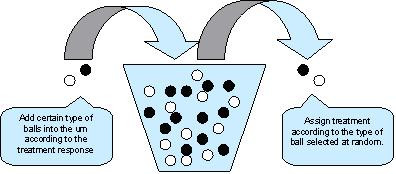
“Commonly applied adaptive randomization procedures include treatment-adaptive randomization [3,4], covariate-adaptive randomization, and response-adaptive randomization [5,6].”
Adaptive Sample Size Calculations in Group Sequential Trials
Lehmacher, W., & Wassmer, G. (1999) · Biometrics · doi:10.1111/j.0006-341x.1999.01286.x · Cited by 598 · cited 2×
“In recent years, the concept of two-stage adaptive design has led to the development of the adaptive group sequential design (e.g., Cui, Hung, and Wang, 1999; Posch and Bauer, 1999; Lehmacher and Wassmer, 1999; Liu, Proschan, and Pledger, 2002).”
Modification of Sample Size in Group Sequential Clinical Trials
Cui, L., Hung, H. M. J., & Wang, S. (1999) · Biometrics · doi:10.1111/j.0006-341x.1999.00853.x · Cited by 574
Designed Extension of Studies Based on Conditional Power
Proschan, M. A., & Hunsberger, S. A. (1995) · Biometrics · doi:10.2307/2533262 · Cited by 534
Continual Reassessment Method: A Likelihood Approach
O'Quigley, J., & Shen, L. Z. (1996) · Biometrics · doi:10.2307/2532905 · Cited by 382 · cited 1×
“For adaptive dose finding design, the method of continual re-assessment method (CRM) in conjunction with Bayesian approach is usually considered [34-36].”
Approximately Optimal One-Parameter Boundaries for Group Sequential Trials
Wang, S. K., & Tsiatis, A. A. (1987) · Biometrics · doi:10.2307/2531959 · Cited by 341 · cited 1×
“Various stopping boundaries based on different boundary functions for controlling an overall type I error rate are available in the literature (see, e.g., Lan and DeMets, 1987; Wang and Tsiatis, 1987; Rosenberger et al., 2001; Jennison and Turnbull, 2000, 2005; Chow and Chang, 2006).”
Adaptive Designs in Clinical Drug Development—An Executive Summary of the PhRMA Working Group
Gallo, P., Chuang-Stein, C., Dragalin, V., Gaydos, B., Krams, M., & Pinheiro, J. (2006) · Journal of Biopharmaceutical Statistics · doi:10.1080/10543400600614742 · Cited by 323
The Evaluation of Surrogate Endpoints
(2005) · Statistics for Biology and Health · doi:10.1007/b138566 · Cited by 310
Research works printed but not linked: 2
- Whitehead J Bayesian decision procedures with application to dose-finding studies International Journal of Pharmaceutical Medicine 1997 11 201 208
- Wang SJ Regulatory experience of adaptive designs in well-controlled clinical trials Presented at Adaptive Designs: Opportunities, Challenges and Scope in Drug Development, Washington, DC 2006
Cited by
Items 101–200 of 481
Adaptive trial designs for spinal cord injury clinical trials directed to the central nervous system
Mulcahey, M. J., Jones, L., Rockhold, F. W., Rupp, R., Kramer, J. L. K., Kirshblum, S., Blight, A. R., Lammertse, D. P., Guest, J. D., & Steeves, J. D. (2020) · Spinal Cord · doi:10.1038/s41393-020-00547-8 · Cited by 34
Barker, K. L., Newman, M., Stallard, N., Leal, J., Lowe, C., Javaid, M. K., Noufaily, A., Adhikari, A., Hughes, T., Smith, D. J., et al. (2019) · Health Technology Assessment · doi:10.3310/hta23440 · Cited by 40
Charles, A., Thompson, D. M., Nixdorf, R., Ryan, G. K., Shamba, D., Kalha, J., Moran, G. S., Hiltensperger, R., Mahlke, C., Puschner, B., et al. (2020) · The British Journal of Psychiatry · doi:10.1192/bjp.2019.264 · Cited by 34
“33 This design is an approach to reducing resource use, decreasing time to trial completion and improving the likelihood that trial results will be scientifically or clinically relevant.”
Estudos clínicos de não-inferioridade: fundamentos e controvérsias
Pinto, V. F. (2010) · Jornal Vascular Brasileiro · doi:10.1590/s1677-54492010000300009 · Cited by 48
Realising stratified psychiatry using multidimensional signatures and trajectories
Joyce, D. W., Kehagia, A. A., Tracy, D. K., Proctor, J., & Shergill, S. S. (2017) · Journal of Translational Medicine · doi:10.1186/s12967-016-1116-1 · Cited by 34
Spigel, L., Plough, A. C., Paterson, V. J., West, R. L., Jurczak, A., Henrich, N. J., Gullo, S., Corrigan, B., Patterson, P., Short, T., et al. (2022) · Birth · doi:10.1111/birt.12611 · Cited by 32
Multi-disciplinary fairness considerations in machine learning for clinical trials
Chien, I., Deliu, N., Turner, R. E., Weller, A., Villar, S. S., & Kilbertus, N. (2022) · ACM Conference on Fairness, Accountability, and Transparency (FAccT) · doi:10.1145/3531146.3533154 · Cited by 43
Practical Considerations for Adaptive Trial Design and Implementation
He, W., Pinheiro, J. C., & Kuznetsova, O. M. (2014) · Statistics for biology and health · doi:10.1007/978-1-4939-1100-4 · Cited by 30
Design and conduct of early phase drug studies in children: challenges and opportunities
Rieder, M. J., & Hawcutt, D. B. (2016) · British Journal of Clinical Pharmacology · doi:10.1111/bcp.13058 · Cited by 32
“As well, the perception of lack of flexibility has historically a problem for randomized drug studies in children (36).”
BackgroundCerqueira, F. P., Jesus, A. M. C., & Cotrim, M. D. (2020) · Therapeutic Innovation & Regulatory Science · doi:10.1007/s43441-019-00052-y · Cited by 29
“In an adaptive trial, the scientific and statistical validity is preserved mainly by the maintenance of blinding, but also by the prospective nature of the introduced adaptations.(4)”
An integrative paradigm to impart quality to correlative science
Kalos, M. D. (2010) · Journal of Translational Medicine · doi:10.1186/1479-5876-8-26 · Cited by 29
Motivational interviewing to address suicidal ideation: A randomized controlled trial in veterans
Britton, P. C., Conner, K. R., Chapman, B. P., & Maisto, S. A. (2020) · Suicide and Life-Threatening Behavior · doi:10.1111/sltb.12581 · Cited by 28
Statistical advances in clinical trials and clinical research
Shan, G., Banks, S. J., Miller, J. B., Ritter, A. R., Bernick, C. B., Lombardo, J. M., & Cummings, J. L. (2018) · Alzheimer s & Dementia Translational Research & Clinical Interventions · doi:10.1016/j.trci.2018.04.006 · Cited by 29
Maeda, K., Kaneko, M., Narukawa, M., & Arato, T. (2017) · Orphanet Journal of Rare Diseases · doi:10.1186/s13023-017-0690-5 · Cited by 33
“…and heterogeneity of treatment effects in the population as well as the individual treatment effects for single patients [20 – 22 Adaptive deigns and Sequential designs have the advantage to enable to change the design during the trials based on an early results and interim analysis [20 – 23].”
MethodBayesian Incentive-Compatible Bandit Exploration
Mansour, Y., Slivkins, A., & Syrgkanis, V. (2020) · Operations Research · doi:10.1287/opre.2019.1949 · Cited by 59
Lanini, S., Ioannidis, J. P. A., Vairo, F., Pletschette, M., Portella, G., Bari, V. D., Mammone, A., Pisapia, R., Merler, S., Nguhuni, B., et al. (2019) · The Lancet Infectious Diseases · doi:10.1016/s1473-3099(19)30284-1 · Cited by 27
Developments in evidence creation for treatments of inborn errors of metabolism
Stöckler‐Ipsiroglu, S., Potter, B. K., Yuskiv, N., Tingley, K., Patterson, M. C., & van Karnebeek, C. (2020) · Journal of Inherited Metabolic Disease · doi:10.1002/jimd.12315 · Cited by 31
Li, Y., & Izem, R. (2022) · Annals of Translational Medicine · doi:10.21037/atm-21-5496 · Cited by 32
“Such designs provide flexibility and efficiency and thus could be very useful for studies of rare diseases (60).”
Lauffenburger, J. C., Choudhry, N. K., Russo, M., Glynn, R. J., Ventz, S., & Trippa, L. (2022) · BMJ Medicine · doi:10.1136/bmjmed-2022-000158 · Cited by 32
“1 29 In other words, adaptive trials can be designed to identify characteristics of those responsive to interventions and adjust accordingly (ie, a population enrichment design).”
Campbell, S. K., Gaebler-Spira, D. J., Zawacki, L., Clark, A. H., Boynewicz, K., deRegnier, R.-A. O., Kuroda, M. M., Bhat, R., Yu, J., Campise‐Luther, R., et al. (2012) · Journal of Pediatric Rehabilitation Medicine · doi:10.3233/prm-2011-0185 · Cited by 30
“This is an example of an adapted clinical trial design using prognostic biomarkers [51].”
Tingley, K., Coyle, D., Graham, I. D., Sikora, L., Chakraborty, P. K., Wilson, K. R., Mitchell, J. J., Stöckler‐Ipsiroglu, S., & Potter, B. K. (2018) · Orphanet Journal of Rare Diseases · doi:10.1186/s13023-018-0851-1 · Cited by 29
Heritier, S. R., Lo, S., & Morgan, C. C. (2011) · Statistics in Medicine · doi:10.1002/sim.4179 · Cited by 26
Design of telehealth trials – Introducing adaptive approaches
Law, L. M., & Wason, J. M. S. (2014) · International Journal of Medical Informatics · doi:10.1016/j.ijmedinf.2014.09.002 · Cited by 26
Designing Clinical Trials for Patients With Rare Cancers: Connecting the Zebras
Subbiah, V., Othus, M. K. D., Palma, J., Cuglievan, B., & Kurzrock, R. (2025) · American Society of Clinical Oncology Educational Book · doi:10.1200/edbk-25-100051 · Cited by 32
Guetterman, T. C., Fetters, M. D., Legocki, L. J., Mawocha, S., Barsan, W. G., Lewis, R. J., Berry, D. A., & Meurer, W. J. (2015) · Clinical Research and Regulatory Affairs · doi:10.3109/10601333.2015.1079217 · Cited by 25
Li, Q., Lin, J., & Lin, Y. (2020) · Contemporary Clinical Trials · doi:10.1016/j.cct.2020.106096 · Cited by 29
de Ruiter, R. D., Smilde, B. J., Pals, G., Bravenboer, N., Knaus, P. I., Schoenmaker, T., Botman, E., Sánchez‐Duffhues, G., Pacifici, M., Pignolo, R. J., et al. (2021) · Frontiers in Endocrinology · doi:10.3389/fendo.2021.732728 · Cited by 52
McCreedy, E. M., Sisti, A., Gutman, R., Dionne, L. A., Rudolph, J. L., Baier, R. R., Thomas, K. S., Olson, M. B., Zediker, E. E., Uth, R., et al. (2022) · Journal of the American Medical Directors Association · doi:10.1016/j.jamda.2021.12.030 · Cited by 34
Gunn, K. M., Skaczkowski, G., Dollman, J., Vincent, A. D., Short, C. E., Brumby, S., Barrett, A., Harrison, N., & Turnbull, D. (2022) · JMIR Human Factors · doi:10.2196/27631 · Cited by 25
A careful biomedicine? Generalization and abstraction in RCTs
Rosengarten, M., & Savransky, M. (2018) · Critical Public Health · doi:10.1080/09581596.2018.1431387 · Cited by 41
“…the practice of ‘adaptation’ is acquiring increasing interest across both medicine and public health for how it may enable more relevant evidence and, where possible, reduce the time it takes to achieve a desired result (Brown et al., 2009; Chow & Chang, 2008; Victora, Habicht, & Bryce, 2004).”
BackgroundMatching on‐the‐fly: Sequential allocation with higher power and efficiency
Kapelner, A. D., & Krieger, A. Μ. (2014) · Biometrics · doi:10.1111/biom.12148 · Cited by 33
“, 2007), and adaptive design which involves any change to the experiment or statistical procedures while the experiment is underway (Chow and Chang, 2008).”
BackgroundDietz, V. A., Roberts, N., Knox, K., Moore, S., Pitonak, M., Barr, C., Centeno, J., Leininger, S., New, K. C., Nowell̀, P. C., et al. (2022) · Frontiers in Cellular Neuroscience · doi:10.3389/fncel.2022.977679 · Cited by 26
Design of oncology clinical trials: A review
Ananthakrishnan, R., & Menon, S. (2013) · Critical Reviews in Oncology/Hematology · doi:10.1016/j.critrevonc.2013.03.007 · Cited by 27
Wadsworth, I., Jaki, T., Sills, G. J., Appleton, R. E., Cross, J. H., Marson, A. G., Martland, T., McLellan, A. E., Smith, P. E. M., Pellock, J. M., et al. (2016) · CNS Drugs · doi:10.1007/s40263-016-0383-y · Cited by 22
Clinical Research in Acute Fatal Illness: Lessons From Extracorporeal Membrane Oxygenation
Bartlett, R. H. (2014) · Journal of Intensive Care Medicine · doi:10.1177/0885066614550278 · Cited by 23
Kohn, L. L., Kang, Y., & Antaya, R. J. (2016) · Journal of the American Academy of Dermatology · doi:10.1016/j.jaad.2016.04.060 · Cited by 22
Dynamic Batch Learning in High-Dimensional Sparse Linear Contextual Bandits
Ren, Z., & Zhou, Z. (2023) · Management Science · doi:10.1287/mnsc.2023.4895 · Cited by 56
Implications of comparative effectiveness research for radiation oncology
Bekelman, J. E., Shah, A., & Hahn, S. M. (2011) · Practical Radiation Oncology · doi:10.1016/j.prro.2011.02.001 · Cited by 22
Chataway, J., Fry, C., Marjanovic, S., & Yaqub, O. (2012) · New Biotechnology · doi:10.1016/j.nbt.2012.03.006 · Cited by 33
New FDA guidance on general clinical trial conduct in the era of COVID-19
Turner, J. R. (2020) · Therapeutic Innovation & Regulatory Science · doi:10.1007/s43441-020-00160-0 · Cited by 20
Confounding due to changing background risk in adaptively randomized trials
Lipsky, A. M., & Greenland, S. (2011) · Clinical Trials · doi:10.1177/1740774511406950 · Cited by 20
Using data mining to predict success in a weight loss trial
Batterham, M. J., Tapsell, L. C., Charlton, K. E., O’Shea, J. E., & Thorne, R. (2017) · Journal of Human Nutrition and Dietetics · doi:10.1111/jhn.12448 · Cited by 25
“New trial designs such as adaptive randomisation or sequential multiple assignment can be used to maintain all subjects in the study and, at the same time, target effects (37,38) .”
BackgroundAdherence to hunger training using blood glucose monitoring: a feasibility study
Jospe, M. R., Brown, R. C., Roy, M., & Taylor, R. W. (2015) · Nutrition & Metabolism · doi:10.1186/s12986-015-0017-2 · Cited by 23
INHANCE: An Adaptive Confirmatory Study with Dose Selection at Interim
Lawrence, D., Bretz, F., & Pocock, S. (2013) · Milestones in drug therapy · doi:10.1007/978-3-0348-0709-8_5 · Cited by 19
Geiges, A., Rubin, Y. N., & Nowak, W. (2015) · Water Resources Research · doi:10.1002/2015wr017193 · Cited by 21
Flower, A., Witt, C. M., Liu, J., Ulrich-Merzenich, G. S., Muir, K. R., Yu, H., Prude, M., & Lewith, G. T. (2013) · European Journal of Integrative Medicine · doi:10.1016/j.eujim.2013.07.011 · Cited by 21
Analysis of integrated clinical trial protocols in early phases of medicinal product development
Fruhner, K., Hartmann, G., & Sudhop, T. (2017) · European Journal of Clinical Pharmacology · doi:10.1007/s00228-017-2335-y · Cited by 18
Development and Performance of Dengue Diagnostic Clinical Algorithms in Colombia
Caicedo-Borrero, D. M., Cuevas, J. R. T., Méndez, A. C., Parra, B., Bonelo, A., Celis, J., Villegas, L., Collazos, C., & Osório, L. (2020) · American Journal of Tropical Medicine and Hygiene · doi:10.4269/ajtmh.19-0722 · Cited by 23
Methodology and Application of Adaptive and Sequential Approaches in Contemporary Clinical Trials
Chen, Z., Zhao, Y., Cui, Y., & Kowalski, J. (2012) · Journal of Probability and Statistics · doi:10.1155/2012/527351 · Cited by 23
Searching for causal relationships of glioma: a phenome-wide Mendelian randomisation study
Saunders, C. N., Cornish, A. J., Kinnersley, B., Law, P., Houlston, R. S., Collaborators, Claus, E. B., Il’yasova, D., Schildkraut, J. M., Barnholtz‐Sloan, J. S., et al. (2020) · British Journal of Cancer · doi:10.1038/s41416-020-01083-1 · Cited by 20
Kelly, L. E., Dyson, M. P., Butcher, N. J., Balshaw, R. F., London, A. J., Neilson, C. J., Junker, A., Mahmud, S. M., Driedger, S. M., & Wang, X. (2018) · Trials · doi:10.1186/s13063-018-2934-7 · Cited by 18
Flight, L., Julious, S. A., Brennan, A., Todd, S., & Hind, D. (2020) · Trials · doi:10.1186/s13063-020-4137-2 · Cited by 22
Pierrillas, P. B., Fouliard, S., Chenel, M., Hooker, A. C., Friberg, L. E., & Karlsson, M. O. (2018) · The AAPS Journal · doi:10.1208/s12248-018-0206-9 · Cited by 18
Modern Drug Discovery and Development
Salazar, D. E., & Gormley, G. J. (2016) · Elsevier eBooks · doi:10.1016/b978-0-12-802101-9.00041-7 · Cited by 20
Albrecht, U., Stefenelli, U., & Stange, R. (2023) · Phytomedicine · doi:10.1016/j.phymed.2023.154838 · Cited by 17
Du, Y., Cook, J. D., & Lee, J. J. (2017) · Journal of Biopharmaceutical Statistics · doi:10.1080/10543406.2017.1293077 · Cited by 17
“A detailed review of AR methods in clinical trials can be found in Chow and Chang (2008). In 2010, a guidance draft issued by the U.S. Food and Drug Administration on adaptive designs in clinical trials highlighted the importance of such designs, including RAR designs. The guidance discussed the need for a clear defin…”
InfluentialKýr, M., Svobodník, A., Štěpánová, R., & Hejnová, R. (2021) · Cancers · doi:10.3390/cancers13215428 · Cited by 21
Dissemination and Implementation Science
Beidas, R. S., Mehta, T. G., Atkins, M. S., Solomon, B. J., & Merz, J. (2013) · Oxford University Press eBooks · doi:10.1093/oxfordhb/9780199793549.013.0005 · Cited by 15
Adaptive designs in clinical trials
Bowalekar, S. (2011) · Perspectives in Clinical Research · doi:10.4103/2229-3485.76286 · Cited by 15
Specifying the True- and False-Positive Rates in Basket Trials
Cunanan, K. M., Iasonos, A. E., Shen, R., Hyman, D. M., Riely, G. J., Gönen, M., & Begg, C. B. (2017) · JCO Precision Oncology · doi:10.1200/po.17.00181 · Cited by 15
Adaptive Design Methods in Clinical Trials
Pong, A. (2012) · CRC Press eBooks · doi:10.1201/b14674-4 · Cited by 15
Bayesian Statistics for Medical Devices: Progress Since 2010
Campbell, G., Irony, T., Pennello, G. A., & Thompson, L. (2023) · Therapeutic Innovation & Regulatory Science · doi:10.1007/s43441-022-00495-w · Cited by 16
Developments in the Design, Conduct, and Reporting of Child Health Trials
Baba, A., Aregbesola, A., Caldwell, P. H. Y., Elliott, S. A., Elsman, E. B. M., Fernandes, R. M., Hartling, L., Heath, A., Kelly, L. E., Preston, J., et al. (2024) · PEDIATRICS · doi:10.1542/peds.2024-065799 · Cited by 16
Looking to the future of research in pediatric anxiety disorders
March, J. S. (2010) · Depression and Anxiety · doi:10.1002/da.20754 · Cited by 18
Phase I Trials: From Traditional to Newer Approaches Part II
Macaluso, M., Krams, M., & Preskorn, S. (2011) · Journal of Psychiatric Practice · doi:10.1097/01.pra.0000400265.37666.4e · Cited by 14
Arany, Á., Bolgár, B., Balogh, B., Antal, P., & Mátyus, P. (2012) · Current Medicinal Chemistry · doi:10.2174/09298673130110 · Cited by 16
Riley, A. A., Jefferies, J. L., Nelson, D. P., BENNETT, M. R., Blinder, J. J., Ma, Q., Devarajan, P., & Goldstein, S. L. (2014) · The International Journal of Artificial Organs · doi:10.5301/ijao.5000294 · Cited by 13
Targeted therapy for neuro-oncology: reviewing the menu
Lampson, L. A. (2008) · Drug Discovery Today · doi:10.1016/j.drudis.2008.11.003 · Cited by 14
Dowaidar, M. (2021) · OSF Preprints (OSF Preprints) · doi:10.31219/osf.io/pdzqb · Cited by 19
Value of Adaptive Trials and Surrogate Endpoints for Clinical Decision-Making in Rare Cancers
Krendyukov, A., Singhvi, S., & Zabransky, M. (2021) · Frontiers in Oncology · doi:10.3389/fonc.2021.636561 · Cited by 13
Bookman, E., Din-Lovinescu, C., Worrall, B. B., Manolio, T. A., Bennett, S., Laurie, C. C., Mirel, D. B., Doheny, K. F., Anderson, G. L., Wehr, K., et al. (2013) · Genome Medicine · doi:10.1186/gm411 · Cited by 15
Qian, M., Nahum-Shani, I. B., & Murphy, S. A. (2012) · Springer eBooks · doi:10.1007/978-1-4614-4322-3_5 · Cited by 23
“Chow and Chang (2008) summarized various types of adaptive experimental designs.”
BackgroundSadrin, S., Sennoune, S. R., Gout, B., Marque, S., Moreau, J., Grillasca, J., Pons, O., & Maixent, J. M. (2017) · Cellular and Molecular Biology · doi:10.14715/cmb/2017.63.9.21 · Cited by 16
Bolignano, D., Nagler, E. V., Biesen, W. V., & Zoccali, C. (2013) · Nephrology Dialysis Transplantation · doi:10.1093/ndt/gft344 · Cited by 17
Short, C. E., James, E. L., Rebar, A. L., Duncan, M. J., Courneya, K. S., Plotnikoff, R. C., Crutzen, R., Bidargaddi, N. P., & Vandelanotte, C. (2017) · Supportive Care in Cancer · doi:10.1007/s00520-017-3786-5 · Cited by 14
Adaptive two-stage optimal designs for phase II clinical studies that allow early futility stopping
Shan, G., Zhang, H., & Jiang, T. (2019) · Sequential Analysis · doi:10.1080/07474946.2019.1611307 · Cited by 13
Rethinking Phase II clinical trial design in heart failure
Lavine, K. J., & Mann, D. L. (2012) · Clinical Investigation · doi:10.4155/cli.12.133 · Cited by 14
Good-quality research in rare diseases: trials and tribulations
Bolignano, D., & Pisano, A. (2016) · Pediatric Nephrology · doi:10.1007/s00467-016-3323-7 · Cited by 15
Point estimation and p‐values in phase II adaptive two‐stage designs with a binary endpoint
Kunzmann, K., & Kieser, M. (2016) · Statistics in Medicine · doi:10.1002/sim.7200 · Cited by 13
GVHD Prevention: An Ounce Is Better Than a Pound
Reddy, P. R., Socié, G., Cutler, C. S., & Weisdorf, D. J. (2012) · Transplantation and Cellular Therapy · doi:10.1016/j.bbmt.2011.10.034 · Cited by 12
Mathematical Modeling of Molecular Data in Translational Medicine: Theoretical Considerations
Marko, N. F., & Weil, R. J. (2010) · Science Translational Medicine · doi:10.1126/scitranslmed.3001207 · Cited by 15
“The current concept of “adaptive clinical trials” is typically limited to designs in which the sample size, enrollment, randomization, or analytic procedures may bemodified during the trial on the basis of the results of interval data analyses (76, 77).”
Radomski, A. D., Wozney, L., McGrath, P. J., Huguet, A., Hartling, L., Dyson, M. P., BENNETT, K. J., & Newton, A. S. (2019) · JMIR Mental Health · doi:10.2196/13807 · Cited by 13
“…multifactorial designs [161-163], trials with multiple treatment arms [164], adaptive evaluation strategies (ie, the multiphase optimization strategy [165,166]), or the use of mixed methods and the triangulation of data [167,168] may be attractive alternatives to traditional clinical trials [169].”
Adaptive design clinical trials: current status by disease and trial phase in various perspectives
Lee, H., Hwang, S., Jang, I., Chung, J., & Oh, J. (2023) · Translational and Clinical Pharmacology · doi:10.12793/tcp.2023.31.e21 · Cited by 11
“Seamless phase 2/3 design Seamless phase 2/3 design combines two different phases, that is, the learning and confirmatory phases, into a single clinical trial [7,15].”
BackgroundMethodSystemic sclerosis disease modification clinical trials design: Quo vadis?
Mendoza, F. A., Keyes-Elstein, L., & Jiménez, S. A. (2012) · Arthritis Care & Research · doi:10.1002/acr.21667 · Cited by 13
Shen, X., Zaorsky, N. G., Mishra, M. V., Foley, K. A., Hyslop, T., Hegarty, S., Pizzi, L. T., Dicker, A. P., & Showalter, T. N. (2011) · Future Oncology · doi:10.2217/fon.11.131 · Cited by 11
“Adaptive trials offer flexibility, as protocols may be adjusted at interim points based on new evidence from the trial itself or other sources of evidence [12,100].”
A Narrative Review about Autism Spectrum Disorders and Exclusion of Gluten and Casein from the Diet
González-Domenech, P., Díaz-Atienza, F., Gutiérrez-Rojas, L., Fernández‐Soto, M. L., & González-Domenech, C. M. (2022) · Nutrients · doi:10.3390/nu14091797 · Cited by 24
Maus, B., & van Breukelen, G. (2013) · Zeitschrift für Psychologie · doi:10.1027/2151-2604/a000145 · Cited by 15
Sridharan, S., Jones, B. L., Caudill, B., & Nakaima, A. (2016) · Evaluation and Program Planning · doi:10.1016/j.evalprogplan.2016.05.002 · Cited by 14
Mangalam, M. (2025) · Artificial Intelligence in Medicine · doi:10.1016/j.artmed.2025.103272 · Cited by 14
Simulating the drug discovery pipeline: a Monte Carlo approach
Yu, M. J. (2012) · Journal of Cheminformatics · doi:10.1186/1758-2946-4-32 · Cited by 10
“Adoption of new technologies, six sigma initiatives [3,4] and adaptive clinical trial designs [5,6] have led to incremental improvements, but the productivity challenge facing the pharmaceutical industry as a whole remains.”
BackgroundChanging the Paradigm for the Treatment and Development of New Therapies for FSGS
Spino, C., Jahnke, J., Selewski, D. T., Massengill, S. F., Troost, J. P., & Gipson, D. S. (2016) · Frontiers in Pediatrics · doi:10.3389/fped.2016.00025 · Cited by 10
Micallef, J., Boutouyrie, P., & Blin, O. (2017) · Fundamental and Clinical Pharmacology · doi:10.1111/fcp.12314 · Cited by 10
Novel Bayesian Adaptive Designs and Their Applications in Cancer Clinical Trials
Lin, R., & Lee, J. J. (2020) · Emerging topics in statistics and biostatistics · doi:10.1007/978-3-030-42196-0_17 · Cited by 15
McClure, L. A., Szychowski, J. M., Benavente, O., & Coffey, C. S. (2012) · Contemporary Clinical Trials · doi:10.1016/j.cct.2012.06.007 · Cited by 11
Translating Molecules into Medicines
Bender, D. M., Mudra, D. R., Morrison, J. S., & Bhattachar, S. (2017) · AAPS advances in the pharmaceutical sciences series · doi:10.1007/978-3-319-50042-3 · Cited by 10
Novel Statistical Designs for Phase I/II and Phase II Clinical Trials With Dose-Finding Objectives
Sverdlov, O., & Wong, W. K. (2014) · Therapeutic Innovation & Regulatory Science · doi:10.1177/2168479014523765 · Cited by 10
“Several other definitions of adaptive designs are available in the literature.(4,6,14,15) It is acknowledged that the adaptation should be viewed as ‘‘a design feature aimed to enhance the trial, not a remedy for inadequate planning’’(14); therefore, adaptive designs should be carefully preplanned and tested via compu…”
BackgroundPiano, M. R., Artinian, N. T., DeVon, H. A., Pressler, S. J., Hickey, K. T., & Chyun, D. A. (2018) · The Journal of Cardiovascular Nursing · doi:10.1097/jcn.0000000000000489 · Cited by 11
Scott, J., Oxlad, M., Dodd, J. M., Szabo, C., Deussen, A. R., & Turnbull, D. A. (2022) · JMIR Formative Research · doi:10.2196/35108 · Cited by 10
Wang, Y., Gajewski, B. J., Valentine, C. J., Crawford, S., Brown, A. R., Mudaranthakam, D. P., Camargo, J. T., & Carlson, S. E. (2023) · Clinical Nutrition · doi:10.1016/j.clnu.2023.09.005 · Cited by 13
Liu, M., Chen, J., Wu, Q., Zhu, W., & Zhou, X. (2021) · Obesity Reviews · doi:10.1111/obr.13252 · Cited by 9
Metadata
- Authors
- Chow, S.-C., & Chang, M.
- Affiliations
- Duke University (US)
- Takeda Oncology (United States) (US)
- Corresponding author
- Chow, Shein-Chung
- Venue
- Orphanet Journal of Rare Diseases
- Published
- 2008-05-02
- Volume
- 3
- Issue
- 1
- Pages
- 11-11
- ISSN
- 1750-1172 (ISSN-L)
- PMC
- PMC2422839
- OpenAlex
- W2044439361
- Cited by
- 482
- References
- 60
- Citations by year
- 2026: 20 · 2025: 21 · 2024: 25 · 2023: 26 · 2022: 27 · 2021: 27 · 2020: 38 · 2019: 25 · 2018: 26 · 2017: 35 · 2016: 30 · 2015: 34 · 2014: 32 · 2013: 36 · 2012: 36
- FWCI
- 2.11
- Type
- journal article
- Language
- en
- Open access
- gold
- doi.org
- Licence
- cc-by
- creativecommons.org/licenses/by/2.0 (tdm)
- Locations
- Orphanet Journal of Rare Diseases (publishedVersion, cc-by)
- PubMed Central (publishedVersion, cc-by)
- PubMed (publishedVersion)
- National University of Singapore (submittedVersion, cc-by)
- DOAJ (DOAJ: Directory of Open Access Journals) (submittedVersion)
- Funders
- School of Medicine, Duke University
- Takeda Oncology
- Topics
- Physical Sciences › Mathematics › Statistics and Probability › Statistical Methods in Clinical Trials
- Health Sciences › Medicine › Pediatrics, Perinatology and Child Health › Pharmaceutical studies and practices
- Physical Sciences › Mathematics › Statistics and Probability › Statistical Methods and Bayesian Inference
- Keywords
- adaptive trial design, protocol modification, type I error control, rare disease drug development, bortezomib, multiple myeloma, non-Hodgkin lymphoma
- MeSH terms
- Clinical Trials as Topic, Humans, Random Allocation, Research Design, Statistics as Topic, Clinical Trials, Phase II as Topic, Clinical Trials, Phase III as Topic, Rare Diseases
About these checks
Registry, retraction, Cites and statistics results are computed, not judged, with one exception: a printed reference that no index lists is read once by a model before it counts as a citation error. Claims are extracted by a model and kept only when their quote appears verbatim in the text; each cited source is then checked, with a model’s help, for whether it says what the claim relies on. Those verdicts can be wrong — read the claim’s quote and the cited source before relying on one.
Statistics and arithmetic are recomputed, not judged.
Confidence bands are shown only for fields calibrated on our annotated test set. None is calibrated yet, so no band is shown.
What counts as a claim ›How we measure confidence ›How we check this ›
Are you an author, or do you see a problem with this page? Request a review
Data sources
Bibliographic data: Semantic Scholar, OpenAlex, Crossref.
Contains information from the Semantic Scholar Academic Graph Datasets, made available under the ODC Attribution License (ODC-BY 1.0).
Semantic Scholar’s data is described in: Kinney, R., et al. (2023). The Semantic Scholar Open Data Platform. arXiv:2301.10140.
