

Adaptive design methods in clinical trials–a review
Open accessThe DOI matches its Crossref record; 59 of the 60 references it cites were found in a registry or an index.
Abstract
In recent years, the use of adaptive design methods in clinical research and development based on accrued data has become very popular due to its flexibility and efficiency. Based on adaptations applied, adaptive designs can be classified into three categories: prospective, concurrent (ad hoc), and retrospective adaptive designs. An adaptive design allows modifications made to trial and/or statistical procedures of ongoing clinical trials. However, it is a concern that the actual patient population after the adaptations could deviate from the originally target patient population and consequently the overall type I error (to erroneously claim efficacy for an infective drug) rate may not be controlled. In addition, major adaptations of trial and/or statistical procedures of on-going trials may result in a totally different trial that is unable to address the scientific/medical questions the trial intends to answer. In this article, several commonly considered adaptive designs in clinical trials are reviewed. Impacts of ad hoc adaptations (protocol amendments), challenges in by design (prospective) adaptations, and obstacles of retrospective adaptations are described. Strategies for the use of adaptive design in clinical development of rare diseases are discussed. Some examples concerning the development of Velcade intended for multiple myeloma and non-Hodgkin's lymphoma are given. Practical issues that are commonly encountered when implementing adaptive design methods in clinical trials are also discussed.
Overview
The claims and statistics of this paper haven’t been checked yet.
Free: it reads the open-access text and checks the first 5 claims that cite a source we can check. Create a free account to check every claim.
Integrity signals
Registry
Cites
Statistics
Figures
Verification
Claims the paper makes
The claims and statistics of this paper haven’t been checked yet.
Free: it reads the open-access text and checks the first 5 claims that cite a source we can check. Create a free account to check every claim.
Claims other papers make about this one
Each is checked against this paper’s own text: does it say what the citing paper says it does?
The cited source says what the claim attributes to it.
In the citing paper
“This flexibility can improve the efficiency of trials, potentially saving time and resources, and can lead to more ethical studies by minimizing patient exposure to less effective treatments [23].”
From The Work-life Check-ins randomized controlled trial: a leader-based adaptive, semi-structured burnout intervention in primary care clinics (2024) · cites this paper as [23]
Self-check
Percentages, sums and reported differences re-computed from the paper’s own numbers.
The self-check needs the paper’s full text.
Citations
Cites
Continual Reassessment Method: A Practical Design for Phase 1 Clinical Trials in Cancer
O'Quigley, J., Pepe, M., & Fisher, L. (1990) · Biometrics · doi:10.2307/2531628 · Cited by 1,577 · cited 1×
“For adaptive dose finding design, the method of continual re-assessment method (CRM) in conjunction with Bayesian approach is usually considered [34-36].”
Group Sequential Methods with Applications to Clinical Trials
Jennison, C., & Turnbull, B. W. (1999) · Chapman & Hall/CRC eBooks · doi:10.1201/9780367805326 · Cited by 1,336 · cited 3×
“Various stopping boundaries based on different boundary functions for controlling an overall type I error rate are available in the literature (see, e.g., Lan and DeMets, 1987; Wang and Tsiatis, 1987; Rosenberger et al., 2001; Jennison and Turnbull, 2000, 2005; Chow and Chang, 2006).”
Forcing a sequential experiment to be balanced
EFRON, B. (1971) · Biometrika · doi:10.1093/biomet/58.3.403 · Cited by 873 · cited 2×
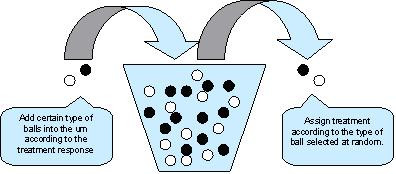
“Commonly applied adaptive randomization procedures include treatment-adaptive randomization [3,4], covariate-adaptive randomization, and response-adaptive randomization [5,6].”
Adaptive Sample Size Calculations in Group Sequential Trials
Lehmacher, W., & Wassmer, G. (1999) · Biometrics · doi:10.1111/j.0006-341x.1999.01286.x · Cited by 598 · cited 2×
“In recent years, the concept of two-stage adaptive design has led to the development of the adaptive group sequential design (e.g., Cui, Hung, and Wang, 1999; Posch and Bauer, 1999; Lehmacher and Wassmer, 1999; Liu, Proschan, and Pledger, 2002).”
Modification of Sample Size in Group Sequential Clinical Trials
Cui, L., Hung, H. M. J., & Wang, S. (1999) · Biometrics · doi:10.1111/j.0006-341x.1999.00853.x · Cited by 574
Designed Extension of Studies Based on Conditional Power
Proschan, M. A., & Hunsberger, S. A. (1995) · Biometrics · doi:10.2307/2533262 · Cited by 534
Continual Reassessment Method: A Likelihood Approach
O'Quigley, J., & Shen, L. Z. (1996) · Biometrics · doi:10.2307/2532905 · Cited by 382 · cited 1×
“For adaptive dose finding design, the method of continual re-assessment method (CRM) in conjunction with Bayesian approach is usually considered [34-36].”
Approximately Optimal One-Parameter Boundaries for Group Sequential Trials
Wang, S. K., & Tsiatis, A. A. (1987) · Biometrics · doi:10.2307/2531959 · Cited by 341 · cited 1×
“Various stopping boundaries based on different boundary functions for controlling an overall type I error rate are available in the literature (see, e.g., Lan and DeMets, 1987; Wang and Tsiatis, 1987; Rosenberger et al., 2001; Jennison and Turnbull, 2000, 2005; Chow and Chang, 2006).”
Adaptive Designs in Clinical Drug Development—An Executive Summary of the PhRMA Working Group
Gallo, P., Chuang-Stein, C., Dragalin, V., Gaydos, B., Krams, M., & Pinheiro, J. (2006) · Journal of Biopharmaceutical Statistics · doi:10.1080/10543400600614742 · Cited by 323
The Evaluation of Surrogate Endpoints
(2005) · Statistics for Biology and Health · doi:10.1007/b138566 · Cited by 310
Research works printed but not linked: 2
- Whitehead J Bayesian decision procedures with application to dose-finding studies International Journal of Pharmaceutical Medicine 1997 11 201 208
- Wang SJ Regulatory experience of adaptive designs in well-controlled clinical trials Presented at Adaptive Designs: Opportunities, Challenges and Scope in Drug Development, Washington, DC 2006
Cited by
A tutorial on pilot studies: the what, why and how
Thabane, L., Ma, J., Chu, R., Cheng, J., Ismaila, A., Rios, L. P., Robson, R., Thabane, M., Giangregorio, L., & Goldsmith, C. H. (2010) · BMC Medical Research Methodology · doi:10.1186/1471-2288-10-1 · Cited by 3,384
Best care at lower cost: the path to continuously learning health care in America
(2014) · Choice Reviews Online · doi:10.5860/choice.51-3277 · Cited by 1,363
“Advanced statistical methods, including Bayesian analysis, allow for adaptive research designs that can learn as a study advances, making studies more flexible (Chow and Chang, 2008).”
MethodAdaptive designs in clinical trials: why use them, and how to run and report them
Pallmann, P., Bedding, A. W., Choodari-Oskooei, B., Dimairo, M., Flight, L., Hampson, L. V., Holmes, J., Mander, A. P., Odondi, L., Sydes, M. R., et al. (2018) · BMC Medicine · doi:10.1186/s12916-018-1017-7 · Cited by 829
Introduction to Multi-Armed Bandits
Slivkins, A. (2019) · Foundations and Trends® in Machine Learning · doi:10.1561/2200000068 · Cited by 780
The n-of-1 clinical trial: the ultimate strategy for individualizing medicine?
Lillie, E. O., Patay, B., Diamant, J., Issell, B., Topol, E. J., & Schork, N. J. (2011) · Personalized Medicine · doi:10.2217/pme.11.7 · Cited by 706
A "SMART" Design for Building Individualized Treatment Sequences
Lei, H., Nahum-Shani, I., Lynch, K., Oslin, D., & Murphy, S. A. (2012) · Annual Review of Clinical Psychology · doi:10.1146/annurev-clinpsy-032511-143152 · Cited by 557
Performing high‐powered studies efficiently with sequential analyses
Lakens, D. (2014) · European Journal of Social Psychology · doi:10.1002/ejsp.2023 · Cited by 414
“…size estimate (Schönbrodt & Perugini, 2013), or even stop collecting data for speci fi c conditions (referred to as drop-the-losers designs, see Chow & Chang, 2008) while continuing data collection for the remaining conditions (Bauer & Köhne, 1994), all while keeping the Type 1 error below a…”
InfluentialUsing a Federated Network of Real-World Data to Optimize Clinical Trials Operations
Topaloglu, U., & Palchuk, M. B. (2018) · JCO Clinical Cancer Informatics · doi:10.1200/cci.17.00067 · Cited by 349
Bordon, K. D. C. F., Cologna, C. T., Fornari-Baldo, E. C., Pinheiro-Júnior, E. L., Cerni, F. A., Amorim, F. G., Anjolette, F. A. P., Cordeiro, F. A., Wiezel, G. A., Cardoso, I. A., et al. (2020) · Frontiers in Pharmacology · doi:10.3389/fphar.2020.01132 · Cited by 303
Chakraborty, B., & Murphy, S. A. (2014) · Annual Review of Statistics and Its Application · doi:10.1146/annurev-statistics-022513-115553 · Cited by 286
Whiteley, P., Haracopos, D., Knivsberg, A.-M., Reichelt, K. L., Parlar, S., Jacobsen, J., Seim, A., Pedersen, L., Schondel, M., & Shattock, P. (2010) · Nutritional Neuroscience · doi:10.1179/147683010x12611460763922 · Cited by 266
Clinical Trials in Rare Disease: Challenges and Opportunities
Augustine, E. F., Adams, H. R., & Mink, J. W. (2013) · Journal of Child Neurology · doi:10.1177/0883073813495959 · Cited by 222
Baker, T. B., Gustafson, D. H., & Shah, D. (2014) · Journal of Medical Internet Research · doi:10.2196/jmir.2925 · Cited by 221
Clinical trials in progressive multiple sclerosis: lessons learned and future perspectives
Ontaneda, D., Fox, R. J., & Chataway, J. (2015) · The Lancet Neurology · doi:10.1016/s1474-4422(14)70264-9 · Cited by 220
Adaptive design clinical trials: a review of the literature and ClinicalTrials.gov
Bothwell, L. E., Avorn, J., Khan, N. F., & Kesselheim, A. S. (2018) · BMJ Open · doi:10.1136/bmjopen-2017-018320 · Cited by 196
Innovative research methods for studying treatments for rare diseases: methodological review
Gagne, J. J., Thompson, L., O'Keefe, K., & Kesselheim, A. S. (2014) · BMJ · doi:10.1136/bmj.g6802 · Cited by 192
Neuroprotective Strategies for Traumatic Brain Injury: Improving Clinical Translation
Kabadi, S., & Faden, A. (2014) · International Journal of Molecular Sciences · doi:10.3390/ijms15011216 · Cited by 170
Recommender Systems as Mechanisms for Social Learning*
Che, Y.-K., & Hörner, J. (2018) · The Quarterly Journal of Economics · doi:10.1093/qje/qjx044 · Cited by 163
Dimairo, M., Pallmann, P., Wason, J., Todd, S., Jaki, T., Julious, S. A., Mander, A. P., Weir, C. J., Koenig, F., Walton, M. K., et al. (2020) · BMJ · doi:10.1136/bmj.m115 · Cited by 149
Monoclonal antibodies in neuro-oncology: Getting past the blood-brain barrier
Lampson, L. A. (2011) · mAbs · doi:10.4161/mabs.3.2.14239 · Cited by 143
Best Care at Lower Cost: The Path to Continuously Learning Health Care in America
Institute of Medicine (2013) · National Academies Press eBooks · doi:10.17226/13444 · Cited by 1,315
Bell, S., & Smith, C. T. (2014) · Orphanet Journal of Rare Diseases · doi:10.1186/s13023-014-0170-0 · Cited by 145
Smartphone apps for the treatment of mental health conditions: status and considerations
Huckvale, K., Nicholas, J., Torous, J., & Larsen, M. E. (2020) · Current Opinion in Psychology · doi:10.1016/j.copsyc.2020.04.008 · Cited by 135
Phase II Trials in Drug Development and Adaptive Trial Design
Van Norman, G. A. (2019) · JACC: Basic to Translational Science · doi:10.1016/j.jacbts.2019.02.005 · Cited by 133
The EVOLVE-MS-2 Study Group, Naismith, R. T., Wundes, A., Ziemssen, T., Jasinska, E., Freedman, M. S., Lembo, A. J., Selmaj, K., Bidollari, I., Chen, H., et al. (2020) · CNS Drugs · doi:10.1007/s40263-020-00700-0 · Cited by 135
Dretzke, J., Edlin, R. P., Round, J. A., Connock, M. J., Hulme, C. T., Czeczot, J., Fry-Smith, A., McCabe, C. J., & Meads, C. (2011) · Health Technology Assessment · doi:10.3310/hta15060 · Cited by 155
A Perspective on Challenges and Issues in Biomarker Development and Drug and Biomarker Codevelopment
Taube, S. E., Clark, G. M., Dancey, J. E., McShane, L. M., Sigman, C. C., & Gutman, S. I. (2009) · JNCI Journal of the National Cancer Institute · doi:10.1093/jnci/djp334 · Cited by 159
Ebola ça suffit ring vaccination trial consortium (2015) · BMJ · doi:10.1136/bmj.h3740 · Cited by 150
Biomarker-Guided Adaptive Trial Designs in Phase II and Phase III: A Methodological Review
Antoniou, M., Jorgensen, A. L., & Kolamunnage-Dona, R. (2016) · PLOS ONE · doi:10.1371/journal.pone.0149803 · Cited by 124
Adaptive Clinical Trial Design
Chow, S.-C. (2014) · Annual Review of Medicine · doi:10.1146/annurev-med-092012-112310 · Cited by 124
Self-citationSystems approaches and algorithms for discovery of combinatorial therapies
Feala, J. D., Cortes, J., Duxbury, P. M., Piermarocchi, C., McCulloch, A. D., & Paternostro, G. (2010) · WIREs Systems Biology and Medicine · doi:10.1002/wsbm.51 · Cited by 96
Human biomimetic liver microphysiology systems in drug development and precision medicine
Gough, A., Soto-Gutierrez, A., Vernetti, L., Ebrahimkhani, M. R., Stern, A. M., & Taylor, D. L. (2021) · Nature Reviews Gastroenterology & Hepatology · doi:10.1038/s41575-020-00386-1 · Cited by 117
Integrating indacaterol dose selection in a clinical study in COPD using an adaptive seamless design
Barnes, P. J., Pocock, S., MAGNUSSEN, H., Iqbal, A., Krämer, B., Higgins, M., & Lawrence, D. (2010) · Pulmonary Pharmacology & Therapeutics · doi:10.1016/j.pupt.2010.01.003 · Cited by 116
Research methods to change clinical practice for patients with rare cancers
Billingham, L. J., Malottki, K., & Steven, N. M. (2016) · The Lancet Oncology · doi:10.1016/s1470-2045(15)00396-4 · Cited by 118
Research designs for proof-of-concept chronic pain clinical trials: IMMPACT recommendations
Gewandter, J. S., Dworkin, R. H., Turk, D. C., McDermott, M. P., Baron, R., Gastonguay, M. R., Gilron, I., Katz, N. P., Mehta, C. R., Raja, S. N., et al. (2014) · Pain · doi:10.1016/j.pain.2014.05.025 · Cited by 117
“1; (2) adaptive allocation designs, in which randomization ratios are altered based on the observed outcomes in each treatment group; (3) group sequential designs, with premature stopping considered for safety, futility, or sufficiently strong evidence of efficacy based on pre-specified boundaries; and (4) sample size…”
BackgroundPostel-Vinay, S. C., Herbschleb, K. H., Massard, C., Woodcock, V. K., Soria, J., Walter, A. O., Ewerton, F., Poelman, M., Benson, N., Ocker, M., et al. (2019) · European Journal of Cancer · doi:10.1016/j.ejca.2018.12.020 · Cited by 115
Adaptive designs undertaken in clinical research: a review of registered clinical trials
Hatfield, I., Allison, A., Flight, L., Julious, S. A., & Dimairo, M. (2016) · Trials · doi:10.1186/s13063-016-1273-9 · Cited by 107
A framework for applying unfamiliar trial designs in studies of rare diseases
Gupta, S., Faughnan, M. E., TOMLINSON, G. A., & Bayoumi, A. M. (2011) · Journal of Clinical Epidemiology · doi:10.1016/j.jclinepi.2010.12.019 · Cited by 111
An overview of the impact of rare disease characteristics on research methodology
Whicher, D. M., Philbin, S. E., & Aronson, N. (2018) · Orphanet Journal of Rare Diseases · doi:10.1186/s13023-017-0755-5 · Cited by 128
Adaptive design clinical trials: Methodology, challenges and prospect
Mahajan, R., & Gupta, K. (2010) · Indian Journal of Pharmacology · doi:10.4103/0253-7613.68417 · Cited by 104
“[10] Another way of classifying adaptive design clinical trials is by categorizing them under different rules, which are mostly four in number.”
InfluentialThe Promise of Comparative Effectiveness Research
Sullivan, P., & Goldmann, D. (2011) · JAMA · doi:10.1001/jama.2011.12 · Cited by 96
Mitochondrial disorders in children: toward development of small‐molecule treatment strategies
Koopman, W. J. H., Beyrath, J., Fung, C., Koene, S., Rodenburg, R. J., Willems, P. H. G. M., & Smeitink, J. A. M. (2016) · EMBO Molecular Medicine · doi:10.15252/emmm.201506131 · Cited by 101
Benefits, challenges and obstacles of adaptive clinical trial designs
Chow, S.-C., & Corey, R. (2011) · Orphanet Journal of Rare Diseases · doi:10.1186/1750-1172-6-79 · Cited by 88
Self-citationAcceptance checklist for clinical effectiveness pilot trials: a systematic approach
Charlesworth, G., Burnell, K., Hoe, J., Orrell, M., & Russell, I. (2013) · BMC Medical Research Methodology · doi:10.1186/1471-2288-13-78 · Cited by 87
Patient-Centeredness in the Design of Clinical Trials
Mullins, C. D., Vandigo, J., Zheng, Z., & Wicks, P. (2014) · Value in Health · doi:10.1016/j.jval.2014.02.012 · Cited by 85
“Bayesian and adaptive trials offer alternatives for circumstances when researchers are faced with this scenario [16–18].”
Alternative designs for clinical trials in rare diseases
Abrahamyan, L., Feldman, B. M., TOMLINSON, G. A., Faughnan, M. E., Johnson, S. R., Diamond, I. R., & Gupta, S. (2016) · American Journal of Medical Genetics Part C Seminars in Medical Genetics · doi:10.1002/ajmg.c.31533 · Cited by 100
Kaizer, A. M., Belli, H. M., Ma, Z., Nicklawsky, A., Roberts, S. C., Wild, J. L., Wogu, A. F., Xiao, M., & Sabo, R. T. (2023) · Journal of Clinical and Translational Science · doi:10.1017/cts.2023.537 · Cited by 102
“Some examples are adaptive dose-finding, drop-the-losers, adaptive seamless, and adaptive platform designs [4,6].”
Coffey, C. S., Levin, B. L., Clark, C., Timmerman, C., Wittes, J. T., Gilbert, P. R., & Harris, S. (2012) · Clinical Trials · doi:10.1177/1740774512461859 · Cited by 81
Pivotal studies of orphan drugs approved for neurological diseases
Mitsumoto, J., Dorsey, E. R., Beck, C. A., Kieburtz, K. D., & Griggs, R. C. (2009) · Annals of Neurology · doi:10.1002/ana.21676 · Cited by 71
Boily, M., Mâsse, B. R., Alsallaq, R. A., PADIAN, N. S., Eaton, J. W., Vesga, J. F., & Hallett, T. B. (2012) · PLoS Medicine · doi:10.1371/journal.pmed.1001250 · Cited by 69
Challenging Issues in Clinical Trial Design
Pocock, S., Clayton, T. C., & Stone, G. W. (2015) · Journal of the American College of Cardiology · doi:10.1016/j.jacc.2015.10.051 · Cited by 77
“Other types of proposed adaptive designs (54) include seamless phase II/III trial designs, whereby from multiple new treatments (e.”
BackgroundThe Ebola clinical trials: a precedent for research ethics in disasters
Calain, P. (2016) · Journal of Medical Ethics · doi:10.1136/medethics-2016-103474 · Cited by 74
Neuroadaptive Bayesian Optimization and Hypothesis Testing
Lorenz, R., Hampshire, A., & Leech, R. (2017) · Trends in Cognitive Sciences · doi:10.1016/j.tics.2017.01.006 · Cited by 71
Brunoni, A. R., & Fregni, F. (2011) · International Journal of Methods in Psychiatric Research · doi:10.1002/mpr.338 · Cited by 65
Rational development and utilization of antibody-based therapeutic proteins in pediatrics
Xu, Z., Davis, H. M., & Zhou, H. (2012) · Pharmacology & Therapeutics · doi:10.1016/j.pharmthera.2012.10.005 · Cited by 66
Use of Bayesian statistics in drug development: Advantages and challenges
Gupta, S. (2012) · International Journal of Applied and Basic Medical Research · doi:10.4103/2229-516x.96789 · Cited by 60
“The fl exibility of adaptive design methods, however, may introduce possible operational biases and consequently have an impact on the overall type I error rate.[14] Even though the control of the type I error rate is not a relevant property of a Bayesian design, simulations can be used to design a Bayesian adaptive t…”
Meadows, G., Brophy, L., Shawyer, F., Enticott, J. C., Fossey, E., Thornton, C. D., Weller, P. J., Wilson-Evered, E., Edan, V., & Slade, M. (2019) · The Lancet Psychiatry · doi:10.1016/s2215-0366(18)30429-2 · Cited by 59
Bothe, G., Coh, A., & Auinger, A. (2017) · European Journal of Nutrition · doi:10.1007/s00394-015-1094-8 · Cited by 57
Stevely, A., Dimairo, M., Todd, S., Julious, S. A., Nicholl, J., Hind, D., & Cooper, C. L. (2015) · PLOS ONE · doi:10.1371/journal.pone.0141104 · Cited by 59
“The potential introduction of operational bias, due to the leaking or knowledge of interim results in adaptive RCTs, has been well described [13,77].”
Cannizzo, S., Lorenzoni, V., Palla, I., Pirri, S., Trieste, L., Triulzi, I., & Turchetti, G. (2018) · RMD Open · doi:10.1136/rmdopen-2018-000794 · Cited by 58
Dimairo, M., Coates, E., Pallmann, P., Todd, S., Julious, S. A., Jaki, T., Wason, J., Mander, A. P., Weir, C. J., Koenig, F., et al. (2018) · BMC Medicine · doi:10.1186/s12916-018-1196-2 · Cited by 56
Brede, J. R., Skulberg, A. K., Rehn, M., Thorsen, K., Klepstad, P., Tylleskär, I., Farbu, B. H., Dale, J., Nordseth, T., Wiseth, R., et al. (2021) · Trials · doi:10.1186/s13063-021-05477-1 · Cited by 61
Clinical Trials in Predementia Stages of Alzheimer Disease
Pillai, J. A., & Cummings, J. L. (2013) · Medical Clinics of North America · doi:10.1016/j.mcna.2013.01.002 · Cited by 61
Mistry, P., Dunn, J., & Marshall, A. (2017) · BMC Medical Research Methodology · doi:10.1186/s12874-017-0393-6 · Cited by 53
Dimairo, M., Pallmann, P., Wason, J., Todd, S., Jaki, T., Julious, S. A., Mander, A. P., Weir, C. J., Koenig, F., Walton, M. K., et al. (2020) · Trials · doi:10.1186/s13063-020-04334-x · Cited by 58
“This may include deviations from pre-planned adaptations and decision rules [15, 66], as well as changes to timing and frequency of interim analyses.”
BackgroundInfluentialDimairo, M., Boote, J., Julious, S. A., Nicholl, J. P., & Todd, S. (2015) · Trials · doi:10.1186/s13063-015-0958-9 · Cited by 53
“hoc changes on the statistical properties of the design, introduction of bias, interpretation and credibility of the findings [35].”
InfluentialEldridge, S. M., & Kerry, S. (2012) · Wiley eBooks · doi:10.1002/9781119966241.ch4 · Cited by 53
Burza, S., Mahajan, R., Kazmi, S., Alexander, N. D. E., Kumar, D., Kumar, V., Lasry, E., Harshana, A., Pereira, A. D. L., Das, P. K., et al. (2022) · Clinical Infectious Diseases · doi:10.1093/cid/ciac127 · Cited by 57
Unbiased estimation for response adaptive clinical trials
Bowden, J., & Trippa, L. (2015) · Statistical Methods in Medical Research · doi:10.1177/0962280215597716 · Cited by 62
Villar, S. S., Wason, J. M. S., & Bowden, J. (2015) · Biometrics · doi:10.1111/biom.12337 · Cited by 51
Treatable traits: a comprehensive precision medicine approach in interstitial lung disease
Khor, Y. H., Cottin, V., Holland, A. E., Inoue, Y., McDonald, V. M., Oldham, J. M., Renzoni, E. A., Russell, A., Strek, M. E., & Ryerson, C. J. (2023) · European Respiratory Journal · doi:10.1183/13993003.00404-2023 · Cited by 57
Systems pharmacology, pharmacogenetics, and clinical trial design in network medicine
Antman, E. M., Weiss, S. T., & Loscalzo, J. (2012) · WIREs Systems Biology and Medicine · doi:10.1002/wsbm.1173 · Cited by 54
CBER’s Experience With Adaptive Design Clinical Trials
Lin, M. J., Lee, S., Zhen, B., Scott, J., Horne, A. D., Solomon, G., & Russek‐Cohen, E. (2015) · Therapeutic Innovation & Regulatory Science · doi:10.1177/2168479015604181 · Cited by 57
Mahajan, R., & Gupta, K. (2010) · Journal of Pharmacy And Bioallied Sciences · doi:10.4103/0975-7406.72130 · Cited by 48
“Moreover, significant adaptations may introduce bias/ variation to data collection as the trial continues.[38]”
InfluentialAdding a treatment arm to an ongoing clinical trial: a review of methodology and practice
Cohen, D. R., Todd, S., Gregory, W. M., & Brown, J. M. (2015) · Trials · doi:10.1186/s13063-015-0697-y · Cited by 55
“In addition to the documents previously referenced [3-8], a further 13 were identified for detailed review from the MEDLINE search [19-31].”
Application of Bayesian methods to accelerate rare disease drug development: scopes and hurdles
Kidwell, K., Roychoudhury, S., Wendelberger, B. A., Scott, J., Moroz, T., Yin, S., Majumder, M., Zhong, J., Huml, R. A., & Miller, V. (2022) · Orphanet Journal of Rare Diseases · doi:10.1186/s13023-022-02342-5 · Cited by 61
Moderate weight loss in obese and overweight men preserves bone quality
Pop, L. C., Sukumar, D., Tomaino, K., Schlussel, Y., Schneider, S. H., Gordon, C. L., Wang, X., & Shapses, S. A. (2015) · The American Journal of Clinical Nutrition · doi:10.3945/ajcn.114.088534 · Cited by 47
Batterham, M. J., Tapsell, L. C., & Charlton, K. E. (2015) · Obesity Research & Clinical Practice · doi:10.1016/j.orcp.2015.05.005 · Cited by 46
Trading Off Scientific Knowledge and User Learning with Multi-Armed Bandits
Liu, Y.-E., Mandel, T., Brunskill, E., & Popović, Z. (2014) · Educational Data Mining · Cited by 69
Combined integrated protocol/basket trial design for a first-in-human trial
Derhaschnig, U., Gilbert, J., Jaeger, U., Böhmig, G. A., Stingl, G., & Jilma, B. (2016) · Orphanet Journal of Rare Diseases · doi:10.1186/s13023-016-0494-z · Cited by 44
Lanini, S., Zumla, A. I., Ioannidis, J. P. A., Di, A., Krishna, S., Gostin, L. O., Girardi, E., Pletschette, M., Strada, G., Baritussio, A., et al. (2015) · The Lancet Infectious Diseases · doi:10.1016/s1473-3099(15)70106-4 · Cited by 44
Tingley, K., Coyle, D., Graham, I. D., Chakraborty, P. K., Wilson, K. R., & Potter, B. K. (2021) · Orphanet Journal of Rare Diseases · doi:10.1186/s13023-020-01624-0 · Cited by 44
Adaptive clinical trial designs in oncology.
Zang, Y., & Lee, J. J. (2014) · PubMed · doi:10.3978/j.issn.2304-3865.2014.06.04 · Cited by 52
Strategies for Postmarketing Surveillance of Drugs for Rare Diseases
Kesselheim, A. S., & Gagne, J. J. (2013) · Clinical Pharmacology & Therapeutics · doi:10.1038/clpt.2013.218 · Cited by 41
Speed, Safety, and Industry Funding — From PDUFA I to PDUFA VI
Darrow, J. J., Avorn, J., & Kesselheim, A. S. (2017) · New England Journal of Medicine · doi:10.1056/nejmhle1710706 · Cited by 47
Fischer, F. (2020) · Bundesgesundheitsblatt - Gesundheitsforschung - Gesundheitsschutz · doi:10.1007/s00103-020-03143-6 · Cited by 46
Response-adaptive designs for clinical trials: Simultaneous learning from multiple patients
Ahuja, V., & Birge, J. R. (2015) · European Journal of Operational Research · doi:10.1016/j.ejor.2015.06.077 · Cited by 49
Innovative study design for paediatric clinical trials
on behalf of the TEDDY Network of Excellence, Baiardi, P., Giaquinto, C., Girotto, S., Manfredi, C., & Ceci, A. (2011) · European Journal of Clinical Pharmacology · doi:10.1007/s00228-011-0990-y · Cited by 42
Kalil, A. C., & Sun, J. (2014) · Critical Care Medicine · doi:10.1097/ccm.0000000000000576 · Cited by 43
Meurer, W. J., Legocki, L. J., Mawocha, S., Frederiksen, S. M., Guetterman, T. C., Barsan, W. G., Lewis, R. J., Berry, D. A., & Fetters, M. D. (2016) · Trials · doi:10.1186/s13063-016-1493-z · Cited by 42
Challenging current scientific practice: how a shift in research methodology could reduce animal use
Richter, S. H. (2024) · Lab Animal · doi:10.1038/s41684-023-01308-9 · Cited by 45
Potter, B. K., Chakraborty, P. K., Kronick, J. B., Wilson, K. R., Coyle, D., Feigenbaum, A. J., Geraghty, M. T., Karaceper, M. D., Little, J., Mhanni, A. A., et al. (2012) · Genetics in Medicine · doi:10.1038/gim.2012.153 · Cited by 40
Burt, T., Button, K. S., Thom, H. H. Z., Noveck, R. J., & Munafo, M. R. (2017) · Clinical and Translational Science · doi:10.1111/cts.12478 · Cited by 46
Genotype-driven therapeutic developments in Parkinson’s disease
Prasuhn, J., & Brüggemann, N. (2021) · Molecular Medicine · doi:10.1186/s10020-021-00281-8 · Cited by 44
Biomarkers in T cell therapy clinical trials
Kalos, M. D. (2011) · Journal of Translational Medicine · doi:10.1186/1479-5876-9-138 · Cited by 38
Innovations for phase I dose-finding designs in pediatric oncology clinical trials
Doussau, A., Geoerger, B., Jiménez, I., & Paolettí, X. (2016) · Contemporary Clinical Trials · doi:10.1016/j.cct.2016.01.009 · Cited by 39
“Two approaches might be promising: first, develop dose-finding designs for co-primary endpoints using both toxicity and efficacy; second, promote seamless phase I/II dose-finding trials [46].”
BackgroundOptimizing Research to Speed Up Availability of Pediatric Antiretroviral Drugs and Formulations
Penazzato, M., Gnanashanmugam, D., Rojo, P., Lallemant, M. J., Lewis, L. L., Rocchi, F., Saint-Raymond, A., Ford, N. P., Hazra, R., Giaquinto, C., et al. (2017) · Clinical Infectious Diseases · doi:10.1093/cid/cix194 · Cited by 35
Adaptive Experimental Design: Prospects and Applications in Political Science
Offer‐Westort, M., Coppock, A., & GREEN, D. P. (2021) · American Journal of Political Science · doi:10.1111/ajps.12597 · Cited by 71
Sergio Bracarda, A., Porta, C., Boni, C., Santoro, A., Mucciarini, C., Pazzola, A., Cortesi, E., Gasparro, D., Labianca, R., Costanzo, F. D., et al. (2012) · European Urology · doi:10.1016/j.eururo.2012.08.027 · Cited by 32
Practical characteristics of adaptive design in phase 2 and 3 clinical trials
Sato, A., Shimura, M., & Gosho, M. (2017) · Journal of Clinical Pharmacy and Therapeutics · doi:10.1111/jcpt.12617 · Cited by 33
Metadata
- Authors
- Chow, S.-C., & Chang, M.
- Affiliations
- Duke University (US)
- Takeda Oncology (United States) (US)
- Corresponding author
- Chow, Shein-Chung
- Venue
- Orphanet Journal of Rare Diseases
- Published
- 2008-05-02
- Volume
- 3
- Issue
- 1
- Pages
- 11-11
- ISSN
- 1750-1172 (ISSN-L)
- PMC
- PMC2422839
- OpenAlex
- W2044439361
- Cited by
- 482
- References
- 60
- Citations by year
- 2026: 20 · 2025: 21 · 2024: 25 · 2023: 26 · 2022: 27 · 2021: 27 · 2020: 38 · 2019: 25 · 2018: 26 · 2017: 35 · 2016: 30 · 2015: 34 · 2014: 32 · 2013: 36 · 2012: 36
- FWCI
- 2.11
- Type
- journal article
- Language
- en
- Open access
- gold
- doi.org
- Licence
- cc-by
- creativecommons.org/licenses/by/2.0 (tdm)
- Locations
- Orphanet Journal of Rare Diseases (publishedVersion, cc-by)
- PubMed Central (publishedVersion, cc-by)
- PubMed (publishedVersion)
- National University of Singapore (submittedVersion, cc-by)
- DOAJ (DOAJ: Directory of Open Access Journals) (submittedVersion)
- Funders
- School of Medicine, Duke University
- Takeda Oncology
- Topics
- Physical Sciences › Mathematics › Statistics and Probability › Statistical Methods in Clinical Trials
- Health Sciences › Medicine › Pediatrics, Perinatology and Child Health › Pharmaceutical studies and practices
- Physical Sciences › Mathematics › Statistics and Probability › Statistical Methods and Bayesian Inference
- Keywords
- adaptive trial design, protocol modification, type I error control, rare disease drug development, bortezomib, multiple myeloma, non-Hodgkin lymphoma
- MeSH terms
- Clinical Trials as Topic, Humans, Random Allocation, Research Design, Statistics as Topic, Clinical Trials, Phase II as Topic, Clinical Trials, Phase III as Topic, Rare Diseases
About these checks
Registry, retraction, Cites and statistics results are computed, not judged, with one exception: a printed reference that no index lists is read once by a model before it counts as a citation error. Claims are extracted by a model and kept only when their quote appears verbatim in the text; each cited source is then checked, with a model’s help, for whether it says what the claim relies on. Those verdicts can be wrong — read the claim’s quote and the cited source before relying on one.
Statistics and arithmetic are recomputed, not judged.
Confidence bands are shown only for fields calibrated on our annotated test set. None is calibrated yet, so no band is shown.
What counts as a claim ›How we measure confidence ›How we check this ›
Are you an author, or do you see a problem with this page? Request a review
Data sources
Bibliographic data: Semantic Scholar, OpenAlex, Crossref.
Contains information from the Semantic Scholar Academic Graph Datasets, made available under the ODC Attribution License (ODC-BY 1.0).
Semantic Scholar’s data is described in: Kinney, R., et al. (2023). The Semantic Scholar Open Data Platform. arXiv:2301.10140.
