

A detailed genome-wide reconstruction of mouse metabolism based on human Recon 1
Open accessThe DOI matches its Crossref record; 70 of the 70 references it cites were found in a registry or an index.
Abstract
Background: Well-curated and validated network reconstructions are extremely valuable tools in systems biology. Detailed metabolic reconstructions of mammals have recently emerged, including human reconstructions. They raise the question if the various successful applications of microbial reconstructions can be replicated in complex organisms. Results: We mapped the published, detailed reconstruction of human metabolism (Recon 1) to other mammals. By searching for genes homologous to Recon 1 genes within mammalian genomes, we were able to create draft metabolic reconstructions of five mammals, including the mouse. Each draft reconstruction was created in compartmentalized and non-compartmentalized version via two different approaches. Using gap-filling algorithms, we were able to produce all cellular components with three out of four versions of the mouse metabolic reconstruction. We finalized a functional model by iterative testing until it passed a predefined set of 260 validation tests. The reconstruction is the largest, most comprehensive mouse reconstruction to-date, accounting for 1,415 genes coding for 2,212 gene-associated reactions and 1,514 non-gene-associated reactions. We tested the mouse model for phenotype prediction capabilities. The majority of predicted essential genes were also essential in vivo. However, our non-tissue specific model was unable to predict gene essentiality for many of the metabolic genes shown to be essential in vivo. Our knockout simulation of the lipoprotein lipase gene correlated well with experimental results, suggesting that softer phenotypes can also be simulated. Conclusions: We have created a high-quality mouse genome-scale metabolic reconstruction, iMM1415 (Mus Musculus, 1415 genes). We demonstrate that the mouse model can be used to perform phenotype simulations, similar to models of microbe metabolism. Since the mouse is an important experimental organism, this model should become an essential tool for studying metabolic phenotypes in mice, including outcomes from drug screening.
Overview
The claims and statistics of this paper haven’t been checked yet.
Free: it reads the open-access text and checks the first 5 claims that cite a source we can check. Create a free account to check every claim.
Integrity signals
Registry
Cites
Statistics
Figures
Verification
Claims the paper makes
The claims and statistics of this paper haven’t been checked yet.
Free: it reads the open-access text and checks the first 5 claims that cite a source we can check. Create a free account to check every claim.
Claims other papers make about this one
Each is checked against this paper’s own text: does it say what the citing paper says it does?
The source backs part of the claim, not all of it — or backs it for a different population, condition or comparison.
In the citing paper
“For example, the integration of bibliographic, metabolomic, and genomic data have been used to reconstruct the dynamic range of metabolome flow of organisms, first performed in Escherichia coli [35] and since extended to yeast [36, 37] and to individual tissues in mice [38] and humans [39].”
From Multi-omics approaches to disease (2017) · cites this paper as [38]
Experimental — accuracy not yet measured
Self-check
Percentages, sums and reported differences re-computed from the paper’s own numbers.
The self-check needs the paper’s full text.
Citations
Cites
KEGG: Kyoto Encyclopedia of Genes and Genomes
Kanehisa, M. (2000) · Nucleic Acids Research · doi:10.1093/nar/28.1.27 · Cited by 37,077 · cited 2×
“We downloaded and used the entire KEGG database (accessed at 9/15/2009) [31] as universal reaction database.”
MethodInfluentialKEGG: Kyoto Encyclopedia of Genes and Genomes
Ogata, H., Goto, S., Sato, K., Fujibuchi, W., Bono, H., & Kanehisa, M. (1999) · Nucleic Acids Research · doi:10.1093/nar/27.1.29 · Cited by 31,232
Initial sequencing and analysis of the human genome
International Human Genome Sequencing Consortium, Whitehead Institute for Biomedical Research, C. F. G. R., Lander, E. S., Linton, L. M., Birren, B., Nusbaum, C., Zody, M. C., Baldwin, J., Devon, K., Dewar, K., et al. (2001) · Nature · doi:10.1038/35057062 · Cited by 24,216 · cited 1×
“The release of the human genome [13] and its annotation has provided the appropriate foundation for human metabolic reconstructions.”
Database resources of the National Center for Biotechnology Information: update
Wheeler, D. L. (2004) · Nucleic Acids Research · doi:10.1093/nar/gkh073 · Cited by 10,641 · cited 2×
“The entire HomoloGene build 52 was downloaded on 11/17/2008 [28].”
BackgroundMethodWhat is flux balance analysis?
Orth, J. D., Thiele, I., & Palsson, B. Ø. (2010) · Nature Biotechnology · doi:10.1038/nbt.1614 · Cited by 3,903 · cited 1×
“It has several derived applications used to further analyze the flow of metabolites through a metabolic model [62].”
MethodSelf-citationEntrez Gene: gene-centered information at NCBI
Maglott, D., Ostell, J., Pruitt, K. D., & Tatusova, T. (2011) · Nucleic Acids Research · doi:10.1093/nar/gkq1237 · Cited by 2,094
Quantitative prediction of cellular metabolism with constraint-based models: the COBRA Toolbox v2.0
Schellenberger, J., Que, R., Fleming, R. M. T., Thiele, I., Orth, J. D., Feist, A. M., Zielinski, D. C., Bordbar, A., Lewis, N. E., Rahmanian, S., et al. (2011) · Nature Protocols · doi:10.1038/nprot.2011.308 · Cited by 1,835 · cited 2×
“The resulting model is condition-specific and can be used for phenotype simulations using various constraint-based reconstruction and analysis (COBRA) methods [5,6].”
MethodSelf-citationA protocol for generating a high-quality genome-scale metabolic reconstruction
Thiele, I., & Palsson, B. Ø. (2010) · Nature Protocols · doi:10.1038/nprot.2009.203 · Cited by 1,789 · cited 3×
“The reconstruction process is well established for metabolic networks [4].”
BackgroundMethodSelf-citationGlobal reconstruction of the human metabolic network based on genomic and bibliomic data
Duarte, N. C., Becker, S. A., Jamshidi, N., Thiele, I., Mo, M. L., Vo, T. D., Srivas, R., & Palsson, B. Ø. (2007) · Proceedings of the National Academy of Sciences · doi:10.1073/pnas.0610772104 · Cited by 1,374 · cited 6×
“To validate the mouse reconstruction and to ensure mouse-characteristic metabolic properties of the resulting models, we manually tested each of the 288 FBA validation tests that were developed for Recon 1 [17] using both versions of modelA.”
BackgroundMethodInfluentialSelf-citationGough, J., Karplus, K., Hughey, R., & Chothia, C. (2001) · Journal of Molecular Biology · doi:10.1006/jmbi.2001.5080 · Cited by 1,224 · cited 2×
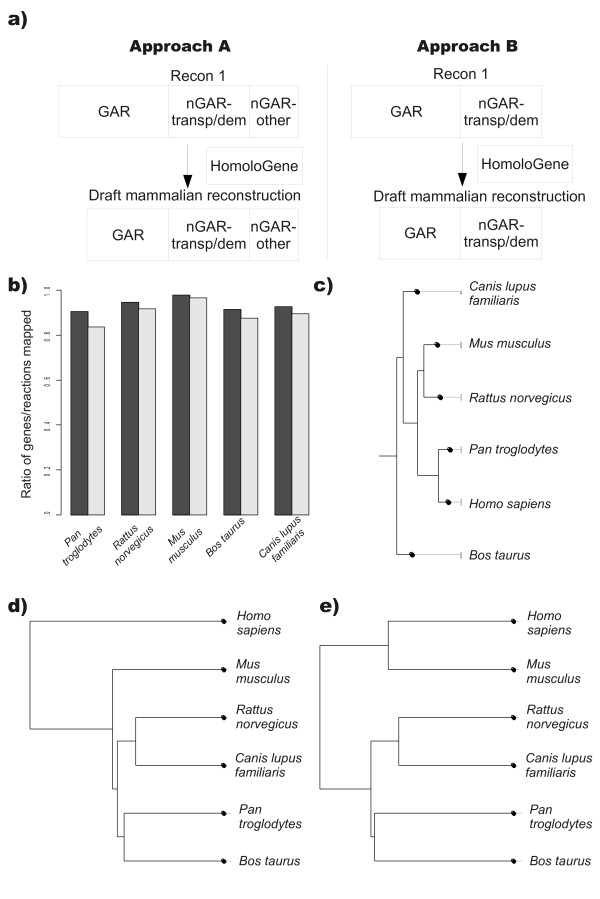
“Following FVA on each draft model, we drew phylogenetic trees of the results and compared to phylogenetic tree based on all transcripts of protein domain sequence from the SuperFam-ily database [64].”
BackgroundMethod
Cited by
Multi-omics approaches to disease
Hasin, Y., Seldin, M., & Lusis, A. (2017) · Genome Biology · doi:10.1186/s13059-017-1215-1 · Cited by 2,953
“For example, the integration of bibliographic, metabolomic, and genomic data have been used to reconstruct the dynamic range of metabolome flow of organisms, first performed in Escherichia coli [35] and since extended to yeast [36, 37] and to individual tissues in mice [38] and humans [39].”
A community-driven global reconstruction of human metabolism
Thiele, I., Swainston, N., Fleming, R. M. T., Hoppe, A., Sahoo, S., Aurich, M. K., Haraldsdottir, H., Mo, M. L., Rolfsson, O., Stobbe, M. D., et al. (2013) · Nature Biotechnology · doi:10.1038/nbt.2488 · Cited by 1,019
Self-citationPredicting Network Activity from High Throughput Metabolomics
Li, S., Park, Y., Duraisingham, S., Strobel, F. H., Khan, N., Soltow, Q. A., Jones, D. P., & Pulendran, B. (2013) · PLoS Computational Biology · doi:10.1371/journal.pcbi.1003123 · Cited by 936
“Intense manual curation, however, was required in the building of two high-quality human models [15,16], which were followed by a number of derivatives [17–20].”
BackgroundConstraining the metabolic genotype–phenotype relationship using a phylogeny of in silico methods
Lewis, N. E., Nagarajan, H., & Palsson, B. O. (2012) · Nature Reviews Microbiology · doi:10.1038/nrmicro2737 · Cited by 779
“However, genome-scale models are extending beyond microbial metabolism to include transcription regulation 109,110,116 , protein and transcript synthesis 128,129 , signalling 112 , plant and animal metabolism 39,58,64,113,114,130,131 , and host–pathogen interactions 81,123,132 .”
BackgroundSelf-citationKarnovsky, A., Weymouth, T., Hull, T., Tarcea, V. G., Scardoni, G., Laudanna, C., Sartor, M. A., Stringer, K. A., Jagadish, H. V., Burant, C., et al. (2012) · Bioinformatics · doi:10.1093/bioinformatics/btr661 · Cited by 430
da Silveira, W. A., Fazelinia, H., Rosenthal, S. B., Laiakis, E. C., Kim, M. S., Meydan, C., Kidane, Y., Rathi, K. S., Smith, S. M., Stear, B., et al. (2020) · Cell · doi:10.1016/j.cell.2020.11.002 · Cited by 402
“REAGENT or RESOURCE SOURCE IDENTIFIER LIMMA Ritchie et al., 2015 https://www.bioconductor.org/packages/release/ bioc/html/limma.html, RRID: SCR_010943 GSEA Sergushichev, 2016; Subramanian et al., 2005 https://www.gsea-msigdb.org/gsea/index.jsp, RRID: SCR_003199 MaxQuant (1.6.2.3) Tyanova et al., 2016a https://www.maxq…”
MethodInfluentialMetabolic adaptation establishes disease tolerance to sepsis
Weis, S., Carlos, A. R., Moita, M. R., Singh, S., Blankenhaus, B., Cardoso, S., Larsen, R., Rebelo, S., Schäuble, S., Del Barrio, L., et al. (2017) · Cell · doi:10.1016/j.cell.2017.05.031 · Cited by 284
“(C) Targeted metabolomics of the liver and flux balance analysis for ATP generation using data integration into a reconstructed metabolic network iMM1415 (Sigurdsson et al., 2010).”
MethodInfluentialLake, B. B., Codeluppi, S., Yung, Y. C., Gao, D., Chun, J., Kharchenko, P. V., Linnarsson, S., & Zhang, K. (2017) · Scientific Reports · doi:10.1038/s41598-017-04426-w · Cited by 271
Basu, S., Duren, W., Evans, C. R., Burant, C. F., Michailidis, G., & Karnovsky, A. (2017) · Bioinformatics · doi:10.1093/bioinformatics/btx012 · Cited by 271
Integration of expression data in genome-scale metabolic network reconstructions
Blazier, A. S., & Papin, J. A. (2012) · Frontiers in Physiology · doi:10.3389/fphys.2012.00299 · Cited by 259
“Numerous studies have demonstrated how such reconstructions of metabolism can guide the development of biological hypotheses and discoveries (Oberhardt et al., 2010; Sigurdsson et al., 2010; Chang et al., 2011).”
BackgroundHosseinkhani, F., Heinken, A., Thiele, I., Lindenburg, P. W., Harms, A. C., & Hankemeier, T. (2021) · Gut Microbes · doi:10.1080/19490976.2021.1882927 · Cited by 233
Self-citationSystems-level characterization of a host-microbe metabolic symbiosis in the mammalian gut
Heinken, A., Sahoo, S., Fleming, R. M. T., & Thiele, I. (2013) · Gut Microbes · doi:10.4161/gmic.22370 · Cited by 225
Self-citationReconciled rat and human metabolic networks for comparative toxicogenomics and biomarker predictions
Blais, E. M., Rawls, K. D., Dougherty, B. V., Li, Z. I., Kolling, G. L., Ye, P., Wallqvist, A., & Papin, J. A. (2017) · Nature Communications · doi:10.1038/ncomms14250 · Cited by 182
Metabolomics and Diabetes: Analytical and Computational Approaches
Sas, K. M., Karnovsky, A., Michailidis, G., & Pennathur, S. (2015) · Diabetes · doi:10.2337/db14-0509 · Cited by 168
Stanway, R. R., Bushell, E., Chiappino-Pepe, A., Roques, M., Sanderson, T., Franke-Fayard, B. M. D., Caldelari, R., Golomingi, M., Nyonda, M. A., Pandey, V., et al. (2019) · Cell · doi:10.1016/j.cell.2019.10.030 · Cited by 141
“Themedium of iPbe comprises 248 substrates that iPbe can take up and secrete, including substrates that the parasite shares with its host cells (erythrocyte and hepatocyte) based on previous mice genome-scale models (Sigurdsson et al., 2010) and metabolomics studies (Desai, 2013; Krebs, 1950).”
Gutierrez, J. M., Feizi, A., Li, S., Kallehauge, T. B., Hefzi, H., Grav, L. M., Ley, D., Baycin Hizal, D., Betenbaugh, M. J., Voldborg, B., et al. (2020) · Nature Communications · doi:10.1038/s41467-019-13867-y · Cited by 134
“2b), we generated species-speci fi c secretory pathway reconstructions and used them to expand the respective genome-scale metabolic networks (Recon 2.2 15 , iMM1415 16 , iCHO1766 17 ).”
MethodInfluentialSelf-citationReconstruction of Tissue-Specific Metabolic Networks Using CORDA
Schultz, A., & Qutub, A. A. (2016) · PLOS Computational Biology · doi:10.1371/journal.pcbi.1004808 · Cited by 137
“These studies include the prediction of novel metabolic functions [7], prediction of metabolic biomarkers for congenital genetic disorders [8, 9], context analysis of omics data [10–12], comparison between humans and other mammals through gene homolog mapping [13, 14], and prediction of suitable cancer drugs [15, 16]…”
BackgroundSystems Physiology in Dairy Cattle: Nutritional Genomics and Beyond
Loor, J. J., Bionaz, M., & Drackley, J. K. (2013) · Annual Review of Animal Biosciences · doi:10.1146/annurev-animal-031412-103728 · Cited by 150
“, mouse (72), Arabidopsis thaliana (73), and human (68, 74)].”
BackgroundGenome-Scale Model Reveals Metabolic Basis of Biomass Partitioning in a Model Diatom
Levering, J., Broddrick, J., Dupont, C. L., Peers, G., Beeri, K., Mayers, J., Gallina, A. A., Allen, A. E., Palsson, B. O., & Zengler, K. (2016) · PLOS ONE · doi:10.1371/journal.pone.0155038 · Cited by 121
“Abbreviations: AraGEM: Arabidopsis thaliana [73]; bna572+: Brassica napus [74]; AlgaGEM: Chlamydomonas reinhardtii [75]; iRC1080:Chlamydomonas reinhardtii [39]; iRS1563: Zea mays [76]; iLB1025 and iLB1027_lipid: Phaeodactylum tricornutum, this study; iTO977: Saccharomyces cerevisiae Sc288 [77]; Recon2: Homo sapiens [7…”
BackgroundSelf-citationUsing the reconstructed genome-scale human metabolic network to study physiology and pathology
Bordbar, A., & Palsson, B. O. (2012) · Journal of Internal Medicine · doi:10.1111/j.1365-2796.2011.02494.x · Cited by 115
Self-citationA systems biology approach to studying the role of microbes in human health
Thiele, I., Heinken, A., & Fleming, R. M. (2013) · Current Opinion in Biotechnology · doi:10.1016/j.copbio.2012.10.001 · Cited by 114
“Moreover, draft reconstructions for other mammals have been generated based on Recon 1 [29] and manually curated mouse metabolic reconstructions have been assembled [29,30].”
Self-citationKinetic Modeling of Mammalian Cell Culture Bioprocessing: The Quest to Advance Biomanufacturing
Kyriakopoulos, S., Ang, K. S., Lakshmanan, M., Huang, Z., Yoon, S., Gunawan, R., & Lee, D. (2018) · Biotechnology Journal · doi:10.1002/biot.201700229 · Cited by 106
Thiele, I., Fleming, R. M. T., Que, R., Bordbar, A., Diep, D., & Palsson, B. O. (2012) · PLoS ONE · doi:10.1371/journal.pone.0045635 · Cited by 109
Self-citationUnderstanding the host-microbe interactions using metabolic modeling
Jansma, J., & Aidy, S. E. (2021) · Microbiome · doi:10.1186/s40168-020-00955-1 · Cited by 117
Rational identification of diet-derived postbiotics for improving intestinal microbiota function
Klemashevich, C. L., Wu, C., Howsmon, D. P., Alaniz, R. C., Lee, K., & Jayaraman, A. (2013) · Current Opinion in Biotechnology · doi:10.1016/j.copbio.2013.10.006 · Cited by 120
Computational Approaches for Integrative Analysis of the Metabolome and Microbiome
Chong, J., & Xia, J. (2017) · Metabolites · doi:10.3390/metabo7040062 · Cited by 98
Systems biology of host–microbe metabolomics
Heinken, A., & Thiele, I. (2015) · WIREs Systems Biology and Medicine · doi:10.1002/wsbm.1301 · Cited by 101
“115 A constraint-based model of a host and a commensal microbe 73 linked a published mouse reconstruction 116 with a reconstruction of the prominent human gut symbiont B. thetaiotaomicron .”
BackgroundSelf-citationThe era of big data: Genome-scale modelling meets machine learning
Antonakoudis, A., Barbosa, R., Kotidis, P., & Kontoravdi, C. (2020) · Computational and Structural Biotechnology Journal · doi:10.1016/j.csbj.2020.10.011 · Cited by 89
“Relevant to the production of protein therapeutics are the human [1-4], Pichia pastoris as described in Theron et al. [5], Chinese hamster ovary (CHO) cells [6-9], murine cells [10,11] and a plethora of GeMs for Escherichia coli [12], as summarised in Fig.”
BackgroundMultispecific Drug Transporter Slc22a8 (Oat3) Regulates Multiple Metabolic and Signaling Pathways
Wu, W., Jamshidi, N., Eraly, S. A., Liu, H. C., Bush, K. T., Palsson, B. Ø., & Nigám, S. K. (2013) · Drug Metabolism and Disposition · doi:10.1124/dmd.113.052647 · Cited by 82
“This global metabolic network reconstruction is largely based on human Recon 1, which comprises known biochemical and physiologic data (Sigurdsson et al., 2010; Bordbar et al., 2012).”
BackgroundSelf-citationRichelle, A., Chiang, A. W. T., Kuo, C., & Lewis, N. E. (2019) · PLoS Computational Biology · doi:10.1371/journal.pcbi.1006867 · Cited by 85
The human metabolic reconstruction Recon 1 directs hypotheses of novel human metabolic functions
Rolfsson, O., Palsson, B. Ø., & Thiele, I. (2011) · BMC Systems Biology · doi:10.1186/1752-0509-5-155 · Cited by 76
Self-citationThe virtuous cycle of human genetics and mouse models in drug discovery
Nadeau, J. H., & Auwerx, J. H. (2019) · Nature Reviews Drug Discovery · doi:10.1038/s41573-018-0009-9 · Cited by 84
Pathway Analysis for Targeted and Untargeted Metabolomics
Karnovsky, A., & Li, S. (2020) · Methods in molecular biology · doi:10.1007/978-1-0716-0239-3_19 · Cited by 81
Predicting the impact of diet and enzymopathies on human small intestinal epithelial cells
Sahoo, S., & Thiele, I. (2013) · Human Molecular Genetics · doi:10.1093/hmg/ddt119 · Cited by 68
“More than 100 organism-specific metabolic reconstructions have been published, including for human (13) and mouse (14).”
BackgroundSelf-citationBest, L., Dost, T., Esser, D., Flor, S., Gamarra, A. M., Haase, M., Kadibalban, A. S., Marinos, G., Walker, A., Zimmermann, J., et al. (2025) · Nature Microbiology · doi:10.1038/s41564-025-01959-z · Cited by 65
“A mouse-specific metabolic reconstruction was not used, as the human reconstructions are by far the best curated and there is a high overlap in metabolic content between mice and humans 95 .”
Genome-scale metabolic model in guiding metabolic engineering of microbial improvement
Xu, C., Liu, L., Zhang, Z., Jin, D., Qiu, J., & Chen, M. (2012) · Applied Microbiology and Biotechnology · doi:10.1007/s00253-012-4543-9 · Cited by 72
van der Ark, K. C. H., van Heck, R. G. A., dos Santos, V. A. P. M., Belzer, C., & de Vos, W. M. (2017) · Microbiome · doi:10.1186/s40168-017-0299-x · Cited by 69
“The mouse GEM [99] was recently used to study how different diets and the presence of the gut microbe B. thetaiotaomicron affect its metabolism [50].”
BackgroundMethodMetabolomic Analysis in Brain Research: Opportunities and Challenges
Vasilopoulou, C. G., Margarity, M., & Klapa, M. I. (2016) · Frontiers in Physiology · doi:10.3389/fphys.2016.00183 · Cited by 71
Kim, J., Coradetti, S. T., Kim, Y., Gao, Y., Yaegashi, J., Zucker, J., Munoz, N. M., Zink, E., Burnum-Johnson, K., Baker, S., et al. (2021) · Frontiers in Bioengineering and Biotechnology · doi:10.3389/fbioe.2020.612832 · Cited by 80
Metabolic network modeling with model organisms
Yilmaz, L. S., & Walhout, A. J. M. (2017) · Current Opinion in Chemical Biology · doi:10.1016/j.cbpa.2016.12.025 · Cited by 73
“473 786 (872) c,m,e [27] 1399 1631 (2104) c,m,e [35] nr nr (1042) c,m,e [26] 724 945 (1285) c,m,e [25] 1415 1503 (2775) c,m,n,x,r,g,l,e [32] 1393 1536 (2950) c,m,n,x,r,g,l,e [33] 636 1097 (2072) c,m,n,x,r,g,l,e [34]”
BackgroundMechanistic systems modeling to guide drug discovery and development
Schmidt, B. J., Papin, J. A., & Musante, C. J. (2012) · Drug Discovery Today · doi:10.1016/j.drudis.2012.09.003 · Cited by 67
“Metabolic reconstructions may have a role in translating therapeutics into humans in early research: it is noteworthy that a model of murine metabolism has recently been published by refining Recon 1 in the context of murine-specific data [75].”
BackgroundWatson, E., Yilmaz, L. S., & Walhout, A. J. M. (2015) · Annual Review of Genetics · doi:10.1146/annurev-genet-112414-055257 · Cited by 55
Voit, E. O. (2017) · WIREs Systems Biology and Medicine · doi:10.1002/wsbm.1391 · Cited by 65
Application of Top-Down and Bottom-up Systems Approaches in Ruminant Physiology and Metabolism
Shahzad, K., & Loor, J. J. (2012) · Current Genomics · doi:10.2174/138920212801619269 · Cited by 69
“, mouse [13], Arabidopsis thaliana [14], and humans [15, 16]).”
BackgroundAn Organic Anion Transporter 1 (OAT1)-centered Metabolic Network
Liu, H. C., Jamshidi, N., Chen, Y., Eraly, S. A., Cho, S. Y., Bhatnagar, V., Wu, W., Bush, K. T., Abagyan, R. A., Palsson, B. Ø., et al. (2016) · Journal of Biological Chemistry · doi:10.1074/jbc.m116.745216 · Cited by 53
“The mouse GEM, iMM1415 (30), which contains the biochemical transformations for numerous tissues and cells in mice, was utilized (see supplemental Fig.”
MethodSelf-citationA Systems Biology Approach to Drug Targets in Pseudomonas aeruginosa Biofilm
Sigurdsson, G. T., Fleming, R. M. T., Heinken, A., & Thiele, I. (2012) · PLoS ONE · doi:10.1371/journal.pone.0034337 · Cited by 58
“There are metabolic reconstructions for an increasing number of organisms, including many bacteria, such as the human pathogens Helicobacter pylori [17], Staphylococcus aureus [18], and Mycobacterium tuberculosis [19], archaea [20,21] and eukaryotes, including Homo sapiens [22] and Mus musculus [23,24].”
BackgroundSelf-citationPal, T., Malhotra, N., Chanumolu, S. K., & Chauhan, R. S. (2015) · Planta · doi:10.1007/s00425-015-2304-6 · Cited by 50
Neto, J. C. R., Vieira, L. R., Ribeiro, J. A. D. A., de Sousa, C. A. F., Souza, M. T., & Abdelnur, P. V. (2021) · Scientific Reports · doi:10.1038/s41598-021-97835-x · Cited by 51
Pio, G., Mignone, P., Magazzù, G., Zampieri, G., Ceci, M., & Angione, C. (2021) · Bioinformatics · doi:10.1093/bioinformatics/btab647 · Cited by 49
Masoudi‐Nejad, A., & Asgari, Y. (2014) · Seminars in Cancer Biology · doi:10.1016/j.semcancer.2014.01.007 · Cited by 48
“Several studies have established how such reconstructions of metabolism could guide the development of biological theories and discoveries [6–8].”
BackgroundModel-based assessment of mammalian cell metabolic functionalities using omics data
Richelle, A., Kellman, B. P., Wenzel, A. T., Chiang, A. W. T., Reagan, T., Gutierrez, J. M., Joshi, C. J., Li, S., Liu, J. K., Masson, H. O., et al. (2021) · Cell Reports Methods · doi:10.1016/j.crmeth.2021.100040 · Cited by 52
“Bennett et al., 2018 radc.rush.edu Software and algorithms GenePattern Reich et al., 2006 genepattern.org Cobra Toolbox 3.0 Heirendt et al., 2019 github.com/opencobra/cobratoolbox Escher King et al., 2015 escher.github.io Other iMM1415 Sigurdsson et al., 2010 bigg.ucsd.edu Recon2.”
MethodInfluentialAtaman, M., & Hatzimanikatis, V. (2017) · PLoS Computational Biology · doi:10.1371/journal.pcbi.1005513 · Cited by 53
PTEN ‐induced kinase 1 is associated with renal aging, via the cGAS ‐ STING pathway
Ha, M. H., Kim, M. S., An, H., Sung, M. J., Lee, Y. H., Yang, D. H., Jung, S. H., Baek, J., Choi, Y., Taylor, D. M., et al. (2023) · Aging Cell · doi:10.1111/acel.13865 · Cited by 44
“11.7) (Simon, 2010).”
InfluentialAn analysis of a ‘community-driven’ reconstruction of the human metabolic network
Swainston, N., Mendes, P., & Kell, D. B. (2013) · Metabolomics · doi:10.1007/s11306-013-0564-3 · Cited by 46
“Recon 2 can therefore act as a template for the development of metabolic reconstructions of related model organisms, facilitating comparative studies and simulation of metabolism between human and other model systems (Sigurdsson et al. 2010).”
BackgroundGut Microbial Metabolites Associated With HIV Infection
Wang, Z., & Qi, Q. (2019) · Future Virology · doi:10.2217/fvl-2019-0002 · Cited by 54
PSAMM: A Portable System for the Analysis of Metabolic Models
Steffensen, J. L., Dufault-Thompson, K., & Zhang, Y. (2016) · PLOS Computational Biology · doi:10.1371/journal.pcbi.1004732 · Cited by 43
“Of the 57 GEMs we analyzed, 56 were released as SBML files, including two level-1 models (AbyM-BEL891 [54] and SpoMBEL1693 [3]), three level-3 models (iMM1415 [55], iMO1056 [56], and RECON1 [57]), and 51 level-2 models as defined in their SBML file headings.”
MethodiMM1865: A New Reconstruction of Mouse Genome-Scale Metabolic Model
Khodaee, S., Asgari, Y., Totonchi, M., & Karimi‐Jafari, M. H. (2020) · Scientific Reports · doi:10.1038/s41598-020-63235-w · Cited by 41
“Several mammalian metabolic networks have been generated from different versions of human models as a reference 19–21 .”
MethodInfluentialSystematic evaluation of parameters for genome-scale metabolic models of cultured mammalian cells
Schinn, S., Morrison, C., Wei, W., Zhang, L., & Lewis, N. E. (2021) · Metabolic Engineering · doi:10.1016/j.ymben.2021.03.013 · Cited by 37
Advanced stoichiometric analysis of metabolic networks of mammalian systems
Orman, M. A., Berthiaume, F., Androulakis, I. P., & Ierapetritou, M. G. (2011) · Critical Reviews™ in Biomedical Engineering · doi:10.1615/critrevbiomedeng.v39.i6.30 · Cited by 32
Anti-adipogenic signals at the onset of obesity-related inflammation in white adipose tissue
Caputo, T., Tran, V. D. T., Bararpour, N., Winkler, C., Aguileta, G., Trang, B. K., Attianese, G. M. P. G., Wilson, A., Thomas, A., Pagni, M., et al. (2020) · Cellular and Molecular Life Sciences · doi:10.1007/s00018-020-03485-z · Cited by 34
Kokaji, T., Hatano, A., Ito, Y., Yugi, K., Eto, M., Morita, K., Ohno, S., Fujii, M., Hironaka, K., Egami, R., et al. (2020) · Science Signaling · doi:10.1126/scisignal.aaz1236 · Cited by 33
Applying systems biology methods to the study of human physiology in extreme environments
Edwards, L. M., & Thiele, I. (2013) · Extreme Physiology & Medicine · doi:10.1186/2046-7648-2-8 · Cited by 34
“The reconstruction process is well established for metabolism and has been applied to a growing number of organisms, including mouse [19] and human [20].”
BackgroundSelf-citationNetwork motifs provide signatures that characterize metabolism
Shellman, E. R., Burant, C., & Schnell, S. D. (2012) · Molecular BioSystems · doi:10.1039/c2mb25346a · Cited by 28
Systems biology study of mucopolysaccharidosis using a human metabolic reconstruction network
Salazar, D., Rodríguez‐López, A., Herreño, A. M., Barbosa, H., Herrera, J., Ardila, A., Barreto, G. E., González, J., & Alméciga-Díaz, C. J. (2015) · Molecular Genetics and Metabolism · doi:10.1016/j.ymgme.2015.08.001 · Cited by 31
“Manual curation includes in-depth literature search to ensure high quality and coverage of the reconstruction [32].”
BackgroundSystems biology approaches for studying the pathogenesis of non-alcoholic fatty liver disease
Fisher, C., Kierzek, A. M., Plant, N. J., & Moore, J. B. (2014) · World Journal of Gastroenterology · doi:10.3748/wjg.v20.i41.15070 · Cited by 26
Bernabé, B. P., Thiele, I., Galdones, E., Siletz, A. E., Chandrasekaran, S., Woodruff, T. K., Broadbelt, L. J., & Shea, L. D. (2019) · BMC Bioinformatics · doi:10.1186/s12859-019-2825-2 · Cited by 28
Self-citationrMTA: robust metabolic transformation analysis
Valcárcel, L. V., Torrano, V., Tobalina, L., Carracedo, A., & Planes, F. J. (2019) · Bioinformatics · doi:10.1093/bioinformatics/btz231 · Cited by 25
Cancer Cell Metabolism as New Targets for Novel Designed Therapies
de Mas, I. M., Aguilar, E., Jayaraman, A., Polat, I. H., Martín-Bernabé, A., Bharat, R., Foguet, C., Milà, E., Papp, B., Centelles, J. J., et al. (2014) · Future Medicinal Chemistry · doi:10.4155/fmc.14.119 · Cited by 26
van Steijn, L., Verbeek, F. J., Spaink, H. P., & Merks, R. M. H. (2019) · Zebrafish · doi:10.1089/zeb.2018.1712 · Cited by 26
“…coefficients were taken to be the average of the coefficients of biomass function of a human genome-scale reconstruction (Recon 2 18 ) and a mouse genome-scale reconstruction (iMM1415 19 ), so far the only other vertebrates with genome-scale reconstructions, together with Chinese hamster 20 and rat.”
InfluentialModel validation and selection in metabolic flux analysis and flux balance analysis
Kaste, J. A. M., & Shachar‐Hill, Y. (2023) · Biotechnology Progress · doi:10.1002/btpr.3413 · Cited by 28
“72,73, 288 metabolic processes known to take place in mammalian cells were evaluated in models of human and mouse models, though it was only the ability to carry out the processes at all, and not the actual flux values, that were evaluated.”
BackgroundNeto, J. C. R., Salgado, F. F., Braga, Í. D. O., da Silva, T. L. C., Silva, V. N. B., Leão, A. P., Ribeiro, J. A. D. A., Abdelnur, P. V., Valadares, L. F., de Sousa, C. A. F., et al. (2023) · Frontiers in Plant Science · doi:10.3389/fpls.2023.1187803 · Cited by 22
“Many techniques have been used in pathway correlation for metabolomics studies, from manual to automated methods (Duarte et al., 2007; Sigurdsson et al., 2010; Jewison et al., 2014; Rodrigues-Neto et al., 2018; Wei et al., 2018).”
MethodBautista, E. J., Zinski, J. M., Szczepanek, S. M., Johnson, E. L., Tulman, E. R., Ching, W., Geary, S. J., & Srivastava, R. (2013) · PLoS Computational Biology · doi:10.1371/journal.pcbi.1003208 · Cited by 23
“Genome-scale metabolic modeling in particular has been used in a number of venues in the biotechnological and biomedical arenas [1–19].”
BackgroundPfau, T., Pacheco, M. P., & Sauter, T. (2015) · Briefings in Bioinformatics · doi:10.1093/bib/bbv100 · Cited by 27
“Recon2 [12], iMM1415 [29] Poolman et al.”
Babaei, P., Ghasemi-Kahrizsangi, T., & Marashi, S. (2014) · The Scientific World JOURNAL · doi:10.1155/2014/416289 · Cited by 24
“Capabilities of Pseudomonas Species by Flux Balance Analysis:”
A new metabolic model of Drosophila melanogaster and the integrative analysis of Parkinson’s disease
Cesur, M. F., Basile, A., Patil, K. R., & Çakır, T. (2023) · Life Science Alliance · doi:10.26508/lsa.202201695 · Cited by 21
“To date, orthology-based GMN models have been developed for several organisms because of the high degree of genomic homology between humans and these model organisms (Sigurdsson et al, 2010; Blais et al, 2017; Khodaee et al, 2020; Wang et al, 2021).”
BackgroundProject-based learning course on metabolic network modelling in computational systems biology
Sauter, T., Bintener, T., Kishk, A., Presta, L., Prohaska, T., Guignard, D., Zeng, N., Cipriani, C., Arshad, S., Pfau, T., et al. (2022) · PLoS Computational Biology · doi:10.1371/journal.pcbi.1009711 · Cited by 20
“musculus Zika virus Human macrophage iAB-AMØ-1410 [30] Mouse model iMM1415 [31] Zika virus Biomass objective function [32] DrugBank Confirmation of the validity of the human virus model and reconstruction of other models using different hosts Identified potential targets for antiviral therapies”
BackgroundIndividualized therapy of HHT driven by network analysis of metabolomic profiles
Jamshidi, N., Miller, F. J., Mandel, J., Evans, T., & Kuo, M. (2011) · BMC Systems Biology · doi:10.1186/1752-0509-5-200 · Cited by 21
“The cytochrome oxidase reactions were adjusted to be completely charge and mass balanced, as previously described [5,27] (see Additional File 3 for the stoichiometric matrix).”
MethodSelf-citationMedicina de sistemas: una nueva visión de la práctica clínica
Cardinal‐Fernández, P., Nín, N., Ruíz-Cabello, J., & Lorente, J. A. (2014) · Archivos de Bronconeumología · doi:10.1016/j.arbres.2013.10.010 · Cited by 18
MetDisease—connecting metabolites to diseases via literature
Duren, W. L., Weymouth, T. E., Hull, T., Omenn, G. S., Athey, B. D., Burant, C., & Karnovsky, A. (2014) · Bioinformatics · doi:10.1093/bioinformatics/btu179 · Cited by 18
Systems medicine: A new approach to clinical practice
Cardinal‐Fernández, P., Nín, N., Ruíz-Cabello, J., & Lorente, J. A. (2014) · Archivos de Bronconeumología · doi:10.1016/j.arbr.2014.09.001 · Cited by 17
Jung, E. S., Park, H. M., Hyun, S. M., Shon, J. C., Lakshmanan, M., Noh, M., Yeo, H. C., Liu, K., Lee, D., Hwang, J. S., et al. (2017) · Metabolomics · doi:10.1007/s11306-017-1218-7 · Cited by 15
Unveiling the potential of systems biology in biotechnology and biomedical research
Saranya, S. V., Thamanna, L., & Chellapandi, P. (2024) · Systems Microbiology and Biomanufacturing · doi:10.1007/s43393-024-00286-4 · Cited by 19
“R . norvegicus and M. musculus models are widely used in biomedicine to study various diseases, including cancer, cardiovascular diseases, and neurodegenerative disorders [198].”
FLUXestimator: a webserver for predicting metabolic flux and variations using transcriptomics data
Zhang, Z., Zhu, H., Dang, P., Wang, J., Chang, W., Wang, X., Alghamdi, N., Lu, A. Z., Zang, Y., Wu, W., et al. (2023) · Nucleic Acids Research · doi:10.1093/nar/gkad444 · Cited by 17
Abdik, E., & Çakır, T. (2024) · Scientific Reports · doi:10.1038/s41598-023-51034-y · Cited by 14
Genome-scale metabolic model of the rat liver predicts effects of diet restriction
Baloni, P., Sangar, V., Yurkovich, J. T., Robinson, M., Taylor, S., Karbowski, C. M., Hamadeh, H. K., He, Y. D., & Price, N. D. (2019) · Scientific Reports · doi:10.1038/s41598-019-46245-1 · Cited by 16
Paquette, A. G., Baloni, P., Holloman, A. B., Nigám, S. K., Bammler, T. K., Mao, Q., & Price, N. D. (2018) · Biology of Reproduction · doi:10.1093/biolre/ioy148 · Cited by 13
Abdik, E., & Çakır, T. (2021) · Molecular Omics · doi:10.1039/d0mo00135j · Cited by 13
Kiwi: a tool for integration and visualization of network topology and gene-set analysis
Väremo, L., Gatto, F., & Nielsen, J. (2014) · BMC Bioinformatics · doi:10.1186/s12859-014-0408-9 · Cited by 13
“Metabolites from a mouse genome-scale metabolic model, derived from the human genome-scale metabolic model used in case study 1, using gene homology as described in [18], were used as gene-sets.”
MethodReconstruction and analysis of a genome-scale metabolic model for Eriocheir sinensis eyestalks
Wang, B., Ning, Q., Hao, T., Yu, A., & Sun, J. (2015) · Molecular BioSystems · doi:10.1039/c5mb00571j · Cited by 13
Pandey, V., & Hatzimanikatis, V. (2019) · PLoS Computational Biology · doi:10.1371/journal.pcbi.1006760 · Cited by 15
“These network reconstructions have grown rapidly in the last decades, and now many GEMs for different organisms are available [20].”
BackgroundMethodInfluentialTran, V. D. T., Moretti, S., Coste, A. T., Amorim-Vaz, S., Sanglard, D., & Pagni, M. (2018) · Bioinformatics · doi:10.1093/bioinformatics/bty929 · Cited by 15
Modeling metabolic variation with single-cell expression dataPreprint
Zhang, Y., Kim, M. S., Nguyen, E., & Taylor, D. M. (2020) · bioRxiv (Cold Spring Harbor Laboratory) · doi:10.1101/2020.01.28.923680 · Cited by 15
“We constructed context specific metabolic models for each cell and tissue type in the scRNA-seq datasets using CORDA (Schultz and Qutub, 2016) and comprehensive mouse metabolic model iMM1415 (Sigurdsson et al., 2010).”
MethodInfluentialGenome scale metabolic network modelling for metabolic profile predictions
Cooke, J., Delmas, M., Wieder, C., Rodríguez-Mier, P., Frainay, C., Vinson, F., Ebbels, T. M. D., Poupin, N., & Jourdan, F. (2024) · PLoS Computational Biology · doi:10.1371/journal.pcbi.1011381 · Cited by 13
Reimonn, T. M., Park, S., Agarabi, C. D., Brorson, K., & Yoon, S. (2016) · Biotechnology Progress · doi:10.1002/btpr.2335 · Cited by 12
Nandi, S., Ganguli, P., & Sarkar, R. R. (2020) · PLoS ONE · doi:10.1371/journal.pone.0242943 · Cited by 18
“26_GRCm38.p6 iMM1415 [59]”
Lin, Y.-T., Lin, Y.-S., Cheng, W.-L., Chang, J., Chao, Y., Liu, C., & Wei, A. (2021) · International Journal of Molecular Sciences · doi:10.3390/ijms22157974 · Cited by 14
“edu/models/iMM1415, accessed on 20 September 2020) [47], which contains thousands of reactions, metabolites, and transport processes derived from the human metabolic model Recon 1.”
BackgroundSALARECON connects the Atlantic salmon genome to growth and feed efficiency
Zakhartsev, M. V., Rotnes, F., Gulla, M., Øyås, O., van Dam, J. C. J., Diez, M. S., Grammes, F., Hafþórsson, R. A., van Helvoirt, W., Koehorst, J. J., et al. (2022) · PLoS Computational Biology · doi:10.1371/journal.pcbi.1010194 · Cited by 11
“First, we compared the reaction contents in SALARECON to other models of multicellular eukaryotes available in the BiGG [10] namespace ( Danio rerio [17], Mus musculus [29], Crice-tulus griseus [30], Homo sapiens [26], and Phaeodactylum tricornutum [31]).”
InfluentialComparative Analysis and Modeling of the Severity of Steatohepatitis in DDC-Treated Mouse Strains
Pandey, V., Sultan, M., Kashofer, K., Ralser, M., Amstislavskiy, V. S., Starmann, J., Osprian, I., Grimm, C., Hache, H., Yaspo, M., et al. (2014) · PLoS ONE · doi:10.1371/journal.pone.0111006 · Cited by 11
Genome‐scale metabolic models applied for human health and biopharmaceutical engineering
Li, F., Chen, Y., Gustafsson, J., Wang, H., Wang, Y., Zhang, C., & Xing, X. (2023) · Quantitative Biology · doi:10.1002/qub2.21 · Cited by 10
“This reconstruction contains 1415 genes and 3726 reactions, introducing five additional cellular compartments compared with previously mentioned mice reconstructions [36].”
Dissecting Germ Cell Metabolism through Network Modeling
Whitmore, L. S., & Ye, P. (2015) · PLoS ONE · doi:10.1371/journal.pone.0137607 · Cited by 13
“We constructed a genome-scale mouse metabolic network from human Recon2 [21] by following a similar procedure described previously [26].”
Method
Metadata
- Authors
- Sigurdsson, M. I., Jamshidi, N., Steingrimsson, E., Thiele, I., & Palsson, B. Ø.
- Affiliations
- University of Iceland (IS)
- University of California San Diego (US)
- Corresponding author
- Thiele, Ines
- Palsson, Bernhard Ø
- Venue
- BMC Systems Biology
- Published
- 2010-10-19
- Volume
- 4
- Issue
- 1
- Pages
- 140-140
- ISSN
- 1752-0509 (ISSN-L)
- PMC
- PMC2978158
- OpenAlex
- W2150315679
- Cited by
- 154
- References
- 70
- Citations by year
- 2026: 5 · 2025: 3 · 2024: 4 · 2023: 13 · 2022: 7 · 2021: 11 · 2020: 10 · 2019: 13 · 2018: 6 · 2017: 17 · 2016: 10 · 2015: 10 · 2014: 13 · 2013: 14 · 2012: 10
- FWCI
- 4.17
- Type
- journal article
- Language
- en
- Open access
- gold
- doi.org
- Licence
- cc-by
- Locations
- BMC Systems Biology (publishedVersion, cc-by)
- PubMed Central (publishedVersion, cc-by)
- PubMed (publishedVersion)
- DOAJ (DOAJ: Directory of Open Access Journals) (publishedVersion)
- eScholarship (California Digital Library) (submittedVersion)
- Open Repository and Bibliography (University of Luxembourg) (submittedVersion, cc-by-nc-sa)
- Hirsla (Landspítali University Hospital) (submittedVersion)
- Funders
- National Heart, Lung, and Blood Institute (T32HL007089)
- FP7 Ideas: European Research Council (232816)
- Topics
- Life Sciences › Biochemistry, Genetics and Molecular Biology › Molecular Biology › Microbial Metabolic Engineering and Bioproduction
- Life Sciences › Biochemistry, Genetics and Molecular Biology › Molecular Biology › Bioinformatics and Genomic Networks
- Life Sciences › Biochemistry, Genetics and Molecular Biology › Molecular Biology › Gene Regulatory Network Analysis
- Keywords
- genome-scale metabolic reconstruction, gap filling, model validation, phenotype prediction, gene essentiality, lipoprotein lipase, drug screening, mammalian metabolism
- MeSH terms
- Algorithms, Animals, Cattle, Humans, Lipoprotein Lipase, Models, Biological, Phenotype, Sequence Homology, Nucleic Acid, Reproducibility of Results, Genome, Human, Mice, Rats, Metabolic Networks and Pathways, Metabolomics
About these checks
Registry, retraction, Cites and statistics results are computed, not judged, with one exception: a printed reference that no index lists is read once by a model before it counts as a citation error. Claims are extracted by a model and kept only when their quote appears verbatim in the text; each cited source is then checked, with a model’s help, for whether it says what the claim relies on. Those verdicts can be wrong — read the claim’s quote and the cited source before relying on one.
Statistics and arithmetic are recomputed, not judged.
Confidence bands are shown only for fields calibrated on our annotated test set. None is calibrated yet, so no band is shown.
What counts as a claim ›How we measure confidence ›How we check this ›
Are you an author, or do you see a problem with this page? Request a review
Data sources
Bibliographic data: Semantic Scholar, OpenAlex, Crossref.
Contains information from the Semantic Scholar Academic Graph Datasets, made available under the ODC Attribution License (ODC-BY 1.0).
Semantic Scholar’s data is described in: Kinney, R., et al. (2023). The Semantic Scholar Open Data Platform. arXiv:2301.10140.
