

Luminal and mucosal-associated intestinal microbiota in patients with diarrhea-predominant irritable bowel syndrome
Open accessThe DOI matches its Crossref record; 30 of the 30 references it cites were found in a registry or an index.
Abstract
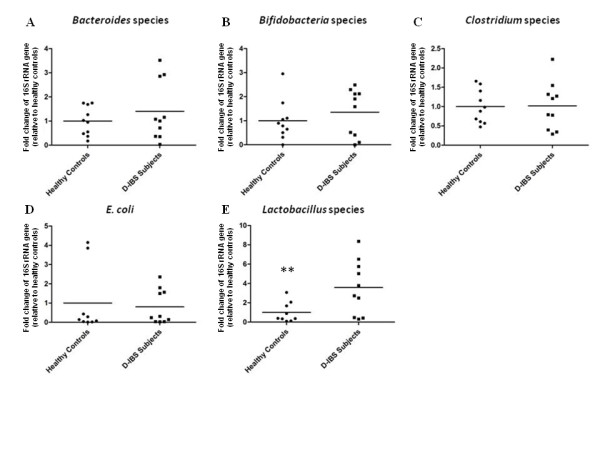
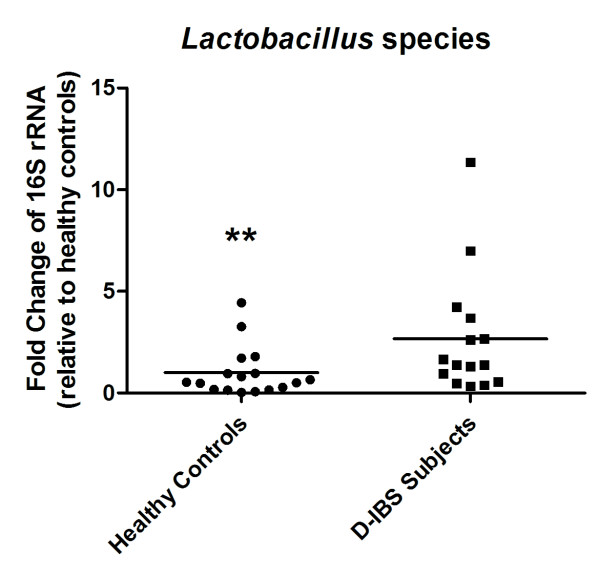
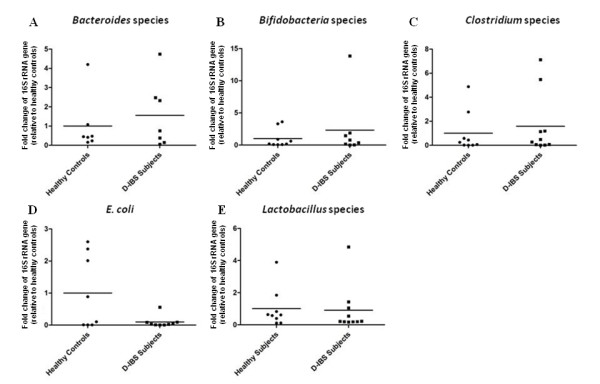
Background: Recent studies have suggested a role for an altered intestinal microbiota in the pathophysiology of irritable bowel syndrome (IBS). However, no consensus has been reached regarding the association between specific enteric bacterial groups and IBS. The aim of this study was to investigate the fecal and mucosal-associated microbiota using two independent techniques in intestinal samples from diarrhea-predominant IBS (D-IBS) and healthy controls. Methods: Fecal and colonic mucosal biopsy samples were obtained from 10 D-IBS patients and 10 healthy controls. Colonic tissue was collected during a un-sedated un-prepped flexible sigmoidoscopy. Fecal and tissue samples were processed immediately upon collection for culture under aerobic and anaerobic conditions or frozen for further molecular analysis. DNA was extracted from all frozen samples and used to enumerate specific bacterial groups using quantitative real-time PCR (qPCR). Results: Culture analysis of intestinal samples demonstrated a significant reduction in the concentration of aerobic bacteria in fecal samples from D-IBS patients when compared to healthy controls (1.4 × 10 7 vs. 8.4 × 10 8 CFUs/g feces, P = 0.002). qPCR analysis demonstrated a significant 3.6 fold increase (P = 0.02) in concentrations of fecal Lactobacillus species between D-IBS patients and healthy controls. Conclusions: Our culture and molecular data indicate that quantitative differences exist in specific bacterial groups in the microbiota between D-IBS and healthy subjects.
Overview
The claims and statistics of this paper haven’t been checked yet.
Free: it reads the open-access text and checks the first 5 claims that cite a source we can check. Create a free account to check every claim.
Integrity signals
Registry
Cites
Statistics
Figures
Verification
Claims the paper makes
The claims and statistics of this paper haven’t been checked yet.
Free: it reads the open-access text and checks the first 5 claims that cite a source we can check. Create a free account to check every claim.
Claims other papers make about this one
Each is checked against this paper’s own text: does it say what the citing paper says it does?
The source backs part of the claim, not all of it — or backs it for a different population, condition or comparison.
In the citing paper
“Limited data also suggest differences in mucosa-associated microbiota (32, 33, 86, 129), reduced stability over time (106, 107), rDNA, and differences between IBS subtypes (81, 104, 129, 142).”
From Intestinal microbiota and immune function in the pathogenesis of irritable bowel syndrome (2013) · cites this paper as [32]
Experimental — accuracy not yet measuredIn the citing paper
“While most studies used faecal material, this does differ somewhat from the bacteria adherent to the mucosa, which are likely to interact most strongly with the host.28”
From Intestinal microbiota in functional bowel disorders: a Rome foundation report (2013) · cites this paper as [28]
Self-check
Percentages, sums and reported differences re-computed from the paper’s own numbers.
The self-check needs the paper’s full text.
Citations
Cites
Longstreth, G. F., Thompson, W. G., Chey, W. D., Houghton, L. A., Mearin, F., & Spiller, R. C. (2006) · Gastroenterology · doi:10.1053/j.gastro.2005.11.061 · Cited by 4,856
The functional gastrointestinal disorders and the Rome III process
Drossman, D. A. (2006) · Gastroenterology · doi:10.1053/j.gastro.2006.03.008 · Cited by 2,416
Rinttila, T., Kassinen, A., Malinen, E., Krogius, L., & Palva, A. (2004) · Journal of Applied Microbiology · doi:10.1111/j.1365-2672.2004.02409.x · Cited by 1,017
Kassinen, A., Krogius-Kurikka, L., Mäkivuokko, H., Rinttilä, T., Paulin, L., Corander, J., Malinen, E., Apajalahti, J., & Palva, A. (2007) · Gastroenterology · doi:10.1053/j.gastro.2007.04.005 · Cited by 1,002 · cited 2×
“Nevertheless, many of the studies that sought to characterize the intestinal microbiota in IBS investigated mixed populations of IBS patients[12,13,18], or focused on a single intestinal niche[12,13,15-21].”
BackgroundSwidsinski, A., Weber, J., Loening-Baucke, V., Hale, L. P., & Lochs, H. (2005) · Journal of Clinical Microbiology · doi:10.1128/jcm.43.7.3380-3389.2005 · Cited by 894 · cited 3×
“Nevertheless, many of the studies that sought to characterize the intestinal microbiota in IBS investigated mixed populations of IBS patients[12,13,18], or focused on a single intestinal niche[12,13,15-21].”
BackgroundZoetendal, E. G., von Wright, A., Vilpponen-Salmela, T., Ben-Amor, K., Akkermans, A. D. L., & de Vos, W. M. (2002) · Applied and Environmental Microbiology · doi:10.1128/aem.68.7.3401-3407.2002 · Cited by 868 · cited 1×
“As the luminal and mucosal-associated microbiota differs in composition[22], it is important to investigate and compare the microbiota of both of these niches.”
BackgroundEradication of Small Intestinal Bacterial Overgrowth Reduces Symptoms of Irritable Bowel Syndrome
Pimentel, M., Chow, E. J., & Lin, H. C. (2000) · American Journal of Gastroenterology · doi:10.1111/j.1572-0241.2000.03368.x · Cited by 780 · cited 1×
“Additionally, antibiotic treatment of small intestinal bacterial overgrowth (SIBO) is associated with a resolution of IBS symptoms[9-11].”
BackgroundBartosch, S., Fite, A., Macfarlane, G. T., & McMurdo, M. E. T. (2004) · Applied and Environmental Microbiology · doi:10.1128/aem.70.6.3575-3581.2004 · Cited by 762
Malinen, E., Rinttila, T., Kajander, K., Matto, J., Kassinen, A., Krogius, L., Saarela, M., Korpela, R., & Palva, A. (2005) · The American Journal of Gastroenterology · doi:10.1111/j.1572-0241.2005.40312.x · Cited by 699 · cited 5×
“In addition, the differences in the reported results may relate to the differences in the study population since the reported decrease in Lactobacillus species was observed when comparing D-IBS and C-IBS, but not compared to healthy controls[16].”
BackgroundResultInfluentialPimentel, M. (2003) · The American Journal of Gastroenterology · doi:10.1016/s0002-9270(02)05902-6 · Cited by 669
Cited by
Items 101–200 of 203
Lung Microbiome Analysis in Steroid-Naїve Asthma Patients by Using Whole Sputum
Jung, J., Choi, J. C., Shin, J.-W., Kim, J.-Y., Park, I., Choi, B. W., Park, H., Cho, S., Kim, K., & Kang, H. (2016) · Tuberculosis & respiratory diseases · doi:10.4046/trd.2016.79.3.165 · Cited by 36
Significance of the Gut Microbiota in Acute Kidney Injury
Kobayashi, T., Iwata, Y., Nakade, Y., & Wada, T. (2021) · Toxins · doi:10.3390/toxins13060369 · Cited by 36
Balmuș, I.-M., Ilie, O., Ciobica, A. S., Cojocariu, R.-O., Stanciu, C., Trifan, A. V., Cîmpeanu, M., CIMPEANU, C. S., & Gorgan, L. (2020) · Medicina · doi:10.3390/medicina56010038 · Cited by 37
Sittipo, P., Pham, H. Q., Park, C. E., Kang, G.-U., Zhi, Y., Ji, H. J., Jang, A.-Y., Seo, H. S., Shin, J., & Lee, Y. K. (2020) · Frontiers in Cellular and Infection Microbiology · doi:10.3389/fcimb.2020.00415 · Cited by 33
“Previous studies have shown that the fecal microbiota of patients with intestinal disease contains lower levels of Lactobacillus (Walter, 2008; Carroll et al., 2010).”
ResultThe trace aminergic system: a gender-sensitive therapeutic target for IBS?
Pretorius, L., & Smith, C. (2020) · Journal of Biomedical Science · doi:10.1186/s12929-020-00688-1 · Cited by 32
Methodological issues in the study of intestinal microbiota in irritable bowel syndrome.
Taverniti, V., & Guglielmetti, S. (2014) · PubMed Central · doi:10.3748/wjg.v20.i27.8821 · Cited by 41
Extrusion of barley and oat influence the fecal microbiota and SCFA profile of growing pigs
Moen, B., Berget, I., Rud, I., Hole, A. S., Kjos, N. P., & Sahlstrøm, S. (2016) · Food & Function · doi:10.1039/c5fo01452b · Cited by 40
Cash, B. D., Pimentel, M., Rao, S. S. C., Weinstock, L. B., Chang, L., Heimanson, Z., & Lembo, A. J. (2017) · Therapeutic Advances in Gastroenterology · doi:10.1177/1756283x17726087 · Cited by 34
Schmulson, M., Bielsa, M. V., Carmona-Sánchez, R., Hernández, A., López-Colombo, A., López Vidal, Y., Peláez-Luna, M., Remes-Troche, J. M., Tamayo, J. L., & Valdovinos, M. A. (2014) · Revista de Gastroenterología de México · doi:10.1016/j.rgmx.2014.01.004 · Cited by 29
Yang, M. J., Hong, G., Jin, Y. T., Li, Y., Li, G., & Hou, X. (2020) · Frontiers in Cellular and Infection Microbiology · doi:10.3389/fcimb.2020.515614 · Cited by 30
Jin, X., Yu, F. B., Yan, J., Weakley, A. M., Dubinkina, V. B., Meng, X., & Pollard, K. S. (2023) · Nature Communications · doi:10.1038/s41467-023-39121-0 · Cited by 30
Altomare, A., CHIERICO, F. D., Rocchi, G., Emerenziani, S., Nuglio, C., Putignani, L., Angeletti, S., Presti, A. L., Ciccozzi, M., Russo, A., et al. (2021) · Nutrients · doi:10.3390/nu13051479 · Cited by 31
The role of gut microbiota in the development of colorectal cancer: a review
Koyande, N. P., Gangopadhyay, M., Thatikonda, S., & Rengan, A. K. (2022) · International Journal of Colorectal Disease · doi:10.1007/s00384-022-04192-w · Cited by 30
Hou, Y., Dong, L., Lu, X., Shi, H., Xu, B., Zhong, W., Ma, L., Wang, S., Yang, C., He, X., et al. (2022) · Digestive Diseases and Sciences · doi:10.1007/s10620-022-07588-4 · Cited by 29
Nowicki, C. A., Ray, L. A., Engen, P. A., Madrigrano, A., Witt, T. R., Lad, T. E., Cobleigh, M., & Mutlu, E. (2023) · Frontiers in Microbiology · doi:10.3389/fmicb.2023.1148097 · Cited by 35
“The current body of work has demonstrated differences between the gut lumen samples (such as feces) and gut-mucosa associated samples (obtained through biopsies of the intestinal tract; Zoetendal et al., 2002; Carroll et al., 2010; Gillevet et al., 2010; Momozawa et al., 2011; Rangel et al., 2015; Ringel et al., 2015;…”
BackgroundResultEffects of dietary yeast cell wall on faecal bacteria and fermentation products in adult cats
Santos, J. P. F., Aquino, A. A., Glória, M. B. A., Avila‐Campos, M. J., Oba, P. M., Santos, K. D. M., Vendramini, T. H. A., Carciofí, A. C., Reche, A., & Brunetto, M. A. (2018) · Journal of Animal Physiology and Animal Nutrition · doi:10.1111/jpn.12918 · Cited by 48
Sohn, W., Lee, O. Y., Kwon, J. G., Park, K. S., Lim, Y. J., Kim, T. H., Jung, S., & Kim, J. I. (2012) · Neurogastroenterology & Motility · doi:10.1111/j.1365-2982.2012.01945.x · Cited by 28
Characterization of Gut Microbiota in Hospitalized Patients with Clostridioides difficile Infection
Vakili, B., Fateh, A., Aghdaei, H. A., Sotoodehnejadnematalahi, F., & Siadat, S. D. (2020) · Current Microbiology · doi:10.1007/s00284-020-01980-x · Cited by 31
Fecal Microbiota Characteristics in Constipation-Predominant and Mixed-Type Irritable Bowel Syndrome
Vladimirovna, G. M., Dmitrievna, S. Y., Burakova, I. Y., Morozova, P., Lagutina, S. N., Chizhkov, P. A., Korneeva, O. S., & Syromyatnikov, M. (2024) · Microorganisms · doi:10.3390/microorganisms12071414 · Cited by 29
Reyes, R. E., Omran, A. J. A., Davies, D. L., & Asatryan, L. (2020) · Brain Research · doi:10.1016/j.brainres.2020.147067 · Cited by 25
“For example, patients with irritable bowel syndrome have been shown to have significant reductions in the abundance of Lactobacillus and other Firmicutes members (Carroll et al., 2010).”
BackgroundGut Microbiota and Its Role in Anti-aging Phenomenon: Evidence-Based Review
Li, R., & Roy, R. (2023) · Applied Biochemistry and Biotechnology · doi:10.1007/s12010-023-04423-y · Cited by 26
Authier, H., Salon, M., Rahabi, M. C., Bertrand, B., Blondeau, C., Kuylle, S., Holowacz, S., & Coste, A. (2021) · Journal of Fungi · doi:10.3390/jof7010057 · Cited by 23
Perspectives on Berberine and the Regulation of Gut Microbiota: As an Anti-Inflammatory Agent
Quintero, J., Galvez-Ruiz, J. C., Ibarra, A. A. M., & Leyva‐Peralta, M. A. (2025) · Pharmaceuticals · doi:10.3390/ph18020193 · Cited by 24
Close association between intestinal microbiota and irritable bowel syndrome
Fan, W.-T., Ding, C., Xu, N., Zong, S., Ma, P., & Gu, B. (2017) · European Journal of Clinical Microbiology & Infectious Diseases · doi:10.1007/s10096-017-3060-2 · Cited by 26
The characteristics of intestinal flora of IBS‐D with different syndromes
Chao, G., & Zhang, S. (2020) · Immunity Inflammation and Disease · doi:10.1002/iid3.348 · Cited by 22
“Some studies have found that there is a significant decrease in intestinal colonization resistance (the ratio of Bifidobacterium to Enterobacter [B/E]) in the feces of patients with IBS‐D, which refers to the increase of enterobacter, the decrease of bifidobacteria and lactobacillus,(18) the increase of the Firmicutes…”
BackgroundMatheus, L. F. D. O., Risolia, L. W., Ernandes, M. C., de Souza, J. M., Oba, P. M., Vendramini, T. H. A., Pedrinelli, V., Henríquez, L. B. F., Massoco, C. D. O., Pontieri, C. F. F., et al. (2021) · BMC Veterinary Research · doi:10.1186/s12917-021-03049-8 · Cited by 23
Gut microbiota in gastrointestinal diseases
Bhattacharjee, G., Khambhati, K., Gohil, N., Singh, P., Gohil, J., Gautam, H., Maurya, R., Chu, D., Ramakrishna, S., & Singh, V. (2022) · Progress in molecular biology and translational science · doi:10.1016/bs.pmbts.2022.06.028 · Cited by 21
Shi, Y., Luo, J., Narbad, A., & Chen, Q. (2023) · Microorganisms · doi:10.3390/microorganisms11010179 · Cited by 26
Tsai, W.-H., Lin, W., Chou, C., & Yang, L.-C. (2023) · Food & Function · doi:10.1039/d3fo00681f · Cited by 18
Recent advances in the diagnosis of irritable bowel syndrome
El‐Salhy, M. (2015) · Expert Review of Gastroenterology & Hepatology · doi:10.1586/17474124.2015.1067138 · Cited by 19
Impact of the ileal microbiota on colon cancer
Roberti, M. P., Rauber, C., Kroemer, G., & Zitvogel, L. (2021) · Seminars in Cancer Biology · doi:10.1016/j.semcancer.2021.09.016 · Cited by 18
The microbiome compositional and functional differences between rectal mucosa and feces
Yin, X.-F., Ye, T., Chen, H., Liu, J., Mu, X.-F., Li, H., Wang, J., Yuanjia, H., Cao, H., & Kang, W. (2024) · Microbiology Spectrum · doi:10.1128/spectrum.03549-23 · Cited by 22
“However, there is increasing evidence to suggest that there may be significant variations in microbial composition between the gut mucosa and feces (17).”
BackgroundChang, C. (2018) · Clinical and Experimental Gastroenterology · doi:10.2147/ceg.s167031 · Cited by 21
“10 In a longitudinal study, gut microbial instability (ie, differences in microbial numbers or composition; determined using culture-independent molecular analysis [ie, PCR-denaturing gradient gel electrophoresis]) was greater in patients with IBS than in healthy individuals during a 6-month period…”
Research Progress in Fecal Microbiota Transplantation as Treatment for Irritable Bowel Syndrome
Wang, Y., Zheng, F., Liu, S., & Luo, H. (2019) · Gastroenterology Research and Practice · doi:10.1155/2019/9759138 · Cited by 18
“Microbial diversity in fecal samples from IBS-D patients is significantly reduced [50], with the intestinal microbiota mainly characterized by an increased number of Enterobacteriaceae species and a decreased number of Lactobacillus, Bifidobacterium, and Bacteroides species [51].”
BackgroundAuthier, H., Bardot, V., Berthomier, L., Bertrand, B., Blondeau, C., Holowacz, S., & Coste, A. (2022) · Microbiology Spectrum · doi:10.1128/spectrum.02355-21 · Cited by 19
“(28) sense AGCAGTAGGGAATCTTCCA antisense CACCGCTACACATGGAG Total bacteria (29) sense Eub338F ACTCCTACGGGAGGCAGCAG antisense Eub518R ATTACCGCGGCTGCTGG Bacteroidetes (29) sense Bact934F GGARCATGTGGTTTAATTCGATGAT antisense Bact1060R AGCTGACGACAACCATGCAG Firmicutes (29) sense Firm934F GGAGYATGTGGTTTAATTCGAAGCA antisense F…”
BackgroundInfluentialBiofilms and Benign Colonic Diseases
Songtanin, B., Peterson, C., Molehin, A. J., & NUGENT, K. M. (2022) · International Journal of Molecular Sciences · doi:10.3390/ijms232214259 · Cited by 16
Gut microbiota in burned patients with Clostridioides difficile infection
Shoaei, P., Shojaei, H., Siadat, S. D., Moshiri, A., Vakili, B., Yadegari, S., Ataei, B., & Khorvash, F. (2021) · Burns · doi:10.1016/j.burns.2021.11.023 · Cited by 13
Piazzesi, A., & Putignani, L. (2022) · Frontiers in Microbiology · doi:10.3389/fmicb.2022.958346 · Cited by 14
Zhang, Y., Wang, S., Wang, H., Cao, M., Wang, M., Zhang, B., Xiao, C., Zhu, H., & Du, S. (2024) · Digestion · doi:10.1159/000540420 · Cited by 11
“Additionally, the diversity of microorganisms in the faecal samples of the patients with IBS-D decreased signi fi cantly, with the primary manifestations being an increase in the quantity of Enterobacter and a decrease in the quantity of Lactobacillus [21].”
(2009) · doi:10.4166/kjg.2019.73.2.84 · Cited by 11
Commensal bacteria: the link between IBS and IBD?
Quigley, E. M. M. (2011) · Current Opinion in Clinical Nutrition & Metabolic Care · doi:10.1097/mco.0b013e328348c033 · Cited by 13
Characterization of the fecal microbiota differs between age groups in Koreans
Kook, S. Y., Kim, Y.-J., Kang, B., Choe, Y. H., Kim, Y., & Kim, S. (2018) · Intestinal Research · doi:10.5217/ir.2018.16.2.246 · Cited by 12
“Although PCR amplification of the 16S rRNA gene in combination with pyrosequencing appears to be a useful approach for studying the microbial composition in an ecological environment such as the human gut, it is limited to providing only an estimation of the relative abundance without information on absolute bacterial…”
Characterizing and Functionally Defining the Gut Microbiota: Methodology and Implications
Ellermann, M., Carr, J. S., Fodor, A. A., Arthur, J. C., & Carroll, I. M. (2017) · Elsevier eBooks · doi:10.1016/b978-0-12-804024-9.00002-1 · Cited by 12
Self-citationDysbiosis of the Intestinal Microbiota in IBS
Lyra, A., & Lahtine, S. (2012) · InTech eBooks · doi:10.5772/25759 · Cited by 9
“…propionic and total SCFA elevated and correlated with symptoms Noor et al, 2010 11 IBS, 13 UC, 22 Controls DGGE Less diversity among Bacteroides Carroll et al, 2010 10 IBS-D, 10 Controls Culturing, qPCR; Fecal and mucosal biopsy samples Less aerobes and more lactobacilli in feces Carroll et…”
Akkermansia species : phylogeny, physiology and comparative genomics
Ouwerkerk, J. P. (2016) · doi:10.18174/371369 · Cited by 8
Kubosawa, Y., Sujino, T., Miyamoto, K., Kayashima, A., Minezaki, D., Morioka, K., Iwata, K., Miyazaki, K., Masunaga, T., Mizutani, M., et al. (2024) · Scientific Reports · doi:10.1038/s41598-024-69820-7 · Cited by 7
Huang, C., Liu, S.-Y., Bhattarai, B. P., Lee, T.-Y., Chang, H.-T., Lin, H., Weng, H.-M., Huang, H.-H., Lin, J., & Lee, J. (2024) · Microorganisms · doi:10.3390/microorganisms12112334 · Cited by 11
Kuchibhatla, R., Petschow, B. W., Odle, J., & Weaver, E. M. (2015) · Advances in Nutrition · doi:10.3945/an.114.007930 · Cited by 7
Rendón-Rosales, M. Á., Mendez-Romero, J. I., Hernández‐Mendoza, A., González-Córdova, A. F., Mazorra-Manzano, M. A., Garcia, H. S., Beltrán‐Barrientos, L. M., Estrada-Montoya, M. C., & Vallejo‐Córdoba, B. (2024) · Food Production Processing and Nutrition · doi:10.1186/s43014-024-00221-z · Cited by 9
Altered mucosal bacteria and metabolomics in patients with Peutz–Jeghers syndrome
Wang, S., Kou, G., Zhao, X., Huang, G., Wang, J.-X., Tian, L., Zuo, X., Li, Y., Wang, J., & Yu, Y. (2024) · Gut Pathogens · doi:10.1186/s13099-024-00617-9 · Cited by 7
“The differences in the composition and physiological effects of the intestinal mucosal surface and lumen microeco-logical environment have been confirmed and need further exploration [18].”
BackgroundZhong, Z., Zhang, Y., Li, X., Li, L., Zhang, R., & Zhang, S. (2022) · Animals · doi:10.3390/ani12131695 · Cited by 7
Hanaway, P. J. (2012) · Elsevier eBooks · doi:10.1016/b978-1-4377-1793-8.00040-6 · Cited by 6
Quorum quenching enzymes disrupt bacterial communication in a sex‐ and dose‐dependent manner
Syal, A., Martell, M., Sikdar, R., Dietz, M. A., Ziegert, Z., Jahansouz, C., Elias, M. H., & Staley, C. M. (2025) · Animal Models and Experimental Medicine · doi:10.1002/ame2.12520 · Cited by 5
“17 Moreover, obese microbiomes are extremely resilient, even after dietary and lifestyle interventions.”
Patridge, E. V., Gorakshakar, A., Molusky, M. M., Ogundijo, O., Julian, C., Hu, L., Antoine, G., Vuyisich, M., Wohlman, R., & Banavar, G. S. (2025) · BMC Gastroenterology · doi:10.1186/s12876-025-04205-2 · Cited by 6
“[71, 72] Unpacking the UricAcidProductionPathways gut score To maximize transparency and understandability of the gut pathway scores, we disclose the complete score design for UricAcidProductionPathways , and we use the Results section ( Score Development sub-section) to further elaborate on what…”
Gut microbiome pattern in adolescents with functional gastrointestinal disease
Nafarin, A. R., Hegar, B., Sjakti, H. A., & Vandenplas, Y. (2019) · International Journal of Pediatrics and Adolescent Medicine · doi:10.1016/j.ijpam.2019.01.005 · Cited by 5
Quantitative Measurement of Mucolytic Enzymes in Fecal Samples
Khan, S., & Zaki, H. (2021) · BIO-PROTOCOL · doi:10.21769/bioprotoc.3956 · Cited by 5
Hansen, Z. A., Cha, W., Nohomovich, B., Newton, D. W., Lephart, P., Salimnia, H., Khalife, W. T., Shade, A. L., Rudrik, J. T., & Manning, S. D. (2021) · Scientific Reports · doi:10.1038/s41598-021-01927-7 · Cited by 6
Choudhury, R., & Kleerebezem, M. (2022) · Frontiers in Microbiology · doi:10.3389/fmicb.2022.804986 · Cited by 4
Alterations of ileal mucosa-associated microbiota in hypercholesterolemia patients
Li, J., Ma, J., Wang, W., Du, H., Tang, S., Li, Y., Zhu, W., Zhang, R., & Wan, J. (2023) · Heliyon · doi:10.1016/j.heliyon.2023.e22116 · Cited by 3
“[9,32].”
Guagliano, G., Boeri, L., Merli, M., Yan, H., Vangosa, F. B., Visai, L., Visentin, S., Petrini, P., & Sardelli, L. (2025) · Materials Today Bio · doi:10.1016/j.mtbio.2025.101937 · Cited by 7
“Instead, pathologies like the irritable inflammation syndrome are associated with a reduction in aerobic bacteria, such as Lactobacillus, compared to healthy individuals [97].”
Diarrhea management: from pathophysiology to microbiota modulation
Marasco, G., Meacci, D., Sarnelli, G., Tosetti, C., Cremon, C., Savarino, E. V., & Barbara, G. (2026) · Therapeutic Advances in Gastroenterology · doi:10.1177/17562848261424324 · Cited by 5
Probiotics for the treatment of irritable bowel syndrome in children
Barajas-Nava, L. A., Sánchez, A. C., Castilla-Peón, M. F., Pizarro-Castellanos, M., & Vázquez-Frías, R. (2018) · Cochrane Database of Systematic Reviews · doi:10.1002/14651858.cd013095 · Cited by 3
Wu, D., Zhou, K., Xiao, M., Liu, Z., & Zhang, S. (2022) · Science China Life Sciences · doi:10.1007/s11427-021-2072-4 · Cited by 3
“consistent with previous reports that microbial compositions are significantly different in mucosa and feces (Carroll et al., 2010; Zoetendal et al., 2002).”
BackgroundResultBhuiya, S., Kaushik, S., Prathiviraj, R., Selvin, J., & Kiran, G. S. (2025) · Food Bioscience · doi:10.1016/j.fbio.2025.105903 · Cited by 4
Scientific Evidence for the Treatment of Children with Irritable Bowel Syndrome
Quitadamo, P., Isoldi, S., Mallardo, S., Zenzeri, L., & Nardo, G. D. (2021) · Current Pediatric Reviews · doi:10.2174/1573396317666210127123330 · Cited by 4
“Recent studies suggested that dysbiosis may contribute in generating visceral hypersensitivity, dysmotility and abnormal colonic fermentation [29, 86-90].”
BackgroundColorectal cancer and gut microbiota
Ereemeeva, I. A., Багдасарова, Д. В., Артёмова, Е. В., Андреевна, К. А., & Феденко, А. А. (2024) · P A Herzen Journal of Oncology · doi:10.17116/onkolog20241302160 · Cited by 2
Kwon, S., Jo, S., Park, J., Park, J., Kim, Y., Baek, J., Kim, M., Choi, B., Hong, N. Y., Jung, H. K., et al. (2025) · Biotechnology and Bioengineering · doi:10.1002/bit.29031 · Cited by 2
“…by altered composition and functionality of the gut microbiota, has been implicated in metabolic diseases such as inflammatory bowel disease (IBD), irritable bowel syndrome, obesity, and diabetes (Carroll et al. 2010; Lambeth et al. 2015; Ley et al. 2005; Manichanh 2006; Nishida et al. 2018).”
Self-citationYang, M., Zhu, Y., Li, Q., Deng, Z., Xu, C., Wei, X., Ma, Y., Ding, C., Zhang, M., Ma, S., et al. (2026) · Acta Pharmaceutica Sinica B · doi:10.1016/j.apsb.2026.06.032 · Cited by 2
“…are stratified into two ecological niches: the mucosal microbiota (dominated by Bifidobacterium and Lactobacillus ) and the luminal microbiota (enriched in Escherichia coli and Enterococcus ), collectively adhering to the intestinal mucosal layer to establish a multilayered microbial barrier 27 .”
König, J., Rangel, I., & Brummer, R. J. (2013) · Food and Nutrition Sciences · doi:10.4236/fns.2013.411a005 · Cited by 2
“in mucosal samples obtained from unprepared sigmoidoscopies using both culturebased and qPCR analyses [19].”
MethodUsing metabolomics to analyse the role of gut microbiota in nutrition and disease
Xie, G., & Jia, W. P. (2014) · Elsevier eBooks · doi:10.1016/b978-1-78242-084-2.00006-x · Cited by 3
Salmonella-induced changes of the rat intestinal microbiota
Bukіna, Y. V., Polishchuk, N. N., Бачурін, Г. В., Stepanivna, C. O., Зінич, О. Л., Lazaryk, O., & Bezugly, M. B. (2021) · Russian Journal of Infection and Immunity · doi:10.15789/2220-7619-sic-1507 · Cited by 2
Gut microbiota: role of biofilms in human health
Jha, D., & Kumar, R. (2024) · Elsevier eBooks · doi:10.1016/b978-0-443-19252-4.00009-2 · Cited by 1
Irritable Bowel Syndrome with Constipation
Everhart, K. K., & Lacy, B. E. (2014) · Springer eBooks · doi:10.1007/978-1-4939-0332-0_4 · Cited by 1
The Challenging Triad: Microbiota, Immune System and Anticancer Drugs
Arsene, A. L., Drăgoi, C. M., Nicolae, A. C., Popa, D. E., Burcea-Dragomiroiu, G. T. A., Dumitrescu, I.-B., Timnea, O. C., & Udeanu, D. I. (2016) · InTech eBooks · doi:10.5772/65731 · Cited by 1
Gut Microbiome and Gastrointestinal Disorders
Legaki, E., Karanasou, E. A., & Gazouli, M. (2021) · The microbiomes of humans, animals, plants, and the environment · doi:10.1007/978-3-030-59642-2_3 · Cited by 2
Procedures for sampling of small and larger samples of microbiome
Adetunji, J. B., Michael, O. S., Adetunji, C. O., Ajayi, O. O., & Ogundolie, F. A. (2024) · Elsevier eBooks · doi:10.1016/b978-0-323-91190-0.00003-5 · Cited by 1
Li, M., Chen, H., Chen, Y.-L., Lai, Y., Lai, C.-Y., Ruan, J., Chen, J., Tsai, W.-H., Ko, W., & Tsai, P.-J. (2025) · Probiotics and Antimicrobial Proteins · doi:10.1007/s12602-025-10556-9 · Cited by 1
“[34].”
The Intestinal Microbiota and Intestinal Disease: Irritable Bowel Syndrome
Keren, N., & Gophna, U. (2011) · Springer eBooks · doi:10.1007/978-3-642-21680-0_15 · Cited by 1
“Similarly, Carroll and coworkers showed using cultivation-based methods, and Quantitative real-time PCR (qPCR) assays of selected bacterial groups, that their levels were mostly unchanged in IBS, but more aerobic bacteria and Lactobacillus species were present in fecal samples of IBS patients suffering from diarrhea (…”
BackgroundCharacterization of Intestinal Microbiota in Healthy Adults and the Effect of Perturbations
Jalanka, J. (2014) · Helda - University of Helsinki Institutional Repository · Cited by 3
Strindmo, I. (2016) · NVA (Nasjonalt vitenarkiv) · Cited by 3
Diet in irritable bowel syndrome
Sienkiewicz, M. (2020) · Elsevier eBooks · doi:10.1016/b978-0-12-821324-7.00013-7 · Cited by 2
Mucus Perspective to Conduct the Molecular Concertation in Inflammatory Bowel DiseasesPreprint
Sardelli, L., Boeri, L., Guagliano, G., Merli, M., Vangosa, F. B., & Petrini, P. (2023) · Preprints.org · doi:10.20944/preprints202305.2116.v1
Commensal Bugs from the Gut-Shaping Human Health and Disease
Chowdhury, A. R. (2014) · Journal of Investigative Genomics · doi:10.15406/jig.2014.01.00013
Santos, J. P. F. (2015) · Digital Library of Theses and Dissertations (Universidade de São Paulo) · doi:10.11606/t.10.2015.tde-02102015-160322 · Cited by 7
Matheus, L. F. D. O. (2016) · Digital Library of Theses and Dissertations (Universidade de São Paulo) · doi:10.11606/d.10.2016.tde-31102016-155014
Santos, K. D. M. (2018) · Digital Library of Theses and Dissertations (Universidade de São Paulo) · doi:10.11606/d.10.2018.tde-31012018-113943 · Cited by 2
Influence of traditional Chinese medicine on intestinal microecology
Tang, Y., & Tan, Z. (2020) · World Chinese Journal of Digestology · doi:10.11569/wcjd.v28.i15.719
Irritable bowel syndrome and transplantation of fecal microbiota. Review
Fadieienko, G. D., & Gridnyev, O. (2021) · Modern Gastroenterology · doi:10.30978/mg-2021-4-45
Mechanism, Pathophysiology and Herbal Management-A Review on Irritable Bowel Syndrome
Wal, A., Wal, P., Verma, N., Rai, A. K., & Vatsha, P. (2022) · The Natural Products Journal · doi:10.2174/2210315512666220624163105
Vanzo, V. D. S. (2022) · Digital Library of Theses and Dissertations (Universidade de São Paulo) · doi:10.11606/d.10.2022.tde-27012023-094856
Practical applications for diet and lifestyle to improve microbial and epigenetic health
Habibian, J. S. (2024) · Elsevier eBooks · doi:10.1016/b978-0-443-18979-1.00015-0
Imran, M., & Ahmad, B. (2024) · Springer eBooks · doi:10.1007/978-981-97-6948-3_2 · Cited by 2
Wang, Z., Chen, Y., Li, X., Li, L., Chen, B., Chen, M., & Zheng, H. (2025) · Indian Journal of Gastroenterology · doi:10.1007/s12664-025-01845-w · Cited by 3
“…↑ , Chloroflexi ↑ , Teneri-cutes ↑ , Thermi ↓ Botschuijver et al. [38] NA Saccharomyces cerevisiae and Candida albicans ↓ Carroll et al. [39] NA Lactobacillus species ↑ Carroll et al. [40] NA Planctomycetaceae ↓ Chassard et al. [41] NA Roseburia – E. rectale group ↓ Cui and Hu [42] NA…”
Wang, S., Kou, G.-J., Zhao, X.-H., Huang, G., Wang, J., Tian, L., Zuo, X.-L., Li, Y.-Q., Wang, J., & Yu, Y.-B. (2024) · Figshare · doi:10.6084/m9.figshare.26713619
Wang, S., Kou, G.-J., Zhao, X.-H., Huang, G., Wang, J., Tian, L., Zuo, X.-L., Li, Y.-Q., Wang, J., & Yu, Y.-B. (2024) · Figshare · doi:10.6084/m9.figshare.26713613
Wang, S., Kou, G.-J., Zhao, X.-H., Huang, G., Wang, J., Tian, L., Zuo, X.-L., Li, Y.-Q., Wang, J., & Yu, Y.-B. (2024) · Figshare · doi:10.6084/m9.figshare.26713616
Wang, S., Kou, G.-J., Zhao, X.-H., Huang, G., Wang, J., Tian, L., Zuo, X.-L., Yanqing, L. I., Wang, J., & Yu, Y.-B. (2024) · Figshare · doi:10.6084/m9.figshare.26713622
The Next Frontier in Microbiome-Based Therapeutics: Advanced Clinical Applications
Prasanth, T., Reddy, K. P., & Velayutham, R. (2025) · Interdisciplinary biotechnological advances · doi:10.1007/978-981-95-2104-3_12 · Cited by 1
Metadata
- Authors
- Carroll, I. M., Chang, Y.-H., Park, J., Sartor, R. B., & Ringel, Y.
- Affiliations
- University of North Carolina at Chapel Hill (US)
- Korea Research Institute of Bioscience and Biotechnology (KR)
- Corresponding author
- Ringel, Yehuda
- Venue
- Gut Pathogens
- Published
- 2010-12
- Volume
- 2
- Issue
- 1
- Pages
- 19-19
- ISSN
- 1757-4749 (ISSN-L)
- PMC
- PMC3018384
- OpenAlex
- W2128764897
- Cited by
- 203
- References
- 30
- Citations by year
- 2026: 3 · 2025: 11 · 2024: 19 · 2023: 7 · 2022: 16 · 2021: 18 · 2020: 17 · 2019: 11 · 2018: 17 · 2017: 12 · 2016: 12 · 2015: 18 · 2014: 17 · 2013: 9 · 2012: 10
- FWCI
- 3.26
- Type
- journal article
- Language
- en
- Open access
- gold
- doi.org
- Licence
- cc-by
- creativecommons.org/licenses/by/2.0 (tdm)
- creativecommons.org/licenses/by/2.0 (vor, 8 d)
- Locations
- Gut Pathogens (publishedVersion, cc-by)
- PubMed Central (publishedVersion, cc-by)
- PubMed (publishedVersion)
- Carolina Digital Repository (University of North Carolina at Chapel Hill) (submittedVersion)
- DOAJ (DOAJ: Directory of Open Access Journals) (submittedVersion, cc-by-sa)
- KRIBB Repository (submittedVersion)
- UNC Libraries
- Topics
- Life Sciences › Biochemistry, Genetics and Molecular Biology › Molecular Biology › Gut microbiota and health
- Health Sciences › Medicine › Gastroenterology › Gastrointestinal motility and disorders
- Health Sciences › Medicine › Gastroenterology › Microscopic Colitis
- Keywords
- diarrhea-predominant irritable bowel syndrome, gut microbiota, fecal microbiota, colonic mucosa, Lactobacillus, aerobic bacteria, bacterial culture, quantitative real-time PCR, flexible sigmoidoscopy
About these checks
Registry, retraction, Cites and statistics results are computed, not judged, with one exception: a printed reference that no index lists is read once by a model before it counts as a citation error. Claims are extracted by a model and kept only when their quote appears verbatim in the text; each cited source is then checked, with a model’s help, for whether it says what the claim relies on. Those verdicts can be wrong — read the claim’s quote and the cited source before relying on one.
Statistics and arithmetic are recomputed, not judged.
Confidence bands are shown only for fields calibrated on our annotated test set. None is calibrated yet, so no band is shown.
What counts as a claim ›How we measure confidence ›How we check this ›
Are you an author, or do you see a problem with this page? Request a review
Data sources
Bibliographic data: Semantic Scholar, OpenAlex, Crossref.
Contains information from the Semantic Scholar Academic Graph Datasets, made available under the ODC Attribution License (ODC-BY 1.0).
Semantic Scholar’s data is described in: Kinney, R., et al. (2023). The Semantic Scholar Open Data Platform. arXiv:2301.10140.
