

A pilot open-label trial of minocycline in patients with autism and regressive features
Open accessThe DOI matches its Crossref record; 47 of the 47 references it cites were found in a registry or an index.
Abstract
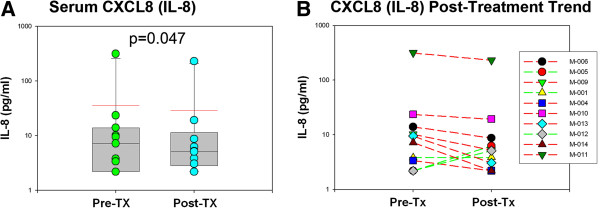
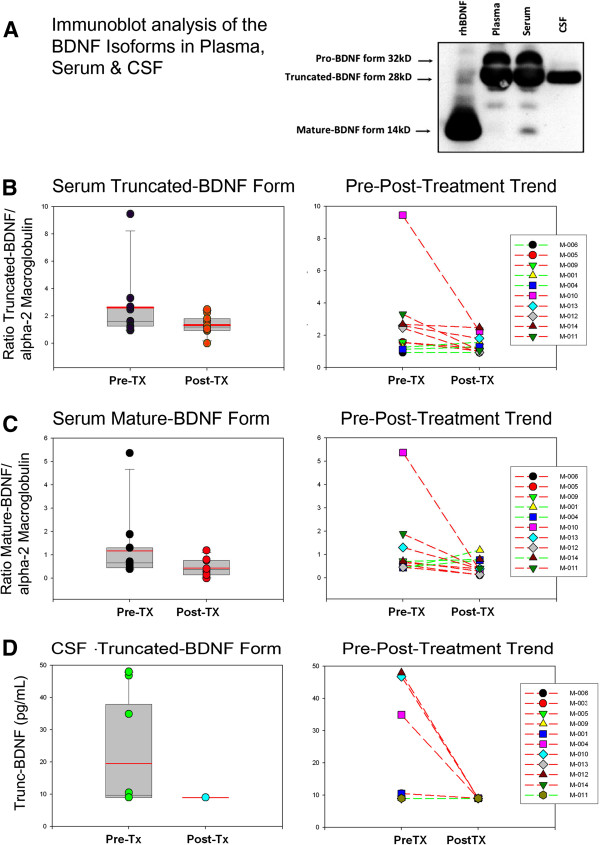
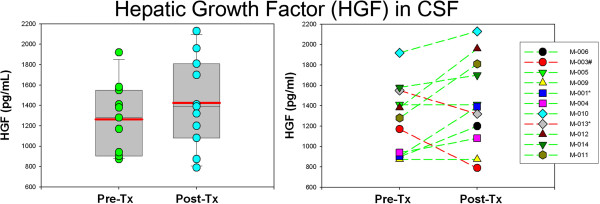
BACKGROUND: Minocycline is a tetracycline derivative that readily crosses the blood brain barrier and appears to have beneficial effects on neuroinflammation, microglial activation and neuroprotection in a variety of neurological disorders. Both microglial activation and neuroinflammation have been reported to be associated with autism. The study was designed to evaluate the effects of minocycline treatment on markers of neuroinflammation and autism symptomatology in children with autism and a history of developmental regression. METHODS: Eleven children were enrolled in an open-label trial of six months of minocycline (1.4 mg/kg). Ten children completed the trial. Behavioral measures were collected and cerebrospinal fluid (CSF), serum and plasma were obtained before and at the end of minocycline treatment and were analyzed for markers of neuroinflammation. RESULTS: Clinical improvements were negligible. The laboratory assays demonstrated significant changes in the expression profile of the truncated form of brain derived neurotrophic factor (BDNF) (P = 0.042) and hepatic growth factor (HGF) (P = 0.028) in CSF. In serum, the ratio of the truncated BDNF form and α-2 macroglobulin (α-2 M), was also significantly lower (P = 0.028) while the mature BDNF/α-2 M ratio revealed no difference following treatment. Only the chemokine CXCL8 (IL-8) was significantly different (P = 0.047) in serum while no significant changes were observed in CSF or serum in chemokines such as CCL2 (MCP-1) or cytokines such as TNF-α, CD40L, IL-6, IFN-γ and IL-1β when pre- and post-treatment levels of these proteins were compared. No significant pre- and post-treatment changes were seen in the profiles of plasma metalloproteinases, putative targets of the effects of minocycline. CONCLUSIONS: Changes in the pre- and post-treatment profiles of BDNF in CSF and blood, HGF in CSF and CXCL8 (IL-8) in serum, suggest that minocycline may have effects in the CNS by modulating the production of neurotrophic growth factors. However, in this small group of children, no clinical improvements were observed during or after the six months of minocycline administration. TRIAL REGISTRATION: NCT00409747.
Overview
The claims and statistics of this paper haven’t been checked yet.
Free: it reads the open-access text and checks the first 5 claims that cite a source we can check. Create a free account to check every claim.
Integrity signals
Registry
Cites
Statistics
Figures
Verification
Claims the paper makes
The claims and statistics of this paper haven’t been checked yet.
Free: it reads the open-access text and checks the first 5 claims that cite a source we can check. Create a free account to check every claim.
Claims other papers make about this one
Each is checked against this paper’s own text: does it say what the citing paper says it does?
In the citing paper
“ASD with regressive features may be resistant to minocycline therapy242.”
From Immune mediators in the brain and peripheral tissues in autism spectrum disorder (2015) · cites this paper as [242]
Self-check
Percentages, sums and reported differences re-computed from the paper’s own numbers.
The self-check needs the paper’s full text.
Citations
Cites
Lord, C., Risi, S., Lambrecht, L., Cook, E. H., Leventhal, B. L., DiLavore, P. C., Pickles, A., & Rutter, M. (2000) · Journal of Autism and Developmental Disorders · doi:10.1023/a:1005592401947 · Cited by 7,520 · cited 1×
“Autism diagnoses were made using the Autism Diagnostic Interview - Revised (ADI-R) [34] or a Toddler version, the Autism Diagnostic Observation Schedule [35], and clinical judgment based on DSM-IV criteria for autistic disorder.”
MethodKettenmann, H., Hanisch, U.-K., Noda, M., & Verkhratsky, A. (2011) · Physiological Reviews · doi:10.1152/physrev.00011.2010 · Cited by 3,547 · cited 1×
“Under normal conditions, microglia are integral components of brain homeostasis involved in synaptic plasticity, neurogenesis, axon guidance, and cortical organization [8-11].”
BackgroundNeuroglial activation and neuroinflammation in the brain of patients with autism
Vargas, D. L., Nascimbene, C., Krishnan, C., Zimmerman, A. W., & Pardo, C. A. (2005) · Annals of Neurology · doi:10.1002/ana.20315 · Cited by 2,149 · cited 2×
“In autism, microglial activation has been shown to occur in regions of the central nervous system such as the cerebellum and the frontal and anterior cingular cortices [6,7], areas of the brain involved in the neurobehavioral abnormalities that characterize this disorder [13].”
BackgroundSelf-citationVineland Adaptive Behavior Scales
Sparrow, S. S. (2011) · Encyclopedia of Clinical Neuropsychology · doi:10.1007/978-0-387-79948-3_1602 · Cited by 1,966
Microglia Shape Adult Hippocampal Neurogenesis through Apoptosis-Coupled Phagocytosis
Sierra, A., Encinas, J. M., Deudero, J. J. P., Chancey, J. H., Enikolopov, G., Overstreet-Wadiche, L. S., Tsirka, S. E., & Maletic-Savatic, M. (2010) · Cell Stem Cell · doi:10.1016/j.stem.2010.08.014 · Cited by 1,622
Amaral, D. G., Schumann, C. M., & Nordahl, C. W. (2008) · Trends in Neurosciences · doi:10.1016/j.tins.2007.12.005 · Cited by 1,492 · cited 1×
“In autism, microglial activation has been shown to occur in regions of the central nervous system such as the cerebellum and the frontal and anterior cingular cortices [6,7], areas of the brain involved in the neurobehavioral abnormalities that characterize this disorder [13].”
BackgroundA Prospective Study of the Emergence of Early Behavioral Signs of Autism
Ozonoff, S., Iosif, A.-M., Baguio, F., Cook, I. C., Hill, M. M., Hutman, T., Rogers, S. J., Rozga, A., Sangha, S., Sigman, M., et al. (2010) · Journal of the American Academy of Child & Adolescent Psychiatry · doi:10.1016/j.jaac.2009.11.009 · Cited by 1,011 · cited 1×
“In this subset with regression, an accelerated disturbance of the neurobiological developmental trajectories may be taking place [2,3].”
BackgroundThe Role of Microglia in the Healthy Brain: Figure 1.
Tremblay, M.-È., Stevens, B., Sierra, A., Wake, H., Bessis, A., & Nimmerjahn, A. (2011) · The Journal of Neuroscience · doi:10.1523/jneurosci.4158-11.2011 · Cited by 992 · cited 1×
“Under normal conditions, microglia are integral components of brain homeostasis involved in synaptic plasticity, neurogenesis, axon guidance, and cortical organization [8-11].”
BackgroundAshwood, P., Krakowiak, P., Hertz-Picciotto, I., Hansen, R., Pessah, I., & Van de Water, J. (2011) · Brain, Behavior, and Immunity · doi:10.1016/j.bbi.2010.08.003 · Cited by 940 · cited 1×
“In this subset with regression, an accelerated disturbance of the neurobiological developmental trajectories may be taking place [2,3].”
BackgroundBuie, T., Campbell, D. B., Fuchs, G. J., Furuta, G. T., Levy, J., VandeWater, J., Whitaker, A. H., Atkins, D., Bauman, M. L., Beaudet, A. L., et al. (2010) · Pediatrics · doi:10.1542/peds.2009-1878c · Cited by 872
Elevated immune response in the brain of autistic patients
Li, X., Chauhan, A., Sheikh, A. M., Patil, S., Chauhan, V., Li, X.-M., Ji, L., Brown, T., & Malik, M. (2009) · Journal of Neuroimmunology · doi:10.1016/j.jneuroim.2008.12.002 · Cited by 786 · cited 1×
“Previous neuropathologic and structural studies in patients with autism suggested the presence of ongoing innate neuroinflammatory mechanisms characterized by activation of microglia and astroglia together with abnormalities in cytokines and chemokines [4-7].”
BackgroundMorgan, J. T., Chana, G., Pardo, C. A., Achim, C., Semendeferi, K., Buckwalter, J., Courchesne, E., & Everall, I. P. (2010) · Biological Psychiatry · doi:10.1016/j.biopsych.2010.05.024 · Cited by 749 · cited 2×
“In autism, microglial activation has been shown to occur in regions of the central nervous system such as the cerebellum and the frontal and anterior cingular cortices [6,7], areas of the brain involved in the neurobehavioral abnormalities that characterize this disorder [13].”
BackgroundSelf-citationEfficacy of minocycline in patients with amyotrophic lateral sclerosis: a phase III randomised trial
Gordon, P. H., Moore, D. H., Miller, R. G., Florence, J. M., Verheijde, J. L., Doorish, C., Hilton, J. F., Spitalny, G. M., MacArthur, R. B., Mitsumoto, H., et al. (2007) · The Lancet Neurology · doi:10.1016/s1474-4422(07)70270-3 · Cited by 649 · cited 2×
“On the other hand, while amyotrophic lateral sclerosis (ALS) studies in animal models showed great promise [32], as did the results of phase I and II clinical trials [16,17] a recently completed phase III randomized clinical trial showed adverse effects of the medication [17] in this disorder.”
ResultThe Promise of Minocycline in Neurology
Yong, V. W., Wells, J., Giuliani, F., Casha, S., Power, C., & Metz, L. M. (2004) · The Lancet Neurology · doi:10.1016/s1474-4422(04)00937-8 · Cited by 518
Bilousova, T. V., Dansie, L., Ngo, M., Aye, J., Charles, J. R., Ethell, D. W., & Ethell, I. M. (2009) · Journal of Medical Genetics · doi:10.1136/jmg.2008.061796 · Cited by 465 · cited 1×
“Recent studies in a mouse model of fragile X (Fmr1 KO), a neurodevelopmental disorder that shares some neurological and neurobiological features with autism, demonstrated that minocycline was able to promote dendritic spine maturation via inhibitory effects on MMP-9 expression and that these effects were accompanied b…”
BackgroundYang, J., Siao, C.-J., Nagappan, G., Marinic, T., Jing, D., McGrath, K., Chen, Z.-Y., Mark, W., Tessarollo, L., Lee, F. S., et al. (2009) · Nature Neuroscience · doi:10.1038/nn.2244 · Cited by 449 · cited 1×
“dysfunction [44-47].”
Minocycline and Neurodegenerative Diseases
Kim, H.-S., & Suh, Y.-H. (2009) · Behavioural Brain Research · doi:10.1016/j.bbr.2008.09.040 · Cited by 447 · cited 1×
“The drug likely targets multiple inflammatory pathways via complex interactions with proteins integral to the inflammatory cascade [18].”
BackgroundHinwood, M., Morandini, J., Day, T. A., & Walker, F. R. (2012) · Cerebral Cortex · doi:10.1093/cercor/bhr229 · Cited by 420 · cited 1×
“Interestingly, minocycline appeared to regulate behavior and reduced the impact of stress on neuronal activation and working memory by modulation of microglial activation in a model of stress [24].”
BackgroundMinocycline Slows Disease Progression in a Mouse Model of Amyotrophic Lateral Sclerosis
Kriz, J., Nguyen, M. D., & Julien, J.-P. (2002) · Neurobiology of Disease · doi:10.1006/nbdi.2002.0487 · Cited by 411
A genetic variant that disrupts MET transcription is associated with autism
Campbell, D. B., Sutcliffe, J. S., Ebert, P. J., Militerni, R., Bravaccio, C., Trillo, S., Elia, M., Schneider, C., Melmed, R., Sacco, R., et al. (2006) · Proceedings of the National Academy of Sciences · doi:10.1073/pnas.0605296103 · Cited by 401 · cited 1×
“HGF acts as the ligand for cMET, a receptor protein kinase in which the functional promoter variant of the gene has been implicated as a risk for autism and its social and communication phenotypes [49,50].”
BackgroundChemokines and Chemokine Receptors: Standing at the Crossroads of Immunobiology and Neurobiology
Ransohoff, R. M. (2009) · Immunity · doi:10.1016/j.immuni.2009.09.010 · Cited by 371 · cited 1×
“Under normal conditions, microglia are integral components of brain homeostasis involved in synaptic plasticity, neurogenesis, axon guidance, and cortical organization [8-11].”
BackgroundLeWitt, P. A., Guttman, M., Tetrud, J. W., Tuite, P. J., Mori, A., Chaikin, P., Sussman, N. M., & 6002‐US‐005 Study Group (2008) · Annals of Neurology · doi:10.1002/ana.21315 · Cited by 356 · cited 1×
“Based on the potential anti-inflammatory and neuroprotective properties shown by minocycline in animal models, therapeutic trials in humans have been carried out in a number of neuroinflammatory diseases such as multiple sclerosis [25] and neurodegenerative [26-28], and cerebrovascular diseases [29].”
BackgroundRapin, I. (1997) · New England Journal of Medicine · doi:10.1056/nejm199707103370206 · Cited by 319
Reviews: BDNF and Memory Formation and Storage
Bekinschtein, P., Cammarota, M., Izquierdo, I., & Medina, J. H. (2008) · The Neuroscientist · doi:10.1177/1073858407305850 · Cited by 311 · cited 1×
“dysfunction [44-47].”
Prospects for Minocycline Neuroprotection
Plane, J. M., Shen, Y., Pleasure, D. E., & Deng, W. (2010) · Archives of Neurology · doi:10.1001/archneurol.2010.191 · Cited by 276 · cited 1×
“The effect of minocycline on neuroinflammation and its potential role as a neuroprotectant has been evaluated in animal models of stroke, neurodegeneration, neuroimmunity, and neuroinfection [20].”
BackgroundElliott, C. D. (2007). Differential Ability Scales (2nd ed.). San Antonio, TX: Harcourt Assessment
Beran, T. N. (2007) · Canadian Journal of School Psychology · doi:10.1177/0829573507302967 · Cited by 246
Laurence, J. A., & Fatemi, S. H. (2005) · The Cerebellum · doi:10.1080/14734220500208846 · Cited by 245 · cited 1×
“Previous neuropathologic and structural studies in patients with autism suggested the presence of ongoing innate neuroinflammatory mechanisms characterized by activation of microglia and astroglia together with abnormalities in cytokines and chemokines [4-7].”
BackgroundMinocycline inhibits poly(ADP-ribose) polymerase-1 at nanomolar concentrations
Alano, C. C., Kauppinen, T. M., Valls, A. V., & Swanson, R. A. (2006) · Proceedings of the National Academy of Sciences · doi:10.1073/pnas.0600554103 · Cited by 229 · cited 1×
“In addition to being an antibacterial agent, it has direct neuroprotective effects [14] as well as anti-inflammatory properties.”
BackgroundOpen-label add-on treatment trial of minocycline in fragile X syndrome.
Paribello, C., Tao, L., Folino, A., Berry-Kravis, E., Tranfaglia, M., Ethell, I. M., & Ethell, D. W. (2010) · BMC Neurology · doi:10.1186/1471-2377-10-91 · Cited by 223 · cited 1×
“Furthermore, an open-label add-on treatment trial with minocycline in patients with fragile X showed behavioral benefits without major side effects [31].”
BackgroundNeonatal hypoxic–ischemic injury increases forebrain subventricular zone neurogenesis in the mouse
Plane, J. M., Liu, R., Wang, T.-W., Silverstein, F. S., & Parent, J. M. (2004) · Neurobiology of Disease · doi:10.1016/j.nbd.2004.04.003 · Cited by 181
Early Regression in Social Communication in Autism Spectrum Disorders: A CPEA Study
Luyster, R., Richler, J., Risi, S., Hsu, W.-L., Dawson, G., Bernier, R., Dunn, M., Hepburn, S., Hyman, S., McMahon, W., et al. (2005) · Developmental Neuropsychology · doi:10.1207/s15326942dn2703_2 · Cited by 178 · cited 1×
“Regression histories were confirmed by the ADI-R and a modified Regression Validation Interview [37].”
MethodMinocycline reduces gadolinium‐enhancing magnetic resonance imaging lesions in multiple sclerosis
Metz, L. M., Zhang, Y., Yeung, M., Patry, D. G., Bell, R. B., Stoian, C. A., Yong, V. W., Patten, S. B., Duquette, P., Antel, J. P., et al. (2004) · Annals of Neurology · doi:10.1002/ana.20111 · Cited by 171
Clinical Potential of Minocycline for Neurodegenerative Disorders
BLUM, D., CHTARTO, A., TENENBAUM, L., BROTCHI, J., & LEVIVIER, M. (2004) · Neurobiology of Disease · doi:10.1016/j.nbd.2004.07.012 · Cited by 157 · cited 1×
“It also has a proven tolerability and safety profile for clinical use [15].”
BackgroundHayakawa, K., Mishima, K., Nozako, M., Hazekawa, M., Mishima, S., Fujioka, M., Orito, K., Egashira, N., Iwasaki, K., & Fujiwara, M. (2008) · Stroke · doi:10.1161/strokeaha.107.495820 · Cited by 154 · cited 1×
“Based on the potential anti-inflammatory and neuroprotective properties shown by minocycline in animal models, therapeutic trials in humans have been carried out in a number of neuroinflammatory diseases such as multiple sclerosis [25] and neurodegenerative [26-28], and cerebrovascular diseases [29].”
BackgroundSwitzer, J. A., Hess, D. C., Ergul, A., Waller, J. L., Machado, L. S., Portik‐Dobos, V., Pettigrew, L. C., Clark, W. M., & Fagan, S. C. (2011) · Stroke · doi:10.1161/strokeaha.111.618215 · Cited by 142 · cited 1×
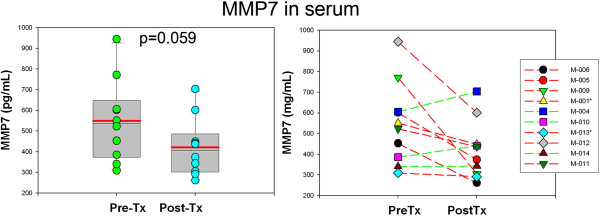
“059) while MMP-9, a putative target of minocycline effect [43], was unchanged after treatment.”
BackgroundPlacebo-controlled phase I/II studies of minocycline in amyotrophic lateral sclerosis
Gordon, P. H., Moore, D. H., Gelinas, D. F., Qualls, C., Meister, M. E., Werner, J., Mendoza, M., Mass, J., Kushner, G., & Miller, R. G. (2004) · Neurology · doi:10.1212/01.wnl.0000125321.92112.7e · Cited by 139 · cited 2×
“On the other hand, while amyotrophic lateral sclerosis (ALS) studies in animal models showed great promise [32], as did the results of phase I and II clinical trials [16,17] a recently completed phase III randomized clinical trial showed adverse effects of the medication [17] in this disorder.”
ResultLow serum truncated-BDNF isoform correlates with higher cognitive impairment in schizophrenia
Carlino, D., Leone, E., Cola, F. D., Baj, G., Marin, R., Dinelli, G., Tongiorgi, E., & Vanna, M. D. (2010) · Journal of Psychiatric Research · doi:10.1016/j.jpsychires.2010.06.012 · Cited by 129 · cited 1×
“dysfunction [44-47].”
Is Altered BDNF Biosynthesis a General Feature in Patients with Cognitive Dysfunctions?
Carlino, D., De Vanna, M., & Tongiorgi, E. (2013) · The Neuroscientist · doi:10.1177/1073858412469444 · Cited by 112
Neuroprotection in Huntington??s disease: a 2-year study on minocycline
Bonelli, R. M., H??dl, A. K., Hofmann, P., & Kapfhammer, H.-P. (2004) · International Clinical Psychopharmacology · doi:10.1097/00004850-200411000-00004 · Cited by 108 · cited 1×
“2004 study of minocycline in Huntington’s Disease, which used 100 mg/day in adult subjects [33].”
BackgroundThe role of microglia in brain maintenance: implications for Rett syndrome
Derecki, N. C., Cronk, J. C., & Kipnis, J. (2013) · Trends in Immunology · doi:10.1016/j.it.2012.10.002 · Cited by 100
Altered Balance of Proteolytic Isoforms of Pro-Brain-Derived Neurotrophic Factor in Autism
Garcia, K. L. P., Yu, G., Nicolini, C., Michalski, B., Garzon, D. J., Chiu, V. S., Tongiorgi, E., Szatmari, P., & Fahnestock, M. (2012) · Journal of Neuropathology & Experimental Neurology · doi:10.1097/nen.0b013e31824b27e4 · Cited by 92 · cited 1×
“Interestingly, an altered balance of the processing of BDNF in autism was demonstrated recently by studies of the fusiform gyrus of the brain of patients with autism that disclosed abnormal processing of the pro- and truncated-BDNF forms [48].”
BackgroundMinocycline decreases in vitro microglial motility, β1‐integrin, and Kv1.3 channel expression
Nutile‐McMenemy, N., Elfenbein, A., & DeLeo, J. A. (2007) · Journal of Neurochemistry · doi:10.1111/j.1471-4159.2007.04889.x · Cited by 83 · cited 1×
“This independent modulatory function on neuroinflammation is, at least in part, mediated via microglial inhibition [19].”
BackgroundThirumangalakudi, L., Yin, L., Rao, H. V., & Grammas, P. (2007) · Journal of Alzheimer's Disease · doi:10.3233/jad-2007-11307 · Cited by 73 · cited 8×
“MMPs (MMP-1, MMP-3, MMP-7, MMP8 and MMP-9) were also measured in plasma.”
BackgroundInfluentialA novel, efficient, randomized selection trial comparing combinations of drug therapy for ALS
Gordon, P. H., Cheung, Y.-K., Levin, B., Andrews, H., Doorish, C., Macarthur, R. B., Montes, J., Bednarz, K., Florence, J., Rowin, J., et al. (2008) · Amyotrophic Lateral Sclerosis · doi:10.1080/17482960802195632 · Cited by 70 · cited 1×
“Based on the potential anti-inflammatory and neuroprotective properties shown by minocycline in animal models, therapeutic trials in humans have been carried out in a number of neuroinflammatory diseases such as multiple sclerosis [25] and neurodegenerative [26-28], and cerebrovascular diseases [29].”
BackgroundNeuroprotective Effects of Tetracyclines: Molecular Targets, Animal Models and Human Disease
Orsucci, D., Calsolaro, V., Mancuso, M., & Siciliano, G. (2009) · CNS & Neurological Disorders - Drug Targets · doi:10.2174/187152709788680689 · Cited by 66 · cited 1×
“Most of these studies showed that minocycline decreases microglial activation, modulates pathways involved in neuroinflammation, such as cytokine and chemokine networks (for example, interleukin-6 (IL-6), interleukin 1β (IL-1β) and tumor necrosis α (TNFα)), and reduces the activity of selected metalloproteinases (MMPs…”
BackgroundHussein, M. H., Daoud, G. A.-H., Kakita, H., Kato, S., Goto, T., Kamei, M., Goto, K., Nobata, M., Ozaki, Y., Ito, T., et al. (2010) · Free Radical Research · doi:10.3109/10715760903548245 · Cited by 28 · cited 1×
“Discussion The trial revealed no significant effects of minocycline on the profile of immune mediators implicated in inflammatory mechanisms in either the serum or CSF of treated children with the exception of a reduction in the levels of CXCL8 (IL-8), a chemokine that appears to have neuroprotective effects [41] and…”
BackgroundNeuroprotection: Lessons from a Spectrum of Neurological Disorders
Galpern, W. R., & Singhal, A. B. (2006) · International Journal of Stroke · doi:10.1111/j.1747-4949.2006.00023.x · Cited by 4 · cited 1×
“Based on the potential anti-inflammatory and neuroprotective properties shown by minocycline in animal models, therapeutic trials in humans have been carried out in a number of neuroinflammatory diseases such as multiple sclerosis [25] and neurodegenerative [26-28], and cerebrovascular diseases [29].”
Background
Research works printed but not linked: 4
- Le Couteur A Lord C Rutter M Autism Diagnostic Interview-Revised (ADI-R) 2003 Los Angeles: Western Psychological Services
- Mullen E Infant Mullen Scales of Early Learning 1995 Circle Pines, MN: American Guidance Service
- Elliott C Manual for the Differential Ability Scales 2007 San Antonio, TX: Pearson Assessments
- Guy W ECDEU Assessment Manual of Psychopharmacology-Revised 1976 Rockville, MD: Psychopharmacology Research Branch
Cited by
Maternal immune activation and neuroinflammation in human neurodevelopmental disorders
Han, V. X., Patel, S., Jones, H. F., & Dale, R. C. (2021) · Nature Reviews Neurology · doi:10.1038/s41582-021-00530-8 · Cited by 683
Immune mediators in the brain and peripheral tissues in autism spectrum disorder
Estes, M. L., & McAllister, A. K. (2015) · Nature Reviews Neuroscience · doi:10.1038/nrn3978 · Cited by 514
Immunoneuropsychiatry — novel perspectives on brain disorders
Pape, K., Tamouza, R., Leboyer, M., & Zipp, F. (2019) · Nature Reviews Neurology · doi:10.1038/s41582-019-0174-4 · Cited by 458
Saghazadeh, A., Ataeinia, B., Keynejad, K., Abdolalizadeh, A., Hirbod-Mobarakeh, A., & Rezaei, N. (2019) · Journal of Psychiatric Research · doi:10.1016/j.jpsychires.2019.05.019 · Cited by 235
Gut microbiota and autism: key concepts and findings
Ding, H. T., Taur, Y., & Walkup, J. T. (2017) · Journal of Autism and Developmental Disorders · doi:10.1007/s10803-016-2960-9 · Cited by 232
Metadata
- Authors
- Pardo, C. A., Buckley, A., Thurm, A., Lee, L.-C., Azhagiri, A., Neville, D. M., & Swedo, S. E.
- Affiliations
- Johns Hopkins University (US)
- National Institutes of Health (US)
- Corresponding author
- Pardo, Carlos A
- Venue
- Journal of Neurodevelopmental Disorders
- Published
- 2013-04-08
- Volume
- 5
- Issue
- 1
- Pages
- 9-9
- ISSN
- 1866-1947 (ISSN-L)
- 1866-1955
- PMC
- PMC3663771
- OpenAlex
- W2134333739
- Cited by
- 58
- References
- 47
- Citations by year
- 2026: 1 · 2025: 2 · 2024: 3 · 2023: 5 · 2022: 3 · 2021: 6 · 2020: 6 · 2019: 7 · 2018: 5 · 2017: 5 · 2016: 3 · 2015: 4 · 2014: 7 · 2013: 1
- FWCI
- 2.74
- Type
- journal article
- Language
- en
- Open access
- gold
- doi.org
- Licence
- cc-by
- creativecommons.org/licenses/by/2.0 (tdm)
- Locations
- Journal of Neurodevelopmental Disorders (publishedVersion, cc-by)
- Europe PMC (PubMed Central) (publishedVersion, cc-by)
- PubMed Central (publishedVersion, cc-by)
- PubMed (publishedVersion)
- Funders
- National Institutes of Health
- National Institute of Mental Health
- Topics
- Life Sciences › Neuroscience › Cognitive Neuroscience › Autism Spectrum Disorder Research
- Life Sciences › Neuroscience › Neurology › Neuroinflammation and Neurodegeneration Mechanisms
- Life Sciences › Neuroscience › Biological Psychiatry › Tryptophan and brain disorders
- Keywords
- minocycline, autism spectrum disorder, developmental regression, neuroinflammation, microglial activation, neuroprotection, brain-derived neurotrophic factor, hepatocyte growth factor, alpha2-macroglobulin, interleukin-8, cerebrospinal fluid biomarkers, children, tetracycline derivatives, metalloproteinases, cytokines
About these checks
Registry, retraction, Cites and statistics results are computed, not judged, with one exception: a printed reference that no index lists is read once by a model before it counts as a citation error. Claims are extracted by a model and kept only when their quote appears verbatim in the text; each cited source is then checked, with a model’s help, for whether it says what the claim relies on. Those verdicts can be wrong — read the claim’s quote and the cited source before relying on one.
Statistics and arithmetic are recomputed, not judged.
Confidence bands are shown only for fields calibrated on our annotated test set. None is calibrated yet, so no band is shown.
What counts as a claim ›How we measure confidence ›How we check this ›
Are you an author, or do you see a problem with this page? Request a review
Data sources
Bibliographic data: Semantic Scholar, OpenAlex, Crossref.
Contains information from the Semantic Scholar Academic Graph Datasets, made available under the ODC Attribution License (ODC-BY 1.0).
Semantic Scholar’s data is described in: Kinney, R., et al. (2023). The Semantic Scholar Open Data Platform. arXiv:2301.10140.
