

Functional autonomic nervous system profile in children with autism spectrum disorder
Open accessThe DOI matches its Crossref record; 81 of the 84 references it cites were found in a registry or an index; 8 of the 33 sources its claims cite were checked for support.
Abstract
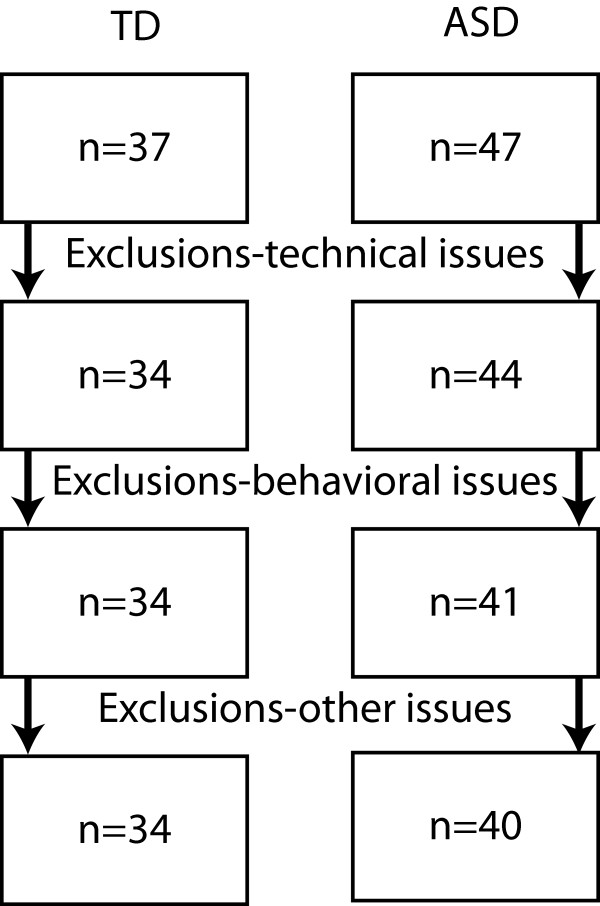
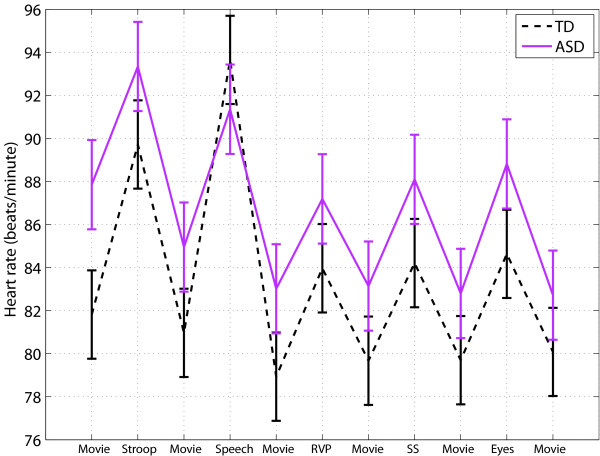
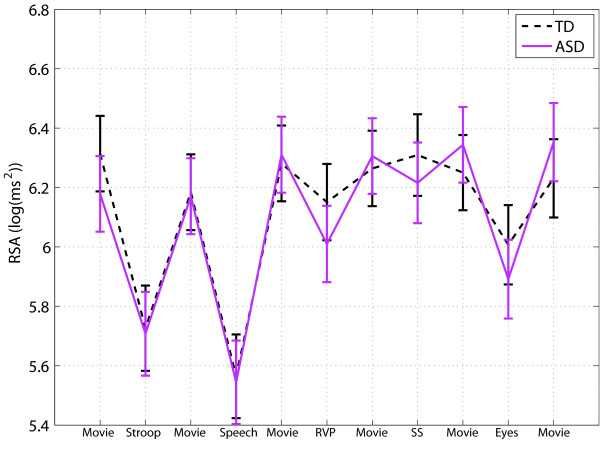
BACKGROUND: Autonomic dysregulation has been recently reported as a feature of autism spectrum disorder (ASD). However, the nature of autonomic atypicalities in ASD remain largely unknown. The goal of this study was to characterize the cardiac autonomic profile of children with ASD across four domains affected in ASD (anxiety, attention, response inhibition, and social cognition), and suggested to be affected by autonomic dysregulation. METHODS: We compared measures of autonomic cardiac regulation in typically developing children (n = 34) and those with ASD (n = 40) as the children performed tasks eliciting anxiety, attention, response inhibition, and social cognition. Heart rate was used to quantify overall autonomic arousal, and respiratory sinus arrhythmia (RSA) was used as an index of vagal influences. Associations between atypical autonomic findings and intellectual functioning (Weschler scale), ASD symptomatology (Social Communication Questionnaire score), and co-morbid anxiety (Revised Children's Anxiety and Depression Scale) were also investigated. RESULTS: The ASD group had marginally elevated basal heart rate, and showed decreased heart rate reactivity to social anxiety and increased RSA reactivity to the social cognition task. In this group, heart rate reactivity to the social anxiety task was positively correlated with IQ and task performance, and negatively correlated with generalized anxiety. RSA reactivity in the social cognition task was positively correlated with IQ. CONCLUSIONS: Our data suggest overall autonomic hyperarousal in ASD and selective atypical reactivity to social tasks.
Overview
CoChat Summary
TL;DR
Children with autism spectrum disorder (ASD) showed evidence of cardiac autonomic hyperarousal and selective atypical reactivity to social tasks compared with typically developing children. The authors conclude that ASD may involve autonomic dysregulation, with some effects linked to IQ, task performance, and co-morbid anxiety.
Key findings
- The ASD group had higher baseline heart rate than the typically developing group (estimated group difference = 6.02 ± 3.03 beats/minute, P = 0.047); after excluding medicated ASD participants, this difference became marginal (P = 0.066).
- The ASD group showed decreased heart rate reactivity during public speaking (speaking − pre baseline: 6.28 ± 1.31 beats/minute, P < 0.0001; speaking − post baseline: 6.38 ± 1.31 beats/minute, P < 0.0001).
- The ASD group showed larger RSA decrease during the Reading the Mind in the Eyes task (Eyes − pre baseline: 0.21 ± 0.11 log(ms²), P = 0.07) and larger RSA increase during recovery (Eyes − post baseline: 0.24 ± 0.12, P = 0.06); excluding medicated participants, the Eyes − pre baseline difference reached P = 0.03.
- In the ASD group, heart rate reactivity to public speaking was positively correlated with IQ and task performance and negatively correlated with generalized anxiety; RSA reactivity in the Eyes task was positively correlated with IQ. No significant group differences in task performance were found after controlling for age, sex, and full-scale IQ.
Methods
- Cross-sectional comparison of typically developing children (n = 34) and children with ASD (n = 40), ages 8–18; ASD diagnosis was made by an expert research-reliable team using DSM-IV criteria supported by the ADOS and ADI-R.
- Participants completed five tasks—Color Stroop, public speaking, rapid visual information processing, stop signal, and Reading the Mind in the Eyes—each preceded and followed by a baseline movie-watching task; ECG was used to derive heart rate and respiratory sinus arrhythmia (RSA).
- Repeated measures multiple regression tested group × task interactions with sex, IQ, and age as covariates (and baseline heart rate for RSA); post hoc stepwise regression examined predictors of cardiac measures, and generalized linear models compared task performance.
Limitations
- Stated by the authors: the baseline movie-watching condition may not reflect a true rest state; sample size may have limited detection of group differences in attention and response inhibition tasks and prevented subgroup analyses; the typically developing group was not screened for undiagnosed ASD traits; and cardiac ANS measures reflect the final common pathway of complex CNS and endocrine interactions.
- Also stated or evident in the text: the groups differed on full-scale IQ (113.1 ± 13.9 vs 92.9 ± 20.6, P < 0.0001) and sex distribution (19:15 vs 33:7, P = 0.02), and the paper notes that IQ nonmatching may have reduced power to detect task-performance differences. Eight ASD participants were taking medications, and excluding them changed some P values.
Model-written summary. Check it against the paper before relying on it.
Integrity signals
Registry
Cites
Statistics
Figures
Verification
Claims the paper makes
6 Valid · 0 Not valid · 9 Not checked · 43 Own results and interpretations
The sources with a verdict support this claim; the rest weren’t checked yet, have no full text we could read, or their verdicts aren’t rated yet.
In the paper
“and aspects of these differences have been associated with anxiety symptom severity [69,70].”
§ Functional autonomic nervous system profile in children with autism spectrum disorder > Discussion > Baseline differences
What the sources say
- Not checked — no full text of the sourcecites [69] 69. Juranek J Filipek PA Berenji GR Modahl C Osann K Spence M. A Association between amygdala volume and anxiety level: magnetic resonance imaging (MRI) study in autistic children J Child Neurol 2006 21 12 1051 1058 17156697 10.1177/7010.2006.00237 source
- Supportedcites [70] 70. Kleinhans NM Richards T Weaver K Johnson LC Greenson J Dawson G Aylward E Association between amygdala response to emotional faces and social anxiety in autism spectrum disorders Neuropsychologia 2010 48 12 3665 3670 20655320 10.1016/j.neuropsychologia.2010.07.022 PMC3426451 source
The Abstract reports that, among high-functioning adults with ASD, greater social anxiety was associated with increased right amygdala and left middle temporal gyrus activation and decreased fusiform face area activation during emotional face matching. This supports the attributed association between emotional-processing brain activity and anxiety severity, specifically social anxiety in ASD. (LLM, conf=0.92)
plainstates an association- Asserted: passes — The authors put it forward as true.
- Checkable: passes — It can be checked against evidence.
- Load-bearing: unclear — It is unclear whether the paper’s conclusions depend on it.
- Based: passes — The paper gives a reason why it holds.
The sources with a verdict support this claim; the rest weren’t checked yet, have no full text we could read, or their verdicts aren’t rated yet.
In the paper
“Literature findings on this issue are divergent, with a number of studies reporting significantly reduced RSA [11-14], and others finding no atypicalities [47,62].”
§ Functional autonomic nervous system profile in children with autism spectrum disorder > Discussion > Baseline differences
What the sources say
- Not checked — no full text of the sourcecites [11] 11. Ming X Julu POO Brimacombe M Connor S Daniels ML Reduced cardiac parasympathetic activity in children with autism Brain Dev 2005 27 7 509 516 16198209 10.1016/j.braindev.2005.01.003 source
- Not checked — no full text of the sourcecites [12] 12. Bal E Harden E Lamb D Van Hecke AV Denver JW Porges SW Emotion recognition in children with autism spectrum disorders Relations to eye gaze and autonomic state J Autism Dev Disord 2010 40 3 358 370 19885725 10.1007/s10803-009-0884-3 source
- Supportedcites [13] 13. Porges SW Macellaio M Stanfill SD McCue K Lewis GF Harden ER Handelman M Denver J Bazhenova OV Heilman KJ Respiratory sinus arrhythmia and auditory processing in autism modifiable deficits of an integrated social engagement system? Int J Psychophysiol 2013 88 3 261 270 23201146 10.1016/j.ijpsycho.2012.11.009 PMC3610863 source
The Results (Section 3.1) report significantly lower baseline RSA in participants with ASD than in typically developing participants. This supports the reduced-RSA finding for which this source is cited; the sentence assigns the no-atypicalities finding to other citations. (LLM, conf=0.93)
- Not checked — no full text of the sourcecites [14] 14. Neuhaus E Bernier R Beauchaine TP Brief report: social skills, internalizing and externalizing symptoms, and respiratory sinus arrhythmia in autism J Autism Dev Disord 2014 44 3 730 737 23982488 10.1007/s10803-013-1923-7 source
- Not checked yetcites [47] 47. Levine T Sheinkopf S Pescosolido M Rodino A Elia G Lester B Physiologic arousal to social stress in children with autism spectrum disorders: a pilot study Res Autism Spectr Disord 2012 6 1 177 183 22081773 10.1016/j.rasd.2011.04.003 PMC3212393 source
Checked before — its earlier verdict is held back until a new check runs.
- Supportedcites [62] 62. Watson LR Roberts JE Baranek GT Mandulak KC Dalton JC Behavioral and physiological responses to child-directed speech of children with autism spectrum disorders or typical development J Autism Dev Disord 2012 42 8 1616 1629 22071788 10.1007/s10803-011-1401-z PMC3402684 source
The Abstract reports no significant RSA difference between young boys with autism and age-matched peers, while the Discussion reports no group difference during nonsocial or child-directed speech stimuli. The paper also describes earlier studies finding reduced RSA. Its Discussion cautions that the RSA analysis had low power, so the null finding is not evidence that RSA is definitively typical. (LLM, conf=0.90)
plain- Asserted: passes — The authors put it forward as true.
- Checkable: passes — It can be checked against evidence.
- Load-bearing: unclear — It is unclear whether the paper’s conclusions depend on it.
- Based: passes — The paper gives a reason why it holds.
The cited sources support only part of this claim — read each source’s verdict below.
In the paper
“ASD has been associated with neurobiological differences in brain networks responsible for these functions (for example, the prefrontal cortex, the insular cortex, and the anterior cingulate cortices) [6]”
§ Functional autonomic nervous system profile in children with autism spectrum disorder > Discussion > Baseline differences
What the sources say
- Partly supportedcites [6] 6. Anagnostou E Taylor MJ Review of neuroimaging in autism spectrum disorders: what have we learned and where we go from here Mol Autism 2011 2 4 10.1186/2040-2392-2-4 PMC3102613 21501488 sourceExperimental — accuracy not yet measured
The fMRI section reports atypical anterior cingulate activation in ASD and altered connectivity during social-cognition tasks; it also identifies the medial prefrontal cortex as part of a network studied in ASD. The References list a study of altered insula connectivity. The review does not establish that all three named regions form networks responsible specifically for perceiving, processing, and responding to emotional stimuli. (LLM, conf=0.82)
plainstates an association- Asserted: passes — The authors put it forward as true.
- Checkable: passes — It can be checked against evidence.
- Load-bearing: passes — The paper’s conclusions depend on it.
- Based: passes — The paper gives a reason why it holds.
- Partly supported
The sources with a verdict support this claim; the rest weren’t checked yet, have no full text we could read, or their verdicts aren’t rated yet.
In the paper
“This pattern has been reported consistently in three studies examining ANS reactivity to psychosocial challenges [15-17]”
§ Functional autonomic nervous system profile in children with autism spectrum disorder > Discussion > Differences in task reactivity
What the sources say
- Supportedcites [15] 15. Jansen L Gispen-De Wied CC Van Der Gaag RJ Van Engeland H Differentiation between autism and multiple complex developmental disorder in response to psychosocial stress Neuropsychopharmacology 2003 28 3 582 590 12629541 10.1038/sj.npp.1300046 source
The Discussion reports decreased heart-rate responses to psychosocial stress in autistic children and children with MCDD, compared with controls. This paper supports its role as one of the three cited studies; it does not itself establish what the other two found. (LLM, conf=0.90)
- Not checked — no full text of the sourcecites [16] 16. Jansen LMC Gispen-de Wied CC Wiegant VM Westenberg HGM Lahuis BE van Engeland H Autonomic and neuroendocrine responses to a psychosocial stressor in adults with autistic spectrum disorder J Autism Dev Disord 2006 36 7 891 899 16865550 10.1007/s10803-006-0124-z source
- Not checked — no full text of the sourcecites [17] 17. Smeekens I Didden R Verhoeven E Exploring the relationship of autonomic and endocrine activity with social functioning in adults with autism spectrum disorders J Autism Dev Disord 2013 1 11 24062183 10.1007/s10803-013-1947-z source
boosted- Asserted: passes — The authors put it forward as true.
- Checkable: passes — It can be checked against evidence.
- Load-bearing: passes — The paper’s conclusions depend on it.
- Based: passes — The paper gives a reason why it holds.
- Supported
A result the paper reports from its own data — it cites no other source for it, so there is none to check. The quote shows it is in the paper.
In the paper
“The ASD group had marginally elevated basal heart rate”
§ Functional autonomic nervous system profile in children with autism spectrum disorder > Abstract > Results
plainstates an association- Asserted: passes — The authors put it forward as true.
- Checkable: passes — It can be checked against evidence.
- Load-bearing: unclear — It is unclear whether the paper’s conclusions depend on it.
- Based: passes — The paper gives a reason why it holds.
32 more claims
Create a free account to see all 58 claims and to verify the 1 reference still open.
- Probably not a substantial claim. 15
- It may state two separate claims as one. 10
Claims other papers make about this one
Each is checked against this paper’s own text: does it say what the citing paper says it does?
The cited source doesn’t support the claim as written.
In the citing paper
“The average baseline heart rate of the children with ASD was 88 bpm, which is not indicative of cardiac dysfunction nor an overactive sympathetic nervous system; it cannot be interpreted to show that children with ASD show hyperarousal.”
From Autism Spectrum Disorder in Children Is Not Associated With Abnormal Autonomic Nervous System Function: Hypothesis and Theory (2022) · cites this paper as Kushki et al. (27)
Checked by a reasoning model — may be wrong.
Experimental — accuracy not yet measuredThe cited source doesn’t support the claim as written.
In the citing paper
“The data pertaining to baseline RSA and RSA reactivity and baseline heart rate and heart rate reactivity to various stimuli leave us with only one logical conclusion, that ASD children have normal autonomic functioning.”
From Autism Spectrum Disorder in Children Is Not Associated With Abnormal Autonomic Nervous System Function: Hypothesis and Theory (2022) · cites this paper as Kushki et al. (27)
Checked by a reasoning model — may be wrong.
Experimental — accuracy not yet measuredThe cited source doesn’t support the claim as written.
In the citing paper
“however data pertaining to heart rate responsivity in each task suggest excellent autonomic reactivity (Figure 2). They conclude atypical heart rate reactivity to social tasks, despite the increase in heart rate seen in both the ASD and control groups for all stimuli, which suggests that no autonomic dysfunction is present in the ASD group.”
From Autism Spectrum Disorder in Children Is Not Associated With Abnormal Autonomic Nervous System Function: Hypothesis and Theory (2022) · cites this paper as [27]
Checked by a reasoning model — may be wrong.
Experimental — accuracy not yet measuredThe cited source doesn’t support the claim as written.
In the citing paper
“Based on heart rate and RSA data, most children with autism do not display autonomic dysfunction.”
From Autism Spectrum Disorder in Children Is Not Associated With Abnormal Autonomic Nervous System Function: Hypothesis and Theory (2022) · cites this paper as [27]
Checked by a reasoning model — may be wrong.
Experimental — accuracy not yet measuredThe cited source says what the claim attributes to it.
In the citing paper
“Kushki et al. (27) found no significant group differences for heart rate reactivity in the Stroop, Rapid Visual Information Processing, Stop Signal, or Reading the Mind in the Eyes tasks”
From Autism Spectrum Disorder in Children Is Not Associated With Abnormal Autonomic Nervous System Function: Hypothesis and Theory (2022) · cites this paper as [27]
Statistics recomputed
Every reported test result, recomputed from its test statistic and degrees of freedom. A result shows as not adding up only once an independent check has confirmed it.
- ConsistentF(10, 711) = 4.79reported p < .0001 · recomputed p < .001
“F(10,711) = 4.79, p < .0001”
- Consistentt(711) = -1.99reported p = .047 · recomputed p = .047
“t(711) =-1.99, p = .047”
- Consistentt(711) = 4.79reported p < .0001 · recomputed p < .001
“t(711) = 4.79, p < .0001”
- Consistentt(711) = 4.87reported p < .0001 · recomputed p < .001
“t(711) = 4.87, p < .0001”
- Consistentt(632) = -1.85reported p = .066 · recomputed p = .065
“t(632) = -1.85, p = .066”
6 more recomputed tests
Create a free account to see every test the Stats check recomputed.
Self-check
Percentages, sums and reported differences re-computed from the paper’s own numbers.
Each contradiction between two passages listed here was confirmed by an independent check.
Rated major: it would touch a result — a value a result rests on, reported and recomputed p-values on opposite sides of the significance level, two passages that conflict with no sign which is right, or a cited work retracted before this paper was published.
In the paper
“estimated group difference (Eyes - pre- baseline) =0.22±0.12 log(ms 2), t(629) = 2.15, P = 0.03”
§ Functional autonomic nervous system profile in children with autism spectrum disorder > Results > RSA
Reported 2.15 · recomputed 1.833333
Rated minor: it would not touch a result — a value no result rests on, a p-value that stays on the same side of the significance level, or a conflict that is clerical, resolved elsewhere in the paper, or outside its own findings.
In the paper
“estimated group difference = 6.02 ± 3.03 beats/minute, t(711) =-1.99, P = 0.047”
§ Functional autonomic nervous system profile in children with autism spectrum disorder > Results > HR
Reported -1.99 · recomputed 1.986799
Rated minor: it would not touch a result — a value no result rests on, a p-value that stays on the same side of the significance level, or a conflict that is clerical, resolved elsewhere in the paper, or outside its own findings.
In the paper
§ Functional autonomic nervous system profile in children with autism spectrum disorder > Methods > Procedures
“blocks one and five: 2 seconds/word”
§ Functional autonomic nervous system profile in children with autism spectrum disorder > Methods > Procedures
“block 5: 1.25 seconds/word”
Rated minor: it would not touch a result — a value no result rests on, a p-value that stays on the same side of the significance level, or a conflict that is clerical, resolved elsewhere in the paper, or outside its own findings.
In the paper
§ Functional autonomic nervous system profile in children with autism spectrum disorder > Results > RSA
“estimated group difference (Eyes - post baseline) =0.24 ± 0.12 beats/minute”
§ Functional autonomic nervous system profile in children with autism spectrum disorder > Results > RSA
“estimated group difference (Eyes - pre baseline) = 0.21 ± 0.11 log(ms 2)”
Rated minor: it would not touch a result — a value no result rests on, a p-value that stays on the same side of the significance level, or a conflict that is clerical, resolved elsewhere in the paper, or outside its own findings.
In the paper
§ Functional autonomic nervous system profile in children with autism spectrum disorder > Methods > Procedures
“Performance on this task was measured as the percentage of the time that the participant did not speak or vocalize during the task.”
§ Functional autonomic nervous system profile in children with autism spectrum disorder > Results > Task performance
“| Public speaking (seconds silence) | 37.6 ± 40.6 | 65.2 ± 51.3 |”
1 more finding
Create a free account to see every finding of this check.
Citations
Cites
Studies of interference in serial verbal reactions
Stroop, J. R. (1935) · Journal of Experimental Psychology · doi:10.1037/h0054651 · Cited by 18,622
Heart Rate Variability: Standards of Measurement, Physiological Interpretation, and Clinical Use
Electrophysiology, T. F. O. T. E. S. O. C. T. N. A. (1996) · Circulation · doi:10.1161/01.cir.93.5.1043 · Cited by 17,159
Heart rate variability: Standards of measurement, physiological interpretation, and clinical use
Malik, M., Bigger, J. T., Camm, A. J., Kleiger, R. E., Malliani, A., Moss, A. J., & Schwartz, P. J. (1996) · European Heart Journal · doi:10.1093/oxfordjournals.eurheartj.a014868 · Cited by 15,289
Lord, C., Rutter, M., & Le Couteur, A. (1994) · Journal of Autism and Developmental Disorders · doi:10.1007/bf02172145 · Cited by 9,065 · cited 2×
“Children in the ASD group were diagnosed by an expert, research reliable team using the DSM-IV criteria supported by the Autism Diagnostic Observation Schedule (ADOS) [38] and the Autism Diagnostic Interview Revised (ADI-R) [39].”
MethodA Real-Time QRS Detection Algorithm
Pan, J., & Tompkins, W. J. (1985) · IEEE Transactions on Biomedical Engineering · doi:10.1109/tbme.1985.325532 · Cited by 7,855 · cited 1×
“Heart rate (HR) was calculated as the inverse of inter-beat (RR) intervals extracted using a modified version of the algorithms presented in the works [53,54].”
MethodLord, C., Risi, S., Lambrecht, L., Cook, E. H., Leventhal, B. L., DiLavore, P. C., Pickles, A., & Rutter, M. (2000) · Journal of Autism and Developmental Disorders · doi:10.1023/a:1005592401947 · Cited by 7,520 · cited 2×
“Children in the ASD group were diagnosed by an expert, research reliable team using the DSM-IV criteria supported by the Autism Diagnostic Observation Schedule (ADOS) [38] and the Autism Diagnostic Interview Revised (ADI-R) [39].”
MethodBaron‐Cohen, S., Wheelwright, S., Hill, J., Raste, Y., & Plumb, I. (2001) · Journal of Child Psychology and Psychiatry · doi:10.1111/1469-7610.00715 · Cited by 4,555
Baron‐Cohen, S., Wheelwright, S. J., Hill, J., Raste, Y., & Plumb, I. (2001) · PubMed · Cited by 4,313
The Neurocircuitry of Fear, Stress, and Anxiety Disorders
Shin, L. M., & Liberzon, I. (2010) · Neuropsychopharmacology · doi:10.1038/npp.2009.83 · Cited by 2,083 · cited 1×
“From a neurobiological perspective, both ASD and anxiety disorders have been associated with differences in central structures involved in emotional processing (such as the amygdala, anterior cingulate cortex, prefrontal cortex, and the insular cortex) [64,65].”
BackgroundHeart rate variability as an index of regulated emotional responding
Appelhans, B. M., & Luecken, L. J. (2006) · Review of General Psychology · doi:10.1037/1089-2680.10.3.229 · Cited by 1,893
Cited by
Taj-Eldin, M., Ryan, C., O’Flynn, B., & Galvin, P. (2018) · Sensors · doi:10.3390/s18124271 · Cited by 142
Heart Rate Variability in Individuals with Autism Spectrum Disorders: a Meta-analysis
Cheng, Y.-C., Huang, Y.-C., & Huang, W.-L. (2020) · Neuroscience & Biobehavioral Reviews · doi:10.1016/j.neubiorev.2020.08.007 · Cited by 125
Autonomic response in autism spectrum disorder: relationship to social and cognitive functioning
Patriquin, M. A., Hartwig, E. M., Friedman, B. H., Porges, S. W., & Scarpa, A. (2019) · Biological Psychology · doi:10.1016/j.biopsycho.2019.05.004 · Cited by 86
Psychophysiological associations with gastrointestinal symptomatology in autism spectrum disorder
Ferguson, B. J., Marler, S., Altstein, L. L., Lee, E. B., Akers, J., Sohl, K., McLaughlin, A., Hartnett, K., Kille, B., Mazurek, M., et al. (2017) · Autism Research · doi:10.1002/aur.1646 · Cited by 84
Damiani, F., Cornuti, S., & Tognini, P. (2023) · Neuropharmacology · doi:10.1016/j.neuropharm.2023.109491 · Cited by 100
“demonstrate deficits in parasympathetic activity (Benevides and Lane, 2015; Kong et al., 2021; Kushki et al., 2014).”
Panju, S., Brian, J., Dupuis, A., Anagnostou, E., & Kushki, A. (2015) · Molecular Autism · doi:10.1186/s13229-015-0057-5 · Cited by 79
“This experimental protocol is described in detail in [4] and summarized in Table 1.”
BackgroundMethodSelf-citationAğagündüz, D., Bingöl, F. G., Çelik, E., Cemali, Ö., Özenir, Ç., Özoğul, F., & Capasso, R. (2022) · Journal of Translational Medicine · doi:10.1186/s12967-022-03609-y · Cited by 82
“ANS function has been associated with key features of autism deficits in social behavior, language skills, and cognitive delay [55].”
BackgroundDanesh, A. A., Lang, D. M., Kaf, W. A., Andreassen, W. D., Scott, J., & Eshraghi, A. A. (2015) · International Journal of Pediatric Otorhinolaryngology · doi:10.1016/j.ijporl.2015.07.024 · Cited by 85
Temperament and its Association with Autism Symptoms in a High-risk Population
Garon, N., Zwaigenbaum, L., Bryson, S. E., Smith, I. M., Brian, J. A., Roncadin, C., Vaillancourt, T., Armstrong, V. L., Sacrey, L.-A. R., & Roberts, W. (2015) · Research on Child and Adolescent Psychopathology · doi:10.1007/s10802-015-0064-1 · Cited by 84
Self-citationApproaches to studying and manipulating the enteric microbiome to improve autism symptoms
Frye, R. E., Slattery, J., MacFabe, D. F., Allen-Vercoe, E., Parker, W., Rodakis, J., Adams, J. B., Krajmalnik-Brown, R., Bolte, E., Kahler, S., et al. (2015) · Microbial Ecology in Health & Disease · doi:10.3402/mehd.v26.26878 · Cited by 73
“Autonomic Tone: The autonomic nervous system has been shown to be disrupted in children with ASD and is closely linked to GI function (74).”
BackgroundIs autonomic function during resting-state atypical in Autism: A systematic review of evidence
Arora, I., Bellato, A., Ropar, D., Hollis, C., & Groom, M. J. (2021) · Neuroscience & Biobehavioral Reviews · doi:10.1016/j.neubiorev.2021.02.041 · Cited by 66
Interoceptive Mechanisms and Emotional Processing
Greenwood, B. M., & Garfinkel, S. N. (2024) · Annual Review of Psychology · doi:10.1146/annurev-psych-020924-125202 · Cited by 103
Comparing stress and arousal systems in response to different social contexts in children with ASD
Corbett, B. A., Muscatello, R. A., & Baldinger, C. (2019) · Biological Psychology · doi:10.1016/j.biopsycho.2018.12.010 · Cited by 63
Davies, C., Mishra, D., Eshraghi, R. S., Mittal, J., Sinha, R., Bulut, E., Mittal, R., & Eshraghi, A. A. (2021) · Neuroscience & Biobehavioral Reviews · doi:10.1016/j.neubiorev.2021.07.001 · Cited by 67
Stress System Activation in Children and Adolescents With Autism Spectrum Disorder
Makris, G., Agorastos, A., Chrousos, G. P., & Pervanidou, P. (2022) · Frontiers in Neuroscience · doi:10.3389/fnins.2021.756628 · Cited by 75
Pfeiffer, B., Duker, L. I. S., Murphy, A., & Shui, C. (2019) · Frontiers in Integrative Neuroscience · doi:10.3389/fnint.2019.00065 · Cited by 69
Kushki, A., Khan, A., Brian, J. A., & Anagnostou, E. A. (2014) · IEEE Transactions on Biomedical Engineering · doi:10.1109/tbme.2014.2377555 · Cited by 64
Self-citationHeart Rate Variability During a Joint Attention Task in Toddlers With Autism Spectrum Disorders
Billeci, L., Tonacci, A., Narzisi, A., Manigrasso, Z., Varanini, M., Fulceri, F., Lattarulo, C., Calderoni, S., & Muratori, F. (2018) · Frontiers in Physiology · doi:10.3389/fphys.2018.00467 · Cited by 55
“This fact, indirectly consistent with the existing literature on this topic (Ming et al., 2005; Bal et al., 2010; Daluwatte et al., 2013; Porges et al., 2013; Kushki et al., 2014; Panju et al., 2015).”
ResultThe Need for Objective Measures of Stress in Autism
Hufnagel, C., Chambres, P., Bertrand, P. R., & Dutheil, F. (2017) · Frontiers in Psychology · doi:10.3389/fpsyg.2017.00064 · Cited by 55
“Similarly, even if people with autism and healthy controls may share similar pattern of autonomic modifications following an acute mental stress (Kushki et al., 2014), some authors also reported a blunted HRV response to an acute stress (Hollocks et al., 2014, 2016).”
BackgroundInfluentialBrief Report: Reduced Heart Rate Variability in Children with Autism Spectrum Disorder
Lory, C., Kadlaskar, G., Keehn, R. M., Francis, A. L., & Keehn, B. (2020) · Journal of Autism and Developmental Disorders · doi:10.1007/s10803-020-04458-8 · Cited by 59
Wagner, J., Luyster, R., Tager-Flusberg, H. B., & Nelson, C. A. (2016) · Infancy · doi:10.1111/infa.12128 · Cited by 52
“Work has also looked at atypicalities in the sympathetic responses of individuals with ASD, with several studies suggesting heightened physiological states, or hyperarousal, in ASD (e.g., Dalton et al., 2005; Joseph et al., 2008; Kushki et al., 2013; Kushki et al., 2014).”
BackgroundPuli, A., & Kushki, A. (2019) · IEEE Transactions on Biomedical Engineering · doi:10.1109/tbme.2019.2919273 · Cited by 55
“Movie watching has been used previously as a baseline condition in several studies of autonomic responses in children with ASD [28], [30]–[32].”
BackgroundMethodSelf-citationCentral Neurocircuits Regulating Food Intake in Response to Gut Inputs—Preclinical Evidence
Browning, K. N., & Carson, K. E. (2021) · Nutrients · doi:10.3390/nu13030908 · Cited by 57
Physiological Response to Social Evaluative Threat in Adolescents with Autism Spectrum Disorder
Edmiston, E. K., Jones, R. M., & Corbett, B. A. (2016) · Journal of Autism and Developmental Disorders · doi:10.1007/s10803-016-2842-1 · Cited by 43
“Several studies have demonstrated correlations between RSA and parent- and self-reported anxiety symptoms in ASD (Guy et al. 2014; Kushki et al. 2014), as well as operationalized anxious behaviors in observational studies of attachment in children with ASD (Moskowitz et al. 2013), indicating that…”
BackgroundA wearable heart rate measurement device for children with autism spectrum disorder
Fioriello, F., Maugeri, A., D’Alvia, L., Pittella, E., Piuzzi, E., Rizzuto, E., Prete, Z. D., Manti, F., & Sogos, C. (2020) · Scientific Reports · doi:10.1038/s41598-020-75768-1 · Cited by 52
Assessing a hyperarousal hypothesis of insomnia in adults with autism spectrum disorder
Baker, E. K., Richdale, A. L., Hazi, A., & Prendergast, L. A. (2019) · Autism Research · doi:10.1002/aur.2094 · Cited by 42
Silva, L. M. T., Schalock, M., Gabrielsen, K. R., Budden, S. S., Buenrostro, M., & Horton, G. (2015) · Autism Research and Treatment · doi:10.1155/2015/904585 · Cited by 40
Medical symptoms and conditions in autistic women
Simantov, T., Pohl, A. L., Tsompanidis, A., Weir, E. M., Lombardo, M. V., Ruigrok, A. N. V., Smith, P. L., Allison, C. L., Baron‐Cohen, S., & Uzefovsky, F. (2021) · Autism · doi:10.1177/13623613211022091 · Cited by 47
“An alternative explanation to the findings may relate to the effects of other steroids hormones, such as aldosterone or autonomic nervous system dysfunction, which have been previously reported in autistic individuals (Kushki et al., 2014).”
Dijkhuis, R., Ziermans, T. B., van Rijn, S., Staal, W., & Swaab, H. (2019) · Journal of Autism and Developmental Disorders · doi:10.1007/s10803-019-04000-5 · Cited by 50
“1 3 factors that are known to influence HR(V) measurements: medication use (Kushki et al. 2014; Quintana et al. 2016; Silke et al. 2002) and sex (e.”
BackgroundKong, X., Liu, J., Liu, K., Koh, M., Tian, R., Hobbie, C., Fong, M., Chen, Q., Zhao, M., Budjan, C., et al. (2020) · Journal of Autism and Developmental Disorders · doi:10.1007/s10803-020-04524-1 · Cited by 40
Autistic spectrum disorder, epilepsy, and vagus nerve stimulation
Hull, M., Madhavan, D., & Zaroff, C. M. (2015) · Child s Nervous System · doi:10.1007/s00381-015-2720-8 · Cited by 39
“Anomalous vagal tone in children and adolescents with autistic spectrum disorders has also been found on the basis of elevated respiratory sinus arrhythmia in response to social cognition tasks [25].”
BackgroundNeuromodulation of autism spectrum disorders using vagal nerve stimulation
van Hoorn, A., Carpenter, T., Oak, K., Laugharne, R. A., RING, H. A., & Shankar, R. (2019) · Journal of Clinical Neuroscience · doi:10.1016/j.jocn.2019.01.042 · Cited by 40
Autism Spectrum Disorders: Autonomic Alterations with a Special Focus on the Heart
Ellenbroek, B. A., & Sengul, H. K. (2017) · Heart and Mind · doi:10.4103/hm.hm_5_17 · Cited by 33
“In general, most studies have reported a higher HR both at rest[17-22] and during sleep,[23] although some studies failed to find a significant effect[24] and one report even found a reduction in baseline HR.”
BackgroundResultInfluentialBlack, M. H., Milbourn, B. T., Chen, N. T. M., McGarry, S., Wali, F. A., Ho, A. S. V., Lee, M., Bölte, S., Falkmer, T., & Girdler, S. J. (2020) · Scandinavian Journal of Child and Adolescent Psychiatry and Psychology · doi:10.21307/sjcapp-2020-006 · Cited by 46
“In particular, the autonomic nervous system (ANS), which provides an index of one’s emotions and arousal levels, and influencing behaviour is commonly atypical in autistic individuals (9-12).”
BackgroundThe neurobiological presentation of anxiety in autism spectrum disorder: A systematic review
McVey, A. J. (2019) · Autism Research · doi:10.1002/aur.2063 · Cited by 30
“A negative relation between change in heart rate and anxiety was uncovered, but there was no relation between respiratory sinus arrhythmia and anxiety [Kushki et al., 2014].”
BackgroundMuscatello, R. A., Andujar, J. D., Taylor, J. L., & Corbett, B. A. (2020) · Journal of Autism and Developmental Disorders · doi:10.1007/s10803-020-04516-1 · Cited by 33
Condy, E. E., Scarpa, A., & Friedman, B. H. (2019) · Biological Psychology · doi:10.1016/j.biopsycho.2019.107739 · Cited by 31
London, E., Yoo, J. H., Fethke, E. D., & Zimmerman-Bier, B. (2020) · Journal of Clinical Psychopharmacology · doi:10.1097/jcp.0000000000001175 · Cited by 25
Autonomic responses to head-up tilt test in children with autism spectrum disorders
Bricout, V.-A., Pace, M., Dumortier, L., Favre-Juvin, A., & Guinot, M. (2018) · Journal of Abnormal Child Psychology · doi:10.1007/s10802-017-0339-9 · Cited by 25
Corbett, B. A., Muscatello, R. A., Horrocks, B. K., Klemencic, M. E., & Tanguturi, Y. C. (2020) · Journal of Autism and Developmental Disorders · doi:10.1007/s10803-020-04749-0 · Cited by 29
Barbier, A., Chen, J.-H., & Huizinga, J. D. (2022) · Frontiers in Psychiatry · doi:10.3389/fpsyt.2022.830234 · Cited by 25
Bellato, A., Arora, I., Kochhar, P., Hollis, C. P., & Groom, M. J. (2021) · Journal of Attention Disorders · doi:10.1177/1087054720972793 · Cited by 27
Autism Spectrum Disorder and Specific Phobia: the Role of Sensory Sensitivity: Brief Review
Muskett, A., Radtke, S. R., White, S., & Ollendick, T. H. (2019) · Review Journal of Autism and Developmental Disorders · doi:10.1007/s40489-019-00159-w · Cited by 27
Bharath, R., Moodithaya, S. S., Bhat, S. U., Mirajkar, A. M., & Bellipady, S. S. (2019) · Medicina · doi:10.3390/medicina55070346 · Cited by 24
Specificity of autonomic arousal to anxiety in children with autism spectrum disorder
Chiu, T. A., Anagnostou, E. A., Brian, J. A., Chau, T. T., & Kushki, A. (2015) · Autism Research · doi:10.1002/aur.1528 · Cited by 26
“However, as several studies have reported an atypical response to public speaking in ASD [Hollocks et al., 2014; Jansen et al., 2006; Kushki et al., 2014], we excluded public speaking, along with the preceding baseline measurement from the present study.”
BackgroundMethodInfluentialSelf-citationNguyen, J. L., Cardy, R. E., Anagnostou, E. A., Brian, J. A., & Kushki, A. (2021) · Molecular Autism · doi:10.1186/s13229-021-00477-z · Cited by 24
“Participants then watched a 30-min baseline video, after which participants were given five minutes to prepare a talk for a public speaking task [16].”
MethodSelf-citationZammuto, M., Ottaviani, C., Laghi, F., & Lonigro, A. (2021) · Frontiers in Physiology · doi:10.3389/fphys.2021.611609 · Cited by 20
Muscatello, R. A., Pachol, A., Romines, A., Smith, I., & Corbett, B. A. (2022) · Journal of Autism and Developmental Disorders · doi:10.1007/s10803-022-05664-2 · Cited by 22
Chen, C.-P., Gau, S. S., & Lee, C.-C. (2018) · Computer Speech & Language · doi:10.1016/j.csl.2018.12.003 · Cited by 23
Heart rate variability during sleep in children with autism spectrum disorders
Pace, M., Dumortier, L., Favre‐Juvin, A., Guinot, M., & Bricout, V. (2016) · Physiology & Behavior · doi:10.1016/j.physbeh.2016.09.027 · Cited by 24
Atypical autonomic nervous system complexity accompanies social cognition task performance in ASD
Saghir, H., Dupuis, A., Chau, T. T., & Kushki, A. (2017) · Research in Autism · doi:10.1016/j.rasd.2017.04.004 · Cited by 24
Self-citationWorking Together: Ethnographic Observations on Participatory Design Involving Adults with Autism
Cascio, M. A., Grond, F., Motta‐Ochoa, R., Tembeck, T., Veen, D. T., & Blain‐Moraes, S. (2020) · Human Organization · doi:10.17730/0018-7259.79.1.1 · Cited by 18
Bezerra, M. L. D. S., Rodrigues, R. N. D., & Souza, R. O. (2022) · Sleep Science · doi:10.5935/1984-0063.20220032 · Cited by 24
“Growing evidence has shown the association of ASD with the dysfunction of the autonomic nervous system (ANS) 72 .”
BackgroundCoulter, H., Donnelly, M. P., Mallett, J., & Kernohan, G. W. (2022) · JMIR Formative Research · doi:10.2196/37994 · Cited by 33
“Further details on the intervention are presented in the CONSORT (Consolidated Standards of Reporting Trials) and Template for Intervention Description and Replication checklists (Multimedia Appendices 3 and 4) and the study protocol ( M u l t i m e d i a A p p e n d i x 5 [68,74,75,76,64,77,73,78,79,24,80,81,82]).”
MethodSokhadze, G. E., Casanova, M. F., Kelly, D. P., Casanova, M., Russell, B. T., & Sokhadze, E. M. (2017) · NeuroRegulation · doi:10.15540/nr.4.2.65 · Cited by 21
“…showing drastically increased interest in the investigation of autonomic system functioning abnormalities in children with autism (Benevides & Lane, 2015; Cohen, Masyn, Mastergeorge, & Hessl, 2015; Kleberg, 2015; Kushki et al., 2013, 2014; Patriquin, Lorenzi, & Scarpa, 2013; Smeekens et al., 2015).”
BackgroundInfluentialPerdue, K. L., Edwards, L. A., Tager-Flusberg, H. B., & Nelson, C. A. (2017) · Journal of Autism and Developmental Disorders · doi:10.1007/s10803-017-3167-4 · Cited by 19
A Novel Head-Fixed Assay for Social Touch in Mice Uncovers Aversive Responses in Two Autism Models
Chari, T., Hernandez, A., & Portera‐Cailliau, C. (2023) · Journal of Neuroscience · doi:10.1523/jneurosci.0226-23.2023 · Cited by 15
Wang, H., Suveg, C. M., West, K. B., Han, Z. R., Zhang, X., Hu, X., & Yi, L. (2020) · Autism Research · doi:10.1002/aur.2401 · Cited by 21
Jerger, K. K., Lundegard, L., Piepmeier, A. T., Faurot, K. R., Ruffino, A. E., Jerger, M. A., & Belger, A. (2018) · Global Advances in Health and Medicine · doi:10.1177/2164956118769006 · Cited by 15
Altered interpersonal distance regulation in autism spectrum disorder
Farkas, K., Pesthy, O., Guttengéber, A., Weigl, A. S., Veres, A., Székely, A., Komoróczy, E., Szuromi, B., Janacsek, K., Réthelyi, J., et al. (2023) · PLoS ONE · doi:10.1371/journal.pone.0283761 · Cited by 16
“At the neural level, cortical [2, 3], subcortical [4, 5], and autonomic [6, 7] neural alterations can be observed, including developmental, structural and functional differences [8–10] in parallel to the pervasive cognitive [11, 12], behavioural and physiological disturbances in ASD.”
BackgroundImpacts of adverse childhood experiences on individuals with autism spectrum disorder
Takeda, T., Makinodan, M., Toritsuka, M., & Iwata, N. (2024) · Current Opinion in Neurobiology · doi:10.1016/j.conb.2024.102932 · Cited by 17
“Moreover, their phasic responses to stress, including social stressors, are markedly blunted, suggesting a hyper-sympathetic state indicative of response saturation [29,30].”
BackgroundThe autism-associated Meis2 gene is necessary for cardiac baroreflex regulation in mice
Roussel, J., Larcher, R., Sicard, P., Bideaux, P., Richard, S., Marmigère, F., & Thireau, J. (2022) · Scientific Reports · doi:10.1038/s41598-022-24616-5 · Cited by 11
Significance of electrodermal activity response in children with autism spectrum disorder
Airij, A. G., Sudirman, R., Sheikh, U. U., Khuan, L. Y., & Zakaria, N. A. (2020) · Indonesian Journal of Electrical Engineering and Computer Science · doi:10.11591/ijeecs.v19.i2.pp1113-1120 · Cited by 17
“Furthermore, in [17], changes in ANS were measured to determine stress among 15 children with ASD and 18 children without ASD.”
BackgroundMethodZadok, E., Golan, O., Lavidor, M., & Gordon, I. (2023) · Autism Research · doi:10.1002/aur.3068 · Cited by 12
“For example, Kushki et al. (2014) used both a public speaking task and an emotion recognition task where participants observed photos.”
BackgroundMethodLudyga, S., Gerber, M., Bruggisser, F., Leuenberger, R., Brotzmann, M., Trescher, S., Förster, M., Zou, L., Herbrecht, E., & Hanke, M. (2023) · Autism Research · doi:10.1002/aur.2977 · Cited by 14
Kong, X., Kang, J., & Liu, K. (2023) · Journal of Psychiatric Research · doi:10.1016/j.jpsychires.2023.08.006 · Cited by 12
Hu, X., Han, Z. R., Wang, H., Hu, Y., Wang, Q., Feng, S., & Yi, L. (2018) · Frontiers in Psychology · doi:10.3389/fpsyg.2018.02480 · Cited by 14
Gastrointestinal Problems in Chinese Children with Autism Spectrum Disorder
Lai, K. Y. C., Leung, P. W. L., Hung, S. F., Shea, C. K., Mo, F. Y. M., Che, K. K. I., Tse, C., Lau, F. L. F., Ma, S. L., Wu, J. C., et al. (2020) · Neuropsychiatric Disease and Treatment · doi:10.2147/ndt.s260654 · Cited by 9
Iakovidou, N. D., Lanzarini, E., Singh, J., Fiori, F., & Santosh, P. (2020) · Journal of Clinical Medicine · doi:10.3390/jcm9092842 · Cited by 9
Sleep Dysregulation and Daytime Electrodermal Patterns in Children With Autism: A Descriptive Study
Chong, P. L. H., Abel, E., Pao, R. L. T., McCormick, C. E. B., & Schwichtenberg, A. J. (2021) · The Journal of Genetic Psychology · doi:10.1080/00221325.2021.1911919 · Cited by 10
Panisi, C., & Marini, M. (2022) · Brain Sciences · doi:10.3390/brainsci12020250 · Cited by 12
Cugnata, F., Martoni, R. M., Ferrario, M., Serio, C. D., & Brombin, C. (2018) · PLoS ONE · doi:10.1371/journal.pone.0207123 · Cited by 12
Predictors of irritability in pediatric autistic populations: a scoping review
Alatrash, S., Paul, T., Carbone, J., Penner, M., Fekr, A. R., & Kushki, A. (2024) · Frontiers in Child and Adolescent Psychiatry · doi:10.3389/frcha.2024.1393231 · Cited by 9
Self-citationThe Generalized Adaptation Account of Autism
Gernert, C. C., Falkai, P., & Falter, C. M. (2020) · Frontiers in Neuroscience · doi:10.3389/fnins.2020.534218 · Cited by 7
Autonomic Disequilibrium at Rest in Autistic Children and Adults
Bufo, M. R., Guidotti, M., Lemaire, M., Malvy, J., Houy‐Durand, E., Bonnet‐Brilhault, F., Briend, F., Aguillon-Hernandez, N., & Wardak, C. (2025) · Applied Psychophysiology and Biofeedback · doi:10.1007/s10484-025-09696-z · Cited by 8
“Studies focusing on cardiac autonomic tone mainly suggest a hyper-arousal state in autistic children, with an elevated basal heart rate (Kushki et al., 2014) and a reduced cardiac parasympathetic activity (Kalfiřt et al., 2023; Ming et al., 2016; Thapa et al., 2019) compared to their neurotypical…”
Gonzaga, C. N., Valente, H. B., Ricci‐Vitor, A. L., Laurino, M. J. L., Santos, L. A., Stoco-Oliveira, M. C., Rodrigues, M. V., Ribeiro, A. A., Bofi, T. C., de Carvalho, A. C., et al. (2021) · Research in Developmental Disabilities · doi:10.1016/j.ridd.2021.104034 · Cited by 6
Autonomic nervous system in children with autism spectrum disorder
Bujnakova, I., Ondrejka, I., Mestanik, M., & Tonhajzerová, I. (2015) · Cognitive Remediation Journal · doi:10.5507/crj.2015.003 · Cited by 4
Altered Anterior Insular Asymmetry in Pre-teen and Adolescent Youth with Autism Spectrum Disorder
Cohen, J., Smith, T., Thompson, K., Collins, A., Knaus, T. A., & Tager-Flusberg, H. B. (2018) · Annals of Behavioral Neuroscience · doi:10.18314/abne.v1i1.1120 · Cited by 9
“31 Annal Behav Neurosci, 1(1): 24-35 (2018) social stimuli in ASD [31].”
BackgroundInfluentialBrezis, R. S., Levin, A., Oded, Y., Zahavi, O., Gampel, G., & Levit‐Binnun, N. (2021) · Applied Psychophysiology and Biofeedback · doi:10.1007/s10484-021-09503-5 · Cited by 8
Ezell, J., Hogan, A., Will, E., Smith, K., & Roberts, J. (2022) · Frontiers in Psychiatry · doi:10.3389/fpsyt.2021.729127 · Cited by 7
“The relationship between anxiety and cardiac activity is inconsistent across ASD and FXS, with some evidence suggesting that the interplay between anxiety, ASD severity, and cognitive level makes it difficult to isolate the impact of anxiety alone on autonomic functioning (2, 59).”
BackgroundThoen, A., Alaerts, K., Steyaert, J. G., Pleysier, S., & Damme, T. V. (2023) · Research in Autism · doi:10.1016/j.rasd.2023.102166 · Cited by 6
Potential Effect of Pharmacotherapy on Sympathetic Arousal in Autism
Bujnakova, I., Ondrejka, I., Mestanik, M., Flešková, D., Sekaninova, N., Farský, I., & Tonhajzerová, I. (2017) · Acta Medica Martiniana · doi:10.1515/acm-2017-0013 · Cited by 6
Weber, A.-S., Barbini, C. M., Vidal, O., Ferrari, L. M., Thellier, D., Derreumaux, A., Ismailova, E., Askenazy-Gittard, F., & Thümmler, S. (2025) · Sensors · doi:10.3390/s25072009 · Cited by 5
Clin, É., Miller, E., & Kissine, M. (2024) · Journal of Experimental Psychology General · doi:10.1037/xge0001553 · Cited by 5
Appling, C. B., Nuraini, N., Holem, R. R., Hunter, S., Hirst, K., Takahashi, N., Mazurek, M. O., Kanne, S. M., Ferguson, B. J., & Beversdorf, D. Q. (2025) · Journal of Personalized Medicine · doi:10.3390/jpm15070286 · Cited by 7
“HRV may be potentially useful to identify autonomic profiles for improved diagnostics [21].”
Social anxiety in children and adolescents with autism spectrum disorders
Lievore, R., Cardillo, R., Lanfranchi, S., & Mammarella, I. C. (2022) · International review of research in developmental disabilities · doi:10.1016/bs.irrdd.2022.09.003 · Cited by 7
Ruan, H., Eungpinichpong, W., Wu, H., & Aonsri, C. (2023) · Journal of Integrative and Complementary Medicine · doi:10.1089/jicm.2023.0338 · Cited by 7
Muscatello, R. A., McGonigle, T., Vandekar, S., & Corbett, B. A. (2024) · Research in Autism · doi:10.1016/j.rasd.2024.102354 · Cited by 7
Muscatello, R. A., Kim, A., Vandekar, S., & Corbett, B. A. (2021) · Journal of Autism and Developmental Disorders · doi:10.1007/s10803-021-05224-0 · Cited by 6
DiCriscio, A. S., Wain, K., Smith, J. D., Beiler, D. L., Walsh, L., Holdren, K., & Troiani, V. (2022) · Brain and Behavior · doi:10.1002/brb3.2813 · Cited by 5
Ruan, H., Eungpinichpong, W., Wu, H., & Aonsri, C. (2023) · JMIR Research Protocols · doi:10.2196/41839 · Cited by 8
Benedicto-Rodríguez, G., Hongn, A., Juan, C. G., Garrigós, J., Bonomini, M. P., Fernández, E., & Vicente, J. M. F. (2025) · International Journal of Neural Systems · doi:10.1142/s0129065725500662 · Cited by 4
Ni, S.-Y., Lu, C., Wu, C., Hsieh, M.-H., Chen, I., Lin, C., Lai, F., & Chien, Y. (2025) · Journal of the Formosan Medical Association · doi:10.1016/j.jfma.2025.11.026 · Cited by 4
Irritability in autism examined through network analysis of phenotypic and physiological correlates
Alatrash, S., Paul, T., Andrade, B. F., Monga, S., Brian, J. A., Anagnostou, E. A., Penner, M., Fekr, A. R., & Kushki, A. (2025) · Scientific Reports · doi:10.1038/s41598-025-28408-5 · Cited by 3
“Atypical patterns of autonomic arousal have been reported in autism including autonomic hyperarousal and dampened reactivity to stressful tasks 20–22 .”
Self-citationSokhadze, E. M., Kelly, D. P., Lamina, E. V., & Casanova, M. F. (2021) · Contemporary clinical neuroscience · doi:10.1007/978-3-030-54564-2_15 · Cited by 7
Lievore, R., Maffei, A., Sessa, P., & Mammarella, I. C. (2024) · Journal of Autism and Developmental Disorders · doi:10.1007/s10803-024-06624-8 · Cited by 5
“…HR response, diminished HRV, and attenuated HRV reactivity could serve as potential biomarkers for ASD, particularly under socially challenging circumstances (Corbett et al., 2019; Dijkhuis et al., 2019a; Edmiston et al., 2016; Kushki et al., 2014; Muscatello et al., 2024; Porges et al., 2013).”
Is autonomic function during resting-state atypical in Autism: A systematic review of evidencePreprint
Arora, I., Bellato, A., Ropar, D., Hollis, C. P., & Groom, M. J. (2020) · PsyArXiv (OSF Preprints) · doi:10.31234/osf.io/cs94b · Cited by 4
“Similarly, studies found evidence of reducing HR with age in samples of children and adolescents (Daluwatte et al., 2013; Kushki et al., 2014; Porges et al., 2013).”
Dash, S., & Senapati, A. (2018) · The Indian Journal of Occupational Therapy · doi:10.4103/0445-7706.244553 · Cited by 2
“Pervasive atypicalities in central nervous system and deregulation in the autonomic nervous system, having a high prevalence of comorbid anxiety, attention disturbance, response inhibition, and social cognition is very common in ASD which affects the adaptive behavior.[10]”
BackgroundSankhala, S. S., Deeepeshwar, S., Kotikalapudi, S., & Chaterjee, S. (2020) · International Journal of Community Medicine and Public Health · doi:10.18203/2394-6040.ijcmph20201472 · Cited by 1
“Previous evidence suggests that ASD may be associated with hyper-arousal of the ANS in ASD children.(33) The hyperarousal behavior altered hypothalamic-pituitary-adrenal (HPA) axis and diminished grey matter within the hypothalamus in autism disorder(34,35) that can be correlated with marked lower energy level in auti…”
BackgroundDiCriscio, A. S., Beiler, D., Smith, J., Asdell, P. B., Dickey, S., DiStefano, M. T., & Troiani, V. (2023) · Research in Autism · doi:10.1016/j.rasd.2023.102234 · Cited by 1
Metadata
- Authors
- Kushki, A., Brian, J., Dupuis, A., & Anagnostou, E.
- Affiliations
- University of Toronto (CA)
- Bloorview Research Institute (CA)
- Hospital for Sick Children (CA)
- Corresponding author
- Kushki, Azadeh
- Venue
- Molecular Autism
- Published
- 2014
- Volume
- 5
- Issue
- 1
- Pages
- 39
- ISSN
- 2040-2392 (ISSN-L)
- PMC
- PMC4099494
- OpenAlex
- W2119602116
- Semantic Scholar
- 0a1153b183ae5415614fa80b8723cd63dda6825d
- Cited by
- 145
- References
- 84
- Citations by year
- 2026: 12 · 2025: 13 · 2024: 13 · 2023: 10 · 2022: 14 · 2021: 15 · 2020: 22 · 2019: 10 · 2018: 11 · 2017: 8 · 2016: 6 · 2015: 10 · 2014: 1
- FWCI
- 3.83
- Type
- journal article
- Language
- en
- Open access
- gold
- doi.org
- Licence
- cc-by
- Locations
- Molecular Autism (publishedVersion, cc-by)
- PubMed Central (publishedVersion, cc-by)
- PubMed (publishedVersion)
- TSpace (University of Toronto) (submittedVersion, cc-by)
- Funders
- Ontario Brain Institute
- Government of Ontario
- Topics
- Life Sciences › Neuroscience › Cognitive Neuroscience › Autism Spectrum Disorder Research
- Health Sciences › Medicine › Cardiology and Cardiovascular Medicine › Heart Rate Variability and Autonomic Control
- Health Sciences › Medicine › Psychiatry and Mental health › Attention Deficit Hyperactivity Disorder
- Keywords
- autism spectrum disorder, autonomic dysfunction, cardiac autonomic regulation, heart rate reactivity, respiratory sinus arrhythmia, vagal tone, social anxiety, social cognition, attention, response inhibition, children, intellectual functioning, anxiety comorbidity
About these checks
Registry, retraction, Cites and statistics results are computed, not judged, with one exception: a printed reference that no index lists is read once by a model before it counts as a citation error. Claims are extracted by a model and kept only when their quote appears verbatim in the text; each cited source is then checked, with a model’s help, for whether it says what the claim relies on. Those verdicts can be wrong — read the claim’s quote and the cited source before relying on one.
The claim verdicts this report counts are experimental: their accuracy is not yet measured.
A language model drew the claims from the paper on 2026-10-04, under version 3 of the claim definition (model deepseek-v4.1-flash, prompt extract-v3).
A second model labelled each claim on 2026-10-04 (model jev-1.13-20260917, definition revision gold-guideline-v0.2).
Cited sources are checked with a language model’s help (gpt-6-sol).
Statistics and arithmetic are recomputed, not judged.
Confidence bands are shown only for fields calibrated on our annotated test set. None is calibrated yet, so no band is shown.
What counts as a claim ›How we measure confidence ›How we check this ›
Are you an author, or do you see a problem with this page? Request a review
Data sources
Bibliographic data: Semantic Scholar, OpenAlex, Crossref.
Contains information from the Semantic Scholar Academic Graph Datasets, made available under the ODC Attribution License (ODC-BY 1.0).
Semantic Scholar’s data is described in: Kinney, R., et al. (2023). The Semantic Scholar Open Data Platform. arXiv:2301.10140.
