

Functional autonomic nervous system profile in children with autism spectrum disorder
Open accessThe DOI matches its Crossref record; 81 of the 84 references it cites were found in a registry or an index; 8 of the 33 sources its claims cite were checked for support.
Abstract
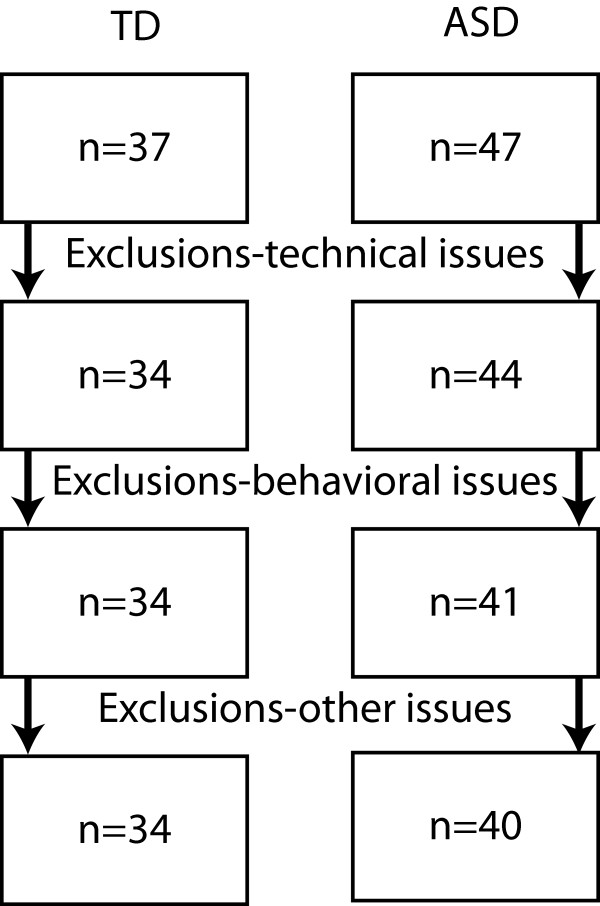
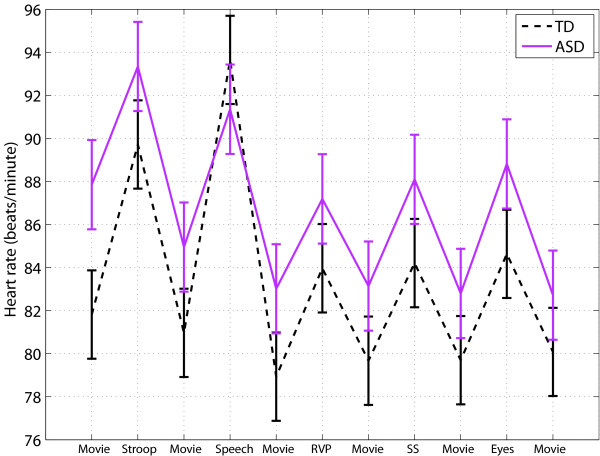
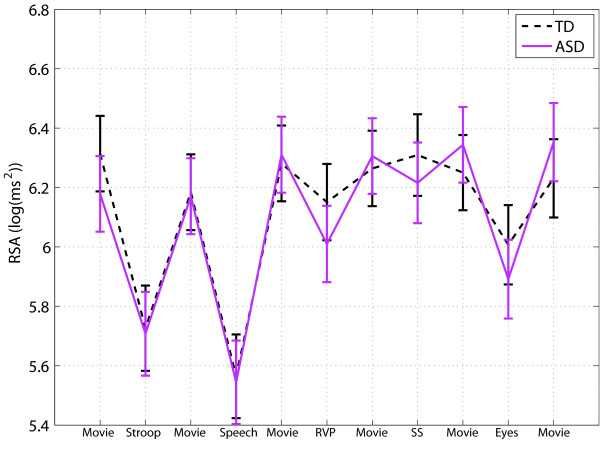
BACKGROUND: Autonomic dysregulation has been recently reported as a feature of autism spectrum disorder (ASD). However, the nature of autonomic atypicalities in ASD remain largely unknown. The goal of this study was to characterize the cardiac autonomic profile of children with ASD across four domains affected in ASD (anxiety, attention, response inhibition, and social cognition), and suggested to be affected by autonomic dysregulation. METHODS: We compared measures of autonomic cardiac regulation in typically developing children (n = 34) and those with ASD (n = 40) as the children performed tasks eliciting anxiety, attention, response inhibition, and social cognition. Heart rate was used to quantify overall autonomic arousal, and respiratory sinus arrhythmia (RSA) was used as an index of vagal influences. Associations between atypical autonomic findings and intellectual functioning (Weschler scale), ASD symptomatology (Social Communication Questionnaire score), and co-morbid anxiety (Revised Children's Anxiety and Depression Scale) were also investigated. RESULTS: The ASD group had marginally elevated basal heart rate, and showed decreased heart rate reactivity to social anxiety and increased RSA reactivity to the social cognition task. In this group, heart rate reactivity to the social anxiety task was positively correlated with IQ and task performance, and negatively correlated with generalized anxiety. RSA reactivity in the social cognition task was positively correlated with IQ. CONCLUSIONS: Our data suggest overall autonomic hyperarousal in ASD and selective atypical reactivity to social tasks.
Overview
CoChat Summary
TL;DR
Children with autism spectrum disorder (ASD) showed evidence of cardiac autonomic hyperarousal and selective atypical reactivity to social tasks compared with typically developing children. The authors conclude that ASD may involve autonomic dysregulation, with some effects linked to IQ, task performance, and co-morbid anxiety.
Key findings
- The ASD group had higher baseline heart rate than the typically developing group (estimated group difference = 6.02 ± 3.03 beats/minute, P = 0.047); after excluding medicated ASD participants, this difference became marginal (P = 0.066).
- The ASD group showed decreased heart rate reactivity during public speaking (speaking − pre baseline: 6.28 ± 1.31 beats/minute, P < 0.0001; speaking − post baseline: 6.38 ± 1.31 beats/minute, P < 0.0001).
- The ASD group showed larger RSA decrease during the Reading the Mind in the Eyes task (Eyes − pre baseline: 0.21 ± 0.11 log(ms²), P = 0.07) and larger RSA increase during recovery (Eyes − post baseline: 0.24 ± 0.12, P = 0.06); excluding medicated participants, the Eyes − pre baseline difference reached P = 0.03.
- In the ASD group, heart rate reactivity to public speaking was positively correlated with IQ and task performance and negatively correlated with generalized anxiety; RSA reactivity in the Eyes task was positively correlated with IQ. No significant group differences in task performance were found after controlling for age, sex, and full-scale IQ.
Methods
- Cross-sectional comparison of typically developing children (n = 34) and children with ASD (n = 40), ages 8–18; ASD diagnosis was made by an expert research-reliable team using DSM-IV criteria supported by the ADOS and ADI-R.
- Participants completed five tasks—Color Stroop, public speaking, rapid visual information processing, stop signal, and Reading the Mind in the Eyes—each preceded and followed by a baseline movie-watching task; ECG was used to derive heart rate and respiratory sinus arrhythmia (RSA).
- Repeated measures multiple regression tested group × task interactions with sex, IQ, and age as covariates (and baseline heart rate for RSA); post hoc stepwise regression examined predictors of cardiac measures, and generalized linear models compared task performance.
Limitations
- Stated by the authors: the baseline movie-watching condition may not reflect a true rest state; sample size may have limited detection of group differences in attention and response inhibition tasks and prevented subgroup analyses; the typically developing group was not screened for undiagnosed ASD traits; and cardiac ANS measures reflect the final common pathway of complex CNS and endocrine interactions.
- Also stated or evident in the text: the groups differed on full-scale IQ (113.1 ± 13.9 vs 92.9 ± 20.6, P < 0.0001) and sex distribution (19:15 vs 33:7, P = 0.02), and the paper notes that IQ nonmatching may have reduced power to detect task-performance differences. Eight ASD participants were taking medications, and excluding them changed some P values.
Model-written summary. Check it against the paper before relying on it.
Integrity signals
Registry
Cites
Statistics
Figures
Verification
Claims the paper makes
6 Valid · 0 Not valid · 9 Not checked · 43 Own results and interpretations
The sources with a verdict support this claim; the rest weren’t checked yet, have no full text we could read, or their verdicts aren’t rated yet.
In the paper
“and aspects of these differences have been associated with anxiety symptom severity [69,70].”
§ Functional autonomic nervous system profile in children with autism spectrum disorder > Discussion > Baseline differences
What the sources say
- Not checked — no full text of the sourcecites [69] 69. Juranek J Filipek PA Berenji GR Modahl C Osann K Spence M. A Association between amygdala volume and anxiety level: magnetic resonance imaging (MRI) study in autistic children J Child Neurol 2006 21 12 1051 1058 17156697 10.1177/7010.2006.00237 source
- Supportedcites [70] 70. Kleinhans NM Richards T Weaver K Johnson LC Greenson J Dawson G Aylward E Association between amygdala response to emotional faces and social anxiety in autism spectrum disorders Neuropsychologia 2010 48 12 3665 3670 20655320 10.1016/j.neuropsychologia.2010.07.022 PMC3426451 source
The Abstract reports that, among high-functioning adults with ASD, greater social anxiety was associated with increased right amygdala and left middle temporal gyrus activation and decreased fusiform face area activation during emotional face matching. This supports the attributed association between emotional-processing brain activity and anxiety severity, specifically social anxiety in ASD. (LLM, conf=0.92)
plainstates an association- Asserted: passes — The authors put it forward as true.
- Checkable: passes — It can be checked against evidence.
- Load-bearing: unclear — It is unclear whether the paper’s conclusions depend on it.
- Based: passes — The paper gives a reason why it holds.
The sources with a verdict support this claim; the rest weren’t checked yet, have no full text we could read, or their verdicts aren’t rated yet.
In the paper
“Literature findings on this issue are divergent, with a number of studies reporting significantly reduced RSA [11-14], and others finding no atypicalities [47,62].”
§ Functional autonomic nervous system profile in children with autism spectrum disorder > Discussion > Baseline differences
What the sources say
- Not checked — no full text of the sourcecites [11] 11. Ming X Julu POO Brimacombe M Connor S Daniels ML Reduced cardiac parasympathetic activity in children with autism Brain Dev 2005 27 7 509 516 16198209 10.1016/j.braindev.2005.01.003 source
- Not checked — no full text of the sourcecites [12] 12. Bal E Harden E Lamb D Van Hecke AV Denver JW Porges SW Emotion recognition in children with autism spectrum disorders Relations to eye gaze and autonomic state J Autism Dev Disord 2010 40 3 358 370 19885725 10.1007/s10803-009-0884-3 source
- Supportedcites [13] 13. Porges SW Macellaio M Stanfill SD McCue K Lewis GF Harden ER Handelman M Denver J Bazhenova OV Heilman KJ Respiratory sinus arrhythmia and auditory processing in autism modifiable deficits of an integrated social engagement system? Int J Psychophysiol 2013 88 3 261 270 23201146 10.1016/j.ijpsycho.2012.11.009 PMC3610863 source
The Results (Section 3.1) report significantly lower baseline RSA in participants with ASD than in typically developing participants. This supports the reduced-RSA finding for which this source is cited; the sentence assigns the no-atypicalities finding to other citations. (LLM, conf=0.93)
- Not checked — no full text of the sourcecites [14] 14. Neuhaus E Bernier R Beauchaine TP Brief report: social skills, internalizing and externalizing symptoms, and respiratory sinus arrhythmia in autism J Autism Dev Disord 2014 44 3 730 737 23982488 10.1007/s10803-013-1923-7 source
- Not checked — no full text of the sourcecites [47] 47. Levine T Sheinkopf S Pescosolido M Rodino A Elia G Lester B Physiologic arousal to social stress in children with autism spectrum disorders: a pilot study Res Autism Spectr Disord 2012 6 1 177 183 22081773 10.1016/j.rasd.2011.04.003 PMC3212393 source
- Supportedcites [62] 62. Watson LR Roberts JE Baranek GT Mandulak KC Dalton JC Behavioral and physiological responses to child-directed speech of children with autism spectrum disorders or typical development J Autism Dev Disord 2012 42 8 1616 1629 22071788 10.1007/s10803-011-1401-z PMC3402684 source
The Abstract reports no significant RSA difference between young boys with autism and age-matched peers, while the Discussion reports no group difference during nonsocial or child-directed speech stimuli. The paper also describes earlier studies finding reduced RSA. Its Discussion cautions that the RSA analysis had low power, so the null finding is not evidence that RSA is definitively typical. (LLM, conf=0.90)
plain- Asserted: passes — The authors put it forward as true.
- Checkable: passes — It can be checked against evidence.
- Load-bearing: unclear — It is unclear whether the paper’s conclusions depend on it.
- Based: passes — The paper gives a reason why it holds.
The cited sources support only part of this claim — read each source’s verdict below.
In the paper
“ASD has been associated with neurobiological differences in brain networks responsible for these functions (for example, the prefrontal cortex, the insular cortex, and the anterior cingulate cortices) [6]”
§ Functional autonomic nervous system profile in children with autism spectrum disorder > Discussion > Baseline differences
What the sources say
- Partly supportedcites [6] 6. Anagnostou E Taylor MJ Review of neuroimaging in autism spectrum disorders: what have we learned and where we go from here Mol Autism 2011 2 4 10.1186/2040-2392-2-4 PMC3102613 21501488 sourceExperimental — accuracy not yet measured
The fMRI section reports atypical anterior cingulate activation in ASD and altered connectivity during social-cognition tasks; it also identifies the medial prefrontal cortex as part of a network studied in ASD. The References list a study of altered insula connectivity. The review does not establish that all three named regions form networks responsible specifically for perceiving, processing, and responding to emotional stimuli. (LLM, conf=0.82)
plainstates an association- Asserted: passes — The authors put it forward as true.
- Checkable: passes — It can be checked against evidence.
- Load-bearing: passes — The paper’s conclusions depend on it.
- Based: passes — The paper gives a reason why it holds.
- Partly supported
The sources with a verdict support this claim; the rest weren’t checked yet, have no full text we could read, or their verdicts aren’t rated yet.
In the paper
“This pattern has been reported consistently in three studies examining ANS reactivity to psychosocial challenges [15-17]”
§ Functional autonomic nervous system profile in children with autism spectrum disorder > Discussion > Differences in task reactivity
What the sources say
- Supportedcites [15] 15. Jansen L Gispen-De Wied CC Van Der Gaag RJ Van Engeland H Differentiation between autism and multiple complex developmental disorder in response to psychosocial stress Neuropsychopharmacology 2003 28 3 582 590 12629541 10.1038/sj.npp.1300046 source
The Discussion reports decreased heart-rate responses to psychosocial stress in autistic children and children with MCDD, compared with controls. This paper supports its role as one of the three cited studies; it does not itself establish what the other two found. (LLM, conf=0.90)
- Not checked — no full text of the sourcecites [16] 16. Jansen LMC Gispen-de Wied CC Wiegant VM Westenberg HGM Lahuis BE van Engeland H Autonomic and neuroendocrine responses to a psychosocial stressor in adults with autistic spectrum disorder J Autism Dev Disord 2006 36 7 891 899 16865550 10.1007/s10803-006-0124-z source
- Not checked — no full text of the sourcecites [17] 17. Smeekens I Didden R Verhoeven E Exploring the relationship of autonomic and endocrine activity with social functioning in adults with autism spectrum disorders J Autism Dev Disord 2013 1 11 24062183 10.1007/s10803-013-1947-z source
boosted- Asserted: passes — The authors put it forward as true.
- Checkable: passes — It can be checked against evidence.
- Load-bearing: passes — The paper’s conclusions depend on it.
- Based: passes — The paper gives a reason why it holds.
- Supported
A result the paper reports from its own data — it cites no other source for it, so there is none to check. The quote shows it is in the paper.
In the paper
“The ASD group had marginally elevated basal heart rate”
§ Functional autonomic nervous system profile in children with autism spectrum disorder > Abstract > Results
plainstates an association- Asserted: passes — The authors put it forward as true.
- Checkable: passes — It can be checked against evidence.
- Load-bearing: unclear — It is unclear whether the paper’s conclusions depend on it.
- Based: passes — The paper gives a reason why it holds.
32 more claims
Create a free account to see all 58 claims and every source verdict.
- Probably not a substantial claim. 15
- It may state two separate claims as one. 10
Claims other papers make about this one
Each is checked against this paper’s own text: does it say what the citing paper says it does?
The cited source doesn’t support the claim as written.
In the citing paper
“The average baseline heart rate of the children with ASD was 88 bpm, which is not indicative of cardiac dysfunction nor an overactive sympathetic nervous system; it cannot be interpreted to show that children with ASD show hyperarousal.”
From Autism Spectrum Disorder in Children Is Not Associated With Abnormal Autonomic Nervous System Function: Hypothesis and Theory (2022) · cites this paper as Kushki et al. (27)
Checked by a reasoning model — may be wrong.
Experimental — accuracy not yet measuredThe cited source doesn’t support the claim as written.
In the citing paper
“The data pertaining to baseline RSA and RSA reactivity and baseline heart rate and heart rate reactivity to various stimuli leave us with only one logical conclusion, that ASD children have normal autonomic functioning.”
From Autism Spectrum Disorder in Children Is Not Associated With Abnormal Autonomic Nervous System Function: Hypothesis and Theory (2022) · cites this paper as Kushki et al. (27)
Checked by a reasoning model — may be wrong.
Experimental — accuracy not yet measuredThe cited source doesn’t support the claim as written.
In the citing paper
“however data pertaining to heart rate responsivity in each task suggest excellent autonomic reactivity (Figure 2). They conclude atypical heart rate reactivity to social tasks, despite the increase in heart rate seen in both the ASD and control groups for all stimuli, which suggests that no autonomic dysfunction is present in the ASD group.”
From Autism Spectrum Disorder in Children Is Not Associated With Abnormal Autonomic Nervous System Function: Hypothesis and Theory (2022) · cites this paper as [27]
Checked by a reasoning model — may be wrong.
Experimental — accuracy not yet measuredThe cited source doesn’t support the claim as written.
In the citing paper
“Based on heart rate and RSA data, most children with autism do not display autonomic dysfunction.”
From Autism Spectrum Disorder in Children Is Not Associated With Abnormal Autonomic Nervous System Function: Hypothesis and Theory (2022) · cites this paper as [27]
Checked by a reasoning model — may be wrong.
Experimental — accuracy not yet measuredThe cited source says what the claim attributes to it.
In the citing paper
“Kushki et al. (27) found no significant group differences for heart rate reactivity in the Stroop, Rapid Visual Information Processing, Stop Signal, or Reading the Mind in the Eyes tasks”
From Autism Spectrum Disorder in Children Is Not Associated With Abnormal Autonomic Nervous System Function: Hypothesis and Theory (2022) · cites this paper as [27]
Statistics recomputed
Every reported test result, recomputed from its test statistic and degrees of freedom. A result shows as not adding up only once an independent check has confirmed it.
- ConsistentF(10, 711) = 4.79reported p < .0001 · recomputed p < .001
“F(10,711) = 4.79, p < .0001”
- Consistentt(711) = -1.99reported p = .047 · recomputed p = .047
“t(711) =-1.99, p = .047”
- Consistentt(711) = 4.79reported p < .0001 · recomputed p < .001
“t(711) = 4.79, p < .0001”
- Consistentt(711) = 4.87reported p < .0001 · recomputed p < .001
“t(711) = 4.87, p < .0001”
- Consistentt(632) = -1.85reported p = .066 · recomputed p = .065
“t(632) = -1.85, p = .066”
6 more recomputed tests
Create a free account to see every test the Stats check recomputed.
Self-check
Percentages, sums and reported differences re-computed from the paper’s own numbers.
Each contradiction between two passages listed here was confirmed by an independent check.
Rated major: it would touch a result — a value a result rests on, reported and recomputed p-values on opposite sides of the significance level, two passages that conflict with no sign which is right, or a cited work retracted before this paper was published.
In the paper
“estimated group difference (Eyes - pre- baseline) =0.22±0.12 log(ms 2), t(629) = 2.15, P = 0.03”
§ Functional autonomic nervous system profile in children with autism spectrum disorder > Results > RSA
Reported 2.15 · recomputed 1.833333
Rated minor: it would not touch a result — a value no result rests on, a p-value that stays on the same side of the significance level, or a conflict that is clerical, resolved elsewhere in the paper, or outside its own findings.
In the paper
“estimated group difference = 6.02 ± 3.03 beats/minute, t(711) =-1.99, P = 0.047”
§ Functional autonomic nervous system profile in children with autism spectrum disorder > Results > HR
Reported -1.99 · recomputed 1.986799
Rated minor: it would not touch a result — a value no result rests on, a p-value that stays on the same side of the significance level, or a conflict that is clerical, resolved elsewhere in the paper, or outside its own findings.
In the paper
§ Functional autonomic nervous system profile in children with autism spectrum disorder > Methods > Procedures
“blocks one and five: 2 seconds/word”
§ Functional autonomic nervous system profile in children with autism spectrum disorder > Methods > Procedures
“block 5: 1.25 seconds/word”
Rated minor: it would not touch a result — a value no result rests on, a p-value that stays on the same side of the significance level, or a conflict that is clerical, resolved elsewhere in the paper, or outside its own findings.
In the paper
§ Functional autonomic nervous system profile in children with autism spectrum disorder > Results > RSA
“estimated group difference (Eyes - post baseline) =0.24 ± 0.12 beats/minute”
§ Functional autonomic nervous system profile in children with autism spectrum disorder > Results > RSA
“estimated group difference (Eyes - pre baseline) = 0.21 ± 0.11 log(ms 2)”
Rated minor: it would not touch a result — a value no result rests on, a p-value that stays on the same side of the significance level, or a conflict that is clerical, resolved elsewhere in the paper, or outside its own findings.
In the paper
§ Functional autonomic nervous system profile in children with autism spectrum disorder > Methods > Procedures
“Performance on this task was measured as the percentage of the time that the participant did not speak or vocalize during the task.”
§ Functional autonomic nervous system profile in children with autism spectrum disorder > Results > Task performance
“| Public speaking (seconds silence) | 37.6 ± 40.6 | 65.2 ± 51.3 |”
1 more finding
Create a free account to see every finding of this check.
Citations
Cites
Studies of interference in serial verbal reactions
Stroop, J. R. (1935) · Journal of Experimental Psychology · doi:10.1037/h0054651 · Cited by 18,622
Heart Rate Variability: Standards of Measurement, Physiological Interpretation, and Clinical Use
Electrophysiology, T. F. O. T. E. S. O. C. T. N. A. (1996) · Circulation · doi:10.1161/01.cir.93.5.1043 · Cited by 17,159
Heart rate variability: Standards of measurement, physiological interpretation, and clinical use
Malik, M., Bigger, J. T., Camm, A. J., Kleiger, R. E., Malliani, A., Moss, A. J., & Schwartz, P. J. (1996) · European Heart Journal · doi:10.1093/oxfordjournals.eurheartj.a014868 · Cited by 15,289
Lord, C., Rutter, M., & Le Couteur, A. (1994) · Journal of Autism and Developmental Disorders · doi:10.1007/bf02172145 · Cited by 9,065 · cited 2×
“Children in the ASD group were diagnosed by an expert, research reliable team using the DSM-IV criteria supported by the Autism Diagnostic Observation Schedule (ADOS) [38] and the Autism Diagnostic Interview Revised (ADI-R) [39].”
MethodA Real-Time QRS Detection Algorithm
Pan, J., & Tompkins, W. J. (1985) · IEEE Transactions on Biomedical Engineering · doi:10.1109/tbme.1985.325532 · Cited by 7,855 · cited 1×
“Heart rate (HR) was calculated as the inverse of inter-beat (RR) intervals extracted using a modified version of the algorithms presented in the works [53,54].”
MethodLord, C., Risi, S., Lambrecht, L., Cook, E. H., Leventhal, B. L., DiLavore, P. C., Pickles, A., & Rutter, M. (2000) · Journal of Autism and Developmental Disorders · doi:10.1023/a:1005592401947 · Cited by 7,520 · cited 2×
“Children in the ASD group were diagnosed by an expert, research reliable team using the DSM-IV criteria supported by the Autism Diagnostic Observation Schedule (ADOS) [38] and the Autism Diagnostic Interview Revised (ADI-R) [39].”
MethodBaron‐Cohen, S., Wheelwright, S., Hill, J., Raste, Y., & Plumb, I. (2001) · Journal of Child Psychology and Psychiatry · doi:10.1111/1469-7610.00715 · Cited by 4,555
Baron‐Cohen, S., Wheelwright, S. J., Hill, J., Raste, Y., & Plumb, I. (2001) · PubMed · Cited by 4,313
The Neurocircuitry of Fear, Stress, and Anxiety Disorders
Shin, L. M., & Liberzon, I. (2010) · Neuropsychopharmacology · doi:10.1038/npp.2009.83 · Cited by 2,083 · cited 1×
“From a neurobiological perspective, both ASD and anxiety disorders have been associated with differences in central structures involved in emotional processing (such as the amygdala, anterior cingulate cortex, prefrontal cortex, and the insular cortex) [64,65].”
BackgroundHeart rate variability as an index of regulated emotional responding
Appelhans, B. M., & Luecken, L. J. (2006) · Review of General Psychology · doi:10.1037/1089-2680.10.3.229 · Cited by 1,893
Anxiety Disorders in Children and Adolescents with Autistic Spectrum Disorders: A Meta-Analysis
van Steensel, F. J. A., Bögels, S. M., & Perrin, S. (2011) · Clinical Child and Family Psychology Review · doi:10.1007/s10567-011-0097-0 · Cited by 1,463 · cited 2×
“This is supported by the high prevalence of co-morbid anxiety in ASD [27], the genetic, neurobiological, and pheonotypical overlap between the two disorders [28-31], and the findings of physiological hyperarousal in anxiety disorders [32-34].”
BackgroundSocial intelligence in the normal and autistic brain: An fMRI study
Baron‐Cohen, S., Ring, H. A., Wheelwright, S., Bullmore, E. T., Brammer, M. J., Simmons, A., & Williams, S. C. R. (1999) · European Journal of Neuroscience · doi:10.1046/j.1460-9568.1999.00621.x · Cited by 1,320 · cited 1×
“The latter is consistent with atypical central nervous system responses to the Eyes task (for example, decreased amygdala activation) [73].”
Background(2011) · Cited by 1,181
Quantitative Investigation of QRS Detection Rules Using the MIT/BIH Arrhythmia Database
Hamilton, P. S., & Tompkins, W. J. (1986) · IEEE Transactions on Biomedical Engineering · doi:10.1109/tbme.1986.325695 · Cited by 1,142 · cited 1×
“Heart rate (HR) was calculated as the inverse of inter-beat (RR) intervals extracted using a modified version of the algorithms presented in the works [53,54].”
MethodSocial Intelligence in the Normal and Autistic Brain: An fMRI Study
Baron-Cohen, S., Ring, H. A., Wheelwright, S., Bullmore, E. T., Brammer, M. J., Simmons, A., & Williams, S. C. R. (2002) · Foundations in Social Neuroscience · doi:10.7551/mitpress/3077.003.0028 · Cited by 1,044
Fear reduction and fear behavior: Problems in treating a construct
Lang, P. J. (1968) · Research in psychotherapy. · doi:10.1037/10546-004 · Cited by 989 · cited 1×
“The clinical presentation of anxiety is conceptualized as having three interconnected dimensions: behavioral (such as crying, avoidance, or tantrums), subjective-cognitive (such as maladaptive or negative thoughts), and physiological (such as increased heart rate or perspiration) [67,68].”
BackgroundStudies of interference in serial verbal reactions.
Stroop, J. R. (1992) · Journal of Experimental Psychology: General · doi:10.1037/0096-3445.121.1.15 · Cited by 918 · cited 1×
“• Color Stroop (Color-Word Interference) test [40].”
Autonomic characteristics of generalized anxiety disorder and worry
Thayer, J. F., Friedman, B. H., & Borkovec, T. D. (1996) · Biological Psychiatry · doi:10.1016/0006-3223(95)00136-0 · Cited by 857
Schumann, C. M., Hamstra, J., Goodlin-Jones, B. L., Lotspeich, L. J., Kwon, H., Buonocore, M. H., Lammers, C. R., Reiss, A. L., & Amaral, D. G. (2004) · The Journal of Neuroscience · doi:10.1523/jneurosci.1297-04.2004 · Cited by 840 · cited 2×
“At the same time, ASD has been associated with enlargement of the amygdala [2-4].”
BackgroundModels of response inhibition in the stop-signal and stop-change paradigms
Verbruggen, F., & Logan, G. D. (2009) · Neuroscience & Biobehavioral Reviews · doi:10.1016/j.neubiorev.2008.08.014 · Cited by 724
Autonomic balance revisited: Panic anxiety and heart rate variability
Friedman, B. H., & Thayer, J. F. (1998) · Journal of Psychosomatic Research · doi:10.1016/s0022-3999(97)00202-x · Cited by 616 · cited 4×
“Processes that may contribute to this over-responsivity include increased threat perception, increased and misinterpreted perception of bodily sensations [34], or decreased inhibition of the fear response.”
BackgroundInfluentialBal, E., Harden, E., Lamb, D., Van Hecke, A. V., Denver, J. W., & Porges, S. W. (2010) · Journal of Autism and Developmental Disorders · doi:10.1007/s10803-009-0884-3 · Cited by 575 · cited 5×
“Baseline differences Previous literature on cardiac measures of ANS have reported either hyperarousal [10-13,62] or no baseline atypicalities in ASD [47].”
BackgroundResultInfluentialCoull, J. T., Frith, C. D., Frackowiak, R. S. J., & Grasby, P. M. (1996) · Neuropsychologia · doi:10.1016/0028-3932(96)00029-2 · Cited by 566 · cited 1×
“In this test of sustained attention and working memory [48], participants were presented with random single-digit numbers (2 through 9) at a rate of 100 digits per minute and asked to identify a prespecified three-digit sequence (for example, 3-5-7) by pressing the space bar.”
MethodCardiac vagal control and children's adaptive functioning: A meta-analysis
Graziano, P., & Derefinko, K. (2013) · Biological Psychology · doi:10.1016/j.biopsycho.2013.04.011 · Cited by 439 · cited 1×
“Moreover, ANS function is closely linked to behavior, cognition, and emotion processing [20], and indices of its function have been associated with differences in domains affected in ASD [21] such as social behavior [22], emotion regulation [23], attention [24], response inhibition [25], and adaptive functioning [26]).”
BackgroundMiller, D. T., Shen, Y., Weiss, L. A., Korn, J., Anselm, I., Bridgemohan, C., Cox, G. F., Dickinson, H., Gentile, J., Harris, D. J., et al. (2009) · Journal of Medical Genetics · doi:10.1136/jmg.2008.059907 · Cited by 427 · cited 2×
“While the nature of anxiety in ASD is still largely unknown [63], ASD has been associated with genetic [28,29], neurobiological, and phenotypical overlap with anxiety disorders [30,31].”
BackgroundThe anterior insula in autism: Under-connected and under-examined
Uddin, L. Q., & Menon, V. (2009) · Neuroscience & Biobehavioral Reviews · doi:10.1016/j.neubiorev.2009.06.002 · Cited by 425 · cited 1×
“For example, ASD has been associated with atypicalities in the amygdala [2-5], the anterior cingulate cortex [6], and the insula [7,8] - structures that play a key role in modulation of the ANS response.”
BackgroundThe development of social anxiety in adolescents with autism spectrum disorders.
Bellini, S. (2006) · Focus on Autism and Other Developmental Disabilities · doi:10.1177/10883576060210030201 · Cited by 384 · cited 1×
“affective and cognitive deficits may lead to increased stressors experienced by this population, which can ultimately lead to increased arousal [63,71].”
BackgroundAttention and information Processing in infants and Adults
(2014) · Psychology Press eBooks · doi:10.4324/9781315807355 · Cited by 374
Cardiac vagal tone and sustained attention in school‐age children
SUESS, P. E., PORGES, S. W., & PLUDE, D. J. (1994) · Psychophysiology · doi:10.1111/j.1469-8986.1994.tb01020.x · Cited by 351 · cited 1×
“04 Hz, which is used in studies of vagal functioning in children [57].”
BackgroundSchumann, C. M., Barnes, C. C., Lord, C., & Courchesne, E. (2009) · Biological Psychiatry · doi:10.1016/j.biopsych.2009.07.007 · Cited by 340
The presentation and classification of anxiety in autism spectrum disorder.
Kerns, C. M., & Kendall, P. C. (2012) · Clinical Psychology: Science and Practice · doi:10.1111/cpsp.12009 · Cited by 323 · cited 4×
“affective and cognitive deficits may lead to increased stressors experienced by this population, which can ultimately lead to increased arousal [63,71].”
BackgroundResultInfluentialReview of neuroimaging in autism spectrum disorders: what have we learned and where we go from here
Anagnostou, E., & Taylor, M. J. (2011) · Molecular Autism · doi:10.1186/2040-2392-2-4 · Cited by 321 · cited 2×
“For example, ASD has been associated with atypicalities in the amygdala [2-5], the anterior cingulate cortex [6], and the insula [7,8] - structures that play a key role in modulation of the ANS response.”
BackgroundSelf-citationDecreased heart rate variability in men with phobic anxiety (data from the normative aging study)
Kawachi, I., Sparrow, D., Vokonas, P. S., & Weiss, S. T. (1995) · The American Journal of Cardiology · doi:10.1016/s0002-9149(99)80680-8 · Cited by 297 · cited 2×
“This is supported by the high prevalence of co-morbid anxiety in ASD [27], the genetic, neurobiological, and pheonotypical overlap between the two disorders [28-31], and the findings of physiological hyperarousal in anxiety disorders [32-34].”
BackgroundBeauchaine, T. P., Katkin, E. S., Strassberg, Z., & Snarr, J. (2001) · Journal of Abnormal Psychology · doi:10.1037/0021-843x.110.4.610 · Cited by 288
Ebisch, S. J. H., Gallese, V., Willems, R. M., Mantini, D., Groen, W. B., Romani, G. L., Buitelaar, J. K., & Bekkering, H. (2011) · Human Brain Mapping · doi:10.1002/hbm.21085 · Cited by 276 · cited 1×
“For example, ASD has been associated with atypicalities in the amygdala [2-5], the anterior cingulate cortex [6], and the insula [7,8] - structures that play a key role in modulation of the ANS response.”
BackgroundLewis, G. F., Furman, S. A., McCool, M. F., & Porges, S. W. (2012) · Biological Psychology · doi:10.1016/j.biopsycho.2011.11.009 · Cited by 264 · cited 1×
“To compute RSA, each RR sequence was uniformly sampled at 8 Hz using cubic interpolation and filtered using a third-order, 21-point polynomial filter to remove the variance associated with activities at frequencies lower than spontaneous breathing [55,56].”
MethodReduced cardiac parasympathetic activity in children with autism
Ming, X., Julu, P. O. O., Brimacombe, M., Connor, S., & Daniels, M. L. (2005) · Brain and Development · doi:10.1016/j.braindev.2005.01.003 · Cited by 245 · cited 4×
“Baseline differences Previous literature on cardiac measures of ANS have reported either hyperarousal [10-13,62] or no baseline atypicalities in ASD [47].”
BackgroundResultInfluentialAnxiety, antisocial behavior, and heart rate regulation in adolescent males
Mezzacappa, E., Tremblay, R. E., Kindlon, D., Saul, J. P., Arseneault, L., Seguin, J., Pihl, R. O., & Earls, F. (1997) · Journal of Child Psychology and Psychiatry · doi:10.1111/j.1469-7610.1997.tb01531.x · Cited by 223 · cited 1×
“Moreover, ANS function is closely linked to behavior, cognition, and emotion processing [20], and indices of its function have been associated with differences in domains affected in ASD [21] such as social behavior [22], emotion regulation [23], attention [24], response inhibition [25], and adaptive functioning [26]).”
BackgroundCrowell, S. E., Beauchaine, T. P., Gatzke-Kopp, L., Sylvers, P., Mead, H., & Chipman-Chacon, J. (2006) · Journal of Abnormal Psychology · doi:10.1037/0021-843x.115.1.174 · Cited by 221 · cited 1×
“We also expected atypical ANS reactivity to attention, response inhibition, and social cognition tasks in ASD based on previous reports associating ANS dysregulation with these behavioral domains [21,35-37].”
BackgroundAnxiety and social worries in children with Asperger syndrome
Russell, E., Sofronoff, K., Russell, E., & Sofronoff, K. (2005) · Australian & New Zealand Journal of Psychiatry · doi:10.1080/j.1440-1614.2005.01637.x · Cited by 211
Kushki, A., Drumm, E., Pla Mobarak, M., Tanel, N., Dupuis, A., Chau, T., & Anagnostou, E. (2013) · PLoS ONE · doi:10.1371/journal.pone.0059730 · Cited by 209 · cited 4×
“Baseline differences Previous literature on cardiac measures of ANS have reported either hyperarousal [10-13,62] or no baseline atypicalities in ASD [47].”
BackgroundMethodResultInfluentialSelf-citationThe Research Network on Youth Mental Health*, Ebesutani, C., Bernstein, A., Nakamura, B. J., Chorpita, B. F., & Weisz, J. R. (2010) · Journal of Abnormal Child Psychology · doi:10.1007/s10802-009-9363-8 · Cited by 209 · cited 2×
“The parent version of the Revised Child Anxiety and Depression Scale (RCADS-P) [52] was used to characterize anxiety symptomatology in this group along scales corresponding to five DSM-IV anxiety disorders (separation anxiety disorder, social phobia, generalized anxiety disorder, obsessive-compulsive disorder, and pan…”
MethodThe effect of heart rate on the heart rate variability response to autonomic interventions
Billman, G. E. (2013) · Frontiers in Physiology · doi:10.3389/fphys.2013.00222 · Cited by 207 · cited 1×
“For RSA, mean baseline HR was also included as a covariate [59].”
Cath, D. C., Ran, N., Smit, J. H., van Balkom, A. J. L. M., & Comijs, H. C. (2008) · Psychopathology · doi:10.1159/000111555 · Cited by 206 · cited 3×
“While the nature of anxiety in ASD is still largely unknown [63], ASD has been associated with genetic [28,29], neurobiological, and phenotypical overlap with anxiety disorders [30,31].”
BackgroundNordahl, C. W. (2012) · Archives of General Psychiatry · doi:10.1001/archgenpsychiatry.2011.145 · Cited by 197 · cited 1×
“For example, ASD has been associated with atypicalities in the amygdala [2-5], the anterior cingulate cortex [6], and the insula [7,8] - structures that play a key role in modulation of the ANS response.”
BackgroundAutonomic regulation and attention.
Porges, S. W. (1992) · Cited by 189
Kleinhans, N. M., Richards, T., Weaver, K., Johnson, L. C., Greenson, J., Dawson, G., & Aylward, E. (2010) · Neuropsychologia · doi:10.1016/j.neuropsychologia.2010.07.022 · Cited by 187 · cited 1×
“ASD has been associated with neurobiological differences in brain networks responsible for these functions (for example, the prefrontal cortex, the insular cortex, and the anterior cingulate cortices) [6], and aspects of these differences have been associated with anxiety symptom severity [69,70].”
BackgroundCharacterization of stress reactions to the Stroop Color Word Test
Tulen, J. H. M., Moleman, P., van Steenis, H. G., & Boomsma, F. (1989) · Pharmacology Biochemistry and Behavior · doi:10.1016/0091-3057(89)90204-9 · Cited by 182 · cited 1×
“This task was used to elicit an ANS stress reaction [41,42], and shown to elicit both psychological and physiological arousal responses in typically developing populations [43] as well as children with ASD [10].”
MethodJansen, L. M. C., Gispen-de Wied, C. C., Wiegant, V. M., Westenberg, H. G. M., Lahuis, B. E., & van Engeland, H. (2006) · Journal of Autism and Developmental Disorders · doi:10.1007/s10803-006-0124-z · Cited by 177 · cited 2×
“These include reports of elevated basal heart rate [10-13], decreased baseline vagal tone [11-14], and blunted heart rate response to psychosocial challenges [15-17].”
BackgroundKaland, N., Callesen, K., Møller-Nielsen, A., Mortensen, E. L., & Smith, L. (2008) · Journal of Autism and Developmental Disorders · doi:10.1007/s10803-007-0496-8 · Cited by 173 · cited 1×
“Our unadjusted means for the TD and ASD groups are well in line with the literature which has reported significant group differences [61].”
ResultRecent advances in the neurobiology of anxiety disorders: Implications for novel therapeutics
Mathew, S. J., Price, R. B., & Charney, D. S. (2008) · American Journal of Medical Genetics Part C: Seminars in Medical Genetics · doi:10.1002/ajmg.c.30172 · Cited by 168 · cited 1×
“From a neurobiological perspective, both ASD and anxiety disorders have been associated with differences in central structures involved in emotional processing (such as the amygdala, anterior cingulate cortex, prefrontal cortex, and the insular cortex) [64,65].”
BackgroundPatriquin, M. A., Scarpa, A., Friedman, B. H., & Porges, S. W. (2013) · Developmental Psychobiology · doi:10.1002/dev.21002 · Cited by 149 · cited 1×
“For example, decreased basal respiratory sinus arrhythmia (RSA) has been associated with difficulties in social behavior [14,18], decreased language abilities [18,19], internalizing symptoms [14], and cognitive delay [19].”
BackgroundJuranek, J., Filipek, P. A., Berenji, G. R., Modahl, C., Osann, K., & Spence, M. A. (2006) · Journal of Child Neurology · doi:10.1177/7010.2006.00237 · Cited by 147
Heart Rate Variability and Sustained Attention in ADHD Children
Börger, N. A., van der Meere, J., Ronner, A. E., Alberts, E., Geuze, R. H., & Bogte, H. (1999) · Research on Child and Adolescent Psychopathology · doi:10.1023/a:1022610306984 · Cited by 138 · cited 1×
“We also expected atypical ANS reactivity to attention, response inhibition, and social cognition tasks in ASD based on previous reports associating ANS dysregulation with these behavioral domains [21,35-37].”
BackgroundBenevides, T. W., & Lane, S. J. (2015) · Journal of Autism and Developmental Disorders · doi:10.1007/s10803-013-1971-z · Cited by 137 · cited 2×
“Moreover, ANS function is closely linked to behavior, cognition, and emotion processing [20], and indices of its function have been associated with differences in domains affected in ASD [21] such as social behavior [22], emotion regulation [23], attention [24], response inhibition [25], and adaptive functioning [26]).”
BackgroundPhysiologic arousal to social stress in children with autism spectrum disorders: a pilot study
Levine, T. P., Sheinkopf, S. J., Pescosolido, M., Rodino, A., Elia, G., & Lester, B. (2012) · Research in Autism Spectrum Disorders · doi:10.1016/j.rasd.2011.04.003 · Cited by 121 · cited 3×
“Baseline differences Previous literature on cardiac measures of ANS have reported either hyperarousal [10-13,62] or no baseline atypicalities in ASD [47].”
BackgroundResultPorges, S. W., Macellaio, M., Stanfill, S. D., McCue, K., Lewis, G. F., Harden, E. R., Handelman, M., Denver, J., Bazhenova, O. V., & Heilman, K. J. (2013) · International Journal of Psychophysiology · doi:10.1016/j.ijpsycho.2012.11.009 · Cited by 120 · cited 3×
“Baseline differences Previous literature on cardiac measures of ANS have reported either hyperarousal [10-13,62] or no baseline atypicalities in ASD [47].”
BackgroundResultNeuhaus, E., Bernier, R., & Beauchaine, T. P. (2014) · Journal of Autism and Developmental Disorders · doi:10.1007/s10803-013-1923-7 · Cited by 119
Jansen, L. M., Gispen-de Wied, C. C., van der Gaag, R.-J., & van Engeland, H. (2003) · Neuropsychopharmacology · doi:10.1038/sj.npp.1300046 · Cited by 118 · cited 4×
“These include reports of elevated basal heart rate [10-13], decreased baseline vagal tone [11-14], and blunted heart rate response to psychosocial challenges [15-17].”
BackgroundInfluentialBeatty, M. J., & Behnke, R. R. (1991) · Human Communication Research · doi:10.1111/j.1468-2958.1991.tb00542.x · Cited by 113 · cited 2×
“Public speaking tasks have been successfully used in previous studies examining cardiac responses to anxiogenic stimuli in neurotypical individuals [44-46] and in children with ASD [15,47].”
BackgroundInhibition in boys with attention deficit hyperactivity disorder as indexed by heart rate change
Jennings, J. R., van der Molen, M. W., Pelham, W., Debski, K. B., & Hoza, B. (1997) · Developmental Psychology · doi:10.1037/0012-1649.33.2.308 · Cited by 113 · cited 1×
“Moreover, ANS function is closely linked to behavior, cognition, and emotion processing [20], and indices of its function have been associated with differences in domains affected in ASD [21] such as social behavior [22], emotion regulation [23], attention [24], response inhibition [25], and adaptive functioning [26]).”
BackgroundCardiovascular response to Stroop: Effect of verbal response and task difficulty
Boutcher, Y. N., & Boutcher, S. H. (2006) · Biological Psychology · doi:10.1016/j.biopsycho.2006.04.005 · Cited by 110 · cited 1×
“This task was used to elicit an ANS stress reaction [41,42], and shown to elicit both psychological and physiological arousal responses in typically developing populations [43] as well as children with ASD [10].”
MethodThe Neurocircuitry of Fear, Stress, and Anxiety Disorders
Shin, L. M., & Liberzon, I. (2011) · FOCUS The Journal of Lifelong Learning in Psychiatry · doi:10.1176/foc.9.3.foc311 · Cited by 110
Heart rate as an index of speech anxiety
Behnke, R. R., & Carlile, L. W. (1971) · Speech Monographs · doi:10.1080/03637757109375689 · Cited by 101
The neurobiology of autism spectrum disorders
Parellada, M., Penzol, M. J., Pina, L., Moreno, C., González-Vioque, E., Zalsman, G., & Arango, C. (2014) · European Psychiatry · doi:10.1016/j.eurpsy.2013.02.005 · Cited by 99 · cited 1×
“An extensive body of literature suggests that ASD symptoms are associated with pervasive atypicalities in the central nervous system [1], including structures and networks involved in the regulation of the autonomic nervous system (ANS).”
BackgroundMcAuley, T., Crosbie, J., Charach, A., & Schachar, R. (2014) · Journal of Child Psychology and Psychiatry · doi:10.1111/jcpp.12160 · Cited by 91
Differentiating High-Functioning Autism and Social Phobia
Tyson, K. E., & Cruess, D. G. (2011) · Journal of Autism and Developmental Disorders · doi:10.1007/s10803-011-1386-7 · Cited by 82 · cited 1×
“In terms of phenotypic presentation, ASD and anxiety are thought to present with overlapping symptoms related to repetitive and restrictive interests (for example, perseverative behavior), social and emotional reciprocity, avoidance behaviors, and speech difficulties [31,63,66].”
BackgroundAutism genetics: emerging data from genome-wide copy-number and single nucleotide polymorphism scans
Weiss, L. A. (2009) · Expert Review of Molecular Diagnostics · doi:10.1586/erm.09.59 · Cited by 80 · cited 2×
“While the nature of anxiety in ASD is still largely unknown [63], ASD has been associated with genetic [28,29], neurobiological, and phenotypical overlap with anxiety disorders [30,31].”
BackgroundInhibition and the Validity of the Stroop Task for Children with Autism
Adams, N. C., & Jarrold, C. (2009) · Journal of Autism and Developmental Disorders · doi:10.1007/s10803-009-0721-8 · Cited by 71 · cited 1×
“regarding the Stroop and stop signal tasks, several studies have reported no performance differences whereas others have reported significant group effects (see [60] for a review).”
BackgroundBeidel, D. C., & Turner, S. (2007) · Routledge eBooks · doi:10.4324/9780203955321 · Cited by 66 · cited 1×
“The clinical presentation of anxiety is conceptualized as having three interconnected dimensions: behavioral (such as crying, avoidance, or tantrums), subjective-cognitive (such as maladaptive or negative thoughts), and physiological (such as increased heart rate or perspiration) [67,68].”
BackgroundWatson, L. R., Roberts, J. E., Baranek, G. T., Mandulak, K. C., & Dalton, J. C. (2012) · Journal of Autism and Developmental Disorders · doi:10.1007/s10803-011-1401-z · Cited by 66 · cited 2×
“Baseline differences Previous literature on cardiac measures of ANS have reported either hyperarousal [10-13,62] or no baseline atypicalities in ASD [47].”
BackgroundResultAutism Spectrum Traits in Children with Anxiety Disorders
van Steensel, F. J. A., Bögels, S. M., & Wood, J. J. (2013) · Journal of Autism and Developmental Disorders · doi:10.1007/s10803-012-1575-z · Cited by 64 · cited 4×
“Interestingly, subclinical ASD traits have been reported in children with anxiety disorders [31].”
BackgroundInfluentialMurphy, C. M., Deeley, Q., Daly, E. M., Ecker, C., O'Brien, F. M., Hallahan, B., Loth, E., Toal, F., Reed, S., Hales, S., et al. (2012) · Autism Research · doi:10.1002/aur.227 · Cited by 63 · cited 2×
“At the same time, ASD has been associated with enlargement of the amygdala [2-4].”
BackgroundSmeekens, I., Didden, R., & Verhoeven, E. W. M. (2015) · Journal of Autism and Developmental Disorders · doi:10.1007/s10803-013-1947-z · Cited by 55 · cited 2×
“These include reports of elevated basal heart rate [10-13], decreased baseline vagal tone [11-14], and blunted heart rate response to psychosocial challenges [15-17].”
BackgroundFunctional imaging of sympathetic activation during mental stress
Fechir, M., Gamer, M., Blasius, I., Bauermann, T., Breimhorst, M., Schlindwein, P., Schlereth, T., & Birklein, F. (2009) · NeuroImage · doi:10.1016/j.neuroimage.2009.12.004 · Cited by 52 · cited 1×
“This task was used to elicit an ANS stress reaction [41,42], and shown to elicit both psychological and physiological arousal responses in typically developing populations [43] as well as children with ASD [10].”
MethodHighlights in clinical autonomic neuroscience: New insights into autonomic dysfunction in autism
Cheshire, W. P. (2012) · Autonomic Neuroscience · doi:10.1016/j.autneu.2012.08.003 · Cited by 51
Patriquin, M. A., Lorenzi, J., & Scarpa, A. (2013) · Applied Psychophysiology and Biofeedback · doi:10.1007/s10484-013-9225-6 · Cited by 28 · cited 1×
“For example, decreased basal respiratory sinus arrhythmia (RSA) has been associated with difficulties in social behavior [14,18], decreased language abilities [18,19], internalizing symptoms [14], and cognitive delay [19].”
BackgroundArousal Styles during Public Speaking
Porhölä, M. (2002) · Communication Education · doi:10.1080/03634520216527 · Cited by 14 · cited 1×
“Public speaking tasks have been successfully used in previous studies examining cardiac responses to anxiogenic stimuli in neurotypical individuals [44-46] and in children with ASD [15,47].”
Ming, X., Julu, P. O. O., Brimacombe, M. B., Connor, S., & Daniels, M. L. (2012) · Brain and Development · doi:10.1016/j.braindev.2012.07.011 · Cited by 13
Special Reports: Heart Rate as an Index of Speech Anxiety.
Behnke, R. R., & Carlile, L. W. (1971) · Communication Monographs · Cited by 1
(1996) · PubMed
Cited by
Taj-Eldin, M., Ryan, C., O’Flynn, B., & Galvin, P. (2018) · Sensors · doi:10.3390/s18124271 · Cited by 142
Heart Rate Variability in Individuals with Autism Spectrum Disorders: a Meta-analysis
Cheng, Y.-C., Huang, Y.-C., & Huang, W.-L. (2020) · Neuroscience & Biobehavioral Reviews · doi:10.1016/j.neubiorev.2020.08.007 · Cited by 125
Autonomic response in autism spectrum disorder: relationship to social and cognitive functioning
Patriquin, M. A., Hartwig, E. M., Friedman, B. H., Porges, S. W., & Scarpa, A. (2019) · Biological Psychology · doi:10.1016/j.biopsycho.2019.05.004 · Cited by 86
Psychophysiological associations with gastrointestinal symptomatology in autism spectrum disorder
Ferguson, B. J., Marler, S., Altstein, L. L., Lee, E. B., Akers, J., Sohl, K., McLaughlin, A., Hartnett, K., Kille, B., Mazurek, M., et al. (2017) · Autism Research · doi:10.1002/aur.1646 · Cited by 84
Damiani, F., Cornuti, S., & Tognini, P. (2023) · Neuropharmacology · doi:10.1016/j.neuropharm.2023.109491 · Cited by 100
“demonstrate deficits in parasympathetic activity (Benevides and Lane, 2015; Kong et al., 2021; Kushki et al., 2014).”
Metadata
- Authors
- Kushki, A., Brian, J., Dupuis, A., & Anagnostou, E.
- Affiliations
- University of Toronto (CA)
- Bloorview Research Institute (CA)
- Hospital for Sick Children (CA)
- Corresponding author
- Kushki, Azadeh
- Venue
- Molecular Autism
- Published
- 2014
- Volume
- 5
- Issue
- 1
- Pages
- 39
- ISSN
- 2040-2392 (ISSN-L)
- PMC
- PMC4099494
- OpenAlex
- W2119602116
- Semantic Scholar
- 0a1153b183ae5415614fa80b8723cd63dda6825d
- Cited by
- 145
- References
- 84
- Citations by year
- 2026: 12 · 2025: 13 · 2024: 13 · 2023: 10 · 2022: 14 · 2021: 15 · 2020: 22 · 2019: 10 · 2018: 11 · 2017: 8 · 2016: 6 · 2015: 10 · 2014: 1
- FWCI
- 3.83
- Type
- journal article
- Language
- en
- Open access
- gold
- doi.org
- Licence
- cc-by
- Locations
- Molecular Autism (publishedVersion, cc-by)
- PubMed Central (publishedVersion, cc-by)
- PubMed (publishedVersion)
- TSpace (University of Toronto) (submittedVersion, cc-by)
- Funders
- Ontario Brain Institute
- Government of Ontario
- Topics
- Life Sciences › Neuroscience › Cognitive Neuroscience › Autism Spectrum Disorder Research
- Health Sciences › Medicine › Cardiology and Cardiovascular Medicine › Heart Rate Variability and Autonomic Control
- Health Sciences › Medicine › Psychiatry and Mental health › Attention Deficit Hyperactivity Disorder
- Keywords
- autism spectrum disorder, autonomic dysfunction, cardiac autonomic regulation, heart rate reactivity, respiratory sinus arrhythmia, vagal tone, social anxiety, social cognition, attention, response inhibition, children, intellectual functioning, anxiety comorbidity
About these checks
Registry, retraction, Cites and statistics results are computed, not judged, with one exception: a printed reference that no index lists is read once by a model before it counts as a citation error. Claims are extracted by a model and kept only when their quote appears verbatim in the text; each cited source is then checked, with a model’s help, for whether it says what the claim relies on. Those verdicts can be wrong — read the claim’s quote and the cited source before relying on one.
The claim verdicts this report counts are experimental: their accuracy is not yet measured.
A language model drew the claims from the paper on 2026-10-04, under version 3 of the claim definition (model deepseek-v4.1-flash, prompt extract-v3).
A second model labelled each claim on 2026-10-04 (model jev-1.13-20260917, definition revision gold-guideline-v0.2).
Cited sources are checked with a language model’s help (gpt-6-sol).
Statistics and arithmetic are recomputed, not judged.
Confidence bands are shown only for fields calibrated on our annotated test set. None is calibrated yet, so no band is shown.
What counts as a claim ›How we measure confidence ›How we check this ›
Are you an author, or do you see a problem with this page? Request a review
Data sources
Bibliographic data: Semantic Scholar, OpenAlex, Crossref.
Contains information from the Semantic Scholar Academic Graph Datasets, made available under the ODC Attribution License (ODC-BY 1.0).
Semantic Scholar’s data is described in: Kinney, R., et al. (2023). The Semantic Scholar Open Data Platform. arXiv:2301.10140.
