

Bacterial phylogenetic tree construction based on genomic translation stop signals
Open accessThe DOI matches its Crossref record; 69 of the 69 references it cites were found in a registry or an index.
Abstract
Background: The efficiencies of the stop codons TAA, TAG, and TGA in protein synthesis termination are not the same. These variations could allow many genes to be regulated. There are many similar nucleotide trimers found on the second and third reading-frames of a gene. They are called premature stop codons (PSC). Like stop codons, the PSC in bacterial genomes are also highly bias in terms of their quantities and qualities on the genes. Phylogenetically related species often share a similar PSC profile. We want to know whether the selective forces that influence the stop codons and the PSC usage biases in a genome are related. We also wish to know how strong these trimers in a genome are related to the natural history of the bacterium. Knowing these relations may provide better knowledge in the phylogeny of bacteria Results: A 16SrRNA-alignment tree of 19 well-studied α-, β- and γ-Proteobacteria Type species is used as standard reference for bacterial phylogeny. The genomes of sixty-one bacteria, belonging to the α-, β- and γ-Proteobacteria subphyla, are used for this study. The stop codons and PSC are collectively termed “Translation Stop Signals” (TSS). A gene is represented by nine scalars corresponding to the numbers of counts of TAA, TAG, and TGA on each of the three reading-frames of that gene. “Translation Stop Signals Ratio” (TSSR) is the ratio between the TSS counts. Four types of TSSR are investigated. The TSSR-1, TSSR-2 and TSSR-3 are each a 3-scalar series corresponding respectively to the average ratio of TAA: TAG: TGA on the first, second, and third reading-frames of all genes in a genome. The Genomic-TSSR is a 9-scalar series representing the ratio of distribution of all TSS on the three reading-frames of all genes in a genome. Results show that bacteria grouped by their similarities based on TSSR-1, TSSR-2, or TSSR-3 values could only partially resolve the phylogeny of the species. However, grouping bacteria based on thier Genomic-TSSR values resulted in clusters of bacteria identical to those bacterial clusters of the reference tree. Unlike the 16SrRNA method, the Genomic-TSSR tree is also able to separate closely related species/strains at high resolution. Species and strains separated by the Genomic-TSSR grouping method are often in good agreement with those classified by other taxonomic methods. Correspondence analysis of individual genes shows that most genes in a bacterial genome share a similar TSSR value. However, within a chromosome, the Genic-TSSR values of genes near the replication origin region (Ori) are more similar to each other than those genes near the terminus region (Ter). Conclusion: The translation stop signals on the three reading-frames of the genes on a bacterial genome are interrelated, possibly due to frequent off-frame recombination facilitated by translational-associated recombination (TSR). However, TSR may not occur randomly in a bacterial chromosome. Genes near the Ori region are often highly expressed and a bacterium always maintains multiple copies of Ori. Frequent collisions between DNA- polymerase and RNA-polymerase would create many DNA strand-breaks on the genes; whereas DNA strand-break induced homologues-recombination is more likely to take place between genes with similar sequence. Thus, localized recombination could explain why the TSSR of genes near the Ori region are more similar to each other. The quantity and quality of these TSS in a genome strongly reflect the natural history of a bacterium. We propose that the Genomic- TSSR can be used as a subjective biomarker to represent the phyletic status of a bacterium.
Overview
The claims and statistics of this paper haven’t been checked yet.
Free: it reads the open-access text and checks the first 5 claims that cite a source we can check. Create a free account to check every claim.
Integrity signals
Registry
Cites
Statistics
Figures
Verification
Claims the paper makes
The claims and statistics of this paper haven’t been checked yet.
Free: it reads the open-access text and checks the first 5 claims that cite a source we can check. Create a free account to check every claim.
Claims other papers make about this one
Each is checked against this paper’s own text: does it say what the citing paper says it does?
The source backs part of the claim, not all of it — or backs it for a different population, condition or comparison.
In the citing paper
“We also examined stop codon frequencies across reading frames, a conserved genomic feature in prokaryotes (79).”
From Sequence modeling and design from molecular to genome scale with Evo (2024) · cites this paper as [79]
Experimental — accuracy not yet measured
Self-check
Percentages, sums and reported differences re-computed from the paper’s own numbers.
The self-check needs the paper’s full text.
Citations
Cites
Cluster analysis and display of genome-wide expression patterns
Eisen, M. B., Spellman, P. T., Brown, P. O., & Botstein, D. (1998) · Proceedings of the National Academy of Sciences · doi:10.1073/pnas.95.25.14863 · Cited by 16,184 · cited 1×
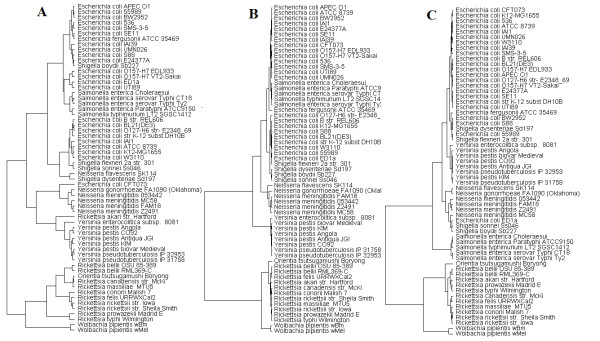
“Hierarchical clustering techniques commonly used in DNA microarray studies [18], were used to correlate the distances between the TSSR values.”
MethodBergey's Manual of Systematic Bacteriology
(1990) · Annals of Internal Medicine · doi:10.7326/0003-4819-112-5-391_3 · Cited by 15,601
Phylogenetic structure of the prokaryotic domain: The primary kingdoms
Woese, C. R., & Fox, G. E. (1977) · Proceedings of the National Academy of Sciences · doi:10.1073/pnas.74.11.5088 · Cited by 4,131 · cited 1×
“Classification of bacteria based on monophasic method such as rRNA sequence alignment [54] often lacks resolution [34].”
MethodSynonymous but not the same: the causes and consequences of codon bias
Plotkin, J. B., & Kudla, G. (2011) · Nature Reviews Genetics · doi:10.1038/nrg2899 · Cited by 1,685 · cited 1×
“Knowing these features have contributed significantly in our knowledge on molecular evolution, species phylogeny, and biotechnology [2,8].”
BackgroundMolecular Signatures of Natural Selection
Nielsen, R. (2005) · Annual Review of Genetics · doi:10.1146/annurev.genet.39.073003.112420 · Cited by 1,641 · cited 1×
“Among these features are various patterns of SNP [3], INDEL, [4], synonymous codons bias [5], codonpairs bias [6], and dipeptides bias [7].”
BackgroundReport of the ad hoc committee for the re-evaluation of the species definition in bacteriology.
Stackebrandt, E., Frederiksen, W., Garrity, G. M., Grimont, P. A. D., Kämpfer, P., Maiden, M. C. J., Nesme, X., Rosselló-Mora, R., Swings, J., Trüper, H. G., et al. (2002) · International Journal of Systematic and Evolutionary Microbiology · doi:10.1099/00207713-52-3-1043 · Cited by 1,540 · cited 2×
“The 1988 report from the Ad Hoc Committee on Reconciliation of Approaches to Bacterial Systemics urged caution about inferring phylogeny tree based on any one class of conserved molecules [57] and the 2002 Ad Hoc Committee for the Re-evaluation of the Species Definition in Bacteriology [58] recognized the importance o…”
BackgroundHow Close Is Close: 16S rRNA Sequence Identity May Not Be Sufficient To Guarantee Species Identity
Fox, G. E., Wisotzkey, J. D., & Jurtshuk, P. (1992) · International Journal of Systematic Bacteriology · doi:10.1099/00207713-42-1-166 · Cited by 1,300
Yersinia pestis , the cause of plague, is a recently emerged clone of Yersinia pseudotuberculosis
Achtman, M., Zurth, K., Morelli, G., Torrea, G., Guiyoule, A., & Carniel, E. (1999) · Proceedings of the National Academy of Sciences · doi:10.1073/pnas.96.24.14043 · Cited by 1,126 · cited 1×
“Based on the sequences of five selected housekeeping genes, it was proposed that Y. pestis was evolved recently as a clone of Y. pseudotuberculosis [29].”
BackgroundRe-evaluating prokaryotic species
Gevers, D., Cohan, F. M., Lawrence, J. G., Spratt, B. G., Coenye, T., Feil, E. J., Stackebrandt, E., de Peer, Y. V., Vandamme, P., Thompson, F. L., et al. (2005) · Nature Reviews Microbiology · doi:10.1038/nrmicro1236 · Cited by 1,122 · cited 2×
“Whole-genome approaches, based on large data base comparisons [59] and shared orthologous gene/biomarkers profiles often require subjective selection of phenotypic and molecular biomarkers [60,61].”
BackgroundHershberg, R., & Petrov, D. A. (2008) · Annual Review of Genetics · doi:10.1146/annurev.genet.42.110807.091442 · Cited by 1,061 · cited 2×
“Knowing these features have contributed significantly in our knowledge on molecular evolution, species phylogeny, and biotechnology [2,8].”
BackgroundReport of the ad hoc committee for the re-evaluation of the species definition in bacteriology
Stackebrandt, E. (2002) · INTERNATIONAL JOURNAL OF SYSTEMATIC AND EVOLUTIONARY MICROBIOLOGY · doi:10.1099/ijs.0.02360-0 · Cited by 916
Asymmetric substitution patterns in the two DNA strands of bacteria
Lobry, J. R. (1996) · Molecular Biology and Evolution · doi:10.1093/oxfordjournals.molbev.a025626 · Cited by 761 · cited 1×
“Also, because of GCskew and other factors, the orientation of genes on the leading and lagging strands of DNA [31,32], and genes locating near the Ori and Ter [33] are often biased.”
BackgroundGenome phylogeny based on gene content
Snel, B., Bork, P., & Huynen, M. A. (1999) · Nature Genetics · doi:10.1038/5052 · Cited by 716 · cited 1×
“This “gold standard” is often used by researchers to prove (or disprove) the phylogenic relation of species based on other biomarkers [35,36].”
BackgroundChain, P. S. G., Carniel, E., Larimer, F. W., Lamerdin, J., Stoutland, P. O., Regala, W. M., Georgescu, A. M., Vergez, L. M., Land, M. L., Motin, V. L., et al. (2004) · Proceedings of the National Academy of Sciences · doi:10.1073/pnas.0404012101 · Cited by 666 · cited 1×
“There are some evidences to support this view: For examples, at the genome level, the Genomic-TSSR correlation between members of a genus that evolved without the input of foreign genes, such as the Rickettsia species [51], or those species that are evolved only recently, such as the Yersinia species [52], are very hi…”
BackgroundEvolution of the Protein Repertoire
Chothia, C., Gough, J., Vogel, C., & Teichmann, S. A. (2003) · Science · doi:10.1126/science.1085371 · Cited by 565 · cited 1×
“Why are the TSSs on the three reading-frames of a genome interrelated to each other? A possible mechanism is proposed: Most bacterial genes are formed by gene duplication, recombination and divergence [40].”
BackgroundPupo, G. M., Lan, R., & Reeves, P. R. (2000) · Proceedings of the National Academy of Sciences · doi:10.1073/pnas.180094797 · Cited by 546 · cited 1×
“Most microbiologists believe Shigella is a clone of E. coli [26].”
BackgroundEvolution of genome–phenome diversity under environmental stress
Nevo, E. (2001) · Proceedings of the National Academy of Sciences · doi:10.1073/pnas.101109298 · Cited by 461
Calibrating bacterial evolution
Ochman, H., Elwyn, S., & Moran, N. A. (1999) · Proceedings of the National Academy of Sciences · doi:10.1073/pnas.96.22.12638 · Cited by 450 · cited 1×
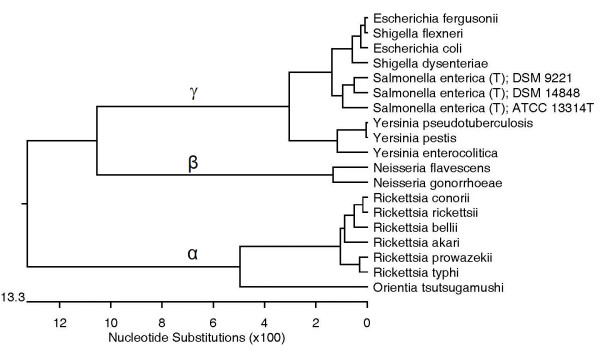
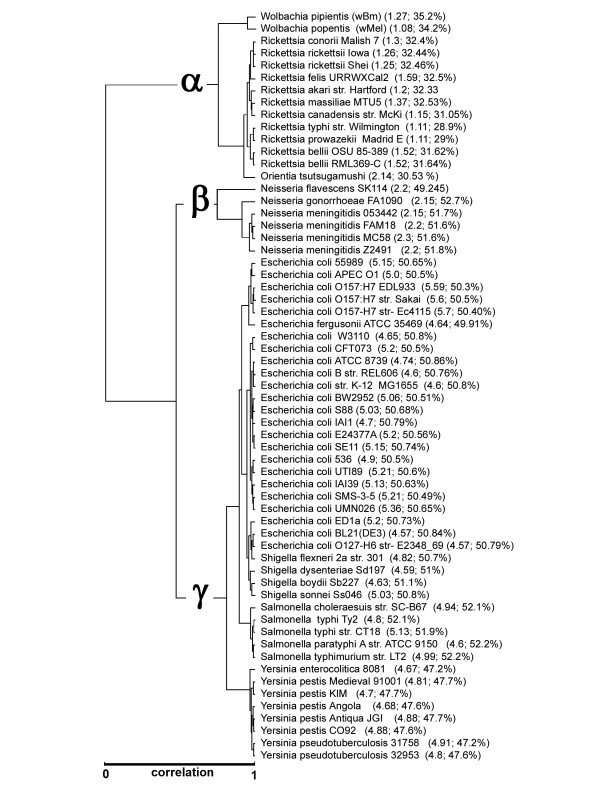
“The Genomic-TSSR tree showing Salmonella is the next-of-kin to the Escherichia-Shigella is in perfect agreement with the 16SrRNA sequence alignment tree (Figure 2) and other independent evidences [27].”
ResultHorizontal gene transfer: A critical view
Kurland, C. G., Canback, B., & Berg, O. G. (2003) · Proceedings of the National Academy of Sciences · doi:10.1073/pnas.1632870100 · Cited by 408 · cited 1×
“Algorithms used to align and delineate DNA sequences could be bias [59,64].”
MethodDynamic organization of chromosomal DNA in Escherichia coli
Niki, H., Yamaichi, Y., & Hiraga, S. (2000) · Genes & Development · doi:10.1101/gad.14.2.212 · Cited by 387 · cited 14×
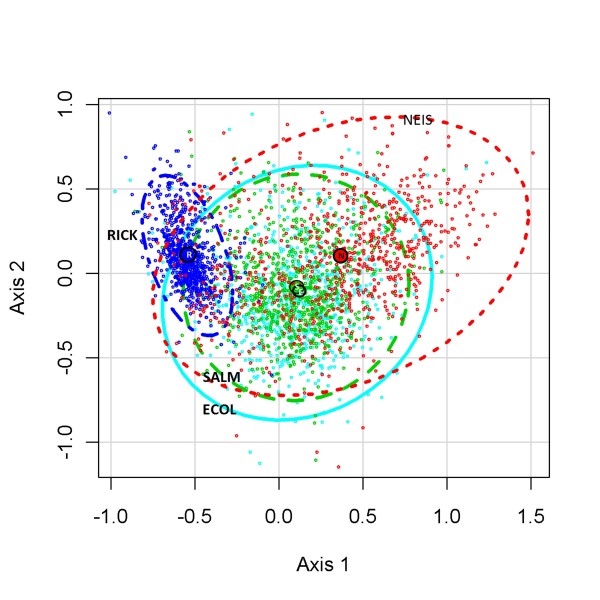
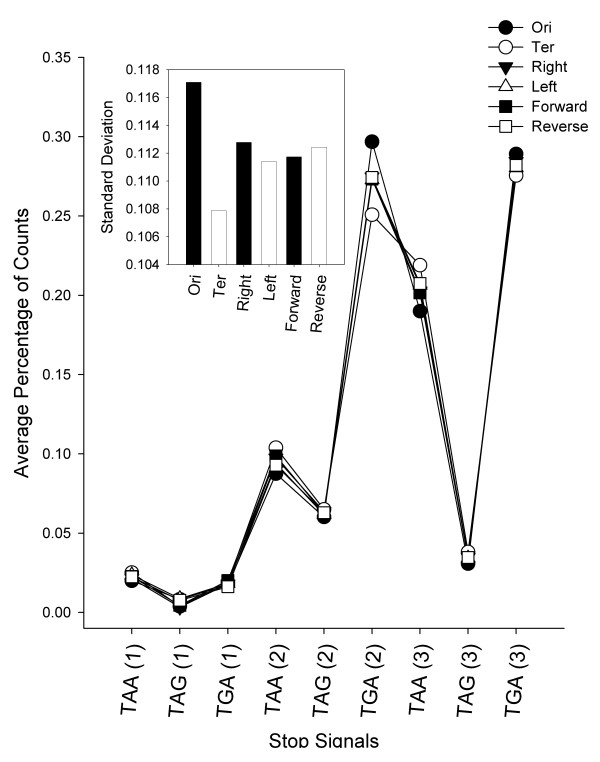
“The average percentage of counts for this signal in genes near the Ori is about 0.3, whereas the average percentage of counts for this signal in genes near the Ter region is only 0.25.”
BackgroundInfluentialTiming of initiation of chromosome replication in individual Escherichia coli cells.
Skarstad, K., Boye, E., & Steen, H. B. (1986) · The EMBO Journal · doi:10.1002/j.1460-2075.1986.tb04415.x · Cited by 379 · cited 1×
“compensates the slower DNA replication process by initiating multiple rounds of DNA replication before each cell division [46].”
BackgroundThe connection between transcription and genomic instability
Aguilera, A. (2002) · The EMBO Journal · doi:10.1093/emboj/21.3.195 · Cited by 328 · cited 1×
“This phenomenon, termed transcription-associated recombination (TAR), has proven to be a major player in the maintenance of genome integrity and in the induction of genetic instability and diversity [41-43].”
BackgroundReplication fork pausing and recombination or “gimme a break”
Rothstein, R., Michel, B., & Gangloff, S. (2000) · Genes & Development · doi:10.1101/gad.14.1.1 · Cited by 320 · cited 1×
“Arrest of the replication fork near the Ter region often exposes a single-stranded gapped region and DNA ends from the newly replicated strands at the fork junction, which is subjected to homologous recombination near that region [50].”
BackgroundImpairment of replication fork progression mediates RNA polII transcription‐associated recombination
Prado, F., & Aguilera, A. (2005) · The EMBO Journal · doi:10.1038/sj.emboj.7600602 · Cited by 292 · cited 1×
“This phenomenon, termed transcription-associated recombination (TAR), has proven to be a major player in the maintenance of genome integrity and in the induction of genetic instability and diversity [41-43].”
BackgroundRoles of topoisomerase IV and DNA gyrase in DNA unlinking during replication in Escherichia coli.
Zechiedrich, E. L., & Cozzarelli, N. R. (1995) · Genes & Development · doi:10.1101/gad.9.22.2859 · Cited by 290 · cited 1×
“Similarly, the Ter region is the site of decatenation of circular chromosomes by topoisomerase IV [49].”
BackgroundTaxonomic status of the intracellular bacterium Wolbachia pipientis
Lo, N., Paraskevopoulos, C., Bourtzis, K., O'Neill, S. L., Werren, J. H., Bordenstein, S. R., & Bandi, C. (2007) · International Journal of Systematic and Evolutionary Microbiology · doi:10.1099/ijs.0.64515-0 · Cited by 221 · cited 2×
“Wolbachia (2 strains) forms a outer cluster of the Rickettsiae group.”
BackgroundSynonymous codon usage in bacteria.
Ermolaeva, M. D. (2001) · Current Issues in Molecular Biology · Cited by 217
Computing prokaryotic gene ubiquity: Rescuing the core from extinction
Charlebois, R. L., & Doolittle, W. F. (2004) · Genome Research · doi:10.1101/gr.3024704 · Cited by 199
Dewhirst, F. E., Shen, Z., Scimeca, M. S., Stokes, L. N., Boumenna, T., Chen, T., Paster, B. J., & Fox, J. G. (2005) · Journal of Bacteriology · doi:10.1128/jb.187.17.6106-6118.2005 · Cited by 178
Gene essentiality determines chromosome organisation in bacteria
Rocha, E. P. C. (2003) · Nucleic Acids Research · doi:10.1093/nar/gkg859 · Cited by 166 · cited 1×
“Also, because of GCskew and other factors, the orientation of genes on the leading and lagging strands of DNA [31,32], and genes locating near the Ori and Ter [33] are often biased.”
BackgroundA step by step guide to phylogeny reconstruction
Harrison, C. J., & Langdale, J. A. (2006) · The Plant Journal · doi:10.1111/j.1365-313x.2005.02611.x · Cited by 164 · cited 1×
“Parallel methods of classification based on multilocus sequences from selected species [56] are also problematic.”
MethodThe Ambush Hypothesis: Hidden Stop Codons Prevent Off-Frame Gene Reading
Seligmann, H., & Pollock, D. D. (2004) · DNA and Cell Biology · doi:10.1089/dna.2004.23.701 · Cited by 158 · cited 3×
“Many reports also suggested that the TSS on the second and third reading-frames are subject to natural selection [14-17,39].”
BackgroundSynonymous codon usage in bacteria.
Ermolaeva (2001) · PubMed · Cited by 157
Wayne, L. G. (1988) · Zentralblatt für Bakteriologie Mikrobiologie und Hygiene Series A Medical Microbiology Infectious Diseases Virology Parasitology · doi:10.1016/s0176-6724(88)80120-2 · Cited by 154
Phylogenetic reconstruction and lateral gene transfer
Bapteste, E. P., Boucher, Y., Leigh, J. A., & Doolittle, W. F. (2004) · Trends in Microbiology · doi:10.1016/j.tim.2004.07.002 · Cited by 154 · cited 1×
“A single measurement is also subject to simple stochastic variation and to the influence of horizontal gene transfer [55].”
BackgroundPreferred and avoided codon pairs in three domains of life
Tats, A., Tenson, T., & Remm, M. (2008) · BMC Genomics · doi:10.1186/1471-2164-9-463 · Cited by 131 · cited 1×
“Among these features are various patterns of SNP [3], INDEL, [4], synonymous codons bias [5], codonpairs bias [6], and dipeptides bias [7].”
BackgroundRydén, S. M., & Isaksson, L. A. (1984) · Molecular and General Genetics MGG · doi:10.1007/bf00327411 · Cited by 129 · cited 1×
“Furthermore, the efficiency and accuracy in terminating protein synthesis by UAA, UAG and UGA are not the same [9,10].”
BackgroundGupta, R. S. (2001) · International Microbiology · doi:10.1007/s10123-001-0037-9 · Cited by 113 · cited 1×
“Among these features are various patterns of SNP [3], INDEL, [4], synonymous codons bias [5], codonpairs bias [6], and dipeptides bias [7].”
BackgroundBergey’s Manual of Systematic Bacteriology Volume 2
Cossart, Y. (1987) · Pathology · doi:10.1016/s0031-3025(16)36764-2 · Cited by 107
Initiation and Velocity of Chromosome Replication in Escherichia coli B/r and K-12
Bipatnath, M., Dennis, P. P., & Bremer, H. (1998) · Journal of Bacteriology · doi:10.1128/jb.180.2.265-273.1998 · Cited by 97 · cited 1×
“For example, when E. coli are grown at rates of 2 doublings/h, genes near the Ori are about threefold more prevalent than genes near the terminus; even at a very slow growth rate of 0.6 doubling/h, this ratio is still significantly high (about 1.7) [47].”
BackgroundInfluentialFriedrich, A., Prust, C., Hartsch, T., Henne, A., & Averhoff, B. (2002) · Applied and Environmental Microbiology · doi:10.1128/aem.68.2.745-755.2002 · Cited by 96 · cited 1×
“On the other hand, Neisseria are often considered promiscuous because they are naturally competence [53].”
BackgroundThe phylogeny of the genusYersiniabased on 16S rDNA sequences
Ibrahim, A., Goebel, B. M., Liesack, W., Griffiths, M. W., & Stackebrandt, E. S. (1993) · FEMS Microbiology Letters · doi:10.1111/j.1574-6968.1993.tb06569.x · Cited by 89
Characteristics of Chi distribution on different bacterial genomes
Karoui, M. E., Biaudet, V., Schbath, S., & Gruss, A. (1999) · Research in Microbiology · doi:10.1016/s0923-2508(99)00132-1 · Cited by 86 · cited 1×
“The frequencies of occurrences of many short sequences, such as the Chi sites, on each of the replichores are very different [30].”
BackgroundUGA Nonsense Mutations in Salmonella typhimurium
Roth, J. R. (1970) · Journal of Bacteriology · doi:10.1128/jb.102.2.467-475.1970 · Cited by 84 · cited 1×
“Furthermore, the efficiency and accuracy in terminating protein synthesis by UAA, UAG and UGA are not the same [9,10].”
BackgroundGottipati, P., & Helleday, T. (2009) · Mutagenesis · doi:10.1093/mutage/gen072 · Cited by 76 · cited 1×
“This phenomenon, termed transcription-associated recombination (TAR), has proven to be a major player in the maintenance of genome integrity and in the induction of genetic instability and diversity [41-43].”
BackgroundSun, J., Chen, M., Xu, J., & Luo, J. (2005) · Journal of Molecular Evolution · doi:10.1007/s00239-004-0277-3 · Cited by 69 · cited 1×
“It has been known that stop codon usage is influenced by natural selection [37,38], but genomic bias in stop codons usage has never been considered as a valid biomarker for species identification.”
BackgroundSusko, E., Leigh, J., Doolittle, W. F., & Bapteste, E. (2006) · Molecular Biology and Evolution · doi:10.1093/molbev/msj113 · Cited by 64 · cited 1×
“The rule(s) for picking a core set of genes, or defining a type species remained problematic [63].”
BackgroundMcInerney, P., Mizutani, T., & Shiba, T. (2006) · Molecular Microbiology · doi:10.1111/j.1365-2958.2006.05103.x · Cited by 63 · cited 1×
“This flexibility of protein termination allows many genes to be regulated [11,12].”
BackgroundCridge, A. G. (2006) · Nucleic Acids Research · doi:10.1093/nar/gkl074 · Cited by 62 · cited 1×
“It has been known that stop codon usage is influenced by natural selection [37,38], but genomic bias in stop codons usage has never been considered as a valid biomarker for species identification.”
BackgroundSeligmann, H. (2010) · Computational Biology and Chemistry · doi:10.1016/j.compbiolchem.2010.03.001 · Cited by 51
Gillis, M., Vandamme, P. A. R., Vos, P. D., Swings, J., & Kersters, K. (2001) · Springer eBooks · doi:10.1007/978-0-387-21609-6_7 · Cited by 51
Tse, H., Cai, J. J., Tsoi, H., Lam, E. P., & Yuen, K. (2010) · BMC Genomics · doi:10.1186/1471-2164-11-491 · Cited by 48 · cited 3×
“Tse and associates have shown that the PSC-forming codon pairs are overrepresented in most of the 990 bacterial genomes they surveyed [16].”
BackgroundA strand‐specific model for chromosome segregation in bacteria
Rocha, E. P. C., Fralick, J. A., Vediyappan, G., Danchin, A., & Norris, V. (2003) · Molecular Microbiology · doi:10.1046/j.1365-2958.2003.03606.x · Cited by 47 · cited 1×
“In addition, genes near the Ori region are often highly expressed genes [48].”
BackgroundFriedlander, B. (2009) · Shofar · doi:10.1353/sho.0.0371 · Cited by 46
Polypeptide chain termination and stop codon readthrough on eukaryotic ribosomes
Rospert, S., Rakwalska, M., & Dubaquié, Y. (2006) · Springer eBooks · doi:10.1007/3-540-28217-3_1 · Cited by 45
Wavelet to predict bacterial ori and ter: a tendency towards a physical balance
Song, J., Ware, A., & Liu, S.-L. (2003) · BMC Genomics · doi:10.1186/1471-2164-4-17 · Cited by 43 · cited 1×
“The GC content on the leading strands and lagging strands on the chromosome are skewed [44].”
BackgroundEremeeva, M. E., Madan, A., Shaw, C., Tang, K., & Dasch, G. A. (2005) · Annals of the New York Academy of Sciences · doi:10.1196/annals.1355.006 · Cited by 41 · cited 1×
“There are some evidences to support this view: For examples, at the genome level, the Genomic-TSSR correlation between members of a genus that evolved without the input of foreign genes, such as the Rickettsia species [51], or those species that are evolved only recently, such as the Yersinia species [52], are very hi…”
BackgroundAmbush hypothesis revisited: Evidences for phylogenetic trends
Singh, T. R., & Pardasani, K. R. (2009) · Computational Biology and Chemistry · doi:10.1016/j.compbiolchem.2009.04.002 · Cited by 32
Role of Premature Stop Codons in Bacterial Evolution
Wong, T.-Y., Fernandes, S., Sankhon, N., Leong, P. P., Kuo, J., & Liu, J. (2008) · Journal of Bacteriology · doi:10.1128/jb.00682-08 · Cited by 30 · cited 4×
“Unlike those sense-codons that dictate the physical character for a protein, TSS in the genes would dictate the length, and therefore the complexity, of future genes [17].”
BackgroundInfluentialSelf-citationBacteriology, Taxonomy, and Phylogeny of Rickettsia
Fournier, P., & Raoult, D. (2007) · doi:10.3109/9781420019971-4 · Cited by 30
Pfarr, K. M., Foster, J. M., Slatko, B. E., Hoerauf, A. M., & Eisen, J. A. (2007) · INTERNATIONAL JOURNAL OF SYSTEMATIC AND EVOLUTIONARY MICROBIOLOGY · doi:10.1099/ijs.0.65248-0 · Cited by 27 · cited 2×
“Wolbachia (2 strains) forms a outer cluster of the Rickettsiae group.”
BackgroundPhylogeny of the genus Simonsiella and other members of the Neisseriaceae.
Hedlund, B. P., & Staley, J. T. (2002) · INTERNATIONAL JOURNAL OF SYSTEMATIC AND EVOLUTIONARY MICROBIOLOGY · doi:10.1099/00207713-52-4-1377 · Cited by 25 · cited 1×
“Detailed subgrouping of Neisseria is often problematic [23].”
Background(2004) · ASM Press eBooks · doi:10.1128/9781555817640 · Cited by 23
Jyssum, K. (1969) · Journal of Bacteriology · doi:10.1128/jb.99.3.757-763.1969 · Cited by 21 · cited 1×
“Unlike the Rickettsia, Neisseria are often considered sexual because they are naturally competent [24].”
BackgroundPhylogeny of the genus Simonsiella and other members of the Neisseriaceae
Hedlund, B. P. (2002) · INTERNATIONAL JOURNAL OF SYSTEMATIC AND EVOLUTIONARY MICROBIOLOGY · doi:10.1099/ijs.0.01952-0 · Cited by 15
Clarke, C. H., & Miller, P. G. G. (1982) · Journal of Theoretical Biology · doi:10.1016/0022-5193(82)90116-3 · Cited by 10 · cited 13×
“Off-frame stop codons are also called hidden stop codon, embedded stop codon, or premature stop codon (PSC) [13].”
BackgroundInfluentialBacteriology, Taxonomy, and Phylogeny ofRickettsia
Fournier, P., & Raoult, D. (2007) · Infectious disease and therapy · doi:10.3109/9781420019971.001 · Cited by 10
SPEED: a molecular-evolution-based database of mammalian orthologous groups
Vallender, E. J., Paschall, J. E., Malcom, C. M., Lahn, B. T., & Wyckoff, G. J. (2006) · Bioinformatics · doi:10.1093/bioinformatics/btl471 · Cited by 8 · cited 1×
“Whole-genome approaches, based on large data base comparisons [59] and shared orthologous gene/biomarkers profiles often require subjective selection of phenotypic and molecular biomarkers [60,61].”
BackgroundCampion, S. R., Ameen, A. S., Lai, L., King, J. M., & Munzenmaier, T. N. (2001) · Proteins Structure Function and Bioinformatics · doi:10.1002/prot.1097 · Cited by 5 · cited 1×
“Among these features are various patterns of SNP [3], INDEL, [4], synonymous codons bias [5], codonpairs bias [6], and dipeptides bias [7].”
Background
Research works printed but not linked: 1
- Johnston KL Taylor MJ Raoult D, Parola P Wolbachia and Filarial Nematode Diseases in Humans Rickettsial Diseases 2007 Informa Healthcare, New York 302 313
Cited by
Sequence modeling and design from molecular to genome scale with Evo
Nguyen, E., Poli, M., Durrant, M. G., Kang, B., Katrekar, D., Li, D. B., Bartie, L. J., Thomas, A. W., King, S. H., Brixi, G., et al. (2024) · Science · doi:10.1126/science.ado9336 · Cited by 580
“We also examined stop codon frequencies across reading frames, a conserved genomic feature in prokaryotes ( 79 ).”
Kurniawan, S. B., Imron, M. F., Abdullah, S. R. S., Othman, A. R., & Hasan, H. A. (2023) · Journal of Water Process Engineering · doi:10.1016/j.jwpe.2023.103869 · Cited by 61
“This finding showed that the speed of 150 rpm was enough to facilitate the particles to collide in the system to form microflocs [84].”
BackgroundPhylogeny of genetic codes and punctuation codes within genetic codes
Seligmann, H. (2015) · Biosystems · doi:10.1016/j.biosystems.2015.01.003 · Cited by 41
Seligmann, H. (2019) · DNA and Cell Biology · doi:10.1089/dna.2019.4725 · Cited by 22
“The evolution of this termination code reflects evolution of organisms (Xu et al. , 2012) and genetic codes (Seligmann, 2015a, 2018a).”
Metadata
- Authors
- Xu, L., Kuo, J., Liu, J.-K., & Wong, T.-Y.
- Affiliations
- University of Memphis (US)
- National Museum of Marine Biology and Aquarium (TW)
- National Sun Yat-sen University (TW)
- Corresponding author
- Wong, Tit-Yee
- Venue
- Microbial Informatics and Experimentation
- Published
- 2012-05-31
- Volume
- 2
- Issue
- 1
- Pages
- 6-6
- ISSN
- 2042-5783 (ISSN-L)
- PMC
- PMC3466146
- OpenAlex
- W2148451739
- Cited by
- 13
- References
- 68
- Citations by year
- 2025: 1 · 2024: 1 · 2023: 1 · 2022: 3 · 2020: 1 · 2019: 1 · 2018: 1 · 2016: 2 · 2015: 2
- FWCI
- 0.26
- Type
- journal article
- Language
- en
- Open access
- hybrid
- doi.org
- Licence
- cc-by
- Locations
- Microbial Informatics and Experimentation (publishedVersion, cc-by)
- Europe PMC (PubMed Central) (publishedVersion, cc-by)
- PubMed Central (publishedVersion, cc-by)
- PubMed (publishedVersion)
- Funders
- University of Memphis
- Topics
- Life Sciences › Biochemistry, Genetics and Molecular Biology › Molecular Biology › RNA and protein synthesis mechanisms
- Life Sciences › Biochemistry, Genetics and Molecular Biology › Molecular Biology › Genomics and Phylogenetic Studies
- Life Sciences › Biochemistry, Genetics and Molecular Biology › Molecular Biology › Fractal and DNA sequence analysis
- Keywords
- bacterial phylogeny, premature stop codon, reading frame, bacterial genome comparison, Proteobacteria, phylogenetic tree construction, 16S rRNA phylogeny, translation termination, gene expression regulation, strain-level resolution
About these checks
Registry, retraction, Cites and statistics results are computed, not judged, with one exception: a printed reference that no index lists is read once by a model before it counts as a citation error. Claims are extracted by a model and kept only when their quote appears verbatim in the text; each cited source is then checked, with a model’s help, for whether it says what the claim relies on. Those verdicts can be wrong — read the claim’s quote and the cited source before relying on one.
Statistics and arithmetic are recomputed, not judged.
Confidence bands are shown only for fields calibrated on our annotated test set. None is calibrated yet, so no band is shown.
What counts as a claim ›How we measure confidence ›How we check this ›
Are you an author, or do you see a problem with this page? Request a review
Data sources
Bibliographic data: Semantic Scholar, OpenAlex, Crossref.
Contains information from the Semantic Scholar Academic Graph Datasets, made available under the ODC Attribution License (ODC-BY 1.0).
Semantic Scholar’s data is described in: Kinney, R., et al. (2023). The Semantic Scholar Open Data Platform. arXiv:2301.10140.
