

Sequence and structural analysis of BTB domain proteins
Open accessThe DOI matches its Crossref record; 129 of the 131 references it cites were found in a registry or an index.
Abstract
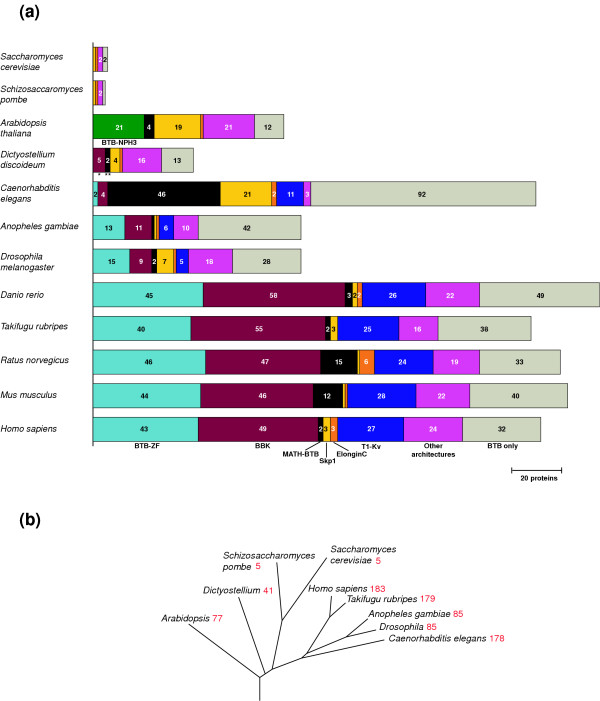
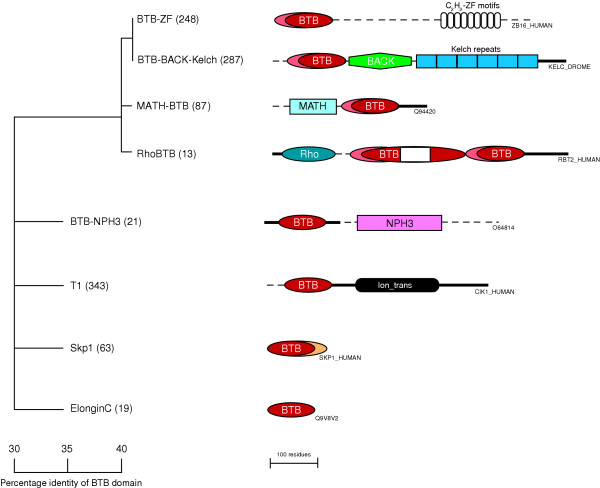
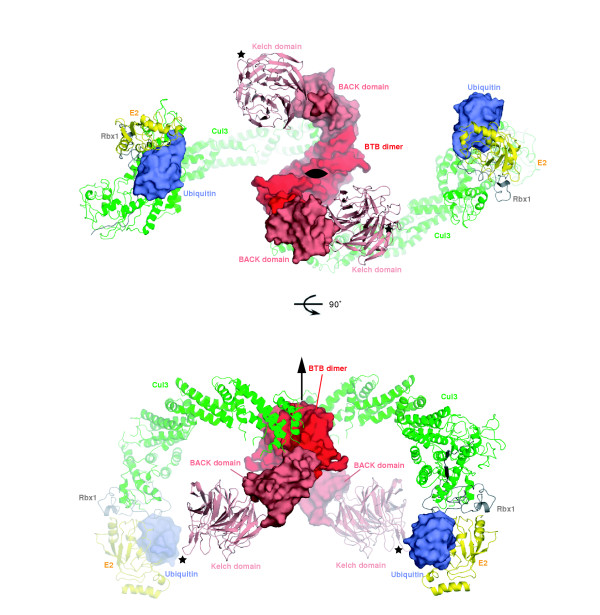
Background: The BTB domain (also known as the POZ domain) is a versatile protein-protein interaction motif that participates in a wide range of cellular functions, including transcriptional regulation, cytoskeleton dynamics, ion channel assembly and gating, and targeting proteins for ubiquitination. Several BTB domain structures have been experimentally determined, revealing a highly conserved core structure. Results: We surveyed the protein architecture, genomic distribution and sequence conservation of BTB domain proteins in 17 fully sequenced eukaryotes. The BTB domain is typically found as a single copy in proteins that contain only one or two other types of domain, and this defines the BTB-zinc finger (BTB-ZF), BTB-BACK-kelch (BBK), voltage-gated potassium channel T1 (T1-Kv), MATH-BTB, BTB-NPH3 and BTB-BACK-PHR (BBP) families of proteins, among others. In contrast, the Skp1 and ElonginC proteins consist almost exclusively of the core BTB fold. There are numerous lineage-specific expansions of BTB proteins, as seen by the relatively large number of BTB-ZF and BBK proteins in vertebrates, MATH-BTB proteins in Caenorhabditis elegans , and BTB-NPH3 proteins in Arabidopsis thaliana . Using the structural homology between Skp1 and the PLZF BTB homodimer, we present a model of a BTB-Cul3 SCF-like E3 ubiquitin ligase complex that shows that the BTB dimer or the T1 tetramer is compatible in this complex. Conclusion: Despite widely divergent sequences, the BTB fold is structurally well conserved. The fold has adapted to several different modes of self-association and interactions with non-BTB proteins.
Overview
The claims and statistics of this paper haven’t been checked yet.
Free: it reads the open-access text and checks the first 5 claims that cite a source we can check. Create a free account to check every claim.
Integrity signals
Registry
Cites
Statistics
Figures
Verification
Claims the paper makes
The claims and statistics of this paper haven’t been checked yet.
Free: it reads the open-access text and checks the first 5 claims that cite a source we can check. Create a free account to check every claim.
Self-check
Percentages, sums and reported differences re-computed from the paper’s own numbers.
The self-check needs the paper’s full text.
Citations
Cites
Gapped BLAST and PSI-BLAST: a new generation of protein database search programs
Altschul, S. (1997) · Nucleic Acids Research · doi:10.1093/nar/25.17.3389 · Cited by 73,302
Berman, H. M. (2000) · Nucleic Acids Research · doi:10.1093/nar/28.1.235 · Cited by 40,196
PHYLIP-Phylogeny inference package (Version 3.2)
Felsenstein, J. (1989) · Cladistics · Cited by 18,906
The PyMOL Molecular Graphics System
DeLano, W. L. (2002) · Medical Entomology and Zoology · Cited by 18,147
The Pfam Protein Families Database
Bateman, A. (2002) · Nucleic Acids Research · doi:10.1093/nar/30.1.276 · Cited by 14,000
SWISS‐MODEL and the Swiss‐Pdb Viewer: An environment for comparative protein modeling
Guex, N., & Peitsch, M. C. (1997) · ELECTROPHORESIS · doi:10.1002/elps.1150181505 · Cited by 11,241
MEGA2: molecular evolutionary genetics analysis software
Kumar, S., Tamura, K., Jakobsen, I. B., & Nei, M. (2001) · Bioinformatics · doi:10.1093/bioinformatics/17.12.1244 · Cited by 6,097
Multiple sequence alignment with the Clustal series of programs
Chenna, R. (2003) · Nucleic Acids Research · doi:10.1093/nar/gkg500 · Cited by 4,875
The PSIPRED protein structure prediction server
McGuffin, L. J., Bryson, K., & Jones, D. T. (2000) · Bioinformatics · doi:10.1093/bioinformatics/16.4.404 · Cited by 3,838
Murzin, A. G., Brenner, S. E., Hubbard, T., & Chothia, C. (1995) · Journal of Molecular Biology · doi:10.1016/s0022-2836(05)80134-2 · Cited by 3,225
Research works printed but not linked: 2
- Swofford D PAUP 1998 Sunderland, MA: Sinauer Associates
- Felsenstein J PHYLIP (Phylogeny Inference Package) version 36 2004 Department of Genome Sciences, University of Washington, Seattle USA
Cited by
Items 201–300 of 696
Aram, L., Braun, T., Braverman, C., Kaplan, Y., Ravid, L., Levin‐Zaidman, S., & Arama, E. (2016) · Developmental Cell · doi:10.1016/j.devcel.2016.02.025 · Cited by 46
Murakami, A., Maekawa, M., Kawai, K., Nakayama, J., Araki, N., Semba, K., Taguchi, T., Kamei, Y., Takada, Y., & Higashiyama, S. (2018) · Cancer Science · doi:10.1111/cas.13899 · Cited by 48
DNA double-strand break repair: Putting zinc fingers on the sore spot
Singh, J. K., & van Attikum, H. (2020) · Seminars in Cell and Developmental Biology · doi:10.1016/j.semcdb.2020.09.003 · Cited by 49
Massive Expansion of Ubiquitination-Related Gene Families within the Chlamydiae
Domman, D., Collingro, A., Lagkouvardos, I., Gehre, L., Weinmaier, T., Rattei, T., Subtil, A., & Horn, M. (2014) · Molecular Biology and Evolution · doi:10.1093/molbev/msu227 · Cited by 47
“This is especially true in higher plant species (Stogios et al. 2005; Xu et al. 2009), where Arabidopsis thaliana and Oryza sativa harbor upwards of 800 F-box proteins (Xu et al.”
BackgroundRamos Pittol, J. M., Oruba, A., Mittler, G., Saccani, S., & van Essen, D. (2018) · PLOS Biology · doi:10.1371/journal.pbio.2004526 · Cited by 43
Wilton, B. A., Campbell, S., van Buuren, N. J., Garneau, R., Furukawa, M., Xiong, Y., & Barry, M. K. (2008) · Virology · doi:10.1016/j.virol.2007.11.036 · Cited by 45
“N IH -PA Author M anuscript N IH -PA Author M anuscript N IH -PA Author M anuscript published data (Stogios et al., 2005).”
BackgroundMethodInfluentialGutiérrez-Pérez, I., Rowley, M. J., Lyu, X., Valadéz-Graham, V., Vallejo, D. M., Ballesta‐Illán, E., López‐Atalaya, J. P., Kremsky, I., Caparrós, E., Corces, V. G., et al. (2019) · Cell Reports · doi:10.1016/j.celrep.2019.07.096 · Cited by 45
“BTB domain-containing proteins have the ability to oligo- and multimerize in solution with other BTB or non-BTB-containing proteins (Perez-Torrado et al., 2006; Stogios et al., 2005; Smaldone et al., 2016).”
Bonchuk, A. N., Boyko, K. M., Fedotova, A., Nikolaeva, A. Y., Lushchekina, S. V., Khrustaleva, A. M., Popov, V. O., & Georgiev, P. G. (2021) · Nucleic Acids Research · doi:10.1093/nar/gkab061 · Cited by 46
“Another group of mammalian C2H2 proteins contains N-terminal BTB (bric-a-brac, tramtrack and broad complex)/POZ (poxvirus and zinc finger) domain that is a conserved among higher eukaryotes (58,59).”
BackgroundEnhanced Hippocampal Long-Term Potentiation and Fear Memory in Btbd9 Mutant Mice
DeAndrade, M. P., Zhang, L., Doroodchi, A., Yokoi, F., Cheetham, C. C., Chen, H., Roper, S. N., Sweatt, J. D., & Li, Y. (2012) · PLoS ONE · doi:10.1371/journal.pone.0035518 · Cited by 44
“ion conductance, and protein ubiquitination [4].”
Zhang, C.-Z., Cheng, Q., Wang, H., Gao, H.-B., Fang, X., Chen, X., Zhao, M., Wei, W., Song, B., Liu, S.-S., et al. (2021) · Communications Biology · doi:10.1038/s42003-021-01907-7 · Cited by 21
Sakurai, N., Maeda, M., Lee, S.-U., Ishikawa, Y., Li, M., Williams, J. C., Wang, L., Su, L., Suzuki, M., Saito, T. I., et al. (2011) · Journal of Clinical Investigation · doi:10.1172/jci45682 · Cited by 46
KBTBD13 interacts with Cullin 3 to form a functional ubiquitin ligase
Sambuughin, N., Świętnicki, W., Techtmann, S. M., Matrosova, V. Y., Wallace, T., Goldfarb, L. G., & Maynard, E. L. (2012) · Biochemical and Biophysical Research Communications · doi:10.1016/j.bbrc.2012.04.074 · Cited by 42
“In contrast to Skp1, BTB proteins contain additional protein–protein interacting domains such as Kelch or MATH [5,6,11] that can bind directly to substrates without the need for an intervening F-box protein.”
BackgroundInfluentialYeasmin, S., Nakayama, K., Ishibashi, M., Katagiri, A., Iida, K., Purwana, I. N., Nakayama, N., & Miyazaki, K. (2008) · Clinical Cancer Research · doi:10.1158/1078-0432.ccr-07-4085 · Cited by 41
“These proteins have been shown to participate in a wide variety of cellular functions, including regulation of transcription, cellular proliferation, apoptosis, cell morphology, ion channel assembly, and protein degradation through ubiquitination (2).”
BackgroundStructural Mechanisms and Drug Discovery Prospects of Rho GTPases
Smithers, C. C., & Overduin, M. (2016) · Cells · doi:10.3390/cells5020026 · Cited by 49
“BTB domains mediate protein-protein interactions [31], frequently facilitating the formation of homodimeric [30], heterodimeric [32], and occasionally higher order oligomers [31].”
BackgroundInfluentialTan, B., Lian, X., Cheng, J., Zeng, W., Zheng, X., Wang, W., Ye, X., Li, J., Li, Z., Zhang, L., et al. (2019) · BMC Genomics · doi:10.1186/s12864-019-6258-0 · Cited by 44
Yeasmin, S., Nakayama, K., Rahman, M. T., Rahman, M., Ishikawa, M., Katagiri, A., Iida, K., Nakayama, N., Otuski, Y., Kobayashi, H., et al. (2011) · Human Pathology · doi:10.1016/j.humpath.2011.05.021 · Cited by 44
“(BTB)/Pox virus and Zinc finger (POZ) family participate in several cellular functions including proliferation, apoptosis, transcription control, and cell morphology maintenance [12].”
BackgroundBalasco, N., Pirone, L., Smaldone, G., Gaetano, S. D., Esposito, L., Pedone, E. M., & Vitagliano, L. (2014) · Biochimica et Biophysica Acta (BBA) - Proteins and Proteomics · doi:10.1016/j.bbapap.2014.04.006 · Cited by 41
Zhang, K., Shang, G., Padavannil, A., Wang, J., Sakthivel, R., Chen, X., Kim, M., Thompson, M. G., García‐Sastre, A., Lynch, K. W., et al. (2018) · Proceedings of the National Academy of Sciences · doi:10.1073/pnas.1818012115 · Cited by 43
Bach1-induced suppression of angiogenesis is dependent on the BTB domain
Li, J., Jia, M., Wei, X., Guo, J., Hao, S., Mei, A., Zhi, X., Wang, X., Li, Q., Jin, J., et al. (2020) · EBioMedicine · doi:10.1016/j.ebiom.2019.102617 · Cited by 40
“The bZip domain binds DNA [9], while the BTB domain, which has been identified in as many as 40 mammalian transcription factors, interacts with other molecules that regulate gene expression [10,11]; thus, the experiments described in this report were designed to test our hypothesis that the anti-angiogenic activity of…”
BackgroundStructural and Mechanistic Analysis of the Slx1-Slx4 Endonuclease
Gaur, V., Wyatt, H. D. M., Komorowska, W., Szczepanowski, R. H., de Sanctis, D., Gorecka, K. M., West, S. C., & Nowotny, M. (2015) · Cell Reports · doi:10.1016/j.celrep.2015.02.019 · Cited by 39
“, worms, flies, and humans) contain one or two copies of a UBZ family zinc-finger domain known as UBZ4; the MEI9 interaction like region (MLR); and a Broad-complex, Tramtrack, and Bric-a-brac (BTB) domain (Stogios et al., 2005).”
BackgroundRahman, M. T., Nakayama, K., Rahman, M. T., Katagiri, H., Katagiri, A., Ishibashi, T., Ishikawa, M., Iida, K., Nakayama, N., Otsuki, Y., et al. (2012) · British Journal of Cancer · doi:10.1038/bjc.2012.246 · Cited by 39
“NAC1 is a member of the BTB/POZ family of proteins that participate in several cellular functions including proliferation, apoptosis, transcription control, and cell morphology maintenance (Stogios et al, 2005).”
BackgroundBiological role and prognostic significance of NAC1 in ovarian cancer
Nakayama, K., Rahman, M. T., Rahman, M., Yeasmin, S., Ishikawa, M., Katagiri, A., Iida, K., Nakayama, N., & Miyazaki, K. (2010) · Gynecologic Oncology · doi:10.1016/j.ygyno.2010.08.031 · Cited by 42
Structural basis of high-order oligomerization of the cullin-3 adaptor SPOP
van Geersdaele, L. K., Stead, M., Harrison, C. M., Carr, S. B., Close, H. J., Rosbrook, G. O., Connell, S. D., & Wright, S. C. (2013) · Acta Crystallographica Section D Biological Crystallography · doi:10.1107/s0907444913012687 · Cited by 40
“…TRAF homology), and they interact with cullin via their BTB [bric-à-brac, tramtrack and broad complex; also known as POZ (poxvirus and zinc finger)] domain, a versatile protein–protein interaction domain that is also found in zinc-finger transcription factors (reviewed in Stogios et al., 2005).”
BackgroundPrintor, a Novel TorsinA-interacting Protein Implicated in Dystonia Pathogenesis
Giles, L. M., Li, L., & Chin, L. (2009) · Journal of Biological Chemistry · doi:10.1074/jbc.m109.004838 · Cited by 36
Somatic human ZBTB7A zinc finger mutations promote cancer progression
Liu, X.-S., Liu, Z., Gerarduzzi, C., Choi, D. E., Ganapathy, S., Pandolfi, P. P., & Yuan, Z.-M. (2015) · Oncogene · doi:10.1038/onc.2015.371 · Cited by 43
Conserved properties of Drosophila Insomniac link sleep regulation and synaptic function
Li, Q., Kellner, D. A., Hatch, H. A. M., Yumita, T., Sanchez, S., Machold, R. P., Frank, C. A., & Stavropoulos, N. (2017) · PLoS Genetics · doi:10.1371/journal.pgen.1006815 · Cited by 40
Martyn, J. E., Gómez-Valero, L., & Buchrieser, C. (2022) · FEMS Microbiology Reviews · doi:10.1093/femsre/fuac012 · Cited by 41
“…from https://academ ic.oup.com /fem sre/advance-article/doi/10.1093/fem sre/fuac012/6529235 by Institut Pasteur user on 14 M arch 2022 O R IG IN A L U N E D IT E D M A N U SC R IP T (Figure 1 & Table 1) (Collins et al., 2001, Stogios et al., 2005, Perez-Torrado et al., 2006, Domman et al., 2014).”
InfluentialDing, X., Luo, C., Ren, K., Zhang, J., Zhou, J., Hu, X., Liu, R., Wang, Y., Gao, X., & Zhang, J. (2008) · DNA and Cell Biology · doi:10.1089/dna.2007.0662 · Cited by 40
“We identified a BTB domain in human KCTD1 protein as shown in Figure 1B, and potassium channel tetramerization domain (T1) entirely overlaps with the BTB domain (Stogios et al. , 2005).”
Zhang, Y., Cheng, Y., Ren, X., Hori, T., Huber-Keener, K. J., Zhang, L., Yap, K. L., Liu, D., Shantz, L. M., Qin, Z.-H., et al. (2012) · Cancer Research · doi:10.1158/0008-5472.can-12-0139 · Cited by 41
“conserved BTB/POZ domain is required for NAC1 homodimerization, and the homodimer complex participates in regulating a variety of biologic functions (10).”
PATZ1 Is a DNA Damage-Responsive Transcription Factor That Inhibits p53 Function
Keskin, N., Deniz, E., Eryilmaz, J., Ün, M., Batur, T., Erşahin, T., Çetin-Atalay, R., Sakaguchi, S., Ellmeier, W., & Erman, B. (2015) · Molecular and Cellular Biology · doi:10.1128/mcb.01475-14 · Cited by 42
“Previous studies demonstrated that BTB domains mediate homo- or heterodimerization (37).”
BackgroundPathogenic variants in KCTD7 perturb neuronal K+fluxes and glutamine transport
Moen, M. N., Fjær, R., Hamdani, E. H., Laerdahl, J. K., Menchini, R. J., Vigeland, M. D., Sheng, Y., Undlien, D. E., Hassel, B., Salih, M. A., et al. (2016) · Brain · doi:10.1093/brain/aww244 · Cited by 37
The Role of BTBD9 in Striatum and Restless Legs Syndrome
Lyu, S., Xing, H., DeAndrade, M. P., Liu, Y., Pérez, P. D., Yokoi, F., Febo, M., Walters, A. S., & Li, Y. (2019) · eNeuro · doi:10.1523/eneuro.0277-19.2019 · Cited by 38
Ji, X., Li, H., Qiao, Z., Zhang, J.-C., Sun, W.-J., You, C., Hao, Y., & Wang, X. (2022) · PLANT PHYSIOLOGY · doi:10.1093/plphys/kiac084 · Cited by 39
Gorelik, M., Manczyk, N., Pavlenco, A., Kurinov, I. V., Sidhu, S. S., & Sicheri, F. (2018) · Structure · doi:10.1016/j.str.2018.06.004 · Cited by 39
Cullin-3–KCTD10-mediated CEP97 degradation promotes primary cilium formation
Nagai, T., Mukoyama, S., Kagiwada, H., Goshima, N., & Mizuno, K. (2018) · Journal of Cell Science · doi:10.1242/jcs.219527 · Cited by 38
“In the human genome, there are ∼180 genes encoding BTB-containing proteins (Genschik et al., 2013; Stogios et al., 2005).”
BackgroundMethodTcNPR3 from Theobroma cacao functions as a repressor of the pathogen defense response
Shi, Z., Zhang, Y., Maximova, S. N., & Guiltinan, M. J. (2013) · BMC Plant Biology · doi:10.1186/1471-2229-13-204 · Cited by 39
“It has been shown that both BTB/POZ domain and ankyrin repeats are involved in protein-protein interactions [50-53].”
BackgroundCommon Promoter Elements in Odorant and Vomeronasal Receptor Genes
Michaloski, J. S., Galante, P. A. F., Nagai, M. H., Armelin‐Correa, L., Chien, M., Matsunami, H., & Malnic, B. (2011) · PLoS ONE · doi:10.1371/journal.pone.0029065 · Cited by 37
“It is known that the mouse genome contains more than 40 BTBZF genes [48] and many of them show Zinc finger domains that”
BackgroundCullin3 - BTB Interface: A Novel Target for Stapled Peptides
de Paola, I., Pirone, L., Palmieri, M., Balasco, N., Esposito, L., Russo, L., Mazzà, D., Marcotullio, L. D., Gaetano, S. D., Malgieri, G., et al. (2015) · PLoS ONE · doi:10.1371/journal.pone.0121149 · Cited by 36
“It has been shown that the Cul3 adaptor partners share a common structural BTB domain [14].”
BackgroundMelnikova, L. S., Kostyuchenko, M. V., Молодина, В. В., Parshikov, A., Georgiev, P. G., & Golovnin, A. K. (2017) · Open Biology · doi:10.1098/rsob.170150 · Cited by 35
Blears, D., Lou, J., Fong, N., Mitter, R., Sheridan, R. M., He, D., Dirac-Svejstrup, A. B., Bentley, D. L., & Svejstrup, J. Q. (2024) · Molecular Cell · doi:10.1016/j.molcel.2024.10.012 · Cited by 42
Davies, E. L., Lim, J. G. Y., Joo, W. J., Tam, C. H., & Fuller, M. T. (2012) · Developmental Biology · doi:10.1016/j.ydbio.2012.11.004 · Cited by 34
“In addition, Lola isoforms may pair with other BTB-ZF proteins (Stogios et al., 2005).”
BackgroundAn R2R3-MYB transcription factor, SlMYB28, involved in the regulation of TYLCV infection in tomato
Li, T., Zhang, X., Huang, Y., Xu, Z., Wang, F., & Xiong, A. (2018) · Scientia Horticulturae · doi:10.1016/j.scienta.2018.04.020 · Cited by 41
Smaldone, G., Balasco, N., Pirone, L., Caruso, D., Gaetano, S. D., Pedone, E. M., & Vitagliano, L. (2019) · Scientific Reports · doi:10.1038/s41598-019-46911-4 · Cited by 35
Bowden, T. J., Kraev, I., & Lange, S. (2020) · Biology · doi:10.3390/biology9120416 · Cited by 43
“BTB domain containing proteins are found throughout phylogeny and contain conserved beta-sheet structures in the core fold [169], indeed making them a strong deimination candidate.”
BackgroundTargeting MYC: From understanding its biology to drug discovery
Ross, J., Miron, C. E., Plescia, J., LaPlante, P., McBride, K. M., Moitessier, N., & Möröy, T. (2020) · European Journal of Medicinal Chemistry · doi:10.1016/j.ejmech.2020.113137 · Cited by 36
KCTD19 and its associated protein ZFP541 are independently essential for meiosis in male mice
Oura, S., Koyano, T., Kodera, C., Takada-Horisawa, Y., Matsuyama, M., Ishiguro, K., & Ikawa, M. (2021) · PLoS Genetics · doi:10.1371/journal.pgen.1009412 · Cited by 34
“On the other hand, the KCTD19/ZFP541 complex is reminiscent of BTB-ZF proteins, which have another subset of the BTB domain and the Krüppel-type C2H2 zinc fingers [33].”
BackgroundDavidson, B., Berner, A., Tropé, C. G., Wang, T., & Shih, I. (2007) · Human Pathology · doi:10.1016/j.humpath.2006.12.009 · Cited by 34
“Through homodimerization or heterodimerization, BTB/POZ proteins participate in a variety of cellular events that affect transcriptional regulation, protein ubiquitination and degradation, cytoskeletal regulation, and ion channel function [2,3].”
BackgroundSpokony, R. F., & Restifo, L. L. (2007) · Development Genes and Evolution · doi:10.1007/s00427-007-0159-y · Cited by 37
“Most Tramtrack subfamily members encode zinc-finger domains (Zollman et al. 1994; Stogios et al. 2005).”
BackgroundCullin 3, a cellular scripter of the non-proteolytic ubiquitin code
Jerabkova, K., & Sumara, I. (2019) · Seminars in Cell & Developmental Biology · doi:10.1016/j.semcdb.2018.12.007 · Cited by 33
“So far, around 183 BTB protein coding genes have been identified in human genome [19] from which 53 proteins have been shown to interact with CUL3 [20], suggesting a broad spectrum of possible ubiquitylation signals and substrates.”
BackgroundNurminen, V., Neme, A., Ryynänen, J., Heikkinen, S., Seuter, S., & Carlberg, C. (2014) · Biochimica et Biophysica Acta (BBA) - Gene Regulatory Mechanisms · doi:10.1016/j.bbagrm.2014.12.001 · Cited by 37
“The zinc finger transcription factor BCL6 interacts with DNA sequence-specifically as a homodimer [31].”
BackgroundNAC1, a POZ/BTB protein that functions as a corepressor
Korutla, L., Wang, P., Jackson, T. G., & Mackler, S. A. (2008) · Neurochemistry International · doi:10.1016/j.neuint.2008.12.008 · Cited by 33
Signification of Hypermethylated in Cancer 1 (HIC1) as Tumor Suppressor Gene in Tumor Progression
Zheng, J., Xiong, D., Sun, X., Wang, J., Hao, M., Ding, T., Xiao, G., Wang, X., Mao, Y., Fu, Y., et al. (2012) · Cancer Microenvironment · doi:10.1007/s12307-012-0103-1 · Cited by 39
“The region also contains an autonomous transcriptional repression domain [15–17].”
BackgroundKeightley, M.-C., Carradice, D., Layton, J. E., Pase, L. B., Bertrand, J. Y., Wittig, J. G., Dakic, A., Badrock, A. P., Cole, N. J., Traver, D. J., et al. (2017) · Nature Communications · doi:10.1038/ncomms14911 · Cited by 32
Ikert, H., & Craig, P. M. (2019) · Comparative Biochemistry and Physiology Part D Genomics and Proteomics · doi:10.1016/j.cbd.2019.100634 · Cited by 42
Shalmani, A., Huang, Y., Chen, Y., Muhammad, I., Li, B., Ullah, U., Jing, X., Bhanbhro, N., Liu, W., Li, W., et al. (2021) · International Journal of Biological Macromolecules · doi:10.1016/j.ijbiomac.2021.10.046 · Cited by 33
Agarwal, P., Pathak, S., Lakhwani, D., Gupta, P., Asif, M. H., & Trivedi, P. K. (2015) · PROTOPLASMA · doi:10.1007/s00709-015-0848-8 · Cited by 33
“However, in Arabidopsis, total 3, 29, 18 and 4 members were identified from S1fa, TRAF, OFP and PBF2-like TF gene families, respectively (Zhou et al. 1995; Desveaux et al. 2005; Hackbusch et al. 2005; Stogios et al. 2005).”
BackgroundPhylogenetic, Structural and Functional Relationships between WD- and Kelch-Repeat Proteins
Hudson, A. M., & Cooley, L. (2008) · Sub-cellular biochemistry/Subcellular biochemistry · doi:10.1007/978-0-387-09595-0_2 · Cited by 38
A Beta-Sheet Interaction Interface Directs the Tetramerisation of the Miz-1 POZ Domain
Stead, M., Trinh, C. H., Garnett, J. A., Carr, S. B., Baron, A. J., Edwards, T. A., & Wright, S. C. (2007) · Journal of Molecular Biology · doi:10.1016/j.jmb.2007.08.026 · Cited by 44
Cullin 3 mediates SRC-3 ubiquitination and degradation to control the retinoic acid response
Ferry, C., Gaouar, S., Fischer, B., Boeglin, M., Paul, N., Samarut, E., Piskunov, A., Pankotai-Bodo, G., Brino, L., & Rochette-Egly, C. (2011) · Proceedings of the National Academy of Sciences · doi:10.1073/pnas.1102572108 · Cited by 33
“The human genome encodes 190 BTB proteins (20), which were not included in our screen, but one can speculate that SRC-3 ubiquitination involves a CRL3 with a BTB protein that recognizes phosphorylated motifs (10, 11), as described for CUL-1 complexes (4, 21), or a nearby domain created by S860 phosphorylation through…”
BackgroundSmaldone, G., Pirone, L., Pedone, E. M., Marlovits, T. C., Vitagliano, L., & Ciccarelli, L. (2016) · FEBS Letters · doi:10.1002/1873-3468.12203 · Cited by 33
KCTD7‐related progressive myoclonus epilepsy
Bogaert, P. V. (2016) · Epileptic Disorders · doi:10.1684/epd.2016.0856 · Cited by 33
Harnessing the Therapeutic Potential of the Nrf2/Bach1 Signaling Pathway in Parkinson’s Disease
Ahuja, M., Kaidery, N. A., Dutta, D., Attucks, O. C., Kazakov, E. H., Gazaryan, I. G., Matsumoto, M., Igarashi, K., Sharma, S. M., & Thomas, B. (2022) · Antioxidants · doi:10.3390/antiox11091780 · Cited by 38
Cell cycle-dependent alteration in NAC1 nuclear body dynamics and morphology
Wu, P.-H., Hung, S.-H., Ren, T., Shih, I.-M., & Tseng, Y. (2011) · Physical Biology · doi:10.1088/1478-3975/8/1/015005 · Cited by 32
Adamson, R. J., Payne, N. C., Bartual, S. G., Mazitschek, R., & Bullock, A. N. (2023) · Free Radical Biology and Medicine · doi:10.1016/j.freeradbiomed.2023.04.021 · Cited by 33
“The BTB domain was first identified as a conserved motif in the Drosophila proteins bric-à-brac, tramtrack and broad complex (reviewed in [58]).”
Padmanabhan, B., Tong, K. I., Kobayashi, A., Yamamoto, M., & Yokoyama, S. (2008) · Journal of Synchrotron Radiation · doi:10.1107/s090904950705114x · Cited by 31
Maekawa, M., Tanigawa, K., Sakaue, T., Hiyoshi, H., Kubota, E., Joh, T., Watanabe, Y., Taguchi, T., & Higashiyama, S. (2017) · Biology Open · doi:10.1242/bio.029579 · Cited by 39
Functional roles of Speckle-Type Poz (SPOP) Protein in Genomic stability
Wei, X., Fried, J. S., Li, Y., Hu, L., Gao, M. J., Zhang, S., & Xu, B. (2018) · Journal of Cancer · doi:10.7150/jca.25930 · Cited by 34
“The RING domain combined with the Cullin family can provide a scaffold for ubiquitin ligases (E3s) to form Cullin-RING ligases (CRLs) (21, 22).”
BackgroundMechanism of Cullin3 E3 Ubiquitin Ligase Dimerization
Choo, Y. Y., & Hagen, T. (2012) · PLoS ONE · doi:10.1371/journal.pone.0041350 · Cited by 31
“Firstly, it has been suggested that the Cul3 dimer complex formation is indirect and mediated via BTB domaincontaining substrate receptor homodimerization [13].”
BackgroundInfluentialRotavirus NSP1 Associates with Components of the Cullin RING Ligase Family of E3 Ubiquitin Ligases
Lutz, L. M., Pace, C. R., & Arnold, M. M. (2016) · Journal of Virology · doi:10.1128/jvi.00704-16 · Cited by 32
“BTB proteins may contain a BTB domain only but frequently also contain additional domains, including the MATH (meprin and tumor necrosis factor receptorassociated factor homology), kelch, NPH3 (nonphototropic hypocotyl 3), ion transport, and zinc finger domains (33).”
BackgroundNRF2 Activation Confers Resistance to eIF4A Inhibitors in Cancer Therapy
Sanghvi, V. R., Mohan, P., Singh, K., Cao, L., Berishaj, M., Wolfe, A. L., Schatz, J. H., Lailler, N., de Stanchina, E., Viale, A., et al. (2021) · Cancers · doi:10.3390/cancers13040639 · Cited by 27
“05) of sgRNAs targeting Keap1 (5/5 sgRNAs), Cul3 (4/5 sgRNAs), and the CUL3 recycling factor Cand1 (3/5 sgRNAs), and three against another CUL3 interacting factor Lztr1 [29] (Figure 2B).”
InfluentialMutation analysis of the SLX4/FANCP gene in hereditary breast cancer
Landwehr, R., Bogdanova, N. V., Antonenkova, N., Meyer, A. A., Bremer, M., Park‐Simon, T., Hillemanns, P., Karstens, J. H., Schindler, D., & Dörk, T. (2011) · Breast Cancer Research and Treatment · doi:10.1007/s10549-011-1681-1 · Cited by 34
“G700R substitution would reside in the a1 helix that is protruding from the BTB core fold [36].”
BackgroundNew strategies to inhibit KEAP1 and the Cul3-based E3 ubiquitin ligases
Canning, P., & Bullock, A. N. (2014) · Biochemical Society Transactions · doi:10.1042/bst20130215 · Cited by 29
Cullin 3 and Its Role in Tumorigenesis
Chen, R. (2020) · Advances in experimental medicine and biology · doi:10.1007/978-981-15-1025-0_12 · Cited by 31
Role of ZBTB7A zinc finger in tumorigenesis and metastasis
Singh, A. K., Verma, S., Kushwaha, P. P., Prajapati, K. S., Shuaib, M., Kumar, S., & Gupta, S. (2021) · Molecular Biology Reports · doi:10.1007/s11033-021-06405-x · Cited by 30
“However, binding of ZBTB7A alone is insufficient to attain target gene regulation but the presence of pre-bound ZBTB7A increases the accessibility of promoter to be recognized by other regulatory proteins [1].”
BackgroundLi, X.-M., Wu, H., Xia, Q., Zhou, P., Wang, S., Xiao, Y., & Hu, J. (2022) · Biomedicine & Pharmacotherapy · doi:10.1016/j.biopha.2022.112882 · Cited by 33
Tseng, L. A., & Bixby, J. L. (2011) · Molecular and Cellular Neuroscience · doi:10.1016/j.mcn.2011.04.005 · Cited by 28
“KLHL2 belongs to the BTB-Kelch protein family, a group of ∼50 proteins sharing an N-terminal BTB (bric a brac, tramtrack, and broad complex) or POZ (poxvirus zinc finger) domain and several C-terminal kelch repeats (Stogios et al. 2005).”
BackgroundChauhan, N., Chaunsali, L., Deshmukh, P. H., & Padmanabhan, B. (2013) · Bioinformation · doi:10.6026/97320630009450 · Cited by 31
Nakayama, N., Sakashita, G., Nariai, Y., Kato, H., Shinmyozu, K., Nakayama, J., Kyo, S., Urano, T., & Nakayama, K. (2018) · Oncotarget · doi:10.18632/oncotarget.25400 · Cited by 28
“The BTB domain is a ~100 amino acid highly conserved motif that mediates homodimerization and/or heterodimerization and interacts with other proteins [5, 6].”
BackgroundCai, Y., Li, J., Yang, S., Li, P., Zhang, X., & Liu, H. (2012) · PLoS ONE · doi:10.1371/journal.pone.0033156 · Cited by 28
“CIBZ (ZBTB38 in human) is one of the members of BTB domain-containing protein family containing Kaiso-like zinc finger, however, little is known about its physiological function [24,25].”
BackgroundWan, X., Lü, P., Xiong, J., Li, X., Wang, J., Li, X., & Yang, Y. (2019) · Plants · doi:10.3390/plants8120573 · Cited by 28
“The BTB superfamily is divided into multiple groups according to their structure, such as BTB-ZF (BTB zinc-finger), BBK (BTB-BACK-kelch), BBP (BTB-BACKPHR), BTB-ankyrin, all of which contain the BTB domain and other domains, while Skp1 (S-phase kinase associated protein 1) and ElonginC contain only BTB domain [12,13].”
BackgroundEsposito, L., Balasco, N., Smaldone, G., Berisio, R., Ruggiero, A., & Vitagliano, L. (2021) · Biomolecules · doi:10.3390/biom11121862 · Cited by 31
“both homo- and hetero-oligomerizations [13].”
LZTR1 molecular genetic overlap with clinical implications for Noonan syndrome and schwannomatosis
Farncombe, K. M., Thain, E., Barnett, C., Sadeghian, H., & Kim, R. H. (2022) · BMC Medical Genomics · doi:10.1186/s12920-022-01304-x · Cited by 29
“LZTR1 is a Golgi protein and belongs to the BTB-Kelch superfamily (7, 9), where it is reported to be involved in apoptosis (9) and acts as a substrate-specific adaptor for the Cullin-3 (Cul3) ubiquitin ligase (10, 11).”
BackgroundCorreale, S., Esposito, C., Pirone, L., Vitagliano, L., Gaetano, S. D., & Pedone, E. M. (2013) · Journal of Molecular Recognition · doi:10.1002/jmr.2291 · Cited by 28
“Among these, POZ/BTB domains are widespread modules detected in a variety of different biological contests (Stogios et al., 2005).”
BackgroundStructures of heterodimeric POZ domains of Miz1/BCL6 and Miz1/NAC1
Stead, M., & Wright, S. C. (2014) · Acta Crystallographica Section F Structural Biology Communications · doi:10.1107/s2053230x14023449 · Cited by 31
“The POZ [poxvirus and zinc finger, also known as BTB (bric-àbrac, tram-track and broad complex)] domain is a protein–protein interaction domain that is found at the N-terminus of approximately 40 mammalian transcription factors (Bardwell & Treisman, 1994; reviewed in Stogios et al., 2005).”
BackgroundLiu, J., Sørensen, A. B., Wang, B., Wabl, M. R., Nielsen, A. L., & Pedersen, F. S. (2009) · BMC Molecular Biology · doi:10.1186/1471-2199-10-2 · Cited by 28
“The BTB domains from the BTB-bZip proteins (Bach1 and Bach2) are of an elongated form (around 120 residues in total), containing an additional amino-terminal region to the highly conserved BTB core region which consists of 95 residues [54].”
Pisano, A., Ceglia, S., Palmieri, C., Vecchio, E., Fiume, G., de Laurentiis, A., Mimmi, S., Falcone, C., Iaccino, E., Scialdone, A., et al. (2015) · Journal of Biological Chemistry · doi:10.1074/jbc.m114.634535 · Cited by 27
“The human genome encodes nearly 200 BTB proteins (16), with only a small subset having been characterized as substrate adaptors of CRL3 (12).”
BackgroundHudson, A. M., Mannix, K. M., & Cooley, L. (2015) · Genetics · doi:10.1534/genetics.115.181289 · Cited by 27
The CUL3-SPOP-DAXX axis is a novel regulator of VEGFR2 expression in vascular endothelial cells
Sakaue, T., Sakakibara, I., Uesugi, T., Fujisaki, A., Nakashiro, K., Hamakawa, H., Kubota, E., Joh, T., Imai, Y., Izutani, H., et al. (2017) · Scientific Reports · doi:10.1038/srep42845 · Cited by 34
“One hundred eighty-three genes have been reported to encode BTBPs in human 21 .”
Schenková, K., Lutz, J., Kopp, M., Ramos, S., & Rivero, F. (2012) · Journal of Molecular Biology · doi:10.1016/j.jmb.2012.06.016 · Cited by 31
The Molecular Genetics of Restless Legs Syndrome
Rye, D. B. (2015) · Sleep Medicine Clinics · doi:10.1016/j.jsmc.2015.05.015 · Cited by 27
Dynamic molecular architecture and substrate recruitment of cullin3–RING E3 ligase CRL3KBTBD2
Hu, Y., Zhang, Z., Mao, Q., Zhang, X., Hao, A., Xun, Y., Wang, Y., Han, L., Zhan, W., Liu, Q., et al. (2024) · Nature Structural & Molecular Biology · doi:10.1038/s41594-023-01182-6 · Cited by 27
“Previous studies have reported the individual BTB-BACK and Kelch structures 34,35 .”
The role of cullin proteins in gastric cancer
Chen, P., & Yao, G.-D. (2015) · Tumor Biology · doi:10.1007/s13277-015-4154-z · Cited by 27
Peraza-Echeverría, S., Santamaría, J. M., Fuentes, G., Menéndez-Cerón, M. D. L. Á., Vallejo-Reyna, M. Á., & Herrera-Valencia, V. A. (2012) · Genes & Genomics · doi:10.1007/s13258-011-0218-7 · Cited by 27
“cytoskeleton regulation, tetramerization and gating of ion channels and protein ubiquitination/degradation (Stogios et al., 2005).”
BackgroundInfluentialFanconi anemia proteins in telomere maintenance
Sarkar, J., & Liu, Y. (2016) · DNA repair · doi:10.1016/j.dnarep.2016.02.007 · Cited by 30
“Other domains of SLX4 implicated in orchestration of its various functions in the right context and location include SLX4ZF (ubiquitin-binding zinc finger domain, implicated in ICL repair), SLX4SIMs (SUMO-interacting motifs, implicated in managing replication stress) [42–44], and SLX4BTB (Bric-a-brac, Tramtrack and Br…”
BackgroundWu, T., He, P., Wu, W., Chen, Y., & Lv, F. (2018) · Bioorganic Chemistry · doi:10.1016/j.bioorg.2018.05.024 · Cited by 26
BTBD9 and dopaminergic dysfunction in the pathogenesis of restless legs syndrome
Lyu, S., Doroodchi, A., Xing, H., Sheng, Y., DeAndrade, M. P., Yang, Y., Johnson, T., Clemens, S., Yokoi, F., Miller, M. A., et al. (2020) · Brain Structure and Function · doi:10.1007/s00429-020-02090-x · Cited by 27
Mechanisms of CP190 Interaction with Architectural Proteins in Drosophila Melanogaster
Sabirov, M. S., Popovich, A., Boyko, K. M., Nikolaeva, A. Y., Kyrchanova, O., Maksimenko, O. G., Popov, V. O., Georgiev, P. G., & Bonchuk, A. N. (2021) · International Journal of Molecular Sciences · doi:10.3390/ijms222212400 · Cited by 30
“A considerable fraction of the BTB TFs, which are well characterized in Drosophila melanogaster, mice, and humans, also contain C2H2-type zinc-finger domains (C2H2) [5].”
BackgroundInsights into Strand Exchange in BTB Domain Dimers from the Crystal Structures of FAZF and Miz1
Stogios, P. J., Cuesta-Seijo, J. A., Chen, L., Pomroy, N. C., & Privé, G. G. (2010) · Journal of Molecular Biology · doi:10.1016/j.jmb.2010.05.028 · Cited by 30
Self-citationThe E3-ome gene-centric compendium reveals the human E3 ligase landscape
Chua, N. K., González-Robles, T. J., Reddington, C. J., Dudley-Fraser, J., Birkinshaw, R. W., Han, J., Solano, A. N., Wong, S. W., Kochańczyk, T., Peter, J. J., et al. (2026) · Cell · doi:10.1016/j.cell.2026.01.029 · Cited by 35
Self-citationThe molecular basis of restless legs syndrome
Freeman, A. A. H., & Rye, D. B. (2013) · Current Opinion in Neurobiology · doi:10.1016/j.conb.2013.07.001 · Cited by 25
“The BACK (for BTB and C-terminal Kelch) domain is highly conserved across metazoan genomes, and may facilitate substrate orientation during ubiquitin ligation [28,29].”
Metadata
- Authors
- Stogios, P. J., Downs, G. S., Jauhal, J. J., Nandra, S. K., & Privé, G. G.
- Affiliations
- University of Toronto (CA)
- Seneca Polytechnic (CA)
- Corresponding author
- Privé, Gilbert G
- Venue
- Genome Biology
- Published
- 2005-09-15
- Volume
- 6
- Issue
- 10
- Pages
- R82-R82
- ISSN
- 1465-6906 (ISSN-L)
- 1474-760X
- PMC
- PMC1257465
- OpenAlex
- W2159956236
- Semantic Scholar
- d0aaf7b57ff43dccf08b41041b255c60e14bf72d
- Cited by
- 694
- References
- 131
- Citations by year
- 2026: 21 · 2025: 31 · 2024: 48 · 2023: 24 · 2022: 45 · 2021: 27 · 2020: 37 · 2019: 48 · 2018: 37 · 2017: 25 · 2016: 39 · 2015: 25 · 2014: 35 · 2013: 37 · 2012: 42
- FWCI
- 9.82
- Type
- journal article
- Language
- en
- Open access
- gold
- doi.org
- Licence
- cc-by
- creativecommons.org/licenses/by/2.0/ (tdm)
- creativecommons.org/licenses/by/2.0/ (vor)
- Locations
- Genome biology (publishedVersion, cc-by)
- Europe PMC (PubMed Central) (publishedVersion)
- PubMed Central (publishedVersion)
- PubMed (publishedVersion)
- TSpace (University of Toronto) (submittedVersion)
- Topics
- Life Sciences › Biochemistry, Genetics and Molecular Biology › Molecular Biology › Ubiquitin and proteasome pathways
- Life Sciences › Biochemistry, Genetics and Molecular Biology › Molecular Biology › Protein Structure and Dynamics
- Life Sciences › Biochemistry, Genetics and Molecular Biology › Molecular Biology › Genomics and Chromatin Dynamics
- Keywords
- BTB domain, POZ domain, protein-protein interaction motifs, Skp1, SCF ubiquitin ligase, protein domain architecture, sequence conservation, structural conservation
- MeSH terms
- Amino Acid Sequence, Animals, DNA-Binding Proteins, Models, Molecular, Molecular Sequence Data, Phylogeny, Protein Binding, Zinc Fingers, Genome, Sequence Analysis, DNA, Protein Structure, Tertiary, Protein Folding, Sequence Analysis, Protein
About these checks
Registry, retraction, Cites and statistics results are computed, not judged, with one exception: a printed reference that no index lists is read once by a model before it counts as a citation error. Claims are extracted by a model and kept only when their quote appears verbatim in the text; each cited source is then checked, with a model’s help, for whether it says what the claim relies on. Those verdicts can be wrong — read the claim’s quote and the cited source before relying on one.
Statistics and arithmetic are recomputed, not judged.
Confidence bands are shown only for fields calibrated on our annotated test set. None is calibrated yet, so no band is shown.
What counts as a claim ›How we measure confidence ›How we check this ›
Are you an author, or do you see a problem with this page? Request a review
Data sources
Bibliographic data: Semantic Scholar, OpenAlex, Crossref.
Contains information from the Semantic Scholar Academic Graph Datasets, made available under the ODC Attribution License (ODC-BY 1.0).
Semantic Scholar’s data is described in: Kinney, R., et al. (2023). The Semantic Scholar Open Data Platform. arXiv:2301.10140.
