

The DOI matches its Crossref record; 57 of the 58 references it cites were found in a registry or an index, and 1 are not checked yet.
Primary and secondary transcriptional effects in the developing human Down syndrome brain and heart
Open accessAbstract
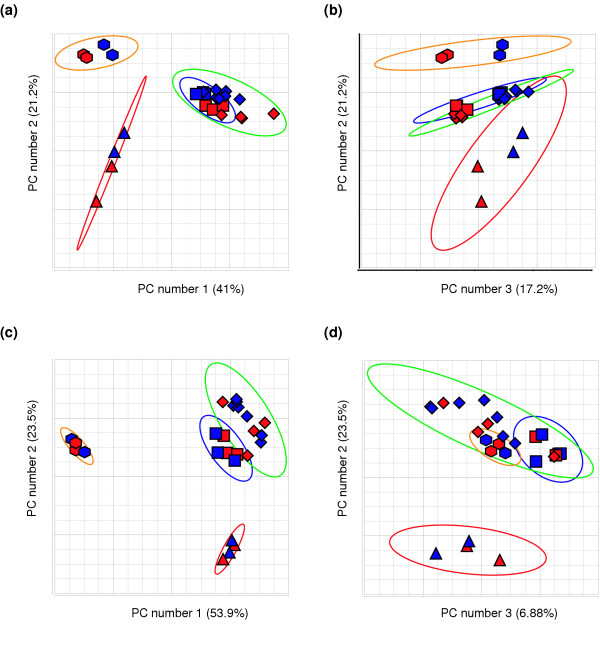
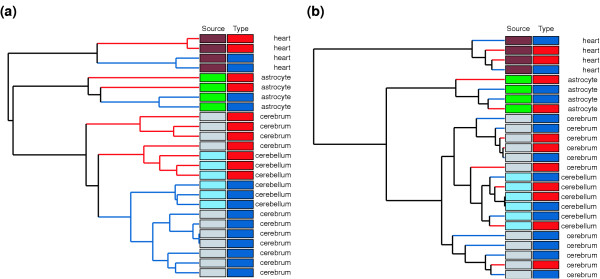
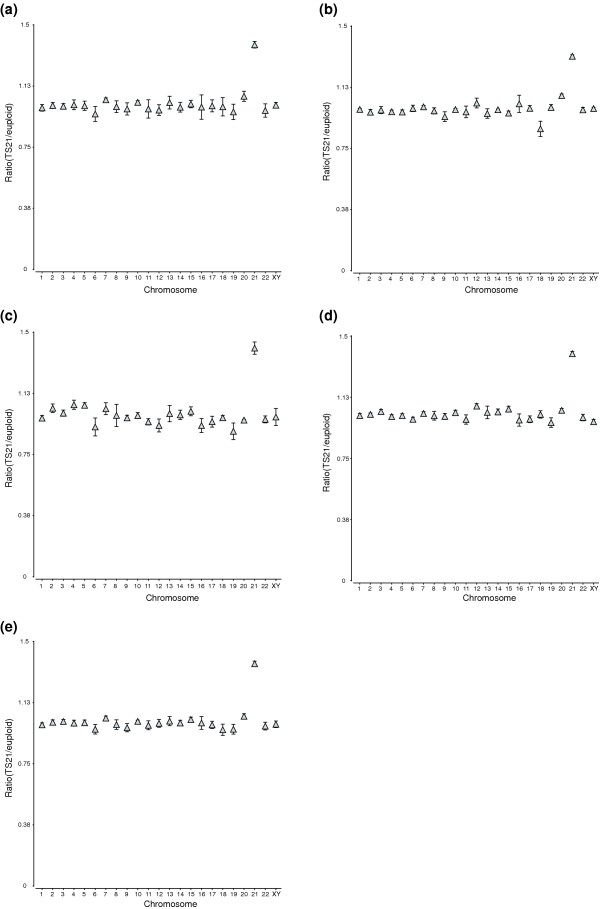
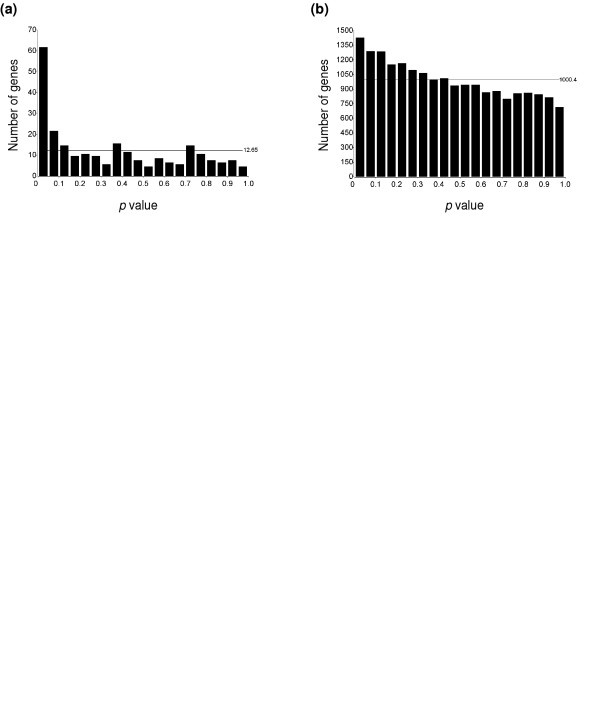
Background: Down syndrome, caused by trisomic chromosome 21, is the leading genetic cause of mental retardation. Recent studies demonstrated that dosage-dependent increases in chromosome 21 gene expression occur in trisomy 21. However, it is unclear whether the entire transcriptome is disrupted, or whether there is a more restricted increase in the expression of those genes assigned to chromosome 21. Also, the statistical significance of differentially expressed genes in human Down syndrome tissues has not been reported. Results: We measured levels of transcripts in human fetal cerebellum and heart tissues using DNA microarrays and demonstrated a dosage-dependent increase in transcription across different tissue/cell types as a result of trisomy 21. Moreover, by having a larger sample size, combining the data from four different tissue and cell types, and using an ANOVA approach, we identified individual genes with significantly altered expression in trisomy 21, some of which showed this dysregulation in a tissue-specific manner. We validated our microarray data by over 5,600 quantitative real-time PCRs on 28 genes assigned to chromosome 21 and other chromosomes. Gene expression values from chromosome 21, but not from other chromosomes, accurately classified trisomy 21 from euploid samples. Our data also indicated functional groups that might be perturbed in trisomy 21. Conclusions: In Down syndrome, there is a primary transcriptional effect of disruption of chromosome 21 gene expression, without a pervasive secondary effect on the remaining transcriptome. The identification of dysregulated genes and pathways suggests molecular changes that may underlie the Down syndrome phenotypes.
Overview
The claims and statistics of this paper haven’t been checked yet.
Run the check — free, no account needed. It reads the open-access text and checks the sources it cites.
Integrity signals
Registry
Cites
Statistics
Figures
Verification
Claims the paper makes
The claims and statistics of this paper haven’t been checked yet.
Run the check — free, no account needed. It reads the open-access text and checks the sources it cites.
Claims other papers make about this one
Each is checked against this paper’s own text: does it say what the citing paper says it does?
The source backs part of the claim, not all of it — or backs it for a different population, condition or comparison.
In the citing paper
“Quantification of both mRNA and protein levels in brains of individuals with DS from fetal to adult stages have shown that not all trisomic genes are dysregulated or expressed at 1.5-fold (Lockstone et al., 2007; Mao et al., 2005; Mao et al., 2003).”
From Sex-specific developmental alterations in DYRK1A expression in the brain of a Down syndrome mouse model (2024) · cites this paper as Mao et al., 2005
Experimental — accuracy not yet measured
Self-check
Percentages, sums and reported differences re-computed from the paper’s own numbers.
The self-check needs the paper’s full text.
Citations
Cites
Controlling the False Discovery Rate: A Practical and Powerful Approach to Multiple Testing
Benjamini, Y., & Hochberg, Y. (1995) · Journal of the Royal Statistical Society Series B: Statistical Methodology · doi:10.1111/j.2517-6161.1995.tb02031.x · Cited by 109,482
Gene Ontology: tool for the unification of biology
Ashburner, M., Ball, C. A., Blake, J. A., Botstein, D., Butler, H., Cherry, J. M., Davis, A. P., Dolinski, K., Dwight, S. S., Eppig, J. T., et al. (2000) · Nature Genetics · doi:10.1038/75556 · Cited by 43,206
The Metabolic and Molecular Bases of Inherited Disease
Scriver, R. C. (1995) · Medical Entomology and Zoology · Cited by 12,101
The metabolic and molecular bases of inherited disease
Chen, Y.-T. (2001) · Medical Entomology and Zoology · Cited by 6,928
The Gene Ontology (GO) database and informatics resource
Gene Ontology Consortium (2003) · Nucleic Acids Research · doi:10.1093/nar/gkh036 · Cited by 4,596
A User's Guide to Principal Components
Leigh, S. D., & Jackson, J. E. (1993) · Technometrics · doi:10.2307/1269292 · Cited by 3,346
Diagnosis of multiple cancer types by shrunken centroids of gene expression
Tibshirani, R. J., Hastie, T. J., Narasimhan, B., & Chu, G. (2002) · Proceedings of the National Academy of Sciences · doi:10.1073/pnas.082099299 · Cited by 2,931
A Use's Guide to Principal Components
Jackson, J. E. (1991) · Wiley series in probability and statistics · doi:10.1002/0471725331 · Cited by 2,523
Boyle, E. I., Weng, S., Gollub, J., Jin, H., Botstein, D., Cherry, J. M., & Sherlock, G. (2004) · Bioinformatics · doi:10.1093/bioinformatics/bth456 · Cited by 2,067
Nearest neighbor (NN) norms: NN pattern classification techniques
Dasarathy, B. V. (1991) · Medical Entomology and Zoology · Cited by 1,654
Research works printed but not linked: 1
- Lejeune J, Gautier M, Turpin R: Etudes des chromosomes somatique de neuf enfants mongoliens. Comptes Rendus Academie des Sciences Paris. 1959, 248: 1721-1722.
Cited by
Sorted by citations
Evolution of the neocortex: a perspective from developmental biology
Rakic, P. (2009) · Nature reviews. Neuroscience · doi:10.1038/nrn2719 · Cited by 1,565
Aït Yahya-Graison, E., Aubert, J., Dauphinot, L., Rivals, I., Prieur, M., Golfier, G., Rossier, J., Personnaz, L., Créau, N., Bléhaut, H., et al. (2007) · The American Journal of Human Genetics · doi:10.1086/520000 · Cited by 338
Transcriptional consequences of aneuploidy
Sheltzer, J. M., Torres, E. M., Dunham, M. J., & Amon, A. (2012) · Proceedings of the National Academy of Sciences · doi:10.1073/pnas.1209227109 · Cited by 297
Ohnologs in the human genome are dosage balanced and frequently associated with disease
Makino, T., & McLysaght, A. (2010) · Proceedings of the National Academy of Sciences · doi:10.1073/pnas.0914697107 · Cited by 284
Gene expression profiling in the adult Down syndrome brain
Lockstone, H. E., Harris, L. W., Swatton, J. E., Wayland, M. T., Holland, A. J., & Bahn, S. (2007) · Genomics · doi:10.1016/j.ygeno.2007.08.005 · Cited by 240
Olmos-Serrano, J. L., Kang, H. J., Tyler, W. A., Silbereis, J. C., Cheng, F., Zhu, Y., Pletikos, M., Jankovic-Rapan, L., Cramer, N. P., Galdzicki, Z., et al. (2016) · Neuron · doi:10.1016/j.neuron.2016.01.042 · Cited by 239
“…have investigated gene expression in postmortem human DS brains or derived pluripotent stem cells (Letourneau et al., 2014; Lock- stone et al., 2007; Mao et al., 2003, 2005), these studies are limited by sparse genome coverage, numbers of samples or developmental time points, and potential…”
The diverse consequences of aneuploidy
Chunduri, N. K., & Štorchová, Z. (2018) · Nature Cell Biology · doi:10.1038/s41556-018-0243-8 · Cited by 220
Belichenko, P. V., Kleschevnikov, A. M., Salehi, A., Epstein, C. J., & Mobley, W. C. (2007) · The Journal of Comparative Neurology · doi:10.1002/cne.21433 · Cited by 208
Natural Gene-Expression Variation in Down Syndrome Modulates the Outcome of Gene-Dosage Imbalance
Prandini, P., Deutsch, S., Lyle, R., Gagnebin, M., Delucinge-Vivier, C., Delorenzi, M., Gehrig, C., Descombes, P., Sherman, S. L., Bricarelli, F. D., et al. (2007) · The American Journal of Human Genetics · doi:10.1086/519248 · Cited by 199
Briggs, J. A., Sun, J., Shepherd, J., Ovchinnikov, D. A., Chung, T.-L., Nayler, S. P., Kao, L.-P., Morrow, C. A., Thakar, N. Y., Soo, S.-Y., et al. (2013) · Stem Cells · doi:10.1002/stem.1297 · Cited by 151
Conti, A. M. F., Fabbrini, F., D'Agostino, P., Negri, R., Greco, D., Genesio, R., D'Armiento, M. R., Olla, C., Paladini, D., Zannini, M., et al. (2007) · BMC Genomics · doi:10.1186/1471-2164-8-268 · Cited by 143
Mitochondrial dysfunction in down syndrome: molecular mechanisms and therapeutic targets
Izzo, A., Mollo, N., Nitti, M. P., Paladino, S., Calı̀, G., Genesio, R., Bonfiglio, F., Cicatiello, R., Barbato, M., Sarnataro, V., et al. (2018) · Molecular Medicine · doi:10.1186/s10020-018-0004-y · Cited by 148
Aneuploidy: From a Physiological Mechanism of Variance to Down Syndrome
Dierssen, M., Hérault, Y., & Estivill, X. (2009) · Physiological Reviews · doi:10.1152/physrev.00032.2007 · Cited by 143
Pereira, P. L., Magnol, L., Sahún, I., Brault, V., Duchon, A., Prandini, P., Gruart, A., Bizot, J., Chadefaux, B., Deutsch, S., et al. (2009) · Human Molecular Genetics · doi:10.1093/hmg/ddp438 · Cited by 135
Aziz, N. M., Guedj, F., Pennings, J. L. A., Olmos-Serrano, J. L., Siegel, A., Haydar, T. F., & Bianchi, D. W. (2018) · Disease Models & Mechanisms · doi:10.1242/dmm.031013 · Cited by 118
Slonim, D. K., Koide, K., Johnson, K. L., Tantravahi, U., Cowan, J. M., Jarrah, Z., & Bianchi, D. W. (2009) · Proceedings of the National Academy of Sciences · doi:10.1073/pnas.0903909106 · Cited by 117
Esposito, G., Imitola, J., Lu, J., De Filippis, D., Scuderi, C., Ganesh, V. S., Folkerth, R., Hecht, J., Shin, S., Iuvone, T., et al. (2008) · Human Molecular Genetics · doi:10.1093/hmg/ddm322 · Cited by 115
Altered DNA Methylation in Leukocytes with Trisomy 21
Kerkel, K., Schupf, N., Hatta, K., Pang, D. I., Salas, M. C., Kratz, A. F., Minden, M. D., Murty, V. V. V. S., Zigman, W. B., Mayeux, R. P., et al. (2010) · PLoS Genetics · doi:10.1371/journal.pgen.1001212 · Cited by 114
Mental retardation in Down syndrome: From gene dosage imbalance to molecular and cellular mechanisms
Rachidi, M., & Lopes, C. (2007) · Neuroscience Research · doi:10.1016/j.neures.2007.08.007 · Cited by 117
Hüettel, B., Kreil, D. P., Matzke, M. A., & Matzke, A. J. M. (2008) · PLoS Genetics · doi:10.1371/journal.pgen.1000226 · Cited by 109
Izzo, A., Nitti, M. P., Mollo, N., Paladino, S., Procaccini, C., Faicchia, D., Calı̀, G., Genesio, R., Bonfiglio, F., Cicatiello, R., et al. (2017) · Human Molecular Genetics · doi:10.1093/hmg/ddx016 · Cited by 100
Rachidi, M., & Lopes, C. (2008) · European Journal of Paediatric Neurology · doi:10.1016/j.ejpn.2007.08.010 · Cited by 108
Piccoli, C., Izzo, A., Scrima, R., Bonfiglio, F., Manco, R., Negri, R., Quarato, G., Cela, O., Ripoli, M. C., Prisco, M., et al. (2012) · Human Molecular Genetics · doi:10.1093/hmg/dds529 · Cited by 100
Genome-wide expression studies in Autism spectrum disorder, Rett syndrome, and Down syndrome
Lintas, C., Sacco, R., & Persico, A. M. (2012) · Neurobiology of Disease · doi:10.1016/j.nbd.2010.11.010 · Cited by 96
Li, C.-M., Guo, M., Salas, M. C., Schupf, N., Silverman, W. P., Zigman, W. B., Husain, S., Warburton, D., Thaker, H. M., & Tycko, B. (2006) · BMC Medical Genetics · doi:10.1186/1471-2350-7-24 · Cited by 85
Choi, J. H. K., Berger, J. D., Mazzella, M. J., Morales‐Corraliza, J., Cataldo, A. M., Nixon, R. A., Ginsberg, S. D., Levy, E., & Mathews, P. M. (2009) · Journal of Neurochemistry · doi:10.1111/j.1471-4159.2009.06277.x · Cited by 83
Bhattacharyya, A., McMillan, E., Chen, S. I., Wallace, K., & Svendsen, C. N. (2009) · Developmental Neuroscience · doi:10.1159/000236899 · Cited by 79
Gene expression variation in Down's syndrome mice allows prioritization of candidate genes
Sultan, M., Piccini, I., Balzereit, D., Herwig, R., Saran, N. G., Lehrach, H., Reeves, R. H., & Yaspo, M.-L. (2007) · Genome Biology · doi:10.1186/gb-2007-8-5-r91 · Cited by 78
Down syndrome and the enteric nervous system
Moore, S. W. (2008) · Pediatric Surgery International · doi:10.1007/s00383-008-2188-7 · Cited by 79
Specific transcriptional changes in human fetuses with autosomal trisomies
Altug-Teber, Ö., Bonin, M., Walter, M., Mau-Holzmann, U. A., Dufke, A., Stappert, H., TEKESIN, I., Heilbronner, H., Nieselt, K., & Rieß, O. (2007) · Cytogenetic and Genome Research · doi:10.1159/000112058 · Cited by 76
Yim, A., Koti, P. S., Bonnard, A., Marchianò, F., Dürrbaum, M., García-Pérez, C., Villaveces, J. M., Gamal, S., Cardone, G., Perocchi, F., et al. (2019) · Nucleic Acids Research · doi:10.1093/nar/gkz1128 · Cited by 75
Chang, K. T., & Min, K. (2009) · Proceedings of the National Academy of Sciences · doi:10.1073/pnas.0904397106 · Cited by 77
Integrated analysis of DNA copy number and gene expression microarray data using gene sets
de Menezes, R. X., Boetzer, M., Sieswerda, M. S., van Ommen, G. B., & Boer, J. M. (2009) · BMC Bioinformatics · doi:10.1186/1471-2105-10-203 · Cited by 62
NRIP1/RIP140 siRNA-mediated attenuation counteracts mitochondrial dysfunction in Down syndrome
Izzo, A., Manco, R., Bonfiglio, F., Calı̀, G., de Cristofaro, T., Patergnani, S., Cicatiello, R., Scrima, R., Zannini, M., Pinton, P., et al. (2014) · Human Molecular Genetics · doi:10.1093/hmg/ddu157 · Cited by 68
Trisomy 21 and Down syndrome: a short review
Sommer, C., & Henrique‐Silva, F. (2008) · Brazilian Journal of Biology · doi:10.1590/s1519-69842008000200031 · Cited by 59
Guedj, F., Pennings, J. L. A., Massingham, L. J., Wick, H. C., Siegel, A. E., Tantravahi, U., & Bianchi, D. W. (2016) · Scientific Reports · doi:10.1038/srep32353 · Cited by 63
Sobol, M., Klar, J., Laan, L., Shahsavani, M., Schuster, J., Annerén, G., Konzer, A., Mi, J., Bergquist, J., Nordlund, J., et al. (2019) · Molecular Neurobiology · doi:10.1007/s12035-019-1585-3 · Cited by 61
Laffaire, J., Rivals, I., Dauphinot, L., Pasteau, F., Wehrlé, R., Larrat, B., Vitalis, T., Moldrich, R. X., Rossier, J., Sinkus, R., et al. (2009) · BMC Genomics · doi:10.1186/1471-2164-10-138 · Cited by 56
Inborn Errors of Adaptive Immunity in Down Syndrome
Verstegen, R. H. J., & Kusters, M. (2020) · Journal of Clinical Immunology · doi:10.1007/s10875-020-00805-7 · Cited by 57
Gene expression analysis of induced pluripotent stem cells from aneuploid chromosomal syndromes
Zhang, R., Hao, L., Wang, L., Chen, M., Li, W., Li, R., Yu, J. M., Xiao, J., & Wu, J. (2013) · BMC Genomics · doi:10.1186/1471-2164-14-s5-s8 · Cited by 53
Horiuchi, Y., Kano, S., Ishizuka, K., Cascella, N. G., Ishii, S., Talbot, C. C., Jaffe, A. E., Okano, H., Pevsner, J., Colantuoni, C., et al. (2013) · Neuroscience Research · doi:10.1016/j.neures.2013.09.010 · Cited by 53
Self-citationProfiling expression changes caused by a segmental aneuploid in maize
Makarevitch, I., Phillips, R. L., & Springer, N. M. (2008) · BMC Genomics · doi:10.1186/1471-2164-9-7 · Cited by 53
Blood Beta-Amyloid and Tau in Down Syndrome: A Comparison with Alzheimer’s Disease
Lee, N., Yang, S., Chieh, J.-J., Huang, P.-T., Chang, L.-M., Chiu, Y., Huang, A.-C., Chien, Y., Hwu, W., & Chiu, M. (2017) · Frontiers in Aging Neuroscience · doi:10.3389/fnagi.2016.00316 · Cited by 50
Ponroy Bally, B., Farmer, W. T., Jones, E. V., Jessa, S., Kacerovsky, J. B., Mayran, A., Peng, H., Lefebvre, J. L., Drouin, J., Hayer, A., et al. (2020) · Human Molecular Genetics · doi:10.1093/hmg/ddaa003 · Cited by 49
Down syndrome gene dosage imbalance on cerebellum development
Moldrich, R. X., Dauphinot, L., Laffaire, J., Rossier, J., & Potier, M. (2007) · Progress in Neurobiology · doi:10.1016/j.pneurobio.2007.02.006 · Cited by 49
Developmental Defects in Trisomy 21 and Mouse Models
Delabar, J. M., Aflalo-Rattenbac, R., & Créau, N. (2006) · The Scientific World JOURNAL · doi:10.1100/tsw.2006.322 · Cited by 47
The power of comparative and developmental studies for mouse models of Down syndrome
Moore, C. S., & Roper, R. J. (2007) · Mammalian Genome · doi:10.1007/s00335-007-9030-8 · Cited by 47
A de novo 1.4‐Mb deletion at 21q22.11 in a boy with developmental delay
Fukai, R., Hiraki, Y., Nishimura, G., Nakashima, M., Tsurusaki, Y., Saitsu, H., Matsumoto, N., & Miyake, N. (2014) · American Journal of Medical Genetics Part A · doi:10.1002/ajmg.a.36377 · Cited by 47
Rogers, H. A., Kilday, J., Mayne, C. M., Ward, J. H., Adamowicz‐Brice, M., Schwalbe, E. C., Clifford, S. C., Coyle, B., & Grundy, R. G. (2011) · Acta Neuropathologica · doi:10.1007/s00401-011-0904-1 · Cited by 45
Noninvasive prenatal testing creates an opportunity for antenatal treatment of Down syndrome
Guedj, F., & Bianchi, D. W. (2013) · Prenatal Diagnosis · doi:10.1002/pd.4134 · Cited by 45
Aneuploidy Causes Tissue-Specific Qualitative Changes in Global Gene Expression Patterns in Maize
Makarevitch, I., & Harris, C. (2009) · PLANT PHYSIOLOGY · doi:10.1104/pp.109.150466 · Cited by 44
Stem and progenitor cell dysfunction in human trisomies
Liu, B., Filippi, S., Roy, A., & Roberts, I. A. G. (2014) · EMBO Reports · doi:10.15252/embr.201439583 · Cited by 44
Moldrich, R. X., Dauphinot, L., Laffaire, J., Vitalis, T., Hérault, Y., Beart, P. M., Rossier, J., Vivien, D., Gehrig, C., Antonarakis, S. E., et al. (2009) · Journal of Neuroscience Research · doi:10.1002/jnr.22131 · Cited by 43
Pecze, L., Randi, E. B., & Szabó, C. (2020) · Molecular Medicine · doi:10.1186/s10020-020-00225-8 · Cited by 43
Duchon, A., Moreno, M. D. M. M., Lorenzo, S. M., de Souza, M. P. S., Chevalier, C., Nalesso, V., Méziane, H., de Sousa, P. L., Noblet, V., Armspach, J., et al. (2021) · Human Molecular Genetics · doi:10.1093/hmg/ddab012 · Cited by 42
Molecular Diagnostics in Sepsis: From Bedside to Bench
Chung, T. P., Laramie, J. M., Meyer, D. J., Downey, T. J., Tam, L. H. Y., Ding, H., Buchman, T. G., Karl, I. E., Stormo, G. D., Hotchkiss, R. S., et al. (2006) · Journal of the American College of Surgeons · doi:10.1016/j.jamcollsurg.2006.06.028 · Cited by 42
Self-citationIdentification of dysregulated genes in lymphocytes from children with Down syndrome
Sommer, C., Pavarino, É. C., Goloni‐Bertollo, E. M., & Henrique‐Silva, F. (2008) · Genome · doi:10.1139/g07-100 · Cited by 42
Rachidi, M., & Lopes, C. (2010) · American Journal on Intellectual and Developmental Disabilities · doi:10.1352/1944-7558-115.2.83 · Cited by 40
Barman, P., Reddy, D., & Bhaumik, S. R. (2019) · Non-Coding RNA · doi:10.3390/ncrna5010011 · Cited by 39
Besson, V., Brault, V., Duchon, A., Togbe, D., Bizot, J., Quesniaux, V. F. J., Ryffel, B., & Hérault, Y. (2007) · Human Molecular Genetics · doi:10.1093/hmg/ddm152 · Cited by 38
Fei, X., Shi, Q., Qi, Y., Wang, S., Yu, L., Hu, H., Liu, Y., Yang, T., & Wei, A. (2021) · Horticulture Research · doi:10.1038/s41438-020-00459-x · Cited by 36
Astrocytes in Down Syndrome Across the Lifespan
Ponroy Bally, B., & Murai, K. K. (2021) · Frontiers in Cellular Neuroscience · doi:10.3389/fncel.2021.702685 · Cited by 35
Validation of Computational Methods in Genomics
Dougherty, E. R., Hua, J., & Bittner, M. L. (2007) · Current Genomics · doi:10.2174/138920207780076956 · Cited by 34
Gene expression variation increase in trisomy 21 tissues
Chou, C., Liu, L.-Y. D., Chen, C., Tsai, C. H., Hwa, H., Chang, L. Y., Lin, Y. S., & Hsieh, F. J. (2008) · Mammalian Genome · doi:10.1007/s00335-008-9121-1 · Cited by 36
Ripoll, C., Rivals, I., Ait‐Yahya, E., Dauphinot, L., Paly, E., Mircher, C., Ravel, A., Grattau, Y., Bléhaut, H., Mégarbané, A., et al. (2012) · PLoS ONE · doi:10.1371/journal.pone.0041616 · Cited by 33
Laan, L., Klar, J., Sobol, M., Hoeber, J., Shahsavani, M., Kele, M., Fatima, A., Zakaria, M., Annerén, G., Falk, A., et al. (2020) · Clinical Epigenetics · doi:10.1186/s13148-019-0803-1 · Cited by 33
Guedj, F., Pennings, J., Ferrés, M., Graham, L. C., Wick, H. C., Miczek, K. A., Slonim, D., & Bianchi, D. W. (2015) · American Journal of Medical Genetics. Part A · doi:10.1002/ajmg.a.37156 · Cited by 30
Role of CyPA in cardiac hypertrophy and remodeling
Cao, M., Yuan, W., Peng, M., Mao, Z., Zhao, Q., Sun, X., & Yan, J. (2019) · Bioscience Reports · doi:10.1042/bsr20193190 · Cited by 32
Granese, B., Scala, I., Spatuzza, C., Valentino, A., Coletta, M., Vacca, R. A., Luca, P. D., & Andria, G. (2013) · BMC Medical Genomics · doi:10.1186/1755-8794-6-24 · Cited by 32
Tan, W., Sun, L., Zhang, D., Sun, J., Qian, J., Hu, X., Wang, W., Sun, Y., Ma, L., & Zhu, C. (2006) · Experimental Parasitology · doi:10.1016/j.exppara.2006.09.020 · Cited by 31
Using systems biology to simplify complex disease: Immune cartography
Polpitiya, A. D., McDunn, J. E., Burykin, A., Ghosh, B. K., & Cobb, J. P. (2008) · Critical Care Medicine · doi:10.1097/ccm.0b013e3181920cb0 · Cited by 30
Constitutional trisomy 8 mosaicism as a model for epigenetic studies of aneuploidy
Davidsson, J., Veerla, S., & Johansson, B. (2013) · Epigenetics & Chromatin · doi:10.1186/1756-8935-6-18 · Cited by 30
Raveau, M., Lignon, J. M., Nalesso, V., Duchon, A., Groner, Y., Sharp, A. J., Dembélé, D., Brault, V., & Hérault, Y. (2012) · PLoS Genetics · doi:10.1371/journal.pgen.1002724 · Cited by 30
Créau, N. (2012) · Neural Plasticity · doi:10.1155/2012/171639 · Cited by 30
Cho, C.-K. J., Drabovich, A. P., Karagiannis, G. S., Martínez‐Morillo, E., Dason, S., Dimitromanolakis, A., & Diamandis, E. P. (2013) · Clinical Proteomics · doi:10.1186/1559-0275-10-2 · Cited by 30
Aberrant epigenetic landscape in intellectual disability
Sanchez-Mut, J. V., Huertas, D., & Esteller, M. (2012) · Progress in brain research · doi:10.1016/b978-0-444-54299-1.00004-2 · Cited by 32
Mollo, N., Esposito, M., Aurilia, M., Scognamiglio, R., Accarino, R., Bonfiglio, F., Cicatiello, R., Charalambous, M., Procaccini, C., Micillo, T., et al. (2021) · Biology · doi:10.3390/biology10070609 · Cited by 31
Brain Phenotype of Transgenic Mice Overexpressing Cystathionine β-Synthase
Régnier, V., Billard, J., Gupta, S., Potier, B., Woerner, S., Paly, E., Ledru, A., David, S., Luilier, S., Bizot, J., et al. (2012) · PLoS ONE · doi:10.1371/journal.pone.0029056 · Cited by 30
Genome-Wide Expression Analysis in Down Syndrome: Insight into Immunodeficiency
Li, C. V., Jin, L., Bai, Y., Chen, Q., Fu, L., Yang, M., Xiao, H., Zhao, G., & Wang, S. (2012) · PLoS ONE · doi:10.1371/journal.pone.0049130 · Cited by 27
Genomic determinants in the phenotypic variability of Down syndrome
Letourneau, A., & Antonarakis, S. E. (2012) · Progress in brain research · doi:10.1016/b978-0-444-54299-1.00002-9 · Cited by 28
Koterski, J. F., Twenhafel, N., Porter, A. I., Reed, D., Martino-Catt, S., Sobral, B., Crasta, O., Downey, T. J., & DaSilva, L. (2007) · FEMS Immunology & Medical Microbiology · doi:10.1111/j.1574-695x.2007.00319.x · Cited by 27
Self-citationAlterations of brain circuits in Down syndrome murine models
Gotti, S., Caricati, E., & Panzica, G. (2011) · Journal of Chemical Neuroanatomy · doi:10.1016/j.jchemneu.2011.09.002 · Cited by 25
Bhushan, A., Singh, A., Kapur, S., Borthakur, B. B., Sharma, J. D., Rai, A. K., Kataki, A. C., & Saxena, S. (2017) · OMICS A Journal of Integrative Biology · doi:10.1089/omi.2017.0116 · Cited by 24
Rachidi, M., Delezoide, A., Delabar, J. M., & Lopes, C. (2009) · International Journal of Developmental Neuroscience · doi:10.1016/j.ijdevneu.2009.02.001 · Cited by 24
Guedj, F., Pennings, J. L. A., Wick, H. C., & Bianchi, D. W. (2014) · Brain Pathology · doi:10.1111/bpa.12151 · Cited by 23
Liu, J., Wang, T., Xiong, L., Xue, L., Al‐Hawwas, M., Huang, J., Niu, R., Tan, Y., Xu, Y., & Su, Y.-Y. (2019) · Neural Regeneration Research · doi:10.4103/1673-5374.264469 · Cited by 21
Transcription dosage compensation does not occur in Down syndrome
Hunter, S., Dowell, R. D., Hendrix, J., Freeman, J., & Allen, M. A. (2023) · BMC Biology · doi:10.1186/s12915-023-01700-4 · Cited by 25
Increased levels of carbonic anhydrase II in the developing Down syndrome brain
Palminiello, S., Kida, E., Kaur, K., Walus, M., Wisniewski, K. E., Wierzba‐Bobrowicz, T., Rabe, A., Albertini, G., & Golabek, A. A. (2007) · Brain Research · doi:10.1016/j.brainres.2007.11.023 · Cited by 22
Modeling Down syndrome in cells: From stem cells to organoids
Gough, G., O’Brien, N. L., Alić, I., Goh, P. A., Yeap, Y. J., Groet, J., Nižetić, D., & Murray, A. (2019) · Progress in brain research · doi:10.1016/bs.pbr.2019.10.003 · Cited by 21
Duchon, A., Besson, V., Pereira, P. L., Magnol, L., & Hérault, Y. (2008) · Genetics · doi:10.1534/genetics.108.092312 · Cited by 22
Expression Signature as a Biomarker for Prenatal Diagnosis of Trisomy 21
Volk, M., Maver, A., Lovrečić, L., Juvan, P., & Peterlin, B. (2013) · PLoS ONE · doi:10.1371/journal.pone.0074184 · Cited by 19
Pennings, J. L. A., Rodenburg, W., Imholz, S., Koster, M. P. H., van Oostrom, C. T. M., Breit, T. M., Schielen, P. C. J. I., & de Vries, A. (2011) · PLoS ONE · doi:10.1371/journal.pone.0018866 · Cited by 19
Shao, J., Chen, H., Yang, D., Jiang, M., Zhang, H., Wu, B., Li, J., Yuan, L., & Liu, C. (2017) · Scientific Reports · doi:10.1038/s41598-017-04303-6 · Cited by 19
Briggs, J., Mason, E. A., Ovchinnikov, D. A., Wells, C. A., & Wolvetang, E. J. (2013) · Stem Cells Translational Medicine · doi:10.5966/sctm.2012-0117 · Cited by 20
Sheng, J., Deng, H., Calhoun, V. D., & Wang, Y. (2011) · IEEE Transactions on Computational Biology and Bioinformatics · doi:10.1109/tcbb.2011.71 · Cited by 18
Cell models for Down syndrome-Alzheimer’s disease research
Wu, Y., West, N. R., Bhattacharyya, A., & Wiseman, F. K. (2022) · Neuronal Signaling · doi:10.1042/ns20210054 · Cited by 17
Recuperação pôndero-estatural em crianças com síndrome de Down e cardiopatia congênita
Bravo‐Valenzuela, N. J., Passarelli, M. L. B., Coates, V., & Nascimento, L. F. C. (2011) · Brazilian Journal of Cardiovascular Surgery · doi:10.1590/s0102-76382011000100013 · Cited by 17
Classifying carpets based on laser scanner data
Waegeman, W., Cottyn, J., Wyns, B., Boullart, L., Bernard De Baets, C., Langenhove, L. V., & Detand, J. (2007) · Engineering Applications of Artificial Intelligence · doi:10.1016/j.engappai.2007.07.010 · Cited by 16
Pecze, L., & Szabó, C. (2021) · Mitochondrion · doi:10.1016/j.mito.2020.12.017 · Cited by 16
Transcriptome Profiling Uncovers Potential Common Mechanisms in Fetal Trisomies 18 and 21
Volk, M., Maver, A., Hodžić, A., Lovrečić, L., & Peterlin, B. (2017) · OMICS A Journal of Integrative Biology · doi:10.1089/omi.2017.0123 · Cited by 15
Metadata
- Authors
- Mao, R., Wang, X., Spitznagel, E. L., Frelin, L. P., Ting, J. C., Ding, H., Kim, J.-W., Ruczinski, I., Downey, T. J., & Pevsner, J.
- Affiliations
- Johns Hopkins University (US)
- Partek (United States) (US)
- Washington University in St. Louis (US)
- Kennedy Krieger Institute (US)
- Corresponding author
- Pevsner, Jonathan
- ORCID
- Venue
- Genome Biology
- Published
- 2005-12-16
- Volume
- 6
- Issue
- 13
- Pages
- R107-R107
- ISSN
- 1465-6906 (ISSN-L)
- 1474-760X
- PMC
- PMC1414106
- OpenAlex
- W2159929448
- Cited by
- 166
- References
- 58
- Citations by year
- 2025: 5 · 2024: 2 · 2023: 4 · 2022: 7 · 2021: 10 · 2020: 5 · 2019: 8 · 2018: 7 · 2017: 9 · 2016: 4 · 2015: 2 · 2014: 8 · 2013: 11 · 2012: 15
- FWCI
- 12.23
- Type
- journal article
- Language
- en
- Open access
- gold
- doi.org
- Locations
- Genome biology (publishedVersion, cc-by)
- PubMed Central (publishedVersion)
- PubMed (publishedVersion)
- Funders
- Johns Hopkins University
- National Institutes of Health
- Johns Hopkins Bloomberg School of Public Health
- National Cancer Institute (CA074841, R29CA074841, R01CA074841)
- Eunice Kennedy Shriver National Institute of Child Health and Human Development (R01HD046598)
- Topics
- Health Sciences › Medicine › Public Health, Environmental and Occupational Health › Down syndrome and intellectual disability research
- Life Sciences › Biochemistry, Genetics and Molecular Biology › Genetics › Genomic variations and chromosomal abnormalities
- Life Sciences › Biochemistry, Genetics and Molecular Biology › Genetics › Genetic and Clinical Aspects of Sex Determination and Chromosomal Abnormalities
- Keywords
- Down syndrome, gene expression dysregulation, transcriptome, fetal cerebellum, fetal heart, tissue-specific gene expression, intellectual disability, differentially expressed genes
- MeSH terms
- Astrocytes, Cell Line, Chromosomes, Human, Pair 21, Down Syndrome, Fetus, Heart, Humans, Myocardium, RNA, Messenger, Telencephalon, Transcription, Genetic, Reproducibility of Results, Cluster Analysis, Gene Expression Regulation, Developmental, Principal Component Analysis, Microarray Analysis
About these checks
Registry, retraction, Cites and statistics results are computed, not judged, with one exception: a printed reference that no index lists is read once by a model before it counts as a citation error. Claims are extracted by a model and kept only when their quote appears verbatim in the text; each cited source is then checked, with a model’s help, for whether it says what the claim relies on. Those verdicts can be wrong — read the claim’s quote and the cited source before relying on one.
Statistics and arithmetic are recomputed, not judged.
Confidence bands are shown only for fields calibrated on our annotated test set. None is calibrated yet, so no band is shown.
What counts as a claim ›How we measure confidence ›How we check this ›
Are you an author, or do you see a problem with this page? Request a review
