

The DOI matches its Crossref record; 75 of the 76 references it cites were found in a registry or an index.
Systematic analysis of genome-wide fitness data in yeast reveals novel gene function and drug action
Open accessAbstract
We systematically analyzed the relationships between gene fitness profiles (co-fitness) and drug inhibition profiles (co-inhibition) from several hundred chemogenomic screens in yeast. Co-fitness predicted gene functions distinct from those derived from other assays and identified conditionally dependent protein complexes. Co-inhibitory compounds were weakly correlated by structure and therapeutic class. We developed an algorithm predicting protein targets of chemical compounds and verified its accuracy with experimental testing. Fitness data provide a novel, systems-level perspective on the cell.
Overview
The claims and statistics of this paper haven’t been checked yet.
Run the check — free, no account needed. It reads the open-access text and checks the sources it cites.
Integrity signals
Registry
Cites
Statistics
Figures
Verification
Claims the paper makes
The claims and statistics of this paper haven’t been checked yet.
Run the check — free, no account needed. It reads the open-access text and checks the sources it cites.
Claims other papers make about this one
Each is checked against this paper’s own text: does it say what the citing paper says it does?
In the citing paper
“For example, following this approach, the molecular target of psychoactive drugs, such as drofenine, clozapine, propiomazine, and metergoline, were suggested to be small ribosomal subunit and cytochrome c oxidase (COX17), the terminal component of the mitochondrial respiratory chain [17].”
From Antimicrobial Properties of Antidepressants and Antipsychotics—Possibilities and Implications (2021) · cites this paper as [17]
In the citing paper
“Hillenmeyer et al. reported that, in the same microbe, the small ribosomal subunit and cytochrome c oxidase are the targets of psychoactive drugs [17].”
From Antimicrobial Properties of Antidepressants and Antipsychotics—Possibilities and Implications (2021) · cites this paper as [17]
Self-check
Percentages, sums and reported differences re-computed from the paper’s own numbers.
The self-check needs the paper’s full text.
Citations
Cites
Data mining: concepts and techniques
Sharma, R., Shah, K., Shirahatti, Y., Patel, S., Sharma, R., Shah, K., Patel, S., Sharma, R., & Han, J. (2012) · Choice Reviews Online · doi:10.5860/choice.49-3305 · Cited by 28,665
Sherman, F., Fink, G. R., & Hicks, J. B. (1979) · Cold Spring Harbor Laboratory eBooks · Cited by 7,430
Lamb, J., Crawford, E. D., Peck, D., Modell, J. W., Blat, I. C., Wrobel, M. J., Lerner, J., Brunet, J.-P., Subramanian, A., Ross, K. N., et al. (2006) · Science · doi:10.1126/science.1132939 · Cited by 5,257 · cited 1×
“For example, one such approach [17] looks for similarities in gene expression profiles in response to the drug; whereas another [18] looks for similarities in side effects.”
BackgroundGenomic Expression Programs in the Response of Yeast Cells to Environmental Changes
Gasch, A. P., Spellman, P. T., Kao, C. M., Carmel-Harel, O., Eisen, M. B., Storz, G., Botstein, D., & Brown, P. O. (2000) · Molecular Biology of the Cell · doi:10.1091/mbc.11.12.4241 · Cited by 4,815 · cited 1×
“Functional prediction performance was compared using several types of functional yeast assays: co-fitness; a unified protein-protein interaction network [25] derived from two large-scale affinity precipitation studies [26,27]; synthetic lethality [28]; and co-expression over three microarray gene expression studies [2…”
MethodSpellman, P. T., Sherlock, G. J., Zhang, M. Q., Iyer, V. R., Anders, K. R., Eisen, M. B., Brown, P. O., Botstein, D., & Futcher, B. (1998) · Molecular Biology of the Cell · doi:10.1091/mbc.9.12.3273 · Cited by 4,724 · cited 1×
“Functional prediction performance was compared using several types of functional yeast assays: co-fitness; a unified protein-protein interaction network [25] derived from two large-scale affinity precipitation studies [26,27]; synthetic lethality [28]; and co-expression over three microarray gene expression studies […”
MethodFunctional profiling of the Saccharomyces cerevisiae genome
Giaever, G., Chu, A. M., Ni, L., Connelly, C., Riles, L., Véronneau, S., Dow, S., Lucau-Danila, A., Anderson, K., André, B., et al. (2002) · Nature · doi:10.1038/nature00935 · Cited by 4,316 · cited 1×
“Phenotype in rich medium (one feature) In the absence of drug, if the homozygous deletion strain gi initially showed no phenotype relative to wild type [9,78], the target cannot be identified by the heterozygous deletion assay as this assay is dependent on diminished 'functional dosage' of the drug target based on gro…”
BackgroundSelf-citationData Mining: Concepts and Techniques
Thamaraiselvi, G., & Kaliammal, A. (2014) · Journal of Information and Knowledge · Cited by 4,088
Functional Characterization of the S. cerevisiae Genome by Gene Deletion and Parallel Analysis
Winzeler, E. A., Shoemaker, D. D., Astromoff, A., Liang, H., Anderson, K., Andre, B., Bangham, R., Benito, R., Boeke, J. D., Bussey, H., et al. (1999) · Science · doi:10.1126/science.285.5429.901 · Cited by 3,953 · cited 3×
“coli and used to transform the BY4743 wild-type strain (MATa/α his3Δ 1/ his3Δ 1 leu2Δ 0/leu2Δ 0 lys2Δ 0/LYS2 MET15/met15Δ 0 ura3Δ 0/ura3Δ 0) lacking the KanMX-marker [71].”
BackgroundInfluentialSelf-citationGlobal landscape of protein complexes in the yeast Saccharomyces cerevisiae
Krogan, N. J., Cagney, G., Yu, H., Zhong, G., Guo, X., Ignatchenko, A., Li, J., Pu, S., Datta, N., Tikuisis, A., et al. (2006) · Nature · doi:10.1038/nature04670 · Cited by 2,969 · cited 1×
“Functional prediction performance was compared using several types of functional yeast assays: co-fitness; a unified protein-protein interaction network [25] derived from two large-scale affinity precipitation studies [26,27]; synthetic lethality [28]; and co-expression over three microarray gene expression studies [2…”
Method(2004) · Choice Reviews Online · doi:10.5860/choice.42-1645 · Cited by 2,928
Proteome survey reveals modularity of the yeast cell machinery
Gavin, A., Aloy, P., Grandi, P., Krause, R., Böesche, M., Marzioch, M., Rau, C., Jensen, L. J., Bastuck, S., Dümpelfeld, B., et al. (2006) · Nature · doi:10.1038/nature04532 · Cited by 2,570 · cited 1×
“Functional prediction performance was compared using several types of functional yeast assays: co-fitness; a unified protein-protein interaction network [25] derived from two large-scale affinity precipitation studies [26,27]; synthetic lethality [28]; and co-expression over three microarray gene expression studies [2…”
MethodFunctional Discovery via a Compendium of Expression Profiles
Hughes, T. R., Marton, M. J., Jones, A. R., Roberts, C. J., Stoughton, R. B., Armour, C. D., Bennett, H. A., Coffey, E. M., Dai, H. A., He, Y. D., et al. (2000) · Cell · doi:10.1016/s0092-8674(00)00015-5 · Cited by 2,534 · cited 1×
“For example, one class of methods [19,20] searches for similarity of RNA expression profiles after drug exposure to profiles resulting from a conditional or complete gene deletion.”
BackgroundGlobal Mapping of the Yeast Genetic Interaction Network
Tong, A. H. Y., Lesage, G., Bader, G. D., Ding, H., Xu, H., Xin, X., Young, J., Berriz, G. F., Brost, R. L., Chang, M., et al. (2004) · Science · doi:10.1126/science.1091317 · Cited by 2,089 · cited 1×
“Functional prediction performance was compared using several types of functional yeast assays: co-fitness; a unified protein-protein interaction network [25] derived from two large-scale affinity precipitation studies [26,27]; synthetic lethality [28]; and co-expression over three microarray gene expression studies [2…”
MethodA Critical Assessment of Docking Programs and Scoring Functions
Warren, G. L., Andrews, C. W., Capelli, A., Clarke, B., LaLonde, J. M., Lambert, M. H., Lindvall, M., Nevins, N., Semus, S. F., Senger, S., et al. (2005) · Journal of Medicinal Chemistry · doi:10.1021/jm050362n · Cited by 1,889 · cited 1×
“The success of these methods to date has been variable, with some studies able to predict known interactions with significant enrichment, and others performing worse than random [55-57].”
BackgroundGhannoum, M. A., & Rice, L. B. (1999) · Clinical Microbiology Reviews · doi:10.1128/cmr.12.4.501 · Cited by 1,811 · cited 1×
“Nystatin is known to bind to membrane ergosterol, and it causes cell death by creating pores in the plasma membrane [50].”
BackgroundSequencing and comparison of yeast species to identify genes and regulatory elements
Kellis, M., Patterson, N. J., Endrizzi, M. G., Birren, B. W., & Lander, E. S. (2003) · Nature · doi:10.1038/nature01644 · Cited by 1,751 · cited 1×
“In an initial test we found that paralogous (duplicated) gene pairs [34] tend to exhibit higher-than-average co-fitness values (t-test P < 0.”
BackgroundTiihonen, J., Lönnqvist, J., Wahlbeck, K., Klaukka, T., Niskanen, L., Tanskanen, A., & Haukka, J. (2009) · The Lancet · doi:10.1016/s0140-6736(09)60742-x · Cited by 1,354 · cited 1×
“Detailed biochemical characterization will be required to elucidate the exact nature of this interaction which, based on renewed interest in clozapine [49], is of great medical value.”
BackgroundCell-signalling dynamics in time and space
Kholodenko, B. N. (2006) · Nature Reviews Molecular Cell Biology · doi:10.1038/nrm1838 · Cited by 1,347 · cited 1×
“The fact that signal transduction is predicted relatively well by co-fitness, for example, may be explained by the fact that signal transduction is often a rapid response occurring on the order of milliseconds, a time frame too short to allow expression and translation of required proteins [53,54].”
BackgroundDrug target identification using side-effect similarity
Campillos, M., Kuhn, M., Gavin, A.-C., Jensen, L. J., & Bork, P. (2008) · Science · doi:10.1126/science.1158140 · Cited by 1,248 · cited 1×
“For example, one such approach [17] looks for similarities in gene expression profiles in response to the drug; whereas another [18] looks for similarities in side effects.”
BackgroundDOCK 4.0: Search strategies for automated molecular docking of flexible molecule databases
Ewing, T. J. A., Makino, S., Skillman, A. G., & Kuntz, I. D. (2001) · Journal of Computer-Aided Molecular Design · doi:10.1023/a:1011115820450 · Cited by 1,188 · cited 2×
“Traditionally, predictive methods rely on computationally intensive algorithms that involve molecular 'docking' [ 16 ] and require that the three-dimensional structure of the protein target be solved.”
BackgroundMethodPrediction of drug–target interaction networks from the integration of chemical and genomic spaces
Yamanishi, Y., Araki, M., Gutteridge, A., Honda, W., & Kanehisa, M. I. (2008) · Bioinformatics · doi:10.1093/bioinformatics/btn162 · Cited by 1,148
The Chemical Genomic Portrait of Yeast: Uncovering a Phenotype for All Genes
Hillenmeyer, M. E., Fung, E., Wildenhain, J., Pierce, S. E., Hoon, S. S., Lee, W., Proctor, M. J., St.Onge, R. P., Tyers, M., Koller, D., et al. (2008) · Science · doi:10.1126/science.1150021 · Cited by 978 · cited 9×
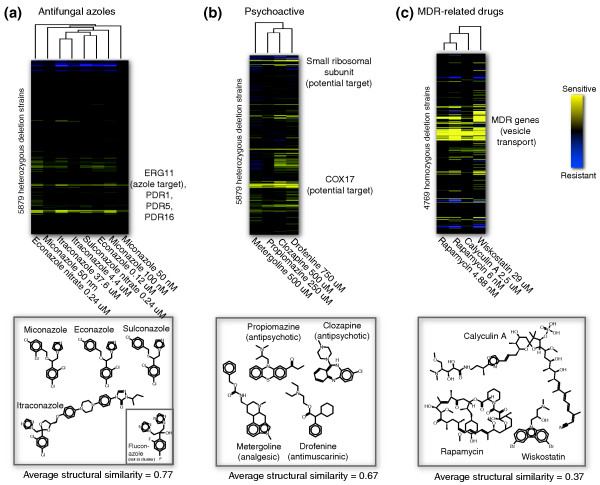
“For example, some antifungal azole drugs such as miconazole inhibit several hundred strains, only one of which is deleted for the known target ERG11, (Figure 2) [1].”
BackgroundResultInfluentialSelf-citationData mining in bioinformatics using Weka
Frank, E., Hall, M., Trigg, L., Holmes, G., & Witten, I. H. (2004) · Bioinformatics · doi:10.1093/bioinformatics/bth261 · Cited by 885 · cited 1×
“Classification of drug targets We applied several machine learning algorithms using the Weka packages [ 80 ]: Random Forest, Naive Bayes, Decision Stump, Logistic Regression, Support Vector Machine (SVM: SMO algorithm), Decision Tree (J48 algorithm), and Bayesian Network.”
MethodThe Exocyst is a multiprotein complex required for exocytosis in Saccharomyces cerevisiae.
Terbush, D. R., Maurice, T. C., Roth, D., & Novick, P. (1996) · The EMBO Journal · doi:10.1002/j.1460-2075.1996.tb01039.x · Cited by 843 · cited 2×
“Our preliminary genetic data indicating a novel interaction between Cox17 and clozapine are tantalizing given the renewed interest in this drug [61], and deserve further investigation.”
BackgroundDo Structurally Similar Molecules Have Similar Biological Activity?
Martin, Y. C., Kofron, J. L., & Traphagen, L. M. (2002) · Journal of Medicinal Chemistry · doi:10.1021/jm020155c · Cited by 806 · cited 1×
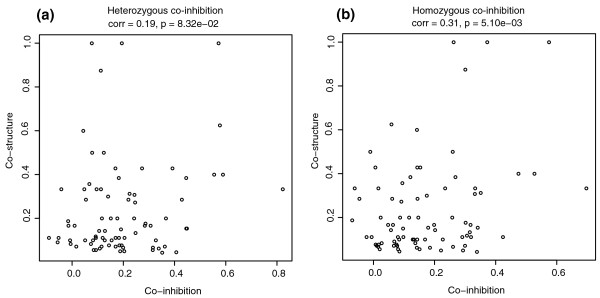
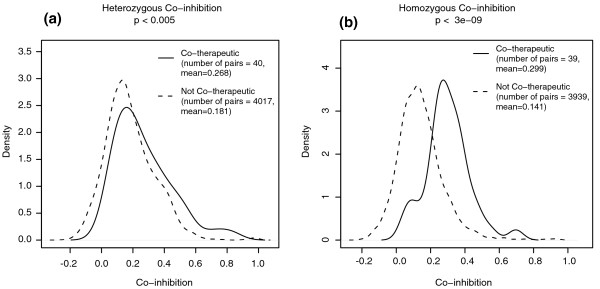
“This finding can be attributed to structurally diverse compounds that inhibit different proteins within the same pathway, or to different compound structures that inhibit the same target [45,46].”
BackgroundToward a Comprehensive Atlas of the Physical Interactome of Saccharomyces cerevisiae
Collins, S. R., Kemmeren, P., Zhao, X.-C., Greenblatt, J. F., Spencer, F., Holstege, F. C. P., Weissman, J. S., & Krogan, N. J. (2007) · Molecular & Cellular Proteomics · doi:10.1074/mcp.m600381-mcp200 · Cited by 795 · cited 2×
“Functional prediction performance was compared using several types of functional yeast assays: co-fitness; a unified protein-protein interaction network [25] derived from two large-scale affinity precipitation studies [26,27]; synthetic lethality [28]; and co-expression over three microarray gene expression studies [2…”
MethodA Probabilistic Functional Network of Yeast Genes
Lee, I., Date, S. V., Adai, A. T., & Marcotte, E. M. (2004) · Science · doi:10.1126/science.1099511 · Cited by 684
Mapping Pathways and Phenotypes by Systematic Gene Overexpression
Sopko, R., Huang, D., Preston, N., Chua, G., Papp, B., Kafadar, K. A., Snyder, M., Oliver, S. G., Cyert, M., Hughes, T. R., et al. (2006) · Molecular Cell · doi:10.1016/j.molcel.2005.12.011 · Cited by 669 · cited 1×
“Second, the 'rescuing protein' must be expressed at a level that can override the compound effect, but not expressed to a level that will inhibit yeast growth [48], which would therefore confound the detection of growth rescue.”
BackgroundParsons, A. B., Brost, R. L., Ding, H., Li, Z., Zhang, C., Sheikh, B., Brown, G. W., Kane, P. M., Hughes, T. R., & Boone, C. M. (2003) · Nature Biotechnology · doi:10.1038/nbt919 · Cited by 651 · cited 3×
“A related approach employs gene-deletion fitness profiling, where the growth profiles of haploid deletion strains in the presence of drug are compared to growth profiles obtained in the presence of a second deletion [5].”
BackgroundMethodPrediction of Protein−Ligand Interactions. Docking and Scoring: Successes and Gaps
Leach, A. R., Shoichet, B. K., & Peishoff, C. E. (2006) · Journal of Medicinal Chemistry · doi:10.1021/jm060999m · Cited by 648
Genomic profiling of drug sensitivities via induced haploinsufficiency
Giaever, G. N., Shoemaker, D. D., Jones, T., Liang, H., Winzeler, E. A., Astromoff, A., & Davis, R. W. (1999) · Nature Genetics · doi:10.1038/6791 · Cited by 570
Self-citationGasch, A. P., Huang, M., Metzner, S., Botstein, D., Elledge, S. J., & Brown, P. O. (2001) · Molecular Biology of the Cell · doi:10.1091/mbc.12.10.2987 · Cited by 542 · cited 1×
“Functional prediction performance was compared using several types of functional yeast assays: co-fitness; a unified protein-protein interaction network [25] derived from two large-scale affinity precipitation studies [26,27]; synthetic lethality [28]; and co-expression over three microarray gene expression studies [2…”
MethodMechanisms of Haploinsufficiency Revealed by Genome-Wide Profiling in Yeast
Deutschbauer, A. M., Jaramillo, D. F., Proctor, M., Kumm, J., Hillenmeyer, M. E., Davis, R. W., Nislow, C., & Giaever, G. (2005) · Genetics · doi:10.1534/genetics.104.036871 · Cited by 535 · cited 4×
“Phenotype in rich medium (one feature) In the absence of drug, if the homozygous deletion strain gi initially showed no phenotype relative to wild type [9,78], the target cannot be identified by the heterozygous deletion assay as this assay is dependent on diminished 'functional dosage' of the drug target based on gro…”
BackgroundMethodInfluentialSelf-citationTroyanskaya, O. G., Dolinski, K. J., Owen, A. B., Altman, R. B., & Botstein, D. (2003) · Proceedings of the National Academy of Sciences · doi:10.1073/pnas.0832373100 · Cited by 528 · cited 2×
“Regardless of the underlying reasons why co-fitness performs better for certain functions, this metric clearly provides distinct information that, when integrated with diverse data sources, will aid the development of tools designed to predict gene function [11,12].”
BackgroundExploring the Mode-of-Action of Bioactive Compounds by Chemical-Genetic Profiling in Yeast
Parsons, A. B., López, A., Givoni, I. E., Williams, D. E., Gray, C. A., Porter, J., Chua, G., Sopko, R., Brost, R. L., Ho, C.-H., et al. (2006) · Cell · doi:10.1016/j.cell.2006.06.040 · Cited by 512 · cited 2×
“This assay identifies genes required for growth in the presence of compound, often identifying functions that buffer the drug target pathway [5-8].”
BackgroundChemogenomic profiling: Identifying the functional interactions of small molecules in yeast
Giaever, G. N., Flaherty, P., Kumm, J., Proctor, M. J., Nislow, C., Jaramillo, D. F., Chu, A. M., Jordan, M. I., Arkin, A. P., & Davis, R. W. (2004) · Proceedings of the National Academy of Sciences · doi:10.1073/pnas.0307490100 · Cited by 506 · cited 7×
“With this comprehensive analysis of the chemogenomic fitness assay results, we asked to what degree the assay could systematically predict drug targets [2-4].”
BackgroundMethodInfluentialSelf-citationBiochemical and genetic analysis of the yeast proteome with a movable ORF collectionPreprint
Gelperin, D. M., White, M. A., Wilkinson, M. L., Kon, Y., Kung, L. A., Wise, K. J., Lopez-Hoyo, N., Jiang, L., Piccirillo, S., Yu, H., et al. (2005) · Genes & Development · doi:10.1101/gad.1362105 · Cited by 479 · cited 1×
“COX17 overexpression To create the overexpression strains, yeast strain Y258 (MATa pep4-3, his4-580, ura 3-53, leu2-3,112 [81]) was transformed with plasmids BG1805 (Open Biosystems, Huntsville, AL, USA): the vector is derived from pRSAB1234 from Erin O'Shea using sequence verified, de novo synthesized yeast or human…”
MethodLum, P. Y., Armour, C. D., Stepaniants, S. B., Cavet, G., Wolf, M. K., Butler, J. S., Hinshaw, J. C., Garnier, P., Prestwich, G. D., Leonardson, A. S., et al. (2004) · Cell · doi:10.1016/s0092-8674(03)01035-3 · Cited by 478 · cited 4×
“With this comprehensive analysis of the chemogenomic fitness assay results, we asked to what degree the assay could systematically predict drug targets [2-4].”
BackgroundInfluentialBotstein, D., Chervitz, S. A., & Cherry, J. M. (1997) · Science · doi:10.1126/science.277.5330.1259 · Cited by 478 · cited 3×
“Of these, 134 interactions were due to only two of the DrugBank compounds, staurosporine and emodin, which have many annotated human kinase targets, each of which had up to several BLASTp-determined homologs in yeast.”
MethodInfluentialMolecular basis of resistance to azole antifungals.
Lupetti, A. (2002) · Trends in Molecular Medicine · doi:10.1016/s1471-4914(02)02280-3 · Cited by 449 · cited 7×
“Kontoyiannis DP, Sagar N, Hirschi KD: Overexpression of Erg11p by the regulatable GAL1 promoter confers fluconazole resistance in Saccharomyces cerevisiae.”
BackgroundInfluentialZotenko, E., Mestre, J., O’Leary, D. P., & Przytycka, T. M. (2008) · PLoS Computational Biology · doi:10.1371/journal.pcbi.1000140 · Cited by 402 · cited 2×
“On average, 40% of an essential gene's significantly co-fit partners were also essential genes, compared to only 23% for non-essential gene's co-fit partners (P 37 ,38].”
BackgroundCorrelated sequence-signatures as markers of protein-protein interaction
Sprinzak, E., & Margalit, H. (2001) · Journal of Molecular Biology · doi:10.1006/jmbi.2001.4920 · Cited by 401 · cited 1×
“We calculated whether the set Ci was statistically enriched for any shared motif m, using a log risk ratio (RR), which has been applied in calculating other types of motif enrichment [79]:”
MethodProtein-ligand interaction prediction: an improved chemogenomics approach
Jacob, L., & Vert, J. (2008) · Bioinformatics · doi:10.1093/bioinformatics/btn409 · Cited by 383 · cited 1×
“Other computational methods utilize protein sequence rather than chemical structure, but these methods are only applicable to individual proteins or a small subset of proteins that possess a high degree of similarity [ 58-60 ].”
MethodDefining transcription modules using large-scale gene expression data
Ihmels, J., Bergmann, S., & Barkai, N. (2004) · Bioinformatics · doi:10.1093/bioinformatics/bth166 · Cited by 338 · cited 1×
“Two more distance metrics were calculated across subsets of experiments, based on a biclustering analysis on the log2 ratios, using the BicAT toolbox [68] with the Iterative Signature Algorithm [69].”
MethodA global view of pleiotropy and phenotypically derived gene function in yeast
Dudley, A. M., Janse, D. M., Tanay, A., Ron Shamir, A., & Church, G. M. (2005) · Molecular Systems Biology · doi:10.1038/msb4100004 · Cited by 330
BicAT: a biclustering analysis toolbox
Barkow‐Oesterreicher, S., Stefan Bleuler, A., Prelić, A., Philip Zimmermann, B., & Zitzler, E. (2006) · Bioinformatics · doi:10.1093/bioinformatics/btl099 · Cited by 273 · cited 1×
“Two more distance metrics were calculated across subsets of experiments, based on a biclustering analysis on the log2 ratios, using the BicAT toolbox [68] with the Iterative Signature Algorithm [69].”
MethodA high-accuracy consensus map of yeast protein complexes reveals modular nature of gene essentiality
Hart, T., Lee, I., & Marcotte, E. M. (2007) · BMC Bioinformatics · doi:10.1186/1471-2105-8-236 · Cited by 269 · cited 3×
“Indeed, if we define a complex as essential if >80% of its members are essential, 68 of 312 complexes are essential in rich medium, which is significantly greater than that expected by chance [14].”
BackgroundThe exocyst complex binds the small GTPase RalA to mediate filopodia formation
Sugihara, K., Asano, S., Tanaka, K., Iwamatsu, A., Okawa, K., & Ohta, Y. (2002) · Nature Cell Biology · doi:10.1038/ncb720 · Cited by 258 · cited 1×
“The mammalian homolog is essential for development and participates in multiple biological processes, including vesicle targeting to the plasma membrane, protein translation, and filopodia extension [62,63].”
BackgroundTargeted selection of recombinant clones through gene dosage effects.
Rine, J., Hansen, W., Hardeman, E. C., & Davis, R. W. (1983) · Proceedings of the National Academy of Sciences · doi:10.1073/pnas.80.22.6750 · Cited by 252 · cited 1×
“Intuitively, if the protein is a bona fide target of the compound, decreasing gene dosage should increase sensitivity to compound (as in the HIP assay) by decreasing the amount of target protein, and increasing gene dosage should increase resistance to compound through overexpression of the target protein [21].”
BackgroundSelf-citationYeast ABC transporters – A tale of sex, stress, drugs and aging
Jungwirth, H., & Kuchler, K. (2005) · FEBS Letters · doi:10.1016/j.febslet.2005.12.050 · Cited by 232 · cited 1×
“Other genes required for uncompromised growth in these antifungals include multi-drug resistance genes, such as the drug transporter PDR5 (the yeast homolog of human MDR1), the lipid transporter PDR16, and the transcription factor PDR1, which regulates both PDR5 and PDR16 expression [41].”
BackgroundComparison of Automated Docking Programs as Virtual Screening Tools
Cummings, M. D., DesJarlais, R. L., Gibbs, A. C., Mohan, V., & Jaeger, E. P. (2005) · Journal of Medicinal Chemistry · doi:10.1021/jm049798d · Cited by 212 · cited 1×
“The success of these methods to date has been variable, with some studies able to predict known interactions with significant enrichment, and others performing worse than random [55-57].”
BackgroundFinding function: evaluation methods for functional genomic data
Myers, C. L., Barrett, D. R., Hibbs, M., Huttenhower, C., & Troyanskaya, O. G. (2006) · BMC Genomics · doi:10.1186/1471-2164-7-187 · Cited by 211 · cited 6×
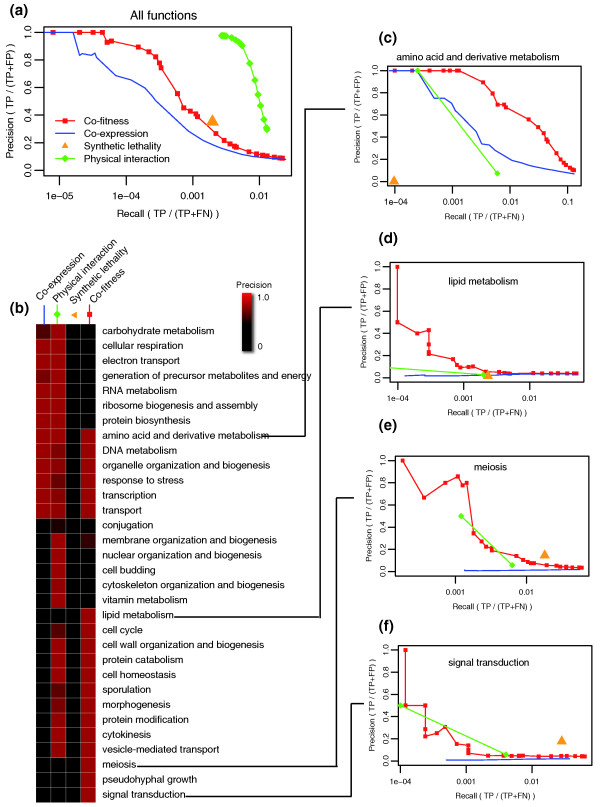
“We first showed that, overall, co-fitness data identify gene function better than co-expression data but not as well as the physical interaction dataset when compared to a gold standard [13].”
BackgroundMethodInfluentialAn integrated platform of genomic assays reveals small-molecule bioactivities
Hoon, S. S., Smith, A. M., Wallace, I. M., Suresh, S., Miranda, M., Fung, E., Proctor, M. J., Shokat, K. M., Zhang, C., Davis, R. W., et al. (2008) · Nature Chemical Biology · doi:10.1038/nchembio.100 · Cited by 201 · cited 3×
“This rationale has been used with success in a study of 188 compounds [23].”
BackgroundMethodSelf-citationSAR Index: Quantifying the Nature of Structure−Activity Relationships
Peltason, L., & Bajorath, J. (2007) · Journal of Medicinal Chemistry · doi:10.1021/jm0705713 · Cited by 201 · cited 1×
“This finding can be attributed to structurally diverse compounds that inhibit different proteins within the same pathway, or to different compound structures that inhibit the same target [ 45 ,46].”
BackgroundGenome-Wide Requirements for Resistance to Functionally Distinct DNA-Damaging Agents
Lee, W., St.Onge, R. P., Proctor, M. J., Flaherty, P., Jordan, M. I., Arkin, A. P., Davis, R. W., Nislow, C., & Giaever, G. N. (2005) · PLoS Genetics · doi:10.1371/journal.pgen.0010024 · Cited by 164 · cited 1×
“In this way, fitness data allow identification of the potential drug target [3,4,10].”
BackgroundSelf-citationBackup without redundancy: genetic interactions reveal the cost of duplicate gene loss
Ihmels, J., Collins, S. R., Schuldiner, M., Krogan, N. J., & Weissman, J. S. (2007) · Molecular Systems Biology · doi:10.1038/msb4100127 · Cited by 152 · cited 2×
“This finding supports the hypothesis of partial, rather than strict, redundancy [35].”
ResultRollema, H., Skolnik, M., d’Engelbronner, J. C., Igarashi, K., Usuki, E., & Castagnoli, N. (1994) · Journal of Pharmacology and Experimental Therapeutics · doi:10.1016/s0022-3565(25)38487-9 · Cited by 123 · cited 1×
“This COX alteration has been shown to be linked to clozapine's side effects [66,67].”
BackgroundThe extensive and condition-dependent nature of epistasis among whole-genome duplicates in yeastPreprint
Musso, G. A., Costanzo, M., Huangfu, M., Smith, A. M., Paw, J., Luis, B.-J. S., Boone, C. M., Giaever, G. N., Nislow, C., Emili, A., et al. (2008) · Genome Research · doi:10.1101/gr.076174.108 · Cited by 122 · cited 1×
“Consistent with other recent studies [35, 36 ], our finding supports models that posit that such genes are partially redundant, with deletion of either duplicate resulting in a similar (that is, co-fit) phenotype.”
ResultSelf-citationA Genome-Wide Overexpression Screen in Yeast for Small-Molecule Target Identification
Luesch, H., Wu, T. Y.-H., Ren, P., Gray, N. S., Schultz, P. G., & Supek, F. (2005) · Chemistry & Biology · doi:10.1016/j.chembiol.2004.10.015 · Cited by 112 · cited 1×
“Finally, over-expression profiling is an approach to drug target identification that relies on the concept that overexpression of a drug target should confer resistance to a compound [21-23].”
BackgroundA Complex-based Reconstruction of the Saccharomyces cerevisiae Interactome
Wang, H., Kakaradov, B., Collins, S. R., Karotki, L., Fiedler, D., Shales, M., Shokat, K. M., Walther, T. C., Krogan, N. J., & Koller, D. (2009) · Molecular & Cellular Proteomics · doi:10.1074/mcp.m800490-mcp200 · Cited by 108 · cited 2×
“Recent analyses [14,15] show that proteins that are essential in rich medium tend to cluster into complexes, suggesting that essentiality is, to a large extent, a property of the entire complex.”
BackgroundSelf-citationLipschutz, J. H., Lingappa, V. R., & Mostov, K. E. (2003) · Journal of Biological Chemistry · doi:10.1074/jbc.m213210200 · Cited by 99 · cited 1×
“The mammalian homolog is essential for development and participates in multiple biological processes, including vesicle targeting to the plasma membrane, protein translation, and filopodia extension [62,63].”
BackgroundGENOME-WIDE RESPONSES TO DNA-DAMAGING AGENTS
Fry, R. C., Begley, T. J., & Samson, L. D. (2005) · Annual Review of Microbiology · doi:10.1146/annurev.micro.59.031805.133658 · Cited by 94 · cited 2×
“Yeast competitive fitness data constitute a unique, genome-wide assay of the cellular response to environmental and chemical perturbations [ 1-8 ].”
BackgroundOff-Target Effects of Psychoactive Drugs Revealed by Genome-Wide Assays in Yeast
Ericson, E., Gebbia, M., Heisler, L. E., Wildenhain, J., Tyers, M., Giaever, G., & Nislow, C. (2008) · PLoS Genetics · doi:10.1371/journal.pgen.1000151 · Cited by 89 · cited 1×
“Because their neurological targets do not exist in yeast, the sensitivity we observe is likely a result of these compounds affecting additional cellular targets in yeast [44]; these 'secondary' targets, if conserved, may correspond to additional targets of these compounds in human cells.”
BackgroundSelf-citationDimster-Denk, D., Rine, J., Phillips, J., Scherer, S., Cundiff, P., DeBord, K. L., Gilliland, D., Hickman, S., Jarvis, A., Tong, L., et al. (1999) · Journal of Lipid Research · doi:10.1016/s0022-2275(20)32120-9 · Cited by 84
The Mammalian Exocyst, a Complex Required for Exocytosis, Inhibits Tubulin Polymerization
Wang, S., Liu, Y., Adamson, C. L., Valdez, G., Guo, W., & Hsu, S. C. (2004) · Journal of Biological Chemistry · doi:10.1074/jbc.m313778200 · Cited by 68 · cited 2×
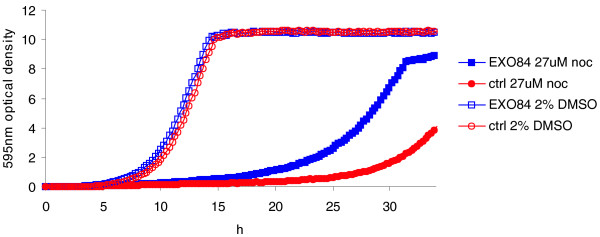
“It is known that the microtubule-depolymerizer nocodazole distorts the filamentous localization of Exo84 in cultured mammalian cells [64].”
Backgroundanatomical therapeutic chemical classification system (ATC)
Nahler, G. (2009) · Dictionary of Pharmaceutical Medicine · doi:10.1007/978-3-211-89836-9_64 · Cited by 67
Chemical genomic profiling to identify intracellular targets of a multiplex kinase inhibitor
Kung, C. K.-H., Kenski, D. M., Dickerson, S. H., Howson, R. W., Kuyper, L. F., Madhani, H. D., & Shokat, K. M. (2005) · Proceedings of the National Academy of Sciences · doi:10.1073/pnas.0407170102 · Cited by 61 · cited 1×
“For example, one class of methods [19,20] searches for similarity of RNA expression profiles after drug exposure to profiles resulting from a conditional or complete gene deletion.”
BackgroundKontoyiannis, D. P., Sagar, N., & Hirschi, K. D. (1999) · Antimicrobial Agents and Chemotherapy · doi:10.1128/aac.43.11.2798 · Cited by 58
Nagamine, N., Shirakawa, T., Minato, Y., Torii, K., Kobayashi, H., Imoto, M., & Sakakibara, Y. (2009) · PLoS Computational Biology · doi:10.1371/journal.pcbi.1000397 · Cited by 58 · cited 1×
“Other computational methods utilize protein sequence rather than chemical structure, but these methods are only applicable to individual proteins or a small subset of proteins that possess a high degree of similarity [58-60].”
MethodThe First Two Cantharidin Analogues Displaying PP1 Selectivity
McCluskey, A., Keane, M. A., Walkom, C., Bowyer, M. C., Sim, A. T. R., Young, D. J., & Sakoff, J. A. (2002) · Bioorganic & Medicinal Chemistry Letters · doi:10.1016/s0960-894x(01)00777-6 · Cited by 56 · cited 1×
“[23] and others in the literature [23,51,52], we find that 5 of our 12 top compound-target predictions were validated (Supplementary Table 1 in Additional file 1).”
BackgroundYokoyama, H., Kasai, N., Ueda, Y., Ryuji, N. I. W. A., Konaka, R., Mori, N., Tsuchihashi, N., Matsue, T., Ohya‐Nishiguchi, H., & Kamada, H. (1998) · Free Radical Biology and Medicine · doi:10.1016/s0891-5849(97)00435-8 · Cited by 46 · cited 1×
“This COX alteration has been shown to be linked to clozapine's side effects [66,67].”
BackgroundPrince, J. A., Yassin, M. S., & Oreland, L. (1998) · European Neuropsychopharmacology · doi:10.1016/s0924-977x(97)00036-9 · Cited by 31 · cited 1×
“thought to be neurotransmitter receptors, but the drug also alters cytochome C oxidase (COX) activity through an unknown mechanism [65].”
BackgroundWulf, P. D., Brambilla, L., Vanoni, M., Porro, D., & Alberghina, L. (2000) · Journal of Microbiological Methods · doi:10.1016/s0167-7012(00)00176-7 · Cited by 23 · cited 1×
“The fact that signal transduction is predicted relatively well by co-fitness, for example, may be explained by the fact that signal transduction is often a rapid response occurring on the order of milliseconds, a time frame too short to allow expression and translation of required proteins [53,54].”
BackgroundChen, X. J. (2001) · Journal of Bacteriology · doi:10.1128/jb.183.13.3939-3948.2001 · Cited by 22 · cited 1×
“Combining our overexpression rescue results with those of Hoon et al. [23] and others in the literature [23, 51 ,52], we find that 5 of our 12 top compound-target predictions were validated (Supplementary Table 1 in Additional file 1). For the purposes of comparison, Hoon et al. [23] found overexpression resistance fo…”
ResultPache, R. A., Babu, M. M., & Aloy, P. (2009) · BMC Systems Biology · doi:10.1186/1752-0509-3-74 · Cited by 17
Cited by
Sorted by citations
Mutant phenotypes for thousands of bacterial genes of unknown function
Price, M. N., Wetmore, K. M., Waters, R. J., Callaghan, M., Ray, J., Liu, H., Kuehl, J. V., Melnyk, R. A., Lamson, J. S., Suh, Y., et al. (2018) · Nature · doi:10.1038/s41586-018-0124-0 · Cited by 576
Wetmore, K. M., Price, M. N., Waters, R. J., Lamson, J. S., He, J., Hoover, C. A., Blow, M. J., Bristow, J. D., Butland, G. P., Arkin, A. P., et al. (2015) · mBio · doi:10.1128/mbio.00306-15 · Cited by 480
“cerevisiae (16, 17) and hundreds have been performed in the bacteria Shewanella oneidensis MR-1 and Zymomonas mobilis ZM4 (1), far more than have been done with TnSeq approaches to date.”
BackgroundData mining in the Life Sciences with Random Forest: a walk in the park or lost in the jungle?
Touw, W. G., Bayjanov, J. R., Overmars, L., Backus, L., Boekhorst, J., Wels, M., & van Hijum, S. A. F. T. (2012) · Briefings in Bioinformatics · doi:10.1093/bib/bbs034 · Cited by 463
Combining Drug and Gene Similarity Measures for Drug-Target Elucidation
Perlman, L., Gottlieb, A., Atias, N., Ruppin, E., & Sharan, R. (2011) · Journal of Computational Biology · doi:10.1089/cmb.2010.0213 · Cited by 218
“Last, a recent approach used information on compound-induced fitness defects of yeast deletion strains to predict drug-targets in S. cerevisiae (Hillenmeyer et al., 2010).”
Schwarzmüller, T., Ma, B., Hiller, E., Istel, F., Tscherner, M., Brunke, S., Ames, L., Firon, A., Green, B., Cabral, V., et al. (2014) · PLoS Pathogens · doi:10.1371/journal.ppat.1004211 · Cited by 191
“These approaches also unraveled stress response mechanisms and provided new insights into drug susceptibility and morphogenesis [42–49].”
Background
Metadata
- Authors
- Hillenmeyer, M. E., Ericson, E., Davis, R. W., Nislow, C., Koller, D., & Giaever, G.
- Affiliations
- Stanford University (US)
- University of Toronto (CA)
- Corresponding author
- Koller, Daphne
- Giaever, Guri
- Venue
- Genome Biology
- Published
- 2010-03-12
- Volume
- 11
- Issue
- 3
- Pages
- R30-R30
- ISSN
- 1465-6906 (ISSN-L)
- 1474-760X
- PMC
- PMC2864570
- OpenAlex
- W2121907028
- Cited by
- 112
- References
- 76
- Citations by year
- 2026: 2 · 2025: 1 · 2024: 4 · 2023: 3 · 2022: 9 · 2021: 4 · 2020: 5 · 2019: 3 · 2018: 5 · 2017: 1 · 2016: 8 · 2015: 10 · 2014: 11 · 2013: 13 · 2012: 17
- FWCI
- 5.87
- Type
- journal article
- Language
- en
- Open access
- gold
- doi.org
- Locations
- Genome biology (publishedVersion, cc-by)
- PubMed Central (publishedVersion, cc-by)
- PubMed (publishedVersion)
- TSpace (University of Toronto) (submittedVersion)
- Funders
- National Science Foundation (0345474)
- University of Toronto
- Canadian Institutes of Health Research (81340, (MO)P-81340, 84305)
- National Human Genome Research Institute
- Topics
- Life Sciences › Biochemistry, Genetics and Molecular Biology › Molecular Biology › Fungal and yeast genetics research
- Life Sciences › Pharmacology, Toxicology and Pharmaceutics › Drug Discovery › Computational Drug Discovery Methods
- Life Sciences › Biochemistry, Genetics and Molecular Biology › Molecular Biology › Bioinformatics and Genomic Networks
- Keywords
- gene fitness, drug inhibition, CO inhibition, Saccharomyces cerevisiae, gene function prediction, drug target prediction
- MeSH terms
- Copper Transport Proteins, Algorithms, Clozapine, Genes, Fungal, Membrane Proteins, Saccharomyces cerevisiae, Structure-Activity Relationship, Nocodazole, Drug Delivery Systems, Genome, Fungal, Gene Deletion, Molecular Chaperones, Genomics, Drug Resistance, Fungal, Cation Transport Proteins, Saccharomyces cerevisiae Proteins, Systems Biology, Genetic Fitness
About these checks
Registry, retraction, Cites and statistics results are computed, not judged, with one exception: a printed reference that no index lists is read once by a model before it counts as a citation error. Claims are extracted by a model and kept only when their quote appears verbatim in the text; each cited source is then checked, with a model’s help, for whether it says what the claim relies on. Those verdicts can be wrong — read the claim’s quote and the cited source before relying on one.
Statistics and arithmetic are recomputed, not judged.
Confidence bands are shown only for fields calibrated on our annotated test set. None is calibrated yet, so no band is shown.
What counts as a claim ›How we measure confidence ›How we check this ›
Are you an author, or do you see a problem with this page? Request a review
