

The DOI matches its Crossref record; 75 of the 76 references it cites were found in a registry or an index.
Systematic analysis of genome-wide fitness data in yeast reveals novel gene function and drug action
Open accessAbstract
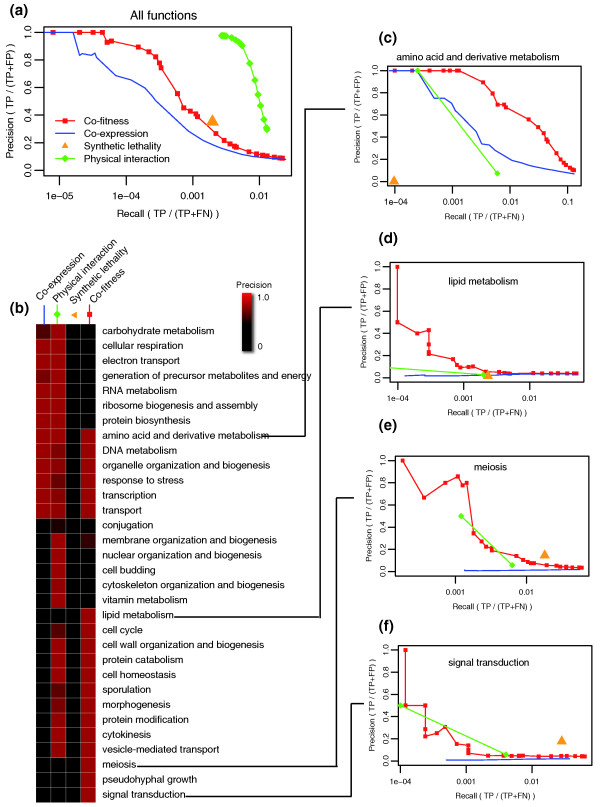
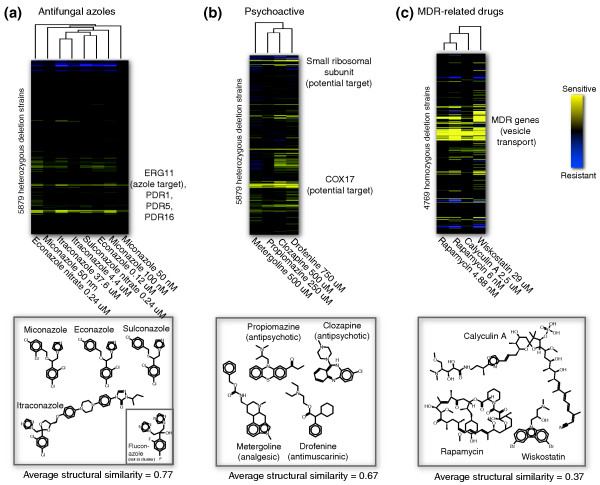
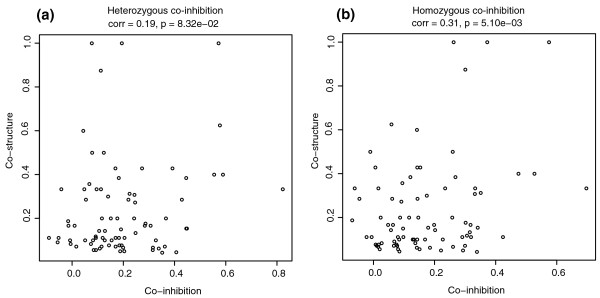
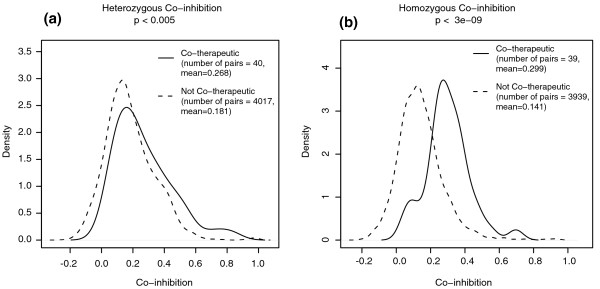
We systematically analyzed the relationships between gene fitness profiles (co-fitness) and drug inhibition profiles (co-inhibition) from several hundred chemogenomic screens in yeast. Co-fitness predicted gene functions distinct from those derived from other assays and identified conditionally dependent protein complexes. Co-inhibitory compounds were weakly correlated by structure and therapeutic class. We developed an algorithm predicting protein targets of chemical compounds and verified its accuracy with experimental testing. Fitness data provide a novel, systems-level perspective on the cell.
Overview
The claims and statistics of this paper haven’t been checked yet.
Run the check — free, no account needed. It reads the open-access text and checks the sources it cites.
Integrity signals
Registry
Cites
Statistics
Figures
Verification
Claims the paper makes
The claims and statistics of this paper haven’t been checked yet.
Run the check — free, no account needed. It reads the open-access text and checks the sources it cites.
Claims other papers make about this one
Each is checked against this paper’s own text: does it say what the citing paper says it does?
In the citing paper
“For example, following this approach, the molecular target of psychoactive drugs, such as drofenine, clozapine, propiomazine, and metergoline, were suggested to be small ribosomal subunit and cytochrome c oxidase (COX17), the terminal component of the mitochondrial respiratory chain [17].”
From Antimicrobial Properties of Antidepressants and Antipsychotics—Possibilities and Implications (2021) · cites this paper as [17]
In the citing paper
“Hillenmeyer et al. reported that, in the same microbe, the small ribosomal subunit and cytochrome c oxidase are the targets of psychoactive drugs [17].”
From Antimicrobial Properties of Antidepressants and Antipsychotics—Possibilities and Implications (2021) · cites this paper as [17]
Self-check
Percentages, sums and reported differences re-computed from the paper’s own numbers.
The self-check needs the paper’s full text.
Citations
Cites
Data mining: concepts and techniques
Sharma, R., Shah, K., Shirahatti, Y., Patel, S., Sharma, R., Shah, K., Patel, S., Sharma, R., & Han, J. (2012) · Choice Reviews Online · doi:10.5860/choice.49-3305 · Cited by 28,665
Sherman, F., Fink, G. R., & Hicks, J. B. (1979) · Cold Spring Harbor Laboratory eBooks · Cited by 7,430
Lamb, J., Crawford, E. D., Peck, D., Modell, J. W., Blat, I. C., Wrobel, M. J., Lerner, J., Brunet, J.-P., Subramanian, A., Ross, K. N., et al. (2006) · Science · doi:10.1126/science.1132939 · Cited by 5,257 · cited 1×
“For example, one such approach [17] looks for similarities in gene expression profiles in response to the drug; whereas another [18] looks for similarities in side effects.”
BackgroundGenomic Expression Programs in the Response of Yeast Cells to Environmental Changes
Gasch, A. P., Spellman, P. T., Kao, C. M., Carmel-Harel, O., Eisen, M. B., Storz, G., Botstein, D., & Brown, P. O. (2000) · Molecular Biology of the Cell · doi:10.1091/mbc.11.12.4241 · Cited by 4,815 · cited 1×
“Functional prediction performance was compared using several types of functional yeast assays: co-fitness; a unified protein-protein interaction network [25] derived from two large-scale affinity precipitation studies [26,27]; synthetic lethality [28]; and co-expression over three microarray gene expression studies [2…”
MethodSpellman, P. T., Sherlock, G. J., Zhang, M. Q., Iyer, V. R., Anders, K. R., Eisen, M. B., Brown, P. O., Botstein, D., & Futcher, B. (1998) · Molecular Biology of the Cell · doi:10.1091/mbc.9.12.3273 · Cited by 4,724 · cited 1×
“Functional prediction performance was compared using several types of functional yeast assays: co-fitness; a unified protein-protein interaction network [25] derived from two large-scale affinity precipitation studies [26,27]; synthetic lethality [28]; and co-expression over three microarray gene expression studies […”
MethodFunctional profiling of the Saccharomyces cerevisiae genome
Giaever, G., Chu, A. M., Ni, L., Connelly, C., Riles, L., Véronneau, S., Dow, S., Lucau-Danila, A., Anderson, K., André, B., et al. (2002) · Nature · doi:10.1038/nature00935 · Cited by 4,316 · cited 1×
“Phenotype in rich medium (one feature) In the absence of drug, if the homozygous deletion strain gi initially showed no phenotype relative to wild type [9,78], the target cannot be identified by the heterozygous deletion assay as this assay is dependent on diminished 'functional dosage' of the drug target based on gro…”
BackgroundSelf-citationData Mining: Concepts and Techniques
Thamaraiselvi, G., & Kaliammal, A. (2014) · Journal of Information and Knowledge · Cited by 4,088
Functional Characterization of the S. cerevisiae Genome by Gene Deletion and Parallel Analysis
Winzeler, E. A., Shoemaker, D. D., Astromoff, A., Liang, H., Anderson, K., Andre, B., Bangham, R., Benito, R., Boeke, J. D., Bussey, H., et al. (1999) · Science · doi:10.1126/science.285.5429.901 · Cited by 3,953 · cited 3×
“coli and used to transform the BY4743 wild-type strain (MATa/α his3Δ 1/ his3Δ 1 leu2Δ 0/leu2Δ 0 lys2Δ 0/LYS2 MET15/met15Δ 0 ura3Δ 0/ura3Δ 0) lacking the KanMX-marker [71].”
BackgroundInfluentialSelf-citationGlobal landscape of protein complexes in the yeast Saccharomyces cerevisiae
Krogan, N. J., Cagney, G., Yu, H., Zhong, G., Guo, X., Ignatchenko, A., Li, J., Pu, S., Datta, N., Tikuisis, A., et al. (2006) · Nature · doi:10.1038/nature04670 · Cited by 2,969 · cited 1×
“Functional prediction performance was compared using several types of functional yeast assays: co-fitness; a unified protein-protein interaction network [25] derived from two large-scale affinity precipitation studies [26,27]; synthetic lethality [28]; and co-expression over three microarray gene expression studies [2…”
Method(2004) · Choice Reviews Online · doi:10.5860/choice.42-1645 · Cited by 2,928
Cited by
Sorted by citations
Mutant phenotypes for thousands of bacterial genes of unknown function
Price, M. N., Wetmore, K. M., Waters, R. J., Callaghan, M., Ray, J., Liu, H., Kuehl, J. V., Melnyk, R. A., Lamson, J. S., Suh, Y., et al. (2018) · Nature · doi:10.1038/s41586-018-0124-0 · Cited by 576
Wetmore, K. M., Price, M. N., Waters, R. J., Lamson, J. S., He, J., Hoover, C. A., Blow, M. J., Bristow, J. D., Butland, G. P., Arkin, A. P., et al. (2015) · mBio · doi:10.1128/mbio.00306-15 · Cited by 480
“cerevisiae (16, 17) and hundreds have been performed in the bacteria Shewanella oneidensis MR-1 and Zymomonas mobilis ZM4 (1), far more than have been done with TnSeq approaches to date.”
BackgroundData mining in the Life Sciences with Random Forest: a walk in the park or lost in the jungle?
Touw, W. G., Bayjanov, J. R., Overmars, L., Backus, L., Boekhorst, J., Wels, M., & van Hijum, S. A. F. T. (2012) · Briefings in Bioinformatics · doi:10.1093/bib/bbs034 · Cited by 463
Combining Drug and Gene Similarity Measures for Drug-Target Elucidation
Perlman, L., Gottlieb, A., Atias, N., Ruppin, E., & Sharan, R. (2011) · Journal of Computational Biology · doi:10.1089/cmb.2010.0213 · Cited by 218
“Last, a recent approach used information on compound-induced fitness defects of yeast deletion strains to predict drug-targets in S. cerevisiae (Hillenmeyer et al., 2010).”
Schwarzmüller, T., Ma, B., Hiller, E., Istel, F., Tscherner, M., Brunke, S., Ames, L., Firon, A., Green, B., Cabral, V., et al. (2014) · PLoS Pathogens · doi:10.1371/journal.ppat.1004211 · Cited by 191
“These approaches also unraveled stress response mechanisms and provided new insights into drug susceptibility and morphogenesis [42–49].”
BackgroundA gene ontology inferred from molecular networks
Dutkowski, J., Kramer, M., Surma, M. A., Balakrishnan, R., Cherry, J. M., Krogan, N. J., & Ideker, T. (2013) · Nature Biotechnology · doi:10.1038/nbt.2463 · Cited by 184
Cross‐species chemogenomic profiling reveals evolutionarily conserved drug mode of action
Kapitzky, L., Beltrão, P., Berens, T. J., Gassner, N. C., Zhou, C., Wüster, A., Wu, J. T.-Y., Babu, M. M., Elledge, S. J., Toczyski, D. P., et al. (2010) · Molecular Systems Biology · doi:10.1038/msb.2010.107 · Cited by 166
“Additionally, comparing drug profiles makes it possible to infer the MoA of a drug of interest by the similarity of its chemogenomic profile to profiles of drugs with known MoA (Hillenmeyer et al, 2008, 2010).”
BackgroundHoepfner, D., Helliwell, S. B., Sadlish, H., Schuierer, S., Filipuzzi, I., Brachat, S., Bhullar, B., Plikat, U., Abraham, Y., Altorfer, M., et al. (2014) · Microbiological Research · doi:10.1016/j.micres.2013.11.004 · Cited by 166
Liu, H., Shiver, A. L., Price, M. N., Carlson, H. K., Trotter, V. V., Chen, Y., Escalante, V., Ray, J., Hern, K. E., Petzold, C. J., et al. (2021) · Cell Reports · doi:10.1016/j.celrep.2021.108789 · Cited by 157
“The development of large, multi-condition gene-phenotype datasets has proven useful for inferring gene function in a broad range of organisms (Deutschbauer et al., 2011; Hillenmeyer et al., 2010; Nichols et al., 2011), although this approach has not been applied to gut commensals.”
Functional genomics of lipid metabolism in the oleaginous yeast Rhodosporidium toruloides
Coradetti, S. T., Pinel, D., Geiselman, G. M., Ito, M., Mondo, S. J., Reilly, M. C., Cheng, Y.-F., Bauer, Š., Grigoriev, I. V., Gladden, J. M., et al. (2018) · eLife · doi:10.7554/elife.32110 · Cited by 138
Mitochondrial Electron Transport Is the Cellular Target of the Oncology Drug Elesclomol
Blackman, R. K., Cheung-Ong, K., Gebbia, M., Proia, D. A., He, S., Kepros, J., Jonneaux, A., Marchetti, P., Kluza, J., Rao, P. E., et al. (2012) · PLoS ONE · doi:10.1371/journal.pone.0029798 · Cited by 140
Self-citationDeutschbauer, A. M., Price, M. N., Wetmore, K. M., Shao, W., Baumohl, J. K., Xu, Z., Nguyen, M., Kuehn, R., Davis, R. W., & Arkin, A. P. (2011) · PLoS Genetics · doi:10.1371/journal.pgen.1002385 · Cited by 117
“By correlating genes with their phenotypes, a specific gene function can often be inferred [7,8,9,10].”
BackgroundSelf-citationMetabolomics Response for Drought Stress Tolerance in Chinese Wheat Genotypes (Triticum aestivum)
Guo, X., Xin, Z., Yang, T., Ma, X., Zhang, Y., Wang, Z., Ren, Y., & Lin, T. (2020) · Plants · doi:10.3390/plants9040520 · Cited by 114
Dissecting a complex chemical stress: chemogenomic profiling of plant hydrolysates
Skerker, J. M., Leon, D., Price, M. N., Mar, J. S., Tarjan, D. R., Wetmore, K. M., Deutschbauer, A. M., Baumohl, J. K., Bauer, Š., Ibáñez, A. B., et al. (2013) · Molecular Systems Biology · doi:10.1038/msb.2013.30 · Cited by 104
A mammalian functional-genetic approach to characterizing cancer therapeutics
Jiang, H., Pritchard, J. R., Williams, R. T., Lauffenburger, D. A., & Hemann, M. T. (2010) · Nature Chemical Biology · doi:10.1038/nchembio.503 · Cited by 104
“In this approach, bar-coded yeast deletion strains are exposed to select agents, and genotype-dependent drug sensitivity is used to identify genes and pathways affected by a given drug, as well as to develop a response signature that can be compared with other chemical or genetic perturbation”
Li, M., Xu, J., Wang, X., Fu, H., Zhao, M., Wang, H., & Shi, L. (2018) · Journal of Plant Physiology · doi:10.1016/j.jplph.2018.07.009 · Cited by 104
High-resolution network biology: connecting sequence with function
Ryan, C. J., Cimermančič, P., Szpiech, Z. A., Šali, A., Hernandez, R. D., & Krogan, N. J. (2013) · Nature Reviews Genetics · doi:10.1038/nrg3574 · Cited by 98
“Similarly, others have integrated protein complexes with chemogenetic interactions to identify conditionally essential complexes 62 (the members of which all show negative interactions with a particular drug), which suggests that the function of the entire complex is required in the presence of…”
Cohesin Proteins Promote Ribosomal RNA Production and Protein Translation in Yeast and Human Cells
Bose, T., Lee, K. K., Lu, S., Xu, B., Harris, B. D., Slaughter, B. D., Unruh, J. R., Garrett, A. S., McDowell, W., Box, A., et al. (2012) · PLoS Genetics · doi:10.1371/journal.pgen.1002749 · Cited by 97
“Growth curves were collected in triplicate for each genotype at time intervals of 15 min. We used a Tecan Infinite M200 Pro machine. Due to the non-linearity between optical density (OD) and cell number at higher cell densities, the measured Tecan ODs were converted to ‘real’ ODs using the calibration function ‘real O…”
MethodInfluentialHigh-Throughput Identification of Adaptive Mutations in Experimentally Evolved Yeast Populations
Payen, C., Sunshine, A. B., Ong, G. T., Pogachar, J. L., Zhao, W. D., & Dunham, M. J. (2016) · PLoS Genetics · doi:10.1371/journal.pgen.1006339 · Cited by 87
Predicting Adverse Drug Reactions Using Publicly Available PubChem BioAssay Data
Pouliot, Y., Chiang, A. P.-F., & Butte, A. J. (2011) · Clinical Pharmacology & Therapeutics · doi:10.1038/clpt.2011.81 · Cited by 80
Combining functional genomics and chemical biology to identify targets of bioactive compounds
Ho, C. H., Piotrowski, J., Dixon, S. J., Baryshnikova, A., Costanzo, M., & Boone, C. (2011) · Current Opinion in Chemical Biology · doi:10.1016/j.cbpa.2010.10.023 · Cited by 78
“As described above, drug-sensitive mutants often belong to pathways or complexes that function in parallel to the target of a specific compound [14,21,25,32].”
BackgroundFunctional genomics to uncover drug mechanism of action
Nijman, S. M. B. (2015) · Nature Chemical Biology · doi:10.1038/nchembio.1963 · Cited by 75
Metabolomics Response to Drought Stress in Morus alba L. Variety Yu-711
Ackah, M., Shi, Y., Wu, M., Wang, L., Peng, G., Guo, L., Xin, J., Li, S., Zhang, Q., Qiu, C., et al. (2021) · Plants · doi:10.3390/plants10081636 · Cited by 70
“Metabolomics has primarily focused on the organic molecular compounds (metabolites) found in or formed by organisms, tissues, and cells [23,24].”
BackgroundExtensive heterosis in growth of yeast hybrids is explained by a combination of genetic models
Shapira, R., Levy, T., Shaked, S., Fridman, E., & David, L. (2014) · Heredity · doi:10.1038/hdy.2014.33 · Cited by 70
Analysis of Chemical and Biological Features Yields Mechanistic Insights into Drug Side Effects
Duran‐Frigola, M., & Aloy, P. (2013) · Chemistry & Biology · doi:10.1016/j.chembiol.2013.03.017 · Cited by 53
“This assumption has permitted to relate targets showing similar pharmacological profiles (Garcia-Serna et al., 2010; Keiser et al., 2007; Mestres et al., 2006) into clusters of seemingly disparate proteins, providing new insights into the function of the targets (Hillenmeyer et al., 2010).”
BackgroundThe genetic control of growth rate: a systems biology study in yeast
Pir, P., Gutteridge, A., Wu, J., Rash, B. M., Kell, D. B., Zhang, N., & Oliver, S. G. (2012) · BMC Systems Biology · doi:10.1186/1752-0509-6-4 · Cited by 58
“Some of these pools have also been screened for haploinsufficiency when treated with drugs and sets of genes with drug sensitivity and resistance have been identified ([36-38]).”
BackgroundYeast as a model system for studying lipid homeostasis and function
Santos, A. X. S., & Riezman, H. (2012) · FEBS Letters · doi:10.1016/j.febslet.2012.07.033 · Cited by 56
“Chemical genomics is also a valuable approach to study the mechanism of action of bioactive chemicals that may have human therapeutic significance [121,128].”
BackgroundUthman, S., Bär, C., Scheidt, V., Liu, S., ten Have, S., Giorgini, F., Stark, M. J. R., & Schaffrath, R. (2013) · PLoS Genetics · doi:10.1371/journal.pgen.1003334 · Cited by 56
“exploit yeast genome-wide genetic interaction and chemical genomics databases [43,44] to demonstrate that YLR143w (DPH6) and YBR246W (DPH7) cluster tightly with all known members of the diphthamide gene network.”
BackgroundMethodAntimicrobial Properties of Antidepressants and Antipsychotics—Possibilities and Implications
Caldara, M., & Marmiroli, N. (2021) · Pharmaceuticals · doi:10.3390/ph14090915 · Cited by 54
“For example, following this approach, the molecular target of psychoactive drugs, such as drofenine, clozapine, propiomazine, and metergoline, were suggested to be small ribosomal subunit and cytochrome c oxidase (COX17), the terminal component of the mitochondrial respiratory chain [17].”
BackgroundInfluentialTowards an Informative Mutant Phenotype for Every Bacterial Gene
Deutschbauer, A. M., Price, M. N., Wetmore, K. M., Tarjan, D. R., Xu, Z., Shao, W., Leon, D., Arkin, A. P., & Skerker, J. M. (2014) · Journal of Bacteriology · doi:10.1128/jb.01836-14 · Cited by 52
Zhang, Y., Ma, X., Wang, X., Liu, J., Huang, B., Guo, X., Xiong, S.-P., & La, G. (2016) · Plant Physiology and Biochemistry · doi:10.1016/j.plaphy.2016.11.009 · Cited by 52
Mast, F. D., Ratushny, A. V., & Aitchison, J. D. (2014) · The Journal of Cell Biology · doi:10.1083/jcb.201405027 · Cited by 52
“Structural, biochemical, and genetic evidence has revealed a modular NPC with eightfold symmetry (Alber et al., 2007; Hoelz et al., 2011).”
BackgroundMitochondrial Targets for Pharmacological Intervention in Human Disease
Malty, R. H., Jessulat, M., Jin, K., Musso, G. A., Vlasblom, J., Phanse, S., Zhang, Z., & Babu, M. (2014) · Journal of Proteome Research · doi:10.1021/pr500813f · Cited by 45
All or Nothing: Protein Complexes Flip Essentiality between Distantly Related Eukaryotes
Ryan, C. J., Krogan, N. J., Cunningham, P., & Cagney, G. (2013) · Genome Biology and Evolution · doi:10.1093/gbe/evt074 · Cited by 34
“…interactions (Segrè et al. 2005; Bandyopadhyay et al. 2008; Michaut et al. 2011), to display sensitivity to the same drugs (Fraser and Plotkin 2007; Hillenmeyer et al. 2010; Kapitzky et al. 2010), and to be associated with the same disease (Fraser and Plotkin 2007; Lage et al. 2007; Oti and…”
BackgroundNew Genes Involved in Osmotic Stress Tolerance in Saccharomyces cerevisiae
Gonzalez, R., Morales, P., Tronchoni, J., Cordero-Bueso, G. A., Vaudano, E. T., Quirós, M., Novo, M., Torres‐Pérez, R., & Valero, E. (2016) · Frontiers in Microbiology · doi:10.3389/fmicb.2016.01545 · Cited by 35
“Also, sorbitol 1M was used as one of the stress conditions in quantitative fitness analysis experiments, based on microarray technology (Hillenmeyer et al., 2010).”
MethodBlaby, I. K., Phillips, G., Blaby, C., Gulig, K. S., Yacoubi, B. E., & de Crécy‐Lagard, V. (2010) · Archaea · doi:10.1155/2010/426239 · Cited by 35
High-content screening of yeast mutant libraries by shotgun lipidomics
Tarassov, K., Stefanko, A., Casanovas, A., Surma, M. A., Berzina, Z., Hannibal‐Bach, H. K., Ekroos, K., & Ejsing, C. S. (2014) · Molecular BioSystems · doi:10.1039/c3mb70599d · Cited by 33
Chemogenomic approach identified yeast YLR143W as diphthamide synthetase
Su, X., Lin, Z., Chen, W., Jiang, H., Zhang, S., & Lin, H. (2012) · Proceedings of the National Academy of Sciences · doi:10.1073/pnas.1214346109 · Cited by 26
“The similarity of growth fitness under various conditions between any two different deletion strains has been calculated as the cofitness (15, 16).”
BackgroundProfiling of the effects of antifungal agents on yeast cells based on morphometric analysis
Gebre, A. A., Okada, H., Kim, C., Kubo, K., Ohnuki, S., & Ohya, Y. (2015) · FEMS Yeast Research · doi:10.1093/femsyr/fov040 · Cited by 25
From beer to breadboards: yeast as a force for biological innovation
Gaikani, H. K., Stolar, M., Kriti, D., Nislow, C., & Giaever, G. N. (2024) · Genome biology · doi:10.1186/s13059-023-03156-9 · Cited by 29
“HIP − HOP has been successfully used to identify the target of known and novel compounds [10, 106–109].”
MethodSelf-citationCalcineurin-dependent contributions to fitness in the opportunistic pathogen Candida glabrata
Pavesic, M. W., Gale, A. N., Nickels, T. J., Harrington, A. A., Bussey, M., & Cunningham, K. W. (2024) · mSphere · doi:10.1128/msphere.00554-23 · Cited by 22
Ong, W. K., Courtney, D. K., Pan, S., Andrade, R. B., Kiley, P. J., Pfleger, B. F., & Reed, J. L. (2020) · PLoS Computational Biology · doi:10.1371/journal.pcbi.1008137 · Cited by 14
de Crécy‐Lagard, V., Forouhar, F., Brochier‐Armanet, C., Tong, L., & Hunt, J. F. (2012) · Biology Direct · doi:10.1186/1745-6150-7-32 · Cited by 17
“Furthermore, in a recent complete analysis of relationships between gene fitness profiles (co-fitness) and drug inhibition profiles (co-inhibition) from several hundred chemogenomic screens in yeast [25,26] available at http://fitdb.”
BackgroundParallel Mapping of Antibiotic Resistance Alleles in Escherichia coli
Weiss, S. J., Mansell, T. J., Mortazavi, P., Knight, R. D., & Gill, R. T. (2016) · PLoS ONE · doi:10.1371/journal.pone.0146916 · Cited by 16
Simpkins, S. W., Nelson, J., Deshpande, R., Li, S. C., Piotrowski, J. S., Wilson, E. H., Gebre, A. A., Safizadeh, H., Okamoto, R., Yoshimura, M., et al. (2018) · PLoS Computational Biology · doi:10.1371/journal.pcbi.1006532 · Cited by 15
Chemogenomic profiling in yeast reveals antifungal mode-of-action of polyene macrolactam auroramycin
Wong, J. H., Alfatah, M., Kong, K. W., Hoon, S. S., Yeo, W. L., Ching, K. C., Goh, C. J. H., Zhang, M. M., Lim, Y. H., Wong, F. T., et al. (2019) · PLoS ONE · doi:10.1371/journal.pone.0218189 · Cited by 14
Inference of gene regulatory networks from genome-wide knockout fitness data
Wang, L., Wang, X., Arkin, A. P., & Samoilov, M. S. (2012) · Bioinformatics · doi:10.1093/bioinformatics/bts634 · Cited by 12
“Indeed, it has been shown that this type of data is very useful for the determination of target gene functions (Deutschbauer et al ., 2002, 2011; Hillenmeyer et al. , 2010; Pierce et al ., 2009; Steinmetz et al ., 2002).”
NetwoRx: connecting drugs to networks and phenotypes in Saccharomyces cerevisiae
Fortney, K., Xie, W., Kotlyar, M., Griesman, J., Kotseruba, Y., & Jurišica, I. (2012) · Nucleic Acids Research · doi:10.1093/nar/gks1106 · Cited by 12
“These analyses have included the unsupervised clustering of drug fitness profiles (growth responses) to identify groups of drugs that affect genes in the same way (11,12), and calculating gene co-fitness and using it to predict gene function (13).”
MethodGaponova, A. V., Deneka, A. Y., Beck, T. N., Liu, H., Andrianov, G., Nikonova, A. S., Nicolas, É., Einarson, M. B., Golemis, E. A., & Serebriiskii, I. G. (2016) · Oncotarget · doi:10.18632/oncotarget.13353 · Cited by 15
“To this end, we analyzed the distribution of the 286 selected candidate genes across co-fitness gene clusters that were based on a comprehensive chemogenomic study, which reported the overall profiles of growth of 4,769 homozygous yeast deletion strains [37] in 418 culture conditions, including treatment with FDA-appr…”
InfluentialAlfatah, M., Wong, J. H., Nge, C. E., Kong, K. W., Low, K. N., Leong, C. Y., Crasta, S. C., Madhaiyan, M., Chang, A. M. L., Hoon, S. S., et al. (2019) · Scientific Reports · doi:10.1038/s41598-018-35979-z · Cited by 12
Proposal for a new therapy for drug-resistant malaria using Plasmodium synthetic lethality inference
Lee, S. J., Seo, E., & Cho, Y. H. (2013) · International Journal for Parasitology Drugs and Drug Resistance · doi:10.1016/j.ijpddr.2013.06.001 · Cited by 11
“In this survey, the yeast chemogenomic assays were used to predict its therapeutic potential in malaria (Hillenmeyer et al., 2010).”
MethodSzabó, Z., Balogh, M., Domonkos, Á., Csányi, M., Kaló, P., & Kiss, G. B. (2023) · Theoretical and Applied Genetics · doi:10.1007/s00122-023-04340-y · Cited by 11
“Taking into account the abnormal mutant phenotypes one could conclude, that CYSTM proteins have a more general function than stress tolerance (Lee et al. 1995; Beilharz et al. 2003; Li et al. 2009; Venancio and Aravind 2010; Hillenmeyer et al. 2010; Feng et al. 2011).”
BackgroundComparative Interaction Networks: Bridging Genotype to Phenotype
Beltrão, P., Ryan, C. J., & Krogan, N. J. (2012) · Advances in experimental medicine and biology · doi:10.1007/978-1-4614-3567-9_7 · Cited by 10
“These large-scale chemical-genetic quantitative interactions have been mined to study compound structure– activity relationships [70] and can be integrated with physical [71] and genetic interactions $ w a t e r m a r k - t e x t $ w a t e r m a r k - t e x t $ w a t e r m a r k - t e x t [72] to…”
BackgroundDiethyl phthalate (DEP) perturbs nitrogen metabolism in Saccharomyces cerevisiae
Goh, C. J. H., Cui, L., Wong, J. H., Lewis, J., Goh, M., Kong, K. W., Yang, L. K., Alfatah, M., Kanagasundaram, Y., Hoon, S. S., et al. (2022) · Scientific Reports · doi:10.1038/s41598-022-14284-w · Cited by 10
Singh, A., Bagadia, M., & Sandhu, K. S. (2016) · DNA Research · doi:10.1093/dnares/dsw005 · Cited by 8
Functional genomics in the study of yeast cell polarity: moving in the right direction
Styles, E. B., Youn, J., Ušaj, M. M., & Andrews, B. (2013) · Philosophical Transactions of the Royal Society B Biological Sciences · doi:10.1098/rstb.2013.0118 · Cited by 9
Gracob: a novel graph-based constant-column biclustering method for mining growth phenotype data
Alzahrani, M., Kuwahara, H., Wang, W. W., & Gao, X. (2017) · Bioinformatics · doi:10.1093/bioinformatics/btx199 · Cited by 10
“This is in agreement with the findings in Hillenmeyer et al. (2010) that co-fitness is a powerful tool to predict cellular functions.”
BackgroundResultLenz, T., & Stühler, K. (2022) · International Journal of Molecular Sciences · doi:10.3390/ijms23105605 · Cited by 9
“The observed similar dose–responses of complex members go in line with the observation in yeast that entire complexes appear to be essential for cell survival (modular essentiality) and that members of the same protein complex respond in a coherent fashion to the same drugs ([62,63]).”
BackgroundRapid Identification of Chemoresistance Mechanisms Using Yeast DNA Mismatch Repair Mutants
Ojini, I., & Gammie, A. E. (2015) · G3 Genes Genomes Genetics · doi:10.1534/g3.115.020560 · Cited by 9
“…involves the use of the yeast fi tness database (FitDB), which is a genome-wide collection of fi tness pro fi les for (cid:1) 4800 single gene yeast deletion strains in response to 400 small molecules and a wide variety of different growth conditions (Hillenmeyer et al. 2010; Hillenmeyer et al. 2008).”
Caldara, M., & Marmiroli, N. (2020) · Microorganisms · doi:10.3390/microorganisms8050742 · Cited by 8
“With this strategy, new drug actions and novel gene functions have already been reported [16,17].”
BackgroundMethodIFIM: a database of integrated fitness information for microbial genes
Wei, W., Ye, Y., Luo, S., Deng, Y., Lin, D. Y., & Guo, F. (2014) · Database · doi:10.1093/database/bau052 · Cited by 8
“…of essential or nonessential genes in some studies; for example, for inferring gene regulatory networks (15), identifying potential virulence genes and drug targets (16–18), revealing different fitness actions in distinct environments (19, 20) and directly detecting conditional essential genes.”
BackgroundZakrzewska, A., Boorsma, A., Beek, A. T., Hageman, J. A., Westerhuis, J. A., Hellingwerf, K. J., Brul, S., Klis, F. M., & Smits, G. J. (2010) · OMICS A Journal of Integrative Biology · doi:10.1089/omi.2010.0049 · Cited by 8
Raj, S., Krishnan, K., Askew, D. S., Helynck, O., Suzanne, P., Lesnard, A., Rault, S., Zeidler, U., d’Enfert, C., Latgé, J., et al. (2015) · Antimicrobial Agents and Chemotherapy · doi:10.1128/aac.02239-15 · Cited by 8
“lead identification and target classification in yeast (13).”
BackgroundAlfatah, M., Wong, J. H., Kong, K. W., Utama, F., Hoon, S. S., & Arumugam, P. (2019) · Chemosphere · doi:10.1016/j.chemosphere.2019.04.100 · Cited by 8
Li, X., Guo, R., Zhao, Y., Liu, D., Jing, C., Miao, N., Gao, S., Guo, J., Zhang, T., & Shi, L. (2022) · Plant Growth Regulation · doi:10.1007/s10725-022-00804-1 · Cited by 8
Altıntaş, A., Martini, J., Mortensen, U. H., & Workman, C. T. (2015) · FEMS Yeast Research · doi:10.1093/femsyr/fov101 · Cited by 8
Heiskanen, M. A., & Aittokallio, T. A. (2012) · Wiley Interdisciplinary Reviews Data Mining and Knowledge Discovery · doi:10.1002/widm.1055 · Cited by 7
“27 , 36 The deletion strains most sensitive to a particular chemical identify its candidate target(s).”
BackgroundBarazandeh, M., Kriti, D., Nislow, C., & Giaever, G. N. (2022) · BMC Genomics · doi:10.1186/s12864-022-08395-x · Cited by 8
“We did not screen nonessential heterozygotes based on the rationale that because the HIP assay requires a drug-induced fitness effect, the reduction in gene-dosage of nonessential genes (which are not required for growth) should not produce a phenotype [20].”
Self-citationSystematic Mapping of Chemical–Genetic Interactions in Saccharomyces cerevisiaePreprint
Suresh, S., Schlecht, U., Xu, W., Bray, W. M., Miranda, M., Davis, R. W., Nislow, C., Giaever, G. N., Lokey, R. S., & St.Onge, R. P. (2016) · Cold Spring Harbor Protocols · doi:10.1101/pdb.top077701 · Cited by 7
Self-citationPredicting drug–target interactions through integrative analysis of chemogenetic assays in yeast
Heiskanen, M. A., & Aittokallio, T. A. (2013) · Molecular BioSystems · doi:10.1039/c3mb25591c · Cited by 6
Evaluation of the lower protein limit in the budding yeast Saccharomyces cerevisiae using TIPI-gTOW
Sasabe, M., Shintani, S., Kintaka, R., Kaizu, K., Makanae, K., & Moriya, H. (2014) · BMC Systems Biology · doi:10.1186/1752-0509-8-2 · Cited by 6
“tions such as specific environmental conditions or in combination with other gene knockouts [13,14].”
BackgroundCallegari, S., Gregory, P. A., Sykes, M. J., Bellon, J., Andrews, S., McKinnon, R. A., & Lopes, M. D. B. (2012) · PLoS Genetics · doi:10.1371/journal.pgen.1002755 · Cited by 6
“However, these assays are prone to a higher incidence of false positive and non-replicable results [29].”
BackgroundMuellner, M. K., Duernberger, G., Ganglberger, F., Kerzendorfer, C., Uras, I. Z., Schönegger, A., Bagienski, K., Colinge, J., & Nijman, S. M. B. (2014) · BMC Bioinformatics · doi:10.1186/1471-2105-15-98 · Cited by 5
“Functional genomic screens that combine two perturbations have been used with great success to uncover such genetic interactions, and also to reveal mechanisms of drug action [1,2].”
BackgroundEckmann, J. B., Enright, A. L., Davies, M., Whelan, E., Myers, K. S., Robinson, M. L., Banta, A. B., Lal, P. B., Coon, J. J., Sato, T. K., et al. (2025) · mSystems · doi:10.1128/msystems.01001-25 · Cited by 4
An algorithm for chemical genomic profiling that minimizes batch effects: bucket evaluations
Shabtai, D., Giaever, G. N., & Nislow, C. (2012) · BMC Bioinformatics · doi:10.1186/1471-2105-13-245 · Cited by 4
Self-citationIntegrative Data-Mining Tools to Link Gene and Function
Yacoubi, B. E., & de Crécy‐Lagard, V. (2013) · Methods in molecular biology · doi:10.1007/978-1-62703-721-1_4 · Cited by 4
Lee, A. Y., Bader, G. D., Nislow, C., & Giaever, G. N. (2012) · Elsevier eBooks · doi:10.1016/b978-0-12-385944-0.00008-3 · Cited by 4
Self-citationNutrient Reabsorption Mechanism Adapted to Low Phosphorus in Wild and Cultivated Soybean Varieties
Shen, W., Guo, R., Zhao, Y., Liu, D., Chen, J., Miao, N., Gao, S., Zhang, T., & Shi, L. (2021) · Journal of Plant Growth Regulation · doi:10.1007/s00344-021-10495-z · Cited by 4
Rapid Identification of Chemical Genetic Interactions in Saccharomyces cerevisiae
Dilworth, D., & Nelson, C. J. (2015) · Journal of Visualized Experiments · doi:10.3791/52345 · Cited by 3
Christadore, L. M., Pham, L., Kolaczyk, E. D., & Schaus, S. E. (2014) · BMC Systems Biology · doi:10.1186/1752-0509-8-7 · Cited by 3
Introduction to Focus Issue: Genetic Interactions
Segrè, D., & Marx, C. J. (2010) · Chaos An Interdisciplinary Journal of Nonlinear Science · doi:10.1063/1.3456057 · Cited by 5
Theron, C. W., Salcedo-Sora, J. E., Grixti, J. M., Møller‐Hansen, I., Borodina, I., & Kell, D. B. (2024) · Pharmaceuticals · doi:10.3390/ph17070938 · Cited by 2
“Chemical and solvents were purchased from Sigma-Aldrich, except clozapine, which was purchased from Tocris Bioscience (Bio-Techne, Minneapolis, MN, USA).”
MethodA drug similarity network for understanding drug mechanism of action
Karabulut, N. P., Akhmedov, M., & Cokol, M. (2014) · Journal of Bioinformatics and Computational Biology · doi:10.1142/s0219720014410078 · Cited by 2
“…of compounds, we found that drugs having similar chemical structures may have similar e®ects on the yeast cell, which supports the results and hypothesis given by Giaever et al. (2004)5 and Hillenmeyer et al. (2010)7 that cells may show similar responses to drugs having similar structures.”
MethodResultDominance from the perspective of gene–gene and gene–chemical interactions
Gładki, A., Zielenkiewicz, P., & Kaczanowski, S. (2015) · Genetica · doi:10.1007/s10709-015-9875-9 · Cited by 2
“We analyzed the enrichment of Gene Ontology terms (Ashburner et al. 2000) with Ontologizer (Bauer et al. 2008).”
MethodHammond, T. G., & Birdsall, H. H. (2022) · Springer eBooks · doi:10.1007/978-3-030-05526-4_8 · Cited by 3
Genetic Screens for Determination of Mechanism of Action
Gay‐Andrieu, F., Alex, D., & Calderone, R. (2015) · Methods in molecular biology · doi:10.1007/978-1-4939-3052-4_12 · Cited by 2
From Herbal Remedies to Cutting‐Edge Science
Brown, M. Q., Rosado, A., & Raikhel, N. V. (2013) · doi:10.1002/9781118742921.ch1.1 · Cited by 2
Singh, A., Choudhuri, P., Chandradoss, K. R., Lal, M., Mishra, S. K., & Sandhu, K. S. (2020) · FEBS Letters · doi:10.1002/1873-3468.13729 · Cited by 1
Interaction between ESCRT-III proteins and the yeast SERINC homolog Tms1
Kölling, R. (2024) · Genetics · doi:10.1093/genetics/iyae132 · Cited by 1
New hit compounds against Trypanosoma cruzi derived from mining yeast chemogenomic profiling data
Garnham, M. D., Landaburu, L. U., Salas‐Sarduy, E., & Agüero, F. (2026) · Antimicrobial Agents and Chemotherapy · doi:10.1128/aac.00117-26 · Cited by 1
Hammond, T. G., & Birdsall, H. H. (2018) · Springer eBooks · doi:10.1007/978-3-319-50909-9_8-1 · Cited by 1
Insights from the reanalysis of high-throughput chemical genomics data for Escherichia coli K-12
Wu, P. I.-F., Ross, C., Siegele, D. A., & Hu, J. C. (2020) · G3 Genes Genomes Genetics · doi:10.1093/g3journal/jkaa035 · Cited by 1
Trapnell, C., Pachter, L. S., & Salzberg, S. L. (2009) · Cited by 1
The Molecular Pharmacology of Pateamine A
Matthews, J. (2010) · Open Access Victoria University of Wellington | Te Herenga Waka (Figshare) · doi:10.26686/wgtn.16992643.v1 · Cited by 3
Ho, C. H. (2011) · Library and Archives Canada (Government of Canada)
Combining drug and gene similarity measures for drug-target elucidation
Sackler, B. (2010)
Bioinformatics Approaches to Biomarker and Drug Discovery in Aging and Disease
Fortney, K. (2012) · TSpace (University of Toronto)
Song, K. (2013) · TSpace (University of Toronto)
Cheung-Ong, K. (2013) · TSpace (University of Toronto)
Mathew, N. D. (2015) · The University of Queensland · doi:10.14264/uql.2015.299
Metadata
- Authors
- Hillenmeyer, M. E., Ericson, E., Davis, R. W., Nislow, C., Koller, D., & Giaever, G.
- Affiliations
- Stanford University (US)
- University of Toronto (CA)
- Corresponding author
- Koller, Daphne
- Giaever, Guri
- Venue
- Genome Biology
- Published
- 2010-03-12
- Volume
- 11
- Issue
- 3
- Pages
- R30-R30
- ISSN
- 1465-6906 (ISSN-L)
- 1474-760X
- PMC
- PMC2864570
- OpenAlex
- W2121907028
- Cited by
- 112
- References
- 76
- Citations by year
- 2026: 2 · 2025: 1 · 2024: 4 · 2023: 3 · 2022: 9 · 2021: 4 · 2020: 5 · 2019: 3 · 2018: 5 · 2017: 1 · 2016: 8 · 2015: 10 · 2014: 11 · 2013: 13 · 2012: 17
- FWCI
- 5.87
- Type
- journal article
- Language
- en
- Open access
- gold
- doi.org
- Locations
- Genome biology (publishedVersion, cc-by)
- PubMed Central (publishedVersion, cc-by)
- PubMed (publishedVersion)
- TSpace (University of Toronto) (submittedVersion)
- Funders
- National Science Foundation (0345474)
- University of Toronto
- Canadian Institutes of Health Research (81340, (MO)P-81340, 84305)
- National Human Genome Research Institute
- Topics
- Life Sciences › Biochemistry, Genetics and Molecular Biology › Molecular Biology › Fungal and yeast genetics research
- Life Sciences › Pharmacology, Toxicology and Pharmaceutics › Drug Discovery › Computational Drug Discovery Methods
- Life Sciences › Biochemistry, Genetics and Molecular Biology › Molecular Biology › Bioinformatics and Genomic Networks
- Keywords
- gene fitness, drug inhibition, CO inhibition, Saccharomyces cerevisiae, gene function prediction, drug target prediction
- MeSH terms
- Copper Transport Proteins, Algorithms, Clozapine, Genes, Fungal, Membrane Proteins, Saccharomyces cerevisiae, Structure-Activity Relationship, Nocodazole, Drug Delivery Systems, Genome, Fungal, Gene Deletion, Molecular Chaperones, Genomics, Drug Resistance, Fungal, Cation Transport Proteins, Saccharomyces cerevisiae Proteins, Systems Biology, Genetic Fitness
About these checks
Registry, retraction, Cites and statistics results are computed, not judged, with one exception: a printed reference that no index lists is read once by a model before it counts as a citation error. Claims are extracted by a model and kept only when their quote appears verbatim in the text; each cited source is then checked, with a model’s help, for whether it says what the claim relies on. Those verdicts can be wrong — read the claim’s quote and the cited source before relying on one.
Statistics and arithmetic are recomputed, not judged.
Confidence bands are shown only for fields calibrated on our annotated test set. None is calibrated yet, so no band is shown.
What counts as a claim ›How we measure confidence ›How we check this ›
Are you an author, or do you see a problem with this page? Request a review
