

The DOI matches its Crossref record; 63 of the 67 references it cites were found in a registry or an index.
Uberon, an integrative multi-species anatomy ontology
Open accessAbstract
We present Uberon, an integrated cross-species ontology consisting of over 6,500 classes representing a variety of anatomical entities, organized according to traditional anatomical classification criteria. The ontology represents structures in a species-neutral way and includes extensive associations to existing species-centric anatomical ontologies, allowing integration of model organism and human data. Uberon provides a necessary bridge between anatomical structures in different taxa for cross-species inference. It uses novel methods for representing taxonomic variation, and has proved to be essential for translational phenotype analyses. Uberon is available at http://uberon.org.
Overview
The claims and statistics of this paper haven’t been checked yet.
Run the check — free, no account needed. It reads the open-access text and checks the sources it cites.
Integrity signals
Registry
Cites
Statistics
Figures
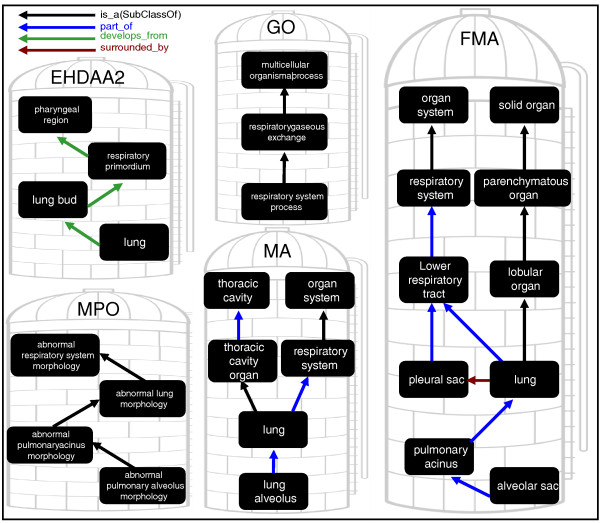
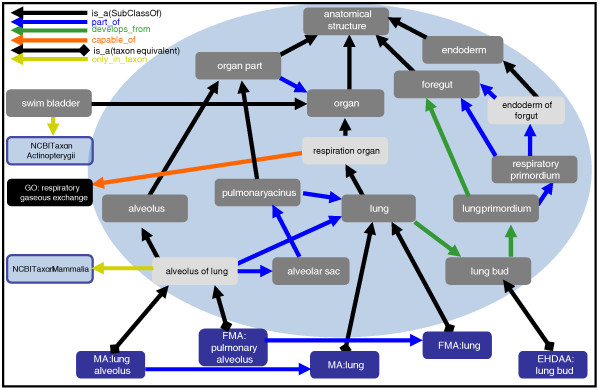
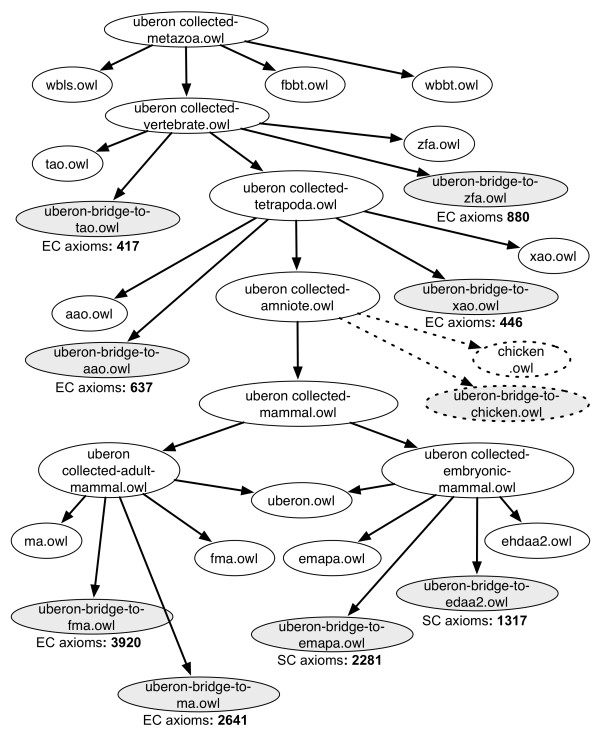
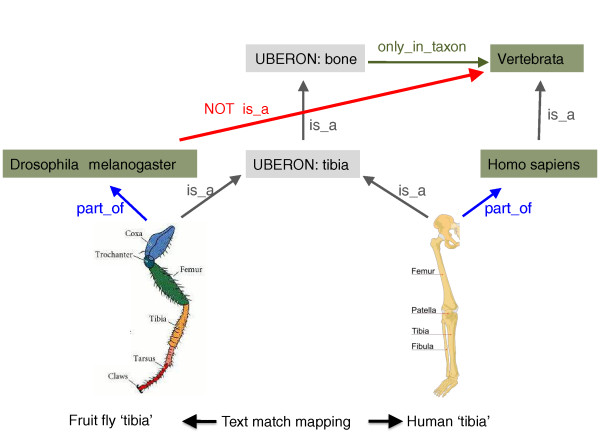
Verification
Claims the paper makes
The claims and statistics of this paper haven’t been checked yet.
Run the check — free, no account needed. It reads the open-access text and checks the sources it cites.
Claims other papers make about this one
Each is checked against this paper’s own text: does it say what the citing paper says it does?
In the citing paper
“When possible, all source tissues have been mapped to standardized Uberon (38) identifiers, enabling us to merge repetitive tissues.”
From TCRD and pharos 2021: mining the human proteome for disease biology (2021) · cites this paper as [38]
Self-check
Percentages, sums and reported differences re-computed from the paper’s own numbers.
The self-check needs the paper’s full text.
Citations
Cites
An algorithm for suffix stripping
Porter, M. F. (1980) · Program · doi:10.1108/eb046814 · Cited by 8,096 · cited 1×
“Using the Blipkit framework [67], we took the names and synonyms from each ontology, tokenized them, and performed Porter-stemming [68], removed certain tokens such as ‘of’ and ‘the’, and matched two classes if the set of stemmed tokens from any label was identical.”
MethodThe OBO Foundry: coordinated evolution of ontologies to support biomedical data integration
Smith, B., Ashburner, M., Rosse, C., Bard, J., Bug, W. J., Ceusters, W. M., Goldberg, L. J., Eilbeck, K. L., Ireland, A., Mungall, C., et al. (2007) · Nature Biotechnology · doi:10.1038/nbt1346 · Cited by 2,546 · cited 1×
“We believe that Uberon meets the current need for an integrative cross-species anatomy ontology amongst the OBO Foundry suite [66].”
BackgroundDBpedia - A crystallization point for the Web of Data
Bizer, C., Lehmann, J., Kobilarov, G., Auer, S., Becker, C., Richard Cyganiak, A., & Hellmann, S. (2009) · Journal of Web Semantics · doi:10.1016/j.websem.2009.07.002 · Cited by 2,144 · cited 6×
“It is important to track the provenance of all information collected in an ontology, and this is particularly important for an ontology such as Uberon, which as a matter of expedience frequently includes ‘tertiary sources’ such as Wikipedia, and other ontologies.”
BackgroundInfluentialA reference ontology for biomedical informatics: the Foundational Model of Anatomy
Rosse, C., & Mejino, J. L. (2003) · Journal of Biomedical Informatics · doi:10.1016/j.jbi.2003.11.007 · Cited by 1,167 · cited 19×
“However, the FMA is designed primarily to represent post-embryonic human structures, and would be unsuitable for annotating zebrafish genes expressed in an embryonic fin bud.”
BackgroundInfluentialChEBI: a database and ontology for chemical entities of biological interest
Degtyarenko, K. N., de Matos, P., Ennis, M., Hastings, J., Zbinden, M., McNaught, A., Alcántara, R., Darsow, M., Guedj, M., & Ashburner, M. (2007) · Nucleic Acids Research · doi:10.1093/nar/gkm791 · Cited by 1,130 · cited 1×
“We have included relationships and other logical axioms that reference other ontologies in Uberon, such as the GO, the Neuro Behavior Ontology (NBO) [30], the CL [15], the Protein Ontology [31] and CHEBI [32].”
MethodThe human phenotype ontology: a tool for annotating and analyzing human hereditary disease
Robinson, P. N., Köhler, S., Bauer, S., Seelow, D., Horn, D., & Mundlos, S. (2008) · The American Journal of Human Genetics · doi:10.1016/j.ajhg.2008.09.017 · Cited by 1,034 · cited 2×
“We used the MPO [74] and the Human Phenotype Ontology [58] in a method analogous to the one described for GO, above.”
MethodRelations in biomedical ontologies
Smith, B., Ceusters, W. M., Klagges, B. R. E., Köhler, J., Kumar, A., Lomax, J., Mungall, C., Neuhaus, F., Rector, A. L., & Rosse, C. (2005) · Genome biology · doi:10.1186/gb-2005-6-5-r46 · Cited by 1,030
FaCT++ Description Logic Reasoner: System Description
Tsarkov, D., & Horrocks, I. (2006) · Lecture notes in computer science · doi:10.1007/11814771_26 · Cited by 805
The Gene Ontology project in 2008
The Gene Ontology Consortium (2007) · Nucleic Acids Research · doi:10.1093/nar/gkm883 · Cited by 776
Systematic determination of patterns of gene expression during Drosophila embryogenesis
Tomančák, P., Beaton, A., Weiszmann, R., Kwan, E., Shu, S., Lewis, S., Richards, S., Ashburner, M., Hartenstein, V., Celniker, S., et al. (2002) · Genome biology · doi:10.1186/gb-2002-3-12-research0088 · Cited by 725 · cited 1×
“4 [80] to encode GCIs and other advanced OWL features within OBO format.”
Background
Research works printed but not linked: 4
- Travillian R, Malone J, Pang C, Hancock J, Holland PW, Schofield P, Parkinson H: The Vertebrate Bridging Ontology (VBO). Proceedings of the Second International Conference on Biomedical Ontology: July 26-30, 2011; Buffalo, NY. 2011, [http://icbo.buffalo.edu/ICBO-2011_Proceedings.pdf]
- Osumi-Sutherland D: CARO 2.0. Proceedings of the Second International Conference on Biomedical Ontology: July 26-30, 2011; Buffalo, NY. 2011, [http://icbo.buffalo.edu/ICBO-2011_Proceedings.pdf]
- Torniai C, Brush M, Vasilevsky N, Segerdell E, Wilson ML, Johnson T, Corday K, Shaffer C, Haendel M: Developing an application ontology for biomedical resource annotation and retrieval: Challenges and lessons learned. Proceedings of the Second International Conference on Biomedical Ontology: July 26-30, 2011; Buffalo, NY. 2011, [http://icbo.buffalo.edu/ICBO-2011_Proceedings.pdf]
- Segerdell E, Wilson ML, Bashor T, Bourges-Waldegg D, Corday K, Frost HR, Johnson T, Shaffer CJ, Stone L, Torniai C, Haendel MA: eagle-i: an ontology-driven framework for biomedical resource annotation and discovery. Nat Precedings. 2010, [http://precedings.nature.com/documents/5176/version/1/files/npre20105176-1.pdf]
Cited by
Sorted by citations
Items 401–500 of 750
Tarasov, S., Mikó, I., & Yoder, M. J. (2021) · Methods in Ecology and Evolution · doi:10.1111/2041-210x.13753 · Cited by 8
Huntley, R. P., & Lovering, R. C. (2016) · Methods in molecular biology · doi:10.1007/978-1-4939-3743-1_17 · Cited by 8
Similarity-based search of model organism, disease and drug effect phenotypes
Hoehndorf, R., Gruenberger, M., Gkoutos, G. V., & Schofield, P. N. (2015) · Journal of Biomedical Semantics · doi:10.1186/s13326-015-0001-9 · Cited by 8
“Cross-species integration is achieved by using the species-independent anatomy ontology Uberon [15] and the Gene Ontology [16] to integrate anatomical entities and biological processes and functions across species, and the species-independent ontology of qualities PATO [17] to characterize the type…”
Druzinsky, R. E., Balhoff, J. P., Crompton, A. W., Done, J., German, R. Z., Haendel, M. A., Herrel, A., Herring, S. W., Lapp, H., Mabee, P., et al. (2016) · PLoS ONE · doi:10.1371/journal.pone.0149102 · Cited by 8
“Many of the textual definitions for muscles were extracted fromWikipedia via the DBpedia database [3, 22].”
BackgroundMethodInfluentialFaria, D., Martins, C. S., Nanavaty, A., Oliveira, D., Balasubramani, B. S., Taheri, A., Pesquita, C., Couto, F. M., & Cruz, I. F. (2015) · Ontology Matching · Cited by 8
Martínez-Santiago, F. J., García-Viedma, M. D. R., Williams, J. A., Slater, L. T., & Gkoutos, G. V. (2020) · Applied Ontology · doi:10.3233/ao-200229 · Cited by 8
“In other words, Uberon provides several levels of detail for anatomical structures, mainly by means of is-a and part-of relations.”
InfluentialToward a Coronavirus Knowledge Graph
Zhang, P., Bu, Y., Jiang, P., Shi, X., Lun, B., Chen, C., Syafiandini, A. F., Ding, Y., & Song, M. (2021) · Genes · doi:10.3390/genes12070998 · Cited by 7
“Protein and gene data are obtained from Ensembl [21], UniProt [22], TCRD [23] (Target Central Resource Database), ExplorEnz [24], and Gene Ontology [25].”
MethodWang, P., Hu, Y., Bai, S., & Zou, S. (2021) · JMIR Medical Informatics · doi:10.2196/28212 · Cited by 10
“The fine-tuned BioBERT is trained on the correspondence between concepts and synonyms within UBERON which is much more relevant to the tasks.”
MethodInfluentialPernisch, R., Dell’Aglio, D., & Bernstein, A. (2021) · Journal of Web Semantics · doi:10.1016/j.websem.2021.100658 · Cited by 8
Porto, D. S., Dahdul, W., Lapp, H., Balhoff, J. P., Vision, T., Mabee, P., & Uyeda, J. C. (2022) · Systematic Biology · doi:10.1093/sysbio/syac022 · Cited by 8
“Concepts can be expressed by terms linked to or defining organismal anatomical entities (e.g., ‘opercle’ from the Uberon anatomy ontology, Mungall et al. 2012; Haendel et al. 2014) or phenotypic qualities (e.g., ‘triangular’ from the Phenotype and Trait Ontology, Gkoutos et al. 2005), and…”
BackgroundApplications of comparative evolution to human disease genetics
McWhite, C. D., Liebeskind, B. J., & Marcotte, E. M. (2015) · Current Opinion in Genetics & Development · doi:10.1016/j.gde.2015.08.004 · Cited by 8
owlcpp: a C++ library for working with OWL ontologies
Levin, M. K., & Cowell, L. G. (2015) · Journal of Biomedical Semantics · doi:10.1186/s13326-015-0035-z · Cited by 8
“The optimal configuration was identified empirically by comparing axiom generation times using eight hand-picked index configurations and three different ontologies: the Ontology of Biological Pathways (OBP) [29], the Ontology for Biomedical Investigations (OBI) [30], and the Integrated Cross-species Anatomy Ontology…”
Tierrafría, V. H., Mejía-Almonte, C., Camacho-Zaragoza, J. M., Salgado, H., Alquicira, K., Ishida, C., Gama‐Castro, S., & Collado‐Vides, J. (2018) · Bioinformatics · doi:10.1093/bioinformatics/bty689 · Cited by 8
Parallel sequence tagging for concept recognition
Furrer, L., Cornelius, J., & Rinaldi, F. (2022) · BMC Bioinformatics · doi:10.1186/s12859-021-04511-y · Cited by 9
“CHEBI: chemicals/small molecules (Chemical Entities of Biological Interest [24]) CL: cell types (Cell Ontology [25]) GO_CC: cellular and extracellular components and regions (Gene Ontology [26]) GO_BP: biological processes (Gene Ontology) GO_MF: molecular functionalities possessed by genes (Gene Ontology) MOP: chemica…”
BackgroundJupyter notebook-based tools for building structured datasets from the Sequence Read Archive
Bernstein, M. N., Gladstein, A. L., Latt, K. Z., Clough, E., Busby, B., & Dillman, A. (2020) · F1000Research · doi:10.12688/f1000research.23180.1 · Cited by 8
He, Y. O., Ong, E., Schaub, J. A., Dowd, F., O’Toole, J. F., Siapos, A., Reich, C., Seager, S. L., Wang, L., Yu, H. J., et al. (2019) · ICBO · Cited by 8
Yates, J. A. F., Valtueña, A. A., Vågene, Å. J., Cribdon, B., Velsko, I. M., Borry, M., Bravo-Lopez, M., Fernàndez-Guerra, A., Green, E. J., Ramachandran, S. L., et al. (2020) · bioRxiv (Cold Spring Harbor Laboratory) · doi:10.1101/2020.09.02.279570 · Cited by 8
DeepGO-SE: Protein function prediction as Approximate Semantic EntailmentPreprint
Kulmanov, M., Guzmán‐Vega, F. J., Duek, P. D., Lane, L., Arold, S. T., & Hoehndorf, R. (2023) · bioRxiv (Cold Spring Harbor Laboratory) · doi:10.1101/2023.09.26.559473 · Cited by 8
“The standard version of GO does not include relations between GO classes and external ontologies such as ChEBI [47], Uberon [48], the Cell Ontology [49], or to structured vocabularies such as the NCBI Taxonomy [50].”
BackgroundGuidelines for the reuse of ontology content
Halper, M. H., Soldatova, L., Brochhausen, M., Maikore, F., Ochs, C., & Perl, Y. (2023) · Applied Ontology · doi:10.3233/ao-230275 · Cited by 7
“Some of the ontologies analyzed are SNOMED CT, the National Cancer Institute thesaurus (NCIt; Sioutos et al., 2007), ChEBI, ERO, the Uber Anatomy Ontology (Uberon; Mungall et al., 2012), GO, SDO, the Ontology of Clinical Research (OCRe; Sim et al., 2014), DDI, and CanCO.”
High tissue specificity of lncRNAs maximises the prediction of tissue of origin of circulating DNA
Mouhou, E., Genty, F., M’selmi, W. E., Chouali, H., Zagury, J., Clerc, S. L., Proudhon, C., & Noirel, J. (2025) · Scientific Reports · doi:10.1038/s41598-024-82393-9 · Cited by 7
“The FANTOM5 project [23,26] has produced an atlas of coding and non-coding RNA using the cap analysis of gene expression (CAGE) technology in a variety of well-defined cell and tissue samples, referred to as “ontologies”, corresponding to 173 Cell Ontology terms [27] and 174 Uberon terms [28].”
Collaborative Ontology Matching With Dual Population Genetic Programming and Active Meta-Learning
Xue, X., Lin, J. C., & Jiang, Z. (2025) · IEEE Transactions on Evolutionary Computation · doi:10.1109/tevc.2025.3569336 · Cited by 8
From literature to biodiversity data: mining arthropod organismal traits with machine learning
Cornelius, J., Detering, H., Lithgow-Serrano, O. W., Agosti, D., Rinaldi, F., & Waterhouse, R. M. (2025) · Biodiversity Data Journal · doi:10.3897/bdj.13.e153070 · Cited by 8
“The resources queried included: the Encyclopedia of Life (EOL) (Parr et al. 2014); the Environment Ontology (ENVO) (Buttigieg et al. 2016); the Relation Ontology (RO) (Mungall et al. 2023); the UBERON Anatomy Ontology (Mungall et al. 2012); the BRENDA Tissue Ontology (BTO) (Chang et al. 2021); as well as Wikidata, Wik…”
Walsh, C., Brunet, J., Stansby, D., Gaisné, G., Zhou, Y., Ackermann, M., Bellier, A., Berruyer, C., Bocciarelli, A., Bodin, M., et al. (2026) · Science Advances · doi:10.1126/sciadv.adz2240 · Cited by 11
Boudinot, B. E., van de Kamp, T., Peters, P., & Knöllinger, K. (2024) · Journal of Morphology · doi:10.1002/jmor.21757 · Cited by 7
Broad, Interdisciplinary Science In Tela
McCusker, J. P., Rashid, S. M., Liang, Z., Liu, Y., Chastain, K., da Silva, P. P., Stingone, J. A., & McGuinness, D. L. (2017) · ACM Web Science Conference (WebSci) · doi:10.1145/3091478.3091497 · Cited by 7
“Uberon contains all of the biospecimen types that we expect to be processing in CHEAR, except for buccal cells. e disease ontology (DO) [27] and ExO provide good starting points for capturing disease and exposure terms.”
MethodWong, M. U., Racz, R., Ong, E., & He, Y. O. (2017) · PubMed Central · Cited by 7
Biomedical Ontologies: Coverage, Access and Use
Ferreira, J. D., Teixeira, D. C., & Pesquita, C. (2020) · Elsevier eBooks · doi:10.1016/b978-0-12-801238-3.11664-2 · Cited by 7
Raboudi, A., Allanic, M., Balvay, D., Hervé, P., Viel, T., Yoganathan, T., Certain, A., Hilbey, J., Charlet, J., Durupt, A., et al. (2022) · Journal of Biomedical Informatics · doi:10.1016/j.jbi.2022.104007 · Cited by 7
Using ontologies for life science text-based resource organization
Panzarella, G., Veltri, P., & Alcaro, S. (2023) · Artificial Intelligence in the Life Sciences · doi:10.1016/j.ailsci.2023.100059 · Cited by 9
Lessons learned to boost a bioinformatics knowledge base reusability, the Bgee experience
de Farias, T. M., Wollbrett, J., Robinson‐Rechavi, M., & Bastian, F. (2022) · GigaScience · doi:10.1093/gigascience/giad058 · Cited by 9
“Mor eov er, we r euse ontologies suc h as UBERON [ 56 ] for anatomical structures to avoid ambiguities and improve semantic inter oper ability.”
MethodOng, E., & He, Y. O. (2016) · PubMed Central · Cited by 7
Linking Scattered Stem Cell-Based Data to Advance Therapeutic Development
Kurtz, A., Elsallab, M., Sanzenbacher, R., & Abou‐El‐Enein, M. (2018) · Trends in Molecular Medicine · doi:10.1016/j.molmed.2018.10.008 · Cited by 8
OntoPlot: A Novel Visualisation for Non-hierarchical Associations in Large Ontologies
Yang, Y., Wybrow, M., Li, Y.-F., Czauderna, T., & He, Y. O. (2019) · IEEE Transactions on Visualization and Computer Graphics · doi:10.1109/tvcg.2019.2934557 · Cited by 7
“For example, anatomy ontologies [28, 47, 62] model the parts of organisms and the structural and developmental relationships between”
BackgroundYeast Phenomics—Large-scale Mapping of the Genetic Basis for Organismal Traits
(2014) · CRC Press eBooks · doi:10.1201/b16437-11 · Cited by 8
Overcoming Sparseness of Biomedical Networks to Identify Drug Repositioning Candidates
Poleksić, A. (2021) · IEEE Transactions on Computational Biology and Bioinformatics · doi:10.1109/tcbb.2021.3059807 · Cited by 7
Phenotype ontologies: are homology relations central enough? A reply to Deans et al.
Franz, N. M., & Goldstein, A. M. (2012) · Trends in Ecology & Evolution · doi:10.1016/j.tree.2012.08.001 · Cited by 7
recount-brain : a curated repository of human brain RNA-seq datasets metadataPreprint
Razmara, A., Ellis, S., Sokolowski, D., Davis, S. R., Wilson, M. D., Leek, J. T., Jaffe, A. E., & Collado‐Torres, L. (2019) · bioRxiv (Cold Spring Harbor Laboratory) · doi:10.1101/618025 · Cited by 6
“We then searched UBERON’s preferred labels to identify the ontology entries that best matched the tissue descriptions.”
MethodEnabling Semantic Queries Across Federated Bioinformatics DatabasesPreprint
Sima, A. C., de Farias, T. M., Zbinden, E., Anisimova, M. O., Gil, M., Heinz Stockinger, C., Stockinger, K., Robinson‐Rechavi, M., & Dessimoz, C. (2019) · bioRxiv (Cold Spring Harbor Laboratory) · doi:10.1101/686600 · Cited by 7
“require transforming the original attributes in the relational data for interoperability – for example, replacing “:” with “_” in the case of anatomical entity identifiers from Bgee to be compliant with the existing UBERON ontology IRI (Internationalized resource identifier) terms (54), as shown in green color with th…”
MethodGBKOM: A Generic framework for BK-based Ontology MatchingPreprint
Annane, A., & Bellahsène, Z. (2020) · SSRN Electronic Journal · doi:10.2139/ssrn.3697495 · Cited by 7
The BRAIN Initiative Cell Census Network Data Ecosystem: A User’s GuidePreprint
Hawrylycz, M., Martone, M. E., Hof, P. R., Lein, E. S., Regev, A., Ascoli, G. A., Bjaalie, J. G., Dong, H., Ghosh, S., Gillis, J. A., et al. (2022) · bioRxiv (Cold Spring Harbor Laboratory) · doi:10.1101/2022.10.26.513573 · Cited by 7
“As an extension of CL, BDSO is fully interoperable with both CL and Uberon (Mungall et al. 2012), allowing data annotated with BDSO terms to be interoperable not only with the BICCN data, but also with datasets from the wider community.”
MethodDeveloping a multiscale neural connectivity knowledgebase of the autonomic nervous system
Imam, F. T., Gillespie, T., Ziogas, I., Surles-Zeigler, M. C., Tappan, S. J., Özyurt, İ. B., Boline, J., de Bono, B., Grethe, J. S., & Martone, M. E. (2025) · Frontiers in Neuroinformatics · doi:10.3389/fninf.2025.1541184 · Cited by 6
Expanding and refining the Mammalian Phenotype Ontology to enhance disease model discovery
Bello, S. M., Anagnostopoulos, A. V., Carmody, L., Matentzoglu, N., & Smith, C. L. (2025) · Disease Models & Mechanisms · doi:10.1242/dmm.052385 · Cited by 6
“Similarly, the HPO term ‘ Long foot ’ (HP:0001833) uses the species-neutral Uber-anatomy ontology (Uberon) (Mungall et al., 2012) term ‘ pes ’ (UBERON:0002387) in its logical definition, making it clear that both phenotypes are describing the analogous anatomical structure.”
Dececchi, T. A., Mabee, P., & Blackburn, D. C. (2016) · PLoS ONE · doi:10.1371/journal.pone.0155680 · Cited by 6
“Anatomical entities are represented by terms from the Uberon anatomy ontology for metazoan animals [39, 40] which is composed in part from independently developed multi-species vertebrate ontologies [41, 42].”
BackgroundGold-standard ontology-based anatomical annotation in the CRAFT Corpus
Bada, M. A., Vasilevsky, N., Baumgartner, W. A., Haendel, M. A., & Hunter, L. (2017) · Database · doi:10.1093/database/bax087 · Cited by 6
“Motivated by the considerable recent interest in the automatic identification of anatomical entities in text and, beyond that, extraction and curation of assertions involving anatomical entities (29–37), we have expanded the semantic markup of the CRAFT Corpus with a large set of manually created concept annotations u…”
MethodExperiment level curation of transcriptional regulatory interactions in neurodevelopment
Chu, E. C.-P., Morin, A. M., Chang, T. H. C., Nguyen, T. G., Tsai, Y.-C., Sharma, A., Liu, C. C., & Pavlidis, P. (2021) · PLoS Computational Biology · doi:10.1371/journal.pcbi.1009484 · Cited by 6
“We used terms from the UBERON ontology [53] for primary tissue, the CL ontology [54] for primary cells, and the CLO ontology [55] for cell lines.”
OBO Foundry food ontology interconnectivity
Dooley, D., Andrés‐Hernández, L., Bordea, G., Carmody, L., Cavalieri, D., Chan, L., Castellano‐Escuder, P., Lachat, C. K., Fleur Mougin, A., Vitali, F., et al. (2024) · Semantic Web · doi:10.3233/sw-233458 · Cited by 6
“FoodOn imports anatomical terms from the Plant Ontology(PO) [8] and UBERON multi-species anatomy ontology [9], taxonomy from NCBITaxon [10], and imports dietary and nutritional terms from the Compositional Dietary Nutrition Ontology (CDNO) [11] and Ontology for Nutritional Studies (ONS) [12].”
BackgroundZheng, L., Chen, Y., Elhanan, G., Perl, Y., Geller, J., & Ochs, C. (2018) · Journal of Biomedical Informatics · doi:10.1016/j.jbi.2018.05.015 · Cited by 6
“The four ontologies for which the studies were conducted [16–19] are (1) the Specimen subhierarchy of SNOMED CT, (2) the Bleeding subhierarchy in the Clinical Finding subhierarchy of SNOMED CT [20], (3) the Uber Anatomy Ontology (Uberon) [21], and (4) the Gene subhierarchy of NCIt [22].”
MethodHe, Y. O., Steck, B., Ong, E., Mariani, L., Lienczewski, C., Balis, U. J., Kretzler, M., Himmelfarb, J., Bertram, J. F., Azeloglu, E. U., et al. (2018) · Monash University Research Portal (Monash University) · Cited by 6
Semantics of Dairy Fermented Foods: A Microbiologist’s Perspective
Vitali, F., Zinno, P., Schifano, E., Gori, A., Reis-Costa, A., Filippo, C. D., Seljak, B. K., Panov, P., Devirgiliis, C., & Cavalieri, D. (2022) · Foods · doi:10.3390/foods11131939 · Cited by 6
“io/uberon/ (accessed on 28 April 2022) [20]”
Xu, F., Juty, N., Goble, C., Jupp, S., Parkinson, H., & Courtot, M. (2023) · Journal of Biomedical Semantics · doi:10.1186/s13326-023-00286-8 · Cited by 6
“E F O r e u s e s h u m a n a n a t o m y t e r m s s u c h a s “ l i v e r ” f r o m U B E R O N [ 24 ]( U B E R O N _ 0002107 ) a n d l i n k s t o t h e o r i g i n a l U B E R O N t e r m .”
A Primer for Access to Repositories of Cancer-Related Genomic Big Data
Torcivia-Rodriguez, J., Dingerdissen, H., Chang, T.-C., & Mazumder, R. (2018) · Methods in molecular biology · doi:10.1007/978-1-4939-8868-6_1 · Cited by 6
An information content based partitioning method for the anatomical ontology matching task
Tran, D.-T., Ngo, D., & Do, P.-T. (2012) · International Symposium on Information and Communication Technology · doi:10.1145/2350716.2350757 · Cited by 6
“Keywords Anatomy Ontology, Information Content, Clustering, Matching, Partitioning”
BackgroundPhenoscape: Semantic analysis of organismal traits and genes yields insights in evolutionary biologyPreprint
Mabee, P., Dahdul, W., Balhoff, J. P., Lapp, H., Manda, P., Uyeda, J. C., Vision, T., & Westerfield, M. (2018) · doi:10.7287/peerj.preprints.26988v1 · Cited by 6
Tiwari, D. D., Hoffmann, N., Didi, K., Deshpande, S., Ghosh, S., Nguyen, T. V. N., Raman, K., Hermjakob, H., & Malik‐Sheriff, R. S. (2023) · bioRxiv (Cold Spring Harbor Laboratory) · doi:10.1101/2023.05.22.540599 · Cited by 6
Construction, Deployment, and Usage of the Human Reference Atlas Knowledge Graph
Bueckle, A., Herr, B. W., Hardi, J., Quardokus, E. M., Musen, M. A., & Börner, K. (2025) · Scientific Data · doi:10.1038/s41597-025-05183-6 · Cited by 8
Creating an Interactive Web Interface for Networks Stored in Knowledge Graph Databases
Evangelista, J. E., Lutsky, A. D., Byrd, A. I., Clarke, D. J. B., Prabhakaran, A., Jenkins, S. L., & Ma’ayan, A. (2025) · Current Protocols · doi:10.1002/cpz1.70200 · Cited by 5
Xenbase: 25 years of integrating molecular and biomedical data from Xenopus
Chu, S., Bell, A. J., Lotay, V., Ly, N., Pells, T. J., Kwon, T., Agalakov, S., Ponferrada, V. G., Lenz, C., James‐Zorn, C., et al. (2025) · Genetics · doi:10.1093/genetics/iyaf237 · Cited by 6
“We also use several ex-ternal ontologies, such as the Disease Ontology (Baron et al. 2024), Gene Ontology (Gene Ontology Consortium 2023), Sequence Ontology (Mungall et al. 2011) and Uberon (Mungall et al. 2012).”
Toward total recall: Enhancing data FAIRness through AI-driven metadata standardization
Sundaram, S. S., Gonçalves, R. S., & Musen, M. A. (2026) · GigaScience · doi:10.1093/gigascience/giag019 · Cited by 7
“For example, UBERON [8] is a multi-species anatomy ontology that offers a standardized vocabulary for anatomical structures in animals and is increasingly used to annotate tissue-related datasets.”
CroMatcher 2.0: A Comprehensive Analysis of the Improved Ontology Matching System
Gulić, M., Vrdoljak, B., & Ptiček, M. (2025) · IEEE Access · doi:10.1109/access.2025.3538655 · Cited by 5
The CFDE Workbench: Integrating Metadata and Processed Data from Common Fund Programs
Evangelista, J. E., Clarke, D. J. B., Xie, Z., Olaiya, S., 김희수, Marino, G. B., Byrd, A. I., Srinivasan, S., Srinivasan, S., Maurya, M. R., et al. (2026) · Journal of Molecular Biology · doi:10.1016/j.jmb.2026.169631 · Cited by 6
Laadhar, A., Ghozzi, F., Megdiche, I., Ravat, F., Teste, O., & Gargouri, F. (2018) · Open Archive Toulouse Archive Ouverte (University of Toulouse) · Cited by 5
Vogt, L., Mikó, I., & Bartolomaeus, T. (2022) · Journal of Biomedical Semantics · doi:10.1186/s13326-022-00268-2 · Cited by 5
Zi, W., Yang, Q., Su, J., He, Y. O., & Xie, J. (2022) · Heliyon · doi:10.1016/j.heliyon.2022.e11515 · Cited by 6
AI reveals insights into link between CD33 and cognitive impairment in Alzheimer’s Disease
Raschka, T., Sood, M., Schultz, B. T., Altay, A., Ebeling, C., & Fröhlich, H. (2023) · PLoS Computational Biology · doi:10.1371/journal.pcbi.1009894 · Cited by 4
“While all brain regions in ROSMAP could be mapped to the cerebral cortex via the Uber-anatomy ontology (UBERON) [60], that could only be done for the temporal cortex part of the Mayo study, meaning that the cerebellum samples were excluded.”
MethodSmith, B. (2023) · Health informatics · doi:10.1007/978-3-031-11039-9_5 · Cited by 5
TA2Viewer : A web‐based browser for Terminologia Anatomica and online anatomical knowledge
Halle, M., Kikinis, R., & Neumann, P. E. (2024) · Clinical Anatomy · doi:10.1002/ca.24162 · Cited by 5
“A comparative anatomy ontology (Mungall et al., 2012).”
Martinez, K., Agirre, J., Akune, Y., Aoki-Kinoshita, K. F., Arighi, C. N., Axelsen, K. B., Bolton, E., Bordeleau, E., Edwards, N. J., Fadda, E., et al. (2024) · Database · doi:10.1093/database/baae073 · Cited by 5
“…such as The majority of the resources use Disease Ontology (DO) [75] and Mondo Disease Ontology (Mondo) [76] for disease annotations, Uberon [77] for anatomy, BRENDA Tissue Ontology [78] for tissue, and Cellosaurus [79], Cell Line Ontology (CLO) [80], Cell Ontology (CL) [81], and…”
BackgroundKG-Microbe: Building modular and scalable knowledge graphs for microbiome and microbial sciences
Santangelo, B. E., Hegde, H., Caufield, J. H., Reese, J., Kliegr, T., Hunter, L., Lozupone, C., Mungall, C., & Joachimiak, M. P. (2026) · GigaScience · doi:10.1093/gigascience/giag077 · Cited by 5
Exploiting Negative Sample Selection for Prioritizing Candidate Disease Genes
Frasca, M., & Malchiodi, D. (2017) · Genomics and Computational Biology · doi:10.18547/gcb.2017.vol3.iss3.e47 · Cited by 5
Comparison, alignment, and synchronization of cell line information between CLO and EFO
Ong, E., Sarntivijai, S., Jupp, S., Parkinson, H., & He, Y. O. (2017) · BMC Bioinformatics · doi:10.1186/s12859-017-1979-z · Cited by 5
“EFO aims to build on and extend existing reference ontologies from the OBO foundry, such as the Human Phenotype Ontology [2] and the Uberon anatomy ontology [3], and uses a number of design patterns to integrate and cross-link these ontologies.”
MethodDES-ROD: Exploring Literature to Develop New Links between RNA Oxidation and Human Diseases
Essack, M., Salhi, A., Neste, C. V., Raies, A. B., Tifratene, F., Uludağ, M., Hungler, A., Zarić, B. L., Zafirovic, S. S., Gojobori, T., et al. (2020) · Oxidative Medicine and Cellular Longevity · doi:10.1155/2020/5904315 · Cited by 5
“UBERON Ontology (BioPortal) Uber Anatomy Ontology [98] 6,657 Newly compiled”
BackgroundUmberfield, E. E., Stansbury, C., Ford, K., Jiang, Y., Kardia, S. L. R., Thomer, A. K., & Harris, M. R. (2022) · Applied Ontology · doi:10.3233/ao-210260 · Cited by 5
He, Y. O. (2022) · Methods in molecular biology · doi:10.1007/978-1-0716-2265-0_12 · Cited by 6
Fernando, P. C., Mabee, P., & Zeng, E. (2023) · Scientific Reports · doi:10.1038/s41598-023-50050-2 · Cited by 5
Data Hazards: An open-source vocabulary of ethical hazards for data-intensive projects
Zelenka, N., Cara, N. H. D., Bennet, E. D., Clatworthy, P. L., Day, H., Garcia, I. K., García, S. R., Hanschke, V. A., Kuwertz, E. S., & Garcia, I. K. (2025) · Journal of Responsible Technology · doi:10.1016/j.jrt.2025.100110 · Cited by 7
Popik, O. V., Ivanisenko, T., Saik, O., Petrovskiy, E. D., Lavrik, I. N., & Иванисенко, В. А. (2016) · Virus Research · doi:10.1016/j.virusres.2015.11.029 · Cited by 5
Visual comprehension and orientation into the COVID-19 CIDO ontology
Zheng, L., Perl, Y., He, Y. O., Ochs, C., Geller, J., Liu, H., & Keloth, V. K. (2021) · Journal of Biomedical Informatics · doi:10.1016/j.jbi.2021.103861 · Cited by 5
“However, for larger ontologies and larger hierarchies of terminologies such as SNOMED CT, NCIt, Gene Ontology (GO) [33], ChEBI [6], or Uberon [34], the partial-area taxonomy has too many nodes to enable their layout on a computer screen in a readable way.”
On titles and royalty: a terminological discussion over castes in myrmecology
Silva, T. S. R., & Feitosa, R. M. (2018) · Insectes Sociaux · doi:10.1007/s00040-018-0672-1 · Cited by 5
Manda, P., Mungall, C., Balhoff, J. P., Lapp, H., & Vision, T. (2015) · Pacific Symposium on Biocomputing (PSB) · doi:10.1142/9789814749411_0013 · Cited by 5
A Module-Based Skill Ontology for Industrial Robots
Jacobsson, L. (2015) · Lund University Publications Student Papers (Lund University) · Cited by 5
Stack, J. R. (2025) · The Anatomical Record · doi:10.1002/ar.70090 · Cited by 4
“In UBERON (Mungall et al., 2012), basal fulcum is shown as a dermal bone or fin bone.”
Relationships and representations of brain structures, connectivity, dynamics and functions
Schmitt, O. (2025) · Progress in Neuro-Psychopharmacology and Biological Psychiatry · doi:10.1016/j.pnpbp.2025.111332 · Cited by 5
Extending mammal specimens with their essential phenotypic traits
McLean, B. S., Bloom, D., Davis, E., Guralnick, R., Santana, S. E., Allen, J. M., Amarilla-Stevens, H. N., Bell, K. C., Blackburn, D. C., Bradley, J. E., et al. (2025) · Journal of Mammalogy · doi:10.1093/jmammal/gyaf062 · Cited by 5
Integrating phenotype ontologies with PhenomeNET
García, M. A. R., Gkoutos, G. V., Schofield, P. N., & Hoehndorf, R. (2016) · University of Birmingham Research Portal (University of Birmingham) · Cited by 4
Taxonomy-Based Approaches to Quality Assurance of Ontologies
Halper, M. H., Perl, Y., Ochs, C., & Zheng, L. (2017) · Journal of Healthcare Engineering · doi:10.1155/2017/3495723 · Cited by 4
Glycoinformatics Resources Integrated Through the GlySpace Alliance
Lisacek, F., Aoki-Kinoshita, K. F., Vora, J. K., Mazumder, R., & Tiemeyer, M. (2021) · Elsevier eBooks · doi:10.1016/b978-0-12-819475-1.00107-3 · Cited by 4
Modelling digital health data: The ExaMode ontology for computational pathology
Menotti, L., Silvello, G., Atzori, M., Boytcheva, S., Ciompi, F., Nunzio, G. M. D., Fraggetta, F., Giachelle, F., Irrera, O., Marchesin, S., et al. (2023) · Journal of Pathology Informatics · doi:10.1016/j.jpi.2023.100332 · Cited by 4
Semantics-enabled biomedical literature analytics
Halil Kilicoglu, B., Ensan, F., McInnes, B. T., & Wang, L. L. (2024) · Journal of Biomedical Informatics · doi:10.1016/j.jbi.2024.104588 · Cited by 4
Montanaro, G., Balhoff, J. P., Girón, J. C., Söderholm, M., & Tarasov, S. (2024) · Biodiversity Data Journal · doi:10.3897/bdj.12.e121562 · Cited by 4
Random Graphical Model of Microbiome Interactions in Related Environments
Vinciotti, V., Wit, E. C., & Richter, F. (2024) · Journal of Agricultural Biological and Environmental Statistics · doi:10.1007/s13253-024-00638-6 · Cited by 4
“Indeed, the locations of the body sites in the inferred latent space match closely both with the classification made by Segata et al. (2012) and with the Uberon anatomy classification of body sites (Mungall et al., 2012).”
Mulero-Hernández, J., Mironov, V., Miñarro-Giménez, J. A., Kuiper, M. T. R., & Fernández‐Breis, J. T. (2024) · Nucleic Acids Research · doi:10.1093/nar/gkae566 · Cited by 4
“• Biosamples : The Uber-anatomy ontology (UBERON) ( 64 ) is used for biological structures such as organs and tissues.”
MethodMedKG: enabling drug discovery through a unified biomedical knowledge graph
Kumari, M., Chauhan, R., & Garg, P. (2025) · Molecular Diversity · doi:10.1007/s11030-025-11164-z · Cited by 5
“To further enrich the Genetic data, UBERON’s human model was used, though it provides multi-species anatomical ontology, which is out of the scope of this study [16].”
Fu, X., Batista-Navarro, R., Rak, R., & Ananiadou, S. (2014) · Research Explorer (The University of Manchester) · Cited by 4
Lundberg, J. G., Hendrickson, D. A., Luckenbill, K. R., & Mariangeles Arce, H. (2016) · Proceedings of the Academy of Natural Sciences of Philadelphia · doi:10.1635/053.165.0108 · Cited by 4
“—Anatomical terminology generally follows the Teleost Anatomical Ontology (TAO; Dahdul et al., 2010) an integral part of the Uberon Ontology covering anatomical structures in animals (Mungall et al., 2012; http://uberon.github.io/).”
BackgroundPendleton, S. C., Slater, L. T., Karwath, A., Gilbert, R. M., Davis, N., Pesudovs, K., Liu, X., Denniston, A. K., Gkoutos, G. V., & Braithwaite, T. (2021) · Computers in Biology and Medicine · doi:10.1016/j.compbiomed.2021.104542 · Cited by 4
Phyloreferences: Tree-Native, Reproducible, and Machine-Interpretable Taxon Concepts
Cellinese, N., Conix, S., & Lapp, H. (2022) · Philosophy Theory and Practice in Biology · doi:10.3998/ptpbio.2101 · Cited by 4
The PACIFIC ontology for heterogeneous data management in cardiology
Raboudi, A., Hervé, P., Allanic, M., Boutinaud, P., Christophe, J.-J., Firat, H., Mousseaux, É., Pernot, M., Prot, P., Sartorius, A., et al. (2023) · Journal of Biomedical Informatics · doi:10.1016/j.jbi.2023.104579 · Cited by 4
Towards semantically enriched embeddings for knowledge graph completion
Alam, M., van Harmelen, F., & Acosta, M. (2024) · Neurosymbolic Artificial Intelligence · doi:10.3233/nai-240731 · Cited by 7
“We end with recommendations for fruitful future directions of work.”
BackgroundCarvalho, T. P., dos Reis, R. E., & Friel, J. (2017) · Neotropical Ichthyology · doi:10.1590/1982-0224-20160143 · Cited by 4
Ontological Harmonization of Railway Transport Information Systems.
Shynkarenko, V., & Zhuchyi, L. (2021) · COLINS · Cited by 4
Metadata
- Authors
- Mungall, C. J., Torniai, C., Gkoutos, G. V., Lewis, S. E., & Haendel, M. A.
- Affiliations
- Oregon Health & Science University (US)
- University of Cambridge (GB)
- Lawrence Berkeley National Laboratory (US)
- Venue
- Genome biology
- Published
- 2012-01-31
- Volume
- 13
- Issue
- 1
- Pages
- R5-R5
- ISSN
- 1465-6906 (ISSN-L)
- 1474-760X
- PMC
- PMC3334586
- OpenAlex
- W2116034137
- Cited by
- 732
- References
- 67
- Citations by year
- 2026: 60 · 2025: 69 · 2024: 55 · 2023: 66 · 2022: 55 · 2021: 51 · 2020: 46 · 2019: 45 · 2018: 55 · 2017: 46 · 2016: 49 · 2015: 50 · 2014: 34 · 2013: 28 · 2012: 21
- FWCI
- 17.73
- Type
- journal article
- Language
- en
- Open access
- gold
- doi.org
- Locations
- Genome biology (publishedVersion, cc-by)
- Europe PMC (PubMed Central) (publishedVersion, cc-by)
- PubMed Central (publishedVersion, cc-by)
- PubMed (publishedVersion)
- OSTI OAI (U.S. Department of Energy Office of Scientific and Technical Information) (submittedVersion)
- University of Birmingham Research Portal (University of Birmingham) (submittedVersion)
- Funders
- U.S. Department of Energy (-AC02-05CH11231, 05CH11231, DE AC02 05CH11231, DE-AC02-)
- National Institutes of Health (2p41hg002273-07, 5u24rr029825-02, DE-AC02–05CH11231)
- Office of Science (DEAC02–05CH11231, AC02-05CH11231, DE-AC02, 05CH11231)
- National Human Genome Research Institute (U41HG002273, R01HG004838, P41HG002273-09S1, P41-HG002273)
- National Center for Research Resources (1U24RR029825-01)
- Basic Energy Sciences (DE-AC02, DE-AC02-05CH11231., AC02–05CH11231)
- Topics
- Health Sciences › Medicine › Health Informatics › Biomedical Text Mining and Ontologies
- Physical Sciences › Computer Science › Artificial Intelligence › Semantic Web and Ontologies
- Life Sciences › Biochemistry, Genetics and Molecular Biology › Molecular Biology › Bioinformatics and Genomic Networks
- Keywords
- UBERON, anatomy ontology, anatomical classification, taxonomic variation, human anatomy
- MeSH terms
- Anatomy, Comparative, Classification, Humans, Phenotype, Software, Species Specificity, Databases, Factual, Computational Biology
About these checks
Registry, retraction, Cites and statistics results are computed, not judged, with one exception: a printed reference that no index lists is read once by a model before it counts as a citation error. Claims are extracted by a model and kept only when their quote appears verbatim in the text; each cited source is then checked, with a model’s help, for whether it says what the claim relies on. Those verdicts can be wrong — read the claim’s quote and the cited source before relying on one.
Statistics and arithmetic are recomputed, not judged.
Confidence bands are shown only for fields calibrated on our annotated test set. None is calibrated yet, so no band is shown.
What counts as a claim ›How we measure confidence ›How we check this ›
Are you an author, or do you see a problem with this page? Request a review
