

The DOI matches its Crossref record; 63 of the 67 references it cites were found in a registry or an index.
Uberon, an integrative multi-species anatomy ontology
Open accessAbstract
We present Uberon, an integrated cross-species ontology consisting of over 6,500 classes representing a variety of anatomical entities, organized according to traditional anatomical classification criteria. The ontology represents structures in a species-neutral way and includes extensive associations to existing species-centric anatomical ontologies, allowing integration of model organism and human data. Uberon provides a necessary bridge between anatomical structures in different taxa for cross-species inference. It uses novel methods for representing taxonomic variation, and has proved to be essential for translational phenotype analyses. Uberon is available at http://uberon.org.
Overview
The claims and statistics of this paper haven’t been checked yet.
Run the check — free, no account needed. It reads the open-access text and checks the sources it cites.
Integrity signals
Registry
Cites
Statistics
Figures
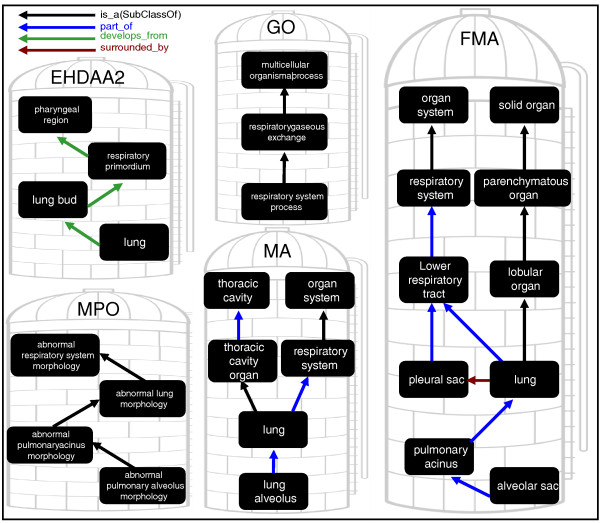
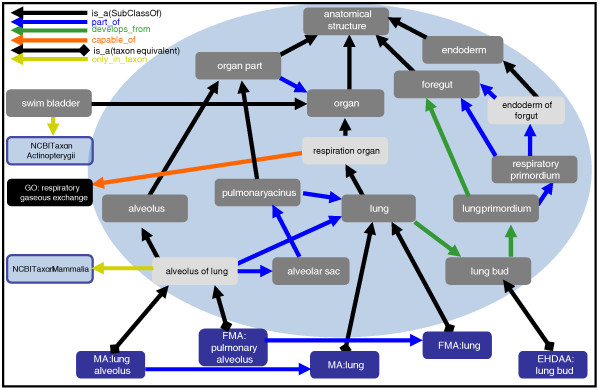
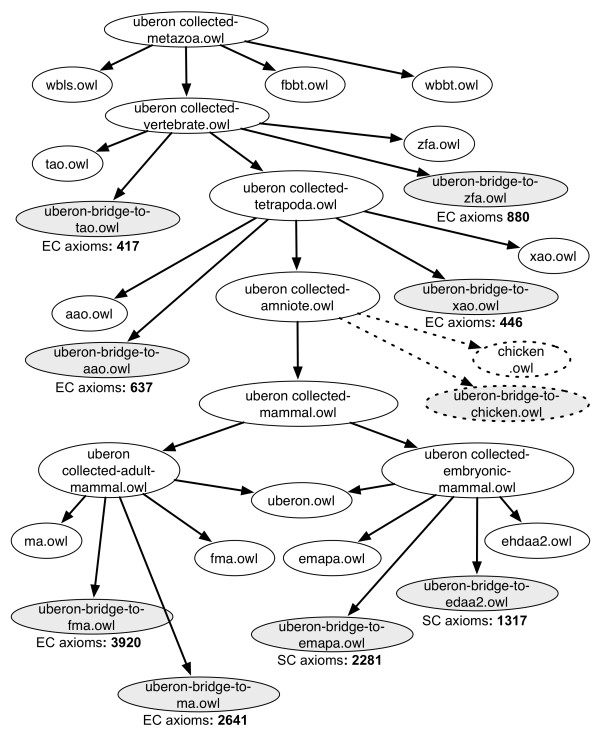
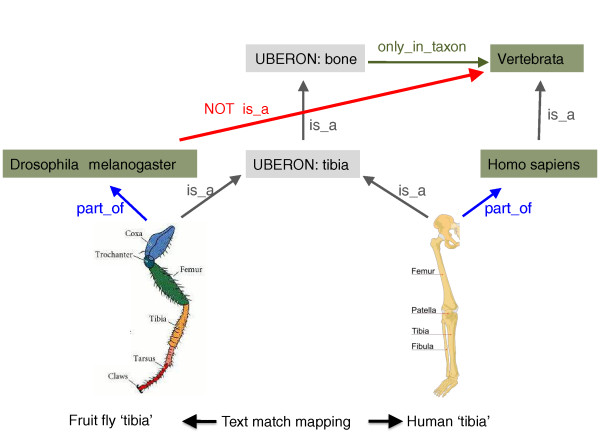
Verification
Claims the paper makes
The claims and statistics of this paper haven’t been checked yet.
Run the check — free, no account needed. It reads the open-access text and checks the sources it cites.
Claims other papers make about this one
Each is checked against this paper’s own text: does it say what the citing paper says it does?
In the citing paper
“When possible, all source tissues have been mapped to standardized Uberon (38) identifiers, enabling us to merge repetitive tissues.”
From TCRD and pharos 2021: mining the human proteome for disease biology (2021) · cites this paper as [38]
Self-check
Percentages, sums and reported differences re-computed from the paper’s own numbers.
The self-check needs the paper’s full text.
Citations
Cites
An algorithm for suffix stripping
Porter, M. F. (1980) · Program · doi:10.1108/eb046814 · Cited by 8,096 · cited 1×
“Using the Blipkit framework [67], we took the names and synonyms from each ontology, tokenized them, and performed Porter-stemming [68], removed certain tokens such as ‘of’ and ‘the’, and matched two classes if the set of stemmed tokens from any label was identical.”
MethodThe OBO Foundry: coordinated evolution of ontologies to support biomedical data integration
Smith, B., Ashburner, M., Rosse, C., Bard, J., Bug, W. J., Ceusters, W. M., Goldberg, L. J., Eilbeck, K. L., Ireland, A., Mungall, C., et al. (2007) · Nature Biotechnology · doi:10.1038/nbt1346 · Cited by 2,546 · cited 1×
“We believe that Uberon meets the current need for an integrative cross-species anatomy ontology amongst the OBO Foundry suite [66].”
BackgroundDBpedia - A crystallization point for the Web of Data
Bizer, C., Lehmann, J., Kobilarov, G., Auer, S., Becker, C., Richard Cyganiak, A., & Hellmann, S. (2009) · Journal of Web Semantics · doi:10.1016/j.websem.2009.07.002 · Cited by 2,144 · cited 6×
“It is important to track the provenance of all information collected in an ontology, and this is particularly important for an ontology such as Uberon, which as a matter of expedience frequently includes ‘tertiary sources’ such as Wikipedia, and other ontologies.”
BackgroundInfluentialA reference ontology for biomedical informatics: the Foundational Model of Anatomy
Rosse, C., & Mejino, J. L. (2003) · Journal of Biomedical Informatics · doi:10.1016/j.jbi.2003.11.007 · Cited by 1,167 · cited 19×
“However, the FMA is designed primarily to represent post-embryonic human structures, and would be unsuitable for annotating zebrafish genes expressed in an embryonic fin bud.”
BackgroundInfluentialChEBI: a database and ontology for chemical entities of biological interest
Degtyarenko, K. N., de Matos, P., Ennis, M., Hastings, J., Zbinden, M., McNaught, A., Alcántara, R., Darsow, M., Guedj, M., & Ashburner, M. (2007) · Nucleic Acids Research · doi:10.1093/nar/gkm791 · Cited by 1,130 · cited 1×
“We have included relationships and other logical axioms that reference other ontologies in Uberon, such as the GO, the Neuro Behavior Ontology (NBO) [30], the CL [15], the Protein Ontology [31] and CHEBI [32].”
MethodThe human phenotype ontology: a tool for annotating and analyzing human hereditary disease
Robinson, P. N., Köhler, S., Bauer, S., Seelow, D., Horn, D., & Mundlos, S. (2008) · The American Journal of Human Genetics · doi:10.1016/j.ajhg.2008.09.017 · Cited by 1,034 · cited 2×
“We used the MPO [74] and the Human Phenotype Ontology [58] in a method analogous to the one described for GO, above.”
MethodRelations in biomedical ontologies
Smith, B., Ceusters, W. M., Klagges, B. R. E., Köhler, J., Kumar, A., Lomax, J., Mungall, C., Neuhaus, F., Rector, A. L., & Rosse, C. (2005) · Genome biology · doi:10.1186/gb-2005-6-5-r46 · Cited by 1,030
FaCT++ Description Logic Reasoner: System Description
Tsarkov, D., & Horrocks, I. (2006) · Lecture notes in computer science · doi:10.1007/11814771_26 · Cited by 805
The Gene Ontology project in 2008
The Gene Ontology Consortium (2007) · Nucleic Acids Research · doi:10.1093/nar/gkm883 · Cited by 776
Systematic determination of patterns of gene expression during Drosophila embryogenesis
Tomančák, P., Beaton, A., Weiszmann, R., Kwan, E., Shu, S., Lewis, S., Richards, S., Ashburner, M., Hartenstein, V., Celniker, S., et al. (2002) · Genome biology · doi:10.1186/gb-2002-3-12-research0088 · Cited by 725 · cited 1×
“4 [80] to encode GCIs and other advanced OWL features within OBO format.”
Background
Research works printed but not linked: 4
- Travillian R, Malone J, Pang C, Hancock J, Holland PW, Schofield P, Parkinson H: The Vertebrate Bridging Ontology (VBO). Proceedings of the Second International Conference on Biomedical Ontology: July 26-30, 2011; Buffalo, NY. 2011, [http://icbo.buffalo.edu/ICBO-2011_Proceedings.pdf]
- Osumi-Sutherland D: CARO 2.0. Proceedings of the Second International Conference on Biomedical Ontology: July 26-30, 2011; Buffalo, NY. 2011, [http://icbo.buffalo.edu/ICBO-2011_Proceedings.pdf]
- Torniai C, Brush M, Vasilevsky N, Segerdell E, Wilson ML, Johnson T, Corday K, Shaffer C, Haendel M: Developing an application ontology for biomedical resource annotation and retrieval: Challenges and lessons learned. Proceedings of the Second International Conference on Biomedical Ontology: July 26-30, 2011; Buffalo, NY. 2011, [http://icbo.buffalo.edu/ICBO-2011_Proceedings.pdf]
- Segerdell E, Wilson ML, Bashor T, Bourges-Waldegg D, Corday K, Frost HR, Johnson T, Shaffer CJ, Stone L, Torniai C, Haendel MA: eagle-i: an ontology-driven framework for biomedical resource annotation and discovery. Nat Precedings. 2010, [http://precedings.nature.com/documents/5176/version/1/files/npre20105176-1.pdf]
Cited by
Sorted by citations
Items 301–400 of 750
FoodON: A Global Farm-to-Fork Food Ontology.
Griffiths, E., Dooley, D., Buttigieg, P. L., Hoehndorf, R., Brinkman, F. S. L., & Hsiao, W. (2016) · Helmholtz-Zentrum für Polar-und Meeresforschung (Alfred-Wegener-Institut) · Cited by 17
Kaewphan, S., Hakala, K., Miekka, N., Salakoski, T., & Ginter, F. (2018) · Database · doi:10.1093/database/bay096 · Cited by 17
“List of concept names and ontologies we use includes ChEBI (19) and PubChem (20) (for Molecule), Entrez Gene (21) and Uniprot (22) (for Protein), NCBI Taxonomy (23) (for Organism), Uberon (24) (for Tissue), Gene Ontology (25) (for Cellular) and Cellosaurus (http://web.”
MethodA solution to the challenges of interdisciplinary aggregation and use of specimen-level trait data
Balk, M. A., Deck, J., Emery, K. F., Walls, R., Reuter, D. M., LaFrance, R., Arroyo‐Cabrales, J., Barrett, P. Z., Blois, J. L., Boileau, A., et al. (2022) · iScience · doi:10.1016/j.isci.2022.105101 · Cited by 17
“These terms included anatomical terms, which will be a module in UBERON (Uberon AnatomyOntology; obophenotype.github.io/uberon; Mungall et al., 2012; Haendel et al., 2014), as well as length terms, which currently are in the FOVT but will become available in OBA (Ontology of Biological Attributes;…”
Drivers for the development of an Animal Health Surveillance Ontology (AHSO)
Dórea, F. C., Vial, F., Hammar, K., Lindberg, A., Lambrix, P., Blomqvist, E., & Revie, C. W. (2019) · Preventive Veterinary Medicine · doi:10.1016/j.prevetmed.2019.03.002 · Cited by 16
Althagafi, A., Alsubaie, L., Kathiresan, N., Mineta, K., Aloraini, T., Mutairi, F. A., Alfadhel, M., Gojobori, T., Alfares, A. A., & Hoehndorf, R. (2021) · Bioinformatics · doi:10.1093/bioinformatics/btab859 · Cited by 16
“These annotations are characterized using the HPO (Köhler et al. , 2019), Mammalian Phenotype Ontology (MP) (Bult et al. , 2019), Gene Ontology (GO) (Gene Ontology Consortium, 2019), Cell Ontology (CL) (Diehl et al. , 2016), and the UBERON ontology (Mungall et al. , 2012).”
MethodCordes, H., & Rapp, H. (2023) · CPT Pharmacometrics & Systems Pharmacology · doi:10.1002/psp4.12904 · Cited by 16
The Unified Phenotype Ontology : a framework for cross-species integrative phenomics
Matentzoglu, N., Bello, S. M., Stefancsik, R., Alghamdi, S. M., Anagnostopoulos, A. V., Balhoff, J. P., Balk, M. A., Bradford, Y. M., Bridges, Y., Callahan, T. J., et al. (2025) · Genetics · doi:10.1093/genetics/iyaf027 · Cited by 16
“For example, anatomical phenotype terms are created using anatomy terms from Uberon (Mungall et al .”
Linking tissues to phenotypes using gene expression profiles
Oellrich, A., Sanger Mouse Genetics Project, & Smedley, D. P. (2014) · Database · doi:10.1093/database/bau017 · Cited by 16
“Anatomical entities are represented with UBERON concepts, a speciesagnostic anatomy ontology (21).”
The Porifera Ontology (PORO): enhancing sponge systematics with an anatomy ontology
THACKER, R. W., Díaz, M. C., Kerner, A., Vignes‐Lebbe, R., Segerdell, E., Haendel, M. A., & Mungall, C. (2014) · Journal of Biomedical Semantics · doi:10.1186/2041-1480-5-39 · Cited by 16
“While the question of how much homology to build into an ontology is debated [44], it is common for multi-species ontologies to include structures that are not explicitly determined to be homologous, and we have previously used this strategy for other anatomical ontologies [25].”
BackgroundA guideline for reporting experimental protocols in life sciences
Giraldo, O., García, A., & Corcho, Ó. (2018) · PeerJ · doi:10.7717/peerj.4795 · Cited by 16
“Uberon multi-species anatomy ontology (UBERON) (Mungall et al., 2012) A cross-species anatomy ontology covering animals and bridging multiple species-specific ontologies.”
BackgroundAn ontology for representing hematologic malignancies: the cancer cell ontology
Serra, L. M., Duncan, W. D., & Diehl, A. D. (2019) · BMC Bioinformatics · doi:10.1186/s12859-019-2722-8 · Cited by 17
Fernando, P. C., Mabee, P., & Zeng, E. (2020) · BMC Bioinformatics · doi:10.1186/s12859-020-03773-2 · Cited by 16
“The Mon-arch Initiative retrieves genes and their anatomical entity annotations for zebrafish and mouse from the zebrafish [46] and mouse [47] model organism databases, respectively and associates them with the corresponding Uberon [33] anatomical entities.”
BackgroundMethodIdentification of disease treatment mechanisms through the multiscale interactomePreprint
Ruiz, C., Žitnik, M., & Leskovec, J. (2020) · bioRxiv (Cold Spring Harbor Laboratory) · doi:10.1101/2020.04.30.069690 · Cited by 17
The mouse-human anatomy ontology mapping project
Hayamizu, T. F., de Coronado, S., Fragoso, G., Sioutos, N., Kadin, J. A., & Ringwald, M. (2012) · Database · doi:10.1093/database/bar066 · Cited by 16
Proceedings of the 4th BioNLP Shared Task Workshop
(2016) · doi:10.18653/v1/w16-30 · Cited by 18
Specimen, biological structure, and spatial ontologies in support of a Human Reference Atlas
Herr, B. W., Hardi, J., Quardokus, E. M., Bueckle, A., Chen, L., Wang, F., Caron, A. R., Osumi-Sutherland, D., Musen, M. A., & Börner, K. (2023) · Scientific Data · doi:10.1038/s41597-023-01993-8 · Cited by 16
PaxDb v6.0: reprocessed, LLM-selected, curated protein abundance data across organisms
Huang, Q. D., Szklarczyk, D., Oehninger, J., & von Mering, C. (2025) · Nucleic Acids Research · doi:10.1093/nar/gkaf1066 · Cited by 19
“…eggNOG [ 16 ], enabling cross-organism comparisons, while tissues and biospecimens are encoded in the following ontologies: Uber-anatomy ontology (UBERON) [ 17 ], Plant Ontology (PO) [ 18 ], Cell Line Ontology (CLO) [ 19 ], Cell Ontology (CL) [ 20 ], and The BRENDA Tissue Ontology (BTO) [ 21 ].”
InfluentialContribution of model organism phenotypes to the computational identification of human disease genes
Alghamdi, S. M., Schofield, P. N., & Hoehndorf, R. (2022) · Disease Models & Mechanisms · doi:10.1242/dmm.049441 · Cited by 15
“We used the following ontologies: Gene Ontology (GO) (Ashburner et al., 2000), downloaded from http://purl.obolibrary.org/ obo/go.owl; Cell Ontology (CL) (Diehl et al., 2016), downloaded from http://purl.obolibrary.org/obo/cl-basic.owl; Phenotype and Trait Ontology (PATO) (Gkoutos et al., 2005), downloaded from http:/…”
InfluentialCellSTAR: a comprehensive resource for single-cell transcriptomic annotation
Zhang, Y., Sun, H., Zhang, W., Fu, T., Huang, S., Mou, M., Zhang, J., Gao, J., Ge, Y., Yang, Q., et al. (2023) · Nucleic Acids Research · doi:10.1093/nar/gkad874 · Cited by 15
“The standardization process relied on the latest versions of the Taxonomy ( 23 ), Uberon ( 24 ), Cell Ontology ( 25 ), Entrez Gene ( 26 ) and WHO ICD-11 for accurate alignment of species, tissues, cell types, cell markers and diseases respectively.”
The SIB Swiss Institute of Bioinformatics Semantic Web of data
Altenhoff, A., Bairoch, A., Bansal, P., Baratin, D., Bastian, F., Bolleman, J. T., Bridge, A. J., Burdet, F., Crameri, K., Dauvillier, J., et al. (2023) · Nucleic Acids Research · doi:10.1093/nar/gkad902 · Cited by 19
“Moreover, domain specific ontologies such as Gene Ontology (GO) ( 19 ) and UBERON ( 20 ) (i.e. a multi-species anatomical entity ontology) are integrated within SIB resources, when applicable.”
BackgroundBlank, C. E., Cui, H., Moore, L. R., & Walls, R. (2016) · Journal of Biomedical Semantics · doi:10.1186/s13326-016-0060-6 · Cited by 15
“These included BSPO, CHMO, CL, DRON, IAO, NCBI Taxonomy, NDFRT, OBI, PO, PR, REO, RO, and Uberon (respectively: the Biological Spatial Ontology, Chemical Methods Ontology, Cell Ontology, Drug Ontology, Information Artifact Ontology, NCBI Taxonomy, National Drug File Reference Terminology, Ontology for Biomedical Inves…”
MethodDiscovery of emerging design patterns in ontologies using tree mining
Ławrynowicz, A., Potoniec, J., Robaczyk, M., & Tudorache, T. (2017) · Semantic Web · doi:10.3233/sw-170280 · Cited by 15
“The Uber Anatomy Ontology (UBERON) [25] is a multi–species anatomy ontology that represents anatomical structures.”
Harnish, J. M., Li, L., Rogić, S., Poirier‐Morency, G., Kim, S., Undiagnosed Diseases Network, Boycott, K. M., Wangler, M. F., Bellen, H. J., Hieter, P., et al. (2022) · Human Mutation · doi:10.1002/humu.24364 · Cited by 15
“Uberon is used for organ system metadata information (Mungall et al., 2012).”
MethodCELDA - an ontology for the comprehensive representation of cells in complex systems
Seltmann, S., Stachelscheid, H., Damaschun, A., Jansen, L., Lekschas, F., Fontaine, J., Nguyen-Dobinsky, T. N., Leser, U., & Kurtz, A. (2013) · BMC Bioinformatics · doi:10.1186/1471-2105-14-228 · Cited by 16
“…[30] Origin (cid:129) In vivo : anatomical location in tissue/organ (cid:129) Gender (cid:129) MA [14] (cid:129) Age (cid:129) UBERON [31] (cid:129) Developmental stage (cid:129) EHDAA [13] (cid:129) uberon_anatomy_ontologies_bridge [32] The ontologies and bridges for mapping can be…”
BackgroundOntology based molecular signatures for immune cell types via gene expression analysis
Meehan, T. F., Vasilevsky, N., Mungall, C., Dougall, D. S., Haendel, M. A., Blake, J. A., & Diehl, A. D. (2013) · BMC Bioinformatics · doi:10.1186/1471-2105-14-263 · Cited by 15
“A more comprehensive ontological structuring of data will include anatomical axes of differ-entia by using anatomical ontologies such as UBERON [43].”
MethodZaman, S., Sarntivijai, S., & Abernethy, D. R. (2017) · Gene Regulation and Systems Biology · doi:10.1177/1177625017696075 · Cited by 15
A histological ontology of the human cardiovascular system
Mazo, C., Salazar, L., Corcho, Ó., Trujillo, M., & Alegre, E. (2017) · Journal of Biomedical Semantics · doi:10.1186/s13326-017-0158-5 · Cited by 15
“Uberon ontology is an anatomy ontology, which is a common standard used by the biomedical research community [17].”
BackgroundArtificial Intelligence and Bioinformatics
Nicolas, J. (2020) · Springer eBooks · doi:10.1007/978-3-030-06170-8_7 · Cited by 15
Ikeda, S., Zou, Z., Bono, H. U., Moriya, Y., Kawashima, S., Katayama, T., Oki, S., & Ohta, T. (2025) · GigaScience · doi:10.1093/gigascience/giaf070 · Cited by 15
“Examples of ontologies in the life sciences include Uberon (“Uber-Anatomy Ontology”) [ 9 ] for anatomical concepts, Cell Ontology [ 10 ] for cell types, and Disease Ontology [ 11 ] for human diseases.”
Matching Biomedical Ontologies via a Hybrid Graph Attention Network
Wang, P., & Hu, Y. (2022) · Frontiers in Genetics · doi:10.3389/fgene.2022.893409 · Cited by 15
“…Anatomy (FMA) (Rosse and Mejino, 2003), Systemized Nomenclature of Medicine (SNOMED-Clinical Terms [SNOMED-CT]) (Donnelly et al., 2006), and Uberon (Mungall et al., 2012) have been widely used for medical data format standardization (Cimino and Zhu, 2006), medical or clinical knowledge…”
MethodDevelopment of a Natural Language Processing Tool to Extract Acupuncture Point Location Terms
Li, Y., Peng, X., Li, J., Peng, S., Pei, D., Tao, C., Xu, H., & Hong, N. (2023) · IEEE International Conference on Healthcare Informatics (ICHI) · doi:10.1109/ichi57859.2023.00053 · Cited by 14
“UBERON is a cross-species ontology, of which the development is led by Mungall from Genomics Division, Lawrence Berkeley National Laboratory [35].”
BackgroundMethodA Logical Model of Homology for Comparative Biology
Mabee, P., Balhoff, J. P., Dahdul, W., Lapp, H., Mungall, C., & Vision, T. (2019) · Systematic Biology · doi:10.1093/sysbio/syz067 · Cited by 15
“org), in which we have been working to demonstrate the value of a semantic approach through the development of multispecies anatomy ontologies (Dahdul et al. 2010, 2012; Mungall et al. 2012; Haendel et al. 2014) and other required resources including taxonomy ontologies (Midford et al.”
BackgroundTransforming the study of organisms: Phenomic data models and knowledge bases
Thessen, A., Walls, R., Vogt, L., Singer, J., Warren, R. B., Buttigieg, P. L., Balhoff, J. P., Mungall, C., McGuinness, D. L., Stucky, B. J., et al. (2020) · PLoS Computational Biology · doi:10.1371/journal.pcbi.1008376 · Cited by 14
“For example, in the UBERON anatomy ontology [50], a “femoral ridge” is a subclass of both “mesoderm derived structure” (a developmental perspective) and “skeletal element projection” (a spatial perspective).”
BackgroundFigueiredo, R. Q., del Ser, S. D., Raschka, T., Hofmann‐Apitius, M., Kodamullil, A. T., Mubeen, S., & Domingo‐Fernándéz, D. (2022) · BMC Bioinformatics · doi:10.1186/s12859-022-04765-0 · Cited by 14
“Specifically, for each of the three contexts of interest, the following ontologies were used: (i) UBERON for tissues [25], (ii) Cell Ontology (CL) for cell types [4], and (iii) Cell Line Ontology (CLO) for cell lines [34].”
MethodSemantically enabling a genome-wide association study database
Beck, T., Free, R. C., Þórisson, G. Á., & Brookes, A. J. (2012) · Journal of Biomedical Semantics · doi:10.1186/2041-1480-3-9 · Cited by 14
“A range of resources are available for the querying of mouse genotype-phenotype associations, such as: the Mouse Genome Database (MGD) which contains data loaded from other databases, from direct submissions, and from the published literature [23]; EuroPhenome, a repository for high-throughput mouse phenotyping data […”
BackgroundQuantitative evaluation of ontology design patterns for combining pathology and anatomy ontologies
Alghamdi, S. M., Sundberg, B. A., Sundberg, J. P., Schofield, P. N., & Hoehndorf, R. (2019) · Scientific Reports · doi:10.1038/s41598-019-40368-1 · Cited by 13
The Neuron Phenotype Ontology: A FAIR Approach to Proposing and Classifying Neuronal Types
Gillespie, T., Tripathy, S. J., Sy, M. F., Martone, M. E., & Hill, S. (2022) · Neuroinformatics · doi:10.1007/s12021-022-09566-7 · Cited by 14
Bertone, M. A., Mikó, I., Yoder, M. J., Seltmann, K. C., Balhoff, J. P., & DEANS, A. R. (2013) · Database · doi:10.1093/database/bas057 · Cited by 14
“Thus far only a few alignments have been produced among organismal anatomy ontologies, such as those between mice and humans (8, 9) and multiple anatomy ontologies [Uberon (10, 11)].”
BackgroundMASST: A Web-based Basic Mass Spectrometry Search Tool for Molecules to Search Public DataPreprint
Wang, M., Jarmusch, A. K., Vargas, F., Aksenov, A. A., Gauglitz, J. M., Weldon, K. C., Petras, D., Silva, R., Quinn, R., Melnik, A. V., et al. (2019) · bioRxiv (Cold Spring Harbor Laboratory) · doi:10.1101/591016 · Cited by 14
“Proceedings of the National Academy of Sciences of the United States of America 2017, 114 (22), 5601-5606.”
BackgroundLiu, Q., Wang, J., Zhu, Y., & He, Y. O. (2017) · BMC Systems Biology · doi:10.1186/s12918-017-0510-5 · Cited by 13
“With a small section of the TCMDPO terms and relations imported, OCMR significantly expand the information of these imported TCDs with standardized organisms from NCBITaxon, anatomic entities from PO and UBERON, chemical entities from ChEBI, and AEs from OAE.”
BackgroundInfluentialSurles-Zeigler, M. C., Sincomb, T., Gillespie, T., de Bono, B., Bresnahan, J. C., Mawe, G. M., Grethe, J. S., Tappan, S. J., Heal, M., & Martone, M. E. (2022) · Frontiers in Neuroinformatics · doi:10.3389/fninf.2022.819198 · Cited by 13
SSBD: an ecosystem for enhanced sharing and reuse of bioimaging data
Kyoda, K., Itoga, H., Yamagata, Y., Fujisawa, E., Wang, F., Miranda-Miranda, M., Yamamoto, H., Nakano, Y., Tohsato, Y., & Onami, S. (2024) · Nucleic Acids Research · doi:10.1093/nar/gkae860 · Cited by 13
Klußmann-Fricke, B.-J., Pomrehn, S. W., & Wirkner, C. S. (2014) · Frontiers in Zoology · doi:10.1186/1742-9994-11-28 · Cited by 13
“The definition provided in UBERON [32], an integrative multi-species anatomy ontology, also includes functional aspects, as does that in Wikipedia on which it is based.”
BackgroundAccessing and Mining Data from Large-Scale Mouse Phenotyping Projects
Morgan, H., Simon, M., & Mallon, A. (2012) · International review of neurobiology · doi:10.1016/b978-0-12-398323-7.00003-3 · Cited by 13
PhenoImageShare: an image annotation and query infrastructure
Adebayo, S., McLeod, K., Tudose, I., Osumi-Sutherland, D., Burdett, T., Baldock, R., Burger, A., & Parkinson, H. (2016) · Journal of Biomedical Semantics · doi:10.1186/s13326-016-0072-2 · Cited by 13
“For cross species integration we make use of UBERON [36] and the Monarch Initiative’s bridge files.”
MethodKim, J.-D., Wang, Y., Colic, N., Beak, S. H., Kim, Y. H., & Song, M. (2016) · doi:10.18653/v1/w16-3003 · Cited by 13
Ontology-driven integrative analysis of omics data through Onassis
Galeota, E., Kishore, K., & Pelizzola, M. (2020) · Scientific Reports · doi:10.1038/s41598-020-57716-1 · Cited by 14
The Ontology of the Amphioxus Anatomy and Life Cycle (AMPHX)
Bertrand, S., Carvalho, J. E., Dauga, D., Matentzoglu, N., Daric, V., Yu, J., Schubert, M., & Escrivá, H. (2021) · Frontiers in Cell and Developmental Biology · doi:10.3389/fcell.2021.668025 · Cited by 13
Zheng, J., Manduchi, E., & Stoeckert, C. J. (2025) · bioRxiv (Cold Spring Harbor Laboratory) · doi:10.1101/2025.08.18.670933 · Cited by 13
“…(Sarntivijai et al ., 2011), the Gene Ontology (GO) focuses on cellular component, molecular function, and biological process related to genes and gene products (Ashburner et al ., 2000), and the Uber anatomy ontology (UBERON) is used for cross-species anatomy annotation (Mungall et al ., 2012).”
Huang, F., Macklin, J., Cui, H., Cole, H., & Endara, L. (2015) · BMC Bioinformatics · doi:10.1186/s12859-015-0488-1 · Cited by 12
“In a recent experiment, a 2013 version of the Uberon ontology (a cross-taxon anatomy ontology, [9]), PATO [5], and BSPO [10] were used to annotate a set of 203 character descriptions taken from phylogenetic matrices.”
MethodEloe‐Fadrosh, E. A., Mungall, C., Miller, M. A., Smith, M. L., Patil, S., Kelliher, J. M., Johnson, L. Y. D., Rodriguez, F. E., Chain, P., Hu, B., et al. (2024) · Methods in molecular biology · doi:10.1007/978-1-0716-3838-5_20 · Cited by 12
Jahanshad, N., Lenzini, P., & Bijsterbosch, J. (2025) · Neuropsychopharmacology · doi:10.1038/s41386-024-01938-8 · Cited by 12
“Ideally, both the instrument names and the variables within these instruments would be linked to unique and persistent identi fi ers [80 – 82].”
BackgroundOng, E., Xie, J., Ni, Z., Liu, Q., Sarntivijai, S., Lin, Y., Cooper, D. J., Terryn, R., Stathias, V., Chung, C., et al. (2017) · BMC Bioinformatics · doi:10.1186/s12859-017-1981-5 · Cited by 12
“In CLO, the multi-species anatomy ontology UBERON [27] is used to represent tissues and organs.”
MethodInfluentialAutomated Integration of Trees and Traits: A Case Study Using Paired Fin Loss Across Teleost Fishes
Jackson, L. M., Fernando, P. C., Hanscom, J., Balhoff, J. P., & Mabee, P. (2018) · Systematic Biology · doi:10.1093/sysbio/syx098 · Cited by 12
“1) were drawn from the Uberon multispecies anatomy ontology (http://purl.obolibrary.org/obo/uberon/releases/2016 -09-07/uberon.owl; Mungall et al. 2012; Haendel et al. 2014).”
MethodCarvalho, T. P., dos Reis, R. E., & Sabaj, M. H. (2017) · Copeia · doi:10.1643/ci-16-456 · Cited by 12
“Anatomical terminology generally follows the Teleost Anatomical Ontology (TAO; Dahdul et al., 2010), an integral part of the Uberon Ontology covering anatomical structures in animals (Mungall et al., 2012; http://uberon.github.io/).”
BackgroundIntegrating cancer diagnosis terminologies based on logical definitions of SNOMED CT concepts
Nikiema, J. N., Jouhet, V., & Fleur Mougin, A. (2017) · Journal of Biomedical Informatics · doi:10.1016/j.jbi.2017.08.013 · Cited by 12
CRAFT Shared Tasks 2019 Overview –- Integrated Structure, Semantics, and Coreference
Baumgartner, W. A., Bada, M. A., Pyysalo, S., Ciosici, M. R., Hailu, N., Pielke-Lombardo, H., Regan, M., & Hunter, L. (2019) · Workshop on BioNLP Open Shared Tasks (BioNLP-OST) · doi:10.18653/v1/d19-5725 · Cited by 12
“Concept annotations in the CRAFT corpus span ten Open Biomedical Ontologies (Smith et al., 2007), including the Chemical Entities of Biomedical Interest (ChEBI) ontology (Degtyarenko et al., 2007), the Cell Ontology (CL) (Bard et al., 2005), the Biological Process (GO BP), Cellular Component (GO CC) and Molecular Func…”
BackgroundCAGEd-oPOSSUM: motif enrichment analysis from CAGE-derived TSSs
Arenillas, D. J., Forrest, A. R. R., Kawaji, H., Lassmann, T., Wasserman, W. W., & Mathelier, A. (2016) · Bioinformatics · doi:10.1093/bioinformatics/btw337 · Cited by 12
Bombieri, M., Fiorini, P., Ponzetto, S. P., & Rospocher, M. (2025) · ACM Transactions on Intelligent Systems and Technology · doi:10.1145/3725852 · Cited by 16
“The second ontology analyzed is the Uberon Ontology [Mungall et al. , 2012].”
Annotation of biological samples data to standard ontologies with support from large language models
Riquelme-García, A., Mulero-Hernández, J., & Fernández‐Breis, J. T. (2025) · Computational and Structural Biotechnology Journal · doi:10.1016/j.csbj.2025.05.020 · Cited by 12
“• Uber-anatomy Ontology (UBERON) [31]: Comprehensive, cross-species anatomy ontology that organizes a wide range of anatomical entities based on traditional criteria, including structure, function, and developmental lineage.”
OHMI: the ontology of host-microbiome interactions
He, Y. O., Wang, H., Zheng, J., Beiting, D. P., Masci, A. M., Yu, H. J., Liu, K., Wu, J., Curtis, J. L., Smith, B., et al. (2019) · Journal of Biomedical Semantics · doi:10.1186/s13326-019-0217-1 · Cited by 12
Phenopacket-tools: Building and validating GA4GH Phenopackets
Daniš, D., Jacobsen, J. O. B., Wagner, A. H., Groza, T., Beckwith, M. A., Rekerle, L., Carmody, L., Reese, J., Hegde, H., Ladewig, M. S., et al. (2023) · PLoS ONE · doi:10.1371/journal.pone.0285433 · Cited by 11
“Uberon is an integrated cross-species ontology consisting of over 21,000 classes representing a variety of anatomical entities, organized according to traditional anatomical classification criteria [21].”
BackgroundBetter living through ontologies at the Immune Epitope Database
Vita, R., Overton, J. A., Sette, A., & Peters, B. (2017) · Database · doi:10.1093/database/bax014 · Cited by 11
“Uberon (3), as well as resources with well-structured con-”
BackgroundElhanan, G., Ochs, C., Mejino, J. L. V., Liu, H., Mungall, C., & Perl, Y. (2017) · Artificial Intelligence in Medicine · doi:10.1016/j.artmed.2017.05.002 · Cited by 11
“Unlike other anatomical ontologies, Uberon [18, 19] is a comparative, cross-animal species anatomical ontology.”
BackgroundInfluentialYamagata, Y., & Yamada, H. (2020) · Scientific Reports · doi:10.1038/s41598-020-71370-7 · Cited by 11
Knowledge-Based Decision Support in Healthcare via Near Field Communication
Loseto, G., Scioscia, F., Ruta, M., Gramegna, F., Ieva, S., Pinto, A., & Scioscia, C. (2020) · Sensors · doi:10.3390/s20174923 · Cited by 13
“Moreover, specific clinical terms have been borrowed from the Uber Anatomy Ontology (UBERON) [57] and the Foundational Model of Anatomy (FMA) [58], extending the basic anatomical taxonomy with additional entities about human systems.”
MethodLeveraging Distributed Biomedical Knowledge Sources to Discover Novel Uses for Known DrugsPreprint
Womack, F., McClelland, J., & Koslicki, D. (2019) · bioRxiv (Cold Spring Harbor Laboratory) · doi:10.1101/765305 · Cited by 11
“Biological process 30716 GO [6,39] Protein 20514 UniProtKB [40] Disease 19573 DOID [59], OMIM [53], MONDO [71] metabolite 18145 KEGG [58] Molecular function 12140 GO [6,39] Phenotypic feature 12089 HP [62] Cellular component 4375 GO [6,39] Chemical substance 2226 CHEMBL [10,46] Pathway 2215 Reactome [41] microRNA 1697…”
BackgroundImproving data archiving practices in ancient genomics
Bergström, A. (2024) · Scientific Data · doi:10.1038/s41597-024-03563-y · Cited by 12
Fujiwara, T., Shin, J., & Yamaguchi, A. (2022) · Human Mutation · doi:10.1002/humu.24341 · Cited by 12
“Then, we downloaded the UBERON file (releases/2021 ‐ 07 ‐ 06) from https://bioportal.bioontology.org/ ontologies/UBERON.”
MethodInfluentialA change language for ontologies and knowledge graphs
Hegde, H., Vendetti, J., Goutte-Gattat, D., Caufield, J. H., Graybeal, J. B., Harris, N. L., Karam, N., Kindermann, C., Matentzoglu, N., Overton, J. A., et al. (2025) · Database · doi:10.1093/database/baae133 · Cited by 10
“We currently enable this functionality for four prominent ontologies in BioPortal including Mondo, GO, the Environment Ontology (ENVO) (25), and Uberon.”
BackgroundThematic series on biomedical ontologies in JBMS: challenges and new directions
Hoehndorf, R., Haendel, M. A., Stevens, R., & Rebholz‐Schuhmann, D. (2014) · Journal of Biomedical Semantics · doi:10.1186/2041-1480-5-15 · Cited by 10
“For example, anatomy ontologies for cross-species comparisons – linking homologous or analogous anatomical structures – can be used to transfer and compare annotations for multiple species [15,46].”
BackgroundMethodBuilding reference alignments for compound matching of multiple ontologies using OBO cross-products
Pesquita, C., Cheatham, M., Faria, D., Barros, J., dos Santos, E. M., & Couto, F. M. (2014) · International Conference on Ontology Matching · Cited by 10
Gao, Z., Pan, Y., Ding, P., & Xu, R. (2022) · PubMed Central · Cited by 10
Achieving pan-microbiome biological insights via the dbBact knowledge base
Amir, A., Ozel, E., Haberman, Y., & Shental, N. (2023) · Nucleic Acids Research · doi:10.1093/nar/gkad527 · Cited by 10
Carvalho, T. P., Lundberg, J. G., Baskin, J. N., Friel, J., & dos Reis, R. E. (2016) · Proceedings of the Academy of Natural Sciences of Philadelphia · doi:10.1635/053.165.0104 · Cited by 10
“Anatomical terminology generally follows the Teleost Anatomical Ontology (TAO; Dahdul et al., 2010) an integral part of the Uberon Ontology covering anatomical structures in animals (Mungall et al., 2012; http://uberon.github.io/).”
BackgroundPOMap: An Effective Pairwise Ontology Matching System
Laadhar, A., Ghozzi, F., Megdiche, I., Ravat, F., Teste, O., & Gargouri, F. (2017) · International Joint Conference on Knowledge Discovery, Knowledge Engineering and Knowledge Management · doi:10.5220/0006492201610168 · Cited by 10
Identification of errors in the IEDB using ontologies
Vita, R., Overton, J. A., & Peters, B. (2018) · Database · doi:10.1093/database/bay005 · Cited by 10
“Our ontology mapping events often led to the creation of a large number of new terms in some ontologies, such as the ontology for biomedical investigations (OBI) (8) with approximately 300 new terms, but with others, such as Uberon (9), no new term requests were needed.”
BackgroundKnowledge Representation for Multi-Scale Physiology Route Modeling
Kokash, N., & de Bono, B. (2021) · Frontiers in Neuroinformatics · doi:10.3389/fninf.2021.560050 · Cited by 9
“Among the common data sources we use in ApiNATOMY models at different scales are the Foundational Model of Anatomy (FMA) (Rosse and Mejino, 2008), Uber-anatomy ontology (UBERON) (Mungall et al., 2012), Gene Ontology (GO) (Gaudet et al., 2017), Cell Ontology (CL) (Diehl et al., 2016), Chemical Entities of Biological Int…”
MethodInfluentialConceptual Design and Prototyping for a Primate Health History Knowledge Model
Zhao, M. Q., Maldonado, E., Kensler, T. B., Kohn, L. A. P., Guatelli‐Steinberg, D., & Wang, Q. (2021) · Transactions on computational science and computational intelligence · doi:10.1007/978-3-030-71051-4_40 · Cited by 10
CoMent: Relationships Between Biomedical Concepts Inferred From the Scientific Literature
Pazos, F., Chagoyen, M., Seoane, P., & Ranea, J. A. G. (2022) · Journal of Molecular Biology · doi:10.1016/j.jmb.2022.167568 · Cited by 10
Corvi, J., McKitrick, A., Fernández, J. M., Fuenteslópez, C. V., Gelpí, J. L., Ginebra, M., Capella-Gutiérrez, S., & Hakimi, O. (2023) · Advanced Healthcare Materials · doi:10.1002/adhm.202300150 · Cited by 9
Digital evolution: Novo Nordisk’s shift to ontology-based data management
Tan, S. Z. K., Baksi, S., Bjerregaard, T. G., Elangovan, P., Gopalakrishnan, T., Hric, D., Joumaa, J., Li, B., Rabbani, K., Venkatesan, S. K., et al. (2025) · Journal of Biomedical Semantics · doi:10.1186/s13326-025-00327-4 · Cited by 9
“As of April 2024, we consume 13 ontologies, either in whole or in part, to develop our 13 domain models: uberon [35], cell ontology (CL) [36], Cellosaurus (CVCL) [37], bioassay ontology (BAO) [38], ontology for bio-medical investigations (OBI) [39], allotrope foundation ontology (AFO) [40], gene…”
A multimodal vision knowledge graph of cardiovascular disease
Rjoob, K. W. Y., McGurk, K. A., Zheng, S. L., Curran, L., Ibrahim, M., Zeng, L., Kim, V., Tahasildar, S., Kalaie, S., Senevirathne, D. S., et al. (2025) · Nature Cardiovascular Research · doi:10.1038/s44161-025-00757-4 · Cited by 14
Masuya, H., Usuda, D., Nakata, H., Yuhara, N., Kurihara, K., Namiki, Y., Iwase, S., Takada, T., Tanaka, N., Suzuki, K. T., et al. (2021) · Laboratory Animal Research · doi:10.1186/s42826-020-00068-8 · Cited by 9
Creating a common language for the subanatomy of the ovary
Tsui, E. L., O’Neill, K. E., LeDuc, R. D., Shikanov, A., Gomez‐Lobo, V., & Laronda, M. M. (2022) · Biology of Reproduction · doi:10.1093/biolre/ioac199 · Cited by 9
“Of these, Uber-anatomy ontology (UBERON) was found to be a widely used cross-species ontology with an existing set of ovarian terms corresponding to a unique definition and its relationship to anatomic and subanatomic entities [7].”
MethodOntological Representation of FAIR Principles: A Blueprint for FAIRer Data Sources
Bernasconi, A., Alberto García, S., Guizzardi, G., Santos, L. O. B. D. S., & Storey, V. C. (2023) · Lecture notes in computer science · doi:10.1007/978-3-031-34560-9_16 · Cited by 9
Clarke, J., Cooper, L., Poelchau, M. F., Berardini, T., Elser, J. L., Farmer, A. D., Ficklin, S. P., Kumari, S., Laporte, M., Nelson, R. T., et al. (2023) · Database · doi:10.1093/database/baad076 · Cited by 9
A Text Mining-Based Framework for Constructing an RDF-Compliant Biodiversity Knowledge Repository
Batista-Navarro, R., Zerva, C., Nguyen, N. T. H., & Ananiadou, S. (2017) · Communications in computer and information science · doi:10.1007/978-3-319-55209-5_3 · Cited by 9
Leveraging Logical Rules for Efficacious Representation of Large Orthology Datasets.
de Farias, T. M., Chiba, H., & Fernández‐Breis, J. T. (2017) · SWAT4LS · Cited by 9
Yamada, I., Campbell, M. P., Edwards, N. J., Castro, L. J., Lisacek, F., Mariethoz, J. A., Ono, T., Ranzinger, R., Shinmachi, D., & Aoki-Kinoshita, K. F. (2021) · Glycobiology · doi:10.1093/glycob/cwab013 · Cited by 9
Wan, L., Song, J., He, V., Roman, J., Whah, G., Peng, S., Zhang, L., & He, Y. O. (2021) · BMC Bioinformatics · doi:10.1186/s12859-021-04402-2 · Cited by 9
“In addition to BFO, ICDO also reuses terms from many existing ontologies such as the OGMS [15], UBERON [25], PATO (Phenotype And Trait Ontology, https:// github. com/ pato-ontol ogy/ pato/) (Fig.”
MethodPhysicochemical properties determining drug detection in skin
Bittremieux, W., Advani, R. S., Jarmusch, A. K., Aguirre, S., Lu, A., Dorrestein, P. C., & Tsunoda, S. M. (2021) · Clinical and Translational Science · doi:10.1111/cts.13198 · Cited by 9
Bovine Genome Database: Tools for Mining the Bos taurus Genome
Hagen, D. E., Unni, D., Tayal, A., Burns, G. W., & Elsik, C. G. (2018) · Methods in molecular biology · doi:10.1007/978-1-4939-7737-6_9 · Cited by 9
“In addition to data type categories, RNA-seq tracks are organized according to both Organ System, from the Mouse Anatomy Ontology [4] and the Uberon Anatomy Ontology [5], and Brenda Tissue Ontology [6].”
MethodStucky, B. J., Balhoff, J. P., Barve, N., Barve, V., Brenskelle, L., Brush, M., Dahlem, G. A., Gilbert, J., Kawahara, A. Y., Keller, O., et al. (2019) · Biodiversity Data Journal · doi:10.3897/bdj.7.e33303 · Cited by 9
Literature-Based Enrichment Insights into Redox Control of Vascular Biology
Essack, M., Salhi, A., Stanimirović, J., Tifratene, F., Raies, A. B., Hungler, A., Uludağ, M., Neste, C. V., Trpković, A., Bajić, V., et al. (2019) · Oxidative Medicine and Cellular Longevity · doi:10.1155/2019/1769437 · Cited by 9
“UBERON Ontology (BioPortal)—Uber Anatomy Ontology [99] 6540 Newly compiled”
Taroni, J., Grayson, P. C., Hu, Q., Eddy, S. F., Kretzler, M., Merkel, P. A., & Greene, C. S. (2018) · bioRxiv (Cold Spring Harbor Laboratory) · doi:10.1101/395947 · Cited by 9
The TOXIN knowledge graph: supporting animal-free risk assessment of cosmetics
Sepehri, S., Heymans, A., Win, D. D., Maushagen, J., Sanctorum, A., Debruyne, C., Rodrigues, R. M., Kock, J. D., Rogiers, V., Troyer, O. D., et al. (2025) · Database · doi:10.1093/database/baae121 · Cited by 8
“…ontology, Cell Ontology, National Center for Biotechnology Information (NCBI), Taxonomy, Chemical Entities of Biological Interest, Gene Ontology (GO), Phenotype and Trait Ontology, Integrating Network Objects with Hierarchies, Ontology of Genes and Genomes, and Disease Ontology [24–30].”
Metalog: curated and harmonised contextual data for global metagenomics samples
Kuhn, M., Schmidt, T., Ferretti, P., Glazek, A. M., Robbani, S. M., Akanni, W. A., Fullam, A., Schudoma, C., Cetin, E., Hassan, M., et al. (2025) · Nucleic Acids Research · doi:10.1093/nar/gkaf1118 · Cited by 12
“Whenever possible, we mapped metadata to standardized vocabularies, such as the Environment Ontology (ENVO) and the Uber-anatomy Ontology (UBERON) for habitats and sample materials [ 38 , 39 ].”
Davis, A. P., Wiegers, T. C., Sciaky, D., Barkalow, F. J., Wyatt, B. H., Wiegers, J., McMorran, R., Abrar, S., & Mattingly, C. J. (2025) · F1000Research · doi:10.12688/f1000research.172567.1 · Cited by 8
Chan, M., Bhamidipati, P. S., Goldsby, H. J., Hintze, A., Hofmann, H. A., & Young, R. L. (2021) · Genome Biology and Evolution · doi:10.1093/gbe/evab160 · Cited by 8
Metadata
- Authors
- Mungall, C. J., Torniai, C., Gkoutos, G. V., Lewis, S. E., & Haendel, M. A.
- Affiliations
- Oregon Health & Science University (US)
- University of Cambridge (GB)
- Lawrence Berkeley National Laboratory (US)
- Venue
- Genome biology
- Published
- 2012-01-31
- Volume
- 13
- Issue
- 1
- Pages
- R5-R5
- ISSN
- 1465-6906 (ISSN-L)
- 1474-760X
- PMC
- PMC3334586
- OpenAlex
- W2116034137
- Cited by
- 732
- References
- 67
- Citations by year
- 2026: 60 · 2025: 69 · 2024: 55 · 2023: 66 · 2022: 55 · 2021: 51 · 2020: 46 · 2019: 45 · 2018: 55 · 2017: 46 · 2016: 49 · 2015: 50 · 2014: 34 · 2013: 28 · 2012: 21
- FWCI
- 17.73
- Type
- journal article
- Language
- en
- Open access
- gold
- doi.org
- Locations
- Genome biology (publishedVersion, cc-by)
- Europe PMC (PubMed Central) (publishedVersion, cc-by)
- PubMed Central (publishedVersion, cc-by)
- PubMed (publishedVersion)
- OSTI OAI (U.S. Department of Energy Office of Scientific and Technical Information) (submittedVersion)
- University of Birmingham Research Portal (University of Birmingham) (submittedVersion)
- Funders
- U.S. Department of Energy (-AC02-05CH11231, 05CH11231, DE AC02 05CH11231, DE-AC02-)
- National Institutes of Health (2p41hg002273-07, 5u24rr029825-02, DE-AC02–05CH11231)
- Office of Science (DEAC02–05CH11231, AC02-05CH11231, DE-AC02, 05CH11231)
- National Human Genome Research Institute (U41HG002273, R01HG004838, P41HG002273-09S1, P41-HG002273)
- National Center for Research Resources (1U24RR029825-01)
- Basic Energy Sciences (DE-AC02, DE-AC02-05CH11231., AC02–05CH11231)
- Topics
- Health Sciences › Medicine › Health Informatics › Biomedical Text Mining and Ontologies
- Physical Sciences › Computer Science › Artificial Intelligence › Semantic Web and Ontologies
- Life Sciences › Biochemistry, Genetics and Molecular Biology › Molecular Biology › Bioinformatics and Genomic Networks
- Keywords
- UBERON, anatomy ontology, anatomical classification, taxonomic variation, human anatomy
- MeSH terms
- Anatomy, Comparative, Classification, Humans, Phenotype, Software, Species Specificity, Databases, Factual, Computational Biology
About these checks
Registry, retraction, Cites and statistics results are computed, not judged, with one exception: a printed reference that no index lists is read once by a model before it counts as a citation error. Claims are extracted by a model and kept only when their quote appears verbatim in the text; each cited source is then checked, with a model’s help, for whether it says what the claim relies on. Those verdicts can be wrong — read the claim’s quote and the cited source before relying on one.
Statistics and arithmetic are recomputed, not judged.
Confidence bands are shown only for fields calibrated on our annotated test set. None is calibrated yet, so no band is shown.
What counts as a claim ›How we measure confidence ›How we check this ›
Are you an author, or do you see a problem with this page? Request a review
