

The DOI matches its Crossref record; 63 of the 67 references it cites were found in a registry or an index.
Uberon, an integrative multi-species anatomy ontology
Open accessAbstract
We present Uberon, an integrated cross-species ontology consisting of over 6,500 classes representing a variety of anatomical entities, organized according to traditional anatomical classification criteria. The ontology represents structures in a species-neutral way and includes extensive associations to existing species-centric anatomical ontologies, allowing integration of model organism and human data. Uberon provides a necessary bridge between anatomical structures in different taxa for cross-species inference. It uses novel methods for representing taxonomic variation, and has proved to be essential for translational phenotype analyses. Uberon is available at http://uberon.org.
Overview
The claims and statistics of this paper haven’t been checked yet.
Run the check — free, no account needed. It reads the open-access text and checks the sources it cites.
Integrity signals
Registry
Cites
Statistics
Figures
Verification
Claims the paper makes
The claims and statistics of this paper haven’t been checked yet.
Run the check — free, no account needed. It reads the open-access text and checks the sources it cites.
Claims other papers make about this one
Each is checked against this paper’s own text: does it say what the citing paper says it does?
In the citing paper
“When possible, all source tissues have been mapped to standardized Uberon (38) identifiers, enabling us to merge repetitive tissues.”
From TCRD and pharos 2021: mining the human proteome for disease biology (2021) · cites this paper as [38]
Self-check
Percentages, sums and reported differences re-computed from the paper’s own numbers.
The self-check needs the paper’s full text.
Citations
Cites
An algorithm for suffix stripping
Porter, M. F. (1980) · Program · doi:10.1108/eb046814 · Cited by 8,096 · cited 1×
“Using the Blipkit framework [67], we took the names and synonyms from each ontology, tokenized them, and performed Porter-stemming [68], removed certain tokens such as ‘of’ and ‘the’, and matched two classes if the set of stemmed tokens from any label was identical.”
MethodThe OBO Foundry: coordinated evolution of ontologies to support biomedical data integration
Smith, B., Ashburner, M., Rosse, C., Bard, J., Bug, W. J., Ceusters, W. M., Goldberg, L. J., Eilbeck, K. L., Ireland, A., Mungall, C., et al. (2007) · Nature Biotechnology · doi:10.1038/nbt1346 · Cited by 2,546 · cited 1×
“We believe that Uberon meets the current need for an integrative cross-species anatomy ontology amongst the OBO Foundry suite [66].”
BackgroundDBpedia - A crystallization point for the Web of Data
Bizer, C., Lehmann, J., Kobilarov, G., Auer, S., Becker, C., Richard Cyganiak, A., & Hellmann, S. (2009) · Journal of Web Semantics · doi:10.1016/j.websem.2009.07.002 · Cited by 2,144 · cited 6×
“It is important to track the provenance of all information collected in an ontology, and this is particularly important for an ontology such as Uberon, which as a matter of expedience frequently includes ‘tertiary sources’ such as Wikipedia, and other ontologies.”
BackgroundInfluentialA reference ontology for biomedical informatics: the Foundational Model of Anatomy
Rosse, C., & Mejino, J. L. (2003) · Journal of Biomedical Informatics · doi:10.1016/j.jbi.2003.11.007 · Cited by 1,167 · cited 19×
“However, the FMA is designed primarily to represent post-embryonic human structures, and would be unsuitable for annotating zebrafish genes expressed in an embryonic fin bud.”
BackgroundInfluentialChEBI: a database and ontology for chemical entities of biological interest
Degtyarenko, K. N., de Matos, P., Ennis, M., Hastings, J., Zbinden, M., McNaught, A., Alcántara, R., Darsow, M., Guedj, M., & Ashburner, M. (2007) · Nucleic Acids Research · doi:10.1093/nar/gkm791 · Cited by 1,130 · cited 1×
“We have included relationships and other logical axioms that reference other ontologies in Uberon, such as the GO, the Neuro Behavior Ontology (NBO) [30], the CL [15], the Protein Ontology [31] and CHEBI [32].”
MethodThe human phenotype ontology: a tool for annotating and analyzing human hereditary disease
Robinson, P. N., Köhler, S., Bauer, S., Seelow, D., Horn, D., & Mundlos, S. (2008) · The American Journal of Human Genetics · doi:10.1016/j.ajhg.2008.09.017 · Cited by 1,034 · cited 2×
“We used the MPO [74] and the Human Phenotype Ontology [58] in a method analogous to the one described for GO, above.”
MethodRelations in biomedical ontologies
Smith, B., Ceusters, W. M., Klagges, B. R. E., Köhler, J., Kumar, A., Lomax, J., Mungall, C., Neuhaus, F., Rector, A. L., & Rosse, C. (2005) · Genome biology · doi:10.1186/gb-2005-6-5-r46 · Cited by 1,030
FaCT++ Description Logic Reasoner: System Description
Tsarkov, D., & Horrocks, I. (2006) · Lecture notes in computer science · doi:10.1007/11814771_26 · Cited by 805
The Gene Ontology project in 2008
The Gene Ontology Consortium (2007) · Nucleic Acids Research · doi:10.1093/nar/gkm883 · Cited by 776
Systematic determination of patterns of gene expression during Drosophila embryogenesis
Tomančák, P., Beaton, A., Weiszmann, R., Kwan, E., Shu, S., Lewis, S., Richards, S., Ashburner, M., Hartenstein, V., Celniker, S., et al. (2002) · Genome biology · doi:10.1186/gb-2002-3-12-research0088 · Cited by 725 · cited 1×
“4 [80] to encode GCIs and other advanced OWL features within OBO format.”
Background
Research works printed but not linked: 4
- Travillian R, Malone J, Pang C, Hancock J, Holland PW, Schofield P, Parkinson H: The Vertebrate Bridging Ontology (VBO). Proceedings of the Second International Conference on Biomedical Ontology: July 26-30, 2011; Buffalo, NY. 2011, [http://icbo.buffalo.edu/ICBO-2011_Proceedings.pdf]
- Osumi-Sutherland D: CARO 2.0. Proceedings of the Second International Conference on Biomedical Ontology: July 26-30, 2011; Buffalo, NY. 2011, [http://icbo.buffalo.edu/ICBO-2011_Proceedings.pdf]
- Torniai C, Brush M, Vasilevsky N, Segerdell E, Wilson ML, Johnson T, Corday K, Shaffer C, Haendel M: Developing an application ontology for biomedical resource annotation and retrieval: Challenges and lessons learned. Proceedings of the Second International Conference on Biomedical Ontology: July 26-30, 2011; Buffalo, NY. 2011, [http://icbo.buffalo.edu/ICBO-2011_Proceedings.pdf]
- Segerdell E, Wilson ML, Bashor T, Bourges-Waldegg D, Corday K, Frost HR, Johnson T, Shaffer CJ, Stone L, Torniai C, Haendel MA: eagle-i: an ontology-driven framework for biomedical resource annotation and discovery. Nat Precedings. 2010, [http://precedings.nature.com/documents/5176/version/1/files/npre20105176-1.pdf]
Cited by
Sorted by citations
The Gene Ontology Resource: 20 years and still GOing strong
The Gene Ontology Consortium (2019) · Nucleic Acids Research · doi:10.1093/nar/gky1055 · Cited by 4,747
“GO imports subsets of these external ontologies that include information about anatomical structures, cell types, chemicals and taxonomic groupings: Uberon (14), Protein Ontology (15), Plant Ontology (16) (23) and MetaCyc (24).”
BackgroundGene Ontology Consortium: going forward
The Gene Ontology Consortium (2015) · Nucleic Acids Research · doi:10.1093/nar/gku1179 · Cited by 3,492
“…phase of apoptosis’ A version of the ontology containing all relationships, including information from the Uberon anatomy (or stage) ontology (7), the Chemical Entities of Biological Inter-est ontology (ChEBI; (8)), the Plant Ontology for plant structure / stage (PO; (9)), the Phenotypic…”
A communal catalogue reveals Earth's multiscale microbial diversity
Thompson, L. R., Sanders, J. G., McDonald, D., Amir, A., Ladau, J., Locey, K. J., Prill, R. J., Tripathi, A., Gibbons, S. M., Ackermann, G., et al. (2017) · Nature · doi:10.1038/nature24621 · Cited by 2,684
The Gene Ontology knowledgebase in 2023
Aleksander, S., Balhoff, J. P., Carbon, S., Cherry, J. M., Drabkin, H., Ebert, D., Feuermann, M., Gaudet, P., Harris, N. L., Hill, D. P., et al. (2023) · Genetics · doi:10.1093/genetics/iyad031 · Cited by 2,873
“Uberon (Mungall et al. 2012) for most vertebrates, other metazoan ontologies such as the Drosophila anatomy ontology (Costa et al.”
BackgroundGaulton, A., Hersey, A., Nowotka, M., Bento, A. P., Chambers, J. K., Méndez, D., Mutowo, P., Atkinson, F. L., Bellis, L. J., Cibrián–Uhalte, E., et al. (2016) · Nucleic Acids Research · doi:10.1093/nar/gkw1074 · Cited by 2,394
“It should be noted that the aim here is not to create new cell-line/tissue ontologies – entries in the ChEMBL dictionaries are imported from established vocabularies and ontologies wherever possible (e.g. Cell Line Ontology (23), Experimental Factor Ontology (EFO) (24), Cellosaurus (http://web.expasy.org/cellosaurus/)…”
BackgroundA promoter-level mammalian expression atlas
The FANTOM Consortium and the RIKEN PMI and CLST (DGT) (2014) · Nature · doi:10.1038/nature13182 · Cited by 1,982
“To facilitate data mining all samples were annotated using structured ontologies (Cell Ontology 7 , Uberon 8 , Disease Ontology 9 ).”
MethodThe BioGRID interaction database: 2019 update
Oughtred, R., Stark, C., Breitkreutz, B., Rust, J., Boucher, L., Chang, C., Kolas, N. K., O’Donnell, L., Leung, G. C., McAdam, R. F., et al. (2018) · Nucleic Acids Research · doi:10.1093/nar/gky1079 · Cited by 1,474
“This approach allows BioGRID and the MODs to make use of deep species-specific phenotype ontologies across model organisms and humans, including the Ascomycete Phenotype Ontology (52), Uberon (53), the Human Phenotype Ontology (54), and the Monarch Initiative (55).”
MethodHu, C., Li, T., Xu, Y., Zhang, X., Li, F., Bai, J., Chen, J., Jiang, W., Yang, K., Ou, Q., et al. (2022) · Nucleic Acids Research · doi:10.1093/nar/gkac947 · Cited by 1,373
“Moreover, the tissue type ID and cell type ID are from Uberon muti-species anatomy ontology(24) and Cell Ontology(25), respectively.”
BackgroundComparative Toxicogenomics Database (CTD): update 2021
Davis, A. P., Grondin, C. J., Johnson, R. J., Sciaky, D., Wiegers, J., Wiegers, T. C., & Mattingly, C. J. (2021) · Nucleic Acids Research · doi:10.1093/nar/gkaa891 · Cited by 1,107
“To promote interoperability, CTD Anatomy pages are enhanced with external synonyms, accession identifiers, and links to Uberon and Cell Ontology. which itself is a synonym for vorinostat), or other reasons.”
BackgroundAn atlas of human long non-coding RNAs with accurate 5′ ends
Hon, C.-C., Ramilowski, J. A., Harshbarger, J., Bertin, N., Rackham, O. J. L., Gough, J., Denisenko, E., Schmeier, S., Poulsen, T. M., Severin, J., et al. (2017) · Nature · doi:10.1038/nature21374 · Cited by 1,007
The BioGRID interaction database: 2015 update
Chatr‐aryamontri, A., Breitkreutz, B., Oughtred, R., Boucher, L., Heinicke, S., Chen, D., Stark, C., Breitkreutz, A., Kolas, N. K., O’Donnell, L., et al. (2014) · Nucleic Acids Research · doi:10.1093/nar/gku1204 · Cited by 911
“The IMS has been elaborated to include more than a dozen comprehensive new ontologies (77–79) that allow curators to unambiguously record new details of any relationship, such as cell lines, phenotypes, small molecules, alleles, diseases, tissues and enzymes (Figure 3).”
BackgroundGateways to the FANTOM5 promoter level mammalian expression atlas
Lizio, M., Harshbarger, J., Shimoji, H., Severin, J., Kasukawa, T., Sahin, S., Abugessaisa, I., Fukuda, S., Hori, F., Ishikawa-Kato, S., et al. (2015) · Genome Biology · doi:10.1186/s13059-014-0560-6 · Cited by 871
“To classify samples systematically, we assembled the FANTOM Five (FF) Sample Ontology [23] consisting of the existing basic ontologies: cell types (CL), anatomical systems (UBERON), and diseases (DOID) [30-32].”
MethodZitnik, M., Nguyen, F., Wang, B., Leskovec, J., Goldenberg, A., & Hoffman, M. M. (2019) · Information Fusion · doi:10.1016/j.inffus.2018.09.012 · Cited by 675
“Another consideration is a direct inference of a functional ontology ( i.e. , a hierarchy of protein functions) from data [241, 242].”
BackgroundSystematic integration of biomedical knowledge prioritizes drugs for repurposing
Himmelstein, D. S., Lizee, A., Hessler, C., Brueggeman, L., Chen, S. L., Hadley, D., Green, A., Khankhanian, P., & Baranzini, S. E. (2017) · eLife · doi:10.7554/elife.26726 · Cited by 666
Kibbe, W. A., Arze, C., Felix, V., Mitraka, E., Bolton, E., Fu, G., Mungall, C., Binder, J. X., MALONE, J. M., Vasant, D., et al. (2014) · Nucleic Acids Research · doi:10.1093/nar/gku1011 · Cited by 587
Gene Ontology Annotations and Resources
The Gene Ontology Consortium (2012) · Nucleic Acids Research · doi:10.1093/nar/gks1050 · Cited by 555
“In addition to this fully validated set of logical definitions, we have partially validated logical definitions that make use of terms from other ontologies, such as the Cell Ontology (10) the Plant Anatomy Ontology (11) and the Uberon multi-species metazoan anatomy ontology (12).”
MethodWang, M., Herrmann, C. J., Simonovic, M., Szklarczyk, D., & von Mering, C. (2015) · Proteomics · doi:10.1002/pmic.201400441 · Cited by 543
“Tissues and cell-lines are annotated with controlled vocabularies; in the case of tissues we use the Uberon ontology [20], which natively allows cross-species comparisons of homologous tissues/organs.”
MethodBuilding a knowledge graph to enable precision medicine
Chandak, P., Huang, K., & Zitnik, M. (2023) · Scientific Data · doi:10.1038/s41597-023-01960-3 · Cited by 522
Paxdb, a database of protein abundance averages across all three domains of life
Wang, M., Weiss, M., Simonovic, M., Haertinger, G., Schrimpf, S. P., Hengartner, M. O., & von Mering, C. (2012) · Molecular & Cellular Proteomics · doi:10.1074/mcp.o111.014704 · Cited by 466
“Because there is currently no single, unified provider for anatomical ontologies across organisms, we employ several ontology frameworks, most of which are cross-referenced by the “Uberon” project (59).”
MethodMungall, C. J., McMurry, J. A., Köhler, S., Balhoff, J. P., Borromeo, C., Brush, M., Carbon, S., Conlin, T., Dunn, N., Engelstad, M., et al. (2017) · Nucleic Acids Research · doi:10.1093/nar/gkw1128 · Cited by 441
Human Disease Ontology 2018 update: classification, content and workflow expansion
Schriml, L. M., Mitraka, E., Munro, J. B., Tauber, B., Schor, M., Nickle, L., Felix, V., Jeng, L. J. B., Bearer, C. F., Lichenstein, R., et al. (2018) · Nucleic Acids Research · doi:10.1093/nar/gky1032 · Cited by 471
A compendium of uniformly processed human gene expression and splicing quantitative trait loci
Kerimov, N., Hayhurst, J. D., Peikova, K., Manning, J. R., Walter, P., Kolberg, L., Samoviča, M., Sakthivel, M. P., Kuzmin, I., Trevanion, S. J., et al. (2021) · Nature Genetics · doi:10.1038/s41588-021-00924-w · Cited by 440
The IntAct database: efficient access to fine-grained molecular interaction data
del Toro, N., Shrivastava, A., Ragueneau, E., Meldal, B., Combe, C., Barrera, E., Perfetto, L., How, K., Ratan, P., Shirodkar, G., et al. (2022) · Nucleic Acids Research · doi:10.1093/nar/gkab1006 · Cited by 405
“Detailed annotation of cell types/tissue has been standard practice in IMEx curation for a long time, but the information is currently partially in free text form and will benefit from standardisation and integration with ontologies like Experimental Factor Ontology (21), Brenda (22), Uberon (23), Cell Line Ontology (…”
MethodAlphaGenome: advancing regulatory variant effect prediction with a unified DNA sequence model
Avsec, Ž., Latysheva, N., Cheng, J., Novati, G., Taylor, K. R., Ward, T., Bycroft, C., Nicolaisen, L., Arvaniti, E., Pan, J., et al. (2025) · doi:10.1101/2025.06.25.661532 · Cited by 395
The Ontology for Biomedical Investigations
Bandrowski, A. E., Brinkman, R. R., Brochhausen, M., Brush, M., Bug, B., Chibucos, M. C., Clancy, K., Courtot, M., Derom, D., Dumontier, M., et al. (2016) · PLoS ONE · doi:10.1371/journal.pone.0154556 · Cited by 387
“Several subclasses of material entity are imported from external ontologies: Classes under organism are imported from the NCBI Taxonomy[18], gross anatomical part and its subclasses from the Uber anatomy ontology (UBERON)[24] or the Common Anatomy Reference Ontology (CARO)[25], and the molecular entity hierarchy from…”
MethodAdvancing regulatory variant effect prediction with AlphaGenome
Avsec, Ž., Latysheva, N., Cheng, J., Novati, G., Taylor, K. R., Ward, T., Bycroft, C., Nicolaisen, L., Arvaniti, E., Pan, J., et al. (2026) · Nature · doi:10.1038/s41586-025-10014-0 · Cited by 373
Improved exome prioritization of disease genes through cross-species phenotype comparison
Robinson, P. N., Köhler, S., Oellrich, A., Sanger Mouse Genetics Project, Wang, K., Mungall, C. J., Lewis, S. E., Washington, N., Bauer, S., Seelow, D., et al. (2014) · Genome Research · doi:10.1101/gr.160325.113 · Cited by 375
“The pairwise comparisons were performed using OWL representations of the human and mouse phenotype annotations and a merged OWL file of the Phenotype and Trait Ontology (PATO), Uberon (Mungall et al. 2012), MPO and HPO and their logical definitions, as previously described (Doelken et al. 2013; Smedley et al. 2013).”
MethodInfluentialDooley, D., Griffiths, E., Gosal, G., Buttigieg, P. L., Hoehndorf, R., Lange, M. C., Schriml, L. M., Brinkman, F. S. L., & Hsiao, W. (2018) · npj Science of Food · doi:10.1038/s41538-018-0032-6 · Cited by 410
The environment ontology: contextualising biological and biomedical entities
Buttigieg, P. L., Morrison, N., Smith, B., Mungall, C., & Lewis, S. (2013) · Journal of Biomedical Semantics · doi:10.1186/2041-1480-4-43 · Cited by 376
The Cell Ontology 2016: enhanced content, modularization, and ontology interoperability
Diehl, A. D., Meehan, T. F., Bradford, Y. M., Brush, M., Dahdul, W., Dougall, D. S., He, Y. O., Osumi-Sutherland, D., Ruttenberg, A., Sarntivijai, S., et al. (2016) · Journal of Biomedical Semantics · doi:10.1186/s13326-016-0088-7 · Cited by 332
“The set of ontologies imported into the CL to provide logical definitions remains constant, and consists of Uberon [22, 37], Protein Ontology (PRO) [38], GO [9], the Chemical Entities of Biological Interest (ChEBI) ontology [39], and the Phenotypic And Trait Ontology (PATO) [40].”
BackgroundBioJupies: Automated Generation of Interactive Notebooks for RNA-Seq Data Analysis in the Cloud
Torre, D., Lachmann, A., & Ma’ayan, A. (2018) · Cell Systems · doi:10.1016/j.cels.2018.10.007 · Cited by 301
GTRD: an integrated view of transcription regulation
Kolmykov, S. K., Yevshin, I., Kulyashov, M. A., Sharipov, R., Kondrakhin, Y. V., Makeev, V. J., Kulakovskiy, I. V., Kel, A. E., & Kolpakov, F. (2020) · Nucleic Acids Research · doi:10.1093/nar/gkaa1057 · Cited by 286
“Whenever possible, all entries were linked with the existing cell type dictionaries and ontologies: UBERON (23), Cell Ontology (24), BRENDA tissue ontology (25), Plant Ontology (26), and Cellosaurus (27).”
BackgroundGlobal biotic interactions: An open infrastructure to share and analyze species-interaction datasets
Poelen, J. H., Simons, J. D., & Mungall, C. (2014) · Ecological Informatics · doi:10.1016/j.ecoinf.2014.08.005 · Cited by 384
Mass spectrometry searches using MASST
Wang, M., Jarmusch, A. K., Vargas, F., Aksenov, A. A., Gauglitz, J. M., Weldon, K., Petras, D., da Silva, R., Quinn, R., Melnik, A. V., et al. (2020) · Nature Biotechnology · doi:10.1038/s41587-019-0375-9 · Cited by 281
Buttigieg, P. L., Pafilis, E., Lewis, S., Schildhauer, M. P., Walls, R., & Mungall, C. (2016) · Journal of Biomedical Semantics · doi:10.1186/s13326-016-0097-6 · Cited by 270
“…defined by anatomical entities and chemical entities are expressed using classes from ontologies such as the Uber Anatomy Ontology (UBERON; [28]) and the Chemical Entities of Biological Interest Ontology (CHEBI; [29]) to prevent duplicating existing, well-developed semantics relevant to…”
MethodWormBase in 2022—data, processes, and tools for analyzing Caenorhabditis elegans
Davis, P., Zarowiecki, M., Arnaboldi, V., Becerra, A., Cain, S., Chan, J., Chen, W. J., Cho, J., Beltrame, E. D. V., Diamantakis, S., et al. (2022) · Genetics · doi:10.1093/genetics/iyac003 · Cited by 261
The role of ontologies in biological and biomedical research: a functional perspective
Hoehndorf, R., Schofield, P. N., & Gkoutos, G. V. (2015) · Briefings in Bioinformatics · doi:10.1093/bib/bbv011 · Cited by 278
“Integrating data annotated with these ontologies relies on identifying homologous anatomical structures [92] and relating the classes that refer to these structures in different anatomy ontologies using axiom patterns [90, 93].”
BackgroundThe AgreementMakerLight Ontology Matching System
Faria, D., Pesquita, C., dos Santos, E. M., Palmonari, M., Cruz, I. F., & Couto, F. M. (2013) · Lecture notes in computer science · doi:10.1007/978-3-642-41030-7_38 · Cited by 257
“It combines the Lexical Matcher, the Mediating Matcher using UBERON [17] as the background ontology, the Word Matcher and the Parametric String Matcher in extension mode.”
MethodEnrichr-KG: bridging enrichment analysis across multiple libraries
Evangelista, J. E., Xie, Z., Marino, G. B., Nguyen, N. L. U., Clarke, D. J. B., & Ma’ayan, A. (2023) · Nucleic Acids Research · doi:10.1093/nar/gkad393 · Cited by 238
“…the gene set library utilizing available APIs or downloadable mapping files; (iii) using ontologies and controlled vocabularies such as UBERON ( 54 ), Cell Ontology ( 55 ), Cellosaurus ( 55 , 56 ), PubChem ( 57 ) and Entrez Gene ( 53 ) and (iv) using the term as the persistent ID for those…”
MethodShefchek, K., Harris, N. L., Gargano, M. A., Matentzoglu, N., Unni, D., Brush, M., Keith, D., Conlin, T., Vasilevsky, N., Zhang, X., et al. (2019) · Nucleic Acids Research · doi:10.1093/nar/gkz997 · Cited by 239
The changing metabolic landscape of bile acids – keys to metabolism and immune regulation
Mohanty, I., Allaband, C., Mannochio-Russo, H., Abiead, Y. E., Hagey, L. R., Knight, R. D., & Dorrestein, P. C. (2024) · Nature Reviews Gastroenterology & Hepatology · doi:10.1038/s41575-024-00914-3 · Cited by 236
“The total count of such files across different body regions as defined by the UBERONBodyPartName ontology 239 in ReDU was calculated, grouped based on the bile acid modification (unconjugated, glycine-conjugated, taurine-conjugated, other amino acid-conjugated, methylated and oxidized to form…”
The underappreciated diversity of bile acid modifications
Mohanty, I., Mannochio-Russo, H., Schweer, J. V., Abiead, Y. E., Bittremieux, W., Xing, S., Schmid, R., Zuffa, S., Vasquez, F. J. D. A., Muti, V. B., et al. (2024) · Cell · doi:10.1016/j.cell.2024.02.019 · Cited by 211
“To characterize the distribution of these spectra in the body, we used the multi-species anatomy ontology, called Uber-anatomy ontology (UBERON), 63 curated in ReDU, 64 to identify associations be-tween MS/MS spectra and organs or biofluids.”
Finding Our Way through Phenotypes
DEANS, A. R., Lewis, S., Huala, E., Anzaldo, S. S., Ashburner, M., Balhoff, J. P., Blackburn, D. C., Blake, J. A., Burleigh, J. G., Chanet, B., et al. (2015) · PLoS Biology · doi:10.1371/journal.pbio.1002033 · Cited by 203
“, descriptive terms) are linked to upper-level classes in the UBERON anatomy ontology [55,56].”
BackgroundCross-biome comparison of microbial association networks
Faust, K., Lima‐Mendez, G., Lerat, J., Sathirapongsasuti, J. F., Knight, R. D., Huttenhower, C., Lenaerts, T., & Raes, J. (2015) · Frontiers in Microbiology · doi:10.3389/fmicb.2015.01200 · Cited by 210
The Plant Ontology as a Tool for Comparative Plant Anatomy and Genomic Analyses
Cooper, L., Walls, R., Elser, J. L., Gandolfo, M. A., Stevenson, D. W., Smith, B., Preece, J., Athreya, B., Mungall, C., Rensing, S. A., et al. (2012) · Plant and Cell Physiology · doi:10.1093/pcp/pcs163 · Cited by 175
“The multispecies anatomy ontologies that have been developed since then include the Teleost Anatomy Ontology (Dahdul et al. 2010), and Uberon, a multispecies anatomy ontology primarily covering metazoans (Mungall et al. 2012).”
BackgroundSmith, C. L., & Eppig, J. T. (2012) · Mammalian Genome · doi:10.1007/s00335-012-9421-3 · Cited by 173
“Ontologies developed as annotation tools (e.g., MP, HP, and GO) are improved by mapping concepts to a common reference framework based on existing standard ontologies (such as the global anatomy ontology Uberon, http:// obofoundry.org/wiki/index.php/UBERON:Main_Page) (Mungall et al. 2012).”
BackgroundActivity, assay and target data curation and quality in the ChEMBL database
Papadatos, G., Gaulton, A., Hersey, A., & Overington, J. P. (2015) · Journal of Computer-Aided Molecular Design · doi:10.1007/s10822-015-9860-5 · Cited by 169
“Work is also under way to extract organ/tissue information for assays and map to the appropriate Uberon ontology terms [40].”
BackgroundIdentification of disease treatment mechanisms through the multiscale interactome
Ruiz, C., Zitnik, M., & Leskovec, J. (2021) · Nature Communications · doi:10.1038/s41467-021-21770-8 · Cited by 172
Unification of multi-species vertebrate anatomy ontologies for comparative biology in Uberon
Haendel, M. A., Balhoff, J. P., Bastian, F., Blackburn, D. C., Blake, J. A., Bradford, Y. M., Comte, A., Dahdul, W., Dececchi, T. A., Druzinsky, R. E., et al. (2014) · Journal of Biomedical Semantics · doi:10.1186/2041-1480-5-21 · Cited by 166
“This is because the work is now coordinated and the task of maintaining cross-references and inter-ontology equivalence axioms is no longer required (for classes not already represented in MODs).”
BackgroundMethodInfluentialTCRD and pharos 2021: mining the human proteome for disease biology
Sheils, T. K., Mathias, S. L., Kelleher, K. J., Siramshetty, V. B., Nguyen, D.-T., Bologa, C. G., Jensen, L. J., Vidović, D., Koleti, A., Schürer, S. C., et al. (2021) · Nucleic Acids Research · doi:10.1093/nar/gkaa993 · Cited by 160
“When possible, all source tissues have been mapped to standardized Uberon (38) identifiers, enabling us to merge repetitive tissues.”
BackgroundAdvances and prospects for the Human BioMolecular Atlas Program (HuBMAP)
Jain, S. R., Pei, L., Spraggins, J. M., Angelo, M., Carson, J. P., Gehlenborg, N., Ginty, F., Gonçalves, J. P., Hagood, J. S., Hickey, J. W., et al. (2023) · Nature Cell Biology · doi:10.1038/s41556-023-01194-w · Cited by 175
Neuro-symbolic representation learning on biological knowledge graphs
Alshahrani, M., Khan, M. A., Maddouri, O., Kinjo, A. R., Queralt-Rosiñach, N., & Hoehndorf, R. (2017) · Bioinformatics · doi:10.1093/bioinformatics/btx275 · Cited by 168
“On the level of instances in the knowledge graph, we combine protein-protein interactions (PPIs) [Szklarczyk et al.(2011)], chemicals (drugs) and their protein targets [Kuhn et al.”
MethodThe SwissLipids knowledgebase for lipid biology
Aimo, L., Liechti, R., Hyka‐Nouspikel, N., Niknejad, A., Gleizes, A., Götz, L., Kuznetsov, D. A., David, F. P. A., van der Goot, F. G., Riezman, H., et al. (2015) · Bioinformatics · doi:10.1093/bioinformatics/btv285 · Cited by 160
ReDU: a framework to find and reanalyze public mass spectrometry data
Jarmusch, A. K., Wang, M., Aceves, C. M., Advani, R. S., Aguirre, S., Aksenov, A. A., Aleti, G., Aron, A. T., Bauermeister, A., Bolleddu, S., et al. (2020) · Nature Methods · doi:10.1038/s41592-020-0916-7 · Cited by 152
WebCSEA: web-based cell-type-specific enrichment analysis of genes
Dai, Y., Hu, R., Liu, A., Cho, K. S., Manuel, A. M., Li, X., Dong, X., Jia, P., & Zhao, Z. (2022) · Nucleic Acids Research · doi:10.1093/nar/gkac392 · Cited by 146
“We adapted our previous strategy used in CSEA-DB to annotate the tissues using the Uberon anatomy ontology (23) and cell type Ontology ID with Cell Ontology (https://www.”
Towards an ecological trait‐data standard
Schneider, F. D., Fichtmueller, D., Goßner, M. M., Güntsch, A., Jochum, M., König‐Ries, B., Provost, G. L., Manning, P., Ostrowski, A., Penone, C., et al. (2019) · Methods in Ecology and Evolution · doi:10.1111/2041-210x.13288 · Cited by 140
“The UBERON ontology is an integrated cross-species anatomy ontology for all animals, which combines concepts from different existing ontologies, with wide application in biomedical or physiological research (Mungall et al., 2012).”
BackgroundMeyer, F., Bagchi, S., Chaterji, S., Gerlach, W., Grama, A. Y., Harrison, T., Paczian, T., Trimble, W. L., & Wilke, A. (2017) · Briefings in Bioinformatics · doi:10.1093/bib/bbx105 · Cited by 135
Pharos 2023: an integrated resource for the understudied human proteome
Kelleher, K. J., Sheils, T. K., Mathias, S. L., Yang, J. J., Metzger, V. T., Siramshetty, V. B., Nguyen, D.-T., Jensen, L. J., Vidović, D., Schürer, S. C., et al. (2023) · Nucleic Acids Research · doi:10.1093/nar/gkac1033 · Cited by 137
“A heat map of tissues expressing the current target vs. the data sources reporting the expression is shown, as well as a circular treemap that groups the tissue expression values according to the hierarchy defined by the UBERON ontology, an anatomy-based ontology (44) (Figure 2A).”
Dessimoz, C., & Škunca, N. (2016) · Methods in molecular biology · doi:10.1007/978-1-4939-3743-1 · Cited by 145
PaxDb 5.0: Curated Protein Quantification Data Suggests Adaptive Proteome Changes in Yeasts
Huang, Q. D., Szklarczyk, D., Wang, M., Simonovic, M., & von Mering, C. (2023) · Molecular & Cellular Proteomics · doi:10.1016/j.mcpro.2023.100640 · Cited by 131
“Wherever possible, tissues are encoded with one of the following ontology systems: Uber-anatomy ontology (UBERON) [44], Plant Ontology (PO) [45], Cell Line Ontology (CLO) [46], Cell Ontology (CL) [47] and The BRENDA Tissue Ontology (BTO) [48].”
OAE: The Ontology of Adverse Events
He, Y. O., Sarntivijai, S., Lin, Y., Xiang, Z., Guo, A., Zhang, S., Jagannathan, D., Toldo, L., Tao, C., & Smith, B. (2014) · Journal of Biomedical Semantics · doi:10.1186/2041-1480-5-29 · Cited by 130
“OAE imports many UBERON anatomy terms [29] for logically defining the anatomic regions of those adverse events classified by anatomy.”
BackgroundGlyConnect: Glycoproteomics Goes Visual, Interactive, and Analytical
Alocci, D., Mariethoz, J. A., Gastaldello, A., Gasteiger, E., Karlsson, N. G., Kolarich, D., Packer, N. H., & Lisacek, F. (2018) · Journal of Proteome Research · doi:10.1021/acs.jproteome.8b00766 · Cited by 128
Costanzo, M. C., von Grotthuss, M., Massung, J., Jang, D., Caulkins, L., Koesterer, R., Gilbert, C., Welch, R., Kudtarkar, P., Hoang, Q., et al. (2023) · Cell Metabolism · doi:10.1016/j.cmet.2023.03.001 · Cited by 129
neXtProt: Organizing Protein Knowledge in the Context of Human Proteome Projects
Gaudet, P., Argoud-Puy, G., Cusin, I., Duek, P., Evalet, O., Gateau, A., Gleizes, A., Pereira, M., Zahn-Zabal, M., Zwahlen, C., et al. (2013) · Journal of Proteome Research · doi:10.1021/pr300830v · Cited by 124
Sarntivijai, S., Lin, Y., Xiang, Z., Meehan, T. F., Diehl, A. D., Vempati, U. D., Schürer, S. C., Pang, C., MALONE, J. M., Parkinson, H., et al. (2014) · Journal of Biomedical Semantics · doi:10.1186/2041-1480-5-37 · Cited by 127
“Based on the UBERON ‘ uterine cervix ’ linkage, a new term ‘ immortal uterine cervix-derived epithelial cell line cell ’ is generated.”
MethodInfluentialThomas, P. D., Hill, D. P., Mi, H., Osumi-Sutherland, D., Auken, K. M. V., Carbon, S. J., Balhoff, J. P., Albou, L., Good, B. M., Gaudet, P., et al. (2019) · Nature Genetics · doi:10.1038/s41588-019-0500-1 · Cited by 127
Cell type ontologies of the Human Cell Atlas
Osumi-Sutherland, D., Xu, C., Keays, M., Levine, A. P., Kharchenko, P. V., Regev, A., Lein Ed, S., & Teichmann, S. A. (2021) · Nature Cell Biology · doi:10.1038/s41556-021-00787-7 · Cited by 118
Protein function prediction as approximate semantic entailment
Kulmanov, M., Guzmán-Vega, F. J., Duek Roggli, P., Lane, L., Arold, S. T., & Hoehndorf, R. (2024) · Nature Machine Intelligence · doi:10.1038/s42256-024-00795-w · Cited by 131
Taroni, J., Grayson, P. C., Hu, Q., Eddy, S. F., Kretzler, M., Merkel, P. A., & Greene, C. S. (2019) · Cell Systems · doi:10.1016/j.cels.2019.04.003 · Cited by 119
“We used the sample type labels, Uberon (Mungall et al., 2012)or Experimental Factor Ontology (Malone et al., 2010) terms in MetaSRA (Bernstein et al., 2017) to subset recount2 into the biological context training sets (Table 2).”
MethodSigCom LINCS: data and metadata search engine for a million gene expression signatures
Evangelista, J. E., Clarke, D. J. B., Xie, Z., Lachmann, A., Jeon, M., Chen, K., Jagodnik, K. M., Jenkins, S. L., Kuleshov, M. V., Wojciechowicz, M. L., et al. (2022) · Nucleic Acids Research · doi:10.1093/nar/gkac328 · Cited by 118
“…landing page, and the presence and up-to-date validity of several associated ontological identifiers including OBI assay (64), UBERON anatomy (65), MONDO (66), EDAM file type (67), NCBI Taxonomy (68), Cellosaurus Cell Line (69), NCBI Gene Symbol (70) and PubChem (71) to resolve drug names.”
Anatomical structures, cell types and biomarkers of the Human Reference Atlas
Börner, K., Teichmann, S. A., Quardokus, E. M., Gee, J. C., Browne, K., Osumi-Sutherland, D., Herr, B. W., Bueckle, A., Paul, H., Haniffa, M. A., et al. (2021) · Nature Cell Biology · doi:10.1038/s41556-021-00788-6 · Cited by 123
The anatomy of phenotype ontologies: principles, properties and applications
Gkoutos, G. V., Schofield, P. N., & Hoehndorf, R. (2017) · Briefings in Bioinformatics · doi:10.1093/bib/bbx035 · Cited by 117
“…rules are applied in phenotype ontologies for different species, and the entity class is either selected from an ontology such as Uberon [98] or the GO [5], both of which cover multiple species, or can be mapped to such an ontology, phenotypes can be integrated, and compared, across…”
BackgroundMethodAllele-specific epigenome maps reveal sequence-dependent stochastic switching at regulatory loci
Onuchic, V., Lurie, E., Carrero, I., Pawliczek, P., Patel, R. Y., Rozowsky, J. S., Galeev, T. R., Huang, Z., Altshuler, R. C., Zhang, Z., et al. (2018) · Science · doi:10.1126/science.aar3146 · Cited by 103
Abugessaisa, I., Ramilowski, J. A., Lizio, M., Severin, J., Hasegawa, A., Harshbarger, J., Kondo, A., Noguchi, S., Yip, C. W., Ooi, J. L. C., et al. (2020) · Nucleic Acids Research · doi:10.1093/nar/gkaa1054 · Cited by 107
“gov/), as well as refined annotations of cell and tissue samples based on Cell Ontology (28) and UBERON (29) respectively.”
BackgroundPutman, T., Schaper, K., Matentzoglu, N., Rubinetti, V., Alquaddoomi, F. S., Cox, C., Caufield, J., Elsarboukh, G., Gehrke, S., Hegde, H. B., et al. (2023) · Nucleic Acids Research · doi:10.1093/nar/gkad1082 · Cited by 116
“PHENIO integrates ontologies such as the Unified Phenotype Ontology ( uPheno ) for phenotypic abnormalities ( 23 ) , Ontology of Biological Attributes ( OBA ) for traits ( 24 ) , the Mondo Disease Ontology for diseases ( 16 ) , Uberon for anatomical entities ( 25 )”
BackgroundeNanoMapper: harnessing ontologies to enable data integration for nanomaterial risk assessment
Hastings, J., Jeliazkova, N., Owen, G., Tsiliki, G., Munteanu, C. R., Steinbeck, C., & Willighagen, E. (2015) · Journal of Biomedical Semantics · doi:10.1186/s13326-015-0005-5 · Cited by 107
“UBERON, [16] http://uberon.”
A pairwise cytokine code explains the organism-wide response to sepsis
Takahama, M., Patil, A., Johnson, K., Cipurko, D., Miki, Y., Taketomi, Y., Carbonetto, P. S., Plaster, M., Richey, G., Pandey, S., et al. (2024) · Nature Immunology · doi:10.1038/s41590-023-01722-8 · Cited by 110
Standardized description of scientific evidence using the Evidence Ontology (ECO)
Chibucos, M. C., Mungall, C., Balakrishnan, R., Christie, K., Huntley, R. P., White, O. R., Blake, J. A., Lewis, S., & Giglio, M. G. (2014) · Database · doi:10.1093/database/bau075 · Cited by 103
“These include ontologies for phenotype (3), cell type (4), anatomy (5) and many more (6).”
BackgroundA method for increasing expressivity of Gene Ontology annotations using a compositional approach
Huntley, R. P., Harris, M. A., Alam-Faruque, Y., Blake, J. A., Carbon, S., Dietze, H., Dimmer, E. C., Foulger, R. E., Hill, D. P., Khodiyar, V., et al. (2014) · BMC Bioinformatics · doi:10.1186/1471-2105-15-155 · Cited by 102
“Each identifier must have a prefix found in the GO Database Abbreviations file [15], for example “UniProtKB” (protein database) [16], “CHEBI” (chemical database) [17], “CL” (cell type ontology) [8], “Uberon” (metazoan anatomy ontology) [9], or “PO” (plant anatomy ontology) [10].”
BackgroundUniBind: maps of high-confidence direct TF-DNA interactions across nine species
Puig, R. R., Boddie, P., Khan, A., Castro-Mondragon, J. A., & Mathelier, A. (2021) · BMC Genomics · doi:10.1186/s12864-021-07760-6 · Cited by 102
Bovine Genome Database: new tools for gleaning function from theBos taurusgenome
Elsik, C. G., Unni, D. R., Diesh, C. M., Tayal, A., Emery, M. L., Nguyen, H. N., & Hagen, D. E. (2015) · Nucleic Acids Research · doi:10.1093/nar/gkv1077 · Cited by 101
“We assigned controlled vocabulary terms for organ system using the Rat Genome Database Ontology Search (20) to identify Mouse Anatomy Ontology (21) terms when possible, and the Uberon Anatomy Ontology (22) when no appropriate term in the Mouse Anatomy Ontology existed.”
MethodMorris, J. H., Soman, K., Akbas, R. E., Zhou, X., Smith, B., Meng, E. C., Huang, C. C., Cerono, G., Schenk, G., Rizk-Jackson, A., et al. (2023) · Bioinformatics · doi:10.1093/bioinformatics/btad080 · Cited by 99
MALONE, J. M., Brown, A. J., Lister, A., Ison, J., Hull, D., Parkinson, H., & Stevens, R. (2014) · Journal of Biomedical Semantics · doi:10.1186/2041-1480-5-25 · Cited by 90
“Bio-ontologies now cover a broad range of life science entities from biological sequences (SO) [24] to the functional attributes of gene products (GO) [25], and from cells (CTO) [26] to gross anatomy (Uberon) [27] and phenotype (PATO) [28].”
BackgroundOntologies as integrative tools for plant science
Walls, R., Athreya, B., Cooper, L., Elser, J. L., Gandolfo, M. A., Jaiswal, P., Mungall, C., Preece, J., Rensing, S. A., Smith, B., et al. (2012) · American Journal of Botany · doi:10.3732/ajb.1200222 · Cited by 94
“For example, a researcher could combine PO:0020039 (leaf lamina) and PATO: 0001891 (ovate) to describe " ovate leaf lamina shape " (Mungall et al., 2010).”
Worm Phenotype Ontology: Integrating phenotype data within and beyond the C. elegans community
Schindelman, G., Fernandes, J. S., Bastiani, C. A., Yook, K., & Sternberg, P. W. (2011) · BMC Bioinformatics · doi:10.1186/1471-2105-12-32 · Cited by 94
GIANT 2.0: genome-scale integrated analysis of gene networks in tissues
Wong, A. K., Krishnan, A., & Troyanskaya, O. G. (2018) · Nucleic Acids Research · doi:10.1093/nar/gky408 · Cited by 93
Overview of the Cancer Genetics and Pathway Curation tasks of BioNLP Shared Task 2013
Pyysalo, S., Ohta, T., Rak, R., Rowley, A. G. D., Chun, H.-W., Jung, S.-J., Choi, S.-P., Tsujii, J., & Ananiadou, S. (2015) · BMC Bioinformatics · doi:10.1186/1471-2105-16-s10-s2 · Cited by 89
“Anatomical entity mentions are annotated primarily with reference to species-specific anatomy ontologies such as FMA and derived resources such as UBERON [45].”
MetaSRA: normalized human sample-specific metadata for the Sequence Read Archive
Bernstein, M. N., Doan, A., & Dewey, C. N. (2017) · Bioinformatics · doi:10.1093/bioinformatics/btx334 · Cited by 87
Augmenting the disease ontology improves and unifies disease annotations across species
Bello, S. M., Shimoyama, M. E., Mitraka, E., Laulederkind, S. J. F., Smith, C. L., Eppig, J. T., & Schriml, L. M. (2018) · Disease Models & Mechanisms · doi:10.1242/dmm.032839 · Cited by 86
“The cross-species anatomy ontology, UBERON (Mungall et al., 2012), is used for anatomy terms in these relationships as this ontology has been adopted by many other groups to facilitate cross-species comparisons.”
AgBioData consortium recommendations for sustainable genomics and genetics databases for agriculture
Harper, L., Campbell, J., Cannon, E. K. S., Jung, S., Poelchau, M., Walls, R., Andorf, C., Arnaud, E., Berardini, T., Birkett, C., et al. (2018) · Database J. Biol. Databases Curation · doi:10.1093/database/bay088 · Cited by 91
“Trait-related ontologies recommended for livestock, arthropods and other animal species are summarized in For agricultural animals, anatomy is represented using Uberon (37) and Cell Ontology (CL) (38) (for gross anatomical structures and cell types, respectively).”
ZFIN , The zebrafish model organism database: Updates and new directions
Ruzicka, L., Bradford, Y. M., Frazer, K., Howe, D. G., Paddock, H., Ramachandran, S., Singer, A., Toro, S., Slyke, C. E. V., Eagle, A. E., et al. (2015) · genesis · doi:10.1002/dvg.22868 · Cited by 88
Müller, H.-M., Auken, K. M. V., Li, Y., & Sternberg, P. W. (2018) · BMC Bioinformatics · doi:10.1186/s12859-018-2103-8 · Cited by 83
“…is made from general, publicly well-known ontologies such as the Gene Ontology (GO) [26, 35], the Sequence Ontology (SO) [36, 37], Chemical Entities of Biological Interest (ChEBI) [38, 39], the Phenotype and Trait Ontology (PATO) [40, 41], Uberon [42, 43], and the Protein Ontology (PRO) [44, 45].”
BackgroundSPIRE: a Searchable, Planetary-scale mIcrobiome REsource
Schmidt, T., Fullam, A., Ferretti, P., Orakov, A. N., Maistrenko, O. M., Ruscheweyh, H., Letunić, I., Duan, Y., Rossum, T. V., Sunagawa, S., et al. (2023) · Nucleic Acids Research · doi:10.1093/nar/gkad943 · Cited by 89
Glycomics@ExPASy: Bridging the Gap
Mariethoz, J. A., Alocci, D., Gastaldello, A., Horlacher, O., Gasteiger, E., Rojas‐Macias, M. A., Karlsson, N. G., Packer, N. H., & Lisacek, F. (2018) · Molecular & Cellular Proteomics · doi:10.1074/mcp.ra118.000799 · Cited by 83
“More specifically, tissue information is systematically tagged with Uberon (34) and Brenda (35) identifiers (now operational in GlyConnect and soon extended to SugarBindDB and UniCarb-DB).”
BackgroundNicheformer: a foundation model for single-cell and spatial omics
Tejada-Lapuerta, A., Schaar, A. C., Gutgesell, R., Palla, G., Halle, L., Minaeva, M., Vornholz, L., Dony, L., Drummer, F., Richter, T., et al. (2025) · Nature Methods · doi:10.1038/s41592-025-02814-z · Cited by 100
Evaluation of research in biomedical ontologies
Hoehndorf, R., Dumontier, M., & Gkoutos, G. V. (2012) · Briefings in Bioinformatics · doi:10.1093/bib/bbs053 · Cited by 86
Hotta, K., Dauga, D., & Manni, L. (2020) · Scientific Reports · doi:10.1038/s41598-020-73544-9 · Cited by 77
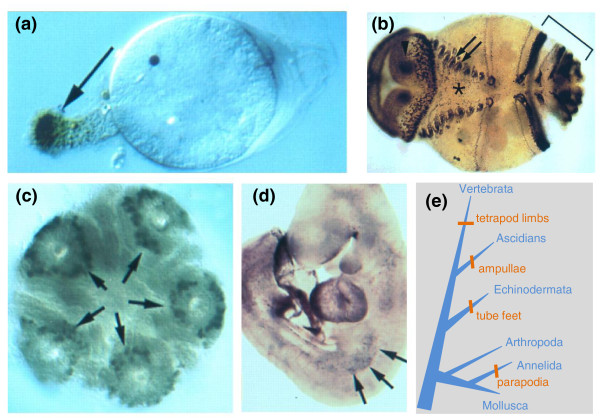
“Note the differentiating eight zones in endostyle (1-8).”
BackgroundWhat to compare and how: Comparative transcriptomics for Evo‐Devo
Roux, J., Rosikiewicz, M., & Robinson‐Rechavi, M. (2015) · Journal of Experimental Zoology Part B Molecular and Developmental Evolution · doi:10.1002/jez.b.22618 · Cited by 78
“Unlike for microarrays and RNA-seq data, the primary extraction and annotation of information from papers is done by the curators of each of these respective databases, while Bgee provides mapping to the bilaterian anatomy ontology Uberon (Haendel et al., 2014), and to ontologies of developmental stages.”
MethodInfluentialKöhler, S., Doelken, S. C., Ruef, B. J., Bauer, S., Washington, N. L., Westerfield, M., Gkoutos, G. V., Schofield, P. N., Smedley, D. P., Lewis, S., et al. (2013) · F1000Research · doi:10.12688/f1000research.2-30.v2 · Cited by 85
Creating a Structured Adverse Outcome Pathway Knowledgebase via Ontology-Based Annotations
Ives, C. L., Campia, I., Wang, R.-L., Wittwehr, C., & Edwards, S. W. (2017) · Applied In Vitro Toxicology · doi:10.1089/aivt.2017.0017 · Cited by 76
“A total of 61 unique Cellular context terms from Cell Ontology (CL), 36 and 60 Organ context terms from the Uber Anatomy Ontology (UBERON), 37 were used.”
Metadata
- Authors
- Mungall, C. J., Torniai, C., Gkoutos, G. V., Lewis, S. E., & Haendel, M. A.
- Affiliations
- Oregon Health & Science University (US)
- University of Cambridge (GB)
- Lawrence Berkeley National Laboratory (US)
- Venue
- Genome biology
- Published
- 2012-01-31
- Volume
- 13
- Issue
- 1
- Pages
- R5-R5
- ISSN
- 1465-6906 (ISSN-L)
- 1474-760X
- PMC
- PMC3334586
- OpenAlex
- W2116034137
- Cited by
- 732
- References
- 67
- Citations by year
- 2026: 60 · 2025: 69 · 2024: 55 · 2023: 66 · 2022: 55 · 2021: 51 · 2020: 46 · 2019: 45 · 2018: 55 · 2017: 46 · 2016: 49 · 2015: 50 · 2014: 34 · 2013: 28 · 2012: 21
- FWCI
- 17.73
- Type
- journal article
- Language
- en
- Open access
- gold
- doi.org
- Locations
- Genome biology (publishedVersion, cc-by)
- Europe PMC (PubMed Central) (publishedVersion, cc-by)
- PubMed Central (publishedVersion, cc-by)
- PubMed (publishedVersion)
- OSTI OAI (U.S. Department of Energy Office of Scientific and Technical Information) (submittedVersion)
- University of Birmingham Research Portal (University of Birmingham) (submittedVersion)
- Funders
- U.S. Department of Energy (-AC02-05CH11231, 05CH11231, DE AC02 05CH11231, DE-AC02-)
- National Institutes of Health (2p41hg002273-07, 5u24rr029825-02, DE-AC02–05CH11231)
- Office of Science (DEAC02–05CH11231, AC02-05CH11231, DE-AC02, 05CH11231)
- National Human Genome Research Institute (U41HG002273, R01HG004838, P41HG002273-09S1, P41-HG002273)
- National Center for Research Resources (1U24RR029825-01)
- Basic Energy Sciences (DE-AC02, DE-AC02-05CH11231., AC02–05CH11231)
- Topics
- Health Sciences › Medicine › Health Informatics › Biomedical Text Mining and Ontologies
- Physical Sciences › Computer Science › Artificial Intelligence › Semantic Web and Ontologies
- Life Sciences › Biochemistry, Genetics and Molecular Biology › Molecular Biology › Bioinformatics and Genomic Networks
- Keywords
- UBERON, anatomy ontology, anatomical classification, taxonomic variation, human anatomy
- MeSH terms
- Anatomy, Comparative, Classification, Humans, Phenotype, Software, Species Specificity, Databases, Factual, Computational Biology
About these checks
Registry, retraction, Cites and statistics results are computed, not judged, with one exception: a printed reference that no index lists is read once by a model before it counts as a citation error. Claims are extracted by a model and kept only when their quote appears verbatim in the text; each cited source is then checked, with a model’s help, for whether it says what the claim relies on. Those verdicts can be wrong — read the claim’s quote and the cited source before relying on one.
Statistics and arithmetic are recomputed, not judged.
Confidence bands are shown only for fields calibrated on our annotated test set. None is calibrated yet, so no band is shown.
What counts as a claim ›How we measure confidence ›How we check this ›
Are you an author, or do you see a problem with this page? Request a review
