

CircPTK2-miR-181c-5p-HMGB1: a new regulatory pathway for microglia activation and hippocampal neuronal apoptosis induced by sepsis
The DOI matches its Crossref record; 38 of the 38 references it cites were found in a registry or an index.
Abstract
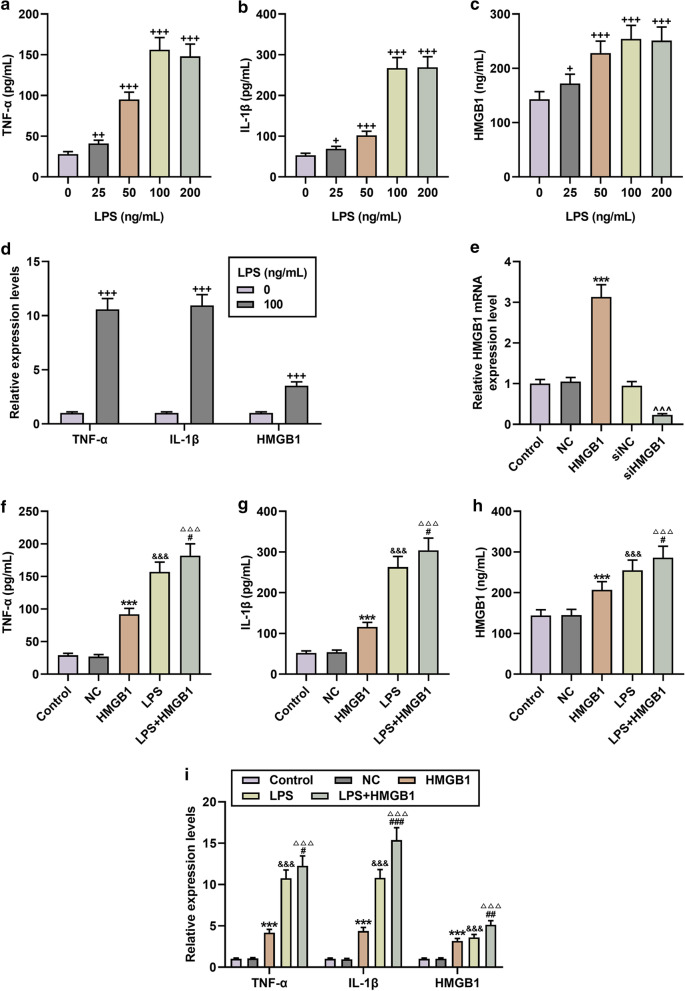
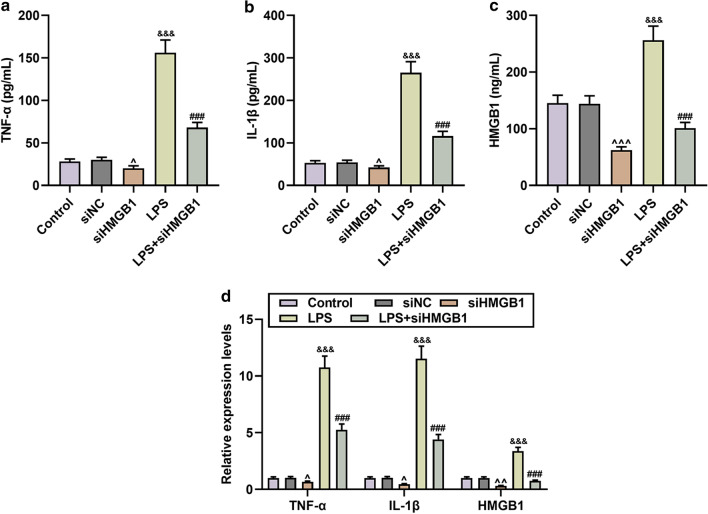
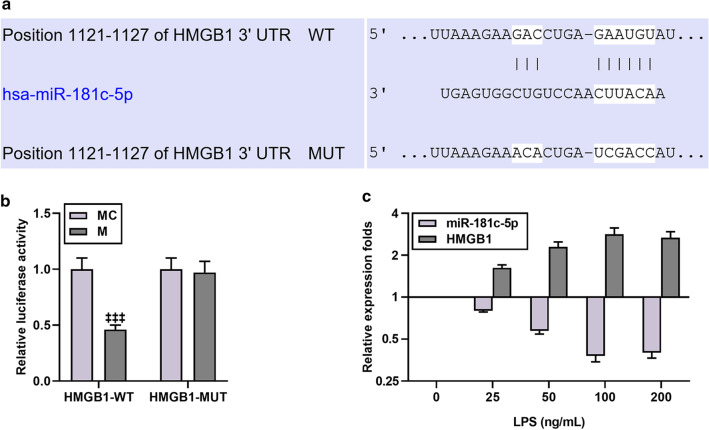
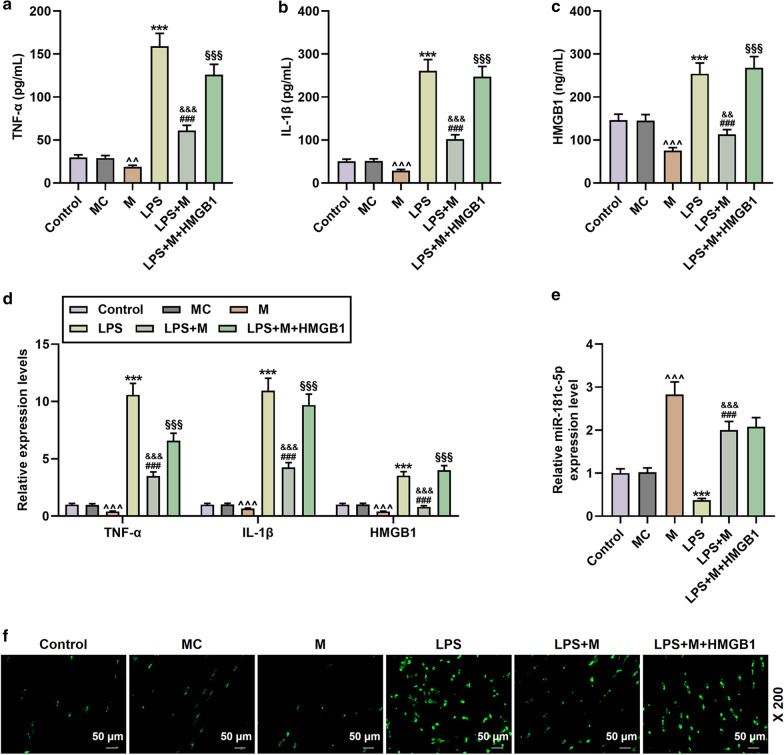
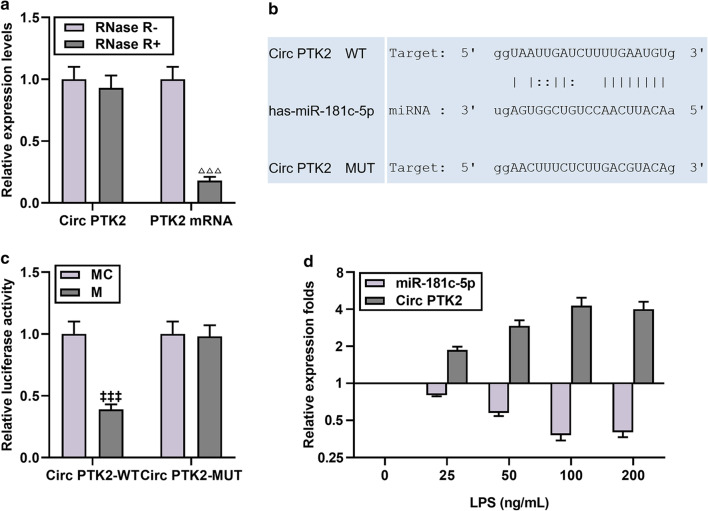
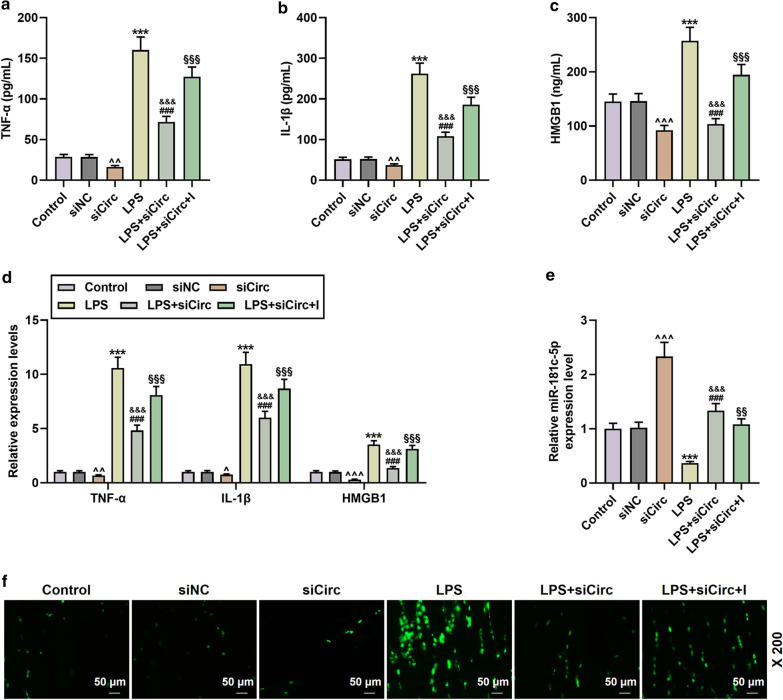
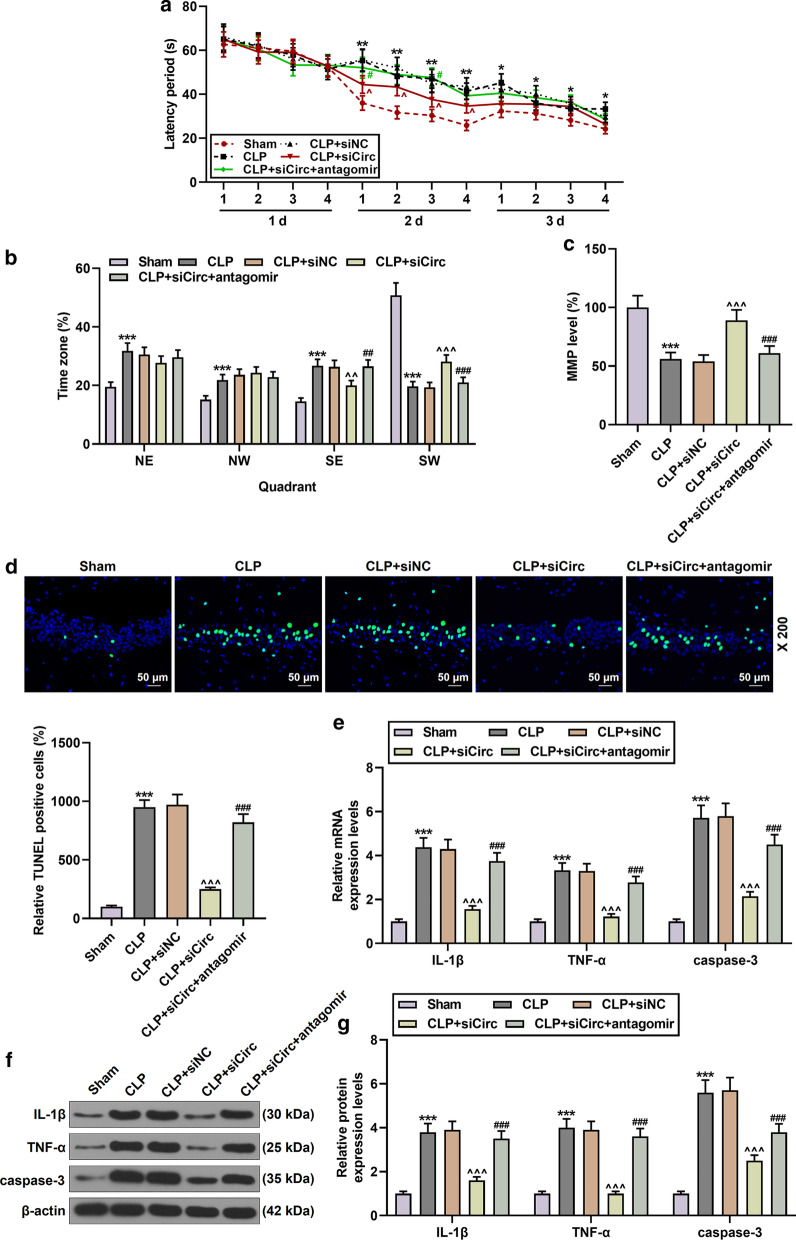
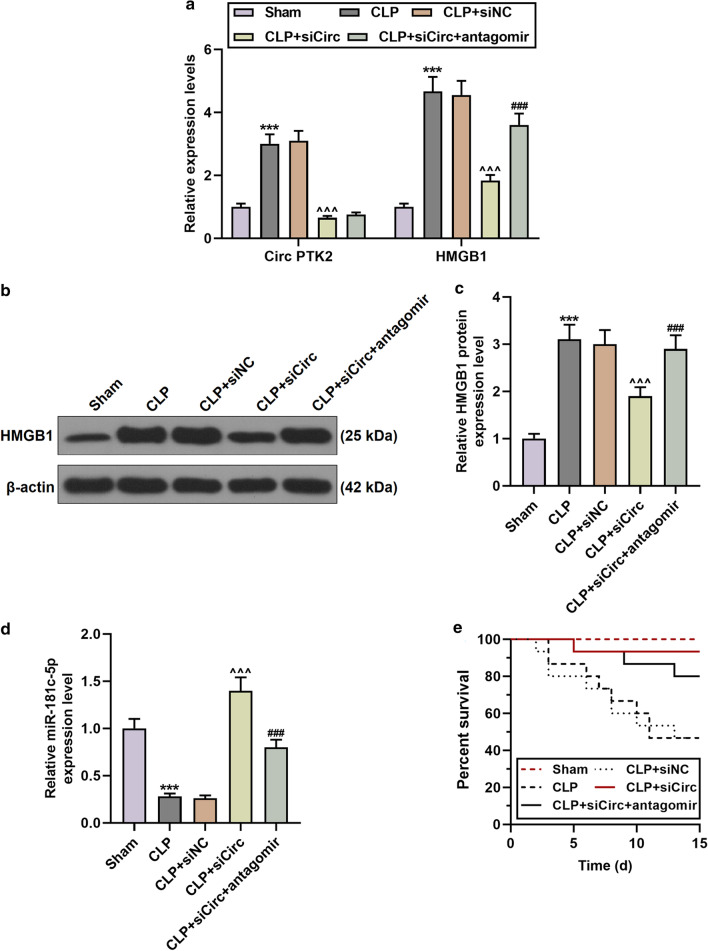
Background: Circular RNA hsa_circ_0008305 (circPTK2), miR-181c-5p and High mobility group box-1 (HMGB1) had a targeted regulatory relationship through bioinformatics analysis. This study explained the effects of these genes in microglia and sepsis mice. Methods: Lipopolysaccharide (LPS) or Cecal Ligation and Puncture (CLP) was used to induce inflammation cell model or sepsis mouse model, as needed. Gene levels were measured by enzyme linked immunosorbent assay (ELISA), quantitative real-time PCR or Western blot, as required. Apoptosis was detected by TUNEL assay, and RNase R was used to test the stability of circPTK2. Targeting relationships between genes were analyzed using bioinformatics analysis and dual luciferase assay. Morris water maze test and mitochondrial membrane potential (MMP) detection were conducted to analyze the effects of genes on cognitive dysfunction of mice. Results: Lipopolysaccharide induction triggered the release of pro-inflammatory cytokines, the upregulation of HMGB1 and circPTK2, and the downregulation of miR-181c-5p in microglia. Overexpression of HMGB1 enhanced the effect of LPS, while silencing HMGB1 partially counteracted the effect of LPS. Moreover, miR-181c-5p was a target of circPTK2 and bound to HMGB1. MiR-181c-5p mimic partially reversed the functions of LPS and HMGB1 overexpression, reduced the levels of TNF-α, IL-1β, and HMGB1, and inhibited apoptosis. CircPTK2 knockdown had the same effect as miR-181c-5p up-regulation. In vivo, sicircPTK2 improved cognitive function, restored MMP level, inhibited apoptosis, reduced the levels of inflammatory factors and apoptotic factors, and increased the survival rate of CLP-induced mice. Conclusion: Our research reveals that circPTK2 regulates microglia activation and hippocampal neuronal apoptosis induced by sepsis via miR-181c-5p-HMGB1 signaling.
Overview
The claims and statistics of this paper haven’t been checked yet.
Free: it reads the open-access text and checks the first 5 claims that cite a source we can check. Create a free account to check every claim.
Integrity signals
Registry
Cites
Statistics
Figures
Verification
Claims the paper makes
The claims and statistics of this paper haven’t been checked yet.
Free: it reads the open-access text and checks the first 5 claims that cite a source we can check. Create a free account to check every claim.
Claims other papers make about this one
Each is checked against this paper’s own text: does it say what the citing paper says it does?
The cited source says what the claim attributes to it.
In the citing paper
“These miRNAs—miR-124-3p, miR-204-5p, miR-328-3p, and miR-181c-5p—regulate processes such as synaptic function [48–50], inflammation, and neuronal survival [51–56], which are similarly impacted by miR-129-5p [57–60] and miR-212-5p [61–66].”
From A role for astrocytic miR-129-5p in frontotemporal dementia (2025) · cites this paper as [55]
Self-check
Percentages, sums and reported differences re-computed from the paper’s own numbers.
The self-check needs the paper’s full text.
Citations
Cites
Microglia-mediated neurotoxicity: uncovering the molecular mechanisms
Block, M. L., Zecca, L., & Hong, J.-S. (2007) · Nature Reviews Neuroscience · doi:10.1038/nrn2038 · Cited by 4,110
Microglial M1/M2 polarization and metabolic states
Orihuela, R., McPherson, C. A., & Harry, G. J. (2016) · British Journal of Pharmacology · doi:10.1111/bph.13139 · Cited by 2,070
Circular RNAs Act as miRNA Sponges
Panda, A. C. (2018) · Advances in Experimental Medicine and Biology · doi:10.1007/978-981-13-1426-1_6 · Cited by 1,109
The role of mitochondrial dysfunction in sepsis-induced multi-organ failure
Singer, M. (2014) · Virulence · doi:10.4161/viru.26907 · Cited by 617
Sepsis: A Review of Advances in Management
Rello, J., Valenzuela-Sánchez, F., Ruiz-Rodriguez, M., & Moyano, S. (2017) · Advances in Therapy · doi:10.1007/s12325-017-0622-8 · Cited by 443
Microglia mediate postoperative hippocampal inflammation and cognitive decline in mice
Feng, X., Valdearcos, M., Uchida, Y., Lutrin, D., Maze, M., & Koliwad, S. K. (2017) · JCI Insight · doi:10.1172/jci.insight.91229 · Cited by 361
Blood serum miRNA: Non-invasive biomarkers for Alzheimer's disease
Geekiyanage, H., Jicha, G. A., Nelson, P. T., & Chan, C. (2012) · Experimental Neurology · doi:10.1016/j.expneurol.2011.11.026 · Cited by 294
Microglia: Housekeeper of the Central Nervous System
Kabba, J. A., Xu, Y., Christian, H., Ruan, W., Chenai, K., Xiang, Y., Zhang, L., Saavedra, J. M., & Pang, T. (2018) · Cellular and Molecular Neurobiology · doi:10.1007/s10571-017-0504-2 · Cited by 248
CircPTK2 (hsa_circ_0005273) as a novel therapeutic target for metastatic colorectal cancer
Yang, H., Li, X., Meng, Q., Sun, H., Wu, S., Hu, W., Liu, G., Li, X., Yang, Y., & Chen, R. (2020) · Molecular Cancer · doi:10.1186/s12943-020-1139-3 · Cited by 232
Microglial-derived miRNA let-7 and HMGB1 contribute to ethanol-induced neurotoxicity via TLR7
Coleman, L. G., Zou, J., & Crews, F. T. (2017) · Journal of Neuroinflammation · doi:10.1186/s12974-017-0799-4 · Cited by 223
Microglia Play an Active Role in Obesity-Associated Cognitive Decline
Cope, E. C., LaMarca, E. A., Monari, P. K., Olson, L. B., Martinez, S., Zych, A. D., Katchur, N. J., & Gould, E. (2018) · The Journal of Neuroscience · doi:10.1523/jneurosci.0789-18.2018 · Cited by 219
Noh, H., Jeon, J., & Seo, H. (2014) · Neurochemistry International · doi:10.1016/j.neuint.2014.02.008 · Cited by 201
HMGB1 Mediates Cognitive Impairment in Sepsis Survivors
Chavan, S. S., Huerta, P. T., Robbiati, S., Valdes-Ferrer, S. I., Ochani, M., Dancho, M., Frankfurt, M., Volpe, B. T., Tracey, K. J., & Diamond, B. (2012) · Molecular Medicine · doi:10.2119/molmed.2012.00195 · Cited by 199
High‐mobility group box‐1 in sterile inflammation
Tsung, A., Tohme, S., & Billiar, T. R. (2014) · Journal of Internal Medicine · doi:10.1111/joim.12276 · Cited by 187
Neuron-Microglia Interaction in Neuroinflammation
Suzumura, A. (2013) · Current Protein & Peptide Science · doi:10.2174/1389203711314010004 · Cited by 173
Zhang, L., Dong, L.-Y., Li, Y.-J., Hong, Z., & Wei, W.-S. (2012) · Journal of Neuroinflammation · doi:10.1186/1742-2094-9-211 · Cited by 148
Peng, Z., Wang, J., Shan, B., Li, B., Peng, W., Dong, Y., Shi, W., Zhao, W., He, D., Duan, M., et al. (2018) · Molecular Cancer · doi:10.1186/s12943-018-0920-z · Cited by 130
Gao, Z., Wang, J., Chen, D., Ma, X., Wu, Y., Zhe, T., & Dang, X. (2017) · Biomedicine & Pharmacotherapy · doi:10.1016/j.biopha.2017.10.157 · Cited by 108
Environment and Neurodegenerative Diseases: An Update on miRNA Role
Ferrante, M., & Conti, G. O. (2017) · MicroRNA · doi:10.2174/2211536606666170811151503 · Cited by 96
Bao, X., Zhang, Q., Liu, N., Zhuang, S., Li, Z., Meng, Q., Sun, H., Bai, J., Zhou, X., & Tang, L. (2019) · Journal of Cellular and Molecular Medicine · doi:10.1111/jcmm.14577 · Cited by 78
MicroRNA: Basic concepts and implications for regeneration and repair of neurodegenerative diseases
Saraiva, C., Esteves, M., & Bernardino, L. I. (2017) · Biochemical Pharmacology · doi:10.1016/j.bcp.2017.07.008 · Cited by 77
Immune-Neuro-Endocrine Reflexes, Circuits, and Networks: Physiologic and Evolutionary Implications
del Rey, A., & Besedovsky, H. O. (2017) · Frontiers of Hormone Research · doi:10.1159/000452902 · Cited by 71
S100A8/A9 Drives Neuroinflammatory Priming and Protects against Anxiety-like Behavior after Sepsis
Denstaedt, S. J., Spencer-Segal, J. L., Newstead, M. W., Laborc, K. F., Zhao, A. P., Hjelmaas, A., Zeng, X., Akil, H., Standiford, T. J., & Singer, B. H. (2018) · The Journal of Immunology · doi:10.4049/jimmunol.1700834 · Cited by 67
P2X7 Receptor Signaling Contributes to Sepsis-Associated Brain Dysfunction
Savio, L. E. B., Andrade, M. G. J., de Andrade Mello, P., Santana, P. T., Moreira-Souza, A. C. A., Kolling, J., Longoni, A., Feldbrügge, L., Wu, Y., Wyse, A. T. S., et al. (2017) · Molecular Neurobiology · doi:10.1007/s12035-016-0168-9 · Cited by 64
miR-181c-5p Exacerbates Hypoxia/Reoxygenation-Induced Cardiomyocyte Apoptosis via Targeting PTPN4
Ge, L., Cai, Y., Fan, Y., Liu, H., Zhang, D., He, Y., Pang, L., Yan, D., Xu, A.-M., Ma, H., et al. (2019) · Oxidative Medicine and Cellular Longevity · doi:10.1155/2019/1957920 · Cited by 60
Neuroinflammation in Sepsis: Sepsis Associated Delirium
Piva, S., McCreadie, V., & Latronico, N. (2015) · Cardiovascular & Hematological Disorders-Drug Targets · doi:10.2174/1871529x15666150108112452 · Cited by 59
Tian, M., Qingzhen, L., Zhiyang, Y., Chunlong, C., Jiao, D., Zhang, L., & Li, W. (2019) · Journal of Cellular Biochemistry · doi:10.1002/jcb.27983 · Cited by 58
Wang, H., Li, Z., Gao, J., & Liao, Q. (2019) · International Journal of Biological Macromolecules · doi:10.1016/j.ijbiomac.2019.02.041 · Cited by 55
Wang, F.-C. (2015) · World Journal of Gastroenterology · doi:10.3748/wjg.v21.i25.7764 · Cited by 45
Zhou, H., Zhang, R., Lu, K., Yu, W., Xie, B., Cui, D., Jiang, L., Zhang, Q., & Xu, S. (2016) · Journal of the Neurological Sciences · doi:10.1016/j.jns.2016.05.038 · Cited by 33
Role of Microglia in the Pathogenesis of Sepsis-Associated Encephalopathy
Deng, Y., Fang, M., Zhu, G., Zhou, Y., & Zeng, H. K. (2013) · CNS & Neurological Disorders - Drug Targets · doi:10.2174/18715273113126660178 · Cited by 32
Manzano-Crespo, M., Atienza, M., & Cantero, J. L. (2019) · Translational Neurodegeneration · doi:10.1186/s40035-019-0174-8 · Cited by 31
Shen, X., Li, Y., Sun, G., Guo, D., & Bai, X. (2018) · International Journal of Biological Macromolecules · doi:10.1016/j.ijbiomac.2018.03.173 · Cited by 30
Nie, M., Han, Y., Shen, Z., & Xie, H. (2020) · Journal of Cellular and Molecular Medicine · doi:10.1111/jcmm.15424 · Cited by 27
Trivedi, S., & Ramakrishna, G. (2009) · International Journal of Neuroscience · doi:10.1080/00207450903139788 · Cited by 22
Ji, L.-J., Li, F., Zhao, P., Weng, L., Wei, J., Yan, J., & Liu, L. (2019) · Journal of Cellular Biochemistry · doi:10.1002/jcb.28794 · Cited by 21
Yu, D., & Zhang, C. (2020) · Digestive Diseases and Sciences · doi:10.1007/s10620-020-06358-4 · Cited by 14
Gonelevue, S., Bandyopadhyay, A., Bhagat, S., Alam, I., & Khan, G. A. (2018) · Journal of Vascular Research · doi:10.1159/000491390 · Cited by 12
Cited by
A role for astrocytic miR-129-5p in frontotemporal dementia
Kaurani, L., Pradhan, R., Schröder, S., Burkhardt, S., Schuetz, A.-L., Krüger, D. M., Pena, T., Heutink, P., Sananbenesi, F., & Fischer, A. (2025) · Translational Psychiatry · doi:10.1038/s41398-025-03338-y · Cited by 10
MiR-181c-5p ameliorates learning and memory in sleep-deprived mice via HMGB1/TLR4/NF-κB pathway
HU, Y., HU, C., YIN, J., ZHONG, J., DENG, Y., & YANG, G. (2023) · Anais da Academia Brasileira de Ciências · doi:10.1590/0001-3765202320220750 · Cited by 4
Metadata
- Authors
- Li, M., Hu, J., Peng, Y., Li, J., & Ren, R.
- ORCID
- Li, Min
- Venue
- Molecular Medicine
- Published
- 2021-05-05
- Volume
- 27
- Issue
- 1
- ISSN
- 1076-1551
- 1528-3658
- PMC
- PMC8101146
- Cited by
- 36
- References
- 38
- Language
- en
- Licence
- creativecommons.org/licenses/by/4.0 (tdm)
- creativecommons.org/licenses/by/4.0 (vor)
- Funders
- Natural Science Foundation of Zhejiang Province (LY19H090028)
About these checks
Registry, retraction, Cites and statistics results are computed, not judged, with one exception: a printed reference that no index lists is read once by a model before it counts as a citation error. Claims are extracted by a model and kept only when their quote appears verbatim in the text; each cited source is then checked, with a model’s help, for whether it says what the claim relies on. Those verdicts can be wrong — read the claim’s quote and the cited source before relying on one.
Statistics and arithmetic are recomputed, not judged.
Confidence bands are shown only for fields calibrated on our annotated test set. None is calibrated yet, so no band is shown.
What counts as a claim ›How we measure confidence ›How we check this ›
Are you an author, or do you see a problem with this page? Request a review
Data sources
Bibliographic data: Semantic Scholar, OpenAlex, Crossref.
Contains information from the Semantic Scholar Academic Graph Datasets, made available under the ODC Attribution License (ODC-BY 1.0).
Semantic Scholar’s data is described in: Kinney, R., et al. (2023). The Semantic Scholar Open Data Platform. arXiv:2301.10140.
