

Faecalibacterium prausnitzii prevents physiological damages in a chronic low-grade inflammation murine model
Open accessThe DOI matches its Crossref record; 60 of the 61 references it cites were found in a registry or an index.
Abstract
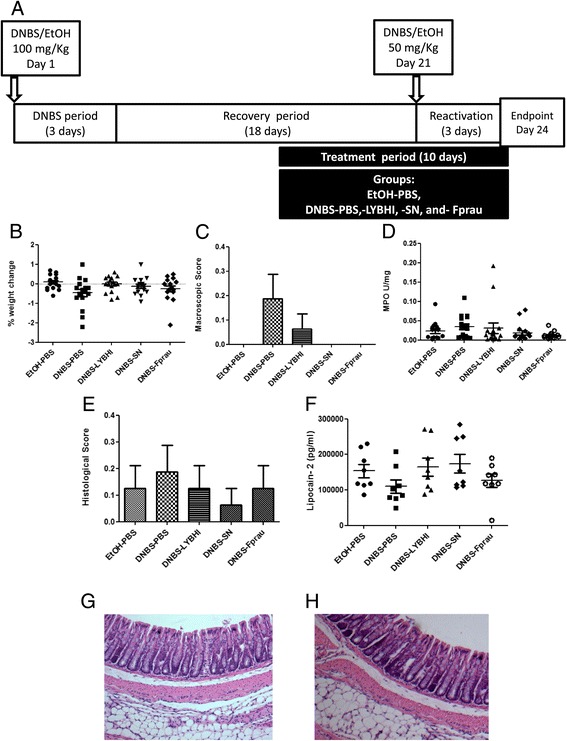
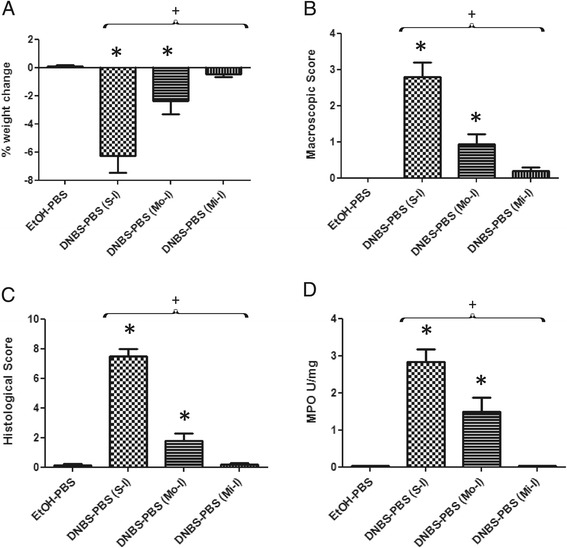
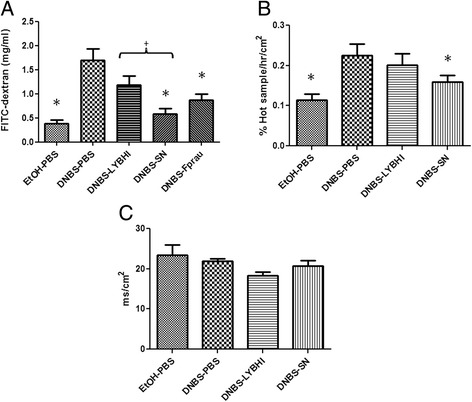
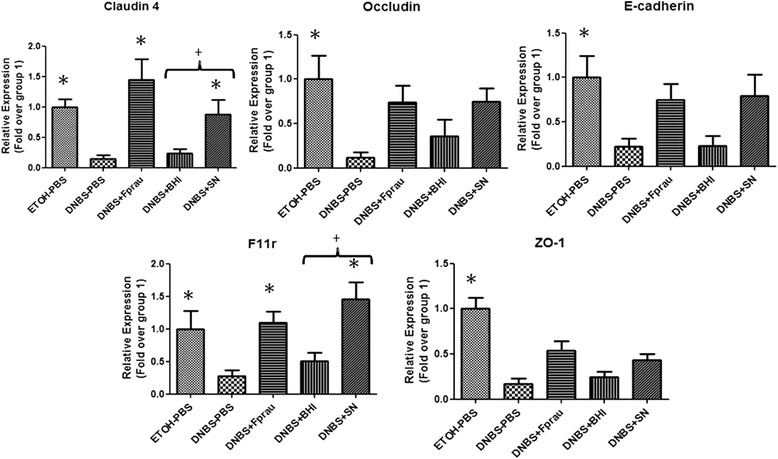
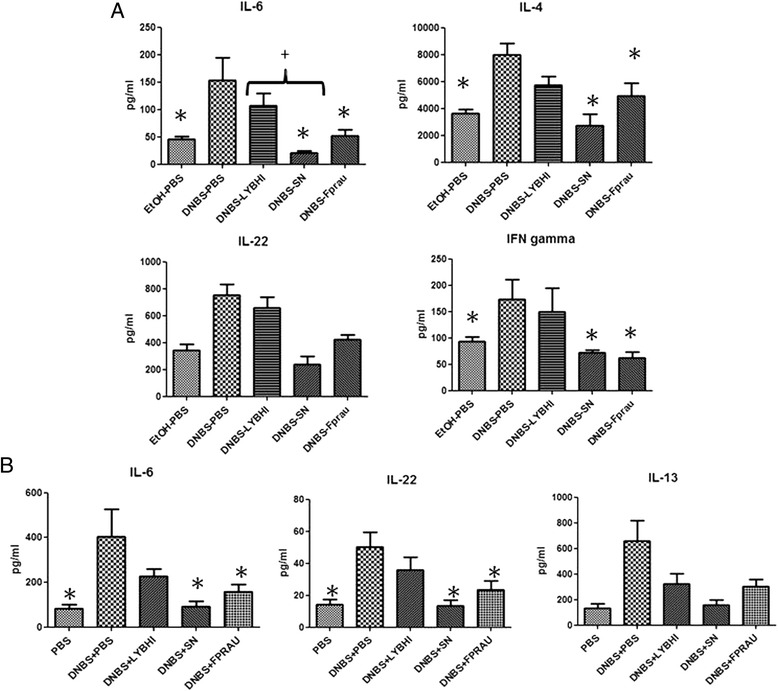
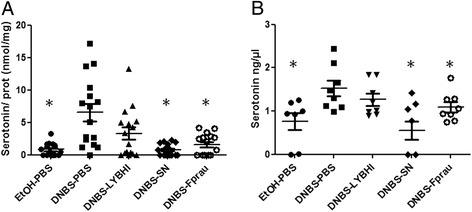
BACKGROUND: The human gut houses one of the most complex and abundant ecosystems composed of up to 10(13)-10(14) microorganisms. The importance of this intestinal microbiota is highlighted when a disruption of the intestinal ecosystem equilibrium appears (a phenomenon called dysbiosis) leading to an illness status, such as inflammatory bowel diseases (IBD). Indeed, the reduction of the commensal bacterium Faecalibacterium prausnitzii (one of the most prevalent intestinal bacterial species in healthy adults) has been correlated with several diseases, including IBD, and most importantly, it has been shown that this bacterium has anti-inflammatory and protective effects in pre-clinical models of colitis. Some dysbiosis disorders are characterized by functional and physiological alterations. Here, we report the beneficial effects of F. prausnitzii in the physiological changes induced by a chronic low-grade inflammation in a murine model. Chronic low-grade inflammation and gut dysfunction were induced in mice by two episodes of dinitro-benzene sulfonic acid (DNBS) instillations. Markers of inflammation, gut permeability, colonic serotonin and cytokine levels were studied. The effects of F. prausnitzii strain A2-165 and its culture supernatant (SN) were then investigated. RESULTS: No significant differences were observed in classical inflammation markers confirming that inflammation was subclinical. However, gut permeability, colonic serotonin levels and the colonic levels of the cytokines IL-6, INF-γ, IL-4 and IL-22 were higher in DNBS-treated than in untreated mice. Importantly, mice treated with either F. prausnitzii or its SN exhibited significant decreases in intestinal permeability, tissue cytokines and serotonin levels. CONCLUSIONS: Our results show that F. prausnitzii and its SN had beneficial effects on intestinal epithelial barrier impairment in a chronic low-grade inflammation model. These observations confirm the potential of this bacterium as a novel probiotic treatment in the management of gut dysfunction and low-grade inflammation.
Overview
The claims and statistics of this paper haven’t been checked yet.
Free: it reads the open-access text and checks the first 5 claims that cite a source we can check. Create a free account to check every claim.
Integrity signals
Registry
Cites
Statistics
Figures
Verification
Claims the paper makes
The claims and statistics of this paper haven’t been checked yet.
Free: it reads the open-access text and checks the first 5 claims that cite a source we can check. Create a free account to check every claim.
Claims other papers make about this one
Each is checked against this paper’s own text: does it say what the citing paper says it does?
The cited source says what the claim attributes to it.
In the citing paper
“F. prausnitzii can also reduce intestinal inflammation by affecting paracellular permeability and enhancing intestinal epithelium barrier function.270,271”
From The role of gut dysbiosis in Parkinson’s disease: mechanistic insights and therapeutic options (2021) · cites this paper as [271]
Self-check
Percentages, sums and reported differences re-computed from the paper’s own numbers.
The self-check needs the paper’s full text.
Citations
Cites
Single-step method of RNA isolation by acid guanidinium thiocyanate-phenol-chloroform extraction
Chomczynski, P., & Sacchi, N. (1987) · Analytical Biochemistry · doi:10.1016/0003-2697(87)90021-2 · Cited by 46,426 · cited 1×
“Total RNA was extracted from 1 cm-long sections of colon homogenized in a TissueLyser, by the guanidinium thiocyanate method [59].”
MethodSokol, H., Pigneur, B., Watterlot, L., Lakhdari, O., Bermúdez-Humarán, L. G., Gratadoux, J.-J., Blugeon, S., Bridonneau, C., Furet, J.-P., Corthier, G., et al. (2008) · Proceedings of the National Academy of Sciences · doi:10.1073/pnas.0804812105 · Cited by 4,413 · cited 4×
“5 mg/ml cysteine (Sigma-Aldrich) at 37°C in an anaerobic chamber as previously described [22].”
BackgroundMethodInfluentialSelf-citationThe NIH Human Microbiome Project
The NIH HMP Working Group, Peterson, J., Garges, S., Giovanni, M., McInnes, P., Wang, L., Schloss, J. A., Bonazzi, V., McEwen, J. E., Wetterstrand, K. A., et al. (2009) · Genome Research · doi:10.1101/gr.096651.109 · Cited by 2,066 · cited 2×
“the identification of low-grade inflammation [9], histopathological observations and mucosal cytokine levels in the colon of a subset of IBS patients [10,11] and the presence of IBS-like symptoms in quiescent IBD [8,12-14] support this hypothesis.”
BackgroundThe Microbiome in Inflammatory Bowel Disease: Current Status and the Future Ahead
Kostic, A. D., Xavier, R. J., & Gevers, D. (2014) · Gastroenterology · doi:10.1053/j.gastro.2014.02.009 · Cited by 1,789 · cited 2×
“The strongest relationship between dysbiosis and pathological condition has been observed in inflammatory bowel diseases (IBD), where the proportion of Firmicutes is lower than in healthy subjects [3,4].”
BackgroundRegulation of intestinal epithelial permeability by tight junctions
Suzuki, T. (2013) · Cellular and Molecular Life Sciences · doi:10.1007/s00018-012-1070-x · Cited by 1,343
Faecalibacterium prausnitzii and human intestinal health
Miquel, S., Martín, R., Rossi, O., Bermúdez-Humarán, L., Chatel, J., Sokol, H., Thomas, M., Wells, J., & Langella, P. (2013) · Current Opinion in Microbiology · doi:10.1016/j.mib.2013.06.003 · Cited by 1,228 · cited 1×
“Changes in the abundance of this commensal anti-inflammatory bacterium [22] and major member of the Clostridium leptum group [23] have been linked to dysbiosis in several human disorders [21], such as IBD, where a low abundance was found in patients exhibiting endoscopic recurrence 6 months after surgery [3].”
BackgroundSelf-citationRajilić–Stojanović, M., Biagi, E., Heilig, H. G. H. J., Kajander, K., Kekkonen, R. A., Tims, S., & de Vos, W. M. (2011) · Gastroenterology · doi:10.1053/j.gastro.2011.07.043 · Cited by 1,041 · cited 3×
“creased ratio of the Firmicutes to Bacteroidetes [5].”
BackgroundInfluentialTowards the human intestinal microbiota phylogenetic core
Tap, J., Mondot, S., Levenez, F., Pelletier, E., Caron, C., Furet, J., Ugarte, E., Muñoz‐Tamayo, R., Paslier, D. L. E., Nalin, R., et al. (2009) · Environmental Microbiology · doi:10.1111/j.1462-2920.2009.01982.x · Cited by 927 · cited 2×
“microbiota, with Actinobacteria being the third, comprising of only 3% [2].”
BackgroundWrzosek, L., Miquel, S., Noordine, M.-L., Bouet, S., Chevalier-Curt, M. J., Robert, V., Philippe, C., Bridonneau, C., Cherbuy, C., Robbe-Masselot, C., et al. (2013) · BMC Biology · doi:10.1186/1741-7007-11-61 · Cited by 804 · cited 1×
“leptum group, and is one of the most prevalent commensal bacteria in the human gut [2], involved in colonic epithelial physiology [32], and a reduction in its abundance has been observed in IBD patients [24].”
BackgroundSelf-citationCytokine regulation of tight junctions
Capaldo, C. T., & Nusrat, A. (2009) · Biochimica et Biophysica Acta (BBA) - Biomembranes · doi:10.1016/j.bbamem.2008.08.027 · Cited by 718 · cited 1×
“trans-epithelial electric resistance (TEER) in vitro and in vivo [43,44].”
Background
Research works printed but not linked: 1
- Miquel S Martin R Rossi O Bermudez-Humaran L Chatel J Sokol H Faecalibacterium prausnitzii and human intestinal health Curr Opin Microbiol 2014 16 3 255 61 10.1016/j.mib.2013.06.003 23831042 · DOI · Paper page
Cited by
Items 101–200 of 319
Impact of the Microbiota on Bacterial Infections during Cancer Treatment
Galloway-Peña, J., Brumlow, C., & Shelburne, S. A. (2017) · Trends in Microbiology · doi:10.1016/j.tim.2017.06.006 · Cited by 59
A Versatile New Model of Chemically Induced Chronic Colitis Using an Outbred Murine Strain
Barone, M., Chain, F., Sokol, H., Brigidi, P., Bermúdez‐Humarán, L. G., Langella, P., & Martín, R. (2018) · Frontiers in Microbiology · doi:10.3389/fmicb.2018.00565 · Cited by 58
“This technique reveals the degree of colon permeability and has been successfully linked to directly measure alterations in local permeability in colon tissues employing Ussing chambers (Martin et al., 2015).”
MethodSelf-citationWang, Y., Li, L., Chen, S., Yu, Z., Gao, X., Peng, X., Ye, Q., Li, Z., Tan, W., & Chen, Y. (2024) · Pharmacological Research · doi:10.1016/j.phrs.2024.107277 · Cited by 58
Palone, F., Vitali, R., Cucchiara, S., Mennini, M., Armuzzi, A., Pugliese, D., Renata D'Incà, Barberio, B., & Stronati, L. (2016) · Inflammatory Bowel Diseases · doi:10.1097/mib.0000000000000938 · Cited by 51
Lapière, A., Geiger, M., Robert, V., Demarquay, C., Auger, S., Chadi, S., Benadjaoud, M. A., Fernandes, G. D. R., Milliat, F., Langella, P., et al. (2020) · Gut Microbes · doi:10.1080/19490976.2020.1812867 · Cited by 56
“prausnitzii on hyperpermeability has already been shown in a model of inflammatory bowel disease with chronic low-grade inflammation.(9,10) In rodents receiving F.”
BackgroundInfluentialSelf-citationDong, L., Wang, J., Liu, P., Yang, Y., Feng, J. Q., & Han, Y. (2017) · World Journal of Gastroenterology · doi:10.3748/wjg.v23.i36.6665 · Cited by 47
Real friends:Faecalibacterium prausnitziisupports mucosal immune homeostasis
Hornef, M. W., & Pabst, O. (2015) · Gut · doi:10.1136/gutjnl-2015-310027 · Cited by 51
Exploring the role of gut microbiota in advancing personalized medicine
Huang, G., Khan, R., Zheng, Y., Lee, P.-C., Li, Q., & Khan, I. (2023) · Frontiers in Microbiology · doi:10.3389/fmicb.2023.1274925 · Cited by 51
The role of the gastrointestinal barrier in obesity‐associated systemic inflammation
Acciarino, A., Diwakarla, S., Handreck, J., Bergola, C., Sahakian, L., & McQuade, R. M. (2023) · Obesity Reviews · doi:10.1111/obr.13673 · Cited by 61
“…F. prausnitzii supernatant has been shown to attenuate inflammation through release of metabolites that enhance the intestinal barrier function 92,95 via mechanisms related to the modulation of certain tight junction proteins 92 and in obese conditions, there is consistent evidence for reduced…”
BackgroundThe Role of the Microbiome in Pancreatic Cancer
Miyabayashi, K., Ijichi, H., & Fujishiro, M. (2022) · Cancers · doi:10.3390/cancers14184479 · Cited by 53
Intestinal effect of the probiotic Escherichia coli strain Nissle 1917 and its OMV
Behrouzi, A., Mazaheri, H., Falsafi, S., Tavassol, Z. H., Moshiri, A., & Siadat, S. D. (2020) · Journal of Diabetes & Metabolic Disorders · doi:10.1007/s40200-020-00511-6 · Cited by 50
“Numerous examinations have assessed the restorative capability of specific microbes, including commensal and probiotic strains, to enhance IBD in clinical preliminaries [11, 12] or in vitro models of colitis [28, 47, 48, 56, 57].”
BackgroundThe Gut Microbiome Advances Precision Medicine and Diagnostics for Inflammatory Bowel Diseases
Mousa, W. K., & Ali, A. (2024) · International Journal of Molecular Sciences · doi:10.3390/ijms252011259 · Cited by 56
“Moreover, F. prausnitzii reduced gut permeability and restored intestinal epithelial barrier function [100].”
Chen, P., Chen, F., Lei, J., & Zhou, B. (2021) · Food & Function · doi:10.1039/d1fo02440j · Cited by 41
Ye, L., Wang, Y., Xiao, F., Wang, X., Li, X., Cao, R. Y., Zhang, J., & Zhang, T. (2023) · Microbial Cell Factories · doi:10.1186/s12934-023-02243-7 · Cited by 43
“…strain A2-165 or its supernatant has been confirmed to possess anti-inflammatory properties by downregulating MPO and proinflammatory cytokines, regulating the differentiation and proliferation of helper T-cells, and protecting the intestinal epithelial barrier in colitis mouse models [31, 32].”
BackgroundRavn, J. L., Thøgersen, J. C., Eklöf, J., Pettersson, D., Ducatelle, R., Immerseel, F. V., & Pedersen, N. R. (2017) · Animal Feed Science and Technology · doi:10.1016/j.anifeedsci.2017.02.011 · Cited by 45
Gut Microbiota at the Intersection of Alcohol, Brain, and the Liver
Gupta, H., Suk, K. T., & Kim, D. J. (2021) · Journal of Clinical Medicine · doi:10.3390/jcm10030541 · Cited by 47
Khan, R., Roy, N., Ali, H., & Naeem, M. (2022) · Gastroenterology Research and Practice · doi:10.1155/2022/9999925 · Cited by 42
Microbiome Dysbiosis: A Pathological Mechanism at the Intersection of Obesity and Glaucoma
Pezzino, S., Sofia, M., Greco, L. P., Litrico, G., Filippello, G., Sarvà, I., Greca, G. L., & Latteri, S. (2023) · International Journal of Molecular Sciences · doi:10.3390/ijms24021166 · Cited by 41
Kumar, K. P., Ooi, J. D., & Goldberg, R. (2023) · Frontiers in Microbiology · doi:10.3389/fmicb.2023.1291724 · Cited by 46
Lee, C. S., Kim, J. ‐., Kim, B. K., Lee, I. O., Park, N. H., & Kim, S. H. (2021) · Journal of Applied Microbiology · doi:10.1111/jam.14852 · Cited by 39
“Faecalibacterium prausnitzii has been described as an antiinflammatory commensal bacterium that is able to alleviate chronic low-grade inflammation (Sokol et al. 2008; Mart ın et al. 2015).”
BackgroundHan, Y., Zhao, Q., Tang, C., Li, Y., Zhang, K., Li, F., & Zhang, J. (2020) · Frontiers in Microbiology · doi:10.3389/fmicb.2020.588666 · Cited by 42
“This was to some extent demonstrated by previous studies that antibiotic-treated and germ-free mice are more susceptible to dextran sulfate sodium (DSS)-induced colitis (Rakoff-Nahoum et al., 2004; Maslowski et al., 2009).”
ResultDirect Action of Non-Digestible Oligosaccharides against a Leaky Gut
Mavrogeni, M. E., Asadpoor, M., Henricks, P. A. J., Keshavarzian, A., Folkerts, G., & Braber, S. (2022) · Nutrients · doi:10.3390/nu14214699 · Cited by 38
Li, G.-H., Huang, S., Li, X., Liu, X.-S., & Du, Q. (2020) · World Journal of Gastroenterology · doi:10.3748/wjg.v26.i46.7338 · Cited by 40
Cui, Y., Wei, H., Lu, F., Liu, X., Liu, D., Gu, L., & Ouyang, C. (2016) · PLoS ONE · doi:10.1371/journal.pone.0148241 · Cited by 42
Exploring the Role of the Gut Microbiota in Modulating Colorectal Cancer Immunity
Shakhpazyan, N. K., Михалева, Л. М., Bedzhanyan, A. L., Владиславовна, Г. З., Mikhalev, A. I., Midiber, K. Y., Pechnikova, V. V., & Biryukov, A. E. (2024) · Cells · doi:10.3390/cells13171437 · Cited by 37
“Further studies found that it prevents physiological damage in a chronic low-grade inflammation murine model by reducing gut permeability and restoring apical junction proteins, essential for maintaining gut barrier integrity [20].”
Gut Microbiota, Macrophages and Diet: An Intriguing New Triangle in Intestinal Fibrosis
Amamou, A., O’Mahony, C., Leboutte, M., Savoye, G., Ghosh, S., & Marion‐Letellier, R. (2022) · Microorganisms · doi:10.3390/microorganisms10030490 · Cited by 36
Sociability in a non-captive macaque population is associated with beneficial gut bacteria
Johnson, K. V. ‐., Watson, K. K., Dunbar, R., & Burnet, P. W. J. (2022) · Frontiers in Microbiology · doi:10.3389/fmicb.2022.1032495 · Cited by 36
“Indeed, its abundance in humans is typically reduced in illnesses such as inflammatory bowel disease (Sokol et al., 2008; Martín et al., 2015), chronic fatigue syndrome (Giloteaux et al.”
BackgroundTargeting Gut Microbiota in Cancer Cachexia: Towards New Treatment Options
Panebianco, C., Villani, A., Potenza, A., Favaro, E., Finocchiaro, C., Perri, F., & Pazienza, V. (2023) · International Journal of Molecular Sciences · doi:10.3390/ijms24031849 · Cited by 37
“prausnitzii [74], which was previously shown to have anti-inflammatory [75] and gut barrierenhancing properties in colitis mice [76].”
BackgroundYang, M., Wang, J., Shin, J., Lee, D., Lee, S., Seo, J., Shin, J., Nam, Y., Kim, H., & Sun, X. (2023) · Frontiers in Endocrinology · doi:10.3389/fendo.2023.1220044 · Cited by 47
“prausnitzii improves the gut permeability (24).”
Rodrigues, V. C. D. C., Duque, A. L. R. F., Fino, L. D. C., Simabuco, F. M., Sartoratto, A., Cabral, L., Noronha, M. F., Sivieri, K., & Antunes, A. E. C. (2020) · British Journal Of Nutrition · doi:10.1017/s0007114520000896 · Cited by 37
“prausnitzii as a possible biomarker to assist diagnostics and prognoses and also as a probiotic for treatment(101,104,105).”
BackgroundLiu, C., Chen, W., Wang, M., Wang, Y., Li-Qing, C. H. E. N., Zhao, F., Shi, Y., Hui-Jun, L. I. U., Dou, X., Chao, L. I. U., et al. (2020) · Chinese Journal of Natural Medicines · doi:10.1016/s1875-5364(20)30052-2 · Cited by 38
“Members of Lachnospiraceae may produce butyric acid in humans, thus preventing colon cancer [54] stabilizing the intestinal environment by retarding the accumulation of lactate and producing bacteriocins ([55]).”
BackgroundMall, J. G., Löfvendahl, L., Lindqvist, C. M., Brummer, R. J., Keita, Å. V., & Schoultz, I. (2018) · Scientific Reports · doi:10.1038/s41598-018-31492-5 · Cited by 39
Park, J., Song, W., Lee, J., Jo, S.-H., Lee, J., Jeon, H., Kwon, J.-E., Kim, Y., Baek, J., Kim, M. G., et al. (2022) · Frontiers in Bioengineering and Biotechnology · doi:10.3389/fbioe.2022.825399 · Cited by 40
“The bacterium has been reported to reduce the severity of intestinal inflammation through anti-inflammatory metabolites in a colitis mouse model (Sokol et al., 2008; Martín et al., 2015; Miquel et al., 2015).”
BackgroundProbiotic Properties of Lactobacillus Strains Isolated from Table Olive Biofilms
Benítez‐Cabello, A., Torres-Maravilla, E., Bermúdez‐Humarán, L. G., Langella, P., Martín, R., Jiménez‐Díaz, R., & Arroyo‐López, F. N. (2019) · Probiotics and Antimicrobial Proteins · doi:10.1007/s12602-019-09604-y · Cited by 37
Self-citationYang, Z., Guo, Y.-S., Huang, J., Gao, Y.-F., Peng, F., Xu, R., Su, H., & Zhang, P.-J. (2021) · Molecules · doi:10.3390/molecules26092464 · Cited by 39
“Besides, the species Faecalibacterium prausnitzii from the genera Faecalibacterium has been also demonstrated to increase the tight junction protein expression, which, thus, affects paracellular permeability and maintains gut barrier function [48,49].”
BackgroundYang, H., Li, S., & Le, W. (2022) · Aging and Disease · doi:10.14336/ad.2022.01281 · Cited by 37
“Faecalibacterium Prausnitzii was found to have anti-inflammatory and protective effects on the IEB [23, 24].”
BackgroundInfluentialLee, B., Huang, S., Hou, C., Chen, Y.-Z., Chen, Y., Hazeena, S. H., & Hsu, W.-H. (2023) · Food Chemistry · doi:10.1016/j.foodchem.2023.135410 · Cited by 32
Lin, Z., Mao, D., Jin, C., Wang, J., Lai, Y., Zhang, Y., Zhou, M., Ge, Q., Zhang, P., Sun, Y., et al. (2023) · Frontiers in Immunology · doi:10.3389/fimmu.2023.1105293 · Cited by 35
Hernández-Delgado, N. C., Torres-Maravilla, E., Mayorga-Reyes, L., Martín, R., Langella, P., Pérez-Pastén-Borja, R., Sánchez-Pardo, M. E., & Bermúdez‐Humarán, L. G. (2021) · Microorganisms · doi:10.3390/microorganisms9051063 · Cited by 34
“The FITC‐dextran concentration was calculated from a standard curve obtained from a serial dilution of FITC‐dextran [27].”
MethodSelf-citationDiet and gut microbial associations in irritable bowel syndrome according to disease subtype
Wang, Y., Ma, W., Mehta, R. S., Nguyen, L. H., Song, M., Drew, D. A., Asnicar, F., Huttenhower, C., Segata, N., Wolf, J., et al. (2023) · Gut Microbes · doi:10.1080/19490976.2023.2262130 · Cited by 38
“25 Serotonin is a crucial neurotransmitter modulating gastrointestinal motility and nociception, 26 both of which are involved in IBS pathophysiology.”
BackgroundLebas, M., Garault, P., Carrillo, D., Codoñer, F. M., & Derrien, M. (2020) · Microorganisms · doi:10.3390/microorganisms8101528 · Cited by 32
“prausnitzii has been reported to have anti-inflammatory effects in vivo, in models of acute [4] or chronic [6] chemically induced active inflammation and in conditions of low-grade inflammation [7], mediated in part by the secreted metabolites blocking the activation of nuclear”
BackgroundRoy, S., Bahmani, A. H. A., Davids, M., Herrema, H., & Nieuwdorp, M. (2025) · Microorganisms · doi:10.3390/microorganisms13061356 · Cited by 29
“…unsuccessful in restoring gut barrier function in the C26 cancer cachexia model using F. prausnitzii [26] which has previously been shown to improve gut barrier function in other murine models for colitis [95], low-grade inflammation [96], and non-inflammatory irritable bowel syndrome (IBS) [97].”
Park, S., Kang, Y., Koh, H., & Kim, S. (2020) · Korean Journal of Pediatrics · doi:10.3345/cep.2019.00500 · Cited by 30
“studied for their therapeutic potential as they seem to be beneficial in reducing the severity of colitis in many mouse models.(72-74)”
BackgroundWang, H., Jatmiko, Y. D., Bastian, S. E. P., Mashtoub, S., & Howarth, G. S. (2017) · Nutrition and Cancer · doi:10.1080/01635581.2017.1263747 · Cited by 33
“Previously, Fp and Fp SN have been shown to influence the expression of pro-inflammatory cytokines such as IL-22, which is associated with antimicrobial and pro-inflammatory functions (17,18).”
BackgroundFrom anaerobes to aerointolerant prokaryotes
Ndongo, S., Khelaifia, S., Lagier, J., & Raoult, D. (2019) · Human Microbiome Journal · doi:10.1016/j.humic.2019.100068 · Cited by 29
Verstraeten, S., Layec, S., Auger, S., Juste, C., Henry, C., Charif, S., Jaszczyszyn, Y., Sokol, H., Beney, L., Langella, P., et al. (2024) · Scientific Reports · doi:10.1038/s41598-023-51059-3 · Cited by 31
Self-citationVerstraeten, S., Sencio, V., Raise, A., Huillet, E., Layec, S., Deruyter, L., Heumel, S., Auger, S., Robert, V., Langella, P., et al. (2022) · Nutrients · doi:10.3390/nu14071478 · Cited by 32
Self-citationGut microbiota interacts with inflammatory responses in acute pancreatitis
Wu, L., Hu, J., Yi, X.-L., Lv, J., Yao, J., Tang, W., Zhang, S., & Wan, M. (2023) · Therapeutic Advances in Gastroenterology · doi:10.1177/17562848231202133 · Cited by 33
Peng, Q., Chang, H., Wang, R., You, Z., Jiang, S., Ma, C., Huo, D., Zhu, X., & Zhang, J. (2019) · Food & Function · doi:10.1039/c9fo01237k · Cited by 28
Han, E. J., Ahn, J., Chae, Y. J., & Chung, H. (2025) · Clinical Reviews in Allergy & Immunology · doi:10.1007/s12016-025-09093-8 · Cited by 29
Jena, P. K., Wakita, D., Gomez, A. C., de Carvalho, T. T., Atici, A. E., Aubuchon, E. A., Narayanan, M., Lee, Y., Fishbein, M. C., Takasato, Y., et al. (2025) · Circulation Research · doi:10.1161/circresaha.124.325079 · Cited by 34
“46 Furthermore, bacterial inactivation by pasteurization, a mild heat-mediated process, enhances their beneficial impact on the host, which may be mediated by increased stability and accessibility to bacterial proteins and components.”
Suwal, S., Wu, Q., Liu, W., Liu, Q., Sun, H., Ming, L., Gao, J., Zhang, B., Kou, Y., Liu, Z., et al. (2018) · Frontiers in Microbiology · doi:10.3389/fmicb.2018.02675 · Cited by 27
“…are thought to be able to actively modulate the gut microbiota and provide therapeutic benefits across a broad range of disorders Frontiers in Microbiology | www.frontiersin.org 1 November 2018 | Volume 9 | Article 2675 including IBD (Martin et al., 2015; Jiang et al., 2016; Kim et al., 2017).”
BackgroundRenelies‐Hamilton, J., Noguera-Julián, M., Parera, M., Paredes, R., Pacheco, L., Dacal, E., Saugar, J. M., Rubio, J. M., Poulsen, M., Köster, P. C., et al. (2019) · Infection Genetics and Evolution · doi:10.1016/j.meegid.2019.104010 · Cited by 25
Barone, M., Ramayo‐Caldas, Y., Estellé, J., Tambosco, K., Chadi, S., Maillard, F., Gallopin, M., Planchais, J., Chain, F., Kropp, C., et al. (2023) · Microbiome · doi:10.1186/s40168-023-01584-0 · Cited by 31
Self-citationChen, J., Lan, M., Zhang, X., Jiao, W., Chen, Z., Li, L., & Li, B. (2023) · Nutrients · doi:10.3390/nu15081965 · Cited by 24
“Faecalibacterium, such as Faecalibacterium prausnitzii, has anti-inflammatory properties and is beneficial to the host [34].”
BackgroundNeufeld, K. M., Strain, C., Pusceddu, M. M., Waworuntu, R. V., Manurung, S., Gross, G., Moloney, G. M., Hoban, A. E., Murphy, K., Stanton, C., et al. (2020) · Neuronal Signaling · doi:10.1042/ns20200007 · Cited by 27
Danne, C., Formiga, R. D. O., Creusot, L., Marquet, F., Sedda, D., Hua, L., Ruffié, P., Pham, H., Brot, L., Salgueiro, I. A., et al. (2026) · Gastroenterology · doi:10.1053/j.gastro.2025.10.003 · Cited by 33
Self-citationYaghoubfar, R., Behrouzi, A., Fateh, A., Nojoumi, S. A., Vaziri, F., Khatami, S., & Siadat, S. D. (2021) · Journal of Diabetes & Metabolic Disorders · doi:10.1007/s40200-020-00539-8 · Cited by 21
“prausnitzii and its supernatant as therapeutic options for the improvement of GI inflammatory disorders [22].”
BackgroundButyrate Treatment of DSS-Induced Ulcerative Colitis Affects the Hepatic Drug Metabolism in Mice
Jourová, L., Satka, S., Frýbortová, V., Zapletalová, I., Anzenbacher, P., Anzenbacherová, E., Hermanová, P. P., Drabonova, B., Šrůtková, D., Kozáková, H., et al. (2022) · Frontiers in Pharmacology · doi:10.3389/fphar.2022.936013 · Cited by 25
“In an experimental model of colitis, administration of butyrate-producing bacterium Clostridium tyrobutyricum or Faecalibacterium prausnitzii have been shown to restore gut barrier integrity by modulation of tightjunction proteins (Hudcovic et al., 2012; Martín et al., 2015).”
MethodTorres-Maravilla, E., Holowacz, S., Delannoy, J., Lenoir, L., Jacouton, E., Gervason, S., Meynier, M., Boucard, A.-S., Carvalho, F. A., Barbut, F., et al. (2022) · Scientific Reports · doi:10.1038/s41598-022-21746-8 · Cited by 24
Self-citationRytter, H., Naimi, S., Wu, G., Lewis, J., Duquesnoy, M., Vigué, L., Tenaillon, O., Belda, E., Vazquez-Gomez, M., Touly, N., et al. (2025) · Gut · doi:10.1136/gutjnl-2024-333925 · Cited by 19
Arruda, H. S., Geraldi, M. V., Cedran, M. F., Bicas, J. L., Maróstica, M. R., & Pastore, G. M. (2021) · Elsevier eBooks · doi:10.1016/b978-0-12-823569-0.00006-0 · Cited by 24
Hizay, A., Dag, K., Öz, N., Göçer, E. M. Ç., Özbey, Ö., Uçak, M., & Keleş, N. (2023) · Anaerobe · doi:10.1016/j.anaerobe.2023.102710 · Cited by 20
Botin, T., Ramirez-Chamorro, L., Vidić, J., Langella, P., Martin‐Verstraete, I., Chatel, J., & Auger, S. (2023) · Applied and Environmental Microbiology · doi:10.1128/aem.00606-23 · Cited by 20
Self-citationThe Role of the Adrenal–Gut–Brain Axis on Comorbid Depressive Disorder Development in Diabetes
Mázala-de-Oliveira, T., da Silva, B. P. B., Campello‐Costa, P., & Carvalho, V. F. (2023) · Biomolecules · doi:10.3390/biom13101504 · Cited by 20
Genomic and functional diversity of the human-derived isolates of Faecalibacterium
Li, W., Lin, X., Liang, H., Wu, Z., Wang, M., Sun, J., Li, X., He, W., Gao, X., Hu, T., et al. (2024) · Frontiers in Microbiology · doi:10.3389/fmicb.2024.1379500 · Cited by 17
Joukar, F., Mavaddati, S., Mansour‐Ghanaei, F., & Samadani, A. A. (2019) · Journal of Gastrointestinal Cancer · doi:10.1007/s12029-019-00237-6 · Cited by 19
The Impact of microRNAs on Mitochondrial Function and Immunity: Relevance to Parkinson’s Disease
Guedes, B. F. S., Cardoso, S. M., & Esteves, A. R. (2023) · Biomedicines · doi:10.3390/biomedicines11051349 · Cited by 17
Cabezas‐Cruz, A., & Bermúdez‐Humarán, L. G. (2023) · Computational and Structural Biotechnology Journal · doi:10.1016/j.csbj.2023.11.027 · Cited by 22
“The anti-inflammatory effects of F. duncaniae and its SN were also demonstrated in a chronic low-grade inflammation model in mice by decreasing the intestinal permeability, the colonic levels of the cytokines IL-6, INF-γ , IL-4 and IL-22 and serotonin levels [82].”
BackgroundSelf-citationF. prausnitzii potentially modulates the association between citrus intake and depression
Samuthpongtorn, C., Chan, A. A., Ma, W., Wang, F., Nguyen, L. H., Wang, D. D., Okereke, O. I., Huttenhower, C., Chan, A. T., & Mehta, R. S. (2024) · Microbiome · doi:10.1186/s40168-024-01961-3 · Cited by 19
“Furthermore, treat-ment with either F. prausnitzii or its supernatant raises intestinal serotonin levels in mice [76].”
Lee, C. S., Kim, B. K., Lee, I. O., Park, N. H., & Kim, S. H. (2020) · International Dairy Journal · doi:10.1016/j.idairyj.2020.104788 · Cited by 20
Du, Y., Lu, D., Na, L., Sun, T., Sun, X., Wang, L., He, S., Wang, Z., Lu, Z., Li, F., et al. (2021) · Frontiers in Cellular and Infection Microbiology · doi:10.3389/fcimb.2021.707402 · Cited by 19
Faecalibacterium prausnitzii in Differentiated Thyroid Cancer Patients Treated with Radioiodine
Fernandes, A. R., Oliveira, A. B. F. D., Carvalho, A. L., Soares, R. A., & Barata, P. (2023) · Nutrients · doi:10.3390/nu15122680 · Cited by 16
“prausnitzii may prevent inflammation by inducing the production of IL-10 and inhibiting the synthesis of pro-inflammatory cytokines (IL-6 and IL-12) [10,11].”
BackgroundPanattoni, A., Calvigioni, M., Benvenuti, L., D’Antongiovanni, V., Pellegrini, C., Salvo, C. D., Mazzantini, D., Celandroni, F., Fornai, M., Antonioli, L., et al. (2022) · Frontiers in Microbiology · doi:10.3389/fmicb.2022.1054097 · Cited by 15
“, 2017), exerting antiinflammatory activities (Martín et al., 2015), producing butyrate (Louis and Flint, 2009), and improving the gut barrier function (Carlsson et al.”
BackgroundMartín, R., Benítez‐Cabello, A., Kulakauskas, S., Viana, M. V. C., Chamignon, C., Courtin, P., Carbonne, C., Chain, F., Pham, H., Derrien, M., et al. (2023) · Scientific Reports · doi:10.1038/s41598-023-32116-3 · Cited by 16
Self-citationJeong, E., Eun, S., Chae, S., & Lee, S. (2024) · Journal of Medicinal Food · doi:10.1089/jmf.2024.k.0031 · Cited by 15
“28,29 A study by Martín et al. indicated that administering F. prausnitzii lessened in fl ammation severity by augmenting intestinal barrier function and in fl uencing paracellular permeability in a murine model.”
Kaden, T., Alonso‐Román, R., Stallhofer, J., Gresnigt, M. S., Hube, B., & Mosig, A. S. (2024) · Advanced Healthcare Materials · doi:10.1002/adhm.202402756 · Cited by 18
Microbiome Regulation of Autoimmune, Gut and Liver Associated Diseases
Singh, B., Qin, N., & Reid, G. (2016) · Inflammation & Allergy - Drug Targets · doi:10.2174/1871528114666160128150747 · Cited by 13
The Critical Role of Faecalibacterium prausnitzii in Cardiovascular Diseases
Zheng, T., Meng, C., Lv, Z., Wu, C., Zhou, X., & Mao, W. (2025) · Reviews in Cardiovascular Medicine · doi:10.31083/rcm26740 · Cited by 18
“Furthermore, obesity and hyperglycemia are among the cardiovascular risk factors that can disrupt the gut microbiome and cause negative changes directly related with a higher risk of CVD [2,49,50].”
Strain-Specific Anti-Inflammatory Effects of Faecalibacterium prausnitzii Strain KBL1027 in Koreans
Seo, B., Jeon, K., Kim, W.-K., Jang, Y. J., Cha, K. H., & Ko, G. (2025) · Probiotics and Antimicrobial Proteins · doi:10.1007/s12602-024-10213-7 · Cited by 12
Leung, E. L., Huang, J., Zhang, J., Zhang, J., Wang, M., Zhu, Y., Meng, Z., Yu, H., Neher, E., Ma, L., et al. (2023) · Antioxidants and Redox Signaling · doi:10.1089/ars.2021.0243 · Cited by 14
“Inmouse models, F. prausnitzii and its supernatant can also modulate intestinal 5-HT levels to protect intestinal integrity (Martin et al, 2015).”
Altered gut microbiota profile in patients with perimenopausal panic disorder
Shen, L., Wang, H., Qiu, J., Li, M., Gao, E., Wu, X., Xu, Y., & Chen, G. (2023) · Frontiers in Psychiatry · doi:10.3389/fpsyt.2023.1139992 · Cited by 10
“Faecalibacterium as a novel probiotic therapy plays a role in low-grade inflammation (59).”
BackgroundEmerging probiotics: future therapeutics for human gut health
Duncan, S. H., & Sabater, C. (2025) · FEMS Microbiology Ecology · doi:10.1093/femsec/fiaf077 · Cited by 14
“Re-establishing this bacterium is therefore likely to have key benefits (Sokol et al. 2008 , Varela et al. 2013 , Cao et al. 2014 , Martin et al. 2014 , 2015 , 2023 ), particularly given its vital anti-inflammatory properties (Qiu et al. 2013 , Miquel et al. 2015 ).”
Baliou, S., Adamaki, M., Spandidos, D. A., Kyriakopoulos, A. M., Christodoulou, I., & Zoumpourlis, V. C. (2018) · World Academy of Sciences Journal · doi:10.3892/wasj.2018.6 · Cited by 11
Zhao, Y., Li, C., Wu, K., Chen, H., Wang, Q., Xiao, Y., Yao, S., Hong, A., Zhang, M., Lei, S., et al. (2024) · Biomedicines · doi:10.3390/biomedicines12071378 · Cited by 11
Cao, C., Jin, X., Ding, Q., Zhu, J., Yang, D., & Fan, B. (2023) · Urolithiasis · doi:10.1007/s00240-023-01467-x · Cited by 11
“A high abundance of Faecalibacterium stimulates the resynthesis of tight junction proteins and repairs the damaged intestinal mucosal barrier [60].”
BackgroundMarcos-Fernández, R., Riestra, S., Alonso‐Arias, R., Ruíz, L., Sánchez, B., & Margollés, A. (2023) · Microbiology Spectrum · doi:10.1128/spectrum.01817-22 · Cited by 11
Gut microbiome signatures predict 5-ASA efficacy in ulcerative colitis
Dang, Y., Xu, X., Ma, J., Zhou, M., Xu, C., Huang, X., Xu, F., Wang, Z., Shi, H., & Zhang, S. (2025) · iScience · doi:10.1016/j.isci.2025.112568 · Cited by 12
“17 In addition, F. prausnitzi can secrete beneficial compounds such as butyrate, salicylic acid, and microbial anti-inflammatory molecules, which have been shown to inhibit NF-κ B activation both in vitro and in vivo .”
Evaluating Opicapone as Add-on Treatment to Levodopa/DDCI in Patients with Parkinson’s Disease
Jost, W. H. (2022) · Neuropsychiatric Disease and Treatment · doi:10.2147/ndt.s279362 · Cited by 8
Therapeutic effect of Faecalibacterium longum CM04-06 on DSS-induced ulcerative colitis in mice
Li, X., He, N., Wang, H., Wu, Z., Wang, M., Liang, H., Xiao, L., Yang, Z., Li, C., Xu, P., et al. (2025) · Journal of Applied Microbiology · doi:10.1093/jambio/lxaf119 · Cited by 8
Gut Prevotella stercorea associates with protection against infection in rural African children
Ofordile, O., Pereira, D. I. A., Prentice, A. M., & Wagner, J. (2025) · Nature Communications · doi:10.1038/s41467-025-66011-4 · Cited by 12
Trends in gut-heart axis and heart failure research (1993–2023): A bibliometric and visual analysis
Ouyang, J., Zhao, L., Song, Y., Qu, H., Du, T., Liu, S., Cui, Z., Jiang, Z., & Gao, Z. (2024) · Heliyon · doi:10.1016/j.heliyon.2024.e25995 · Cited by 10
Liu, M., Shu, Y.-A., Wang, Y.-C., Tseng, H.-Y., Li, M., Yu, Y., Cheng, H., Tsai, P.-J., & Yang, Y. (2025) · Mediators of Inflammation · doi:10.1155/mi/7280675 · Cited by 8
“Furthermore, animal studies have shown that administration of F. prausnitzii or its supernatant exhibited protective effects on intestinal permeability and cytokines production in chemical-induced mice models [10, 11].”
Conventional versus emerging techniques in probiotic enumeration: a comprehensive review
Sun, X., Zhang, J., Chen, J., Yang, L., Pang, X., Fan, Y., Chen, X., Chen, K., Liu, C., Li, X., et al. (2025) · Critical Reviews in Food Science and Nutrition · doi:10.1080/10408398.2025.2527355 · Cited by 9
Bang, W. Y., Moon, J. S., Kim, H., Lee, H. B., Kim, D.-G., Shin, M., Jung, Y. H., Shin, J., & Yang, J. (2025) · Microorganisms · doi:10.3390/microorganisms13102283 · Cited by 10
The Gut Gambit: A Review of How Microbial Imbalance Fuels Metabolic Mayhem
Venkata, L. N. S., Mishra, A. K., Mohanta, Y. K., Rustagi, S., Bahuguna, A., Tomar, A., Baek, K.-H., & Mishra, B. (2026) · Nutrients · doi:10.3390/nu18060888 · Cited by 9
Exploring clade differentiation of the Faecalibacterium prausnitzii complex
Fabbrini, M., Candela, M., Turroni, S., Brigidi, P., & Rampelli, S. (2022) · iScience · doi:10.1016/j.isci.2022.105533 · Cited by 8
Zi, Q., Zhu, S., Li, P., Liao, Y., Chen, D., He, C., Guo, S., & Zou, X. (2025) · Journal of Animal Science · doi:10.1093/jas/skae325 · Cited by 7
Lee, B., Hsu, W.-H., Chien, H.-Y., Hou, C., Hsu, Y., Chen, Y.-Z., & Wu, S. (2021) · Foods · doi:10.3390/foods10071631 · Cited by 7
“inflammation in the colitis mice model by reducing intestinal permeability [9].”
BackgroundGut microbiota alternation under the intestinal epithelium-specific knockout of mouse Piga gene
Jangid, A., Fukuda, S., Seki, M., Suzuki, Y., Taylor, T. D., Ohno, H., & Prakash, T. (2022) · Scientific Reports · doi:10.1038/s41598-022-15150-5 · Cited by 8
Metadata
- Authors
- Martín, R., Miquel, S., Chain, F., Natividad, J. M., Jury, J., Lu, J., Sokol, H., Theodorou, V., Bercik, P., Verdu, E. F., Langella, P., & Bermúdez-Humarán, L. G.
- Affiliations
- AgroParisTech (FR)
- McMaster University (CA)
- Centre National de la Recherche Scientifique (FR)
- Corresponding author
- Langella, Philippe
- ORCID
- Venue
- BMC Microbiology
- Published
- 2015-03-21
- Volume
- 15
- Issue
- 1
- Pages
- 67-67
- ISSN
- 1471-2180 (ISSN-L)
- PMC
- PMC4391109
- OpenAlex
- W2043019177
- Cited by
- 309
- References
- 61
- Citations by year
- 2026: 18 · 2025: 38 · 2024: 32 · 2023: 45 · 2022: 29 · 2021: 35 · 2020: 26 · 2019: 17 · 2018: 24 · 2017: 24 · 2016: 14 · 2015: 5
- FWCI
- 9.69
- Type
- journal article
- Language
- en
- Open access
- gold
- doi.org
- Locations
- BMC Microbiology (publishedVersion, cc-by)
- PubMed Central (publishedVersion, cc-by)
- PubMed (publishedVersion)
- HAL (submittedVersion, other-oa)
- Funders
- Crohn's and Colitis Foundation of Canada
- European Regional Development Fund
- Topics
- Life Sciences › Biochemistry, Genetics and Molecular Biology › Molecular Biology › Gut microbiota and health
- Health Sciences › Medicine › Gastroenterology › Inflammatory Bowel Disease
- Life Sciences › Agricultural and Biological Sciences › Food Science › Probiotics and Fermented Foods
- Keywords
- Faecalibacterium prausnitzii, low-grade inflammation, gut dysbiosis, intestinal permeability, intestinal epithelial barrier, cytokines, DNBS-induced colitis, probiotics, culture supernatant, inflammatory bowel disease, gut microbiota
- MeSH terms
- Eubacteriales, Animals, Benzenesulfonates, Colon, Disease Models, Animal, Enteritis, Permeability, Serotonin, Cytokines, Mice
About these checks
Registry, retraction, Cites and statistics results are computed, not judged, with one exception: a printed reference that no index lists is read once by a model before it counts as a citation error. Claims are extracted by a model and kept only when their quote appears verbatim in the text; each cited source is then checked, with a model’s help, for whether it says what the claim relies on. Those verdicts can be wrong — read the claim’s quote and the cited source before relying on one.
Statistics and arithmetic are recomputed, not judged.
Confidence bands are shown only for fields calibrated on our annotated test set. None is calibrated yet, so no band is shown.
What counts as a claim ›How we measure confidence ›How we check this ›
Are you an author, or do you see a problem with this page? Request a review
Data sources
Bibliographic data: Semantic Scholar, OpenAlex, Crossref.
Contains information from the Semantic Scholar Academic Graph Datasets, made available under the ODC Attribution License (ODC-BY 1.0).
Semantic Scholar’s data is described in: Kinney, R., et al. (2023). The Semantic Scholar Open Data Platform. arXiv:2301.10140.
