

Faecalibacterium prausnitzii prevents physiological damages in a chronic low-grade inflammation murine model
Open accessThe DOI matches its Crossref record; 60 of the 61 references it cites were found in a registry or an index.
Abstract
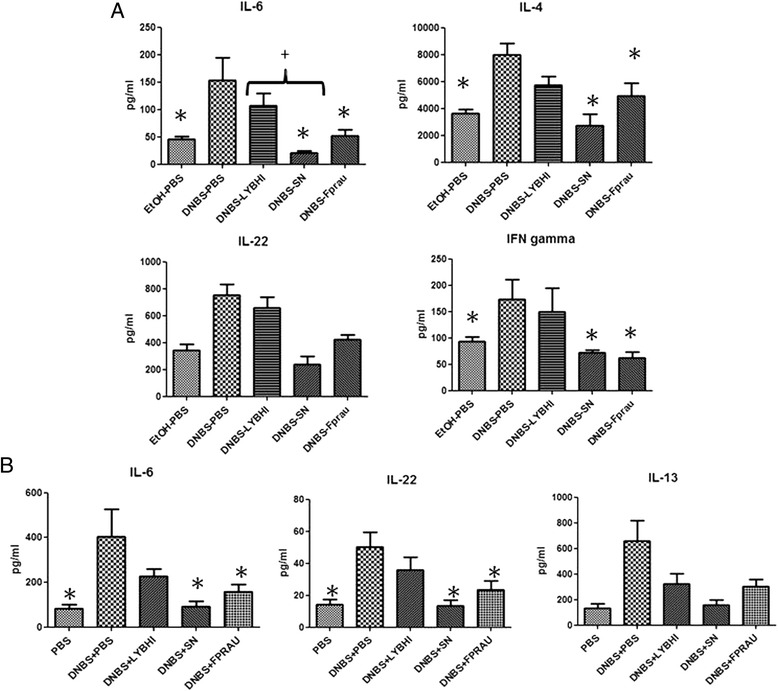
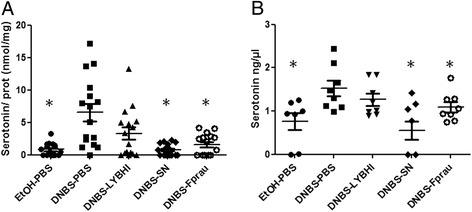
BACKGROUND: The human gut houses one of the most complex and abundant ecosystems composed of up to 10(13)-10(14) microorganisms. The importance of this intestinal microbiota is highlighted when a disruption of the intestinal ecosystem equilibrium appears (a phenomenon called dysbiosis) leading to an illness status, such as inflammatory bowel diseases (IBD). Indeed, the reduction of the commensal bacterium Faecalibacterium prausnitzii (one of the most prevalent intestinal bacterial species in healthy adults) has been correlated with several diseases, including IBD, and most importantly, it has been shown that this bacterium has anti-inflammatory and protective effects in pre-clinical models of colitis. Some dysbiosis disorders are characterized by functional and physiological alterations. Here, we report the beneficial effects of F. prausnitzii in the physiological changes induced by a chronic low-grade inflammation in a murine model. Chronic low-grade inflammation and gut dysfunction were induced in mice by two episodes of dinitro-benzene sulfonic acid (DNBS) instillations. Markers of inflammation, gut permeability, colonic serotonin and cytokine levels were studied. The effects of F. prausnitzii strain A2-165 and its culture supernatant (SN) were then investigated. RESULTS: No significant differences were observed in classical inflammation markers confirming that inflammation was subclinical. However, gut permeability, colonic serotonin levels and the colonic levels of the cytokines IL-6, INF-γ, IL-4 and IL-22 were higher in DNBS-treated than in untreated mice. Importantly, mice treated with either F. prausnitzii or its SN exhibited significant decreases in intestinal permeability, tissue cytokines and serotonin levels. CONCLUSIONS: Our results show that F. prausnitzii and its SN had beneficial effects on intestinal epithelial barrier impairment in a chronic low-grade inflammation model. These observations confirm the potential of this bacterium as a novel probiotic treatment in the management of gut dysfunction and low-grade inflammation.
Overview
The claims and statistics of this paper haven’t been checked yet.
Free: it reads the open-access text and checks the first 5 claims that cite a source we can check. Create a free account to check every claim.
Integrity signals
Registry
Cites
Statistics
Figures
Verification
Claims the paper makes
The claims and statistics of this paper haven’t been checked yet.
Free: it reads the open-access text and checks the first 5 claims that cite a source we can check. Create a free account to check every claim.
Claims other papers make about this one
Each is checked against this paper’s own text: does it say what the citing paper says it does?
The cited source says what the claim attributes to it.
In the citing paper
“F. prausnitzii can also reduce intestinal inflammation by affecting paracellular permeability and enhancing intestinal epithelium barrier function.270,271”
From The role of gut dysbiosis in Parkinson’s disease: mechanistic insights and therapeutic options (2021) · cites this paper as [271]
Self-check
Percentages, sums and reported differences re-computed from the paper’s own numbers.
The self-check needs the paper’s full text.
Citations
Cites
Single-step method of RNA isolation by acid guanidinium thiocyanate-phenol-chloroform extraction
Chomczynski, P., & Sacchi, N. (1987) · Analytical Biochemistry · doi:10.1016/0003-2697(87)90021-2 · Cited by 46,426 · cited 1×
“Total RNA was extracted from 1 cm-long sections of colon homogenized in a TissueLyser, by the guanidinium thiocyanate method [59].”
MethodSokol, H., Pigneur, B., Watterlot, L., Lakhdari, O., Bermúdez-Humarán, L. G., Gratadoux, J.-J., Blugeon, S., Bridonneau, C., Furet, J.-P., Corthier, G., et al. (2008) · Proceedings of the National Academy of Sciences · doi:10.1073/pnas.0804812105 · Cited by 4,413 · cited 4×
“5 mg/ml cysteine (Sigma-Aldrich) at 37°C in an anaerobic chamber as previously described [22].”
BackgroundMethodInfluentialSelf-citationThe NIH Human Microbiome Project
The NIH HMP Working Group, Peterson, J., Garges, S., Giovanni, M., McInnes, P., Wang, L., Schloss, J. A., Bonazzi, V., McEwen, J. E., Wetterstrand, K. A., et al. (2009) · Genome Research · doi:10.1101/gr.096651.109 · Cited by 2,066 · cited 2×
“the identification of low-grade inflammation [9], histopathological observations and mucosal cytokine levels in the colon of a subset of IBS patients [10,11] and the presence of IBS-like symptoms in quiescent IBD [8,12-14] support this hypothesis.”
BackgroundThe Microbiome in Inflammatory Bowel Disease: Current Status and the Future Ahead
Kostic, A. D., Xavier, R. J., & Gevers, D. (2014) · Gastroenterology · doi:10.1053/j.gastro.2014.02.009 · Cited by 1,789 · cited 2×
“The strongest relationship between dysbiosis and pathological condition has been observed in inflammatory bowel diseases (IBD), where the proportion of Firmicutes is lower than in healthy subjects [3,4].”
BackgroundRegulation of intestinal epithelial permeability by tight junctions
Suzuki, T. (2013) · Cellular and Molecular Life Sciences · doi:10.1007/s00018-012-1070-x · Cited by 1,343
Faecalibacterium prausnitzii and human intestinal health
Miquel, S., Martín, R., Rossi, O., Bermúdez-Humarán, L., Chatel, J., Sokol, H., Thomas, M., Wells, J., & Langella, P. (2013) · Current Opinion in Microbiology · doi:10.1016/j.mib.2013.06.003 · Cited by 1,228 · cited 1×
“Changes in the abundance of this commensal anti-inflammatory bacterium [22] and major member of the Clostridium leptum group [23] have been linked to dysbiosis in several human disorders [21], such as IBD, where a low abundance was found in patients exhibiting endoscopic recurrence 6 months after surgery [3].”
BackgroundSelf-citationRajilić–Stojanović, M., Biagi, E., Heilig, H. G. H. J., Kajander, K., Kekkonen, R. A., Tims, S., & de Vos, W. M. (2011) · Gastroenterology · doi:10.1053/j.gastro.2011.07.043 · Cited by 1,041 · cited 3×
“creased ratio of the Firmicutes to Bacteroidetes [5].”
BackgroundInfluentialTowards the human intestinal microbiota phylogenetic core
Tap, J., Mondot, S., Levenez, F., Pelletier, E., Caron, C., Furet, J., Ugarte, E., Muñoz‐Tamayo, R., Paslier, D. L. E., Nalin, R., et al. (2009) · Environmental Microbiology · doi:10.1111/j.1462-2920.2009.01982.x · Cited by 927 · cited 2×
“microbiota, with Actinobacteria being the third, comprising of only 3% [2].”
BackgroundWrzosek, L., Miquel, S., Noordine, M.-L., Bouet, S., Chevalier-Curt, M. J., Robert, V., Philippe, C., Bridonneau, C., Cherbuy, C., Robbe-Masselot, C., et al. (2013) · BMC Biology · doi:10.1186/1741-7007-11-61 · Cited by 804 · cited 1×
“leptum group, and is one of the most prevalent commensal bacteria in the human gut [2], involved in colonic epithelial physiology [32], and a reduction in its abundance has been observed in IBD patients [24].”
BackgroundSelf-citationCytokine regulation of tight junctions
Capaldo, C. T., & Nusrat, A. (2009) · Biochimica et Biophysica Acta (BBA) - Biomembranes · doi:10.1016/j.bbamem.2008.08.027 · Cited by 718 · cited 1×
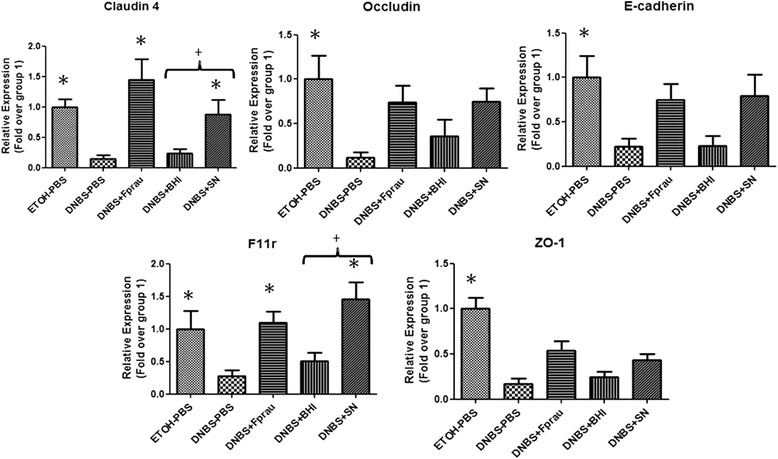
“trans-epithelial electric resistance (TEER) in vitro and in vivo [43,44].”
BackgroundVan Dyken, S. J., & Locksley, R. M. (2013) · Annual Review of Immunology · doi:10.1146/annurev-immunol-032712-095906 · Cited by 714
Role of cytokines in inflammatory bowel disease
Sanchez-Muñoz, F., Dominguez-Lopez, A., & Yamamoto-Furusho, J. K. (2008) · World Journal of Gastroenterology · doi:10.3748/wjg.14.4280 · Cited by 699 · cited 1×
“IL-4 is a Th-2 cytokine, canonical of IL-13 [40], with stimulatory effects on B- and T-cells [41]; as well as involvement in dichotomous regulation of Th cell differentiation, IL-4 induces so-called alternative macrophage activation [42].”
BackgroundMechanism of cytokine modulation of epithelial tight junction barrier
Al-Sadi, R. (2009) · Frontiers in Bioscience · doi:10.2741/3413 · Cited by 647 · cited 1×
“trans-epithelial electric resistance (TEER) in vitro and in vivo [43,44].”
BackgroundHalpin, S. J., & Ford, A. C. (2012) · American Journal of Gastroenterology · doi:10.1038/ajg.2012.260 · Cited by 607 · cited 1×
“the identification of low-grade inflammation [9], histopathological observations and mucosal cytokine levels in the colon of a subset of IBS patients [10,11] and the presence of IBS-like symptoms in quiescent IBD [8,12-14] support this hypothesis.”
BackgroundWang, Y., Lam, K. S. L., Kraegen, E. W., Sweeney, G., Zhang, J., Tso, A. W., Chow, W.-S., Wat, N. M., Xu, J. Y., Hoo, R. L., et al. (2007) · Clinical Chemistry · doi:10.1373/clinchem.2006.075614 · Cited by 578 · cited 1×
“Furthermore, no increase in the levels of lipocalin 2 (Lcn-2), an early marker of inflammation, was observed [35].”
Background(2011) · SpringerReference · doi:10.1007/springerreference_44317 · Cited by 545
Microbes and the gut‐brain axis
Bercik, P., Collins, S. M., & Verdu, E. F. (2012) · Neurogastroenterology & Motility · doi:10.1111/j.1365-2982.2012.01906.x · Cited by 417
Self-citationKiesslich, R., Duckworth, C. A., Moussata, D., Gloeckner, A., Lim, L. G., Goetz, M., Pritchard, D. M., Galle, P. R., Neurath, M. F., & Watson, A. J. M. (2012) · Gut · doi:10.1136/gutjnl-2011-300695 · Cited by 391 · cited 1×
“As IBD patients in remission often exhibit gut dysfunction [45], we therefore chose to study colonic permeability and serotonin levels as functional markers in our model.”
Regulation of inflammation by interleukin-4: a review of "alternatives"
Luzina, I. G., Keegan, A. D., Heller, N. M., Rook, G. A. W., Shea-Donohue, T., & Atamas, S. P. (2012) · Journal of Leukocyte Biology · doi:10.1189/jlb.0412214 · Cited by 351 · cited 1×
“IL-4 is a Th-2 cytokine, canonical of IL-13 [40], with stimulatory effects on B- and T-cells [41]; as well as involvement in dichotomous regulation of Th cell differentiation, IL-4 induces so-called alternative macrophage activation [42].”
BackgroundVivinus-Nébot, M., Frin-Mathy, G., Bzioueche, H., Dainese, R., Bernard, G., Anty, R., Filippi, J., Saint-Paul, M. C., Tulic, M. K., Verhasselt, V, et al. (2014) · Gut · doi:10.1136/gutjnl-2012-304066 · Cited by 348 · cited 2×
“prausnitzii and its filtered SN (with the consequent loss of high molecular weight molecules) using a chronic low-grade inflammatory model, which mimics gut dysfunction related to colonic low-grade inflammation [11,12].”
BackgroundThe tight junction in inflammatory disease: communication breakdown
Edelblum, K. L., & Turner, J. R. (2009) · Current Opinion in Pharmacology · doi:10.1016/j.coph.2009.06.022 · Cited by 314 · cited 1×
“In fact, impaired gut barrier function appears to precede the development of IBD [17] and increased epithelial permeability causes mucosal immune activation predisposing or enhancing disease progression [18].”
BackgroundThe intestinal microbiota and chronic disorders of the gut
DuPont, A. W., & DuPont, H. L. (2011) · Nature Reviews Gastroenterology & Hepatology · doi:10.1038/nrgastro.2011.133 · Cited by 307 · cited 1×
“Due to the importance of the microbiota in the development of these dysbiosis-related diseases, there is currently increasing interest in the development of microbiota-modulating therapies, including the use of probiotics [19,20].”
BackgroundMartín, R., Chain, F., Miquel, S., Lu, J., Gratadoux, J.-J., Sokol, H., Verdu, E. F., Bercik, P., Bermúdez-Humarán, L. G., & Langella, P. (2014) · Inflammatory Bowel Diseases · doi:10.1097/01.mib.0000440815.76627.64 · Cited by 284 · cited 8×
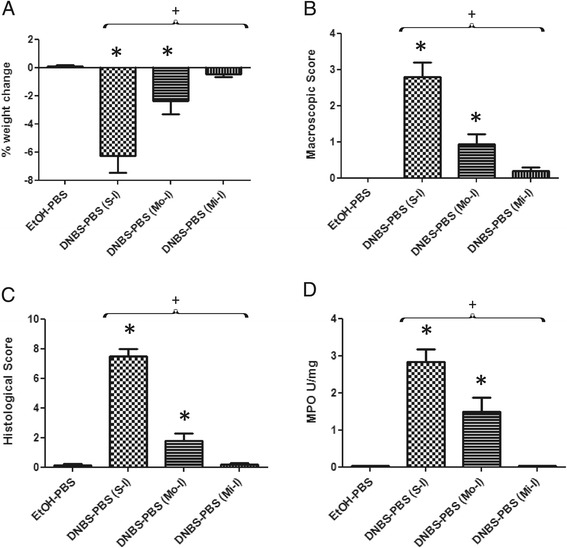
“Comparison of the levels of these markers with those previously published by our group following a colitic dose of DNBS that induced severe or moderate chronic inflammation [25] provided further evidence that this protocol leads to lowgrade inflammatory conditions (Figure 2).”
BackgroundMethodResultInfluentialSelf-citationVarela, E., Manichanh, C., Gallart, M., Torrejón, A., Borruel, N., Casellas, F., Guarner, F., & Antolin, M. (2013) · Alimentary Pharmacology & Therapeutics · doi:10.1111/apt.12365 · Cited by 249 · cited 2×
“prausnitzii counts after relapse is associated with maintenance of clinical remission in UC patients [24].”
BackgroundSerotonin and GI clinical disorders
Spiller, R. (2008) · Neuropharmacology · doi:10.1016/j.neuropharm.2008.07.016 · Cited by 234 · cited 2×
“prausnitzii- and SN-treated mice) are involved in the metabolism of 5-HT, IFN-γ decreases SERT expression in human epithelial Caco-2 cells in vitro [53], and IL-13 contributes to increasing EC numbers [52].”
BackgroundIrritable Bowel Syndrome, Gut Microbiota and Probiotics
Lee, B. J., & Bak, Y.-T. (2011) · Journal of Neurogastroenterology and Motility · doi:10.5056/jnm.2011.17.3.252 · Cited by 228
Faecalibacterium prausnitzii supernatant improves intestinal barrier function in mice DSS colitis
Carlsson, A. H., Yakymenko, O., Olivier, I., Håkansson, F., Postma, E., Keita, Å. V., & Söderholm, J. D. (2013) · Scandinavian Journal of Gastroenterology · doi:10.3109/00365521.2013.828773 · Cited by 219 · cited 1×
“prausnitzii SN counteracted the negative effects of DSS challenge on colonic permeability [46].”
BackgroundClarke, G., Cryan, J. F., Dinan, T. G., & Quigley, E. M. (2012) · Alimentary Pharmacology & Therapeutics · doi:10.1111/j.1365-2036.2011.04965.x · Cited by 216 · cited 1×
“Because the microbiota is a determinant of normal gut function and immunity [30], and because there is evidence of dysbiosis in IBD, there is increasing interest in the development of new adjuvant therapies based on modulation of the microbiota [31].”
BackgroundAnalysis of bacterial bowel communities of IBD patients: What has it revealed?
Sokol, H., Lay, C., Seksik, P., & Tannock, G. W. (2008) · Inflammatory Bowel Diseases · doi:10.1002/ibd.20392 · Cited by 216 · cited 3×
“Changes in the abundance of this commensal anti-inflammatory bacterium [22] and major member of the Clostridium leptum group [23] have been linked to dysbiosis in several human disorders [21], such as IBD, where a low abundance was found in patients exhibiting endoscopic recurrence 6 months after surgery [3].”
BackgroundSelf-citationTambuwala, M. M., Cummins, E. P., Lenihan, C. R., Kiss, J., Stauch, M., Scholz, C. C., Fraisl, P., Lasitschka, F., Mollenhauer, M., Saunders, S. P., et al. (2010) · Gastroenterology · doi:10.1053/j.gastro.2010.06.068 · Cited by 202 · cited 1×
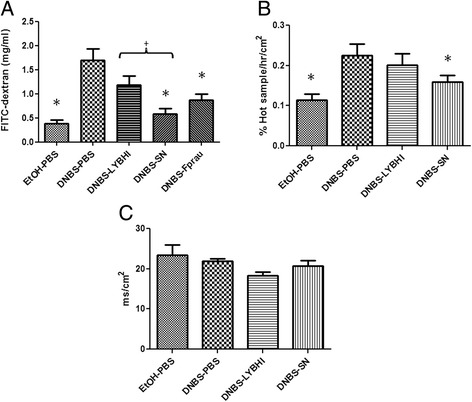
“Permeability in vivo was assessed using fluorosceinconjugated dextran (FITC-dextran 3000–5000 Da, SigmaAldrich) as previously described [58].”
MethodSimrén, M. (2002) · The American Journal of Gastroenterology · doi:10.1016/s0002-9270(01)04037-0 · Cited by 186 · cited 1×
“the identification of low-grade inflammation [9], histopathological observations and mucosal cytokine levels in the colon of a subset of IBS patients [10,11] and the presence of IBS-like symptoms in quiescent IBD [8,12-14] support this hypothesis.”
BackgroundGut hormones: emerging role in immune activation and inflammation
Khan, W. I., & Ghia, J. E. (2010) · Clinical and Experimental Immunology · doi:10.1111/j.1365-2249.2010.04150.x · Cited by 184 · cited 1×
“It also activates the immune cells to produce pro-inflammatory mediators [49] being a link between inflammation and functional symptoms.”
BackgroundIrritable bowel syndrome: towards biomarker identification
Clarke, G., Quigley, E. M. M., Cryan, J. F., & Dinan, T. G. (2009) · Trends in Molecular Medicine · doi:10.1016/j.molmed.2009.08.001 · Cited by 181 · cited 1×
“Dysfunctional mucosal serotonin signaling has been implicated in visceral sensitivity and altered motility in IBD patients [50,51].”
BackgroundDiagnosis and management of IBS
Khan, S. H., & Chang, L. (2010) · Nature Reviews Gastroenterology & Hepatology · doi:10.1038/nrgastro.2010.137 · Cited by 157 · cited 1×
“is a symptom-based diagnosis characterized by chronic abdominal pain and altered bowel habits [6] in the ab-”
BackgroundNew insights into the pathogenesis and pathophysiology of irritable bowel syndrome
Öhman, L., & Simrén, M. (2007) · Digestive and Liver Disease · doi:10.1016/j.dld.2006.10.014 · Cited by 155 · cited 2×
“Serotonin (also called 5-HT for 5-hydroxyptamine) of the key neurotransmitters in the GIT, and affects motility, sensation and secretion [26].”
BackgroundFlagellin Suppresses Epithelial Apoptosis and Limits Disease during Enteric Infection
Vijay–Kumar, M., Wu, H., Jones, R. M., Grant, G., Babbin, B. A., King, T. P., Kelly, D., Gewirtz, A. T., & Neish, A. S. (2006) · American Journal Of Pathology · doi:10.2353/ajpath.2006.060345 · Cited by 136 · cited 1×
“Lcn-2 is an innate immune protein produced by a variety of cells, and its levels are increased during several pathologic conditions, including immune complexmediated inflammatory or autoimmune disorders [36,37].”
BackgroundSerotonin transporter function and expression are reduced in mice with TNBS‐induced colitis
Linden, D. R., Foley, K. F., Mcquoid, C., Simpson, J., Sharkey, K. A., & Mawe, G. M. (2005) · Neurogastroenterology & Motility · doi:10.1111/j.1365-2982.2005.00673.x · Cited by 134 · cited 5×
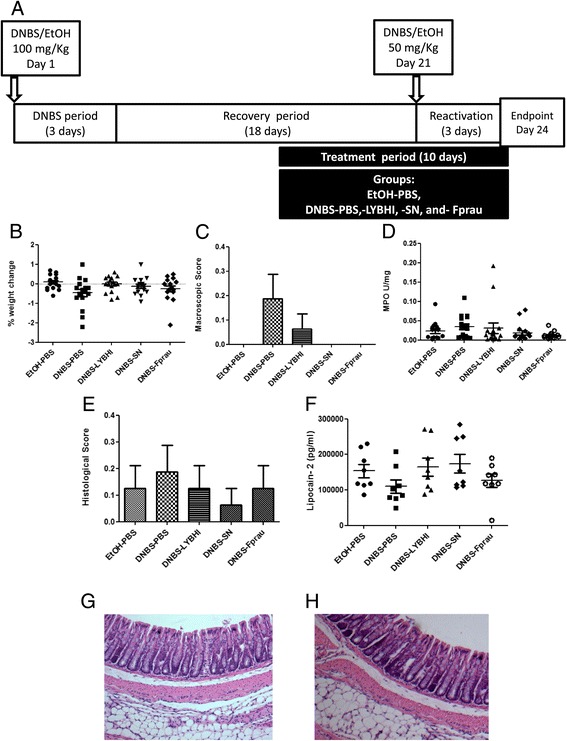
“We adjusted the dose of DNBS such that the challenge induced low-grade inflammation, as it has been described for TNBS [33], a model that resembles DNBS [34].”
ResultInfluentialNew Insights into the Pathogenesis and Pathophysiology of Irritable Bowel Syndrome
Collins, S. M. (1992) · Springer eBooks · doi:10.1007/978-1-4615-3314-6_9 · Cited by 115
Akiho, H. (2010) · World Journal of Gastrointestinal Pathophysiology · doi:10.4291/wjgp.v1.i3.97 · Cited by 106 · cited 3×
“prausnitzii and its filtered SN (with the consequent loss of high molecular weight molecules) using a chronic low-grade inflammatory model, which mimics gut dysfunction related to colonic low-grade inflammation [11,12].”
BackgroundCoates, M. D., Johnson, A. C., Greenwood‐van Meerveld, B., & Mawe, G. M. (2006) · Neurogastroenterology & Motility · doi:10.1111/j.1365-2982.2006.00792.x · Cited by 99 · cited 2×
“Serotonin selective reuptake transporter (SERT), expressed on intestinal enterocytes, terminates the action of 5-HT by eliminating it from the interstitial space [48].”
BackgroundHapten-induced chronic colitis in the rat: Alternatives to trinitrobenzene sulfonic acid
Wallace, J. L., Le, T. P., Carter, L., Appleyard, C. B., & Beck, P. L. (1995) · Journal of Pharmacological and Toxicological Methods · doi:10.1016/1056-8719(95)00001-x · Cited by 96 · cited 1×
“We adjusted the dose of DNBS such that the challenge induced low-grade inflammation, as it has been described for TNBS [33], a model that resembles DNBS [34].”
MethodIFN-γ and TNF-α decrease serotonin transporter function and expression in Caco2 cells
Foley, K. F., Pantano, C., Ciolino, A., & Mawe, G. M. (2007) · American Journal of Physiology-Gastrointestinal and Liver Physiology · doi:10.1152/ajpgi.00470.2006 · Cited by 94 · cited 1×
“prausnitzii- and SN-treated mice) are involved in the metabolism of 5-HT, IFN-γ decreases SERT expression in human epithelial Caco-2 cells in vitro [53], and IL-13 contributes to increasing EC numbers [52].”
BackgroundIs the Irritable Gut an Inflamed Gut?
Collins, S. M. (1992) · Scandinavian Journal of Gastroenterology · doi:10.3109/00365529209095988 · Cited by 92 · cited 2×
“the identification of low-grade inflammation [9], histopathological observations and mucosal cytokine levels in the colon of a subset of IBS patients [10,11] and the presence of IBS-like symptoms in quiescent IBD [8,12-14] support this hypothesis.”
BackgroundTalley, N. J. (2006) · Internal Medicine Journal · doi:10.1111/j.1445-5994.2006.01217.x · Cited by 87
Sensitization to Gliadin Induces Moderate Enteropathy and Insulitis in Nonobese Diabetic-DQ8 Mice
Galipeau, H. J., Rulli, N. E., Jury, J., Huang, X., Araya, R., Murray, J. A., David, C. S., Chirdo, F. G., McCoy, K. D., & Verdu, E. F. (2011) · The Journal of Immunology · doi:10.4049/jimmunol.1100854 · Cited by 75 · cited 2×
“Three days after the final DNBS challenge, intestinal permeability in vitro was assessed by the Ussing chamber technique as previously described (World Precision Instruments, Sarasota, FL, USA) [56,57].”
MethodSelf-citationHost Responses to Intestinal Microbial Antigens in Gluten-Sensitive Mice
Natividad, J. M., Huang, X., Slack, E., Jury, J., Sanz, Y., David, C., Denou, E., Yang, P., Murray, J., McCoy, K. D., et al. (2009) · PLoS ONE · doi:10.1371/journal.pone.0006472 · Cited by 73 · cited 2×
“Three days after the final DNBS challenge, intestinal permeability in vitro was assessed by the Ussing chamber technique as previously described (World Precision Instruments, Sarasota, FL, USA) [56,57].”
MethodSelf-citationRana, S., Sharma, S., Sinha, S., Parsad, K., Malik, A., & Singh, K. (2012) · Tropical Gastroenterology · doi:10.7869/tg.2012.66 · Cited by 72 · cited 1×
“sence of detectable structural abnormalities [7].”
Inflammatory bowel disease and irritable bowel syndrome: similarities and differences
Barbara, G., Cremon, C., & Stanghellini, V. (2014) · Current Opinion in Gastroenterology · doi:10.1097/mog.0000000000000070 · Cited by 71 · cited 3×
“the identification of low-grade inflammation [9], histopathological observations and mucosal cytokine levels in the colon of a subset of IBS patients [10,11] and the presence of IBS-like symptoms in quiescent IBD [8,12-14] support this hypothesis.”
BackgroundAnalysis of real-time serotonin (5-HT) availability during experimental colitis in mouse
Bertrand, P. P., Barajas-Espinosa, A., Neshat, S., Bertrand, R. L., & Lomax, A. E. (2010) · American Journal of Physiology-Gastrointestinal and Liver Physiology · doi:10.1152/ajpgi.00318.2009 · Cited by 68 · cited 2×
“Enterochromaffin cells (EC) containing serotonin transduce chemical and mechanical stimuli from the intestinal lumen by releasing the serotonin [50].”
BackgroundGut ecosystem: how microbes help us
Martín, R., Miquel, S., Ulmer, J., Langella, P., & Bermúdez‐Humarán, L. G. (2014) · Beneficial Microbes · doi:10.3920/bm2013.0057 · Cited by 63 · cited 1×
“The interaction between GIT microbiota and the host is indispensable for the maturation of the immune system and for the regulation of intestinal physiology [1].”
BackgroundSelf-citationSealing the Broken Barrier in IBD: Intestinal Permeability, Epithelial Cells and Junctions
Fries, W., Belvedere, A., & Vetrano, S. (2013) · Current Drug Targets · doi:10.2174/1389450111314120011 · Cited by 63 · cited 1×
“Low-grade inflammation can persist in many IBD patients who have otherwise obtained clinical remission [15], as well as barrier alterations due to functional impairment of tight junction proteins [16].”
BackgroundShashidharamurthy, R., Machiah, D., Aitken, J. D., Putty, K., Srinivasan, G., Chassaing, B., Parkos, C. A., Selvaraj, P., & Vijay‐Kumar, M. (2013) · Arthritis & Rheumatism · doi:10.1002/art.37840 · Cited by 60 · cited 2×
“Serum samples were diluted in the kitrecommended diluent (1% BSA in PBS), and Lcn-2 was assayed using Duoset murine Lcn-2 ELISA kit (R&D Systems, Minneapolis, MN) [36].”
BackgroundMethodTh22 and related cytokines in inflammatory and autoimmune diseases
Tian, T., Yu, S., & Ma, D. (2012) · Expert Opinion on Therapeutic Targets · doi:10.1517/14728222.2013.736497 · Cited by 56 · cited 1×
“The cytokine IL-22 regulates various processes linked to several autoimmune disorders [39] exerting both antimicrobial and pro-inflammatory functions.”
BackgroundQin, H., Xiao, H.-T., Wu, J. C. Y., Berman, B. M., Sung, J. J. Y., & Bian, Z.-X. (2012) · World Journal of Gastroenterology · doi:10.3748/wjg.v18.i20.2481 · Cited by 52 · cited 5×
“We adjusted the dose of DNBS such that the challenge induced low-grade inflammation, as it has been described for TNBS [33], a model that resembles DNBS [34].”
MethodResultInfluentialThe shifting interface between IBS and IBD
Spiller, R. E., & Lam, C. (2011) · Current Opinion in Pharmacology · doi:10.1016/j.coph.2011.09.009 · Cited by 45 · cited 1×
“In fact, impaired gut barrier function appears to precede the development of IBD [17] and increased epithelial permeability causes mucosal immune activation predisposing or enhancing disease progression [18].”
BackgroundInflammatory bowel diseases: a dysfunction of brain-gut interactions?
Bonaz, B. L. (2013) · PubMed · Cited by 43
Inflammation as a cause of functional bowel disorders
Törnblom, H., Abrahamsson, H., Barbara, G., Hellström, P. M., Lindberg, G., Nyhlin, H., Ohlsson, B., Simrén, M., Sjölund, K., Sjövall, H., et al. (2005) · Scandinavian Journal of Gastroenterology · doi:10.1080/00365520510023657 · Cited by 43 · cited 2×
“Conclusion Chronic low-grade inflammation is common in patients with IBD in clinical remission as well as in IBS patients [15,28].”
BackgroundBolino, C., & Berčík, P. (2010) · Infectious Disease Clinics of North America · doi:10.1016/j.idc.2010.07.005 · Cited by 38 · cited 1×
“Because the microbiota is a determinant of normal gut function and immunity [30], and because there is evidence of dysbiosis in IBD, there is increasing interest in the development of new adjuvant therapies based on modulation of the microbiota [31].”
BackgroundThe meaning of low-grade inflammation in clinically quiescent inflammatory bowel disease
Moss, A. C. (2014) · Current Opinion in Gastroenterology · doi:10.1097/mog.0000000000000082 · Cited by 24 · cited 4×
“Patients with histological inflammation at baseline are at increased risk of clinical relapse, hospitalization, surgery, and colon cancer in observational longitudinal studies [15].”
BackgroundInfluentialUrdaci, M. C., & Sánchez, B. (2008) · Immunology Letters · doi:10.1016/j.imlet.2008.11.004 · Cited by 10 · cited 1×
“This is not the first time that culture media (LYBHI or MRS) have been reported to show intrinsic anti-inflammatory properties in vivo and in vitro [25]; this is presumably due to some of the components of the medium, as previously observed with MRS culture medium [55].”
Result
Research works printed but not linked: 1
- Miquel S Martin R Rossi O Bermudez-Humaran L Chatel J Sokol H Faecalibacterium prausnitzii and human intestinal health Curr Opin Microbiol 2014 16 3 255 61 10.1016/j.mib.2013.06.003 23831042 · DOI · Paper page
Cited by
Rivière, A., Selak, M., Lantin, D., Leroy, F., & De Vuyst, L. (2016) · Frontiers in Microbiology · doi:10.3389/fmicb.2016.00979 · Cited by 1,726
Unger, M. M., Spiegel, J., Dillmann, K.-U., Grundmann, D., Philippeit, H., Bürmann, J., Faßbender, K., Schwiertz, A., & Schäfer, K.-H. (2016) · Parkinsonism & Related Disorders · doi:10.1016/j.parkreldis.2016.08.019 · Cited by 1,159
“Anti-inflammatory effects and beneficial effects on the intestinal epithelial barrier have been reported for Faecalibacterium prausnitzii [24,25].”
Faecalibacterium prausnitzii: from microbiology to diagnostics and prognostics
Lopez-Siles, M., Duncan, S. H., Garcia-Gil, L. J., & Martinez-Medina, M. (2017) · The ISME Journal · doi:10.1038/ismej.2016.176 · Cited by 874
“prausnitzii or its supernatant (Martin et al., 2015), and this species anti-nociceptive effect in noninflammatory irritable bowel syndrome (IBS)-like murine models has been recently evidenced (Miquel et al.”
BackgroundSingh, V., Lee, G., Son, H., Koh, H., Kim, E. S., Unno, T., & Shin, J.-H. (2023) · Frontiers in Microbiology · doi:10.3389/fmicb.2022.1103836 · Cited by 705
Hiippala, K., Jouhten, H., Ronkainen, A., Hartikainen, A., Kainulainen, V., Jalanka, J., & Satokari, R. (2018) · Nutrients · doi:10.3390/nu10080988 · Cited by 594
“prausnitzii cells and supernatant were shown to decrease intestinal permeability by affecting apical junction proteins [122] and enhance the barrier function in murine model with chemical-induced colitis [123].”
Background
Metadata
- Authors
- Martín, R., Miquel, S., Chain, F., Natividad, J. M., Jury, J., Lu, J., Sokol, H., Theodorou, V., Bercik, P., Verdu, E. F., Langella, P., & Bermúdez-Humarán, L. G.
- Affiliations
- AgroParisTech (FR)
- McMaster University (CA)
- Centre National de la Recherche Scientifique (FR)
- Corresponding author
- Langella, Philippe
- ORCID
- Venue
- BMC Microbiology
- Published
- 2015-03-21
- Volume
- 15
- Issue
- 1
- Pages
- 67-67
- ISSN
- 1471-2180 (ISSN-L)
- PMC
- PMC4391109
- OpenAlex
- W2043019177
- Cited by
- 309
- References
- 61
- Citations by year
- 2026: 18 · 2025: 38 · 2024: 32 · 2023: 45 · 2022: 29 · 2021: 35 · 2020: 26 · 2019: 17 · 2018: 24 · 2017: 24 · 2016: 14 · 2015: 5
- FWCI
- 9.69
- Type
- journal article
- Language
- en
- Open access
- gold
- doi.org
- Locations
- BMC Microbiology (publishedVersion, cc-by)
- PubMed Central (publishedVersion, cc-by)
- PubMed (publishedVersion)
- HAL (submittedVersion, other-oa)
- Funders
- Crohn's and Colitis Foundation of Canada
- European Regional Development Fund
- Topics
- Life Sciences › Biochemistry, Genetics and Molecular Biology › Molecular Biology › Gut microbiota and health
- Health Sciences › Medicine › Gastroenterology › Inflammatory Bowel Disease
- Life Sciences › Agricultural and Biological Sciences › Food Science › Probiotics and Fermented Foods
- Keywords
- Faecalibacterium prausnitzii, low-grade inflammation, gut dysbiosis, intestinal permeability, intestinal epithelial barrier, cytokines, DNBS-induced colitis, probiotics, culture supernatant, inflammatory bowel disease, gut microbiota
- MeSH terms
- Eubacteriales, Animals, Benzenesulfonates, Colon, Disease Models, Animal, Enteritis, Permeability, Serotonin, Cytokines, Mice
About these checks
Registry, retraction, Cites and statistics results are computed, not judged, with one exception: a printed reference that no index lists is read once by a model before it counts as a citation error. Claims are extracted by a model and kept only when their quote appears verbatim in the text; each cited source is then checked, with a model’s help, for whether it says what the claim relies on. Those verdicts can be wrong — read the claim’s quote and the cited source before relying on one.
Statistics and arithmetic are recomputed, not judged.
Confidence bands are shown only for fields calibrated on our annotated test set. None is calibrated yet, so no band is shown.
What counts as a claim ›How we measure confidence ›How we check this ›
Are you an author, or do you see a problem with this page? Request a review
Data sources
Bibliographic data: Semantic Scholar, OpenAlex, Crossref.
Contains information from the Semantic Scholar Academic Graph Datasets, made available under the ODC Attribution License (ODC-BY 1.0).
Semantic Scholar’s data is described in: Kinney, R., et al. (2023). The Semantic Scholar Open Data Platform. arXiv:2301.10140.
