

Faecalibacterium prausnitzii prevents physiological damages in a chronic low-grade inflammation murine model
Open accessThe DOI matches its Crossref record; 60 of the 61 references it cites were found in a registry or an index.
Abstract
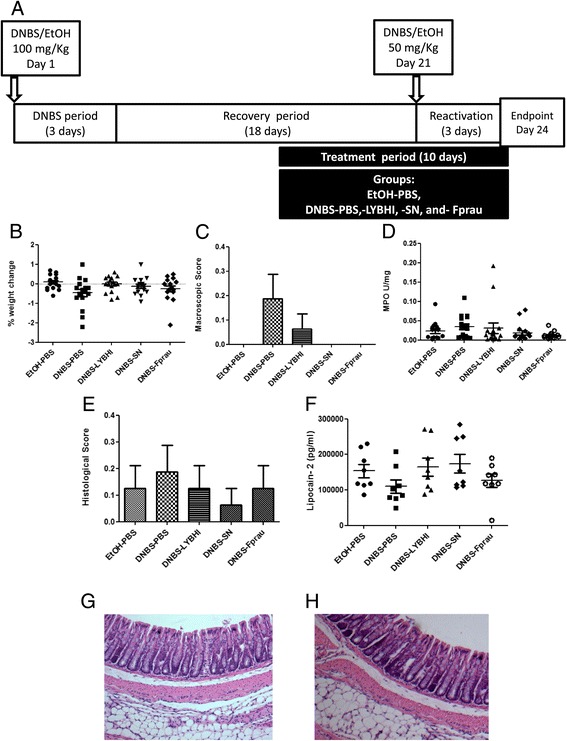
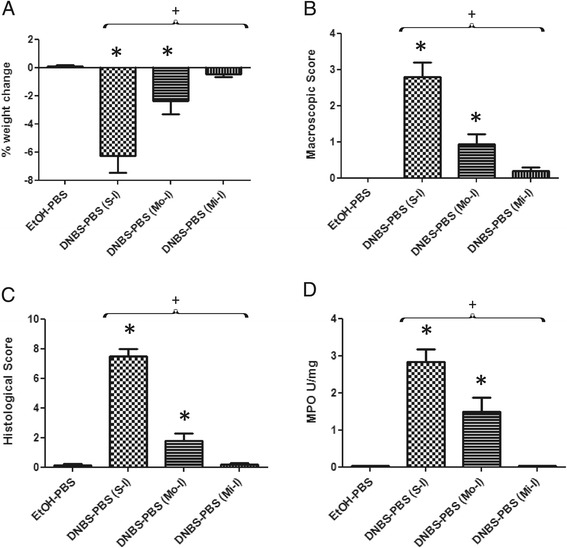
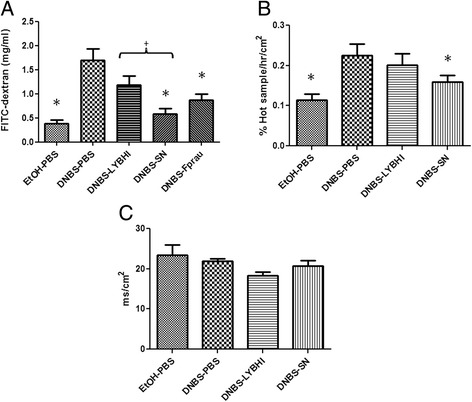
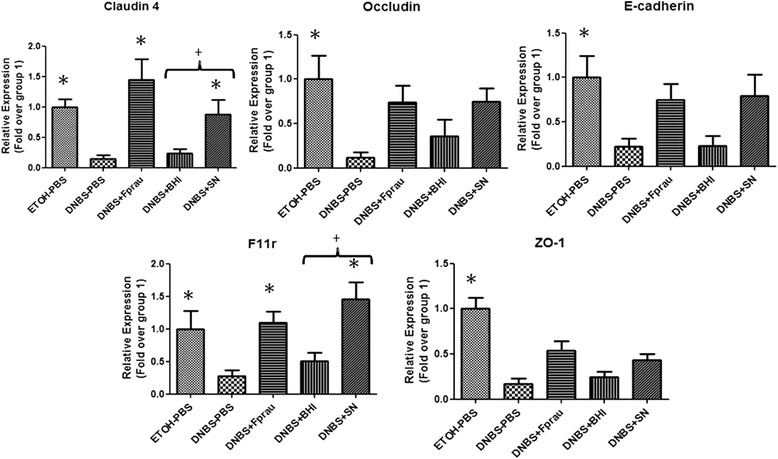
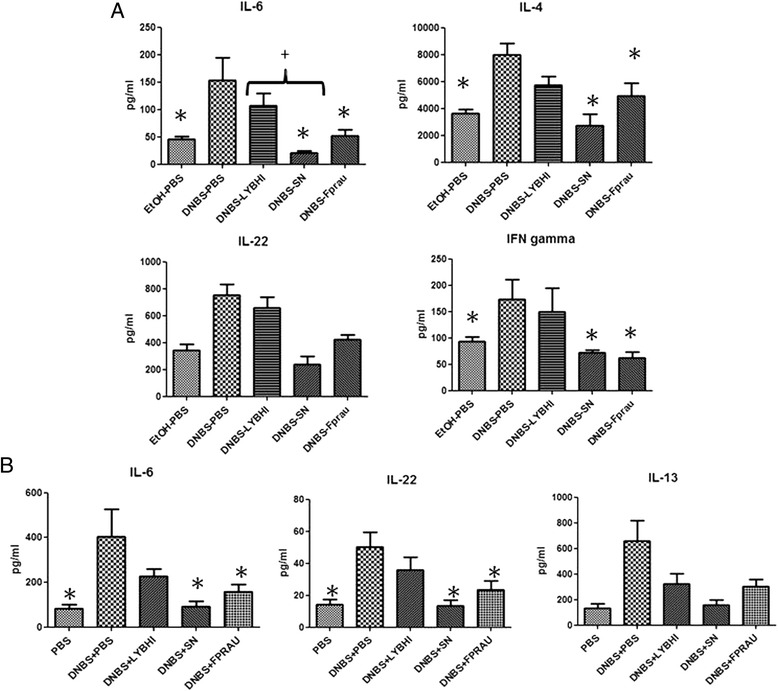
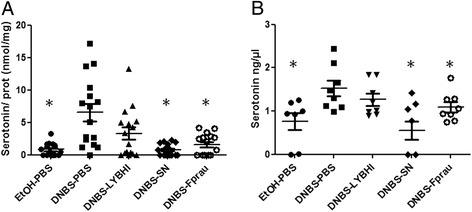
BACKGROUND: The human gut houses one of the most complex and abundant ecosystems composed of up to 10(13)-10(14) microorganisms. The importance of this intestinal microbiota is highlighted when a disruption of the intestinal ecosystem equilibrium appears (a phenomenon called dysbiosis) leading to an illness status, such as inflammatory bowel diseases (IBD). Indeed, the reduction of the commensal bacterium Faecalibacterium prausnitzii (one of the most prevalent intestinal bacterial species in healthy adults) has been correlated with several diseases, including IBD, and most importantly, it has been shown that this bacterium has anti-inflammatory and protective effects in pre-clinical models of colitis. Some dysbiosis disorders are characterized by functional and physiological alterations. Here, we report the beneficial effects of F. prausnitzii in the physiological changes induced by a chronic low-grade inflammation in a murine model. Chronic low-grade inflammation and gut dysfunction were induced in mice by two episodes of dinitro-benzene sulfonic acid (DNBS) instillations. Markers of inflammation, gut permeability, colonic serotonin and cytokine levels were studied. The effects of F. prausnitzii strain A2-165 and its culture supernatant (SN) were then investigated. RESULTS: No significant differences were observed in classical inflammation markers confirming that inflammation was subclinical. However, gut permeability, colonic serotonin levels and the colonic levels of the cytokines IL-6, INF-γ, IL-4 and IL-22 were higher in DNBS-treated than in untreated mice. Importantly, mice treated with either F. prausnitzii or its SN exhibited significant decreases in intestinal permeability, tissue cytokines and serotonin levels. CONCLUSIONS: Our results show that F. prausnitzii and its SN had beneficial effects on intestinal epithelial barrier impairment in a chronic low-grade inflammation model. These observations confirm the potential of this bacterium as a novel probiotic treatment in the management of gut dysfunction and low-grade inflammation.
Overview
The claims and statistics of this paper haven’t been checked yet.
Free: it reads the open-access text and checks the first 5 claims that cite a source we can check. Create a free account to check every claim.
Integrity signals
Registry
Cites
Statistics
Figures
Verification
Claims the paper makes
The claims and statistics of this paper haven’t been checked yet.
Free: it reads the open-access text and checks the first 5 claims that cite a source we can check. Create a free account to check every claim.
Claims other papers make about this one
Each is checked against this paper’s own text: does it say what the citing paper says it does?
The cited source says what the claim attributes to it.
In the citing paper
“F. prausnitzii can also reduce intestinal inflammation by affecting paracellular permeability and enhancing intestinal epithelium barrier function.270,271”
From The role of gut dysbiosis in Parkinson’s disease: mechanistic insights and therapeutic options (2021) · cites this paper as [271]
Self-check
Percentages, sums and reported differences re-computed from the paper’s own numbers.
The self-check needs the paper’s full text.
Citations
Cites
Single-step method of RNA isolation by acid guanidinium thiocyanate-phenol-chloroform extraction
Chomczynski, P., & Sacchi, N. (1987) · Analytical Biochemistry · doi:10.1016/0003-2697(87)90021-2 · Cited by 46,426 · cited 1×
“Total RNA was extracted from 1 cm-long sections of colon homogenized in a TissueLyser, by the guanidinium thiocyanate method [59].”
MethodSokol, H., Pigneur, B., Watterlot, L., Lakhdari, O., Bermúdez-Humarán, L. G., Gratadoux, J.-J., Blugeon, S., Bridonneau, C., Furet, J.-P., Corthier, G., et al. (2008) · Proceedings of the National Academy of Sciences · doi:10.1073/pnas.0804812105 · Cited by 4,413 · cited 4×
“5 mg/ml cysteine (Sigma-Aldrich) at 37°C in an anaerobic chamber as previously described [22].”
BackgroundMethodInfluentialSelf-citationThe NIH Human Microbiome Project
The NIH HMP Working Group, Peterson, J., Garges, S., Giovanni, M., McInnes, P., Wang, L., Schloss, J. A., Bonazzi, V., McEwen, J. E., Wetterstrand, K. A., et al. (2009) · Genome Research · doi:10.1101/gr.096651.109 · Cited by 2,066 · cited 2×
“the identification of low-grade inflammation [9], histopathological observations and mucosal cytokine levels in the colon of a subset of IBS patients [10,11] and the presence of IBS-like symptoms in quiescent IBD [8,12-14] support this hypothesis.”
BackgroundThe Microbiome in Inflammatory Bowel Disease: Current Status and the Future Ahead
Kostic, A. D., Xavier, R. J., & Gevers, D. (2014) · Gastroenterology · doi:10.1053/j.gastro.2014.02.009 · Cited by 1,789 · cited 2×
“The strongest relationship between dysbiosis and pathological condition has been observed in inflammatory bowel diseases (IBD), where the proportion of Firmicutes is lower than in healthy subjects [3,4].”
BackgroundRegulation of intestinal epithelial permeability by tight junctions
Suzuki, T. (2013) · Cellular and Molecular Life Sciences · doi:10.1007/s00018-012-1070-x · Cited by 1,343
Faecalibacterium prausnitzii and human intestinal health
Miquel, S., Martín, R., Rossi, O., Bermúdez-Humarán, L., Chatel, J., Sokol, H., Thomas, M., Wells, J., & Langella, P. (2013) · Current Opinion in Microbiology · doi:10.1016/j.mib.2013.06.003 · Cited by 1,228 · cited 1×
“Changes in the abundance of this commensal anti-inflammatory bacterium [22] and major member of the Clostridium leptum group [23] have been linked to dysbiosis in several human disorders [21], such as IBD, where a low abundance was found in patients exhibiting endoscopic recurrence 6 months after surgery [3].”
BackgroundSelf-citationRajilić–Stojanović, M., Biagi, E., Heilig, H. G. H. J., Kajander, K., Kekkonen, R. A., Tims, S., & de Vos, W. M. (2011) · Gastroenterology · doi:10.1053/j.gastro.2011.07.043 · Cited by 1,041 · cited 3×
“creased ratio of the Firmicutes to Bacteroidetes [5].”
BackgroundInfluentialTowards the human intestinal microbiota phylogenetic core
Tap, J., Mondot, S., Levenez, F., Pelletier, E., Caron, C., Furet, J., Ugarte, E., Muñoz‐Tamayo, R., Paslier, D. L. E., Nalin, R., et al. (2009) · Environmental Microbiology · doi:10.1111/j.1462-2920.2009.01982.x · Cited by 927 · cited 2×
“microbiota, with Actinobacteria being the third, comprising of only 3% [2].”
BackgroundWrzosek, L., Miquel, S., Noordine, M.-L., Bouet, S., Chevalier-Curt, M. J., Robert, V., Philippe, C., Bridonneau, C., Cherbuy, C., Robbe-Masselot, C., et al. (2013) · BMC Biology · doi:10.1186/1741-7007-11-61 · Cited by 804 · cited 1×
“leptum group, and is one of the most prevalent commensal bacteria in the human gut [2], involved in colonic epithelial physiology [32], and a reduction in its abundance has been observed in IBD patients [24].”
BackgroundSelf-citationCytokine regulation of tight junctions
Capaldo, C. T., & Nusrat, A. (2009) · Biochimica et Biophysica Acta (BBA) - Biomembranes · doi:10.1016/j.bbamem.2008.08.027 · Cited by 718 · cited 1×
“trans-epithelial electric resistance (TEER) in vitro and in vivo [43,44].”
Background
Research works printed but not linked: 1
- Miquel S Martin R Rossi O Bermudez-Humaran L Chatel J Sokol H Faecalibacterium prausnitzii and human intestinal health Curr Opin Microbiol 2014 16 3 255 61 10.1016/j.mib.2013.06.003 23831042 · DOI · Paper page
Cited by
Rivière, A., Selak, M., Lantin, D., Leroy, F., & De Vuyst, L. (2016) · Frontiers in Microbiology · doi:10.3389/fmicb.2016.00979 · Cited by 1,726
Unger, M. M., Spiegel, J., Dillmann, K.-U., Grundmann, D., Philippeit, H., Bürmann, J., Faßbender, K., Schwiertz, A., & Schäfer, K.-H. (2016) · Parkinsonism & Related Disorders · doi:10.1016/j.parkreldis.2016.08.019 · Cited by 1,159
“Anti-inflammatory effects and beneficial effects on the intestinal epithelial barrier have been reported for Faecalibacterium prausnitzii [24,25].”
Faecalibacterium prausnitzii: from microbiology to diagnostics and prognostics
Lopez-Siles, M., Duncan, S. H., Garcia-Gil, L. J., & Martinez-Medina, M. (2017) · The ISME Journal · doi:10.1038/ismej.2016.176 · Cited by 874
“prausnitzii or its supernatant (Martin et al., 2015), and this species anti-nociceptive effect in noninflammatory irritable bowel syndrome (IBS)-like murine models has been recently evidenced (Miquel et al.”
BackgroundSingh, V., Lee, G., Son, H., Koh, H., Kim, E. S., Unno, T., & Shin, J.-H. (2023) · Frontiers in Microbiology · doi:10.3389/fmicb.2022.1103836 · Cited by 705
Hiippala, K., Jouhten, H., Ronkainen, A., Hartikainen, A., Kainulainen, V., Jalanka, J., & Satokari, R. (2018) · Nutrients · doi:10.3390/nu10080988 · Cited by 594
“prausnitzii cells and supernatant were shown to decrease intestinal permeability by affecting apical junction proteins [122] and enhance the barrier function in murine model with chemical-induced colitis [123].”
BackgroundFaecalibacterium: a bacterial genus with promising human health applications
Martín, R., Rios-Covian, D., Huillet, E., Auger, S., Khazaal, S., Bermúdez-Humarán, L. G., Sokol, H., Chatel, J.-M., & Langella, P. (2023) · FEMS Microbiology Reviews · doi:10.1093/femsre/fuad039 · Cited by 566
“Treatment with F. duncaniae A2-165 was ound to impr ov e gut permeability and function in a murine odel of DNBS-induced intestinal barrier impairment (Sokol et l. 2008 , Martin et al. 2014 , Laval et al. 2015 , Martin et al. 2015 , iquel et al. 2015a ).”
BackgroundSelf-citationGut microbiota, obesity and diabetes
Patterson, E., Ryan, P. M., Cryan, J. F., Dinan, T. G., Ross, R. P., Fitzgerald, G. F., & Stanton, C. (2016) · Postgraduate Medical Journal · doi:10.1136/postgradmedj-2015-133285 · Cited by 552
Bilophila wadsworthia aggravates high fat diet induced metabolic dysfunctions in mice
Natividad, J. M., Lamas, B., Pham, H. P., Michel, M.-L., Rainteau, D., Bridonneau, C., da Costa, G., van Hylckama Vlieg, J., Sovran, B., Chamignon, C., et al. (2018) · Nature Communications · doi:10.1038/s41467-018-05249-7 · Cited by 542
Self-citationThe interaction among gut microbes, the intestinal barrier and short chain fatty acids
Ma, J., Piao, X., Mahfuz, S., Long, S., & Wang, J. (2022) · Animal Nutrition · doi:10.1016/j.aninu.2021.09.012 · Cited by 398
Role of microbiota-derived short-chain fatty acids in nervous system disorders
Mirzaei, R., Bouzari, B., Hosseini-Fard, S. R., Mazaheri, M., Ahmadyousefi, Y., Abdi, M., Jalalifar, S., Karimitabar, Z., Teimoori, A., Keyvani, H., et al. (2021) · Biomedicine & Pharmacotherapy · doi:10.1016/j.biopha.2021.111661 · Cited by 386
Prebiotics and Probiotics in Digestive Health
Quigley, E. M. M. (2019) · Clinical Gastroenterology and Hepatology · doi:10.1016/j.cgh.2018.09.028 · Cited by 380
Tong, X., Xu, J., Lian, F., Yu, X., Zhao, Y., Xu, L., Zhang, M., Zhao, X., Shen, J., Wu, S., et al. (2018) · mBio · doi:10.1128/mbio.02392-17 · Cited by 378
“Several recent studies showed that F. prausnitzii and its supernatant prevented the physiological damage to the intestine induced by 2,4,6-trinitrobenzenesulfonic acid (TNBS) (36, 38) or dextran sodium sulfate (DSS) (39) in mice, possibly through the production of butyrate, salicylic acids (40), or an anti-inflammator…”
BackgroundThe role of the microbiota in infectious diseases
Libertucci, J., & Young, V. B. (2018) · Nature Microbiology · doi:10.1038/s41564-018-0278-4 · Cited by 357
Zhou, X., Baumann, R., Gao, X., Mendoza, M., Singh, S., Katz Sand, I., Xia, Z., Cox, L. M., Chitnis, T., Yoon, H., et al. (2022) · Cell · doi:10.1016/j.cell.2022.08.021 · Cited by 319
Heart Failure is Associated with Depletion of Core Intestinal Microbiota
Luedde, M., Winkler, T., Heinsen, F.-A., Rühlemann, M. C., Spehlmann, M. E., Bajrovic, A., Lieb, W., Franke, A., Ott, S. J., & Frey, N. (2017) · ESC Heart Failure · doi:10.1002/ehf2.12155 · Cited by 312
“inflammatory commensal and reduced abundance in species belonging to this genus were shown to have an adverse effect on intestinal permeability.(37,38) These interesting findings out-”
BackgroundWolters, M., Ahrens, J., Romaní-Pérez, M., Watkins, C., Sanz, Y., Benítez-Páez, A., Stanton, C., & Günther, K. (2019) · Clinical Nutrition · doi:10.1016/j.clnu.2018.12.024 · Cited by 299
“fiber diets and with beneficial effects on intestinal barrier function [56], on the fat-free mass as seen 487 in young male children [57] and on health [58].”
BackgroundDirect impact of commonly used dietary emulsifiers on human gut microbiota
Naimi, S., Viennois, E., Gewirtz, A. T., & Chassaing, B. (2021) · Microbiome · doi:10.1186/s40168-020-00996-6 · Cited by 290
The role of gut dysbiosis in Parkinson’s disease: mechanistic insights and therapeutic options
Wang, Q., Luo, Y., Ray Chaudhuri, K., Reynolds, R., Tan, E.-K., & Pettersson, S. (2021) · Brain · doi:10.1093/brain/awab156 · Cited by 281
Zhang, C., Derrien, M., Levenez, F., Brazeilles, R., Ballal, S. A., Kim, J., Degivry, M.-C., Quéré, G., Garault, P., van Hylckama Vlieg, J. E. T., et al. (2016) · The ISME Journal · doi:10.1038/ismej.2016.13 · Cited by 264
Lenoir, M., Martín, R., Torres-Maravilla, E., Chadi, S., González-Dávila, P., Sokol, H., Langella, P., Chain, F., & Bermúdez-Humarán, L. G. (2020) · Gut Microbes · doi:10.1080/19490976.2020.1826748 · Cited by 245
“prausnitzii is a commensal bacterium well known for its immunomodulatory properties and more specifically for its anti-inflammatory effects both in vitro(7,12,13) and in vivo.(4,7,9,12,13,25) Here, we a b”
BackgroundSelf-citationAbouelela, M. E., & Helmy, Y. A. (2024) · Microorganisms · doi:10.3390/microorganisms12030430 · Cited by 238
“Martin et al. found that F. prausnitzii can reduce intestinal permeability, colonic serotonin, and cytokine levels with low-grade inflammation and intestinal dysfunction induced by dinitro-benzene sulfonic acid-induced low-grade inflammation and intestinal dysfunction in a mouse model [90].”
BackgroundFábrega, M.-J., Rodríguez-Nogales, A., Garrido-Mesa, J., Algieri, F., Badía, J., Giménez, R., Gálvez, J., & Baldomà, L. (2017) · Frontiers in Microbiology · doi:10.3389/fmicb.2017.01274 · Cited by 240
“…bacteria, including commensal and probiotic strains, to ameliorate IBD in clinical trials (Fedorak, 2010; Wasilewski et al., 2015) or in animal models of colitis (Ewaschuk et al., 2008; Garrido-Mesa et al., 2011; Shen et al., 2012; Kang et al., 2013; Martín et al., 2015; Souza et al., 2016).”
BackgroundInfluentialBreyner, N. M., Michon, C., de Sousa, C. S., Vilas Boas, P. B., Chain, F., Azevedo, V. A., Langella, P., & Chatel, J. M. (2017) · Frontiers in Microbiology · doi:10.3389/fmicb.2017.00114 · Cited by 235
“F. prausnitzii and its supernatant showed protective effects in various chemicallyinduced colitis models in mice (Sokol et al., 2008; Martín et al., 2014, 2015).”
BackgroundSelf-citationNeutrophils: from IBD to the gut microbiota
Danne, C., Skerniskyte, J., Marteyn, B., & Sokol, H. (2024) · Nature Reviews Gastroenterology & Hepatology · doi:10.1038/s41575-023-00871-3 · Cited by 222
“F. prausnitzii improves intestinal inflammation and barrier function via multiple mechanisms and targets 86,92–95 .”
Self-citationGanesan, K., Chung, S. K., Vanamala, J., & Xu, B. (2018) · International Journal of Molecular Sciences · doi:10.3390/ijms19123720 · Cited by 221
Alvarez, C.-S., Badia, J., Bosch, M., Giménez, R., & Baldomà, L. (2016) · Frontiers in Microbiology · doi:10.3389/fmicb.2016.01981 · Cited by 218
“Both OMVs and soluble factors secreted by these strains promote upregulation of ZO-1 and claudin-14, and down-regulation of claudin-2.”
BackgroundProbiotics in Inflammatory Bowel Disease
Abraham, B. P., & Quigley, E. M. M. (2017) · Gastroenterology Clinics of North America · doi:10.1016/j.gtc.2017.08.003 · Cited by 214
Laval, L., Martin, R., Natividad, J., Chain, F., Miquel, S., de Maredsous, C. D., Capronnier, S., Sokol, H., Verdu, E., van Hylckama Vlieg, J., et al. (2015) · Gut Microbes · doi:10.4161/19490976.2014.990784 · Cited by 215
Self-citationLopez-Siles, M., Enrich-Capó, N., Aldeguer, X., Sabat-Mir, M., Duncan, S. H., Garcia-Gil, L. J., & Martinez-Medina, M. (2018) · Frontiers in Cellular and Infection Microbiology · doi:10.3389/fcimb.2018.00281 · Cited by 209
Xu, J., Liang, R., Zhang, W., Tian, K., Li, J., Chen, X., Yu, T., & Chen, Q. (2020) · Journal of Diabetes · doi:10.1111/1753-0407.12986 · Cited by 209
“prausnitzii may involve the expression of certain tight junction proteins but has not yet been elucidated.(37,38) A previous study utilized F.”
Antidepressive Mechanisms of Probiotics and Their Therapeutic Potential
Yong, S. J., Tong, T., Chew, J., & Lim, W. L. (2020) · Frontiers in Neuroscience · doi:10.3389/fnins.2019.01361 · Cited by 204
“prausnitzii decreased colonic cytokine levels and intestinal permeability in mice with colitis (Laval et al., 2015; Martin et al., 2015).”
BackgroundCausality of small and large intestinal microbiota in weight regulation and insulin resistance
Scheithauer, T. P. M., Dallinga-Thie, G. M., de Vos, W. M., Nieuwdorp, M., & van Raalte, D. H. (2016) · Molecular Metabolism · doi:10.1016/j.molmet.2016.06.002 · Cited by 188
“muciniphila by endocannabinoid production [47,48].”
Martín, R., Chamignon, C., Mhedbi-Hajri, N., Chain, F., Derrien, M., Escribano-Vázquez, U., Garault, P., Cotillard, A., Pham, H. P., Chervaux, C., et al. (2019) · Scientific Reports · doi:10.1038/s41598-019-41738-5 · Cited by 186
Self-citationvon Martels, J. Z. H., Sadaghian Sadabad, M., Bourgonje, A. R., Blokzijl, T., Dijkstra, G., Faber, K. N., & Harmsen, H. J. M. (2017) · Anaerobe · doi:10.1016/j.anaerobe.2017.01.001 · Cited by 184
Zhou, W., Yan, Y., Mi, J., Zhang, H., Lu, L., Luo, Q., Li, X., Zeng, X., & Cao, Y. (2018) · Journal of Agricultural and Food Chemistry · doi:10.1021/acs.jafc.7b05546 · Cited by 183
The Role of the Gut Microbiota in the Pathogenesis of Diabetes
Bielka, W., Przezak, A., & Pawlik, A. (2022) · International Journal of Molecular Sciences · doi:10.3390/ijms23010480 · Cited by 176
Molina-Tijeras, J. A., Gálvez, J., & Rodríguez-Cabezas, M. E. (2019) · Nutrients · doi:10.3390/nu11051038 · Cited by 155
“In this regard, it is known that some of the beneficial effects exerted by probiotics could be mediated by bacterial secreted factors [55,56] or by released extracellular vesicles (EVs) [57,58].”
BackgroundIncreased gut permeability in cancer cachexia: mechanisms and clinical relevance
Bindels, L. B., Neyrinck, A. M., Loumaye, A., Catry, E., Walgrave, H., Cherbuy, C., Leclercq, S., Van Hul, M., Plovier, H., Pachikian, B., et al. (2018) · Oncotarget · doi:10.18632/oncotarget.24804 · Cited by 147
“prausnitzii improved gut barrier function in mouse models of colitis [35], chronic low-grade inflammation [36] and partial restraint stress [37].”
BackgroundMethodSelf-citationWeis, S., Schwiertz, A., Unger, M. M., Becker, A., Faßbender, K., Ratering, S., Kohl, M., Schnell, S., Schäfer, K.-H., & Egert, M. (2019) · npj Parkinson s Disease · doi:10.1038/s41531-019-0100-x · Cited by 145
Varanasi, S. M., Arutla, M., Deepika, G., Rao, G. V., Reddy, D. N., Subramanyam, C., Sasikala, M., & Talukdar, R. (2017) · Scientific Reports · doi:10.1038/srep43640 · Cited by 158
Role of the gut microbiome in three major psychiatric disorders
Borkent, J., Ioannou, M., Laman, J. D., Haarman, B. C. M., & Sommer, I. E. (2022) · Psychological Medicine · doi:10.1017/s0033291722000897 · Cited by 155
“…been shown to have anti-inflammatory effects, to produce the SCFA butyrate and has been associated with improving the intestinal barrier by increasing levels of tight junction proteins occludin and E-cadherin (Carlsson et al., 2013; He, Zhao, & Li, 2021; Laval et al., 2015; Martín et al., 2015).”
BackgroundInfluence of Microbiota on Intestinal Immune System in Ulcerative Colitis and Its Intervention
Zhang, S.-L., Wang, S., & Miao, C. (2017) · Frontiers in Immunology · doi:10.3389/fimmu.2017.01674 · Cited by 151
“They also demonstrated that this kind of microbiota could prevent physiological damage in a chronic low-grade inflammation murine model (47, 48).”
BackgroundTicinesi, A., Mancabelli, L., Tagliaferri, S., Nouvenne, A., Milani, C., Rio, D. D., Lauretani, F., Maggio, M. G., Ventura, M., & Meschi, T. (2020) · International Journal of Molecular Sciences · doi:10.3390/ijms21238946 · Cited by 163
Clavel, T., Gomes‐Neto, J. C., Lagkouvardos, I., & Ramer‐Tait, A. E. (2017) · Immunological Reviews · doi:10.1111/imr.12578 · Cited by 123
Molecular Players Involved in the Interaction Between Beneficial Bacteria and the Immune System
Hevia, A., Delgado, S., Sánchez, B., & Margolles, A. (2015) · Frontiers in Microbiology · doi:10.3389/fmicb.2015.01285 · Cited by 122
Disease-Associated Changes in Bile Acid Profiles and Links to Altered Gut Microbiota
Joyce, S. A., & Gahan, C. G. M. (2017) · Digestive Diseases · doi:10.1159/000450907 · Cited by 122
Bacteriophages as potential new mammalian pathogens
Tetz, G. V., Ruggles, K. V., Zhou, H., Heguy, A., Tsirigos, A., & Tetz, V. (2017) · Scientific Reports · doi:10.1038/s41598-017-07278-6 · Cited by 119
Ni, Y., Lohinai, Z., Heshiki, Y., Döme, B., Moldvay, J., Dulka, E., Gálffy, G., Berta, J., Weiss, G. J., Sommer, M. O. A., et al. (2021) · The ISME Journal · doi:10.1038/s41396-021-00998-8 · Cited by 137
“[29, 30], which as a treatment option did not improve the gut permeability or the gut barrier function of cachectic”
BackgroundSafety aspects of next generation probiotics
Saarela, M. H. (2019) · Current Opinion in Food Science · doi:10.1016/j.cofs.2018.09.001 · Cited by 118
Faecalibacterium prausnitzii: A Next-Generation Probiotic in Gut Disease Improvement
He, X., Zhao, S., & Li, Y. (2021) · Canadian Journal of Infectious Diseases and Medical Microbiology · doi:10.1155/2021/6666114 · Cited by 116
Innate and adaptive immune responses in Parkinson's disease
(2020) · Progress in Brain Research · doi:10.1016/bs.pbr.2019.10.006 · Cited by 116
“, 2008), and promotion of gut barrier health (Carlsson et al., 2013; Martin et al., 2015).”
BackgroundKim, H., Jeong, Y., Kang, S., You, H. J., & Ji, G. E. (2020) · Microorganisms · doi:10.3390/microorganisms8050788 · Cited by 115
Feruloylated oligosaccharides and ferulic acid alter gut microbiome to alleviate diabetic syndrome
Song, Y., Wu, M.-S., Tao, G., Lu, M., Lin, J., & Huang, J. (2020) · Food Research International · doi:10.1016/j.foodres.2020.109410 · Cited by 119
Knuesel, T., & Mohajeri, M. H. (2021) · Nutrients · doi:10.3390/nu14010037 · Cited by 109
“Faecalibacterium is known for its butyrate production, anti-inflammatory potential, and intestinal barrier function improvement, and was suggested as a probiotic for IBD, gut dysfunction, and low-grade inflammation treatment [95,97,98].”
BackgroundMaharshak, N., Ringel, Y., Katibian, D., Lundqvist, A., Sartor, R. B., Carroll, I. M., & Ringel‐Kulka, T. (2018) · Digestive Diseases and Sciences · doi:10.1007/s10620-018-5086-4 · Cited by 119
Kumari, M., Singh, P., Nataraj, B. H., Kokkiligadda, A., Naithani, H., Azmal Ali, S., Behare, P. V., & Nagpal, R. (2021) · Food Research International · doi:10.1016/j.foodres.2021.110716 · Cited by 107
Martín, R., Bermúdez-Humarán, L. G., & Langella, P. (2018) · Frontiers in Microbiology · doi:10.3389/fmicb.2018.00346 · Cited by 105
“Finally, the administration of a food-grade bacterium, Lactococcus lactis, delivering a plasmid encoding MAM was able to alleviate DNBS and DSS induced colitis in mice (Quevrain et al., 2016; Breyner et al., 2017).”
BackgroundInfluentialSelf-citationFoditsch, C., Pereira, R. V. V., Ganda, E. K., Gomez, M. S., Marques, E. C., Santin, T., & Bicalho, R. C. (2015) · PLOS ONE · doi:10.1371/journal.pone.0145485 · Cited by 103
“prausnitzii on the intestinal barrier has been suggested [19,20].”
BackgroundDobbler, P. T., Procianoy, R. S., Mai, V., Silveira, R. C., Corso, A., Rojas, B. S., & Roesch, L. F. W. (2017) · Frontiers in Microbiology · doi:10.3389/fmicb.2017.02243 · Cited by 107
“Faecalibacterium prausnitzii was included in this cluster, and it was previously suggested to have a protective role in the gut mucosa through tightening the gut barrier (Martín et al., 2015).”
BackgroundGut microbiota composition in children with obstructive sleep apnoea syndrome: a pilot study
Valentini, F., Evangelisti, M., Arpinelli, M., Nardo, G. D., Borro, M., Simmaco, M., & Villa, M. P. (2020) · Sleep Medicine · doi:10.1016/j.sleep.2020.10.017 · Cited by 115
Sinha, A., Li, Y., Mirzaei, M. K., Shamash, M., Samadfam, R., King, I. L., & Maurice, C. F. (2022) · Microbiome · doi:10.1186/s40168-022-01275-2 · Cited by 108
Kropp, C., Corf, K. L., Relizani, K., Tambosco, K., Martinez, C., Chain, F., Rawadi, G., Langella, P., Claus, S. P., & Martín, R. (2021) · Scientific Reports · doi:10.1038/s41598-021-90885-1 · Cited by 121
Self-citationEnterotype May Drive the Dietary-Associated Cardiometabolic Risk Factors
de Moraes, A. C. F., Fernandes, G. R., da Silva, I. T., Almeida-Pititto, B., Gomes, E. P., Pereira, A. D. C., & Ferreira, S. R. G. (2017) · Frontiers in Cellular and Infection Microbiology · doi:10.3389/fcimb.2017.00047 · Cited by 93
“Our findings are in agreement with the majority of investigators who suggested that these genera abundances are markers of gut health (Miquel et al., 2013; Martín et al., 2015; Hippe et al., 2016), but not all (Balamurugan et al.”
ResultEvolving trends in next-generation probiotics: a 5W1H perspective
Almeida, D., Machado, D., Andrade, J. C., Mendo, S., Gomes, A. M., & Freitas, A. C. (2020) · Critical Reviews in Food Science and Nutrition · doi:10.1080/10408398.2019.1599812 · Cited by 92
“Despite the need for further studies involving murine models to determine the safety and potential side effects of F. prausnitzii before moving to human trials (Mart ın et al. 2017), its multiple functionalities and potentialities contribute to the growing interest of this species as a promising probiotic candidate.”
BackgroundInfluentialZhou, Y., Xu, H., Xu, J., Guo, X., Zhao, H., Chen, Y., Zhou, Y., & Nie, Y. (2021) · AMB Express · doi:10.1186/s13568-021-01197-6 · Cited by 109
Next‐Generation Probiotics: Microflora Intervention to Human Diseases
Zhang, H., Duan, Y., Cai, F., Cao, D., Wang, L., Qiao, Z., Hong, Q., Li, N., Zheng, Y., Su, M., et al. (2022) · BioMed Research International · doi:10.1155/2022/5633403 · Cited by 109
“prausnitzii can stimulate the resynthesis of mucin and tight junction proteins and can repair damaged intestinal mucosal barrier [56].”
The gut microbiome and microbial translocation in multiple sclerosis
Mirza, A., & Mao‐Draayer, Y. (2017) · Clinical Immunology · doi:10.1016/j.clim.2017.03.001 · Cited by 99
Gut dysbiosis associated with clinical prognosis of patients with primary biliary cholangitis
Furukawa, M., Moriya, K., Nakayama, J., Inoue, T., Momoda, R., Kawaratani, H., Namisaki, T., Sato, S., Douhara, A., Kaji, K., et al. (2020) · Hepatology Research · doi:10.1111/hepr.13509 · Cited by 85
Lindstad, L. J., Lo, G., Leivers, S., Lu, Z., Michalak, L., Pereira, G. V., Røhr, Å. K., Martens, E. C., McKee, L. S., Louis, P., et al. (2021) · mBio · doi:10.1128/mbio.03628-20 · Cited by 83
“prausnitzii reduce the severity of acute, chronic, and low-level chemically induced inflammations (14, 15).”
BackgroundThe Potential Impact of Probiotics on the Gut Microbiome of Athletes
Wosinska, L., Cotter, P. D., O’Sullivan, Ó., & Guinane, C. M. (2019) · Nutrients · doi:10.3390/nu11102270 · Cited by 99
“Faecalibacterium Colon Immune system modulation, ease inflammation [102,103]”
Balancing reactive oxygen species generation by rebooting gut microbiota
Singh, V., Ahlawat, S., Mohan, H., Gill, S. S., & Sharma, K. K. (2022) · Journal of Applied Microbiology · doi:10.1111/jam.15504 · Cited by 90
“…Fong et al. (2020); Nagpal et al. (2018) Faecalibacterium prausnitzii Yes Dysbiosis — Enhance gut barrier function Hanchi et al. (2018); Lopez- Siles et al. (2017); Martín et al. (2015, 2017) Saccharomyces boulardii Yes Gastrointestinal (GI) diseases — Survive high temperature and pH;…”
BackgroundInfluentialGut-muscle crosstalk. A perspective on influence of microbes on muscle function
Chew, W., Lim, Y. P., Lim, W. S., Chambers, E. S., Frost, G. S., Wong, S. H., & Ali, Y. (2023) · Frontiers in Medicine · doi:10.3389/fmed.2022.1065365 · Cited by 94
The Implication of the Gut Microbiome in Heart Failure
Lupu, V. V., Răileanu, A. A., Mihai, C. M., Morariu, I. D., Lupu, A., Stârcea, I. M., Frăsinariu, O. E., Mocanu, A., Dragan, F., & Fotea, S. (2023) · Cells · doi:10.3390/cells12081158 · Cited by 98
“Faecalibacterium prausnitzii, another butyrate-producing commensal bacteria with anti-inflammatory properties, was found to be decreased in abundance in HF patients, negatively affecting the intestinal permeability [58,63,64].”
BackgroundGut microbiota in pathophysiology, diagnosis, and therapeutics of inflammatory bowel disease
Pandey, H., Jain, D., Tang, D. W. T., Wong, S. H., & Lal, D. (2023) · Intestinal Research · doi:10.5217/ir.2023.00080 · Cited by 102
Regulation of the serotonin transporter in the pathogenesis of irritable bowel syndrome
Jin, D.-C., Cao, H.-L., Xu, M.-Q., Wang, S.-N., Wang, Y.-M., Yan, F., & Wang, B.-M. (2016) · World Journal of Gastroenterology · doi:10.3748/wjg.v22.i36.8137 · Cited by 81
Design of synthetic microbial consortia for gut microbiota modulation
Vázquez-Castellanos, J. F., Biclot, A., Vrancken, G., Huys, G. R. B., & Raes, J. (2019) · Current Opinion in Pharmacology · doi:10.1016/j.coph.2019.07.005 · Cited by 87
Wu, M.-L., Yang, X.-Q., Xue, L., Duan, W., & Du, J.-R. (2021) · Behavioural Brain Research · doi:10.1016/j.bbr.2021.113125 · Cited by 79
Weaning Age and Its Effect on the Development of the Swine Gut Microbiome and Resistome
Holman, D. B., Gzyl, K. E., Mou, K. T. Y., & Allen, H. K. (2021) · mSystems · doi:10.1128/msystems.00682-21 · Cited by 102
Martín, R., Laval, L., Chain, F., Miquel, S., Natividad, J., Cherbuy, C., Sokol, H., Verdu, E. F., van Hylckama Vlieg, J., Bermudez-Humaran, L. G., et al. (2016) · Frontiers in Microbiology · doi:10.3389/fmicb.2016.00608 · Cited by 78
“Modified from Martin et al. (2015).”
InfluentialSelf-citationFrom taxonomy to metabolic output: what factors define gut microbiome health?
Wilmanski, T., Rappaport, N., Diener, C., Gibbons, S. M., & Price, N. D. (2021) · Gut Microbes · doi:10.1080/19490976.2021.1907270 · Cited by 73
“Studies in mice have demonstrated that administration of Faecalibacterium prausnitzii can reduce chemically-induced colitis, decrease production of inflammatory cytokines including IL-6 and IFNγ, and restore proper gut barrier function.(42) Because of its consistent depletion across disease states, F.”
BackgroundIdentification of novel anti-inflammatory probiotic strains isolated from pulque
Torres-Maravilla, E., Lenoir, M., Mayorga-Reyes, L., Allain, T., Sokol, H., Langella, P., Sánchez-Pardo, M. E., & Bermúdez‐Humarán, L. G. (2015) · Applied Microbiology and Biotechnology · doi:10.1007/s00253-015-7049-4 · Cited by 80
“Intestinal permeability was assessed using fluoresceinconjugated dextran (FITC-dextran 3000–5000 Da, Sigma-Aldrich) as previously described (Martin et al. 2015).”
Self-citationShao, Y., Huo, D., Peng, Q., Pan, Y., Jiang, S., Liu, B., & Zhang, J. (2017) · Food & Function · doi:10.1039/c7fo00902j · Cited by 80
Wang, S., Zhang, B., Chen, T., Li, C., Fu, X., & Huang, Q. (2019) · Journal of Agricultural and Food Chemistry · doi:10.1021/acs.jafc.9b04410 · Cited by 75
Gut dysbiosis in patients with chronic pain: a systematic review and meta-analysis
Goudman, L., Demuyser, T., Pilitsis, J. G., Billot, M., Roulaud, M., Rigoard, P., & Moens, M. (2024) · Frontiers in Immunology · doi:10.3389/fimmu.2024.1342833 · Cited by 83
Zhao, H., Xu, H., Chen, S., He, J., Zhou, Y., & Nie, Y. (2020) · Journal of Gastroenterology and Hepatology · doi:10.1111/jgh.15222 · Cited by 83
Murakami, R., Hashikura, N., Yoshida, K., Xiao, J., & Odamaki, T. (2021) · Food Research International · doi:10.1016/j.foodres.2021.110326 · Cited by 80
Probiotic-Based Intervention in the Treatment of Ulcerative Colitis: Conventional and New Approaches
Štofilová, J., Kvaková, M., Kamlárová, A., Hijová, E., Bertková, I., & Guľašová, Z. (2022) · Biomedicines · doi:10.3390/biomedicines10092236 · Cited by 81
“prausnitzii in experimental UC are attributed mainly to butyrate, which also enhances intestinal barrier function and affects paracellular permeability [128,130,183].”
BackgroundWarman, D. J., Jia, H., & Kato, H. (2022) · Nutrients · doi:10.3390/nu14040747 · Cited by 88
“This is supported by significantly lower concentrations of IL-6, interferon gamma (IFN-γ), and IL-4 in the colon, and IL-6 and IL-22 in serum after 10-day supplementation in mice with dinitrobenzene sulfonic acid (DNBS)-induced chronic low-grade inflammation [91].”
BackgroundResultXiao, Y., Feng, Y., Zhao, J., Chen, W., & Lu, W. (2024) · Journal of Advanced Research · doi:10.1016/j.jare.2024.03.005 · Cited by 88
Inflammatory bowel diseases: pathological mechanisms and therapeutic perspectives
Yang, X., Guo, H., & Zou, M. (2026) · Molecular Biomedicine · doi:10.1186/s43556-025-00395-z · Cited by 94
“In contrast, probiotics such as Faecalibacterium prausnitzii and Lactobacillus rhamnosus CNCM I-3690 repair barrier function by enhancing mucin secretion and inhibiting inflammatory cytokines, such as IL-1β and IL-4 [113, 114].”
Gong, L., Wang, H., Wang, T., Liu, Y., Wang, J., & Sun, B. (2019) · Journal of Functional Foods · doi:10.1016/j.jff.2019.103453 · Cited by 71
Outlook on next-generation probiotics from the human gut
Filippis, F. D., Esposito, A., & Ercolini, D. (2022) · Cellular and Molecular Life Sciences · doi:10.1007/s00018-021-04080-6 · Cited by 75
Probiotics: a proactive approach to health. A symposium report
Thomas, L. V., Suzuki, K., & Zhao, J. (2015) · British Journal of Nutrition · doi:10.1017/s0007114515004043 · Cited by 59
Protease-Mediated Suppression of DRG Neuron Excitability by Commensal Bacteria
Sessenwein, J. L., Baker, C. C., Pradhananga, S., Maitland, M. E., Petrof, E. O., Allen-Vercoe, E., Noordhof, C., Reed, D. E., Vanner, S. J., & Lomax, A. E. (2017) · The Journal of Neuroscience · doi:10.1523/jneurosci.1672-17.2017 · Cited by 58
“…of a defined community of 33 commensal GI microbes from a healthy human donor, microbial ecosystem therapeutics-1 (MET-1) (Petrof et al., 2013; Martz et al., 2015; Munoz et al., 2016), alter neuronal excitability and whether a specific secretory mediator is responsible for any alterations…”
BackgroundUsing murine colitis models to analyze probiotics–host interactions
Martín, R., Chain, F., Miquel, S., Motta, J., Vergnolle, N., Sokol, H., & Langella, P. (2017) · FEMS Microbiology Reviews · doi:10.1093/femsre/fux035 · Cited by 69
Self-citationMassacci, F. R., Berri, M., Lemonnier, G., Guettier, E., Blanc, F., Jardet, D., Rossignol, M., Mercat, M.-J., Dore, J. M., Lepage, P., et al. (2020) · Animal Microbiome · doi:10.1186/s42523-020-0020-4 · Cited by 73
Thompson, K. N., Bonham, K. S., Ilott, N. E., Britton, G. J., Colmenero, P., Bullers, S. J., McIver, L. J., Ma, S., Nguyen, L. H., Filer, A. D., et al. (2023) · Science Translational Medicine · doi:10.1126/scitranslmed.abn4722 · Cited by 59
Escalante, J., Artaiz, O., Diwakarla, S., & McQuade, R. M. (2024) · GeroScience · doi:10.1007/s11357-024-01451-2 · Cited by 70
Faecalibacterium prausnitzii as a potential Antiatherosclerotic microbe
Yang, H., Liu, J.-K., Wu, T.-T., Yang, Y., Wu, C.-X., Hou, X.-G., Zheng, Y.-Y., Ma, Y., & Xie, X. (2024) · Cell Communication and Signaling · doi:10.1186/s12964-023-01464-y · Cited by 62
“…studies on F. prausnitzii and its supernatant were reported, and F. prausnitzii was shown to also have a preventive effect on a mouse model of chronic low-grade inflammation, where the mechanism was also attributed to the tight junction effect mediated by certain tight junction proteins [38].”
BackgroundMicrobial modulation of the gut microbiome for treating autoimmune diseases
Balakrishnan, B., & Taneja, V. (2018) · Expert Review of Gastroenterology & Hepatology · doi:10.1080/17474124.2018.1517044 · Cited by 57
Metadata
- Authors
- Martín, R., Miquel, S., Chain, F., Natividad, J. M., Jury, J., Lu, J., Sokol, H., Theodorou, V., Bercik, P., Verdu, E. F., Langella, P., & Bermúdez-Humarán, L. G.
- Affiliations
- AgroParisTech (FR)
- McMaster University (CA)
- Centre National de la Recherche Scientifique (FR)
- Corresponding author
- Langella, Philippe
- ORCID
- Venue
- BMC Microbiology
- Published
- 2015-03-21
- Volume
- 15
- Issue
- 1
- Pages
- 67-67
- ISSN
- 1471-2180 (ISSN-L)
- PMC
- PMC4391109
- OpenAlex
- W2043019177
- Cited by
- 309
- References
- 61
- Citations by year
- 2026: 18 · 2025: 38 · 2024: 32 · 2023: 45 · 2022: 29 · 2021: 35 · 2020: 26 · 2019: 17 · 2018: 24 · 2017: 24 · 2016: 14 · 2015: 5
- FWCI
- 9.69
- Type
- journal article
- Language
- en
- Open access
- gold
- doi.org
- Locations
- BMC Microbiology (publishedVersion, cc-by)
- PubMed Central (publishedVersion, cc-by)
- PubMed (publishedVersion)
- HAL (submittedVersion, other-oa)
- Funders
- Crohn's and Colitis Foundation of Canada
- European Regional Development Fund
- Topics
- Life Sciences › Biochemistry, Genetics and Molecular Biology › Molecular Biology › Gut microbiota and health
- Health Sciences › Medicine › Gastroenterology › Inflammatory Bowel Disease
- Life Sciences › Agricultural and Biological Sciences › Food Science › Probiotics and Fermented Foods
- Keywords
- Faecalibacterium prausnitzii, low-grade inflammation, gut dysbiosis, intestinal permeability, intestinal epithelial barrier, cytokines, DNBS-induced colitis, probiotics, culture supernatant, inflammatory bowel disease, gut microbiota
- MeSH terms
- Eubacteriales, Animals, Benzenesulfonates, Colon, Disease Models, Animal, Enteritis, Permeability, Serotonin, Cytokines, Mice
About these checks
Registry, retraction, Cites and statistics results are computed, not judged, with one exception: a printed reference that no index lists is read once by a model before it counts as a citation error. Claims are extracted by a model and kept only when their quote appears verbatim in the text; each cited source is then checked, with a model’s help, for whether it says what the claim relies on. Those verdicts can be wrong — read the claim’s quote and the cited source before relying on one.
Statistics and arithmetic are recomputed, not judged.
Confidence bands are shown only for fields calibrated on our annotated test set. None is calibrated yet, so no band is shown.
What counts as a claim ›How we measure confidence ›How we check this ›
Are you an author, or do you see a problem with this page? Request a review
Data sources
Bibliographic data: Semantic Scholar, OpenAlex, Crossref.
Contains information from the Semantic Scholar Academic Graph Datasets, made available under the ODC Attribution License (ODC-BY 1.0).
Semantic Scholar’s data is described in: Kinney, R., et al. (2023). The Semantic Scholar Open Data Platform. arXiv:2301.10140.
