

Faecalibacterium prausnitzii prevents physiological damages in a chronic low-grade inflammation murine model
Open accessThe DOI matches its Crossref record; 60 of the 61 references it cites were found in a registry or an index.
Abstract
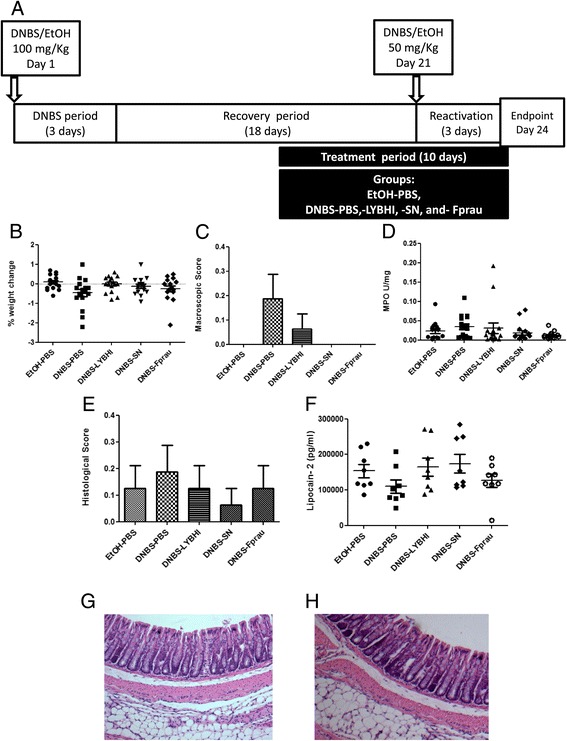
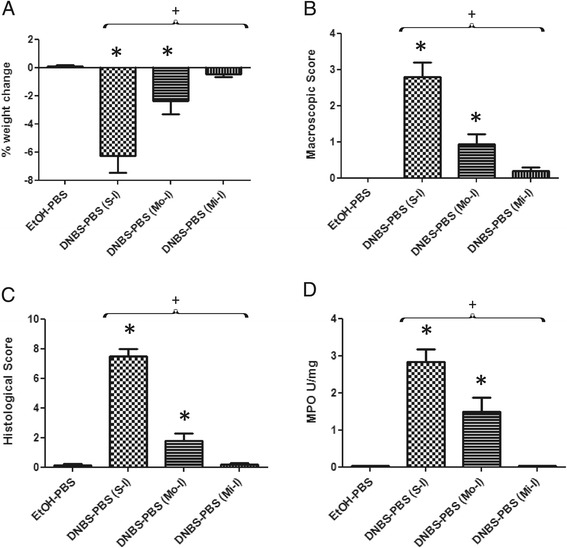
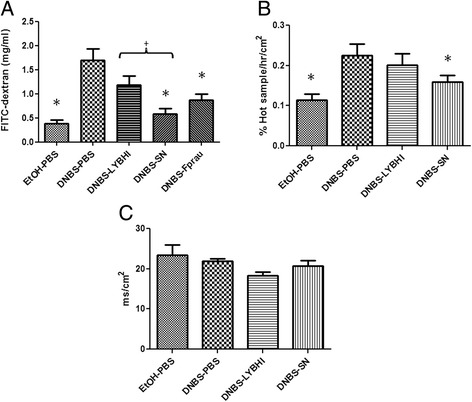
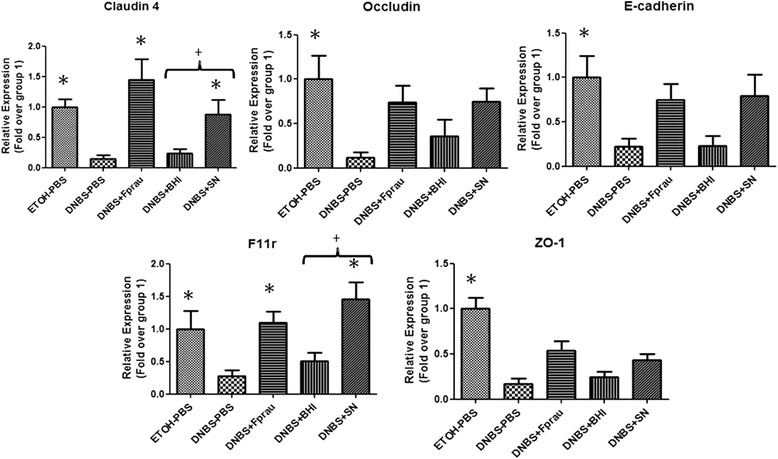
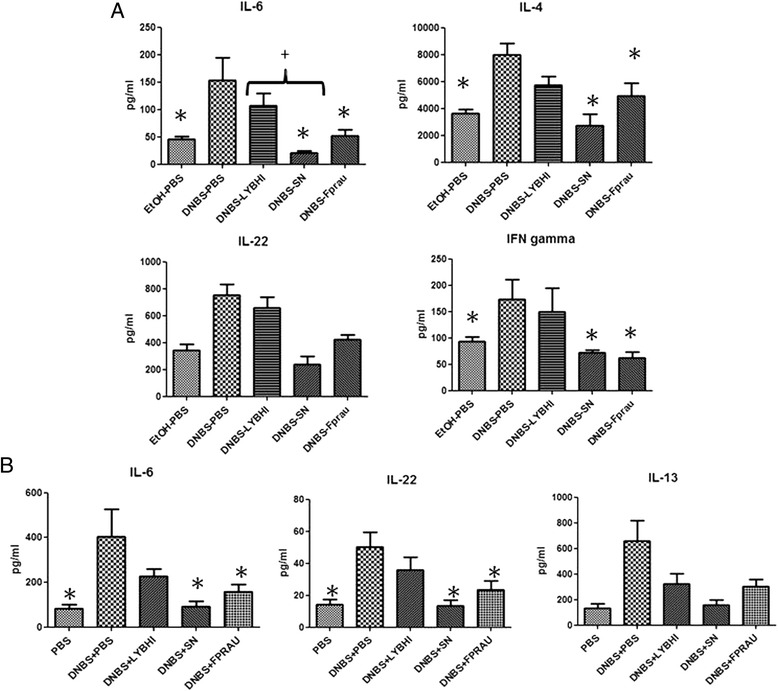
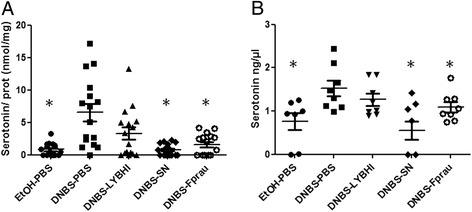
BACKGROUND: The human gut houses one of the most complex and abundant ecosystems composed of up to 10(13)-10(14) microorganisms. The importance of this intestinal microbiota is highlighted when a disruption of the intestinal ecosystem equilibrium appears (a phenomenon called dysbiosis) leading to an illness status, such as inflammatory bowel diseases (IBD). Indeed, the reduction of the commensal bacterium Faecalibacterium prausnitzii (one of the most prevalent intestinal bacterial species in healthy adults) has been correlated with several diseases, including IBD, and most importantly, it has been shown that this bacterium has anti-inflammatory and protective effects in pre-clinical models of colitis. Some dysbiosis disorders are characterized by functional and physiological alterations. Here, we report the beneficial effects of F. prausnitzii in the physiological changes induced by a chronic low-grade inflammation in a murine model. Chronic low-grade inflammation and gut dysfunction were induced in mice by two episodes of dinitro-benzene sulfonic acid (DNBS) instillations. Markers of inflammation, gut permeability, colonic serotonin and cytokine levels were studied. The effects of F. prausnitzii strain A2-165 and its culture supernatant (SN) were then investigated. RESULTS: No significant differences were observed in classical inflammation markers confirming that inflammation was subclinical. However, gut permeability, colonic serotonin levels and the colonic levels of the cytokines IL-6, INF-γ, IL-4 and IL-22 were higher in DNBS-treated than in untreated mice. Importantly, mice treated with either F. prausnitzii or its SN exhibited significant decreases in intestinal permeability, tissue cytokines and serotonin levels. CONCLUSIONS: Our results show that F. prausnitzii and its SN had beneficial effects on intestinal epithelial barrier impairment in a chronic low-grade inflammation model. These observations confirm the potential of this bacterium as a novel probiotic treatment in the management of gut dysfunction and low-grade inflammation.
Overview
The claims and statistics of this paper haven’t been checked yet.
Free: it reads the open-access text and checks the first 5 claims that cite a source we can check. Create a free account to check every claim.
Integrity signals
Registry
Cites
Statistics
Figures
Verification
Claims the paper makes
The claims and statistics of this paper haven’t been checked yet.
Free: it reads the open-access text and checks the first 5 claims that cite a source we can check. Create a free account to check every claim.
Claims other papers make about this one
Each is checked against this paper’s own text: does it say what the citing paper says it does?
The cited source says what the claim attributes to it.
In the citing paper
“F. prausnitzii can also reduce intestinal inflammation by affecting paracellular permeability and enhancing intestinal epithelium barrier function.270,271”
From The role of gut dysbiosis in Parkinson’s disease: mechanistic insights and therapeutic options (2021) · cites this paper as [271]
Self-check
Percentages, sums and reported differences re-computed from the paper’s own numbers.
The self-check needs the paper’s full text.
Citations
Cites
Single-step method of RNA isolation by acid guanidinium thiocyanate-phenol-chloroform extraction
Chomczynski, P., & Sacchi, N. (1987) · Analytical Biochemistry · doi:10.1016/0003-2697(87)90021-2 · Cited by 46,426 · cited 1×
“Total RNA was extracted from 1 cm-long sections of colon homogenized in a TissueLyser, by the guanidinium thiocyanate method [59].”
MethodSokol, H., Pigneur, B., Watterlot, L., Lakhdari, O., Bermúdez-Humarán, L. G., Gratadoux, J.-J., Blugeon, S., Bridonneau, C., Furet, J.-P., Corthier, G., et al. (2008) · Proceedings of the National Academy of Sciences · doi:10.1073/pnas.0804812105 · Cited by 4,413 · cited 4×
“5 mg/ml cysteine (Sigma-Aldrich) at 37°C in an anaerobic chamber as previously described [22].”
BackgroundMethodInfluentialSelf-citationThe NIH Human Microbiome Project
The NIH HMP Working Group, Peterson, J., Garges, S., Giovanni, M., McInnes, P., Wang, L., Schloss, J. A., Bonazzi, V., McEwen, J. E., Wetterstrand, K. A., et al. (2009) · Genome Research · doi:10.1101/gr.096651.109 · Cited by 2,066 · cited 2×
“the identification of low-grade inflammation [9], histopathological observations and mucosal cytokine levels in the colon of a subset of IBS patients [10,11] and the presence of IBS-like symptoms in quiescent IBD [8,12-14] support this hypothesis.”
BackgroundThe Microbiome in Inflammatory Bowel Disease: Current Status and the Future Ahead
Kostic, A. D., Xavier, R. J., & Gevers, D. (2014) · Gastroenterology · doi:10.1053/j.gastro.2014.02.009 · Cited by 1,789 · cited 2×
“The strongest relationship between dysbiosis and pathological condition has been observed in inflammatory bowel diseases (IBD), where the proportion of Firmicutes is lower than in healthy subjects [3,4].”
BackgroundRegulation of intestinal epithelial permeability by tight junctions
Suzuki, T. (2013) · Cellular and Molecular Life Sciences · doi:10.1007/s00018-012-1070-x · Cited by 1,343
Faecalibacterium prausnitzii and human intestinal health
Miquel, S., Martín, R., Rossi, O., Bermúdez-Humarán, L., Chatel, J., Sokol, H., Thomas, M., Wells, J., & Langella, P. (2013) · Current Opinion in Microbiology · doi:10.1016/j.mib.2013.06.003 · Cited by 1,228 · cited 1×
“Changes in the abundance of this commensal anti-inflammatory bacterium [22] and major member of the Clostridium leptum group [23] have been linked to dysbiosis in several human disorders [21], such as IBD, where a low abundance was found in patients exhibiting endoscopic recurrence 6 months after surgery [3].”
BackgroundSelf-citationRajilić–Stojanović, M., Biagi, E., Heilig, H. G. H. J., Kajander, K., Kekkonen, R. A., Tims, S., & de Vos, W. M. (2011) · Gastroenterology · doi:10.1053/j.gastro.2011.07.043 · Cited by 1,041 · cited 3×
“creased ratio of the Firmicutes to Bacteroidetes [5].”
BackgroundInfluentialTowards the human intestinal microbiota phylogenetic core
Tap, J., Mondot, S., Levenez, F., Pelletier, E., Caron, C., Furet, J., Ugarte, E., Muñoz‐Tamayo, R., Paslier, D. L. E., Nalin, R., et al. (2009) · Environmental Microbiology · doi:10.1111/j.1462-2920.2009.01982.x · Cited by 927 · cited 2×
“microbiota, with Actinobacteria being the third, comprising of only 3% [2].”
BackgroundWrzosek, L., Miquel, S., Noordine, M.-L., Bouet, S., Chevalier-Curt, M. J., Robert, V., Philippe, C., Bridonneau, C., Cherbuy, C., Robbe-Masselot, C., et al. (2013) · BMC Biology · doi:10.1186/1741-7007-11-61 · Cited by 804 · cited 1×
“leptum group, and is one of the most prevalent commensal bacteria in the human gut [2], involved in colonic epithelial physiology [32], and a reduction in its abundance has been observed in IBD patients [24].”
BackgroundSelf-citationCytokine regulation of tight junctions
Capaldo, C. T., & Nusrat, A. (2009) · Biochimica et Biophysica Acta (BBA) - Biomembranes · doi:10.1016/j.bbamem.2008.08.027 · Cited by 718 · cited 1×
“trans-epithelial electric resistance (TEER) in vitro and in vivo [43,44].”
Background
Research works printed but not linked: 1
- Miquel S Martin R Rossi O Bermudez-Humaran L Chatel J Sokol H Faecalibacterium prausnitzii and human intestinal health Curr Opin Microbiol 2014 16 3 255 61 10.1016/j.mib.2013.06.003 23831042 · DOI · Paper page
Cited by
Items 201–300 of 319
Zhang, P., Li, B., Mu, J., Liu, D., Zhang, G., Mao, X., Huang, K., Waldron, K. J., & Chen, X. (2022) · Journal of Animal Physiology and Animal Nutrition · doi:10.1111/jpn.13767 · Cited by 7
Danne, C., Creusot, L., Formiga, R. D. O., Marquet, F., Sedda, D., Hua, L., Ruffié, P., Pham, H., Salgueiro, I. A., Brot, L., et al. (2024) · bioRxiv (Cold Spring Harbor Laboratory) · doi:10.1101/2024.10.06.616495 · Cited by 6
Self-citationCsécsei, P., Takács, B., Pasitka, L. P., Várnai, R., Péterfi, Z., Orban, B., Czabajszki, M., Oláh, C., & Schwarcz, A. (2025) · Journal of Clinical Medicine · doi:10.3390/jcm14103488 · Cited by 7
Yu, Y., Wang, Y., Zhang, J., Li, S., Wang, Y., You, X., Chen, X., Du, M., Xie, L., & Liu, S. (2025) · Frontiers in Microbiology · doi:10.3389/fmicb.2025.1640149 · Cited by 6
Zou, Z., Lei, D., Wang, X., Yin, Y., Li, H., Di, X., & Li, X. (2025) · Food Science & Nutrition · doi:10.1002/fsn3.71117 · Cited by 7
“Beyond their roles in modulating the gut microbiota and influencing neurological disorders, Akkermansia and Faecalibaculum also enhance intestinal barrier function (Martín et al. 2015; Liu, Yue, et al. 2020).”
Dogra, S. K., Dardinier, A., Mainardi, F., Siegwald, L., Bártová, S., Roy, C. I. L., & Chou, C. J. (2023) · Nutrients · doi:10.3390/nu15061311 · Cited by 5
“prausnitzii through the secretion of microbial anti-inflammatory molecules has been demonstrated in a mouse model of IBD [12].”
BackgroundRout, S., Dash, R. J., Satish, V., Venugopal, G., Rao, B. N., Bandhyopadhyay, D., Bhoi, S. K., & Ramadass, B. (2025) · Aging · doi:10.18632/aging.206200 · Cited by 7
Kumari, M., & Kokkiligadda, A. (2021) · Elsevier eBooks · doi:10.1016/b978-0-12-822909-5.00004-6 · Cited by 7
Hric, I., Nechalová, L., Šimiaková, M., Baranovičová, E., Esmail, G. A., Hammami, R., Penesová, A., & Bielik, V. (2025) · Journal of Functional Foods · doi:10.1016/j.jff.2025.107139 · Cited by 5
Microbiota-Driven Strategies for Managing IBD-Associated Risks: From Infections to Mental Health
Krynicka, P., Valdivia, P. C., Morawski, M., Marlicz, W. M., Skonieczna‐Żydecka, K., & Koulaouzidis, A. (2026) · Pharmaceuticals · doi:10.3390/ph19010118 · Cited by 5
“…more attention is being paid to strategies that strive to increase SCFAs production by the micro-biome itself, for example, through a proper diet rich in fermentable fibers such as inulin or resistant starch, prebiotics, as well as procedures such as fecal microbiota transplantation (FMT) [26].”
Rodrigues, T. C. V., Marthey, S., Auger, S., de Jesus, L. C. L., Henry, C., Péchoux, C., Arteni, A., Martin, V., Langella, P., Soares, S. D. C., et al. (2025) · Gut Microbes · doi:10.1080/19490976.2025.2519695 · Cited by 4
“2,20,21 The anaerobic chamber was set with N 2 (90%), CO 2 (5%), and H2 (5%).”
InfluentialSelf-citationQin, W., Mei, Q., Wang, G., Wang, R., Huang, Z., Fu, Y., Xu, B., Huang, C., Ai, L., & Zeng, Y. (2025) · npj Biofilms and Microbiomes · doi:10.1038/s41522-025-00845-0 · Cited by 8
“In addition, Fp has been showntoincreasetheexpressionoftightjunctionproteins,reduceintestinal epithelialpermeabilityandalleviateintestinalin fl ammationincolitismodel mice 37 – 39 .”
Bhattacharjee, D., Millman, L., Seesengood, M. L., Martineau, L., & Seekatz, A. M. (2026) · Microbial Genomics · doi:10.1099/mgen.0.001617 · Cited by 15
“For example, F. prausnitzii , a butyrate producer, can influence gut physiology in gnotobiotic mice and restore serotonin in IBS murine models [19].”
Next -generation probiotics as potential therapeutic supplement for gastrointestinal infections
Gupta, N., Kachhawaha, K., Behera, D. K., & Verma, V. K. (2023) · Pharmacological Research - Reports · doi:10.1016/j.prerep.2024.100002 · Cited by 5
Metagenomic Characterization of Gut Microbiota in Individuals with Low Cardiovascular Risk
Issilbayeva, A., Kozhakhmetov, S., Jarmukhanov, Z., Vinogradova, E. B., Mukhanbetzhanov, N., Meiramova, A., Rib, Y., Ivanova-Razumova, T., Myrzakhmetova, G., Andossova, S., et al. (2025) · Journal of Clinical Medicine · doi:10.3390/jcm14145097 · Cited by 5
“The study demonstrated that this beneficial gut bacterium plays a protective role against inflammatory processes, suggesting its potential therapeutic value in managing inflammatory conditions [27].”
Abdelbadiee, S., Yoon, G., Pearman, K., Kumar, A., & Harvey, P. (2025) · Biomedicines · doi:10.3390/biomedicines13122916 · Cited by 4
Zhu, Q. R., Huang, L., Zhu, J., Lu, J., & Qin, H. (2018) · Mechanisms of Ageing and Development · doi:10.1016/j.mad.2018.11.001 · Cited by 4
Self-citationRetractedIntestinal microbiota dysbiosis and liver metabolomic changes during brain death
Tao, R., Guo, W., Li, T., Wang, Y., & Wang, P. (2023) · Journal of Intensive Medicine · doi:10.1016/j.jointm.2023.02.006 · Cited by 3
“Barnesiella , [ 26 ] Faecalibacterium , [ 27 ] and Erysipelotrichaceae_UCG_004 [ 28 ] ferment carbohydrates into SCFAs in the colon.”
BackgroundComplete Genome Sequences of Eight Faecalibacterium sp. Strains Isolated from Healthy Human Stool
Fraccascia, D., Chanyi, R. M., Altermann, E., Roy, N. C., Flint, S., & McNabb, W. C. (2022) · Microbiology Resource Announcements · doi:10.1128/mra.00824-22 · Cited by 4
Chen, S., Liu, T., Shen, H. Y., & Wang, J. (2025) · Frontiers in Veterinary Science · doi:10.3389/fvets.2025.1638495 · Cited by 3
“Previous studies indicate that Faecalibacterium can metabolically produce butyrate and enhances intestinal barrier function by promoting tight junction protein expression (55–57), alleviates diarrhea in young animals, and is considered a potential candidate for probiotic development (58).”
Coufal, Š., Zakostelska, Z. J., Thon, T., Roubalová, R., Kadlečková, D., Saláková, M., Tachezy, R., Hrncir, T., Kverka, M., Tichá, V., et al. (2025) · iScience · doi:10.1016/j.isci.2025.113872 · Cited by 3
“33 34–36 The increase in Barnesiella spp. in PwMS is not consistent with its proposed effect on the immune system.”
Effects of whey protein isolate on the human gut microbiota and intestinal function in older adults
Rackerby, B., Kim, E., Bobe, G., Dallas, D. C., & Park, S. H. (2025) · Journal of Dairy Science · doi:10.3168/jds.2025-27204 · Cited by 3
Yao, L., Solania, A., Luissint, A., Balana, A. T., Zhang, H., Sangaraju, D., Lai, Z., Kuo, J., Storek, K. M., & Wolan, D. W. (2025) · ACS Infectious Diseases · doi:10.1021/acsinfecdis.5c00771 · Cited by 2
Huang, X., Lu, G., Li, L., Liao, C., Tang, X., Chen, C., Zhang, M., Li, P., & Chen, C. (2024) · Frontiers in Industrial Microbiology · doi:10.3389/finmi.2024.1409699 · Cited by 2
Managing Glucose Homeostasis Through the Gut Microbiome
Weninger, S. N., Manley, A., & Duca, F. A. (2025) · Annual Review of Physiology · doi:10.1146/annurev-physiol-051524-094728 · Cited by 4
Choi, E., & So, W.-Y. (2018) · Journal of Men s Health · doi:10.22374/1875-6859.14.2.3 · Cited by 2
Lan, T., Hou, Q., Zhao, H., Luan, Y., Shi, Y., Hu, S., Wang, N., Yan, S., Gong, X., & Song, Y. (2025) · Frontiers in Microbiology · doi:10.3389/fmicb.2025.1654227 · Cited by 2
“…et al., 2022; Qian et al., 2022; Nie et al., 2021) with well-established anti-inflammatory and barrier-protective functions (Martín et al., 2014; Martín et al., 2015; Carlsson et al., 2013; Wrzosek et al., 2013; Song et al., 2022; Shen et al., 2022)—further supports the hypothesis that a loss…”
Recombinant live biotherapeutics: A new frontier in peptide drug biosynthesis and precision delivery
Chawla, M., Bhange, O., & Das, B. (2025) · Progress in molecular biology and translational science · doi:10.1016/bs.pmbts.2025.12.002 · Cited by 1
An immunometabolic signature of major depressive disorder in systemic lupus erythematosus
Ellul, P., Tchitchek, N., Kvedaraviciute, G., Lorenzon, R., Melki, I., Delorme, R., Rosenzwajg, M., & Klatzmann, D. (2026) · Annals of the Rheumatic Diseases · doi:10.1016/j.ard.2026.02.019 · Cited by 1
Yaghoubfar, R., Banadkoki, E. Z., Khatami, S., & Siadat, S. D. (2026) · Journal of Diabetes & Metabolic Disorders · doi:10.1007/s40200-026-01967-8 · Cited by 1
“Notably, inflammatory conditions are often character - ized by elevated intestinal serotonin levels accompanied by reduced SERT expression; treatment with F. prausnitzii reversed these alterations, supporting its probiotic potential [33].”
The gut microbiome and mitochondrial function in metabolism, immunity, and disease
Han, E. J., Kim, D., Lee, J. H., & Chung, H. (2026) · Gut Microbes · doi:10.1080/19490976.2026.2699451 · Cited by 1
ASSESSMENT OF THE INTESTINAL MICROBIOTA IN ADULTS WITH EROSIVE ESOPHAGITIS
Baima, D. C., Carvalho, N. S., Barbuti, R. C., & Navarro-Rodríguez, T. (2021) · Arquivos de Gastroenterologia · doi:10.1590/s0004-2803.202100000-29 · Cited by 3
Gut Microbiota in Elderly’s Health
Bäuerl, C., Selma‐Royo, M., Mera-Balseca, A. G., Collado, M. C., & Pérez‐Martínez, G. (2019) · Springer eBooks · doi:10.1007/978-3-319-99375-1_163 · Cited by 2
Zhang, X., Chen, H., Wang, Y., Xu, Q., Qiu, X., Li, C., Xiao, Q., Liu, Y., Zhang, J., Zhang, H., et al. (2025) · BMC Pediatrics · doi:10.1186/s12887-025-05578-9 · Cited by 2
“Previous studies have demonstrated that both cells and cell-free supernatants from various Faecalibacterium species and strains can mitigate inflammation induced by chemicals in murine models [33–35].”
Behavioral Profile and Gut Microbiota Composition in Rats with Different Nervous System Excitability
Shalaginova, I., Katserov, D., Ensh, K. O., Budenkova, E., Pribyshina, A. K., & Dyuzhikova, N. (2025) · Journal of Evolutionary Biochemistry and Physiology · doi:10.1134/s0022093025030068 · Cited by 1
Gut Microbiota in Elderly’s Health
Bäuerl, C., Selma‐Royo, M., Mera-Balseca, A. G., Collado, M. C., & Pérez‐Martínez, G. (2017) · Springer eBooks · doi:10.1007/978-3-319-64597-1_163-1 · Cited by 1
Thoughts on the future of probiotic beverages
Paramithiotis, S., Syrokou, M. K., & Drosinos, E. H. (2021) · Elsevier eBooks · doi:10.1016/b978-0-12-818588-9.00022-x · Cited by 1
Jatmiko, Y. D. (2018) · Adelaide Research & Scholarship (AR&S) (University of Adelaide) · doi:10.25909/5b99a669701ce · Cited by 2
“An anti-inflammatory effect derived from MRS medium has been reported previously (Martín et al. 2014; Martín et al. 2015; Prisciandaro 2012).”
BackgroundInfluentialFrom Bacterial Genomics to Human Health
Benítez‐Páez, A., & Sanz, Y. (2016) · Elsevier eBooks · doi:10.1016/b978-0-12-802309-9.00008-x · Cited by 1
Cuív, P. Ó., Burman, S., Pottenger, S., & Morrison, M. (2016) · Springer eBooks · doi:10.1007/978-3-319-46326-1_3 · Cited by 1
The Microbiota-Obesity Connection, Part 2
Ross, S. M. (2017) · Holistic Nursing Practice · doi:10.1097/hnp.0000000000000213
Zeng, Y. (2017) · The Atrium (University of Guelph) · Cited by 1
Suwal, S., Wu, Q., Liu, W., Liu, Q., Sun, H., Ming, L., Gao, J., Zhang, B., Kou, Y., Liu, Z., et al. (2018) · bioRxiv (Cold Spring Harbor Laboratory) · doi:10.1101/340331
Baima, D. C. (2020) · Digital Library of Theses and Dissertations (Universidade de São Paulo) · doi:10.11606/t.5.2020.tde-01072021-115140
Fabbrini, M., Candela, M., Turroni, S., Brigidi, P., & Rampelli, S. (2021) · SSRN Electronic Journal · doi:10.2139/ssrn.3952829
Metáforas e imaxinarios (bio)tecnolóxicos humanos
Coca, J. R. (2012) · A Trabe de ouro: publicación galega de pensamento crítico
Descifrando las funciones de la microbiota intestinal en la obesidad.
López‐Almela, I. (2021) · RiuNet (Universitat Politècnica de València) · doi:10.4995/thesis/10251/174897
Moosavi, S. M., Sepahi, A. A., Mousavi, S. F., Vaziri, F., & Siadat, S. D. (2021) · Vaccine Research · doi:10.52547/vacres.8.2.39
“Faecalibacterium prausnitzii is one of the important members of intestinal microbiota with proven in vivo and in vitro anti-inflammatory impacts [14, 15].”
BackgroundFaecalibacterium prausnitzii Reduces Plasma Lipopolysaccharide and Inhibits AtherosclerosisPreprint
Yang, H.-T., Liu, J., Wu, T., Yang, Y., Wu, C.-X., Hou, X., Zheng, Y., Ma, Y., & Xie, X. (2022) · Research Square · doi:10.21203/rs.3.rs-2391124/v1
The gut microbiota: A driver of Type 2 diabetes
Scheithauer, T. P. M. (2023) · doi:10.5463/thesis.82
Verstraeten, S., Layec, S., Auger, S., Juste, C., Henry, C., Charif, S., Jaszczyszyn, Y., Sokol, H., Beney, L., Langella, P., et al. (2023) · Research Square · doi:10.21203/rs.3.rs-2481125/v1
Self-citationCurrent trends and future perspectives of probiotics on human health: an overview
Mandal, S., & Mandal, N. C. (2023) · Elsevier eBooks · doi:10.1016/b978-0-323-90113-0.00005-5 · Cited by 2
Fecal Microbial Biomarkers in Older Adults With Autoimmune Diseases
Xu, Y., Wang, Y., Zhong, W., Zhang, C., Xiong, Z., Chen, R., & Mao, T. (2023) · Future Microbiology · doi:10.2217/fmb-2022-0045
Probiotics as a Sustainable Approach in Health Enrichment
Rajeev, A., Aiswarya Sudheer, C. K., & Chattopadhyay, I. (2024) · Journal of Pure and Applied Microbiology · doi:10.22207/jpam.18.1.02 · Cited by 1
Sinha, A., Li, Y., Mirzaei, M. K., Shamash, M., Samadfam, R., King, I. L., & Maurice, C. F. (2022) · Figshare · doi:10.6084/m9.figshare.20267652
Barone, M., Ramayo‐Caldas, Y., Estellé, J., Tambosco, K., Chadi, S., Maillard, F., Gallopin, M., Planchais, J., Chain, F., Kropp, C., et al. (2023) · Figshare · doi:10.6084/m9.figshare.23615720
Self-citationBarone, M., Ramayo‐Caldas, Y., Estellé, J., Tambosco, K., Chadi, S., Maillard, F., Gallopin, M., Planchais, J., Chain, F., Kropp, C., et al. (2023) · Figshare · doi:10.6084/m9.figshare.23615723
Self-citationBarone, M., Ramayo‐Caldas, Y., Estellé, J., Tambosco, K., Chadi, S., Maillard, F., Gallopin, M., Planchais, J., Chain, F., Kropp, C., et al. (2023) · Figshare · doi:10.6084/m9.figshare.23615735
Self-citationSinha, A., Li, Y., Mirzaei, M. K., Shamash, M., Samadfam, R., King, I. L., & Maurice, C. F. (2022) · Figshare · doi:10.6084/m9.figshare.20267649
Barone, M., Ramayo‐Caldas, Y., Estellé, J., Tambosco, K., Chadi, S., Maillard, F., Gallopin, M., Planchais, J., Chain, F., Kropp, C., et al. (2023) · Figshare · doi:10.6084/m9.figshare.23615726
Self-citationSinha, A., Li, Y., Mirzaei, M. K., Shamash, M., Samadfam, R., King, I. L., & Maurice, C. F. (2022) · Figshare · doi:10.6084/m9.figshare.20267646
Barone, M., Ramayo‐Caldas, Y., Estellé, J., Tambosco, K., Chadi, S., Maillard, F., Gallopin, M., Planchais, J., Chain, F., Kropp, C., et al. (2023) · Figshare · doi:10.6084/m9.figshare.23615729
Self-citationSinha, A., Li, Y., Mirzaei, M. K., Shamash, M., Samadfam, R., King, I. L., & Maurice, C. F. (2022) · Figshare · doi:10.6084/m9.figshare.20267643
Nondigestible oligosaccharides
Nie, Q., Zhang, S., & Nie, S. (2025) · Elsevier eBooks · doi:10.1016/b978-0-443-21630-5.00002-2
Chen, M. J., & Tao, Y. (2025) · SSRN Electronic Journal · doi:10.2139/ssrn.5381275
Yao, L., Solania, A., Luissint, A., Balana, A. T., Zhang, H., Sangaraju, D., Lai, Z., Kuo, J., Storek, K. M., & Wolan, D. W. (2025) · bioRxiv (Cold Spring Harbor Laboratory) · doi:10.1101/2025.08.24.671981
Tavassol, Z. H., Khalagi, K., Marvasti, F. E., Mahmoudian, E., Sajadi, N. A., Rafiei, N., Ostovar, A., Siadat, S. D., Nabipour, I., Larijani, B. A., et al. (2025) · Journal of Diabetes & Metabolic Disorders · doi:10.1007/s40200-025-01792-5
“Faecalibacterium enhances the integrity of the intestinal barrier that reduces the leakage of pro-inflammatory substances such as lipo - polysaccharides and prevents chronic low-grade and gut inflammation, which is a key driver of MetS and insulin resistance [34–36].”
Alhaq, K. F., Adams, F. F., Arif, A. N. A., Salsabila, P. L., & Suryaningrat, F. R. (2025) · Jurnal Gastrohepatologi Anak Indonesia/Archives of Pediatric Gastroenterology, Hepatology, and Nutrition · doi:10.58427/apghn.4.4.2025.158-173
“28, 29 To put these ideas into action, we need to do strict tests to see how well they work and how safe they are for kids.”
Microbial association related to infectious diseases
Rana, Q. U. A., Jali, I., Sajjad, W., Khan, A. S., Ali, S., Din, G., & Irfan, M. (2020) · International Journal of Biosciences (IJB) · doi:10.12692/ijb/16.5.245-255
Maes, M. H. J., Almulla, A. F., Vasupanrajit, A., Jirakran, K., Tunvirachaisakul, C., Maes, A., Chanchaem, P., Klomkliew, P., Payungporn, S., & Zhang, Y. (2025) · medRxiv · doi:10.64898/2025.12.10.25342027
Sinha, A., Li, Y., Mirzaei, M. K., Shamash, M., Samadfam, R., King, I. L., & Maurice, C. F. (2022) · Figshare · doi:10.6084/m9.figshare.20267640
Barone, M., Ramayo‐Caldas, Y., Estellé, J., Tambosco, K., Chadi, S., Maillard, F., Gallopin, M., Planchais, J., Chain, F., Kropp, C., et al. (2023) · Figshare · doi:10.6084/m9.figshare.23615717
Self-citationAdditional file 10 of Faecalibacterium prausnitzii as a potential Antiatherosclerotic microbe
Yang, H.-T., Jiang, Z.-H., Yang, Y., Wu, T.-T., Zheng, Y.-Y., Ma, Y.-T., & Xie, X. (2024) · Figshare · doi:10.6084/m9.figshare.26669604
Additional file 3 of Faecalibacterium prausnitzii as a potential Antiatherosclerotic microbe
Yang, H.-T., Jiang, Z.-H., Yang, Y., Wu, T.-T., Zheng, Y.-Y., Ma, Y.-T., & Xie, X. (2024) · Figshare · doi:10.6084/m9.figshare.26669583
Additional file 6 of Faecalibacterium prausnitzii as a potential Antiatherosclerotic microbe
Yang, H.-T., Jiang, Z.-H., Yang, Y., Wu, T.-T., Zheng, Y.-Y., Ma, Y.-T., & Xie, X. (2024) · Figshare · doi:10.6084/m9.figshare.26669592
Additional file 2 of Direct impact of commonly used dietary emulsifiers on human gut microbiota
Naimi, S., Viennois, É., Gewirtz, A. T., & Chassaing, B. (2021) · Figshare · doi:10.6084/m9.figshare.14267040
Zhou, Y., Xu, H., Xu, J., Guo, X., Zhao, H., Chen, Y., Zhou, Y., & 聂玉强 (2021) · Figshare · doi:10.6084/m9.figshare.14131199
Barone, M., Ramayo‐Caldas, Y., Estellé, J., Tambosco, K., Chadi, S., Maillard, F., Gallopin, M., Planchais, J., Chain, F., Kropp, C., et al. (2023) · Figshare · doi:10.6084/m9.figshare.23615732
Self-citationYe, L., Wang, Y., Xiao, F., Wang, X., Li, X., Cao, R., Zhang, J., & Zhang, T. (2024) · Figshare · doi:10.6084/m9.figshare.26640304
Additional file 8 of Faecalibacterium prausnitzii as a potential Antiatherosclerotic microbe
Yang, H.-T., Jiang, Z.-H., Yang, Y., Wu, T.-T., Zheng, Y.-Y., Ma, Y.-T., & Xie, X. (2024) · Figshare · doi:10.6084/m9.figshare.26669598
Ye, L., Wang, Y., Xiao, F., Wang, X., Li, X., Cao, R., Zhang, J., & Zhang, T. (2024) · Figshare · doi:10.6084/m9.figshare.24572132
Additional file 7 of Faecalibacterium prausnitzii as a potential Antiatherosclerotic microbe
Yang, H.-T., Jiang, Z., Yang, Y., Wu, T.-T., Zheng, Y.-Y., Ma, Y.-T., & Xie, X. (2024) · Figshare · doi:10.6084/m9.figshare.26669595
Ye, L., Wang, Y., Xiao, F., Wang, X., Li, X., Cao, R., Zhang, J., & Zhang, T. (2023) · Figshare · doi:10.6084/m9.figshare.24571846
Additional file 1 of Faecalibacterium prausnitzii as a potential Antiatherosclerotic microbe
Yang, H.-T., Jiang, Z., Yang, Y., Wu, T.-T., Zheng, Y.-Y., Ma, Y.-T., & Xie, X. (2024) · Figshare · doi:10.6084/m9.figshare.25034401
Barone, M., Ramayo‐Caldas, Y., Estellé, J., Tambosco, K., Chadi, S., Maillard, F., Gallopin, M., Planchais, J., Chain, F., Kropp, C., et al. (2023) · Figshare · doi:10.6084/m9.figshare.23615711
Self-citationYe, L., Wang, Y., Xiao, F., Wang, X., Li, X., Cao, R., Zhang, J., & Zhang, T. (2024) · Figshare · doi:10.6084/m9.figshare.26640301
Ye, L., Wang, Y., Xiao, F., Wang, X., Li, X., Cao, R., Zhang, J., & Zhang, T. (2024) · Figshare · doi:10.6084/m9.figshare.26640298
Additional file 2 of Faecalibacterium prausnitzii as a potential Antiatherosclerotic microbe
Yang, H.-T., Jiang, Z.-H., Yang, Y., Wu, T.-T., Zheng, Y.-Y., Ma, Y.-T., & Xie, X. (2024) · Figshare · doi:10.6084/m9.figshare.25034496
Barone, M., Ramayo‐Caldas, Y., Estellé, J., Tambosco, K., Chadi, S., Maillard, F., Gallopin, M., Planchais, J., Chain, F., Kropp, C., et al. (2023) · Figshare · doi:10.6084/m9.figshare.23615708
Self-citationAdditional file 4 of Faecalibacterium prausnitzii as a potential Antiatherosclerotic microbe
Yang, H.-T., Jiang, Z.-H., Yang, Y., Wu, T.-T., Zheng, Y.-Y., Ma, Y.-T., & Xie, X. (2024) · Figshare · doi:10.6084/m9.figshare.26669586
Additional file 9 of Faecalibacterium prausnitzii as a potential Antiatherosclerotic microbe
Yang, H.-T., Jiang, Z., Yang, Y., Wu, T.-T., Zheng, Y.-Y., Ma, Y.-T., & Xie, X. (2024) · Figshare · doi:10.6084/m9.figshare.26669601
Additional file 5 of Faecalibacterium prausnitzii as a potential Antiatherosclerotic microbe
Yang, H.-T., Jiang, Z.-H., Yang, Y., Wu, T.-T., Zheng, Y.-Y., Ma, Y.-T., & Xie, X. (2024) · Figshare · doi:10.6084/m9.figshare.26669589
Barone, M., Ramayo‐Caldas, Y., Estellé, J., Tambosco, K., Chadi, S., Maillard, F., Gallopin, M., Planchais, J., Chain, F., Kropp, C., et al. (2023) · Figshare · doi:10.6084/m9.figshare.23615714
Self-citationComparative Genomics of Faecalibacterium spp.
Benevides, L. (2018) · theses.fr (ABES) · doi:10.70675/48a456b7zbca1z4bbez86fdz1d28c0c4b936
Culture et description des bactéries anaérobies strictes du microbiote digestif
Ndongo, S. (2019) · theses.fr (ABES) · doi:10.70675/658679f6z2bc1z41daz809czbf77134cd006
Bioinformatics and biostatistical studies of the mosaic structures of microbial genomes
Tall, M. L. (2020) · theses.fr (ABES) · doi:10.70675/fb252c16z71b2z4b3dza1ccza62d6af2142f
Metadata
- Authors
- Martín, R., Miquel, S., Chain, F., Natividad, J. M., Jury, J., Lu, J., Sokol, H., Theodorou, V., Bercik, P., Verdu, E. F., Langella, P., & Bermúdez-Humarán, L. G.
- Affiliations
- AgroParisTech (FR)
- McMaster University (CA)
- Centre National de la Recherche Scientifique (FR)
- Corresponding author
- Langella, Philippe
- ORCID
- Venue
- BMC Microbiology
- Published
- 2015-03-21
- Volume
- 15
- Issue
- 1
- Pages
- 67-67
- ISSN
- 1471-2180 (ISSN-L)
- PMC
- PMC4391109
- OpenAlex
- W2043019177
- Cited by
- 309
- References
- 61
- Citations by year
- 2026: 18 · 2025: 38 · 2024: 32 · 2023: 45 · 2022: 29 · 2021: 35 · 2020: 26 · 2019: 17 · 2018: 24 · 2017: 24 · 2016: 14 · 2015: 5
- FWCI
- 9.69
- Type
- journal article
- Language
- en
- Open access
- gold
- doi.org
- Locations
- BMC Microbiology (publishedVersion, cc-by)
- PubMed Central (publishedVersion, cc-by)
- PubMed (publishedVersion)
- HAL (submittedVersion, other-oa)
- Funders
- Crohn's and Colitis Foundation of Canada
- European Regional Development Fund
- Topics
- Life Sciences › Biochemistry, Genetics and Molecular Biology › Molecular Biology › Gut microbiota and health
- Health Sciences › Medicine › Gastroenterology › Inflammatory Bowel Disease
- Life Sciences › Agricultural and Biological Sciences › Food Science › Probiotics and Fermented Foods
- Keywords
- Faecalibacterium prausnitzii, low-grade inflammation, gut dysbiosis, intestinal permeability, intestinal epithelial barrier, cytokines, DNBS-induced colitis, probiotics, culture supernatant, inflammatory bowel disease, gut microbiota
- MeSH terms
- Eubacteriales, Animals, Benzenesulfonates, Colon, Disease Models, Animal, Enteritis, Permeability, Serotonin, Cytokines, Mice
About these checks
Registry, retraction, Cites and statistics results are computed, not judged, with one exception: a printed reference that no index lists is read once by a model before it counts as a citation error. Claims are extracted by a model and kept only when their quote appears verbatim in the text; each cited source is then checked, with a model’s help, for whether it says what the claim relies on. Those verdicts can be wrong — read the claim’s quote and the cited source before relying on one.
Statistics and arithmetic are recomputed, not judged.
Confidence bands are shown only for fields calibrated on our annotated test set. None is calibrated yet, so no band is shown.
What counts as a claim ›How we measure confidence ›How we check this ›
Are you an author, or do you see a problem with this page? Request a review
Data sources
Bibliographic data: Semantic Scholar, OpenAlex, Crossref.
Contains information from the Semantic Scholar Academic Graph Datasets, made available under the ODC Attribution License (ODC-BY 1.0).
Semantic Scholar’s data is described in: Kinney, R., et al. (2023). The Semantic Scholar Open Data Platform. arXiv:2301.10140.
