

Isolation, characterization, and assessment of lactic acid bacteria toward their selection as poultry probiotics
Open accessThe DOI matches its Crossref record; 65 of the 67 references it cites were found in a registry or an index.
Abstract
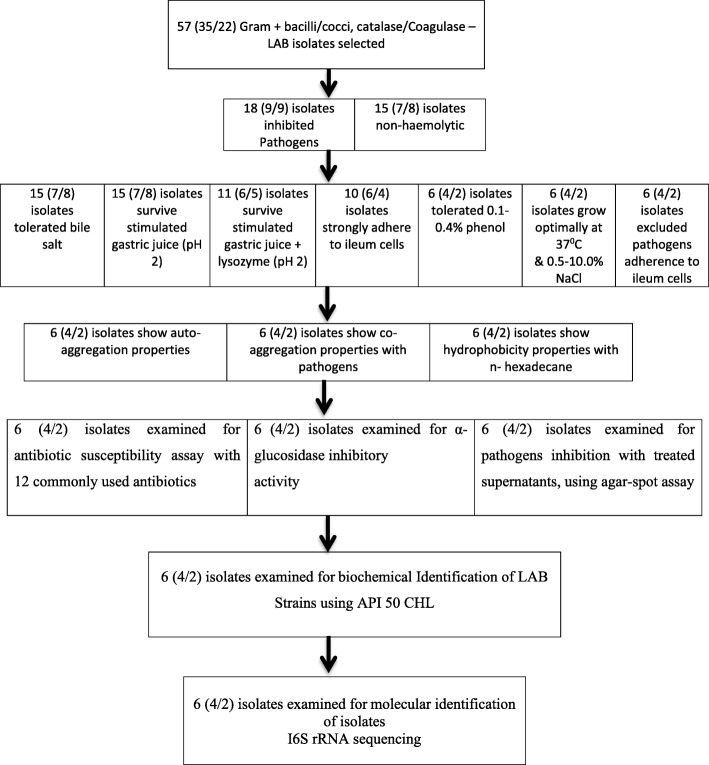
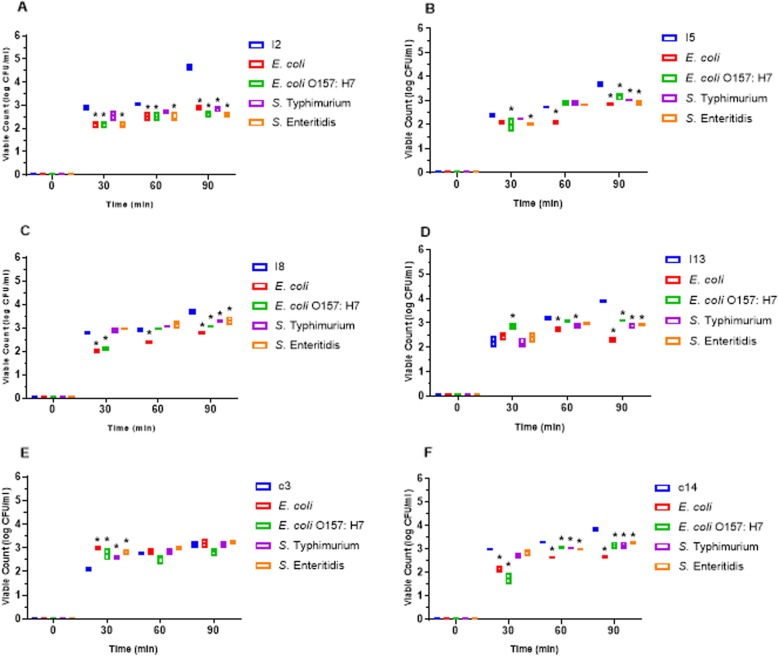
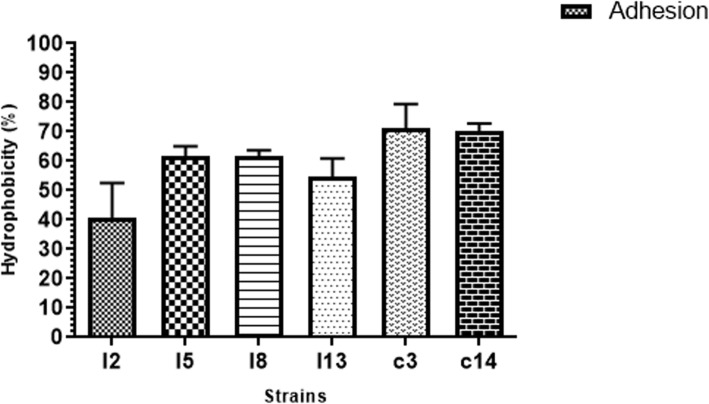
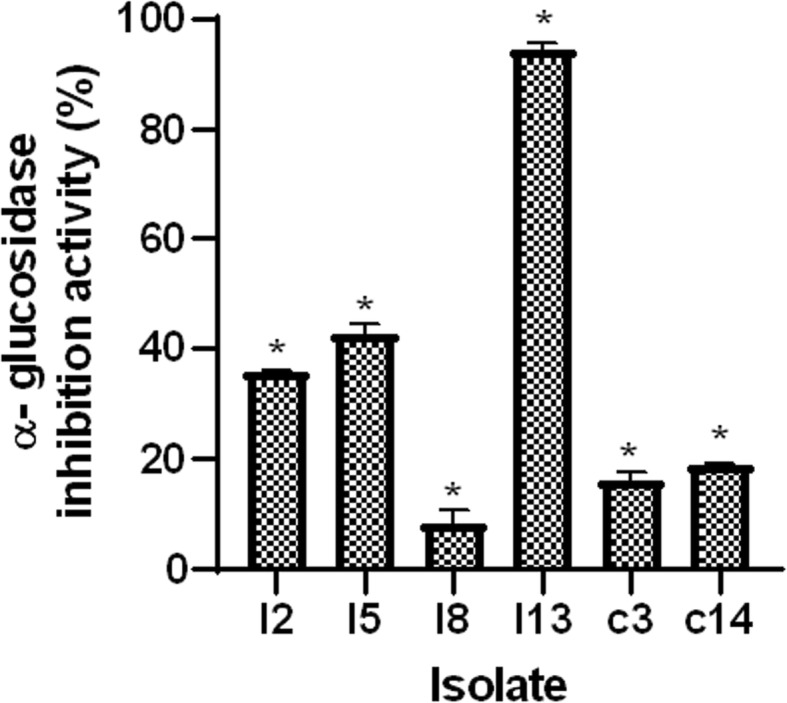
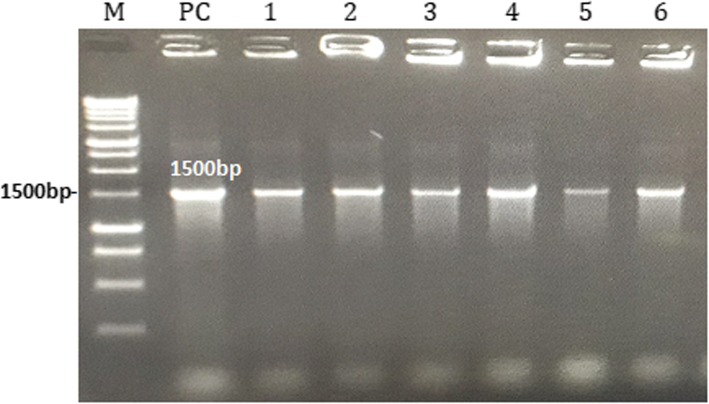
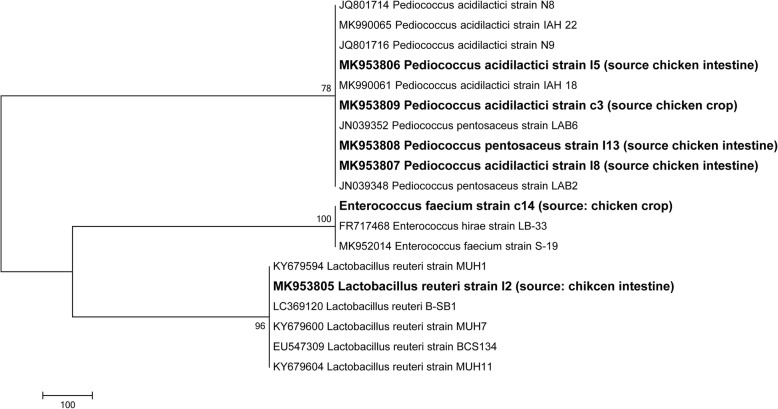
Background: Probiotics are live microorganisms that, when administered in adequate amounts, confer a health benefit on the host, are now accepted as suitable alternatives to antibiotics in the control of animal infections and improving animal production. Lactic acid bacteria (LAB) with remarkable functional properties have been evaluated in different studies as possible probiotic candidates. The purpose of this study was to isolate, characterize and assess the potentials of LAB from poultry gastrointestinal tract as potential poultry probiotics. Results: Potential LAB probiotics were isolated from broilers, characterized and evaluated for probiotic properties including antagonistic activity (against Escherichia coli , E. coli O157: H7, Enterococcus faecalis , Salmonella Typhimurium, S. Enteritidis and Listeria monocytogenes ), survivability in simulated gastric juice, tolerance to phenol and bile salts, adhesion to ileum epithelial cells, auto and co-aggregation, hydrophobicity, α–glucosidase inhibitory activity, and antibiotic susceptibility tests. Most promising LAB strains with excellent probiotic potentials were identified by API 50 CHL and 16S rRNA sequencing as Lactobacillus reuteri I2, Pediococcus acidilactici I5, P. acidilactici I8, P. acidilactici c3, P. pentosaceus I13, and Enterococcus faecium c14. They inhibited all the pathogens tested with zones of inhibition ranging from 12.5 ± 0.71 to 20 ± 0 mm, and competitively excluded ( P < 0.05) the pathogens examined while adhering to ileum epithelial cells with viable counts of 3.0 to 6.0 Log CFU/ml. The selected LAB strains also showed significant ( P < 0.005) auto and co-aggregation abilities with α-glucosidase inhibitory activity ranging from 12.5 to 92.0%. The antibiotic susceptibility test showed 100.00% resistance of the LAB strains to oxacillin, with multiple antibiotic resistance indices above 0.5. Conclusion: The selected LAB strains are ideal probiotic candidates which can be applied in the field for the improvement of poultry performance and control of pathogens in poultry, hence curtailing further transmission to humans.
Overview
The claims and statistics of this paper haven’t been checked yet.
Free: it reads the open-access text and checks the first 5 claims that cite a source we can check. Create a free account to check every claim.
Integrity signals
Registry
Cites
Statistics
Figures
Verification
Claims the paper makes
The claims and statistics of this paper haven’t been checked yet.
Free: it reads the open-access text and checks the first 5 claims that cite a source we can check. Create a free account to check every claim.
Claims other papers make about this one
Each is checked against this paper’s own text: does it say what the citing paper says it does?
The cited source says what the claim attributes to it.
In the citing paper
“This is not at all surprising, because LAB are part of the natural microbiota of the healthy gastrointestinal tract of humans and animals [215,216].”
From Lactic Acid Bacteria in Raw-Milk Cheeses: From Starter Cultures to Probiotic Functions (2022) · cites this paper as [215]
Self-check
Percentages, sums and reported differences re-computed from the paper’s own numbers.
The self-check needs the paper’s full text.
Citations
Cites
Antibiotic Susceptibility Testing by a Standardized Single Disk Method
Bauer, A. W., Kirby, W. M. M., Sherris, J. C., & Turck, M. (1966) · American Journal of Clinical Pathology · doi:10.1093/ajcp/45.4_ts.493 · Cited by 18,523
Hill (2014) · doi:10.1038/nrgastro.2014.66 · Cited by 9,592 · cited 2×
“Previous reports have shown that a correlation exists between high hydrophobicity of LAB strains with their attachment to intestinal mucosal and epithelial cells [2, 15, 19].”
BackgroundA medium for the cultivation of lactobacilli
De MAN, J. C., ROGOSA, M., & SHARPE, M. E. (1960) · Journal of Applied Bacteriology · doi:10.1111/j.1365-2672.1960.tb00188.x · Cited by 5,311 · cited 3×
“After isolating 57 strains of LAB from the crop (35) and intestine (22) of broilers as previously described [13], they were subjected to various contemporary in vitro probiotic properties evaluation and finally characterized molecularly.”
BackgroundMethodInfluentialDunne, C., O’Mahony, L., Murphy, L., Thornton, G., Morrissey, D., O’Halloran, S., Feeney, M., Flynn, S., Fitzgerald, G., Daly, C., et al. (2001) · The American Journal of Clinical Nutrition · doi:10.1093/ajcn/73.2.386s · Cited by 922 · cited 1×
“Apart from the ability of potential probiotics to tolerate bile salts, it is also expected that probiotics should be able to tolerate the acidic environment of the GIT as they pass through to colonize the gut of their host [30].”
BackgroundKos, B., Šušković, J., Vuković, S., Šimpraga, M., Frece, J., & Matošić, S. (2003) · Journal of Applied Microbiology · doi:10.1046/j.1365-2672.2003.01915.x · Cited by 880
Mack, D. R., Michail, S., Wei, S., McDougall, L., & Hollingsworth, M. A. (1999) · American Journal of Physiology-Gastrointestinal and Liver Physiology · doi:10.1152/ajpgi.1999.276.4.g941 · Cited by 829 · cited 2×
“This further enables immunoregulation by LAB which is also relevant in the removal of pathogens [36].”
BackgroundAntibiotic resistance in probiotic bacteria
Gueimonde, M., Sánchez, B., G. de los Reyes-Gavilán, C., & Margolles, A. (2013) · Frontiers in Microbiology · doi:10.3389/fmicb.2013.00202 · Cited by 691 · cited 1×
“It has also been documented that lactobacilli are generally susceptible to ampicillin [56].”
BackgroundProbiotic potential of Lactobacillus strains isolated from dairy products
Maragkoudakis, P. A., Zoumpopoulou, G., Miaris, C., Kalantzopoulos, G., Pot, B., & Tsakalidou, E. (2006) · International Dairy Journal · doi:10.1016/j.idairyj.2005.02.009 · Cited by 618 · cited 1×
“[63] was used to determine the haemolytic activity of LAB isolates.”
MethodNovel bacteriocins from lactic acid bacteria (LAB): various structures and applications
Perez, R. H., Zendo, T., & Sonomoto, K. (2014) · Microbial Cell Factories · doi:10.1186/1475-2859-13-s1-s3 · Cited by 575
Corcoran, B. M., Stanton, C., Fitzgerald, G. F., & Ross, R. P. (2005) · Applied and Environmental Microbiology · doi:10.1128/aem.71.6.3060-3067.2005 · Cited by 546
Research works printed but not linked: 3
- Food and Agriculture Organization (FAO) Makkar HPS Probiotics in animal nutrition – Production, impact and regulationby Yadav S. Bajagai, Athol V. Klieve, Peter J. Dart and Wayne L. Bryden 2016 Rome FAO Animal Production and Health
- Food and Agriculture Organization (FAO) FAOSTAT Livestock Primary 2017
- Gusils C Bujazha M Gonzalez S Preliminary studies to design a probiotic for use in swine feed Interciencia 2002 27 409 413
Cited by
Items 101–200 of 349
Lunavath, R., Mohammad, S. H., Bhukya, K. K., Barigela, A., Banoth, C., Banothu, A. K., & Bhukya, B. (2023) · PLoS ONE · doi:10.1371/journal.pone.0279118 · Cited by 12
“Strains that can be used as probiotics should show resistance to some antibiotics to survive in the GIT and to impart beneficial activities to the host [26].”
BackgroundMethodResultInfluentialSesín, A. A., Paz, J., Ledesma, A. E., Taranto, M. P., & Bustos, A. Y. (2023) · Brazilian journal of food technology/Brazilian Journal of Food Technology · doi:10.1590/1981-6723.02423 · Cited by 12
Adithi, G., Divyashree, S., Shruthi, B., Deepa, N., & Sreenivasa, M. Y. (2024) · Food Bioscience · doi:10.1016/j.fbio.2024.103843 · Cited by 12
Li, Z., Zhou, H., Liu, W., Wu, H., Li, C., Lin, F., Yan, L., & Huang, C. (2024) · Poultry Science · doi:10.1016/j.psj.2024.104195 · Cited by 16
“DDL is a bene fi cial bacteria, which can signi fi - cantly improve the growth performance of poultry, increase the daily gain, reduce the feed-to-weight ratio, and increase the economic bene fi ts of poultry farming (Reuben et al., 2019, Li et al., 2024).”
Racioppo, A., Accettulli, A., d’Amelio, A., Corbo, M. R., Sinigaglia, M., Speranza, B., & Bevilacqua, A. (2025) · BMC Microbiology · doi:10.1186/s12866-025-04117-x · Cited by 12
“Recently, Reuben et al. [34] found predominantly moderate hydrophobicity among lactic acid bacteria.”
Lefter, N. A., Gheorghe, A., Hăbeanu, M., Ciurescu, G., Dumitru, M., Untea, A. E., & Vlaicu, P. A. (2023) · Frontiers in Veterinary Science · doi:10.3389/fvets.2023.1279819 · Cited by 11
Gupta, M., Pattanaik, A. K., Singh, A., Sharma, S., Jadhav, S. E., Kumar, A., & Verma, A. K. (2021) · Journal of Bioscience and Bioengineering · doi:10.1016/j.jbiosc.2021.09.001 · Cited by 12
Fuhrmann, L., Vahjen, W., Zentek, J., Günther, R., & Saliu, E.-M. (2022) · Microorganisms · doi:10.3390/microorganisms10010121 · Cited by 11
“faecium is a Gram-positive, facultative anaerobic bacterium, indigenous to the digestive tract of chicken [44].”
BackgroundVan, T. P., Nguyen, Q., Nguyen, N., & Do, A. D. (2024) · Journal of the Science of Food and Agriculture · doi:10.1002/jsfa.13697 · Cited by 12
Wang, J., Wang, H., Zhang, D., Liu, F., Li, X., Gao, M., Cheng, M., Bao, H., Zhan, J., Zeng, Y., et al. (2024) · International Immunopharmacology · doi:10.1016/j.intimp.2024.112079 · Cited by 10
Kamble, A., Naik, S., Talathi, M. A., Jadhav, D. S., Pingale, S., & Kaul-Ghanekar, R. (2022) · Archives of Microbiology · doi:10.1007/s00203-022-03103-5 · Cited by 16
“The antibacterial activity of CFS of the selected isolates was determined by agar well diffusion method (Reuben et al. 2019).”
MethodBacterial Metabarcoding of Raw Palm Sap Samples from Bangladesh with Nanopore Sequencing
Ábrahám, Á., Islam, M. N., Gazdag, Z., Khan, S. A., Chowdhury, S., Kemenesi, G., & Akter, S. (2024) · Foods · doi:10.3390/foods13091285 · Cited by 9
Srifani, A., Mirnawati, M., Marlida, Y., Rizal, Y., Nurmiati, N., & Lee, K.-W. (2024) · Veterinary World · doi:10.14202/vetworld.2024.1001-1011 · Cited by 15
“LAB is a microorganism that has the ability to tolerate acidic pH [43].”
BackgroundHuligere, S. S., B, C. K. V., Patil, S. M., Jayanthi, M. K., Wong, L. S., Kijsomporn, J., Al‐Tamimi, J., & Ramu, R. (2024) · Food Science & Nutrition · doi:10.1002/fsn3.4444 · Cited by 11
Unlocking Probiotic Potential: Genomic Insights into Weissella paramesenteroides UFTM 2.6.1
Rocha, B. M. D. O., Sabino, Y. N. V., de Almeida, T. C., Palacio, F. B., Rotta, I. S., Dias, V. C., da Silva, V. L., Diniz, C. G., Azevedo, V., Brenig, B., et al. (2024) · Probiotics and Antimicrobial Proteins · doi:10.1007/s12602-024-10409-x · Cited by 11
“The LAB group encompasses various genera, including Carnobacterium , Enterococcus , Lactococcus , Lactobacillus , Lactosphaera , Leuconostoc , Oenococcus , Pediococcus , Streptococcus , Vagococcus , Tetragenococcus , and Weissella [4].”
Liu, L., Liu, C., Wang, H., Tang, H., Chen, Z., Dou, X., Chang, J., Li, Z., Wang, Z., Mei, Y., et al. (2025) · Poultry Science · doi:10.1016/j.psj.2025.104765 · Cited by 9
Prapa, I., Pavlatou, C., Kompoura, V., Nikolaou, A., Stylianopoulou, E., Skavdis, G., Grigoriou, M. E., & Kourkoutas, Y. (2025) · Fermentation · doi:10.3390/fermentation11010037 · Cited by 9
Ncho, C. M., Gupta, V., Goel, A., Jeong, C.-M., Jung, J., Ha, S. Y., Eom, J.-U., Yang, H., Yang, J., & Choi, Y. (2025) · Poultry Science · doi:10.1016/j.psj.2025.105088 · Cited by 12
“…been shown that modifying or supplementing the diet of chickens was effective in reducing the prevalence of specific avian pathogens such as Salmonella spp., Campylobacter spp., Clostridium spp. , and Escherichia/Shigella spp (Eeckhaut, et al., 2016; Yitbarek, et al., 2018; Reuben, et al., 2019).”
Jin, Y., Arain, M. A., Buzdar, J. A., & Liu, G. (2025) · World s Poultry Science Journal · doi:10.1080/00439339.2025.2600419 · Cited by 9
“These bioactive metabolites include organic acids (lactic and acetic acid), bacteriocins, hydrogen peroxide, and exopolysaccharides, which exert antimicrobial properties against pathogenic bacteria, promoting a balanced intestinal microbiome and improving overall health in poultry (Reuben et al .”
Zamanpour, S., Rezvani, R., Esfehani, A. J., & Afshari, A. (2023) · Canrea Journal Food Technology Nutritions and Culinary Journal · doi:10.20956/canrea.v6i1.980 · Cited by 15
“The typical morphological appearance of the colonies was small creamy white points, which were Gram-positive, catalase-negative, and rod-shaped (32).”
Keter, M. T., Halfawy, N. M. E., & El‐Naggar, M. Y. (2022) · Future Microbiology · doi:10.2217/fmb-2021-0053 · Cited by 12
Probiotic Lactic Acid Bacteria: Taxonomy, Properties and Benefits
Ansari, F., Bahadori, A., Samakkhah, S. A., Pirouzian, H. R., & Pourjafar, H. (2023) · Springer eBooks · doi:10.1007/978-3-031-28109-9_41 · Cited by 12
In Vitro Anti-Candida albicans Mode of Action of Enterococcus mundtii and Enterococcus faecium
Todorov, S. D., Weeks, R. M., Popov, I. V., Franco, B. D. G. D. M., & Chikindas, M. L. (2023) · Microorganisms · doi:10.3390/microorganisms11030602 · Cited by 10
Veluz, J. T., Gloria, P. C. T., Siringan, M. A. T., & Dogma, I. J. (2025) · The Microbe · doi:10.1016/j.microb.2025.100334 · Cited by 8
Mondal, C., Hossain, M. S., Rifa, R. J., Ahamed, M. I., Tanni, T. A., Hossain, Z., Rahman, T., Siddique, M. P., & Mariom (2026) · Archives of Microbiology · doi:10.1007/s00203-026-04735-7 · Cited by 9
“It enhances the ability of probiotics to adhere to the gastrointestinal tract in both humans and animals (Reuben et al. 2019 ).”
Alp, D. (2022) · Journal of Basic Microbiology · doi:10.1002/jobm.202100590 · Cited by 11
“It is expected that phenol, a microbial toxic metabolite secreted in the gastrointestinal tract as a result of the deamination of some amino acids, can tolerate this effect with the help of some potential probiotics [56].”
BackgroundMahmoud, S. Y., Atallah, A. A., Badr, O. A. M., Moustafa, M. M. A., Esmael, A., Ebrahim, N., Aljeldah, M. M., Shammari, B. R. A., Alsafari, I. A., & Mohamed, S. A. (2022) · Biology · doi:10.3390/biology11101405 · Cited by 11
“It is expected that probiotic strains should be able to adapt and tolerate the acidic nature of the GIT as they pass by to colonize the gut of their host [51,52].”
BackgroundEnterococcus isolated from poultry intestine for potential probiotic use
Carvajal, E. L., Contreras, S., Díaz, W. F., Martínez-Bello, D., McCown, M., Ardila-Gómez, Y. A., & Vásquez, M. C. (2023) · Veterinary World · doi:10.14202/vetworld.2023.1605-1614 · Cited by 9
Zhang, Y., Zhao, M., Li, Y., Liang, S., Li, X., Wu, Y., & Li, G. (2024) · Microorganisms · doi:10.3390/microorganisms12091811 · Cited by 10
Zhang, P., Fan, Z., Cheng, P., Tian, F., Wang, Z., & Han, J. (2024) · International Journal of Pharmaceutics · doi:10.1016/j.ijpharm.2024.124667 · Cited by 10
Fernández‐Fernández, R., Lozano, C., Campaña‐Burguet, A., González‐Azcona, C., Álvarez-Gómez, T., Fernández-Pérez, R., Peña-Villafruela, R., Zarazaga, M., Carrasco, J., & Torres, C. (2025) · Antibiotics · doi:10.3390/antibiotics14010097 · Cited by 8
Zhang, Y., Liang, S., Zhao, M., Yang, X. Q., Choi, S. H., & Li, G. Y. (2021) · Frontiers in Veterinary Science · doi:10.3389/fvets.2021.753527 · Cited by 10
Probiotics in milk and dairy foods
da Motta, A. D. S., Nespolo, C. R., & Breyer, G. M. (2022) · Elsevier eBooks · doi:10.1016/b978-0-323-85170-1.00004-x · Cited by 10
Isolation of bacterial consortia with probiotic potential from the rumen of tropical calves
Rodríguez‐González, S., González‐Dávalos, L., Robles‐Rodríguez, C., Lozano‐Flores, C., Varela‐Echavarría, A., Shimada, A. S., & Mora, O. (2022) · Journal of Animal Physiology and Animal Nutrition · doi:10.1111/jpn.13699 · Cited by 11
Bamgbose, T., Sinha, S., Abdullahi, I. O., Inabo, H. I., Bellò, M., Kori, L. D., Ametefe, E. N., & Anvikar, A. R. (2022) · Current Topic in Lactic Acid Bacteria and Probiotics · doi:10.35732/ctlabp.2022.8.1.17 · Cited by 8
Shen, X., Xu, Y., Yin, L., Cheng, J., Yin, D., Zhao, R., Dai, Y., Hu, X., Hou, H., Qian, K., et al. (2022) · Foods · doi:10.3390/foods12010079 · Cited by 8
“coli and Salmonella, that can limit poultry disease and further transmission to humans [11,30].”
BackgroundChung, Y., Kang, S. B., Son, D., Lee, J. Y., Chung, M. J., & Lim, S. (2023) · Frontiers in Microbiology · doi:10.3389/fmicb.2023.1308293 · Cited by 11
Lactic Acid Bacteria as Potential Probiotics
Sadiq, M. B. (2022) · Wiley eBooks · doi:10.1002/9781119702160.ch3 · Cited by 14
Enterococcus faecalis provides protection during scavenging in carrion crow (Corvus corone)
Hu, B., 中国科学院动物研究所中国科学院动物生态与保护生物学重点实验室, 北., Wang, J.-M., Zhang, Q., Xu, J., Xing, Y.-N., Wang, B., Han, S., He, H., 中国科学院大学生命科学学院, 北. 1., et al. (2023) · 动物学研究 · doi:10.24272/j.issn.2095-8137.2023.320 · Cited by 8
Wang, J., Yang, X., Peng, Y., Zhang, J., Huang, Y., Zhong, Z., Liu, H., Fu, H., Zhou, Z., & Peng, G. (2024) · Frontiers in Veterinary Science · doi:10.3389/fvets.2024.1495745 · Cited by 10
Hossain, M. S., Mondal, C., Rifa, R. J., Ahamed, M. I., Rahman, M. M., Rahman, T., Siddique, M. P., & Mariom (2026) · Scientific Reports · doi:10.1038/s41598-026-35791-0 · Cited by 9
Cang, W., Li, X., Tang, J., Ying, W., Mu, D., Wu, C., Shi, H., Shi, L., Wu, J., & Wu, R. (2024) · Foods · doi:10.3390/foods13050735 · Cited by 11
“In the α -glucosidase assay [24], yeast α -glucosidase (100 U/mg) was used.”
MethodLi, X., Li, Y., Zhu, K., Zou, K., Lei, Y., Liu, C., Wei, H., & Zhang, Z. (2024) · Food Bioscience · doi:10.1016/j.fbio.2024.104078 · Cited by 7
Zhao, M., Zhang, Y., Li, Y., & Li, G. (2025) · Microorganisms · doi:10.3390/microorganisms13020350 · Cited by 7
“Secondly, probiotic bacteria can withstand low pH and high bile salt concentrations in the gastrointestinal tract, colonizing the intestine for long-lasting probiotic effects [41].”
Ebrahim‐Saraie, H. S., Khanjani, S., & Bibalan, M. H. (2021) · New Microbes and New Infections · doi:10.1016/j.nmni.2021.100913 · Cited by 8
“LAB must show some properties to select as probiotic bacteria include tolerance of gastric acid, resistance to bile salts and bacteriocin profile [12,15].”
BackgroundJurado-Gámez, H., Cerón-Córdoba, J.-F., & Bolaños-Bolaños, J. C. (2023) · Revista de Ciencias Agrícolas · doi:10.22267/rcia.20234001.202 · Cited by 7
“This is a determination that the author made by evaluating three temperature levels (37, 20 and 4°C) during 24 hours in TSB, similar to what was mentioned by Reuben et al .”
MethodLi, Z., Guo, Q., Lin, F., Li, C., Yan, L., Zhou, H., Huang, Y., Lin, B., Xie, B., Lin, Z., et al. (2023) · Poultry Science · doi:10.1016/j.psj.2023.103216 · Cited by 8
“In addition, an earlier study demonstrated that L. plantarum decreased the diarrhea rate by prevention of adhesion of pathogens to the intestinal mucosa (Reuben et al., 2019).”
Resultoirdi, S. E., Lakhlifi, T., Fraberger, V., D’Amico, S., Kaddouri, A. C., Bouymajane, A., Yatim, M., & Belhaj, A. (2023) · Microbiology · doi:10.1134/s0026261722603554 · Cited by 7
Probiotic Lactic Acid Bacteria: Taxonomy, Properties and Benefits
Ansari, F., Bahadori, A., Samakkhah, S. A., Pirouzian, H. R., & Pourjafar, H. (2023) · Springer eBooks · doi:10.1007/978-3-030-81404-5_41-1 · Cited by 7
Chen, X., Zhang, J., Zhang, J., Zou, W., & Yan, Q. (2025) · Fishes · doi:10.3390/fishes10060291 · Cited by 8
Dubrovin, A., Tarlavin, N. V., Brazhnik, E. A., & Меликиди, В. (2021) · Smart innovation, systems and technologies · doi:10.1007/978-981-16-3349-2_8 · Cited by 6
Comprehensive Approaches for the Search and Characterization of Staphylococcins
Fernández‐Fernández, R., Lozano, C., Reuben, R. C., Ruiz-Ripa, L., Zarazaga, M., & Torres, C. (2023) · Microorganisms · doi:10.3390/microorganisms11051329 · Cited by 7
“Other studies have also tested the effect of organic solvents (alcohols, phenols) and salts [161].”
BackgroundSelf-citationRashid, H., Zaidi, A., Anwar, M. A., & Tariq, M. (2023) · Journal of Agriculture and Food Research · doi:10.1016/j.jafr.2023.100812 · Cited by 9
Rybicka, A., Medel, P., Carro, M. D., & García, J. (2024) · Poultry Science · doi:10.1016/j.psj.2024.103957 · Cited by 6
Bamisi, O. E., Ogidi, C. O., & Akinyele, B. J. (2024) · Annals of Microbiology · doi:10.1186/s13213-024-01776-5 · Cited by 9
“The probiotic characteristics of LAB were assessed by subjecting the isolates to different tolerance and tests like pH, bile salt, NaCl, haemolytic ability, lysozyme, phenol, hydrophobic and hemolytic activities using the methods described by Jose et al. (2015) and Reuben et al. (2019).”
MethodLi, S., Chen, P., Li, Q., Wang, X., Peng, J., Xu, P., Ding, H., Zhou, Z., Shi, D., & Xiao, Y. (2024) · Frontiers in Immunology · doi:10.3389/fimmu.2024.1455996 · Cited by 11
Probiotic Characterization of Lactic Acid Bacteria from Donkey Feces in China
Wu, Y., Yue, S., Yu, J., Bian, F., Gao, C., & Zhang, Y. (2025) · Animals · doi:10.3390/ani15020207 · Cited by 6
Selby, C. M., Graham, D. B., Graham, D. B., Teague, K. D., Hargis, B. M., Téllez‐Isaías, G., & Vuong, C. N. (2021) · Poultry Science · doi:10.1016/j.psj.2021.01.011 · Cited by 6
“LAB are naturally found in the GIT of animals (Reuben et al., 2019).”
BackgroundAngal, A., Shidture, S., Syed, J., Tiwari, D. P., Dubey, A. K., Bhaduri, A., & Pujari, R. (2023) · International Microbiology · doi:10.1007/s10123-023-00383-9 · Cited by 8
“Studies have demonstrated the survival of Lactobacillus at different concentrations of phenol (Reuben et al. 2019).”
Son, Y. S., Kwon, M., Son, N., Kim, S.-K., & Son, M. (2023) · Journal of Microbiology and Biotechnology · doi:10.4014/jmb.2305.05013 · Cited by 8
“In addition, the prolonged retention of probiotics in the gut facilitates their ability to exert beneficial effects by increasing the size of colonization and the quantities of metabolites [27, 28].”
BackgroundZhang, X., Xiao, H., Zhang, H., & Jiang, Y. (2023) · Frontiers in Microbiology · doi:10.3389/fmicb.2023.1228857 · Cited by 7
Salutary attributes of probiotic human gut lactobacilli for gut health
Idicula, D. V., Krishnaprasad, R., Parappilly, S. J., Joy, N., Balan, J., & George, S. M. (2023) · Letters in Applied Microbiology · doi:10.1093/lambio/ovad011 · Cited by 6
Melara, E. G., Avellaneda, M. C., Rondón, A. J., Rodríguez, M., Valdivié, M., & Martínez, Y. (2023) · Animals · doi:10.3390/ani13030455 · Cited by 6
“[5] indicated that all isolated bacterial cultures grew at an optimal temperature of 37 ◦C after 24 h of incubation; however, under other temperature conditions, bacterial viability decreased significantly.”
BackgroundResultInfluentialCao, J., Zhang, J., Wu, H., Lin, Y., Fang, X., Yun, S., Du, M., Su, S., Liu, Y., Wang, N., et al. (2025) · Microorganisms · doi:10.3390/microorganisms13050957 · Cited by 6
“The research results of Reuben et al. showed that all the 15 lactic acid bacterial isolates tested had good tolerance to 0.3% bile salts after 6 h of exposure; only 6 strains of lactic acid bacteria could survive at a pH of 2.0 [32].”
InfluentialImpact of Diquat on the Intestinal Health and the Composition and Function of the Gut Microbiome
He, J., Tang, Q., Liu, Y., Wang, L., & Chai, Y. (2025) · Antioxidants · doi:10.3390/antiox14060721 · Cited by 6
“As is well-known to all, lactic acid bacteria ( LAB ) possess antioxidative and immunoregulatory abilities and are regarded as ideal probiotics [224].”
Hu, Y., Wang, G., Liu, Y., Zhang, R., Zhang, Z., Li, F., Liu, Z., Xu, L., & Xing, F. (2025) · Postharvest Biology and Technology · doi:10.1016/j.postharvbio.2025.113958 · Cited by 5
Isolation and Partial Characterization of Lactic Acid Bacteria from Natural Whey Starter Culture
Chiara, I. D., Marasco, R., Gala, M. D., Alfano, A., Parecha, D., Costanzo, N., Schiraldi, C., & Muscariello, L. (2025) · Fermentation · doi:10.3390/fermentation11120668 · Cited by 7
Ibrahim, N. A., Patel, M., Trivedi, D., Janiyani, K., Sulieman, A. M. E., Tahir, H. E., Mir, R. H., Fatima, S. B., & Adnan, M. (2026) · Molecular Nutrition & Food Research · doi:10.1002/mnfr.70366 · Cited by 5
Polina, C. C., Zannoni, S. P., Colet, R., Peruzzolo, M., Ceni, G. C., Steffens, C., Cansian, R. L., Valduga, E., & Backes, G. T. (2024) · Journal of Food Measurement & Characterization · doi:10.1007/s11694-024-02620-9 · Cited by 5
Enhancing Food Sustainability through Probiotics Isolated from Fermented Cauliflower
Rachwał, K., Gustaw, K., & Sadok, I. (2024) · Sustainability · doi:10.3390/su16198340 · Cited by 8
Dikbaş, N., Orman, Y. C., Uçar, S., & Alım, Ş. (2025) · Food Science & Nutrition · doi:10.1002/fsn3.70205 · Cited by 8
Zhou, X., You, Y., Ren, L., Akhtar, M. F., Ji, H., Wang, T., Meng, N., Fan, X., Yang, S., Zhou, Z., et al. (2025) · Poultry Science · doi:10.1016/j.psj.2025.105537 · Cited by 5
“Probiotics are utilized in broiler production for their environment friendly and health-promoting characteristics, with Lactic acid bacteria being the most established (Yeh et al., 2018; Reuben et al., 2019; Khalique et al., 2019).”
Czarnecka, N., Jankowska, M., Nawrot, S., Nogal‐Nowak, K., Wąsik, S., & Czerwonka, G. (2025) · Food Science & Nutrition · doi:10.1002/fsn3.70980 · Cited by 5
“This method was performed as described (Reuben et al. 2019) with some modifications.”
Ong, B. N., Lam, T. D., Le, T.-L., Nguyen, T. C., Thị, B. H., & Phan, T. M. T. (2020) · IOP Conference Series Materials Science and Engineering · doi:10.1088/1757-899x/991/1/012059 · Cited by 5
Kubota, Y., Nagano, H., Ishii, K., Kono, T., Kono, S., Akita, S., Mitsukawa, N., & Tanaka, T. (2020) · BMC Gastroenterology · doi:10.1186/s12876-020-01423-8 · Cited by 7
Ebrahimi, N. A., Jouzani, G. S., & Ebrahimi, M. A. (2022) · Iranian Journal of Microbiology · doi:10.18502/ijm.v14i2.9192 · Cited by 9
“Previous studies showed that LABs isolated from chickens have moderate to high tolerance to acidic conditions (31).”
BackgroundResultInfluentialMolecular Identification of Lactic Acid Bacteria Isolated from Fermented Rice
Makut, M. D., Owuna, J. E., & Salisu, S. M. (2022) · doi:10.53858/arocagr02010611 · Cited by 5
Makzum, S., Ghadam, P., & Ramezani, M. (2023) · Iranian Journal of Microbiology · doi:10.18502/ijm.v15i2.12479 · Cited by 5
B, C. K. V., Ramu, R., Shirahatti, P. S., Alam, P., & Wong, L. S. (2024) · Frontiers in Microbiology · doi:10.3389/fmicb.2024.1497023 · Cited by 4
Behbahani, B. A., Barzegar, H., & Taki, M. (2025) · Applied Food Research · doi:10.1016/j.afres.2025.100882 · Cited by 4
Immobilized Plant-Based Presumptive Probiotics as Functional Ingredients for Breakfast Cereals
Pavlatou, C., Prapa, I., Stylianopoulou, E., Mitropoulou, G., Skavdis, G., & Kourkoutas, Y. (2025) · Fermentation · doi:10.3390/fermentation11060335 · Cited by 5
Kokwe, N. H., Tshabuse, F., & Swalaha, F. M. (2025) · Microorganisms · doi:10.3390/microorganisms13061231 · Cited by 7
“[9] also reported a CSH percentage ranging from 40.5 ± 12.02 to 61.5 ± 3.54% of LAB isolates from the small intestine of broiler chickens.”
InfluentialIn-vitro evaluation of probiotic potential of gut microbes isolated from retail chicken
Biswas, S., Rahman, L., Rahman, M. T., Chowdhury, S. R., Khatun, F., Nahar, A., & Yasmin, S. (2026) · PLoS ONE · doi:10.1371/journal.pone.0340981 · Cited by 4
“…DNA Kit (TIANGEN), followed by PCR amplification in 35 μl reactions containing 16 μl of OneTaq Quick-Load 2X Master Mix, 1 μl each of forward (27F: 5’-AGAGTT TGATCMTGGCTCAG-3’) and reverse primers (1492R: 5’-TACGGYTACCTTGTTACGACTT-3’) [29], 14 μl of DNase-free water, and 3 μl of DNA template.”
InfluentialZhao, K., 周多奇, Liu, W., Zhang, Y., Gai, M., Han, Y., Li, W., He, G., Xiong, Y., Dong, J., et al. (2024) · World Journal of Microbiology and Biotechnology · doi:10.1007/s11274-023-03859-y · Cited by 5
“Because the of lactic acid bacteria for gastric juice is an important factor in their potential utility as a probiotic strain (Reuben et al. 2019).”
InfluentialProbiotic potential of lactic acid bacteria isolated from yaks
He, Y., Li, F., Xu, M., Jin, C., Zhang, Y., Nawaz, S., Kulyar, M. F., Iqbal, M., Qin, Z., & Li, J. (2024) · Animal Diseases · doi:10.1186/s44149-024-00124-z · Cited by 5
“4 ( P. pentosa-ceus ) demonstrating the strongest antibacterial activity (Reuben et al. 2019; Saboori et al. 2022).”
BackgroundRejiniemon, T. S., Raishy, H. R., Bhamadevi, R., Binobead, M. A., Aljowaie, R. M., & Ahalliya, R. M. (2024) · BioResources · doi:10.15376/biores.19.3.5654-5671 · Cited by 4
Elghandour, M. M. M. Y., Pacheco, E. B. F., Dada, O. A., Palo, P. D., Maggiolino, A., & Salem, A. Z. M. (2024) · Environmental Science and Pollution Research · doi:10.1007/s11356-024-35504-y · Cited by 4
“Probiotic microorganisms often include Lactobacillus spp., Enterococcus spp., Pediococcus spp. , Bacteroides spp., Bacillus Streptococcus and Aspergillus spp. fungi, Bifidobacterium spp. bacteria, and yeast cultures (Williams 2010; Reuben et al. 2019).”
Ye, M., Jiang, Y., Han, Q., Li, X., Meng, C., Ji, C., Ji, F., & Zhou, B. (2025) · Veterinary Sciences · doi:10.3390/vetsci12020165 · Cited by 7
“This host-specific origin is particularly favored in the selection and development of probiotics [67].”
Dumitru, M., SORESCU, I., Ciurescu, G., & Hăbeanu, M. (2021) · ROMANIAN BIOTECHNOLOGICAL LETTERS · doi:10.25083/rbl/26.4/2765-2772 · Cited by 4
“Many strains of Lactobacillus have been selected as probiotics based on their in vitro inhibitory effects on chicken pathogenic bacteria (KOWALSKA & al [26], FENG & al [28], REUBEN & al [29]).”
Odutayo, O. E., Adegboye, B. E., Omonigbehin, E. A., Ogunlana, O. O., & Afolabi, I. S. (2021) · Journal of Physics Conference Series · doi:10.1088/1742-6596/2070/1/012036 · Cited by 4
“Inconsistences with the phenotypic identification of bacteria has been reported [16], hence the the 16S rRNA gene which is the central structural component of the bacterial and archaeal 30S ribosomal subunit [17,18] has been a useful molecular tool to identify bacteria further from the specie to strain level.”
Methodde Almeida, M. E., Pessoa, W. F. B., Melgaço, A. C. C., Ramos, L. P., Rezende, R. P., & Romano, C. C. (2022) · Anais da Academia Brasileira de Ciências · doi:10.1590/0001-3765202220220013 · Cited by 5
Fernandes, A., Tungare, K., Jathar, S., Kunal, S. P., Jha, P., Desai, N. S., & Jobby, R. (2023) · Food Biotechnology · doi:10.1080/08905436.2023.2268701 · Cited by 5
“The hemolytic activity of LAB isolates was determined by the method described by Reuben et al. (2019).”
MethodIn vitro analysis of probiotic characteristics of gut-associated bacteria from Solea solea
Hussain, N., Mirza, A. F., Muccee, F., Haddad, A. H. I. A., & Afzal, M. (2025) · Frontiers in Veterinary Science · doi:10.3389/fvets.2025.1581675 · Cited by 4
Spontaneously fermented Allium cepa L. as a source of lactic acid bacteria with probiotic potential
Ścieszka, S., Piekarska-Radzik, L., Klewicki, R., Sójka, M., Juśkiewicz, J., Fotschki, B., Klewicka, E., & Grzelak-Błaszczyk, K. (2025) · Scientific Reports · doi:10.1038/s41598-025-10037-7 · Cited by 6
“LAB growth and tolerance to H 2 O 2 , phenol, sodium chloride The growth of LAB strains and their survival under adverse environmental conditions, including the presence of H₂O₂, phenol, and high concentrations of sodium chloride (NaCl), were assessed using the turbidimetric method 24–27”
Hu, Z., Zhi, Z., Zhang, H., Zhou, J., Cui, M., Zhang, J., Xue, D., & Liu, X. (2025) · Biomolecules · doi:10.3390/biom15091217 · Cited by 8
“Probiotic strains discovered from natural hosts were more desirable than isolates obtained from other sources due to their beneficial effects on host organisms and safety records, and it was the most promising probiotic for poultry nutrition [40].”
Chen, D., Yang, D., Guo, T., & Zhang, Q. (2025) · Microorganisms · doi:10.3390/microorganisms13091977 · Cited by 9
“Lactic acid bacteria (LAB) refers to a group of Gram-positive cocci or rods capable of fermenting carbohydrates to produce abundant lactic acid [9].”
Zhao, W. H., Chen, M., Zhang, Y., Fan, Y., Zhao, P., Zhou, L., Ouyang, W., & Wang, J. (2025) · Frontiers in Microbiology · doi:10.3389/fmicb.2025.1700442 · Cited by 3
Mirnawati, M., Akhadiarto, S., Harnentis, H., Ciptaan, G., Zurmiati, Z., Yanti, G., & Srifani, A. (2025) · Veterinary World · doi:10.14202/vetworld.2025.3447-3463 · Cited by 4
“[20].”
Gardoul, M., Ajdig, M., Mbarki, A., Rached, B., Chouati, T., Belouad, E. M., Ouchari, L., Melloul, M., & Fahime, E. E. (2026) · Applied Food Research · doi:10.1016/j.afres.2026.101751 · Cited by 4
Zhang, H., Huangfu, H., Qin, G., Wu, G., Wang, L., & Tan, Z. (2023) · Chemical and Biological Technologies in Agriculture · doi:10.1186/s40538-023-00474-9 · Cited by 4
“The positive effect of LAB on the balance of animal intestinal microorganisms [17] and the antibiotic-like effects in inhibiting the growth of pathogenic microorganisms found in chickens, pigs, piglets, and cattle have been reported [18–21].”
Background
Metadata
- Authors
- Reuben, R. C., Roy, P. C., Sarkar, S. L., Alam, R.-U., & Jahid, I. K.
- Affiliations
- Jashore University of Science and Technology (BD)
- Corresponding author
- Jahid, Iqbal Kabir
- Venue
- BMC Microbiology
- Published
- 2019-11-12
- Volume
- 19
- Issue
- 1
- Pages
- 253-253
- ISSN
- 1471-2180 (ISSN-L)
- PMC
- PMC6852909
- OpenAlex
- W2985767961
- Cited by
- 341
- References
- 67
- Citations by year
- 2026: 57 · 2025: 66 · 2024: 56 · 2023: 64 · 2022: 60 · 2021: 25 · 2020: 13
- FWCI
- 18.90
- Type
- journal article
- Language
- en
- Open access
- gold
- doi.org
- Licence
- cc-by
- creativecommons.org/licenses/by/4.0/ (tdm)
- creativecommons.org/licenses/by/4.0/ (vor)
- Locations
- BMC Microbiology (publishedVersion, cc-by)
- PubMed Central (publishedVersion, cc-by)
- PubMed (publishedVersion)
- DOAJ (DOAJ: Directory of Open Access Journals) (submittedVersion, cc-by-sa)
- Funders
- U.S. Department of Agriculture
- Topics
- Life Sciences › Agricultural and Biological Sciences › Food Science › Probiotics and Fermented Foods
- Life Sciences › Agricultural and Biological Sciences › Animal Science and Zoology › Animal Nutrition and Physiology
- Life Sciences › Immunology and Microbiology › Immunology › Aquaculture disease management and microbiota
- Keywords
- lactic acid bacteria, broiler chickens, antagonistic activity, competitive exclusion, self-aggregation, co-aggregation, α-glucosidase inhibition, bile salt tolerance, antibiotic susceptibility, Lactobacillus reuteri, Pediococcus acidilactici, Enterococcus faecium, Pediococcus pentosaceus, antibiotic alternatives
- MeSH terms
- Animals, Chickens, DNA, Ribosomal, Gastric Juice, Oxacillin, Poultry, RNA, Ribosomal, 16S, Sequence Analysis, DNA, Probiotics, Drug Resistance, Bacterial, Gastrointestinal Tract, Microbial Viability, Lactobacillales
About these checks
Registry, retraction, Cites and statistics results are computed, not judged, with one exception: a printed reference that no index lists is read once by a model before it counts as a citation error. Claims are extracted by a model and kept only when their quote appears verbatim in the text; each cited source is then checked, with a model’s help, for whether it says what the claim relies on. Those verdicts can be wrong — read the claim’s quote and the cited source before relying on one.
Statistics and arithmetic are recomputed, not judged.
Confidence bands are shown only for fields calibrated on our annotated test set. None is calibrated yet, so no band is shown.
What counts as a claim ›How we measure confidence ›How we check this ›
Are you an author, or do you see a problem with this page? Request a review
Data sources
Bibliographic data: Semantic Scholar, OpenAlex, Crossref.
Contains information from the Semantic Scholar Academic Graph Datasets, made available under the ODC Attribution License (ODC-BY 1.0).
Semantic Scholar’s data is described in: Kinney, R., et al. (2023). The Semantic Scholar Open Data Platform. arXiv:2301.10140.
