

Isolation, characterization, and assessment of lactic acid bacteria toward their selection as poultry probiotics
Open accessThe DOI matches its Crossref record; 65 of the 67 references it cites were found in a registry or an index.
Abstract
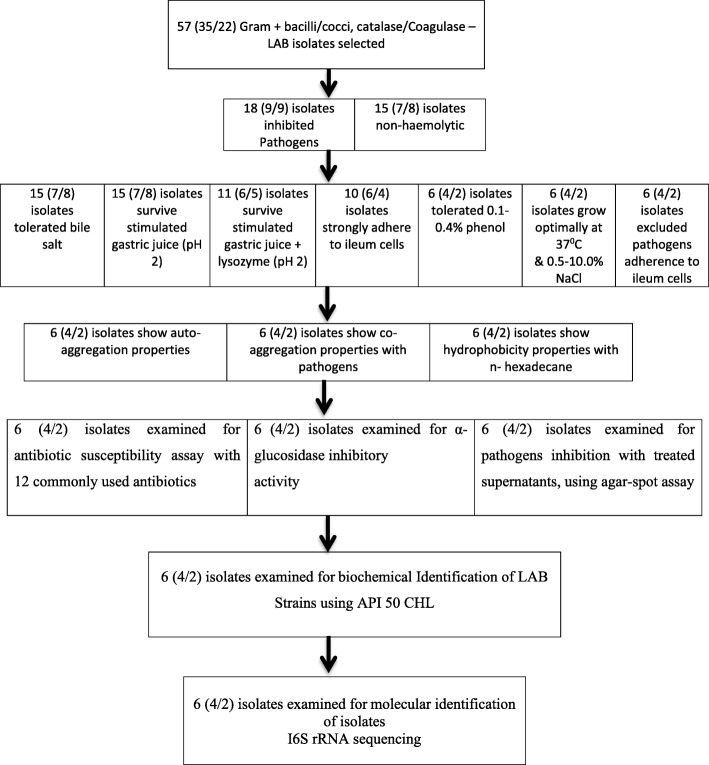
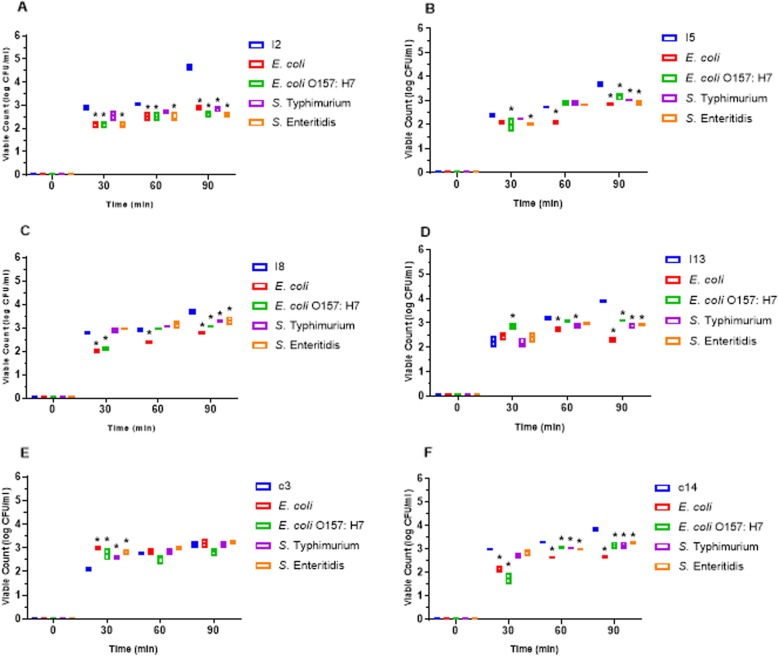
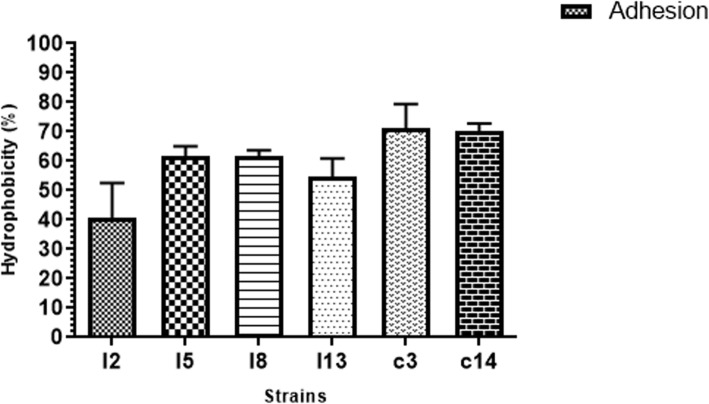
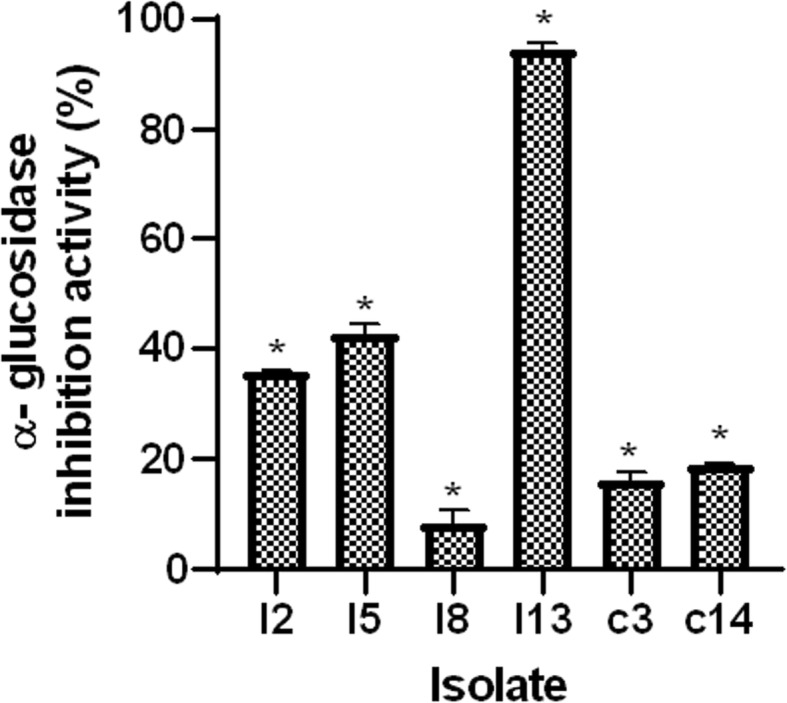
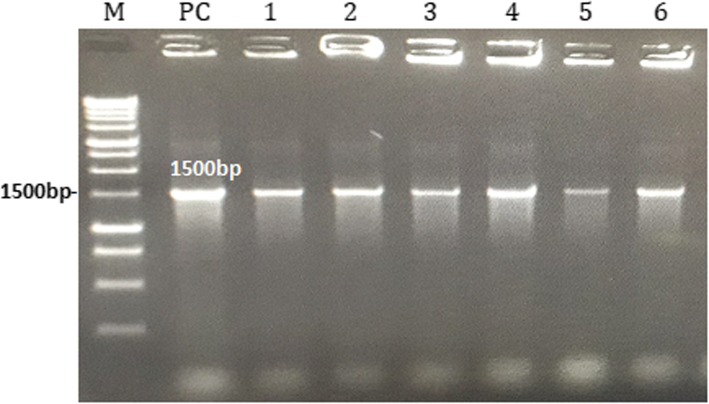
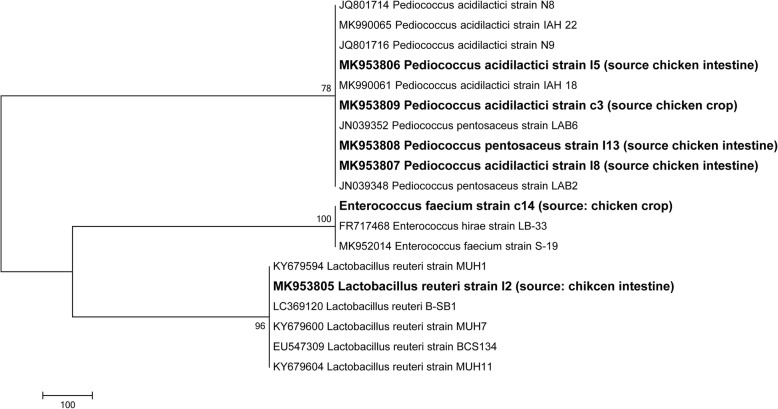
Background: Probiotics are live microorganisms that, when administered in adequate amounts, confer a health benefit on the host, are now accepted as suitable alternatives to antibiotics in the control of animal infections and improving animal production. Lactic acid bacteria (LAB) with remarkable functional properties have been evaluated in different studies as possible probiotic candidates. The purpose of this study was to isolate, characterize and assess the potentials of LAB from poultry gastrointestinal tract as potential poultry probiotics. Results: Potential LAB probiotics were isolated from broilers, characterized and evaluated for probiotic properties including antagonistic activity (against Escherichia coli , E. coli O157: H7, Enterococcus faecalis , Salmonella Typhimurium, S. Enteritidis and Listeria monocytogenes ), survivability in simulated gastric juice, tolerance to phenol and bile salts, adhesion to ileum epithelial cells, auto and co-aggregation, hydrophobicity, α–glucosidase inhibitory activity, and antibiotic susceptibility tests. Most promising LAB strains with excellent probiotic potentials were identified by API 50 CHL and 16S rRNA sequencing as Lactobacillus reuteri I2, Pediococcus acidilactici I5, P. acidilactici I8, P. acidilactici c3, P. pentosaceus I13, and Enterococcus faecium c14. They inhibited all the pathogens tested with zones of inhibition ranging from 12.5 ± 0.71 to 20 ± 0 mm, and competitively excluded ( P < 0.05) the pathogens examined while adhering to ileum epithelial cells with viable counts of 3.0 to 6.0 Log CFU/ml. The selected LAB strains also showed significant ( P < 0.005) auto and co-aggregation abilities with α-glucosidase inhibitory activity ranging from 12.5 to 92.0%. The antibiotic susceptibility test showed 100.00% resistance of the LAB strains to oxacillin, with multiple antibiotic resistance indices above 0.5. Conclusion: The selected LAB strains are ideal probiotic candidates which can be applied in the field for the improvement of poultry performance and control of pathogens in poultry, hence curtailing further transmission to humans.
Overview
The claims and statistics of this paper haven’t been checked yet.
Free: it reads the open-access text and checks the first 5 claims that cite a source we can check. Create a free account to check every claim.
Integrity signals
Registry
Cites
Statistics
Figures
Verification
Claims the paper makes
The claims and statistics of this paper haven’t been checked yet.
Free: it reads the open-access text and checks the first 5 claims that cite a source we can check. Create a free account to check every claim.
Claims other papers make about this one
Each is checked against this paper’s own text: does it say what the citing paper says it does?
The cited source says what the claim attributes to it.
In the citing paper
“This is not at all surprising, because LAB are part of the natural microbiota of the healthy gastrointestinal tract of humans and animals [215,216].”
From Lactic Acid Bacteria in Raw-Milk Cheeses: From Starter Cultures to Probiotic Functions (2022) · cites this paper as [215]
Self-check
Percentages, sums and reported differences re-computed from the paper’s own numbers.
The self-check needs the paper’s full text.
Citations
Cites
Antibiotic Susceptibility Testing by a Standardized Single Disk Method
Bauer, A. W., Kirby, W. M. M., Sherris, J. C., & Turck, M. (1966) · American Journal of Clinical Pathology · doi:10.1093/ajcp/45.4_ts.493 · Cited by 18,523
Hill (2014) · doi:10.1038/nrgastro.2014.66 · Cited by 9,592 · cited 2×
“Previous reports have shown that a correlation exists between high hydrophobicity of LAB strains with their attachment to intestinal mucosal and epithelial cells [2, 15, 19].”
BackgroundA medium for the cultivation of lactobacilli
De MAN, J. C., ROGOSA, M., & SHARPE, M. E. (1960) · Journal of Applied Bacteriology · doi:10.1111/j.1365-2672.1960.tb00188.x · Cited by 5,311 · cited 3×
“After isolating 57 strains of LAB from the crop (35) and intestine (22) of broilers as previously described [13], they were subjected to various contemporary in vitro probiotic properties evaluation and finally characterized molecularly.”
BackgroundMethodInfluentialDunne, C., O’Mahony, L., Murphy, L., Thornton, G., Morrissey, D., O’Halloran, S., Feeney, M., Flynn, S., Fitzgerald, G., Daly, C., et al. (2001) · The American Journal of Clinical Nutrition · doi:10.1093/ajcn/73.2.386s · Cited by 922 · cited 1×
“Apart from the ability of potential probiotics to tolerate bile salts, it is also expected that probiotics should be able to tolerate the acidic environment of the GIT as they pass through to colonize the gut of their host [30].”
BackgroundKos, B., Šušković, J., Vuković, S., Šimpraga, M., Frece, J., & Matošić, S. (2003) · Journal of Applied Microbiology · doi:10.1046/j.1365-2672.2003.01915.x · Cited by 880
Mack, D. R., Michail, S., Wei, S., McDougall, L., & Hollingsworth, M. A. (1999) · American Journal of Physiology-Gastrointestinal and Liver Physiology · doi:10.1152/ajpgi.1999.276.4.g941 · Cited by 829 · cited 2×
“This further enables immunoregulation by LAB which is also relevant in the removal of pathogens [36].”
BackgroundAntibiotic resistance in probiotic bacteria
Gueimonde, M., Sánchez, B., G. de los Reyes-Gavilán, C., & Margolles, A. (2013) · Frontiers in Microbiology · doi:10.3389/fmicb.2013.00202 · Cited by 691 · cited 1×
“It has also been documented that lactobacilli are generally susceptible to ampicillin [56].”
BackgroundProbiotic potential of Lactobacillus strains isolated from dairy products
Maragkoudakis, P. A., Zoumpopoulou, G., Miaris, C., Kalantzopoulos, G., Pot, B., & Tsakalidou, E. (2006) · International Dairy Journal · doi:10.1016/j.idairyj.2005.02.009 · Cited by 618 · cited 1×
“[63] was used to determine the haemolytic activity of LAB isolates.”
MethodNovel bacteriocins from lactic acid bacteria (LAB): various structures and applications
Perez, R. H., Zendo, T., & Sonomoto, K. (2014) · Microbial Cell Factories · doi:10.1186/1475-2859-13-s1-s3 · Cited by 575
Corcoran, B. M., Stanton, C., Fitzgerald, G. F., & Ross, R. P. (2005) · Applied and Environmental Microbiology · doi:10.1128/aem.71.6.3060-3067.2005 · Cited by 546
Research works printed but not linked: 3
- Food and Agriculture Organization (FAO) Makkar HPS Probiotics in animal nutrition – Production, impact and regulationby Yadav S. Bajagai, Athol V. Klieve, Peter J. Dart and Wayne L. Bryden 2016 Rome FAO Animal Production and Health
- Food and Agriculture Organization (FAO) FAOSTAT Livestock Primary 2017
- Gusils C Bujazha M Gonzalez S Preliminary studies to design a probiotic for use in swine feed Interciencia 2002 27 409 413
Cited by
Items 201–300 of 349
Coelho, M. C., Ribeiro, S. C., Malcata, F. X., & Silva, C. C. G. (2024) · International Dairy Journal · doi:10.1016/j.idairyj.2024.106112 · Cited by 3
Díaz-Formoso, L., Contente, D., Feito, J. A., Orgaz, B., Hernández, P. E., Borrero, J., Muñoz-Atienza, E., & Cintas, L. M. (2025) · Antibiotics · doi:10.3390/antibiotics14050469 · Cited by 4
Pang, Y., Xu, X., Li, D., Ge, Y., Liang, J., Xiong, X., Wen, S. P., Li, X., Wang, Y., Li, X., et al. (2025) · Applied Microbiology and Biotechnology · doi:10.1007/s00253-025-13546-7 · Cited by 3
“The 16S rRNA gene was then amplified with the primer set 27F/1492R, as specified in Supplementary Table S1 (Reuben et al. 2019).”
Nguyen, D. H., Le, T. H., & Nguyen, H. (2022) · British Poultry Science · doi:10.1080/00071668.2022.2031106 · Cited by 4
“Tolerance of acidic pH and bile salts Acid and bile salt tolerance was evaluated according to the method described by Corcoran et al. (2005) and cited by Reuben et al. (2019) with slight modifications.”
MethodJha, V., Bagul, S., Jain, T., Koli, J., Gharat, Y., Pawar, B., Narvekar, S., Mane, P., Shinde, R., Kulabkar, D., et al. (2022) · European Journal of Nutrition & Food Safety · doi:10.9734/ejnfs/2022/v14i830516 · Cited by 4
Hwang, C. Y., Cho, E., Yoon, D. J., & Seo, M. (2022) · Food Science and Biotechnology · doi:10.1007/s10068-022-01226-5 · Cited by 3
“Probiotics should be able to tolerate the acidic environment of the gastrointestinal tract (GIT) as they pass through to colonize the host gut, in addition to having the ability to tolerate bile salts (Reuben et al., 2019).”
BackgroundIsolation and Functional Characterization of Yeasts from Fermented Plant Based Products
Devecioğlu, D., Kuscu, A., & Karbancıoğlu‐Güler, F. (2025) · Fermentation · doi:10.3390/fermentation11060305 · Cited by 5
Prakash, V., Veedu, A. P., Babu, P., Jothish, A., Nair, S. S., Suhail, A., Prabhakar, M., Rajan, R., Priyanka, S., Nair, B. G., et al. (2020) · Research Square · doi:10.21203/rs.3.rs-37101/v1 · Cited by 4
“Their signi cant transit tolerance were in full agreement with similar tolerance of probiotic strains isolated from broiler chicken (Nallala, Sadishkumar and Jeevaratnam 2017; Reuben et al. 2019).”
BackgroundComparative study on biochemical and molecular identification approaches of Lactobacillus species
Senjaliya, D. P., & Georrge, J. J. (2023) · International Food Research Journal · doi:10.47836/ifrj.30.5.03 · Cited by 3
Su, Y., Feng, M., Tong, J., Wen, X., Ren, M., Song, D., Song, J., Li, X., Xie, Q., Cheng, J., et al. (2025) · Frontiers in Veterinary Science · doi:10.3389/fvets.2025.1524658 · Cited by 4
“The ability of probiotics to effectively function in the gastrointestinal tract is a critical determinant for their selection as probiotics (27).”
Chen, X., Chen, H., Yin, Y., Mo, W., Pei, Z., Bai, H., Zuo, Z., & Peng, H. (2025) · Food Bioscience · doi:10.1016/j.fbio.2025.106422 · Cited by 3
Gupta, S. B. R., Sraboni, F. S., Naznin, T., Biswas, S., Islam, S., Alarjani, K. M., Zaman, S., & Saleh, M. A. (2025) · Microbial Pathogenesis · doi:10.1016/j.micpath.2025.107561 · Cited by 2
Rizwan, D., & Masoodi, F. A. (2025) · Applied Food Research · doi:10.1016/j.afres.2025.100973 · Cited by 5
Parvin, T., & Sadras, S. R. (2025) · Biologia · doi:10.1007/s11756-025-01955-y · Cited by 3
“The study find support by other reports on auto aggregation capacity of LAB isolates ranged within 32% to 56.5% (Reuben et al. 2019).”
InfluentialRodríguez‐Sánchez, S., Fernández‐Pacheco, P., Reyes-Ramos, C. D. L., Burgos‐Ramos, E., Seseña, S., & Palop, M. L. (2025) · Food Science & Nutrition · doi:10.1002/fsn3.70539 · Cited by 2
“In agreement with the findings of different authors (Ramos et al. 2022; Reuben et al. 2019), the results in this study showed that α-glucosidase inhibitory activity is a strain-dependent property, with strains of Lv. brevis showing the highest and the lowest values in the CFS assay.”
Huang, H., Tang, X., Zhang, Y., Chen, M., & Wen, M. (2025) · Microorganisms · doi:10.3390/microorganisms13092095 · Cited by 3
“Auto-aggregation activity and Cell surface hydrophobicity are key characteristics used to assess a strain’s capacity for gastrointestinal colonization [38].”
Ye, D., Qiu, J., Fan, Z., Zhu, L., Lv, C., & Guo, P. (2025) · Microorganisms · doi:10.3390/microorganisms13092145 · Cited by 2
“Lactobacillus strains, widely recognized as probiotics, can be applied to improving growth performance by promoting body weight gain, feed conversion ratio, and feed intake of poultry [36–38].”
Qi, X., Sun, X., Xu, H., Yang, T., Long, J., Yan, C., Jin, Y., & Liu, H. (2025) · Aquaculture · doi:10.1016/j.aquaculture.2025.743399 · Cited by 2
Bencherif, K., & Hassaïne, O. (2025) · Waste and Biomass Valorization · doi:10.1007/s12649-025-03408-8 · Cited by 2
Zhang, X., Shen, X., Yin, D., Wang, J., Zhao, R., Dai, Y., Jin, E., Pan, X., & Yin, L. (2025) · Microorganisms · doi:10.3390/microorganisms13122738 · Cited by 3
“Auto-aggregation and co-aggregation abilities were assessed according to [26,27].”
InfluentialNath, S., Paul, M., Paul, P., Chanda, P., Naha, A., Yumnam, H., & Sharma, I. (2025) · International Dairy Journal · doi:10.1016/j.idairyj.2025.106538 · Cited by 2
Regulation effect of Lactobacillus johnsonii on chickens infected with Ascaridia galli
Xu, Z.-H., Mo, K.-Z., Cai, P.-X., Xu, J., & Han, Q. (2026) · Poultry Science · doi:10.1016/j.psj.2026.106399 · Cited by 2
“The supernatant was further subjected to heat treatment, pH neutralization, and catalase treatment to preliminarily identify the major antimicrobial factors (Reuben et al., 2019).”
Ngene, A. C., Azi, H. Y., Dashen, M. M., & Egbere, O. J. (2026) · World s Poultry Science Journal · doi:10.1080/00439339.2026.2652095 · Cited by 2
“While human formulations emphasise gut health and systemic effects (e.g., modulation of gut-brain axis), poultry probiotics are selected primarily for growth performance, feed conversion efficiency, and resistance to enteric infections (Reuben et al .”
Luo, Y., Tian, H., Qin, Q., Ji, C., Guo, X. C., Zheng, Y., Chen, J., Zhang, B., & Deng, S. (2026) · Food Bioscience · doi:10.1016/j.fbio.2026.108847 · Cited by 2
Guo, Q., Che, Z., Hu, F., Wu, J., Lv, S., Zhao, W., Li, S., Wang, Y., & Peng, X. (2026) · Poultry Science · doi:10.1016/j.psj.2026.107207 · Cited by 2
“Intestinal contents were collected aseptically from the duodenum, jejunum, ileum, cecum, and rectum of clinically healthy chickens as previously described (Reuben, et al., 2019).”
Dumitru, M., Ciurescu, G., & Hăbeanu, M. (2021) · Archiva zootechnica · doi:10.2478/azibna-2021-0020 · Cited by 4
Wang, X., Chen, P., Wang, J., Wang, Y., Yu, M., Wang, X., Li, Q., Zhang, X., & Duan, J. (2023) · Molecular Nutrition & Food Research · doi:10.1002/mnfr.202300337 · Cited by 2
Кочкина, Е. Е., Andreeva, A. V., Торшков, А. А., Dymova, V., Altynbekov, O. M., & Викторовна, С. М. (2024) · PubMed Central · Cited by 6
Adeniyi, B. A., Adesuyi, A., Ayeni, F. A., Temitope, O. S., & Agidigbi, T. S. (2024) · Avicenna Journal of Medical Biotechnology · doi:10.18502/ajmb.v16i2.14862 · Cited by 6
“LAB can produce organic acids such as lactic acid and acetic acid, which lower the pH of their environment, creating an inhospitable environment for many pathogenic bacteria 9,11,12,19 .”
BackgroundGulits, A. F., Miroshnikova, E. P., Miroshnikov, S. A., & Mingazova, M. S. (2023) · Животноводство и кормопроизводство · doi:10.33284/2658-3135-106-4-191 · Cited by 3
Elughi, G. N., Oniha, M. I., Obafemi, Y. D., Akinyosoye, A. D., Ahuekwe, E. F., & Akinduti, P. A. (2024) · Journal of Pure and Applied Microbiology · doi:10.22207/jpam.18.1.28 · Cited by 4
Vargas, J. G., Salvatierra-Alor, M., Acosta-Pachorro, F., Rondón-Jorge, W., Herrera-Briceño, A., Morales-parra, E., & Mialhe, E. (2024) · Open Veterinary Journal · doi:10.5455/ovj.2024.v14.i2.12 · Cited by 6
“…systems of poultry, as well as dairy and meat products, and some vegetables as fermented Torshi exhibiting higher percentages of autoaggregation and coaggregation against Salmonella sp . within a 2–4 hours assessment window (Reuben et al. , 2019; Ahmed et al. , 2021; Nemati et al. , 2023).”
BackgroundYıbar, A., Yildiz, O., KÜÇÜK, S. C., & Akay, Ç. P. (2024) · International Food Research Journal · doi:10.47836/ifrj.31.1.10 · Cited by 2
Sun, S., Zhao, Y., Pang, Z., Wan, B., Wang, J., Wu, Z., & Wang, Q. (2025) · Animals · doi:10.3390/ani15020268 · Cited by 4
Lee, A., Woodward, M. J., & Rymer, C. (2025) · Animals · doi:10.3390/ani15101353 · Cited by 2
Belkacem, R., Benameur, Q., Crăciun, S., Lengliz, S., Kilani, H., Nadăş, G., Györke, A., & Abbassi, M. S. (2025) · International Dairy Journal · doi:10.1016/j.idairyj.2025.106337 · Cited by 2
Alp, D., & Kuleaşan, H. (2022) · GIDA / THE JOURNAL OF FOOD · doi:10.15237/gida.gd22038 · Cited by 4
Determination of Antibiotic Resistance
Veerapagu, M., Jeya, K. R., Khalifa, A. Y. Z., & Sankaranarayanan, A. (2022) · Methods and protocols in food science · doi:10.1007/978-1-0716-2509-5_10 · Cited by 2
ElHadedy, D. E., Kim, C., Yousuf, A. B., Wang, Z., & Ndegwa, E. N. (2023) · Animals · doi:10.3390/ani13162669 · Cited by 2
Zayed, M. S., El-Fattah, D. A. A., Abbas, R. N., & El-Bordeny, N. (2022) · Research Square · doi:10.21203/rs.3.rs-1470853/v1 · Cited by 2
Akter, F., Jabin, T., Yeasmin, S., Khan, M. R., Ahmed, Z. B., Razu, M. H., Rabby, M. R. I., Karmaker, P., & Khan, M. (2023) · Research Square · doi:10.21203/rs.3.rs-2537050/v1 · Cited by 2
Melese, K., Alemu, T., & Desalegn, A. (2023) · Research Square · doi:10.21203/rs.3.rs-2697471/v1 · Cited by 2
Jehma, N., Chaichana, N., Boonsan, J., Singkhamanan, K., Wonglapsuwan, M., Pomwised, R., Chusri, S., & Surachat, K. (2025) · Data in Brief · doi:10.1016/j.dib.2025.111555 · Cited by 2
“The antimicrobial susceptibility profile of LP8 was examined using the agar disk diffusion method as previously described [ 13 ].”
YILDIRIM, N., & Tuncer, B. Ö. (2022) · GIDA / THE JOURNAL OF FOOD · doi:10.15237/gida.gd22025 · Cited by 3
Mumtaz, A., Ali, A., Batool, R., Mughal, A. F., Ahmad, N., Batool, Z., Abbas, S., Khalid, N., & Ahmed, I. (2024) · 3 Biotech · doi:10.1007/s13205-023-03903-6 · Cited by 1
“It is anticipated that potential probiotic isolates could withstand the impacts induced by phenol (Reuben et al. 2019).”
Isolation and identification of probiotic lactobacilli from ruminant animals
Abdou, A. M., Syame, S. M., Bakry, M. A., Effat, M. M., & Fouad, E. A. (2024) · Egyptian Pharmaceutical Journal · doi:10.4103/epj.epj_222_23 · Cited by 1
Isolation of Some Lactic Acid Bacteria from Poultry and Evaluation for Their Probiotic Features
Darwish, E. (2023) · Annals of Agricultural Science Moshtohor · doi:10.21608/assjm.2024.247961.1254 · Cited by 1
Darweesh, A. H. K., & Luti, K. J. K. (2024) · Iraqi Journal of Science · doi:10.24996/ijs.2024.65.12.14 · Cited by 4
Getachew, T., Ashenafi, M., Tigu, F., Birri, D. J., Naoli, A., & Desalegn, A. (2025) · BMC Microbiology · doi:10.1186/s12866-025-04326-4 · Cited by 2
“The inhibitory activity of the ‘lactobacilli’ in the current study were in agreement with the findings of Reuben et al. [52]., but higher than a report from other types of fermented Ethiopian beverages [53].”
Souza, B. P. D., Santos, B. P. D., Nascimento, I. C. D., dos Santos, T. T., Tulini, F. L., & de Sousa, A. O. (2025) · Revista de Geopolítica · doi:10.56238/revgeov16n4-088 · Cited by 1
Nair, A., Unni, V., Evangeline, F., & Barbuddhe, S. B. (2025) · BioNanoScience · doi:10.1007/s12668-025-02165-1 · Cited by 1
“Extensive studies have documented the synthesis and antimicrobial properties of AgNPs utilising either probiotics or plant extracts [48, 56, 57].”
Meng, W., Dai, N., Wen, L., Wang, T., Qu, L., Guan, L., Chen, J., Kong, L., Ma, H., & Zhang, H. (2025) · Probiotics and Antimicrobial Proteins · doi:10.1007/s12602-025-10825-7 · Cited by 2
“Each experiment was repeated three times [ 23].”
Batool, A., Yasmin, H., & Hassan, M. N. (2025) · Biology Bulletin · doi:10.1134/s1062359025609279 · Cited by 1
“The anti-microbial activity of LAB was tested by agar spot test as described by Reuben et al. (2019).”
Mahrouk, A., Mosbah, A., Chaouche, N. K., Hamdi, M., Slimani, A., Badaoui, M. Y. Z., Amrani, Y., & Akkal, S. (2025) · Folia Microbiologica · doi:10.1007/s12223-025-01386-x · Cited by 2
Latreche, B., Brahamia, N., Bendjama, E., Loucif, L., Sanah, I., Djeghim, F., Messaoudi, M., Giordano, I., Rolain, J., D’Elia, M., et al. (2026) · Frontiers in Nutrition · doi:10.3389/fnut.2025.1683200 · Cited by 1
Kraiprom, T., Sakpetch, P., Salaipeth, L., Chantakun, K., Awapak, D., Hwanhlem, N., & Kanjan, P. (2026) · Journal of Agriculture and Food Research · doi:10.1016/j.jafr.2026.102651 · Cited by 1
Sun, S., Feng, L., Sun, L., Zhu, X., Zhou, M., Li, X., & Mu, G. (2026) · Foods · doi:10.3390/foods15020271 · Cited by 1
“Hydrophobicity serves as a critical probiotic selection criterion, mediating strain aggregation, biofilm formation, and initial host-cell adhesion [21].”
Li, D., Quan, C., Rahim, M. F., Sha, P., Chen, J., Shao, W., & Li, J. (2026) · Pathogens · doi:10.3390/pathogens15020148 · Cited by 1
“With increasing restrictions on the use of antibiotics in food production, stakeholders and scientific communities in the world are trying all ways to find solutions to disease prevention in farming through alternatives that are viable and sustainable [6].”
Çolak, B., Barut, D., Yaman, B. N., Altıntaş, Ö. E., Çabuk, A., & Çelik, P. A. (2026) · Current Microbiology · doi:10.1007/s00284-026-04763-y · Cited by 1
Reuben, R. C., John, O. P., Ngene, A. C., Afolabi, K. O., Aliyu, Y., & Gyar, S. D. (2026) · Letters in Applied Microbiology · doi:10.1093/lambio/ovag055 · Cited by 1
Self-citationSodium alginate-based encapsulation of probiotic lactic acid bacteria for enhanced viability
Kaldybekova, G., Akhmetsadykova, S., Saparbekova, A. A., Turebayeva, T., & Vinceković, M. (2026) · CyTA - Journal of Food · doi:10.1080/19476337.2026.2688586 · Cited by 1
Xue, N.-Y., Feng, Q., Liu, D., Cai, W., Zhou, Y., Hou, Z., Xu, J., & Tao, J. (2026) · Microorganisms · doi:10.3390/microorganisms14081659 · Cited by 1
“…of red blood cells, resulting in a clear hemolysis ring surrounding the colony), α -hemolysis (partial hydrolysis of red blood cells, forming a greenish hemolysis ring around the colony), and γ -hemolysis (no hydrolysis of red blood cells and no hemolysis zone is observed around the colony) [43].”
Al-Surrayai, T., Shreaz, S., & Al-Khalaifah, H. S. (2026) · Microorganisms · doi:10.3390/microorganisms14081680 · Cited by 3
“Most of these probiotics are established microbial genera (such as lactic acid bacteria, Bacillus , Bifidobacterium , and yeast genera) and have been shown to have positive effects on host physiology and intestinal microbial balance [2,20,21].”
Hossain, M. S., Ahamed, M. I., Sudipta, A. P., Muhosnin, U., Rahman, M. M., Sarder, M. R. I., Hossain, M. T., Ahammad, A. K. S., & Mariom, M. (2026) · Journal of Genetic Engineering and Biotechnology · doi:10.1016/j.jgeb.2026.100792 · Cited by 2
“77 In this study, B. pumilus HFS2 showed no hemolytic activity, indicating its non-virulent nature in vitro.”
Ishaq, W., Kasu, P. R., Bhattarai, B., & Selvaraj, R. K. (2026) · Poultry Science · doi:10.1016/j.psj.2026.107616 · Cited by 1
“The probiotic strains isolated from their natural host are considered more effective because of their easy adaptation to the host body, higher survival rate in the host ’ s gut, and enhanced safety (Reuben, et al., 2019).”
Vu-Quang, H., Ngo-Nguyen, V., Nguyen, H. P., Dang, T. V., Phan, Q. K., & Do, A. D. (2024) · Food Biotechnology · doi:10.1080/08905436.2024.2382853 · Cited by 1
“The released bacteria were diluted by serial dilution to 10 −5 and then plated on DeMan, Rogosa, Sharpe (MRS) agar (HiMedia, India) and incubated at 37°C for 24 h under aerobic condition (Reuben et al. 2019).”
In-vitro assessment of probiotic potential of bacteria isolated from chicken gastrointestinal tract
Shahbaz, F., Muccee, F., Mirza, A. F., Tanveer, M. A., Haddad, A. H. I. A., & Hussain, N. (2025) · Antonie van Leeuwenhoek · doi:10.1007/s10482-025-02104-w · Cited by 1
“These findings were consistent with the previous studies (Kassa et al. 2024; Reuben et al. 2019).”
REVIEWING ISOLATION AND PRODUCTION OF PROBIOTICS
Ponnachan, B., Dash, N., Jaybhay, P., & Tiwari, R. (2021) · International Journal of Medical and Biomedical Studies · doi:10.32553/ijmbs.v5i5.1920 · Cited by 2
Kamble, A., Naik, S., Talathi, M. A., Jadhav, D. S., Pingale, S., & Kaul-Ghanekar, R. (2022) · Research Square · doi:10.21203/rs.3.rs-1418233/v1 · Cited by 1
Tawab, F. I. A., kadr, M. H. A. E., Sultan, A. M., Hamed, E. O., El-Zayat, A. S., & Ahmed, M. N. (2023) · Research Square · doi:10.21203/rs.3.rs-3075452/v1 · Cited by 1
Shivani, T. M., & Sathiavelu, M. (2023) · Research Square · doi:10.21203/rs.3.rs-3219904/v1 · Cited by 1
UZUNDAĞ, D., Yüksekdağ, Z., & ULUDAĞ, M. (2020) · GIDA / THE JOURNAL OF FOOD · doi:10.15237/gida.gd19150
Silva, D. R., Sakaguchi, O. A. S., da Silva, A. C. B., Sardi, J. D. C. O., de Carvalho, R. D. P., Roque, S. M., Borges, L. P. S., Lins, R. B. E., Campos, L. T., & Costa, E. M. M. D. B. (2022) · IntechOpen eBooks · doi:10.5772/intechopen.98865 · Cited by 1
Long, X., Wang, P., Zhou, Y., Wang, Q., Ren, L., Tan, F., & Zhao, X. (2021) · Research Square · doi:10.21203/rs.3.rs-823581/v1
Impact of Delivery Mode on the Intestinal Flora of Newborns in the Sidi-Bel -Abbés Region in Algeria
Benabbou, A., Chama, Z., Derras, H., Ouramdane, R., Manel, O., Hanane, S., & Kanoun, K. (2021) · Egyptian Academic Journal of Biological Sciences. C, Physiology and Molecular Biology/Egyptian Academic Journal of Biological Sciences. C, Physiology and Molecular Biology · doi:10.21608/eajbsc.2021.211889
“…for each dish to determine the number of CFU/g using the following formula: Calculation of the bacterial concentration N in CFU per g of product (Reuben et al., 2019): N = number of colonies x 1 / V x 1 / D CFU: Colony Forming Units V: the inoculation volume D: the dilution is taken into…”
MethodThe study of probiotic properties of Lactobacillus sakei
Nikiforova, A. P., Khazagaeva, S., & Khamagaeva, I. S. (2022) · AIP conference proceedings · doi:10.1063/5.0069078
Kandungan Mikrobiologis Litter Broiler pada Lama Fermentasi yang Berbeda
Utama, C. S., Sumarsih, S., & Nababan, M. (2022) · Jurnal Agripet · doi:10.17969/agripet.v22i1.21501
“Reuben et al. (2019) menyatakan bahwa beberapa strain BAL memiliki kemampuan menurunkan aktivitas antagonis enam bakteri patogen yaitu E. coli, E. coli O157: H7, E. faecalis, S. typhimurium, S. Enteritidis dan L. monocytogenes dengan spektrum penghambatan yang luas.”
BackgroundGupta, M., Raut, R., Manandhar, S., Chaudhary, A., Shrestha, U., Dangol, S., Sudarshan, G. C., Budha, K. R., Karki, G., Sanchez, S. D., et al. (2022) · bioRxiv (Cold Spring Harbor Laboratory) · doi:10.1101/2022.07.12.499701
“Unlike probiotics that are often 253 isolated from abiotic sources, such as fermented food, the probiotics isolated in our study are host-specific 254 to chicken with potential enhanced intestinal mucosa colonization abilities for greater natural integration 255 into host gut microbiota (29).”
Hammadi, S. Y., & Najeeb, L. (2022) · International Journal of Health Sciences · doi:10.53730/ijhs.v6ns6.12422
Zhao, K., Zhou, D., Liu, W., Zhang, Y., Gai, M., Yu, H., Li, W., He, G., Xiong, Y., Dong, J., et al. (2022) · Research Square · doi:10.21203/rs.3.rs-2149131/v1
Kaul, R., rimplekaul01@gmail.com., E., & Sharma, N. (2022) · MedPress Nutrition & Food Sciences · doi:10.33582/mpnfs.2022.202204003
Thị, H. P., Văn, C. N., Thanh, H. D., Vui, T. Q., Minh, Đ. L., & Xuân, H. N. (2023) · Tạp chí Khoa học và công nghệ nông nghiệp Trường Đại học Nông Lâm Huế · doi:10.46826/huaf-jasat.v7n1y2023.1008
Gomaa, M., Ali, S., Khater, K., & Shalaby, S. (2023) · Journal of the Advances in Agricultural Researches/Journal of the Advances in Agricultural Researches · doi:10.21608/jalexu.2023.200950.1128
Zhang, H., Huangfu, H., Qin, G., Wu, G., Wang, L., & Tan, Z. (2023) · Research Square · doi:10.21203/rs.3.rs-2925630/v1
Aisha, A., Bukar, A., Abdulkadi̇r, B., Abdul, N. A., Salima, A., & Isa, I. A. (2022) · UMYU Journal of Microbiology Research (UJMR) · doi:10.47430/ujmr.2272.015
Grass Meal Acts as a Probiotic in Chicken
Bogdanova, E. S., Danilova, M. A., Smirnova, M. S., Трубникова, Е. В., Nguyen, H. T., Petrova, S. N., Apanasenok, S. V., & Shevelev, A. B. (2023) · Microbiology Research · doi:10.3390/microbiolres14040113
“Therefore, strains with high resistance to acidic pH, bile, and pepsin with high adhesion ability to intestinal mucin were suggested to be most efficient, and special methods of selection for these traits were proposed [20].”
MethodL. plantarum surface-displayed VP6 (PoRV) protein can prevent PoRV infection in pigletsPreprint
Wang, J., Wang, H., Zhang, D., Liu, F., Li, X., Gao, M., Cheng, M., Bao, H., Zhan, J., Zeng, Y., et al. (2023) · Research Square · doi:10.21203/rs.3.rs-3717982/v1
Gondaliya, S. M., & Bhensdadia, D. V. (2024) · International Journal of Science and Research Archive · doi:10.30574/ijsra.2024.11.2.0526
Fermentation Conditions of Lactobacilli for the Production of Lactose-Free Starter Culture
Imanbayeva, M., Imanbayeva, M., Imanbayeva, M., Masalimov, Z. K., Yurievich, P. A., Milentyeva, I., & Sagyndykov, U. Z. (2024) · OnLine Journal of Biological Sciences · doi:10.3844/ojbsci.2024.282.294
“The antimicrobial activity of Lb. acidophilus and Lb. rhamnosus was assessed by agar diffusion methods (prick method) as described by Reuben et al .”
MethodIsolation lactic acid bacteria from human breast milk and study their susceptibility to antibiotics
Nhaer, A. G., & Isa, J. K. (2024) · AIP conference proceedings · doi:10.1063/5.0209937 · Cited by 1
Ezea, I. B., Ngozi, E. A., & Jacinta, A. C. (2024) · Microbiology Research Journal International · doi:10.9734/mrji/2024/v34i61450
Abdigaliyeva, T., & Telitskaya, G. A. (2024) · Bulletin of Shakarim University Technical Sciences · doi:10.53360/2788-7995-2024-2(14)-13
Efficiency of natural and forced convection systems in cooking ham: Industrial scale validation
Verlindo, R., Schwert, R., Peruzzolo, M., Fischer, B., Dornelles, R. C. P., Mello, R. D. O., Junges, A., Backes, G. T., & Cansian, R. L. (2024) · Journal of Food Process Engineering · doi:10.1111/jfpe.14740
Shashank, S., V., U. K. B., Uddin, J., Allahyani, E. S., Alqahtani, H. A., Abdelrahman, D. I., Saleh, A., & Das, U. (2026) · International Journal of Food Science & Technology · doi:10.1101/2025.04.17.649317
“Phenol tolerance was evaluated at 0.4% phenol after 24 hours at 600 nm. LAB-10 exhibited the highest tolerance (0.50), followed by LAB-15 (0.44) (”
InfluentialZhang, T., Zhong, H., Yang, M., Shi, X., Yang, L., Yang, J., Liu, H., Luo, Y., Xie, Y., Zhong, Z., et al. (2025) · Probiotics and Antimicrobial Proteins · doi:10.1007/s12602-025-10527-0
Heat-Inactivated Bacillus can Against Novel Duck Reovirus Infection In vitro and In vivo
Li, L., Zhao, K., Lei, B., Zhang, W., Wang, J., Liu, M., Wang, W., & Yuan, W. (2025) · Probiotics and Antimicrobial Proteins · doi:10.1007/s12602-025-10682-4
Naghdi, N., Mojgani, N., Hekmat, A., Kobarfard, F., & Mirdamadi, S. (2025) · Microbial Pathogenesis · doi:10.1016/j.micpath.2025.108168 · Cited by 1
Goyat, N., Saharan, B. S., Kapoor, P., Rani, A., Maan, S., Nagar, S., & Joshi, P. S. (2025) · Probiotics and Antimicrobial Proteins · doi:10.1007/s12602-025-10868-w
Zhang, H., HuangFu, H., Qin, G., Wu, G., Wang, L., & Tan, Z. (2024) · Figshare · doi:10.6084/m9.figshare.26631985
Zhang, H., HuangFu, H., Qin, G., Wu, G., Wang, L., & Tan, Z. (2024) · Figshare · doi:10.6084/m9.figshare.26631949
Metadata
- Authors
- Reuben, R. C., Roy, P. C., Sarkar, S. L., Alam, R.-U., & Jahid, I. K.
- Affiliations
- Jashore University of Science and Technology (BD)
- Corresponding author
- Jahid, Iqbal Kabir
- Venue
- BMC Microbiology
- Published
- 2019-11-12
- Volume
- 19
- Issue
- 1
- Pages
- 253-253
- ISSN
- 1471-2180 (ISSN-L)
- PMC
- PMC6852909
- OpenAlex
- W2985767961
- Cited by
- 341
- References
- 67
- Citations by year
- 2026: 57 · 2025: 66 · 2024: 56 · 2023: 64 · 2022: 60 · 2021: 25 · 2020: 13
- FWCI
- 18.90
- Type
- journal article
- Language
- en
- Open access
- gold
- doi.org
- Licence
- cc-by
- creativecommons.org/licenses/by/4.0/ (tdm)
- creativecommons.org/licenses/by/4.0/ (vor)
- Locations
- BMC Microbiology (publishedVersion, cc-by)
- PubMed Central (publishedVersion, cc-by)
- PubMed (publishedVersion)
- DOAJ (DOAJ: Directory of Open Access Journals) (submittedVersion, cc-by-sa)
- Funders
- U.S. Department of Agriculture
- Topics
- Life Sciences › Agricultural and Biological Sciences › Food Science › Probiotics and Fermented Foods
- Life Sciences › Agricultural and Biological Sciences › Animal Science and Zoology › Animal Nutrition and Physiology
- Life Sciences › Immunology and Microbiology › Immunology › Aquaculture disease management and microbiota
- Keywords
- lactic acid bacteria, broiler chickens, antagonistic activity, competitive exclusion, self-aggregation, co-aggregation, α-glucosidase inhibition, bile salt tolerance, antibiotic susceptibility, Lactobacillus reuteri, Pediococcus acidilactici, Enterococcus faecium, Pediococcus pentosaceus, antibiotic alternatives
- MeSH terms
- Animals, Chickens, DNA, Ribosomal, Gastric Juice, Oxacillin, Poultry, RNA, Ribosomal, 16S, Sequence Analysis, DNA, Probiotics, Drug Resistance, Bacterial, Gastrointestinal Tract, Microbial Viability, Lactobacillales
About these checks
Registry, retraction, Cites and statistics results are computed, not judged, with one exception: a printed reference that no index lists is read once by a model before it counts as a citation error. Claims are extracted by a model and kept only when their quote appears verbatim in the text; each cited source is then checked, with a model’s help, for whether it says what the claim relies on. Those verdicts can be wrong — read the claim’s quote and the cited source before relying on one.
Statistics and arithmetic are recomputed, not judged.
Confidence bands are shown only for fields calibrated on our annotated test set. None is calibrated yet, so no band is shown.
What counts as a claim ›How we measure confidence ›How we check this ›
Are you an author, or do you see a problem with this page? Request a review
Data sources
Bibliographic data: Semantic Scholar, OpenAlex, Crossref.
Contains information from the Semantic Scholar Academic Graph Datasets, made available under the ODC Attribution License (ODC-BY 1.0).
Semantic Scholar’s data is described in: Kinney, R., et al. (2023). The Semantic Scholar Open Data Platform. arXiv:2301.10140.
