

Understanding heart failure; explaining telehealth—a hermeneutic systematic review
Open accessThe DOI matches its Crossref record; 129 of the 131 references it cites were found in a registry or an index.
Abstract
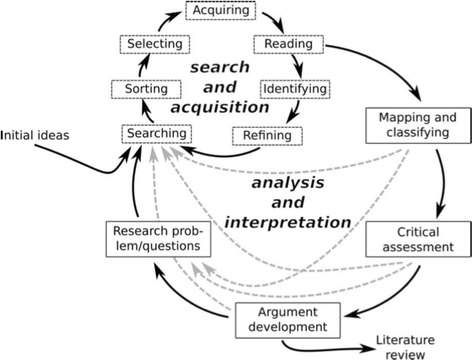
BACKGROUND: Enthusiasts for telehealth extol its potential for supporting heart failure management. But randomised trials have been slow to recruit and produced conflicting findings; real-world roll-out has been slow. We sought to inform policy by making sense of a complex literature on heart failure and its remote management. METHODS: Through database searching and citation tracking, we identified 7 systematic reviews of systematic reviews, 32 systematic reviews (including 17 meta-analyses and 8 qualitative reviews); six mega-trials and over 60 additional relevant empirical studies and commentaries. We synthesised these using Boell's hermeneutic methodology for systematic review, which emphasises the quest for understanding. RESULTS: Heart failure is a complex and serious condition with frequent co-morbidity and diverse manifestations including severe tiredness. Patients are often frightened, bewildered, socially isolated and variably able to self-manage. Remote monitoring technologies are many and varied; they create new forms of knowledge and new possibilities for care but require fundamental changes to clinical roles and service models and place substantial burdens on patients, carers and staff. The policy innovation of remote biomarker monitoring enabling timely adjustment of medication, mediated by "activated" patients, is based on a modernist vision of efficient, rational, technology-mediated and guideline-driven ("cold") care. It contrasts with relationship-based ("warm") care valued by some clinicians and by patients who are older, sicker and less technically savvy. Limited uptake of telehealth can be analysed in terms of key tensions: between tidy, "textbook" heart failure and the reality of multiple comorbidities; between basic and intensive telehealth; between activated, well-supported patients and vulnerable, unsupported ones; between "cold" and "warm" telehealth; and between fixed and agile care programmes. CONCLUSION: The limited adoption of telehealth for heart failure has complex clinical, professional and institutional causes, which are unlikely to be elucidated by adding more randomised trials of technology-on versus technology-off to an already-crowded literature. An alternative approach is proposed, based on naturalistic study designs, application of social and organisational theory, and co-design of new service models based on socio-technical principles. Conventional systematic reviews (whose goal is synthesising data) can be usefully supplemented by hermeneutic reviews (whose goal is deepening understanding).
Overview
The claims and statistics of this paper haven’t been checked yet.
Free: it reads the open-access text and checks the first 5 claims that cite a source we can check. Create a free account to check every claim.
Integrity signals
Registry
Cites
Statistics
Figures
Verification
Claims the paper makes
The claims and statistics of this paper haven’t been checked yet.
Free: it reads the open-access text and checks the first 5 claims that cite a source we can check. Create a free account to check every claim.
Claims other papers make about this one
Each is checked against this paper’s own text: does it say what the citing paper says it does?
The source backs part of the claim, not all of it — or backs it for a different population, condition or comparison.
In the citing paper
“Technical factors that made telemedicine service likely unsustainable include unreliable or difficult technology and inadequate helpdesk support”
From Telemedicine in the OECD: An umbrella review of clinical and cost-effectiveness, patient experience and implementation (2020) · cites this paper as [90]
Experimental — accuracy not yet measuredThe cited source says what the claim attributes to it.
In the citing paper
“Staff factors associated with unsustainability included the absence of champions, dislike of new clinical routines or interactions, perception of no value or compromised clinical expertise.”
From Telemedicine in the OECD: An umbrella review of clinical and cost-effectiveness, patient experience and implementation (2020) · cites this paper as [90]
The cited source says what the claim attributes to it.
In the citing paper
“while service factors included a lack of clarity on who was responsible for interpreting or actioning remote monitoring data.”
From Telemedicine in the OECD: An umbrella review of clinical and cost-effectiveness, patient experience and implementation (2020) · cites this paper as [90]
The cited source says what the claim attributes to it.
In the citing paper
“Staff, technical and service factors also had an impact on the sustainability of remote monitoring interventions [90].”
From Telemedicine in the OECD: An umbrella review of clinical and cost-effectiveness, patient experience and implementation (2020) · cites this paper as [90]
The cited source says what the claim attributes to it.
In the citing paper
“In heart failure patients, low patient motivation, lack of confidence and a preference for face-to-face interventions were all barriers to the use of remote monitoring interventions, resulting in poor uptake of interventions [90].”
From Telemedicine in the OECD: An umbrella review of clinical and cost-effectiveness, patient experience and implementation (2020) · cites this paper as [90]
1 more claim about this paper
Create a free account to see every claim other papers make about this one.
Self-check
Percentages, sums and reported differences re-computed from the paper’s own numbers.
The self-check needs the paper’s full text.
Citations
Cites
McDonagh, T. A., Metra, M., Adamo, M., Gardner, R. S., Baumbach, A., Böhm, M., Burri, H., Butler, J., Čelutkienė, J., Chioncel, O., et al. (2021) · European Heart Journal · doi:10.1093/eurheartj/ehab670 · Cited by 19,442
2016 ESC Guidelines for the diagnosis and treatment of acute and chronic heart failure
Ponikowski, P., Voors, A. A., Anker, S. D., Bueno, H., Cleland, J. G. F., Coats, A. J. S., Falk, V., González-Juanatey, J. R., Harjola, V.-P., Jankowska, E. A., et al. (2016) · European Heart Journal · doi:10.1093/eurheartj/ehw128 · Cited by 11,429
The cochrane database of systematic reviews
Geddes, J. (1996) · Journal of Psychosomatic Research · doi:10.1016/s0022-3999(96)90063-x · Cited by 5,989
Cochrane Database of Systematic Reviews
(2011) · Progress in Neurology and Psychiatry · doi:10.1002/pnp.208 · Cited by 4,667
Trends in Prevalence and Outcome of Heart Failure with Preserved Ejection Fraction
Owan, T. E., Hodge, D. O., Herges, R. M., Jacobsen, S. J., Roger, V. L., & Redfield, M. M. (2006) · New England Journal of Medicine · doi:10.1056/nejmoa052256 · Cited by 4,191 · cited 9×
“As the above-referenced reviews have noted, different trials included widely differing patient samples in terms of demographic variables (especially age cut-offs), severity and stability of disease (especially the cut-off value for HFREF and whether patients with HFPEF are included), exclusion criteria (especially co-…”
BackgroundInfluentialGreenhalgh, T., & Peacock, R. (2005) · BMJ · doi:10.1136/bmj.38636.593461.68 · Cited by 2,045
Self-citationRoger, V. L. (2013) · Circulation Research · doi:10.1161/circresaha.113.300268 · Cited by 1,728 · cited 16×
“As the above-referenced reviews have noted, different trials included widely differing patient samples in terms of demographic variables (especially age cut-offs), severity and stability of disease (especially the cut-off value for HFREF and whether patients with HFPEF are included), exclusion criteria (especially co-…”
BackgroundInfluentialStudies in Health Technology and Informatics
Aphinyanaphongs, Y., & Aliferis, C. (2007) · Cited by 1,247
Telemonitoring in patients with heart failure
Chaudhry, S. I., Mattera, J. A., Curtis, J. P., Spertus, J. A., Herrin, J., Lin, Z., Phillips, C. O., Hodshon, B. V., Cooper, L. S., & Krumholz, H. M. (2010) · New England Journal of Medicine · doi:10.1056/nejmoa1010029 · Cited by 1,232
Predictors of mortality and morbidity in patients with chronic heart failure
Pocock, S. J., Wang, D., Pfeffer, M. A., Yusuf, S., McMurray, J. J. V., Swedberg, K. B., Östergren, J., Michelson, E. L., Pieper, K. S., & Granger, C. B. (2006) · European Heart Journal · doi:10.1093/eurheartj/ehi555 · Cited by 973 · cited 1×
“Overall mortality figures mask considerable heterogeneity of outcome, which varies with setting at diagnosis (primary versus secondary care), first or subsequent hospital admission, diagnostic criteria (particularly whether and to what extent ejection fraction is reduced), co-morbidities (particularly diabetes and cog…”
Background
Research works printed but not linked: 1
- 3. Di Lenarda A, Casolo G, Gulizia MM, Aspromonte N, Scalvini S, Mortara A, Alunni G, Ricci RP, Mantovan R, Russo G et al. ANMCO/SIC/SIT Consensus document: The future of telemedicine in heart failure. G Ital Cardiol. 2016; 17(6):491-507.
Cited by
Greenhalgh, T., Wherton, J., Papoutsi, C., Lynch, J., Hughes, G., A'Court, C., Hinder, S., Fahy, N., Procter, R., & Shaw, S. (2017) · Journal of Medical Internet Research · doi:10.2196/jmir.8775 · Cited by 2,887
“These problems are illustrated by the paradox of telehealth (a term with contested definitions [13] but, broadly speaking, remote health care to the patient’s home).”
InfluentialSelf-citationTime to challenge the spurious hierarchy of systematic over narrative reviews?
Greenhalgh, T., Thorne, S., & Malterud, K. (2018) · European Journal of Clinical Investigation · doi:10.1111/eci.12931 · Cited by 1,267
“This principle was illustrated in a recent hermeneutic review of telehealth in heart failure by one of us.(43) It identified 7 systematic reviews of systematic reviews, 32 systematic reviews (including 17 meta-analyses) covering hundreds of primary studies, as well as six mega-trials— almost all of which had concluded…”
BackgroundSelf-citationMeeting the review family: exploring review types and associated information retrieval requirements
Sutton, A., Clowes, M., Preston, L., & Booth, A. (2019) · Health Information & Libraries Journal · doi:10.1111/hir.12276 · Cited by 570
Bringing health care to the patient: An overview of the use of telemedicine in OECD countries
(2020) · OECD Health Working Papers · doi:10.1787/8e56ede7-en · Cited by 539
Eze, N. D., Mateus, C., & Cravo Oliveira Hashiguchi, T. (2020) · PLoS ONE · doi:10.1371/journal.pone.0237585 · Cited by 345
“In heart failure patients, low patient motivation, lack of confidence and a preference for face-to-face interventions were all barriers to the use of remote monitoring interventions, resulting in poor uptake of interventions [90].”
BackgroundGreenhalgh, T., Wherton, J., Papoutsi, C., Lynch, J., Hughes, G., A’Court, C., Hinder, S., Procter, R., & Shaw, S. (2018) · BMC Medicine · doi:10.1186/s12916-018-1050-6 · Cited by 232
“patient to patient and in the same patient over time [46].”
BackgroundSelf-citationCulture as a cure: Assessments of patient safety culture in OECD countries
(2020) · OECD Health Working Papers · doi:10.1787/6ee1aeae-en · Cited by 231
Seven lessons for interdisciplinary research on interactive digital health interventions
Blandford, A., Gibbs, J., Newhouse, N., Perski, O., Singh, A., & Murray, E. (2018) · DIGITAL HEALTH · doi:10.1177/2055207618770325 · Cited by 209
Kuan, P. X., Chan, W. K., Fern Ying, D. K., Rahman, M. A. A., Peariasamy, K. M., Lai, N. M., Mills, N. L., & Anand, A. (2022) · The Lancet Digital Health · doi:10.1016/s2589-7500(22)00124-8 · Cited by 181
Factors influencing the effectiveness of remote patient monitoring interventions: a realist review
Thomas, E. E., Taylor, M. L., Banbury, A., Snoswell, C. L., Haydon, H. M., Gallegos Rejas, V. M., Smith, A. C., & Caffery, L. J. (2021) · BMJ Open · doi:10.1136/bmjopen-2021-051844 · Cited by 156
Home-based versus centre-based cardiac rehabilitation
McDonagh, S. T. J., Dalal, H. M., Moore, S. F., Clark, C. E., Dean, S. G., Jolly, K. B., Cowie, A., Afzal, J., & Taylor, R. S. (2023) · Cochrane Database of Systematic Reviews · doi:10.1002/14651858.cd007130.pub5 · Cited by 279
Telehealth in palliative care is being described but not evaluated: a systematic review
Hancock, S., Preston, N., Jones, H., & Gadoud, A. (2019) · BMC Palliative Care · doi:10.1186/s12904-019-0495-5 · Cited by 151
2022 EULAR points to consider for remote care in rheumatic and musculoskeletal diseases
de Thurah, A. L., Bösch, P., Marques, A., Meißner, Y., Mukhtyar, C. B., Knitza, J., Najm, A., Østerås, N., Pelle, T., Knudsen, L. R., et al. (2022) · Annals of the Rheumatic Diseases · doi:10.1136/annrheumdis-2022-222341 · Cited by 156
Subedi, N., Rawstorn, J. C., Gao, L., Koorts, H., & Maddison, R. (2020) · JMIR mhealth and uhealth · doi:10.2196/17957 · Cited by 145
“Intervention cost is a key contributor to low uptake of interventions by health care providers [77], and comparison of costs and cost-effectiveness is crucial for making evidence-based decisions about implementing and scaling new interventions [76].”
BackgroundPutting the social back into sociotechnical: Case studies of co-design in digital health
Papoutsi, C., Wherton, J., Shaw, S., Morrison, C., & Greenhalgh, T. (2021) · Journal of the American Medical Informatics Association · doi:10.1093/jamia/ocaa197 · Cited by 126
Self-citationChronic disease management in heart failure: focus on telemedicine and remote monitoring
Alvarez, P. A., Sianis, A., Brown, J., Ali, A., & Briasoulis, Α. (2021) · Reviews in Cardiovascular Medicine · doi:10.31083/j.rcm2202046 · Cited by 122
Ware, P., Ross, H. J., Cafazzo, J. A., Boodoo, C., Munnery, M., & Seto, E. (2020) · Journal of Medical Internet Research · doi:10.2196/16538 · Cited by 117
“5 million adults in the United States [2], many of whom experience chronic symptoms of fatigue and shortness of breath, punctuated by sporadic episodes of decompensation [3].”
BackgroundWare, P., Dorai, M., Ross, H. J., Cafazzo, J. A., Laporte, A., Boodoo, C., & Seto, E. (2019) · JMIR mhealth and uhealth · doi:10.2196/13259 · Cited by 108
“With regard to performance expectancy, the literature cites similar perceived benefits including the degree to which the intervention improves health management (including both self- and clinician-directed management), peace of mind, and enhanced relationship between patients and clinicians [3,4,19,35-41].”
BackgroundValue of Telemonitoring and Telemedicine in Heart Failure Management
Gensini, G. F., Digital SIT (Italian Telemedicine Society), Alderighi, C., Rasoini, R., Mazzanti, M., & Casolo, G. (2017) · Cardiac failure review · doi:10.15420/cfr.2017:6:2 · Cited by 96
“patients under 65 years of age), whereas in other subgroups (patients with moderate or severe depression), involvement in self-management may be even associated with a reduced survival rate.(45) Again, careful stratification of patients enrolled in clinical studies seems to be a pivotal pre-requirement for a valuable…”
BackgroundInfluentialKhodadad-Saryazdi, A. (2021) · Technovation · doi:10.1016/j.technovation.2021.102273 · Cited by 108
Dickinson, M. G., Allen, L. A., Albert, N. A., DiSalvo, T., Ewald, G. A., Vest, A. R., Whellan, D. J., Zile, M. R., & Givertz, M. M. (2018) · Journal of Cardiac Failure · doi:10.1016/j.cardfail.2018.08.011 · Cited by 86
Ware, P., Ross, H. J., Cafazzo, J. A., Laporte, A., Gordon, K., & Seto, E. (2018) · JMIR mHealth and uHealth · doi:10.2196/10768 · Cited by 85
“Meta-analyses tend to support claims of the positive impact on heart failure outcomes [1,6-9]; however, important inconsistencies in the evidence persist [10].”
BackgroundKitsiou, S., Vatani, H., Paré, G., Gerber, B. S., Buchholz, S. W., Kansal, M. M., Leigh, J. W., & Creber, R. M. (2021) · Canadian Journal of Cardiology · doi:10.1016/j.cjca.2021.02.015 · Cited by 98
Oudbier, S. J., Souget-Ruff, S. P., Chen, B. S. J., Ziesemer, K. A., Meij, H. J., & Smets, E. M. A. (2024) · BMJ Open · doi:10.1136/bmjopen-2023-075833 · Cited by 132
Giordan, L. B., Tong, H. L., Atherton, J. J., Ronto, R., Chau, J. Y., Kaye, D. M., Shaw, T. J., Chow, C. K., & Laranjo, L. (2022) · JMIR Cardio · doi:10.2196/33839 · Cited by 67
“Given the demonstrated benefits of self-management interventions more broadly [74] and remote monitoring [18-27], future research should explore the possibility that their combination may result in synergistic effects and higher efficacy in improving heart failure outcomes.”
BackgroundResultDigital Patient Experience: Umbrella Systematic Review
Wang, T., Giunti, G., Melles, M., & Goossens, R. (2022) · Journal of Medical Internet Research · doi:10.2196/37952 · Cited by 80
“Some researchers indicated that older adults can also experience benefits by using digital health [53], whereas others suggested that telehealth is, at best, a partial solution for younger and fitter subpopulations [47,71].”
BackgroundWingham, J., Frost, J., Britten, N., Greaves, C. J., Abraham, C., Warren, F. C., Jolly, K. B., Miles, J., Paúl, K., Doherty, P., et al. (2019) · European Journal of Cardiovascular Nursing · doi:10.1177/1474515119850011 · Cited by 60
“3) Relationship to patient: n (%) Spouse/partner 44 (83) 36 (82) Direct family 5 (9) 6 (14) Other relative 1 (2) 1 (2) Friend 3 (6) 1 (2) Employment status: n (%) Employment/self-employment 15 (28) 6 (14) Retired 35 (66) 33 (75) Housework 2 (4) 0 (0) Unemployed 1 (2) 3 (7) Other 0 (0) 2 (5) Location: n (%) Birmingham…”
Drogt, J., Milota, M., Vos, S., Bredenoord, A., & Jongsma, K. (2022) · Modern Pathology · doi:10.1038/s41379-022-01123-6 · Cited by 53
“…in the state of knowledge can only be accomplished when professionals are equipped with task-sensitive knowledge on the way AI functions and AI tools are co-designed by pathologists, lab scientists and computer scientists representing diverse professional knowledge, values and standards 49,50 .”
BackgroundFairness in human judgement in assessment: a hermeneutic literature review and conceptual framework
Valentine, N. A., Durning, S. J., Shanahan, E. M., & Schuwirth, L. (2020) · Advances in Health Sciences Education · doi:10.1007/s10459-020-10002-1 · Cited by 59
“Whittly noted “it is rare that all the evidence needed for a moderately complex policy problem comes from a single discipline, and rarer still that it comes from a single study” and suggested one of the most useful offerings academics can make to policy makers and institutions is to produce a succinct and integrative…”
BackgroundMethodThe Spoke-Hub-and-Node Model of Integrated Heart Failure Care
Huitema, A., Harkness, K. I., Heckman, G. A., & McKelvie, R. S. (2018) · Canadian Journal of Cardiology · doi:10.1016/j.cjca.2018.04.029 · Cited by 59
Li, J., Varnfield, M., Jayasena, R., & Celler, B. G. (2021) · Health Informatics Journal · doi:10.1177/1460458221997893 · Cited by 55
Frost, J., Wingham, J., Britten, N., Greaves, C. J., Abraham, C., Warren, F. C., Jolly, K. B., Doherty, P., Miles, J., Singh, S., et al. (2019) · BMJ Open · doi:10.1136/bmjopen-2018-026039 · Cited by 49
Big Data Features, Applications, and Analytics in Cardiology—A Systematic Literature Review
Nazir, S., Nawaz, M., Adnan, A., Shahzad, S., & Asadi, S. (2019) · IEEE Access · doi:10.1109/access.2019.2941898 · Cited by 53
“[20] [21] [22] [23] [24] [25] [26] [27] [28] [206] [30] [31] [32] [33] [34] [35] [36] [37] [38] [39] [40] [41] [42] [43] [44] [45] [46] [47] [48] [49] [50] [66] [67] [68] [69] [70] [71] [72] [73] [74] [75] [76] [77] [78] [79] [80] [81] [82] [83] [84] [85] [86] [87] [88] [89] [90] [91] [92] [93] [94] [95] [96] [97] [98…”
BackgroundWhyle, E. B., & Olivier, J. (2020) · Health Policy and Planning · doi:10.1093/heapol/czaa038 · Cited by 57
“As ‘social values’ is an abstract concept, used alternately with, and closely associated with related concepts, data collection and analysis were conducted iteratively, building the body of included literature in accordance with the researchers’ developing understanding of key ideas and perspectives (see Boell and Cec…”
BackgroundWalton, H., Vindrola‐Padros, C., Crellin, N. E., Sidhu, M. S., Herlitz, L., Litchfield, I. J., Ellins, J., Ng, P. L., Massou, E., Tomini, S. M., et al. (2022) · Health Expectations · doi:10.1111/hex.13548 · Cited by 47
“Therefore, formal and informal support networks are needed to support patients.(7,33) Treatment burden may negatively impact on patient experience and levels of engagement.”
BackgroundInfluentialDrews, T. E. I., Laukkanen, J. A., & Nieminen, T. V. M. (2021) · ESC Heart Failure · doi:10.1002/ehf2.13475 · Cited by 54
Mullard, J., Kawalek, J. C., Parkin, A., Rayner, C. R., Mir, G., Sivan, M., & Greenhalgh, T. (2023) · Social Science & Medicine · doi:10.1016/j.socscimed.2023.115669 · Cited by 43
Self-citationButler, J., Petrie, M. C., Bains, M., Bawtinheimer, T., Code, J., Levitch, T., Malvolti, E., Monteleone, P., Stevens, P., Vafeiadou, J., et al. (2023) · Research Involvement and Engagement · doi:10.1186/s40900-023-00412-x · Cited by 45
“These include a preference for direct consultation with health care providers, a limited understanding of the advantage and benefits of technology over existing care, physical or mental impairments, and a lack of confidence and willingness in using new technology [47].”
BackgroundLaMonica, H. M., Davenport, T. A., Braunstein, K., Ottavio, A., Piper, S., Martin, C., Hickie, I. B., & Cross, S. (2019) · JMIR Mental Health · doi:10.2196/14719 · Cited by 39
“For example, a recent systematic review highlighted the failings of HIT to support the management of heart failure because of the complexities of providing care to consumers who are often older, with multiple comorbidities, more vulnerable with less support, and less technically savvy [4].”
BackgroundEvidence and User Considerations of Home Health Monitoring for Older Adults: Scoping Review
Chan, A., Cohen, R., Robinson, K.-M., Bhardwaj, D., Gregson, G., Jutai, J. W., Millar, J., Rincon, A. M. R., & Fekr, A. R. (2022) · JMIR Aging · doi:10.2196/40079 · Cited by 43
“First, the evidence remains siloed within disease-specific reviews or secondary prevention, whether in heart failure [22,23], chronic obstructive pulmonary disease (COPD) [24], diabetes [25], or cardiometabolic health [26], making it difficult to compare effective monitoring models, delineate the overall evidence for…”
BackgroundHobson, E., Baird, W. O., Bradburn, M. J., Cooper, C. L., Mawson, S., Quinn, A., Shaw, P. J., Walsh, T., & McDermott, C. J. (2019) · BMJ Open · doi:10.1136/bmjopen-2018-028525 · Cited by 44
Jaana, M., Sherrard, H., & Paré, G. (2018) · Health Informatics Journal · doi:10.1177/1460458218799458 · Cited by 44
A systematic review of theories, models and frameworks used for youth engagement in health research
Sanchez, S., Thorburn, R., Rea, M., Kaufman, P., Schwartz, R., Selby, P., & Chaiton, M. (2024) · Health Expectations · doi:10.1111/hex.13975 · Cited by 35
Girerd, N., Barbet, V., Seronde, M., Benchimol, H., Jagu, A., Tartière, J., Hanon, O., Picard, F., Lafitte, S., Lemaître, M., et al. (2025) · European Journal of Heart Failure · doi:10.1002/ejhf.3563 · Cited by 38
“27,28 For instance, Knoll et al. 29 complexity of remote monitoring in HF management, given the diverse approaches and healthcare systems involved.”
Ekstedt, M., Kirsebom, M., Lindqvist, G., Frykholm, O., Kneck, Å., Flink, M., & Wannheden, C. (2021) · International Journal of Environmental Research and Public Health · doi:10.3390/ijerph19010391 · Cited by 50
Lundgren, J., Johansson, P., Jaarsma, T., Andersson, G., & Kärner Köhler, A. (2018) · Journal of Medical Internet Research · doi:10.2196/10302 · Cited by 33
Experience of telehealth in people with motor neurone disease using noninvasive ventilation
Ando, H., Ashcroft-Kelso, H., Halhead, R., Chakrabarti, B., Young, C. A., Cousins, R., & Angus, R. (2019) · Disability and Rehabilitation Assistive Technology · doi:10.1080/17483107.2019.1659864 · Cited by 40
Process evaluation and exploration of telehealth in motor neuron disease in a UK specialist centre
Hobson, E., Baird, W. O., Bradburn, M. J., Cooper, C. L., Mawson, S., Quinn, A., Shaw, P. J., Walsh, T., & McDermott, C. J. (2019) · BMJ Open · doi:10.1136/bmjopen-2018-028526 · Cited by 32
Cruz-Martínez, R. R., Wentzel, J., Asbjørnsen, R. A., Noort, P. D., van Niekerk, J. M., Sanderman, R., & van Gemert‐Pijnen, J. E. W. C. (2020) · Journal of Medical Internet Research · doi:10.2196/16157 · Cited by 36
“It must be noted that these fixed research programs can hinder the adaptability of interventions to the dynamic and flexible reality of the patients [115].”
BackgroundAyre, J., Bonner, C., Bramwell, S., McClelland, S., Jayaballa, R., MABERLY, G. F., & McCaffery, K. J. (2018) · JMIR mhealth and uhealth · doi:10.2196/11885 · Cited by 38
“Similar concerns were highlighted in a review of telehealth interventions for patients with heart failure [18].”
BackgroundReceptionists’ role in new approaches to consultations in primary care: a focused ethnographic study
Brant, H., Atherton, H., Bikker, A., Porqueddu, T., Salisbury, C., McKinstry, B., Campbell, J., Gibson, A., & Ziébland, S. (2018) · British Journal of General Practice · doi:10.3399/bjgp18x697505 · Cited by 38
Toledo‐Chávarri, A., Ramos‐García, V., Koatz, D., Torres‐Castaño, A., Perestelo‐Pérez, L., Ramírez‐Puerta, A. B., Tello-Bernabé, M. E., García-García, J.-M., García-García, J., Pacheco‐Huergo, V., et al. (2020) · International Journal of Integrated Care · doi:10.5334/ijic.5514 · Cited by 29
“(2017) [28] older, sicker, and less digitally literate people are less likely to benefit from teleservices such as a vCoP.”
BackgroundPapoutsi, C., A’Court, C., Wherton, J., Shaw, S., & Greenhalgh, T. (2020) · Trials · doi:10.1186/s13063-020-04817-x · Cited by 26
Self-citationBiases distorting priority setting
Hofmann, B. (2019) · Health Policy · doi:10.1016/j.healthpol.2019.11.010 · Cited by 31
“Correspondingly, high-value technologies and services re not implemented [137].”
BackgroundDalal, H. M., Taylor, R. S., Wingham, J., Greaves, C. J., Jolly, K. B., Lang, C. C., Davis, R., Smith, K. M., Doherty, P., Miles, J., et al. (2021) · Programme Grants for Applied Research · doi:10.3310/pgfar09010 · Cited by 29
Krzesiński, P., Siebert, J., Jankowska, E. A., Banasiak, W., Piotrowicz, K., Stańczyk, A., Galas, A. A., Walczak, A., Murawski, P., Chrom, P., et al. (2021) · ESC Heart Failure · doi:10.1002/ehf2.13330 · Cited by 24
“Each successive HF readmission worsens the prognosis of the patient.(9,10) STUDY DES IGN”
BackgroundJacob, N., Moriarty, Y., Lloyd, A., Mann, M. K., Tume, L. N., Sefton, G., Powell, C., Roland, D., Trubey, R., Hood, K., et al. (2019) · BMJ Open · doi:10.1136/bmjopen-2018-028796 · Cited by 31
Frost, J., Wingham, J., Britten, N., Greaves, C. J., Abraham, C., Warren, F. C., Dalal, H. M., & Taylor, R. S. (2020) · BMC Medical Research Methodology · doi:10.1186/s12874-020-01060-5 · Cited by 31
“Previous research has failed to describe the complexity of living with heart failure and the burden of selfmanagement and adherence to intervention regimens [3]; failed to identify elements which consistently improve outcomes in self-management interventions for people with heart failure [4]; and failed to explain how…”
BackgroundCombined telemonitoring and telecoaching for heart failure improves outcome
Knoll, K., Rosner, S., Groß, S., Dittrich, D., Lennerz, C., Trenkwalder, T., Schmitz, S., Sauer, S., Hentschke, C., Dörr, M., et al. (2023) · npj Digital Medicine · doi:10.1038/s41746-023-00942-4 · Cited by 26
“This is particularly the case for elderly patients with beginning visual impairment, motoric disabilities or even mild cognitive impairment, common comorbidities in HF patients 24 .”
InfluentialExploring the intersection of hermeneutics and implementation: a scoping review
MacLeod, M., McCaffrey, G., Wilson, E., Zimmer, L. V., Snadden, D., Zimmer, P., Jónatansdóttir, S., Fyfe, T., Koopmans, E., Ulrich, C., et al. (2023) · Systematic Reviews · doi:10.1186/s13643-023-02176-7 · Cited by 37
“By bringing forward essential tensions about these topics, Greenhalgh and Shaw [45] identified the need for effective and sustained implementation efforts that could close otherwise obscured gaps.”
BackgroundMethodInfluentialBenefits and challenges of telemedicine for heart failure consultations: a qualitative study
Singhal, A., Riley, J. P., & Cowie, M. (2023) · BMC Health Services Research · doi:10.1186/s12913-023-09872-z · Cited by 25
“…by our study participants are similar to those identified by Greenhalgh et al . in a hermeneutic review of the literature of HF and telehealth [19], The VOCAL study evaluated telemedicine consultations for diabetes and cancer surgery at an acute hospital in the UK using mixed methods [20],…”
ResultProblems Experienced in the First Month After Discharge From a Heart Failure-Related Hospitalization
Grant, J. S., Graven, L. J., & Fuller, K. L. (2018) · Journal of patient-centered research and reviews · doi:10.17294/2330-0698.1588 · Cited by 19
García, M. G., Fatehi, F., Bashi, N. G. G., Varnfield, M., Iyngkaran, P., Driscoll, A. L., Neil, C., Hare, D. L., & Oldenburg, B. F. (2019) · Clinical Medicine Insights Cardiology · doi:10.1177/1179546819861396 · Cited by 23
Fulop, N., Walton, H., Crellin, N. E., Georghiou, T., Herlitz, L., Litchfield, I. J., Massou, E., Sherlaw‐Johnson, C., Sidhu, M. S., Tomini, S. M., et al. (2023) · Health and Social Care Delivery Research · doi:10.3310/fvqw4410 · Cited by 21
Accounting for Complexity in Home Telemonitoring: A Need for Context-Centred Evidence
Ware, P., Seto, E., & Ross, H. J. (2018) · Canadian Journal of Cardiology · doi:10.1016/j.cjca.2018.01.022 · Cited by 18
Tools to Support Self-Care Monitoring at Home: Perspectives of Patients with Heart Failure
Aamodt, I. T., Strömberg, A., Hellesø, R., Jaarsma, T., & Lie, I. (2020) · International Journal of Environmental Research and Public Health · doi:10.3390/ijerph17238916 · Cited by 24
Pagano, M. C., Corallo, F., Anselmo, A., Giambò, F. M., Micali, G., Duca, A., D'Aleo, P., Bramanti, A., Garofano, M., Bramanti, P., et al. (2024) · Healthcare · doi:10.3390/healthcare12131271 · Cited by 16
Noordman, J., Meurs, M., Poortvliet, R., Rusman, T., Orrego, C., Ballester, M., Ninov, L., de Guzmán, E. N., Alonso‐Coello, P., Groene, O., et al. (2023) · Chronic Illness · doi:10.1177/17423953231153337 · Cited by 21
“25,28,34,42,49,50,56 Some patients want a lot of help or information from their HCP, while others want to do it themselves and/or prefer not to receive much information to minimize their anxieties about their condition.”
BackgroundInfluentialEvaluating a telehealth intervention for urinalysis monitoring in children with neurogenic bladder
Carter, B., Whittaker, K. A., & Sanders, C. D. (2018) · Journal of Child Health Care · doi:10.1177/1367493518777294 · Cited by 17
“The challenges in the development and uptake of telehealth are multifactorial (Greenhalgh et al., 2017a; Mistry, 2012); barriers include limitations with telehealth equipment and the complexities of data sharing (Standing et al., 2018; Taylor et al., 2015a), variable organizational support (Odeh et…”
BackgroundA’Court, C., Jenkins, W., Reidy, C., & Papoutsi, C. (2022) · BMC Cardiovascular Disorders · doi:10.1186/s12872-022-02860-x · Cited by 18
Self-citationCruz-Martínez, R. R., Wentzel, J., Bente, B. E., Sanderman, R., & van Gemert‐Pijnen, J. E. W. C. (2021) · JMIR Cardio · doi:10.2196/31985 · Cited by 18
“The small amount of features connected with this value is worrying in consideration of the feelings of fear, anxiety, and hopelessness that are commonly reported by patients with a CVD [69,76].”
BackgroundGodinho, M. A., Ashraf, M. M., Narasimhan, P., & Liaw, S. (2023) · International Journal of Medical Informatics · doi:10.1016/j.ijmedinf.2023.105174 · Cited by 20
McCaffrey, G., Wilson, E., Jónatansdóttir, S., Zimmer, L. V., Zimmer, P., Graham, I. D., Snadden, D., & MacLeod, M. (2022) · International Journal of Qualitative Methods · doi:10.1177/16094069211070408 · Cited by 15
High-quality RMD rehabilitation and telehealth: Evidence and clinical practice
de Thurah, A. L., Bremander, A., & Primdahl, J. (2020) · Best Practice & Research Clinical Rheumatology · doi:10.1016/j.berh.2020.101513 · Cited by 15
“telemedicine, digital health, and tele-rehabilitation [6].”
BackgroundInfluentialInstitutional logics and the adoption and implementation of remote patient monitoring
Hidefjäll, P., Laurell, H., Johansson, J., & Barlow, J. (2023) · Innovation · doi:10.1080/14479338.2022.2162907 · Cited by 15
Krzesiński, P., Siebert, J., Jankowska, E. A., Galas, A. A., Piotrowicz, K., Stańczyk, A., Siwołowski, P., Gutknecht, P. G., Chrom, P., Murawski, P., et al. (2021) · ESC Heart Failure · doi:10.1002/ehf2.13207 · Cited by 16
“Each hospitalization due to HF deterioration negatively influences prognosis.(3,4) Discharge is recommended to be arranged when the patient is clinically stable and euvolemic.”
BackgroundInterrogating the promise of technology in epilepsy care: systematic, hermeneutic review
Papoutsi, C., Collins, C. D. E., Christopher, A., Shaw, S. E., & Greenhalgh, T. (2021) · Sociology of Health & Illness · doi:10.1111/1467-9566.13266 · Cited by 17
“We have successfully applied the same approach in a previous review of heart failure technologies (Greenhalgh et al., 2017).”
MethodSelf-citationReview of reforestation value chain planning and management: A conceptual framework
Mousavijad, M., LeBel, L., Lehoux, N., & Cloutier, C. (2022) · Trees Forests and People · doi:10.1016/j.tfp.2022.100258 · Cited by 11
Neher, M., Nygårdh, A., Nilsén, P., Broström, A., & Johansson, P. (2019) · European Journal of Cardiovascular Nursing · doi:10.1177/1474515119833251 · Cited by 13
Pilbeam, C., Greenhalgh, T., & Potter, C. (2023) · Journal of the Royal Anthropological Institute · doi:10.1111/1467-9655.14007 · Cited by 23
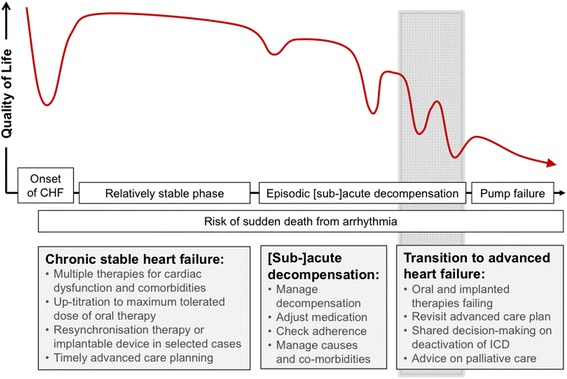
“Over periods that can vary from months to many years, medications are up-titrated and quality of life decreases until (potentially sudden) death (Greenhalgh, A’Court & Shaw 2017; Kaufman et al. 2011; Walthall & Floegel 2019).”
BackgroundSelf-citationKalaitzaki, A. E., Rovithis, M., Dimitropoulos, A., Koukouli, S., Linardakis, M. K., Katsiri, E., Rikos, N., Vasilopoulos, G., Tsolas, G., Papachristou, A., et al. (2023) · Medicina · doi:10.3390/medicina59081493 · Cited by 11
Hernandez, L. S. (2022) · Critical Care Nursing Clinics of North America · doi:10.1016/j.cnc.2022.02.004 · Cited by 8
Wang, T., Giunti, G., Goossens, R., & Melles, M. (2024) · Journal of Medical Internet Research · doi:10.2196/46308 · Cited by 10
“…(1) the consistency of intended value (eg, the ability of the DHIs to collect the amount of accurate clinical metrics in real time [56,62,74,88]), (2) the quality of content and information (eg, tailored content [56,64,76,81,83,86,89,90]), (3) the appropriateness of intervention features…”
InfluentialUnderstanding the general practice of telemonitoring integrated care: a qualitative perspective
Chow, J. S. F., Knight, A. W., Disney, A., Köhler, F., Duggan, J., Maurya, N., & Gonzalez-Arce, V. E. (2021) · Australian Journal of Primary Health · doi:10.1071/py20215 · Cited by 8
Davat, A., & Martin-Juchat, F. (2023) · JMIR Human Factors · doi:10.2196/38096 · Cited by 12
Co-design with affect stories and applied ethics for health technologies
Davat, A., Martin-Juchat, F., & Ménissier, T. (2024) · Frontiers in Communication · doi:10.3389/fcomm.2024.1327711 · Cited by 7
Cattaneo, A., Vitali, A., Regazzoni, D., & Rizzi, C. (2024) · Studies in health technology and informatics · doi:10.3233/shti240014 · Cited by 12
van Lonkhuizen, P. J. C., Vegt, N., Meijer, E., van Duijn, E., de Bot, S. T., Klempíř, J., Frank, W., Landwehrmeyer, G. B., Mühlbäck, A., Hoblyn, J. C., et al. (2021) · Frontiers in Neurology · doi:10.3389/fneur.2021.719460 · Cited by 7
“, patients) in an early stage of the design and development process (22, 37, 39).”
BackgroundLooking Back to Move Forward: Advancing Change Management Research Through Literature Reviews
Meglio, O., Meier, N., Gjerald, O., & Vardaman, J. M. (2025) · Journal of Change Management · doi:10.1080/14697017.2025.2576314 · Cited by 7
“…that these forms of literature reviews are particularly well-suited when the purpose is to develop a deep understanding of large, heterogeneous and complex research fields, and where searching needs to be systematic, yet flexible and iterative (Greenhalgh et al., 2017; Hughes et al., 2020).”
Grant, J. S., & Graven, L. J. (2018) · Journal of patient-centered research and reviews · doi:10.17294/2330-0698.1628 · Cited by 7
Reidy, C., A’Court, C., Jenkins, W., Jani, A. R., Ramos, A., Morys-Carter, M. M., & Papoutsi, C. (2023) · Digital Health · doi:10.1177/20552076221147114 · Cited by 11
“Little attention had been paid to developing the conditions that would allow remote monitoring to become routine and, as one of the clinicians admitted, increased use of patient-owned devices providing ECG traces would not be sustainable in terms of workload (see Quote 32).”
BackgroundSelf-citationPolcz, M. E., Huston, J., Breed, M., Case, M., Leisy, P. J., Schmeckpeper, J., Vaughn, L. H., Sobey, J. H., Brophy, C. M., Lindenfeld, J. M., et al. (2022) · American Heart Journal Plus Cardiology Research and Practice · doi:10.1016/j.ahjo.2022.100133 · Cited by 6
“Clinical symptoms of heart failure commonly include fatigue, edema, and shortness of breath, but these often represent late manifestations of the disease [1,2].”
BackgroundGarcía, M. G., Fatehi, F., & Sarabi, R. E. (2020) · Health Scope · doi:10.5812/jhealthscope.107401 · Cited by 5
“To maximize the uptake and acceptability of digital health, researchers should involve patients and health care consumers in the development of digital health systems from the early stages (17).”
BackgroundInfluentialAminoff, H., Meijer, S., Arnelo, U., & Groth, K. (2021) · JMIR Formative Research · doi:10.2196/26505 · Cited by 8
The effect of telemedicine in heart failure based on frailty phenotypes
Driscoll, A. L., & Cartledge, S. H. (2021) · European Journal of Internal Medicine · doi:10.1016/j.ejim.2021.12.008 · Cited by 3
Wang, T., Giunti, G., Melles, M., & Goossens, R. (2022) · Studies in health technology and informatics · doi:10.3233/shti220202 · Cited by 6
Telehealth-Delivered Allied Health Interventions: A Rapid Umbrella Review of Systematic Reviews
Barrett, S., Howlett, O., Lal, N., & McKinstry, C. (2024) · Telemedicine Journal and e-Health · doi:10.1089/tmj.2023.0546 · Cited by 7
“49 Training would need to consider the mode of delivery (telephone vs. videoconferencing), the profession and patient population, and the type of session (initial consultation vs. review).”
Usability of a continuous oxygen saturation device for home telemonitoring
Bonometti, F., Bernocchi, P., Vitali, A., Savoldelli, A., Rizzi, C., & Scalvini, S. (2023) · Digital Health · doi:10.1177/20552076231194547 · Cited by 6
“For example, some works show how older adults can benefit from digital health,(21) while others suggest that it is primarily suitable for relatively young patients and in specific situations.(20,22) De La Cruz et al.”
BackgroundScience-informed practice: an essential epistemologic contributor to health-care coproduction
Batalden, P. B., Ovalle, A. A., Foster, T. C., & Elwyn, G. J. (2021) · International Journal for Quality in Health Care · doi:10.1093/intqhc/mzab054 · Cited by 6
Ekstedt, M., Kirsebom, M., Lindqvist, G., Frykholm, O., Kneck, Å., Flink, M., & Wannheden, C. (2021) · doi:10.2196/preprints.34972 · Cited by 4
Metadata
- Authors
- Greenhalgh, T., A’Court, C., & Shaw, S.
- Affiliations
- University of Oxford (GB)
- Corresponding author
- Greenhalgh, Trisha
- Venue
- BMC Cardiovascular Disorders
- Published
- 2017-06-14
- Volume
- 17
- Issue
- 1
- Pages
- 156-156
- ISSN
- 1471-2261 (ISSN-L)
- PMC
- PMC5471857
- OpenAlex
- W2625313012
- Semantic Scholar
- 74e93217bf12a7bb9fecda5969b9abb05bf24c44
- Cited by
- 141
- References
- 131
- Citations by year
- 2026: 6 · 2025: 12 · 2024: 15 · 2023: 21 · 2022: 15 · 2021: 23 · 2020: 17 · 2019: 15 · 2018: 15 · 2017: 2
- FWCI
- 2.18
- Type
- journal article
- Language
- en
- Open access
- gold
- doi.org
- Licence
- cc-by
- Locations
- BMC Cardiovascular Disorders (publishedVersion, cc-by)
- Europe PMC (PubMed Central) (publishedVersion, other-oa)
- PubMed Central (publishedVersion, cc-by)
- PubMed (publishedVersion)
- DOAJ (DOAJ: Directory of Open Access Journals) (submittedVersion, cc-by-sa)
- Funders
- Wellcome Trust (WT104830MA)
- National Institute for Health Research (BRC-1215-20008)
- Topics
- Health Sciences › Medicine › Public Health, Environmental and Occupational Health › Telemedicine and Telehealth Implementation
- Health Sciences › Medicine › Cardiology and Cardiovascular Medicine › Heart Failure Treatment and Management
- Health Sciences › Health Professions › General Health Professions › Mobile Health and mHealth Applications
- Keywords
- heart failure, telemedicine, remote monitoring, relationship-centered care, comorbidities, patient self-management, co-design, service model, telehealth adoption
- MeSH terms
- Attitude of Health Personnel, Heart Failure, Humans, Health Knowledge, Attitudes, Practice, Patient Participation, Policy Making, Predictive Value of Tests, Risk Factors, Self Care, Comorbidity, Treatment Outcome, Process Assessment, Health Care, Telemedicine, Cost of Illness, Evidence-Based Medicine, Hermeneutics
About these checks
Registry, retraction, Cites and statistics results are computed, not judged, with one exception: a printed reference that no index lists is read once by a model before it counts as a citation error. Claims are extracted by a model and kept only when their quote appears verbatim in the text; each cited source is then checked, with a model’s help, for whether it says what the claim relies on. Those verdicts can be wrong — read the claim’s quote and the cited source before relying on one.
Statistics and arithmetic are recomputed, not judged.
Confidence bands are shown only for fields calibrated on our annotated test set. None is calibrated yet, so no band is shown.
What counts as a claim ›How we measure confidence ›How we check this ›
Are you an author, or do you see a problem with this page? Request a review
Data sources
Bibliographic data: Semantic Scholar, OpenAlex, Crossref.
Contains information from the Semantic Scholar Academic Graph Datasets, made available under the ODC Attribution License (ODC-BY 1.0).
Semantic Scholar’s data is described in: Kinney, R., et al. (2023). The Semantic Scholar Open Data Platform. arXiv:2301.10140.
