

Understanding heart failure; explaining telehealth—a hermeneutic systematic review
Open accessThe DOI matches its Crossref record; 129 of the 131 references it cites were found in a registry or an index.
Abstract
BACKGROUND: Enthusiasts for telehealth extol its potential for supporting heart failure management. But randomised trials have been slow to recruit and produced conflicting findings; real-world roll-out has been slow. We sought to inform policy by making sense of a complex literature on heart failure and its remote management. METHODS: Through database searching and citation tracking, we identified 7 systematic reviews of systematic reviews, 32 systematic reviews (including 17 meta-analyses and 8 qualitative reviews); six mega-trials and over 60 additional relevant empirical studies and commentaries. We synthesised these using Boell's hermeneutic methodology for systematic review, which emphasises the quest for understanding. RESULTS: Heart failure is a complex and serious condition with frequent co-morbidity and diverse manifestations including severe tiredness. Patients are often frightened, bewildered, socially isolated and variably able to self-manage. Remote monitoring technologies are many and varied; they create new forms of knowledge and new possibilities for care but require fundamental changes to clinical roles and service models and place substantial burdens on patients, carers and staff. The policy innovation of remote biomarker monitoring enabling timely adjustment of medication, mediated by "activated" patients, is based on a modernist vision of efficient, rational, technology-mediated and guideline-driven ("cold") care. It contrasts with relationship-based ("warm") care valued by some clinicians and by patients who are older, sicker and less technically savvy. Limited uptake of telehealth can be analysed in terms of key tensions: between tidy, "textbook" heart failure and the reality of multiple comorbidities; between basic and intensive telehealth; between activated, well-supported patients and vulnerable, unsupported ones; between "cold" and "warm" telehealth; and between fixed and agile care programmes. CONCLUSION: The limited adoption of telehealth for heart failure has complex clinical, professional and institutional causes, which are unlikely to be elucidated by adding more randomised trials of technology-on versus technology-off to an already-crowded literature. An alternative approach is proposed, based on naturalistic study designs, application of social and organisational theory, and co-design of new service models based on socio-technical principles. Conventional systematic reviews (whose goal is synthesising data) can be usefully supplemented by hermeneutic reviews (whose goal is deepening understanding).
Overview
The claims and statistics of this paper haven’t been checked yet.
Free: it reads the open-access text and checks the first 5 claims that cite a source we can check. Create a free account to check every claim.
Integrity signals
Registry
Cites
Statistics
Figures
Verification
Claims the paper makes
The claims and statistics of this paper haven’t been checked yet.
Free: it reads the open-access text and checks the first 5 claims that cite a source we can check. Create a free account to check every claim.
Claims other papers make about this one
Each is checked against this paper’s own text: does it say what the citing paper says it does?
The source backs part of the claim, not all of it — or backs it for a different population, condition or comparison.
In the citing paper
“Technical factors that made telemedicine service likely unsustainable include unreliable or difficult technology and inadequate helpdesk support”
From Telemedicine in the OECD: An umbrella review of clinical and cost-effectiveness, patient experience and implementation (2020) · cites this paper as [90]
Experimental — accuracy not yet measuredThe cited source says what the claim attributes to it.
In the citing paper
“Staff factors associated with unsustainability included the absence of champions, dislike of new clinical routines or interactions, perception of no value or compromised clinical expertise.”
From Telemedicine in the OECD: An umbrella review of clinical and cost-effectiveness, patient experience and implementation (2020) · cites this paper as [90]
The cited source says what the claim attributes to it.
In the citing paper
“while service factors included a lack of clarity on who was responsible for interpreting or actioning remote monitoring data.”
From Telemedicine in the OECD: An umbrella review of clinical and cost-effectiveness, patient experience and implementation (2020) · cites this paper as [90]
The cited source says what the claim attributes to it.
In the citing paper
“Staff, technical and service factors also had an impact on the sustainability of remote monitoring interventions [90].”
From Telemedicine in the OECD: An umbrella review of clinical and cost-effectiveness, patient experience and implementation (2020) · cites this paper as [90]
The cited source says what the claim attributes to it.
In the citing paper
“In heart failure patients, low patient motivation, lack of confidence and a preference for face-to-face interventions were all barriers to the use of remote monitoring interventions, resulting in poor uptake of interventions [90].”
From Telemedicine in the OECD: An umbrella review of clinical and cost-effectiveness, patient experience and implementation (2020) · cites this paper as [90]
1 more claim about this paper
Create a free account to see every claim other papers make about this one.
Self-check
Percentages, sums and reported differences re-computed from the paper’s own numbers.
The self-check needs the paper’s full text.
Citations
Cites
McDonagh, T. A., Metra, M., Adamo, M., Gardner, R. S., Baumbach, A., Böhm, M., Burri, H., Butler, J., Čelutkienė, J., Chioncel, O., et al. (2021) · European Heart Journal · doi:10.1093/eurheartj/ehab670 · Cited by 19,442
2016 ESC Guidelines for the diagnosis and treatment of acute and chronic heart failure
Ponikowski, P., Voors, A. A., Anker, S. D., Bueno, H., Cleland, J. G. F., Coats, A. J. S., Falk, V., González-Juanatey, J. R., Harjola, V.-P., Jankowska, E. A., et al. (2016) · European Heart Journal · doi:10.1093/eurheartj/ehw128 · Cited by 11,429
The cochrane database of systematic reviews
Geddes, J. (1996) · Journal of Psychosomatic Research · doi:10.1016/s0022-3999(96)90063-x · Cited by 5,989
Cochrane Database of Systematic Reviews
(2011) · Progress in Neurology and Psychiatry · doi:10.1002/pnp.208 · Cited by 4,667
Trends in Prevalence and Outcome of Heart Failure with Preserved Ejection Fraction
Owan, T. E., Hodge, D. O., Herges, R. M., Jacobsen, S. J., Roger, V. L., & Redfield, M. M. (2006) · New England Journal of Medicine · doi:10.1056/nejmoa052256 · Cited by 4,191 · cited 9×
“As the above-referenced reviews have noted, different trials included widely differing patient samples in terms of demographic variables (especially age cut-offs), severity and stability of disease (especially the cut-off value for HFREF and whether patients with HFPEF are included), exclusion criteria (especially co-…”
BackgroundInfluentialGreenhalgh, T., & Peacock, R. (2005) · BMJ · doi:10.1136/bmj.38636.593461.68 · Cited by 2,045
Self-citationRoger, V. L. (2013) · Circulation Research · doi:10.1161/circresaha.113.300268 · Cited by 1,728 · cited 16×
“As the above-referenced reviews have noted, different trials included widely differing patient samples in terms of demographic variables (especially age cut-offs), severity and stability of disease (especially the cut-off value for HFREF and whether patients with HFPEF are included), exclusion criteria (especially co-…”
BackgroundInfluentialStudies in Health Technology and Informatics
Aphinyanaphongs, Y., & Aliferis, C. (2007) · Cited by 1,247
Telemonitoring in patients with heart failure
Chaudhry, S. I., Mattera, J. A., Curtis, J. P., Spertus, J. A., Herrin, J., Lin, Z., Phillips, C. O., Hodshon, B. V., Cooper, L. S., & Krumholz, H. M. (2010) · New England Journal of Medicine · doi:10.1056/nejmoa1010029 · Cited by 1,232
Predictors of mortality and morbidity in patients with chronic heart failure
Pocock, S. J., Wang, D., Pfeffer, M. A., Yusuf, S., McMurray, J. J. V., Swedberg, K. B., Östergren, J., Michelson, E. L., Pieper, K. S., & Granger, C. B. (2006) · European Heart Journal · doi:10.1093/eurheartj/ehi555 · Cited by 973 · cited 1×
“Overall mortality figures mask considerable heterogeneity of outcome, which varies with setting at diagnosis (primary versus secondary care), first or subsequent hospital admission, diagnostic criteria (particularly whether and to what extent ejection fraction is reduced), co-morbidities (particularly diabetes and cog…”
BackgroundHeart failure with preserved left ventricular systolic function
Hogg, K., Swedberg, K., & McMurray, J. (2004) · Journal of the American College of Cardiology · doi:10.1016/j.jacc.2003.07.046 · Cited by 932 · cited 2×
“Heart failure as a clinical condition Above plus 9 narrative reviews [5, 7, 33, 52, 55, 65, 73, 76, 83], 4 cohort studies [72, 82, 84–86], 1 national audit [80], guidance from professional societies [74, 75, 81, 117–119]”
BackgroundInteractive telemedicine: effects on professional practice and health care outcomes
Flodgren, G., Rachas, A., Farmer, A. J., Inzitari, M., & Shepperd, S. (2015) · Cochrane Database of Systematic Reviews · doi:10.1002/14651858.cd002098.pub2 · Cited by 806
Koehler, F., Winkler, S., Schieber, M., Sechtem, U., Stangl, K., Böhm, M., Boll, H., Baumann, G., Honold, M., Koehler, K., et al. (2011) · Circulation · doi:10.1161/circulationaha.111.018473 · Cited by 716
Clark, R. A., Inglis, S. C., McAlister, F. A., Cleland, J. G. F., & Stewart, S. (2007) · BMJ · doi:10.1136/bmj.39156.536968.55 · Cited by 672
Structured telephone support or telemonitoring programmes for patients with chronic heart failure
Inglis, S. C., Clark, R. A., McAlister, F. A., Ball, J., Lewinter, C., Cullington, D., Stewart, S., & Cleland, J. G. (2010) · Cochrane Database of Systematic Reviews · doi:10.1002/14651858.cd007228.pub2 · Cited by 614
Abraham, W. T., Stevenson, L. W., Bourge, R. C., Lindenfeld, J. A., Bauman, J. G., & Adamson, P. B. (2016) · The Lancet · doi:10.1016/s0140-6736(15)00723-0 · Cited by 612 · cited 3×
“Whilst invasive monitoring of intra-cardiac biomarkers is theoretically more accurate than noninvasive monitoring, trials of these newer forms of telehealth have produced inconsistent findings to date (though several studies are ongoing) [7, 11, 23, 65].”
BackgroundCare in Practice: On Tinkering in Clinics, Homes and Farms
(2010) · VerKörperungen/MatteRealities - Perspektiven empirischer Wissenschaftsforschung · doi:10.14361/transcript.9783839414477 · Cited by 591 · cited 1×
“A large qualitative study, including over 200 interviews with staff in 50 centres across Canada, explored multi-disciplinary care of advanced heart failure and found that a high degree of adaptive behaviour (what Mol has described as “tinkering” [88]) was needed from the various clinicians to respond to patients’ emer…”
BackgroundSteventon, A., Bardsley, M., Billings, J., Dixon, J., Doll, H., Hirani, S., Cartwright, M., Rixon, L., Knapp, M., Henderson, C., et al. (2012) · BMJ · doi:10.1136/bmj.e3874 · Cited by 583
A Hermeneutic Approach for Conducting Literature Reviews and Literature Searches
Boell, S. K., & Cecez-Kecmanovic, D. (2014) · Communications of the Association for Information Systems · doi:10.17705/1cais.03412 · Cited by 576 · cited 3×
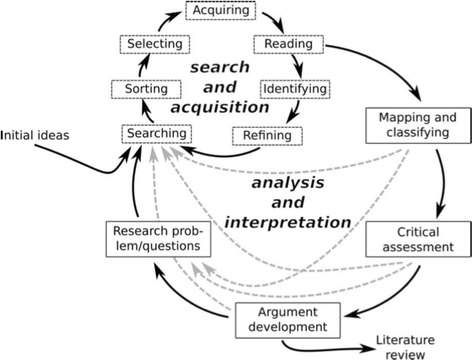
“As sources accumulate, it becomes necessary to interpret, clarify and understand the emerging ideas and perspectives and to reject less relevant sources through progressive focusing [67].”
BackgroundInfluentialPrinciples of Sociotechnical Design Revisted
Cherns, A. (1987) · Human Relations · doi:10.1177/001872678704000303 · Cited by 545 · cited 1×
“If such tinkering were not merely permitted but encouraged and resourced, would this overcome resistance of some front-line staff to telehealth in heart failure? Fifth, for what aspects of care has the potential of telehealth not yet been (fully) explored? For example, what kinds of comorbidities might be managed remo…”
BackgroundTwenty years of telemedicine in chronic disease management – an evidence synthesis
Wootton, R. (2012) · Journal of Telemedicine and Telecare · doi:10.1258/jtt.2012.120219 · Cited by 545 · cited 5×
“In one review, 60 studies reported positive outcomes (almost all of them only weakly positive) and only one a (weakly) negative outcome [33] – a statistically implausible result.”
BackgroundInfluentialWorldWide Antimalarial Resistance Network (WWARN) Lumefantrine PK/PD Study Group (2015) · BMC Medicine · doi:10.1186/s12916-015-0456-7 · Cited by 464
Sanders, C., Rogers, A., Bowen, R., Bower, P., Hirani, S., Cartwright, M., Fitzpatrick, R., Knapp, M., Barlow, J., Hendy, J., et al. (2012) · BMC Health Services Research · doi:10.1186/1472-6963-12-220 · Cited by 450 · cited 3×
“In one trial of telehealth that included but was not limited to heart failure, 80% of approached patients refused to participate; the most common reason was preferring a home visit from a nurse [56] – a finding that resonates with a more recent, larger trial in which one reason for non-participation was fear that a hi…”
BackgroundResult2016 ESC Guidelines for the diagnosis and treatment of acute and chronic heart failure
Ponikowski, P., Voors, A. A., Anker, S. D., Bueno, H., Cleland, J. G. F., Coats, A. J. S., Falk, V., González-Juanatey, J. R., Harjola, V.-P., Jankowska, E. A., et al. (2016) · Kardiologia Polska · doi:10.5603/kp.2016.0141 · Cited by 444
Jovicic, A., Holroyd-Leduc, J. M., & Straus, S. E. (2006) · BMC Cardiovascular Disorders · doi:10.1186/1471-2261-6-43 · Cited by 426
Clinician Acceptance is the Key Factor for Sustainable Telehealth Services
Wade, V. A., Eliott, J. A., & Hiller, J. E. (2014) · Qualitative Health Research · doi:10.1177/1049732314528809 · Cited by 410 · cited 8×
“Compiled from various sources [5, 7, 48, 60, 61, 63, 110, 111, 113, 122, 123] Greenhalgh et al.”
BackgroundInfluential2016 ESC Guidelines for the Diagnosis and Treatment of Acute and Chronic Heart Failure
Ponikowski, P., Voors, A. A., Anker, S. D., Bueno, H., Cleland, J. G. F., Coats, A. J. S., Falk, V., González-Juanatey, J. R., Harjola, V.-P., Jankowska, E. A., et al. (2016) · Revista Española de Cardiología (English Edition) · doi:10.1016/j.rec.2016.11.005 · Cited by 389
A Meta-Analysis of Remote Monitoring of Heart Failure Patients
Klersy, C., De Silvestri, A., Gabutti, G., Regoli, F., & Auricchio, A. (2009) · Journal of the American College of Cardiology · doi:10.1016/j.jacc.2009.08.017 · Cited by 380
Inglis, S. C., Clark, R. A., McAlister, F. A., Stewart, S., & Cleland, J. G. F. (2011) · European Journal of Heart Failure · doi:10.1093/eurjhf/hfr039 · Cited by 378 · cited 3×
“Some have suggested that telehealth might come into its own when care provided to the control arm falls below the gold standard used in TIM-HF [109].”
BackgroundMethodTelemedicine and remote management of patients with heart failure
Anker, S. D., Koehler, F., & Abraham, W. T. (2011) · The Lancet · doi:10.1016/s0140-6736(11)61229-4 · Cited by 343 · cited 6×
“Technologies for remote monitoring of heart failure 3 narrative reviews [64, 65, 68], plus background sections from other included papers”
BackgroundInfluentialKitsiou, S., Paré, G., & Jaana, M. (2015) · Journal of Medical Internet Research · doi:10.2196/jmir.4174 · Cited by 327 · cited 3×
“Meta-analyses of such trials, claim critics, have tended to take too little account of inter-study differences and give too much weight to flawed primary studies [6, 33, 38, 39, 64, 65].”
BackgroundJonkman, N. H., Westland, H., Groenwold, R. H. H., Ågren, S., Atienza, F., Blue, L., Bruggink-André de la Porte, P. W. F., DeWalt, D. A., Hebert, P. L., Heisler, M., et al. (2016) · Circulation · doi:10.1161/circulationaha.115.018006 · Cited by 317
Remote Monitoring of Patients With Heart Failure: An Overview of Systematic Reviews
Bashi, N., Karunanithi, M., Fatehi, F., Ding, H., & Walters, D. (2017) · Journal of Medical Internet Research · doi:10.2196/jmir.6571 · Cited by 311
Conraads, V. M., Tavazzi, L., Santini, M., Oliva, F., Gerritse, B., Yu, C.-M., & Cowie, M. R. (2011) · European Heart Journal · doi:10.1093/eurheartj/ehr050 · Cited by 298 · cited 1×
“Despite the beneficial effects of telehealth reported in several meta-analyses [16, 19, 22, 23, 25–28, 30, 35, 38, 107, 108], a number of large, recent randomised controlled trials have demonstrated no statistically significant impact from comparable telehealth interventions and patient groups [9, 10, 12, 13] (though…”
BackgroundDeath in Heart Failure: A Community Perspective
Henkel, D. M., Redfield, M. M., Weston, S. A., Gerber, Y., & Roger, V. L. (2008) · Circulation: Heart Failure · doi:10.1161/circheartfailure.107.743146 · Cited by 286
Brewster, L., Mountain, G., Wessels, B., Kelly, C., & Hawley, M. (2014) · Journal of Advanced Nursing · doi:10.1111/jan.12196 · Cited by 280 · cited 1×
“Implementation studies of telehealth in heart failure 3 systematic reviews [32, 48, 49], 2 narrative reviews [50, 51], 7 qualitative case studies (in 11 publications) of real-world implementation, including staff and patient experience [58, 60, 61, 87, 89, 101, 110, 111, 113, 114, 122], 3 national/international audits…”
BackgroundThe experience of living with chronic heart failure: a narrative review of qualitative studies
Jeon, Y.-H., Kraus, S. G., Jowsey, T., & Glasgow, N. J. (2010) · BMC Health Services Research · doi:10.1186/1472-6963-10-77 · Cited by 230 · cited 5×
“Some people cope by denying their heart failure and/or deliberately avoid learning about it [45, 92, 94].”
BackgroundInfluentialHome telemonitoring for congestive heart failure a systematic review and meta-analysis
Polisena, J., Tran, K., Cimon, K., Hutton, B., McGill, S., Palmer, K., & Scott, R. E. (2010) · Journal of Telemedicine and Telecare · doi:10.1258/jtt.2009.090406 · Cited by 218
Palliative care from diagnosis to death
Murray, S. A., Kendall, M., Mitchell, G., Moine, S., Amblàs-Novellas, J., & Boyd, K. (2017) · BMJ · doi:10.1136/bmj.j878 · Cited by 218 · cited 1×
“Because sudden death can occur at any time, some clinicians believe this risk should be discussed proactively [103].”
BackgroundHobbs, F. D. R., Roalfe, A. K., Davis, R. C., Davies, M. K., Hare, R., & and the Midlands Research Practices Consortium (MidReC) (2007) · European Heart Journal · doi:10.1093/eurheartj/ehm102 · Cited by 216 · cited 3×
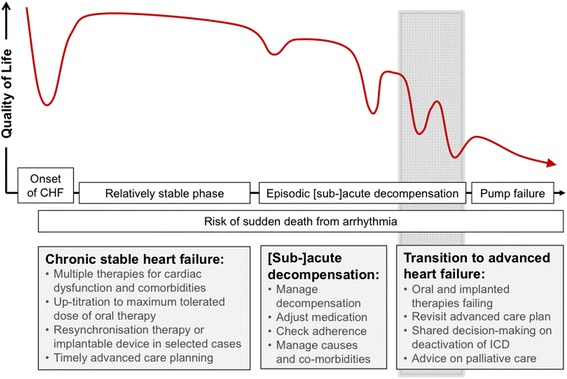
“Sudden death may occur at any time due to arrhythmia, but more commonly there is gradual death from pump failure or, in a significant proportion, death from other cardiovascular or noncardiovascular causes [65, 82, 83].”
BackgroundMesteig, M., Helbostad, J. L., Sletvold, O., Røsstad, T., & Saltvedt, I. (2010) · BMC Health Services Research · doi:10.1186/1472-6963-10-1 · Cited by 208
Lin, M.-H., Yuan, W.-L., Huang, T.-C., Zhang, H.-F., Mai, J.-T., & Wang, J.-F. (2017) · Journal of Investigative Medicine · doi:10.1136/jim-2016-000199 · Cited by 198
What makes an academic paper useful for health policy?
Whitty, C. J. M. (2015) · BMC Medicine · doi:10.1186/s12916-015-0544-8 · Cited by 186 · cited 1×
“In a paper entitled ‘What makes an academic paper useful for health policy?’, Chris Whitty emphasised that the most useful contribution academics can make to a contested topic area is a succinct and integrative overview incorporating quantitative, qualitative and economic evidence which, above all, makes sense of the…”
BackgroundPalliative care in patients with heart failure
McIlvennan, C. K., & Allen, L. A. (2016) · BMJ · doi:10.1136/bmj.i1010 · Cited by 185
Social support and self-care behaviors in individuals with heart failure: An integrative review
Graven, L. J., & Grant, J. S. (2014) · International Journal of Nursing Studies · doi:10.1016/j.ijnurstu.2013.06.013 · Cited by 182 · cited 2×
“Social support from family and lay networks can be thought of as having four interacting elements: emotional support, instrumental or practical help, provision of information and support with appraisal (that is, with evaluating one’s situation and the effect of one’s actions or inactions) [97].”
BackgroundGreenhalgh, T., Procter, R., Wherton, J., Sugarhood, P., Hinder, S., & Rouncefield, M. (2015) · BMC Medicine · doi:10.1186/s12916-015-0279-6 · Cited by 181 · cited 1×
“The tensions listed above both illustrate and underscore the ARCHIE standards developed previously by our own team: telehealth and telecare services must be Anchored in a detailed understanding of what matters to the patient; Realistic about the natural history of their condition; Co-creative so as to evolve and adapt…”
BackgroundSelf-citationClinician behaviors in telehealth care delivery: a systematic review
Henry, B. W., Block, D. E., Ciesla, J. R., McGowan, B. A., & Vozenilek, J. A. (2017) · Advances in Health Sciences Education · doi:10.1007/s10459-016-9717-2 · Cited by 174 · cited 2×
“Implementation studies of telehealth in heart failure 3 systematic reviews [32, 48, 49], 2 narrative reviews [50, 51], 7 qualitative case studies (in 11 publications) of real-world implementation, including staff and patient experience [58, 60, 61, 87, 89, 101, 110, 111, 113, 114, 122], 3 national/international audits…”
BackgroundTaylor, J., Coates, E., Brewster, L., Mountain, G., Wessels, B., & Hawley, M. S. (2015) · Journal of Advanced Nursing · doi:10.1111/jan.12480 · Cited by 164 · cited 4×
“Implementation studies of telehealth in heart failure 3 systematic reviews [32, 48, 49], 2 narrative reviews [50, 51], 7 qualitative case studies (in 11 publications) of real-world implementation, including staff and patient experience [58, 60, 61, 87, 89, 101, 110, 111, 113, 114, 122], 3 national/international audits…”
BackgroundInfluentialPandor, A., Thokala, P., Gomersall, T., Baalbaki, H., Stevens, J., Wang, J., Wong, R., Brennan, A., & Fitzgerald, P. (2013) · Health Technol Assess · doi:10.3310/hta17320 · Cited by 159 · cited 4×
“management of heart failure, also included a review of economic evaluations [21].”
BackgroundInfluentialClarke, M., Shah, A., & Sharma, U. (2011) · Journal of Telemedicine and Telecare · doi:10.1258/jtt.2010.100113 · Cited by 152
Care at a Distance : On the Closeness of Technology
Pols, J. (2012) · doi:10.26530/oapen_413032 · Cited by 151
Kotb, A., Cameron, C., Hsieh, S., & Wells, G. (2015) · PLOS ONE · doi:10.1371/journal.pone.0118681 · Cited by 149
Pandor, A., Gomersall, T., Stevens, J. W., Wang, J., Al-Mohammad, A., Bakhai, A., Cleland, J. G. F., Cowie, M. R., & Wong, R. (2013) · Heart · doi:10.1136/heartjnl-2013-303811 · Cited by 147
Purcell, R., McInnes, S., & Halcomb, E. J. (2014) · BMC Family Practice · doi:10.1186/1471-2296-15-43 · Cited by 146
Sedlar, N., Lainscak, M., Mårtensson, J., Strömberg, A., Jaarsma, T., & Farkas, J. (2017) · European Journal of Cardiovascular Nursing · doi:10.1177/1474515117691644 · Cited by 143 · cited 2×
“Depression, anxiety and cognitive impairment (including acute confusional states) are all much commoner in people with heart failure than in an age-matched population, and these conditions are associated with lower compliance with selfmanagement programmes [18].”
BackgroundLiving with chronic heart failure: a review of qualitative studies of older people
Yu, D. S. F., Lee, D. T. F., Kwong, A. N. T., Thompson, D. R., & Woo, J. (2008) · Journal of Advanced Nursing · doi:10.1111/j.1365-2648.2007.04553.x · Cited by 139 · cited 4×
“Self-management of heart failure 4 systematic reviews [18, 24, 44, 45], 2 realist reviews [46, 47], 2 additional qualitative studies [105, 106]”
BackgroundInfluentialA Systematic Review of mHealth-Based Heart Failure Interventions
Cajita, M. I., Gleason, K. T., & Han, H.-R. (2016) · Journal of Cardiovascular Nursing · doi:10.1097/jcn.0000000000000305 · Cited by 138
Vassilev, I., Rowsell, A., Pope, C., Kennedy, A., O’Cathain, A., Salisbury, C., & Rogers, A. (2015) · Implementation Science · doi:10.1186/s13012-015-0238-9 · Cited by 137 · cited 3×
“Self-management of heart failure 4 systematic reviews [18, 24, 44, 45], 2 realist reviews [46, 47], 2 additional qualitative studies [105, 106]”
BackgroundKoudstaal, S., Pujades-Rodriguez, M., Denaxas, S., Gho, J. M. I. H., Shah, A. D., Yu, N., Patel, R. S., Gale, C. P., Hoes, A. W., Cleland, J. G., et al. (2017) · European Journal of Heart Failure · doi:10.1002/ejhf.709 · Cited by 137 · cited 2×
“Heart failure affects 1–4% of the adult population; it is commoner in ethnic minorities [5, 7, 52, 72].”
BackgroundGorst, S. L., Armitage, C. J., Brownsell, S., & Hawley, M. S. (2014) · Annals of Behavioral Medicine · doi:10.1007/s12160-014-9607-x · Cited by 135 · cited 3×
“Implementation studies of telehealth in heart failure 3 systematic reviews [32, 48, 49], 2 narrative reviews [50, 51], 7 qualitative case studies (in 11 publications) of real-world implementation, including staff and patient experience [58, 60, 61, 87, 89, 101, 110, 111, 113, 114, 122], 3 national/international audits…”
BackgroundKlersy, C., Boriani, G., De Silvestri, A., Mairesse, G. H., Braunschweig, F., Scotti, V., Balduini, A., Cowie, M. R., Leyva, F., & for the Health Economics Committee of the European Heart Rhythm Association (2016) · European Journal of Heart Failure · doi:10.1002/ejhf.470 · Cited by 120
Survival following a diagnosis of heart failure in primary care
Taylor, C. J., Ryan, R. P., Nichols, L., Gale, N. K., Hobbs, R. F., & Marshall, T. P. (2017) · Family Practice · doi:10.1093/fampra/cmw145 · Cited by 119 · cited 2×
“Heart failure carries a five-year mortality of around 50% [84, 85].”
BackgroundKitsiou, S., Paré, G., & Jaana, M. (2013) · Journal of Medical Internet Research · doi:10.2196/jmir.2770 · Cited by 118 · cited 1×
“Meta-analyses of such trials, claim critics, have tended to take too little account of inter-study differences and give too much weight to flawed primary studies [6, 33, 38, 39, 64, 65].”
BackgroundSteventon, A., Bardsley, M., Billings, J., Dixon, J., Doll, H., Beynon, M., Hirani, S., Cartwright, M., Rixon, L., Knapp, M., et al. (2013) · Age and Ageing · doi:10.1093/ageing/aft008 · Cited by 114 · cited 1×
“Despite the beneficial effects of telehealth reported in several meta-analyses [16, 19, 22, 23, 25–28, 30, 35, 38, 107, 108], a number of large, recent randomised controlled trials have demonstrated no statistically significant impact from comparable telehealth interventions and patient groups [9, 10, 12, 13] (though…”
BackgroundPreferences of patients with heart failure for prognosis communication
Caldwell, P., Arthur, H. M., & Demers, C. (2007) · Canadian Journal of Cardiology · doi:10.1016/s0828-282x(07)70829-2 · Cited by 112 · cited 1×
“Most heart failure patients would prefer such discussions to be physicianinitiated and to commence early – certainly well before severe deterioration or clinical crises [102].”
BackgroundPolypharmacy in Heart Failure Patients
Mastromarino, V., Casenghi, M., Testa, M., Gabriele, E., Coluccia, R., Rubattu, S., & Volpe, M. (2014) · Current Heart Failure Reports · doi:10.1007/s11897-014-0186-8 · Cited by 109 · cited 1×
“Efforts to achieve this are known as ‘up-titration’ – a clinically tricky task, since adverse effects are common with higher drug doses and with combination therapy [69]; polypharmacy is a serious risk [79].”
BackgroundLiving with heart failure: An integrative review
Welstand, J., Carson, A. M., & Rutherford, P. (2009) · International Journal of Nursing Studies · doi:10.1016/j.ijnurstu.2009.03.009 · Cited by 108 · cited 3×
“The initial diagnosis of heart failure engenders a sense of disruption and hopelessness from which patients recover variably [91, 94, 95, 98, 99].”
BackgroundA meta-analysis of remote patient monitoring for chronic heart failure patients
Nakamura, N., Koga, T., & Iseki, H. (2014) · Journal of Telemedicine and Telecare · doi:10.1177/1357633x13517352 · Cited by 102 · cited 2×
“In one meta-regression analysis, the single largest contributor to the success of telehealth interventions was active adjustment of medication within one day of a key change in vital signs [22].”
BackgroundHow can telehealth help in the provision of integrated care?
Stroetmann, K. A., Kubitschke, L., Robinson, S., Stroetmann, V., Cullen, K., & McDaid, D. (2010) · doi:10.13140/2.1.5083.1361 · Cited by 99
The role of the champion in telehealth service development: a qualitative analysis
Wade, V., & Eliott, J. (2012) · Journal of Telemedicine and Telecare · doi:10.1258/jtt.2012.gth115 · Cited by 97 · cited 3×
“Implementation studies of telehealth in heart failure 3 systematic reviews [32, 48, 49], 2 narrative reviews [50, 51], 7 qualitative case studies (in 11 publications) of real-world implementation, including staff and patient experience [58, 60, 61, 87, 89, 101, 110, 111, 113, 114, 122], 3 national/international audits…”
BackgroundAchieving a balanced life in the face of chronic illness
Jeon, Y., Jowsey, T., Yen, L. E., Glasgow, N., Essue, B. M., Kljakovic, M., Pearce-Brown, C. L., Mirzaei, M., Usherwood, T. P., Jan, S., et al. (2010) · Australian Journal of Primary Health · doi:10.1071/py09039 · Cited by 93 · cited 2×
“Self-management of heart failure 4 systematic reviews [18, 24, 44, 45], 2 realist reviews [46, 47], 2 additional qualitative studies [105, 106]”
BackgroundA personalised mobile-based home monitoring system for heart failure: The SUPPORT-HF Study
Triantafyllidis, A. K., Velardo, C., Chantler, T., Shah, S. A., Paton, C., Khorshidi, R., Tarassenko, L., & Rahimi, K. (2015) · International Journal of Medical Informatics · doi:10.1016/j.ijmedinf.2015.05.003 · Cited by 91 · cited 2×
“Implementation studies of telehealth in heart failure 3 systematic reviews [32, 48, 49], 2 narrative reviews [50, 51], 7 qualitative case studies (in 11 publications) of real-world implementation, including staff and patient experience [58, 60, 61, 87, 89, 101, 110, 111, 113, 114, 122], 3 national/international audits…”
BackgroundMethodMedical therapy for chronic heart failure
Krum, H., & Teerlink, J. R. (2011) · The Lancet · doi:10.1016/s0140-6736(11)61038-6 · Cited by 89
Care at a Distance: On the Closeness of Technology
Felix, L. (2013) · Sociology of Health & Illness · doi:10.1111/1467-9566.12032 · Cited by 88 · cited 7×
“Mol A, Moser I, Pols J: Care in practice: On tinkering in clinics, homes and farms, vol. 8: transcript Verlag; 2015.”
BackgroundInfluentialTaylor, C. J., Roalfe, A. K., Iles, R., & Hobbs, R. F. (2012) · European Journal of Heart Failure · doi:10.1093/eurjhf/hfr170 · Cited by 88 · cited 2×
“Overall mortality figures mask considerable heterogeneity of outcome, which varies with setting at diagnosis (primary versus secondary care), first or subsequent hospital admission, diagnostic criteria (particularly whether and to what extent ejection fraction is reduced), co-morbidities (particularly diabetes and cog…”
BackgroundTheory-Based Telehealth and Patient Empowerment
Suter, P., Suter, W. N., & Johnston, D. (2011) · Population Health Management · doi:10.1089/pop.2010.0013 · Cited by 88 · cited 1×
“Heart failure as a lived experience 8 systematic reviews of qualitative or mixed-method studies [45, 90–95, 97], 5 additional qualitative studies [98–102], one theoretical paper [96], 1 commentary [104]”
BackgroundA systematic review of the main mechanisms of heart failure disease management interventions
Clark, A. M., Wiens, K. S., Banner, D., Kryworuchko, J., Thirsk, L., McLean, L., & Currie, K. (2016) · Heart · doi:10.1136/heartjnl-2015-308551 · Cited by 85
Barello, S., Graffigna, G., Vegni, E., Savarese, M., Lombardi, F., & Bosio, A. C. (2015) · BMJ Open · doi:10.1136/bmjopen-2014-005582 · Cited by 83 · cited 2×
“The initial diagnosis of heart failure engenders a sense of disruption and hopelessness from which patients recover variably [91, 94, 95, 98, 99].”
BackgroundLife experiences of security and insecurity among women with chronic heart failure
Burström, M., Brännström, M., Boman, K., & Strandberg, G. (2011) · Journal of Advanced Nursing · doi:10.1111/j.1365-2648.2011.05782.x · Cited by 77 · cited 1×
“There is limited evidence from small studies that women with heart failure may feel insecure and experience guilt and anxiety from “being a burden” [100] – but also that they may be more likely to come to terms with their heart failure than men, who may hold an unrealistic belief that the condition will improve or sto…”
BackgroundUnderstanding help-seeking decisions in people with heart failure: A qualitative systematic review
Clark, A. M., Savard, L. A., Spaling, M. A., Heath, S. L., Duncan, A. S., & Spiers, J. A. (2012) · International Journal of Nursing Studies · doi:10.1016/j.ijnurstu.2012.05.010 · Cited by 76 · cited 3×
“willing to engage in these activities [91].”
BackgroundColquitt, J. L., Mendes, D., Clegg, A. J., Harris, P., Cooper, K., Picot, J., & Bryant, J. (2014) · Health Technology Assessment · doi:10.3310/hta18560 · Cited by 74
Nurses’ and community support workers’ experience of telehealth: a longitudinal case study
Sharma, U., & Clarke, M. (2014) · BMC Health Services Research · doi:10.1186/1472-6963-14-164 · Cited by 73 · cited 4×
“Implementation studies of telehealth in heart failure 3 systematic reviews [32, 48, 49], 2 narrative reviews [50, 51], 7 qualitative case studies (in 11 publications) of real-world implementation, including staff and patient experience [58, 60, 61, 87, 89, 101, 110, 111, 113, 114, 122], 3 national/international audits…”
BackgroundInfluentialeHealth in cardiovascular medicine: A clinical update
Saner, H., & van der Velde, E. (2016) · European Journal of Preventive Cardiology · doi:10.1177/2047487316670256 · Cited by 73 · cited 7×
“Compiled from various sources [5, 7, 48, 60, 61, 63, 110, 111, 113, 122, 123] Greenhalgh et al.”
BackgroundInfluentialAdoption of routine telemedicine in Norwegian hospitals: progress over 5 years
Zanaboni, P., & Wootton, R. (2016) · BMC Health Services Research · doi:10.1186/s12913-016-1743-5 · Cited by 66 · cited 2×
“Implementation studies of telehealth in heart failure 3 systematic reviews [32, 48, 49], 2 narrative reviews [50, 51], 7 qualitative case studies (in 11 publications) of real-world implementation, including staff and patient experience [58, 60, 61, 87, 89, 101, 110, 111, 113, 114, 122], 3 national/international audits…”
BackgroundBoyne, J. J., & Vrijhoef, H. J. (2013) · Current Heart Failure Reports · doi:10.1007/s11897-013-0140-1 · Cited by 64 · cited 2×
“Implementation studies of telehealth in heart failure 3 systematic reviews [32, 48, 49], 2 narrative reviews [50, 51], 7 qualitative case studies (in 11 publications) of real-world implementation, including staff and patient experience [58, 60, 61, 87, 89, 101, 110, 111, 113, 114, 122], 3 national/international audits…”
BackgroundWingham, J., Harding, G., Britten, N., & Dalal, H. (2014) · Chronic Illness · doi:10.1177/1742395313502993 · Cited by 63 · cited 3×
“The initial diagnosis of heart failure engenders a sense of disruption and hopelessness from which patients recover variably [91, 94, 95, 98, 99].”
BackgroundImplantable cardioverter defibrillators and cardiac resynchronisation therapy
Holzmeister, J., & Leclercq, C. (2011) · The Lancet · doi:10.1016/s0140-6736(11)61228-2 · Cited by 62 · cited 2×
“with moderate to severe chronic heart failure, though the benefit-harm balance of such interventions in less severe heart failure is less clear [65, 70].”
BackgroundMeta-analysis and meta-regression of telehealth programmes for patients with chronic heart failure
Xiang, R., Li, L., & Liu, S. X. (2013) · Journal of Telemedicine and Telecare · doi:10.1177/1357633x13495490 · Cited by 61 · cited 3×
“Fourth, the efficacy of remote telehealth monitoring appears to improve with the number of variables monitored, the frequency of monitoring and the timeliness of human remote support [19, 22].”
BackgroundKnox, L., Rahman, R. J., & Beedie, C. (2016) · Journal of Telemedicine and Telecare · doi:10.1177/1357633x16660418 · Cited by 61
Adamson, P. B., Ginn, G., Anker, S. D., Bourge, R. C., & Abraham, W. T. (2016) · European Journal of Heart Failure · doi:10.1002/ejhf.638 · Cited by 61 · cited 2×
“Whilst invasive monitoring of intra-cardiac biomarkers is theoretically more accurate than noninvasive monitoring, trials of these newer forms of telehealth have produced inconsistent findings to date (though several studies are ongoing) [7, 11, 23, 65].”
BackgroundA multi-level qualitative analysis of Telehomecare in Ontario: challenges and opportunities
Hunting, G., Shahid, N., Sahakyan, Y., Fan, I., Moneypenny, C. R., Stanimirovic, A., North, T., Petrosyan, Y., Krahn, M. D., & Rac, V. E. (2015) · BMC Health Services Research · doi:10.1186/s12913-015-1196-2 · Cited by 57 · cited 3×
“Implementation studies of telehealth in heart failure 3 systematic reviews [32, 48, 49], 2 narrative reviews [50, 51], 7 qualitative case studies (in 11 publications) of real-world implementation, including staff and patient experience [58, 60, 61, 87, 89, 101, 110, 111, 113, 114, 122], 3 national/international audits…”
BackgroundPeretz, D., Arnaert, A., & Ponzoni, N. N. (2018) · Journal of Telemedicine and Telecare · doi:10.1177/1357633x16669239 · Cited by 56 · cited 2×
“64, 65] and economic evaluations for their questionable and/or unstated assumptions [42].”
BackgroundGrustam, A. S., Severens, J. L., van Nijnatten, J., Koymans, R., & Vrijhoef, H. J. M. (2014) · International Journal of Technology Assessment in Health Care · doi:10.1017/s0266462313000779 · Cited by 55
Remote monitoring of chronic diseases: a landscape assessment of policies in four European countries
Rojahn, K., Laplante, S., Sloand, J., Main, C., Ibrahim, A., Wild, J., Sturt, N., Areteou, T., & Johnson, K. I. (2016) · PLoS ONE · doi:10.1371/journal.pone.0155738 · Cited by 54
Ciere, Y., Cartwright, M., & Newman, S. P. (2012) · Journal of Telemedicine and Telecare · doi:10.1258/jtt.2012.111009 · Cited by 50
Circadian analysis of myocardial infarction incidence in an Argentine and Uruguayan population
D'Negri, C. E., Nicola-Siri, L., Vigo, D. E., Girotti, L. A., & Cardinali, D. P. (2006) · BMC Cardiovascular Disorders · doi:10.1186/1471-2261-6-1 · Cited by 48
Taylor, J., Coates, E., Wessels, B., Mountain, G., & Hawley, M. S. (2015) · BMC Health Services Research · doi:10.1186/s12913-015-1195-3 · Cited by 48 · cited 2×
“We found only one relevant action research study, from the UK, which included patients with chronic obstructive pulmonary disease as well as heart failure [114].”
BackgroundResearch in Home-Care Telemedicine: Challenges in Patient Recruitment
Subramanian, U., Hopp, F. P., Lowery, J. C., Woodbridge, P. A., & Smith, D. M. (2004) · Telemedicine Journal and e-Health · doi:10.1089/1530562041641345 · Cited by 46 · cited 1×
“commonly because face to face home visits were considered clinically necessary) and of the rest, 75% declined to participate [57].”
BackgroundEmbracing inherent uncertainty in advanced illness: Table 1
Kimbell, B., Murray, S. A., Macpherson, S., & Boyd, K. J. (2016) · BMJ · doi:10.1136/bmj.i3802 · Cited by 46 · cited 2×
“Uncertainty of prognosis is often inherent, though palliative care scholars argue that such uncertainty should be embraced and woven into an evolving discussion in the context of a long-term therapeutic relationship [104].”
BackgroundEffective Technologies for Noninvasive Remote Monitoring in Heart Failure
Conway, A., Inglis, S. C., & Clark, R. A. (2014) · Telemedicine and e-Health · doi:10.1089/tmj.2013.0267 · Cited by 45
Thomas, J. R., & Clark, A. M. (2011) · Cardiology Research and Practice · doi:10.4061/2011/918973 · Cited by 45 · cited 2×
“There is limited evidence from small studies that women with heart failure may feel insecure and experience guilt and anxiety from “being a burden” [100] – but also that they may be more likely to come to terms with their heart failure than men, who may hold an unrealistic belief that the condition will improve or sto…”
BackgroundTelemonitoring in heart failure: Big Brother watching over you
Dierckx, R., Pellicori, P., Cleland, J. G. F., & Clark, A. L. (2014) · Heart Failure Reviews · doi:10.1007/s10741-014-9449-4 · Cited by 44 · cited 10×
“are depicted as potentially more efficient (since drug dosage can be changed promptly by an “activated” patient or carer) and more cost-effective (since clinician input is reduced), but they also place high demands on the patient or carer [7].”
BackgroundInfluentialRecruitment difficulties in a home telecare trial
Mair, F. S., Goldstein, P., Shiels, C., Roberts, C., Angus, R., O'connor, J., Haycox, A., & Capewell, S. (2006) · Journal of Telemedicine and Telecare · doi:10.1258/135763306777978371 · Cited by 39 · cited 1×
“In one trial of telehealth that included but was not limited to heart failure, 80% of approached patients refused to participate; the most common reason was preferring a home visit from a nurse [56] – a finding that resonates with a more recent, larger trial in which one reason for non-participation was fear that a hi…”
ResultHospital readmission in heart failure, a novel analysis of a longstanding problem
Sperry, B. W., Ruiz, G., & Najjar, S. S. (2014) · Heart Failure Reviews · doi:10.1007/s10741-014-9459-2 · Cited by 39 · cited 2×
“Heart failure as a clinical condition Above plus 9 narrative reviews [5, 7, 33, 52, 55, 65, 73, 76, 83], 4 cohort studies [72, 82, 84–86], 1 national audit [80], guidance from professional societies [74, 75, 81, 117–119]”
Background(2016) · Circulation Heart Failure · doi:10.1161/hhf.0000000000000010 · Cited by 38
Díez, I. D. L. T., García-Zapirain, B., Zorrilla, A. M., & López-Coronado, M. (2016) · Journal of Medical Systems · doi:10.1007/s10916-016-0537-y · Cited by 37 · cited 1×
“Trials of telehealth in heart failure 7 meta-reviews (systematic reviews of systematic reviews) [6, 34–39], 20 systematic reviews of trials (16 with meta-analysis [14–29] and 4 without [30–33]), 6 M-trials [8–13], plus additional narrative reviews and commentaries, especially [33, 64, 65, 68, 70, 120, 121]”
BackgroundOxford Textbook of Heart Failure
Clark, A. L., Gardner, R. S., & McDonagh, T. A. (2011) · Oxford University Press eBooks · doi:10.1093/med/9780199577729.001.0001 · Cited by 36 · cited 4×
“A recent meta-analysis of individual patient data from trials of self-management in heart failure included some telling subgroup analyses: self-management reduced hospital admission only in patients younger than 65 years (an important finding, since the mean age of people with heart failure is 75 [53]); in patients wi…”
BackgroundMethodInfluentialHopp, F. P., Thornton, N., Martin, L. A., & Zalenski, R. J. (2012) · Social Work in Health Care · doi:10.1080/00981389.2011.599016 · Cited by 36 · cited 4×
“The initial diagnosis of heart failure engenders a sense of disruption and hopelessness from which patients recover variably [91, 94, 95, 98, 99].”
BackgroundInfluentialElwyn, G. J., Hardisty, A., Peirce, S., May, C. R., Evans, R., Robinson, D. K. R., Bolton, C. E., Yousef, Z. R., Conley, E. C., RANA, O. F., et al. (2011) · Journal of Evaluation in Clinical Practice · doi:10.1111/j.1365-2753.2011.01701.x · Cited by 35 · cited 2×
“Implementation studies of telehealth in heart failure 3 systematic reviews [32, 48, 49], 2 narrative reviews [50, 51], 7 qualitative case studies (in 11 publications) of real-world implementation, including staff and patient experience [58, 60, 61, 87, 89, 101, 110, 111, 113, 114, 122], 3 national/international audits…”
BackgroundInglis, S. C., Conway, A., Cleland, J. G., & Clark, R. A. (2015) · European Journal of Cardiovascular Nursing · doi:10.1177/1474515114530611 · Cited by 34
Exploring the role of ICT in the provision of integrated care—Evidence from eight countries
Lluch, M., & Fabienne, A. (2013) · Health Policy · doi:10.1016/j.healthpol.2013.03.005 · Cited by 34 · cited 2×
“Implementation studies of telehealth in heart failure 3 systematic reviews [32, 48, 49], 2 narrative reviews [50, 51], 7 qualitative case studies (in 11 publications) of real-world implementation, including staff and patient experience [58, 60, 61, 87, 89, 101, 110, 111, 113, 114, 122], 3 national/international audits…”
BackgroundA qualitative study of sustainability and vulnerability in Australian telehealth services.
Wade, V., Eliott, J., Karnon, J. D., & Elshaug, A. G. (2010) · PubMed · doi:10.3233/978-1-60750-659-1-190 · Cited by 33 · cited 2×
“Implementation studies of telehealth in heart failure 3 systematic reviews [32, 48, 49], 2 narrative reviews [50, 51], 7 qualitative case studies (in 11 publications) of real-world implementation, including staff and patient experience [58, 60, 61, 87, 89, 101, 110, 111, 113, 114, 122], 3 national/international audits…”
BackgroundTelemonitoring in heart failure: A state-of-the-art review
Sousa, C., Leite, S., Lagido, R., Ferreira, L., Silva‐Cardoso, J., & Maciel, M. J. (2014) · Revista Portuguesa de Cardiologia · doi:10.1016/j.repc.2013.10.013 · Cited by 31
International Journal of Telemedicine and Applications
(2008) · International Journal of Telemedicine and Applications · doi:10.1155/ijta · Cited by 31
Conway, A., Inglis, S. C., Chang, A. M., Horton-Breshears, M., Cleland, J. G., & Clark, R. A. (2013) · Journal of Telemedicine and Telecare · doi:10.1177/1357633x13503427 · Cited by 30 · cited 2×
“outcome measures) and with the diverse policy contexts in which decisions about telehealth are made locally and nationally [6, 7, 36].”
BackgroundSauermann, S., Schreier, G., & Hameed, A. S. (2014) · Applied Clinical Informatics · doi:10.4338/aci-2014-04-ra-0037 · Cited by 28 · cited 2×
“Another considered the impact of patient adherence on costs of telehealth and also failed to demonstrate a consistent relationship between these variables [41].”
BackgroundRemote Patient Monitoring in Chronic Heart Failure
Palaniswamy, C., Mishkin, A. D., Aronow, W. S., Kalra, A., & Frishman, W. H. (2012) · Cardiology in Review · doi:10.1097/crd.0b013e318276198b · Cited by 28 · cited 1×
“Trials of telehealth in heart failure 7 meta-reviews (systematic reviews of systematic reviews) [6, 34–39], 20 systematic reviews of trials (16 with meta-analysis [14–29] and 4 without [30–33]), 6 M-trials [8–13], plus additional narrative reviews and commentaries, especially [33, 64, 65, 68, 70, 120, 121]”
BackgroundLaDonna, K., Tait, G. R., Bates, J., Schulz, V., Strachan, P., McDougall, A., & Lingard, L. (2015) · Journal of Multidisciplinary Healthcare · doi:10.2147/jmdh.s85817 · Cited by 26 · cited 4×
“Fourth, in the light of the finding from a large, wellconducted qualitative study that almost all patients in heart failure clinics need considerable customisation of care [87], what is the nature of this “tinkering” and what are the implications for those who (with the best of intentions) seek to make heart failure c…”
BackgroundInfluentialA critical review on telemonitoring in heart failure
Gurné, O., Conraads, V., Missault, L., Mullens, W., Vachiery, J.-L., Mieghem, W. V., Droogne, W., Pouleur, A.-C., Troisfontaine, P., Huez, S., et al. (2012) · Acta Cardiologica · doi:10.1080/ac.67.4.2170685 · Cited by 25 · cited 2×
“Meta-analyses of such trials, claim critics, have tended to take too little account of inter-study differences and give too much weight to flawed primary studies [6, 33, 38, 39, 64, 65].”
BackgroundEconomic Modeling of Heart Failure Telehealth Programs: When Do They Become Cost Saving?
Liu, S. X., Xiang, R., Lagor, C., Liu, N., & Sullivan, K. (2016) · International Journal of Telemedicine and Applications · doi:10.1155/2016/3289628 · Cited by 25 · cited 1×
“produced a new Markov model showing that telehealth was most cost-effective (indeed, cost-saving) in the most high-risk patients, though all estimates were highly sensitive to the costs of hospital admission and length of stay [43].”
BackgroundEmerging Role of Digital Technology and Remote Monitoring in the Care of Cardiac Patients
Banchs, J. E., & Scher, D. M. (2015) · Medical Clinics of North America · doi:10.1016/j.mcna.2015.02.013 · Cited by 22 · cited 3×
“Trials of telehealth in heart failure 7 meta-reviews (systematic reviews of systematic reviews) [6, 34–39], 20 systematic reviews of trials (16 with meta-analysis [14–29] and 4 without [30–33]), 6 M-trials [8–13], plus additional narrative reviews and commentaries, especially [33, 64, 65, 68, 70, 120, 121]”
BackgroundEmdin, C. A., Conrad, N., Kiran, A., Salimi‐Khorshidi, G., Woodward, M., Anderson, S. G., Mohseni, H., Dargie, H. J., Hardman, S. M. C., McDonagh, T. A., et al. (2016) · Heart · doi:10.1136/heartjnl-2016-309706 · Cited by 20
Blom, J. W., Azzi, M. E., Wopereis, D. M., Glynn, L. G., Muth, C., & van Driel, M. (2015) · Heart Failure Reviews · doi:10.1007/s10741-015-9476-9 · Cited by 17
Scaling Up the Use of Remote Patient Monitoring in Canada
Gheorghiu, B., & Ratchford, F. (2015) · Studies in health technology and informatics · doi:10.3233/978-1-61499-505-0-23 · Cited by 14
Merrell, R. C., & Doarn, C. R. (2012) · Telemedicine and e-Health · doi:10.1089/tmj.2012.9997 · Cited by 10
Documento di consenso ANMCO/SIC/SIT: Il futuro della telemedicina nello scompenso cardiaco
Lenarda, A. D., Casolo, G., Gulizia, M. M., Aspromonte, N., Scalvini, S., Mortara, A., Alunni, G., Ricci, R. P., Mantovan, R., Russo, G., et al. (2016) · Giornale italiano di cardiologia · doi:10.1714/2262.24354 · Cited by 9
Fatigue in Elderly with Chronic Heart Failure: An Under-Recognized Symptom
Lundman, B. M., Brännström, M., Hägglund, L., & Strandberg, G. (2009) · Aging Health · doi:10.2217/ahe.09.49 · Cited by 7 · cited 2×
“Self-management of heart failure 4 systematic reviews [18, 24, 44, 45], 2 realist reviews [46, 47], 2 additional qualitative studies [105, 106]”
BackgroundWho is most likely to require a higher level of care: predicting risk of hospitalization
Louis, D. Z., Robeson, M., Herrera, K., Maio, V., Gonnella, J., Richardson, D., & Grilli, R. G. (2010) · BMC Health Services Research · doi:10.1186/1472-6963-10-s2-a2 · Cited by 6
eHealth: From unfulfilled promises to large-scale application
Saner, H. E. (2016) · European Journal of Preventive Cardiology · doi:10.1177/2047487316670042 · Cited by 6
Research works printed but not linked: 1
- 3. Di Lenarda A, Casolo G, Gulizia MM, Aspromonte N, Scalvini S, Mortara A, Alunni G, Ricci RP, Mantovan R, Russo G et al. ANMCO/SIC/SIT Consensus document: The future of telemedicine in heart failure. G Ital Cardiol. 2016; 17(6):491-507.
Cited by
Greenhalgh, T., Wherton, J., Papoutsi, C., Lynch, J., Hughes, G., A'Court, C., Hinder, S., Fahy, N., Procter, R., & Shaw, S. (2017) · Journal of Medical Internet Research · doi:10.2196/jmir.8775 · Cited by 2,887
“These problems are illustrated by the paradox of telehealth (a term with contested definitions [13] but, broadly speaking, remote health care to the patient’s home).”
InfluentialSelf-citationTime to challenge the spurious hierarchy of systematic over narrative reviews?
Greenhalgh, T., Thorne, S., & Malterud, K. (2018) · European Journal of Clinical Investigation · doi:10.1111/eci.12931 · Cited by 1,267
“This principle was illustrated in a recent hermeneutic review of telehealth in heart failure by one of us.(43) It identified 7 systematic reviews of systematic reviews, 32 systematic reviews (including 17 meta-analyses) covering hundreds of primary studies, as well as six mega-trials— almost all of which had concluded…”
BackgroundSelf-citationMeeting the review family: exploring review types and associated information retrieval requirements
Sutton, A., Clowes, M., Preston, L., & Booth, A. (2019) · Health Information & Libraries Journal · doi:10.1111/hir.12276 · Cited by 570
Bringing health care to the patient: An overview of the use of telemedicine in OECD countries
(2020) · OECD Health Working Papers · doi:10.1787/8e56ede7-en · Cited by 539
Eze, N. D., Mateus, C., & Cravo Oliveira Hashiguchi, T. (2020) · PLoS ONE · doi:10.1371/journal.pone.0237585 · Cited by 345
“In heart failure patients, low patient motivation, lack of confidence and a preference for face-to-face interventions were all barriers to the use of remote monitoring interventions, resulting in poor uptake of interventions [90].”
Background
Metadata
- Authors
- Greenhalgh, T., A’Court, C., & Shaw, S.
- Affiliations
- University of Oxford (GB)
- Corresponding author
- Greenhalgh, Trisha
- Venue
- BMC Cardiovascular Disorders
- Published
- 2017-06-14
- Volume
- 17
- Issue
- 1
- Pages
- 156-156
- ISSN
- 1471-2261 (ISSN-L)
- PMC
- PMC5471857
- OpenAlex
- W2625313012
- Semantic Scholar
- 74e93217bf12a7bb9fecda5969b9abb05bf24c44
- Cited by
- 141
- References
- 131
- Citations by year
- 2026: 6 · 2025: 12 · 2024: 15 · 2023: 21 · 2022: 15 · 2021: 23 · 2020: 17 · 2019: 15 · 2018: 15 · 2017: 2
- FWCI
- 2.18
- Type
- journal article
- Language
- en
- Open access
- gold
- doi.org
- Licence
- cc-by
- Locations
- BMC Cardiovascular Disorders (publishedVersion, cc-by)
- Europe PMC (PubMed Central) (publishedVersion, other-oa)
- PubMed Central (publishedVersion, cc-by)
- PubMed (publishedVersion)
- DOAJ (DOAJ: Directory of Open Access Journals) (submittedVersion, cc-by-sa)
- Funders
- Wellcome Trust (WT104830MA)
- National Institute for Health Research (BRC-1215-20008)
- Topics
- Health Sciences › Medicine › Public Health, Environmental and Occupational Health › Telemedicine and Telehealth Implementation
- Health Sciences › Medicine › Cardiology and Cardiovascular Medicine › Heart Failure Treatment and Management
- Health Sciences › Health Professions › General Health Professions › Mobile Health and mHealth Applications
- Keywords
- heart failure, telemedicine, remote monitoring, relationship-centered care, comorbidities, patient self-management, co-design, service model, telehealth adoption
- MeSH terms
- Attitude of Health Personnel, Heart Failure, Humans, Health Knowledge, Attitudes, Practice, Patient Participation, Policy Making, Predictive Value of Tests, Risk Factors, Self Care, Comorbidity, Treatment Outcome, Process Assessment, Health Care, Telemedicine, Cost of Illness, Evidence-Based Medicine, Hermeneutics
About these checks
Registry, retraction, Cites and statistics results are computed, not judged, with one exception: a printed reference that no index lists is read once by a model before it counts as a citation error. Claims are extracted by a model and kept only when their quote appears verbatim in the text; each cited source is then checked, with a model’s help, for whether it says what the claim relies on. Those verdicts can be wrong — read the claim’s quote and the cited source before relying on one.
Statistics and arithmetic are recomputed, not judged.
Confidence bands are shown only for fields calibrated on our annotated test set. None is calibrated yet, so no band is shown.
What counts as a claim ›How we measure confidence ›How we check this ›
Are you an author, or do you see a problem with this page? Request a review
Data sources
Bibliographic data: Semantic Scholar, OpenAlex, Crossref.
Contains information from the Semantic Scholar Academic Graph Datasets, made available under the ODC Attribution License (ODC-BY 1.0).
Semantic Scholar’s data is described in: Kinney, R., et al. (2023). The Semantic Scholar Open Data Platform. arXiv:2301.10140.
