

Navigating the doctor-patient-AI relationship - a mixed-methods study of physician attitudes toward artificial intelligence in primary care
Open accessThe DOI matches its Crossref record; 104 of the 105 references it cites were found in a registry or an index.
Abstract
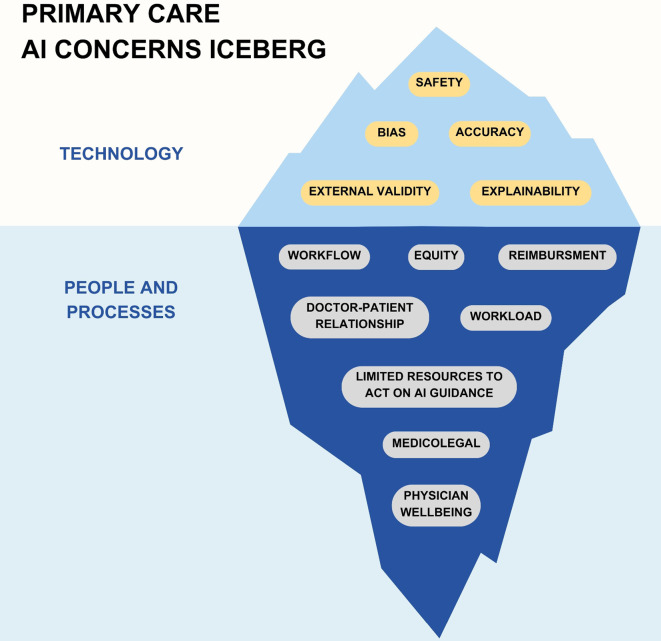
Background: Artificial intelligence (AI) is a rapidly advancing field that is beginning to enter the practice of medicine. Primary care is a cornerstone of medicine and deals with challenges such as physician shortage and burnout which impact patient care. AI and its application via digital health is increasingly presented as a possible solution. However, there is a scarcity of research focusing on primary care physician (PCP) attitudes toward AI. This study examines PCP views on AI in primary care. We explore its potential impact on topics pertinent to primary care such as the doctor-patient relationship and clinical workflow. By doing so, we aim to inform primary care stakeholders to encourage successful, equitable uptake of future AI tools. Our study is the first to our knowledge to explore PCP attitudes using specific primary care AI use cases rather than discussing AI in medicine in general terms. Methods: From June to August 2023, we conducted a survey among 47 primary care physicians affiliated with a large academic health system in Southern California. The survey quantified attitudes toward AI in general as well as concerning two specific AI use cases. Additionally, we conducted interviews with 15 survey respondents. Results: Our findings suggest that PCPs have largely positive views of AI. However, attitudes often hinged on the context of adoption. While some concerns reported by PCPs regarding AI in primary care focused on technology (accuracy, safety, bias), many focused on people-and-process factors (workflow, equity, reimbursement, doctor-patient relationship). Conclusion: Our study offers nuanced insights into PCP attitudes towards AI in primary care and highlights the need for primary care stakeholder alignment on key issues raised by PCPs. AI initiatives that fail to address both the technological and people-and-process concerns raised by PCPs may struggle to make an impact.
Overview
The claims and statistics of this paper haven’t been checked yet.
Free: it reads the open-access text and checks the first 5 claims that cite a source we can check. Create a free account to check every claim.
Integrity signals
Registry
Cites
Statistics
Figures
Verification
Claims the paper makes
The claims and statistics of this paper haven’t been checked yet.
Free: it reads the open-access text and checks the first 5 claims that cite a source we can check. Create a free account to check every claim.
Claims other papers make about this one
Each is checked against this paper’s own text: does it say what the citing paper says it does?
The check wasn’t confident either way, so it gives no verdict — never disputed.
In the citing paper
“A handful of studies could be clearly assigned as “natural language processing models” [29–32] or “rule-based expert systems” [33–36].”
From Healthcare professionals’ perspectives on artificial intelligence in patient care: a systematic review of hindering and facilitating factors on different levels (2025) · cites this paper as [31]
Experimental — accuracy not yet measuredThe check wasn’t confident either way, so it gives no verdict — never disputed.
In the citing paper
“In terms of medical decision-making in clinical settings, most studies reported on benefits relating to a better diagnostic quality in either improved sensitivity and specificity or reducing the likelihood of missed diagnoses [31, 33, 38, 44, 46, 52, 55, 60–75].”
From Healthcare professionals’ perspectives on artificial intelligence in patient care: a systematic review of hindering and facilitating factors on different levels (2025) · cites this paper as [31]
Experimental — accuracy not yet measured
Self-check
Percentages, sums and reported differences re-computed from the paper’s own numbers.
The self-check needs the paper’s full text.
Citations
Cites
Contribution of Primary Care to Health Systems and Health
STARFIELD, B., SHI, L., & MACINKO, J. (2005) · The Milbank Quarterly · doi:10.1111/j.1468-0009.2005.00409.x · Cited by 5,507
Explainability for artificial intelligence in healthcare: a multidisciplinary perspective
the Precise4Q consortium, Amann, J., Blasimme, A., Vayena, E., Frey, D., & Madai, V. I. (2020) · BMC Medical Informatics and Decision Making · doi:10.1186/s12911-020-01332-6 · Cited by 2,203
Internet Health Information Seeking and the Patient-Physician Relationship: A Systematic Review
Tan, S. S.-L., & Goonawardene, N. (2017) · Journal of Medical Internet Research · doi:10.2196/jmir.5729 · Cited by 1,101
Wong, A., Otles, E., Donnelly, J. P., Krumm, A., McCullough, J., DeTroyer-Cooley, O., Pestrue, J., Phillips, M., Konye, J., Penoza, C., et al. (2021) · JAMA Internal Medicine · doi:10.1001/jamainternmed.2021.2626 · Cited by 995
Arndt, B. G., Beasley, J. W., Watkinson, M. D., Temte, J. L., Tuan, W.-J., Sinsky, C. A., & Gilchrist, V. J. (2017) · The Annals of Family Medicine · doi:10.1370/afm.2121 · Cited by 972 · cited 1×
“This shift toward digital health is already occurring albeit in an unscheduled and uncompensated way [45, 74, 75].”
BackgroundArtificial intelligence, bias and clinical safety
Challen, R., Denny, J., Pitt, M., Gompels, L., Edwards, T., & Tsaneva-Atanasova, K. (2019) · BMJ Quality & Safety · doi:10.1136/bmjqs-2018-008370 · Cited by 956 · cited 1×
“Some of our identified concerns about AI adoption in healthcare, including lack of exter-nal validity, potential for bias, and safety issues, have been well-documented in the literature [48–50].”
BackgroundThe impact of artificial intelligence in medicine on the future role of the physician
Ahuja, A. S. (2019) · PeerJ · doi:10.7717/peerj.7702 · Cited by 789 · cited 1×
“Our work also highlights the evolving role of the primary care physician [64].”
BackgroundArtificial Intelligence in Medicine: Today and Tomorrow
Briganti, G., & Le Moine, O. (2020) · Frontiers in Medicine · doi:10.3389/fmed.2020.00027 · Cited by 743
The New Medical-Industrial Complex
Relman, A. S. (1980) · New England Journal of Medicine · doi:10.1056/nejm198010233031703 · Cited by 711
Socio-economic status of the patient and doctor–patient communication: does it make a difference?
Willems, S., De Maesschalck, S., Deveugele, M., Derese, A., & De Maeseneer, J. (2005) · Patient Education and Counseling · doi:10.1016/j.pec.2004.02.011 · Cited by 698 · cited 1×
“Previous literature has highlighted concerns that unequal knowledge or differing backgrounds in the doctor-patient relationship could exacerbate health inequity [72, 73].”
BackgroundThe Quadruple Aim: care, health, cost and meaning in work
Sikka, R., Morath, J. M., & Leape, L. (2015) · BMJ Quality & Safety · doi:10.1136/bmjqs-2015-004160 · Cited by 686
A framework for digital health equity
Richardson, S., Lawrence, K., Schoenthaler, A. M., & Mann, D. (2022) · npj Digital Medicine · doi:10.1038/s41746-022-00663-0 · Cited by 607 · cited 1×
“The transformation brought by AI should not inadvertently reinforce existing disparities, but rather serve as a tool to alleviate them [101].”
BackgroundImpact of the digital divide in the age of COVID-19
Ramsetty, A., & Adams, C. (2020) · Journal of the American Medical Informatics Association · doi:10.1093/jamia/ocaa078 · Cited by 599
Marrast, L. M., Zallman, L., Woolhandler, S., Bor, D. H., & McCormick, D. (2014) · JAMA Internal Medicine · doi:10.1001/jamainternmed.2013.12756 · Cited by 593 · cited 1×
“PCPs are often the first point of contact for patients and are central in providing healthcare to communities with limited access due to geographical, economic, or social factors [26–30].”
BackgroundThe Impact of Primary Care: A Focused Review
Shi, L. (2012) · Scientifica · doi:10.6064/2012/432892 · Cited by 535 · cited 1×
“Despite the foundational nature of primary care, this field has long endured a lack of attention, resources, and recognition compared to other medical specialties [31–33].”
Halbesleben, J. R. B., & Rathert, C. (2008) · Health Care Management Review · doi:10.1097/01.hmr.0000304493.87898.72 · Cited by 519 · cited 1×
“These are not selfish concerns as the well-being of physicians is intrinsically linked to patient outcomes and is aligned with the Quadruple Aim of healthcare [60, 61].”
BackgroundTime allocation in primary care office visits
Tai‐Seale, M., McGuire, T. G., & Zhang, W. (2007) · Health Services Research · doi:10.1111/j.1475-6773.2006.00689.x · Cited by 472
Self-citationLatulippe, K., Hamel, C., & Giroux, D. (2017) · Journal of Medical Internet Research · doi:10.2196/jmir.6731 · Cited by 458
Yao, R., Zhang, W., Evans, R., Cao, G., Rui, T., & Shen, L. (2022) · Journal of Medical Internet Research · doi:10.2196/34144 · Cited by 451 · cited 1×
“Our study recognizes the potential of technology to exacerbate or ameliorate existing inequalities in healthcare [20–24].”
BackgroundMurray, E., Lo, B., Pollack, L., Donelan, K., Catania, J., White, M., Zapert, K., & Turner, R. (2003) · Archives of Internal Medicine · doi:10.1001/archinte.163.14.1727 · Cited by 441 · cited 1×
“This change has had mixed effects on the doctor-patient relationship but can be positive if both parties engage in proper communication and shared-decision making [66–68].”
BackgroundGosden, T., Forland, F., Kristiansen, I., Sutton, M., Leese, B., Giuffrida, A., Sergison, M., & Pedersen, L. (2000) · Cochrane Database of Systematic Reviews · doi:10.1002/14651858.cd002215 · Cited by 428
Patient apprehensions about the use of artificial intelligence in healthcare
Richardson, J. P., Smith, C., Curtis, S., Watson, S., Zhu, X., Barry, B., & Sharp, R. R. (2021) · npj Digital Medicine · doi:10.1038/s41746-021-00509-1 · Cited by 424
Role of Artificial Intelligence Applications in Real-Life Clinical Practice: Systematic Review
Yin, J., Ngiam, K. Y., & Teo, H. H. (2021) · Journal of Medical Internet Research · doi:10.2196/25759 · Cited by 419 · cited 1×
“However, subsequent attention must be given to workflow integration and impact on physician well-being (Table 2) [86, 94].”
BackgroundPhysician Burnout in the Electronic Health Record Era: Are We Ignoring the Real Cause?
Downing, N. L., Bates, D. W., & Longhurst, C. A. (2018) · Annals of Internal Medicine · doi:10.7326/m18-0139 · Cited by 418 · cited 1×
“Failure to engage end users in the design of AI-powered digital health tools leads to inefficient or unsuccessful integration of these tools into clinical workflow leading to added clinician burnout and even patient harm [10, 18, 19].”
BackgroundLambert, S. I., Madi, M., Sopka, S., Lenes, A., Stange, H., Buszello, C.-P., & Stephan, A. (2023) · npj Digital Medicine · doi:10.1038/s41746-023-00852-5 · Cited by 404 · cited 1×
“Despite the foundational nature of primary care, this field has long endured a lack of attention, resources, and recognition compared to other medical specialties [31–33].”
The Application of Medical Artificial Intelligence Technology in Rural Areas of Developing Countries
Guo, J., & Li, B. (2018) · Health Equity · doi:10.1089/heq.2018.0037 · Cited by 401
Tai-Seale, M., Olson, C. W., Li, J., Chan, A. S., Morikawa, C., Durbin, M., Wang, W., & Luft, H. S. (2017) · Health Affairs · doi:10.1377/hlthaff.2016.0811 · Cited by 379 · cited 2×
“This shift toward digital health is already occurring albeit in an unscheduled and uncompensated way [45, 74, 75].”
BackgroundSelf-citationBlease, C., Kaptchuk, T. J., Bernstein, M. H., Mandl, K. D., Halamka, J. D., & DesRoches, C. M. (2019) · Journal of Medical Internet Research · doi:10.2196/12802 · Cited by 346 · cited 1×
“Despite so much on the line, there is limited literature on PCP views toward AI [15, 16].”
BackgroundStrohm, L., Hehakaya, C., Ranschaert, E. R., Boon, W. P. C., & Moors, E. H. M. (2020) · European Radiology · doi:10.1007/s00330-020-06946-y · Cited by 329 · cited 1×
“While the potential impact of AI in medicine has been long discussed, real-life, clinician-facing applications of AI have only recently become a reality [1–3].”
BackgroundThe social gradient in doctor-patient communication
Verlinde, E., De Laender, N., De Maesschalck, S., Deveugele, M., & Willems, S. (2012) · International Journal for Equity in Health · doi:10.1186/1475-9276-11-12 · Cited by 307 · cited 1×
“Previous literature has highlighted concerns that unequal knowledge or differing backgrounds in the doctor-patient relationship could exacerbate health inequity [72, 73].”
BackgroundPrimary Care: Proposed Solutions To The Physician Shortage Without Training More Physicians
Bodenheimer, T. S., & Smith, M. D. (2013) · Health Affairs · doi:10.1377/hlthaff.2013.0234 · Cited by 301 · cited 1×
“These concerns are not unfounded with previous literature proposing using technology to add capacity as one of the solutions to keep up with the increasing physician shortage [55, 56].”
BackgroundTen Ways Artificial Intelligence Will Transform Primary Care
Lin, S. Y., Mahoney, M. R., & Sinsky, C. A. (2019) · Journal of General Internal Medicine · doi:10.1007/s11606-019-05035-1 · Cited by 248 · cited 1×
“This has contributed to a comparative lack of AI progress and implementation in primary care in spite of huge need and potential [9, 22, 34–36].”
BackgroundRedesigning Primary Care: A Strategic Vision To Improve Value By Organizing Around Patients’ Needs
Porter, M. E., Pabo, E. A., & Lee, T. H. (2013) · Health Affairs · doi:10.1377/hlthaff.2012.0961 · Cited by 245 · cited 1×
“However, digital health is likely more well suited for value-based primary care that would incentivize and provide flexibility for physicians to engage in asynchronous, population-level digital health tools [99].”
BackgroundMarwaha, J. S., Landman, A. B., Brat, G. A., Dunn, T., & Gordon, W. J. (2022) · npj Digital Medicine · doi:10.1038/s41746-022-00557-1 · Cited by 241 · cited 1×
“Failure to engage end users in the design of AI-powered digital health tools leads to inefficient or unsuccessful integration of these tools into clinical workflow leading to added clinician burnout and even patient harm [10, 18, 19].”
BackgroundInnovative technologies and social inequalities in health: A scoping review of the literature
Weiss, D., Rydland, H. T., Øversveen, E., Jensen, M. R., Solhaug, S., & Krokstad, S. (2018) · PLOS ONE · doi:10.1371/journal.pone.0195447 · Cited by 240
Green, L. V., Savin, S., & Lu, Y. (2013) · Health Affairs · doi:10.1377/hlthaff.2012.1086 · Cited by 237 · cited 1×
“These concerns are not unfounded with previous literature proposing using technology to add capacity as one of the solutions to keep up with the increasing physician shortage [55, 56].”
Stange, K. C., & Ferrer, R. L. (2009) · The Annals of Family Medicine · doi:10.1370/afm.1023 · Cited by 235
Joyce, K., Smith-Doerr, L., Alegria, S., Bell, S., Cruz, T., Hoffman, S. G., Noble, S. U., & Shestakofsky, B. (2021) · Socius: Sociological Research for a Dynamic World · doi:10.1177/2378023121999581 · Cited by 234 · cited 1×
“AI systems are particularly at risk of worsening health equity due to factors like potentially biased data becoming engrained in AI systems or unequal distribution of newly developed AI tools [25].”
BackgroundFraming the challenges of artificial intelligence in medicine
Yu, K.-H., & Kohane, I. S. (2019) · BMJ Quality & Safety · doi:10.1136/bmjqs-2018-008551 · Cited by 233 · cited 1×
“Some of our identified concerns about AI adoption in healthcare, including lack of exter-nal validity, potential for bias, and safety issues, have been well-documented in the literature [48–50].”
BackgroundTai-Seale, M., Dillon, E. C., Yang, Y., Nordgren, R., Steinberg, R. L., Nauenberg, T., Lee, T. C., Meehan, A., Li, J., Chan, A. S., et al. (2019) · Health Affairs · doi:10.1377/hlthaff.2018.05509 · Cited by 226 · cited 1×
“The failure of health systems to identify proper ways of allocating time, resources, and standards to these new ways of interacting with patients has already had substantial consequences [77].”
BackgroundSelf-citationIyanna, S., Kaur, P., Ractham, P., Talwar, S., & Najmul Islam, A. K. M. (2022) · Journal of Business Research · doi:10.1016/j.jbusres.2022.08.007 · Cited by 225 · cited 1×
“In addition, greater research is needed on how patients—especially those that may be marginalized—are experiencing a shift toward AI and digital health in primary care [105, 106].”
BackgroundPredictors and Outcomes of Burnout in Primary Care Physicians
Rabatin, J., Williams, E., Baier Manwell, L., Schwartz, M. D., Brown, R. L., & Linzer, M. (2016) · Journal of Primary Care & Community Health · doi:10.1177/2150131915607799 · Cited by 214 · cited 1×
“These developments stand to make a substantial impact in primary care, a field that is currently grappling with high rates of physician burnout, inadequate compensation, and a growing shortage of physicians [7–9].”
BackgroundProfessionalism and Medicine's Social Contract with Society
Cruess, S. R. (2006) · Clinical Orthopaedics & Related Research · doi:10.1097/01.blo.0000229275.66570.97 · Cited by 211 · cited 1×
“Ensuring a positive impact of AI on the doctor-patient relationship is essential to maintaining medicine’s social contract with society [70].”
BackgroundAn exploration of the value of the personal doctor-patient relationship in general practice.
(2001) · Europe PMC (PubMed Central) · Cited by 195
López, L., Green, A. R., Tan-McGrory, A., King, R. S., & Betancourt, J. R. (2011) · The Joint Commission Journal on Quality and Patient Safety · doi:10.1016/s1553-7250(11)37055-9 · Cited by 190 · cited 1×
“Our study recognizes the potential of technology to exacerbate or ameliorate existing inequalities in healthcare [20–24].”
BackgroundProfessional Dissonance and Burnout in Primary Care: A Qualitative Study
Agarwal, S. D., Pabo, E., Rozenblum, R., & Sherritt, K. M. (2020) · JAMA Internal Medicine · doi:10.1001/jamainternmed.2019.6326 · Cited by 182 · cited 3×
“Failure to engage end users in the design of AI-powered digital health tools leads to inefficient or unsuccessful integration of these tools into clinical workflow leading to added clinician burnout and even patient harm [10, 18, 19].”
BackgroundAssessing the impact of the COVID-19 pandemic on clinician ambulatory electronic health record use
Holmgren, A. J., Downing, N. L., Tang, M., Sharp, C., Longhurst, C., & Huckman, R. S. (2022) · Journal of the American Medical Informatics Association · doi:10.1093/jamia/ocab268 · Cited by 181 · cited 3×
“This shift toward digital health is already occurring albeit in an unscheduled and uncompensated way [45, 74, 75].”
BackgroundMethodWhat is Digital Health? Review of Definitions
Fatehi, F., Samadbeik, M., & Kazemi, A. (2020) · Studies in Health Technology and Informatics · doi:10.3233/shti200696 · Cited by 179 · cited 1×
“These use cases, characterized by their remote and asynchronous elements, also fall under the broader category of digital health [37].”
BackgroundBridging the implementation gap of machine learning in healthcare
Seneviratne, M. G., Shah, N. H., & Chu, L. (2020) · BMJ Innovations · doi:10.1136/bmjinnov-2019-000359 · Cited by 173 · cited 1×
“AI-assisted chronic disease management, diagnostic support, and administrative work (such as documentation, billing, and patient messaging) have significant potential to improve medicine and to take some burden off physicians allowing them to focus on physician-level patient care [4].”
BackgroundMedical Student Perspectives on the Impact of Artificial Intelligence on the Practice of Medicine
Park, C. J., Yi, P. H., & Siegel, E. L. (2021) · Current Problems in Diagnostic Radiology · doi:10.1067/j.cpradiol.2020.06.011 · Cited by 167
Luo, A., Qin, L., Yuan, Y., Yang, Z., Liu, F., Huang, P., & Xie, W. (2022) · Journal of Medical Internet Research · doi:10.2196/23354 · Cited by 167 · cited 1×
“These positive effects also hinge on factors such as strong patient health information literacy and adequate doctor-patient communication time [69].”
BackgroundVan Riel, N., Auwerx, K., Debbaut, P., Van Hees, S., & Schoenmakers, B. (2017) · BJGP Open · doi:10.3399/bjgpopen17x100833 · Cited by 159 · cited 1×
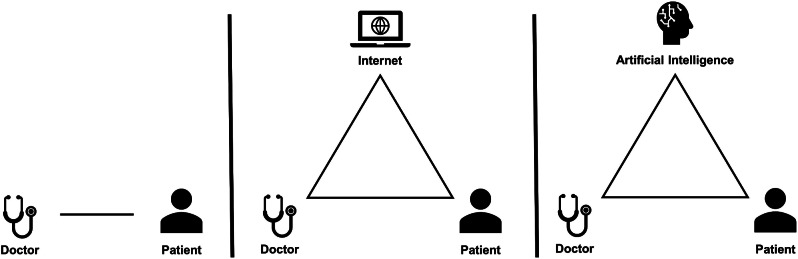
“Once commonly viewed as the source of medical truth, physicians now coexist with “Dr. Google,” a digital repository of health information that empowers patients to engage proactively in their own care [65].”
BackgroundPetterson, S. M., Liaw, W. R., Tran, C., & Bazemore, A. (2015) · The Annals of Family Medicine · doi:10.1370/afm.1760 · Cited by 150
General Practitioners’ Attitudes Toward Artificial Intelligence–Enabled Systems: Interview Study
Buck, C., Doctor, E., Hennrich, J., Jöhnk, J., & Eymann, T. (2022) · Journal of Medical Internet Research · doi:10.2196/28916 · Cited by 147 · cited 1×
“Despite so much on the line, there is limited literature on PCP views toward AI [15, 16].”
BackgroundPrimary care providers’ experiences caring for complex patients in primary care: a qualitative study
Loeb, D. F., Bayliss, E. A., Candrian, C. B., deGruy, F. V., & Binswanger, I. A. (2016) · BMC Family Practice · doi:10.1186/s12875-016-0433-z · Cited by 146 · cited 1×
“Identifying when other team members can review and act upon AI-produced guidance while maintaining the PCP in the loop could mitigate concerns around the possibility of AI and digital health creating more work for physicians [82, 83].”
Artificial intelligence and primary care research: a scoping review
Kueper, J. K., Terry, A. L., Zwarenstein, M., & Lizotte, D. J. (2020) · The Annals of Family Medicine · doi:10.1370/afm.2518 · Cited by 143 · cited 1×
“We propose that more end-user engagement with clinicians discussing tangible, specific use cases of clinical AI is needed [17].”
BackgroundAltruism, Self-interest, and Medical Ethics
Pellegrino, E. D. (1987) · JAMA: The Journal of the American Medical Association · doi:10.1001/jama.1987.03400140101036 · Cited by 141
The evolution of digital health technologies in cardiovascular disease research
Zwack, C. C., Haghani, M., Hollings, M., Zhang, L., Gauci, S., Gallagher, R. D., & Redfern, J. (2023) · npj Digital Medicine · doi:10.1038/s41746-022-00734-2 · Cited by 140
The efficacy of primary care for vulnerable population groups.
Blumenthal, D., Mort, E. A., & Edwards, J. (1995) · PubMed · Cited by 137
Implementing Optimal Team-Based Care to Reduce Clinician Burnout
American College of Physicians, Smith, C. D., Balatbat, C., National Academy of Medicine, Corbridge, S., University of Illinois at Chicago, Dopp, A. L., American Society of Health-System Pharmacists, Fried, J., Hospital of the University of Pennsylvania, et al. (2018) · NAM Perspectives · doi:10.31478/201809c · Cited by 128 · cited 2×
“Identifying when other team members can review and act upon AI-produced guidance while maintaining the PCP in the loop could mitigate concerns around the possibility of AI and digital health creating more work for physicians [82, 83].”
BackgroundThe Impact of Digital-First Consultations on Workload in General Practice: Modeling Study
Salisbury, C., Murphy, M., & Duncan, P. (2020) · Journal of Medical Internet Research · doi:10.2196/18203 · Cited by 124 · cited 1×
“Further, PCP panel sizes are already felt to be excessive and a fear regarding AI being used to justify the addition of patients may be rational [57–59].”
BackgroundShared Decision Making in Health Care: Theoretical Perspectives for Why It Works and For Whom
Resnicow, K., Catley, D., Goggin, K., Hawley, S. T., & Williams, G. C. (2021) · Medical Decision Making · doi:10.1177/0272989x211058068 · Cited by 124 · cited 1×
“Primary care physicians have a mix of concern and optimism about how AI may do the same information could complicate collaborative decision-making [71].”
BackgroundThe Impact of Digital-First Consultations on Workload in General Practice: Modeling Study (Preprint)
Salisbury, C., Murphy, M., & Duncan, P. (2020) · doi:10.2196/preprints.18203 · Cited by 124
Thomas Craig, K. J., Willis, V. C., Gruen, D., Rhee, K., & Jackson, G. P. (2021) · Journal of the American Medical Informatics Association · doi:10.1093/jamia/ocaa301 · Cited by 123 · cited 1×
“Rather, AI should be used as an opportunity to address primary care challenges such as helping deliver better care while preventing physician burnout [96].”
BackgroundDigital Health Interventions to Enhance Prevention in Primary Care: Scoping Review
Willis, V. C., Thomas Craig, K. J., Jabbarpour, Y., Scheufele, E. L., Arriaga, Y. E., Ajinkya, M., Rhee, K. B., & Bazemore, A. (2022) · JMIR Medical Informatics · doi:10.2196/33518 · Cited by 118 · cited 1×
“AI-powered digital tools for chronic disease management and disease screening augmented by remote patient monitoring systems will likely become increasingly common [78, 79].”
BackgroundThe Burden of Inbox Notifications in Commercial Electronic Health Records
Murphy, D. R., Meyer, A. N. D., Russo, E., Sittig, D. F., Wei, L., & Singh, H. (2016) · JAMA Internal Medicine · doi:10.1001/jamainternmed.2016.0209 · Cited by 116 · cited 1×
“Inbox burden is a well-known problem, but it is only the beginning of asynchronous digital versus synchronous in-person workload conflict in primary care [76].”
BackgroundObstructive sleep apnea: a growing problem.
Motamedi, K. K., McClary, A. C., & Amedee, R. G. (2009) · PubMed Central · Cited by 111
Health Care IT: Process, People, Patients and Interdisciplinary Considerations
Payton, F. C., Paré, G., Montréal, H., Rouge, C. M. L., & Reddy, M. C. (2011) · Journal of the Association for Information Systems · doi:10.17705/1jais.00259 · Cited by 109 · cited 1×
“1) [46].”
Streeter, R. A., Snyder, J. E., Kepley, H., Stahl, A. L., Li, T., & Washko, M. M. (2020) · PLOS ONE · doi:10.1371/journal.pone.0231443 · Cited by 97 · cited 1×
“This concern for physician well-being is especially pertinent in the context of primary care—a cornerstone of healthcare critical for providing access to underserved populations that is chronically undervalued by the healthcare system [62, 63].”
BackgroundArtificial Intelligence in Hypertension Management: An Ace up Your Sleeve
Visco, V., Izzo, C., Mancusi, C., Rispoli, A., Tedeschi, M., Virtuoso, N., Giano, A., Gioia, R., Melfi, A., Serio, B., et al. (2023) · Journal of Cardiovascular Development and Disease · doi:10.3390/jcdd10020074 · Cited by 93 · cited 1×
“This approach has potential to help primary care physicians give precise hypertension care based on unique patient characteristics while also giving them tools and efficiencies to do so at a population level [42–44].”
BackgroundPajama time: working after work in the electronic health record
Saag, H. S., Shah, K., Jones, S. A., Testa, P. A., & Horwitz, L. I. (2019) · Journal of General Internal Medicine · doi:10.1007/s11606-019-05055-x · Cited by 90 · cited 1×
“Currently, PCPs already engage in this sort of work but they do it at the expense of time with their patients or their families [75, 90].”
BackgroundDigital health and primary care: Past, pandemic and prospects
Pagliari, C. (2021) · Journal of Global Health · doi:10.7189/jogh.11.01005 · Cited by 89 · cited 2×
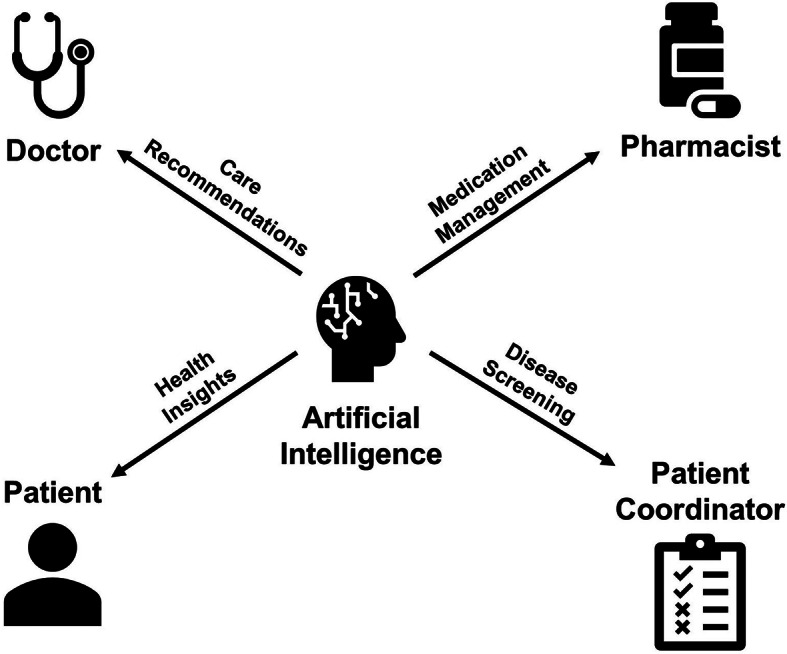
“Further, use of clinical AI is part of a broader shift in medicine toward “digital health” where many aspects of medical care are conducted remotely, mediated by a technological intermediary leading to potential improvements in efficiency and access [5, 6].”
BackgroundA Primary Care Panel Size of 2500 Is neither Accurate nor Reasonable
Raffoul, M. C., Moore, M. A., Kamerow, D. B., & Bazemore, A. (2016) · The Journal of the American Board of Family Medicine · doi:10.3122/jabfm.2016.04.150317 · Cited by 87 · cited 1×
“Further, PCP panel sizes are already felt to be excessive and a fear regarding AI being used to justify the addition of patients may be rational [57–59].”
BackgroundHealth Professional Shortage and Health Status and Health Care Access
Liu, J. (2007) · Journal of Health Care for the Poor and Underserved · doi:10.1353/hpu.2007.0062 · Cited by 86 · cited 1×
“This concern for physician well-being is especially pertinent in the context of primary care—a cornerstone of healthcare critical for providing access to underserved populations that is chronically undervalued by the healthcare system [62, 63].”
BackgroundDeclining altruism in medicine
Jones, R. F. (2002) · BMJ · doi:10.1136/bmj.324.7338.624 · Cited by 81
Hilty, D. M., Torous, J., Parish, M. B., Chan, S. R., Xiong, G., Scher, L., & Yellowlees, P. M. (2021) · Telemedicine and e-Health · doi:10.1089/tmj.2020.0054 · Cited by 81 · cited 1×
“However, enabling PCPs with time, team members, and incentives to use AI-powered digital tools that handle some aspects of care remotely and asynchronously could facilitate more meaningful, effective, and focused in-person clinic visits [86–88].”
BackgroundRamesh, J., Keeran, N., Sagahyroon, A. A., & Aloul, F. (2021) · Healthcare · doi:10.3390/healthcare9111450 · Cited by 81 · cited 1×
“This initiative builds upon prior research employing electronic health record (EHR) data to identify individuals at high risk of OSA [39, 40].”
MethodFrimpong, J. A., Jackson, B. E., Stewart, L. M., Singh, K. P., Rivers, P. A., & Bae, S. (2013) · BMC Health Services Research · doi:10.1186/1472-6963-13-35 · Cited by 78 · cited 1×
“Safety-net health systems, federally qualified health centers, rural areas, and other practice settings that could be left out need to be included in the primary care AI revolution [102–104].”
BackgroundTeam-Based Care: A Critical Element of Primary Care Practice Transformation
Goldberg, D. G., Beeson, T., Kuzel, A. J., Love, L. E., & Carver, M. C. (2013) · Population Health Management · doi:10.1089/pop.2012.0059 · Cited by 77 · cited 2×
“Another consideration is: how can AI be integrated into patient-centered, team-based primary care [81]?”
BackgroundLin, S. (2022) · The Journal of the American Board of Family Medicine · doi:10.3122/jabfm.2022.01.210226 · Cited by 77
Improving Care Coordination in Primary Care
Wagner, E. H., Sandhu, N., Coleman, K., Phillips, K. E., & Sugarman, J. R. (2014) · Medical Care · doi:10.1097/mlr.0000000000000197 · Cited by 69 · cited 1×
“3) [84].”
The Doctor-Patient Relationship With Artificial Intelligence
Aminololama-Shakeri, S., & López, J. E. (2019) · American Journal of Roentgenology · doi:10.2214/ajr.18.20509 · Cited by 68
Development of an entirely remote, non‐physician led hypertension management program
Fisher, N. D. L., Fera, L. E., Dunning, J. R., Desai, S., Matta, L., Liquori, V., Pagliaro, J., Pabo, E., Merriam, M., MacRae, C. A., et al. (2019) · Clinical Cardiology · doi:10.1002/clc.23141 · Cited by 68
How Will Artificial Intelligence Affect Patient-Clinician Relationships?
Nagy, M. R., & Sisk, B. A. (2020) · The AMA Journal of Ethic · doi:10.1001/amajethics.2020.395 · Cited by 67 · cited 1×
“For example, despite the crucial role of the doctor-patient relationship in medicine, the impact of AI and digital health on this essential component of primary care remains underexplored [12–14].”
BackgroundTerry, A. L., Kueper, J. K., Beleno, R., Brown, J. B., Cejic, S., Dang, J., Leger, D., McKay, S., Meredith, L., Pinto, A. D., et al. (2022) · BMC Medical Informatics and Decision Making · doi:10.1186/s12911-022-01984-6 · Cited by 64 · cited 1×
“Our study expands upon these concerns highlighting that, for clinicians, the mechanics of AI itself may take a back seat to its potential impact on their professional lives, personal well-being, and their relationships with patients [51].”
BackgroundIs It Time for a New Medical Specialty?: The Medical Virtualist
Nochomovitz, M., & Sharma, R. (2018) · JAMA · doi:10.1001/jama.2017.17094 · Cited by 62 · cited 1×
“We propose that experimenting with hybrid in-person and virtual work schedules could empower physicians to actualize the potential of digital health [80].”
BackgroundAssociation of physician burnout with perceived EHR work stress and potentially actionable factors
Tai‐Seale, M., Baxter, S. L., Millen, M. M., Cheung, M. W., Zisook, S., Çelebi, J., Polston, G. R., Sun, B. K., Gross, E. A., Helsten, T. L., et al. (2023) · Journal of the American Medical Informatics Association · doi:10.1093/jamia/ocad136 · Cited by 61 · cited 1×
“We argue that concerns such as apprehension about increased workload stem from a broader sentiment among PCPs that advancements in healthcare often prioritize productivity over physician well-being or put financial considerations over human relationships [52– 54].”
BackgroundSelf-citationAssociation Between Electronic Health Record Time and Quality of Care Metrics in Primary Care
Rotenstein, L. S., Holmgren, A. J., Healey, M. J., Horn, D. M., Ting, D. Y., Lipsitz, S., Salmasian, H., Gitomer, R., & Bates, D. W. (2022) · JAMA Network Open · doi:10.1001/jamanetworkopen.2022.37086 · Cited by 56 · cited 1×
“More time spent on digital avenues of care has also been shown to improve quality of care metrics [89].”
BackgroundManiaci, A., Riela, P. M., Iannella, G., Lechien, J. R., Mantia, I. L., VINCENTIIS, M. D., Cammaroto, G., Calvo‐Henríquez, C., Luca, M. D., Chiesa-Estomba, C. M., et al. (2023) · Life · doi:10.3390/life13030702 · Cited by 54 · cited 1×
“This initiative builds upon prior research employing electronic health record (EHR) data to identify individuals at high risk of OSA [39, 40].”
MethodThe myth of standardized workflow in primary care
Holman, G. T., Beasley, J. W., Karsh, B.-T., Stone, J. A., Smith, P. D., & Wetterneck, T. B. (2016) · Journal of the American Medical Informatics Association · doi:10.1093/jamia/ocv107 · Cited by 47 · cited 1×
“Designing standardized primary care workflow is challenging [85].”
BackgroundMuller, A. E., Berg, R. C., Jardim, P. S. J., Johansen, T. B., & Ormstad, S. S. (2022) · Telemedicine Journal and e-Health · doi:10.1089/tmj.2021.0399 · Cited by 40 · cited 1×
“AI-powered digital tools for chronic disease management and disease screening augmented by remote patient monitoring systems will likely become increasingly common [78, 79].”
BackgroundArtificial Intelligence and Family Medicine: Better Together
Liaw, W., & Kakadiaris, I. A. (2020) · Family Medicine · doi:10.22454/fammed.2020.881454 · Cited by 39
Personalized hypertension treatment recommendations by a data-driven model
Hu, Y., Huerta, J., Cordella, N., Mishuris, R. G., & Paschalidis, I. C. (2023) · BMC Medical Informatics and Decision Making · doi:10.1186/s12911-023-02137-z · Cited by 38 · cited 2×
“This approach has potential to help primary care physicians give precise hypertension care based on unique patient characteristics while also giving them tools and efficiencies to do so at a population level [42–44].”
BackgroundAmano, A., Brown‐Johnson, C. G., Winget, M., Sinha, A., Shah, S., Sinsky, C. A., Sharp, C., Shanafelt, T. D., & Skeff, K. M. (2023) · JAMA Network Open · doi:10.1001/jamanetworkopen.2023.13178 · Cited by 36 · cited 2×
“However, there is concern that if AI is poorly integrated it could exacerbate the “dis-connect between professional values and the realities of primary care practice” [10, 11].”
BackgroundPrimary Care Artificial Intelligence: A Branch Hiding in Plain Sight
Liaw, W., & Kakadiaris, I. A. (2020) · The Annals of Family Medicine · doi:10.1370/afm.2533 · Cited by 26
Choudhury, A., Asan, O., & Medow, J. E. (2022) · JMIR Human Factors · doi:10.2196/38411 · Cited by 22 · cited 1×
“Previous literature has shown that such non-technical factors are essential to promote uptake of new technologies [95].”
BackgroundUnderrepresented Minority Family Physicians More Likely to Care for Vulnerable Populations
Jetty, A., Hyppolite, J., Eden, A. R., Taylor, M. K., & Jabbarpour, Y. (2022) · The Journal of the American Board of Family Medicine · doi:10.3122/jabfm.2022.02.210280 · Cited by 20
Interest in Serving the Underserved: Role of Race, Gender, and Medical Specialty Plans
Salhi, R. A., Dupati, A., & Burkhardt, J. (2022) · Health Equity · doi:10.1089/heq.2022.0064 · Cited by 19 · cited 1×
“PCPs are often the first point of contact for patients and are central in providing healthcare to communities with limited access due to geographical, economic, or social factors [26–30].”
BackgroundPatient Registries in Primary Care: Essential Element for Quality Improvement
Molina‐Ortiz, E. I., Vega, A., & Calman, N. (2012) · Mount Sinai Journal of Medicine A Journal of Translational and Personalized Medicine · doi:10.1002/msj.21328 · Cited by 16 · cited 1×
“Our institution is exploring a digital health strategy for hypertension management, integrating home blood pressure measurements and AI-powered clinical decision support through a panel-level registry [41, 42].”
Background‘The best interest of patients, not self-interest’: how clinicians understand altruism
Sajjad, M., Qayyum, S., Iltaf, S., & Khan, R. A. (2021) · BMC Medical Education · doi:10.1186/s12909-021-02908-0 · Cited by 15
Davlyatov, G. K., Borkowski, N. M., Feldman, S. S., Qu, H., Burke, D. E., BRONSTEIN, J. M., & Brickman, A. L. (2019) · Journal for Healthcare Quality · doi:10.1097/jhq.0000000000000231 · Cited by 14 · cited 1×
“Safety-net health systems, federally qualified health centers, rural areas, and other practice settings that could be left out need to be included in the primary care AI revolution [102–104].”
BackgroundConsiderations for Patient Panel Size
Harrington, C. (2022) · Delaware Journal of Public Health · doi:10.32481/djph.2022.12.034 · Cited by 13
PURSUING PRACTICAL PROFESSIONALISM: FORM FOLLOWS FUNCTION
Phillips, R. L., Bazemore, A., & Newton, W. P. (2019) · The Annals of Family Medicine · doi:10.1370/afm.2457 · Cited by 7
Is Artificial Intelligence the Key to Reclaiming Relationships in Primary Care?
Liaw, W. R., Kakadiaris, I. A., & Zhou, Y. (2021) · PubMed · Cited by 3
Research works printed but not linked: 3
- Zimlichman E, Nicklin W, Aggarwal R, Bates D, Health Care. 2030: The Coming Transformation. NEJM Catal Innov Care Deliv [Internet]. (March 1, 2021). Available from: https://catalyst.nejm.org/doi/full/10.1056/CAT.20.0569. · doi:10.1056/cat.20.0569
- Committee on Implementing High-Quality Primary Care, Board on Health Care Services, Health and Medicine Division, National Academies of Sciences, Engineering, and Medicine. Implementing High-Quality Primary Care: Rebuilding the Foundation of Health Care [Internet]. McCauley L, Phillips RL, Meisnere M, Robinson SK, editors. Washington, D.C.: National Academies Press.; 2021 [cited 2023 Jul 27]. Available from: https://www.nap.edu/catalog/25983. 34251766
- AMA Future of Health issue brief: Commercial Payer Coverage for Digital Medicine Codes. American Medical Association [Internet]. 2023 Sep 18 [cited 2023 Sep 26]; Available from: https://www.ama-assn.org/practice-management/digital/ama-future-health-issue-brief-commercial-payer-coverage-digital.
Cited by
Abdelwanis, M., Simsekler, M. C. E., Gabor, A. F., Sleptchenko, A., & Omar, M. (2025) · Safety Science · doi:10.1016/j.ssci.2025.107028 · Cited by 102
Henzler, D., Schmidt, S., Koçar, A., Herdegen, S., Lindinger, G. L., Maris, M. T., Bak, M. A. R., Willems, D. L., Tan, H. L., Lauerer, M., et al. (2025) · BMC Health Services Research · doi:10.1186/s12913-025-12664-2 · Cited by 54
“In terms of medical decision-making in clinical settings, most studies reported on benefits relating to a better diagnostic quality in either improved sensitivity and specificity or reducing the likelihood of missed diagnoses [31, 33, 38, 44, 46, 52, 55, 60–75].”
InfluentialBehavioral health and generative AI: a perspective on future of therapies and patient care
Sezgın, E., & McKay, I. T. (2024) · npj Mental Health Research · doi:10.1038/s44184-024-00067-w · Cited by 81
AI and Primary Care: Scoping Review
Katonai, G., Árvai, N., & Meskó, B. (2025) · Journal of Medical Internet Research · doi:10.2196/65950 · Cited by 46
“A mixed-methods study identified equity, workflow, and technical challenges as key barriers to AI implementation [93].”
Battelino, T., Lalic, N. M., Hussain, S., Ceriello, A., Majanović, S. K., Davies, S., Topsever, P., Heverly, J., Ulivi, F., Brady, K., et al. (2025) · Diabetes Research and Clinical Practice · doi:10.1016/j.diabres.2025.112111 · Cited by 36
Metadata
- Authors
- Allen, M. R., Webb, S., Mandvi, A., Frieden, M., Tai-Seale, M., & Kallenberg, G.
- Affiliations
- University of California San Diego (US)
- Corresponding author
- Allen, Matthew R.
- Venue
- BMC Primary Care
- Published
- 2024-01-27
- Volume
- 25
- Issue
- 1
- Pages
- 42-42
- ISSN
- 1471-2296 (ISSN-L)
- 2731-4553
- PMC
- PMC10821550
- OpenAlex
- W4391275549
- Cited by
- 100
- References
- 105
- Citations by year
- 2026: 38 · 2025: 51 · 2024: 11
- FWCI
- 9.35
- Type
- journal article
- Language
- en
- Open access
- gold
- doi.org
- Licence
- cc-by
- creativecommons.org/licenses/by/4.0 (tdm)
- creativecommons.org/licenses/by/4.0 (vor)
- Locations
- BMC Family Practice (publishedVersion, cc-by)
- PubMed Central (publishedVersion, cc-by)
- PubMed (publishedVersion)
- eScholarship (California Digital Library) (submittedVersion, cc-by)
- eScholarship (California Digital Library) (submittedVersion)
- DOAJ (DOAJ: Directory of Open Access Journals) (submittedVersion, cc-by-sa)
- Funders
- UC San Diego School of Medicine
- American Board of Family Medicine
- Topics
- Health Sciences › Medicine › Health Informatics › Artificial Intelligence in Healthcare and Education
- Health Sciences › Health Professions › Health Information Management › Electronic Health Records Systems
- Physical Sciences › Computer Science › Artificial Intelligence › Ethics and Social Impacts of AI
- Keywords
- artificial intelligence in healthcare, physician attitudes, primary care, physician-patient relationship, clinical workflow, artificial intelligence adoption, digital health, algorithmic bias, health equity, physician reimbursement, physician burnout
- MeSH terms
- Artificial Intelligence, Drive, Humans, Physician-Patient Relations, Physicians, Primary Health Care
About these checks
Registry, retraction, Cites and statistics results are computed, not judged, with one exception: a printed reference that no index lists is read once by a model before it counts as a citation error. Claims are extracted by a model and kept only when their quote appears verbatim in the text; each cited source is then checked, with a model’s help, for whether it says what the claim relies on. Those verdicts can be wrong — read the claim’s quote and the cited source before relying on one.
Statistics and arithmetic are recomputed, not judged.
Confidence bands are shown only for fields calibrated on our annotated test set. None is calibrated yet, so no band is shown.
What counts as a claim ›How we measure confidence ›How we check this ›
Are you an author, or do you see a problem with this page? Request a review
Data sources
Bibliographic data: Semantic Scholar, OpenAlex, Crossref.
Contains information from the Semantic Scholar Academic Graph Datasets, made available under the ODC Attribution License (ODC-BY 1.0).
Semantic Scholar’s data is described in: Kinney, R., et al. (2023). The Semantic Scholar Open Data Platform. arXiv:2301.10140.
