

Dysbiosis, gut barrier dysfunction and inflammation in dementia: a pilot study
Open accessPublished version of a preprint
The DOI matches its Crossref record; 73 of the 73 references it cites were found in a registry or an index.
Abstract
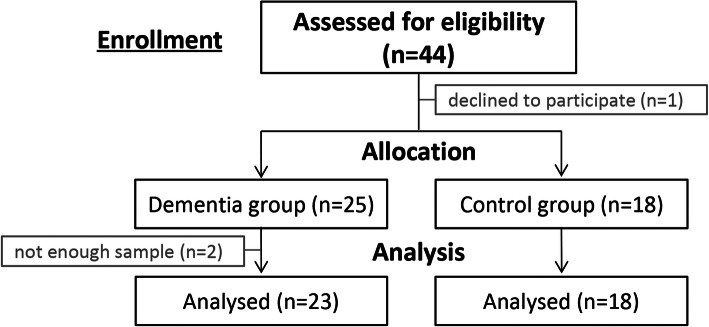
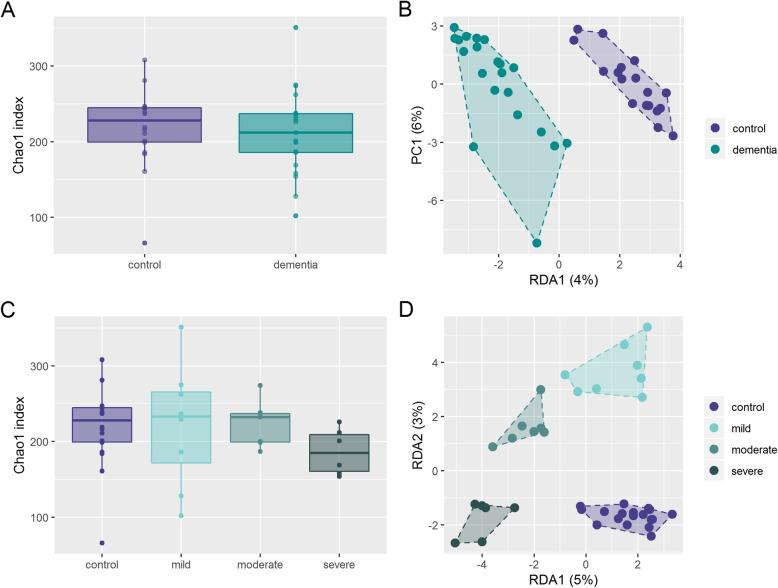
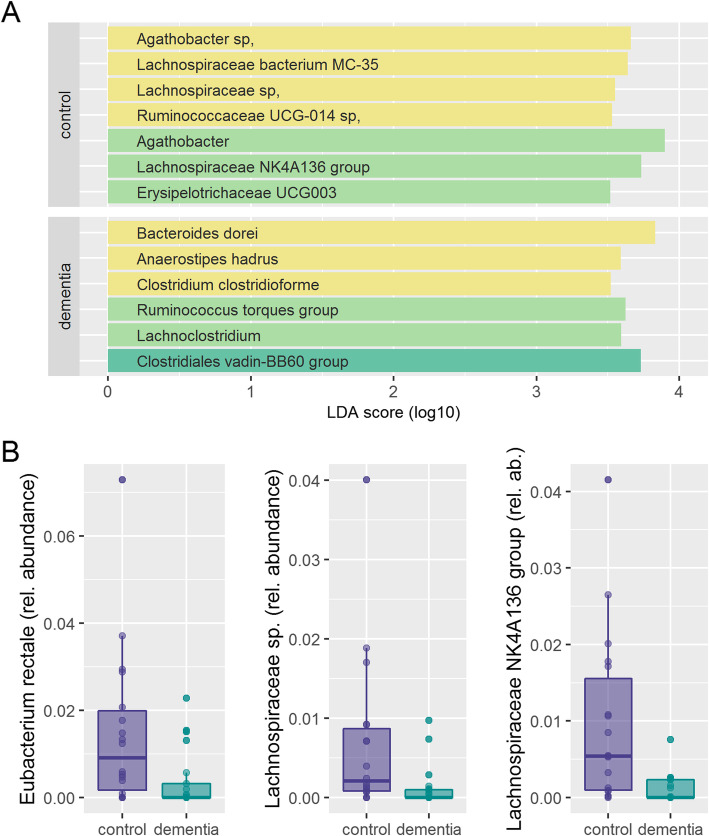
Background: Dementia is an increasing public health threat worldwide. The pathogenesis of dementia has not been fully elucidated yet. Inflammatory processes are hypothesized to play an important role as a driver for cognitive decline but the origin of inflammation is not clear. We hypothesize that disturbances in gut microbiome composition, gut barrier dysfunction, bacterial translocation and resulting inflammation are associated with cognitive dysfunction in dementia. Methods: To test this hypothesis, a cohort of 23 patients with dementia and 18 age and sex matched controls without cognitive impairments were studied. Gut microbiome composition, gut barrier dysfunction, bacterial translocation and inflammation were assessed from stool and serum samples. Malnutrition was assessed by Mini Nutritional Assessment Short Form (MNA-SF), detailed information on drug use was collected. Microbiome composition was assessed by 16S rRNA sequencing, QIIME 2 and Calypso 7.14 tools. Results: Dementia was associated with dysbiosis characterized by differences in beta diversity and changes in taxonomic composition. Gut permeability was increased as evidenced by increased serum diamine oxidase (DAO) levels and systemic inflammation was confirmed by increased soluble cluster of differentiation 14 levels (sCD14). BMI and statin use had the strongest impact on microbiome composition. Conclusion: Dementia is associated with changes in gut microbiome composition and increased biomarkers of gut permeability and inflammation. Lachnospiraceae NK4A136 group as potential butyrate producer was reduced in dementia. Malnutrition and drug intake were factors, that impact on microbiome composition. Increasing butyrate producing bacteria and targeting malnutrition may be promising therapeutic targets in dementia. Trial registration: NCT03167983 .
Overview
The claims and statistics of this paper haven’t been checked yet.
Free: it reads the open-access text and checks the first 5 claims that cite a source we can check. Create a free account to check every claim.
Integrity signals
Registry
Cites
Statistics
Figures
Verification
Claims the paper makes
The claims and statistics of this paper haven’t been checked yet.
Free: it reads the open-access text and checks the first 5 claims that cite a source we can check. Create a free account to check every claim.
Claims other papers make about this one
Each is checked against this paper’s own text: does it say what the citing paper says it does?
The source backs part of the claim, not all of it — or backs it for a different population, condition or comparison.
In the citing paper
“This condition, known as intestinal permeability or leaky gut, has been implicated in the pathophysiology of various GI, as well as extraintestinal disorders [120,121,122], including PD [117,123,124,125,126,127,128]”
From The Interplay between Gut Microbiota and Parkinson’s Disease: Implications on Diagnosis and Treatment (2022) · cites this paper as [120]
Experimental — accuracy not yet measured
Self-check
Percentages, sums and reported differences re-computed from the paper’s own numbers.
The self-check needs the paper’s full text.
Citations
Cites
1 retracted
Zhu, Q. R., Huang, L., Zhu, J., Lu, J., & Qin, H. (2018) · Mechanisms of Ageing and Development · doi:10.1016/j.mad.2018.11.001 · Cited by 4
RetractedR: A Language and Environment for Statistical Computing
R Core Team (2025) · doi:10.32614/r.manuals · Cited by 352,181
Folstein, M. F., Folstein, S. E., & McHugh, P. R. (1975) · Journal of Psychiatric Research · doi:10.1016/0022-3956(75)90026-6 · Cited by 88,282 · cited 1×
“The Mini-Mental State Examination [19] and the clock drawing test [20] were used to quantify cognitive function.”
MethodDADA2: High–resolution sample inference from Illumina amplicon data
Callahan, B. J., McMurdie, P. J., Rosen, M. J., Han, A. W., Johnson, A. J. A., & Holmes, S. P. (2016) · Nature Methods · doi:10.1038/nmeth.3869 · Cited by 35,698 · cited 2×
“Denoising (primers removing, quality filtering, correcting errors in marginal sequences, removing chimeric sequences, removing singletons, joining paired-end reads, and dereplication) was done with DADA2 [25].”
MethodClassification and Regression by randomForest
Liaw, A. I., & Wiener, M. C. (2007) · Cited by 18,594
Metagenomic biomarker discovery and explanation
Segata, N., Izard, J., Waldron, L., Gevers, D., Miropolsky, L., Garrett, W. S., & Huttenhower, C. (2011) · Genome Biology · doi:10.1186/gb-2011-12-6-r60 · Cited by 16,192 · cited 1×
“Feature selection was performed using the supervised machine learning tool Linear Discriminant analysis Effect Size (LEfSe) [29].”
Methodmice: Multivariate Imputation by Chained Equations in R
Buuren, S. V., & Groothuis-Oudshoorn, K. (2011) · Journal of Statistical Software · doi:10.18637/jss.v045.i03 · Cited by 13,870
Database resources of the National Center for Biotechnology Information: update
Wheeler, D. L. (2004) · Nucleic Acids Research · doi:10.1093/nar/gkh073 · Cited by 10,641
Applied and Environmental Microbiology
(2018) · Applied and Environmental Microbiology · doi:10.1128/eissn.1098-5336 · Cited by 5,297
Host microbiota constantly control maturation and function of microglia in the CNS
Erny, D., Hrabě de Angelis, A. L., Jaitin, D., Wieghofer, P., Staszewski, O., David, E., Keren-Shaul, H., Mahlakoiv, T., Jakobshagen, K., Buch, T., et al. (2015) · Nature Neuroscience · doi:10.1038/nn.4030 · Cited by 3,569 · cited 2×
“Microglia maturation and function is critically dependent on short-chain fatty acids produced by the gut microbiome and therefore highlights the microbiome as a potential diagnostic and therapeutic target in dementia [3].”
Background
Research works printed but not linked: 3
- Dementia WHO fact sheet 2016
- S3-Leitlinie Demenzen Deutsche Gesellschaft für Neurologie, Hrsg. Leitlinien für Diagnostik und Therapie in der Neurologie 2016
- Rundel C Cetinkaya-Rundel M Clyde M Banks D statsr: Companion package for statistics with 2018
Cited by
Shi, H., Ge, X., Ma, X., Zheng, M., Cui, X., Pan, W., Zheng, P., Yang, X., Zhang, P., Hu, M., et al. (2021) · Microbiome · doi:10.1186/s40168-021-01172-0 · Cited by 247
“For example, intestinal permeability is increased in dementia patients with endotoxemia, a threefold increase in serum lipopolysaccharide (LPS, the major outer membrane component of Gram-negative bacteria) [12, 13].”
BackgroundThe intestinal barrier in disorders of the central nervous system
Pellegrini, C., Fornai, M., D'Antongiovanni, V., Antonioli, L., Bernardini, N., & Derkinderen, P. (2023) · The Lancet Gastroenterology & Hepatology · doi:10.1016/s2468-1253(22)00241-2 · Cited by 239
Mitrea, L., Nemeş, S.-A., Szabo, K., Teleky, B.-E., & Vodnar, D.-C. (2022) · Frontiers in Medicine · doi:10.3389/fmed.2022.813204 · Cited by 237
Microbiota from Alzheimer’s patients induce deficits in cognition and hippocampal neurogenesis
Grabrucker, S., Marizzoni, M., Silajdžić, E., Lopizzo, N., Mombelli, E., Nicolas, S., Dohm-Hansen, S., Scassellati, C., Moretti, D. V., Rosa, M., et al. (2023) · Brain · doi:10.1093/brain/awad303 · Cited by 236
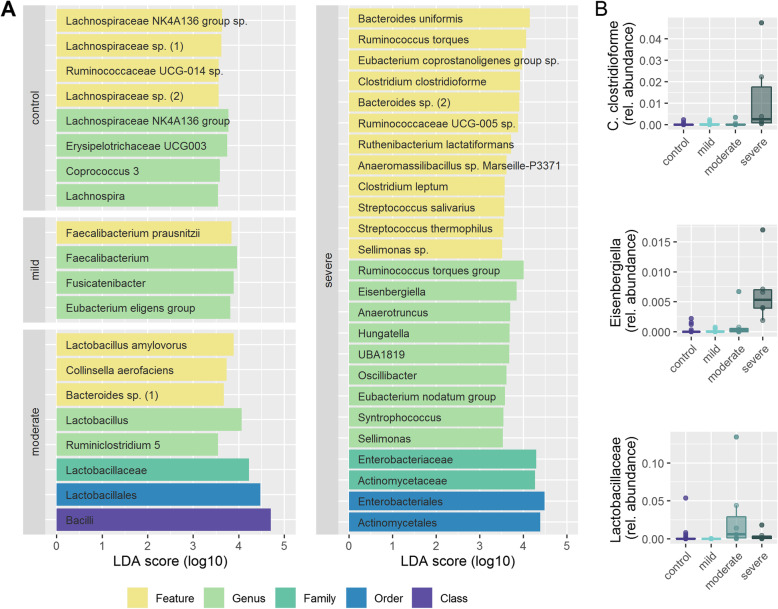
“This is interesting considering a previously published observation that genus Eisenbergiella increases with severity of cognitive impairment 117 and that genus Desulfovibrio was negatively correlated with MMSE scores.”
Leibovitzh, H., Lee, S.-H., Xue, M., Raygoza Garay, J. A., Hernandez-Rocha, C., Madsen, K. L., Meddings, J. B., Guttman, D. S., Espin-Garcia, O., Smith, M. I., et al. (2022) · Gastroenterology · doi:10.1053/j.gastro.2022.07.004 · Cited by 202
Companys, J., Gosalbes, M. J., Pla-Pagà, L., Calderón-Pérez, L., Llauradó, E., Pedret, A., Valls, R. M., Jiménez-Hernández, N., Sandoval-Ramirez, B. A., del Bas, J. M., et al. (2021) · Nutrients · doi:10.3390/nu13062032 · Cited by 195
“Accordingly, a study in mice demonstrated that the Lachnospiraceae NK4A136 genus exerts protective and anti-inflammatory effects as a potential butyrate producer [8,25].”
BackgroundThe human gut microbiome and aging
Bradley, E., & Haran, J. (2024) · Gut Microbes · doi:10.1080/19490976.2024.2359677 · Cited by 173
“116 Higher biomarkers of intestinal permeability have also been shown to be associated with increasing frailty.”
BackgroundGut microbiome, cognitive function and brain structure: a multi-omics integration analysis
Liang, X., Fu, Y., Cao, W.-T., Wang, Z., Zhang, K., Jiang, Z., Jia, X., Liu, C.-Y., Lin, H.-R., Zhong, H., et al. (2022) · Translational Neurodegeneration · doi:10.1186/s40035-022-00323-z · Cited by 173
“In the present GNHS study involving more than 1000 participants, we did not find significant correlations between α-diversity and cognitive function, which was consistent with a previous study conducted in European participants [26].”
ResultGenetic correlations between Alzheimer’s disease and gut microbiome genera
Cammann, D., Lu, Y., Cummings, M. J., Zhang, M. L., Cue, J. M., Do, J., Ebersole, J., Chen, X., Oh, E. C., Cummings, J. L., et al. (2023) · Scientific Reports · doi:10.1038/s41598-023-31730-5 · Cited by 163
The Immunopathogenesis of Alzheimer’s Disease Is Related to the Composition of Gut Microbiota
Leblhuber, F., Ehrlich, D., Steiner, K., Geisler, S., Fuchs, D., Lanser, L., & Kurz, K. (2021) · Nutrients · doi:10.3390/nu13020361 · Cited by 159
Bile acids as key modulators of the brain-Gut-Microbiota axis in alzheimer’s disease
Mulak, A. (2021) · Journal of Alzheimer s Disease · doi:10.3233/jad-210608 · Cited by 114
di Vito, R., Conte, C., & Traina, G. (2022) · Cells · doi:10.3390/cells11162617 · Cited by 120
Alterations in the Gut-Microbial-Inflammasome-Brain Axis in a Mouse Model of Alzheimer’s Disease
Shukla, P. K., Delotterie, D. F., Xiao, J., Pierre, J. F., Rao, R., McDonald, M. P., & Khan, M. M. (2021) · Cells · doi:10.3390/cells10040779 · Cited by 103
Ding, Q., Cao, F., Lai, S., Zhuge, H., Chang, K., Valencak, T. G., Liu, J., Li, S., & Ren, D. (2022) · Food Research International · doi:10.1016/j.foodres.2022.111259 · Cited by 106
Heravi, F. S., Naseri, K., & Hu, H. (2023) · Nutrients · doi:10.3390/nu15204365 · Cited by 126
“, Firmicutes, and Proteobacteria as prevalent in the gut microbiota in both the healthy and the case groups (Figure 3).”
BackgroundGuigoz, Y., & Vellas, B. (2021) · The Journal of nutrition, health and aging · doi:10.1007/s12603-021-1601-y · Cited by 93
Zheng, M., Ye, H., Yang, X., Shen, L., Dang, X., Liu, X., Gong, Y., Wu, Q., Wang, L., Ge, X., et al. (2023) · Brain Behavior and Immunity · doi:10.1016/j.bbi.2023.11.016 · Cited by 106
Varesi, A., Campagnoli, L. I. M., Fahmideh, F., Pierella, E., Romeo, M., Ricevuti, G., Nicoletta, M., Chirumbolo, S., & Pascale, A. (2022) · International Journal of Molecular Sciences · doi:10.3390/ijms232012289 · Cited by 88
Matheson, J.-A. T., & Holsinger, R. M. D. (2023) · International Journal of Molecular Sciences · doi:10.3390/ijms24021001 · Cited by 104
The gut microbiome and Alzheimer’s disease: Complex and bidirectional interactions
Tarawneh, R. M., & Penhos, E. (2022) · Neuroscience & Biobehavioral Reviews · doi:10.1016/j.neubiorev.2022.104814 · Cited by 97
Vascular dementia: From pathobiology to emerging perspectives
Morgan, A. E., & Auley, M. T. M. (2024) · Ageing Research Reviews · doi:10.1016/j.arr.2024.102278 · Cited by 116
“In fact, dementia is associated with changes in the beta diversity and taxonomic composition of the gut microbiome (Stadlbauer et al., 2020).”
BackgroundXie, Y., Zou, X., Han, J., Zhang, Z., Feng, Z., Ouyang, Q., Hua, S., Liu, Z., Li, C., Cai, Y., et al. (2022) · Experimental Neurology · doi:10.1016/j.expneurol.2022.114081 · Cited by 80
Alzheimer’s Disease and Diabetes: Role of Diet, Microbiota and Inflammation in Preclinical Models
Carranza-Naval, M. J., Vargas-Soria, M., Hierro‐Bujalance, C., Baena‐Nieto, G., García-Alloza, M., Infante‐Garcia, C., & del Marco, À. (2021) · Biomolecules · doi:10.3390/biom11020262 · Cited by 88
Dysbiotic change in gastric microbiome and its functional implication in gastric carcinogenesis
Park, J., Seo, H., Kang, C.-S., Shin, T.-S., Kim, J. W., Park, J., Kim, J. G., & Kim, Y. (2022) · Scientific Reports · doi:10.1038/s41598-022-08288-9 · Cited by 82
Białecka-Dębek, A., Granda, D., Szmidt, M. K., & Zielińska, D. (2021) · Nutrients · doi:10.3390/nu13082514 · Cited by 75
“Similar results concerning lower counts of Eubacterium rectale in demented patients have recently been obtained in the Austrian population [53].”
BackgroundResultContribution of Gut Microbiota to Immunological Changes in Alzheimer’s Disease
van Olst, L., Roks, S. J. M., Kamermans, A., Verhaar, B. J. H., van der Geest, A. M., Muller, M., van der Flier, W. M., & de Vries, H. E. (2021) · Frontiers in Immunology · doi:10.3389/fimmu.2021.683068 · Cited by 74
Wanapaisan, P., Chuansangeam, M., Nopnipa, S., Mathuranyanon, R., Nonthabenjawan, N., Ngamsombat, C., Thientunyakit, T., & Muangpaisan, W. (2022) · Neurodegenerative Diseases · doi:10.1159/000526947 · Cited by 72
L., K., Ng, T. K. S., Wee, H. N., & Ching, J. (2023) · Mechanisms of Ageing and Development · doi:10.1016/j.mad.2023.111787 · Cited by 58
Butyrate: More Than a Short Chain Fatty Acid
Elfadil, O. M., Mundi, M. S., Abdelmagid, M. G., Patel, A., Patel, N., & Martindale, R. G. (2023) · Current Nutrition Reports · doi:10.1007/s13668-023-00461-4 · Cited by 71
Targeting DNA Methylation in the Adult Brain through Diet
Allison, J., Kaliszewska, A., Uceda, S., Reiriz, M., & Arias, N. (2021) · Nutrients · doi:10.3390/nu13113979 · Cited by 68
Pei, Y., Yan, L., Li, H., Jiang, C., & Wang, L. (2023) · Frontiers in Aging Neuroscience · doi:10.3389/fnagi.2023.1174599 · Cited by 65
Escalante, J., Artaiz, O., Diwakarla, S., & McQuade, R. M. (2024) · GeroScience · doi:10.1007/s11357-024-01451-2 · Cited by 70
“Over the past several decades, substantial research has been undertaken to better understand the role of the intestinal barrier in neurological decline [121, 122, 135, 152].”
The role of the gastrointestinal barrier in obesity‐associated systemic inflammation
Acciarino, A., Diwakarla, S., Handreck, J., Bergola, C., Sahakian, L., & McQuade, R. M. (2023) · Obesity Reviews · doi:10.1111/obr.13673 · Cited by 61
“…intestinal barrier dysfunction and systemic inflammation has been described in several conditions, including nonalcoholic steatohepatitis, dementia, 27,28 autism, 29 anxiety/depression, 30,37 and chronic heart failure 38 ; however, by far, the most widely studied and well-characterized are IBD and…”
BackgroundDuan, M., Liu, F., Fu, H., Lu, S., & Wang, T. (2021) · Frontiers in Cellular and Infection Microbiology · doi:10.3389/fcimb.2021.592842 · Cited by 44
“, 2019) and opposite to findings obtained in dementia patients (Stadlbauer et al., 2020).”
ResultBilenduke, E., Sterrett, J. D., Ranby, K. W., Borges, V. F., Grigsby, J., Carr, A. L., Kilbourn, K., & Lowry, C. A. (2022) · Scientific Reports · doi:10.1038/s41598-022-23793-7 · Cited by 39
Influence of human gut microbiome on the healthy and the neurodegenerative aging
Borrego-Ruiz, A., & Borrego, J. J. (2024) · Experimental Gerontology · doi:10.1016/j.exger.2024.112497 · Cited by 48
Yamashiro, K., Takabayashi, K., Kamagata, K., Nishimoto, Y., Togashi, Y., Yamauchi, Y., Ogaki, K., Li, Y., Hatano, T., Motoi, Y., et al. (2024) · Neurobiology of Disease · doi:10.1016/j.nbd.2024.106464 · Cited by 41
“More-over, a significant decreasing trend of some genera was observed in the order of the NC, MCI, and AD groups, including Anaerostipes , Roseburia , Lachnospiraceae UCG-004, Ruminococcaceae UCG-013, and [ Rumino-coccus ] gnavus group, which are known to produce butyrate and other SCFAs (Louis and Flint, 2017).”
ResultInfluentialYin, C., Zhang, M., Jin, S., Zhou, Y., Ding, L., Lv, Q., Huang, Z., Zhou, J., Chen, J., Wang, P., et al. (2024) · Phytomedicine · doi:10.1016/j.phymed.2024.155725 · Cited by 45
Talkington, G. M., Kolluru, P., Gressett, T. E., Ismael, S., Umar, M., Acquarone, M., Solch-Ottaiano, R. J., White, A., Ouvrier, B., Paré, K., et al. (2025) · Frontiers in Neurology · doi:10.3389/fneur.2024.1465787 · Cited by 49
Sex-Dependent Effects of Intestinal Microbiome Manipulation in a Mouse Model of Alzheimer’s Disease
Kaur, H., Nookala, S., Singh, S., Mukundan, S., Nagamoto-Combs, K., & Combs, C. K. (2021) · Cells · doi:10.3390/cells10092370 · Cited by 37
“Prior work reported a similar increase in AD mice associated with increased severity of cognitive impairment, most likely by disrupting mucosal barrier function and increasing intestinal permeability [49,50].”
BackgroundZhang, Q., Guan, G., Liu, J., Hu, W., & Jin, P. (2024) · mBio · doi:10.1128/mbio.02943-23 · Cited by 45
Zhang, M., Mo, R., Wang, H., Liu, T., Zhang, G., & Wu, Y. (2023) · The FASEB Journal · doi:10.1096/fj.202300819rr · Cited by 39
“47,48 Compared with healthy dogs, dogs suffering from chronic or acute enteritis showed reduced secondary bile acids in the feces, accompanied by intestinal microbial dysbiosis.”
BackgroundIs Gut Microbiota a Key Player in Epilepsy Onset? A Longitudinal Study in Drug-Naive Children
Ceccarani, C., Viganò, I., Ottaviano, E., Redaelli, M. G., Severgnini, M., Vignoli, A., & Borghi, E. (2021) · Frontiers in Cellular and Infection Microbiology · doi:10.3389/fcimb.2021.749509 · Cited by 42
“, known butyrate-producing bacteria with anti-inflammatory properties (Sokol et al., 2008; Stadlbauer et al., 2020).”
BackgroundDisease- and stage-specific alterations of the oral and fecal microbiota in Alzheimer's disease
Troci, A., Philippen, S., Rausch, P., Rave, J., Weyland, G., Niemann, K., Jessen, K., Schmill, L.-P. A., Aludin, S., Franke, A., et al. (2023) · PNAS Nexus · doi:10.1093/pnasnexus/pgad427 · Cited by 36
“…the genus Roseburia , which all harbor species that produce the metabolite butyrate, and their decrease have been previously associated with AD (42, 56) and also Parkinson (57) although the general role of microbiota-derived short-chain fatty acids (SCFAs) in AD is discussed controversially (58).”
BackgroundrobustHD: An R package for robust regression with high-dimensional data
Alfons, A. (2021) · The Journal of Open Source Software · doi:10.21105/joss.03786 · Cited by 36
“It has been used in many benchmarking studies in the statistical literature (e.g., Chang et al., 2018; Cohen Freue et al., 2019; Kurnaz et al., 2018b; Smucler & Yohai, 2017), as well as in empirical research (e.g., Antczak-Orlewska et al., 2021; Stadlbauer et al., 2020).”
MethodSamat, H. N. A., Razali, N. N., Mahadzir, H., Muhammad, T. S. T., Ling, K., Mansor, N. I., & Abidin, S. Z. (2025) · International Journal of Molecular Sciences · doi:10.3390/ijms26188905 · Cited by 39
“The results of these experiments were consistent with other studies that found a correlation between gut dysbiosis and decreased levels of Lachnospiraceae , Ruminococcaceae , or Anaerostipes in AD patients [96,119].”
Schmit, K. J., Garcia, P., Sciortino, A., Aho, V. T. E., Rodriguez, B. P., Thomas, M. H., Gérardy, J., Acha, I. B., Halder, R., Cialini, C., et al. (2023) · Cell Reports · doi:10.1016/j.celrep.2023.113071 · Cited by 36
“NK4A136 group, which inversely correlates with risk for PD or dementia.(63) Additionally, Lachnospiraceae NK4A136 group and Roseburia are important butyrate producers, promoting proper gut barrier function.”
BackgroundKossowska, M., Olejniczak, S., Karbowiak, M., Mosiej, W., Zielińska, D., & Brzezicka, A. (2024) · Nutrients · doi:10.3390/nu16060852 · Cited by 42
“Additionally, Vogt et al.‘s study of AD patients and dementia participants elsewhere [20] found that these individuals exhibited reduced diversity in their gut microbiota when compared to normally aging control groups.”
BackgroundZhan, Y., Al‐Nusaif, M., Ding, C., Zhao, L., & Dong, C. (2023) · Frontiers in Neuroscience · doi:10.3389/fnins.2023.1130730 · Cited by 34
“org However, it is crucial to highlight that due to the difficulties of performing sugar absorption tests in people with dementia, blood, and stool indicators are typically employed clinically instead (Stadlbauer et al., 2020).”
BackgroundResultInfluentialPi, X., Teng, W., Fei, D., Zhao, G., & Liu, W. (2022) · Frontiers in Cellular and Infection Microbiology · doi:10.3389/fcimb.2022.821662 · Cited by 38
“Similarly, at the genus level, mice administered with both LCBE and GOS showed an increased abundance of the genera Lachnospiraceae NK4A136, a strain that has been reported to improve host health (Stadlbauer et al., 2020).”
BackgroundCheng, K.-W., Tseng, C.-H., Chen, I., Huang, B.-C., Liu, H.-J., Ho, K., Lin, W., Chuang, C.-H., Huang, M., Leu, Y.-L., et al. (2022) · Pharmacological Research · doi:10.1016/j.phrs.2022.106115 · Cited by 28
Escobar, A. P., Bonansco, C., Cruz, G., Dagnino‐Subiabre, A., Fuenzalida, M., Negrón-Oyarzo, I., Sotomayor‐Zárate, R., Martínez-Pinto, J., & Jorquera, G. (2023) · International Journal of Molecular Sciences · doi:10.3390/ijms241210083 · Cited by 38
“Patients with dementia show alterations in beta diversity and changes in taxonomic composition in gut microbiota when compared to controls; patients also present increased gut permeability and systemic inflammation [176].”
BackgroundKoh, Y., Lee, P., Kuo, Y., Nagabhushanam, K., Ho, C., & Pan, M. (2021) · Molecular Nutrition & Food Research · doi:10.1002/mnfr.202100434 · Cited by 30
Yadav, S. K., Ahmad, R., Moshfegh, C. M., Sankarasubramanian, J., Joshi, V., Elkhatib, S. K., Chhonker, Y. S., Murry, D. J., Talmon, G. A., Guda, C., et al. (2023) · Biological Psychiatry Global Open Science · doi:10.1016/j.bpsgos.2023.03.005 · Cited by 29
“Increased gut permeability has been associated with gut dysbiosis and in fl ammation in human neurological disease (46,47); however, experimental evidence is not well established.”
BackgroundTargets of statins intervention in LDL-C metabolism: Gut microbiota
Sun, C., Wang, Z., Hu, L., Zhang, X., Chen, J., Yu, Z., Liu, L., & Wu, M. (2022) · Frontiers in Cardiovascular Medicine · doi:10.3389/fcvm.2022.972603 · Cited by 29
Priori, E. C., Ratto, D., Luca, F. D., Sandionigi, A., Savino, E., Giammello, F., Romeo, M., Brandalise, F., Roda, E., & Rossi, P. (2023) · Biology · doi:10.3390/biology13010018 · Cited by 32
“[97,104,105] It is involved in the production of a few neurotransmitters, which play crucial roles in memory and cognitive function.”
BackgroundParra‐Martínez, C., Selma‐Royo, M., Leblic, B. C., Collado, M. C., Abril, N., & García‐Barrera, T. (2022) · Journal of Hazardous Materials · doi:10.1016/j.jhazmat.2022.129443 · Cited by 26
Kang, J., Lee, M., Park, M.-C., Lee, J., Lee, S., Park, J., Koyanagi, A., Smith, L., Nehs, C. J., Yon, D. K., et al. (2023) · Journal of Advanced Research · doi:10.1016/j.jare.2023.12.010 · Cited by 29
Cao, W., Xing, M., Liang, S., Shi, Y., Li, Z., & Zou, W. (2023) · Neurobiology of Disease · doi:10.1016/j.nbd.2023.106395 · Cited by 28
“Alterations in gut microbiome have been observed in neurodegenerative diseases such as Parkinson's and Alzheimer's diseases (AD) (Scheperjans et al., 2015; Stadlbauer et al., 2020).”
BackgroundResultMokrani, M., Charradi, K., Limam, F., Aouani, E., & Urdaci, M. C. (2022) · Gut Pathogens · doi:10.1186/s13099-022-00505-0 · Cited by 28
“GSSE also increased Ruminococcus 2 and Lachnospiraceae NK4A136 respectively a SCFA producer and a potential probiotic [73].”
BackgroundMilletich, P. L., Ahrens, A. P., Russell, J. T., Petrone, J. R., Berryman, M. A., Agardh, D., Ludvigsson, J. F., Triplett, E. W., & Ludvigsson, J. (2022) · Frontiers in Cellular and Infection Microbiology · doi:10.3389/fcimb.2022.920735 · Cited by 32
“Lachnospiraceae NK4A136 group is a butyrate producer correlated with both health and disease (Ma et al., 2020; Stadlbauer et al., 2020; Park et al., 2022).”
BackgroundImplication of Paraprobiotics in Age-Associated Gut Dysbiosis and Neurodegenerative Diseases
Rahman, Z., & Dandekar, M. P. (2022) · NeuroMolecular Medicine · doi:10.1007/s12017-022-08722-1 · Cited by 26
“Elevated biomarkers of gut permeability (serum diamine oxidase), inflammation, and alterations in gut microbiome composition were observed in dementia (Stadlbauer et al., 2020).”
BackgroundWu, B., Liu, Y., Zhen, J., Mou, P., Li, J., Xu, Z., & Song, B. (2022) · Ecotoxicology and Environmental Safety · doi:10.1016/j.ecoenv.2022.114037 · Cited by 24
“These were found in MDN group, the decreased Lachnospiraceae NK4A136 abundance group may indicate the injury of gut barrier (Stadlbauer et al., 2020).”
BackgroundSystems to model the personalized aspects of microbiome health and gut dysbiosis
Matthewman, C., Narin, A., Huston, H., & Hopkins, C. E. (2023) · Molecular Aspects of Medicine · doi:10.1016/j.mam.2022.101115 · Cited by 23
Liu, C., Wong, P. Y., Barua, N., Li, B., Wong, H. Y., Zhang, N., Chow, S. K., Wong, S. H., Yu, J. Q., Ip, M., et al. (2025) · Aging Cell · doi:10.1111/acel.14485 · Cited by 29
“Lachnospiraceae NK4A136 group as a potential butyrate producer also increased in FP and LF groups (Stadlbauer et al. 2020).”
Gut Microbiota as a Hidden Player in the Pathogenesis of Alzheimer’s Disease
Choi, H., Lee, D., & Mook‐Jung, I. (2022) · Journal of Alzheimer s Disease · doi:10.3233/jad-215235 · Cited by 24
Kim, S., Woo, S., Raza, S., Ho, D., Jeon, S. W., Chang, Y., Ryu, S., Kim, H., & Kim, H.-N. (2023) · Journal of Affective Disorders · doi:10.1016/j.jad.2023.04.003 · Cited by 29
Hochuli, N., Kadyan, S., Park, G., Patoine, C., & Nagpal, R. (2023) · Microbiome Research Reports · doi:10.20517/mrr.2023.39 · Cited by 32
She, J., Sun, L., Yu, Y., Fan, H., Li, X., Zhang, X., Zhuo, X., Guo, M., Liu, J., Liu, P., et al. (2024) · Gut Microbes · doi:10.1080/19490976.2024.2415487 · Cited by 24
“33,79 The effect of statin on the production of secondary bile acids (SBAs) by the gut microbiota has also been reported several times.”
BackgroundZhou, L., Yin, X., Fang, B., He, J., Zhan, J., Zhang, X., & Wang, R. (2024) · Microorganisms · doi:10.3390/microorganisms12030493 · Cited by 28
Gut instincts: Unveiling the connection between gut microbiota and Alzheimer's disease
Peddinti, V., Avaghade, M. M., Suthar, S. U., Rout, B., Gomte, S. S., Agnihotri, T. G., & Jain, A. (2024) · Clinical Nutrition ESPEN · doi:10.1016/j.clnesp.2024.02.019 · Cited by 25
Seo, H., Seong, H., Kim, G. Y., Jo, Y. M., Cheon, S. W., Song, Y., Ryu, B. H., Kang, H. J., & Han, N. S. (2021) · Frontiers in Microbiology · doi:10.3389/fmicb.2021.760476 · Cited by 23
Neto, J., Jantsch, J., Rodrigues, F. D. S., Squizani, S., Eller, S. C. W. D. S., de Oliveira, T. F., Silveira, A. K., Moreira, J. C. F., Giovenardi, M., Porawski, M., et al. (2022) · Physiology & Behavior · doi:10.1016/j.physbeh.2022.114068 · Cited by 23
Khan, Z., Mehan, S., Saifi, M. A., Gupta, G. D., Narula, A. S., & Kalfin, R. E. (2023) · Current Alzheimer Research · doi:10.2174/0115672050289946240223050737 · Cited by 25
Chen, Y., Xie, C., Lei, Y., Ye, D., Wang, L., Xiong, F., Wu, H., He, Q., Zhou, H., Li, L., et al. (2024) · Biomedicine & Pharmacotherapy · doi:10.1016/j.biopha.2024.116582 · Cited by 25
Flynn, C. M., Omoluabi, T., Janes, A. M., Rodgers, E. J., Torraville, S. E., Negandhi, B. L., Nobel, T. E., Mayengbam, S., & Yuan, Q. (2025) · Alzheimer s Research & Therapy · doi:10.1186/s13195-025-01674-1 · Cited by 26
Davrandi, M., Harris, S., Smith, P. J., Murray, C. D., & Lowe, D. M. (2021) · Journal of Clinical Immunology · doi:10.1007/s10875-021-01165-6 · Cited by 19
Precision Nutrition and Gut–Brain Axis Modulation in the Prevention of Neurodegenerative Diseases
Tuigunov, D. N., Sinyavskiy, Y. A., Nurgozhin, T. S., Zholdassova, Z., Smagul, G., Omarov, Y., Dolmatova, O., Yeshmanova, A., & Omarova, I. (2025) · Nutrients · doi:10.3390/nu17193068 · Cited by 28
“…has been shown to be linked with neurodegenerative diseases—such as dementia, Alzheimer’s disease, and Parkinson’s disease—as well as with neurodevelopmental disorders, including autism spectrum disorders, psychiatric conditions like depressive disorders, and with multiple sclerosis [35–40].”
The pharmacological evidence of the chang-yan-ning formula in the treatment of colitis
Yu, W., Zhang, Y., Kang, C., Zheng, Y., Liu, X., Liang, Z., & Yan, J. (2022) · Frontiers in Pharmacology · doi:10.3389/fphar.2022.1029088 · Cited by 18
“Moreover, the therapy facilitated the relative abundance of Lachnospiraceae NK4A136 and Faecalibaculum rodentium, which enhances gut barrier function (Ma et al., 2020; Stadlbauer et al., 2020) and protects from colorectal cancer (Hindson, 2020), respectively, pointing to an improvement in gut flora composition.”
BackgroundYe, M., Yang, J., Li, J., Wang, Y., Chen, W., Zhu, L., Wang, T., Liu, J., Geng, D., & Yu, Z. (2023) · Reviews of Environmental Contamination and Toxicology · doi:10.1007/s44169-023-00034-0 · Cited by 23
“Forsyth et al. first demonstrated abnormal gut permeability in PD patients (Forsyth et al. 2011), and a subsequent study found increased serum diamine oxidase, a marker of intestinal permeability, in serum samples from patients with dementia (Stadlbauer et al. 2020).”
BackgroundYuan, W., Xiao, J., Liao, H., Xie, Z., Zhao, Y., Li, C., Zhou, K., & Song, X. (2023) · Frontiers in Molecular Neuroscience · doi:10.3389/fnmol.2023.1207911 · Cited by 19
“, 2014), Lachnospiraceae_NK4A136_group genus (Hippe et al., 2011; Zhang J. et al., 2019; Stadlbauer et al., 2020), and Clostridiales_bacterium_CIEAF_020 species (Xu et al.”
Kim, G. H., Kim, B. R., Yoon, H., & Jeong, J. H. (2024) · Journal of Clinical Medicine · doi:10.3390/jcm13071944 · Cited by 17
“The remaining PAC000195 , PAC001043 , and PAC001335 , which were nega-J tively correlated with global SUVRs, belong to the family Lachnospiraceae , and the beneficial effects of butyrate-producing Lachnospiraceae have been reported in dementia [40].”
BackgroundKuziak, A., Heczko, P. B., Pietrzyk, A., & Strus, M. (2025) · Microorganisms · doi:10.3390/microorganisms13010122 · Cited by 15
“Additionally, their research explores the role of the microbiome and the impact of imbalances in circulating inflammatory biomarkers, including those of bacterial origin, in contributing to the pathology of Alzheimer’s disease (AD) [16,17].”
Zhou, J., Tang, M., Li, W., Fang, R., Tang, C., & Wang, Q. (2023) · Food Science and Human Wellness · doi:10.26599/fshw.2022.9250049 · Cited by 18
Alshammari, F. F., Al-Kuraishy, H. M., Shokr, M. M., Papadakis, M., Alexiou, A. T., & Batiha, G. E. (2025) · Inflammopharmacology · doi:10.1007/s10787-025-01940-6 · Cited by 15
“These findings highlight two potential therapeutic avenues: (1) augmentation of butyro-genic bacterial populations and (2) nutritional optimization strategies (Stadlbauer et al. 2020) .”
InfluentialNallappan, D., Chua, K. H., Ong, K. C., Chong, C. W., Teh, C. S. J., Palanisamy, U. D., & Kuppusamy, U. R. (2021) · Food & Function · doi:10.1039/d1fo00539a · Cited by 16
Kim, H., Seo, J., Park, T., Seo, K., Cho, H.-W., Chun, J. L., & Kim, K. H. (2023) · Scientific Reports · doi:10.1038/s41598-023-27846-3 · Cited by 28
Tun, X., Wang, E. J., Gao, Z., Lundberg, K. C., Xu, R., & Hu, D. (2023) · International Journal of Molecular Sciences · doi:10.3390/ijms24065697 · Cited by 14
“These findings in our mouse models were consistent with the observations that inflammatory cells were increased in human AD gut tissues [37], which may lead to gut barrier dysfunction [8].”
BackgroundResultProbiotic supplement as a promising strategy in early tau pathology prevention: Focusing on GSK-3β?
Flynn, C. M., & Yuan, Q. (2023) · Frontiers in Neuroscience · doi:10.3389/fnins.2023.1159314 · Cited by 15
“Changes in gut microbiota makeup as seen in AD can lead to increased intestinal barrier permeability and systemic inflammation (Stadlbauer et al., 2020).”
BackgroundNew Approaches to Profile the Microbiome for Treatment of Neurodegenerative Disease
Elmaleh, D. R., Downey, M. A., Kundakovic, L., Wilkinson, J. E., Neeman, Z., & Segal, E. (2021) · Journal of Alzheimer s Disease · doi:10.3233/jad-210198 · Cited by 14
Zyl, K. N. V., Whitelaw, A. C., Hesseling, A. C., Seddon, J. A., Demers, A., & Newton-Foot, M. (2021) · Scientific Reports · doi:10.1038/s41598-021-95409-5 · Cited by 17
The complicated relationship between inflammation and metabolic dysfunction
Abtin, S., Ziveh, T., & Rezaee-Tavirani, M. (2025) · Journal of Diabetes & Metabolic Disorders · doi:10.1007/s40200-025-01729-y · Cited by 16
“This process lets immune-stimulating substances from the intestine into the bloodstream, causing systemic inflammation [ 56 ].”
Sanders, O. D. (2022) · Journal of Alzheimer s Disease Reports · doi:10.3233/adr-220047 · Cited by 13
Li, H., Guan, H., Jia, Z., Liu, W., Ma, X., Liu, Y., Wang, H., & Zhou, Q. (2022) · Frontiers in Microbiology · doi:10.3389/fmicb.2022.944945 · Cited by 13
“Lachnospiraceae_NK4A136_group, which is a potential butyrate producer (Stadlbauer et al., 2020), and Ruminococcus and Prevotella, which can degrade cellulose and protein (Ziganshin et al.”
BackgroundHooper, M. J., LeWitt, T. M., Veon, F. L., Pang, Y., Chlipala, G. E., Feferman, L., Green, S. J., Sweeney, D., Bagnowski, K., Burns, M. B., et al. (2022) · JID Innovations · doi:10.1016/j.xjidi.2022.100132 · Cited by 11
“Reduced levels of Lachnospiraceae NK4A136 group in the gut have also been identified in patients with dementia and after Trichinella spiralis infection (Chen et al., 2021; Stadlbauer et al., 2020).”
BackgroundWang, K., Wang, H., Sun, Q., Kou, X., Yang, P., Zhai, X., Li, Y., Yang, S., & Wang, X. (2025) · International Immunopharmacology · doi:10.1016/j.intimp.2025.114707 · Cited by 12
Yang, Z., Wu, Y., Liu, X., Zhang, M., Peng, J., & Wei, H. (2022) · Nutrients · doi:10.3390/nu14173485 · Cited by 11
“Here, we observed that S. boulardii early intervention remarkedly increased the content of propanoic acid and isobutyric acid and had a trend to raise total SCFAs, butyric acid, isovaleric acid, and valeric acid.”
BackgroundInfluentialStyles, J. N., Egorov, A. I., Griffin, S. M., Klein, J., Scott, J. W., Sams, E. A., Hudgens, E., Mugford, C., Stewart, J. R., Lü, K., et al. (2023) · The Science of The Total Environment · doi:10.1016/j.scitotenv.2023.163266 · Cited by 12
Xie, Y., Guan, W., Zhao, Y., Yan, S., Guo, K., Chen, S., Hu, X., Shi, H., & Li, J. (2022) · Frontiers in Microbiology · doi:10.3389/fmicb.2022.978644 · Cited by 9
“The Lachnospiraceae_NK4A136_group represents a gut bacterium naturally inhabiting healthy individuals (Stadlbauer et al., 2020).”
BackgroundXu, X., Xu, Z., Yang, B., Yi, K., He, F., Sun, A., Li, J., Luo, Y., & Wang, J. (2023) · Animals · doi:10.3390/ani13193104 · Cited by 10
“Notably, the Lachnospiraceae NK4A136 group is a potential butyrate producer with protective and anti-inflammatory effects [41,46,47], and the Clostridiales vadinBB60 group is correlated with propionate production and urinary metabolites that may modulate the energy metabolism of the host [42,48].”
Background
Metadata
- Authors
- Stadlbauer, V., Engertsberger, L., Komarova, I., Feldbacher, N., Leber, B., Pichler, G., Fink, N., Scarpatetti, M., Schippinger, W., Schmidt, R., & Horvath, A.
- Affiliations
- Medical University of Graz (AT)
- Geriatrische Gesundheitszentren (AT)
- Corresponding author
- Stadlbauer, Vanessa
- ORCID
- Venue
- BMC Geriatrics
- Published
- 2020-07-20
- Volume
- 20
- Issue
- 1
- Pages
- 248-248
- ISSN
- 1471-2318 (ISSN-L)
- PMC
- PMC7372911
- OpenAlex
- W3043167826
- Cited by
- 182
- References
- 71
- Citations by year
- 2026: 20 · 2025: 29 · 2024: 30 · 2023: 41 · 2022: 41 · 2021: 21
- FWCI
- 8.35
- Type
- journal article
- Language
- en
- Open access
- gold
- doi.org
- Licence
- cc-by
- creativecommons.org/licenses/by/4.0 (tdm)
- creativecommons.org/licenses/by/4.0 (vor)
- Locations
- BMC Geriatrics (publishedVersion, cc-by)
- Research Square (acceptedVersion, cc-by)
- PubMed Central (publishedVersion, cc-by)
- PubMed (publishedVersion)
- DOAJ (DOAJ: Directory of Open Access Journals) (submittedVersion, cc-by-sa)
- Funders
- Österreichische Forschungsförderungsgesellschaft (Center for Biomarker Research in Medicine)
- Topics
- Life Sciences › Biochemistry, Genetics and Molecular Biology › Molecular Biology › Gut microbiota and health
- Health Sciences › Medicine › Gastroenterology › Gastrointestinal motility and disorders
- Health Sciences › Medicine › Psychiatry and Mental health › Dementia and Cognitive Impairment Research
- Keywords
- dementia, gut dysbiosis, gut microbiota, intestinal barrier dysfunction, intestinal permeability, bacterial translocation, systemic inflammation, cognitive decline, malnutrition, statin use, butyrate-producing bacteria, Lachnospiraceae NK4A136, soluble CD14, diamine oxidase, body mass index
- MeSH terms
- Gastrointestinal Microbiome, Bacteria, Dementia, Feces, Humans, Inflammation, Pilot Projects, RNA, Ribosomal, 16S, Dysbiosis
About these checks
Registry, retraction, Cites and statistics results are computed, not judged, with one exception: a printed reference that no index lists is read once by a model before it counts as a citation error. Claims are extracted by a model and kept only when their quote appears verbatim in the text; each cited source is then checked, with a model’s help, for whether it says what the claim relies on. Those verdicts can be wrong — read the claim’s quote and the cited source before relying on one.
Statistics and arithmetic are recomputed, not judged.
Confidence bands are shown only for fields calibrated on our annotated test set. None is calibrated yet, so no band is shown.
What counts as a claim ›How we measure confidence ›How we check this ›
Are you an author, or do you see a problem with this page? Request a review
Data sources
Bibliographic data: Semantic Scholar, OpenAlex, Crossref.
Contains information from the Semantic Scholar Academic Graph Datasets, made available under the ODC Attribution License (ODC-BY 1.0).
Semantic Scholar’s data is described in: Kinney, R., et al. (2023). The Semantic Scholar Open Data Platform. arXiv:2301.10140.
