

Serial interval and incubation period of COVID-19: a systematic review and meta-analysis
Open accessThe DOI matches its Crossref record; 37 of the 39 references it cites were found in a registry or an index.
Abstract
Background: Understanding the epidemiological parameters that determine the transmission dynamics of COVID-19 is essential for public health intervention. Globally, a number of studies were conducted to estimate the average serial interval and incubation period of COVID-19. Combining findings of existing studies that estimate the average serial interval and incubation period of COVID-19 significantly improves the quality of evidence. Hence, this study aimed to determine the overall average serial interval and incubation period of COVID-19. Methods: We followed the PRISMA checklist to present this study. A comprehensive search strategy was carried out from international electronic databases (Google Scholar, PubMed, Science Direct, Web of Science, CINAHL, and Cochrane Library) by two experienced reviewers (MAA and DBK) authors between the 1st of June and the 31st of July 2020. All observational studies either reporting the serial interval or incubation period in persons diagnosed with COVID-19 were included in this study. Heterogeneity across studies was assessed using the I 2 and Higgins test. The NOS adapted for cross-sectional studies was used to evaluate the quality of studies. A random effect Meta-analysis was employed to determine the pooled estimate with 95% (CI). Microsoft Excel was used for data extraction and R software was used for analysis. Results: We combined a total of 23 studies to estimate the overall mean serial interval of COVID-19. The mean serial interval of COVID-19 ranged from 4. 2 to 7.5 days. Our meta-analysis showed that the weighted pooled mean serial interval of COVID-19 was 5.2 (95%CI: 4.9–5.5) days. Additionally, to pool the mean incubation period of COVID-19, we included 14 articles. The mean incubation period of COVID-19 also ranged from 4.8 to 9 days. Accordingly, the weighted pooled mean incubation period of COVID-19 was 6.5 (95%CI: 5.9–7.1) days. Conclusions: This systematic review and meta-analysis showed that the weighted pooled mean serial interval and incubation period of COVID-19 were 5.2, and 6.5 days, respectively. In this study, the average serial interval of COVID-19 is shorter than the average incubation period, which suggests that substantial numbers of COVID-19 cases will be attributed to presymptomatic transmission.
Overview
The claims and statistics of this paper haven’t been checked yet.
Free: it reads the open-access text and checks the first 5 claims that cite a source we can check. Create a free account to check every claim.
Integrity signals
Registry
Cites
Statistics
Figures
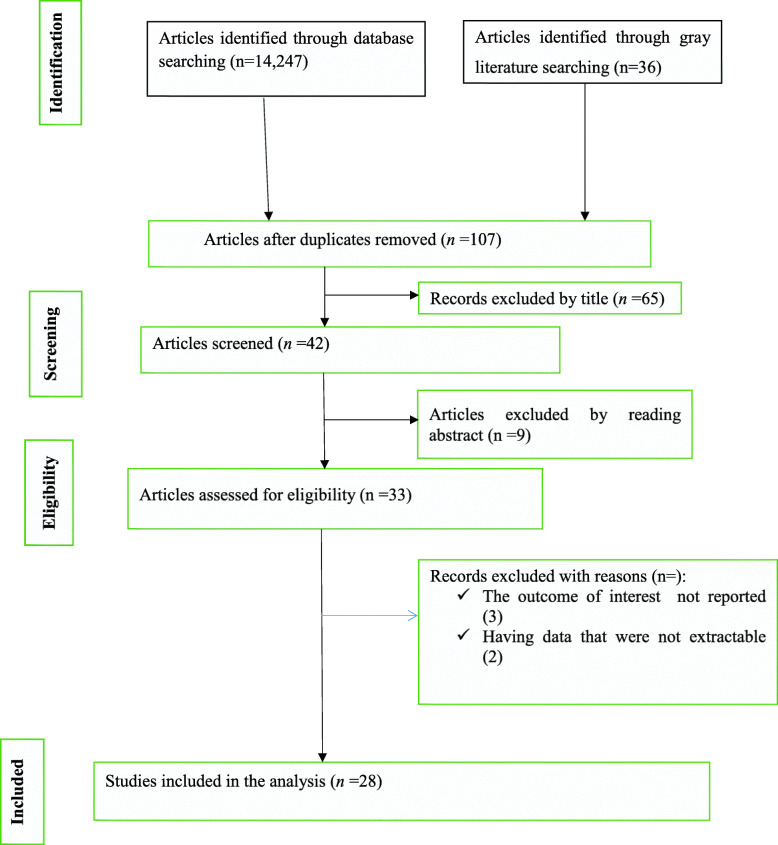
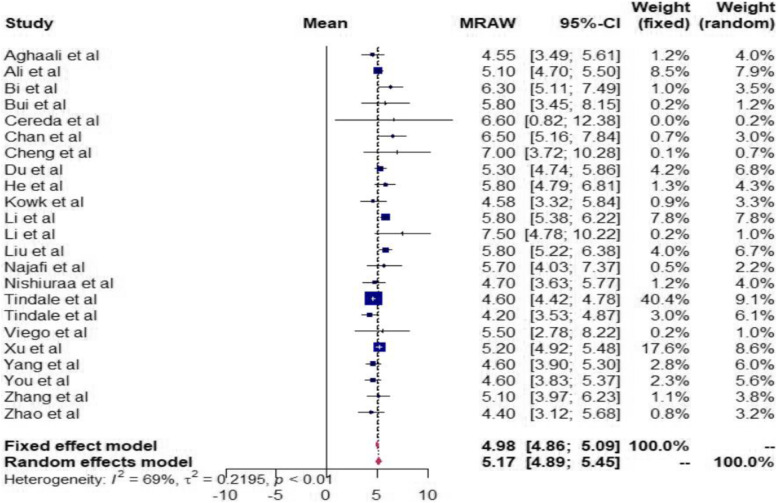
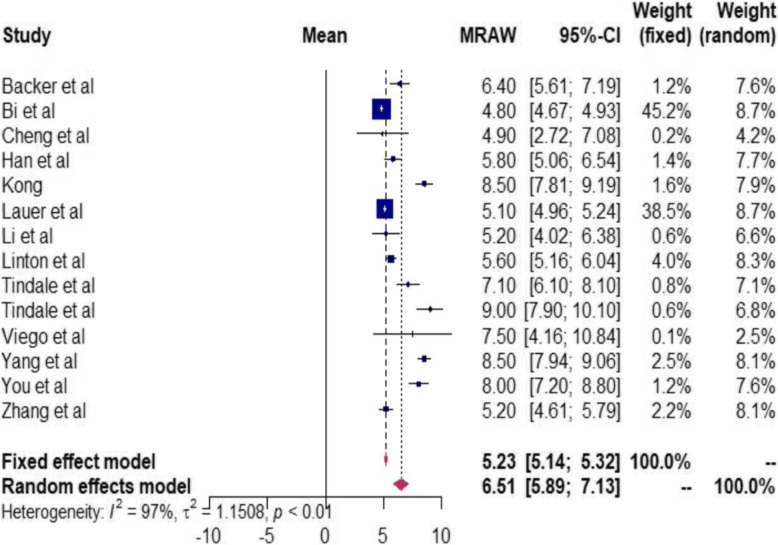
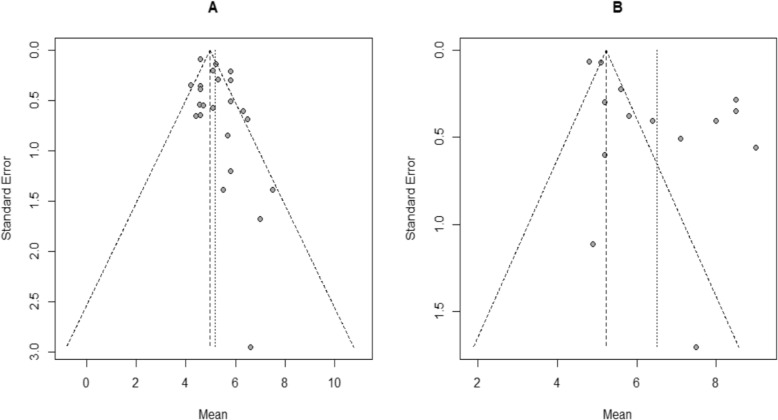
Verification
Claims the paper makes
The claims and statistics of this paper haven’t been checked yet.
Free: it reads the open-access text and checks the first 5 claims that cite a source we can check. Create a free account to check every claim.
Claims other papers make about this one
Each is checked against this paper’s own text: does it say what the citing paper says it does?
The cited source says what the claim attributes to it.
In the citing paper
“The mean incubation period was better characterised, enabling a meta-analysis yielding a pooled random effects model estimate of 5⋅42 days (95% CI 4⋅75-6⋅09; appendix 1 p 65), similar to estimates for SARS-CoV-2.123”
From Severe acute respiratory syndrome (SARS) mathematical models and disease parameters: a systematic review (2025) · cites this paper as [123]
Self-check
Percentages, sums and reported differences re-computed from the paper’s own numbers.
The self-check needs the paper’s full text.
Citations
Cites
Preferred Reporting Items for Systematic Reviews and Meta-Analyses: the PRISMA statement
Moher, D., Liberati, A., Tetzlaff, J., Altman, D. G., & for the PRISMA Group (2009) · BMJ · doi:10.1136/bmj.b2535 · Cited by 83,823
Preferred Reporting Items for Systematic Reviews and Meta-Analyses: The PRISMA Statement
Moher, D., Liberati, A., Tetzlaff, J., Altman, D. G., & The PRISMA Group (2009) · PLoS Medicine · doi:10.1371/journal.pmed.1000097 · Cited by 64,042
Preferred reporting items for systematic reviews and meta-analyses: the PRISMA Statement.
(2009) · PubMed Central · Cited by 44,859
Wang, G., Ma, R., Qiao, G., Wada, K., Aizawa, Y., & Satoh, T. (2015) · Integrative Medicine International · doi:10.1159/000368408 · Cited by 18,657
Early transmission dynamics in Wuhan, China, of novel coronavirus-infected pneumonia
Li, Q., Guan, X., Wu, P., Wang, X., Zhou, L., Tong, Y., Ren, R., Leung, K. S. M., Lau, E. H. Y., Wong, J. Y., et al. (2020) · New England Journal of Medicine · doi:10.1056/nejmoa2001316 · Cited by 16,575 · cited 2×
“Among those, the minimum sample size was 10 [17] and the maximum was 183 [20].”
BackgroundWan, X., Wang, W., Liu, J., & Tong, T. (2014) · BMC Medical Research Methodology · doi:10.1186/1471-2288-14-135 · Cited by 11,735 · cited 1×
“In order to pool the results of included studies in a consistent format, we estimated the sample mean and standard deviation for studies that report median and interquartile range [14].”
BackgroundPharmacologic Treatments for Coronavirus Disease 2019 (COVID-19): A Review
Sanders, J. M., Monogue, M. L., Jodlowski, T. Z., & Cutrell, J. B. (2020) · JAMA · doi:10.1001/jama.2020.6019 · Cited by 2,347 · cited 1×
“Effective treatment to block the spread of COVID19 is not developed yet, hence countries implement non-treatment intervention such as social distancing, isolation, face mask and quarantine to reduce its rapid transmission [4, 5].”
BackgroundBi, Q., Wu, Y., Mei, S., Ye, C., Zou, X., Zhang, Z., Liu, X., Wei, L., Truelove, S. A., Zhang, T., et al. (2020) · The Lancet Infectious Diseases · doi:10.1016/s1473-3099(20)30287-5 · Cited by 1,958 · cited 1×
“Among those, the minimum sample size was 10 [17] and the maximum was 183 [20].”
BackgroundTransmission Dynamics and Control of Severe Acute Respiratory Syndrome
Lipsitch, M., Cohen, T., Cooper, B., Robins, J. M., Ma, S., James, L., Gopalakrishna, G., Chew, S. K., Tan, C. C., Samore, M. H., et al. (2003) · Science · doi:10.1126/science.1086616 · Cited by 1,485 · cited 2×
“Tindale et al Singapore January 19 to February 26,2020 93 4.6 0.9 2.7–6.4 17.”
ResultInfluentialCOVID-19, SARS and MERS: are they closely related?
Petrosillo, N., Viceconte, G., Ergonul, O., Ippolito, G., & Petersen, E. (2020) · Clinical Microbiology and Infection · doi:10.1016/j.cmi.2020.03.026 · Cited by 1,108
Research works printed but not linked: 2
- WHO Media briefing on COVID-19 2020
- Newcastle-Ottawa Scale customized for cross-sectional studies In. available from https://static-content.springer.com/esm/.../12889_2012_5111_MOESM3_ESM.doc. Accessed 24 July 2020.
Cited by
Items 101–200 of 337
Effect of control measures on the pattern of COVID-19 Epidemics in Japan
Konishi, T. (2021) · PeerJ · doi:10.7717/peerj.12215 · Cited by 7
“Here, the infection period of τ is assumed to be constant at 5 days (Alene et al., 2021).”
BackgroundNiu, Y., Luo, L., Yang, S., Abudurusuli, G., Wang, X., Zhao, Z., Rui, J., Li, Z., Deng, B., Liu, W., et al. (2022) · Frontiers in Public Health · doi:10.3389/fpubh.2022.949594 · Cited by 8
TaME-seq2: tagmentation-assisted multiplex PCR enrichment sequencing for viral genomic profiling
Løvestad, A. H., Stosic, M. S., Costanzi, J., Christiansen, I. K., Aamot, H. V., Ambur, O. H., & Rounge, T. B. (2023) · Virology Journal · doi:10.1186/s12985-023-02002-5 · Cited by 8
Predicting subnational incidence of COVID-19 cases and deaths in EU countries
Robert, A., Chapman, L. A. C., Grah, R., Niehus, R., Sandmann, F., Prasse, B., Funk, S., & Kucharski, A. J. (2024) · BMC Infectious Diseases · doi:10.1186/s12879-024-08986-x · Cited by 9
“…deviation for the first infection generation of 5 days and 1.5 days respectively, based on the estimated serial interval for SARS-CoV-2 for pre-Omicron variants [35–37], and 80% of the composite serial interval assumed to reflect direct transmission (without missing infections) (Supplementary Fig.”
BackgroundInfluentialNwadiuko, J., & Bustamante, A. V. (2022) · Health Affairs · doi:10.1377/hlthaff.2021.01955 · Cited by 8
Bonuck, K. A., Iadarola, S., Gao, Q., & Siegel, J. F. (2022) · Journal of Developmental & Behavioral Pediatrics · doi:10.1097/dbp.0000000000001113 · Cited by 8
Akar, S. E., Nwachukwu, W. E., Adewuyi, O. W., Ahumibe, A. A., Iniobong, A., Okunromade, O. F., Chinwe, O., Babatunde, O., Adetifa, I., Chikwe, I., et al. (2025) · Journal of Epidemiology and Global Health · doi:10.1007/s44197-025-00341-w · Cited by 11
Resumen analítico de la experiencia chilena de la pandemia COVID-19, 2020-2022
Canals, M., & Canals, A. (2022) · Cuadernos Médico Sociales · doi:10.56116/cms.v62.n3.2022.374 · Cited by 7
Kasaie, P., Pennington, J., Gupta, A., Dowdy, D. W., & Kendall, E. A. (2023) · Clinical Infectious Diseases · doi:10.1093/cid/ciad557 · Cited by 7
Calculating the serial interval of SARS-CoV-2 in Lebanon using 2020 contact-tracing data
Haddad, N., Clapham, H., Naja, H. A. E., Saleh, M., Farah, Z., Ghosn, N., Mrad, P., & Howard, N. (2021) · BMC Infectious Diseases · doi:10.1186/s12879-021-06761-w · Cited by 7
Ledesma, J. R., Zou, L., Chrysanthopoulou, S. A., Giovenco, D., Khanna, A. S., & Lurie, M. N. (2022) · Epidemiology · doi:10.1097/ede.0000000000001553 · Cited by 7
Antigen test swabs are comparable to nasopharyngeal swabs for sequencing of SARS-CoV-2
Hassouneh, S. A.-D., Trujillo, A. L., Ali, S., Cella, E., Johnston, C., DeRuff, K. C., Sabeti, P. C., & Azarian, T. (2023) · Scientific Reports · doi:10.1038/s41598-023-37893-5 · Cited by 7
Predictors of incident viral symptoms ascertained in the era of COVID-19
Marcus, G. M., Olgin, J. E., Peyser, N. D., Vittinghoff, E., Yang, V. B., Joyce, S., Avram, R., Tison, G. H., Wen, D. W., Butcher, X., et al. (2021) · PLoS ONE · doi:10.1371/journal.pone.0253120 · Cited by 7
“The lag time of 6–12 days was employed to allow for the incubation period of SARS-CoV-2 [23] and other common respiratory viruses [24] and in order to accommodate days without responses and the expectation that viral symptoms would last several days.”
MethodMorgenstern, C., Rawson, T., Routledge, I., Kont, M., Imai-Eaton, N., Skarp, J., Doohan, P., McCain, K., Johnson, R., Unwin, H. J. T., et al. (2025) · The Lancet Microbe · doi:10.1016/j.lanmic.2025.101144 · Cited by 6
Ventura, P. C., Jeong, Y. D., Litvinova, M., Kummer, A. G., Iwami, S., Yu, H., Merler, S., Vespignani, A., Ejima, K., & Ajelli, M. (2026) · Proceedings of the National Academy of Sciences · doi:10.1073/pnas.2523055123 · Cited by 7
Human E3 ubiquitin ligases: accelerators and brakes for SARS-CoV-2 infection
Pellman, J., Goldstein, A., & Slabicki, M. M. (2024) · Biochemical Society Transactions · doi:10.1042/bst20230324 · Cited by 8
Geismar, C., Fragaszy, E., Nguyen, V. G., Fong, W. L. E., Shrotri, M., Beale, S., Rodger, A., Lampos, V., Byrne, T., Kovar, J., et al. (2021) · Wellcome Open Research · doi:10.12688/wellcomeopenres.16974.2 · Cited by 6
“A more recent concerning feature of COVID-19 epidemiology has been the emergence of a range of SARS-CoV-2 variants with mutations that may increase transmissibility, reduce the protective effect of immunity acquired from natural infection or vaccination and/ or increase clinical severity (Alene et al., 2021).”
BackgroundCanals, M., Canals, A., & Cuadrado, C. (2021) · Epidemiologic Methods · doi:10.1515/em-2021-0029 · Cited by 6
“…Rt ) with the method of Cori et al. (2013) and with the RKI method (an der Heiden and Hamounda 2020; Cori et al. 2013), with a serial interval of 5 days (Alenne et al. 2021; Izadi et al. 2020; Zhang, Wang, and Xie 2020) and we calculate the first five moments of the incidence ( IR , IR 2 , IR 3 ,…”
BackgroundMethodInfluentialHow individuals’ opinions influence society’s resistance to epidemics: an agent-based model approach
Yu, G., Garee, M. J., Ventresca, M., & Yih, Y. (2024) · BMC Public Health · doi:10.1186/s12889-024-18310-6 · Cited by 7
“The proxy values reported in existing COVID-19 studies are used for the following three parameters: 1 /σ (expected duration of the incubation period, 6.5 days), 1 /γ (expected duration of the infectious period, 18 days), and 1 /ω (expected duration of the natural immunization, 180 days) [2, 14, 16].”
MethodInfluentialCohen, C., Kleynhans, J., von Gottberg, A., McMorrow, M., Wolter, N., Bhiman, J. N., Moyes, J., du Plessis, M., Carrim, M., Buys, A., et al. (2024) · BMC Infectious Diseases · doi:10.1186/s12879-024-09209-z · Cited by 6
COVID-19 outbreak in a military unit in Korea
Kim, C., Kim, Y., Heo, N., Park, E.-J., Choi, S., Jang, S.-H., Kim, N., Kwon, D., Park, Y. J., Choi, B. S., et al. (2021) · Epidemiology and Health · doi:10.4178/epih.e2021065 · Cited by 7
“8 days) was also coherent with previous studies [29,31].”
BackgroundResultYu, D., Zhang, Y., Meng, J., Wang, X., He, L., Jia, M., Ouyang, J., Han, Y., Zhang, G., & Lu, Y. (2023) · Applied Geography · doi:10.1016/j.apgeog.2023.102941 · Cited by 6
“Instead, considering many studies suggest that COVID-19 has a 5–8 days of incubation period (Alene et al., 2021; Y. Y. Cai et al., 2020; Cheng et al., 2021; Cimolai, 2021; Guan et al., 2020; Quesada et al., 2021; Wan, Liu, & Liu, 2021; Wu et al., 2022; L. Zhang et al., 2021), and in clinical practices, a 14-day extend…”
Inusah, A., Tahiru, M. M., Gbeti, C., Dzomeku, P., Head, M., & Ziblim, S.-D. (2026) · Pan African Medical Journal · doi:10.11604/pamj.2026.53.24.49809 · Cited by 7
Knowledge, Attitude, and Practices Towards COVID-19 Among Social Workers of Bangladesh
Rahman, M. M., Sakib, M. S., Rahman, A. S., Haque, M. I., Hossain, M. T., & Islam, M. R. (2023) · Public Organization Review · doi:10.1007/s11115-022-00679-w · Cited by 7
“, 2020), varied and potentially lengthy time of incubation (Alene et al., 2021; McAloon et al., 2020), and because of pre-symptomatic/ asymptomatic transmission (Johansson et al.”
BackgroundDesign of effective outpatient sentinel surveillance for COVID-19 decision-making: a modeling study
Toh, K. B., Runge, M., Richardson, R. A. K., Hladish, T. J., & Gerardin, J. (2023) · BMC Infectious Diseases · doi:10.1186/s12879-023-08261-5 · Cited by 5
Du, F., & Mao, L. (2024) · Spatial and Spatio-temporal Epidemiology · doi:10.1016/j.sste.2024.100691 · Cited by 5
Zhu, Y., & Ng, K. K. H. (2025) · Journal of Transport Geography · doi:10.1016/j.jtrangeo.2025.104116 · Cited by 5
Real time monitoring of COVID-19 intervention effectiveness through contact tracing data
Gibson, G., Woody, S., James, E., Weldon, M., Fox, S. J., Ancel, L. W., & Bhavnani, D. (2023) · Scientific Reports · doi:10.1038/s41598-023-35892-0 · Cited by 6
“Beginning on January 1st, 2022, and during the Omicron wave, the infectious period was assumed to end 5 days after symptom onset 28 .”
Yadav, K., J., S. K., Meena, S., Kumar, R., Kaur, R., Bairwa, M. L., Kant, S., Misra, P., Rai, S. K., Ahmad, M., et al. (2023) · PLoS ONE · doi:10.1371/journal.pone.0287048 · Cited by 5
Ruttoh, V. K., Symekher, S. L., Majanja, J. M., Opanda, S. M., Chitechi, E. W., Wadegu, M. O., Tonui, R., Rotich, P. K., Nyandwaro, T. T., Mwangi, A. W., et al. (2023) · Influenza and Other Respiratory Viruses · doi:10.1111/irv.13227 · Cited by 5
“12,13 It is an effective tool for monitoring the incidence of ARIs in a population and has been effectively deployed to monitor syndromic illnesses.”
MethodEffects of infection fatality ratio and social contact matrices on vaccine prioritization strategies
Schulenburg, A., Cota, W., Costa, G. S., & Ferreira, S. C. (2022) · Chaos An Interdisciplinary Journal of Nonlinear Science · doi:10.1063/5.0096532 · Cited by 5
Alhamlan, F. S., Almaghrabi, R. S., Devol, E. B., Alotaibi, A., Alageel, S., Obeid, D. A., Alraddadi, B. M., Althawadi, S., Mutabagani, M. S., & Al-Qahtani, A. A. (2022) · Medicines · doi:10.3390/medicines9050032 · Cited by 5
“A systematic review and meta-analysis was recently published evaluating epidemiologic parameters to determine transmission and incubation dynamics [22].”
BackgroundAn Efficient UV-C Disinfection Approach and Biological Assessment Strategy for Microphones
Vignali, V., Hoff, T., de Vries-Idema, J. J., Huckriede, A. L. W., van Dijl, J. M., & van Rijn, P. (2022) · Applied Sciences · doi:10.3390/app12147239 · Cited by 6
Zhang, X., Xiong, H., Chen, Z., & Liu, W. (2022) · Tropical Medicine and Infectious Disease · doi:10.3390/tropicalmed7090227 · Cited by 5
“In this study, we perform a joint estimation of R0 and SI, and the results agree well with three compartmental models in estimation of R0 and the empirical knowledge of SI [16,57].”
MethodResultRichardson, R. A. K., Jorgensen, E., Arevalo, P., Holden, T. M., Gostic, K. M., Pacilli, M., Ghinai, I., Lightner, S., Cobey, S. E., & Gerardin, J. (2022) · Nature Communications · doi:10.1038/s41467-022-33317-6 · Cited by 6
Park, M. J., Choi, J. H., & Cho, J. H. (2023) · Journal of Personalized Medicine · doi:10.3390/jpm13030402 · Cited by 5
“Although the quarantine was announced on 24 December 2020 [14], given that the typical incubation time of COVID-19 was about one week [15], the full impact of “tighter, reinforced quarantine” officially began on 31 December 2020.”
BackgroundKerr, G. H., Badr, H. S., Barbieri, A. F., Colston, J. M., Gardner, L., Kosek, M. N., & Zaitchik, B. F. (2022) · GeoHealth · doi:10.1029/2022gh000727 · Cited by 6
Estimating the instantaneous reproduction number ( R t ) by using particle filter
Won, Y. S., Son, W., Choi, S., & Kim, J. (2023) · Infectious Disease Modelling · doi:10.1016/j.idm.2023.08.003 · Cited by 9
“Estimated mean serial intervals based on the field data are approximately 5 days (Alene et al., 2021; Linton et al., 2020; Nishiura et al., 2020; Rai et al., 2021) which are close to or shorter than the incubation period (Linton et al.”
BackgroundRaymenants, J., Geenen, C., Thibaut, J., Gorissen, S., & Nelissen, K. (2021) · Research Square · doi:10.21203/rs.3.pex-1666/v1 · Cited by 5
Maskew, M., Sande, L. A., Benade, M., Ntjiekelane, V., Scott, N., Flynn, D., & Rosen, S. B. (2023) · medRxiv · doi:10.1101/2023.07.11.23292524 · Cited by 5
Ojha, D., Mehra, A., Rout, S. S., Giri, S., & Nayak, S. (2025) · Materials Advances · doi:10.1039/d4ma01224k · Cited by 5
A comparative study on the three calculation methods for reproduction numbers of COVID-19
Abudunaibi, B., Liu, W., Guo, Z., Zhao, Z., Rui, J., Song, W., Wang, Y., Chen, Q., Frutos, R., Su, C., et al. (2023) · Frontiers in Medicine · doi:10.3389/fmed.2022.1079842 · Cited by 4
Global contagion of US COVID-19 panic news
Kang, Y. J., Park, D., & Eom, Y. H. (2024) · Emerging Markets Review · doi:10.1016/j.ememar.2024.101116 · Cited by 4
Prevalence and genotypes of Chlamydia psittaci in pet birds of Hong Kong
Ko, J. C. K., Choi, Y. W. Y., Poon, E. S. K., Wyre, N. R., Go, J. L. L., Poon, L. L. M., & Sin, S. Y. W. (2024) · PLoS ONE · doi:10.1371/journal.pone.0306528 · Cited by 4
Effectiveness of social distancing under partial compliance of individuals
Shin, H., & Lee, T. (2024) · European Journal of Operational Research · doi:10.1016/j.ejor.2024.11.006 · Cited by 4
“(1), we refer to the literature for related information such as mean incubation period (Alene et al., 2021; McAloon et al., 2020; Quesada et al., 2021) and quarantine period (Chtourou et al., 2020; CDC, 2021), and make reasonable assumptions on these parameters.”
BackgroundYuan, Z., Zhao, S., Hsu, S., & Cheung, C. M. (2022) · Journal of Management in Engineering · doi:10.1061/(asce)me.1943-5479.0001100 · Cited by 4
Kitaoka, T., & Takahashi, H. (2022) · Biology Methods and Protocols · doi:10.1093/biomethods/bpac035 · Cited by 4
Asset pricing tests for pandemic risk
Park, D., Kang, Y. J., & Eom, Y. H. (2023) · International Review of Economics & Finance · doi:10.1016/j.iref.2023.08.014 · Cited by 4
Okurut, S., Boulware, D. R., Okafor, E. C., Rhein, J., Kajumbula, H., Bagaya, B. S., Bwanga, F., Olobo, J. O., Manabe, Y. C., Meya, D. B., et al. (2023) · Frontiers in Immunology · doi:10.3389/fimmu.2023.1275443 · Cited by 5
Lieberthal, B. A., Jackson, S., & Urioste-Stone, S. M. D. (2024) · PLoS ONE · doi:10.1371/journal.pone.0299841 · Cited by 5
Belete, N. K., Feleke, T., Assefa, D. T., Yihune, M., Sorrie, M. B., & Tariku, E. Z. (2025) · BMJ Open · doi:10.1136/bmjopen-2023-082874 · Cited by 4
Epidemiological indices with multiple circulating pathogen strains
Trevisin, C., Mari, L., Gatto, M., Colizza, V., & Rinaldo, A. (2025) · Infectious Disease Modelling · doi:10.1016/j.idm.2025.03.006 · Cited by 4
Topazian, H. M., Charles, G. D., Schmit, N., Pianella, M., Marshall, J. M., Kleinschmidt, I., Hauck, K., & Ghani, A. C. (2025) · Malaria Journal · doi:10.1186/s12936-025-05367-w · Cited by 4
Why do some coronaviruses become pandemic threats when others do not?
Rice, B. L., Lessler, J., McKee, C., & Metcalf, C. J. E. (2022) · PLoS Biology · doi:10.1371/journal.pbio.3001652 · Cited by 5
“Generation time (/serial interval) 8–12 days [42] 4–8 days [43] 7–12 days [42]”
COVID‐19 in one region of New Zealand: a descriptive epidemiological study
Hammond, V. A., Butchard, M., Stablein, H., & Jack, S. J. (2022) · Australian and New Zealand Journal of Public Health · doi:10.1111/1753-6405.13305 · Cited by 4
Wood, A. J., & Kao, R. R. (2023) · PLoS ONE · doi:10.1371/journal.pone.0287397 · Cited by 4
Fuzzell, L. N., Brownstein, N. C., Fontenot, H. B., Lake, P. W., Michel, A. D., Whitmer, A., Rossi, S. L., McIntyre, M., Vadaparampil, S. T., & Perkins, R. B. (2023) · eLife · doi:10.7554/elife.85682 · Cited by 5
Wills, C. P., Pérez, B., & Moore, J. (2024) · Emergency Medicine Clinics of North America · doi:10.1016/j.emc.2024.02.002 · Cited by 5
A flexible, random histogram kernel for discrete-time Hawkes processesPreprint
Browning, R., Rousseau, J., & Mengersen, K. L. (2022) · arXiv (Cornell University) · doi:10.48550/arxiv.2208.02921 · Cited by 5
Dovel, K. L., Hubbard, J., Zembe, L., Ford, N. P., Cornell, M., Belshe, W. B., Long, L. C., Davis, S., Munderi, P., Baggaley, R. C., et al. (2023) · medRxiv · doi:10.1101/2023.10.25.23297534 · Cited by 4
Sumboh, J. G., Agyenkwa-Mawuli, K., Schwinger, E., Donkor, I. O., Akorli, J. E. B., Dwomoh, D., Ashong, Y. A., Osabutey, D., Ababio, F. O., Koram, K. A., et al. (2023) · medRxiv · doi:10.1101/2023.07.17.23292808 · Cited by 7
Edwards, B., Wilson, R., McDonald, G., & Daley, P. (2023) · CMAJ Open · doi:10.9778/cmajo.20220221 · Cited by 4
Lau, K. Y.-Y., Kang, J., Park, M., Leung, G. M., Wu, J. T. K., & Leung, K. S. M. (2024) · JMIR Public Health and Surveillance · doi:10.2196/46687 · Cited by 3
A quantum mechanics-based framework for infectious disease modeling
He, W., Bin, S., & Sun, G. (2025) · Scientific Reports · doi:10.1038/s41598-025-96817-7 · Cited by 3
Natural history and cycle threshold values analysis of COVID-19 in Xiamen City, China
Deng, B., Liu, W., Guo, Z., Luo, L., Yang, T., Huang, J., Abudunaibi, B., Zhang, Y., Ouyang, X., Wang, D., et al. (2022) · Infectious Disease Modelling · doi:10.1016/j.idm.2022.07.007 · Cited by 5
“, 2020), which may be related to the fact that this outbreak is caused by Delta variant, and the virulence of Delta variant is stronger than pre-Delta variant, the symptoms of the disease will appear earlier, so the disease may be detected as soon as possible (Alene et al., 2021).”
Hermanns, S., von Schneidemesser, E., Caseiro, A., & Koch, S. (2024) · Environmental Health · doi:10.1186/s12940-024-01149-0 · Cited by 3
“Studies in the USA and UK have found increased risks for hospitalization and death for patients and regions with greater social deprivation [25–28].”
Jung, R., Oh, Y., Choi, S., Park, M., Ha, H.-J., Kim, N. Y., Wang, S., Seyedehmahla, H., Chang, Y., & Song, T. (2025) · Journal of Clinical Medicine · doi:10.3390/jcm14020487 · Cited by 3
Leveraging cellphone-derived mobility networks to assess Covid-19 travel risk
Slater, J., Brown, P. E., Rosenthal, J. S., & Mateu, J. (2025) · The Annals of Applied Statistics · doi:10.1214/24-aoas1914 · Cited by 4
Cleary, E., Atuhaire, F., Sorichetta, A., Ruktanonchai, N., Ruktanonchai, C., Cunningham, A., Pasqui, M., Schiavina, M., Melchiorri, M., Bondarenko, M., et al. (2025) · PLOS Global Public Health · doi:10.1371/journal.pgph.0003431 · Cited by 5
“COVID-19 drivers during two transmission waves in India. where I t k − is the incidence at time t k − , w k is the infectivity profile which depends on the serial interval of COVID-19 (5.2, 95%CI: 4.9–5.5) [66].”
InfluentialShoyemi, E., Aghedo, O. G., OBI, C. L., Uwaoma, C. P. K., Azeez, O. S., & Oyeniyi, O. (2026) · PLoS ONE · doi:10.1371/journal.pone.0321434 · Cited by 3
COVID-19 Epidemics Monitored Through the Logarithmic Growth Rate and SIR Model
Konishi, T. (2022) · doi:10.46889/jcim.2022.3302 · Cited by 3
Ogwara, C. A., Ronberg, J. W., Cox, S. M., Wagner, B. M., Stotts, J. W., Chowell, G., Spaulding, A. C., & Fung, I. C. (2023) · Pathogens and Global Health · doi:10.1080/20477724.2023.2201984 · Cited by 3
“Owing to the variability of the mean serial interval based on prior studies [21], we conducted a sensitivity analysis to estimate R t using the instantaneous reproduction number method [13], with an alternative serial interval distribution with a mean of 4.55 and a standard deviation of 3.30…”
MethodInfluentialImpact of vaccinations, boosters and lockdowns on COVID-19 waves in French Polynesia
Chapman, L. A. C., Aubry, M., Maset, N., Russell, T., Knock, E., Lees, J. A., Mallet, H., Cao‐Lormeau, V., & Kucharski, A. J. (2023) · Nature Communications · doi:10.1038/s41467-023-43002-x · Cited by 3
Sreedevi, A., Ahmad, M. A., Satheesh, M., Ushakumari, A., Kumar, A., Raveendran, G., Narayankutty, S., Gopakumar, S., Rahman, A., David, S., et al. (2023) · Influenza and Other Respiratory Viruses · doi:10.1111/irv.13196 · Cited by 4
“27 The mean incubation period in our study was shorter, possibly because of a higher number of delta variants reported.”
BackgroundNikiforuk, A. M., Kuchinski, K. S., Short, K., Roman, S., Irvine, M. A., Prystajecky, N., Jassem, A. N., Patrick, D. M., & Sekirov, I. (2024) · BMC Infectious Diseases · doi:10.1186/s12879-024-09067-9 · Cited by 4
“The third assumption (ii) holds that the collection date of the secondary case is at least one-serial interval (5 days) from that of the primary case [41].”
BackgroundSoucy, J.-P. R., Sturrock, S. L., Berry, I., Westwood, D. J., Daneman, N., Fisman, D. N., MacFadden, D. R., & Brown, K. A. (2024) · PeerJ · doi:10.7717/peerj.17455 · Cited by 3
“A meta-analysis using data from the fi rst few months of the pandemic estimated the incubation period of COVID-19 at 6.5 days ( Alene et al., 2021 ).”
InfluentialImproving viral load utilisation to enhance care for Kenyan adolescents with HIV
Dougherty, G., Akoth, S., Hawken, M. P., Leting, I., Mutei, R., Ngugi, C. N., Naitore, D., Tsiouris, F., Wakoli, A., Walker, L., et al. (2022) · BMJ Open Quality · doi:10.1136/bmjoq-2022-001900 · Cited by 3
Geismar, C., Fragaszy, E., Nguyen, V. G., Fong, W. L. E., Shrotri, M., Beale, S., Rogers, A., Lampos, V., Byrne, T., Kovar, J., et al. (2021) · medRxiv · doi:10.1101/2021.05.17.21257223 · Cited by 3
Beirag, N., Varghese, P. M., Kumar, C., Idicula‐Thomas, S., Neto, M. M., Khan, H. A., Sim, R. B., Madan, T., Temperton, N. J., & Kishore, U. (2023) · bioRxiv (Cold Spring Harbor Laboratory) · doi:10.1101/2023.07.07.548083 · Cited by 4
Hobbs, N. P., & Hastings, I. M. (2024) · bioRxiv (Cold Spring Harbor Laboratory) · doi:10.1101/2024.07.05.602226 · Cited by 4
Oweibia, M., Egberipou, T., Wilson, T. R., Timighe, G. C., & Ogbe, P. D. (2025) · medRxiv · doi:10.1101/2025.05.09.25327340 · Cited by 3
Asampong, E., Glozah, F. N., Nwameme, A. U., Hornuvo, R., Tabong, P. T., & Kamau, E. M. (2025) · PLoS neglected tropical diseases · doi:10.1371/journal.pntd.0012469 · Cited by 3
Ebuako, A. A., Owusu-Asenso, C. M., Abdulai, A., Mohammed, A. R., Sraku, I. K., Akuamoah-Boateng, Y., Appiah-Kwarteng, C., Forson, A. O., Ayeh-Kumi, P. F., & Afrane, Y. A. (2025) · BMC Infectious Diseases · doi:10.1186/s12879-025-11283-w · Cited by 4
Ajumobi, V. E., Tahir, Z., Hayes, P. M., McCormick, A., & Torraca, V. (2026) · Microbiology Spectrum · doi:10.1128/spectrum.02837-25 · Cited by 3
Health outcome predictive modelling in intensive care units
Xian, C., de Souza, C. P. E., & Rodrigues, F. F. (2023) · Operations Research for Health Care · doi:10.1016/j.orhc.2023.100409 · Cited by 2
Gnondjui, A. A., Touré, O. A., Ako, B., Koui, T. S., ASSOHOUN, E. S., Gbessi, E. A., N’Guessan, T. L., Karim, T., Béourou, S., Assi, S.-B., et al. (2024) · Malaria Journal · doi:10.1186/s12936-023-04819-5 · Cited by 2
Leveraging Deep Learning to Improve COVID-19 Forecasting Using Wastewater Viral Load
Fazli, M., & Shakeri, H. (2023) · IEEE International Conference on Big Data (BigData) · doi:10.1109/bigdata59044.2023.10386828 · Cited by 2
Examining the Evolution and Drivers of COVID-19 Transmission Waves in Ghana, 2020-2022
Tamal, C. S., Ohene, S.-A., Okine, R. N. A., Adjabeng, M. J., Guyo, A. G., Osei-Sarpong, F., Avevor, P. M., Owusu-Asare, A. A., Asiedu‐Bekoe, F., Kwarteng, G., et al. (2024) · Journal of Biotechnology and Biomedicine · doi:10.26502/jbb.2642-91280129 · Cited by 2
Lee, H.-W., Choi, H., Lee, H., Lee, S., & Kim, C. (2024) · Frontiers in Public Health · doi:10.3389/fpubh.2024.1362823 · Cited by 2
Pérez-Martínez, D. E., & Zenteno‐Cuevas, R. (2024) · PLoS ONE · doi:10.1371/journal.pone.0295464 · Cited by 2
Jang, G., Kim, J.-H., Lee, Y., Son, C., Ko, K. T., & Lee, H. (2024) · Frontiers in Public Health · doi:10.3389/fpubh.2024.1353441 · Cited by 2
Incidence moments: Short term forecast of the COVID-19 incidence rate in Chile
Canals, M., & Canals, A. (2023) · Revista médica de Chile · doi:10.4067/s0034-98872023000700823 · Cited by 2
“In the case of COVID-19 there are estimates of the serial interval between 1.9 and 7.5 days 15-17 , but in the meta-analysis of Izadi et al ( 2020) 15 an average value of 4.45 days was estimated, in that of Zhang et al (2020) 16 a value of 5.35 days and 5.2 days in that of Alene et al. (2021) 17 ,…”
InfluentialHettinger, G., Rubin, D., & Huang, J. Y. (2024) · American Journal of Epidemiology · doi:10.1093/aje/kwae356 · Cited by 3
“Given the absence of serial interval studies on target counties, we selected 3 serial interval distribution estimates from a systematic world review 25 ; a study of Dublin, Ireland 26 ; and an analysis of California counties 27,28 to borrow information from serial interval estimates on cities with…”
Wang, X., Harper, K., Sinha, P., Johnson, W. E., & Patil, P. (2023) · Tuberculosis · doi:10.1016/j.tube.2025.102649 · Cited by 6
Lee, M., Choi, H., & Lee, C. H. (2025) · BMC Public Health · doi:10.1186/s12889-025-23059-7 · Cited by 2
“Epidemiological parameters are set as follows: the latent period ( α ) is fixed at 6.5 days, consistent with findings from Alene et al. [51], and the duration from infection to case confirmation ( q ) is set to 4 days, based on the analysis by [52].”
InfluentialNonparametric serial interval estimation with uniform mixtures
Gressani, O., & Hens, N. (2025) · PLoS Computational Biology · doi:10.1371/journal.pcbi.1013338 · Cited by 2
“For each target SI distribution, we simulate M = 1000 datasets with four different sample sizes n ∈ { 10,20,50,100 } ; covering frequently encountered numbers of transmission pairs in the literature [21,53]; yielding a total of 2 × 4 = 8 scenarios.”
Palmer, M., Seekins, D. W., Avigan, M., MARCINAK, J. F., Rockey, D. C., Regev, A., Shastri, V. K., Lewis, J. H., & Dash, A. (2025) · Drug Safety · doi:10.1007/s40264-025-01591-0 · Cited by 2
“It should be noted that the mean incubation period after exposure ranges from approximately 5 to 9 days [125].”
Contrasting pre-vaccine COVID-19 waves in Italy through functional data analysis
Boschi, T., Iorio, J. D., Testa, L., Cremona, M. A., & Chiaromonte, F. (2025) · Scientific Reports · doi:10.1038/s41598-025-29316-4 · Cited by 3
Ackah, M., Salifu, M. G., Ameyaw, L., Boakye, H., & Yeboah, C. O. (2022) · BMJ Open · doi:10.1136/bmjopen-2021-057893 · Cited by 2
A computational investigation of COVID-19 transmission inside hospital wards and associated costs
Moreno‐Martos, D., Foley, S., Parcell, B. J., Trucu, D., & Eftimie, R. (2022) · Mathematical Biosciences & Engineering · doi:10.3934/mbe.2022306 · Cited by 2
Metadata
- Authors
- Alene, M., Yismaw, L., Assemie, M. A., Ketema, D. B., Gietaneh, W., & Birhan, T. Y.
- Affiliations
- Debre Markos University (ET)
- University of Gondar (ET)
- Corresponding author
- Birhan, Tilahun Yemanu
- ORCID
- Venue
- BMC Infectious Diseases
- Published
- 2021-03-11
- Volume
- 21
- Issue
- 1
- Pages
- 257-257
- ISSN
- 1471-2334 (ISSN-L)
- PMC
- PMC7948654
- OpenAlex
- W3134238461
- Semantic Scholar
- 793e6a39b41863f36dc1112c766c637ddd3a845c
- Cited by
- 354
- References
- 36
- Citations by year
- 2026: 30 · 2025: 44 · 2024: 48 · 2023: 81 · 2022: 110 · 2021: 41
- FWCI
- 6.98
- Type
- journal article
- Language
- en
- Open access
- gold
- doi.org
- Licence
- cc-by
- creativecommons.org/licenses/by/4.0/ (tdm)
- creativecommons.org/licenses/by/4.0/ (vor)
- Locations
- BMC Infectious Diseases (publishedVersion, cc-by)
- PubMed Central (publishedVersion, cc-by)
- PubMed (publishedVersion)
- DOAJ (DOAJ: Directory of Open Access Journals) (submittedVersion, cc-by-sa)
- Topics
- Physical Sciences › Mathematics › Modeling and Simulation › COVID-19 epidemiological studies
- Health Sciences › Medicine › Infectious Diseases › SARS-CoV-2 and COVID-19 Research
- Health Sciences › Medicine › Infectious Diseases › COVID-19 Clinical Research Studies
- Keywords
- COVID-19 pandemic, serial interval, incubation period, pre-symptomatic transmission, transmission dynamics, SARS-CoV-2
- MeSH terms
- COVID-19, SARS-CoV-2, Cross-Sectional Studies, Humans, Infectious Disease Incubation Period, Asymptomatic Infections
About these checks
Registry, retraction, Cites and statistics results are computed, not judged, with one exception: a printed reference that no index lists is read once by a model before it counts as a citation error. Claims are extracted by a model and kept only when their quote appears verbatim in the text; each cited source is then checked, with a model’s help, for whether it says what the claim relies on. Those verdicts can be wrong — read the claim’s quote and the cited source before relying on one.
Statistics and arithmetic are recomputed, not judged.
Confidence bands are shown only for fields calibrated on our annotated test set. None is calibrated yet, so no band is shown.
What counts as a claim ›How we measure confidence ›How we check this ›
Are you an author, or do you see a problem with this page? Request a review
Data sources
Bibliographic data: Semantic Scholar, OpenAlex, Crossref.
Contains information from the Semantic Scholar Academic Graph Datasets, made available under the ODC Attribution License (ODC-BY 1.0).
Semantic Scholar’s data is described in: Kinney, R., et al. (2023). The Semantic Scholar Open Data Platform. arXiv:2301.10140.
