

Enablers and barriers to physical activity in overweight and obese pregnant women: an analysis informed by the theoretical domains framework and COM-B model
Open accessThe DOI matches its Crossref record; 71 of the 71 references it cites were found in a registry or an index.
Abstract
BACKGROUND: Obesity during pregnancy is associated with increased risk of gestational diabetes mellitus (GDM) and other complications. Physical activity is a modifiable lifestyle factor that may help to prevent these complications but many women reduce their physical activity levels during pregnancy. Interventions targeting physical activity in pregnancy are on-going but few identify the underlying behaviour change mechanisms by which the intervention is expected to work. To enhance intervention effectiveness, recent tools in behavioural science such as the Theoretical Domains Framework (TDF) and COM-B model (capability, opportunity, motivation and behaviour) have been employed to understand behaviours for intervention development. Using these behaviour change methods, this study aimed to identify the enablers and barriers to physical activity in overweight and obese pregnant women. METHODS: Semi-structured interviews were conducted with a purposive sample of overweight and obese women at different stages of pregnancy attending a public antenatal clinic in a large academic maternity hospital in Cork, Ireland. Interviews were recorded and transcribed into NVivo V.10 software. Data analysis followed the framework approach, drawing on the TDF and the COM-B model. RESULTS: Twenty one themes were identified and these mapped directly on to the COM-B model of behaviour change and ten of the TDF domains. Having the social opportunity to engage in physical activity was identified as an enabler; pregnant women suggested being active was easier when supported by their partners. Knowledge was a commonly reported barrier with women lacking information on safe activities during pregnancy and describing the information received from their midwife as 'limited'. Having the physical capability and physical opportunity to carry out physical activity were also identified as barriers; experiencing pain, a lack of time, having other children, and working prevented women from being active. CONCLUSION: A wide range of barriers and enablers were identified which influenced women's capability, motivation and opportunity to engage in physical activity with "knowledge" as the most commonly reported barrier. This study is a theoretical starting point in making a 'behavioural diagnoses' and the results will be used to inform the development of an intervention to increase physical activity levels among overweight and obese pregnant women.
Overview
The claims and statistics of this paper haven’t been checked yet.
Free: it reads the open-access text and checks the first 5 claims that cite a source we can check. Create a free account to check every claim.
Integrity signals
Registry
Cites
Statistics
Figures
Verification
Claims the paper makes
The claims and statistics of this paper haven’t been checked yet.
Free: it reads the open-access text and checks the first 5 claims that cite a source we can check. Create a free account to check every claim.
Claims other papers make about this one
Each is checked against this paper’s own text: does it say what the citing paper says it does?
The source backs part of the claim, not all of it — or backs it for a different population, condition or comparison.
In the citing paper
“the use of goal setting [18, 24, 28, 32, 34]”
From Identifying the factors affecting ‘patient engagement’ in exercise rehabilitation (2022) · cites this paper as [28]
Experimental — accuracy not yet measuredThe source backs part of the claim, not all of it — or backs it for a different population, condition or comparison.
In the citing paper
“it is apparent that simply prescribing the exercise is unlikely to result in high levels of adherence by the majority of patients.”
From Identifying the factors affecting ‘patient engagement’ in exercise rehabilitation (2022) · cites this paper as [28]
Experimental — accuracy not yet measuredThe source backs part of the claim, not all of it — or backs it for a different population, condition or comparison.
In the citing paper
“Since, unlike participants involved in clinical research trials who may receive enabling access to optimal resources and services, members of the general population commonly face multiple environmental barriers to their engagement in rehabilitation, such as: a lack of access to resources and services as an opportunity barrier [20, 21, 28, 30], high costs of resources and service [21, 26, 28, 30, 3”
From Identifying the factors affecting ‘patient engagement’ in exercise rehabilitation (2022) · cites this paper as [28]
Experimental — accuracy not yet measuredThe source backs part of the claim, not all of it — or backs it for a different population, condition or comparison.
In the citing paper
“In addition, twelve studies [15, 18, 20, 21, 24–28, 30–32, 34] found high perceived personal relevance to be associated with increased determination to engage in exercise behaviour.”
From Identifying the factors affecting ‘patient engagement’ in exercise rehabilitation (2022) · cites this paper as [28]
Experimental — accuracy not yet measuredThe cited source says what the claim attributes to it.
In the citing paper
“Multiple studies involving patients and clinicians identified a lack of access to resources and services as an opportunity barrier [20, 21, 28, 30, 34].”
From Identifying the factors affecting ‘patient engagement’ in exercise rehabilitation (2022) · cites this paper as [28]
10 more claims about this paper
Create a free account to see every claim other papers make about this one.
Self-check
Percentages, sums and reported differences re-computed from the paper’s own numbers.
The self-check needs the paper’s full text.
Citations
Cites
Michie, S., van Stralen, M. M., & West, R. (2011) · Implementation Science · doi:10.1186/1748-5908-6-42 · Cited by 13,697 · cited 2×
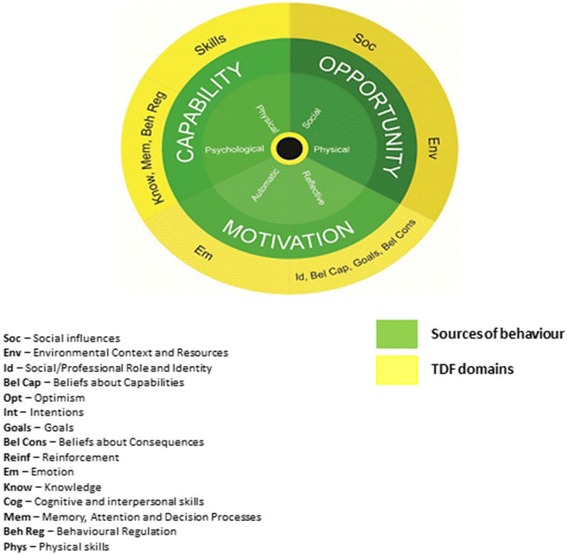
“The COM-B model forms the hub of the Behaviour Change Wheel (BCW) which provides a systematic and transparent way to conduct a behavioural assessment, identify the target behaviour, select intervention functions and to develop theory based intervention strategies [45].”
MethodDeveloping and evaluating complex interventions: the new Medical Research Council guidance
Craig, P., Dieppe, P., Macintyre, S., Michie, S., Nazareth, I., & Petticrew, M. (2008) · BMJ · doi:10.1136/bmj.a1655 · Cited by 10,995 · cited 1×
“Using theory to identify the determinants of behaviour can increase the likelihood that an intervention will be effective [40, 41].”
BackgroundGale, N. K., Heath, G., Cameron, E., Rashid, S., & Redwood, S. (2013) · BMC Medical Research Methodology · doi:10.1186/1471-2288-13-117 · Cited by 10,865 · cited 1×
“analysis followed a framework approach [57].”
‘Small Changes' to Diet and Physical Activity Behaviors for Weight Management
Hills, A. P., Byrne, N. M., Lindstrom, R., & Hill, J. O. (2013) · Obesity Facts · doi:10.1159/000345030 · Cited by 9,493
Health benefits of physical activity: the evidence
Warburton, D. E. R. (2006) · Canadian Medical Association Journal · doi:10.1503/cmaj.051351 · Cited by 8,007 · cited 2×
“However, research has shown that being physical active in early pregnancy can reduce these symptoms [11, 12].”
Background(2014) · Cited by 2,276
Using Pedometers to Increase Physical Activity and Improve Health: A Systematic Review
Bravata, D. M., Smith-Spangler, C., Sundaram, V., Gienger, A. L., Lin, N., Lewis, R., Stave, C. D., Olkin, I., & Sirard, J. R. (2007) · JAMA · doi:10.1001/jama.298.19.2296 · Cited by 2,064
Michie, S., Johnston, M., Francis, J., Hardeman, W., & Eccles, M. (2008) · Applied Psychology · doi:10.1111/j.1464-0597.2008.00341.x · Cited by 1,789 · cited 1×
“Using theory to identify the determinants of behaviour can increase the likelihood that an intervention will be effective [40, 41].”
BackgroundFrench, S. D., Green, S. E., O’Connor, D. A., McKenzie, J. E., Francis, J. J., Michie, S., Buchbinder, R., Schattner, P., Spike, N., & Grimshaw, J. M. (2012) · Implementation Science · doi:10.1186/1748-5908-7-38 · Cited by 1,338
Reducing and meta-analysing estimates from distributed lag non-linear models
Gasparrini, A., & Armstrong, B. (2013) · BMC Medical Research Methodology · doi:10.1186/1471-2288-13-1 · Cited by 1,081
Catalano, P., & Ehrenberg, H. (2006) · BJOG: An International Journal of Obstetrics & Gynaecology · doi:10.1111/j.1471-0528.2006.00989.x · Cited by 831 · cited 1×
“Maternal obesity also has adverse neonatal outcomes, such as macrosomia [4] and offspring born to obese women are more likely to develop obesity, type 2 diabetes, cardiovascular disease and cancer in later life [5].”
BackgroundThangaratinam, S., Rogozinska, E., Jolly, K., Glinkowski, S., Roseboom, T., Tomlinson, J. W., Kunz, R., Mol, B. W., Coomarasamy, A., & Khan, K. S. (2012) · BMJ · doi:10.1136/bmj.e2088 · Cited by 802 · cited 2×
“It is possible that this modest reduction in birth weight in offspring of overweight and obese women may be beneficial in reducing the long-term obesity risk [14, 15].”
BackgroundMethodRobinson, M., Shipton, D., Walsh, D., Whyte, B., & McCartney, G. (2015) · BMC Public Health · doi:10.1186/1471-2458-15-1 · Cited by 696
Weng, S. F., Redsell, S. A., Swift, J. A., Yang, M., & Glazebrook, C. P. (2012) · Archives of Disease in Childhood · doi:10.1136/archdischild-2012-302263 · Cited by 592 · cited 1×
“A recent systematic review identified maternal pre-pregnancy overweight as a significant risk factor for childhood overweight [6].”
BackgroundMcDonald, S. D., Han, Z., Mulla, S., Beyene, J., & on behalf of the Knowledge Synthesis Group (2010) · BMJ · doi:10.1136/bmj.c3428 · Cited by 510
Maternal obesity: pregnancy complications, gestational weight gain and nutrition
Guelinckx, I., Devlieger, R., Beckers, K., & Vansant, G. (2008) · Obesity Reviews · doi:10.1111/j.1467-789x.2007.00464.x · Cited by 508
Physical Activity Before and During Pregnancy and Risk of Gestational Diabetes Mellitus
Tobias, D. K., Zhang, C., van Dam, R. M., Bowers, K., & Hu, F. B. (2011) · Diabetes Care · doi:10.2337/dc10-1368 · Cited by 429 · cited 9×
“These complex lifestyle interventions have consisted of interacting components including dietary and physical activity counselling, monitoring of weight and group exercise sessions or have been designed to prevent excessive gestational weight gain (GWG) and reduce the risk of GDM [34].”
BackgroundInfluentialJoint SOGC/CSEP Clinical Practice Guideline: Exercise in Pregnancy and the Postpartum Period
Davies, G. A. L., Wolfe, L. A., Mottola, M. F., & MacKinnon, C. (2003) · Canadian Journal of Applied Physiology · doi:10.1139/h03-024 · Cited by 424
Exercise during pregnancy: A review of patterns and determinants
Gaston, A., & Cramp, A. (2011) · Journal of Science and Medicine in Sport · doi:10.1016/j.jsams.2011.02.006 · Cited by 352 · cited 1×
“A systematic review [42] examining the determinants of physical activity during pregnancy found that intention to exercise, self-efficacy and barriers such as lack of time and tiredness were strong predictors of exercise.”
BackgroundOteng-Ntim, E., Varma, R., Croker, H., Poston, L., & Doyle, P. (2012) · BMC Medicine · doi:10.1186/1741-7015-10-47 · Cited by 352 · cited 1×
“These results have been attributed to poor study design, lack of power, lack of consistency in terms of the target behaviour, and failing to identify the psychological determinants and behavioural mechanisms by which the intervention is expected to have an effect [32, 33].”
BackgroundImplementation of the CALM intervention for anxiety disorders: a qualitative study
Curran, G. M., Sullivan, G., Mendel, P., Craske, M. G., Sherbourne, C. D., Stein, M. B., McDaniel, A., & Roy-Byrne, P. (2012) · Implementation Science · doi:10.1186/1748-5908-7-14 · Cited by 348
Guelinckx, I., Devlieger, R., Mullie, P., & Vansant, G. (2010) · The American Journal of Clinical Nutrition · doi:10.3945/ajcn.2009.28166 · Cited by 338
The LiP (Lifestyle in Pregnancy) Study
Vinter, C. A., Jensen, D. M., Ovesen, P., Beck-Nielsen, H., & Jørgensen, J. S. (2011) · Diabetes Care · doi:10.2337/dc11-1150 · Cited by 309
Perceived Barriers to Physical Activity Among Pregnant Women
Evenson, K. R., Moos, M.-K., Carrier, K., & Siega-Riz, A. M. (2009) · Maternal and Child Health Journal · doi:10.1007/s10995-008-0359-8 · Cited by 307 · cited 1×
“This finding is similar to that of a qualitative study conducted in the US, in which pregnant women mentioned a lack of advice regarding physical activity [58]; the most information they received from their midwives was to ‘carry on as usual’ [59].”
ResultImpact of Physical Activity during Pregnancy and Postpartum on Chronic Disease Risk
(2006) · Medicine & Science in Sports & Exercise · doi:10.1249/01.mss.0000218147.51025.8a · Cited by 285 · cited 1×
“It is possible that this modest reduction in birth weight in offspring of overweight and obese women may be beneficial in reducing the long-term obesity risk [14, 15].”
BackgroundWomen's Exercise Beliefs and Behaviors During Their Pregnancy and Postpartum
Downs, D. S., & Hausenblas, H. A. (2004) · Journal of Midwifery & Women's Health · doi:10.1016/j.jmwh.2003.11.009 · Cited by 250
Kerber, K. J., Mathai, M., Lewis, G., Flenady, V., Erwich, J. J. H., Segun, T., Aliganyira, P., Abdelmegeid, A., Allanson, E., Roos, N., et al. (2015) · BMC Pregnancy and Childbirth · doi:10.1186/1471-2393-15-s2-s9 · Cited by 231
Duncombe, D., Wertheim, E. H., Skouteris, H., Paxton, S. J., & Kelly, L. (2009) · Midwifery · doi:10.1016/j.midw.2007.03.002 · Cited by 214
Alexander, K. E., Brijnath, B., & Mazza, D. (2014) · Implementation Science · doi:10.1186/1748-5908-9-60 · Cited by 211 · cited 1×
“To date, a number of empirical studies have used either the TDF or COM-B in order to develop behaviour change interventions in different contexts [51, 52] but to our knowledge this has not yet been done for physical activity in an overweight and obese pregnant population.”
BackgroundMaternal obesity and pregnancy complications: A review
RAMACHENDERAN, J., BRADFORD, J., & MCLEAN, M. (2008) · Australian and New Zealand Journal of Obstetrics and Gynaecology · doi:10.1111/j.1479-828x.2008.00860.x · Cited by 210
Hawkins, S. S., Cole, T. J., Law, C., & and the Millennium Cohort Study Child Health Group (2009) · Journal of Epidemiology and Community Health · doi:10.1136/jech.2008.077917 · Cited by 207 · cited 2×
“37 times more likely to be overweight at 3 years of age than children of normal weight parents [7].”
BackgroundWeight gain restriction for obese pregnant women: a case–control intervention study
Claesson, I., Sydsjö, G., Brynhildsen, J., Cedergren, M., Jeppsson, A., Nyström, F., Sydsjö, A., & Josefsson, A. (2008) · BJOG: An International Journal of Obstetrics & Gynaecology · doi:10.1111/j.1471-0528.2007.01531.x · Cited by 195
Bogaerts, A. F. L., Devlieger, R., Nuyts, E., Witters, I., Gyselaers, W., & Van den Bergh, B. R. H. (2013) · International Journal of Obesity · doi:10.1038/ijo.2012.162 · Cited by 190
Sanabria‐Martínez, G., García‐Hermoso, A., Poyatos‐León, R., Álvarez‐Bueno, C., Sánchez‐López, M., & Martínez‐Vizcaíno, V (2015) · BJOG: An International Journal of Obstetrics & Gynaecology · doi:10.1111/1471-0528.13429 · Cited by 187 · cited 1×
“However, a recent meta-analysis [39], found that structured physical exercise programs during pregnancy do decrease the risk of GDM.”
Weir, Z., Bush, J., Robson, S. C., McParlin, C., Rankin, J., & Bell, R. (2010) · BMC Pregnancy and Childbirth · doi:10.1186/1471-2393-10-18 · Cited by 182
Islam, R., Tinmouth, A. T., Francis, J. J., Brehaut, J. C., Born, J., Stockton, C., Stanworth, S. J., Eccles, M. P., Cuthbertson, B. H., Hyde, C., et al. (2012) · Implementation Science · doi:10.1186/1748-5908-7-93 · Cited by 181
The impact of pregnancy on eating behaviour and aspects of weight concern
Clark, M., & Ogden, J. (1999) · International Journal of Obesity · doi:10.1038/sj.ijo.0800747 · Cited by 178 · cited 1×
“Furthermore, behavioural changes made during pregnancy may continue after childbirth and possibly throughout the woman’s life [16] which in turn may have positive effects on child physical activity levels [17].”
BackgroundPhysical activity patterns during pregnancy through postpartum
Borodulin, K., Evenson, K. R., & Herring, A. H. (2009) · BMC Women's Health · doi:10.1186/1472-6874-9-32 · Cited by 173 · cited 1×
“Despite these benefits, women’s physical activity levels often reduce or cease during pregnancy [18].”
BackgroundChoi, J., Fukuoka, Y., & Lee, J. H. (2013) · Preventive Medicine · doi:10.1016/j.ypmed.2013.02.021 · Cited by 169
Campbell, F., Johnson, M., Messina, J., Guillaume, L., & Goyder, E. (2011) · BMC Public Health · doi:10.1186/1471-2458-11-491 · Cited by 161 · cited 10×
“These complex lifestyle interventions have consisted of interacting components including dietary and physical activity counselling, monitoring of weight and group exercise sessions or have been designed to prevent excessive gestational weight gain (GWG) and reduce the risk of GDM [34].”
BackgroundInfluentialCurrie, S., Sinclair, M., Murphy, M. H., Madden, E., Dunwoody, L., & Liddle, D. (2013) · PLoS ONE · doi:10.1371/journal.pone.0066385 · Cited by 157 · cited 2×
“Health psychology offers theories of behaviour that can be used in maternity care interventions to help women make changes to lifestyle behaviours [34, 43, 44].”
BackgroundHarrison, C. L., Lombard, C. B., Strauss, B. J., & Teede, H. J. (2013) · Obesity · doi:10.1002/oby.20163 · Cited by 153
Hill, B., Skouteris, H., & Fuller‐Tyszkiewicz, M. (2013) · Obesity Reviews · doi:10.1111/obr.12022 · Cited by 149
Olander, E. K., Atkinson, L., Edmunds, J. K., & French, D. (2010) · Sexual & Reproductive Healthcare · doi:10.1016/j.srhc.2010.10.004 · Cited by 149 · cited 1×
“Service providers [61], similar to the women here, considered verbal advice offered to women on topics such as lifestyle and weight management to be inconsistent and unsupported by written information [62].”
BackgroundSeneviratne, S., Jiang, Y., Derraik, J., McCowan, L., Parry, G., Biggs, J., Craigie, S., Gusso, S., Peres, G., Rodrigues, R., et al. (2016) · BJOG: An International Journal of Obstetrics & Gynaecology · doi:10.1111/1471-0528.13738 · Cited by 134 · cited 1×
“Three randomized controlled trials (RCTs) [31, 37, 38] that assessed the isolated effects of exercise in pregnancy on GWG and clinical outcomes in overweight and obese women found no significant difference in GWG between exercise and control groups.”
BackgroundMcSherry, L. A., Dombrowski, S. U., Francis, J. J., Murphy, J., Martin, C. M., O’Leary, J. J., Sharp, L., & ATHENS Group (2012) · Implementation Science · doi:10.1186/1748-5908-7-73 · Cited by 129
Ong, M. J., Guelfi, K. J., Hunter, T., Wallman, K. E., Fournier, P. A., & Newnham, J. P. (2009) · Diabetes & Metabolism · doi:10.1016/j.diabet.2009.04.008 · Cited by 120 · cited 1×
“Three randomized controlled trials (RCTs) [31, 37, 38] that assessed the isolated effects of exercise in pregnancy on GWG and clinical outcomes in overweight and obese women found no significant difference in GWG between exercise and control groups.”
BackgroundHesketh, K. R., O’Malley, C. L., Paes, V. M., Moore, H. J., Summerbell, C., Ong, K. K., Lakshman, R., & van Sluijs, E. M. F. (2016) · Sports Medicine · doi:10.1007/s40279-016-0656-0 · Cited by 120 · cited 1×
“Furthermore, behavioural changes made during pregnancy may continue after childbirth and possibly throughout the woman’s life [16] which in turn may have positive effects on child physical activity levels [17].”
BackgroundPrevention of gestational diabetes mellitus: a review of studies on weight management
Morisset, A., St‐Yves, A., Veillette, J., Weisnagel, S. J., Tchernof, A., & Robitaille, J. (2010) · Diabetes/Metabolism Research and Reviews · doi:10.1002/dmrr.1053 · Cited by 117
Handley, M. A., Harleman, E., Gonzalez-Mendez, E., Stotland, N. E., Althavale, P., Fisher, L., Martinez, D., Ko, J., Sausjord, I., & Rios, C. (2015) · Implementation Science · doi:10.1186/s13012-016-0426-2 · Cited by 116 · cited 1×
“To date, a number of empirical studies have used either the TDF or COM-B in order to develop behaviour change interventions in different contexts [51, 52] but to our knowledge this has not yet been done for physical activity in an overweight and obese pregnant population.”
BackgroundFemale obesity: short- and long-term consequences on the offspring
Galliano, D., & Bellver, J. (2013) · Gynecological Endocrinology · doi:10.3109/09513590.2013.777420 · Cited by 104 · cited 1×
“Maternal obesity also has adverse neonatal outcomes, such as macrosomia [4] and offspring born to obese women are more likely to develop obesity, type 2 diabetes, cardiovascular disease and cancer in later life [5].”
BackgroundPadmanabhan, U., Summerbell, C., & Heslehurst, N. (2015) · BMC Pregnancy and Childbirth · doi:10.1186/s12884-015-0522-3 · Cited by 99
Obesity in pregnancy: outcomes and economics
Rowlands, I. J., Graves, N., de Jersey, S., McIntyre, D. H., & Callaway, L. K. (2009) · Seminars in Fetal and Neonatal Medicine · doi:10.1016/j.siny.2009.09.003 · Cited by 88 · cited 1×
“These results have been attributed to poor study design, lack of power, lack of consistency in terms of the target behaviour, and failing to identify the psychological determinants and behavioural mechanisms by which the intervention is expected to have an effect [32, 33].”
BackgroundLifestyle Modification Program Decreases Pregnancy Weight Gain in Obese Women
Shirazian, T., Monteith, S., Friedman, F., & Rebarber, A. (2010) · American Journal of Perinatology · doi:10.1055/s-0029-1243368 · Cited by 87 · cited 1×
“Other interventions include individual counselling sessions on weight control and motivational interviewing [35, 36].”
BackgroundExercise during pregnancy: a critical appraisal of the literature.
Morris, S., & Johnson, N. R. (2005) · PubMed · Cited by 80
A Qualitative Study of Factors Affecting Pregnancy Weight Gain in African American Women
Goodrich, K., Cregger, M., Wilcox, S., & Liu, J. (2013) · Maternal and Child Health Journal · doi:10.1007/s10995-012-1011-1 · Cited by 79
Leiferman, J., Swibas, T., Koiness, K., Marshall, J. A., & Dunn, A. L. (2011) · Journal of Midwifery & Women's Health · doi:10.1111/j.1542-2011.2010.00004.x · Cited by 78
Reproductive tract infections in women seeking abortion in Vietnam
M Hng, N., Kurtzhals, J., Thy, T. T., & Rasch, V. (2009) · BMC Women's Health · doi:10.1186/1472-6874-9-1 · Cited by 70
Prevalence of physical activity among healthy pregnant women in Ireland
Walsh, J., McGowan, C. A., Byrne, J., & McAuliffe, F. M. (2011) · International Journal of Gynecology & Obstetrics · doi:10.1016/j.ijgo.2011.02.016 · Cited by 59 · cited 1×
“Only one-fifth of pregnant women in Ireland met the recommended guidelines and over 10% reported no physical activity [23].”
BackgroundSelf-citationPhysical activity during pregnancy in obese and normal‐weight women as assessed by pedometer
RENAULT, K., NØRGAARD, K., ANDREASEN, K. R., SECHER, N. J., & NILAS, L. (2010) · Acta Obstetricia et Gynecologica Scandinavica · doi:10.3109/00016341003792459 · Cited by 58 · cited 2×
“A crosssectional study carried out in Danish women who wore a pedometer for at least 5 days, found that mean footsteps were higher among normal-weight women compared to obese women [25].”
BackgroundLuoto, R. M., Kinnunen, T. I., Aittasalo, M., Ojala, K., Mansikkamäki, K., Toropainen, E., Kolu, P., & Vasankari, T. (2010) · BMC Pregnancy and Childbirth · doi:10.1186/1471-2393-10-39 · Cited by 58 · cited 1×
“7% of pregnant women were physically active [8].”
BackgroundLavender, T., & Smith, D. M. (2015) · Health Expectations · doi:10.1111/hex.12339 · Cited by 48
van der Pligt, P., Campbell, K., Willcox, J., Opie, J., & Denney-Wilson, E. (2011) · BMC Family Practice · doi:10.1186/1471-2296-12-124 · Cited by 42 · cited 1×
“Health care professionals are key to enhancing pregnant women’s knowledge of being physical active and the benefits of being active in pregnancy [60].”
BackgroundPositive lifestyle changes around the time of pregnancy: a cross-sectional study
O’Keeffe, L. M., Dahly, D. L., Murphy, M., Greene, R. A., Harrington, J. M., Corcoran, P. E., & Kearney, P. M. (2016) · BMJ Open · doi:10.1136/bmjopen-2015-010233 · Cited by 40
Self-citationRubinstein, H., Marcu, A., Yardley, L., & Michie, S. (2015) · BMC Public Health · doi:10.1186/s12889-015-1541-8 · Cited by 38
Sui, Z., Moran, L. J., & Dodd, J. M. (2013) · Health Promotion Journal of Australia · doi:10.1071/he13054 · Cited by 38 · cited 1×
“Furthermore, a decline in physical activity in pregnancy was found in a study carried out in 305 overweight or obese women [26].”
BackgroundCadogan, S. L., McHugh, S., Bradley, C., Browne, J. P., & Cahill, M. R. (2015) · Implementation Science · doi:10.1186/s13012-016-0465-8 · Cited by 30
Self-citationMparmpakas, D., Goumenou, A. G., Zachariades, E., Pados, G., Gidron, Y., & Karteris, E. (2012) · Experimental and Therapeutic Medicine · doi:10.3892/etm.2012.849 · Cited by 29 · cited 1×
“Furthermore, high risk pregnancies were identified as a barrier, yet, research has indicated that in the case of risk factors for preeclampsia, exercise has been seen to promote maternal circulation, improve maternal fetal vascularity and boost the immune system of women [63].”
BackgroundOteng‐Ntim, E., Pheasant, H., Khazaezadeh, N., Mohidden, A., Bewley, S., Wong, J., & Oke, B. (2010) · BJOG: An International Journal of Obstetrics & Gynaecology · doi:10.1111/j.1471-0528.2010.02730.x · Cited by 25
Currie, S., Sinclair, M., Liddle, D., MURPHY, M. H., Dunwoody, L., & Madden, E. (2014) · Cited by 10
Translational studies for exercise in high-risk pregnancy: Pre-eclampsia model
Kasawara, K. T., Surita, F. G., & Silva, J. L. P. E. (2016) · Hypertension in Pregnancy · doi:10.3109/10641955.2016.1171336 · Cited by 7 · cited 1×
“For women with high risk pregnancies, physical activity is recommended with some restrictions; but there are currently no clear recommendations available [64], therefore, evidence based guidelines are required for health care professionals in order for them to guide women about safe activity in pregnancy given their h…”
Background
Cited by
McGowan, L. J., Powell, R., & French, D. P. (2020) · British Journal of Health Psychology · doi:10.1111/bjhp.12437 · Cited by 280
“For example, Cronin-de-Chavez et al. (2019) and Flannery et al. (2018) developed overarching visual”
BackgroundYuill, C., McCourt, C., Cheyne, H., & Leister, N. (2020) · BMC Pregnancy and Childbirth · doi:10.1186/s12884-020-03023-6 · Cited by 217
Physical activity and pregnancy outcomes: an expert review
Gascoigne, E. L., Webster, C., Honart, A. W., Wang, P., Smith‐Ryan, A. E., & Manuck, T. A. (2022) · American Journal of Obstetrics & Gynecology MFM · doi:10.1016/j.ajogmf.2022.100758 · Cited by 169
Maternal Lifestyle Interventions: Targeting Preconception Health
Moholdt, T. T., & Hawley, J. A. (2020) · Trends in Endocrinology and Metabolism · doi:10.1016/j.tem.2020.03.002 · Cited by 122
“Given that a lack of time is one of the most commonly cited barriers to regular physical participation at both the population level and for pregnant women [43], these findings are important.”
BackgroundIdentifying the factors affecting ‘patient engagement’ in exercise rehabilitation
Teo, J. L., Zheng, Z., & Bird, S. R. (2022) · BMC Sports Science, Medicine and Rehabilitation · doi:10.1186/s13102-022-00407-3 · Cited by 96
“[28] Pregnancy Overweight and obese pregnant women Qualitative Patient interviews PF, PB PF, PB PF, PB”
BackgroundInfluential
Metadata
- Authors
- Flannery, C., McHugh, S., Anaba, A. E., Clifford, E., O’Riordan, M., Kenny, L. C., McAuliffe, F. M., Kearney, P. M., & Byrne, M.
- Affiliations
- Ollscoil na Gaillimhe – University of Galway (IE)
- University College Cork (IE)
- South Infirmary Victoria University Hospital (IE)
- University of Liverpool (GB)
- University College Dublin (IE)
- Corresponding author
- Flannery, C.
- Venue
- BMC Pregnancy and Childbirth
- Published
- 2018-05-21
- Volume
- 18
- Issue
- 1
- Pages
- 178-178
- ISSN
- 1471-2393 (ISSN-L)
- PMC
- PMC5963099
- OpenAlex
- W2806148862
- Semantic Scholar
- f85c1c46ed684eb8a63377b2a8d76517065d115d
- Cited by
- 218
- References
- 71
- Citations by year
- 2026: 26 · 2025: 24 · 2024: 39 · 2023: 27 · 2022: 38 · 2021: 26 · 2020: 31 · 2019: 6
- FWCI
- 10.80
- Type
- journal article
- Language
- en
- Open access
- gold
- doi.org
- Licence
- cc-by
- creativecommons.org/licenses/by/4.0/ (tdm)
- Locations
- BMC Pregnancy and Childbirth (publishedVersion, cc-by)
- Europe PMC (PubMed Central) (publishedVersion, other-oa)
- PubMed Central (publishedVersion, cc-by)
- PubMed (publishedVersion)
- Arrow@dit (Dublin Institute of Technology) (acceptedVersion)
- Arrow@dit (Dublin Institute of Technology) (submittedVersion)
- ARAN (University of Galway Research Repository) (Ollscoil na Gaillimhe – University of Galway) (submittedVersion, cc-by-nc-nd)
- Cork Open Research Archive (University College Cork, Ireland) (submittedVersion, cc-by)
- DOAJ (DOAJ: Directory of Open Access Journals) (submittedVersion, cc-by-sa)
- Lenus, The Irish Health Repository (Dr Steevens Hospital Library) (submittedVersion, cc-by)
- Funders
- Health Research Board (SPHeRE/2013/1)
- Topics
- Health Sciences › Medicine › Public Health, Environmental and Occupational Health › Physical Activity and Health
- Social Sciences › Psychology › Applied Psychology › Behavioral Health and Interventions
- Health Sciences › Medicine › Obstetrics and Gynecology › Gestational Diabetes Research and Management
- Keywords
- exercise during pregnancy, maternal obesity, overweight in pregnancy, barriers and facilitators, behavior change, Theoretical Domains Framework, COM-B model, gestational diabetes prevention, prenatal care, partner support, physical abilities, motivation, intervention development
- MeSH terms
- Adult, Attitude to Health, Female, Humans, Ireland, Models, Theoretical, Motivation, Obesity, Pregnancy, Pregnancy Complications, Health Behavior, Exercise, Qualitative Research, Pregnant People, Overweight, Young Adult
About these checks
Registry, retraction, Cites and statistics results are computed, not judged, with one exception: a printed reference that no index lists is read once by a model before it counts as a citation error. Claims are extracted by a model and kept only when their quote appears verbatim in the text; each cited source is then checked, with a model’s help, for whether it says what the claim relies on. Those verdicts can be wrong — read the claim’s quote and the cited source before relying on one.
Statistics and arithmetic are recomputed, not judged.
Confidence bands are shown only for fields calibrated on our annotated test set. None is calibrated yet, so no band is shown.
What counts as a claim ›How we measure confidence ›How we check this ›
Are you an author, or do you see a problem with this page? Request a review
Data sources
Bibliographic data: Semantic Scholar, OpenAlex, Crossref.
Contains information from the Semantic Scholar Academic Graph Datasets, made available under the ODC Attribution License (ODC-BY 1.0).
Semantic Scholar’s data is described in: Kinney, R., et al. (2023). The Semantic Scholar Open Data Platform. arXiv:2301.10140.
