

Effects of different forms of single moderate-intensity exercise on inhibitory function and instant emotion of undergraduate students with depressive symptoms: a randomized controlled trial based on ERP
Open accessThe DOI matches its Crossref record; 84 of the 84 references it cites were found in a registry or an index.
Abstract
OBJECTIVE: This study investigated the effects of a single bout of moderate-intensity exercise on inhibitory control and transient mood states in college students with depressive symptoms. METHODS: Seventy-five participants with depressive symptoms were randomized into three groups: treadmill exercise, taekwondo exercise (both at moderate intensity), and a non-intervention control group. Pre- and post-intervention assessments included immediate mood states, behavioral performance (reaction time and accuracy) on Go/No-go and Stroop tasks, and concurrent event-related potentials (ERPs). Repeated-measures ANOVA and Pearson correlation analyses were employed to examine exercise-induced changes in inhibitory control and mood. RESULTS: Post-exercise, both exercise groups exhibited significant improvements in No-go accuracy (treadmill: +10.6%, taekwondo: +20.0%, P < 0.05), though reaction times remained unchanged (P > 0.05). The taekwondo group demonstrated superior Stroop performance, with increased accuracy in congruent (+ 2.9%, P = 0.007, 95% CI [0.698, 4.161]) and incongruent trials (+ 2.7%) and reduced reaction times (congruent: −0.114 s, incongruent: −0.141 s, P = 0.002, 95% CI [− 0.091, − 0.022]), outperforming the treadmill group in reaction time (P < 0.001, 95% CI [− 0.097, − 0.028]). ERP analysis revealed enhanced N2/P3 amplitudes and shortened latencies in exercise groups (P < 0.05), with taekwondo showing broader cortical activation. Immediate mood scores were significantly lower in exercise groups versus controls (F = 5.525, P = 0.006), correlating inversely with inhibitory accuracy (r = − 0.432, P < 0.001) and positively with conflict inhibition reaction time (r = 0.245, P = 0.048). CONCLUSION: A single bout of moderate-intensity exercise confers acute benefits for inhibitory control and mood regulation in depressive individuals. Taekwondo demonstrates greater efficacy than treadmill exercise in enhancing cognitive performance and emotional states, suggesting exercise modality-specific neurobehavioral effects. Improved inhibitory function may mediate mood amelioration, highlighting exercise as a viable adjunct intervention for depressive symptoms.
Overview
The claims and statistics of this paper haven’t been checked yet.
Free: it reads the open-access text and checks the first 5 claims that cite a source we can check. Create a free account to check every claim.
Integrity signals
Registry
Cites
Statistics
Figures
Verification
Claims the paper makes
The claims and statistics of this paper haven’t been checked yet.
Free: it reads the open-access text and checks the first 5 claims that cite a source we can check. Create a free account to check every claim.
Claims other papers make about this one
Each is checked against this paper’s own text: does it say what the citing paper says it does?
The source backs part of the claim, not all of it — or backs it for a different population, condition or comparison.
In the citing paper
“For example, several studies have reported that the P3 component – often measured in an auditory oddball task as an index of attention and working memory – is blunted or delayed in OCD patients relative to controls, but after treatment P3 amplitudes increase (toward normal levels) and latency shortens [15].”
From Neural correlates of response inhibition following cognitive behavioral therapy in obsessive–compulsive disorder: a randomized controlled EEG study (2026) · cites this paper as [15]
Experimental — accuracy not yet measured
Self-check
Percentages, sums and reported differences re-computed from the paper’s own numbers.
The self-check needs the paper’s full text.
Citations
Cites
An effect size primer: A guide for clinicians and researchers.
Ferguson, C. J. (2009) · Professional Psychology: Research and Practice · doi:10.1037/a0015808 · Cited by 3,467
Auerbach, R. P., Collaborators, W. W.-I., Mortier, P., Bruffaerts, R., Alonso, J., Benjet, C., Cuijpers, P., Demyttenaere, K., Ebert, D. D., Green, J. G., et al. (2018) · Journal of Abnormal Psychology · doi:10.1037/abn0000362 · Cited by 2,522
Hippocampal sharp wave-ripple: A cognitive biomarker for episodic memory and planning
Buzsáki, G. (2015) · Hippocampus · doi:10.1002/hipo.22488 · Cited by 1,759 · cited 1×
“IC dysfunction manifests as multifaceted psychological deficits, including compromised attentional allocation, impaired planning capacity, maladaptive decision-making, and deficient self-monitoring of goal-directed actions [9].”
Charlson, F., van Ommeren, M., Flaxman, A., Cornett, J., Whiteford, H., & Saxena, S. (2019) · The Lancet · doi:10.1016/s0140-6736(19)30934-1 · Cited by 1,702 · cited 1×
“These symptoms are recognized as prodromal markers of MDD, where sustained depressive states may transition individuals from health to subclinical status, ultimately progressing to full MDD diagnosis [7].”
Mental disorders among college students in the World Health Organization World Mental Health Surveys
Auerbach, R. P., Alonso, J., Axinn, W. G., Cuijpers, P., Ebert, D. D., Green, J. G., Hwang, I., Kessler, R. C., Liu, H., Mortier, P., et al. (2016) · Psychological Medicine · doi:10.1017/s0033291716001665 · Cited by 1,587
Exercise as a treatment for depression: a meta-analysis adjusting for publication bias
Schuch, F. B., Vancampfort, D., Richards, J., Rosenbaum, S., Ward, P. B., & Stubbs, B. (2016) · Journal of Psychiatric Research · doi:10.1016/j.jpsychires.2016.02.023 · Cited by 1,529
BDNF: A Key Factor with Multipotent Impact on Brain Signaling and Synaptic Plasticity
Kowiański, P., Lietzau, G., Czuba, E., Waśkow, M., Steliga, A., & Moryś, J. (2018) · Cellular and Molecular Neurobiology · doi:10.1007/s10571-017-0510-4 · Cited by 1,359
Kessler, R. C. (2012) · Psychiatric Clinics of North America · doi:10.1016/j.psc.2011.11.005 · Cited by 871
Shah, S. M. A., Mohammad, D., Qureshi, M. F. H., Abbas, M. Z., & Aleem, S. (2021) · Community Mental Health Journal · doi:10.1007/s10597-020-00728-y · Cited by 554
Ruscio, A. M., Hallion, L. S., Lim, C. C. W., Aguilar-Gaxiola, S., Al-Hamzawi, A., Alonso, J., Andrade, L. H., Borges, G., Bromet, E. J., Bunting, B., et al. (2017) · JAMA Psychiatry · doi:10.1001/jamapsychiatry.2017.0056 · Cited by 492
Selection, Integration, and Conflict Monitoring
Badre, D., & Wagner, A. D. (2004) · Neuron · doi:10.1016/s0896-6273(03)00851-1 · Cited by 466 · cited 1×
“The cognitively engaging nature of taekwondo may enhance cerebral blood flow and BDNF levels, facilitating neural activation and information processing efficiency [56].”
An ERP index of task relevance evaluation of visual stimuli
Potts, G. F. (2004) · Brain and Cognition · doi:10.1016/j.bandc.2004.03.006 · Cited by 375
Exercise effects on depression: Possible neural mechanisms
Gujral, S., Aizenstein, H., Reynolds, C. F., Butters, M. A., & Erickson, K. I. (2017) · General Hospital Psychiatry · doi:10.1016/j.genhosppsych.2017.04.012 · Cited by 334 · cited 1×
“Chronic exercise upregulates hippocampal BDNF expression and phosphorylated extracellular signal-regulated kinase (p-ERK) signaling in stress-sensitive neural circuits, thereby attenuating stress-induced hippocampal neurodegeneration while enhancing neuroplasticity [22].”
Ahern, E., & Semkovska, M. (2017) · Neuropsychology · doi:10.1037/neu0000319 · Cited by 321 · cited 1×
“Deficits in IC have emerged as a transdiagnostic feature across psychiatric disorders, critically contributing to cognitive biases and impairments observed in Major Depressive Disorder (MDD) [8].”
Inhibition, response mode, and stimulus probability: a comparative event-related potential study
Bruin, K. (2002) · Clinical Neurophysiology · doi:10.1016/s1388-2457(02)00141-4 · Cited by 312 · cited 1×
“The complete paradigm comprised 120 trials following probability distribution parameters [40]: 90 Go trials (75% frequency) and 30 No-go trials (25% frequency).”
Mindfulness meditation improves emotion regulation and reduces drug abuse
Tang, Y.-Y., Tang, R., & Posner, M. I. (2016) · Drug and Alcohol Dependence · doi:10.1016/j.drugalcdep.2015.11.041 · Cited by 306
Chaddock-Heyman, L., Erickson, K. I., Voss, M. W., Knecht, A. M., Pontifex, M. B., Castelli, D. M., Hillman, C. H., & Kramer, A. F. (2013) · Frontiers in Human Neuroscience · doi:10.3389/fnhum.2013.00072 · Cited by 305 · cited 1×
“In contrast, treadmill exercise—pre-dominantly aerobic and metabolically driven—appears more reliant on neurotransmitter modulation (e.g., serotonin, dopamine) [81, 82], with established evidence linking sustained aerobic activity to endorphin-mediated euphoria and negative affect reduction [83].”
??-Endorphin Response to Exercise: An Update
Goldfarb, A. H., & Jamurtas, A. Z. (1997) · Sports Medicine · doi:10.2165/00007256-199724010-00002 · Cited by 281
The Phenomenology of Major Depression and the Representativeness and Nature of DSM Criteria.
Kendler, K. S. (2016) · American Journal of Psychiatry · doi:10.1176/appi.ajp.2016.15121509 · Cited by 255
Exercise, brain plasticity, and depression
Zhao, J., Jiang, W., Wang, X., Cai, Z., Liu, Z., & Liu, G. (2020) · CNS Neuroscience & Therapeutics · doi:10.1111/cns.13385 · Cited by 241
Self-citationA model of dual control mechanisms through anterior cingulate and prefrontal cortex interactions
De Pisapia, N., & Braver, T. S. (2006) · Neurocomputing · doi:10.1016/j.neucom.2005.12.100 · Cited by 228
American Psychiatric Association explains DSM-5
Roehr, B. (2013) · BMJ · doi:10.1136/bmj.f3591 · Cited by 220 · cited 1×
“Depressive symptoms—the clinical manifestations of MDD [5], —are characterized by suicidal ideation, persistent low mood, sleep disturbances, appetite dysregulation, and attentional deficits [6].”
Hierarchical control over effortful behavior by rodent medial frontal cortex: A computational model.
Holroyd, C. B., & McClure, S. M. (2015) · Psychological Review · doi:10.1037/a0038339 · Cited by 198
An Improved Empirical Mode Decomposition of Electroencephalogram Signals for Depression Detection
Shen, J. G., Zhang, X., Wang, G., Ding, Z., & Hu, B. (2019) · IEEE Transactions on Affective Computing · doi:10.1109/taffc.2019.2934412 · Cited by 173 · cited 1×
“Recent advances in bioscientific methodologies have illuminated the neurobiological underpinnings of depressive symptoms, revealing their mechanistic links to deficits in neural inhibitory control and electrophysiological aberrations [12].”
Quiet eye training: The acquisition, refinement and resilient performance of targeting skills
Vine, S. J., Moore, L. J., & Wilson, M. R. (2014) · European Journal of Sport Science · doi:10.1080/17461391.2012.683815 · Cited by 164 · cited 1×
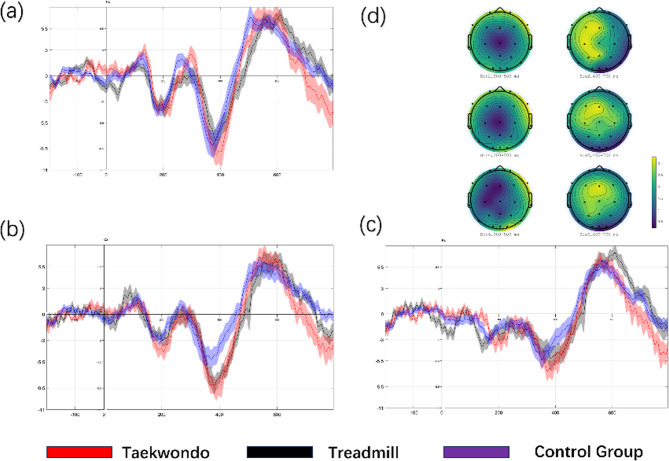
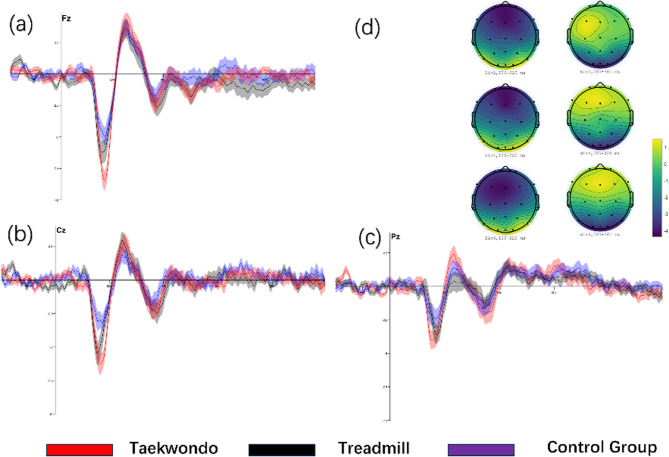
“During congruent conditions, taekwondo exercisers uniquely displayed P3 amplitude elevations at Pz, implying enhanced attentional modulation capabilities even under low-conflict scenarios [70].”
The Predictive Validity of the Beck Depression Inventory Suicide Item
Green, K. L., Brown, G. K., Jager-Hyman, S., Cha, J., Steer, R. A., & Beck, A. T. (2015) · The Journal of Clinical Psychiatry · doi:10.4088/jcp.14m09391 · Cited by 162 · cited 1×
“The Chinese adaptation demonstrated exceptional psychometric robustness (Cronbach’s α = 0.948) in our cohort [37].”
InfluentialCross-validation of a short form of the Marlowe-Crowne Social Desirability Scale
Ii, A. Z., & Sipps, G. J. (1985) · Journal of Clinical Psychology · doi:10.1002/1097-4679(198503)41:2<236::aid-jclp2270410217>3.0.co;2-h · Cited by 144
Chang, Y., Alderman, B. L., Chu, C., Wang, C., Song, T., & Chen, F. (2017) · Psychophysiology · doi:10.1111/psyp.12784 · Cited by 129
Contributions of Inhibitory Mechanisms to Unified Theory in Neuroscience and Psychology
Clark, J. M. (1996) · Brain and Cognition · doi:10.1006/brcg.1996.0008 · Cited by 122
Ren, J., & Xiao, H. (2023) · Life · doi:10.3390/life13071505 · Cited by 120 · cited 1×
“Exercise-induced modulation of inflammatory cytokines and hypothalamic-pituitary-adrenal axis activity further contributes to its antidepressant effects [23].”
A randomized trial of aerobic exercise on cognitive control in major depression
Olson, R. L., Brush, C. J., Ehmann, P. J., & Alderman, B. L. (2017) · Clinical Neurophysiology · doi:10.1016/j.clinph.2017.01.023 · Cited by 118 · cited 1×
“Thus, in accuracy-demanding cognitive tasks, acute exercise primarily reduces errors rather than accelerating responses [53].”
Integrative frontal-parietal dynamics supporting cognitive control
Nee, D. E. (2021) · eLife · doi:10.7554/elife.57244 · Cited by 112 · cited 1×
“Compared to treadmill training, taekwondo’s requirement for real-time environmental stimulus analysis likely potentiates the central cortex’s role in cognitive-motor synergy [76].”
Executive function during and after acute moderate aerobic exercise in adolescents
Soga, K., Shishido, T., & Nagatomi, R. (2014) · Psychology of sport and exercise · doi:10.1016/j.psychsport.2014.08.010 · Cited by 111 · cited 1×
“N2 latency reductions emerged differentially: Treadmill training accelerated parietal N2 latency during Go trials [64], suggesting enhanced response execution speed.”
The time course effect of moderate intensity exercise on response execution and response inhibition
Joyce, J., Graydon, J., McMorris, T., & Davranche, K. (2009) · Brain and Cognition · doi:10.1016/j.bandc.2009.03.004 · Cited by 106 · cited 1×
“This finding aligns with previous research [51] indicating acute exercise primarily enhances inhibitory control rather than response speed.”
Exercise Intensity and Recovery on Circulating Brain-derived Neurotrophic Factor
REYCRAFT, J. T., ISLAM, H., TOWNSEND, L. K., HAYWARD, G. C., HAZELL, T. J., & MACPHERSON, R. E. K. (2020) · Medicine & Science in Sports & Exercise · doi:10.1249/mss.0000000000002242 · Cited by 99 · cited 1×
“Exercise-induced increases in brain-derived neurotrophic factor (BDNF) release may play a crucial mediating role [45].”
Jentsch, V. L., & Wolf, O. T. (2020) · Biological Psychology · doi:10.1016/j.biopsycho.2020.107893 · Cited by 98
The effect of exercise intensity on cognitive performance during short duration treadmill running
Smith, M., Tallis, J. A., Miller, A., Clarke, N. D., Guimarães‐Ferreira, L., & Duncan, M. J. (2016) · Journal of Human Kinetics · doi:10.1515/hukin-2015-0167 · Cited by 93 · cited 1×
“However, our study revealed no significant between-group differences in reaction times during Go/No-go tasks, suggesting acute exercise exerts limited immediate effects on task execution speed [50].”
Clinical research challenges posed by difficult-to-treat depression.
Rush, A. J., Sackeim, H. A., Conway, C. R., Bunker, M. T., Hollon, S. D., Demyttenaere, K., Young, A. H., Aaronson, S. T., Dibué, M., Thase, M. E., et al. (2022) · Psychological Medicine · doi:10.1017/s0033291721004943 · Cited by 89 · cited 1×
“While pharmacotherapy remains a cornerstone of depression management, its therapeutic efficacy is constrained, with response rates of 60–80% and remission rates as low as 30% [19].”
Aksu, İ., Topçu, A., Çamsarı, U. M., & Açıkgöz, O. (2008) · Neuroscience Letters · doi:10.1016/j.neulet.2008.09.029 · Cited by 88 · cited 1×
“Concurrently, exercise selectively activates pre-frontal subregions critical for emotional regulation, particularly the dorsolateral prefrontal cortex (PFC) [85].”
San Martín, R., Appelbaum, L. G., Pearson, J. M., Huettel, S. A., & Woldorff, M. G. (2013) · The Journal of Neuroscience · doi:10.1523/jneurosci.4242-12.2013 · Cited by 87 · cited 1×
“…during inhibitory tasks [13], Complementarily, the P3 component (or P300), an exogenous stimulus-locked potential with maximal amplitude over parietal regions (latency: 300–800 ms), is implicated in attentional resource allocation, working memory updating, and inhibitory process evaluation [14].”
Yu, B., Hu, P., Saputra, A. A., & Gu, Y. (2020) · Applied Mathematical Modelling · doi:10.1016/j.apm.2020.07.035 · Cited by 86 · cited 1×
“These findings suggest taekwondo training optimizes conflict monitoring mechanisms [58], enabling faster detection and resolution of response conflicts - a conclusion corroborated by congruent behavioral improvements in depressed participants.”
The N2 ERP component as an index of impaired cognitive control in smokers
Buzzell, G. A., Fedota, J. R., Roberts, D. M., & McDonald, C. G. (2014) · Neuroscience Letters · doi:10.1016/j.neulet.2014.01.030 · Cited by 74
Solianik, R., Mickevičienė, D., Žlibinaitė, L., & Čekanauskaitė, A. (2021) · Experimental Gerontology · doi:10.1016/j.exger.2021.111363 · Cited by 72 · cited 1×
“Emerging evidence confirms that acute exercise elevates neurotrophic factors [86], such as brain-derived neurotrophic factor (BDNF), which enhance neurogenesis, synaptic plasticity, and affective-cognitive integration [87].”
Cho, S.-Y., So, W.-Y., & Roh, H.-T. (2017) · International Journal of Environmental Research and Public Health · doi:10.3390/ijerph14050454 · Cited by 66
Acute exercise improves cognition in the depressed elderly: the effect of dual-tasks
Vasques, P. E., Moraes, H., Silveira, H., Deslandes, A. C., & Laks, J. (2011) · Clinics · doi:10.1590/s1807-59322011000900008 · Cited by 65 · cited 2×
“Emerging evidence confirms that acute exercise elevates neurotrophic factors [86], such as brain-derived neurotrophic factor (BDNF), which enhance neurogenesis, synaptic plasticity, and affective-cognitive integration [87].”
Zhu, H., Chen, A., Guo, W., Zhu, F., & Wang, B. (2020) · Applied Sciences · doi:10.3390/app10082737 · Cited by 61 · cited 1×
“Contemporary meta-analytic findings [30] tentatively support open-skill superiority in improving inhibitory control and cognitive flexibility, though null effects in subgroup analyses underscore unresolved mechanistic complexi-ties—potentially involving differential neuroplasticity pathways or…”
Emotional & electroencephalographic responses during affective picture viewing after exercise
Crabbe, J. B., Smith, J. C., & Dishman, R. K. (2006) · Physiology & Behavior · doi:10.1016/j.physbeh.2006.10.001 · Cited by 58 · cited 1×
“Furthermore, exercise amplified emotional engagement with positive stimuli, potentially counter-acting the blunted affective responsiveness to rewarding content characteristic of depression—specifically, selectively enhancing hedonic responsiveness to pleasur-able stimuli [80].”
A single bout of exercise increases hippocampalBdnf: influence of chronic exercise and noradrenaline
Venezia, A. C., Quinlan, E. M., & Roth, S. M. (2017) · Genes Brain & Behavior · doi:10.1111/gbb.12394 · Cited by 55
Godde, B., & Voelcker‐Rehage, C. (2017) · Frontiers in Human Neuroscience · doi:10.3389/fnhum.2017.00156 · Cited by 53
Paryab, N., Taheri, M., H’mida, C., Irandoust, K., Mirmoezzi, M., Trabelsi, K., Ammar, A., & Chtourou, H. (2021) · Chronobiology International · doi:10.1080/07420528.2021.1889578 · Cited by 52 · cited 1×
“Additionally, exercise counteracts cognitive decline associated with sleep deprivation through noradrenergic and glutamatergic pathway modulation [24, 25].”
Effects of the FITKids physical activity randomized controlled trial on conflict monitoring in youth
Drollette, E. S., Pontifex, M. B., Raine, L. B., Scudder, M. R., Moore, R. D., Kao, S., Westfall, D. R., Wu, C.-T., Kamijo, K., Castelli, D. M., et al. (2017) · Psychophysiology · doi:10.1111/psyp.13017 · Cited by 51
Biased processing of sad faces: An ERP marker candidate for depression susceptibility
Bistricky, S. L., Atchley, R. A., Ingram, R. E., & O’Hare, A. J. (2013) · Cognition & Emotion · doi:10.1080/02699931.2013.837815 · Cited by 47 · cited 1×
“Convergent ERP-behavioral evidence demonstrates aberrant modulation of P3, N2, and slow-wave components during attention deployment, stimulus anticipation, and affective evaluation in depressed individuals, corroborating behavioral indices of cognitive-emotional dysregulation [16, 17].”
Li, L., Wang, P., Li, S., Liu, Q., Fen, Y., Guo, Z., Jia, S., & Wang, X. (2023) · Scientific Reports · doi:10.1038/s41598-023-38682-w · Cited by 44
Self-citationCognition Improvement in Taekwondo Novices Over 40. Results from the SEKWONDO Study
van Dijk, G. P., Huijts, M., & Lodder, J. (2013) · Frontiers in Aging Neuroscience · doi:10.3389/fnagi.2013.00074 · Cited by 38
Aly, M., & Kojima, H. (2020) · Mental health and physical activity · doi:10.1016/j.mhpa.2020.100363 · Cited by 38 · cited 1×
“…where acute MIE enhanced conflict resolution efficiency (reduced Flanker task response latency for both congruent/incongruent trials) and augmented event-related potential components (elevated P2, N2c, and P3 amplitudes post-exercise), though without accuracy or peak latency alterations [28].”
Ludyga, S., Tränkner, S., Gerber, M., & Pühse, U. (2021) · Medicine & Science in Sports & Exercise · doi:10.1249/mss.0000000000002626 · Cited by 35 · cited 1×
“This suggests acute taekwondo training enhances conflict inhibition capabilities [54].”
Zhang, L., Chao, F., Luo, Y., Xiao, Q., Jiang, L. H., Zhou, C., Zhang, Y., Lv, F., He, Q., Ma, J., et al. (2016) · Current Alzheimer Research · doi:10.2174/1567205014666161213121353 · Cited by 33
Li, P. W. C., Yu, D. S. F., Parco Ming-fai, S. I. U., Wong, S. C. K., & Chan, B. S. (2022) · Age and Ageing · doi:10.1093/ageing/afac213 · Cited by 32
The impact of attentional training on event-related potentials in older adults
Zendel, B. R., de Boysson, C., Mellah, S., Démonet, J., & Belleville, S. (2016) · Neurobiology of Aging · doi:10.1016/j.neurobiolaging.2016.06.023 · Cited by 31
Liang, Z., Zhang, Z., Qi, S., Yu, J., & Wei, Z. (2023) · Biology · doi:10.3390/biology12010126 · Cited by 27
Li, L., Wang, P., Zhao, Q., Liu, Z., Li, S., & Wang, X. (2024) · Journal of Affective Disorders · doi:10.1016/j.jad.2024.01.214 · Cited by 27
Self-citationLin, T., Hsieh, S., Chueh, T., Huang, C., & Hung, T.-M. (2021) · Scientific Reports · doi:10.1038/s41598-021-88634-5 · Cited by 23
Executive function training in very preterm children: a randomized controlled trial
van Houdt, C. A., Leemhuis, A. G., Oosterlaan, J., Königs, M., Koopman-Esseboom, C., Laarman, A. R. C., van Kaam, A. H., & Aarnoudse-Moens, C. S. H. (2020) · European Child & Adolescent Psychiatry · doi:10.1007/s00787-020-01561-0 · Cited by 21 · cited 1×
“” Neurodevelopmental trajectories of IC are characterized by progressive cortical specialization, wherein refined brain activation patterns directly mediate behavioral responses [11].”
Ludyga, S., Gerber, M., Schwarz, A., Greco, A., Müller, T., Pühse, U., & Hanke, M. (2024) · Medicine & Science in Sports & Exercise · doi:10.1249/mss.0000000000003410 · Cited by 21
Basham, C. A., Karim, M. E., Cook, V. J., Patrick, D. M., & Johnston, J. C. (2021) · Annals of Epidemiology · doi:10.1016/j.annepidem.2021.06.002 · Cited by 20
Effects of contact/collision sport history on gait in early- to mid-adulthood
Hunzinger, K. J., Caccese, J. B., Mannix, R., Meehan, W. P., III, Hafer, J. F., Swanik, C. B., & Buckley, T. A. (2022) · Journal of sport and health science/Journal of Sport and Health Science · doi:10.1016/j.jshs.2022.12.004 · Cited by 19
Zhao, Q., Wang, X., Li, S., Wang, P., Wang, X., Xin, X., Yin, S.-W., Yin, Z., & Mao, L. (2024) · World Journal of Psychiatry · doi:10.5498/wjp.v14.i1.148 · Cited by 16
Self-citationTang, Y., Chen, Z., Jiang, Y., Zhu, C., & Chen, A. (2021) · Neuropsychologia · doi:10.1016/j.neuropsychologia.2021.107866 · Cited by 14
Guida, P., Foffani, G., & Obeso, I. (2023) · Journal of Cognitive Neuroscience · doi:10.1162/jocn_a_01954 · Cited by 14 · cited 2×
“The treadmill group’s absence of significant changes under No-go conditions likely reflects its automated movement patterns requiring lower cognitive con-trol demands [69].”
The Basal Ganglia Downstream Control of Action – An Evolutionarily Conserved Strategy
Frost-Nylén, J., Thompson, W. S., Robertson, B., & Grillner, S. E. (2023) · Current Neuropharmacology · doi:10.2174/1570159x21666230810141746 · Cited by 14
Smith, T. J., Smith, T. R., Faruk, F., Bendea, M., Kumara, S. T., Capadona, J. R., Hernandez-Reynoso, A. G., & Pancrazio, J. J. (2024) · eNeuro · doi:10.1523/eneuro.0500-23.2024 · Cited by 14 · cited 1×
“The No-go task primarily engages the dorsolateral prefrontal cortex (DLPFC) and anterior cingulate cortex (ACC) [44], key regions responsible for inhibiting inappropriate responses, conflict monitoring, and executive function regulation.”
Chu, C., Kao, S., Hillman, C. H., Chen, F., Li, R., Ai, J., & Chang, Y. (2023) · Psychophysiology · doi:10.1111/psyp.14393 · Cited by 13
Wang, Y., Yu, N., Lu, J., Zhang, X., Wang, J., Shu, Z., Cheng, Y., Zhu, Z., Yu, Y., Liu, P., et al. (2023) · Journal of Parkinson s Disease · doi:10.3233/jpd-223564 · Cited by 12
Effects of acute slackline exercise on executive function in college students
Wen, C.-T., Chu, C.-L., Chen, H., Chueh, T., Lin, C., Wu, S., Hsu, W.-C., Huang, C., & Hung, T. (2023) · Frontiers in Psychology · doi:10.3389/fpsyg.2023.1092804 · Cited by 10
Li, L., Wang, P., Li, S., Zhao, Q., Yin, Z., Guan, W., Chen, S., Wang, X., & Liao, J. (2023) · BMC Psychiatry · doi:10.1186/s12888-023-05352-0 · Cited by 10
Self-citationDynamic rewiring of electrophysiological brain networks during learning
Ruggeri, P., Miehlbradt, J., Kabbara, A., & Hassan, M. (2022) · Network Neuroscience · doi:10.1162/netn_a_00289 · Cited by 8
Dhir, S., Tyler, K., Albertella, L., Chamberlain, S. R., Teo, W.-P., Yücel, M., & Segrave, R. A. (2022) · CNS Spectrums · doi:10.1017/s109285292200075x · Cited by 6 · cited 1×
“PFC hypoactivity disrupts this circuitry, eliciting exaggerated N2 amplitudes during conflict resolution phases [18].”
Rucka, K., & Talarowska, M. E. (2022) · International Journal of Environmental Research and Public Health · doi:10.3390/ijerph19116473 · Cited by 6 · cited 1×
“In Stroop tasks, both interventions improved P3 latencies at Fz and Pz, reflecting optimized attentional resource allocation [75].”
Carbonell-Hernández, L., Ballester-Ferrer, J. A., Maciá, E. S., Bonete-López, B., Roldán, A., Cervelló, E. M., & Pastor, D. (2022) · International Journal of Environmental Research and Public Health · doi:10.3390/ijerph19159748 · Cited by 6 · cited 1×
“These findings suggest differential effects of exercise types on inhibitory control capabilities [48].”
Manocchio, F., Lowe, C. J., & Hall, P. A. (2021) · Frontiers in Human Neuroscience · doi:10.3389/fnhum.2021.645326 · Cited by 4 · cited 1×
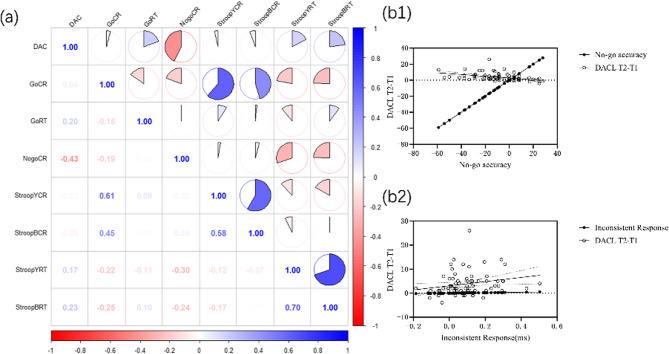
“Supporting our correlation analyses, Bartholomew et al. demonstrated that acute exercise not only augments cognitive performance but also ameliorates mood in depressive populations [87, 88], potentially mediated by transient neurotransmitter release [89].”
Shkury, E., Danziger-Schragenheim, S., Katzir, Z., Ezra, Y., Giladi, N., Mirelman, A., & Maidan, I. (2023) · Sensors · doi:10.3390/s23198266 · Cited by 4 · cited 1×
“Conversely, prolonged frontal N2 latency in treadmill participants under No-go conditions [65] implied lingering conflict resolution difficulties post-exercise.”
Xu, P., Feng, L., Alimu, G., Zhang, J., Jin, Z., & Li, L. (2024) · Journal of Cognitive Neuroscience · doi:10.1162/jocn_a_02155 · Cited by 2
Nahum, M., Vleet, T. V., Jordan, J. T., Shimony, O., & Bonne, O. B. (2022) · European Psychiatry · doi:10.1192/j.eurpsy.2022.1427 · Cited by 1
Depression adjective check lists: Spanish, Hebrew, Chinese and english versions
Lubin, B., & Collins, J. F. (1985) · Journal of Clinical Psychology · doi:10.1002/1097-4679(198503)41:2<213::aid-jclp2270410213>3.0.co;2-3
Research works printed but not linked: 5
- MNatsakanian E V, Antipova O S Krukovvv. Implicit and explicit recognition of negative emotions in healthy people and patients with depression.: high-density erp study. Psychophysiology. 2011;48:S37-S.
- Paryab N, T M, H’Mida C, et al. 2021 Melatonin supplementation improves psychomotor and physical performance in collegiate student-athletes following a sleep deprivation night. Chronobiology International. 33845710 · DOI
- Wang S. Motor skill learning and control. Beijing: Higher Education Press; 2018.
- Chea S. Effects on Lipid Metabolic-related Hormones, Inflammatory Markers and Metabolic Syndrome of Intermittent High Intensity Interval Training Using Taekwondo and Continuous Aerobic Training in Middle. Hanyang University; 2016.
- Wang Yingying Z. Dose relationship between intensity and Inhibition ability of acute aerobic exercise: evidence from ERP. Sports Sci. 2014;34(11):42–9.
Cited by
Ma, W., Hou, W., Zhai, J., Yang, H., Zhang, B., & Luo, L. (2026) · Frontiers in Nutrition · doi:10.3389/fnut.2026.1832858 · Cited by 1
“At the level of cognitive control, existing studies have indicated that regular aerobic exercise may modulate N2 and P3 amplitudes during general cognitive tasks in individuals with depression, potentially reflecting improved executive control engagement (32).”
Çınaroğlu, M., Ülker, S. V., Yılmazer, E., & Sayar, G. H. (2026) · BMC Psychology · doi:10.1186/s40359-026-05201-1
“…several studies have reported that the P3 component – often measured in an auditory oddball task as an index of attention and working memory – is blunted or delayed in OCD patients relative to controls, but after treatment P3 amplitudes increase (toward normal levels) and latency shortens [15].”
Guo, Z., Yun, S., Xie, Z., Jia, S., Liu, C., Ma, X., Wei, C., & Wang, X. (2026) · Scandinavian Journal of Medicine and Science in Sports · doi:10.1111/sms.70295 · Cited by 1
Self-citationLyu, Y., Chen, J., & Zeng, S. (2026) · PLoS ONE · doi:10.1371/journal.pone.0354206
“Open skill exercise has been associated with broader cortical activation and larger behavioural gains [36].”
Peng, S., Wu, P., Zeng, Q., Liu, L., Pan, X., Wang, S., & Feng, H. (2026) · Frontiers in Psychology · doi:10.3389/fpsyg.2026.1992560
“These comprised nine independent studies with a total sample size of 605 participants (Gao et al., 2025; Li et al., 2020; Nie and Fan, 2025; Si et al., 2025; Wang et al., 2023; Yang and He, 2023; Yu, 2023a, 2023b; Zhang et al., 2017).”
Metadata
- Authors
- Gao, F., Jia, S., Yin, S., Yin, Z., Guan, W., Ding, F., Wang, X., & Wan, P.
- Affiliations
- Huanghuai University (CN)
- Shanghai University of Sport (CN)
- Shanghai Lixin University of Accounting and Finance (CN)
- Corresponding author
- Wan, Ping
- Venue
- BMC Psychiatry
- Published
- 2025-10-08
- Volume
- 25
- Issue
- 1
- Pages
- 950-950
- ISSN
- 1471-244X (ISSN-L)
- PMC
- PMC12505675
- OpenAlex
- W4414933287
- Cited by
- 5
- References
- 82
- Citations by year
- 2026: 5
- FWCI
- 3.22
- Type
- journal article
- Language
- en
- Open access
- gold
- doi.org
- Licence
- cc-by-nc-nd
- creativecommons.org/licenses/by-nc-nd/4.0 (tdm)
- creativecommons.org/licenses/by-nc-nd/4.0 (vor)
- Locations
- BMC Psychiatry (publishedVersion, cc-by-nc-nd)
- Europe PMC (PubMed Central) (publishedVersion, cc-by-nc-nd)
- PubMed (publishedVersion)
- PubMed Central (publishedVersion, cc-by-nc-nd)
- DOAJ (DOAJ: Directory of Open Access Journals) (submittedVersion, cc-by-sa)
- Funders
- Shanghai University of Sport, the Shanghai Key Laboratory of Human Performance (11DZ2261100)
- Topics
- Health Sciences › Medicine › Public Health, Environmental and Occupational Health › Physical Activity and Health
- Life Sciences › Neuroscience › Cognitive Neuroscience › Neural and Behavioral Psychology Studies
- Health Sciences › Medicine › Pharmacology (medical) › Treatment of Major Depression
- Keywords
- moderate-intensity exercise, depressive symptoms, inhibitory control, mood regulation, taekwondo, treadmill exercise, event-related potentials, Stroop task, go/no-go task, acute exercise effects, university students, cognitive performance, reaction time, cortical activation, single bout exercise
- MeSH terms
- Affect, Depression, Electroencephalography, Emotions, Evoked Potentials, Exercise Therapy, Female, Humans, Inhibition, Psychological, Male, Reaction Time, Students, Exercise, Young Adult, Stroop Test
About these checks
Registry, retraction, Cites and statistics results are computed, not judged, with one exception: a printed reference that no index lists is read once by a model before it counts as a citation error. Claims are extracted by a model and kept only when their quote appears verbatim in the text; each cited source is then checked, with a model’s help, for whether it says what the claim relies on. Those verdicts can be wrong — read the claim’s quote and the cited source before relying on one.
Statistics and arithmetic are recomputed, not judged.
Confidence bands are shown only for fields calibrated on our annotated test set. None is calibrated yet, so no band is shown.
What counts as a claim ›How we measure confidence ›How we check this ›
Are you an author, or do you see a problem with this page? Request a review
Data sources
Bibliographic data: Semantic Scholar, OpenAlex, Crossref.
Contains information from the Semantic Scholar Academic Graph Datasets, made available under the ODC Attribution License (ODC-BY 1.0).
Semantic Scholar’s data is described in: Kinney, R., et al. (2023). The Semantic Scholar Open Data Platform. arXiv:2301.10140.
