

The DOI matches its Crossref record; 83 of the 83 references it cites were found in a registry or an index.
Are interventions to promote healthy eating equally effective for all? Systematic review of socioeconomic inequalities in impact
Open accessAbstract
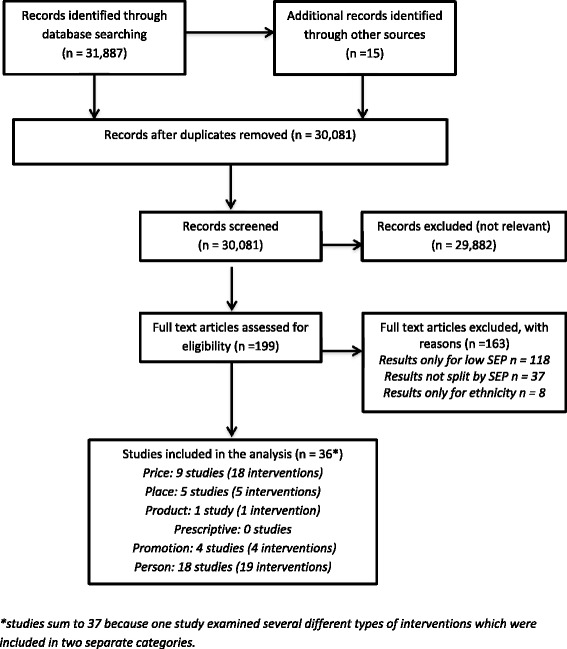
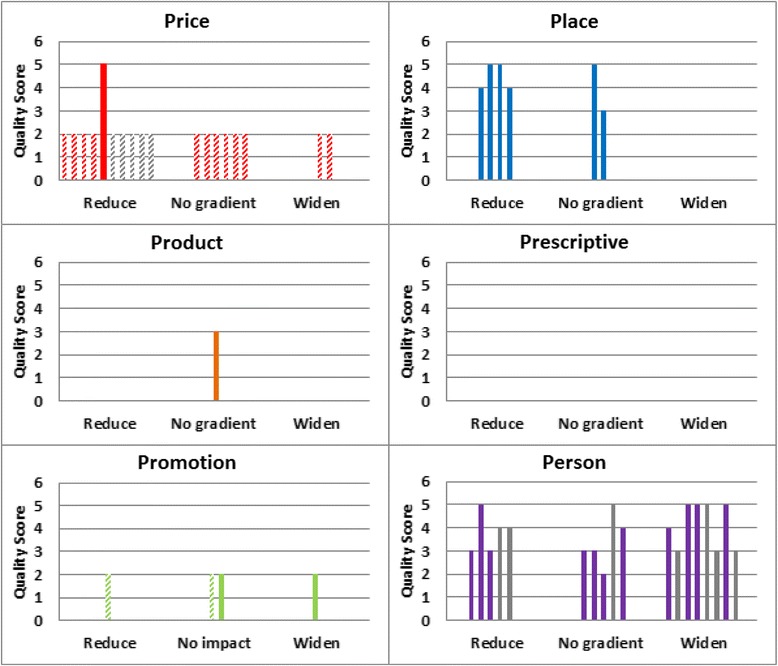
BACKGROUND: Interventions to promote healthy eating make a potentially powerful contribution to the primary prevention of non communicable diseases. It is not known whether healthy eating interventions are equally effective among all sections of the population, nor whether they narrow or widen the health gap between rich and poor. We undertook a systematic review of interventions to promote healthy eating to identify whether impacts differ by socioeconomic position (SEP). METHODS: We searched five bibliographic databases using a pre-piloted search strategy. Retrieved articles were screened independently by two reviewers. Healthier diets were defined as the reduced intake of salt, sugar, trans-fats, saturated fat, total fat, or total calories, or increased consumption of fruit, vegetables and wholegrain. Studies were only included if quantitative results were presented by a measure of SEP. Extracted data were categorised with a modified version of the "4Ps" marketing mix, expanded to 6 "Ps": "Price, Place, Product, Prescriptive, Promotion, and Person". RESULTS: Our search identified 31,887 articles. Following screening, 36 studies were included: 18 "Price" interventions, 6 "Place" interventions, 1 "Product" intervention, zero "Prescriptive" interventions, 4 "Promotion" interventions, and 18 "Person" interventions. "Price" interventions were most effective in groups with lower SEP, and may therefore appear likely to reduce inequalities. All interventions that combined taxes and subsidies consistently decreased inequalities. Conversely, interventions categorised as "Person" had a greater impact with increasing SEP, and may therefore appear likely to reduce inequalities. All four dietary counselling interventions appear likely to widen inequalities. We did not find any "Prescriptive" interventions and only one "Product" intervention that presented differential results and had no impact by SEP. More "Place" interventions were identified and none of these interventions were judged as likely to widen inequalities. CONCLUSIONS: Interventions categorised by a "6 Ps" framework show differential effects on healthy eating outcomes by SEP. "Upstream" interventions categorised as "Price" appeared to decrease inequalities, and "downstream" "Person" interventions, especially dietary counselling seemed to increase inequalities. However the vast majority of studies identified did not explore differential effects by SEP. Interventions aimed at improving population health should be routinely evaluated for differential socioeconomic impact.
Overview
The claims and statistics of this paper haven’t been checked yet.
Run the check — free, no account needed. It reads the open-access text and checks the sources it cites.
Integrity signals
Registry
Cites
Statistics
Figures
Verification
Claims the paper makes
The claims and statistics of this paper haven’t been checked yet.
Run the check — free, no account needed. It reads the open-access text and checks the sources it cites.
Claims other papers make about this one
Each is checked against this paper’s own text: does it say what the citing paper says it does?
In the citing paper
“In addition, population strategies to address diet, such as economic incentives, can reduce socioeconomic-related disparities in health, whereas individual-based approaches may exacerbate inequities.98, 99”
From Dietary and Policy Priorities for Cardiovascular Disease, Diabetes, and Obesity: A Comprehensive Review (2016) · cites this paper as [98]
Self-check
Percentages, sums and reported differences re-computed from the paper’s own numbers.
The self-check needs the paper’s full text.
Citations
Cites
Lim, S. S., Vos, T., Flaxman, A. D., Danaei, G., Shibuya, K., Adair-Rohani, H., AlMazroa, M. A., Amann, M., Anderson, H. R., Andrews, K. G., et al. (2012) · The Lancet · doi:10.1016/s0140-6736(12)61766-8 · Cited by 11,805
Indicators of socioeconomic position (part 1): Figure 1
Galobardes, B., Shaw, M., Lawlor, D. A., Lynch, J. W., & Smith, G. D. (2005) · Journal of Epidemiology & Community Health · doi:10.1136/jech.2004.023531 · Cited by 2,979 · cited 2×
“For each of the included interventions, if the outcome was split by more than one socioeconomic proxy measure, we took the quantitative effect on inequalities from the stratified results that best represented SEP [24,25].”
Socioeconomic factors and cardiovascular disease: a review of the literature.
Kaplan, G. A., & Keil, J. E. (1993) · Circulation · doi:10.1161/01.cir.88.4.1973 · Cited by 1,845
A Framework for Public Health Action: The Health Impact Pyramid
Frieden, T. R. (2010) · American Journal of Public Health · doi:10.2105/ajph.2009.185652 · Cited by 1,535 · cited 2×
“Frieden depicts this difference as a “Health Impact Pyramid” [79].”
(2012) · Choice Reviews Online · doi:10.5860/choice.49-6620 · Cited by 1,284
Evaluating primary care behavioral counseling interventions An evidence-based approach
Whitlock, E. (2002) · American Journal of Preventive Medicine · doi:10.1016/s0749-3797(02)00415-4 · Cited by 1,057 · cited 1×
“Whitlock and colleagues reviewed the effectiveness of counselling interventions on public health [81].”
What types of interventions generate inequalities? Evidence from systematic reviews
Lorenc, T., Petticrew, M., Welch, V., & Tugwell, P. (2013) · Journal of Epidemiology and Community Health · doi:10.1136/jech-2012-201257 · Cited by 927 · cited 1×
“explicitly concluded that “downstream” interventions actually worsen health inequalities [82].”
Self-citationSOCIAL MARKETING IN PUBLIC HEALTH
Grier, S. A., & Bryant, C. A. (2004) · Annual Review of Public Health · doi:10.1146/annurev.publhealth.26.021304.144610 · Cited by 925 · cited 1×
“The “4 Ps” framework is a well-established framework used within the marketing field and translates well to a policy context [31].”
Tackling of unhealthy diets, physical inactivity, and obesity: health effects and cost-effectiveness
Cecchini, M., Sassi, F., Lauer, J. A., Lee, Y. Y., Guajardo-Barron, V., & Chisholm, D. (2010) · The Lancet · doi:10.1016/s0140-6736(10)61514-0 · Cited by 889 · cited 1×
“Preventative interventions are more cost effective when compared to treatment [86].”
Welch, V. A., Petticrew, M. P., Tugwell, P., Moher, D., Petkovic, J., Waters, E., White, H., & the PRISMA-Equity Bellagio group (2012) · PLoS Medicine · doi:10.1371/journal.pmed.1001333 · Cited by 732 · cited 2×
“Upon fulfilling these criteria, studies were assessed utilising a PICOS (Participants, Interventions, Comparators, Outcomes and Study design) [23].”
Self-citation
Research works printed but not linked: 1
- Thomas H. Quality Assessment Tool for Quantitative Studies. Toronto: Effective Public Health Practice Project McMaster University; 2003.
Cited by
Sorted by citations
Items 201–300 of 412
Shimazaki, T., Bao, H., Deli, G., Uechi, H., Lee, Y.-H., Miura, K., & Takenaka, K. (2017) · Diabetes & Metabolic Syndrome Clinical Research & Reviews · doi:10.1016/j.dsx.2017.03.043 · Cited by 13
Processed and Packed: How Refined Are the Foods That Children Bring to School for Snack and Lunch?
Blondin, S. A., AlSukait, R., Bleiweiss-Sande, R., Economos, C. D., Tanskey, L. A., & Goldberg, J. P. (2021) · Journal of the Academy of Nutrition and Dietetics · doi:10.1016/j.jand.2020.07.017 · Cited by 11
Chan, S. W., Chin, M., Suss, R., Kui, K. Y., Lam, S. Z., Dowd, E., Bosen, C., Mei, S., Barth, K., Hughes, M. L., et al. (2024) · Health Promotion Practice · doi:10.1177/15248399241234058 · Cited by 11
“Nutrition-focused initiatives that have not centered community input from inception to implementation have led to a widening of health disparities across racial/ ethnic minority groups, including Latine and Asian American individuals (McGill et al., 2015; Zhang et al., 2018).”
van den Bekerom, L., van Gestel, L. C., Schoones, J. W., Bussemaker, J., & Adriaanse, M. A. (2024) · Health Psychology and Behavioral Medicine · doi:10.1080/21642850.2024.2365931 · Cited by 14
“…several cases interventions have even been found to unintentionally widen this gap by benefiting advantaged groups more than disadvantaged groups (McGill et al., 2015; White et al., 2009), due to differences in the efficacy of the intervention, but also to reduced accessibility to, adoption of…”
BackgroundZorbas, C., Grigsby‐Duffy, L., & Backholer, K. (2020) · Current Nutrition Reports · doi:10.1007/s13668-020-00300-w · Cited by 11
Socioeconomic disparities in health: Changes in sleep quality and inflammation during bereavement
Wu, E., Brown, R. L., Chirinos, D., Chen, M. A., de Dios, M. A., Taylor, D., Butner, J., Heijnen, C., & Fagundes, C. (2021) · Comprehensive Psychoneuroendocrinology · doi:10.1016/j.cpnec.2021.100056 · Cited by 10
“, eating behavior, physical activity) can differ in effectiveness according to socioeconomic factors [48,49].”
BackgroundDawes, E. J., D’Onise, K., & Spurrier, N. J. (2020) · Australian and New Zealand Journal of Public Health · doi:10.1111/1753-6405.13006 · Cited by 12
Pförtner, T. (2022) · International Journal of Social Determinants of Health and Health Services · doi:10.1177/00207314221139797 · Cited by 11
“, structural workplace interventions, provision of resources, and fiscal interventions, such as tobacco pricing).(113,114) Comparative studies within Europe focusing on precarious employment are not known.”
BackgroundMantzios, M., Zervos, K., Koletsi, M., & Giannou, K. (2023) · Eating and Weight Disorders - Studies on Anorexia Bulimia and Obesity · doi:10.1007/s40519-023-01615-7 · Cited by 10
“…gathered in the present study would have given more insight into associations and the standard-ising of scales, and future research needs to identify more demographic information, such as socioeconomic status and educational level, as such data may implicate significant differences [58].”
BackgroundInterventions to prevent obesity in children aged 2 to 4 years old
Phillips, S. M., Spiga, F., Moore, T. H., Dawson, S., Stockton, H., Rizk, R., Cheng, H., Hodder, R. K., Gao, Y., Hillier-Brown, F. C., et al. (2025) · Cochrane Database of Systematic Reviews · doi:10.1002/14651858.cd015326.pub2 · Cited by 12
Russo, R. G., Peters, B. A., Salcedo, V., Wang, V. H., Kwon, S. C., Wu, B., & Yi, S. S. (2020) · Preventing Chronic Disease · doi:10.5888/pcd17.200091 · Cited by 10
“Studies have also recognized that the top dietary sources of sodium and preferred types of beverages for Hispanic and Asian Americans are different from those for non-Hispanic White and Black Americans (4,7), despite that most nutrition policies and programs target non-Hispanic White and Black Americans.”
Reducing health inequalities through general practice: protocol for a realist review (EQUALISE)
Ford, J. A., Gkiouleka, A., Kuhn, I. L., Sowden, S. L., Head, F., Siersbaek, R., Bambra, C. L., Harmston, R. R., Manji, S., Moseley, A., et al. (2021) · BMJ Open · doi:10.1136/bmjopen-2021-052746 · Cited by 10
Gillebaart, M., Blom, S. S. A. H., de Boer, F. E., & de Ridder, D. T. D. (2023) · Appetite · doi:10.1016/j.appet.2023.106526 · Cited by 10
Terry, D. R., Ervin, K. E., Soutter, E., Spiller, R., Nogare, N. D., & Hamilton, A. J. (2016) · International Journal of Environmental Research and Public Health · doi:10.3390/ijerph14010026 · Cited by 10
Sabbath, E. L., Yang, J., Dennerlein, J. T., Boden, L. I., Hashimoto, D. M., & Sorensen, G. (2019) · American Journal of Public Health · doi:10.2105/ajph.2018.304929 · Cited by 10
Pop, T. L., Namazova-Baranova, L. S., Meštrović, J., Nigri, L., Vural, M., Sacco, M. C., Giardino, I., Ferrara, P., & Pettoello‐Mantovani, M. (2019) · The Journal of Pediatrics · doi:10.1016/j.jpeds.2019.10.061 · Cited by 10
Hovdenak, I. M., Bere, E. T., & Stea, T. H. (2019) · Nutrition Journal · doi:10.1186/s12937-019-0501-z · Cited by 10
“Our results add to the body of literature which has shown that “upstream” interventions, such as free fruit and vegetables at school, are more likely to be effective among individuals regardless of SES [34].”
ResultOgunlayi, F., Coleman, P. C., Fat, L. N., Mindell, J. S., & Oyebode, O. O. (2023) · BMC Public Health · doi:10.1186/s12889-023-16275-6 · Cited by 9
“Further, although public health interventions have aimed to reduce the prevalence of behavioural riskfactors, some interventions are potentially less effective for the most deprived population groups [8, 9].”
BackgroundWittels, P., Kay, T., & Mansfield, L. (2022) · BMC Public Health · doi:10.1186/s12889-022-13502-4 · Cited by 9
“Whilst this in a large part is due to material and structural parameters, there are other factors at play that may be modifiable [9, 18, 37].”
BackgroundBarry, L. E., Kee, F., Woodside, J. V., Clarke, M. J., Cawley, J., Doherty, E., Crealey, G., Duggan, J., & O’Neill, C. (2023) · Obesity Reviews · doi:10.1111/obr.13570 · Cited by 9
Early-life sugar consumption and breastfeeding practices: a multicenter initiative in Latin America
Feldens, C. A., ALVAREZ, L. L., Acevedo, A. M., Cepeda, V., CHIRIFE, M. T., GÁLVEZ, C. A., Garbelini, C. C. D., Gudiño-Fernández, S., Martignon, S., Pérez, V., et al. (2023) · Brazilian Oral Research · doi:10.1590/1807-3107bor-2023.vol37.0104 · Cited by 9
Promotion of healthy food and beverage purchases: are subsidies and consumer education sufficient?
Capewell, S., & Lloyd‐Williams, F. (2017) · The Lancet Public Health · doi:10.1016/s2468-2667(17)30012-9 · Cited by 9
Self-citationImpact of glass shape on time taken to drink a soft drink: A laboratory-based experiment
Langfield, T., Pechey, R., Pilling, M. A., & Marteau, T. M. (2018) · PLoS ONE · doi:10.1371/journal.pone.0202793 · Cited by 9
Pomeranz, J. L., Huang, Y., Mozaffarian, D., & Micha, R. (2020) · Milbank Quarterly · doi:10.1111/1468-0009.12461 · Cited by 9
McKerchar, C., Lacey, C. J., Abel, G., & Signal, L. N. (2021) · International Journal for Equity in Health · doi:10.1186/s12939-021-01407-4 · Cited by 16
“In 2007, food available for sale in schools was regulated [26], however this ceased in 2008 [27] and HEHA was cancelled in 2011 [25] and replaced with ten Healthy Families programmes [28] and a Childhood Obesity Action Plan [29, 30].”
BackgroundPechey, R., Hollands, G. J., Reynolds, J. P., Jebb, S. A., & Marteau, T. M. (2022) · International Journal of Behavioral Nutrition and Physical Activity · doi:10.1186/s12966-022-01315-y · Cited by 8
“In contrast, a review of the inequalities arising from different types of healthy eating interventions concluded that none of the identified studies targeting environmental changes in specific settings were likely to lead to differential impact by SEP – in contrast to information-based interventions which tended to di…”
ResultPatterns of health lifestyle behaviours: findings from a representative sample of Israel
Nudelman, G., & Yakubovich, S. (2022) · BMC Public Health · doi:10.1186/s12889-022-14535-5 · Cited by 10
“These unique patterns are likely to be associated with distinct health outcomes, and to influence the effectiveness of various health promotion programs [9, 10].”
BackgroundBarry, L. E., Kee, F., Woodside, J. V., Cawley, J., Doherty, E., Clarke, M. J., Crealey, G., Duggan, J., & O’Neill, C. (2023) · Nutrition Reviews · doi:10.1093/nutrit/nuad011 · Cited by 9
Lu, I., Suss, R., Lanza, D. V., Cohen, S., Yusuf, Y., & Yi, S. S. (2023) · Preventive Medicine Reports · doi:10.1016/j.pmedr.2023.102480 · Cited by 8
“(Zhang et al., 2018; McGill et al., 2015; Rehm et al., 2016; Trends in Dietary Quality Among Adults in the United States, 1999) Asian Americans (AA) have been historically underrepresented and aggregated in health studies, which can mask meaningful differences in behaviors, health risks, and health…”
BackgroundWittels, P., Kay, T., & Mansfield, L. (2022) · International Journal of Environmental Research and Public Health · doi:10.3390/ijerph19031071 · Cited by 8
“Without targeted public health interventions to support the uptake of guidance in this group, health inequalities are likely to persist and may even increase as non-targeted interventions are disproportionally taken up by higher SES groups [72,73] thus widening the gap between high and low SES groups.”
BackgroundPopay, J., Chekar, C. K., Griffiths, A., Halliday, E. C., Kaloudis, H., Leiper, R., Panagaki, K., & Porroche‐Escudero, A. (2023) · Public Health · doi:10.1016/j.puhe.2022.11.018 · Cited by 8
Stuber, J. M., Lakerveld, J., Beulens, J. W. J., & Mackenbach, J. D. (2023) · Public Health Nutrition · doi:10.1017/s1368980023000228 · Cited by 8
“The current limited understanding of the complexity of how individuals with varying socio-economic backgrounds reach a certain intake hinders the translation of research insights and optimally tailoring of dietary interventional strategies, which could further increase the socio-economic inequalities in dietary intake…”
BackgroundMaden, M., McMahon, N. E., Booth, A., Dickson, R., Paisley, S., & Gabbay, M. (2018) · Journal of Clinical Epidemiology · doi:10.1016/j.jclinepi.2018.08.008 · Cited by 8
Pour une approche tridimensionnelle de l’éducation à l’alimentation
Bertin, É. (2020) · Cahiers de Nutrition et de Diététique · doi:10.1016/j.cnd.2020.03.002 · Cited by 8
Bach, U., Johansen, M. B., Joensen, A. M., Overvad, K., & Larsen, M. L. (2020) · Journal of the American College of Nutrition · doi:10.1080/07315724.2020.1755910 · Cited by 8
“In primary prevention, the same tendencies have not been found as a recent systematic review evaluated the impact of dietary and health education on change of diet (33).”
Schönbach, J.-K., & Lhachimi, S. K. (2020) · Public Health Nutrition · doi:10.1017/s1368980020000634 · Cited by 8
“In contrast, fiscal measures have shown stronger evidence for success(6,8) and may decrease socioeconomic inequalities(9).”
BackgroundJoachim-Célestin, M., Gamboa-Maldonado, T., Santos, H. D., & Montgomery, S. (2021) · INQUIRY The Journal of Health Care Organization Provision and Financing · doi:10.1177/00469580211055595 · Cited by 9
“Evidence suggests that participants’ socio-economic status determines how much they will benefit from health promotion interventions.(15,16) Some authors have even concluded that interventions focusing on individual behaviors increase inequality gaps proposing comprehensive and populationbased policy interventions ins…”
BackgroundPotocka, A., & Jacukowicz, A. (2017) · International Journal of Occupational Medicine and Environmental Health · doi:10.13075/ijomeh.1896.00971 · Cited by 9
Stea, T. H., Hovdenak, I. M., Rønnestad, J., Rennestraum, K., Vik, F. N., Klepp, K., & Bere, E. T. (2018) · American Journal of Clinical Nutrition · doi:10.1093/ajcn/nqy243 · Cited by 8
A rapid evidence review of the Psychology of Food Choice
Gillison, F., Verplanken, B., Barnett, J. C., Griffin, T. L., & Beasley, L. (2022) · doi:10.46756/sci.fsa.blc589 · Cited by 8
Reducing health inequalities through general practice: a realist review and action framework
Gkiouleka, A., Wong, G., Sowden, S. L., Kuhn, I. L., Moseley, A., Manji, S., Harmston, R. R., Siersbaek, R., Bambra, C. L., & Ford, J. A. (2024) · Health and Social Care Delivery Research · doi:10.3310/ytww7032 · Cited by 8
Captieux, M., Guthrie, B., & Lawton, J. (2025) · Diabetic Medicine · doi:10.1111/dme.15515 · Cited by 7
“20 Similar to our own findings, Wylie et al. found that ambiguity in how a diagnosis of pre-diabetes affected clinical management made GPs uncertain about the value of such a diagnosis.”
Trends in Fruit and Vegetable Intake Among the Labor Force Population — China, 2010–2018
Wang, L., Zhang, M., Zhang, X., Zhao, Z., Li, C., Yu, M., Xue, T., Tan, F., & Wang, L. (2024) · China CDC Weekly · doi:10.46234/ccdcw2024.078 · Cited by 7
Socio-economic, environmental and health impacts of dietary transformation in Bangladesh
de Lange, T., van Dijk, M., Kuiper, M., van Zeist, W., Bartelings, H., Mizan, A., & van Meijl, H. (2024) · Environmental Research Letters · doi:10.1088/1748-9326/ada0ca · Cited by 7
“Financial interventions, such as taxes and subsidies, appear to be effective policy measures (McGill et al 2015, Latka et al 2021).”
Armstrong-Moore, R., White, M. J., & Burgoine, T. (2021) · Health & Place · doi:10.1016/j.healthplace.2021.102648 · Cited by 7
Self-citationKilledar, A., Lung, T. W.-C., Taylor, R. W., Taylor, B. J., & Hayes, A. (2022) · Obesity · doi:10.1002/oby.23592 · Cited by 7
Lehne, G., & Bolte, G. (2016) · Systematic Reviews · doi:10.1186/s13643-016-0194-8 · Cited by 7
“The issue of IGIs has also been discussed in systematic reviews of obesity prevention interventions among adults [26, 27] and children [28], interventions to improve healthy eating [29] and school-based cognitivebehavioral [30], and health behavior interventions [31].”
BackgroundGesundheitliche Vorteile von Klimaschutzmaßnahmen – wie Haushalte und Politik profitieren können
Herrmann, A., de Jong, L., Kowalski, C., & Sauerborn, R. (2019) · Bundesgesundheitsblatt - Gesundheitsforschung - Gesundheitsschutz · doi:10.1007/s00103-019-02929-7 · Cited by 7
Regulating Food Marketing: France as a Disappointing Example
Friant–Perrot, M., Garde, A., & CHANSAY, A. (2017) · European Journal of Risk Regulation · doi:10.1017/err.2017.31 · Cited by 7
Welch, V. A., Petkovic, J., Simeon, R., Presseau, J., Gagnon, D., Hossain, A., Pardo, J. P., Pottie, K. C., Rader, T., Sokolovski, A., et al. (2018) · Campbell Systematic Reviews · doi:10.1002/cl2.213 · Cited by 8
Socioeconomic Inequalities in Dietary Sodium Intake: Upstream Versus Downstream Interventions
Capewell, S., & Kypridemos, C. (2017) · American Journal of Public Health · doi:10.2105/ajph.2017.303673 · Cited by 7
Self-citationZhu, Y., Ocké, M. C., & de Vet, E. (2025) · European Journal of Public Health · doi:10.1093/eurpub/ckaf095 · Cited by 6
Adverse Childhood Experiences (ACEs): An Overview of Definitions, Measures, and Methods
Karatekin, C., Mason, S. M., Riegelman, A., Bakker, C., Hunt, S., Gresham, B. L., Corcoran, F., & Barnes, A. J. (2023) · Issues in clinical child psychology · doi:10.1007/978-3-031-32597-7_3 · Cited by 8
Marsden, A., Hann, M., Barron, E., McGough, B., Murray, E., Valabhji, J., & Cotterill, S. (2023) · BMC Health Services Research · doi:10.1186/s12913-023-10365-2 · Cited by 9
“Non-diabetic hyperglycaemia is more prevalent among older people and those living in deprived areas, [37] and there is a risk of health interventions exacer-bating such health inequalities [38].”
BackgroundKayler, L. K., Nie, J., Solbu, A., Keller, M. M., & Handmacher, M. (2025) · Kidney and Dialysis · doi:10.3390/kidneydial5010004 · Cited by 6
“The literature reports a number of concepts concerning variable usage patterns in technology-based interventions for those with long-term conditions, such as age, social status, education, and health literacy that influence behaviors [17].”
Shand, C., Crozier, S., Vassilev, I., Penn-Newman, D., Dhuria, P., Cooper, C. C., Rogers, A. E., Baird, J., & Vogel, C. (2021) · Social Science & Medicine · doi:10.1016/j.socscimed.2021.114228 · Cited by 10
Douglas, F. (2023) · Proceedings of The Nutrition Society · doi:10.1017/s0029665123003713 · Cited by 6
Hosking, J., Woodward, A. J., Macmillan, A. K., Jones, R., Ameratunga, S. N., & Smith, M. (2023) · Advances in transport policy and planning · doi:10.1016/bs.atpp.2023.11.001 · Cited by 6
Hughes, J., Kabir, Z., Kee, F., & Bennett, K. (2017) · BMJ Open · doi:10.1136/bmjopen-2016-013442 · Cited by 7
“impact on whole population averages and norms, rather than interventions that rely on individual agency (like QOF) have a better chance of addressing inequalities, while the latter type of intervention may risk intervention generated inequality.(34) 35 In NI greater importance is being placed on increasing physical ac…”
BackgroundPlessz, M., Kesse‐Guyot, E., Zins, M., Matta, J., & Czernichow, S. (2019) · Appetite · doi:10.1016/j.appet.2019.03.028 · Cited by 6
Wagstaff, C., Pettinger, C., Relton, C., Psarikidou, K., Swan, E., Methven, L., Kuhnle, G., McCloy, R., Lloyd‐Evans, S., Thomas, M., et al. (2025) · Philosophical Transactions of the Royal Society B Biological Sciences · doi:10.1098/rstb.2024.0150 · Cited by 6
“Poverty is often at the root of health inequalities, and interventions taking a ‘cash-first’ approach or that are focused on price are the most likely to succeed [22,23].”
van Meurs, T., de Koster, W., van der Waal, J., & Groeniger, J. O. (2022) · European Journal of Public Health · doi:10.1093/eurpub/ckae013 · Cited by 5
“…of health professionals and governments alike, 7 leading to strong advocacy for structural interventions, since these have been found to have a greater effect among the lower social strata, 8 whereas more downstream interventions (e.g. information campaigns) often widen health inequalities.”
BackgroundLemken, D., Simonetti, A., Sindermann, G., & Magnasco, A. I. E. (2024) · Environment and Behavior · doi:10.1177/00139165241274496 · Cited by 5
“A systematic review of experiments targeting healthy food choices demonstrated how choice-structuring interventions reduce disparities in food choices related to socio-economic characteristics, particularly education and purchasing power (McGill et al., 2015).”
Wright, A. J., Finnerty, A. N., Norris, E., Marques, M. M., Hastings, J., West, R., & Michie, S. (2025) · Wellcome Open Research · doi:10.12688/wellcomeopenres.22788.1 · Cited by 5
Marteau, T. M., Mantzari, E., & Hollands, G. J. (2025) · Social Science & Medicine · doi:10.1016/j.socscimed.2025.118004 · Cited by 6
Dubois, C., Gaigi, H., Pérignon, M., Maillot, M., & Darmon, N. (2018) · Cahiers de Nutrition et de Diététique · doi:10.1016/j.cnd.2018.03.006 · Cited by 5
“[43] McGill R, Anwar E, Orton L, Bromley H, Lloyd-Williams F, O’Flaherty M, et al.”
Interventions to prevent obesity in children aged 12 to 18 years old
Moore, T. H., Tomlinson, E., Spiga, F., Higgins, J. P. T., Gao, Y., Caldwell, D. M., Nobles, J., Dawson, S., Ijaz, S., Savović, J., et al. (2022) · Cochrane Database of Systematic Reviews · doi:10.1002/14651858.cd015330 · Cited by 6
Strengthening adult community-based cooking skills interventions using realist principles
Blamey, A., Gordon, J., Newstead, K., & McDowell, J. (2017) · British Food Journal · doi:10.1108/bfj-09-2016-0432 · Cited by 5
Berger, N., Cummins, S., Smith, R., & Cornelsen, L. (2020) · Public Health Nutrition · doi:10.1017/s1368980020005029 · Cited by 7
“Conversely, the evidence suggests that price-related interventions, such as sugar taxes, can be more effective in more disadvantaged groups and reduce health inequalities (15) .”
Adaptation of a Dietary Screener for Asian Americans
Beasley, J. M., Yi, S. S., Lee, M., Park, A., Thorpe, L. E., Kwon, S. C., & Rummo, P. E. (2021) · Health Promotion Practice · doi:10.1177/15248399211034800 · Cited by 5
Preventing type 2 diabetes: A research agenda for behavioural science
French, D., Ahern, A. L., Greaves, C. J., Hawkes, R. E., Higgs, S., Pechey, R., & Sniehotta, F. F. (2023) · Diabetic Medicine · doi:10.1111/dme.15147 · Cited by 5
Hassen, H. Y., Sisay, B. G., Geertruyden, J. V., Goff, D. L., Ndejjo, R., Musinguzi, G., Abrams, S., & Bastiaens, H. (2023) · Public Health Nutrition · doi:10.1017/s1368980023000976 · Cited by 5
“Participants ’ socio-economic status and environmental conditions, including access to healthier food, determine the effectiveness of lifestyle interventions (96) .”
BackgroundEyles, H. C., Trieu, K., Jiang, Y., & Mhurchú, C. N. (2019) · American Journal of Clinical Nutrition · doi:10.1093/ajcn/nqz313 · Cited by 7
Commercial Determinants of Global Health
Allen, L. N. (2021) · Springer eBooks · doi:10.1007/978-3-030-45009-0_57 · Cited by 5
Altering the availability of products within physical micro-environments: A conceptual frameworkPreprint
Pechey, R., Hollands, G. J., Carter, P., & Marteau, T. M. (2019) · doi:10.31234/osf.io/qzb3w · Cited by 5
Interventions to prevent obesity in children aged 5 to 11 years old
Moore, T. H., Tomlinson, E., Spiga, F., Higgins, J. P. T., Gao, Y., Caldwell, D. M., Nobles, J., Dawson, S., Ijaz, S., Savović, J., et al. (2022) · Cochrane Database of Systematic Reviews · doi:10.1002/14651858.cd015328 · Cited by 4
Watts, S., Lloyd‐Williams, F., Bromley, H., & Capewell, S. (2023) · Journal of Public Health · doi:10.1093/pubmed/fdad152 · Cited by 4
Self-citationTariq, S., Olstad, D. L., Beall, R. F., Spackman, E., Lipscombe, L. L., Dunn, S., Lashewicz, B., Elliott, M. J., & Campbell, D. J. T. (2024) · Public Health Nutrition · doi:10.1017/s1368980024000429 · Cited by 5
“While there is limited evidence to suggest that there is unequal uptake of healthy food prescription programs (45 – 47) , previous qualitative studies have found that participants ’ economic contexts and access to material resources substantially shaped their experiences in healthy food…”
ResultVerra, S. E., Poelman, M. P., de Wit, J. B. F., & Kamphuis, C. B. M. (2024) · Journal of Epidemiology & Community Health · doi:10.1136/jech-2024-222449 · Cited by 4
“6 The highest preference overall was found for socioeconomic policies, in line with Wagemans and Peters.”
ResultStuber, J. M., Beulens, J. W. J., Ayala, G. X., Crozier, S., Dijkstra, S. C., Lin, S., Vogel, C., & Mackenbach, J. D. (2024) · International Journal of Behavioral Nutrition and Physical Activity · doi:10.1186/s12966-024-01687-3 · Cited by 5
“…evidence that socially disadvantaged groups are for instance more likely to be exposed to a higher number of unhealthy food products in grocery stores [25], the evidence for potential differential effectiveness of nudges across socioeconomic groups is limited and mixed [15, 18, 26–29].”
Holly, S., Caruso, O. T., McEachern, L. W., Seabrook, J. A., & Gilliland, J. (2025) · Journal of Nutrition Education and Behavior · doi:10.1016/j.jneb.2025.01.003 · Cited by 4
Chaparro, M. P., Whaley, S. E., Anderson, C. E., Wang, M. C., & Crespi, C. M. (2020) · Public Health Nutrition · doi:10.1017/s1368980020005200 · Cited by 4
“McGill et al. (18) conducted a systematic review focused on determining if interventions promoting healthy eating were equally effective across the socio-economic spectrum.”
How to Study and Understand Socioeconomic Inequalities in Health
Mudd, A. L., Verra, S. E., Bal, M., & Kamphuis, C. B. M. (2022) · Springer eBooks · doi:10.1007/978-3-030-93795-9_11 · Cited by 4
Health Promotion Values Underlying Healthy Eating Strategies in The Netherlands
Gillies, C., Molder, H. T., & Wagemakers, A. (2023) · International Journal of Environmental Research and Public Health · doi:10.3390/ijerph20146406 · Cited by 5
“This finding also stands in contrast to professionals’ shared value of beneficence, as individual-level strategies are known to be less effective in SDPs [39].”
ResultKaryani, A. K., Dizaj, J. Y., Khoramrooz, M., Soltani, S., Soofi, M., Irandoust, K., & Ramezani‐Doroh, V. (2022) · International Journal of Dental Hygiene · doi:10.1111/idh.12585 · Cited by 4
Ashton, B. A., Star, C., Lawrence, M. A., & Coveney, J. (2021) · Health Promotion International · doi:10.1093/heapro/daab003 · Cited by 4
Gillison, F., Grey, E., Verplanken, B., Barnett, J. C., & Baber, F. (2022) · doi:10.46756/sci.fsa.ljo674 · Cited by 6
James, W. P. T. (2016) · The Lancet Diabetes & Endocrinology · doi:10.1016/s2213-8587(15)00456-8 · Cited by 3
Centering Equity in Evidence‐Informed Decision Making: Theoretical and Practical Considerations
Hirsch, B. K., FROBOM, K., GIGLIERANO, G., Stevenson, M., & Givens, M. L. (2025) · Milbank Quarterly · doi:10.1111/1468-0009.70002 · Cited by 3
“49,50 53 Targeted Interventions.”
Santa-Ramírez, H.-A., Bilal, U., Marques-Vidal, P. M., Nehme, M., Guessous, I., Stringhini, S., & Joost, S. (2025) · Social Science & Medicine · doi:10.1016/j.socscimed.2025.117926 · Cited by 3
Ashraf, Z., Hussain, M., Majeed, I., Afzal, M., Parveen, K., & Gilani, S. A. (2019) · Journal of Health, Medicine and Nursing · doi:10.7176/jhmn/69-10 · Cited by 3
A conceptual framework of the values of nutrition health professionals in the Netherlands
Gillies, C., Elkhuizen, S., & Wagemakers, A. (2022) · International Journal of Health Promotion and Education · doi:10.1080/14635240.2022.2042712 · Cited by 3
“…solely targeting individual factors (e.g. education and dietary counseling) is likely to widen socioeconomic health disparities as SDPs experience more difficulties related to a lack of access to resources as time, finance, and coping skills (Berg, Harting, and Stronks 2021; McGill et al. 2015).”
O’Flaherty, M., & Guzmán, M. G. (2016) · AIMS Public Health · doi:10.3934/publichealth.2016.2.228 · Cited by 3
“These natural experiments suggest that population level interventions can deliver gains of similar size and speed, but they can result in additional substantial economic and social gains.[12,13] For example, mandatory salt reduction could result in 2 times bigger savings and 30% more life years gained than the volunta…”
BackgroundSelf-citationGebremariam, M. K., Arah, O. A., Bergh, I. H., Andersen, L. F., Bjelland, M., Grydeland, M., & Lien, N. (2019) · Preventive Medicine Reports · doi:10.1016/j.pmedr.2019.100906 · Cited by 3
“This is surprising given that existing evidence suggests that some interventions might widen social inequality (McGill et al., 2015; White et al., 2009), as some intervention components might be more easily taken up by more advantaged groups due to higher support, coping skills, better resources etc.”
BackgroundResultFernandez, I. D., Yang, Y.-C., Chang, W., Kautz, A., & Stein, K. F. (2024) · JMIR Formative Research · doi:10.2196/54664 · Cited by 3
Braune, T., Livingstone, K. M., Adams, J. M., & Winpenny, E. M. (2025) · European Journal of Clinical Nutrition · doi:10.1038/s41430-025-01609-x · Cited by 2
Sprague, B. N., & Förster, A. (2025) · Healthcare · doi:10.3390/healthcare13121397 · Cited by 2
Boyle, N. B., Dye, L., & Seal, C. J. (2025) · British Journal Of Nutrition · doi:10.1017/s0007114525105059 · Cited by 4
“Whole-grain options need to be widely available and have at least price parity with refined-grain products to incentivise consumers to choose whole-grain options and ensure access and appeal for those on low income (160) .”
The NIHR public health research programme: intervention approaches to tackle health inequalities
Dorling, H., Ollerhead, L., & Kidgell, C. (2016) · Journal of Public Health · doi:10.1093/pubmed/fdw128 · Cited by 3
Anttila, J., Tolvanen, M., Kankaanpää, R., & Lahti, S. M. (2018) · Scandinavian Journal of Public Health · doi:10.1177/1403494818812641 · Cited by 2
Metadata
- Authors
- McGill, R., Anwar, E., Orton, L., Bromley, H., Lloyd-Williams, F., O’Flaherty, M., Taylor-Robinson, D., Guzman-Castillo, M., Gillespie, D., Moreira, P., Allen, K., Hyseni, L., Calder, N., Petticrew, M., White, M., Whitehead, M., & Capewell, S.
- Affiliations
- University of Liverpool (GB)
- London School of Hygiene & Tropical Medicine (GB)
- University of Cambridge (GB)
- Corresponding author
- McGill, Rory
- ORCID
- Venue
- BMC Public Health
- Published
- 2015-05-02
- Volume
- 15
- Issue
- 1
- Pages
- 457-457
- ISSN
- 1471-2458 (ISSN-L)
- PMC
- PMC4423493
- OpenAlex
- W4239413439
- Cited by
- 407
- References
- 83
- Citations by year
- 2026: 18 · 2025: 30 · 2024: 48 · 2023: 33 · 2022: 40 · 2021: 63 · 2020: 42 · 2019: 38 · 2018: 37 · 2017: 32 · 2016: 21 · 2015: 5
- FWCI
- 4.07
- Type
- journal article
- Language
- en
- Update notices
- correction (2015-09-15)
- Open access
- gold
- doi.org
- Locations
- BMC Public Health (publishedVersion, cc-by)
- PubMed Central (publishedVersion, cc-by)
- PubMed (publishedVersion)
- LSHTM Research Online (London School of Hygiene and Tropical Medicine) (acceptedVersion)
- Apollo (University of Cambridge) (submittedVersion, cc-by)
- Apollo
- Funders
- London School of Hygiene and Tropical Medicine
- Wellcome Trust (087636/Z/08/Z)
- National Institute for Health and Care Research
- University of Exeter
- University of Sheffield
- National Institutes of Health
- Medical Research Council (MR/K023187/1)
- Economic and Social Research Council (ES/G007462/1, ES/G007470/1)
- School for Public Health Research
- Topics
- Health Sciences › Nursing › Nutrition and Dietetics › Nutrition, Health and Food Behavior
- Health Sciences › Medicine › Public Health, Environmental and Occupational Health › Nutritional Studies and Diet
- Health Sciences › Medicine › Public Health, Environmental and Occupational Health › Obesity, Physical Activity, Diet
- Keywords
- healthy eating interventions, socioeconomic disparities, socioeconomic position, nutrition counseling, non-communicable disease prevention, dietary intake, fruit and vegetable intake, health disparities
- MeSH terms
- Commerce, Diet, Feeding Behavior, Health Education, Health Promotion, Humans, Socioeconomic Factors, Vegetables, Marketing
About these checks
Registry, retraction, Cites and statistics results are computed, not judged, with one exception: a printed reference that no index lists is read once by a model before it counts as a citation error. Claims are extracted by a model and kept only when their quote appears verbatim in the text; each cited source is then checked, with a model’s help, for whether it says what the claim relies on. Those verdicts can be wrong — read the claim’s quote and the cited source before relying on one.
Statistics and arithmetic are recomputed, not judged.
Confidence bands are shown only for fields calibrated on our annotated test set. None is calibrated yet, so no band is shown.
What counts as a claim ›How we measure confidence ›How we check this ›
Are you an author, or do you see a problem with this page? Request a review
