

The DOI matches its Crossref record; 83 of the 83 references it cites were found in a registry or an index.
Are interventions to promote healthy eating equally effective for all? Systematic review of socioeconomic inequalities in impact
Open accessAbstract
BACKGROUND: Interventions to promote healthy eating make a potentially powerful contribution to the primary prevention of non communicable diseases. It is not known whether healthy eating interventions are equally effective among all sections of the population, nor whether they narrow or widen the health gap between rich and poor. We undertook a systematic review of interventions to promote healthy eating to identify whether impacts differ by socioeconomic position (SEP). METHODS: We searched five bibliographic databases using a pre-piloted search strategy. Retrieved articles were screened independently by two reviewers. Healthier diets were defined as the reduced intake of salt, sugar, trans-fats, saturated fat, total fat, or total calories, or increased consumption of fruit, vegetables and wholegrain. Studies were only included if quantitative results were presented by a measure of SEP. Extracted data were categorised with a modified version of the "4Ps" marketing mix, expanded to 6 "Ps": "Price, Place, Product, Prescriptive, Promotion, and Person". RESULTS: Our search identified 31,887 articles. Following screening, 36 studies were included: 18 "Price" interventions, 6 "Place" interventions, 1 "Product" intervention, zero "Prescriptive" interventions, 4 "Promotion" interventions, and 18 "Person" interventions. "Price" interventions were most effective in groups with lower SEP, and may therefore appear likely to reduce inequalities. All interventions that combined taxes and subsidies consistently decreased inequalities. Conversely, interventions categorised as "Person" had a greater impact with increasing SEP, and may therefore appear likely to reduce inequalities. All four dietary counselling interventions appear likely to widen inequalities. We did not find any "Prescriptive" interventions and only one "Product" intervention that presented differential results and had no impact by SEP. More "Place" interventions were identified and none of these interventions were judged as likely to widen inequalities. CONCLUSIONS: Interventions categorised by a "6 Ps" framework show differential effects on healthy eating outcomes by SEP. "Upstream" interventions categorised as "Price" appeared to decrease inequalities, and "downstream" "Person" interventions, especially dietary counselling seemed to increase inequalities. However the vast majority of studies identified did not explore differential effects by SEP. Interventions aimed at improving population health should be routinely evaluated for differential socioeconomic impact.
Overview
The claims and statistics of this paper haven’t been checked yet.
Run the check — free, no account needed. It reads the open-access text and checks the sources it cites.
Integrity signals
Registry
Cites
Statistics
Figures
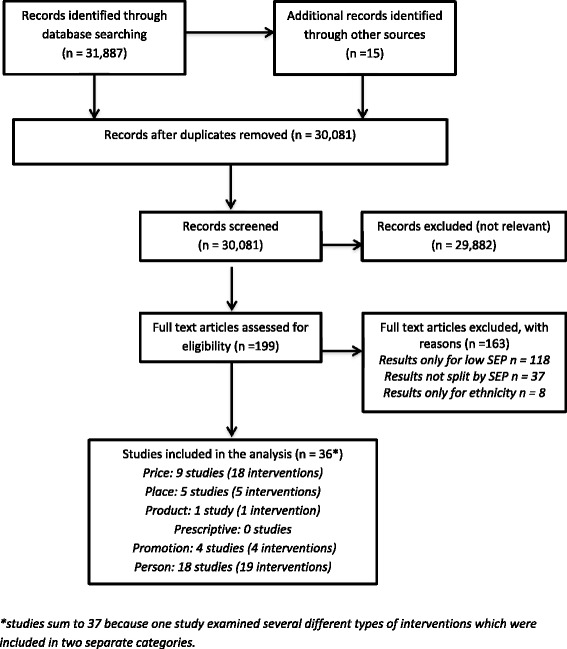
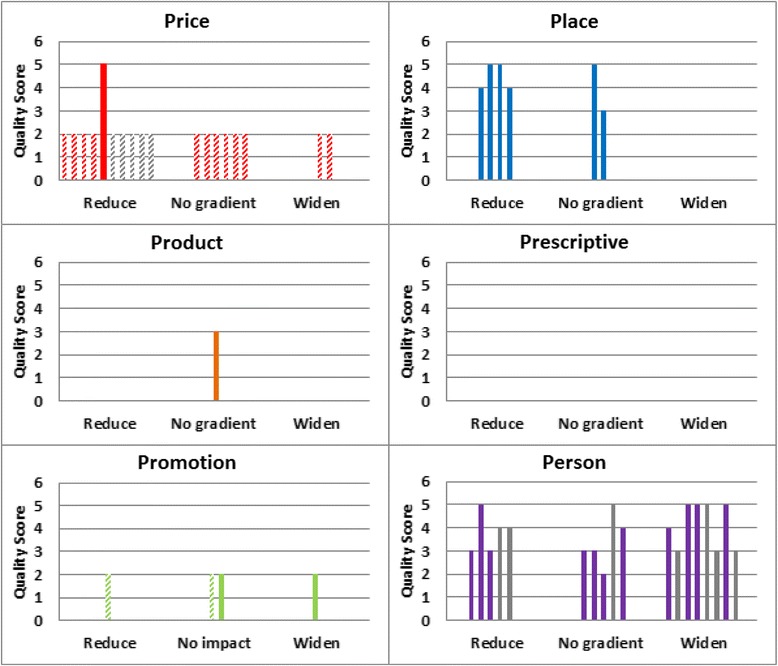
Verification
Claims the paper makes
The claims and statistics of this paper haven’t been checked yet.
Run the check — free, no account needed. It reads the open-access text and checks the sources it cites.
Claims other papers make about this one
Each is checked against this paper’s own text: does it say what the citing paper says it does?
In the citing paper
“In addition, population strategies to address diet, such as economic incentives, can reduce socioeconomic-related disparities in health, whereas individual-based approaches may exacerbate inequities.98, 99”
From Dietary and Policy Priorities for Cardiovascular Disease, Diabetes, and Obesity: A Comprehensive Review (2016) · cites this paper as [98]
Self-check
Percentages, sums and reported differences re-computed from the paper’s own numbers.
The self-check needs the paper’s full text.
Citations
Cites
Lim, S. S., Vos, T., Flaxman, A. D., Danaei, G., Shibuya, K., Adair-Rohani, H., AlMazroa, M. A., Amann, M., Anderson, H. R., Andrews, K. G., et al. (2012) · The Lancet · doi:10.1016/s0140-6736(12)61766-8 · Cited by 11,805
Indicators of socioeconomic position (part 1): Figure 1
Galobardes, B., Shaw, M., Lawlor, D. A., Lynch, J. W., & Smith, G. D. (2005) · Journal of Epidemiology & Community Health · doi:10.1136/jech.2004.023531 · Cited by 2,979 · cited 2×
“For each of the included interventions, if the outcome was split by more than one socioeconomic proxy measure, we took the quantitative effect on inequalities from the stratified results that best represented SEP [24,25].”
Socioeconomic factors and cardiovascular disease: a review of the literature.
Kaplan, G. A., & Keil, J. E. (1993) · Circulation · doi:10.1161/01.cir.88.4.1973 · Cited by 1,845
A Framework for Public Health Action: The Health Impact Pyramid
Frieden, T. R. (2010) · American Journal of Public Health · doi:10.2105/ajph.2009.185652 · Cited by 1,535 · cited 2×
“Frieden depicts this difference as a “Health Impact Pyramid” [79].”
(2012) · Choice Reviews Online · doi:10.5860/choice.49-6620 · Cited by 1,284
Evaluating primary care behavioral counseling interventions An evidence-based approach
Whitlock, E. (2002) · American Journal of Preventive Medicine · doi:10.1016/s0749-3797(02)00415-4 · Cited by 1,057 · cited 1×
“Whitlock and colleagues reviewed the effectiveness of counselling interventions on public health [81].”
What types of interventions generate inequalities? Evidence from systematic reviews
Lorenc, T., Petticrew, M., Welch, V., & Tugwell, P. (2013) · Journal of Epidemiology and Community Health · doi:10.1136/jech-2012-201257 · Cited by 927 · cited 1×
“explicitly concluded that “downstream” interventions actually worsen health inequalities [82].”
Self-citationSOCIAL MARKETING IN PUBLIC HEALTH
Grier, S. A., & Bryant, C. A. (2004) · Annual Review of Public Health · doi:10.1146/annurev.publhealth.26.021304.144610 · Cited by 925 · cited 1×
“The “4 Ps” framework is a well-established framework used within the marketing field and translates well to a policy context [31].”
Tackling of unhealthy diets, physical inactivity, and obesity: health effects and cost-effectiveness
Cecchini, M., Sassi, F., Lauer, J. A., Lee, Y. Y., Guajardo-Barron, V., & Chisholm, D. (2010) · The Lancet · doi:10.1016/s0140-6736(10)61514-0 · Cited by 889 · cited 1×
“Preventative interventions are more cost effective when compared to treatment [86].”
Welch, V. A., Petticrew, M. P., Tugwell, P., Moher, D., Petkovic, J., Waters, E., White, H., & the PRISMA-Equity Bellagio group (2012) · PLoS Medicine · doi:10.1371/journal.pmed.1001333 · Cited by 732 · cited 2×
“Upon fulfilling these criteria, studies were assessed utilising a PICOS (Participants, Interventions, Comparators, Outcomes and Study design) [23].”
Self-citationChildhood socioeconomic status and adult health
Cohen, S., Janicki‐Deverts, D., Chen, E., & Matthews, K. A. (2010) · Annals of the New York Academy of Sciences · doi:10.1111/j.1749-6632.2009.05334.x · Cited by 719 · cited 1×
“In children, lower SEP is associated with a subsequent increased risk of adult cardiovascular morbidity and mortality, partly reflecting lower exposure to healthy foods [11].”
Indicators of socioeconomic position (part 2)
Galobardes, B., Shaw, M., Lawlor, D. A., Lynch, J. W., & Smith, G. D. (2006) · Journal of Epidemiology & Community Health · doi:10.1136/jech.2004.028092 · Cited by 649 · cited 2×
“For each of the included interventions, if the outcome was split by more than one socioeconomic proxy measure, we took the quantitative effect on inequalities from the stratified results that best represented SEP [24,25].”
Briss (2000) · doi:10.1016/s0749-3797(99)00119-1 · Cited by 565 · cited 4×
“The methodological quality of each included study was assessed independently by two reviewers using the criteria for the Community Guide of the US Task Force on Community Preventive Services and a six-item checklist of quality of execution adapted from the criteria developed for the Effective Public Health Practice Pr…”
Influential“Food deserts”—evidence and assumption in health policy making
Cummins, S., & Macintyre, S. (2002) · BMJ · doi:10.1136/bmj.325.7361.436 · Cited by 558 · cited 1×
“UK [9].”
Demographic variation in nutrition knowledge in England
Parmenter, K., Waller, J., & Wardle, J. (2000) · Health Education Research · doi:10.1093/her/15.2.163 · Cited by 434 · cited 1×
“Significant differences in nutritional knowledge have been shown between differing socioeconomic groups, with knowledge declining with lower socioeconomic status [10].”
The harvest plot: A method for synthesising evidence about the differential effects of interventions
Ogilvie, D., Fayter, D., Petticrew, M. P., Sowden, A. J., Thomas, S., Whitehead, M. M., & Worthy, G. (2008) · BMC Medical Research Methodology · doi:10.1186/1471-2288-8-8 · Cited by 423
Self-citationHawkes, C., Jewell, J., & Allen, K. (2013) · Obesity Reviews · doi:10.1111/obr.12098 · Cited by 402 · cited 1×
“Different frameworks have been proposed to categorise healthy eating interventions [30].”
Self-citationSocioeconomic Status and Health: Mediating and Moderating Factors
Chen, E., & Miller, G. E. (2013) · Annual Review of Clinical Psychology · doi:10.1146/annurev-clinpsy-050212-185634 · Cited by 402 · cited 1×
“With deprived groups already having a higher NCD burden (in 2008 worldwide age standardised mortality rates from NCDs were almost twice as high for lower income groups when compared to higher income groups [1]), there is an urgent need to further explore this important issue relating to the major NCD risk factor, diet…”
A typology of actions to tackle social inequalities in health: Figure 1
Whitehead, M. (2007) · Journal of Epidemiology & Community Health · doi:10.1136/jech.2005.037242 · Cited by 369 · cited 1×
“We examined the evidence about the differential effects of interventions in terms of their underlying theories of change [29].”
Self-citationAnzman, S. L., Rollins, B. Y., & Birch, L. L. (2010) · International Journal of Obesity · doi:10.1038/ijo.2010.43 · Cited by 369 · cited 1×
“This can then reinforce adult food preferences for less healthy foods [12].”
Thomas, S., Fayter, D., Misso, K., Ogilvie, D., Petticrew, M. P., Sowden, A. J., Whitehead, M., & Worthy, G. (2008) · Tobacco Control · doi:10.1136/tc.2007.023911 · Cited by 361 · cited 3×
“They showed that population level tobacco control interventions, such as increasing the price of tobacco products had a greater potential to benefit more disadvantaged groups and thereby reduce health inequalities [17].”
Self-citationCampbell, M. K., Demark-Wahnefried, W., Symons, M., Kalsbeek, W. D., Dodds, J., Cowan, A., Jackson, B., Motsinger, B., Hoben, K., Lashley, J., et al. (1999) · American Journal of Public Health · doi:10.2105/ajph.89.9.1390 · Cited by 347 · cited 4×
“The majority were conducted in Europe [34-39], with five in North America [40,41] and one in Australia [42].”
InfluentialWill Cardiovascular Disease Prevention Widen Health Inequalities?
Capewell, S., & Graham, H. M. (2010) · PLoS Medicine · doi:10.1371/journal.pmed.1000320 · Cited by 329 · cited 2×
“Preventive interventions may not benefit all sub groups of the population equally [16,17].”
Self-citationLowe, C. F., Horne, P. J., Tapper, K., Bowdery, M., & Egerton, C. (2004) · European Journal of Clinical Nutrition · doi:10.1038/sj.ejcn.1601838 · Cited by 290 · cited 9×
“Thus, eating a healthy diet demonstrates a social gradient with diet among people in lower SEPs being poorer in quality when compared to more advantaged groups.”
InfluentialIncreasing the Fruit and Vegetable Consumption of Fourth-Graders: Results from the High 5 Project
Reynolds, K. D., Franklin, F. A., Binkley, D., Raczynski, J. M., Harrington, K. F., Kirk, K. A., & Person, S. (2000) · Preventive Medicine · doi:10.1006/pmed.1999.0630 · Cited by 271 · cited 14×
“Reynolds [68] RCT USA Health education: Healthy nutrition program aimed at children 3 Portions of fruit and vegetables consumed Household income ↑* McGill et al.”
InfluentialHow and why do interventions that increase health overall widen inequalities within populations?
White, M., Adams, J., & Heywood, P. (2009) · Social inequality and public health · doi:10.1332/policypress/9781847423207.003.0005 · Cited by 249
Self-citationLiu, J., Davidson, E., Bhopal, R., White, M., Johnson, M., Netto, G., Deverill, M., & Sheikh, A. (2012) · Health Technology Assessment · doi:10.3310/hta16440 · Cited by 237 · cited 1×
“If not, we assumed that these were measures of cultural differences rather than socioeconomic inequalities and these were excluded from the main analysis [26].”
Self-citationNeighbourhood socioeconomic inequalities in food access and affordability
Ball, K., Timperio, A. F., & Crawford, D. A. (2008) · Health & Place · doi:10.1016/j.healthplace.2008.09.010 · Cited by 209 · cited 1×
“This can be a lack of healthy food options provided in shops within disadvantaged areas [8] which has been described in the US in terms of “food deserts”, however evidence for these have not been found within other settings e.”
Brownson, R. C., Smith, C. A., Pratt, M., Mack, N. E., Jackson‐Thompson, J., Dean, C., Dabney, S., & Wilkerson, J. C. (1996) · American Journal of Public Health · doi:10.2105/ajph.86.2.206 · Cited by 195 · cited 11×
“The majority of these were conducted in Europe [53-61], eight in the USA [62-68] and one in Australia [69].”
InfluentialSTABLES, G. J., SUBAR, A. F., PATTERSON, B. H., DODD, K., HEIMENDINGER, J., VAN DUYN, M. A. S., & NEBELING, L. (2002) · Journal of the American Dietetic Association · doi:10.1016/s0002-8223(02)90181-1 · Cited by 191 · cited 3×
“Two interventions had no preferential impact by SEP [35,52] while one intervention was judged as likely to reduce inequalities [50] and the other intervention judged as likely to widen inequalities [51].”
Tugwell, P., Petticrew, M. P., Kristjansson, E., Welch, V. A., Ueffing, E., Waters, E., Bonnefoy, J., Morgan, A., Doohan, E., & Kelly, M. P. (2010) · BMJ · doi:10.1136/bmj.c4739 · Cited by 184 · cited 2×
“This would enrich the data available to allow for future systematic reviews of this nature to be conducted and to add to the findings presented here [14,15].”
Self-citationThe Effects of a Fat Tax on French Households' Purchases: A Nutritional Approach
Allais, O., Bertail, P., & Nichèle, V. (2010) · American Journal of Agricultural Economics · doi:10.1093/ajae/aap004 · Cited by 179 · cited 10×
“Thus, eating a healthy diet demonstrates a social gradient with diet among people in lower SEPs being poorer in quality when compared to more advantaged groups.”
InfluentialImpact of Targeted Beverage Taxes on Higher- and Lower-Income Households
Finkelstein, E. A. (2010) · Archives of Internal Medicine · doi:10.1001/archinternmed.2010.449 · Cited by 179
Sorensen, G., Stoddard, A., Hunt, M., Hébert, J. R., Ockene, J., Avrunin, J., Himmelstein, J. S., & Hammond, S. (1998) · American Journal of Public Health · doi:10.2105/ajph.88.11.1685 · Cited by 170 · cited 5×
“Of these, two were school based interventions [46,48], two were work based interventions [44,45], one church based intervention [43] and one area based intervention [47].”
InfluentialNnoaham, K. E., Sacks, G., Rayner, M., Mytton, O., & Gray, A. (2009) · International Journal of Epidemiology · doi:10.1093/ije/dyp214 · Cited by 169 · cited 7×
“Of these, nine were taxes on high energy density foods [34,36,37,41,42], three were subsidies on fruit and vegetables [35,40]”
InfluentialDrewnowski, A., Monsivais, P., Maillot, M., & Darmon, N. (2007) · Journal of the American Dietetic Association · doi:10.1016/j.jada.2007.03.013 · Cited by 164 · cited 1×
“A diet relatively high in energy is generally less expensive than a diet consisting of less energy dense products, such as vegetables [6].”
Socio-economic characteristics and the effect of taxation as a health policy instrument
Smed, S., Jensen, J. D., & Denver, S. (2007) · Food Policy · doi:10.1016/j.foodpol.2007.03.002 · Cited by 157 · cited 6×
“In total, ten of the eighteen “Price” interventions were likely to reduce inequalities by preferentially improving healthy eating outcomes in lower SEPs [34-39].”
InfluentialMeasuring Race and Ethnicity: Why and How?
Winker, M. A. (2004) · JAMA · doi:10.1001/jama.292.13.1612 · Cited by 153 · cited 1×
“Secondly, we also included those studies which split their findings quantitatively by ethnicity alone (with no mention of SEP), as this represents a crude proxy measure of SEP [33] (see additional information - Additional file 4).”
Final results of the Maryland WIC 5-A-Day Promotion Program.
Havas, S., Anliker, J., Damron, D., Langenberg, P., Ballesteros, M., & Feldman, R. (1998) · American Journal of Public Health · doi:10.2105/ajph.88.8.1161 · Cited by 143 · cited 14×
“Thus, eating a healthy diet demonstrates a social gradient with diet among people in lower SEPs being poorer in quality when compared to more advantaged groups.”
InfluentialPolicy options to reduce population salt intake
Cappuccio, F. P., Capewell, S., Lincoln, P., & McPherson, K. (2011) · BMJ · doi:10.1136/bmj.d4995 · Cited by 141 · cited 1×
“Cappuccio and colleagues likewise found that more “upstream” population-wide regulation and marketing controls had the most potential to reduce dietary salt when compared with more “downstream” approaches like food labelling [80].”
Self-citationTHE EFFECTS OF TAXING SUGAR‐SWEETENED BEVERAGES ACROSS DIFFERENT INCOME GROUPS
Sharma, A., Hauck, K., Hollingsworth, B. P., & Siciliani, L. (2014) · Health Economics · doi:10.1002/hec.3070 · Cited by 137
Five-a-day, a price to pay: An evaluation of the UK program impact accounting for market forces
Capacci, S., & Mazzocchi, M. (2010) · Journal of Health Economics · doi:10.1016/j.jhealeco.2010.10.006 · Cited by 136 · cited 7×
“The majority of these were conducted in Europe [53-61], eight in the USA [62-68] and one in Australia [69].”
InfluentialWorksite-based research and initiatives to increase fruit and vegetable consumption
Sorensen, G. (2004) · Preventive Medicine · doi:10.1016/j.ypmed.2003.12.020 · Cited by 126 · cited 5×
“Sorenson [44] RCT USA Work based intervention”
InfluentialFat taxes and thin subsidies: Prices, diet, and health outcomes
Cash, S. B., Sunding, D. L., & Zilberman, D. (2005) · Food Economics - Acta Agriculturae Scandinavica Section C · doi:10.1080/16507540500534879 · Cited by 121
Four‐year Follow‐up of School‐based Intervention on Overweight Children: The KOPS Study
Plachta‐Danielzik, S., Pust, S., Asbeck, I., Mast, M., Langnäse, K., Fischer, C., Bosy‐Westphal, A., Kriwy, P., & Müller, M. J. (2007) · Obesity · doi:10.1038/oby.2007.376 · Cited by 115 · cited 9×
“Thus, eating a healthy diet demonstrates a social gradient with diet among people in lower SEPs being poorer in quality when compared to more advantaged groups.”
InfluentialKristal, A. R., Shattuck, A. L., & Patterson, R. E. (1999) · Public Health Nutrition · doi:10.1017/s1368980099000348 · Cited by 110 · cited 1×
“The addition of studies that split their findings by ethnicity alone [70-77] (making the selection process less selective) had no implications on the main findings (see additional information – Additional file 4).”
Cardiovascular Risk Factors among Children after a 212-Year Intervention—The CATCH Study
Webber, L. S., Osganian, S. K., Feldman, H. A., Wu, M. C., McKenzie, T. L., Nichaman, M. Z., Lytle, L. A., Edmundson, E. W., Cutler, J. A., Nader, P. R., et al. (1996) · Preventive Medicine · doi:10.1006/pmed.1996.0075 · Cited by 102 · cited 1×
“The addition of studies that split their findings by ethnicity alone [70-77] (making the selection process less selective) had no implications on the main findings (see additional information – Additional file 4).”
Equity-Specific Effects of 26 Dutch Obesity-Related Lifestyle Interventions
Magnée, T., Alex Burdorf, A., Brug, J., Kremers, S., Oenema, A., van Assema, P., Ezendam, N. P. M., van Genugten, L., Hendriksen, I. J. M., Hopman-Rock, M., et al. (2013) · American Journal of Preventive Medicine · doi:10.1016/j.amepre.2012.11.041 · Cited by 100 · cited 2×
“This may reflect the dependence on an individual choosing to behave differently, and sustain that change [78].”
Energy density, energy costs and income – how are they related?
Waterlander, W. E., de Haas, W. E., van Amstel, I., Schuit, A. J., Twisk, J. W. R., Visser, M., Seidell, J. C., & Steenhuis, I. H. (2010) · Public Health Nutrition · doi:10.1017/s1368980009992989 · Cited by 95 · cited 1×
“Food selection is not only a behavioural choice, but also an economic one [7].”
Jeffery, R. W., & French, S. A. (1997) · International Journal of Obesity · doi:10.1038/sj.ijo.0800431 · Cited by 95 · cited 11×
“The majority of these were conducted in Europe [53-61], eight in the USA [62-68] and one in Australia [69].”
InfluentialA school-based obesity control programme: Project Energize. Two-year outcomes
Rush, E., Reed, P., McLennan, S., Coppinger, T., Simmons, D., & Graham, D. (2012) · British Journal of Nutrition · doi:10.1017/s0007114511003151 · Cited by 93 · cited 5×
“Rush [48] RCT New Zealand School based intervention”
InfluentialHow effects on health equity are assessed in systematic reviews of interventions
Welch, V. A., Tugwell, P., Petticrew, M. P., de Montigny, J., Ueffing, E., Kristjansson, B., McGowan, J., Jandu, M. B., Wells, G. A., Brand, K., et al. (2010) · Cochrane Database of Systematic Reviews · doi:10.1002/14651858.mr000028.pub2 · Cited by 91
Self-citationSwimming upstream? Taking action on the social determinants of health inequalities
Whitehead, M. M., & Popay, J. (2010) · Social Science & Medicine · doi:10.1016/j.socscimed.2010.07.004 · Cited by 89 · cited 1×
“Finally, none of the current studies address the more fundamental issue of the inequitable social and economic environments which create health inequalities in the first place [87].”
Self-citationMillett, C., Laverty, A. A., Stylianou, N., Bibbins-Domingo, K., & Pape, U. J. (2012) · PLoS ONE · doi:10.1371/journal.pone.0029836 · Cited by 87
Estaquio, C., Druesne‐Pecollo, N., Latino‐Martel, P., Dauchet, L., Herçberg, S., & Bertrais, S. (2008) · Journal of the American Dietetic Association · doi:10.1016/j.jada.2008.09.011 · Cited by 84 · cited 6×
“The majority of these were conducted in Europe [53-61], eight in the USA [62-68] and one in Australia [69].”
InfluentialEvaluation of the Nutrition Education at Primary School (NEAPS) programme
Friel, S., Kelleher, C. C., Campbell, P., & Nolan, G. (1999) · Public Health Nutrition · doi:10.1017/s1368980099000737 · Cited by 83
Oldroyd, J. C., Burns, C., Lucas, P. J., Haikerwal, A., & Waters, E. (2008) · Journal of Epidemiology & Community Health · doi:10.1136/jech.2007.066357 · Cited by 79 · cited 4×
“Oldroyd and colleagues [22] previously examined the differential effects of healthy eating interventions by relative social disadvantage.”
InfluentialHolme, I., Hjermann, I., Helgeland, A., & Leren, P. (1985) · Preventive Medicine · doi:10.1016/0091-7435(85)90057-x · Cited by 77 · cited 9×
“Thus, eating a healthy diet demonstrates a social gradient with diet among people in lower SEPs being poorer in quality when compared to more advantaged groups.”
InfluentialBlakely, T. A., Mhurchú, C. N., Jiang, Y., Matoe, L., Funaki-Tahifote, M., Eyles, H. C., Foster, R. H., McKenzie, S., & Rodgers, A. (2011) · Journal of Epidemiology & Community Health · doi:10.1136/jech.2010.118588 · Cited by 77 · cited 1×
“The addition of studies that split their findings by ethnicity alone [70-77] (making the selection process less selective) had no implications on the main findings (see additional information – Additional file 4).”
Increasing fruit and vegetable consumption: a cost-effectiveness analysis of public policies
Dallongeville, J., Dauchet, L., de Mouzon, O., Réquillart, V., & Soler, L. G. (2010) · European Journal of Public Health · doi:10.1093/eurpub/ckq013 · Cited by 74 · cited 10×
“Of these, nine were taxes on high energy density foods [34,36,37,41,42], three were subsidies on fruit and vegetables [35,40]”
InfluentialThe Women's Health Trial Feasibility Study in Minority Populations: Changes in Dietary Intakes
Coates, R. J., Bowen, D. J., Kristal, A. R., Feng, Z., Oberman, A., Hall, W. D., George, V., Lewis, C. E., Kestin, M., Davis, M., et al. (1999) · American Journal of Epidemiology · doi:10.1093/oxfordjournals.aje.a009764 · Cited by 71 · cited 1×
“The addition of studies that split their findings by ethnicity alone [70-77] (making the selection process less selective) had no implications on the main findings (see additional information – Additional file 4).”
Addressing Health Disparities in Middle School Students' Nutrition and Exercise
Frenn, M., Malin, S., Bansal, N., Delgado, M., Greer, Y., Havice, M. J., Ho, M., & Schweizer, H. (2003) · Journal of Community Health Nursing · doi:10.1207/s15327655jchn2001_01 · Cited by 70 · cited 1×
“The addition of studies that split their findings by ethnicity alone [70-77] (making the selection process less selective) had no implications on the main findings (see additional information – Additional file 4).”
Connett, J. E., & Stamler, J. (1984) · American Heart Journal · doi:10.1016/0002-8703(84)90680-x · Cited by 69 · cited 14×
“Thus, eating a healthy diet demonstrates a social gradient with diet among people in lower SEPs being poorer in quality when compared to more advantaged groups.”
InfluentialNederkoorn, C., Havermans, R. C., Giesen, J. C. A. H., & Jansen, A. T. M. (2011) · Appetite · doi:10.1016/j.appet.2011.03.002 · Cited by 68
Final results of the Maryland WIC food for life program
Havas, S., Anliker, J. A., Greenberg, D., Block, G., Block, T. J., Blik, C., LANGENBERG, P. W., & DiClemente, C. C. (2003) · Preventive Medicine · doi:10.1016/s0091-7435(03)00160-9 · Cited by 67 · cited 14×
“Thus, eating a healthy diet demonstrates a social gradient with diet among people in lower SEPs being poorer in quality when compared to more advantaged groups.”
InfluentialPrevention of overweight in preschool children: results of kindergarten-based interventions
Jouret, B., Ahluwalia, N., Dupuy, M., Cristini, C., Nègre‐Pagès, L., Grandjean, H., & Tauber, M. (2009) · International Journal of Obesity · doi:10.1038/ijo.2009.166 · Cited by 62 · cited 6×
“The majority of these were conducted in Europe [53-61], eight in the USA [62-68] and one in Australia [69].”
InfluentialLifestyle Factors of a Five-Year Community-Intervention Program
Wendel‐Vos, W., Dutman, A. E., Verschuren, W. M. M., Ronckers, E. T., Ament, A. J. H. A., van Assema, P., van Ree, J. W., Ruland, E., & Schuit, A. J. (2009) · American Journal of Preventive Medicine · doi:10.1016/j.amepre.2009.03.015 · Cited by 55 · cited 7×
“The majority of these were conducted in Europe [53-61], eight in the USA [62-68] and one in Australia [69].”
InfluentialCurtis, P. J., Adamson, A., & Mathers, J. C. (2011) · British Journal Of Nutrition · doi:10.1017/s0007114511005101 · Cited by 51 · cited 6×
“Curtis [54] Randomised parallel groups comparison study UK Health education: Cooking fair with cooking lessons accompanying personalised dietary goal settings 3 % change in mean food energy from fat Quintile of Deprivation Index ↓*”
InfluentialIncreasing children's fruit and vegetable consumption: distribution or a multicomponent programme?
Reinaerts, E., de Nooijer, J., Candel, M. J. J. M., & de Vries, N. K. (2007) · Public Health Nutrition · doi:10.1017/s1368980007665495 · Cited by 51
Haerens, L. L., Deforche, B. I., Maes, L., Brug, J., Vandelanotte, C., & Bourdeaudhuij, I. D. (2007) · Annals of Behavioral Medicine · doi:10.1007/bf02874550 · Cited by 45 · cited 6×
“Haerens [56] RCT Belgium Health education: adapted computer tailored dietary intervention for children.”
InfluentialWilli, S., Hirst, K., Jago, R., Buse, J., Kaufman, F., Ghormli, L. E., Bassin, S., Elliot, D., & Hale, D. (2012) · Pediatric obesity · doi:10.1111/j.2047-6310.2011.00042.x · Cited by 44 · cited 1×
“The addition of studies that split their findings by ethnicity alone [70-77] (making the selection process less selective) had no implications on the main findings (see additional information – Additional file 4).”
Bürgi, F., Niederer, I., Schindler, C. J. A., Bodenmann, P., Marques-Vidal, P. M., Kriemler, S., & Puder, J. J. (2012) · Preventive Medicine · doi:10.1016/j.ypmed.2012.02.007 · Cited by 44 · cited 6×
“The majority of these were conducted in Europe [53-61], eight in the USA [62-68] and one in Australia [69].”
InfluentialInequalities in health in Scotland: what are they and what can we do about them
MacIntyre, S. (2007) · ENLIGHTEN (Jurnal Bimbingan dan Konseling Islam) · Cited by 43
Inequalities in diet and nutrition
Tiffin, R., & Salois, M. J. (2011) · Proceedings of The Nutrition Society · doi:10.1017/s0029665111003284 · Cited by 41 · cited 6×
“Tiffin [39] Modelling study UK 1% Tax on fatty food for every % saturated fat content with a matching subsidy on fruit and vegetables 2 % change in energy intake Occupation ↓”
InfluentialMannheimer, L. N., Diderichsen, F., Burström, B., & Östlin, P. (2003) · Health Policy · doi:10.1016/s0168-8510(03)00122-2 · Cited by 26 · cited 1×
“Therefore being more likely to reduce inequalities [16,20].”
Addressing health inequalities in the United Kingdom: a case study
Oliver, A., & Nutbeam, D. (2003) · Journal of Public Health · doi:10.1093/pubmed/fdg091 · Cited by 22 · cited 1×
“The evidence base revealed a striking lack of studies quantifying the differential effectiveness of dietary interventions by SEP [83].”
Implementing tobacco control policies
Mackay, J. M. (2012) · British Medical Bulletin · doi:10.1093/bmb/lds007 · Cited by 22 · cited 1×
“Indeed, evidence from tobacco control suggests that comprehensive strategies involving multiple interventions at multiple levels may be more powerful than narrower approaches [84,85].”
Carcaise‐Edinboro, P., McClish, D. K., Kracen, A. C., Bowen, D. J., & Fries, E. A. (2008) · The Journal of Rural Health · doi:10.1111/j.1748-0361.2008.00172.x · Cited by 21 · cited 11×
“The majority of these were conducted in Europe [53-61], eight in the USA [62-68] and one in Australia [69].”
InfluentialChildhood consumption of fruit and vegetables across England: a study of 2306 6–7-year-olds in 2007
Hughes, R., Edwards, K., Clarke, G., Evans, C. E. L., Cade, J. E., & Ransley, J. K. (2012) · British Journal Of Nutrition · doi:10.1017/s0007114511005939 · Cited by 20 · cited 7×
“The majority of these were conducted in Europe [53-61], eight in the USA [62-68] and one in Australia [69].”
InfluentialEVIDENCE HIERARCHIES VERSUS SYNERGISTIC INTERVENTIONS
Green, L. W., & Kreuter, M. W. (2010) · American Journal of Public Health · doi:10.2105/ajph.2010.197798 · Cited by 17 · cited 1×
“Indeed, evidence from tobacco control suggests that comprehensive strategies involving multiple interventions at multiple levels may be more powerful than narrower approaches [84,85].”
Whetstone, L. M., Kolasa, K. M., & Collier, D. N. (2012) · American Journal of Health Promotion · doi:10.4278/ajhp.100415-quan-117 · Cited by 14 · cited 1×
“The addition of studies that split their findings by ethnicity alone [70-77] (making the selection process less selective) had no implications on the main findings (see additional information – Additional file 4).”
Toft, U., Jakobsen, M., Aadahl, M., Pisinger, C. H., & Jørgensen, T. (2011) · Preventive Medicine · doi:10.1016/j.ypmed.2011.10.005 · Cited by 13 · cited 9×
“Thus, eating a healthy diet demonstrates a social gradient with diet among people in lower SEPs being poorer in quality when compared to more advantaged groups.”
InfluentialInfluence of Socioeconomic Status on the Effectiveness of Dietary Counselling in Healthy Volunteers
Smith, A. M., Owen, N. G., & Baghurst, K. I. (1997) · Journal of Nutrition Education · doi:10.1016/s0022-3182(97)70143-2 · Cited by 10 · cited 5×
“The majority of these were conducted in Europe [53-61], eight in the USA [62-68] and one in Australia [69].”
Influential
Research works printed but not linked: 1
- Thomas H. Quality Assessment Tool for Quantitative Studies. Toronto: Effective Public Health Practice Project McMaster University; 2003.
Cited by
Sorted by citations
Mozaffarian, D. (2016) · Circulation · doi:10.1161/circulationaha.115.018585 · Cited by 2,216
“In addition, population strategies to address diet, such as economic incentives, can reduce socioeconomic-related disparities in health, whereas individual-based approaches may exacerbate inequities.(98,99) Evidence-based personalized approaches, especially related to underlying nongenetic characteristics, should be c…”
Bridel, C., van Wieringen, W. N., Zetterberg, H., Tijms, B. M., Teunissen, C. E., and the NFL Group, Alvarez-Cermeño, J. C., Andreasson, U., Axelsson, M., Bäckström, D. C., et al. (2019) · JAMA Neurology · doi:10.1001/jamaneurol.2019.1534 · Cited by 764
Good intentions are not enough: how informatics interventions can worsen inequality
Veinot, T. C., Mitchell, H., & Ancker, J. S. (2018) · Journal of the American Medical Informatics Association · doi:10.1093/jamia/ocy052 · Cited by 704
Brown, K., Rumgay, H., Dunlop, C., Ryan, M., Quartly, F., Cox, A., Deas, A., Elliss‐Brookes, L., Gavin, A., Hounsome, L. S., et al. (2018) · British Journal of Cancer · doi:10.1038/s41416-018-0029-6 · Cited by 558
“Further, many lifestyle ‘choices’ are driven by environmental/societal factors such as food pricing and availability, and susceptibility to these factors varies with socioeconomic position.(33) Differences in risk factor exposure prevalence between countries are generally not large, with the exception of H.”
BackgroundLister, N. B., Baur, L. A., Felix, J. F., Hill, A. J., Marcus, C., Reinehr, T., Summerbell, C., & Wabitsch, M. (2023) · Nature Reviews Disease Primers · doi:10.1038/s41572-023-00435-4 · Cited by 596
Metadata
- Authors
- McGill, R., Anwar, E., Orton, L., Bromley, H., Lloyd-Williams, F., O’Flaherty, M., Taylor-Robinson, D., Guzman-Castillo, M., Gillespie, D., Moreira, P., Allen, K., Hyseni, L., Calder, N., Petticrew, M., White, M., Whitehead, M., & Capewell, S.
- Affiliations
- University of Liverpool (GB)
- London School of Hygiene & Tropical Medicine (GB)
- University of Cambridge (GB)
- Corresponding author
- McGill, Rory
- ORCID
- Venue
- BMC Public Health
- Published
- 2015-05-02
- Volume
- 15
- Issue
- 1
- Pages
- 457-457
- ISSN
- 1471-2458 (ISSN-L)
- PMC
- PMC4423493
- OpenAlex
- W4239413439
- Cited by
- 407
- References
- 83
- Citations by year
- 2026: 18 · 2025: 30 · 2024: 48 · 2023: 33 · 2022: 40 · 2021: 63 · 2020: 42 · 2019: 38 · 2018: 37 · 2017: 32 · 2016: 21 · 2015: 5
- FWCI
- 4.07
- Type
- journal article
- Language
- en
- Update notices
- correction (2015-09-15)
- Open access
- gold
- doi.org
- Locations
- BMC Public Health (publishedVersion, cc-by)
- PubMed Central (publishedVersion, cc-by)
- PubMed (publishedVersion)
- LSHTM Research Online (London School of Hygiene and Tropical Medicine) (acceptedVersion)
- Apollo (University of Cambridge) (submittedVersion, cc-by)
- Apollo
- Funders
- London School of Hygiene and Tropical Medicine
- Wellcome Trust (087636/Z/08/Z)
- National Institute for Health and Care Research
- University of Exeter
- University of Sheffield
- National Institutes of Health
- Medical Research Council (MR/K023187/1)
- Economic and Social Research Council (ES/G007462/1, ES/G007470/1)
- School for Public Health Research
- Topics
- Health Sciences › Nursing › Nutrition and Dietetics › Nutrition, Health and Food Behavior
- Health Sciences › Medicine › Public Health, Environmental and Occupational Health › Nutritional Studies and Diet
- Health Sciences › Medicine › Public Health, Environmental and Occupational Health › Obesity, Physical Activity, Diet
- Keywords
- healthy eating interventions, socioeconomic disparities, socioeconomic position, nutrition counseling, non-communicable disease prevention, dietary intake, fruit and vegetable intake, health disparities
- MeSH terms
- Commerce, Diet, Feeding Behavior, Health Education, Health Promotion, Humans, Socioeconomic Factors, Vegetables, Marketing
About these checks
Registry, retraction, Cites and statistics results are computed, not judged, with one exception: a printed reference that no index lists is read once by a model before it counts as a citation error. Claims are extracted by a model and kept only when their quote appears verbatim in the text; each cited source is then checked, with a model’s help, for whether it says what the claim relies on. Those verdicts can be wrong — read the claim’s quote and the cited source before relying on one.
Statistics and arithmetic are recomputed, not judged.
Confidence bands are shown only for fields calibrated on our annotated test set. None is calibrated yet, so no band is shown.
What counts as a claim ›How we measure confidence ›How we check this ›
Are you an author, or do you see a problem with this page? Request a review
