

The role of telehealth during COVID-19 outbreak: a systematic review based on current evidence
Open accessPublished version of a preprint
The DOI matches its Crossref record; 43 of the 43 references it cites were found in a registry or an index.
Abstract
Background: The outbreak of coronavirus disease-19 (COVID-19) is a public health emergency of international concern. Telehealth is an effective option to fight the outbreak of COVID-19. The aim of this systematic review was to identify the role of telehealth services in preventing, diagnosing, treating, and controlling diseases during COVID-19 outbreak. Methods: This systematic review was conducted through searching five databases including PubMed, Scopus, Embase, Web of Science, and Science Direct. Inclusion criteria included studies clearly defining any use of telehealth services in all aspects of health care during COVID-19 outbreak, published from December 31, 2019, written in English language and published in peer reviewed journals. Two reviewers independently assessed search results, extracted data, and assessed the quality of the included studies. Quality assessment was based on the Critical Appraisal Skills Program (CASP) checklist. Narrative synthesis was undertaken to summarize and report the findings. Results: Eight studies met the inclusion out of the 142 search results. Currently, healthcare providers and patients who are self-isolating, telehealth is certainly appropriate in minimizing the risk of COVID-19 transmission. This solution has the potential to prevent any sort of direct physical contact, provide continuous care to the community, and finally reduce morbidity and mortality in COVID-19 outbreak. Conclusions: The use of telehealth improves the provision of health services. Therefore, telehealth should be an important tool in caring services while keeping patients and health providers safe during COVID-19 outbreak.
Overview
The claims and statistics of this paper haven’t been checked yet.
Free: it reads the open-access text and checks the first 5 claims that cite a source we can check. Create a free account to check every claim.
Integrity signals
Registry
Cites
Statistics
Figures
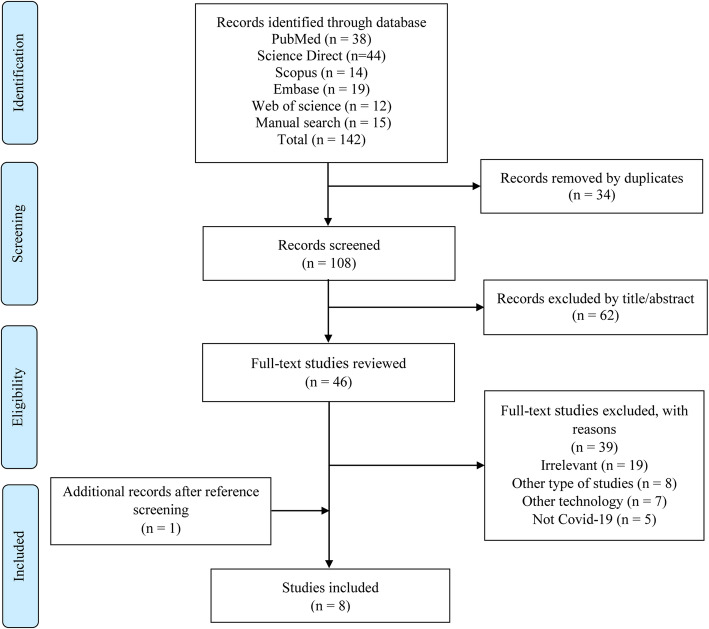
Verification
Claims the paper makes
The claims and statistics of this paper haven’t been checked yet.
Free: it reads the open-access text and checks the first 5 claims that cite a source we can check. Create a free account to check every claim.
Claims other papers make about this one
Each is checked against this paper’s own text: does it say what the citing paper says it does?
The source backs part of the claim, not all of it — or backs it for a different population, condition or comparison.
In the citing paper
“In Australia, a national study suggests that the COVID-19 pandemic considerably encouraged and promoted the use of telehealth and thanks to this window of opportunity, a lot of progress was made in the domain that, without that progress, telehealth use would have remained infrequent [50,51,52,53,54,55,56,57,58].”
From Telehealth and COVID-19 Pandemic: An Overview of the Telehealth Use, Advantages, Challenges, and Opportunities during COVID-19 Pandemic (2022) · cites this paper as [58]
Experimental — accuracy not yet measuredThe source backs part of the claim, not all of it — or backs it for a different population, condition or comparison.
In the citing paper
“In general, studies on the satisfactory level of use of telehealth services during the COVID-19 pandemic suggested it was above average by patients and health professional users and often they showed their willingness to continue with the use of telecare even after the pandemic [56,57,58,59,60,61,62].”
From Telehealth and COVID-19 Pandemic: An Overview of the Telehealth Use, Advantages, Challenges, and Opportunities during COVID-19 Pandemic (2022) · cites this paper as [58]
Experimental — accuracy not yet measuredThe source backs part of the claim, not all of it — or backs it for a different population, condition or comparison.
In the citing paper
“The pandemic has accelerated the adoption of digital health services.”
From Acceptance and perceived usefulness of digital health services in the management of chronic urticaria: a survey of patients and physicians (2025) · cites this paper as [36]
Experimental — accuracy not yet measuredThe source backs part of the claim, not all of it — or backs it for a different population, condition or comparison.
In the citing paper
“The application of digital health has rapidly grown worldwide over the past 4 decades, and accelerated particularly during the COVID-19 pandemic.[1][2][3]”
From The Digital Health Competencies in Medical Education Framework: An International Consensus Statement Based on a Delphi Study (2025) · cites this paper as [1]
Experimental — accuracy not yet measuredThe cited source says what the claim attributes to it.
In the citing paper
“TM is an important tool for health care delivery and has achieved even greater significance in the context of the COVID-19 pandemic [13,14].”
From Diagnostic Concordance of Telemedicine as Compared With Face-to-Face Care in Primary Health Care Clinics in Rural India: Randomized Crossover Trial (2023) · cites this paper as [13]
1 more claim about this paper
Create a free account to see every claim other papers make about this one.
Self-check
Percentages, sums and reported differences re-computed from the paper’s own numbers.
The self-check needs the paper’s full text.
Citations
Cites
Clinical features of patients infected with 2019 novel coronavirus in Wuhan, China
Huang, C., Wang, Y., Li, X., Ren, L., Zhao, J., Hu, Y., Zhang, L., Fan, G., Xu, J., Gu, X., et al. (2020) · The Lancet · doi:10.1016/s0140-6736(20)30183-5 · Cited by 48,884
Virtually perfect? Telemedicine for COVID-19
Hollander, J. E., & Carr, B. G. (2020) · New England Journal of Medicine · doi:10.1056/nejmp2003539 · Cited by 2,970 · cited 4×
“that is made possible by the reduction of person-toperson contact [7, 8].”
BackgroundInfluentialEarly dynamics of transmission and control of COVID-19: a mathematical modelling study
Kucharski, A. J., Russell, T. W., Diamond, C., Liu, Y., Edmunds, J., Funk, S., Eggo, R. M., Sun, F., Jit, M., Munday, J. D., et al. (2020) · The Lancet Infectious Diseases · doi:10.1016/s1473-3099(20)30144-4 · Cited by 2,671 · cited 1×
“Nowadays, the best preventive strategy is to avoid being exposed to the coronavirus, because there is no vaccine to overcome COVID-19 in the all countries [41].”
BackgroundAdhikari, S. P., Meng, S., Wu, Y.-J., Mao, Y.-P., Ye, R.-X., Wang, Q.-Z., Sun, C., Sylvia, S., Rozelle, S., Raat, H., et al. (2020) · Infectious Diseases of Poverty · doi:10.1186/s40249-020-00646-x · Cited by 2,402 · cited 1×
“of unwashed hands with eyes, nose, and mouth [42].”
BackgroundPopay, J., Roberts, H., Sowden, A., Petticrew, M., Arai, L., Rodgers, M., Britten, N., Roen, K., & Duffy, S. (2006) · Lancaster University · doi:10.13140/2.1.1018.4643 · Cited by 2,070
The mental health of medical workers in Wuhan, China dealing with the 2019 novel coronavirus.
Kang, L., Li, Y., Hu, S., Chen, M., Yang, C., Yang, B. X., Wang, Y., Hu, J., Lai, J., Ma, X., et al. (2020) · The Lancet Psychiatry · doi:10.1016/s2215-0366(20)30047-x · Cited by 2,061 · cited 1×
“Also, under strict infection control, unnecessary personnel such as clinical psychiatrists strongly refuse to enter ward of COVID-19 patients (10, 11).”
BackgroundOnline mental health services in China during the COVID-19 outbreak
Liu, S., Yang, L., Zhang, C., Xiang, Y.-T., Liu, Z., Hu, S., & Zhang, B. (2020) · The Lancet Psychiatry · doi:10.1016/s2215-0366(20)30077-8 · Cited by 1,992 · cited 1×
“During the COVID-19 outbreak in China, online mental health surveys with communication programs, such as Weibo, WeChat and TikTok have enabled mental health professionals and health authorities to render safety mental health services online during the COVID-19 pandemic [44].”
BackgroundIdentification of a new human coronavirus
van der Hoek, L., Pyrc, K., Jebbink, M. F., Vermeulen-Oost, W., Berkhout, R. J. M., Wolthers, K. C., Wertheim-van Dillen, P. M. E., Kaandorp, J., Spaargaren, J., & Berkhout, B. (2004) · Nature Medicine · doi:10.1038/nm1024 · Cited by 1,886 · cited 1×
“Coronaviruses, a genus of the coronaviridae family, may cause illness in animals or humans [1, 2].”
BackgroundTelehealth for global emergencies: Implications for coronavirus disease 2019 (COVID-19)
Smith, A. C., Thomas, E., Snoswell, C. L., Haydon, H., Mehrotra, A., Clemensen, J., & Caffery, L. J. (2020) · Journal of Telemedicine and Telecare · doi:10.1177/1357633x20916567 · Cited by 1,828 · cited 4×
“that is made possible by the reduction of person-toperson contact [7, 8].”
BackgroundInfluentialReview of the Clinical Characteristics of Coronavirus Disease 2019 (COVID-19)
Jiang, F., Deng, L., Zhang, L., Cai, Y., Cheung, C. W., & Xia, Z. (2020) · Journal of General Internal Medicine · doi:10.1007/s11606-020-05762-w · Cited by 1,410 · cited 1×
“Primitive symptoms of COVID-19 contain fever, dry cough, breathing difficulty, and boredom [4, 5].”
Background
Cited by
Items 701–800 of 1,005
Beauchet, O., Matskiv, J., Launay, C. P., Gaudreau, P., Benatar, D., Ptito, A., Chou, P., Allali, G., Prate, F., Vaillant-Ciszewicz, A.-J., et al. (2022) · Maturitas · doi:10.1016/j.maturitas.2022.04.006 · Cited by 9
Creating interventions to transition long-lasting insecticide net distribution in Ghana
Glozah, F. N., Asampong, E., Tabong, P. T., Nwameme, A. U., Hornuvo, R., Chandi, M., Peprah, N. Y., Adongo, P. B., & Dako‐Gyeke, P. (2022) · BMJ Open · doi:10.1136/bmjopen-2022-063121 · Cited by 10
Impact of the Early COVID-19 Pandemic on Burn Care: A Multi-National Study
Vasudevan, A., Bailey, H. M., Sager, A., & Kazis, L. E. (2022) · Journal of Burn Care & Research · doi:10.1093/jbcr/irac076 · Cited by 9
Morgan, A. R., Bégin, D., Heisz, J. J., Tang, A., Thabane, L., & Richardson, J. A. (2022) · Physical Therapy · doi:10.1093/ptj/pzac078 · Cited by 9
A new approach to digital health? Virtual COVID-19 care: A scoping review
Chung-Lee, L., & Catallo, C. (2023) · Digital Health · doi:10.1177/20552076231152171 · Cited by 10
“Studies involved delivery of virtual care by nurse only (n = 5),27,29,30,39,42 physician only (n = 3),26,34,36 nurse practitioner only (n= 1),31 medical students (n= 1),37 or interprofessional teams (n = 6).28,32–35,38,43 One study in France specifically had nurse navigators engage with cancer patients with COVID-19.”
BackgroundInfluentialCOVID-19, Law & Regulation: Rights, Freedoms, and Obligations in a Pandemic
Bennett, B., Freckelton, I. R., & Wolf, G. (2023) · doi:10.1093/oso/9780192896742.001.0001 · Cited by 16
Kilpatrick, S., Farmer, J., Emery, S., Kamstra, P., Steiner, A., McCosker, A., & Carlisle, K. (2023) · Journal of Rural Studies · doi:10.1016/j.jrurstud.2023.02.014 · Cited by 9
Yucel, S. G., Higgins, C. D., Gupta, K., & Palm, M. J. (2023) · International Journal of Drug Policy · doi:10.1016/j.drugpo.2023.104032 · Cited by 9
Auditory feedback in tele-rehabilitation based on automated gait classification
Oliveira, V. A. D. J., Slijepčević, D., Dumphart, B., Ferstl, S., Reis, J. M., Raberger, A.-M., Heller, M., Horsak, B., & Iber, M. (2023) · Personal and Ubiquitous Computing · doi:10.1007/s00779-023-01723-2 · Cited by 10
“There are also strategies needed to provide support to clients in rural communities with a shortage of health care professionals [60] or special circumstances like pandemic-induced contact restrictions [61].”
BackgroundMisasew, M., Menna, T., Berhan, E., Angassa, D., & Teshome, Y. (2023) · PLoS ONE · doi:10.1371/journal.pone.0266580 · Cited by 9
Virtual burn care – Friend or foe? A systematic review
Mondor, E., Barnabe, J., Laguan, E. M. R., & Malic, C. (2024) · Burns · doi:10.1016/j.burns.2024.02.014 · Cited by 9
Application of technology to educational needs in surgery
Beqari, J., & Seymour, N. E. (2021) · Journal of Surgical Oncology · doi:10.1002/jso.26512 · Cited by 10
“In health care, the transition from in‐person visits to remote telemedicine encounters occurred rapidly and on a wide scale.(83,84)”
BackgroundLatif, J., Weekes, C. E., Julian, A., Frost, G. S., Murphy, J. L., Hernández, Y. A. T., & Hickson, M. (2021) · Clinical Nutrition ESPEN · doi:10.1016/j.clnesp.2021.11.020 · Cited by 9
Lee, J., Park, J., Wang, K., Feng, B., Tennant, M., & Kruger, E. (2018) · ICST Transactions on Scalable Information Systems · doi:10.4108/eai.2-12-2021.172361 · Cited by 9
“Telehealth has also been documented to protect those who are at greater risk of COVID-19 and HCPs from patients who have COVID19.(21) The interviewees also commented that waiting times could be reduced using telehealth.”
BackgroundMay, S., Stahlhut, K., Allsop, M. J., Heinze, M., & Muehlensiepen, F. (2021) · BMJ Open · doi:10.1136/bmjopen-2021-051550 · Cited by 9
Simplified Lung Ultrasound Examination and Telehealth Feasibility in Early SARS-CoV-2 Infection
Kimura, B. J., Resnikoff, P. M., Tran, E. M., Bonagiri, P. R., & Bagsic, S. R. S. (2022) · Journal of the American Society of Echocardiography · doi:10.1016/j.echo.2022.05.015 · Cited by 9
“Pfizer-BioNTech 85 (42) 21 (38) 64 (44)”
Pinyopornpanish, K., Nantsupawat, N., Buawangpong, N., Pliannuom, S., Vaniyapong, T., & Jiraporncharoen, W. (2022) · International Journal of Environmental Research and Public Health · doi:10.3390/ijerph19116591 · Cited by 11
“As suggested by a recent systematic review [8], the use of teleconsultation helps to provide a service nearly equivalent to real-time consultation, and reduce the risk of physical contact and exposure to infected patients.”
BackgroundVartanian, K. B., Holtorf, M. L., Cox, E. J., Diaz, G., Khurana, H. S., Schlegel, S., Raganit, C., Ong, B. N., & Czartoski, T. (2022) · PLoS ONE · doi:10.1371/journal.pone.0270754 · Cited by 9
“Keeping low acuity COVID-19 patients in the hospital longer than necessary to monitor symptoms is often unnecessary and ends up filling valuable hospital beds, consuming staff time, depleting personal protective equipment, and increasing risk of spreading the infection [4].”
BackgroundMaintaining essential health services during COVID-19 in Ghana: a qualitative study
Yeboah, I., Dwomoh, D., Ndejjo, R., Kabwama, S. N., Ohemeng, F., Takyi, S. A., Issah, I., Bawua, S. A., Wanyenze, R. K., & Fobil, J. N. (2024) · BMJ Global Health · doi:10.1136/bmjgh-2023-013284 · Cited by 12
“16 While research often focuses on developed nations, 15–17 understanding challenges in developing nations is crucial.”
BackgroundStrengthening primary health care for effective response to pandemics: a systematic review
Bajoulvand, R., Ramezanlou, M., Derakhshani, N., Goharinezhad, S., Gholami, M., Toranjizadeh, F., & Saniee, N. (2023) · Eastern Mediterranean Health Journal · doi:10.26719/emhj.23.080 · Cited by 8
“Digital health is one of the most effective and important interventions during epidemics to reduce transmission, especially in quarantine conditions (47,46).”
Pilot study of a ketogenic diet in bipolar disorder: a process evaluation
Rigby, B. P., Needham, N., Grossi, H., Kamenská, I., Campbell, I. H., Meadowcroft, B., Creasy, F., Fisher, C., Bahuguna, P., Norrie, J. D., et al. (2025) · BMC Psychiatry · doi:10.1186/s12888-025-06479-y · Cited by 8
Essman, M., Bishop, T. R. P., Burgoine, T., Jones, A., Polden, M., Robinson, E., Sharp, S. J., Smith, R., Adams, J., & White, M. (2025) · PLoS ONE · doi:10.1371/journal.pone.0323452 · Cited by 11
Moore, C. E., Valenti, A., Robinson, E. J., & Perkins, R. M. (2021) · Applied Clinical Informatics · doi:10.1055/s-0041-1731679 · Cited by 8
“16,17 Within this aim we ensured that we were able to sort and analyze if the metrics highlighted any differences in impact felt between various provider groups, including physicians versus APPs and a comparison of all divisions within our hospital system.”
BackgroundTelehealth Adoption and Discontinuation by US Hospitals: Results From 2 Quasi-Natural Experiments
Baird, A. M., Cheng, Y., & Xia, Y. (2022) · JMIR Formative Research · doi:10.2196/28979 · Cited by 10
“We also note that our data dates to before the COVID-19 pandemic period in which telehealth adoption and use significantly increased at first but subsequently significantly declined [8,45].”
BackgroundResultTelehealth Model in Improving Health Service During COVID-19 Pandemic
Alauddin, U. I. N., & Hidayah, N. (2022) · Gaceta Médica de Caracas · doi:10.47307/gmc.2022.130.4.21 · Cited by 8
Velek, P., de Schepper, E. I. T., Schiphof, D., van Spil, W. E., Englund, M., Magnusson, K., Kiadaliri, A., Dell’Isola, A., Licher, S., Bierma‐Zeinstra, S., et al. (2023) · Osteoarthritis and Cartilage · doi:10.1016/j.joca.2023.02.075 · Cited by 10
Midboe, A. M., Javier, S. J., Salsbury, S. A., Katsovich, L., Burgess, D. J., King, H. A., Taylor, S. L., Martino, S., Mayer, J. M., Wallace, R. B., et al. (2023) · Translational Behavioral Medicine · doi:10.1093/tbm/ibad015 · Cited by 8
Costa, I. B., Manão, A. A., & Pascoal, P. M. (2023) · Behavioral Sciences · doi:10.3390/bs13050376 · Cited by 8
“This possibility was made possible for different clinical conditions, some of them in the field of emotional and psychological problems, because of the accentuated negative impact that COVID-19 has had on psychological well-being [4,5].”
BackgroundObtaining medication histories via telepharmacy: an observational study
Francis, M., Patanwala, A. E., Penm, J. H.-D., & Francis, P. (2023) · Journal of Pharmaceutical Policy and Practice · doi:10.1186/s40545-023-00573-w · Cited by 8
“During the coronavirus disease 2019 (COVID-19) global pandemic, it was clear that transmission can be reduced by limiting physical contact [8], and thus it was necessary for pharmacy services to be delivered using contactless ways e.”
BackgroundPsychologists and their self-mirror: therapy experiences via videoconferencing
Braude, G., Mohi, S. R., Quinlan, E., Shoullis, A., & Collison, J. (2023) · Clinical Psychologist · doi:10.1080/13284207.2023.2245953 · Cited by 9
Factors influencing non-attendance at sexual healthcare appointments in the UK: a qualitative study
Heath, G., Clarke, R., Ross, J. D. C., & Farrow, C. V. (2023) · Sexual Health · doi:10.1071/sh23099 · Cited by 8
Nurses' Experiences and Perspectives of the Telehealth Working Environment and Educational Needs
Lerret, S. M., Nuccio, S. A., Compton, A., Keegan, M., & Rapala, K. (2023) · The Journal of Continuing Education in Nursing · doi:10.3928/00220124-20230918-04 · Cited by 8
“A critical next step is to define the obstacles and facilitators that health care providers and patients experience using telehealth (Monaghesh & Hajizadeh, 2020).”
Wei, X., Khan, N., Durrani, H., Muzaffar, N., Haldane, V. E., Walley, J. D., Thorpe, K. E., Ge, E., Ge, S., Dodd, W., et al. (2023) · PLoS ONE · doi:10.1371/journal.pone.0282543 · Cited by 9
“A WHO rapid review conducted in May 2020 found that half of the 163 countries reviewed had disrupted their NCD services during the pandemic, and over half began to adopt DHIs such as telemedicine in their NCD services, with various adoptions in the US, China, and Iran [10, 11].”
Yip, K., Yip, Y., Tsui, W., Chan, C. A., Mo, K. Y., & Smith, G. D. (2023) · Journal of Advanced Nursing · doi:10.1111/jan.15909 · Cited by 8
Informing Patient-Provider Engagement for Shared Decision Making Through Mobile Health Applications
Shih, H.-J., Xue, H., Min, H., Wojtusiak, J., & Chang, J. (2023) · Patient Preference and Adherence · doi:10.2147/ppa.s438710 · Cited by 9
“24,26 In this paper, we will be using the Health Information National Trends Survey (HINTS) which is a national survey that has been conducted periodically by the National Cancer Institute since 2003 to assess the American public’s access to and use of health information.”
MethodLagarde, M., Papanicolas, I., & Stacey, N. (2024) · Social Science & Medicine · doi:10.1016/j.socscimed.2024.116570 · Cited by 12
Gram, L., & Mau, A. (2024) · PLOS Global Public Health · doi:10.1371/journal.pgph.0002016 · Cited by 10
Rural-Urban Disparities in Telemedicine Use Among U.S. Adults with Cancer
Lee, M., Tsai, M., Tillewein, H., & Luckey, G. (2024) · Telemedicine Journal and e-Health · doi:10.1089/tmj.2023.0572 · Cited by 10
“31,32 In response, health care facilities began promoting the use of existing technologies to minimize in-person contact and reduce the risk of exposure.”
Legesse, B. T., Wondie, W. T., Gedefaw, G. D., Workineh, Y. T., & Seifu, B. L. (2024) · BMJ Open · doi:10.1136/bmjopen-2023-079618 · Cited by 11
Kaumba, P. C., Siameka, D., Kagujje, M., Chungu, C., Nyangu, S., Sanjase, N., Maimbolwa, M. M., Shuma, B., Chilukutu, L., & Muyoyeta, M. (2024) · PLoS ONE · doi:10.1371/journal.pone.0287876 · Cited by 8
Chen, T., & Gombay, C. (2024) · Journal of Mental Health · doi:10.1080/09638237.2024.2361234 · Cited by 8
“…medical professional shortage by reducing in-person visits; increasing efficiency via task sharing and referral systems; broadening the scope to rural and remote areas; overcoming mental health stigma; and paving the way for new technologies (Fu et al., 2020; Monaghesh & Hajizadeh, 2020).”
Lee, J., Howard, K. J., Greif, A., & Howard, J. T. (2024) · Journal of Racial and Ethnic Health Disparities · doi:10.1007/s40615-024-02115-9 · Cited by 9
Onoue, T., Asada, Y., Imafuku, R., Kou, S., Takami, H., Takahashi, Y., Nomura, O., & Saiki, T. (2024) · Medical Teacher · doi:10.1080/0142159x.2024.2385199 · Cited by 8
“Electronic medical records (EMRs) have become deeply ingrained in clinical practice, and the advent of the COVID-19 pandemic has catalyzed a rapid expansion of telemedicine [2].”
Abuhammad, S. (2025) · Journal of Pediatric Nursing · doi:10.1016/j.pedn.2025.07.007 · Cited by 10
Mazurek, J., Biernat, K., Kuciel, N., Hap, K., & Sutkowska, E. (2020) · Healthcare · doi:10.3390/healthcare9010008 · Cited by 8
“However, regarding the main places where people can become infected, not only restaurants or shops closed down, but medical clinics also reduced the number of their consultations or introduced phone consultations and videoconferencing instead [6].”
BackgroundTopaz, M., Peltonen, L., Mitchell, J. L., Alhuwail, D., Barakati, S.-S., Lewis, A., Moen, H., Veeranki, S. P. K., Block, L., Risling, T., et al. (2021) · Yearbook of Medical Informatics · doi:10.1055/s-0041-1726491 · Cited by 8
“The potential uses of telehealth as indicated by respondents in this study are similar to those found in other studies and include COVID-19 symptom screening and tracking, support for specialized care for hospitalized patients with COVID-19, and providing access to essential healthcare for non-COVID-19 patients [41, 4…”
ResultAlwood, S. M., Musso, M. W., Jones, G. N., Mosley, J., Wippel, B., Theriot, L., & Hamer, D. (2021) · The American Journal of Emergency Medicine · doi:10.1016/j.ajem.2021.04.022 · Cited by 8
Pandey, V., Misra, N., Greeshma, R., Astha, A., Jeyavel, S., Govindappa, L., Rajkumar, E., & Prabhu, G. (2021) · Frontiers in Psychology · doi:10.3389/fpsyg.2021.637395 · Cited by 9
“…the use of telemedicine services has only improved the medical services during the COVID-19 crisis while also mitigating the spread of the virus (Monaghesh and Hajizadeh, 2020; World Health Organization, 2020b). ii) Awareness on Plasma Therapy : Scientists have been in a race to find a vaccine…”
Backgroundde Siqueira-Filha, N. T., Li, J., Kibuchi, E., Quayyum, Z., Phillips‐Howard, P. A., Awal, A., Mithu, M. I. H., Manzoor, F., Karuga, R., Saidu, S., et al. (2021) · BMJ Open · doi:10.1136/bmjopen-2020-045441 · Cited by 10
Compressive Sensing in Lung Cancer Images for Telemedicine Application
Irawati, I. D., Hadiyoso, S., & Fahmi, A. (2021) · International Conference on Electronics, Communications and Control Engineering (ICECC) · doi:10.1145/3462676.3462685 · Cited by 8
“Moreover, the availability of telemedicine has an important role in preventing the spread of the Covid-19 pandemic [3], [4].”
BackgroundOn the rise of the new B.1.1.529 variant: Five dimensions of access to a COVID-19 vaccine
Chen, X., & Wang, H. (2021) · Vaccine · doi:10.1016/j.vaccine.2021.11.096 · Cited by 8
Dearfield, C. T., Horn, K. A., Crandell, I., & Bernat, D. H. (2022) · BMJ Open · doi:10.1136/bmjopen-2021-059821 · Cited by 8
Telemedicine and Its Role in Innovating the Provision of Healthcare
Yadav, S., Yadav, S., Chaturvedi, V., Verma, P., Rajput, A., & Chaubey, R. (2022) · TELe-Health · doi:10.1007/978-3-030-99457-0_1 · Cited by 8
Public Health Services: Makassar Government's response In the Early Phase of the COVID-19
Utami, A. N. F., Baharuddin, T., Khaerah, N., & Farianty, C. N. (2022) · KEMUDI Jurnal Ilmu Pemerintahan · doi:10.31629/kemudi.v7i1.4884 · Cited by 9
“…technology and the good digital process, such as improving the quality of telehealth or telemedicine, is also essential to encourage public health services to reach many parties and be easily accessed in the future (Czabanowska & Kuhlmann, 2021; Monaghesh & Hajizadeh, 2020; Thomas et al., 2022).”
BackgroundPilot Study of Blended-Format Interpersonal Psychotherapy for Major Depressive Disorder
van Schaik, A., Schotanus, A. Y., Dozeman, E., Huibers, M. J. H., Cuijpers, P. J., & Donker, T. (2022) · American Journal of Psychotherapy · doi:10.1176/appi.psychotherapy.20210061 · Cited by 9
Lee, H. Y., Xiong, S., Sur, A., Khang, T., Vue, B., Culhane‐Pera, K. A., Pergament, S. L., Torres, M. B., Koopmeiners, J. S., & DESAI, J. R. (2022) · JMIR Formative Research · doi:10.2196/38388 · Cited by 8
“eHealth is emerging as a direct and effective medium to modify health behavior, especially during the COVID-19 pandemic [25-27].”
BackgroundGupta, N., Gupta, M. K., Joshi, N. K., Mantri, N. M., Sridevi, G., Patel, M. J., Goel, A. D., Singh, K., Garg, M. K., & Bhardwaj, P. (2023) · BMC Health Services Research · doi:10.1186/s12913-022-09013-y · Cited by 8
Pu, D., Palmer, V. J., Greenstock, L., Pigott, C., Peeters, A., Sanci, L. A., Callisaya, M. L., Browning, C. J., Chapman, W. W., & Haines, T. P. (2023) · International Journal of Environmental Research and Public Health · doi:10.3390/ijerph20054015 · Cited by 9
The Impact of COVID-19 Related Distress on Antenatal Depression in Australia
Frankham, L. J., Thorsteinsson, E., & Bartik, W. J. (2023) · International Journal of Environmental Research and Public Health · doi:10.3390/ijerph20064783 · Cited by 9
Daroya, E., Grey, C., Klassen, B., Lessard, D., Skakoon‐Sparling, S., Perez‐Brumer, A., Adam, B. D., Cox, J., Lachowsky, N. J., Hart, T. A., et al. (2023) · Sociology of Health & Illness · doi:10.1111/1467-9566.13686 · Cited by 10
Shrestha, S., Malla, R., Shrestha, S., Singh, P., & Sherchand, J. B. (2023) · PLOS Global Public Health · doi:10.1371/journal.pgph.0001977 · Cited by 9
Torres, R. Q. D., Pacquiao, D. F., Zha, P., Katz, J. R., & Sattler, V. P. (2023) · Journal of Nursing Measurement · doi:10.1891/jnm-2022-0084 · Cited by 8
Telehealth and Telemedicine – An Overview
Ikumapayi, O. M., Kayode, J. F., Afolalu, S. A., Nnochiri, E. S., Olowe, K. O., & Bodunde, O. P. (2022) · International Conference on Industrial Engineering and Operations Management (IEOM) · doi:10.46254/af03.20220258 · Cited by 8
Galetsi, P., Katsaliaki, K., & Kumar, S. (2023) · IEEE Transactions on Engineering Management · doi:10.1109/tem.2023.3303080 · Cited by 9
“…include COVID-19 diagnostic mechanisms [29], contact tracing apps [33] hospitalization/mortality prediction models [40] COVID-19 related chatbots [45] drug repurposing models [51] new COVID-19 vaccine models [55] business prediction models and robotic service apps [61] smart Cities apps for…”
BackgroundPrevalence and public health significance of rabies virus in bats in the North Region of Cameroon
Dah, I., Poueme, R. S. N., Mouliom, M. M. M., Jumbo, S. D., Noumedem, R. N. G., Moltini-Conclois, I., Liégeois, F., God-Yang, L., Feussom, J. M. K., Wade, A., et al. (2023) · PLoS neglected tropical diseases · doi:10.1371/journal.pntd.0010803 · Cited by 8
RetractedMayo‐Puchoc, N., Bejarano-Carranza, J., Paredes-Ángeles, R., Vilela-Estrada, A. L., García-Serna, J., Cusihuaman-Lope, N., Villarreal‐Zegarra, D., Cavero, V., & Ardila-Gómez, S. E. (2023) · Health Policy and Planning · doi:10.1093/heapol/czad055 · Cited by 10
Tsani, S., Riza, E., Tsiamagka, P., & Nassi, M. (2021) · World sustainability series · doi:10.1007/978-3-030-69284-1_12 · Cited by 8
Boureanu, M. I., Brahim, L. O., Apedaile, D., Wasserman, S., Magalhaes, M., Belzile, É., Frati, F. Y. E., & Lambert, S. (2021) · Psycho-Oncology · doi:10.1002/pon.5756 · Cited by 9
“Online resources are accessible to a larger population, including those who might otherwise not have direct access to a healthcare professional (HCP),(7,9) who prefer to address such issues independently rather than attending face‐to‐face support groups or workshops to learn these skills,(11) or whose medical care is…”
BackgroundMoore, A. L., Miller, T. M., & Ledbetter, C. R. (2021) · Frontiers in Psychology · doi:10.3389/fpsyg.2021.749898 · Cited by 9
Bele, S., Cassidy, C. E., Curran, J., Johnson, D. W., & Bailey, J. A. M. (2021) · Journal of Medical Internet Research · doi:10.2196/28610 · Cited by 8
“Many health care systems have realized the importance of telemedicine but still struggle to use it as a long-term solution [23].”
BackgroundGrowth in Telehealth Use in Bangladesh from 2019-2021 - A Difference-in-Differences Approach
Rahman, S., & Amit, S. (2022) · Journal of Medicine · doi:10.3329/jom.v23i1.57936 · Cited by 8
Mandil, A., Mabry, R., Milani, B., Nour, M., Afifi, M., & Abdel-Ghani, K. (2022) · Eastern Mediterranean Health Journal · doi:10.26719/emhj.22.028 · Cited by 8
“For example, the wide use of digital proximity tracking tools, including in the EMR, can help control the spread of COVID-19; however, it threatens fundamental human rights and liberties (38).”
BackgroundInfluentialPonnapalli, A., Khare, Y., Dominic, C., Ganesh, S., Bhalla, G., & Gokani, S. A. (2021) · The Journal of the Royal College of Physicians of Edinburgh · doi:10.4997/jrcpe.2021.304 · Cited by 8
Roghani, A., & Panahi, S. (2021) · medRxiv · doi:10.1101/2021.03.01.21252330 · Cited by 12
Harvey, S., Cheng, B. B. Y., Shiggins, C., Ryan, B., Rose, T., Palmer, R., Burton, B., Worthy, P., Deslandes, R., Kong, A. P.-H., et al. (2023) · International Journal of Stroke · doi:10.1177/17474930231188838 · Cited by 9
Canfield, S. M., & Canada, K. E. (2023) · Journal of Perinatal & Neonatal Nursing · doi:10.1097/jpn.0000000000000658 · Cited by 7
Wang, W., He, X., Zhang, X., Chu, Y., Li, C., Chen, B., & Zhao, J. (2025) · Scientific Reports · doi:10.1038/s41598-025-93801-z · Cited by 10
Verma, U. P., & Sharma, N. (2022) · Biomedical Signal Processing and Control · doi:10.1016/j.bspc.2022.103694 · Cited by 7
Daly, K., Isdell, E., Moynihan, L., O'Callaghan, K., O'Leary, S., Pepper, A., & Pennisi, Y. (2022) · Irish Journal of Occupational Therapy · doi:10.1108/ijot-02-2022-0007 · Cited by 8
Martínez, H. L. H., Artmann, E., Cruz, S. C. D. S., & Farias, D. C. S. (2022) · Saúde em Debate · doi:10.1590/0103-1104202213404 · Cited by 12
Boklage, E., Weiß, B., Hanefeld, J., Steinecke, K., Jansen, A., Эркинович, А. Х., Алиханович, В. А., Alimov, A., Seybold, J., Spies, C., et al. (2023) · BMJ Health & Care Informatics · doi:10.1136/bmjhci-2022-100675 · Cited by 7
Walker, D. L., Nouri, M. S., Plouffe, R. A., Liu, J. J. W., Le, T., Forchuk, C. A., Gargala, D., Cyr, K. S., Nazarov, A., & Richardson, J. D. (2023) · BMJ Military Health · doi:10.1136/military-2022-002249 · Cited by 7
Bacon, R., Hopkins, S., Georgousopoulou, E. N., Nahon, I., Hilly, C., Millar, C., Flynn, A., Smillie, L., Chapman, S., & Brown, N. A. T. (2023) · Frontiers in Medicine · doi:10.3389/fmed.2023.1151980 · Cited by 7
Johnstone, S., Erasmus, L., Thomas, J., Groome, M. J., du Plessis, N., Avenant, T., de Villiers, M., & Page, N. A. (2023) · PLOS Global Public Health · doi:10.1371/journal.pgph.0001718 · Cited by 7
Heydari, M., Mehraeen, E., Javaherikiyan, E., Mehrabi, N., Langarizadeh, M., Aghamohammadi, V., Moghaddam, H. R., & Nasiri, K. (2023) · BMC Medical Informatics and Decision Making · doi:10.1186/s12911-023-02381-3 · Cited by 8
“Among the ways to reduce disease transmission are quarantine and reducing social interactions [5, 6].”
Backgroundvan Sinderen, F., Kuziemsky, C. E., Jaspers, M., & Peute, L. (2024) · JMIR Dermatology · doi:10.2196/56723 · Cited by 8
“This led to a global, sudden upscale of teledermatology use to ensure that dermatologists could continue to provide essential dermatology care while still adhering to public health guidelines [21-25].”
BackgroundBeresa, T. G., Beriso, T. E., Bekele, T., & Kebede, I. A. (2024) · Journal of Veterinary Science · doi:10.4142/jvs.23301 · Cited by 7
Cengil, A. B., Ekşioğlu, S. D., Ekşioğlu, B., Eswaran, H., Hayes, C. J., & BOGULSKI, C. A. (2024) · Journal of Medical Internet Research · doi:10.2196/49190 · Cited by 7
Worku, B. T., Wordofa, E. A., Senbeto, G., Zinab, B., Kebede, E. B., Abamecha, F., Debela, G. T., Birhanu, N., Siraneh, Y., & Tamiru, D. (2024) · PLoS ONE · doi:10.1371/journal.pone.0305801 · Cited by 8
Community-Level Internet Connectivity and Utilization of Maternal Telehealth
Weinstein, J., Bozkurt, B., Aijaz, M., Cilenti, D., Khairat, S., Shea, C. M., & Planey, A. M. (2024) · Telemedicine Journal and e-Health · doi:10.1089/tmj.2023.0670 · Cited by 7
Al-Garni, A. M., Shati, A. A., Al-Amri, H. S., Mahmood, S. E., & AlSamghan, A. S. (2025) · Medicine · doi:10.1097/md.0000000000041443 · Cited by 9
Advancing neurosurgery in Africa: the impact of telemedicine and capacity building
Muili, A. O., Adrien, T. D. E., Aderinto, N., Shariff, S., Afolayan, O., Awad, F., & Oseili, T. (2025) · The Egyptian Journal of Neurosurgery : the official publication of the Egyptian Society of Neurological Surgeons/Egyptian journal of neurosurgery · doi:10.1186/s41984-025-00397-7 · Cited by 7
Othman, Z. K., Musa, S. S., Ahmed, M. M., Okesanya, O. J., Alhammadi, O. A. S., & Lucero‐Prisno, D. E. (2025) · Discover Public Health · doi:10.1186/s12982-025-00648-w · Cited by 10
“During the COVID-19 pandemic, telemedicine has enabled individuals to receive medical guidance and therapy without having to visit a doctor in person, allowing for the delivery of timely, safe, and cheap care [40].”
Tjandrarini, D. H., Ashar, H., Nari, J. P., Malakauseya, M. L. V., Senewe, F. P., Musoddaq, M. A., Nazarina, N., Mulyantoro, D. K., Wardhani, Y. F., Izza, N., et al. (2025) · BMJ Open · doi:10.1136/bmjopen-2024-089737 · Cited by 7
Cancer treatment in the coronavirus disease pandemic
Zhang, J., Zhong, W., & Wu, Y.-L. L. C. (2020) · Lung Cancer · doi:10.1016/j.lungcan.2020.12.012 · Cited by 8
COVID-19: changing the care process for women’s health-the patient’s perspective
Abu-Rustum, R., Bright, M. A., Moawad, N. S., LeBrun, E. E. W., Roussos-Ross, K., Christman, G. M., Rhoton-Vlasak, A. S., & Smulian, J. C. (2021) · The Journal of Maternal-Fetal & Neonatal Medicine · doi:10.1080/14767058.2021.1909560 · Cited by 7
Natale, F., Capasso, R., Casalino, A., Crescenzi, C., Sangiuolo, P., Golino, P., Loffredo, F. S., & Cimmino, G. (2021) · Medicina · doi:10.3390/medicina57070672 · Cited by 7
“Some strategies have been proposed to monitor selected classes of patients [44,45].”
BackgroundTV Interaction as a Non-Invasive Sensor for Monitoring Elderly Well-Being at Home
Abreu, J., Oliveira, R., García-Crespo, Á., & Rodriguez-Goncalves, R. (2021) · Sensors · doi:10.3390/s21206897 · Cited by 8
“In fact, nowadays these systems are even more pertinent and an effective option to fight adversities related to the COVID-19 pandemic [5].”
BackgroundBhatt, G., Goel, S., Kathirvel, S., & Kaur, R. (2022) · BMJ Open · doi:10.1136/bmjopen-2021-050916 · Cited by 8
Muoghalu, C. O., & Fakunle, S. O. (2021) · American International Journal of Biology and Life Sciences · doi:10.46545/aijbls.v3i1.308 · Cited by 8
“…information from the health experts, government disease control agencies and the World Health Organisation to further keep the outbreak of the disease in the region on under surveillance (Hau et al., 2020; Manyati and Mutsau, 2020; Monaghesh & Hajizadeh, 2020; Obasola, Mabawonku, & Lagunju, 2015).”
Background
Metadata
- Authors
- Monaghesh, E., & Hajizadeh, A.
- Affiliations
- Tabriz University of Medical Sciences (IR)
- Corresponding author
- Hajizadeh, Alireza
- Venue
- BMC Public Health
- Published
- 2020-08-01
- Volume
- 20
- Issue
- 1
- Pages
- 1193-1193
- ISSN
- 1471-2458 (ISSN-L)
- PMC
- PMC7395209
- OpenAlex
- W3046280637
- Semantic Scholar
- 4d9cd54e49d0de81c8af9fe0669924a281cc4557
- Cited by
- 1,941
- References
- 43
- Citations by year
- 2026: 117 · 2025: 246 · 2024: 297 · 2023: 392 · 2022: 502 · 2021: 354 · 2020: 31
- FWCI
- 53.44
- Type
- journal article
- Language
- en
- Open access
- gold
- doi.org
- Licence
- cc-by
- creativecommons.org/licenses/by/4.0 (tdm)
- creativecommons.org/licenses/by/4.0 (vor)
- Locations
- BMC Public Health (publishedVersion, cc-by)
- Research Square (acceptedVersion, cc-by)
- PubMed Central (publishedVersion, cc-by)
- PubMed (publishedVersion)
- DOAJ (DOAJ: Directory of Open Access Journals) (submittedVersion, cc-by-sa)
- Topics
- Health Sciences › Medicine › Public Health, Environmental and Occupational Health › Telemedicine and Telehealth Implementation
- Health Sciences › Dentistry › General Dentistry › Dental Research and COVID-19
- Physical Sciences › Computer Science › Information Systems › Healthcare during COVID-19 Pandemic
- Keywords
- telemedicine, COVID-19 pandemic, telehealth services, COVID-19 prevention, COVID-19 diagnosis, COVID-19 treatment, disease control, self-isolation, infection transmission prevention, continuity of care
- MeSH terms
- COVID-19, Disease Outbreaks, Humans, Pneumonia, Viral, Telemedicine, Coronavirus Infections, Pandemics
About these checks
Registry, retraction, Cites and statistics results are computed, not judged, with one exception: a printed reference that no index lists is read once by a model before it counts as a citation error. Claims are extracted by a model and kept only when their quote appears verbatim in the text; each cited source is then checked, with a model’s help, for whether it says what the claim relies on. Those verdicts can be wrong — read the claim’s quote and the cited source before relying on one.
Statistics and arithmetic are recomputed, not judged.
Confidence bands are shown only for fields calibrated on our annotated test set. None is calibrated yet, so no band is shown.
What counts as a claim ›How we measure confidence ›How we check this ›
Are you an author, or do you see a problem with this page? Request a review
Data sources
Bibliographic data: Semantic Scholar, OpenAlex, Crossref.
Contains information from the Semantic Scholar Academic Graph Datasets, made available under the ODC Attribution License (ODC-BY 1.0).
Semantic Scholar’s data is described in: Kinney, R., et al. (2023). The Semantic Scholar Open Data Platform. arXiv:2301.10140.
