

Risk and protective factors of drug abuse among adolescents: a systematic review
Open accessThe DOI matches its Crossref record; 71 of the 71 references it cites were found in a registry or an index; 24 of the 47 sources its claims cite were checked for support.
Abstract
Drug usage typically begins during adolescence. This systematic review identified risk and protective factors of drug abuse among adolescents worldwide across individual, family, and community domains.
Overview
CoChat Summary
## TL;DR
This systematic review identified risk and protective factors for adolescent drug abuse across individual, family, and community domains using 23 included studies (22 quantitative and 1 qualitative). The most frequently highlighted risks were individual factors, especially impulsivity, rebelliousness, emotional regulation problems, maltreatment, psychiatric disorders, prior substance exposure, and perceived accessibility; protective factors included optimism, mindfulness, school connectedness, and strong religious beliefs.
## Key findings
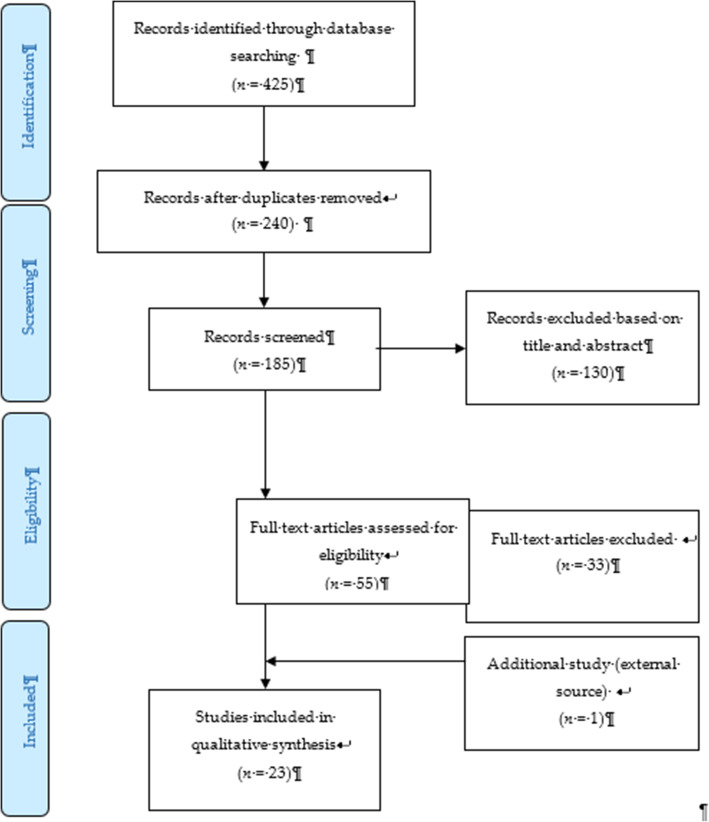
- The review screened 425 records and included 23 studies: 22 quantitative articles and 1 qualitative article; sample sizes ranged from 70 to 700,178, and the qualitative study included 100 interviewees.
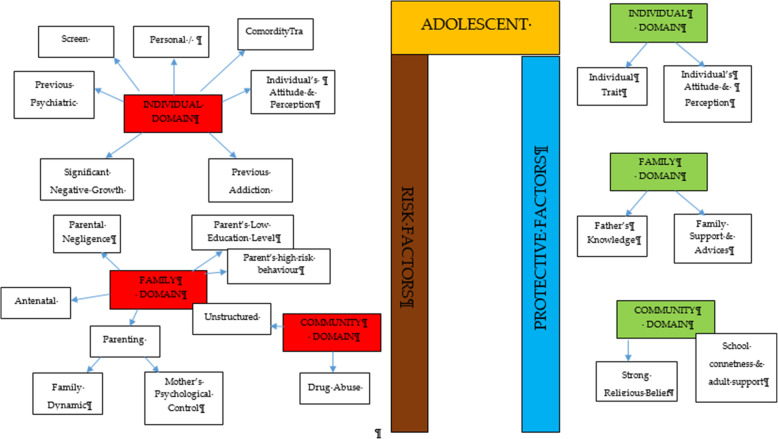
- Individual risk factors reported included high impulsivity, rebelliousness, emotional regulation impairment, alexithymia, maltreatment/negative upbringing, conduct problems, major depressive disorder, prior e-cigarette exposure, behavioral addiction, low perceived risk, high perceived drug accessibility, and positive attitudes toward synthetic drugs.
- Family risk factors included prenatal maternal smoking, poor maternal psychological control, low parental education, negligence, poor supervision, uncontrolled pocket money, and substance-using family members; community risk factors included peers who abuse drugs.
- Protective factors reported included optimism (OR = 0.90, 95% CI 0.85–0.95), mindfulness (slower progression toward injectable drug abuse by 1.67 years, p = .041), social phobia (OR = 0.87, 95% CI 0.77–0.97), strong beliefs against substance abuse, desire to maintain health, high paternal awareness, school connectedness, structured activity, and strong religious beliefs.
## Methods
- Systematic review conducted following PRISMA, searching PubMed, EBSCOhost, and Web of Science for English-language full-text articles published from 2016 to December 2020.
- Inclusion focused on adolescents aged 10–18 years and drug-related substances excluding nicotine/tobacco and alcohol; citations were screened, duplicates removed, and full texts assessed against inclusion/exclusion criteria.
- Study quality was appraised with MMAT 2018 by two independent reviewers; because of heterogeneity, results were synthesized descriptively rather than meta-analyzed.
## Limitations
- The paper states it may have missed important factors because it included only English articles and searched only three databases.
- The paper also notes heterogeneity in study designs, substances, outcome measures, and analysis techniques, which led to descriptive synthesis rather than pooled analysis.
- Evident from the text: the review excluded tobacco and alcohol-related substance use, so its findings do not cover the full broader substance-abuse landscape.
Model-written summary. Check it against the paper before relying on it.
Integrity signals
Registry
Cites
Statistics
Figures
Verification
Claims the paper makes
23 Valid · 0 Not valid · 17 Not checked · 16 Own results and interpretations
The cited sources support only part of this claim — read each source’s verdict below.
In the paper
“This study also showed that the impulsivity trait alone was an independent risk factor that increased the odds between two to four times for using any drug compared to the non-impulsive group.”
§ Risk and protective factors of drug abuse among adolescents: a systematic review > Results > DOMAIN: individual factor
What the sources say
- Partly supportedcites [29] Chuang CWI Sussman S Stone MD Pang RD Chou CP Leventhal AM Kirkpatrick MG Impulsivity and history of behavioral addictions are associated with drug use in adolescents Addict Behav 2017 74 41 47 10.1016/j.addbeh.2017.05.021 28570913 PMC6604811 sourceExperimental — accuracy not yet measured
The Results section on past-six-month drug use (page not provided) says impulsivity alone was associated with greater likelihood of use across all five outcomes, including any drug use. It gives an odds ratio of 3.72 for tobacco use, but the available passage does not establish a two-to-fourfold odds ratio for any drug use. The Discussion also cautions that impulsivity may be a marker of other risk factors, so calling it an independent factor that increases use overstates the association. (LLM, conf=0.86)
plainstates a cause- Asserted: passes — The authors put it forward as true.
- Checkable: passes — It can be checked against evidence.
- Load-bearing: unclear — It is unclear whether the paper’s conclusions depend on it.
- Based: passes — The paper gives a reason why it holds.
- Partly supported
The cited sources support only part of this claim — read each source’s verdict below.
In the paper
“A study by Marin et al. found that youth with an optimistic trait were less likely to become drug dependent [33].”
§ Risk and protective factors of drug abuse among adolescents: a systematic review > Results > Protective factors
What the sources say
- Partly supportedcites [33] Marin S Heshmatian E Nadrian H Fakhari A Mohammadpoorasl A Associations between optimism, tobacco smoking and substance abuse among Iranian high school students Health Promot Perspect 2019 9 4 279 284 10.15171/hpp.2019.38 31777707 PMC6875553 sourceExperimental — accuracy not yet measured
The Results report that higher optimism scores were associated with lower odds of illicit drug use among students, and the Discussion describes the study as cross-sectional. The paper does not establish that optimistic youth were less likely to become drug dependent: it measured drug use, not dependence or later onset. (LLM, conf=0.88)
plainstates an association- Asserted: passes — The authors put it forward as true.
- Checkable: passes — It can be checked against evidence.
- Load-bearing: passes — The paper’s conclusions depend on it.
- Based: passes — The paper gives a reason why it holds.
- Partly supported
The cited sources support only part of this claim — read each source’s verdict below.
In the paper
“adolescents who had high-perceived availability of drugs in their neighborhoods were more likely to increase their usage of marijuana over time (OR = 11.00, 95% CI 9.11, 13.27) [35].”
§ Risk and protective factors of drug abuse among adolescents: a systematic review > Results > DOMAIN: individual factor
What the sources say
- Partly supportedcites [35] Schleimer JP Rivera-Aguirre AE Castillo-Carniglia A Laqueur HS Rudolph KE Suárez H Ramírez J Cadenas N Somoza M Brasesco MV Martins SS Cerdá M Investigating how perceived risk and availability of marijuana relate to marijuana use among adolescents in Argentina, Chile, and Uruguay over time Drug Alcohol Depend 2019 201 115 126 10.1016/j.drugalcdep.2019.03.029 31207452 PMC7075484 sourceExperimental — accuracy not yet measured
The Abstract Results report the quoted OR and 95% CI for the association between perceived marijuana availability and use in Argentina in 2014. The Abstract Methods describe cross-sectional surveys and past-month use, not an increase in an individual's use over time. The Materials and Methods > Measures section asks how easy marijuana would be to obtain; it does not measure the availability of drugs in respondents' neighborhoods. No page numbers are provided in our copy. (LLM, conf=0.91)
plainstates an association- Asserted: passes — The authors put it forward as true.
- Checkable: passes — It can be checked against evidence.
- Load-bearing: unclear — It is unclear whether the paper’s conclusions depend on it.
- Based: passes — The paper gives a reason why it holds.
- Partly supported
Every source the paper cites for this claim was checked and supports it.
In the paper
“exposure to e-cigarettes within the past 30 days is related to an increase in the prevalence of marijuana use and prescription drug use by at least four times in the 8th and 10th grades and by at least three times in the 12th grade [34].”
§ Risk and protective factors of drug abuse among adolescents: a systematic review > Results > DOMAIN: individual factor
What the sources say
- Supportedcites [34] Miech RA O’Malley PM Johnston LD Patrick ME E-cigarettes and the drug use patterns of adolescents Nicotine Tob Res 2015 18 5 654 659 10.1093/ntr/ntv217 26416823 PMC5654373 source
The Results section reports that past-30-day marijuana use and prescription drug abuse were at least four times as prevalent among past-30-day e-cigarette users in 8th and 10th grades, and at least three times as prevalent in 12th grade, compared with nonusers. The paper describes an association, not a causal increase. (LLM, conf=0.93)
plainstates an association- Asserted: passes — The authors put it forward as true.
- Checkable: passes — It can be checked against evidence.
- Load-bearing: unclear — It is unclear whether the paper’s conclusions depend on it.
- Based: passes — The paper gives a reason why it holds.
- Supported
The cited sources support only part of this claim — read each source’s verdict below.
In the paper
“Expecting mothers who smoke tobacco and alcohol have an indirect link with adolescent substance abuse in later life [24, 39].”
§ Risk and protective factors of drug abuse among adolescents: a systematic review > Results > DOMAIN: family factors
What the sources say
- Partly supportedcites [24] Cecil CAM Walton E Smith RG Viding E McCrory EJ Relton CL Suderman M Pingault JB McArdle W Gaunt TR Mill J Barker ED DNA methylation and substance-use risk: a prospective, genome-wide study spanning gestation to adolescence Transl Psychiatry 2016 6 12 e976 10.1038/tp.2016.247 27922636 PMC5315565 sourceExperimental — accuracy not yet measured
The Results (Follow-up analyses; page unavailable) report an indirect association between prenatal maternal tobacco smoking and adolescent substance use, including adolescent alcohol use. The Discussion identifies tobacco smoking—not maternal alcohol use—as the prenatal exposure with this indirect association. The claim is supported for smoking but not for alcohol use by expecting mothers. (LLM, conf=0.90)
- Not checked — no full text of the sourcecites [39] Osborne V Serdarevic M Striley CW Nixon SJ Winterstein AG Cottler LB Age of first use of prescription opioids and prescription opioid non-medical use among older adolescents Substance Use Misuse 2020 55 14 2420 2427 10.1080/10826084.2020.1823420 33059498 source
plainstates an association- Asserted: passes — The authors put it forward as true.
- Checkable: passes — It can be checked against evidence.
- Load-bearing: unclear — It is unclear whether the paper’s conclusions depend on it.
- Based: passes — The paper gives a reason why it holds.
- Partly supported
35 more claims · 13 with their cited sources checked
Create a free account to see all 56 claims and to verify the 3 references still open.
- It may state two separate claims as one. 12
- Probably not a substantial claim. 6
- The quote only partly states this claim. 1
Claims other papers make about this one
Each is checked against this paper’s own text: does it say what the citing paper says it does?
The source backs part of the claim, not all of it — or backs it for a different population, condition or comparison.
In the citing paper
“Additionally, individuals seeking enjoyment, those with personality traits like impulsivity, and those needing energy for extended work hours are more prone to substance use [75].”
From Prevalence and patterns of substance use in West Africa: A systematic review and meta-analysis (2024) · cites this paper as [75]
Experimental — accuracy not yet measuredIn the citing paper
“The data is clear-children who are unsupervised are more likely to engage in substance abuse, early sexuality, delinquency, and other related harms (Nawi et al., 2021;Reynoso & Rossi, 2019;Sun et al., 2025).”
From The Symbiotic Harm of a Criminal Record (2026) · cites this paper as Nawi et al., 2021
Citations
Cites
Interrater reliability: The kappa statistic
McHugh, M. L. (2012) · Biochemia Medica · doi:10.11613/bm.2012.031 · Cited by 19,877 · cited 1×
“77, indicating moderate agreement [23].”
Emotion-regulation strategies across psychopathology: A meta-analytic review
Aldao, A., Nolen-Hoeksema, S., & Schweizer, S. (2010) · Clinical Psychology Review · doi:10.1016/j.cpr.2009.11.004 · Cited by 6,686 · cited 1×
“way to avoid or suppress the negative feelings that they are experiencing [41, 47, 48].”
BackgroundThe Mixed Methods Appraisal Tool (MMAT) version 2018 for information professionals and researchers
Hong, Q. N., Fàbregues, S., Bartlett, G., Boardman, F., Cargo, M., Dagenais, P., Gagnon, M.-P., Griffiths, F., Nicolau, B., O’Cathain, A., et al. (2018) · Education for Information · doi:10.3233/efi-180221 · Cited by 4,737 · cited 1×
“This tool has been shown to be useful in systematic reviews encompassing different study designs [22].”
MethodSawyer, S. M., Azzopardi, P. S., Wickremarathne, D., & Patton, G. C. (2018) · The Lancet Child & Adolescent Health · doi:10.1016/s2352-4642(18)30022-1 · Cited by 3,666
Cannabis use and risk of psychotic or affective mental health outcomes: a systematic review.
Moore, T. H., Zammit, S., Lingford-Hughes, A., Barnes, T. R., Jones, P. B., Burke, M., & Lewis, G. (2007) · The Lancet · doi:10.1016/s0140-6736(07)61162-3 · Cited by 2,224
Adolescent cortical development: A critical period of vulnerability for addiction
Crews, F., He, J., & Hodge, C. (2007) · Pharmacology Biochemistry and Behavior · doi:10.1016/j.pbb.2006.12.001 · Cited by 1,091 · cited 1×
“Abusing drugs impairs the successful transition to adulthood by impairing the development of critical thinking and the learning of crucial cognitive skills [7].”
BackgroundMacleod, J., Oakes, R., Copello, A., Crome, I., Egger, M., Hickman, M., Oppenkowski, T., Stokes-Lampard, H., & Smith, G. D. (2004) · The Lancet · doi:10.1016/s0140-6736(04)16200-4 · Cited by 639
The increasing global health priority of substance use in young people
Degenhardt, L., Stockings, E., Patton, G., Hall, W. D., & Lynskey, M. (2016) · The Lancet Psychiatry · doi:10.1016/s2215-0366(15)00508-8 · Cited by 601 · cited 2×
“The increased burden due to drug abuse among adolescents and young adults was shown by the Global Burden of Disease (GBD) study in 2013 [2].”
BackgroundPrevalence of the Addictions: A Problem of the Majority or the Minority?
Sussman, S., Lisha, N., & Griffiths, M. (2011) · Evaluation & the Health Professions · doi:10.1177/0163278710380124 · Cited by 598 · cited 1×
“way to avoid or suppress the negative feelings that they are experiencing [41, 47, 48].”
BackgroundNeurobiologic processes in drug reward and addiction
Adinoff, B. (2004) · Harvard Review of Psychiatry · doi:10.1080/10673220490910844 · Cited by 546 · cited 1×
“On the opposite side of the coin, a greater perceived risk remains a protective factor for marijuana abuse [56].”
Background
Research works printed but not linked: 2
- Nation, U World Drug Report 2018 (United Nations publication, Sales No. E.18X.XI.9. United Nation publication) 2018
- National Institutes on Drug Abuse Drugs, brains, and behavior the science of addiction national institute on drug abuse (nida) 2014
Cited by
Items 101–200 of 494
The Hidden Dangers: How Synthetic Organic Compounds Impact Health and the Environment
Jha, A., & Jha, M. (2024) · International Journal of Nursing Information · doi:10.58418/ijni.v3i2.104 · Cited by 18
“Drugs of abuse often contain synthetic organic compounds designed to produce mind-altering effects, leading to addiction and a range of health risks (Nawi et al., 2021; Santos et al., 2024).”
Ogden, S. N., Cortez, C. A., Sterling, S., Alexeeff, S., Slama, N. E., Campbell, C. I., Satre, D. D., Asyyed, A. H., Does, M. B., Altschuler, A., et al. (2025) · Addictive Behaviors Reports · doi:10.1016/j.abrep.2025.100597 · Cited by 6
“…health problems, and interpersonal violence experiences (e.g., bullying, physical abuse, and intimate partner violence) are intersecting issues that often co-occur (Cole et al., 2019; Halladay et al., 2020; Hulvershorn et al., 2015; Nawi et al., 2021; Parker & Bradshaw, 2015; Zhu et al., 2022).”
Psycho-Social and Morbidity of Substance Use Disorder in Women
Iftikhar, M., & Riaz, S. (2022) · International Journal of Innovations in Science and Technology · doi:10.33411/ijist/2022040609 · Cited by 6
Characterizing early initiation of illicit drug use by generation: A retrospective study
Nashed, D., Stokes, C. M., & Kelly, S. W. (2024) · Emerging Trends in Drugs Addictions and Health · doi:10.1016/j.etdah.2024.100144 · Cited by 6
Drug use and its associated factors among in-school adolescents in Harari region of eastern Ethiopia
Hunduma, G., Shiferaw, K., Dessie, Y., Yadeta, T. A., Geda, B., & Deyessa, N. (2024) · International Journal of Adolescence and Youth · doi:10.1080/02673843.2024.2321217 · Cited by 5
“This might be due to familial risk factors such as low parental education, negligence, poor supervision, uncontrolled pocket money among rural, and high paternal awareness of drug abuse among urban (Nawi et al., 2021).”
Wang, Y., Romm, K. F., Edberg, M. C., Bingenheimer, J. B., LoParco, C. R., Cui, Y., & Berg, C. J. (2024) · American Journal on Addictions · doi:10.1111/ajad.13569 · Cited by 5
Wallace, A. L., Courtney, K. E., Wade, N. E., Doran, N., Delfel, E. L., Baca, R. E., Hatz, L. E., Thompson, C., Andrade, G., & Jacobus, J. (2024) · Addictive Behaviors · doi:10.1016/j.addbeh.2024.108064 · Cited by 4
García-Fuster, M. J., Colom-Rocha, C., & Bis‐Humbert, C. (2024) · Frontiers in Pharmacology · doi:10.3389/fphar.2024.1448170 · Cited by 6
Mangrio, F. A., Uthis, P., & Rojnawee, S. (2024) · Journal of Research in Health Sciences · doi:10.34172/jrhs.2024.152 · Cited by 14
“13 The early initiation of tobacco use has profound effects on both physical and cognitive development.”
BackgroundEvaluating the Determinants of Substance Use in LGBTQIA+ Adolescents: A Scoping Review
Brown, E. C., Abdelmassih, E., & Hanna, F. S. (2024) · International Journal of Environmental Research and Public Health · doi:10.3390/ijerph21121579 · Cited by 13
Substance use among young people in the West Arsi Zone, Ethiopia: A cross-sectional study
Shifa, J. E., Adams, J., & Demant, D. (2025) · PLoS ONE · doi:10.1371/journal.pone.0319432 · Cited by 5
“When family members engage in substance use, it normalizes the behaviour, making young people more likely to view substance use as acceptable or desirable, thus prompting experimentation [78,97].”
InfluentialShockey, T. M., & Silver, S. R. (2025) · Substance Use & Misuse · doi:10.1080/10826084.2025.2481318 · Cited by 4
“The survey did not obtain any information related to parental tobacco, EVP, alcohol, or other substance use, and parental substance use is a risk factor for adolescent substance use (Nawi et al., 2021; Rusby et al., 2018).”
Predictors of Recent Alcohol and Substance Use Among Adolescent Girls and Young Women in Namibia
Moyo, E., Mangwana, H., Melese, E., Takawira, S., Harases, B., Indongo, R., Moyo, P. N., Robert, K., & Dzinamarira, T. (2025) · Epidemiologia · doi:10.3390/epidemiologia6030034 · Cited by 5
“The prevalence of DSA usage peaks among individuals aged 18 to 25, with initiation often occurring during adolescence [7].”
Tobacco use in Haiti: findings from demographic and health survey
Paul, B., Simon, D. J., Tokpovi, V. C. K., Kiragu, A., Balthazard-Accou, K., & Emmanuel, É. (2023) · BMC Public Health · doi:10.1186/s12889-023-17409-6 · Cited by 5
“The results of prior studies indicated that being a Christian reduced the risk of tobacco use [72–74].”
ResultSánchez, J. D. A., Eraso, Á. G. B., Pastor, I., & Sánchez-Aragón, A. (2024) · Heliyon · doi:10.1016/j.heliyon.2024.e38976 · Cited by 6
“This study considered irritability [76] and rebelliousness [77].”
BackgroundGallé, F., Grassi, F., Valeriani, F., Zanni, S., Albertini, R., Angelillo, S., Bargellini, A., Bianco, A., Triggiano, F., Dallolio, L., et al. (2024) · Discover Public Health · doi:10.1186/s12982-024-00360-1 · Cited by 9
“In that period, the isolation measures related to the pandemic had remarkable consequences on people’s health and behaviors [44–49]; consequently, it is possible that the prevalence of nomophobia and the related predictors changed during that period.”
Adolescent extracurricular activities and perception of risk of harm from binge drinking
Szapary, C. L., Meyer, J., Fernandes, C.-S. F., Pendergrass, T. M., Fiellin, L. E., & Aneni, K. (2025) · PLOS mental health. · doi:10.1371/journal.pmen.0000278 · Cited by 7
Sarker, A. R., Hasan, A., & Islam, R. (2025) · Cost Effectiveness and Resource Allocation · doi:10.1186/s12962-025-00627-7 · Cited by 6
Hammond, C. J., Fristad, M. A., Moon, Y. J., Batt, M. M., Dopp, R. R., Ghaziuddin, N., Hulvershorn, L. A., Leffler, J. M., Singh, M. K., Sullivan, A. E., et al. (2025) · International Journal of Environmental Research and Public Health · doi:10.3390/ijerph22101576 · Cited by 4
“Consistent with previous studies [43,70–74], factors associated with cannabis use intentions among youth in our sample included older age, sex, total psychiatric problem scores, lifetime presence of certain psychiatric symptom categories (impulsivity, post-traumatic stress disorder, eating…”
Adolescent Cannabis Use After Cannabis Legalization and the COVID-19 Pandemic
Young‐Wolff, K. C., Slama, N. E., Pacula, R. L., Padon, A. A., Silver, L. D., Sterling, S., Satre, D. D., Campbell, C. I., Does, M. B., & Alexeeff, S. (2026) · JAMA Network Open · doi:10.1001/jamanetworkopen.2026.7720 · Cited by 4
The Crucial Role of Recess in School: Policy Statement
Murray, R., Ramstetter, C. L., Woolridge, D., Brickman, C. W., Bode, S. M., Larkin, M., Connor, K. A., Frank, E., Marino, R. V., Newman, T., et al. (2026) · PEDIATRICS · doi:10.1542/peds.2026-077025 · Cited by 8
Simbol dan Makna: Penyebaran Meme Narkoba dalam Instagram
Latif, S. A., Fernando, H., & Larasati, Y. G. (2022) · Jurnal Komunikasi · doi:10.20885/komunikasi.vol17.iss1.art2 · Cited by 3
Peruch, M., Giacomello, E., Radaelli, D., Concato, M., Addobbati, R., Fluca, A. L., Aleksova, A., & D’Errico, S. (2023) · International Journal of Molecular Sciences · doi:10.3390/ijms241914517 · Cited by 7
“Drug abuse represents a major public health problem worldwide [1].”
Sampasa‐Kanyinga, H., Chaput, J., Mougharbel, F., & Hamilton, H. A. (2024) · Drug and Alcohol Dependence · doi:10.1016/j.drugalcdep.2024.111085 · Cited by 4
Mahmud, A. (2024) · International Neuropsychiatric Disease Journal · doi:10.9734/indj/2024/v21i1421 · Cited by 3
Parent-child conflict: A risk factor for substance abuse among adolescents
Parveen, A., & Jan, S. (2024) · Education Mind · doi:10.58583/pedapub.em2403 · Cited by 3
AlOtaibi, S. D., Elsisi, H. A., AlShammary, M. J., AlQader, S. A., AlHarbi, H. A., AlOlaiyan, B. R., Alanazi, A. O., AlMendeel, F. S., AlHarbi, Y. N., AlKhalaf, I., et al. (2024) · Journal of Toxicology · doi:10.1155/2024/1643693 · Cited by 4
“Tis is in accordance with another study which demonstrated that unemployment was associated with substance abuse admissions in the rehabilitation center for drugs of abuse, and they claim that economic hardship is linked to increased substance abuse [28, 29, 31].”
BackgroundResultControlled to uncontrolled drug use: The impact of Covid-19 among young people in the UK
Murray, H. (2024) · Human Organization · doi:10.1080/00187259.2024.2379308 · Cited by 4
“Researchers and policy makers have consistently shown ongoing concern about how these two elements impact each other (Copeland et al. 2018; Nawi et al. 2021).”
Abrão, L. C., Diniz, R., & Migliorini, S. R. O. (2025) · Revista Foco · doi:10.54751/revistafoco.v18n3-020 · Cited by 6
Marcus, M. M., & Banks, M. L. (2025) · Neuroscience & Biobehavioral Reviews · doi:10.1016/j.neubiorev.2025.106217 · Cited by 3
Remesan, A. K., Sekaran, V. C., Jothikaran, T. A. J., Goel, K., & Ashok, L. (2025) · PLoS ONE · doi:10.1371/journal.pone.0324131 · Cited by 6
“Pressure from peer groups, inad-equately equipped educational institutions, poverty, lack of parental supervision and interactions, household dysfunctions, and easy availability of substances are highlighted to be some of the risk factors leading to increased substance use [25].”
Family and personal factors predisposing adolescents to substance abuse in high-risk urban areas
Reyes, M. D. C. Q., Bautista, F. J., Soria-Miranda, N., Oleas, D., Mascialino, G., Ponce, I. V., & Rodas, J. A. (2025) · PLoS ONE · doi:10.1371/journal.pone.0334072 · Cited by 12
Lensch, T., Drake, C. S., Clements-Nolle, K. D., & Pearson, J. (2023) · Journal of Studies on Alcohol and Drugs · doi:10.15288/jsad.22-00240 · Cited by 4
Guo, Y., Swaim, R. C., & Mason, W. A. (2023) · Drug and Alcohol Dependence · doi:10.1016/j.drugalcdep.2023.109936 · Cited by 3
Kara, H., Karakaya, D., & Çoban, Ö. G. (2023) · Journal of Pediatric Nursing · doi:10.1016/j.pedn.2023.09.026 · Cited by 5
Micro-level Factors Associated with Youth Drug Use Among an Urban at-Risk Youth Sample
Tataw, D. B., Nolan, J. R., & Kim, S.-H. (2023) · Journal of Racial and Ethnic Health Disparities · doi:10.1007/s40615-023-01839-4 · Cited by 3
Heroin addiction history, psychopathology and stress sensitivity in a sample of migrants to Italy
Carbone, M. G., Tagliarini, C., Rocca, F. D., Ricci, M., Lupi, A. M., Sarandrea, L., Ceban, A., Casella, P., Maremmani, I., & Maremmani, A. G. I. (2024) · Heroin addiction and related clinical problems · doi:10.62401/2531-4122-2024-21 · Cited by 3
The Monitoring Illicit Substance Use Consortium: A Study Protocol
Greenwood, C. J., Letcher, P., Laurance, E., Boden, J. M., Foulds, J., Spry, E., Kerr, J. A., Toumbourou, J. W., Heerde, J. A., Nolan, C., et al. (2024) · JAACAP Open · doi:10.1016/j.jaacop.2024.03.002 · Cited by 3
Lv, S., Chen, Z., Mao, J., Wang, H., Wu, P., & Hai, Y. (2024) · International Journal of Mental Health Promotion · doi:10.32604/ijmhp.2024.048917 · Cited by 7
“Studies have shown that people suffering from social phobia display increased anxiety levels [4], depression rates [5], substance abuse [6], as well as notable limitations in socialization [7] and career development issues [8].”
Epigenetic Insights into Substance Use Disorder and Associated Psychiatric Conditions
Ngo, A. L., Ahmad, C. M., Alkhansari, N. G., Nguyen, L., & Zhang, H. (2025) · Complex Psychiatry · doi:10.1159/000544912 · Cited by 8
“Risk factors for DUD include genetics, environmental in fl uences, and developmental stage, with adolescents being particularly vulnerable due to their underdeveloped brains, which are more susceptible to the effects of drugs [14].”
Characterizing substance users and risk profiles across treatment centers: insights from Iran
Mirzaei, S., Yazdi‐Feyzabadi, V., Mehrolhassani, M. H., Nakhaee, N., & Oroomiei, N. (2025) · Harm Reduction Journal · doi:10.1186/s12954-025-01226-8 · Cited by 4
“The estimated number of people who use substances increased from 240 million in 2011 to 296 million in 2021, accounting for 5.8% of the global population in this age group—a 23% rise, partly attributed to population growth [1, 2].”
InfluentialPengpid, S., Peltzer, K., Santos, L. E., & Mallari, E. F. I. (2025) · Substance Abuse Treatment Prevention and Policy · doi:10.1186/s13011-025-00652-y · Cited by 8
“Drug use among teenagers is a serious worldwide issue [1] and can be harmful at any level.”
Árva, D., Vokó, Z., Sápi, M., Cselkó, Z., & Rákosy, Z. (2024) · Frontiers in Education · doi:10.3389/feduc.2023.1240909 · Cited by 2
Agwogie, M. O., Kliewer, W. L., & Ibrahim, M. B. (2024) · Journal of Traumatic Stress · doi:10.1002/jts.23043 · Cited by 3
The Effectiveness of a TPB Educational Program for Preventing Alcohol Use Among Adolescents
Angeli, M., Hassandra, M., Κrommidas, C., Γούδας, Μ., Hatzigeorgiadis, A., & Theodorakis, Y. (2024) · Alcoholism Treatment Quarterly · doi:10.1080/07347324.2024.2373445 · Cited by 5
“…traits such as self-control, a high level of mindfulness, strong beliefs against substance abuse, the motivation to maintain good health, and engagement in structured activities can work as protective factors against alcohol use (Dudok & Piko, 2023; Nawi et al., 2021; Nelson et al., 2017).”
Guldner, S., Prignitz, M., & Nees, F. (2024) · Progress in Neuro-Psychopharmacology and Biological Psychiatry · doi:10.1016/j.pnpbp.2024.111113 · Cited by 3
ADHD and alcohol: Emotional regulation efforts pay off in quality of life points
Luquiens, A., Mura, T., Dereux, A., Louville, P., Donnadieu, H., Grall‐Bronnec, M., Benyamina, A., Perney, P., & Carré, A. (2024) · Journal of Psychiatric Research · doi:10.1016/j.jpsychires.2024.12.012 · Cited by 2
Risk and protective factors for cannabis use in adolescence: a population-based survey in schools
O'Dowd, T. C., Fleury, R., Power, E., Dooley, N., Quinn, L., Petropoulos, S., Healy, C., Smyth, B. P., & Cannon, M. (2024) · Irish Journal of Psychological Medicine · doi:10.1017/ipm.2024.28 · Cited by 5
“1992; Butler et al., 2022; Nawi et al., 2021).”
Factors Associated With Habitual Drug Use Among Adolescents: A Secondary Data Analysis
Kim, D.-H., & Kim, Y. H. (2024) · Asian Nursing Research · doi:10.1016/j.anr.2024.12.006 · Cited by 8
Shifa, J. E., Adams, J., & Demant, D. (2025) · BMC Psychiatry · doi:10.1186/s12888-025-06550-8 · Cited by 2
“Moreover, the negative impact of substance use on behaviors and lifestyles — such as irregular sleep, poor nutrition, and risky behaviors — ele-vates the risk of developing further mental health conditions [9, 63, 64].”
Baltazar, C. S., Banze, A. R., & Muleia, R. (2025) · BMC Public Health · doi:10.1186/s12889-025-22360-9 · Cited by 3
Substance Use Disorders in Adolescents: A Qualitative Systematic Review
Kara, H., & Karakaya, D. (2025) · Journal of Advanced Nursing · doi:10.1111/jan.16967 · Cited by 4
“In the study, it was determined that adolescents' attitudes and perceptions regarding the substance were addressed within the framework of risk factors (Nawi et al. 2021).”
Dimitrova, E., & Zaborskis, A. (2025) · Children · doi:10.3390/children12050654 · Cited by 6
“Studies indicate that adolescents who feel emotionally supported by their families are less likely to engage in behaviours like drinking [4], cigarette smoking [5,6], and drug use [7].”
Iza-Fernández, C., González‐Roz, A., García-Fernández, J., Cuesta‐López, I., & Postigo, Á. (2025) · International Journal of Mental Health and Addiction · doi:10.1007/s11469-025-01531-0 · Cited by 3
“Third, these are students engaged in formal education, a known protective factor for mental health and substance use problems (Nawi et al., 2021).”
Moving beyond animal models: enriched environments and human substance use disorders
Barillot, L., Chauvet, C., Chauchard, É., Besnier, M., Harika‐Germaneau, G., Noël, X., Jaafari, N., Solinas, M., & Chatard, A. (2025) · Frontiers in Behavioral Neuroscience · doi:10.3389/fnbeh.2025.1629918 · Cited by 2
“While several studies have identified risk factors for addiction (Brook et al., 2015; Hägele et al., 2014; Nawi et al., 2021), protective factors remain less understood.”
Najjuuko, C., Brathwaite, R., Mutumba, M., Childress, S., Nannono, S., Namatovu, P., Lu, C., & Ssewamala, F. M. (2025) · AIDS and Behavior · doi:10.1007/s10461-025-04840-6 · Cited by 2
“Presence of these factors increased the risk of PSU as has been found in earlier studies [52].”
Drug Cues Induce Abnormal Changes in Brain Activation: An ALE Meta-Analysis
Yang, Y., Wu, J., Wu, C., Liao, S., Zhang, M., Yan, H., Zhang, T., & Luo, J. (2026) · Current Addiction Reports · doi:10.1007/s40429-026-00756-w · Cited by 2
“The most commonly abused substances, such as marijuana, cocaine, and opioids, require increased attention and intervention [8].”
Krakowczyk, H., Szczepańska, M., Wróblowska-Grzonka, U., Gajewska-Ormińska, K., Ziora, K. T., & Machura, E. (2022) · BMC Psychiatry · doi:10.1186/s12888-022-04135-3 · Cited by 2
“Usually they coexist with the absence of the so-called protective factors: high self-esteem, religiosity, determination [3, 4].”
BackgroundThe effects of negative life events and dark tetrad traits on antisocial behaviour in adolescents
Velimirović, M., Bojanić, M., & Dinić, B. M. (2022) · Zbornik Instituta za pedagoska istrazivanja · doi:10.2298/zipi2201061v · Cited by 4
Kreim, S., Marchand, K., Mallia, E., Dubras, R., McMaster, W. R., Tee, K. A., Mathias, S., & Barbic, S. P. (2023) · Journal of Substance Use and Addiction Treatment · doi:10.1016/j.josat.2023.209076 · Cited by 4
Predictors of Sexual and Reproductive Self-care Among Iranian Adolescent Females
Alimoradi, Z., Partash, N., Griffiths, M. D., Naimzadeh, M. H., & Abdi, F. (2023) · Journal of Nursing and Midwifery Sciences · doi:10.5812/jnms-140039 · Cited by 4
“of health (including sexual health) among adolescents and youth (31-33).”
BackgroundApproaches to Code Selection for Epistemic Networks
Árva, D., Jeney, A., Dunai, D., Major, D., Cseh, A., & Zörgő, S. (2023) · Communications in computer and information science · doi:10.1007/978-3-031-47014-1_28 · Cited by 2
Kutuzova, Z. К., Lipanova, L. L., Nasybullina, G. M., et al. (2023) · ЗДОРОВЬЕ НАСЕЛЕНИЯ И СРЕДА ОБИТАНИЯ - ЗНиСО / PUBLIC HEALTH AND LIFE ENVIRONMENT · doi:10.35627/2219-5238/2023-31-10-44-53 · Cited by 2
Mexican-origin parent and child reported neighborhood factors and youth substance use
Zhen‐Duan, J., Banks, D. E., Ferreira, C., Zhang, L., Valentino, K., & Alegria, M. M. (2023) · Frontiers in Psychiatry · doi:10.3389/fpsyt.2023.1241002 · Cited by 3
“Conversely, positive perceptions of the neighborhood, including a positive sense of community (46, 47) and prosocial peer behavior (48), have been linked to lower levels of substance use among youth.”
BackgroundFamily Risk and Protective Influences on Adolescent Substance Use in Global Context
Mason, W. A. (2024) · International and cultural psychology/International and cultural psychology series · doi:10.1007/978-3-031-49230-3_8 · Cited by 3
Charting a New Course for Addiction Education in General Psychiatry Residency Training
Frew, J. R., Balasanova, A. A., Rakocevic, D. B., et al. (2024) · Academic Psychiatry · doi:10.1007/s40596-024-01976-w · Cited by 2
“Prevention begins with adolescents, the group most prone to addiction; each developmental phase has its own risk profile for addictive behavior, which needs to be understood and clinically evaluated [26].”
Nejad, M. H., Drikvand, F. M., & Sepahvand, M. (2024) · مجله علمی دانشگاه علوم پزشکی رفسنجان · doi:10.61186/jrums.23.4.222 · Cited by 6
Mangrio, F. A., Uthis, P., Rojnawee, S., et al. (2024) · Journal of the Dow University of Health Sciences · doi:10.36570/jduhs.2024.2.2027 · Cited by 2
Obande-Ogbuinya, N. E., Aleke, C. O., Omaka-Amari, L. N., Uba, M. B. I., Anyigor-Ogah, S. C., Mong, E. U., Afoke, E. N., Nnaji, T. N., Nwankwo, O., Okeke, I. M., et al. (2024) · BMC Public Health · doi:10.1186/s12889-024-19921-9 · Cited by 9
“…studies which associated the characteristics of MA users such as violent behaviour, hopelessness, suicide, high rate of unemployment, relationship problems, school dropout, absenteeism, poor academic performance, financial problems and parental deprivation to adolescents/youths [1, 44, 60–62].”
BackgroundSaleem, M., & Rizvi, T. (2024) · Archives of Psychiatric Nursing · doi:10.1016/j.apnu.2024.09.001 · Cited by 3
İsmail, R., Shukor, M. S., Ganasegeran, K., & Manaf, M. R. A. (2024) · International Journal of Mental Health and Addiction · doi:10.1007/s11469-024-01391-0 · Cited by 9
“These findings were consistent with those of previous studies (Cioffredi et al., 2021; Frade et al., 2013; Nawi et al., 2021).”
Self-citationDeeds, B. G., Goldstein, A. B., & Blanco, C. (2024) · FOCUS The Journal of Lifelong Learning in Psychiatry · doi:10.1176/appi.focus.20240019 · Cited by 2
Substance Use Epidemiology as a Foundation for Prevention
Lopez, M. F., Creamer, M. R., & Parker, E. (2024) · FOCUS The Journal of Lifelong Learning in Psychiatry · doi:10.1176/appi.focus.20240018 · Cited by 2
Psychosocial correlates of alcohol and substance use in college youth with type 1 diabetes
Tsevat, R. K., Weitzman, E. R., & Wisk, L. E. (2024) · Journal of Pediatric Psychology · doi:10.1093/jpepsy/jsae103 · Cited by 3
Cheuyem, F. Z. L., Edzamba, M. F., Amani, A., & Mossus, T. (2025) · Discover Public Health · doi:10.1186/s12982-025-00388-x · Cited by 4
“In this regard, studies underscore the high likelihood of addiction among adolescents, with peak drug use typically occurring between the ages of 18 and 25 [5, 6].”
Attitudes of Adolescents Toward Addictive Substances: Hope and Self-Control as Protective Factors
Cengiz, S., Turan, M. E., & Çelik, E. (2025) · Children · doi:10.3390/children12010106 · Cited by 5
Youth Invasion: The Dramatic Surge in Drug Abuse and Criminal Behaviors in Southwest Nigeria
Ajiboye, B. M., & Olademo, O. (2025) · Journal of Black Studies · doi:10.1177/00219347251327692 · Cited by 4
“…youths, most especially male youths, through the act of drug use and association with drug dependent peers, a number of them have reportedly been lured into committing crimes, also, many of them have died while taking hard drugs (Adetiloye & Abel, 2022; Nawi et al., 2021; Olanrewaju et al., 2022).”
Downey, M. K., Coles, A. R. L., & Harris, N. (2025) · Drugs Education Prevention and Policy · doi:10.1080/09687637.2025.2487452 · Cited by 3
“These perceptions disregard the complex interplay of individual, community, and family risk factors which may contribute to SUD development (Nawi et al., 2021; Somani & Meghani, 2016).”
Maghawry, H. F., Darwish, A. M., Mohammed, N., El-hameed, N. A. E.-G. A., & Ahmed, G. K. (2025) · BMC Psychology · doi:10.1186/s40359-025-02638-8 · Cited by 2
“Another study by Nawi et al. found that difficulties with emotion control might lead to an addiction tendency [60].”
Kemp, K. A., Irgens, M. S., Poindexter, B., Affleck, K., Marshall, B. D. L., Koinis‐Mitchell, D., & Tolou‐Shams, M. (2025) · Journal of Applied Juvenile Justice Services · doi:10.52935/11513.4 · Cited by 2
Edukasi Interaktif Latih Anak Hidup Damai dan Bebas dari Narkoba Melalui Pendekatan Keluarga
Supriyanto, A., Hendiani, N., Wahyudi, A., et al. (2025) · Archive Jurnal Pengabdian Kepada Masyarakat · doi:10.55506/arch.v4i2.166 · Cited by 2
“Kondisi ini muncul karena faktor keluarga, individu, dan komunitas (Nawi et al., 2021).”
Quadri, G. O., Omopo, O. E., & Ukpere, W. I. (2025) · EUREKA Social and Humanities · doi:10.21303/2504-5571.2025.003768 · Cited by 2
The landscape of youth addiction in Israel: Identifying high-risk behaviors
Efrati, Y. (2025) · Addictive Behaviors · doi:10.1016/j.addbeh.2025.108396 · Cited by 4
Perceived Availability of Lysergic Acid Diethylamide in the United States from 2015 to 2019
Barnett, B. S., Anand, A., Dewey, E. N., Hoffer, L., & Weleff, J. (2025) · Psychedelic Medicine · doi:10.1089/psymed.2024.0045 · Cited by 2
Fabella, F. E. T. (2023) · International Journal of Science and Healthcare Research · doi:10.52403/ijshr.20230422 · Cited by 1
Consumo de sustancias psicoactivas y su efecto en la salud de la población
Villareal-Calderón, L. A., Castro-Jalca, J. E., Cajape, M. A. P., & Valverde-Balladares, K. M. (2023) · MQRInvestigar · doi:10.56048/mqr20225.7.3.2023.4200-4224 · Cited by 2
Substance Use Disorder in Young Adults Across the United States
(2023) · DHR Proceedings · doi:10.47488/dhrp.v3is2.90 · Cited by 1
A survey study on drug abuse among young people in Al-Najaf governorate, Iraq
Alkhudhairy, M. K., Al-Tufaili, S. A., Al-Qazzaz, A. A., & Al-Mosauy, M. M. (2024) · AIP conference proceedings · doi:10.1063/5.0191846 · Cited by 2
Matakanye, H., & Tshitangano, T. G. (2023) · medRxiv · doi:10.1101/2023.06.08.23291161 · Cited by 5
The Symbiotic Harm of a Criminal Record
Adams, E. B., Chen, E. Y., & Lageson, S. E. (2026) · Criminal Justice and Behavior · doi:10.1177/00938548251379861 · Cited by 2
“The data is clear—children who are unsupervised are more likely to engage in substance abuse, early sexuality, delinquency, and other related harms (Nawi et al., 2021; Reynoso & Rossi, 2019; Sun et al., 2025).”
abdolmohamamadi, K., Mohammadzadeh, A., & غدیری, ف. (2023) · فصلنامه علمی و پژوهشی اعتیادپژوهی · doi:10.52547/etiadpajohi.16.66.71 · Cited by 4
Approaches to Understanding Youth Well-Being
Cahill, H., & Gowing, A. (2024) · Springer eBooks · doi:10.1007/978-981-4451-96-3_10-2 · Cited by 5
Investigating the Effect of Substance Desire and Child Abuse in Adolescent Suicide Attempt
Gheshlaghi, F., Meamar, R., Rastkerdar, F., Jebeli, A. A., Soleimanpour, A., Haddad, S., & Eizadi‐Mood, N. (2024) · Addiction and Health · doi:10.34172/ahj.2024.1448 · Cited by 1
Consumption of Drugs and Substances of Abuse among Adolescents: Risk and Reasons
Srivastava, S., Agrawal, S., Nandy, A., Singh, A., & Kostova, I. P. (2024) · BENTHAM SCIENCE PUBLISHERS eBooks · doi:10.2174/9789815274400124010011 · Cited by 1
Castro, A. O., Pérez, R. P. B., Vargas-Huicochea, I., Márquez, A. F., & Castro, J. C. F. (2025) · Salud Mental · doi:10.17711/sm.0185-3325.2025.004 · Cited by 2
“…(Baeza-Velasco et al., 2020; Black et al., 2011), as significant improvements have been observed in studies where more than five sessions of MBI were provided, (Bar-ros et al., 2021; Zamboni et al., 2021; Nawi et al., 2021; Goldberg et al., 2021; Wupperman et al., 2019; Cavicchioli et al., 2019).”
Prevalence and Associated Factors for Depression Among Patients With Sarcoma
Robinson, M. J., Nguyen, S. M., Friedman, D. L., Schremp, E. A., Wang, L. L., Borinstein, S. C., Davis, E. J., Pal, T., Park, B. H., & Shu, X. (2025) · JCO Oncology Practice · doi:10.1200/op.24.00163 · Cited by 4
Impact of Perceived Vulnerability and Benefits on Adolescent Smoking Cessation Motivation
Setyoadi, S., Aisyana, L., Sari, E. K., & Ismail, D. D. S. L. (2025) · Journal of Rural Community Nursing Practice · doi:10.58545/jrcnp.v3i1.404 · Cited by 2
Liu, M., Tang, X., Xia, Q., Wu, X., Yang, Y., Hong, X., & Hu, J. (2025) · BMC Public Health · doi:10.1186/s12889-025-22089-5 · Cited by 6
“In addition, a systematic review revealed that low parental education was a risk factor of drug abuse among adolescents [20].”
Jeong, J., Lee, W., & Lee, S. H. (2025) · Frontiers in Public Health · doi:10.3389/fpubh.2025.1524375 · Cited by 4
Björklund, C., Sivertsson, F., Landberg, J., Raninen, J., & Larm, P. (2025) · PLoS ONE · doi:10.1371/journal.pone.0322515 · Cited by 2
“Thus, it is likely that factors that have previously been associated with criminal activity and substance use, such as callousness, impulsivity and sensation seeking behavior [25–29], did not reach significance in this study due to the lack of statistical power.”
Metadata
- Authors
- Nawi, A. M., Ismail, R., Ibrahim, F., Hassan, M. R., Manaf, M. R. A., Amit, N., Ibrahim, N., & Shafurdin, N. S.
- Affiliations
- National University of Malaysia (MY)
- Venue
- BMC Public Health
- Published
- 2021-11-13
- Volume
- 21
- Issue
- 1
- Pages
- 2088-2088
- ISSN
- 1471-2458 (ISSN-L)
- PMC
- PMC8590764
- OpenAlex
- W3213688921
- Cited by
- 506
- References
- 71
- Citations by year
- 2026: 94 · 2025: 159 · 2024: 140 · 2023: 80 · 2022: 25
- FWCI
- 13.26
- Type
- journal article
- Language
- en
- Open access
- gold
- doi.org
- Licence
- cc-by
- creativecommons.org/licenses/by/4.0 (tdm)
- creativecommons.org/licenses/by/4.0 (vor)
- Locations
- BMC Public Health (publishedVersion, cc-by)
- PubMed Central (publishedVersion, cc-by)
- PubMed (publishedVersion)
- DOAJ (DOAJ: Directory of Open Access Journals) (submittedVersion, cc-by-sa)
- Topics
- Health Sciences › Medicine › Epidemiology › Substance Abuse Treatment and Outcomes
- Health Sciences › Medicine › Pediatrics, Perinatology and Child Health › Prenatal Substance Exposure Effects
- Social Sciences › Psychology › Clinical Psychology › Child and Adolescent Psychosocial and Emotional Development
- Keywords
- adolescent drug abuse, risk factors, protective factors, impulsivity, emotion regulation, parental supervision, family history of substance use, peer influence
- MeSH terms
- Adolescent, Major Depressive Disorder, Depressive Disorder, Major, Female, Humans, Pregnancy, Risk Factors, Schools, Substance-Related Disorders, Protective Factors
About these checks
Registry, retraction, Cites and statistics results are computed, not judged, with one exception: a printed reference that no index lists is read once by a model before it counts as a citation error. Claims are extracted by a model and kept only when their quote appears verbatim in the text; each cited source is then checked, with a model’s help, for whether it says what the claim relies on. Those verdicts can be wrong — read the claim’s quote and the cited source before relying on one.
The claim verdicts this report counts are experimental: their accuracy is not yet measured.
A language model drew the claims from the paper on 2026-10-10, under version 3 of the claim definition (model deepseek-v4.1-flash, prompt extract-v3).
A second model labelled each claim on 2026-10-10 (model jev-1.13-20260917, definition revision gold-guideline-v0.2).
Cited sources are checked with a language model’s help (gpt-6-sol).
Statistics and arithmetic are recomputed, not judged.
Confidence bands are shown only for fields calibrated on our annotated test set. None is calibrated yet, so no band is shown.
What counts as a claim ›How we measure confidence ›How we check this ›
Are you an author, or do you see a problem with this page? Request a review
Data sources
Bibliographic data: Semantic Scholar, OpenAlex, Crossref.
Contains information from the Semantic Scholar Academic Graph Datasets, made available under the ODC Attribution License (ODC-BY 1.0).
Semantic Scholar’s data is described in: Kinney, R., et al. (2023). The Semantic Scholar Open Data Platform. arXiv:2301.10140.
