

Comparison of registered and published outcomes in randomized controlled trials: a systematic review
Open accessThe DOI matches its Crossref record; 43 of the 44 references it cites were found in a registry or an index.
Abstract
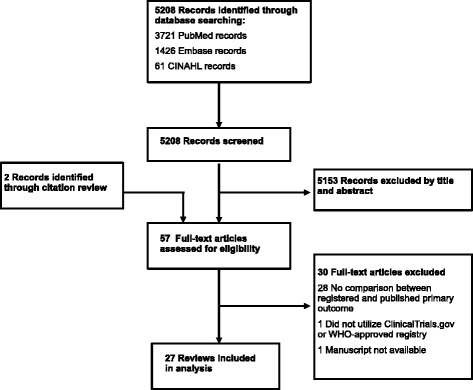
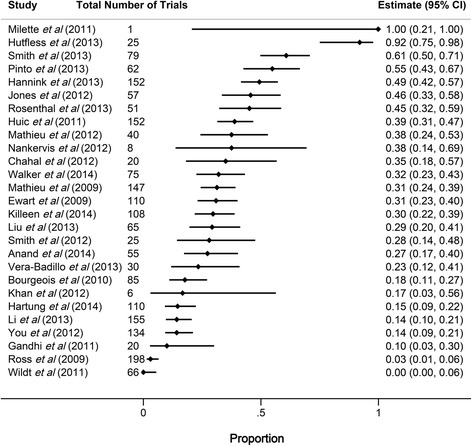
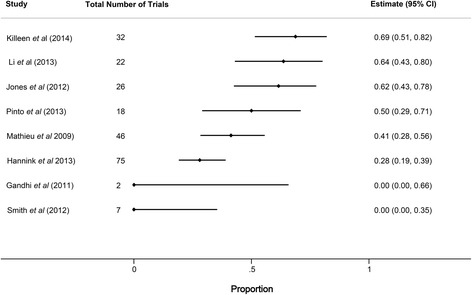
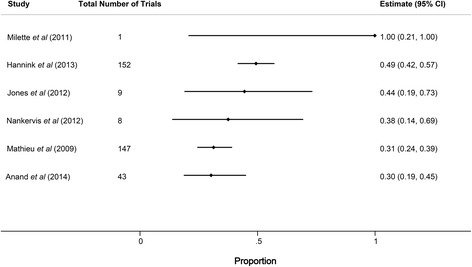
BACKGROUND: Clinical trial registries can improve the validity of trial results by facilitating comparisons between prospectively planned and reported outcomes. Previous reports on the frequency of planned and reported outcome inconsistencies have reported widely discrepant results. It is unknown whether these discrepancies are due to differences between the included trials, or to methodological differences between studies. We aimed to systematically review the prevalence and nature of discrepancies between registered and published outcomes among clinical trials. METHODS: We searched MEDLINE via PubMed, EMBASE, and CINAHL, and checked references of included publications to identify studies that compared trial outcomes as documented in a publicly accessible clinical trials registry with published trial outcomes. Two authors independently selected eligible studies and performed data extraction. We present summary data rather than pooled analyses owing to methodological heterogeneity among the included studies. RESULTS: Twenty-seven studies were eligible for inclusion. The overall risk of bias among included studies was moderate to high. These studies assessed outcome agreement for a median of 65 individual trials (interquartile range [IQR] 25-110). The median proportion of trials with an identified discrepancy between the registered and published primary outcome was 31%; substantial variability in the prevalence of these primary outcome discrepancies was observed among the included studies (range 0% (0/66) to 100% (1/1), IQR 17-45%). We found less variability within the subset of studies that assessed the agreement between prospectively registered outcomes and published outcomes, among which the median observed discrepancy rate was 41% (range 30% (13/43) to 100% (1/1), IQR 33-48%). The nature of observed primary outcome discrepancies also varied substantially between included studies. Among the studies providing detailed descriptions of these outcome discrepancies, a median of 13 % of trials introduced a new, unregistered outcome in the published manuscript (IQR 5-16%). CONCLUSIONS: Discrepancies between registered and published outcomes of clinical trials are common regardless of funding mechanism or the journals in which they are published. Consistent reporting of prospectively defined outcomes and consistent utilization of registry data during the peer review process may improve the validity of clinical trial publications.
Overview
The claims and statistics of this paper haven’t been checked yet.
Free: it reads the open-access text and checks the first 5 claims that cite a source we can check. Create a free account to check every claim.
Integrity signals
Registry
Cites
Statistics
Figures
Verification
Claims the paper makes
The claims and statistics of this paper haven’t been checked yet.
Free: it reads the open-access text and checks the first 5 claims that cite a source we can check. Create a free account to check every claim.
Claims other papers make about this one
Each is checked against this paper’s own text: does it say what the citing paper says it does?
The source backs part of the claim, not all of it — or backs it for a different population, condition or comparison.
In the citing paper
“Eight studies also assessed the impact of outcome switching on the statistical significance of the published outcome and found that outcome switching favoured the reporting of significant outcomes in half the trials.”
From COMPare: a prospective cohort study correcting and monitoring 58 misreported trials in real time (2019) · cites this paper as [1]
Experimental — accuracy not yet measuredThe source backs part of the claim, not all of it — or backs it for a different population, condition or comparison.
In the citing paper
“However, owing to lack of access to all measured outcomes, this biased reporting could not be assessed in many cases and therefore the reviewers concluded that this figure was likely to be an underestimate.”
From COMPare: a prospective cohort study correcting and monitoring 58 misreported trials in real time (2019) · cites this paper as [1]
Experimental — accuracy not yet measuredThe source backs part of the claim, not all of it — or backs it for a different population, condition or comparison.
In the citing paper
“However, despite near universal recognition of the importance of this issue and extensive public commitments to address the problem, trial reports in academic journals routinely fail to report pre-specified outcomes, and add in non-pre-specified outcomes, without disclosing that this has occurred.”
From COMPare: a prospective cohort study correcting and monitoring 58 misreported trials in real time (2019) · cites this paper as [1]
Experimental — accuracy not yet measuredThe source backs part of the claim, not all of it — or backs it for a different population, condition or comparison.
In the citing paper
“Several studies have compared journal article reports of studies with their corresponding protocols 23,24 , trials register entries 25,26 , or documents submitted to regulators 27 , and identified frequent nonreporting of results for outcomes that were prespecified.”
From Investigating and dealing with publication bias and other reporting biases in meta-analyses of health research: a review (2021) · cites this paper as [25]
Experimental — accuracy not yet measuredThe source backs part of the claim, not all of it — or backs it for a different population, condition or comparison.
In the citing paper
“Even when a study report is available, results for some outcomes that were assessed may be missing or incompletely reported because of the P value, or the magnitude or direction of the results (selective nonreporting bias or outcome reporting bias).”
From Investigating and dealing with publication bias and other reporting biases in meta-analyses of health research: a review (2021) · cites this paper as [25]
Experimental — accuracy not yet measured
5 more claims about this paper
Create a free account to see every claim other papers make about this one.
Self-check
Percentages, sums and reported differences re-computed from the paper’s own numbers.
The self-check needs the paper’s full text.
Citations
Cites
Preferred Reporting Items for Systematic Reviews and Meta-Analyses: the PRISMA statement
Moher, D., Liberati, A., Tetzlaff, J., Altman, D. G., & for the PRISMA Group (2009) · BMJ · doi:10.1136/bmj.b2535 · Cited by 83,823
Preferred reporting items for systematic reviews and meta-analyses: the PRISMA Statement.
(2009) · PubMed Central · Cited by 44,859
Preferred Reporting Items for Systematic Reviews and Meta-Analyses: The PRISMA Statement
Moher, D., Liberati, A., Tetzlaff, J., & Altman, D. G. (2009) · Journal of Clinical Epidemiology · doi:10.1016/j.jclinepi.2009.06.005 · Cited by 19,575
(2014) · Medical Entomology and Zoology · Cited by 17,633
CONSORT 2010 Statement: updated guidelines for reporting parallel group randomised trials
the CONSORT Group, Schulz, K. F., Altman, D. G., & Moher, D. (2010) · BMC Medicine · doi:10.1186/1741-7015-8-18 · Cited by 13,371
Moher, D., Hopewell, S., Schulz, K. F., Montori, V., Gotzsche, P. C., Devereaux, P. J., Elbourne, D., Egger, M., & Altman, D. G. (2010) · BMJ · doi:10.1136/bmj.c869 · Cited by 8,883
Two-sided confidence intervals for the single proportion: comparison of seven methods
Newcombe, R. G. (1998) · Statistics in Medicine · doi:10.1002/(sici)1097-0258(19980430)17:8<857::aid-sim777>3.0.co;2-e · Cited by 5,107 · cited 1×
“correction to calculate 95 % confidence intervals [14].”
BackgroundChan, A.-W., Hróbjartsson, A., Haahr, M. T., Gøtzsche, P. C., & Altman, D. G. (2004) · JAMA · doi:10.1001/jama.291.20.2457 · Cited by 1,845 · cited 2×
“were common [10]: for five studies the most common discrepancy was omission of”
BackgroundClinical Trial Registration: A Statement from the International Committee of Medical Journal Editors
De Angelis, C., Drazen, J. M., Frizelle, F. A., Haug, C., Hoey, J., Horton, R., Kotzin, S., Laine, C., Marusic, A., Overbeke, A. J. P. M., et al. (2004) · New England Journal of Medicine · doi:10.1056/nejme048225 · Cited by 1,241
The ClinicalTrials.gov Results Database — Update and Key Issues
Zarin, D. A., Tse, T., Williams, R. J., Califf, R. M., & Ide, N. C. (2011) · New England Journal of Medicine · doi:10.1056/nejmsa1012065 · Cited by 838 · cited 1×
“While utilization of the results database on the part of investigators has been mixed, improved compliance with this feature has the potential to streamline comparisons between planned and completed outcome analyses [41].”
Background
Cited by
Guidelines for Reporting Outcomes in Trial Reports: The CONSORT-Outcomes 2022 Extension
Butcher, N. J., Monsour, A., Mew, E. J., Chan, A.-W., Moher, D., Mayo-Wilson, E., Terwee, C. B., Chee-A-Tow, A., Baba, A., Gavin, F., et al. (2022) · JAMA · doi:10.1001/jama.2022.21022 · Cited by 719
Mead, E., Brown, T., Rees, K., Azevedo, L. B., Whittaker, V., Jones, D., Olajide, J., Mainardi, G. M., Corpeleijn, E., O'Malley, C., et al. (2017) · Cochrane Database of Systematic Reviews · doi:10.1002/14651858.cd012651 · Cited by 518
Neil-Sztramko, S. E., Caldwell, H., & Dobbins, M. (2021) · Cochrane Database of Systematic Reviews · doi:10.1002/14651858.cd007651.pub3 · Cited by 449
Page, M. J., Sterne, J. A. C., Higgins, J. P. T., & Egger, M. (2021) · Research Synthesis Methods · doi:10.1002/jrsm.1468 · Cited by 294
Page, M. J., McKenzie, J. E., & Higgins, J. P. T. (2018) · BMJ Open · doi:10.1136/bmjopen-2017-019703 · Cited by 278
“Specifically, on average, half of all trials are not published,(1) 5 trials with statistically significant results are twice as likely to be published(5) and a third of trials have outcomes that are omitted, added or modified between protocol and publication.(6) Audits of systematic review conduct suggest that most sy…”
BackgroundStatistical Rituals: The Replication Delusion and How We Got There
Gigerenzer, G. (2018) · Advances in Methods and Practices in Psychological Science · doi:10.1177/2515245918771329 · Cited by 263
Considering bias and conflicts of interest among the included studies
Boutron, I., Page, M. J., Higgins, J. P., Altman, D. G., Lundh, A., Hróbjartsson, A., & on behalf of the Cochrane Bias Methods Group (2019) · Cochrane Handbook for Systematic Reviews of Interventions · doi:10.1002/9781119536604.ch7 · Cited by 258
Roth, D. E., Leung, M., Mesfin, E., Qamar, H., Watterworth, J., & Papp, E. (2017) · BMJ · doi:10.1136/bmj.j5237 · Cited by 252
“44 Some current trials will provide clinically relevant information about effects on fetal/infant growth and maternal HIV progression, but any positive findings will need to be confirmed to reliably form the basis for global policy or clinical recommendations.”
BackgroundUpdate on Trial Registration 11 Years after the ICMJE Policy Was Established
Zarin, D. A., Tse, T., Williams, R. J., & Rajakannan, T. (2017) · New England Journal of Medicine · doi:10.1056/nejmsr1601330 · Cited by 239
COMPare: a prospective cohort study correcting and monitoring 58 misreported trials in real time
Goldacre, B., Drysdale, H., Dale, A., Milosevic, I., Slade, E., Hartley, P., Marston, C., Powell-Smith, A., Heneghan, C., & Mahtani, K. R. (2019) · Trials · doi:10.1186/s13063-019-3173-2 · Cited by 233
Claesen, A., Gomes, S., Tuerlinckx, F., & Vanpaemel, W. (2021) · Royal Society Open Science · doi:10.1098/rsos.211037 · Cited by 197
Cirocchi, R., Arezzo, A., D’Andrea, V., Abraha, I., Popivanov, G., Avenia, N., Gerardi, C., Henry, B. M., Randolph, J., & Barczyński, M. (2019) · Cochrane Database of Systematic Reviews · doi:10.1002/14651858.cd012483.pub2 · Cited by 196
“Jones 2015 Jones CW, Keil LG, Holland WC, Caughey MC, PlattsMills TF. Comparison of registered and published outcomes in randomized controlled trials: a systematic review.”
BackgroundLi, T., Higgins, J. P., & Deeks, J. J. (2019) · Cochrane Handbook for Systematic Reviews of Interventions · doi:10.1002/9781119536604.ch5 · Cited by 127
Antioxidant effects of vitamins in type 2 diabetes: a meta-analysis of randomized controlled trials
Balbi, M. E., Tonin, F. S., Mendes, A. M., Borba, H. H., Wiens, A., Fernandez-Llimos, F., & Pontarolo, R. (2018) · Diabetology & Metabolic Syndrome · doi:10.1186/s13098-018-0318-5 · Cited by 119
“The issue of lack of outcome standardization is common to different areas, but has been associated with a bad reporting practice—outcome switching, and hamper comparisons between interventions [73].”
BackgroundMayo‐Wilson, E., Li, T., Fusco, N., Dickersin, K., & for the MUDS investigators (2018) · Research Synthesis Methods · doi:10.1002/jrsm.1277 · Cited by 114
“gov) are useful for identifying trials, comparing published results with planned outcomes and methods and obtaining results not reported elsewhere.(11,14,15) Registries may also include data about potential harms that cannot be obtained through other sources.”
ResultCirocchi, R., D’Andrea, V., Arezzo, A., Abraha, I., Passera, R., Avenia, N., Randolph, J., & Barczyński, M. (2016) · Cochrane Database of Systematic Reviews · doi:10.1002/14651858.cd012483 · Cited by 110
Registration of published randomized trials: a systematic review and meta-analysis
Trinquart, L., Dunn, A. G., & Bourgeois, F. T. (2018) · BMC Medicine · doi:10.1186/s12916-018-1168-6 · Cited by 106
de Vries, Y. A., Roest, A. M., de Jonge, P., Cuijpers, P., Munafò, M. R., & Bastiaansen, J. A. (2018) · Psychological Medicine · doi:10.1017/s0033291718001873 · Cited by 98
“Only around half of all trials registered at ClinicalTrials.gov were published within two years of completion (Ross et al ., 2009), and non-reporting of protocol-specified outcomes or the silent addition of new outcomes is also common (Jones et al ., 2015, http://www.compare-trials.org).”
BackgroundCalibrating the Scientific Ecosystem Through Meta-Research
Hardwicke, T. E., Serghiou, S., Janiaud, P., Danchev, V., Crüwell, S., Goodman, S. N., & Ioannidis, J. P. A. (2020) · Annual Review of Statistics and Its Application · doi:10.1146/annurev-statistics-031219-041104 · Cited by 98
“…selective reporting, yet changes between the registered primary outcomes and published outcomes are common (Goldacre et al. 2019,Gopal et al. 2018, Jones et al. 2015, Mathieu et al. 2009, Scott et al. 2015), with up to 31% of articles showing discrepancies in reported versus registered outcomes.”
Screening for type 2 diabetes mellitus
Peer, N., Balakrishna, Y., & Durão, S. (2020) · Cochrane Database of Systematic Reviews · doi:10.1002/14651858.cd005266.pub2 · Cited by 123
“Jones 2015 Jones CW, Keil LG, Holland WC, Caughey MC, Platts-Mills TF. Comparison of registered and published outcomes in randomized controlled trials: a systematic review.”
BackgroundMethodCharacteristics of Randomized Clinical Trials in Surgery From 2008 to 2020: A Systematic Review
Robinson, N. B., Fremes, S. E., Hameed, I., Rahouma, M., Weidenmann, V., Demetres, M. R., Morsi, M., Soletti, G. J., Franco, A. D., Zenati, M. A., et al. (2021) · JAMA Network Open · doi:10.1001/jamanetworkopen.2021.14494 · Cited by 103
Bradley, S. H., DeVito, N., Lloyd, K. E., Richards, G. C., Rombey, T., Wayant, C., & Gill, P. J. (2020) · Journal of the Royal Society of Medicine · doi:10.1177/0141076820956799 · Cited by 112
“For example, undeclared ‘outcome switching’ between registration and publication is common among registered trials.(62) Journals could routinely ensure that reported outcomes match pre-specified registered outcomes.”
BackgroundSemlitsch, T., Engler, J., Siebenhofer, A., Jeitler, K., Berghold, A., & Horvath, K. (2020) · Cochrane Database of Systematic Reviews · doi:10.1002/14651858.cd005613.pub4 · Cited by 80
Association of Trial Registration With Reporting of Primary Outcomes in Protocols and Publications
Chan, A.-W., Pello, A., Kitchen, J., Axentiev, A., Virtanen, J. I., Liu, A., & Hemminki, E. (2017) · JAMA · doi:10.1001/jama.2017.13001 · Cited by 78
“Reported as nonprimary 2/67 (3)b 5/55 (9)e”
Non-nutritive sweeteners for diabetes mellitus
Lohner, S., de Gaudry, D. K., Toews, I., Ferenci, T., & Meerpohl, J. J. (2020) · Cochrane Database of Systematic Reviews · doi:10.1002/14651858.cd012885.pub2 · Cited by 91
Hemmingsen, B., Sonne, D. P., Metzendorf, M.-I., & Richter, B. (2016) · Cochrane Database of Systematic Reviews · doi:10.1002/14651858.cd012151.pub2 · Cited by 60
Madsen, K. S., Chi, Y., Metzendorf, M.-I., Richter, B., & Hemmingsen, B. (2019) · Cochrane Database of Systematic Reviews · doi:10.1002/14651858.cd008558.pub2 · Cited by 70
Chen, T., Li, C., Qin, R., Wang, Y., Yu, D., Dodd, J., Wang, D., & Cornelius, V. (2019) · JAMA Network Open · doi:10.1001/jamanetworkopen.2019.7242 · Cited by 68
Post-stroke fatigue: a scoping review
Aali, G., Drummond, A. E., das Nair, R., & Shokraneh, F. (2020) · F1000Research · doi:10.12688/f1000research.22880.2 · Cited by 77
Li, G., Abbade, L. P. F., Nwosu, I., Jin, Y., Leenus, A., Maaz, M., Wang, M., Bhatt, M., Zielinski, L., Sanger, N., et al. (2018) · BMC Medical Research Methodology · doi:10.1186/s12874-017-0465-7 · Cited by 70
“There were several systematic reviews assessing cohort studies that compared protocols or registrations and full reports [52, 53, 58, 59].”
BackgroundAvoidable waste of research related to outcome planning and reporting in clinical trials
Yordanov, Y., Dechartres, A., Atal, I., Tran, V.-T., Boutron, I., Créquit, P., & Ravaud, P. (2018) · BMC Medicine · doi:10.1186/s12916-018-1083-x · Cited by 76
“In a recent study, the median proportion of RCTs with discrepancies between registered and published primary outcomes was 31% [34].”
BackgroundFullerton, B., Siebenhofer, A., Jeitler, K., Horvath, K., Semlitsch, T., Berghold, A., & Gerlach, F. M. (2018) · Cochrane Database of Systematic Reviews · doi:10.1002/14651858.cd013228 · Cited by 72
Jones, P. M., Chow, J. T. Y., Arango, M. F., Fridfinnson, J. A., Gai, N., Lam, K., & Turkstra, T. P. (2017) · Anesthesia & Analgesia · doi:10.1213/ane.0000000000002272 · Cited by 64
Metformin monotherapy for adults with type 2 diabetes mellitus
Gnesin, F., Thuesen, A. C. B., Kähler, L. K. A., Madsbad, S., & Hemmingsen, B. (2020) · Cochrane Database of Systematic Reviews · doi:10.1002/14651858.cd012906.pub2 · Cited by 62
Rethinking the assessment of risk of bias due to selective reporting: a cross-sectional study
Page, M. J., & Higgins, J. P. T. (2016) · Systematic Reviews · doi:10.1186/s13643-016-0289-2 · Cited by 60
“reporting occur [4, 6, 7], authors of systematic reviews are”
BackgroundAhmadieh, H., Kreidieh, O., Akl, E. A., & Fuleihan, G. E. (2020) · Cochrane Database of Systematic Reviews · doi:10.1002/14651858.cd010787.pub2 · Cited by 77
Hypofractionation for clinically localized prostate cancer
Hickey, B. E., James, M. L., Daly, T., Soh, F.-Y., & Jeffery, M. (2019) · Cochrane Database of Systematic Reviews · doi:10.1002/14651858.cd011462.pub2 · Cited by 78
Evidence of selective reporting bias in hematology journals: A systematic review
Wayant, C., Scheckel, C., Hicks, C., Nissen, T., Leduc, L., Som, M., & Vassar, M. (2017) · PLOS ONE · doi:10.1371/journal.pone.0178379 · Cited by 53
The Weak Spots in Contemporary Science (and How to Fix Them)
Wicherts, J. M. (2017) · Animals · doi:10.3390/ani7120090 · Cited by 60
Outcome reporting bias in randomized-controlled trials investigating antipsychotic drugs
Lancee, M., Lemmens, C. M. C., Kahn, R. S., Vinkers, C. H., & Luykx, J. J. (2017) · Translational Psychiatry · doi:10.1038/tp.2017.203 · Cited by 51
Waligóra, M., Bała, M. M., Koperny, M., Wasylewski, M. T., Strzebońska, K., Jaeschke, R., Woźniak, A., Piasecki, J., Śliwka, A., Mituś, J. W., et al. (2018) · PLoS Medicine · doi:10.1371/journal.pmed.1002505 · Cited by 55
Sims, M. T., Henning, N. M., Wayant, C. C., & Vassar, M. (2016) · Scandinavian Journal of Trauma, Resuscitation and Emergency Medicine · doi:10.1186/s13049-016-0331-3 · Cited by 51
“A large body of evidence suggests, for example, that selective reporting of outcomes is a common problem across many areas of medicine [10].”
BackgroundRadioiodine therapy versus antithyroid medications for Graves' disease
Ma, C., Xie, J., Wang, H., Li, J., & Chen, S. (2016) · Cochrane Database of Systematic Reviews · doi:10.1002/14651858.cd010094.pub2 · Cited by 70
Gaudino, M. F. L., Hameed, I., Rahouma, M., Khan, F., Tam, D. Y., Biondi‐Zoccai, G., Demetres, M. R., Charlson, M. E., Ruel, M., Crea, F., et al. (2020) · JAMA Internal Medicine · doi:10.1001/jamainternmed.2020.1670 · Cited by 49
Chibuzor, M. T., Graham-Kalio, D., Osaji, J., & Meremikwu, M. M. (2020) · Cochrane Database of Systematic Reviews · doi:10.1002/14651858.cd012581.pub2 · Cited by 49
“Cochrane Database of Systematic Reviews Jones 2015 Jones CW, Keil LG, Holland WC, Caughey MC, Platts-Mills TF. Comparison of registered and published outcomes in randomized controlled trials: a systematic review.”
BackgroundMethodJones, C. W., Safferman, M. R., Adams, A., & Platts‐Mills, T. F. (2017) · BMJ Open · doi:10.1136/bmjopen-2017-017719 · Cited by 50
Self-citationSystematic review: Outcome reporting bias is a problem in high impact factor neurology journals
Howard, B., Scott, J., Blubaugh, M., Roepke, B., Scheckel, C., & Vassar, M. B. (2017) · PLoS ONE · doi:10.1371/journal.pone.0180986 · Cited by 47
Madsen, K. S., Kähler, P., Kähler, L. K. A., Madsbad, S., Gnesin, F., Metzendorf, M., Richter, B., & Hemmingsen, B. (2019) · Cochrane Database of Systematic Reviews · doi:10.1002/14651858.cd012368.pub2 · Cited by 57
Clinical trial registration and reporting: a survey of academic organizations in the United States
Mayo-Wilson, E., Heyward, J., Keyes, A., Reynolds, J., White, S., Atri, N., Alexander, G. C., Omar, A., & Ford, D. E. (2018) · BMC Medicine · doi:10.1186/s12916-018-1042-6 · Cited by 43
Isojarvi, J., Wood, H., Lefebvre, C., & Glanville, J. (2018) · Research Synthesis Methods · doi:10.1002/jrsm.1294 · Cited by 38
Spence, O., Hong, K., Onwuchekwa Uba, R., & Doshi, P. (2020) · Clinical Trials · doi:10.1177/1740774519868310 · Cited by 37
Fluoxetine for adults who are overweight or obese
Serralde-Zúñiga, A. E., Garay, A. G. G., Rodríguez‐Carmona, Y., & Meléndez, G. (2019) · Cochrane Database of Systematic Reviews · doi:10.1002/14651858.cd011688.pub2 · Cited by 43
Edafe, O., Mech, C. E., & Balasubramanian, S. P. (2019) · Cochrane Database of Systematic Reviews · doi:10.1002/14651858.cd012845.pub2 · Cited by 45
“Jones 2015 Jones CW, Keil LG, Holland WC, Caughey MC, Platts-Mills TF. Comparison of registered and published outcomes in randomized controlled trials: a systematic review.”
BackgroundSelective outcome reporting in randomized clinical trials of dental implants
Sendyk, D. I., Rovai, E. S., Souza, N. V., Deboni, M. C. Z., & Pannuti, C. M. (2019) · Journal of Clinical Periodontology · doi:10.1111/jcpe.13128 · Cited by 35
Heterogeneity in response to Elexacaftor/Tezacaftor/Ivacaftor in people with cystic fibrosis
Alicandro, G., Gramegna, A., Bellino, F., Sciarrabba, C. S., Lanfranchi, C., Contarini, M., Retucci, M., Daccò, V., & Blasi, F. (2024) · Journal of Cystic Fibrosis · doi:10.1016/j.jcf.2024.04.013 · Cited by 40
TARG Meta-Research Group & Collaborators (2023) · BMJ Open · doi:10.1136/bmjopen-2023-076264 · Cited by 33
Open Minded: Searching for Truth about the Unconscious Mind
Newell, B. R., & Shanks, D. R. (2023) · doi:10.7551/mitpress/14922.001.0001 · Cited by 17
Improving the transparency and reliability of observational studies through registration
Naudet, F., Patel, C. J., DeVito, N., Goff, G. L., Cristea, I. A., Braillon, A., & Hoffmann, S. (2024) · BMJ · doi:10.1136/bmj-2023-076123 · Cited by 37
“28 This information is currentlylackingforobservationalstudies,andtheextentofbiases resultingfromselectivereportingremainslargelyunknownand difficulttoappraise.”
Al-Durra, M., Nolan, R. P., Seto, E., Cafazzo, J. A., & Eysenbach, G. (2018) · Journal of Medical Internet Research · doi:10.2196/11924 · Cited by 32
Nicholls, S. G., Carroll, K. A., Hey, S. P., Zwarenstein, M., Zhang, J. Z., Nix, H. P., Brehaut, J., McKenzie, J. E., McDonald, S. J., Weijer, C., et al. (2021) · Journal of Clinical Epidemiology · doi:10.1016/j.jclinepi.2021.03.021 · Cited by 33
“First, similar to previous studies which have noted issues with data quality [55, 56] and discrepancies between trial registry data and published trial results [39, 50, 57, 58], our analysis points to several trial registry data elements that may be incomplete or unreliable for RCTs that have more pragmatic designs.”
ResultSelective outcome reporting in obesity clinical trials: a cross‐sectional review
Rankin, J., Ross, A., Baker, J., O'Brien, M., Scheckel, C., & Vassar, M. (2017) · Clinical Obesity · doi:10.1111/cob.12199 · Cited by 32
“Reporting of registered primary outcomes as secondary outcomes in publication was less commonly indicated in the literature (8), and no occasions of this were found in our study.”
BackgroundResultInfluentialPerlmutter, A. S., Tran, V.-T., Dechartres, A., & Ravaud, P. (2017) · Annals of Oncology · doi:10.1093/annonc/mdw682 · Cited by 31
“Studies usually compared publications with (i) protocols available from ethics committees [3, 10, 11], (ii) protocols publicly available as supplemental material from journals [2] or (iii) public clinical-trial registry entries [4, 6, 12].”
BackgroundNguyen, H. Q., Tunney, M. M., & Hughes, C. M. (2019) · Drugs & Aging · doi:10.1007/s40266-019-00637-0 · Cited by 39
Freiling, I., Krause, N. M., Scheufele, D. A., & Chen, K. (2021) · Journal of Communication · doi:10.1093/joc/jqab032 · Cited by 42
Catalogue of bias: selective outcome reporting bias
Thomas, E. T., & Heneghan, C. J. (2022) · BMJ Evidence-Based Medicine · doi:10.1136/bmjebm-2021-111845 · Cited by 40
Achieving greater independence from commercial influence in research
Lexchin, J., Bero, L. A., Davis, C., & Gagnon, M. (2021) · BMJ · doi:10.1136/bmj.n370 · Cited by 32
Won, J., Kim, S.-Y., Bae, I., & Lee, H. (2019) · PLoS ONE · doi:10.1371/journal.pone.0223305 · Cited by 31
Goldacre, B., Drysdale, H., Marston, C., Mahtani, K. R., Dale, A., Milosevic, I., Slade, E., Hartley, P., & Heneghan, C. (2019) · Trials · doi:10.1186/s13063-019-3172-3 · Cited by 27
First aid glucose administration routes for symptomatic hypoglycaemia
De Buck, E., Borra, V., Carlson, J. N., Zideman, D. A., Singletary, E. M., & Djärv, T. (2019) · Cochrane Database of Systematic Reviews · doi:10.1002/14651858.cd013283.pub2 · Cited by 27
Vassar, M. B., Roberts, W., Cooper, C. M., Wayant, C., & Bibens, M. E. (2020) · Addiction · doi:10.1111/add.14902 · Cited by 28
Transparency and reporting characteristics of COVID-19 randomized controlled trials
Kapp, P., Esmail, L., Ghosn, L., Ravaud, P., & Boutron, I. (2022) · BMC Medicine · doi:10.1186/s12916-022-02567-y · Cited by 25
“Primary outcome switching also raises important concerns, of which our results showed higher prevalence compared to other studies performed in other fields [15, 16].”
ResultPerioperative glycaemic control for people with diabetes undergoing surgery
Bellon, F., Solà, I., Giménez‐Pérez, G., Hernández, M., Metzendorf, M., Rubinat, E., & Mauricio, D. (2023) · Cochrane Database of Systematic Reviews · doi:10.1002/14651858.cd007315.pub3 · Cited by 49
Rosati, P., Porzsolt, F., Ricciotti, G., Testa, G., Inglese, R., Giustini, F., Fiscarelli, E. V., Zazza, M., Carlino, C., Balassone, V., et al. (2016) · Trials · doi:10.1186/s13063-016-1551-6 · Cited by 31
Edafe, O., Fowler, G., & Balasubramanian, S. P. (2017) · Cochrane Database of Systematic Reviews · doi:10.1002/14651858.cd012845 · Cited by 25
Transparency and reporting characteristics of COVID-19 randomized controlled trials
(2022) · doi:10.1101/2022.02.03.22270357 · Cited by 25
Swanson, M. J., Johnston, J. L., & Ross, J. S. (2021) · Trials · doi:10.1186/s13063-021-05790-9 · Cited by 28
“Discrepancies between registered and published outcomes of clinical trials are common [7].”
BackgroundIpsen, E. Ø., Madsen, K. S., Chi, Y., Pedersen-Bjergaard, U., Richter, B., Metzendorf, M.-I., & Hemmingsen, B. (2020) · Cochrane Database of Systematic Reviews · doi:10.1002/14651858.cd013516.pub2 · Cited by 23
Hematology journals do not sufficiently adhere to reporting guidelines: a systematic review
Wayant, C., Smith, C., Sims, M., & Vassar, M. B. (2017) · Journal of Thrombosis and Haemostasis · doi:10.1111/jth.13637 · Cited by 27
Martin, E., Muskens, I. S., Senders, J. T., DiRisio, A. C., Karhade, A. V., Zaidi, H. A., Moojen, W. A., Peul, W. C., Smith, T. R., & Broekman, M. L. D. (2019) · Acta Neurochirurgica · doi:10.1007/s00701-019-03849-w · Cited by 25
Li, G., Bhatt, M., Wang, M., Mbuagbaw, L. C. E., Samaan, Z., & Thabane, L. (2018) · Proceedings of the National Academy of Sciences · doi:10.1073/pnas.1708286114 · Cited by 25
“The positive relationship between an absence of statistical significance and incomplete reporting, together with the fact that most inconsistencies favored a statistically significant finding in the full reports, may be due mainly to a publication bias that favors a claim of statistically significant results (43, 54).”
BackgroundResultDeVito, N., & Goldacre, B. M. (2022) · Clinical Trials · doi:10.1177/17407745211073483 · Cited by 22
A web-based tool for automatically linking clinical trials to their publications
Smalheiser, N. R., & Holt, A. W. (2022) · Journal of the American Medical Informatics Association · doi:10.1093/jamia/ocab290 · Cited by 20
Rosa, G. R. M. L., Vernooij, R. W. M., Qureshi, M., Polosa, R., & O’Leary, R. (2023) · Internal and Emergency Medicine · doi:10.1007/s11739-022-03161-z · Cited by 24
“Thirteen studies either did not report a protocol or the protocol was not published, thereby limiting an examination for missing data [65, 66] or the identification of changes in the designation of primary and secondary outcomes [67, 68].”
BackgroundReporting Characteristics in Sports Nutrition
Earnest, C. P., Roberts, B. M., Harnish, C., Kutz, J. L., Cholewa, J. M., & Johannsen, N. M. (2018) · Sports · doi:10.3390/sports6040139 · Cited by 19
“The issue of including primary outcomes in design and/or maintaining those outcomes are not limited to sports nutrition research and also plague registered clinical trials in which 31% of trials identified a discrepancy between the registered and published primary outcome [23].”
BackgroundMaking protocols available with the article improved evaluation of selective outcome reporting
Calméjane, L., Dechartres, A., Tran, V.-T., & Ravaud, P. (2018) · Journal of Clinical Epidemiology · doi:10.1016/j.jclinepi.2018.08.020 · Cited by 20
“published in 2009 comparing primary outcomes in registries and publications reported 31% of discrepancies[11], and a recent systematic review found the same proportion of distortions[2].”
BackgroundClinical relevance assessment of animal preclinical research (RAA) tool: development and explanation
Gurusamy, K. S., Moher, D., Loizidou, M., Ahmed, I., Avey, M. T., Barron, C. C., Davidson, B. R., Dwek, M. V., Gluud, C. N., Jell, G., et al. (2021) · PeerJ · doi:10.7717/peerj.10673 · Cited by 19
“Changing the outcomes is prevalent in human clinical trials (Jones et al., 2015; Altman, Moher & Schulz, 2017; Howard et al., 2017).”
BackgroundJones, C. W., Adams, A., Murphy, E., King, R., Saracco, B., Stesis, K., Cavanaugh, S., Roberts, B. W., & Platts‐Mills, T. F. (2021) · BMC Medical Research Methodology · doi:10.1186/s12874-021-01324-8 · Cited by 22
“Because registered results and peer reviewed manuscripts often contain complementary data, trial sponsors are expected to meet both of these standards [14, 15].”
BackgroundSelf-citationFinkelstein, J. L., Herman, H. S., Guetterman, H. M., Peña‐Rosas, J. P., & Mehta, S. (2018) · Cochrane Database of Systematic Reviews · doi:10.1002/14651858.cd013227 · Cited by 22
Post-stroke fatigue: a scoping review
Aali, G., Drummond, A. E., das Nair, R., & Shokraneh, F. (2020) · F1000Research · doi:10.12688/f1000research.22880.1 · Cited by 31
Jones, C. W., Misemer, B. S., Platts‐Mills, T. F., Ahn, R., Woodbridge, A., Abraham, A., Saba, S., Korenstein, D. R., Madden, E., & Keyhani, S. (2018) · BMJ Open · doi:10.1136/bmjopen-2017-019831 · Cited by 20
“≥500 participants 52 (27) 46 (35) 6 (10)”
Self-citationJia, Y., Huang, D., Wen, J., Liang, J., Qureshı, R., Wang, Y., Rosman, L. M., Chen, Q., Robinson, K. A., Gagnier, J. J., et al. (2020) · Journal of Clinical Epidemiology · doi:10.1016/j.jclinepi.2020.11.023 · Cited by 17
Registration and primary outcome reporting in behavioral health trials
Taylor, N. J., & Gorman, D. M. (2022) · BMC Medical Research Methodology · doi:10.1186/s12874-021-01500-w · Cited by 19
Selective outcome reporting and sponsorship in randomized controlled trials in IVF and ICSI
Braakhekke, M., Scholten, I., Mol, F., Limpens, J., Mol, B. W., & van der Veen, F. (2017) · Human Reproduction · doi:10.1093/humrep/dex273 · Cited by 18
Delgado, A. F., & Delgado, A. F. (2017) · Scientific Reports · doi:10.1038/s41598-017-09553-y · Cited by 17
Holst, M., Haslberger, M., Yerunkar, S. S., Strech, D., Hemkens, L. G., & Carlisle, B. G. (2023) · PLoS Medicine · doi:10.1371/journal.pmed.1004306 · Cited by 19
Incidence of Primary End Point Changes Among Active Cancer Phase 3 Randomized Clinical Trials
Florez, M. A., Jaoude, J. A., Patel, R. R., Kouzy, R., Lin, T. A., De, B. S., Beck, E. J., Taniguchi, C. M., Minsky, B. D., Fuller, C. D., et al. (2023) · JAMA Network Open · doi:10.1001/jamanetworkopen.2023.13819 · Cited by 17
Davidović, N., Komić, L., Mešin, I., Kotarac, M., Okmažić, D., & Franić, T. (2021) · European Child & Adolescent Psychiatry · doi:10.1007/s00787-020-01710-5 · Cited by 14
“gov, because comparing the primary outcome stated in the registry at the point of extraction with published one can lead to unreliable results [44].”
BackgroundInfluentialOutcome Reporting bias in Exercise Oncology trials (OREO): a cross-sectional studyPreprint
Singh, B., Fairman, C. M., Christensen, J. F., Bolam, K. A., Twomey, R., Nunan, D., & Lahart, I. M. (2021) · medRxiv · doi:10.1101/2021.03.12.21253378 · Cited by 13
“A later 653 systematic review in 2015 detected a similar proportion of trials [median 31%; IQR 17–45%] 654 with a discrepancy between the registered and published primary outcome (24).”
BackgroundKampman, J. M., Weiland, N. H. S., Hollmann, M. W., Repping, S., & Hermanides, J. (2021) · Journal of Clinical Epidemiology · doi:10.1016/j.jclinepi.2021.05.003 · Cited by 16
Clinical trial registry documents and publication integrity
Grey, A. B., Portch, R., Gaby, A. R., Grey, H., & Bolland, M. J. (2020) · Accountability in Research · doi:10.1080/08989621.2020.1813580 · Cited by 13
Metadata
- Authors
- Jones, C. W., Keil, L. G., Holland, W. C., Caughey, M. C., & Platts-Mills, T. F.
- Affiliations
- Cooper Medical School of Rowan University (US)
- University of North Carolina at Chapel Hill (US)
- Corresponding author
- Jones, Christopher W.
- Venue
- BMC Medicine
- Published
- 2015-11-18
- Volume
- 13
- Issue
- 1
- Pages
- 282-282
- ISSN
- 1741-7015 (ISSN-L)
- PMC
- PMC4650202
- OpenAlex
- W2180048566
- Cited by
- 237
- References
- 44
- Citations by year
- 2026: 11 · 2025: 7 · 2024: 20 · 2023: 17 · 2022: 15 · 2021: 30 · 2020: 30 · 2019: 30 · 2018: 32 · 2017: 27 · 2016: 17
- FWCI
- 4.17
- Type
- journal article
- Language
- en
- Open access
- gold
- doi.org
- Licence
- cc-by
- Locations
- BMC Medicine (publishedVersion, cc-by)
- PubMed Central (publishedVersion, cc-by)
- PubMed (publishedVersion)
- Carolina Digital Repository (University of North Carolina at Chapel Hill) (submittedVersion)
- Funders
- National Institute on Aging (K23AG038548)
- Topics
- Social Sciences › Decision Sciences › Statistics, Probability and Uncertainty › Meta-analysis and systematic reviews
- Physical Sciences › Mathematics › Statistics and Probability › Statistical Methods in Clinical Trials
- Health Sciences › Nursing › Issues, ethics and legal aspects › Pharmaceutical industry and healthcare
- Keywords
- clinical trial registries, clinical trial registration, reporting bias, peer review, trial validity
- MeSH terms
- Humans, Peer Review, Publications, Registries, Bias, Randomized Controlled Trials as Topic, Treatment Outcome
About these checks
Registry, retraction, Cites and statistics results are computed, not judged, with one exception: a printed reference that no index lists is read once by a model before it counts as a citation error. Claims are extracted by a model and kept only when their quote appears verbatim in the text; each cited source is then checked, with a model’s help, for whether it says what the claim relies on. Those verdicts can be wrong — read the claim’s quote and the cited source before relying on one.
Statistics and arithmetic are recomputed, not judged.
Confidence bands are shown only for fields calibrated on our annotated test set. None is calibrated yet, so no band is shown.
What counts as a claim ›How we measure confidence ›How we check this ›
Are you an author, or do you see a problem with this page? Request a review
Data sources
Bibliographic data: Semantic Scholar, OpenAlex, Crossref.
Contains information from the Semantic Scholar Academic Graph Datasets, made available under the ODC Attribution License (ODC-BY 1.0).
Semantic Scholar’s data is described in: Kinney, R., et al. (2023). The Semantic Scholar Open Data Platform. arXiv:2301.10140.
