

What works for whom in the management of diabetes in people living with dementia: a realist review
Open accessThe DOI matches its Crossref record; 124 of the 128 references it cites were found in a registry or an index.
Abstract
BACKGROUND: Dementia and diabetes mellitus are common long-term conditions and co-exist in a large number of older people. People living with dementia (PLWD) may be less able to manage their diabetes, putting them at increased risk of complications such as hypoglycaemia. The aim of this review was to identify key mechanisms within different interventions that are likely to improve diabetes outcomes in PLWD. METHODS: This is a realist review involving scoping of the literature and stakeholder interviews to develop theoretical explanations of how interventions might work, systematic searches of the evidence to test and develop the theories and their validation with a purposive sample of stakeholders. Twenty-six stakeholders - user/patient representatives, dementia care providers, clinicians specialising in diabetes or dementia and researchers - took part in interviews, and 24 participated in a consensus conference. RESULTS: We included 89 papers. Ten focused on PLWD and diabetes, and the remainder related to people with either dementia, diabetes or other long-term conditions. We identified six context-mechanism-outcome configurations which provide an explanatory account of how interventions might work to improve the management of diabetes in PLWD. This includes embedding positive attitudes towards PLWD, person-centred approaches to care planning, developing skills to provide tailored and flexible care, regular contact, family engagement and usability of assistive devices. An overarching contingency emerged concerning the synergy between an intervention strategy, the dementia trajectory and social and environmental factors, especially family involvement. CONCLUSIONS: Evidence highlighted the need for personalised care, continuity and family-centred approaches, although there was limited evidence that this happens routinely. This review suggests there is a need for a flexible service model that prioritises quality of life, independence and patient and carer priorities. Future research on the management of diabetes in older people with complex health needs, including those with dementia, needs to look at how organisational structures and workforce development can be better aligned to their needs. TRIAL REGISTRATION: PROSPERO, CRD42015020625. Registered on 18 May 2015.
Overview
The claims and statistics of this paper haven’t been checked yet.
Free: it reads the open-access text and checks the first 5 claims that cite a source we can check. Create a free account to check every claim.
Integrity signals
Registry
Cites
Statistics
Figures
Verification
Claims the paper makes
The claims and statistics of this paper haven’t been checked yet.
Free: it reads the open-access text and checks the first 5 claims that cite a source we can check. Create a free account to check every claim.
Claims other papers make about this one
Each is checked against this paper’s own text: does it say what the citing paper says it does?
The source backs part of the claim, not all of it — or backs it for a different population, condition or comparison.
In the citing paper
“The intervention group reported increased goal attainment over 3 and 9 months compared with usual treatment (effect size 0·8, 95% CI 0·6–1·0 at both 3 and 9 months).235”
From Dementia prevention, intervention, and care: 2020 report of the Lancet Commission (2020) · cites this paper as [235]
Experimental — accuracy not yet measuredThe check wasn’t confident either way, so it gives no verdict — never disputed.
In the citing paper
“The treatment did not improve participants' quality of life, mood, self-efficacy, cognition, carer stress, or health status and was not cost-effective.”
From Dementia prevention, intervention, and care: 2020 report of the Lancet Commission (2020) · cites this paper as [235]
Experimental — accuracy not yet measured
Self-check
Percentages, sums and reported differences re-computed from the paper’s own numbers.
The self-check needs the paper’s full text.
Citations
Cites
Standards of Medical Care in Diabetes
Power, D. (2006) · Diabetes Care · doi:10.2337/diacare.29.02.06.dc05-1593 · Cited by 8,673
Realist review - a new method of systematic review designed for complex policy interventions
Pawson, R., Greenhalgh, T., Harvey, G., & Walshe, K. (2005) · Journal of Health Services Research & Policy · doi:10.1258/1355819054308530 · Cited by 3,190 · cited 2×
“Rather the reviewer takes a more purposive approach to sampling [129], with the aim of reaching conceptual saturation rather than identifying an exhaustive set of studies [21].”
Pawson, R. (2006) · doi:10.4135/9781849209120 · Cited by 1,791
RAMESES publication standards: realist syntheses
Wong, G., Greenhalgh, T., Westhorp, G., Buckingham, J., & Pawson, R. (2013) · BMC Medicine · doi:10.1186/1741-7015-11-21 · Cited by 1,374 · cited 2×
“Realist review is a theory-driven interpretive approach to evidence synthesis that endeavours to unpack the ‘black box’ of how complex interventions work [14, 15, 17].”
Chrvala, C. A., Sherr, D., & Lipman, R. D. (2016) · Patient Education and Counseling · doi:10.1016/j.pec.2015.11.003 · Cited by 914
Realist synthesis - an introduction
Pawson, R., Greenhalgh, T., Harvey, G., & Walshe, K. (2004) · UCL Discovery (University College London) · Cited by 913
Ryan, P., & Sawin, K. J. (2009) · Nursing Outlook · doi:10.1016/j.outlook.2008.10.004 · Cited by 865 · cited 2×
“There is a great deal of evidence that family members often provide significant SM support for people with long-term conditions such as diabetes [26, 64, 90], particularly when dementia affects a person’s ability to undertake self-care-related tasks [110].”
Realist synthesis: illustrating the method for implementation research
Rycroft-Malone, J., McCormack, B., Hutchinson, A. M., DeCorby, K., Bucknall, T. K., Kent, B., Schultz, A., Snelgrove-Clarke, E., Stetler, C. B., Titler, M., et al. (2012) · Implementation Science · doi:10.1186/1748-5908-7-33 · Cited by 742 · cited 1×
“Realist synthesis is a systematic, theory-driven approach that aims to make explicit the mechanism(s) of how and why complex interventions work (or not) in particular settings or contexts [14 – 16].”
Self-citationThe Impact of Comorbid Chronic Conditions on Diabetes Care
Piette, J. D., & Kerr, E. A. (2006) · Diabetes Care · doi:10.2337/diacare.29.03.06.dc05-2078 · Cited by 731
Evidence-based policy: the promise of ‘realist synthesis’
Pawson, R. (2002) · Evaluation · doi:10.1177/135638902401462448 · Cited by 729 · cited 1×
“Consistent with a realist synthesis approach, items were assessed for inclusion on the basis of whether they were considered ‘good enough and relevant enough’ [22][23].”
The craft of interviewing in realist evaluation
Manzano, A. (2016) · Evaluation · doi:10.1177/1356389016638615 · Cited by 691 · cited 1×
“Interviews were conducted face to face, or via telephone, using an interview schedule guided by realist principles [19]; they were audio recorded and transcribed.”
Jekel, K., Damian, M., Wattmo, C., Hausner, L., Bullock, R., Connelly, P. J., Dubois, B., Eriksdotter, M., Ewers, M., Graessel, E., et al. (2015) · Alzheimer's Research & Therapy · doi:10.1186/s13195-015-0099-0 · Cited by 640 · cited 2×
“Two relate to PLWDD [11, 37], seven relate to the use of AT in PLWD [34, 48, 49, 51, 63, 69, 95], four concern the use of AT in older people [56, 87, 101, 103] and four involve people with diabetes (not dementia) [25, 59, 76, 77].”
Adapting clinical guidelines to take account of multimorbidity
Guthrie, B., Payne, K., Alderson, P., McMurdo, M. E. T., & Mercer, S. W. (2012) · BMJ · doi:10.1136/bmj.e6341 · Cited by 530 · cited 1×
“6 chronic diseases in addition to their dementia [126], meaning that diabetes may be only one of several healthcare concerns for older people with dementia.”
Bahar-Fuchs, A., Clare, L., & Woods, B. (2013) · Cochrane Database of Systematic Reviews · doi:10.1002/14651858.cd003260.pub2 · Cited by 507
Graff, M. J. L., Vernooij-Dassen, M. J. M., Thijssen, M., Dekker, J., Hoefnagels, W. H. L., & Rikkert, M. G. M. O. (2006) · BMJ · doi:10.1136/bmj.39001.688843.be · Cited by 500
Comorbidity and dementia: a scoping review of the literature
Bunn, F., Burn, A.-M., Goodman, C., Rait, G., Norton, S., Robinson, L., Schoeman, J., & Brayne, C. (2014) · BMC Medicine · doi:10.1186/s12916-014-0192-4 · Cited by 451 · cited 1×
“Background Rates of diabetes in people living with dementia (PLWD) are between 13% and 20% [1].”
Self-citationBoots, L. M. M., de Vugt, M. E., van Knippenberg, R. J. M., Kempen, G. I. J. M., & Verhey, F. R. J. (2014) · International Journal of Geriatric Psychiatry · doi:10.1002/gps.4016 · Cited by 449
Taylor, S. J., Pinnock, H., Epiphaniou, E., Pearce, G., Parke, H. L., Schwappach, A., Purushotham, N., Jacob, S., Griffiths, C. J., Greenhalgh, T., et al. (2014) · Health Services and Delivery Research · doi:10.3310/hsdr02530 · Cited by 431
Chronic Illness and the Life Cycle:A Conceptual Framework
ROLLAND, J. S. (1987) · Family Process · doi:10.1111/j.1545-5300.1987.00203.x · Cited by 430 · cited 1×
“Dementia generally has a progressive or stepwise pattern of progression, whereas diabetes may have a more constant course with longer periods in which to adapt [112], but the trajectory of each is likely to have an impact on the other.”
Potential overtreatment of diabetes mellitus in older adults with tight glycemic control
Lipska, K. J., Ross, J. S., Miao, Y., Shah, N. D., Lee, S. J., & Steinman, M. A. (2015) · JAMA Internal Medicine · doi:10.1001/jamainternmed.2014.7345 · Cited by 408 · cited 1×
“Despite this, there is evidence that a substantial proportion of older adults are potentially overtreated [128].”
RAMESES publication standards: realist syntheses
Wong, G., Greenhalgh, T., Westhorp, G., Buckingham, J., & Pawson, R. (2013) · Journal of Advanced Nursing · doi:10.1111/jan.12095 · Cited by 385
Sinclair, A. J., Girling, A. J., & Bayer, A. J. (2000) · Diabetes Research and Clinical Practice · doi:10.1016/s0168-8227(00)00195-9 · Cited by 362
Self-citationPowers, M. A., Bardsley, J., Cypress, M., Duker, P., Funnell, M. M., Fischl, A. H., Maryniuk, M. D., Siminerio, L., & Vivian, E. (2017) · The Diabetes Educator · doi:10.1177/0145721716689694 · Cited by 345
Hypoglycemia in Older People - A Less Well Recognized Risk Factor for Frailty
Abdelhafiz, A. H., Rodríguez-Mañas, L., Morley, J. E., & Sinclair, A. J. (2015) · Aging and disease · doi:10.14336/ad.2014.0330 · Cited by 340 · cited 1×
“Furthermore, there appears to be a reciprocal relationship between hypoglycaemia, dementia and frailty [8, 9].”
Self-citationPoor Cognitive Function and Risk of Severe Hypoglycemia in Type 2 Diabetes
Punthakee, Z., Miller, M. E., Launer, L. J., Williamson, J. D., Lazar, R. M., Cukierman-Yaffee, T., Seaquist, E. R., Ismail-Beigi, F., Sullivan, M. D., Lovato, L. C., et al. (2012) · Diabetes Care · doi:10.2337/dc11-1855 · Cited by 337
Cognitive Function and Assistive Technology for Cognition: A Systematic Review
Gillespie, A., Best, C., & O'Neill, B. (2012) · Journal of the International Neuropsychological Society · doi:10.1017/s1355617711001548 · Cited by 326 · cited 2×
“Two relate to PLWDD [11, 37], seven relate to the use of AT in PLWD [34, 48, 49, 51, 63, 69, 95], four concern the use of AT in older people [56, 87, 101, 103] and four involve people with diabetes (not dementia) [25, 59, 76, 77].”
Greenhalgh, T., Wherton, J., Sugarhood, P., Hinder, S., Procter, R., & Stones, R. (2013) · Social Science & Medicine · doi:10.1016/j.socscimed.2013.05.036 · Cited by 318 · cited 4×
“Two relate to PLWDD [11, 37], seven relate to the use of AT in PLWD [34, 48, 49, 51, 63, 69, 95], four concern the use of AT in older people [56, 87, 101, 103] and four involve people with diabetes (not dementia) [25, 59, 76, 77].”
InfluentialA metasynthesis of factors affecting self‐management of chronic illness
Schulman‐Green, D., Jaser, S. S., Park, C., & Whittemore, R. (2016) · Journal of Advanced Nursing · doi:10.1111/jan.12902 · Cited by 305 · cited 2×
“A long-term trusting relationship is a key element to achieving a person-centred approach to care that prioritises and values the patient’s subjective health experiences [26,27,31,110][32,64,65,93][84][43][11].”
Heisler, M., Vijan, S., Anderson, R. M., Ubel, P. A., Bernstein, S. J., & Hofer, T. P. (2003) · Journal of General Internal Medicine · doi:10.1046/j.1525-1497.2003.21132.x · Cited by 300 · cited 4×
“A recognition of patient motivators and goals and negotiation of a mutually agreed management plan could improve adherence to SM regimens [26, 58, 65, 84, 93].”
InfluentialSinclair, A. J., Paolisso, G., Castro, M., Bourdel-Marchasson, I., Gadsby, R., & Rodriguez Mañas, L. (2011) · Diabetes & Metabolism · doi:10.1016/s1262-3636(11)70962-4 · Cited by 298 · cited 1×
“significance of frailty and the need to avoid hypoglycaemia [12, 114].”
Self-citationClare, L., Linden, D. E. J., Woods, R. T., Whitaker, R., Evans, S. J., Parkinson, C. H., van Paasschen, J., Nelis, S. M., Hoare, Z., Yuen, K. S. L., et al. (2010) · The American Journal of Geriatric Psychiatry · doi:10.1097/jgp.0b013e3181d5792a · Cited by 293
Graff, M. J. L., Vernooij-Dassen, M. J. M., Thijssen, M., Dekker, J., Hoefnagels, W. H. L., & OldeRikkert, M. G. M. (2007) · The Journals of Gerontology: Series A · doi:10.1093/gerona/62.9.1002 · Cited by 272 · cited 1×
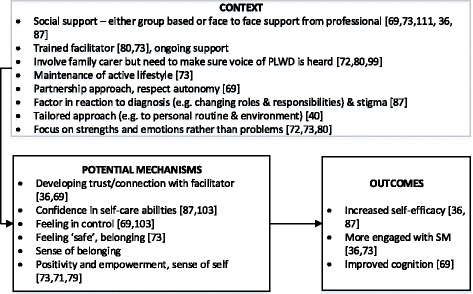
“…of hypoglycaemia) Then family carers will feel supported and believe their contribution is recognised and appreciated (M), leading to the development of effective self-management strategies on the part of the family carers (O) [11, 25, 26, 31, 33, 46, 47, 53, 64, 71, 72, 81, 92, 98, 110]”
Graff, M. J. L., Adang, E. M. M., Vernooij-Dassen, M. J. M., Dekker, J., Jönsson, L., Thijssen, M., Hoefnagels, W. H. L., & Rikkert, M. G. M. O. (2008) · BMJ · doi:10.1136/bmj.39408.481898.be · Cited by 270
Kennedy, A., Bower, P., Reeves, D., Blakeman, T., Bowen, R., Chew-Graham, C., Eden, M., Fullwood, C., Gaffney, H., Gardner, C., et al. (2013) · BMJ · doi:10.1136/bmj.f2882 · Cited by 239 · cited 1×
“1 Overview of study selection process SM support does not fit with a biomedically focused ethos, it is not embedded in the day-to-day work of primary care [60, 66 – 68, 85, 97].”
Activities of daily living and quality of life across different stages of dementia: a UK study
Giebel, C. M., Sutcliffe, C., & Challis, D. (2015) · Aging & Mental Health · doi:10.1080/13607863.2014.915920 · Cited by 203 · cited 1×
“This is particularly important for PLWD where the dementia may progress in an uneven pattern of decline [12, 36, 50] and where the transition from autonomy to delegation or to caregiver-led management may be particularly difficult [11, 26, 84].”
Delivering person centred care in long term conditions
Eaton, S., Roberts, S., & Turner, B. (2015) · BMJ · doi:10.1136/bmj.h181 · Cited by 199 · cited 1×
“Delivering appropriate and sustainable care for PLWDD from early stage to advanced dementia is a difficult clinical enterprise that requires a change from a curative, biomedical strategy to a more person-centred approach where patient priorities are at the forefront [102, 113].”
Frequent Hypoglycemia Among Elderly Patients With Poor Glycemic Control
Munshi, M. N. (2011) · Archives of Internal Medicine · doi:10.1001/archinternmed.2010.539 · Cited by 196
People with dementia living alone: what are their needs and what kind of support are they receiving?
Miranda-Castillo, C., Woods, B., & Orrell, M. (2010) · International Psychogeriatrics · doi:10.1017/s104161021000013x · Cited by 182 · cited 1×
“Research suggests that PLWD who live alone have an increased risk for unmet social, environmental, psychological and medical needs [121] [11].”
Greenhalgh, T., Procter, R., Wherton, J., Sugarhood, P., Hinder, S., & Rouncefield, M. (2015) · BMC Medicine · doi:10.1186/s12916-015-0279-6 · Cited by 181
A longitudinal study of Alzheimer's disease: rates of cognitive and functional decline
Suh, G., Ju, Y., Yeon, B. K., & Shah, A. (2004) · International Journal of Geriatric Psychiatry · doi:10.1002/gps.1168 · Cited by 177
Gibson, G., Dickinson, C., Brittain, K., & Robinson, L. (2015) · BMC Geriatrics · doi:10.1186/s12877-015-0091-3 · Cited by 170 · cited 5×
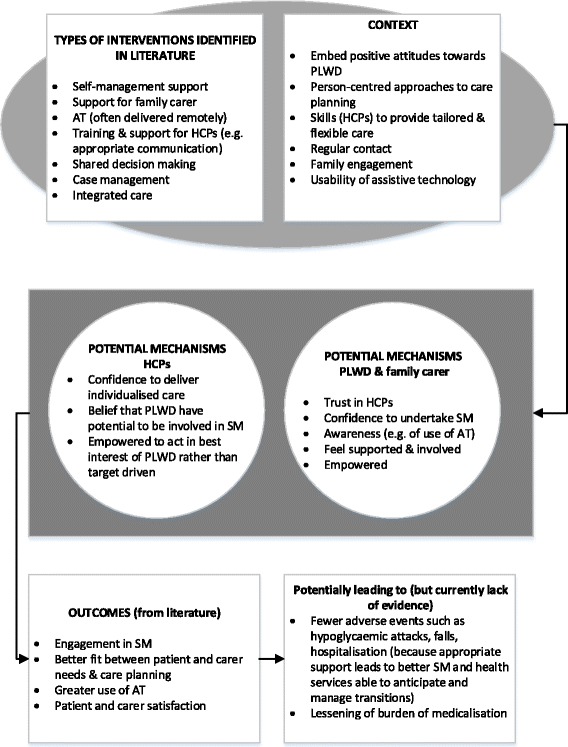
“Usability of assistive devices As the dementia trajectory progresses, assistive technology needs to be tailored and adapted to the needs and requirements of PLWDD and family (includes social, environmental and cultural needs) with the focus on maintaining autonomy for the PLWDD This leads to PLWDD and family gaining a…”
InfluentialMetzelthin, S. F., van Rossum, E., de Witte, L. P., Ambergen, A. W., Hobma, S. O., Sipers, W., & Kempen, G. I. J. M. (2013) · BMJ · doi:10.1136/bmj.f5264 · Cited by 168 · cited 1×
“enablement rather than management, listening/ communication/negotiation) Then this legitimates the work creating the expectation in patients and HCPs that the management of diabetes for PLWD is important (M), leading to the provision of more tailored diabetes care (O) and better engagement in self-management by PLWDD…”
Involving people with dementia in the development of supportive IT applications: A systematic review
Span, M., Hettinga, M., Vernooij-Dassen, M., Eefsting, J., & Smits, C. (2013) · Ageing Research Reviews · doi:10.1016/j.arr.2013.01.002 · Cited by 165 · cited 3×
“commentators argue that this makes it more likely to ‘fit’ with the needs of the PLWD [95].”
Feil, D. G., Zhu, C. W., & Sultzer, D. L. (2012) · Journal of Behavioral Medicine · doi:10.1007/s10865-011-9344-6 · Cited by 160
Shared decision making for patients with type 2 diabetes: a randomized trial in primary care
Branda, M. E., LeBlanc, A., Shah, N. D., Tiedje, K., Ruud, K., Van Houten, H., Pencille, L., Kurland, M., Yawn, B., & Montori, V. M. (2013) · BMC Health Services Research · doi:10.1186/1472-6963-13-301 · Cited by 142 · cited 2×
“Several studies looked at the use of tools, such as decision aids, for involving older people with diabetes in shared decision making [35, 75, 89].”
Zarit, S. H., Femia, E. E., Kim, K., & Whitlatch, C. J. (2010) · Aging & Mental Health · doi:10.1080/13607860903167861 · Cited by 141 · cited 1×
“However, literature in this area is scarce, and further work is needed to identify what it is that PLWDD and their family carers want from interventions [130].”
Pearson, M., Brand, S. L., Quinn, C., Shaw, J. J., Maguire, M., Michie, S., Briscoe, S., Lennox, C., Stirzaker, A., Kirkpatrick, T., et al. (2015) · Implementation Science · doi:10.1186/s13012-015-0321-2 · Cited by 141 · cited 1×
“Next we developed a series of explanatory accounts containing ‘If-Then’ statements [20].”
Self‐Reported Goals of Older Patients with Type 2 Diabetes Mellitus
Huang, E. S., Gorawara‐Bhat, R., & Chin, M. H. (2005) · Journal of the American Geriatrics Society · doi:10.1111/j.1532-5415.2005.53119.x · Cited by 139 · cited 2×
“For example, maintaining independence and engagement with day-to-day activities was a clear priority for participants in all groups (e.g. PLWDD, older people with diabetes, PLWD) [32, 37, 60, 78, 79, 100].”
Hsu, W. C., Lau, K. H. K., Huang, R., Ghiloni, S., Le, H., Gilroy, S., Abrahamson, M., & Moore, J. (2016) · Diabetes Technology & Therapeutics · doi:10.1089/dia.2015.0160 · Cited by 135 · cited 3×
“Two relate to PLWDD [11, 37], seven relate to the use of AT in PLWD [34, 48, 49, 51, 63, 69, 95], four concern the use of AT in older people [56, 87, 101, 103] and four involve people with diabetes (not dementia) [25, 59, 76, 77].”
Metzelthin, S., Daniëls, R., van Rossum, E., Cox, K., Habets, H., de Witte, L., & Kempen, G. I. J. M. (2013) · International Journal of Nursing Studies · doi:10.1016/j.ijnurstu.2012.12.016 · Cited by 125
What should be in a self-management programme for people with early dementia?
Mountain, G. A., & Craig, C. L. (2012) · Aging & Mental Health · doi:10.1080/13607863.2011.651430 · Cited by 121 · cited 4×
“Although we found no studies evaluating structured interventions to provide education and support to family carers of PLWD, qualitative studies looking at SM for PLWD [81] and for people with diabetes (not dementia) [64] argue that it is important to involve carers in the development of SM skills alongside the person…”
InfluentialDavis, K. K., Mintzer, M., Himmelfarb, C. R. D., Hayat, M. J., Rotman, S., & Allen, J. (2012) · European Journal of Heart Failure · doi:10.1093/eurjhf/hfs096 · Cited by 116 · cited 3×
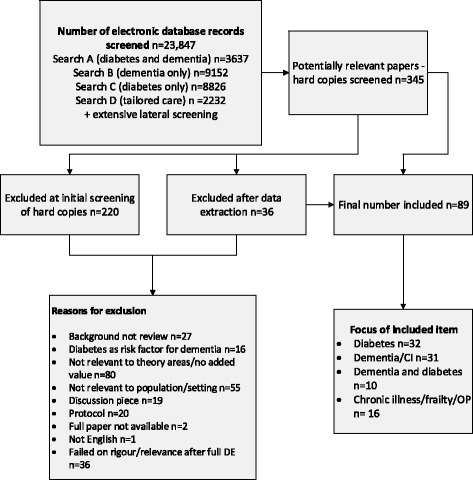
“Ten studies looked at self-management (SM) interventions for PLWD or cognitive impairment (CI) [37, 41, 70, 73, 74, 80, 81, 88, 100, 104].”
Ford, J. A., Wong, G., Jones, A., & Steel, N. (2016) · BMJ Open · doi:10.1136/bmjopen-2015-010652 · Cited by 114 · cited 2×
“Rather the reviewer takes a more purposive approach to sampling [129], with the aim of reaching conceptual saturation rather than identifying an exhaustive set of studies [21].”
Laakkonen, M., Kautiainen, H., Hölttä, E., Savikko, N., Tilvis, R. S., Strandberg, T. E., & Pitkälä, K. H. (2016) · Journal of the American Geriatrics Society · doi:10.1111/jgs.14055 · Cited by 109 · cited 1×
“Ten studies looked at self-management (SM) interventions for PLWD or cognitive impairment (CI) [37, 41, 70, 73, 74, 80, 81, 88, 100, 104].”
Fleming, R., & Sum, S. (2014) · Journal of Assistive Technologies · doi:10.1108/jat-09-2012-0021 · Cited by 107 · cited 5×
“Usability of assistive devices As the dementia trajectory progresses, assistive technology needs to be tailored and adapted to the needs and requirements of PLWDD and family (includes social, environmental and cultural needs) with the focus on maintaining autonomy for the PLWDD This leads to PLWDD and family gaining a…”
InfluentialKennedy, A., Rogers, A., Chew-Graham, C., Blakeman, T., Bowen, R., Gardner, C., Lee, V., Morris, R., & Protheroe, J. (2014) · Implementation Science · doi:10.1186/s13012-014-0129-5 · Cited by 104 · cited 1×
“1 Overview of study selection process SM support does not fit with a biomedically focused ethos, it is not embedded in the day-to-day work of primary care [60, 66 – 68, 85, 97].”
Self-management for people with early dementia: An exploration of concepts and supporting evidence
Mountain, G. A. (2006) · Dementia · doi:10.1177/1471301206067117 · Cited by 103 · cited 1×
“Ten studies looked at self-management (SM) interventions for PLWD or cognitive impairment (CI) [37, 41, 70, 73, 74, 80, 81, 88, 100, 104].”
Diabetes self-management programmes in older adults: A systematic review and meta-analysis
Sherifali, D., Bai, J. ‐., Kenny, M., Warren, R., & Ali, M. U. (2015) · Diabetic Medicine · doi:10.1111/dme.12780 · Cited by 102 · cited 1×
“The literature highlights the importance of assessing the specific self-care barriers faced by older people with diabetes, and tailoring advice and support to individual needs and goals for diabetes SM [82, 94].”
Kennedy, A., Rogers, A., Bowen, R., Lee, V., Blakeman, T., Gardner, C., Morris, R., Protheroe, J., & Chew-Graham, C. (2014) · International Journal of Nursing Studies · doi:10.1016/j.ijnurstu.2013.11.008 · Cited by 97
Clare, L., Bayer, A., Burns, A., Corbett, A., Jones, R., Knapp, M., Kopelman, M., Kudlicka, A., Leroi, I., Oyebode, J., et al. (2013) · Trials · doi:10.1186/1745-6215-14-152 · Cited by 95 · cited 1×
“Work on enablement suggests that there is a link be-tween independence, functional ability and self-care behaviour, and feelings of confidence or self-efficacy in PLWD and their family carers [39, 41, 98].”
Self-citationBridging the Digital Divide in Diabetes: Family Support and Implications for Health Literacy
Mayberry, L. S., Kripalani, S., Rothman, R. L., & Osborn, C. Y. (2011) · Diabetes Technology & Therapeutics · doi:10.1089/dia.2011.0055 · Cited by 92 · cited 3×
“Two relate to PLWDD [11, 37], seven relate to the use of AT in PLWD [34, 48, 49, 51, 63, 69, 95], four concern the use of AT in older people [56, 87, 101, 103] and four involve people with diabetes (not dementia) [25, 59, 76, 77].”
Mathers, N., Ng, C. J., Campbell, M. J., Colwell, B., Brown, I., & Bradley, A. (2012) · BMJ Open · doi:10.1136/bmjopen-2012-001469 · Cited by 92 · cited 1×
“Several studies looked at the use tools, such as decision aids, for involving older people with diabetes in shared decision making [89][35] [75].”
Quinn, C., Toms, G., Jones, C., Brand, A., Edwards, R. T., Sanders, F., & Clare, L. (2016) · International Psychogeriatrics · doi:10.1017/s1041610215002094 · Cited by 91 · cited 1×
“Ten studies looked at self-management (SM) interventions for PLWD or cognitive impairment (CI) [37, 41, 70, 73, 74, 80, 81, 88, 100, 104].”
Mayberry, L. S., Berg, C. A., Harper, K. J., & Osborn, C. Y. (2016) · Journal of Diabetes Research · doi:10.1155/2016/7586385 · Cited by 91 · cited 3×
“Family carers played a significant role in supporting the use of AT [48,49,76,77,87,101,110].”
Bloomfield, H. E., Greer, N. L., Newman, D. R., MacDonald, R. H., Carlyle, M. H., FITZGERALD, P. J., Rutks, I. R., & Wilt, T. J. (2012) · PubMed · Cited by 90
‘Timely’ diagnosis of dementia: what does it mean? A narrative analysis of GPs’ accounts
Dhedhi, S. A., Swinglehurst, D., & Russell, J. (2014) · BMJ Open · doi:10.1136/bmjopen-2013-004439 · Cited by 87 · cited 1×
“A long-term trusting relationship is a key element to achieving a person-centred approach to care that prioritises and values the patient’s subjective health experiences [11, 26, 27, 31, 32, 43, 64, 65, 84, 93, 110].”
The Day-to-Day Co-Production of Ageing in Place
Procter, R., Greenhalgh, T., Wherton, J., Sugarhood, P., Rouncefield, M., & Hinder, S. (2014) · Computer Supported Cooperative Work (CSCW) · doi:10.1007/s10606-014-9202-5 · Cited by 86
Anderson, R. A., Bailey, D. E., Wu, B., Corazzini, K., McConnell, E. S., Thygeson, N. M., & Docherty, S. L. (2015) · Advances in Nursing Science · doi:10.1097/ans.0000000000000063 · Cited by 86 · cited 1×
“A long-term trusting relationship is a key element to achieving a person-centred approach to care that prioritises and values the patient’s subjective health experiences [11, 26, 27, 31, 32, 43, 64, 65, 84, 93, 110].”
Bailey, R. A., Pfeifer, M., Shillington, A. C., Harshaw, Q., Funnell, M. M., VanWingen, J., & Col, N. (2015) · BMC Health Services Research · doi:10.1186/s12913-016-1262-4 · Cited by 84
Care of elderly patients with diabetes mellitus: A focus on frailty
Chen, L., Chen, Y., Lin, M.-H., Peng, L., & Hwang, S. (2010) · Ageing Research Reviews · doi:10.1016/j.arr.2010.08.008 · Cited by 79 · cited 1×
“In addition, diabetes and frailty are closely interrelated [127], and the relationships between hypoglycaemia, frailty and dementia appear to be reciprocal, with each condition potentially exacerbating the others [8].”
Self management and patient understanding of diabetes in the older person
Hewitt, J., Smeeth, L., Chaturvedi, N., Bulpitt, C. J., & Fletcher, A. E. (2011) · Diabetic Medicine · doi:10.1111/j.1464-5491.2010.03142.x · Cited by 79
Boots, L. M., de Vugt, M. E., Withagen, H. E., Kempen, G. I., & Verhey, F. R. (2016) · JMIR Research Protocols · doi:10.2196/resprot.5142 · Cited by 79 · cited 3×
“Two relate to PLWDD [11, 37], seven relate to the use of AT in PLWD [34, 48, 49, 51, 63, 69, 95], four concern the use of AT in older people [56, 87, 101, 103] and four involve people with diabetes (not dementia) [25, 59, 76, 77].”
Living alone with dementia: an interpretive phenomenological study with older women
de Witt, L., Ploeg, J., & Black, M. (2010) · Journal of Advanced Nursing · doi:10.1111/j.1365-2648.2010.05295.x · Cited by 77
Abdelhafiz, A. H., McNicholas, E., & Sinclair, A. J. (2016) · Journal of Diabetes and its Complications · doi:10.1016/j.jdiacomp.2016.07.027 · Cited by 76 · cited 5×
“enablement rather than management, listening/ communication/negotiation) Then this legitimates the work creating the expectation in patients and HCPs that the management of diabetes for PLWD is important (M), leading to the provision of more tailored diabetes care (O) and better engagement in self-management by PLWDD…”
InfluentialSelf-citationA Review of Self-Management Interventions for People With Dementia and Mild Cognitive Impairment
Quinn, C., Toms, G., Anderson, D., & Clare, L. (2016) · Journal of Applied Gerontology · doi:10.1177/0733464814566852 · Cited by 74 · cited 1×
“Ten studies looked at self-management (SM) interventions for PLWD or cognitive impairment (CI) [37, 41, 70, 73, 74, 80, 81, 88, 100, 104].”
Wherton, J., Sugarhood, P., Procter, R., Rouncefield, M., Dewsbury, G., Hinder, S., & Greenhalgh, T. (2012) · BMC Medical Research Methodology · doi:10.1186/1471-2288-12-188 · Cited by 74 · cited 4×
“Two relate to PLWDD [11, 37], seven relate to the use of AT in PLWD [34, 48, 49, 51, 63, 69, 95], four concern the use of AT in older people [56, 87, 101, 103] and four involve people with diabetes (not dementia) [25, 59, 76, 77].”
InfluentialBunn, F., Burn, A.-M., Robinson, L., Poole, M., Rait, G., Brayne, C., Schoeman, J., Norton, S., & Goodman, C. (2017) · BMJ Open · doi:10.1136/bmjopen-2016-013067 · Cited by 74 · cited 9×
“Simple technology such as dosette boxes can also be used to maintain independence although these are likely to become less successful as the dementia progresses [110].”
InfluentialSelf-citationBunn, F., Burn, A.-M., Goodman, C., Robinson, L., Rait, G., Norton, S., Bennett, H., Poole, M., Schoeman, J., & Brayne, C. (2016) · Health Services and Delivery Research · doi:10.3310/hsdr04080 · Cited by 72 · cited 10×
“medication management, recognition of hypoglycaemia) Then family carers will feel supported and believe their contribution is recognised and appreciated (M), leading to the development of effective self-management strategies on the part of the family carers (O) [11, 25, 26, 31, 33, 46, 47, 53, 64, 71, 72, 81, 92, 98,…”
InfluentialSelf-citationAssessment of Barriers to Improve Diabetes Management in Older Adults
Munshi, M. N., Segal, A. R., Suhl, E., Ryan, C., Sternthal, A., Giusti, J., Lee, Y., Fitzgerald, S., Staum, E., Bonsignor, P., et al. (2013) · Diabetes Care · doi:10.2337/dc12-1303 · Cited by 71 · cited 5×
“Regardless of who is delivering the intervention, studies consistently highlight the importance of continuity and the quality of the patientclinician relationship [11, 37, 41, 46, 57, 82, 98].”
InfluentialSinclair, A. J., Armes, D. G., Randhawa, G., & Bayer, A. J. (2010) · Diabetic Medicine · doi:10.1111/j.1464-5491.2010.03066.x · Cited by 70 · cited 1×
“A survey of carers of older people with diabetes found that 40% of family carers had never received any information on diabetes from professionals [120].”
Self-citationSelf management interventions for type 2 diabetes in adult people with severe mental illness
McBain, H., Mulligan, K., Haddad, M., Flood, C., Jones, J., & Simpson, A. (2016) · Cochrane Database of Systematic Reviews · doi:10.1002/14651858.cd011361.pub2 · Cited by 68 · cited 1×
“We included 89 papers [8,11,12,25–102][103][104][105,106][107,108][109,110].”
Aikens, J. E., TRIVEDI, R. B., Aron, D. C., & Piette, J. D. (2014) · Journal of General Internal Medicine · doi:10.1007/s11606-014-3101-9 · Cited by 68 · cited 5×
“medication management, recognition of hypoglycaemia) Then family carers will feel supported and believe their contribution is recognised and appreciated (M), leading to the development of effective self-management strategies on the part of the family carers (O) [11, 25, 26, 31, 33, 46, 47, 53, 64, 71, 72, 81, 92, 98,…”
InfluentialPolicy guidance on threats to legislative interventions in public health: a realist synthesis
Wong, G., Pawson, R., & Owen, L. (2011) · BMC Public Health · doi:10.1186/1471-2458-11-222 · Cited by 68 · cited 1×
“The ACCESS database was used to identify prominent recurrent patterns of contexts and outcomes (demi-regularities) in the data and the possible means (mechanisms) by which they occurred [24].”
Perceived barriers to self-management for people with dementia in the early stages
Martin, F., Turner, A., WALLACE, L. M., Choudhry, K., & Bradbury, N. (2012) · Dementia · doi:10.1177/1471301211434677 · Cited by 67
Sinclair, A. J., Hillson, R., Bayer, A. J., & a National Expert Working Group (2014) · Diabetic Medicine · doi:10.1111/dme.12467 · Cited by 64 · cited 9×
“Family carers are likely to need education combined with on-going support from a specialist in diabetes [12].”
InfluentialSelf-citationNewton, L., Dickinson, C., Gibson, G., Brittain, K., & Robinson, L. A. (2016) · BMJ Open · doi:10.1136/bmjopen-2016-011132 · Cited by 62 · cited 3×
“A recognition of patient motivators and goals and negotiation of a mutually agreed management plan could improve adherence to SM regimens [26, 58, 65, 84, 93].”
Goeman, D., Conway, S., Norman, R., Morley, J. E., Weerasuriya, R., Osborne, R. H., & Beauchamp, A. (2016) · Journal of Diabetes Research · doi:10.1155/2016/2483263 · Cited by 62
Caring for older people living alone with dementia: Healthcare professionals’ experiences
de Witt, L., & Ploeg, J. (2016) · Dementia · doi:10.1177/1471301214523280 · Cited by 58
Qualitative studies of psychosocial interventions for dementia: a systematic review
Dugmore, O., Orrell, M. W., & Spector, A. E. (2015) · Aging & Mental Health · doi:10.1080/13607863.2015.1011079 · Cited by 57 · cited 1×
“enablement rather than management, listening/ communication/negotiation) Then this legitimates the work creating the expectation in patients and HCPs that the management of diabetes for PLWD is important (M), leading to the provision of more tailored diabetes care (O) and better engagement in self-management by PLWDD…”
VRIENDT, P. D., Peersman, W., Florus, A., Verbeke, M., & VELDE, D. V. D. (2016) · The journal of nutrition health & aging · doi:10.1007/s12603-016-0673-6 · Cited by 56
Help Yourself: Perspectives on Self-Management From People With Dementia and Their Caregivers
Toms, G. R., Quinn, C., Anderson, D. E., & Clare, L. (2015) · Qualitative Health Research · doi:10.1177/1049732314549604 · Cited by 55 · cited 3×
“For example, maintaining independence and engagement with day-to-day activities was a clear priority for participants in all groups (e.g. PLWDD, older people with diabetes, PLWD) [32, 37, 60, 78, 79, 100].”
Jowsey, T., Pearce-Brown, C. L., Douglas, K. A., & Yen, L. E. (2011) · Health Expectations · doi:10.1111/j.1369-7625.2011.00744.x · Cited by 54 · cited 3×
“Although we found no studies evaluating structured interventions to provide education and support to family carers of PLWD, qualitative studies looking at SM for PLWD [81] and for people with diabetes (not dementia) [64] argue that it is important to involve carers in the development of SM skills alongside the person…”
Schaller, S., Marinova-Schmidt, V., Setzer, M., Kondylakis, H., Griebel, L., Sedlmayr, M., Graessel, E., Maler, J. M., Kirn, S., & Kolominsky-Rabas, P. L. (2016) · JMIR Research Protocols · doi:10.2196/resprot.4354 · Cited by 53 · cited 1×
“medication management, recognition of hypoglycaemia) Then family carers will feel supported and believe their contribution is recognised and appreciated (M), leading to the development of effective self-management strategies on the part of the family carers (O) [11, 25, 26, 31, 33, 46, 47, 53, 64, 71, 72, 81, 92, 98,…”
The Role of Cognitive Impairment and Caregiver Support in Diabetes Management of Older Outpatients
Feil, D. G., Pearman, A., Victor, T., Harwood, D., Weinreb, J., Kahle, K., & Unützer, J. (2009) · The International Journal of Psychiatry in Medicine · doi:10.2190/pm.39.2.h · Cited by 52 · cited 3×
“Despite this, family carers often feel undervalued or excluded from decision making, and they may be ill prepared to take on responsibility for SM [11, 26, 46, 47].”
Improving skills and care standards in the support workforce for older people: a realist review
Rycroft‐Malone, J., Burton, C. R., Hall, B., McCormack, B. G., Nutley, S., Seddon, D., & Williams, L. (2014) · BMJ Open · doi:10.1136/bmjopen-2014-005356 · Cited by 46 · cited 1×
“Consistent with a realist synthesis approach, items were assessed for inclusion on the basis of whether they were considered ‘good enough and relevant enough’ [22, 23].”
Self-citationQualitative evaluation of a self-management intervention for people in the early stage of dementia
Martin, F., Turner, A., WALLACE, L. M., Stanley, D. M., Jesuthasan, J., & Bradbury, N. (2013) · Dementia · doi:10.1177/1471301213498387 · Cited by 45 · cited 1×
“Ten studies looked at self-management (SM) interventions for PLWD or cognitive impairment (CI) [37, 41, 70, 73, 74, 80, 81, 88, 100, 104].”
Alsaeed, D., Jamieson, E., Gul, M. O., & Smith, F. J. (2016) · International Journal of Pharmaceutics · doi:10.1016/j.ijpharm.2015.12.050 · Cited by 45 · cited 9×
“medication management, recognition of hypoglycaemia) Then family carers will feel supported and believe their contribution is recognised and appreciated (M), leading to the development of effective self-management strategies on the part of the family carers (O) [11, 25, 26, 31, 33, 46, 47, 53, 64, 71, 72, 81, 92, 98,…”
InfluentialWillaing, I., Varming, A., Hansen, U. M., Andrésdóttir, G., & Husted, G. R. (2015) · Patient Preference and Adherence · doi:10.2147/ppa.s85528 · Cited by 44
Yardley, S. J., Cottrell, E., Rees, E. L., & Protheroe, J. (2015) · BMC Family Practice · doi:10.1186/s12875-015-0234-9 · Cited by 44 · cited 4×
“Several studies suggested, however, that there was ‘goal divergence’ between patients, carers and HCPs, particularly when patient care was complicated by the presence of multiple conditions [32, 58, 102].”
Influential(2014) · Diabetes Care · doi:10.2337/dc15-s013 · Cited by 41
Caverly, T. J., Fagerlin, A., Zikmund-Fisher, B. J., Kirsh, S., Kullgren, J. T., Prenovost, K., & Kerr, E. A. (2015) · JAMA Internal Medicine · doi:10.1001/jamainternmed.2015.5950 · Cited by 39 · cited 1×
“This could happen partly because these targets do not ‘fit’ with current performance measures [117] (such as Quality and Outcomes Framework (QOF) targets in primary care in the UK), or because HCPs do not always have the skills needed to provide flexible individualised care for people with diabetes and/or dementia [11…”
Bergdahl, E., Benzein, E., Ternestedt, B., Elmberger, E., & Andershed, B. (2013) · Nursing Inquiry · doi:10.1111/nin.12022 · Cited by 37 · cited 2×
“medication management, recognition of hypoglycaemia) Then family carers will feel supported and believe their contribution is recognised and appreciated (M), leading to the development of effective self-management strategies on the part of the family carers (O) [11, 25, 26, 31, 33, 46, 47, 53, 64, 71, 72, 81, 92, 98,…”
Impact of dementia on caring for patients’ diabetes
Feil, D. G., Lukman, R., Simon, B., Walston, A., & Vickrey, B. (2011) · Aging & Mental Health · doi:10.1080/13607863.2011.569485 · Cited by 37 · cited 5×
“medication management, recognition of hypoglycaemia) Then family carers will feel supported and believe their contribution is recognised and appreciated (M), leading to the development of effective self-management strategies on the part of the family carers (O) [11, 25, 26, 31, 33, 46, 47, 53, 64, 71, 72, 81, 92, 98,…”
InfluentialLingler, J. H., Sereika, S. M., Amspaugh, C. M., Arida, J. A., Happ, M. B., Houze, M. P., Kaufman, R. R., Knox, M. L., Tamres, L. K., Tang, F., et al. (2016) · Geriatric Nursing · doi:10.1016/j.gerinurse.2015.12.002 · Cited by 36 · cited 2×
“Problematic medication management practices may persist despite the involvement of a family carer [26, 71].”
Donald, M., Dower, J., Coll, J. R., Baker, P., Mukandi, B., & Doi, S. A. (2013) · Health and Quality of Life Outcomes · doi:10.1186/1477-7525-11-170 · Cited by 35 · cited 1×
“enablement rather than management, listening/ communication/negotiation) Then this legitimates the work creating the expectation in patients and HCPs that the management of diabetes for PLWD is important (M), leading to the provision of more tailored diabetes care (O) and better engagement in self-management by PLWDD…”
Markle‐Reid, M., Ploeg, J., Fisher, K., Reimer, H. D., Kaasalainen, S., Gafni, A., Gruneir, A., Kirkconnell, R., Marzouk, S., Akhtar‐Danesh, N., et al. (2016) · Pilot and Feasibility Studies · doi:10.1186/s40814-016-0063-1 · Cited by 34
Individualising treatment for older people with diabetes
Morley, J. E., & Sinclair, A. J. (2013) · The Lancet · doi:10.1016/s0140-6736(13)61055-7 · Cited by 33 · cited 1×
“Guidance on the management of diabetes in PLWD outlines a number of recommendations, including better case finding of both conditions, better training for staff, adequate support for family carers and care that is tailored to the need of the individual [12, 13].”
Self-citationManaging diabetes in people with dementia: protocol for a realist review
Bunn, F., Goodman, C. M., Malone, J. R., Jones, P. R., Burton, C. R., Rait, G., Trivedi, D. P., Bayer, A. J., & Sinclair, A. J. (2016) · Systematic Reviews · doi:10.1186/s13643-015-0182-4 · Cited by 32
Self-citationBeverly, E. A., Wray, L. A., Chiu, C., & LaCoe, C. L. (2014) · Clinical Diabetes · doi:10.2337/diaclin.32.1.12 · Cited by 31 · cited 5×
“Several studies suggested, however, that there was ‘goal divergence’ between patients, carers and HCPs, particularly when patient care was complicated by the presence of multiple conditions [102][32][58].”
InfluentialGiani, E., & Laffel, L. M. (2016) · Diabetes Technology & Therapeutics · doi:10.1089/dia.2015.0360 · Cited by 31
Self‐care management programme for older adults with diabetes: An integrative literature review
Tan, C. C. L., Cheng, K. K. F., & Wang, W. (2015) · International Journal of Nursing Practice · doi:10.1111/ijn.12388 · Cited by 30 · cited 4×
“…of hypoglycaemia) Then family carers will feel supported and believe their contribution is recognised and appreciated (M), leading to the development of effective self-management strategies on the part of the family carers (O) [11, 25, 26, 31, 33, 46, 47, 53, 64, 71, 72, 81, 92, 98, 110]”
InfluentialTime to manage: patient strategies for coping with an absence of care coordination and continuity
Jowsey, T., Dennis, S. J., Yen, L. E., Islam, M. M., Parkinson, A., & Dawda, P. (2016) · Sociology of Health & Illness · doi:10.1111/1467-9566.12404 · Cited by 29 · cited 2×
“A recognition of patient motivators and goals and negotiation of a mutually agreed management plan could improve adherence to SM regimens [26, 58, 65, 84, 93].”
DAWN: Diabetes Appointments via Webcam in Newham
Vijayaraghavan, S., O'Shea, T., Campbell-Richards, D., Sudra, R., Morris, J. H., Byrne, E., & Greenhalgh, T. (2015) · The British Journal of Diabetes · doi:10.15277/bjdvd.2015.032 · Cited by 28 · cited 1×
“Technology in itself is unlikely to solve the problem of independent living for older people [56], particularly for those living with dementia [69, 119].”
McBain, H. B., Mulligan, K., Lamontagne-Godwin, F., Jones, J., Haddad, M., Flood, C., Thomas, D. A., & Simpson, A. (2016) · BMC Psychiatry · doi:10.1186/s12888-016-0942-2 · Cited by 25 · cited 1×
“We included 89 papers [8,11,12,25–102][103][104][105,106][107,108][109,110].”
Delivering psychosocial interventions for people with dementia in primary care: Jobs or skills?
Iliffe, S., Wilcock, J., & Haworth, D. (2006) · Dementia · doi:10.1177/1471301206067107 · Cited by 24
The case for investment in technology to manage the global costs of dementia
Barlow, J. G., Knapp, M. R. J., Comas‐Herrera, A., Damant, J., Freddolino, P. P., Hamblin, K. A., Hu, B., Lorenz, K., Perkins, M. E., Rehill, A., et al. (2015) · RePEc: Research Papers in Economics · doi:10.25561/72399 · Cited by 23 · cited 4×
“Two relate to PLWDD [11, 37], seven relate to the use of AT in PLWD [34, 48, 49, 51, 63, 69, 95], four concern the use of AT in older people [56, 87, 101, 103] and four involve people with diabetes (not dementia) [25, 59, 76, 77].”
InfluentialInterventions to enhance self management support
Sun, X., & Guyatt, G. H. (2013) · BMJ · doi:10.1136/bmj.f3949 · Cited by 19
Creating Effective Self-Management for Older Adults with Type 2 Diabetes and Cognitive Impairment
Camp, C. J., Fox, K., Skrajner, M. J., Antenucci, V., & Haberman, J. L. (2015) · Advances in Aging Research · doi:10.4236/aar.2015.42005 · Cited by 14 · cited 7×
“Usability of assistive devices As the dementia trajectory progresses, assistive technology needs to be tailored and adapted to the needs and requirements of PLWDD and family (includes social, environmental and cultural needs) with the focus on maintaining autonomy for the PLWDD This leads to PLWDD and family gaining a…”
InfluentialModelling self-management pathways for people with diabetes in primary care
Penn, M., Kennedy, A. P., Vassilev, I., Chew-Graham, C. A., Protheroe, J., Rogers, A. E., & Monks, T. (2015) · BMC Family Practice · doi:10.1186/s12875-015-0325-7 · Cited by 14 · cited 1×
“enablement rather than management, listening/ communication/negotiation) Then this legitimates the work creating the expectation in patients and HCPs that the management of diabetes for PLWD is important (M), leading to the provision of more tailored diabetes care (O) and better engagement in self-management by PLWDD…”
Mountain, G. A. (2016) · Evidence-Based Nursing · doi:10.1136/eb-2016-102408 · Cited by 14 · cited 1×
“The evidence is limited, as most focus on people living with mild or early stage dementia, are mostly qualitative or small pilot or feasibility studies, do not report measurable health outcomes and usually focus on people with a partner [111].”
Sachar, A. (2013) · London Journal of Primary Care · doi:10.1080/17571472.2013.11493377 · Cited by 9
‘Patient-Centered Care’ for Complex Patients with Type 2 Diabetes Mellitus–-Analysis of Two Cases
Hackel, J. M. (2013) · Clinical Medicine Insights Endocrinology and Diabetes · doi:10.4137/cmed.s12231 · Cited by 8 · cited 1×
“Regardless of who is delivering the intervention, studies consistently highlight the importance of continuity and the quality of the patientclinician relationship [11, 37, 41, 46, 57, 82, 98].”
Baxter, M. A. (2014) · The British Journal of Diabetes · doi:10.15277/bjdvd.2014.026 · Cited by 6
Managing diabetes in people with dementia.
Brown, J., Carson, A., Jack-Waugh, A., & Park, D. (2015) · PubMed · Cited by 5
Additional file 1: of Managing diabetes in people with dementia: protocol for a realist review
Bunn, F., Goodman, C. M., Malone, J. R., Jones, P. W., Burton, C. D., Rait, G., Trivedi, D. P., Bayer, A. J., & Sinclair, A. J. (2016) · Figshare · doi:10.6084/m9.figshare.4438244 · Cited by 1
Self-citation(2015) · JAMA Internal Medicine · doi:10.1001/jamainternmed.2014.5044 · Cited by 1
Research works printed but not linked: 9
- IDOP The hidden impact of diabetes in social care Report by the Institute of Diabetes for Older People and Novo Nordisk 2013 Bedfordshire Institute of Diabetes for Older People
- IDF Sinclair A Dunning T Colagiuri S Managing older people with type 2 diabetes Global Guideline 2013 Brussels International Diabetes Federation
- Goodwin N Sonola L Thiel V Kodner D Co-ordinated care for people with complex chronic conditions: key lessons and markers for success 2013 London The King’s Fund
- Care Quality Commission My diabetes, my care 2016 Newcastle-upon-Tyne Care Quality Commission
- Taylor B Bircher J Wilson C Barr S RCGP National Diabetes Audit Quality Improvement Programme Report 2016 London Royal College of General Practitioners
- NICE Managing blood glucose in adults with type 2 diabetes 2016 Manchester National Institute for Health and Care Excellence
- Down K M Mitchell, D Wardle. Assistive technology: standards for service provision 2006 London Foundation For Assistive Technology London
- NICE Type 1 diabetes in adults: diagnosis and management 2015 Manchester National Institute for Health and Care Excellence 26334079
- NICE Dementia: supporting people with Dementia and their carers in health and social care 2006 Manchester National Institute for Health and Care Excellence
Cited by
Dementia prevention, intervention, and care: 2020 report of the Lancet Commission
Livingston, G., Huntley, J., Sommerlad, A., Ames, D., Ballard, C., Banerjee, S., Brayne, C., Burns, A., Cohen-Mansfield, J., Cooper, C., et al. (2020) · The Lancet · doi:10.1016/s0140-6736(20)30367-6 · Cited by 10,430
RetractedBurton, A., Cooper, C., Dar, A., Mathews, L., & Tripathi, K. (2021) · Experimental Gerontology · doi:10.1016/j.exger.2021.111678 · Cited by 121
Potentially inappropriate prescribing in dementia: a state-of-the-art review since 2007
Delgado, J., Bowman, K., & Clare, L. (2020) · BMJ Open · doi:10.1136/bmjopen-2019-029172 · Cited by 68
Singh, D. D., Shati, A. A., Alfaifi, M. Y., Elbehairi, S. E. I., Han, I., Choi, E. H., & Yadav, D. K. (2022) · Cells · doi:10.3390/cells11233767 · Cited by 46
“Blood glucose levels are regulated by negative feedback inhibition to maintain balance in the human body by pancreatic islet cells; this regulation is known as homeostasis of glucose [4,5].”
BackgroundFrakking, T. T., Michaels, S., Orbell‐Smith, J., & Ray, L. L. (2020) · BMJ Open Quality · doi:10.1136/bmjoq-2019-000823 · Cited by 47
Metadata
- Authors
- Bunn, F., Goodman, C., Reece Jones, P., Russell, B., Trivedi, D., Sinclair, A., Bayer, A., Rait, G., Rycroft-Malone, J., & Burton, C.
- Affiliations
- University of Hertfordshire (GB)
- Cardiff University (GB)
- University College London (GB)
- Corresponding author
- Bunn, Frances
- ORCID
- Venue
- BMC Medicine
- Published
- 2017-07-28
- Volume
- 15
- Issue
- 1
- Pages
- 141-141
- ISSN
- 1741-7015 (ISSN-L)
- PMC
- PMC5532771
- OpenAlex
- W2738460756
- Cited by
- 28
- References
- 128
- Citations by year
- 2026: 2 · 2025: 5 · 2024: 4 · 2022: 2 · 2021: 4 · 2020: 9 · 2018: 1 · 2017: 1
- FWCI
- 0.44
- Type
- journal article
- Language
- en
- Open access
- gold
- doi.org
- Licence
- cc-by
- Locations
- BMC Medicine (publishedVersion, cc-by)
- PubMed Central (publishedVersion, cc-by)
- PubMed (publishedVersion)
- ORCA Online Research @Cardiff (Cardiff University) (acceptedVersion)
- University of Hertfordshire Research Archive (University of Hertfordshire) (submittedVersion)
- DOAJ (DOAJ: Directory of Open Access Journals) (submittedVersion)
- Lancaster EPrints (Lancaster University) (submittedVersion)
- UCL Discovery (University College London) (submittedVersion)
- UEA Digital Repository (University of East Anglia) (submittedVersion)
- University of Hertfordshire Research Archive (University of Hertfordshire) (submittedVersion, cc-by)
- Funders
- Health Technology Assessment Programme (13/138/03)
- Topics
- Health Sciences › Medicine › Endocrinology, Diabetes and Metabolism › Diabetes Management and Education
- Health Sciences › Medicine › Psychiatry and Mental health › Dementia and Cognitive Impairment Research
- Health Sciences › Medicine › Endocrinology, Diabetes and Metabolism › Diabetes Treatment and Management
- Keywords
- dementia, diabetes mellitus, diabetes management, people with dementia, hypoglycemia, chronic disease, older adults, person-centred care, family involvement, family-centered care, assistive devices, care planning, caregivers, service model, continuity of care
- MeSH terms
- Dementia, Diabetes Mellitus, Humans, Quality of Life, Diabetes Complications
About these checks
Registry, retraction, Cites and statistics results are computed, not judged, with one exception: a printed reference that no index lists is read once by a model before it counts as a citation error. Claims are extracted by a model and kept only when their quote appears verbatim in the text; each cited source is then checked, with a model’s help, for whether it says what the claim relies on. Those verdicts can be wrong — read the claim’s quote and the cited source before relying on one.
Statistics and arithmetic are recomputed, not judged.
Confidence bands are shown only for fields calibrated on our annotated test set. None is calibrated yet, so no band is shown.
What counts as a claim ›How we measure confidence ›How we check this ›
Are you an author, or do you see a problem with this page? Request a review
Data sources
Bibliographic data: Semantic Scholar, OpenAlex, Crossref.
Contains information from the Semantic Scholar Academic Graph Datasets, made available under the ODC Attribution License (ODC-BY 1.0).
Semantic Scholar’s data is described in: Kinney, R., et al. (2023). The Semantic Scholar Open Data Platform. arXiv:2301.10140.
