

Glycemic control with empagliflozin, a novel selective SGLT2 inhibitor, ameliorates cardiovascular injury and cognitive dysfunction in obese and type 2 diabetic mice
Open accessThe DOI matches its Crossref record; 45 of the 45 references it cites were found in a registry or an index.
Abstract
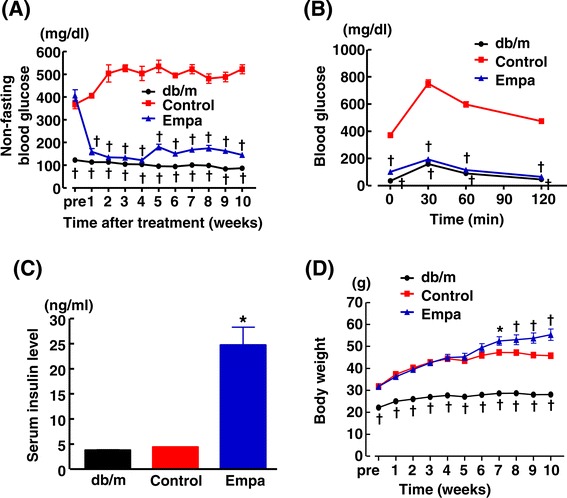
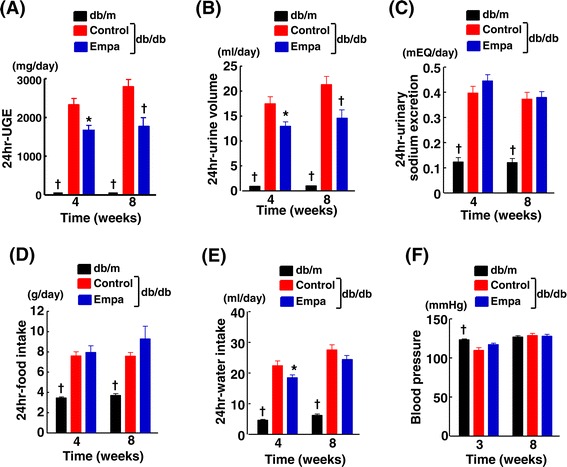
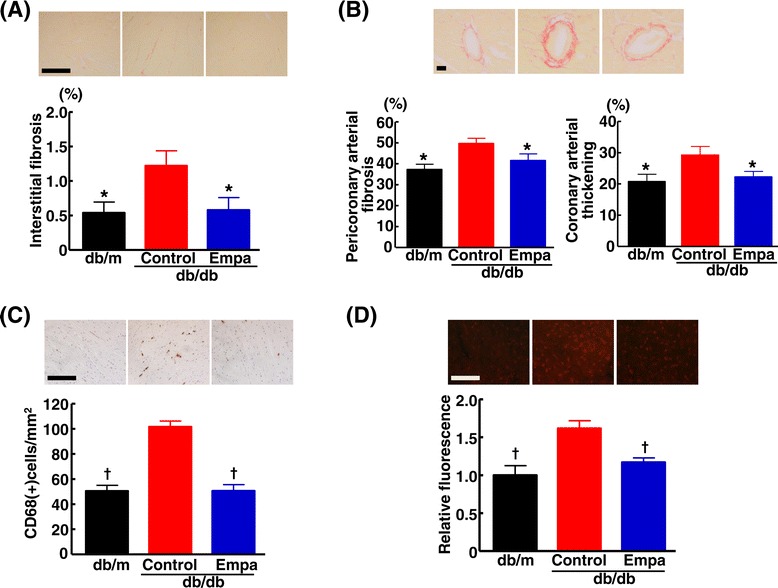
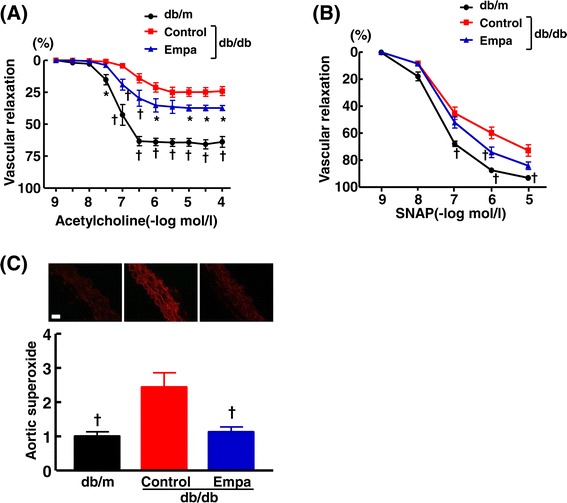
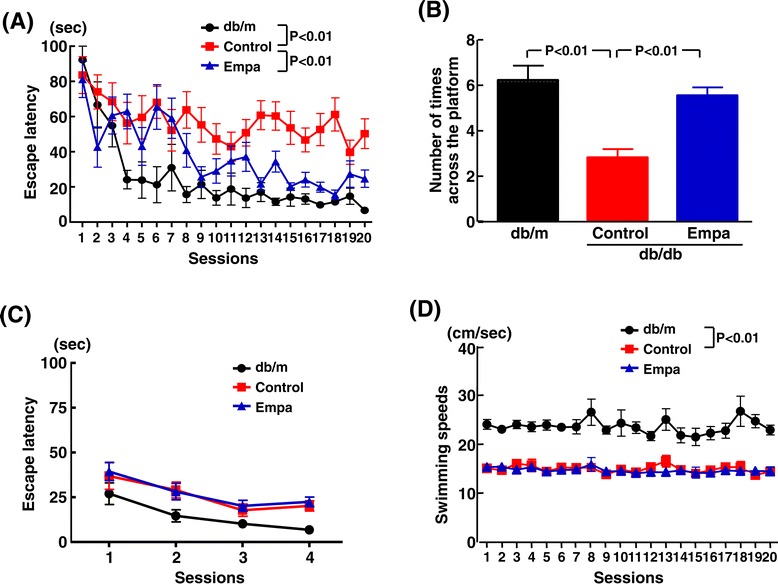
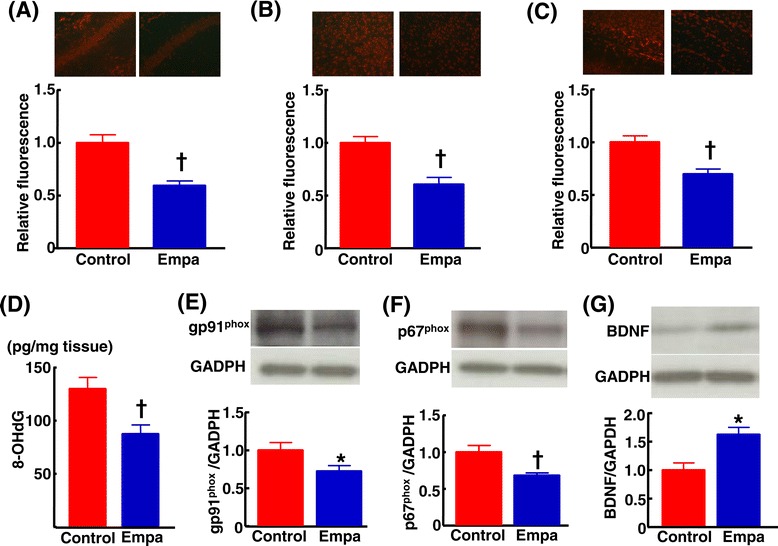
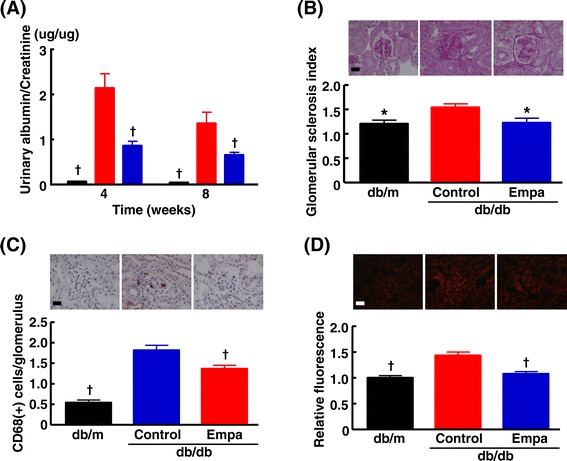
BACKGROUND: There has been uncertainty regarding the benefit of glycemic control with antidiabetic agents in prevention of diabetic macrovascular disease. Further development of novel antidiabetic agents is essential for overcoming the burden of diabetic macrovascular disease. The renal sodium glucose co-transporter 2 (SGLT2) inhibitor is a novel antihyperglycemic agent for treatment of type 2 diabetes. This work was performed to determine whether empagliflozin, a novel SGLT2 inhibitor, can ameliorate cardiovascular injury and cognitive decline in db/db mouse, a model of obesity and type 2 diabetes. METHODS: (1) Short-term experiment: The first experiment was performed to examine the effect of 7 days of empagliflozin treatment on urinary glucose excretion and urinary electrolyte excretion in db/db mice. (2) Long-term experiment: The second experiment was undertaken to examine the effect of 10 weeks of empagliflozin treatment on cardiovascular injury, vascular dysfunction, cognitive decline, and renal injury in db/db mice. RESULTS: (1) Short-term experiment: Empagliflozin administration significantly increased urinary glucose excretion, urine volume, and urinary sodium excretion in db/db mice on day 1, but did not increase these parameters from day 2. However, blood glucose levels in db/db mice were continuously decreased by empagliflozin throughout 7 days of the treatment. (2) Long-term experiment: Empagliflozin treatment caused sustained decrease in blood glucose in db/db mice throughout 10 weeks of the treatment and significantly slowed the progression of type 2 diabetes. Empagliflozin significantly ameliorated cardiac interstitial fibrosis, pericoronary arterial fibrosis, coronary arterial thickening, cardiac macrophage infiltration, and the impairment of vascular dilating function in db/db mice, and these beneficial effects of empagliflozin were associated with attenuation of oxidative stress in cardiovascular tissue of db/db mice. Furthermore, empagliflozin significantly prevented the impairment of cognitive function in db/db mice, which was associated with the attenuation of cerebral oxidative stress and the increase in cerebral brain-derived neurotrophic factor. Empagliflozin ameliorated albuminuria, and glomerular injury in db/db mice. CONCLUSIONS: Glycemic control with empagliflozin significantly ameliorated cardiovascular injury and remodeling, vascular dysfunction, and cognitive decline in obese and type 2 diabetic mice. Thus, empagliflozin seems to be potentially a promising therapeutic agent for diabetic macrovascular disease and cognitive decline.
Overview
The claims and statistics of this paper haven’t been checked yet.
Free: it reads the open-access text and checks the first 5 claims that cite a source we can check. Create a free account to check every claim.
Integrity signals
Registry
Cites
Statistics
Figures
Verification
Claims the paper makes
The claims and statistics of this paper haven’t been checked yet.
Free: it reads the open-access text and checks the first 5 claims that cite a source we can check. Create a free account to check every claim.
Claims other papers make about this one
Each is checked against this paper’s own text: does it say what the citing paper says it does?
In the citing paper
“Another promising effect SGLT2i exert on the central nervous system was described by Lin B. et al., for empagliflozin, which significantly increased cerebral BDNF (Brain-derived neurotrophic factor) levels in db/db mice (Table 1). Moreover, this effect was accompanied by improvement in cognitive functions [31].”
From Neuroprotective effect of SGLT2 inhibitors. (2021) · cites this paper as [31]
Self-check
Percentages, sums and reported differences re-computed from the paper’s own numbers.
The self-check needs the paper’s full text.
Citations
Cites
Stratton, I. M. (2000) · BMJ · doi:10.1136/bmj.321.7258.405 · Cited by 9,059 · cited 3×
“Previous large clinical trials have established that strict glycemic control significantly reduces diabetic microvascular complications such as nephropathy or retinopathy [3-5].”
Effects of Intensive Glucose Lowering in Type 2 Diabetes
(2008) · New England Journal of Medicine · doi:10.1056/nejmoa0802743 · Cited by 7,888
10-year follow-up of intensive glucose control in type 2 diabetes
Holman, R. R., Paul, S. K., Bethel, M. A., Matthews, D. R., & Neil, H. A. W. (2008) · New England Journal of Medicine · doi:10.1056/nejmoa0806470 · Cited by 7,751 · cited 3×
“Previous large clinical trials have established that strict glycemic control significantly reduces diabetic microvascular complications such as nephropathy or retinopathy [3-5].”
The Emerging Risk Factors Collaboration (2010) · The Lancet · doi:10.1016/s0140-6736(10)60484-9 · Cited by 5,125 · cited 2×
“Macrovascular disease is the leading cause of mortality in diabetic patients and the burden of cardiovascular disease due to diabetes mellitus has gone on increasing [1,2].”
Saxagliptin and cardiovascular outcomes in patients with type 2 diabetes mellitus
Scirica, B. M., Bhatt, D. L., Braunwald, E., Steg, P. G., Davidson, J., Hirshberg, B., Ohman, P., Frederich, R., Wiviott, S. D., Hoffman, E. B., et al. (2013) · New England Journal of Medicine · doi:10.1056/nejmoa1307684 · Cited by 3,470
Alogliptin after acute coronary syndrome in patients with type 2 diabetes
White, W. B., Cannon, C. P., Heller, S. R., Nissen, S. E., Bergenstal, R. M., Bakris, G. L., Perez, A. T., Fleck, P. R., Mehta, C. R., Kupfer, S., et al. (2013) · New England Journal of Medicine · doi:10.1056/nejmoa1305889 · Cited by 2,502 · cited 2×
“Furthermore, dipeptidyl-peptidase IV inhibitors, a novel class of antidiabetic agent, have been recently reported to fail to improve cardiovascular outcomes in large clinical trials [6,8,12-14].”
Role of Oxidative Stress in Cardiac Hypertrophy and Remodeling
Takimoto, E., & Kass, D. A. (2007) · Hypertension · doi:10.1161/01.hyp.0000254415.31362.a7 · Cited by 770 · cited 1×
“Accumulating evidence [35-37] establish that hyperglycemia enhances tissue oxidative stress which plays a key role in the pathophysiology of diabetes mellitus and its complications.”
Kaneto, H., Kajimoto, Y., Miyagawa, J., Matsuoka, T., Fujitani, Y., Umayahara, Y., Hanafusa, T., Matsuzawa, Y., Yamasaki, Y., & Hori, M. (1999) · Diabetes · doi:10.2337/diabetes.48.12.2398 · Cited by 712 · cited 1×
“Accumulating evidence [35-37] establish that hyperglycemia enhances tissue oxidative stress which plays a key role in the pathophysiology of diabetes mellitus and its complications.”
Increasing Cardiovascular Disease Burden Due to Diabetes Mellitus: The Framingham Heart Study
Fox, C. S., Coady, S., Sorlie, P. D., D’Agostino, R. B., Pencina, M. J., Vasan, R. S., Meigs, J. B., Levy, D., & Savage, P. J. (2007) · Circulation · doi:10.1161/circulationaha.106.658948 · Cited by 656 · cited 2×
“Macrovascular disease is the leading cause of mortality in diabetic patients and the burden of cardiovascular disease due to diabetes mellitus has gone on increasing [1,2].”
Stranahan, A. M., Arumugam, T. V., Cutler, R. G., Lee, K., Egan, J. M., & Mattson, M. P. (2008) · Nature Neuroscience · doi:10.1038/nn2055 · Cited by 611
Cited by
Items 101–200 of 432
Role of DPP-4 and SGLT2 Inhibitors Connected to Alzheimer Disease in Type 2 Diabetes Mellitus
Sim, A. Y., Barua, S., Kim, J. Y., Lee, Y.-H., & Lee, J. E. (2021) · Frontiers in Neuroscience · doi:10.3389/fnins.2021.708547 · Cited by 62
“…a key protein promoting memory and survival of neurons, is significantly reduced in diabetic patients, and diabetic animals including db/db mice and the decrease in cerebral BDNF is shown to be associated with cognitive decline (Lin et al., 2014; Table 2 for a summary, illustrated in Figure 3).”
Unmasking a sustained negative effect of SGLT2 inhibition on body fluid volume in the rat
Masuda, T., Watanabe, Y., Fukuda, K., Watanabe, M., Onishi, A., Ohara, K., Imai, T., Koepsell, H., Muto, S., Vallon, V., et al. (2018) · American Journal of Physiology-Renal Physiology · doi:10.1152/ajprenal.00143.2018 · Cited by 61
“The SGLT2 inhibitor empagliflozin transiently increases the urine volume and Na excretion as well as fluid intake in nondiabetic db/m mice and obese type 2 diabetic db/db mice (21).”
InfluentialFeijóo‐Bandín, S., Aragón‐Herrera, A., Otero-Santiago, M., Anido‐Varela, L., Moraña‐Fernández, S., Tarazón, E., Roselló‐Lletí, E., Portolés, M., Gualillo, O., González‐Juanatey, J. R., et al. (2022) · International Journal of Molecular Sciences · doi:10.3390/ijms23105634 · Cited by 63
Kwon, O., Myong, J., Lee, Y., Choi, Y.-J., Yi, J. E., Seo, S. M., Jang, S.-W., Kim, P. J., & Lee, J. (2023) · Journal of the American Heart Association · doi:10.1161/jaha.122.027824 · Cited by 64
Diabetes Mellitus, Cognitive Impairment, and Traditional Chinese Medicine
Seto, S. W., Yang, G., Kiat, H., Bensoussan, A., Kwan, Y. W., & Chang, D. (2015) · International Journal of Endocrinology · doi:10.1155/2015/810439 · Cited by 64
“A recent study demonstrated that glycemic control using empagliflozin significantly prevented cognitive impairment via attenuation of cerebral oxidative stress and increase in cerebral brain-derived neurotropic factor in a T2DM mouse model [115].”
Potential Therapeutic Effects of Sodium Glucose-linked Cotransporter 2 Inhibitors in Stroke
Hamed, F. A. A., & Elewa, H. F. (2020) · Clinical Therapeutics · doi:10.1016/j.clinthera.2020.09.008 · Cited by 64
Targeting Insulin Resistance to Treat Cognitive Dysfunction
Tyagi, A., & Pugazhenthi, S. (2021) · Molecular Neurobiology · doi:10.1007/s12035-021-02283-3 · Cited by 62
Takeshige, Y., Fujisawa, Y., Rahman, A., Kittikulsuth, W., Nakano, D., Mori, H., Masaki, T., Ohmori, K., Kohno, M., Ogata, E., et al. (2016) · Hypertension Research · doi:10.1038/hr.2016.2 · Cited by 60
Natali, A., Nesti, L., Fabiani, I., Calogero, E., & Bello, V. D. (2017) · Cardiovascular Diabetology · doi:10.1186/s12933-017-0615-6 · Cited by 59
Khan, T. M., Khan, S. I., Akhtar, M., Ali, J., & Najmi, A. K. (2021) · Neurochemistry International · doi:10.1016/j.neuint.2021.105158 · Cited by 58
Perna, S., Mainardi, M., Astrone, P., Gozzer, C., Biava, A., Bacchio, R., Spadaccini, D., Solerte, S. B., & Rondanelli, M. (2018) · Clinical Pharmacology: Advances and Applications · doi:10.2147/cpaa.s164785 · Cited by 54
“One clinical trial that has investigated the efficacy of SGLT2-I compared with placebo or other glucose-lowering drugs showed similar results.(33) However, the increase in HDL-cholesterol found in this study (+5.”
Low, S., Goh, K. S., Ng, T. P., Moh, A., Ang, S. F., Wang, J., Ang, K., Tang, W. E., Lim, Z., Subramaniam, T., et al. (2022) · Journal of Alzheimer's Disease · doi:10.3233/jad-215678 · Cited by 46
Dimitriadis, G. K., Ansari, N. N., Agrogiannis, G., Kostakis, I. D., Randeva, M. S., Nikiteas, N. I., Patel, V. C., Kaltsas, G., Papavassiliou, A. G., Randeva, H. S., et al. (2019) · Molecular and Cellular Endocrinology · doi:10.1016/j.mce.2019.110487 · Cited by 60
Yoshii, A., Nagoshi, T., Kashiwagi, Y., Kimura, H., Tanaka, Y., Oi, Y., Ito, K., Yoshino, T., Tanaka, T. D., & Yoshimura, M. (2019) · Cardiovascular Diabetology · doi:10.1186/s12933-019-0889-y · Cited by 57
Samman, W. A., Selim, S., Fayoumi, H. M. E., El-Sayed, N. M., Mehanna, E. T., & Hazem, R. M. (2023) · Pharmaceuticals · doi:10.3390/ph16050753 · Cited by 57
“The mechanism of this SGLT2i beneficial effect on cognition was associated with reduced cerebral OS [19].”
Wang, D. D., Naumova, A. V., Isquith, D. A., Sapp, J., Huynh, K. A., Tucker, I., Balu, N., Voronyuk, A., Chu, B., Ordovas, K. G., et al. (2024) · Cardiovascular Diabetology · doi:10.1186/s12933-024-02294-z · Cited by 62
Katakami, N., Mita, T., Yoshii, H., Shiraiwa, T., Yasuda, T., Okada, Y., Torimoto, K., Umayahara, Y., Kaneto, H., Osonoi, T., et al. (2021) · Cardiovascular Diabetology · doi:10.1186/s12933-020-01206-1 · Cited by 55
Ghosh, R. K., Bandyopadhyay, D., Hajra, A., Biswas, M., & Gupta, A. (2016) · International Journal of Cardiology · doi:10.1016/j.ijcard.2016.02.134 · Cited by 56
Targeting Glucose Metabolism: A Novel Therapeutic Approach for Parkinson’s Disease
Tanvir, A., Jo, J., & Park, S. M. (2024) · Cells · doi:10.3390/cells13221876 · Cited by 69
Schwartz, S. S., Herman, M. E., Tun, M. T. H., Barone, E., & Butterfield, D. A. (2024) · BMC Medicine · doi:10.1186/s12916-024-03763-8 · Cited by 55
“The mechanisms studied in the preservation of cognitive function by antidiabetic agents include improvements in brain mitochondrial function, insulin resistance, inflammation, apoptosis, and neuronal plasticity, among others [90, 91].”
Rahman, A., Kittikulsuth, W., Fujisawa, Y., Sufiun, A., Rafiq, K., Hitomi, H., Nakano, D., Sohara, E., Uchida, S., & Nishiyama, A. (2016) · Journal of Hypertension · doi:10.1097/hjh.0000000000000871 · Cited by 52
CHILTON, R. J. (2019) · Diabetes Obesity and Metabolism · doi:10.1111/dom.13854 · Cited by 56
Chin, K. L., Ofori‐Asenso, R., Hopper, I., von Lueder, T. G., Reid, C. M., Zoungas, S., Wang, B. H., & Liew, D. (2018) · Cardiovascular Research · doi:10.1093/cvr/cvy295 · Cited by 56
Lee, H., Chen, S., Liu, J., Li, P., Wu, L., Chang, S., Yeh, Y., Kuo, C.-T., Chan, Y., & See, L. (2020) · Cardiovascular Diabetology · doi:10.1186/s12933-020-01118-0 · Cited by 58
Rahman, A., Hitomi, H., & Nishiyama, A. (2017) · Hypertension Research · doi:10.1038/hr.2016.193 · Cited by 50
Adam, C. A., Anghel, R. C., Marcu, D. T. M., Mitu, O., Roca, M., & Mitu, F. (2022) · Life · doi:10.3390/life12060803 · Cited by 54
Lim, S., Oh, T. J., Dawson, J., & Sattar, N. (2020) · Diabetes, Obesity and Metabolism · doi:10.1111/dom.13850 · Cited by 45
Yoshikawa, T., Kishi, T., Shinohara, K., Takesue, K., Shibata, R., Sonoda, N., Inoguchi, T., Sunagawa, K., Tsutsui, H., & Hirooka, Y. (2017) · Hypertension Research · doi:10.1038/hr.2017.14 · Cited by 49
de Leeuw, A. E., & de Boer, R. A. (2016) · European Heart Journal - Cardiovascular Pharmacotherapy · doi:10.1093/ehjcvp/pvw009 · Cited by 46
Neuroprotective effects of Canagliflozin: Lessons from aged genetically diverse UM‐HET3 mice
Jayarathne, H. S. M., Debarba, L. K., Jaboro, J. J., Ginsburg, B. C., Miller, R. A., & Sadagurski, M. (2022) · Aging Cell · doi:10.1111/acel.13653 · Cited by 48
The relationship between SGLT2 and systemic blood pressure regulation
Ahwin, P., & Martinez, D. (2024) · Hypertension Research · doi:10.1038/s41440-024-01723-6 · Cited by 49
SGLT2 inhibitors: a focus on cardiac benefits and potential mechanisms
Muric, M. D., Zivkovic, V. I., Joksimović, J., Sretenovic, J. Z., Davidović, G., Simovic, S. M., Djoković, D., Muric, N. N., Bolevich, S., & Jakovljevic, V. L. (2021) · Heart Failure Reviews · doi:10.1007/s10741-021-10079-9 · Cited by 49
Lim, S. K., Eckel, R. H., & Koh, K. K. (2018) · Atherosclerosis · doi:10.1016/j.atherosclerosis.2018.03.013 · Cited by 48
Madonna, R., Doria, V., Minnucci, I., Pucci, A., Pierdomenico, D. S., & Caterina, R. D. (2020) · Journal of Cellular and Molecular Medicine · doi:10.1111/jcmm.15699 · Cited by 47
Savarese, G., Butler, J., Lund, L. H., Bhatt, D. L., & Anker, S. D. (2021) · Cardiovascular Research · doi:10.1093/cvr/cvab271 · Cited by 48
A Review of Chronic Wounds and Their Impact on Negative Affect, Cognition, and Quality of Life
Redmond, M. C., Gethin, G., & Finn, D. P. (2025) · International Wound Journal · doi:10.1111/iwj.70748 · Cited by 57
“Sodium-glucose co-transporter 2 inhibitors (SGLT2-I), which reduce hyperglycaemia by preventing the reabsorption of glucose in the nephron, improved insulin sensitivity and ameliorated cognitive function in preclinical studies in obese and diabetic mice [112].”
Anti-inflammatory effects of sodium-glucose co-transporter 2 inhibitors on atherosclerosis
Kang, Y.-X., Zhan, F., He, M., Liu, Z., & Song, X. (2020) · Vascular Pharmacology · doi:10.1016/j.vph.2020.106779 · Cited by 47
Myocardial glucotoxicity: Mechanisms and potential therapeutic targets
Battault, S., Renguet, E., Steenbergen, A. V., Horman, S., Beauloye, C., & Bertrand, L. (2020) · Archives of cardiovascular diseases · doi:10.1016/j.acvd.2020.06.006 · Cited by 45
Hayden, M. R., & Banks, W. A. (2021) · International Journal of Molecular Sciences · doi:10.3390/ijms22115427 · Cited by 44
“[19] noted that glucose levels were in the 300 mg/dL range and that in the db/db the mean glucose at a similar age were in the range of 500 mg/dL [3,41,43,73,74].”
Tanaka, A., Inoue, T., Kitakaze, M., Oyama, J.-I., Sata, M., Taguchi, I., Shimizu, W., Watada, H., Tomiyama, H., Ako, J., et al. (2016) · Cardiovascular Diabetology · doi:10.1186/s12933-016-0381-x · Cited by 43
Tian, G., Yu, Y., Deng, H., Liu, Y., Shi, X., & Yu, B. (2021) · Clinical and Experimental Pharmacology and Physiology · doi:10.1111/1440-1681.13470 · Cited by 41
Metabolic determinants of Alzheimer’s disease: A focus on thermoregulation
Tournissac, M., Leclerc, M., Valentin‐Escalera, J., Vandal, M., Bosoi, C. R., Planel, E., & Calon, F. (2021) · Ageing Research Reviews · doi:10.1016/j.arr.2021.101462 · Cited by 46
Katsenos, A. P., Davri, A. S., Simos, Y. V., Nikas, I. P., Bekiari, C., Paschou, S. A., Peschos, D., Konitsiotis, S., Vezyraki, P., & Tsamis, K. I. (2022) · Expert Opinion on Investigational Drugs · doi:10.1080/13543784.2022.2022122 · Cited by 40
Benefits of SGLT2 inhibitors in arrhythmias
Gao, J., Xue, G., Zhan, G., Wang, X., Li, J., Yang, X., & Xia, Y. (2022) · Frontiers in Cardiovascular Medicine · doi:10.3389/fcvm.2022.1011429 · Cited by 42
“SGLT2 inhibitors can counteract oxidative stress and slow myocardial fibrosis (9, 112).”
Liu, X., Wan, Z., Zhao, N., Zhang, Y., Mi, L., Wang, X., Zhou, D. F., Wu, Y., & Yuan, Z. (2015) · Cardiovascular Diabetology · doi:10.1186/s12933-015-0274-4 · Cited by 41
“Long-term glycometabolic disorder implies high risk for cardiovascular disease [4, 5].”
Wang, S., Jiao, F., Border, J. J., Fang, X., Crumpler, R. F., Liu, Y., Zhang, H., Jefferson, J. R., Guo, Y., Elliott, P. S., et al. (2021) · American Journal of Physiology-Heart and Circulatory Physiology · doi:10.1152/ajpheart.00438.2021 · Cited by 39
Kiuchi, S., Hisatake, S., Kabuki, T., Fujii, T., Oka, T., Dobashi, S., Hashimoto, H., & Ikeda, T. (2018) · Drug Discoveries & Therapeutics · doi:10.5582/ddt.2017.01069 · Cited by 39
“In mice, hyperglycemia increases cardiac oxidative stress, which an SGLT2 inhibitor then reduces (13).”
Fakih, W., Zeitoun, R., AlZaim, I., Eid, A. H., Kobeissy, F. H., Abd‐Elrahman, K. S., & EL‐Yazbi, A. F. (2022) · Obesity · doi:10.1002/oby.23400 · Cited by 40
Mechanisms underlying cognitive impairment and management strategies in type 2 diabetes
Chen, X., Huang, Y., & Xiong, X. (2025) · Frontiers in Endocrinology · doi:10.3389/fendo.2025.1655768 · Cited by 39
The Brain–Heart Axis: Alzheimer’s, Diabetes, and Hypertension
Riching, A. S., Major, J. L., Londono, P., & Bagchi, R. A. (2019) · ACS Pharmacology & Translational Science · doi:10.1021/acsptsci.9b00091 · Cited by 37
Jürgens, M., Schou, M., Hasbak, P., Kjær, A., Wolsk, E., Zerahn, B., Wiberg, M., Brandt, N., Gæde, P., Rossing, P. R., et al. (2021) · Journal of the American Heart Association · doi:10.1161/jaha.120.020418 · Cited by 39
Mousa, H. H., Sharawy, M. H., & Nader, M. A. (2022) · Life Sciences · doi:10.1016/j.lfs.2022.121258 · Cited by 37
Impact of glucose-lowering therapies on risk of stroke in type 2 diabetes
Bonnet, F., & Scheen, A. J. (2017) · Diabetes & Metabolism · doi:10.1016/j.diabet.2017.04.004 · Cited by 40
Assaly, R., Gorny, D., Compagnie, S., Mayoux, E., Bernabé, J., Alexandre, L., Giuliano, F., & Behr‐Roussel, D. (2018) · The Journal of Sexual Medicine · doi:10.1016/j.jsxm.2018.07.002 · Cited by 36
Xie, L., & Wenfang, X. (2022) · Life Sciences · doi:10.1016/j.lfs.2022.120543 · Cited by 36
Piątkowska‐Chmiel, I., Herbet, M., Gawrońska‐Grzywacz, M., Pawłowski, K., Ostrowska-Leśko, M., & Dudka, J. (2023) · Psychopharmacology · doi:10.1007/s00213-023-06341-7 · Cited by 36
Jaikumkao, K., Pongchaidecha, A., Chueakula, N., Thongnak, L., Wanchai, K., Chatsudthipong, V., Chattipakorn, N., & Lungkaphin, A. (2018) · Biochimica et Biophysica Acta (BBA) - Molecular Basis of Disease · doi:10.1016/j.bbadis.2018.03.017 · Cited by 34
Hong, B., Bea, S., Ko, H. Y., Kim, W. J., Cho, Y. M., & Shin, J.-Y. (2024) · Annals of Internal Medicine · doi:10.7326/m23-3220 · Cited by 33
Repurposing SGLT2 Inhibitors for Neurological Disorders: A Focus on the Autism Spectrum Disorder
Nakhal, M. M., Aburuz, S., Sadek, B. S., & Akour, A. A. (2022) · Molecules · doi:10.3390/molecules27217174 · Cited by 33
Hanke, J., Romejko, K., & Niemczyk, S. (2025) · Molecules · doi:10.3390/molecules30204125 · Cited by 35
“…by raising levels of brain-derived neurotrophic factor (BDNF), which is involved in the growth, survival, and plasticity of neurons and is a crucial component of learning and memorizing processes, phlozins were also found to enhance cognitive function in a diabetic mouse model [22,149,150].”
Østergaard, M. V., Secher, T., Christensen, M. S., Salinas, C. G., Roostalu, U., Skytte, J. L., Rune, I., Hansen, H. H., Jelsing, J., Vrang, N., et al. (2021) · American Journal of Physiology-Renal Physiology · doi:10.1152/ajprenal.00154.2021 · Cited by 34
Mancinetti, F., Xenos, D., Fano, M. D., Mazzieri, A., Porcellati, F., Boccardi, V., & Mecocci, P. (2023) · Ageing Research Reviews · doi:10.1016/j.arr.2023.102018 · Cited by 37
DPP-4 inhibition with linagliptin ameliorates the progression of premature aging in klotho−/− mice
Hasegawa, Y., Hayashi, K., Takemoto, Y., Cheng, C., Takane, K., Lin, B., Komohara, Y., & Kim‐Mitsuyama, S. (2017) · Cardiovascular Diabetology · doi:10.1186/s12933-017-0639-y · Cited by 34
Self-citationLu, X., Gong, W., Wen, Z., Hu, L., Peng, Z., & Zha, Y. (2019) · Frontiers in Neurology · doi:10.3389/fneur.2019.01068 · Cited by 36
“T2DM spatial learning memory defects (29) are also related.”
Tanaka, A., Shimabukuro, M., Okada, Y., Taguchi, I., Yamaoka‐Tojo, M., Tomiyama, H., Teragawa, H., Sugiyama, S., Yoshida, H., Sato, Y., et al. (2017) · Cardiovascular Diabetology · doi:10.1186/s12933-017-0532-8 · Cited by 37
Endothelium as a Therapeutic Target in Diabetes Mellitus: From Basic Mechanisms to Clinical Practice
Tentolouris, A., Eleftheriadou, I., Tzeravini, E., Tsilingiris, D., Paschou, S. Α., Siasos, G., & Tentolouris, N. (2019) · Current Medicinal Chemistry · doi:10.2174/0929867326666190119154152 · Cited by 34
Söderbom, G., & Zeng, B. (2020) · International review of neurobiology · doi:10.1016/bs.irn.2020.03.023 · Cited by 35
Sawada, Y., Izumida, Y., Takeuchi, Y., Aita, Y., Wada, N., Li, E., Murayama, Y., Piao, X., Shikama, A., Masuda, Y., et al. (2017) · Biochemical and Biophysical Research Communications · doi:10.1016/j.bbrc.2017.09.081 · Cited by 31
Chen, X., Chen, S., Li, Z., Zhu, R., Jia, Z., Ban, J., Zhen, R., Chen, X., Pan, X., Ren, Q., et al. (2023) · Frontiers in Pharmacology · doi:10.3389/fphar.2023.975830 · Cited by 34
“The potential mechanism for the beneficial effect of empagliflozin on cognition are bound up with reduced oxidative stress in the brain and inhibition of neurological inflammation in these models (Lin et al., 2014; Hierro-Bujalance et al., 2020).”
Vaziri, Z., Saleki, K., Aram, C., Alijanizadeh, P., Pourahmad, R., Azadmehr, A., & Ziaei, N. (2023) · Biomedicine & Pharmacotherapy · doi:10.1016/j.biopha.2023.115686 · Cited by 31
Chambergo‐Michilot, D., Tauma‐Arrué, A., & Loli-Guevara, S. (2020) · IJC Heart & Vasculature · doi:10.1016/j.ijcha.2020.100690 · Cited by 33
Bexagliflozin for type 2 diabetes: an overview of the data
Azzam, O., Carnagarin, R., Lugo‐Gavidia, L. M., Nolde, J. M., Matthews, V. B., & Schlaich, M. P. (2021) · Expert Opinion on Pharmacotherapy · doi:10.1080/14656566.2021.1959915 · Cited by 31
Correale, M., Mazzeo, P., Mallardi, A., Leopizzi, A., Tricarico, L., Fortunato, M., Magnesa, M., Tucci, S., Maiellaro, P., Pastore, G., et al. (2021) · Cardiovascular Drugs and Therapy · doi:10.1007/s10557-021-07254-3 · Cited by 32
El-Safty, H., Ismail, A., Abdelsalam, R. M., El-Sahar, A. E., & Saad, M. A. (2022) · Brain Research Bulletin · doi:10.1016/j.brainresbull.2022.01.017 · Cited by 31
Pharmacological Approaches Using Diabetic Drugs Repurposed for Alzheimer’s Disease
Adem, M. A., Decourt, B., & Sabbagh, M. N. (2024) · Biomedicines · doi:10.3390/biomedicines12010099 · Cited by 34
“Another study of EMP-treated db/db mice resulted in a reduction in cognitive decline in EMP-treated mice [160].”
Ansary, T. M., Fujisawa, Y., Rahman, A., Nakano, D., Hitomi, H., Kobara, H., Masaki, T., Titze, J. M., Kitada, K., & Nishiyama, A. (2017) · Scientific Reports · doi:10.1038/s41598-017-09352-5 · Cited by 31
Handelsman, Y. (2019) · Advances in Therapy · doi:10.1007/s12325-019-01054-w · Cited by 34
Pang, B., Zhang, L., Li, B., Sun, F.-X., & Wang, Z. (2023) · Physiology & Behavior · doi:10.1016/j.physbeh.2023.114134 · Cited by 30
Crosstalk between Alzheimer’s disease and diabetes: a focus on anti-diabetic drugs
Goodarzi, G., Tehrani, S. S., Fana, S. E., Moradi‐Sardareh, H., Panahi, G., Maniati, M., & Meshkani, R. (2023) · Metabolic Brain Disease · doi:10.1007/s11011-023-01225-3 · Cited by 30
“They observed that treatment with empagliflozin in db/db mice inhibited cognitive dysfunction associated with a reduction in cerebral oxidative stress and increased cerebral brain-derived neurotrophic factor (BDNF) (Lin et al.”
InfluentialArab, H. H., Eid, A. H., Alsufyani, S. E., Ashour, A. M., El‐Sheikh, A. A. K., Darwish, H. W., & Sabry, F. M. (2023) · Biomedicines · doi:10.3390/biomedicines11113000 · Cited by 31
Sodium-glucose cotransporter 2 inhibitors’ mechanisms of action in heart failure
Rotkvić, P. G., Berković, M. C., Bulj, N., Rotkvić, L., & Ćelap, I. (2020) · World Journal of Diabetes · doi:10.4239/wjd.v11.i7.269 · Cited by 29
Rakic, D., Jakovljevic, V. L., Jović, N., Ilic, M. B., Dimitrijević, A., Vulovic, T. S., Arsenijević, P. S., Sretenovic, J. Z., Muric, M. D., Фисенко, В. П., et al. (2023) · Biomedicines · doi:10.3390/biomedicines11040998 · Cited by 37
Lee, C., Lin, K., Hsieh, C., & Wang, J. (2023) · Biomedicines · doi:10.3390/biomedicines12010036 · Cited by 31
“Empa prevented impaired cognitive function in db / db mice, which was associated with attenuation of cerebral oxidative stress [20].”
InfluentialKlimontov, V. V., Korbut, A. I., Taskaeva, I. S., Bgatova, N. P., Dashkin, M. V., Орлов, Н. Б., Khotskina, А. S., Zavyalov, E. L., & Klein, T. (2020) · World Journal of Diabetes · doi:10.4239/wjd.v11.i12.596 · Cited by 33
Oka, S., Kai, T., Hoshino, K., Watanabe, K., Nakamura, J., Abe, M., & Watanabe, A. (2021) · BMC Cardiovascular Disorders · doi:10.1186/s12872-021-02024-3 · Cited by 28
Vergara, A., Jacobs-Cachá, C., Llorens-Cebrià, C., Ortíz, A., Martínez-Díaz, I., Martos, N., Domínguez, P., den Bosch, M. M. V., Bermejo, S., Pieper, M. P., et al. (2022) · International Journal of Molecular Sciences · doi:10.3390/ijms232112823 · Cited by 28
“Ramipril had the most potent BP-lowering effect, and empagliflozin or atrasentan alone had no effect on BP, in line with previous reports, where treatment with empagliflozin [25,26] or atrasentan did not lower BP [28].”
The roles of sodium-glucose cotransporter 2 inhibitors in preventing kidney injury in diabetes
Jaikumkao, K., Pongchaidecha, A., Chatsudthipong, V., Chattipakorn, S. C., Chattipakorn, N., & Lungkaphin, A. (2017) · Biomedicine & Pharmacotherapy · doi:10.1016/j.biopha.2017.07.095 · Cited by 28
Muhammad, R. N., Albahairy, M. A., Fattah, M. A. A. E., & Ibrahim, W. W. (2024) · Psychopharmacology · doi:10.1007/s00213-024-06663-0 · Cited by 29
“…NF-κB mediates the secretion of two critical neurotrophic factors: the nerve growth factor and brain-derived neurotrophic factor (BDNF) under the influence of protein kinase C (PKC)—an outcome that enhances neurogenesis and neuroplasticity (Ji et al. 2010; Lin et al. 2014; Obara et al. 2001).”
On behalf of the PROTECT Study Investigators, Tanaka, A., Murohara, T., Taguchi, I., Eguchi, K., Suzuki, M., Kitakaze, M., Sato, Y., Ishizu, T., Higashi, Y., et al. (2016) · Cardiovascular Diabetology · doi:10.1186/s12933-016-0449-7 · Cited by 27
“Indeed, there is evidence that SGLT2 inhibitors prevent excess oxidative stress and inflammation in animal models [65–69].”
Antidiabetic treatment on memory and spatial learning: From the pancreas to the neuron
Xourgia, E., Papazafiropoulou, A. K., & Melidonis, A. J. (2019) · World Journal of Diabetes · doi:10.4239/wjd.v10.i3.169 · Cited by 27
Dysmetabolism and Neurodegeneration: Trick or Treat?
Capucho, A. M., Chegão, A., Martins, F. O., Miranda, H. V., & Conde, S. V. (2022) · Nutrients · doi:10.3390/nu14071425 · Cited by 29
“In agreement, empagliflozin reduced cerebral oxidative stress and impairment of cognitive function in db/db animals [271].”
van Weperen, V. Y. H., & Vaseghi, M. (2025) · Nature reviews. Neuroscience · doi:10.1038/s41583-025-01000-6 · Cited by 30
“Correspondingly, SGLT2 inhibitors have been shown to increase the expression of brain-derived neurotrophic factor 194 , which has anti-inflammatory properties by promoting M2 macrophage polarization via STAT3 (ref.”
Mui, J. V., Li, L., Chou, O. H. I., Azfar, N., Lee, A. Y. H., Hui, J. M. H., Lee, S., Tse, G., & Zhou, J. (2023) · Acta Diabetologica · doi:10.1007/s00592-023-02063-6 · Cited by 27
The SGLT2 inhibitor Empagliflozin promotes post-stroke functional recovery in diabetic mice
Vercalsteren, E., Karampatsi, D., Buizza, C., Nyström, T., Klein, T., Paul, G., Patrone, C., & Darsalia, V. (2024) · Cardiovascular Diabetology · doi:10.1186/s12933-024-02174-6 · Cited by 25
“Moreover, SGLT2i can positively impact brain metabolism, even in non-diabetic conditions, as evidenced by both pre-clinical [30–32], and clinical studies [33].”
Ko, E. J., Shin, Y., Cui, S., Lim, S. W., Chung, B. H., & Yang, C. W. (2022) · American Journal of Transplantation · doi:10.1111/ajt.17035 · Cited by 25
Younis, F. M., Leor, J., Abassi, Z. A., Landa, N., Rath, L., Hollander, K. S., Naftali‐Shani, N., & Rosenthal, T. (2018) · Journal of Cardiovascular Pharmacology and Therapeutics · doi:10.1177/1074248418763808 · Cited by 26
Tang, H., Donahoo, W. T., Svensson, M., Shaaban, C. E., Smith, G. E., Jaffee, M. S., Huang, Y., Hu, X., Lu, Y., Salloum, R. G., et al. (2024) · Alzheimer s & Dementia · doi:10.1002/alz.14048 · Cited by 26
Qin, T., Kong, B., Dai, C., Xiao, Z., Fang, J., Shuai, W., & Huang, H. (2022) · Bioengineered · doi:10.1080/21655979.2021.2017652 · Cited by 25
Anguiano, L., Lei, Y., Devarapu, S. K., & Anders, H. (2017) · Nephrology Dialysis Transplantation · doi:10.1093/ndt/gfx219 · Cited by 26
A systematic review on renal effects of SGLT2 inhibitors in rodent models of diabetic nephropathy
Ashfaq, A., Meineck, M., Pautz, A., Arioglu‐Inan, E., Weinmann‐Menke, J., & Michel, M. C. (2023) · Pharmacology & Therapeutics · doi:10.1016/j.pharmthera.2023.108503 · Cited by 27
Metadata
- Authors
- Lin, B., Koibuchi, N., Hasegawa, Y., Sueta, D., Toyama, K., Uekawa, K., Ma, M., Nakagawa, T., Kusaka, H., & Kim-Mitsuyama, S.
- Affiliations
- Kumamoto University (JP)
- Venue
- Cardiovascular Diabetology
- Published
- 2014-10-26
- Volume
- 13
- Issue
- 1
- Pages
- 148-148
- ISSN
- 1475-2840 (ISSN-L)
- PMC
- PMC4219031
- OpenAlex
- W2124658554
- Cited by
- 423
- References
- 45
- Citations by year
- 2026: 19 · 2025: 37 · 2024: 40 · 2023: 41 · 2022: 54 · 2021: 58 · 2020: 39 · 2019: 40 · 2018: 33 · 2017: 25 · 2016: 20 · 2015: 15
- FWCI
- 16.10
- Type
- journal article
- Language
- en
- Open access
- gold
- doi.org
- Locations
- Cardiovascular Diabetology (publishedVersion, cc-by)
- PubMed Central (publishedVersion, cc-by)
- PubMed (publishedVersion)
- Topics
- Health Sciences › Medicine › Endocrinology, Diabetes and Metabolism › Diabetes Treatment and Management
- Health Sciences › Medicine › Endocrinology, Diabetes and Metabolism › Diabetes Management and Research
- Health Sciences › Medicine › Nephrology › Chronic Kidney Disease and Diabetes
- Keywords
- empagliflozin, SGLT2 inhibitors, type 2 diabetes, obesity, db/db mice, glycemic control, cardiovascular damage, diabetic macrovascular disease, myocardial fibrosis, vascular dysfunction, cognitive decline, oxidative stress, brain-derived neurotrophic factor, albuminuria, kidney injury, urinary glucose excretion, urinary electrolyte excretion, diabetic nephropathy
- MeSH terms
- Sodium-Glucose Transporter 2 Inhibitors, Animals, Benzhydryl Compounds, Blood Glucose, Cardiovascular Diseases, Cognition Disorders, Diabetes Mellitus, Experimental, Diabetes Mellitus, Type 2, Glucosides, Hypoglycemic Agents, Male, Mice, Inbred C57BL, Obesity, Sodium-Glucose Transporter 2
About these checks
Registry, retraction, Cites and statistics results are computed, not judged, with one exception: a printed reference that no index lists is read once by a model before it counts as a citation error. Claims are extracted by a model and kept only when their quote appears verbatim in the text; each cited source is then checked, with a model’s help, for whether it says what the claim relies on. Those verdicts can be wrong — read the claim’s quote and the cited source before relying on one.
Statistics and arithmetic are recomputed, not judged.
Confidence bands are shown only for fields calibrated on our annotated test set. None is calibrated yet, so no band is shown.
What counts as a claim ›How we measure confidence ›How we check this ›
Are you an author, or do you see a problem with this page? Request a review
Data sources
Bibliographic data: Semantic Scholar, OpenAlex, Crossref.
Contains information from the Semantic Scholar Academic Graph Datasets, made available under the ODC Attribution License (ODC-BY 1.0).
Semantic Scholar’s data is described in: Kinney, R., et al. (2023). The Semantic Scholar Open Data Platform. arXiv:2301.10140.
